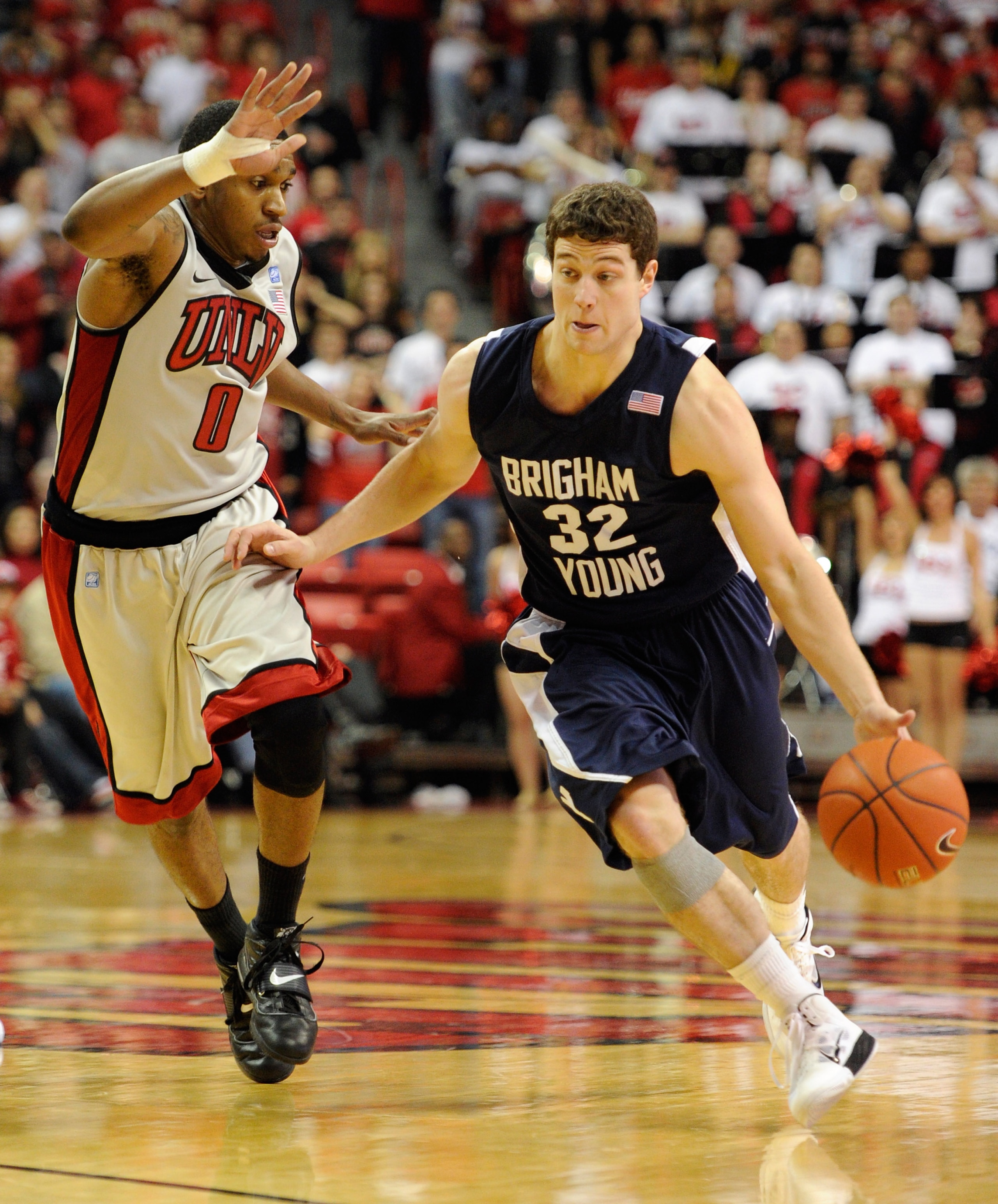

NBA Mock Draft: Is Jimmer Fredette a Legitimate No. 1 Prospect?
Much of where a player goes in the NBA Draft is dependent upon team needs. While there could be a stud point guard or can't miss power forward, a team, now matter how bad overall, that already has a building block at that position wouldn't be very inclined to take the top prospect.
For instance, it wouldn't make much sense for Washington to select Kyrie Irving this year after taking John Wall in the 2010 Draft. Going back even further, the Portland Trail Blazers passed on Michael Jordan in the 1984 Draft because they already had a tremendous shooting guard in Clyde Drexler.
The selection process is also about potential and projecting how the skills a player shows in college will translate to the NBA.
Just because an athlete is able to put up big numbers at the amateur level does not mean he's capable of doing the same in the pros, and it works the other way as well. Harrison Barnes is having a rough go of things at North Carolina right now, but few scouts doubt his talent and salivate over his potential upside.
So in response to the question posed in the title—is Jimmer Fredette a legitimate No. 1 prospect?—the answer is this: It depends.
It depends on what positional holes the teams at the top of the draft have and it depends on how he finishes the season. What if he bombs the rest of the way? Or what if he scores 40 a game in the NCAA Tournament and leads BYU to a National Championship?
Either scenario would significantly impact his draft status, but it also depends on what other players do. If Kemba Walker outplays Fredette the rest of the way, or even possibly in a head-to-head matchup during the tourney, wouldn't we have to rank the UConn star ahead of him?
Scouts and executives will always find negatives about a player, ranging from poor body language to how explosive of an athlete the guy is. Conventional wisdom would suggest that if someone produces at a high level in college they should be able to eventually do so at the next level, but it doesn't always work that way.
This leads to some misses by some teams and steals for others.
"OK, Ryan. This is all great, but I'm not reading this to listen to you opine on the inner mechanisms of the NBA Draft. I want to know whom my team will be picking in June."
So let's get to it. Here's a projection of the first round of the 2011 NBA Draft.
No. 1, Cleveland Cavaliers: Perry Jones, PF, Baylor
1 of 30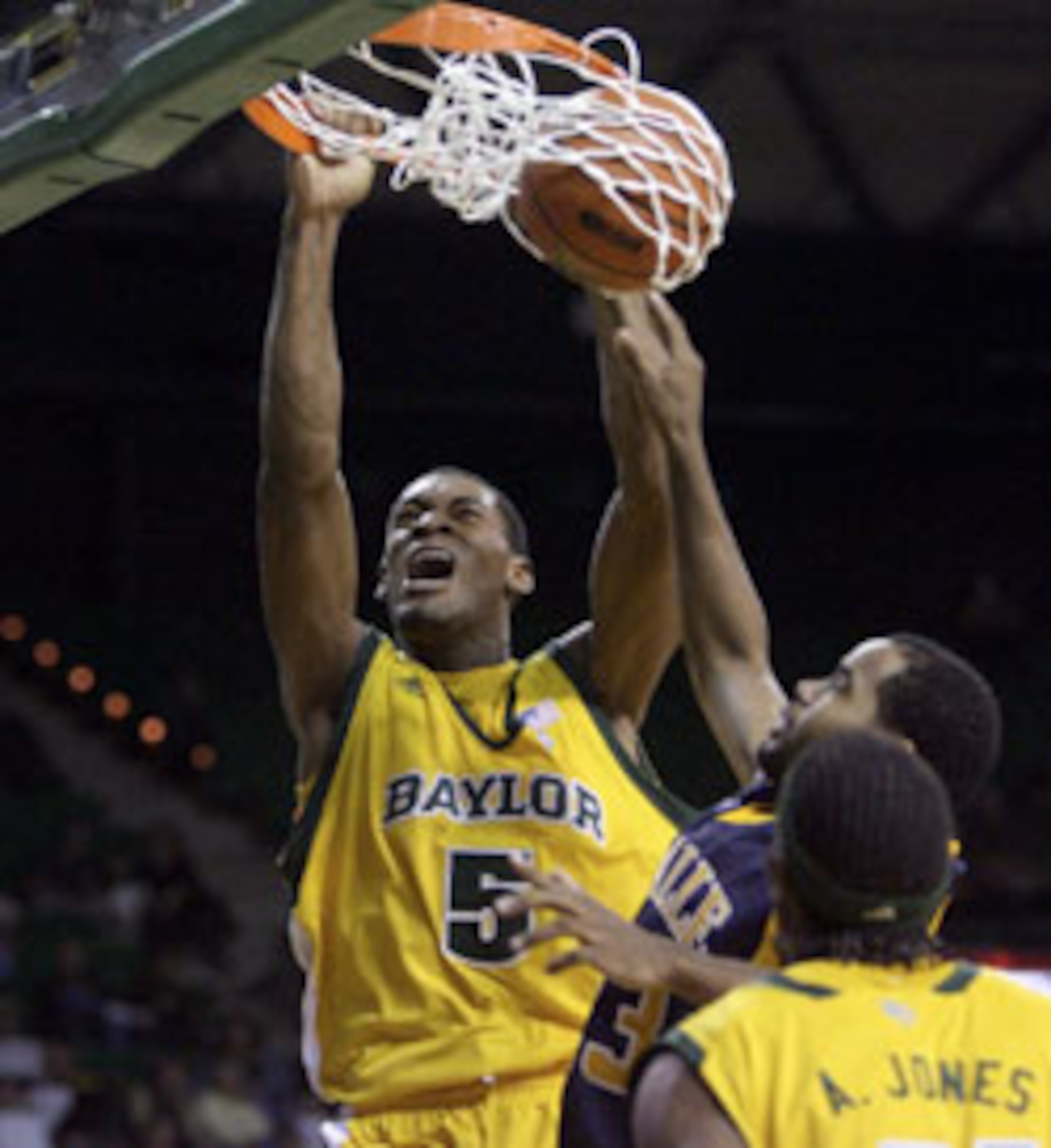
Jones has the most upside of anyone in the draft. For the Cavaliers, who are awful as awful can be, he's the type of player they need.
He can bring instant excitement to the Quicken Loans Arena and be the cornerstone of a team that will be in rebuilding mode for the foreseeable future.
They will need to be patient with him, though, as the biggest knock on him is that he lacks a killer instinct. Scouts seem to believe he will eventually develop one, but right now is deferring to the upperclassmen at Baylor.
The larger view is he still has too much potential for a team to pass on. He's simply too gifted, too good and his upside too great for anyone to let him slip past them.
No. 2, Minnesota Timberwolves: Kyrie Irving, PG, Duke
2 of 30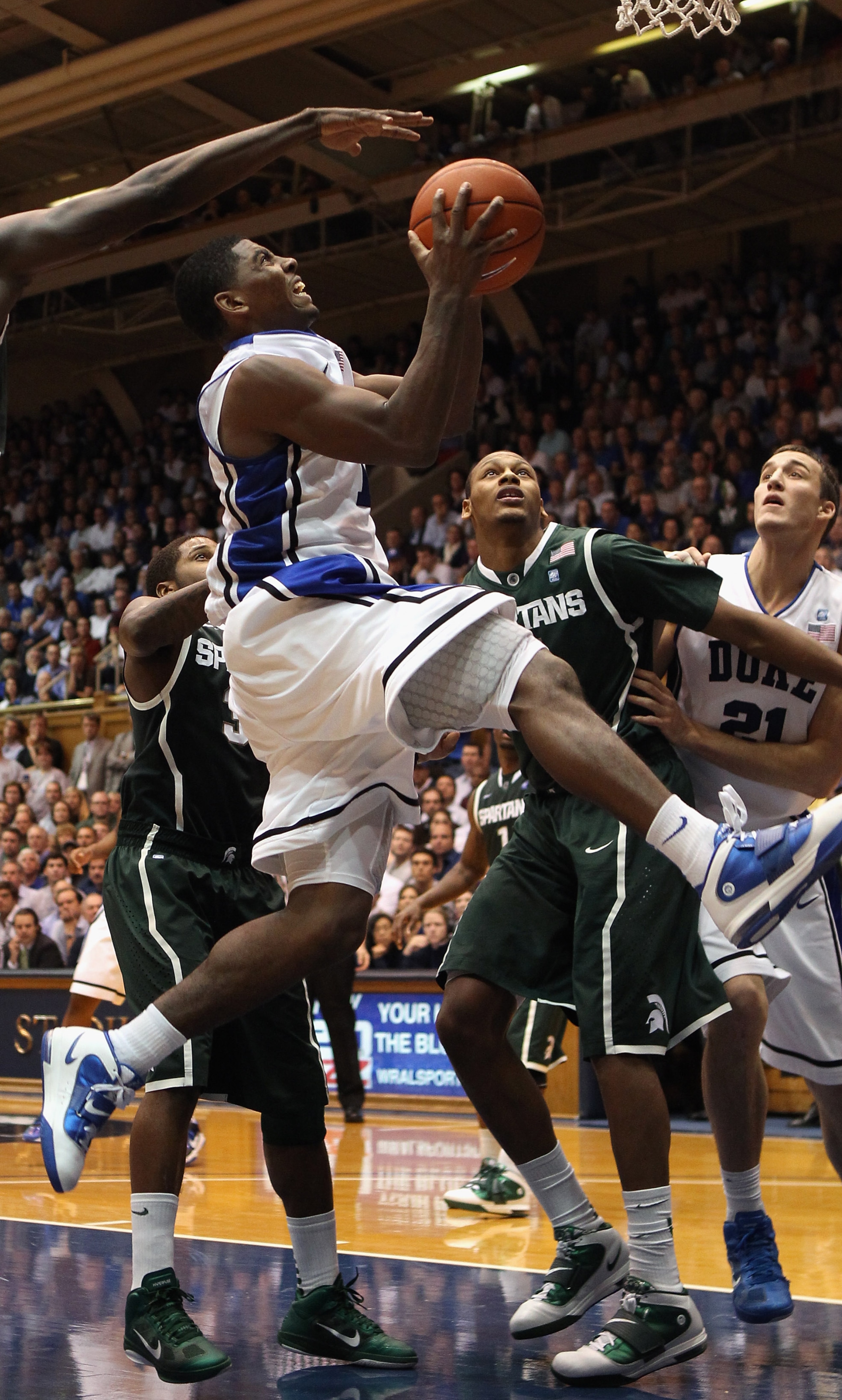
Minnesota is in a tough position due to the Ricky Rubio situation. They don't know if he'll ever play for them, despite owning his draft rights.
The biggest hole on the roster is point guard, however, so they would be wise to take the player with the most potential at that position: Duke's Kyrie Irving.
Irving's foot injury hasn't caused him to fall down draft boards at all. He's still viewed as a top-three talent, and the 'Wolves could still work things out even if Rubio decides to join the team.
In such a scenario, Minnesota could trade Irving, Rubio or Johnny Flynn—depending on whom they like the most and which would net them the greatest value in a deal.
And if Rubio never shows up in Minny, they'll still be set at point guard for years to come.
No. 3, Sacramento Kings: Enes Kanter, C, Turkey
3 of 30
The Kings are set at power forward and point guard with DeMarcus Cousins and Tyreke Evans.
Kanter was supposed to be playing for John Calipari at Kentucky this year (whom Evans and Cousins both played for) before he was found ineligible by the NCAA. Turns out you can't play professionally in another country then try to play college ball.
There are other needs on the roster, but they could potentially lose both their centers in the next two years and Kanter is the most highly-rated center in the upcoming draft.
He's tough, long and can stretch the floor. He would be another piece for an organization trying to bring itself back to respectability.


No. 4, Toronto Raptors: Jared Sullinger, PF, Ohio State
4 of 30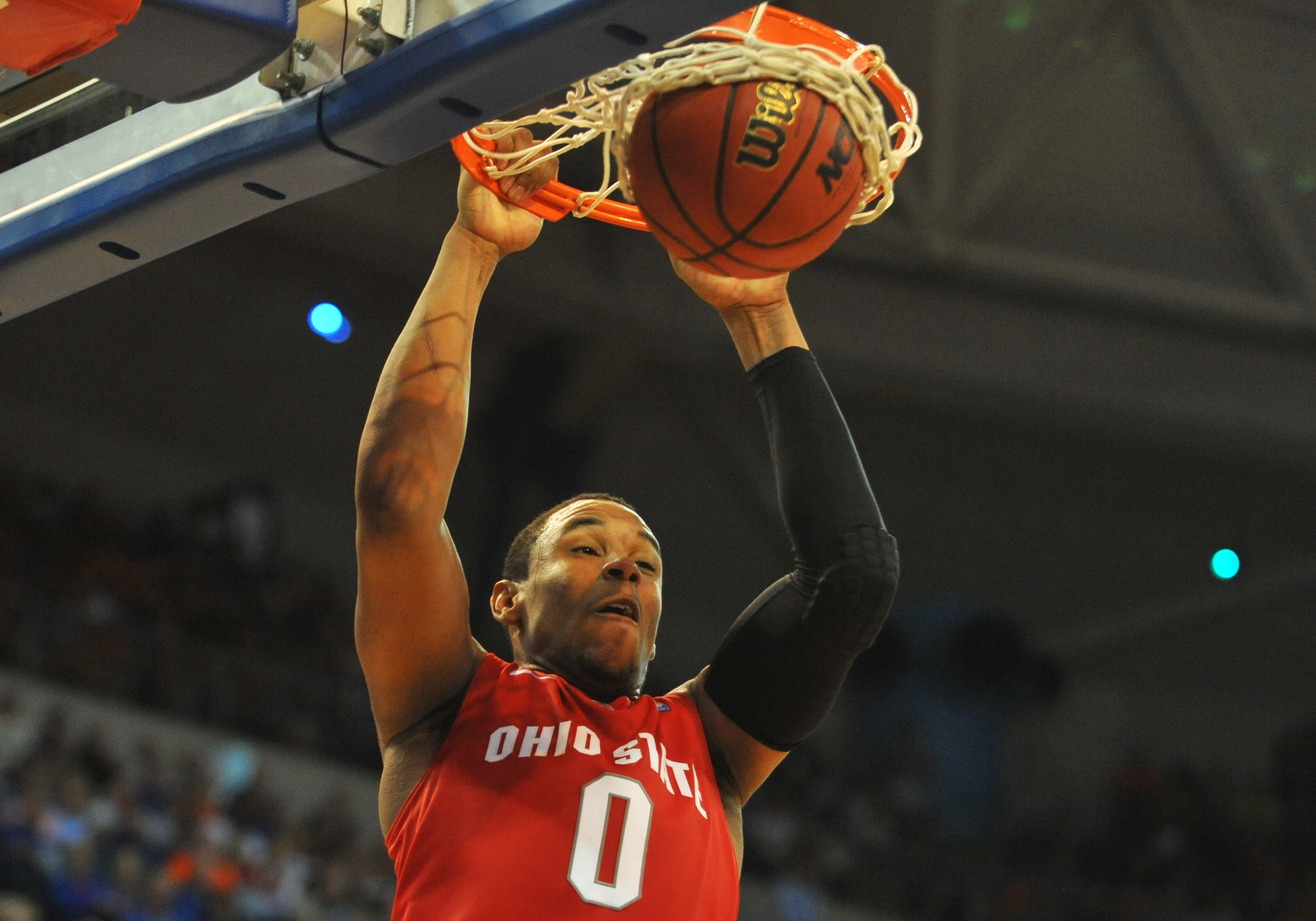
Toronto needs a power forward. After Perry Jones, Jared Sullinger is the best 4 in the country. Seems like a perfect fit.
Sullinger is not to be viewed as a LeBron James, franchise savior type player. He is seen as a guy who will be very good for a long time.
As a freshman with the Buckeyes, he's averaging 18 PPG and 9.9 RPG on 57 percent shooting. He's not an explosive athlete, but he knows how to get in good position in the post and can obviously score and rebound.
No. 5, Washington Wizards: Terrence Jones, SF, Kentucky
5 of 30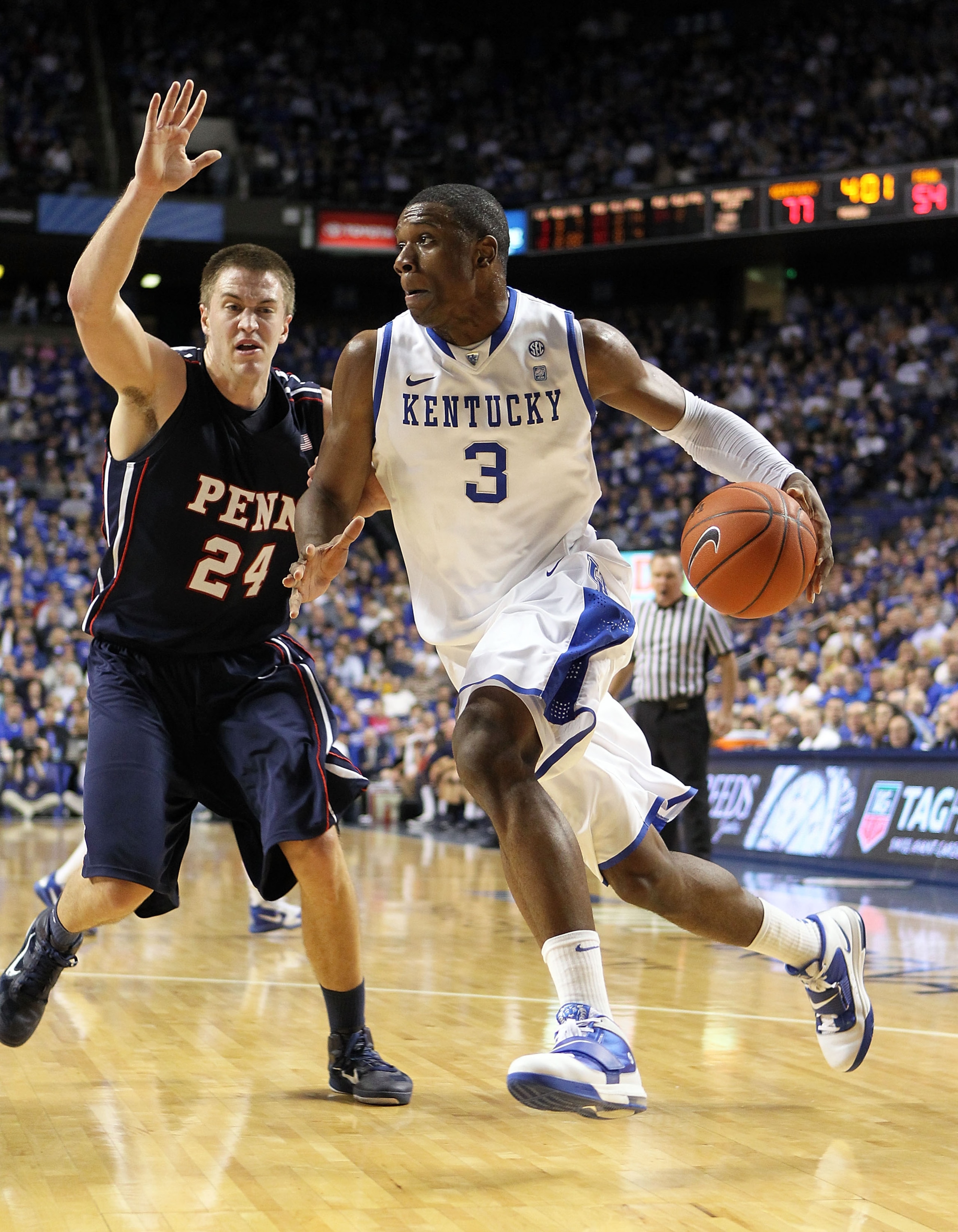
Jones is not performing at the level of fellow small forward Derrick Williams, but he's believed to have much more potential and is also dealing with way more pressure.
It's even possible this Jones will replace Perry Jones as the No. 1 pick if he can really turn it on for the rest of the season.
For right now, though, the freshman out of Kentucky is showing he can score (17.9 PPG), rebound (nine RPG) and deal well with the high profile that comes with playing there.
Washington will gladly take him with the fifth overall pick.
No. 6, New Jersey Nets: Derrick Williams, SF, Arizona
6 of 30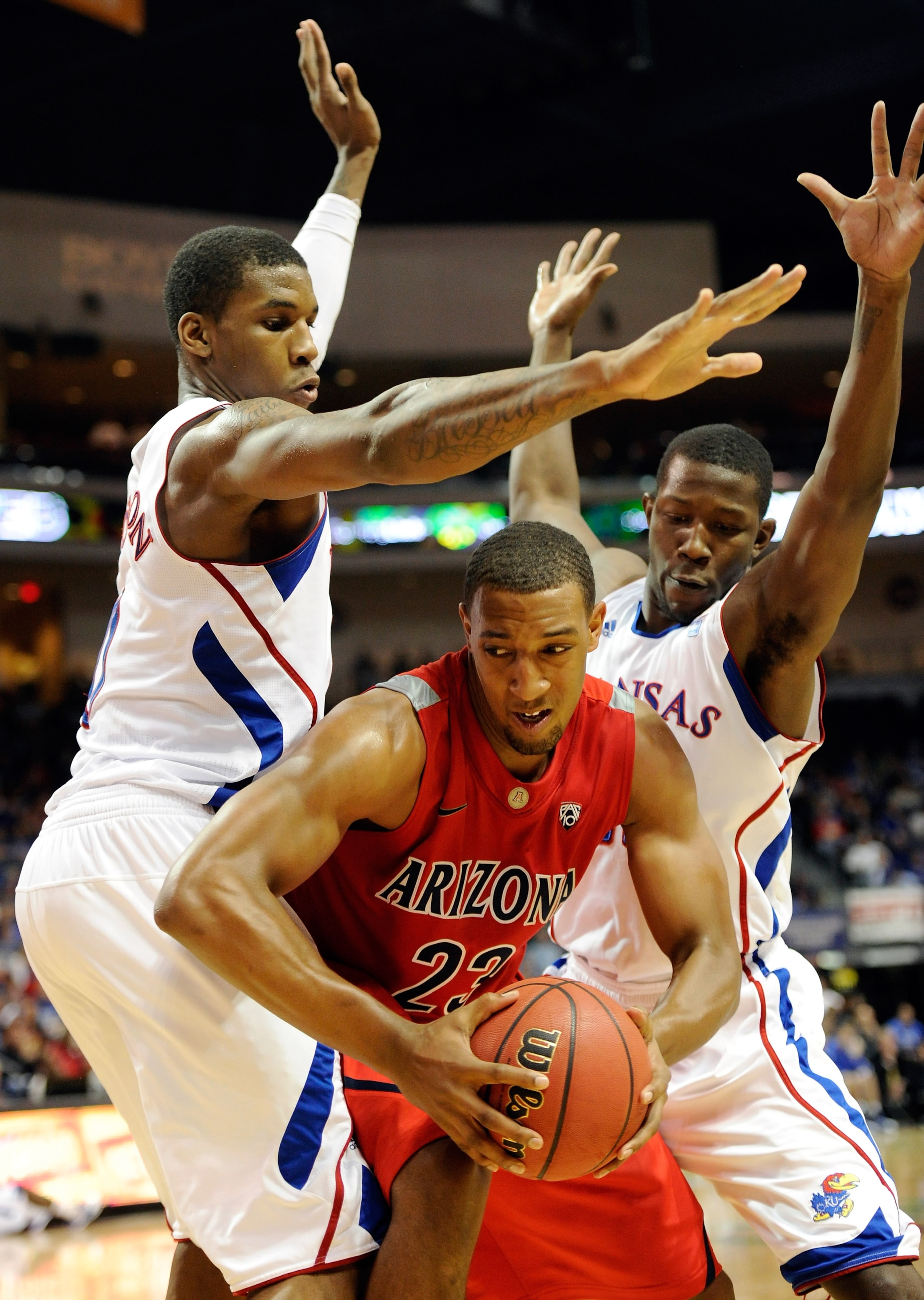
The nation's leader in player efficiency rating, Derrick Williams would fill the biggest hole on New Jersey's roster.
He's a good fit in that he hits a high percentage of his shots (64 percent from the field and 71 percent on threes). Brook Lopez is going to get the majority of the shots for the Nets. What they need is a supporting cast that can hit shots and score when needed, which Williams has shown the ability to do.
He's also athletic and enough of a playmaker to bail the team out on offense when needed.
No. 7, Detroit Pistons: Kemba Walker, PG, Connecticut
7 of 30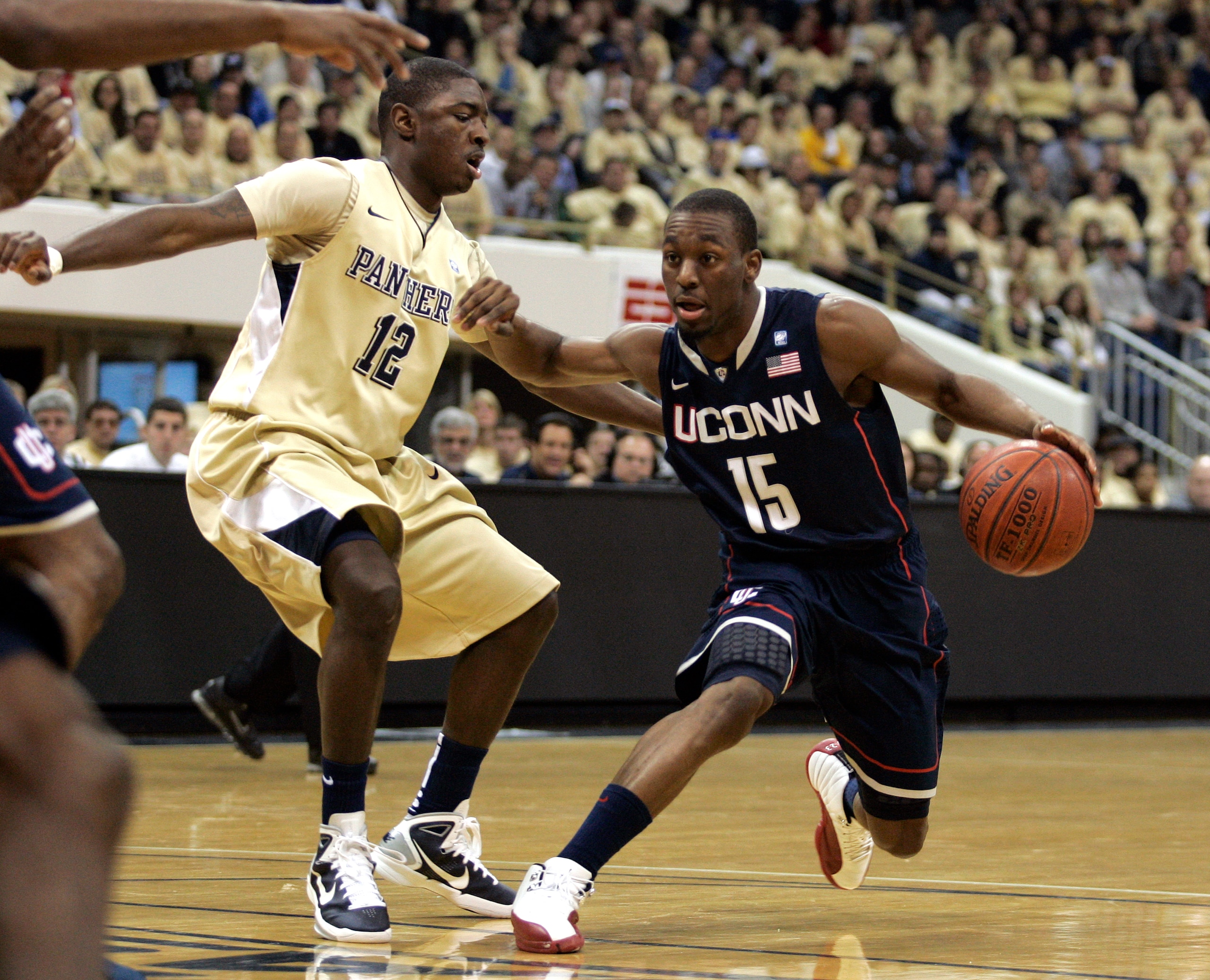
Anyone who has seen Kemba Walker play can tell you he does so with unbridled enthusiasm, and he's a terrific player to boot.
Detroit needs a point guard who can distribute. Rodney Stuckey plays more like a 2-guard, and Will Bynum is not the answer.
Walker is a scoring guard, but he's also able to pass and find his teammates. While his 4.3 APG is not a fantastic number, you need to remember that he's mostly playing alongside freshmen and has carried this team to its No. 7 ranking.
The junior would inject life into a franchise that has become stagnant.
No. 8, Indiana Pacers: Jimmer Fredette, PG, BYU
8 of 30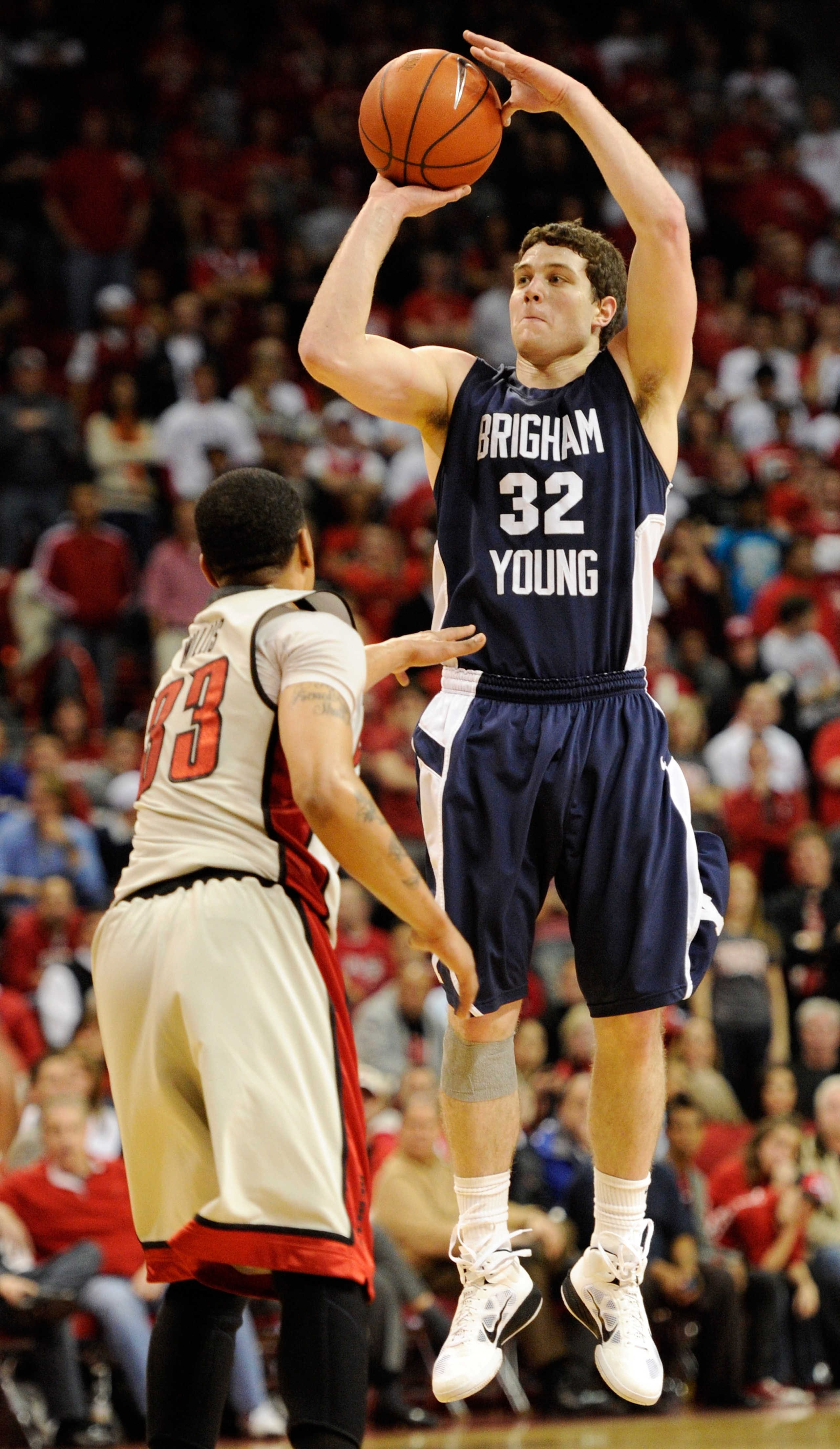
And there he goes.
So Fredette won't be the No. 1 pick, but he'll still go very high. He's been labeled as a slightly downgraded version of Stephen Curry, so why not assume he'll go one spot lower than Curry did?
While the Pacers don't have a great record, they are a team on the rise and have a number of positions locked down. Fredette would fill one of their main needs as a scoring guard.
To take it a step further and look at what Curry is doing in Golden State, Fredette and Darren Collison could run the show together and share ball-handling duties just like Curry does with Monta Ellis. It's certainly working for the two of them.
No. 9, Los Angeles Clippers: Harrison Barnes, SF, North Carolina
9 of 30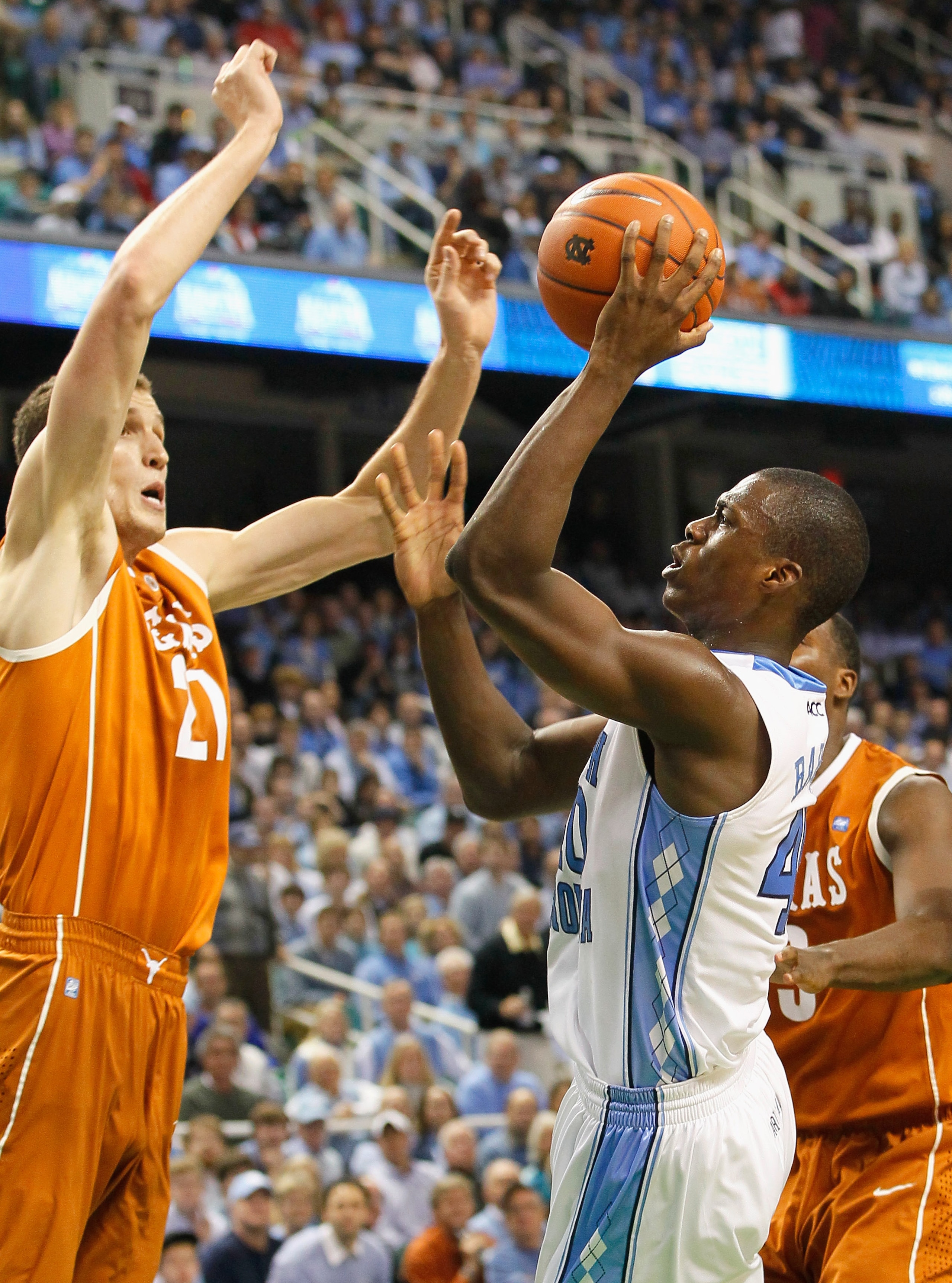
Barnes' difficulties at UNC could actually help him land in a good situation.
As crazy as it sounds, the Clippers have a good foundation in place and look to have a good deal of promise for the future.
Pressure would also be taken off of Barnes with this team, as he won't be looked at as the hero coming in to rescue the franchise. That title already belongs to Blake Griffin.
Playing alongside Griffin, DeAndre Jordan, Eric Gordon, Baron Davis and eventually Eric Bledsoe, Barnes could help bring the Clippers to a level they've never been at before.
Or he could fall apart like so many Clippers past. There's only one way to find out.
No. 10, Milwaukee Bucks: Jordan Hamilton, SF, Texas
10 of 30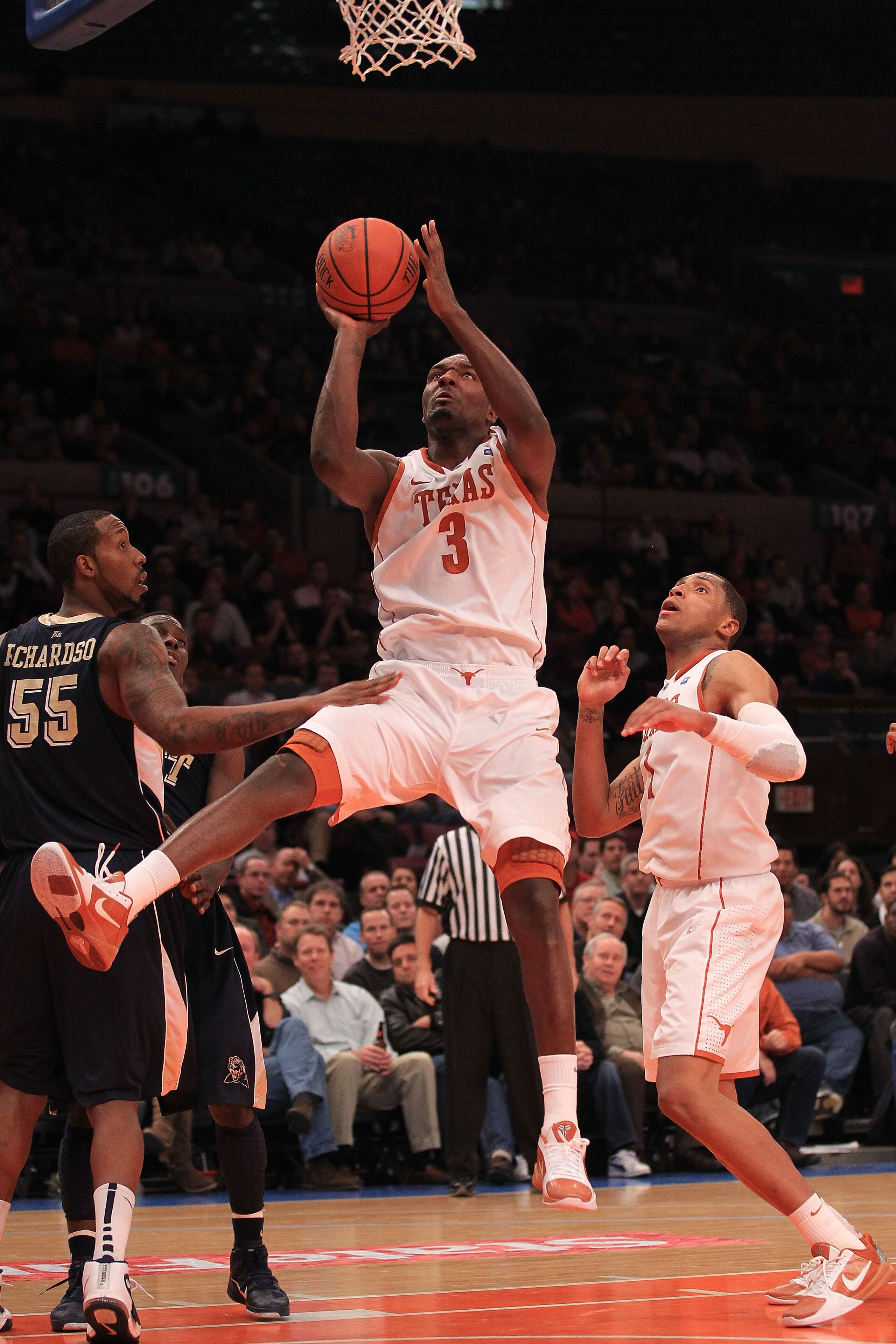
Small forward is not the only need for Milwaukee, but it could be their most pressing one and Jordan Hamilton will be the best player available at that position with the Bucks having the No. 10 pick.
He's improved in every area as a sophomore at Texas and, along with Brandon Jennings, would help Milwaukee push tempo.
No. 11, Golden State Warriors: Jonas Valanciunas, PF, Lithuania
11 of 30
Although the Warriors already have David Lee playing power forward, Valanciunas would be a good fit for them.
Lee played center in his time with the Knicks, and Golden State could toggle the two around the frountcourt depending on matchups and who's best where.
Andres Biedrins is only starting at center because of his defense. Valanciunas is also a tough defender who actually has an offensive game, making him a logical selection.
No. 12, Houston Rockets: Donatas Motiejunas, PF, Lithuania
12 of 30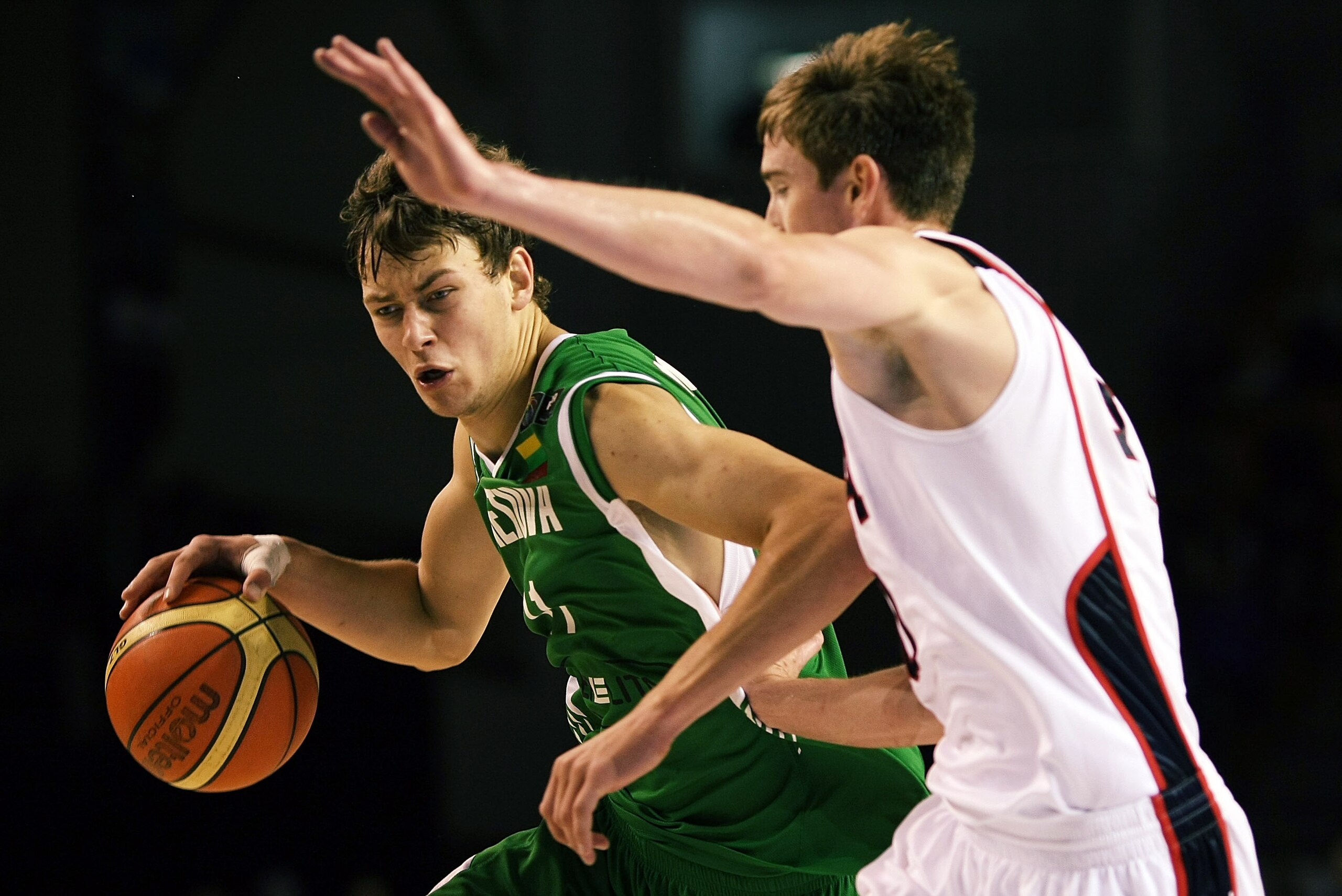
It's hard to say what exactly Houston will do because the Rockets are liable to have some pretty serious roster turnover in the coming years.
As they look to rebuild, the Rockets likely will go with the best player available. At this point in the draft, the 7'0" power forward from Lithuania is that guy.
Motiejunas is currently playing at a high level in the Euroleague, so he should be ready to contribute quickly. He's an athlete who is able to shoot, make pays off the dribble and find his teammates with passes.
Seems like a player who could help get the Rockets moving in the right direction.
No. 13, Phoenix Suns: Kawhi Leonard, SF, San Diego State
13 of 30
The Suns are not as competitive as they have been in recent years, but they do have some good players on their roster. The biggest needs are at the 2 and 3 spots, so they'll likely go after the top player at one of those positions with this pick.
Being that they have another selection in the first round, they'll be able to pick the highest rated player at one of these two positions, and that player is Kawhi Leonard, who ranks higher overall as a small forwards than any shooting guard.
Leornard is currently averaging 15.3 PPG and 10.3 RPG in his sophomore season. He is the type of athlete who would fit well in Phoenix's system.
No. 14, Memphis Grizzlies: Jan Vesely, PF, Czech Republic
14 of 30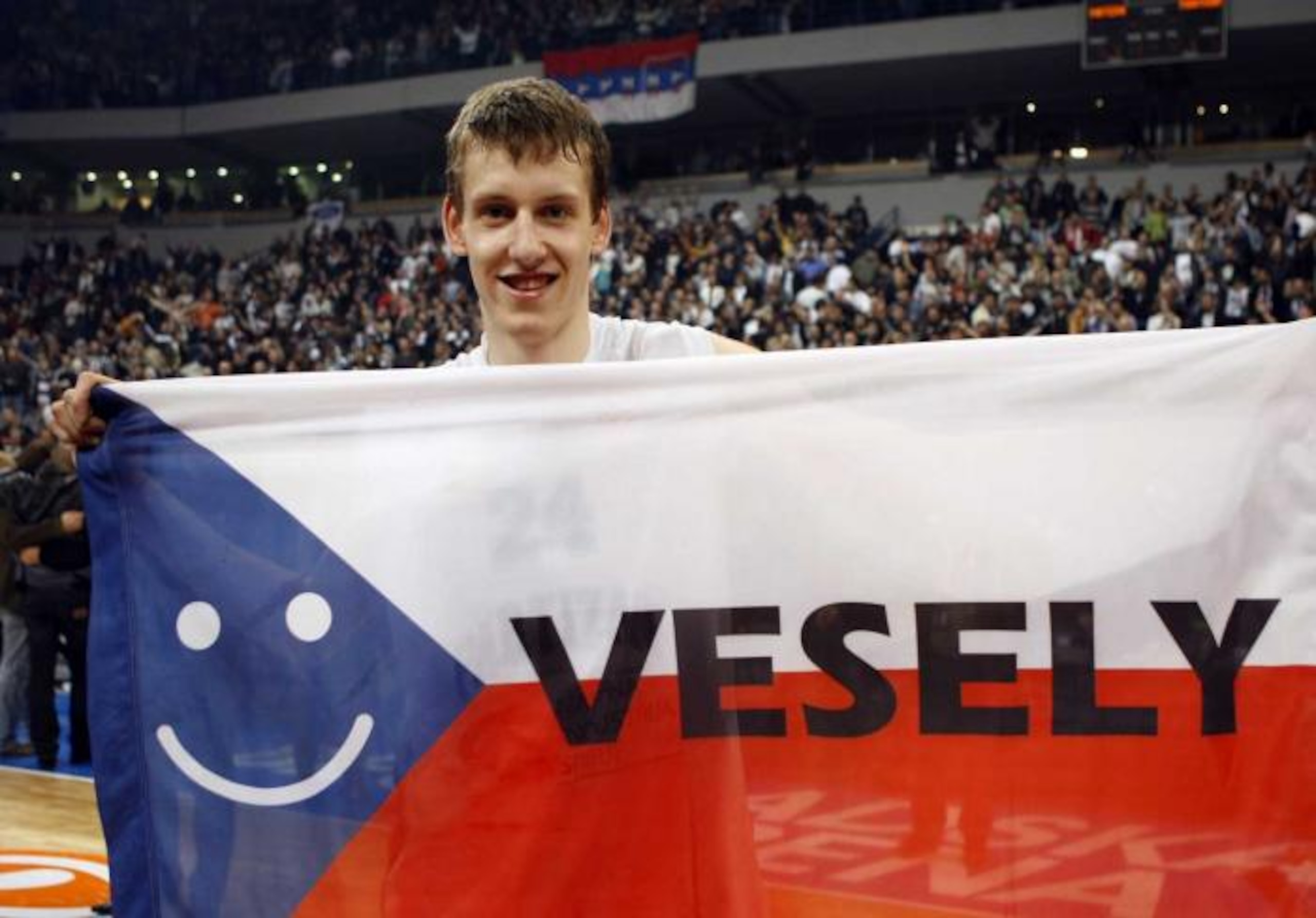
With the probability of Zach Randolph leaving the team, the Grizzlies have an opening at power forward.
Vesely is nowhere near the rebounder "Z-Bo" is, but he has more variety in his offensive game and, like Motiejunas, should be ready to play thanks to his professional experience in Europe.
No. 15, Charlotte Bobcats: John Henson, PF, North Carolina
15 of 30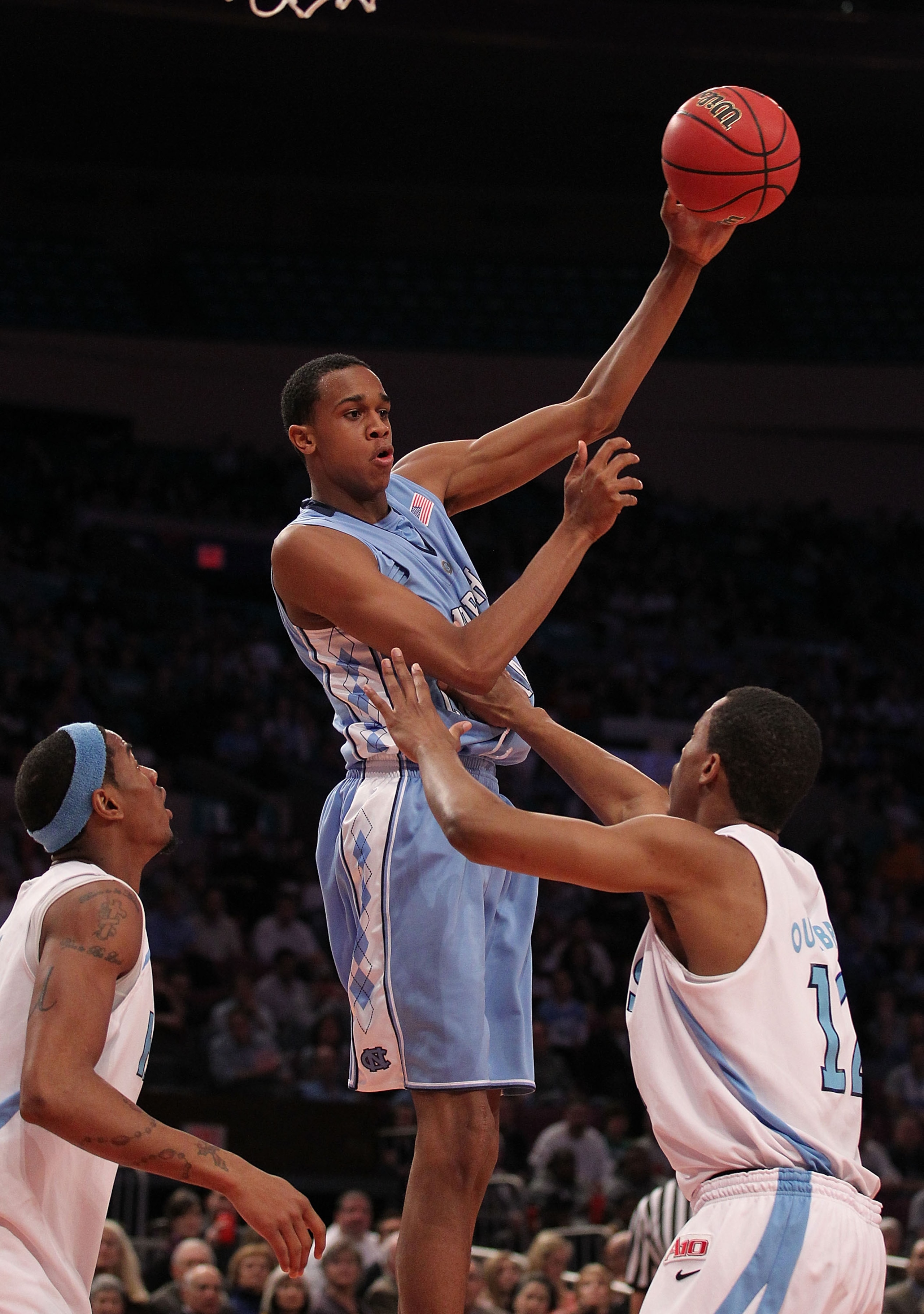
Even though he's not making a huge impact at UNC, many scouts still say John Henson is the best non-freshman in college basketball.
If that's true, Charlotte could have a steal on their hands.
Henson is only scoring 10.9 PPG, but he's bringing down 8.4 RPG and is shooting 54 percent from the field. He's also playing just 23.5 minutes per game, so his chances to put his stamp on the action are not great.
And of course, we can't look past the North Carolina connection with Michael Jordan running the show for the Bobcats.
No. 16, Philadelphia 76ers: Mason Plumlee, PF, Duke
16 of 30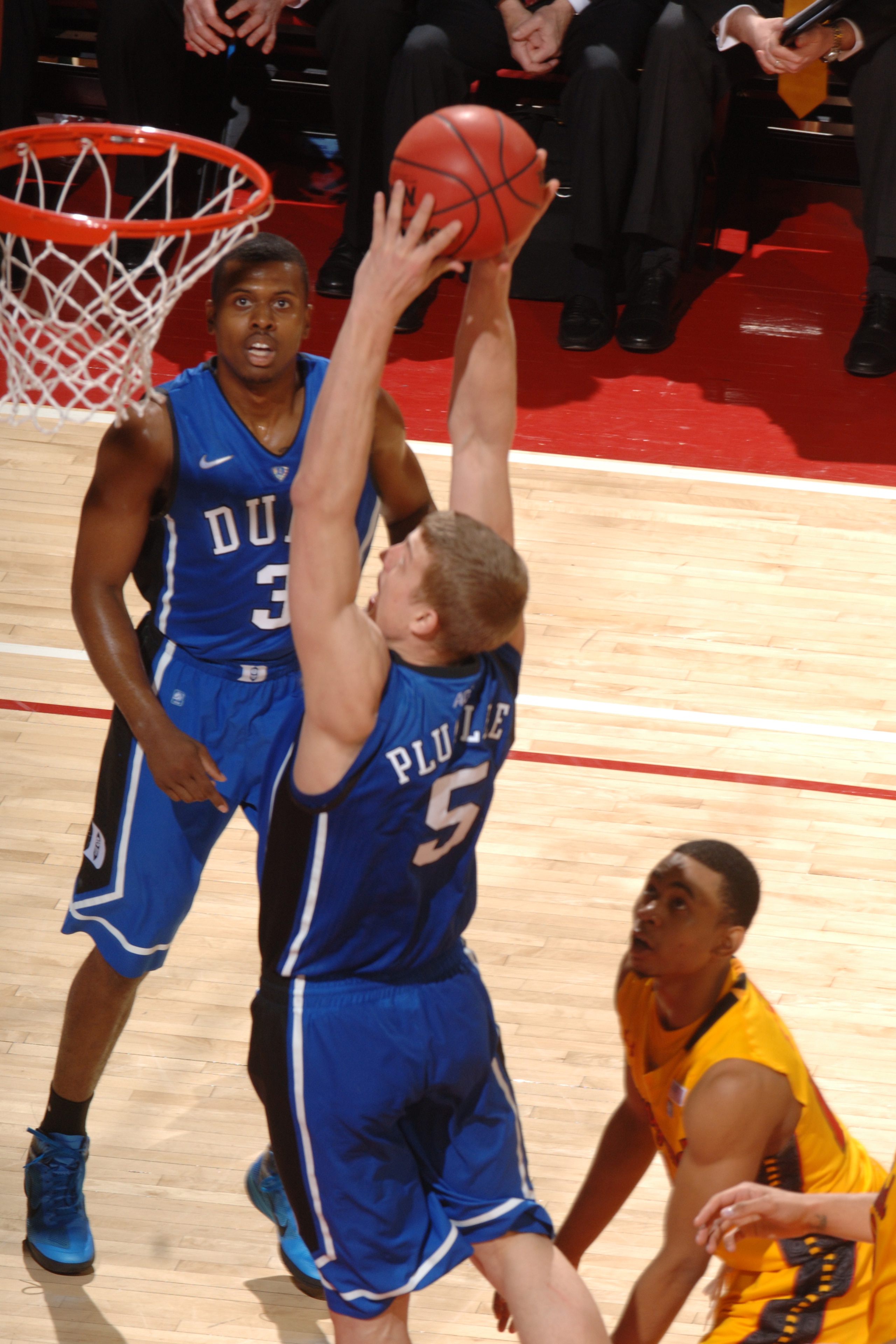
Plumlee isn't seeing a ton of minutes at Duke. He's still very highly rated, though, and should be a good player at the next level.
With Elton Brand under contract through the 2011-12 season, Doug Collins and the Sixers would be able to let Plumlee play in a limited role off the bench where he can learn the game and watch a fellow Blue Devil do his thing.
When it comes time to let Brand walk, Plumlee should be ready to contribute on a team that is getting better every day.
No. 17, New York Knicks: Chris Singleton, SF, Florida State
17 of 30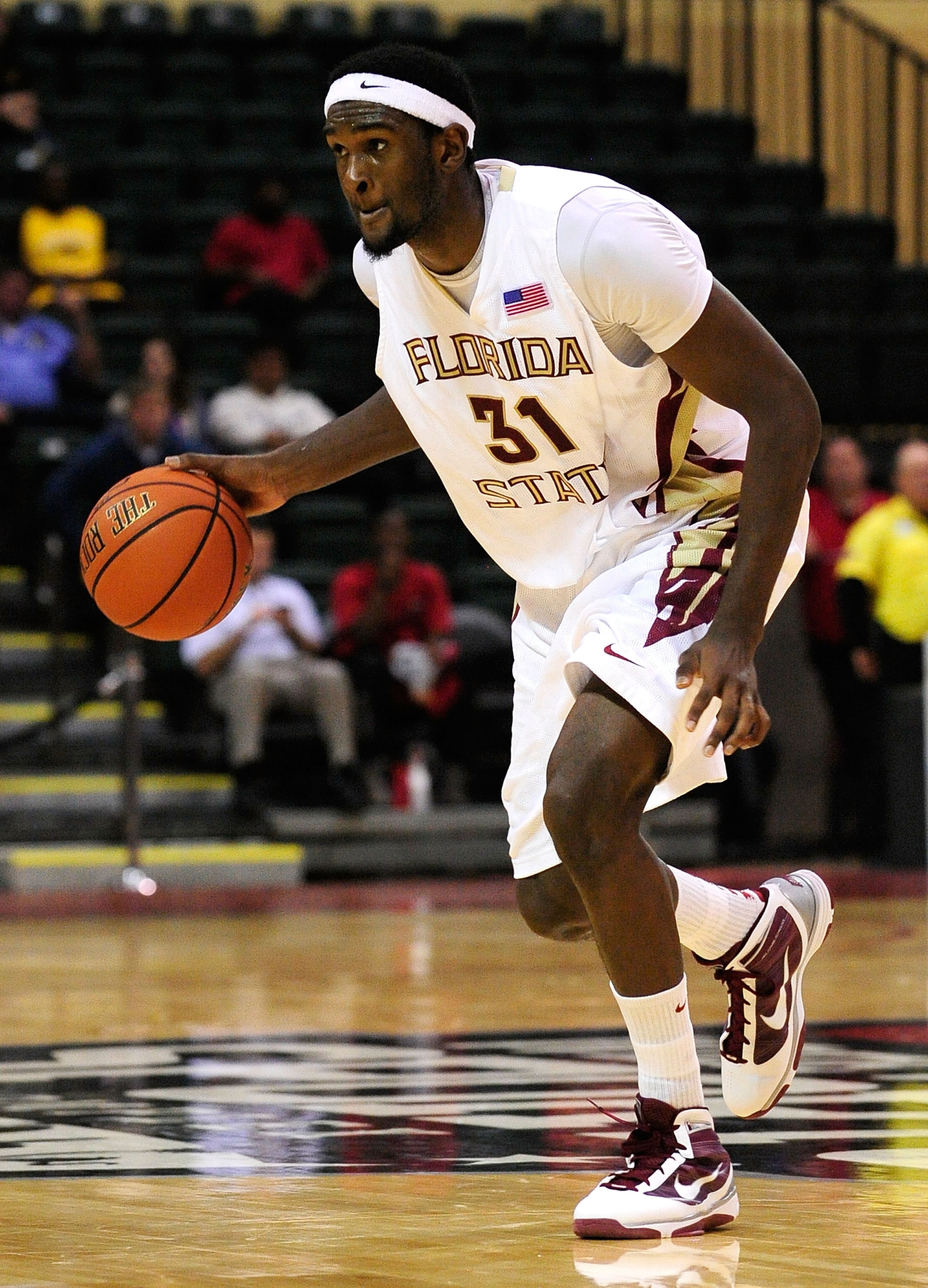
What's the biggest cause for concern with the Knicks? Their defense, right? So here is a a player who can immediately help them in that department.
Chris Singleton is the best defender in college basketball. He's already shown a willingness to forgo the glory of scoring and focus on defense for the betterment of the team, and he's able to guard on the perimeter as well as bigger guys in the post.
With all the scorers on the Knicks, that makes him a good fit because he won't feel like he has to get his.
As New York tries to get the franchise back to a championship level, Singleton could go a long way in bolstering the area of the team that needs the most help.
No. 18, Portland Trail Blazers: Josh Selby, PG, Kansas
18 of 30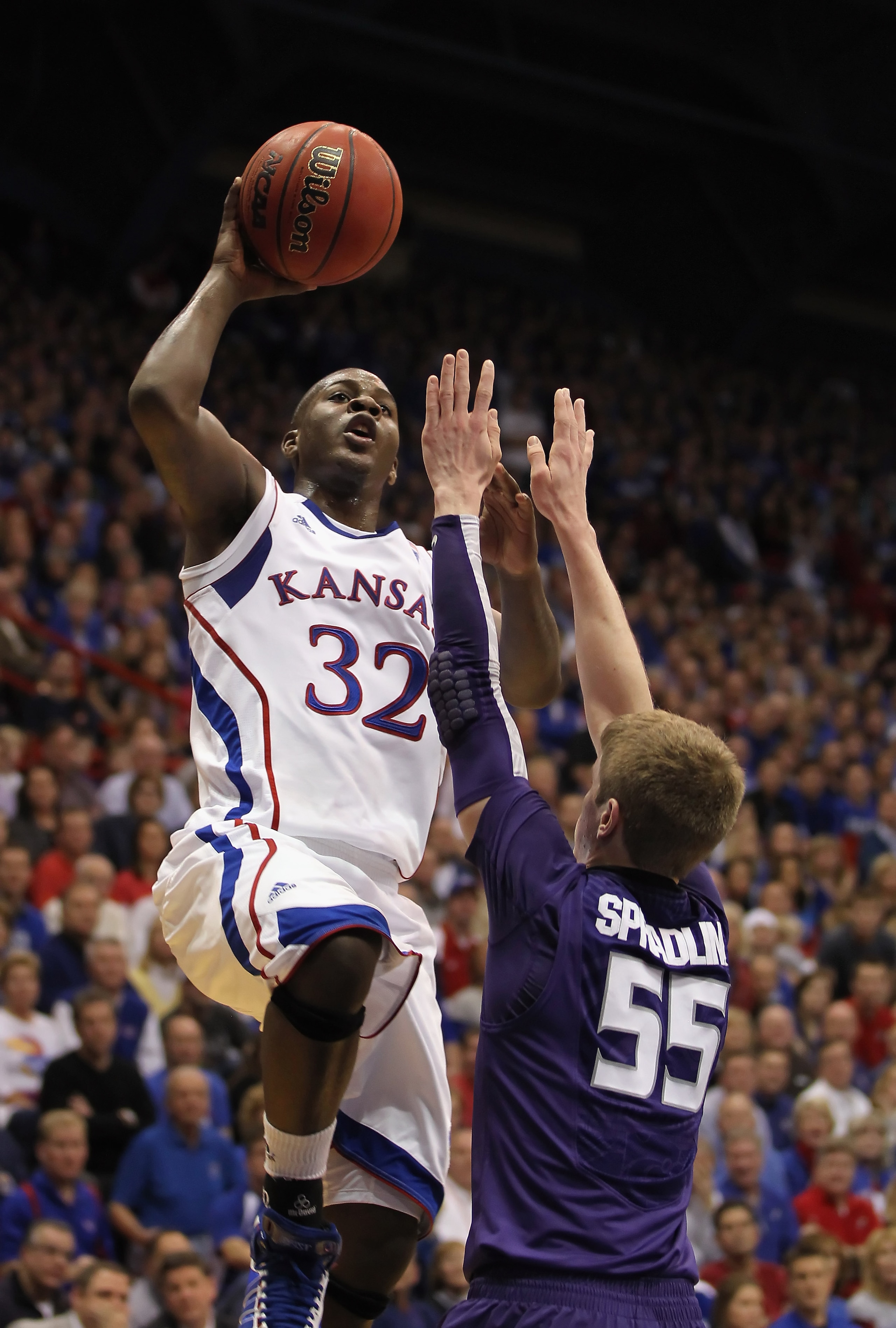
With Andre Miller nearing the end of his career, Portland needs to start seriously thinking about the future at point guard.
Selby has had some difficulties in college, although some believe this is a result of him adjusting to Kansas' system and is not an indication of his overall ability.
Like Kansas, Portland is not a fast-break team, so the experience could ultimately serve Selby well. In Portland, he'd have the opportunity to learn behind Miller for a year before stepping in and taking over at the point.
No. 19, Denver Nuggets: Marcus Morris, PF, Kansas
19 of 30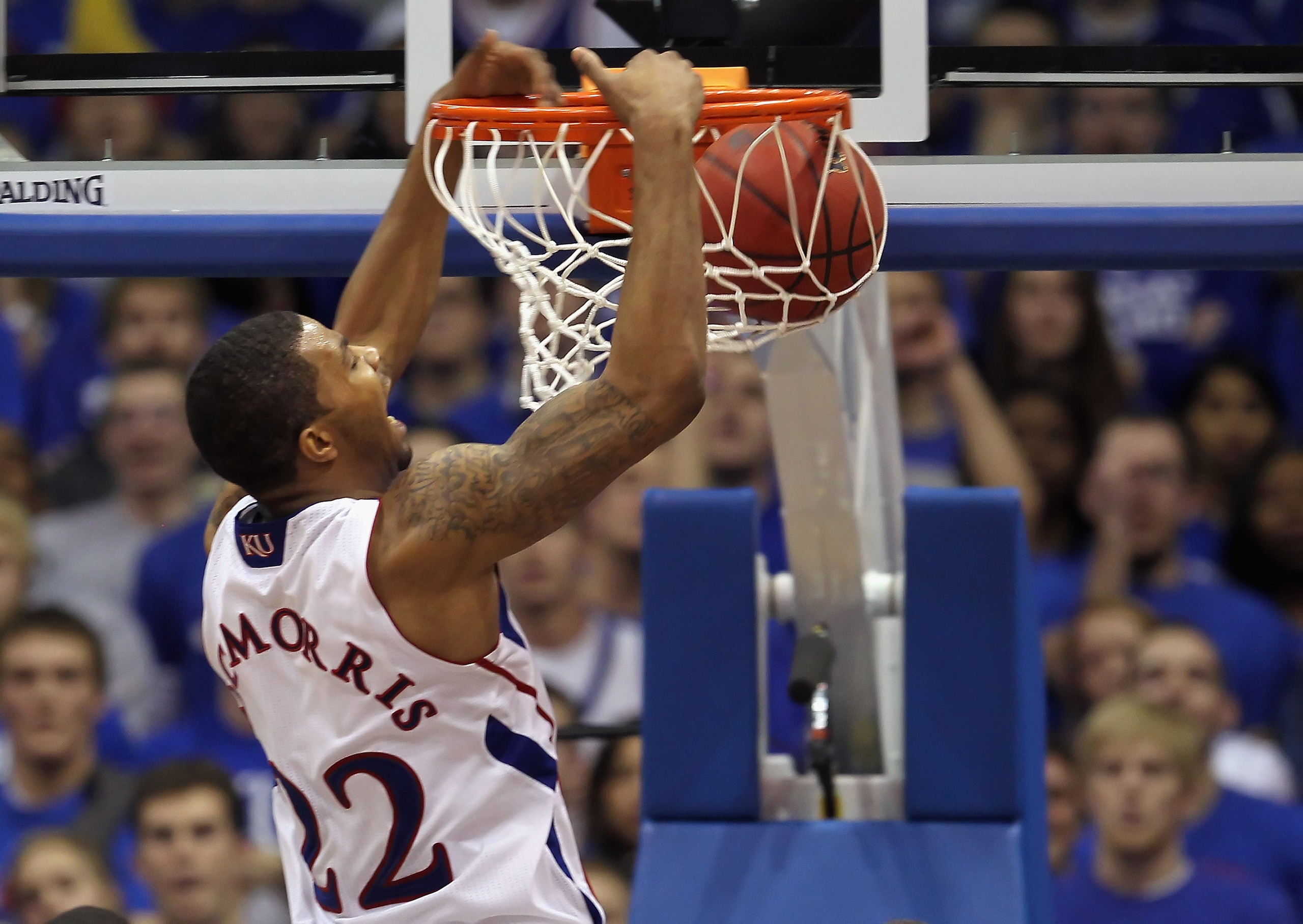
Denver could be in an incredibly tough spot over the summer with over 70 percent of its roster set to hit the open market.
It's why the Nuggets should try to move Carmelo Anthony now instead of running the risk of him walking away for nothing.
Picking in this position, the Nuggets would need to go after the best player available, which, at this point, is Marcus Morris out of Kansas.
Morris is scoring 16.7 PPG while shooting 60 percent from the field as a junior. He plays hard and is versatile, but he'll need to be ready for some potentially dark days ahead in Denver.
No. 20, Minnesota Timberwolves (from Utah): Klay Thompson, SG, Washington State
20 of 30
The reason for having Thompson here is simple: the Jazz need a shooting guard and he'll be the best available.
He can stretch the floor and is a smart team player. In his junior year, he is averaging 22.3 PPG and shooting 43 percent on threes.
He's also improved significantly each year he's been in college, showing the work ethic necessary to survive in the NBA.
No. 21, Atlanta Hawks: Alec Burks, SG, Colorado
21 of 30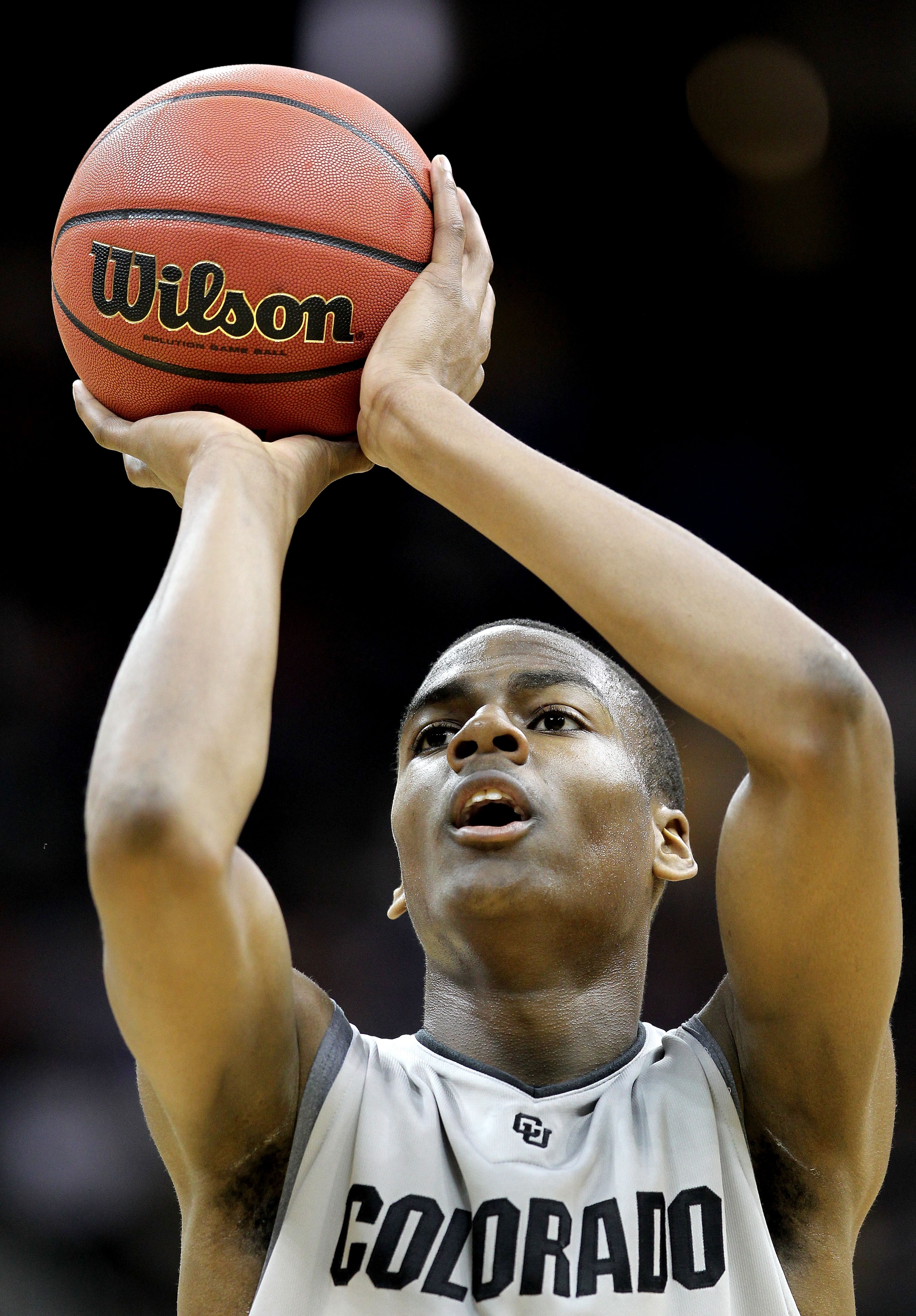
The Hawks will be in danger of losing Sixth Man of the Year Jamal Crawford to free agency, opening up a spot for a scorer off the bench.
Burks has taken a step back in his shooting percentage this year, which should cause him to slip some in the draft. As it goes, that can often be better for players like Burks because they end up on better teams.
Having a similar build to Crawford, Burks could fill the void should Crawford leave the team.
Being able to score in multiple ways often translates to the NBA. Once Burks adjusts to the increased difficulty, he should continue to put the ball in the basket.
No. 22, Phoenix Suns (from Orlando): Nolan Smith, SG, Duke
22 of 30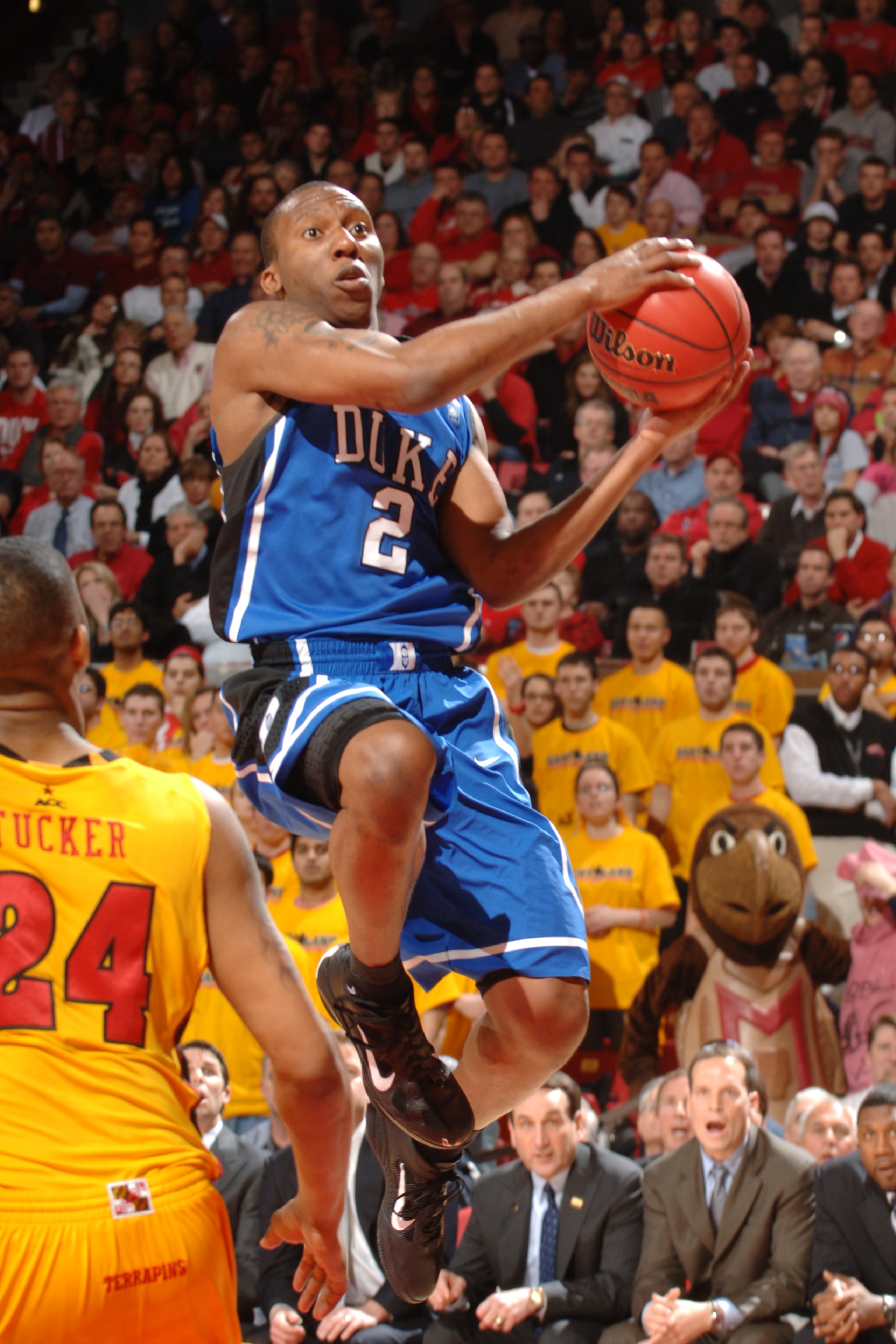
As mentioned earlier, the Suns have two first-round picks with two holes to fill on the roster.
Having taken care of the small forward spot, they can now set their sights on shooting guard, where Nolan Smith will be available.
Having played four years at Duke, Smith should have a good grasp on the game and be ready to play. He's also increased his value by playing point guard with Kyrie Irving out.
Phoenix could choose to use Smith alongside Goran Dragic to create quite a troublesome backcourt once Steve Nash's time is up.
No. 23, Oklahoma City Thunder: Kenneth Faried, PF, Morehead State
23 of 30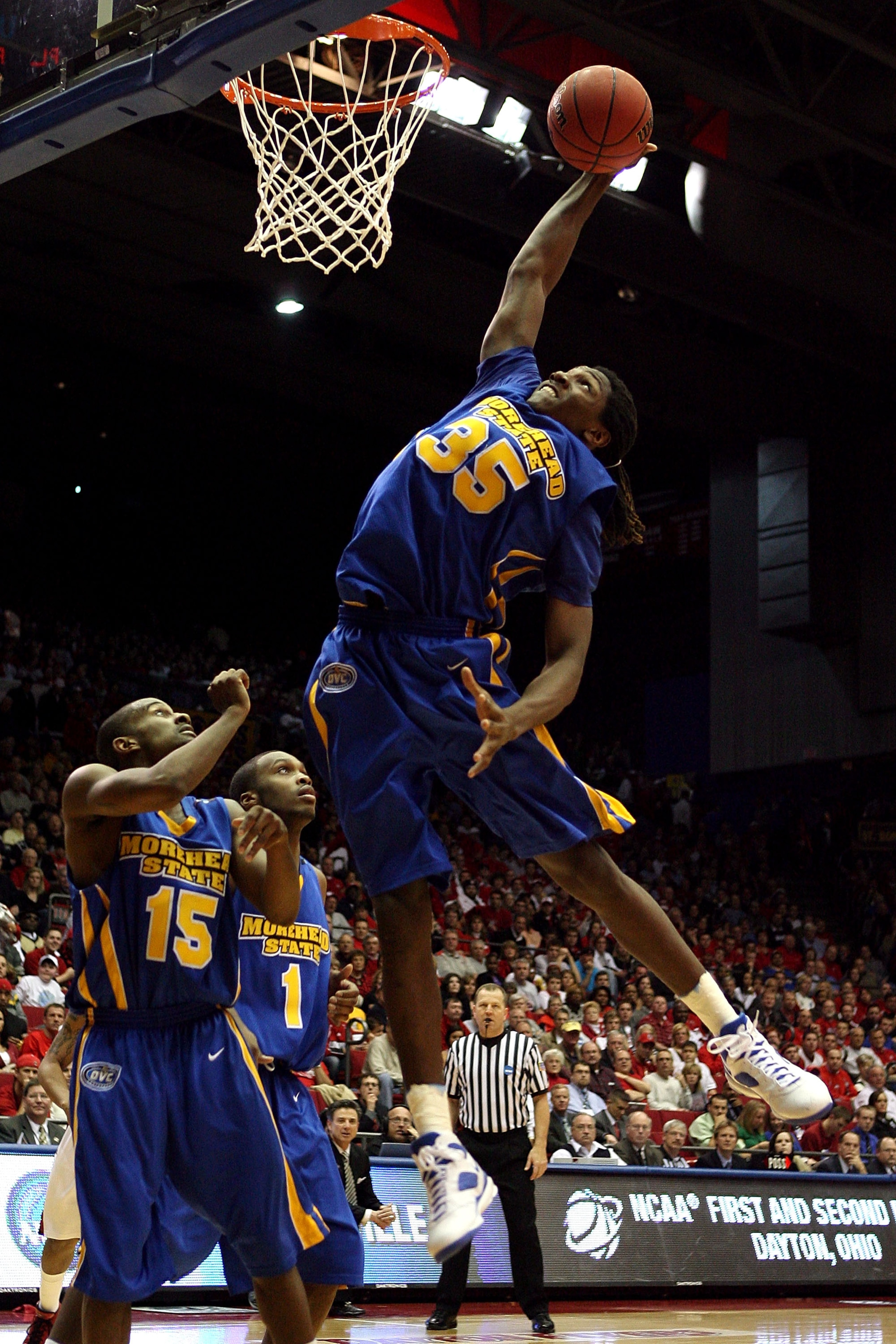
Oklahoma City is statistically a good rebounding team, but no one on the roster is averaging 10 a game, and the leader, Serge Ibaka, totals just 6.7 RPG. This indicates that, despite the good numbers, something is amiss.
Kenneth Faried is, quite possibly, the best rebounder in college basketball. He's averaging 14.3 RPG and has become a highly efficient offensive player—good for being on a team with Kevin Durant and Russell Westbrook.
Faried would be another piece for a Thunder team that is poised to contend for a championship for a long time.
No. 24, Portland Trail Blazers (from New Orleans): Lucas Nogueira, C, Brazil
24 of 30
Portland is set to lose both its current centers in the next two seasons, and no one knows what will become of Greg Oden.
Nogueira is similar in both build and skill set to Marcus Camby, who could teach him a few things while the Brazilian absorbs the game as a rookie.
He is raw offensively, but blocks shots, is very athletic and rebounds well. The Blazers just need to find a way to keep their guys healthy once they pick them.
No. 25, Dallas Mavericks: Trey Thompkins, PF, Georgia
25 of 30
Dallas is another team with the potential for massive roster turnover in the upcoming years. With that being the case, the Mavs would be best suited to grab the best player available in hopes he will become a building block for the future.
Thompkins fits that description at No. 25. He isn't an exceptional athlete, but is able to score from anywhere on the floor, has a good handle on the ball and plays defense.
He'd likely start out behind Dirk Nowitzki, where he could learn some things while seeing time off the bench. Best case scenario would be that he'd be the eventual successor to Nowitzki.
No. 26, New Jersey Nets (from LA Lakers): Chris Singleton, SF, Florida State
26 of 30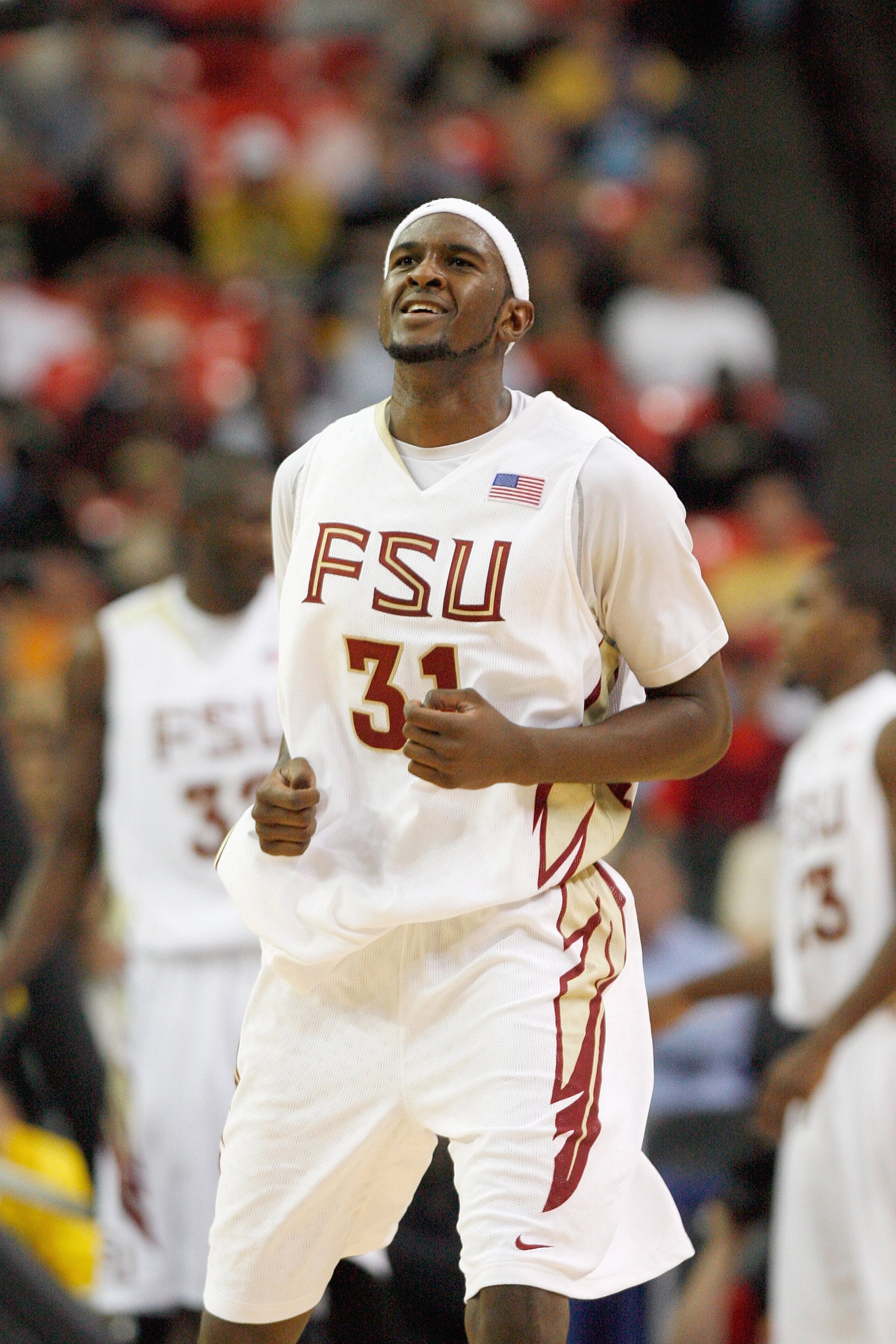
Singleton is largely viewed as the best defensive player at the college level. He can guard on the perimeter and is equally adept at defending larger players in the post.
He'd fit in with what Avery Johnson is trying to do in New Jersey, which is to get team-first, unselfish players who have a desire to play defense.
Being that Singleton has already shown the willingness to defend and forgo the glory of scoring, Johnson would love to have him.
No. 27, Chicago Bulls: Travis Leslie, SG, Georgia
27 of 30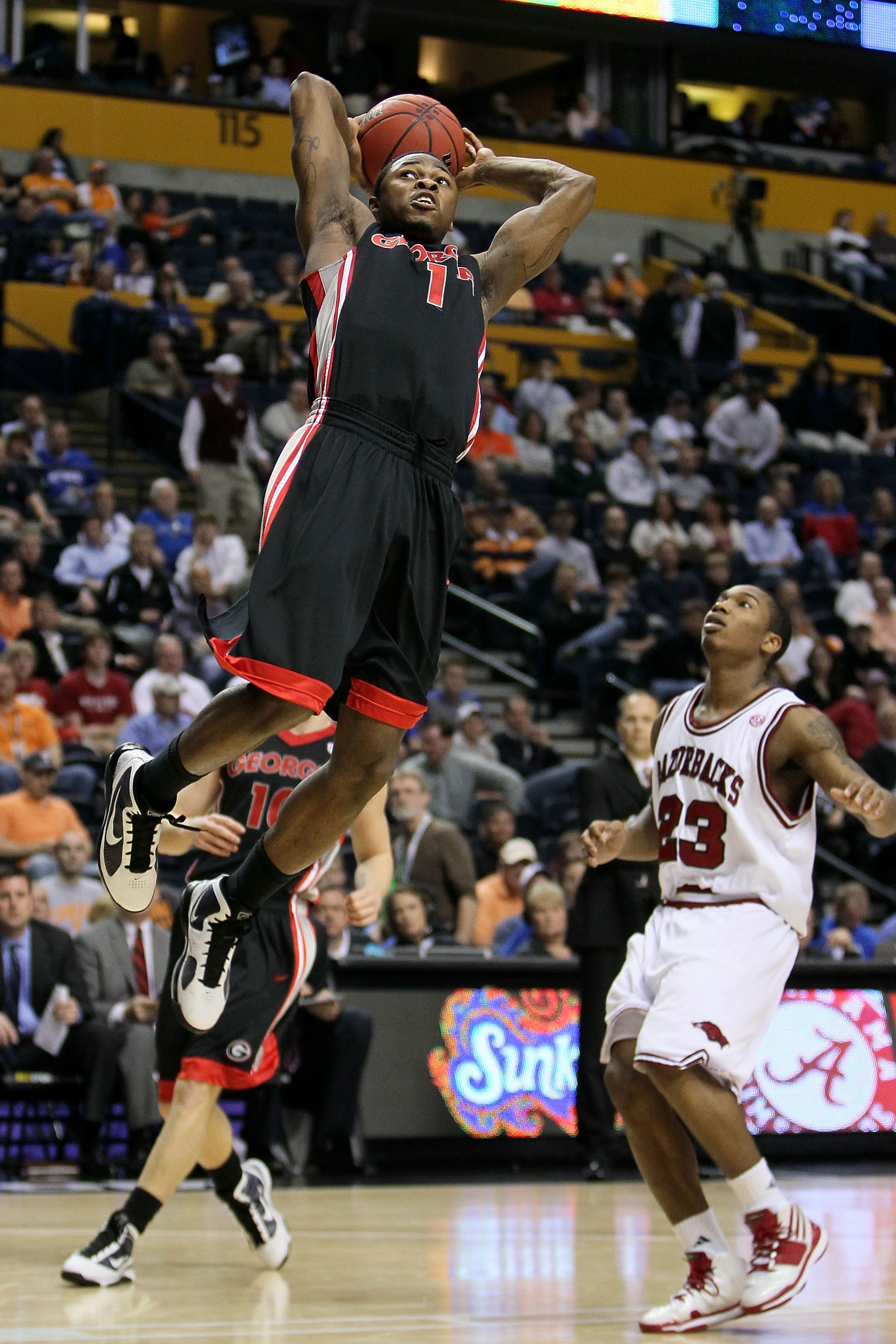
Leslie can score and has improved his overall game each year he's been in college. He would also fill the biggest hole on Chicago's roster.
Scouts maintain that a player with his skills should be starting in the NBA, provided they have the proper appetite for work, and Leslie has that trait.
He's currently averaging 14.5 PPG while shooting 51 percent from the field. Given his athletic ability, he and Derrick Rose could be filling up the highlight reels on a nightly basis for the Bulls.
No. 28, Toronto Raptors (from Miami): C.J. Leslie, SF, North Carolina State
28 of 30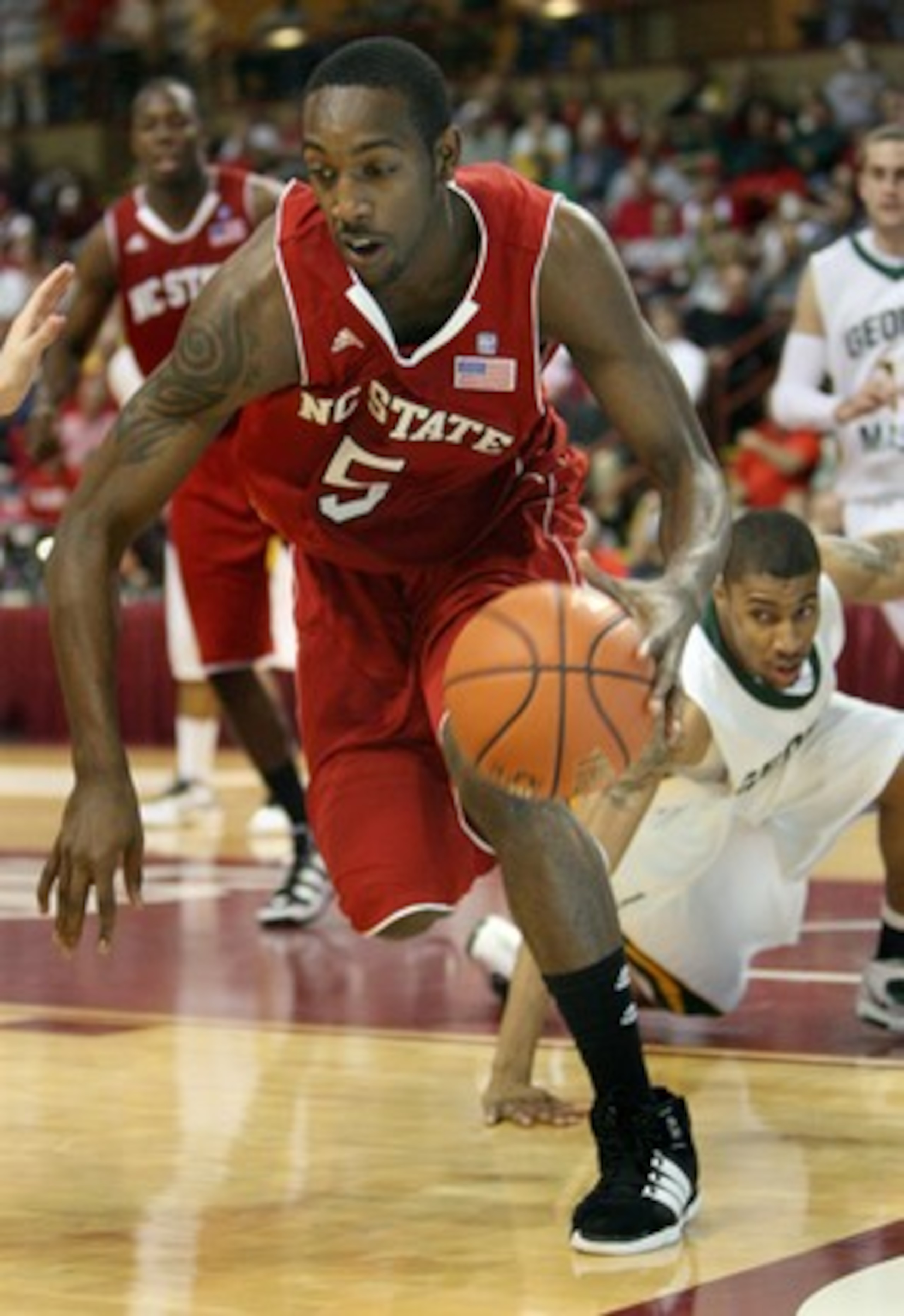
We've got Leslies going back to back.
Leslie is having a rough go of things as a freshman. He's shooting 43 percent from the field while scoring 10.4 PPG.
Scouts still hold firm in believing he has all the tools to be a star and will be playing at the next level. He fills a positional need for Toronto and, if he pans out, could be a tremendous value pick at this spot.
No. 29, Boston Celtics: Tristan Thompson, PF, Texas
29 of 30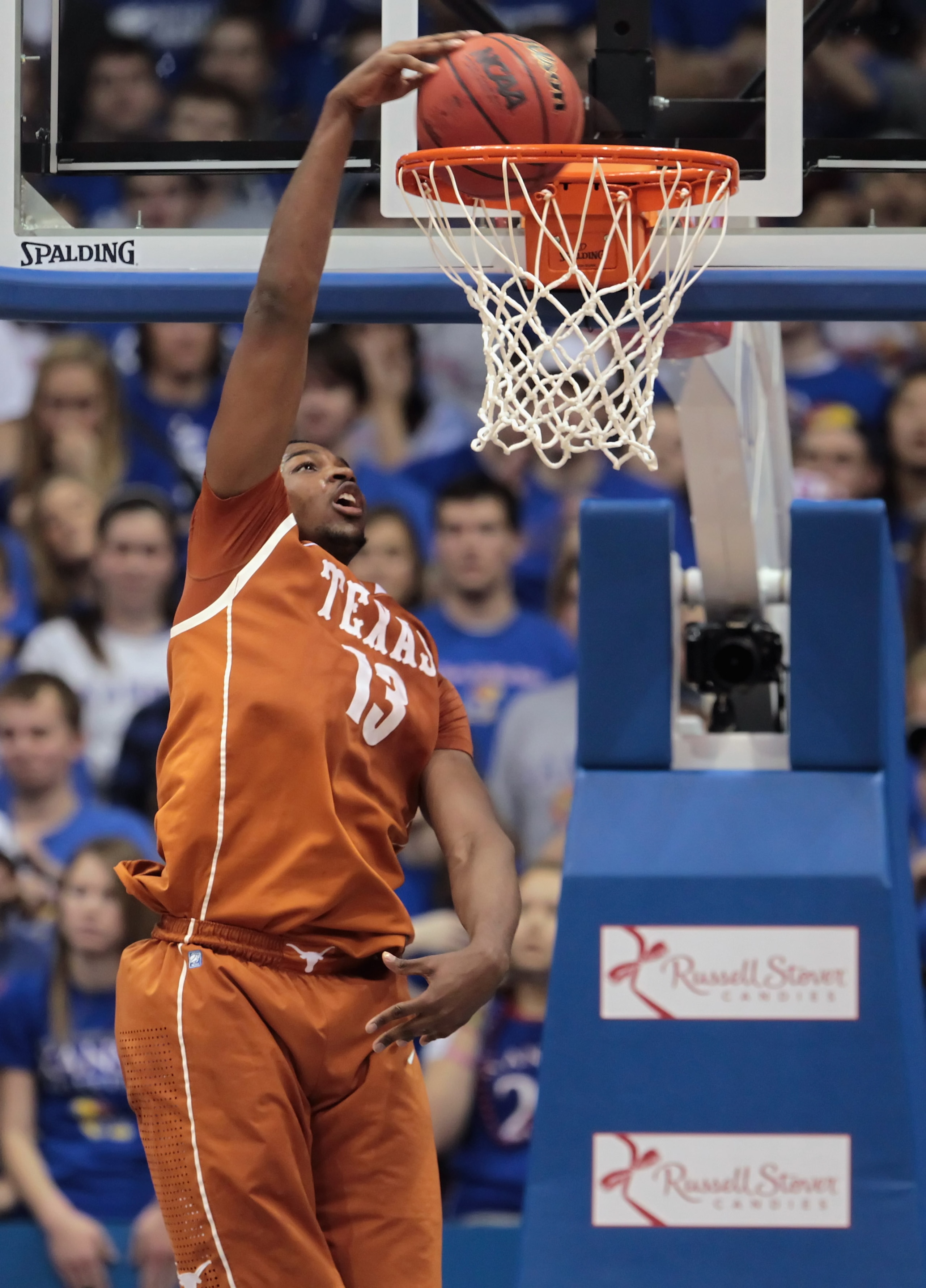
Tristan Thompson has the potential to be a tremendous steal. He plays hard and with a great motor—meaning he'd fit right in with the rest of the Celtics.
He's not a dominant player, but he can score in a variety of ways, blocks shots, is long and athletic.
As a freshman, he's hitting over 50 percent of his shots and scoring 12.8 PPG to go along with 7.5 RPG and 2.2 BPG.
He could be the replacement for Kevin Garnett when "The Big Ticket" calls it quits or moves on somewhere else.
No. 30, San Antonio Spurs: Kyle Singler, SF, Duke
30 of 30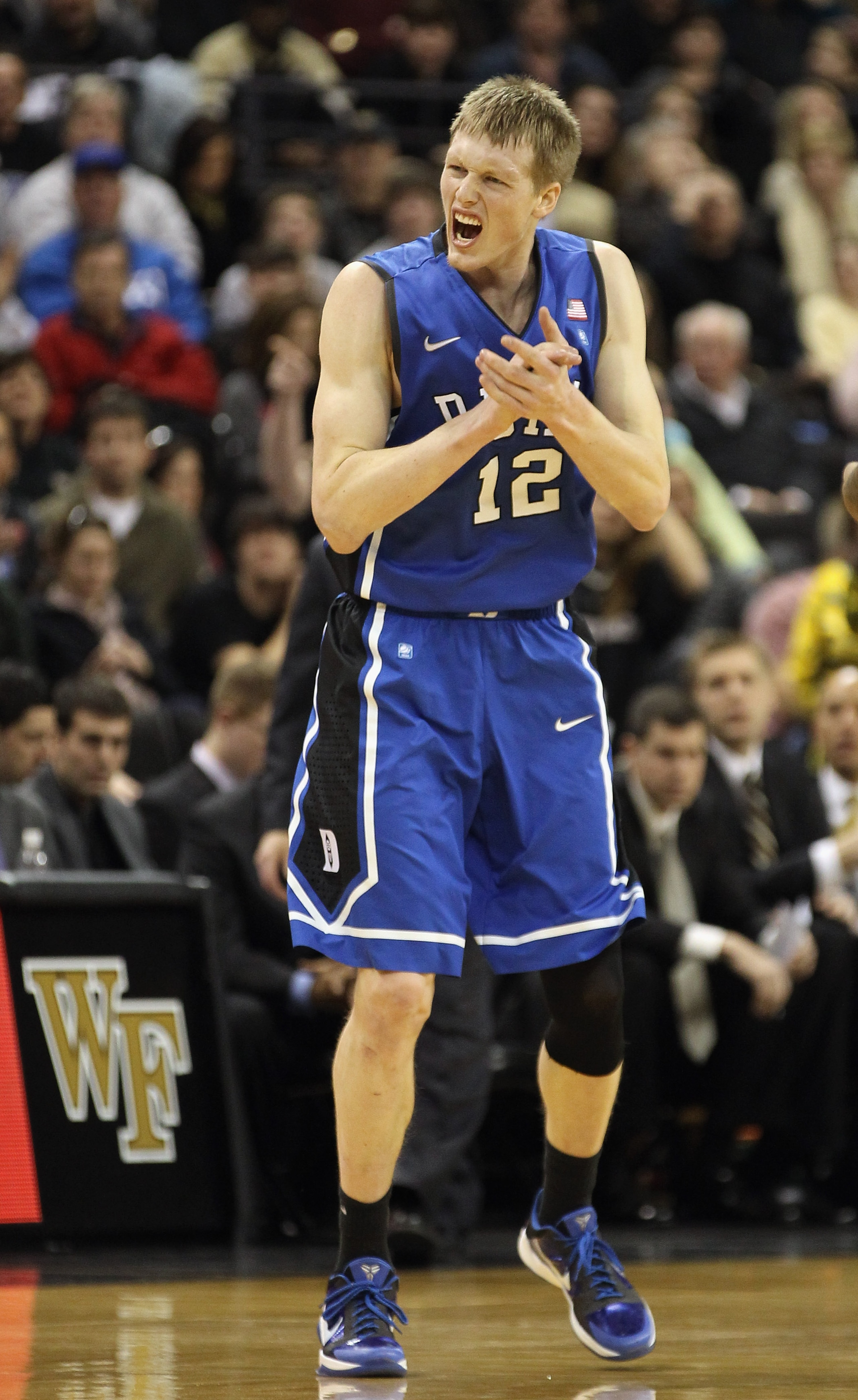
Here's the book on Singler: He's a team-first player, gives great effort, is a willing passer, a winner and has a high basketball IQ.
Doesn't that just sound like a Spur?
He'll also be ready for the pros after spending four years with Coach K at Duke, likely in a reserve role behind Richard Jefferson.
Whomever San Antonio decides to go with, we should all just assume he'll be a good player.

.jpg?w=2560 "Grading WWE Raw 🔠")


.jpg?w=2560 "Viral Rams Coach Vid 🖕")
.jpg?w=2560 "2 NFL Officials Suspended")