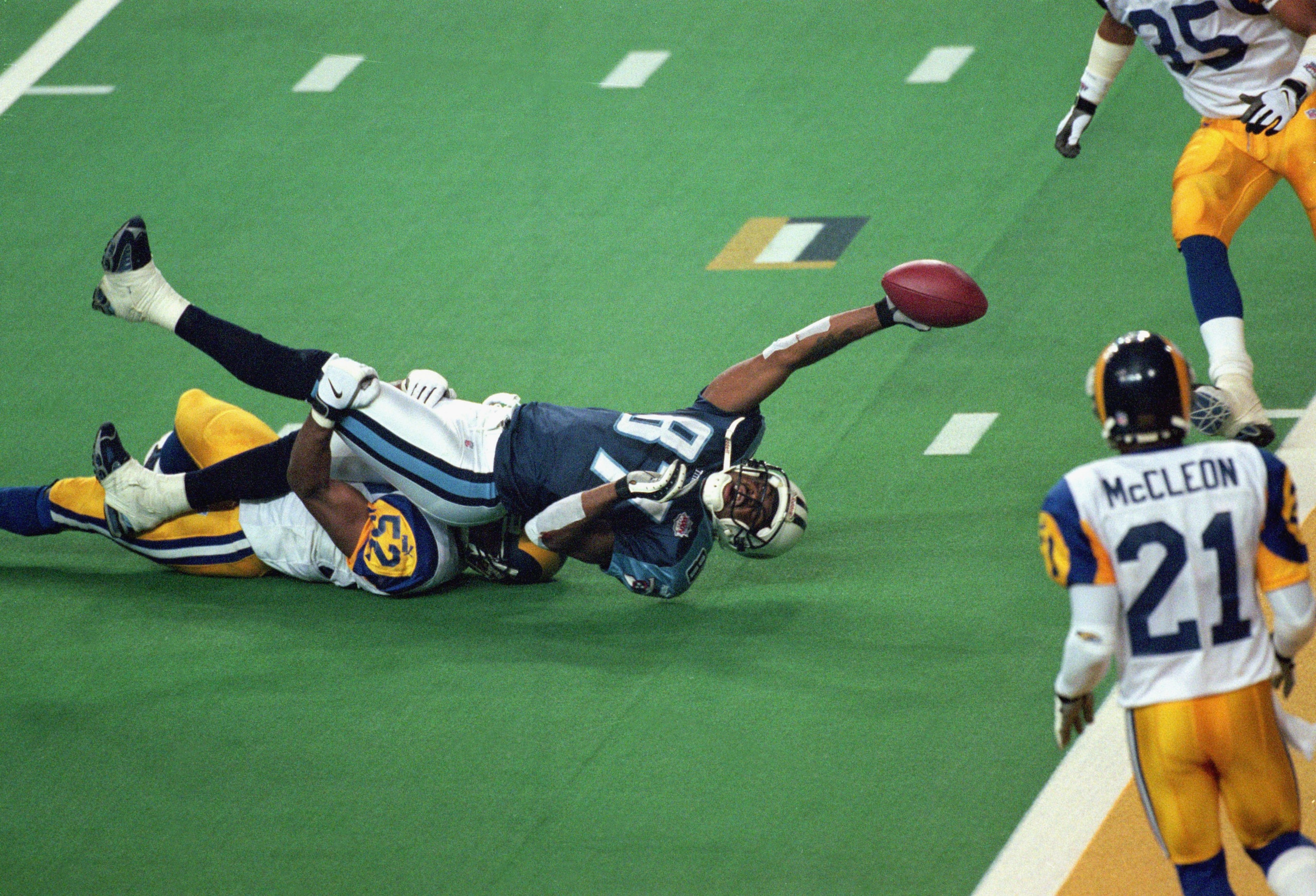

Super Bowl 2011: The Most Dominant Defensive Performances in Super Bowl History
Super Bowl 2011 features two of the NFL's best defenses.
With Troy Polamalu and James Harrison (the 2008 NFL Defensive Player of the Year) leading the way, the Pittsburgh Steelers finished first in the NFL in sacks and total points per game.
The Steelers' extremely close runner-up in those two categories? Their opponent in Super Bowl XLV, the Green Bay Packers, who have last year's NFL Defensive Player of the Year, Charles Woodson, and possibly this year's as well in Clay Matthews III.
Both of those units are capable of crippling their opponent's offenses and if either team does so next Sunday in Arlington, they'll join this select list of legendary Super Bowl defensive units.
Points and yards allowed are part of great defensive performance, but not the only factors. You have to consider the strength of the opponent's offense and/or a team's "crunch time" efforts.
For example, the 1969 Kansas City Chiefs allowed just one touchdown in a 23-7 Super Bowl IV win over Minnesota. But that Vikings team didn't have much offense to speak of: Joe Kapp (not Fran Tarkenton) was their quarterback, and "The Purple People Eaters" were the reason they reached the title game.
Given all the factors, these are the 10 best team defensive efforts in Super Bowl history.
No. 10: Miami Dolphins, Super Bowl VII
1 of 10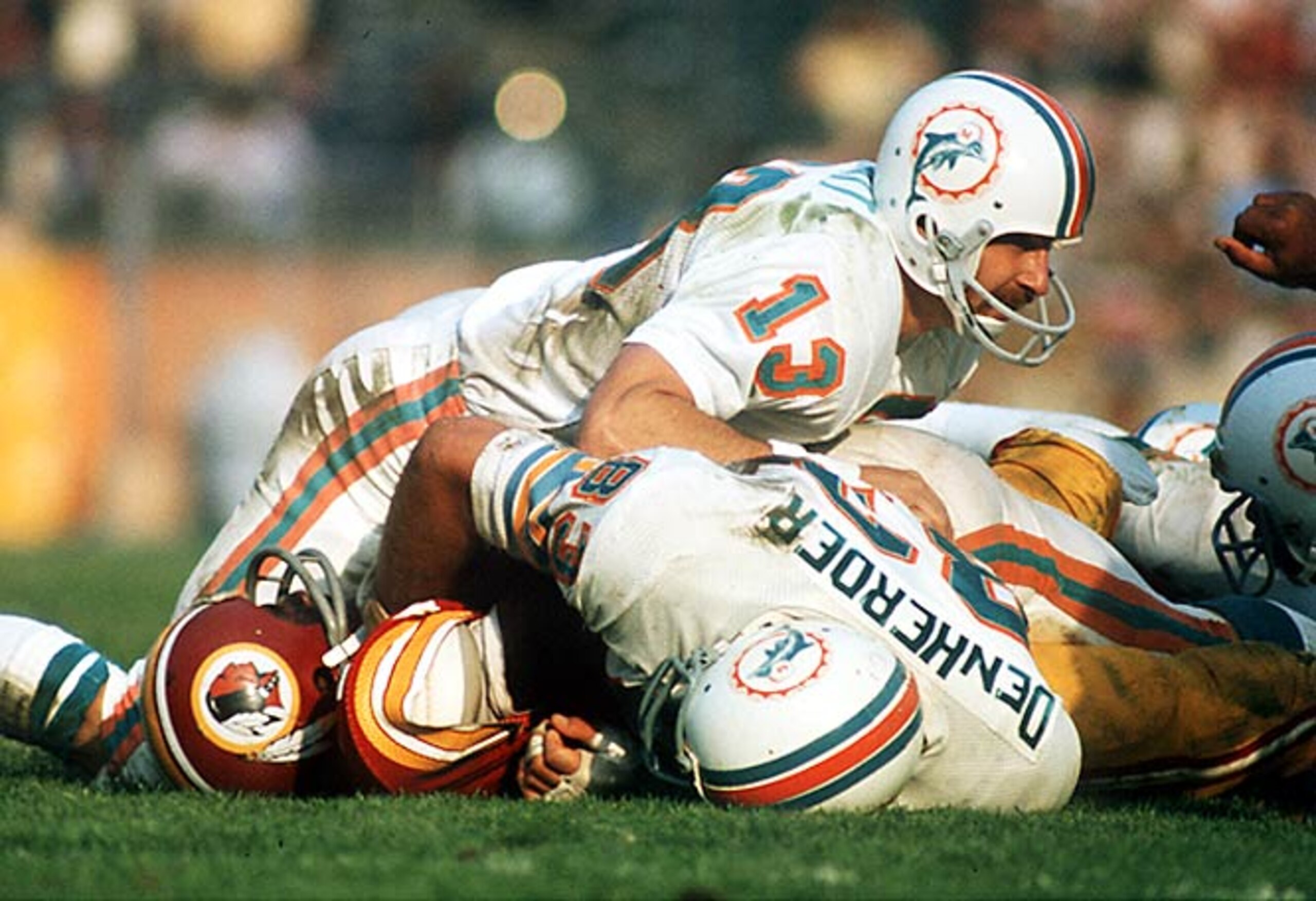
Points Allowed: 0
Total Yards Allowed: 228
The only points that the Washington Redskins scored in Super Bowl VII came via Garo Yepremian's infamous botched pass attempt on a blocked field goal.
Miami and the "No Name Defense" completely shut down Billy Kilmer and All-Pro running back Larry Brown, allowing just 228 yards while forcing three turnovers.
It was a great defensive effort, but only two sacks, surrendering 16 first downs and letting the Redskins drive 81 yards to near the Miami goal line late in the game with the score 14-7, made their performance not quite as stellar as the next nine units.
No. 9: San Francisco 49ers, Super Bowl XXIV
2 of 10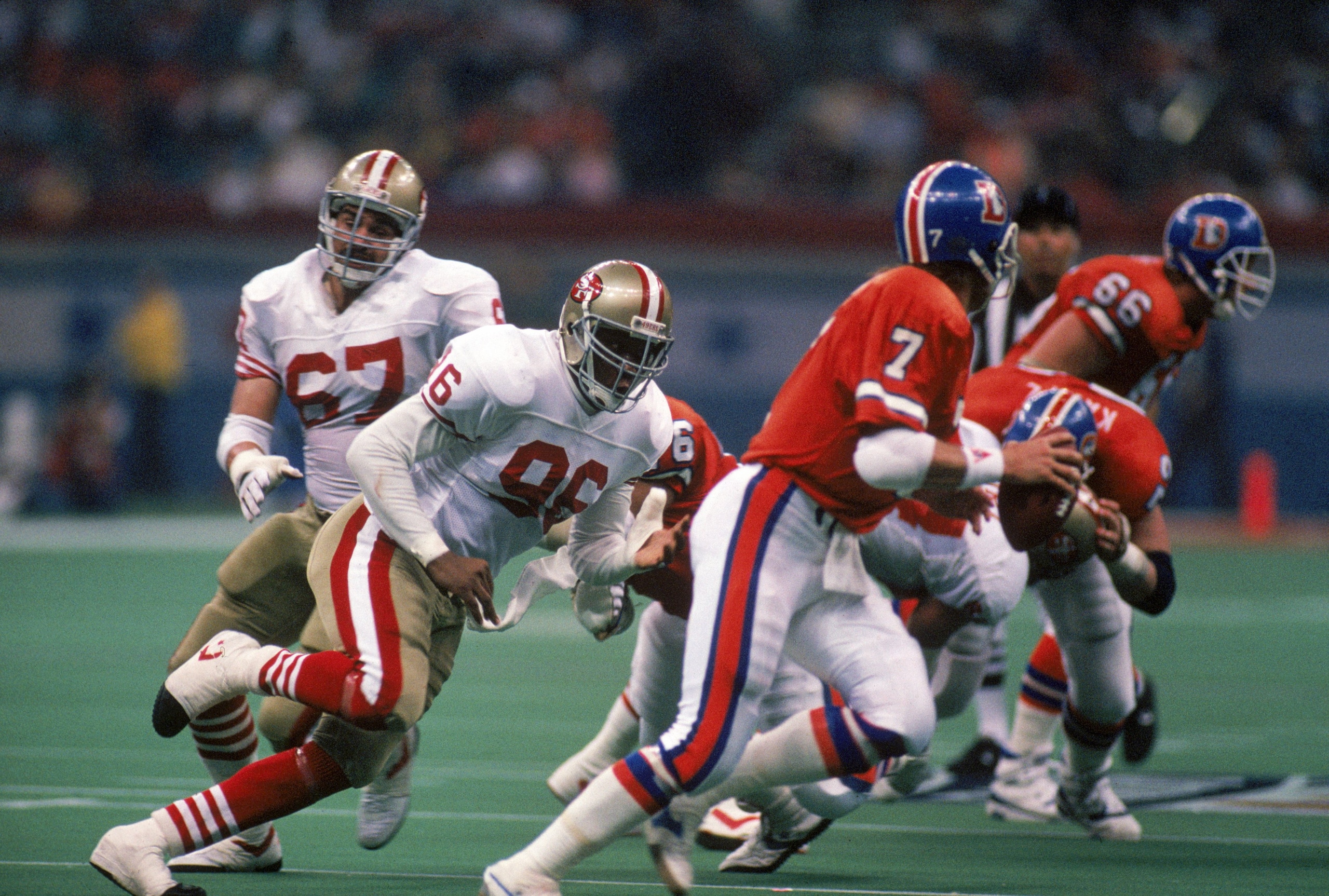
Points Allowed: 10
Total Yards Allowed: 167
Led by Ronnie Lott, Charles Haley, Bill Romanowski and Matt Millen, San Francisco only allowed 12 first downs all game, picked off John Elway twice, sacked him eight times and recovered two fumbles.
After the 49ers jumped out to a 41-3 lead early in the third quarter, the Broncos scored a meaningless touchdown.
Although it was a truly dominating performance, because that Broncos offense was Elway and not much else, George Seifert's hand-crafted unit slips to the bottom portion of these rankings.
No. 8: Dallas Cowboys, Super Bowl VI
3 of 10
Points Allowed: 3
Total Yards Allowed: 185
The Doomsday Defense didn't give Bob Griese and Don Shula a chance in Super Bowl VI.
Dallas held the great Miami running game, which would dominate the next two Super Bowls, to just 80 yards on 20 carries. Griese averaged a horrific 4.5 yards per attempt.
The Dolphins offense only pressed into the Dallas red zone once: behind 24-3 early in the fourth quarter, Griese fumbled a snap at the Cowboys 16.
.jpg?w=2560 "Colts Football")
.jpg?w=2560)
.jpg?w=2560 "Commanders 49ers Football")
No. 7: Chicago Bears, Super Bowl XX
4 of 10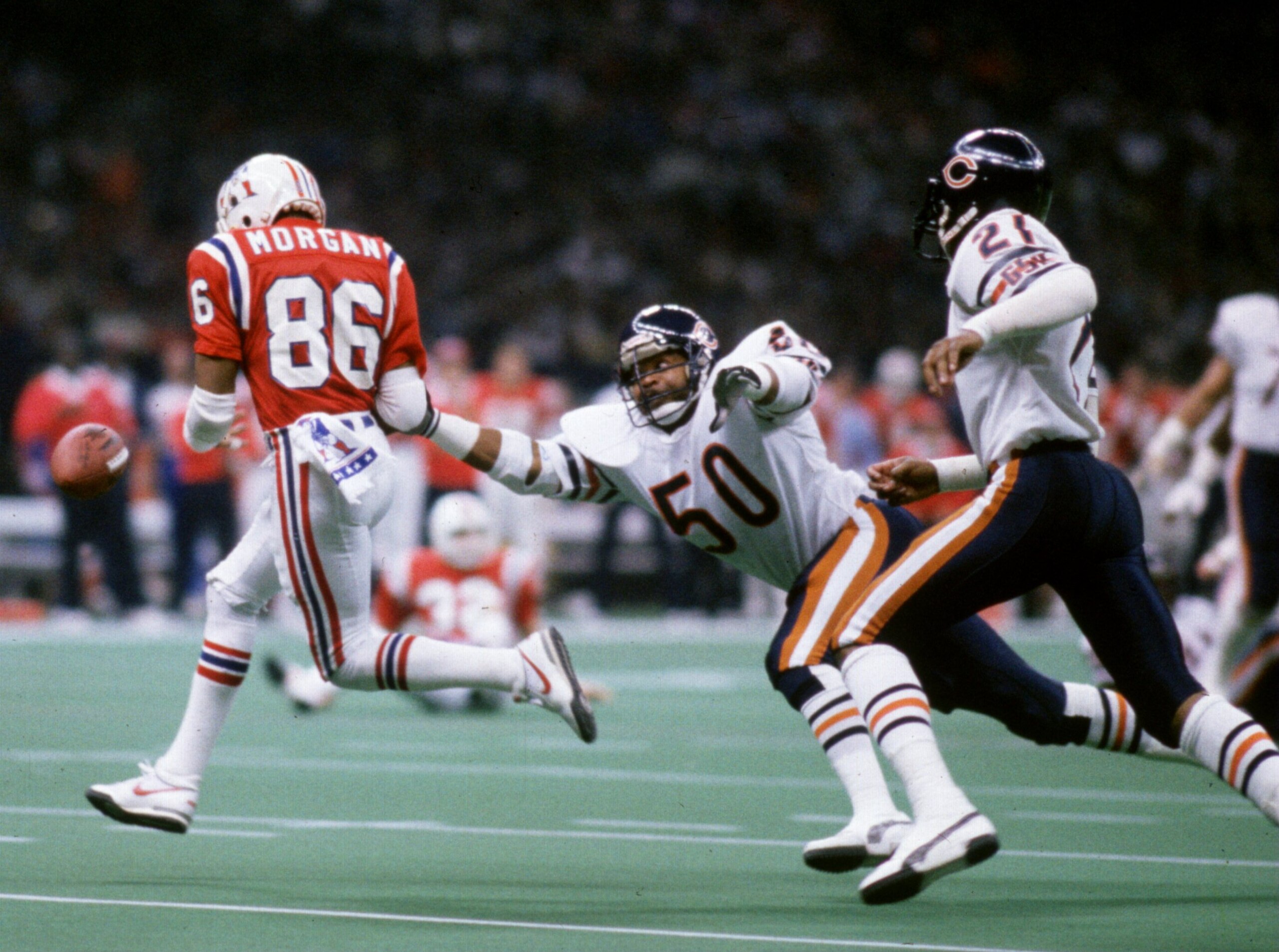
Points Allowed: 10
Total Yards Allowed: 123
By pitching shutouts in their first two playoff games, the 1985 Chicago Bears may very well have owned the greatest defense in Super Bowl history.
But their opponent that day in the Superdome may very well be the worst offense in Super Bowl history.
Fullback Craig James was a good runner but Tony Eason had a horrible season in 1985, throwing 17 interceptions against just 11 touchdowns. And by the time Steve Grogan took over late in the second quarter of Super Bowl XX, the Pats trailed 20-3 and the game was all but over.
Still, Mike Ditka and Buddy Ryan's 46 defense could only play the sacrificial lamb the AFC tossed out that year. And they dominated New England, recording six turnovers and seven sacks.
No. 6: Pittsburgh Steelers, Super Bowl IX
5 of 10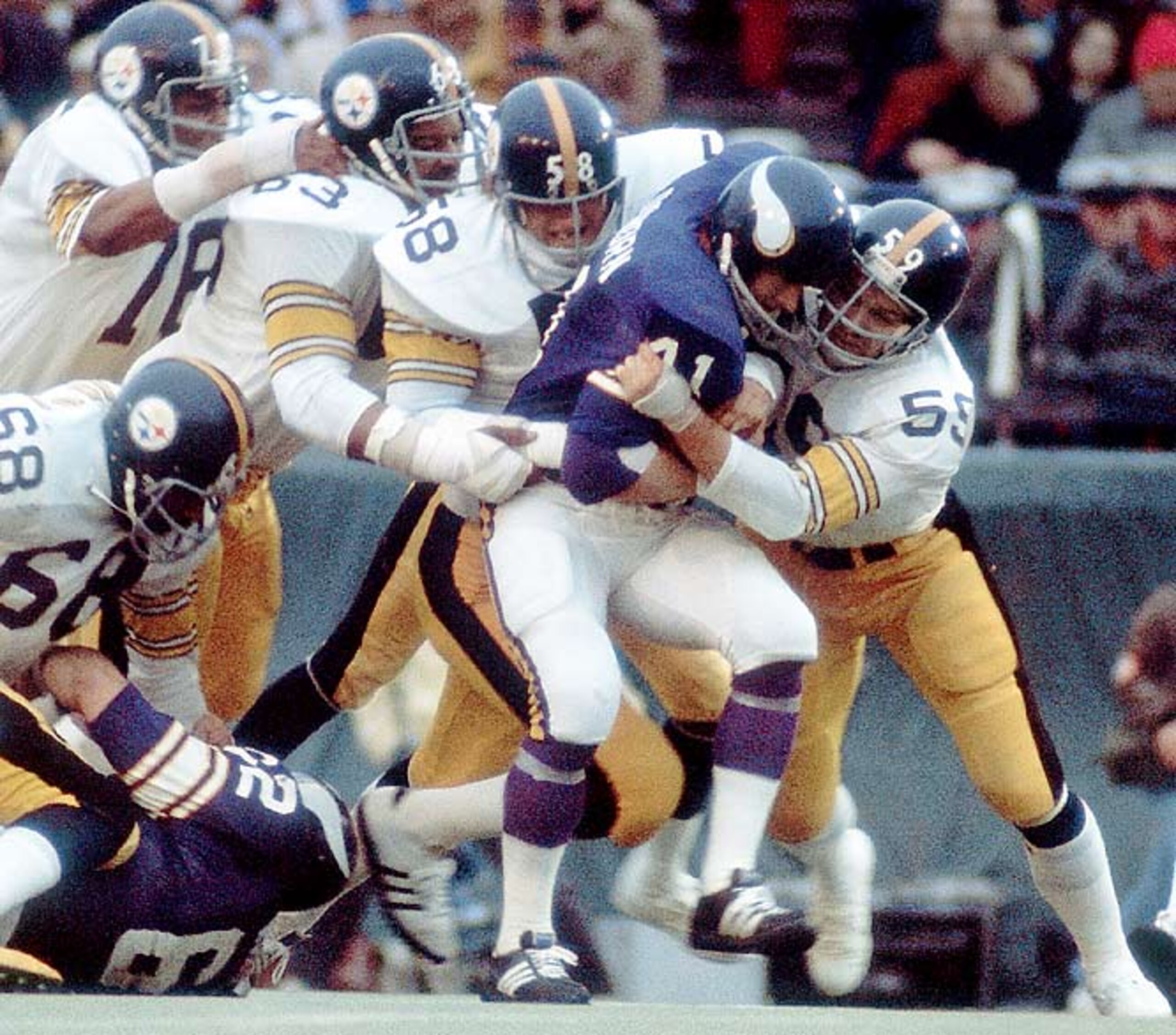
Points Allowed: 0
Total Yards Allowed: 119
The first Steelers team to win a Super Bowl turned out the franchise's greatest defensive effort.
Even with Fran Tarkenton back under center (he was re-acquired three years earlier) the Vikings offense couldn't muster even a single point against Mean Joe Greene, Jack Lambert, Jack Ham, Mel Blount and the Pittsburgh defense.
The Vikings offense wasn't as good as the Roger Staubach-led Cowboy offenses that Pittsburgh would defeat in Super Bowl X and XIII, but because Minnesota recorded just nine first downs and only got on the scoreboard thanks to a blocked punt, it was the Steel Curtain's best Super Bowl performance.
No. 5: New York Jets, Super Bowl III
6 of 10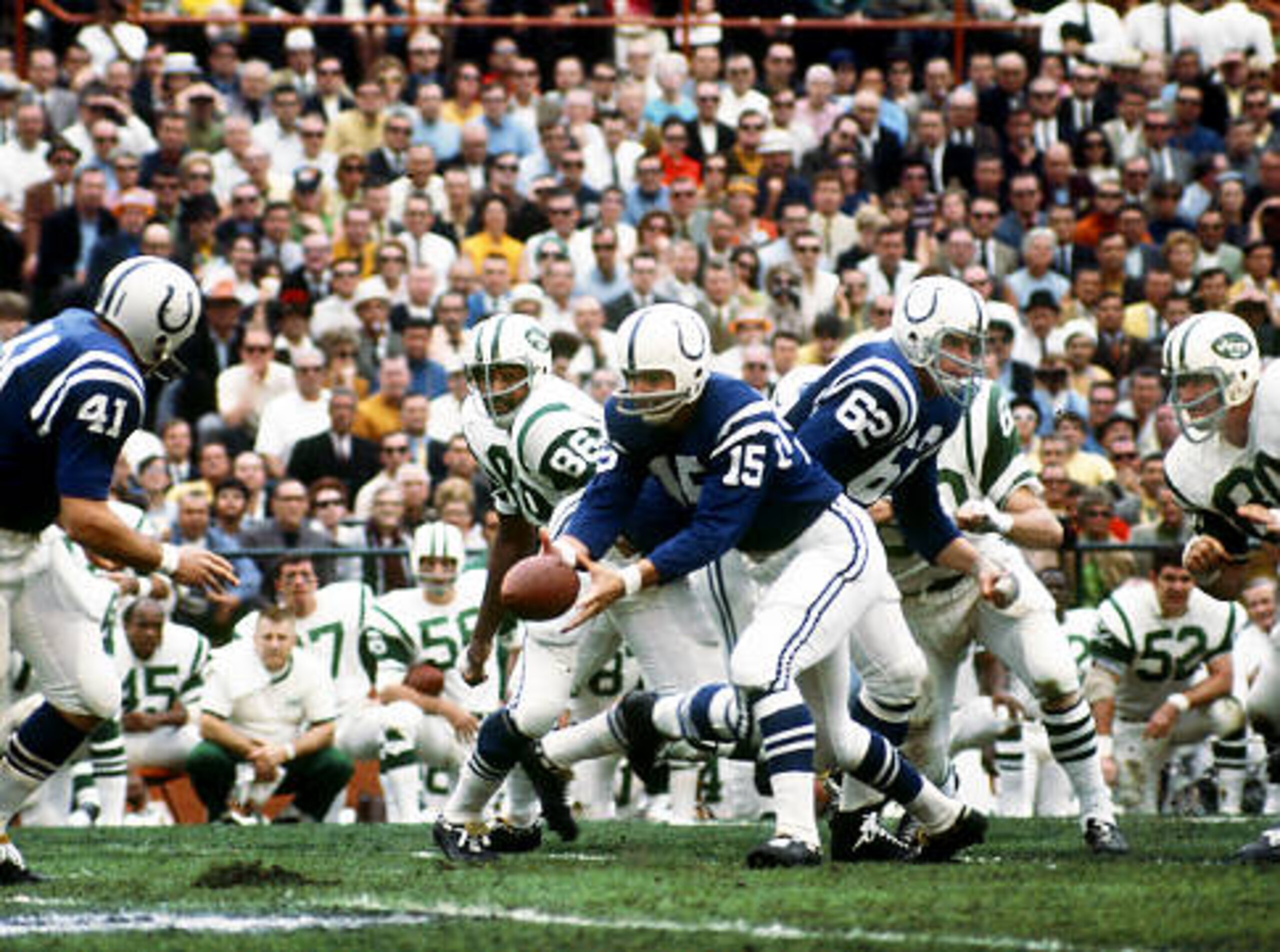
Points Allowed: 7
Total Yards Allowed: 324
Although Joe Namath won the game's MVP and most of the acclaim for the victory, it was the Jets defense that really won Super Bowl III.
The Colts had not one, but two, MVP-winning quarterbacks on their roster: Earl Morrall won the award that season filling in for Johnny Unitas, who was injured after winning the league MVP the previous year.
And besides having the game's best tight end, John Mackey, the Colts had an outstaning running game, led by Tom Matte. Only one team in the NFL scored more points than Baltimore that season.
But the Jets, led by cornerback Johnny Sample and defensive end Gerry Phillbin, forced five turnovers and didn't allow a single point through the game's first 56 minutes.
No. 4: Baltimore Ravens, Super Bowl XXXV
7 of 10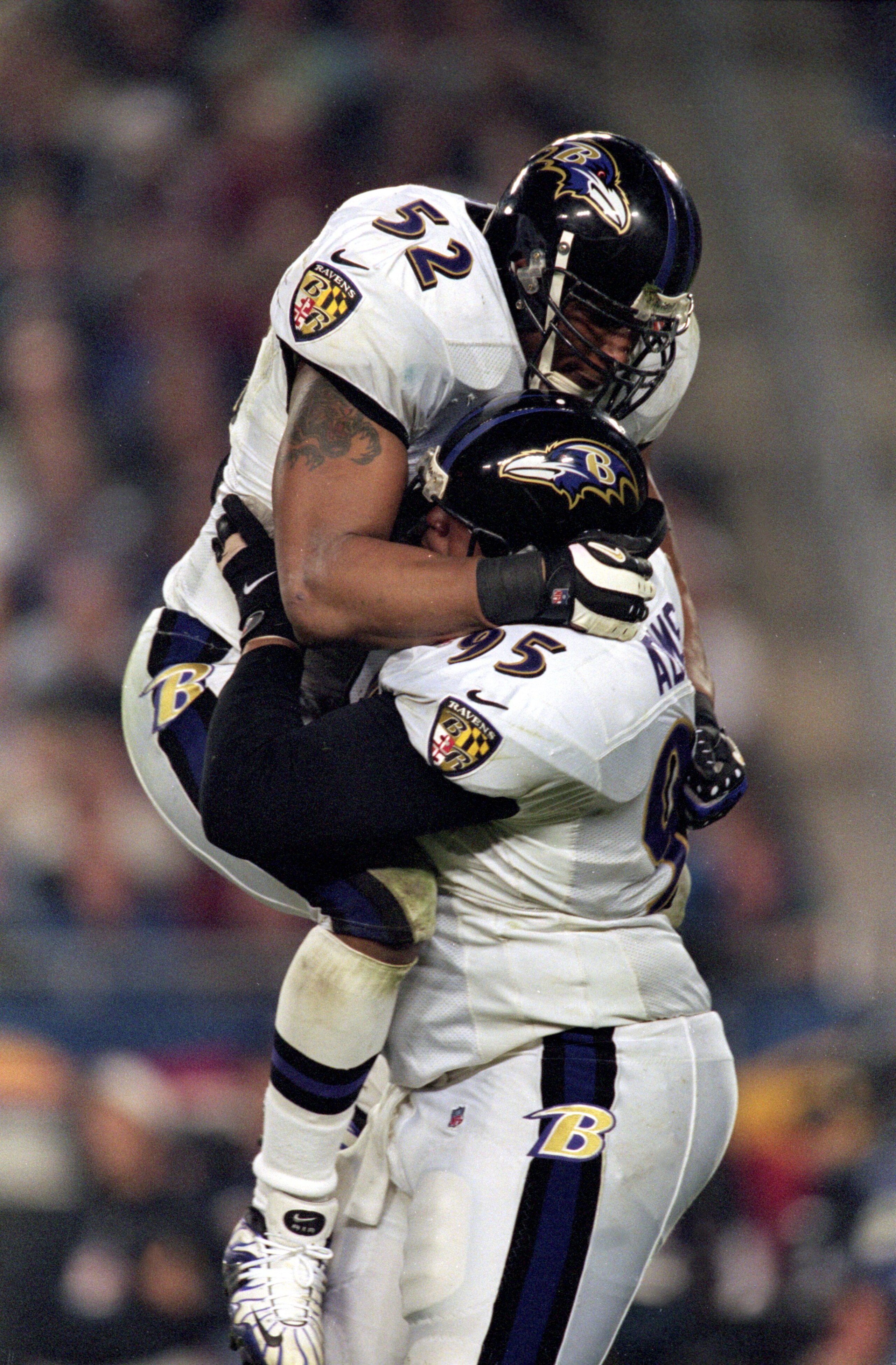
Points Allowed: 0
Total Yards Allowed: 152
The Ravens defense was obviously one of the greatest in NFL history, allowing 10.3 points per game during the regular season and only 16 combined in three playoff games before Super Bowl XXXV.
Although their opponent, the Giants, in that Super Bowl weren't exactly "The Greatest Show on Turf," Kerry Collins had just led New York to 518 yards and 41 points in their thrashing of Minnesota in the NFC Championship.
Nevertheless, NFL Defensive Player of the Year Ray Lewis and the Ravens suffocated Collins and forced five turnovers while not allowing a single offensive score.
Another fun fact: Baltimore coaxed eight three-and-outs from the Giants offense.
No. 3: Tampa Bay Buccaneers, Super Bowl XXXVII
8 of 10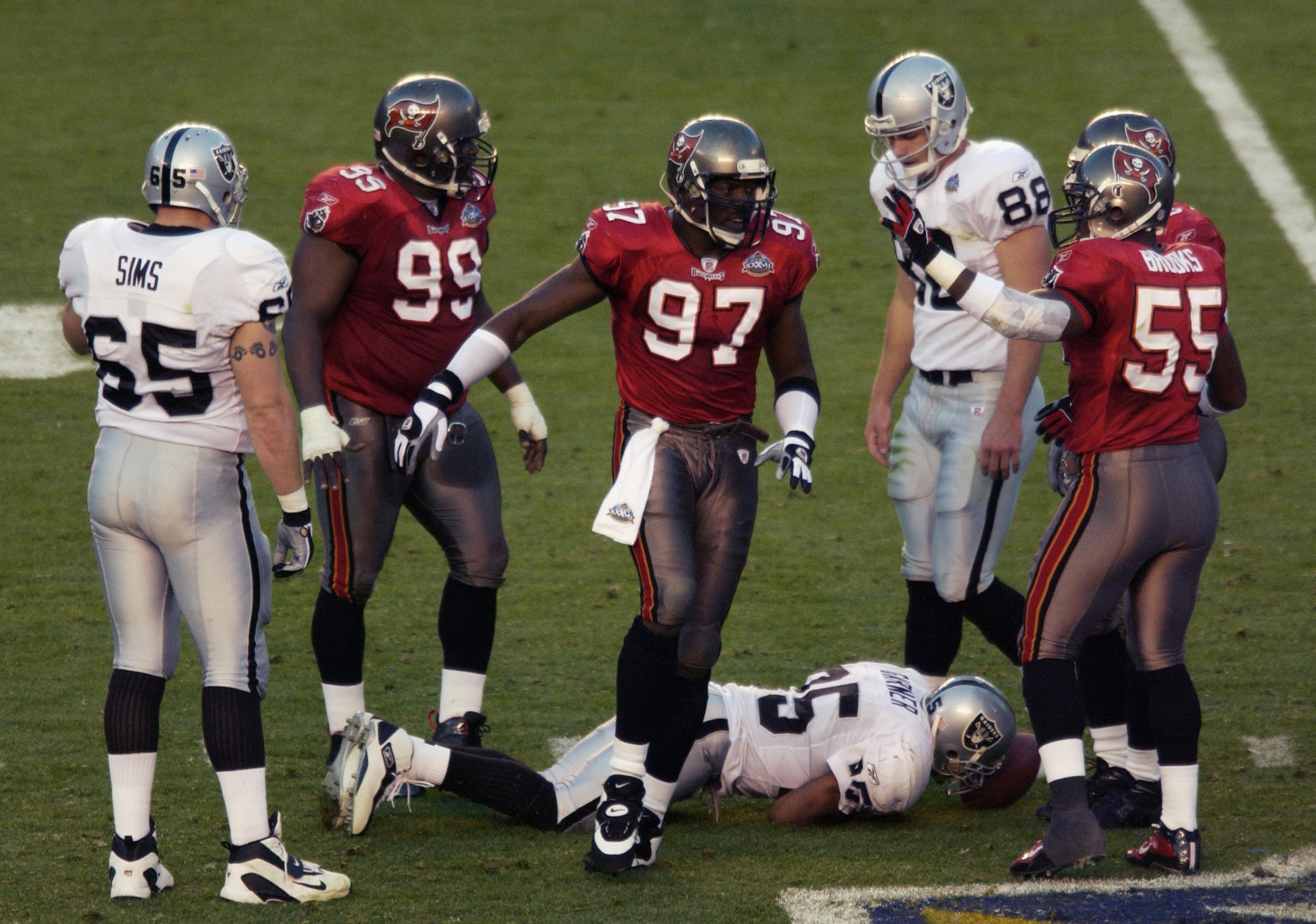
Points Allowed: 12
Total Yards Allowed: 269
A great defense doesn't just limit their opponents yardage. They also force turnovers and produce scores of their own. And in a Super Bowl, no team was quite as prolific at instantaneously turning the opponents miscues into points as the 2002 Bucs.
Against the Raiders, which scored the second-most points in the NFL that year, the Bucs defense scored three defensive touchdowns, one more than league MVP Rich Gannon produced for Oakland.
Now, at the time, the first of those defensive scores (Dwight Smith's 44-yard pick-six) seemed to be piling on and meaningless: the Raiders trailed 27-3 in the middle of the third quarter at the time.
But after the Raiders tacked on three quick touchdowns (one by way of a blocked punt), the Bucs added two more defensive scores (pick-sixes by Smith and Derrick Brooks) to render Super Bowl XXXVII a blowout.
In all, Brooks, Warren Sapp, Simeon Rice and the defense constructed by Tony Dungy racked up five sacks and five interceptions of Gannon, who had thrown just 10 picks during the regular season.
No. 2: Los Angeles Raiders, Super Bowl XVIII
9 of 10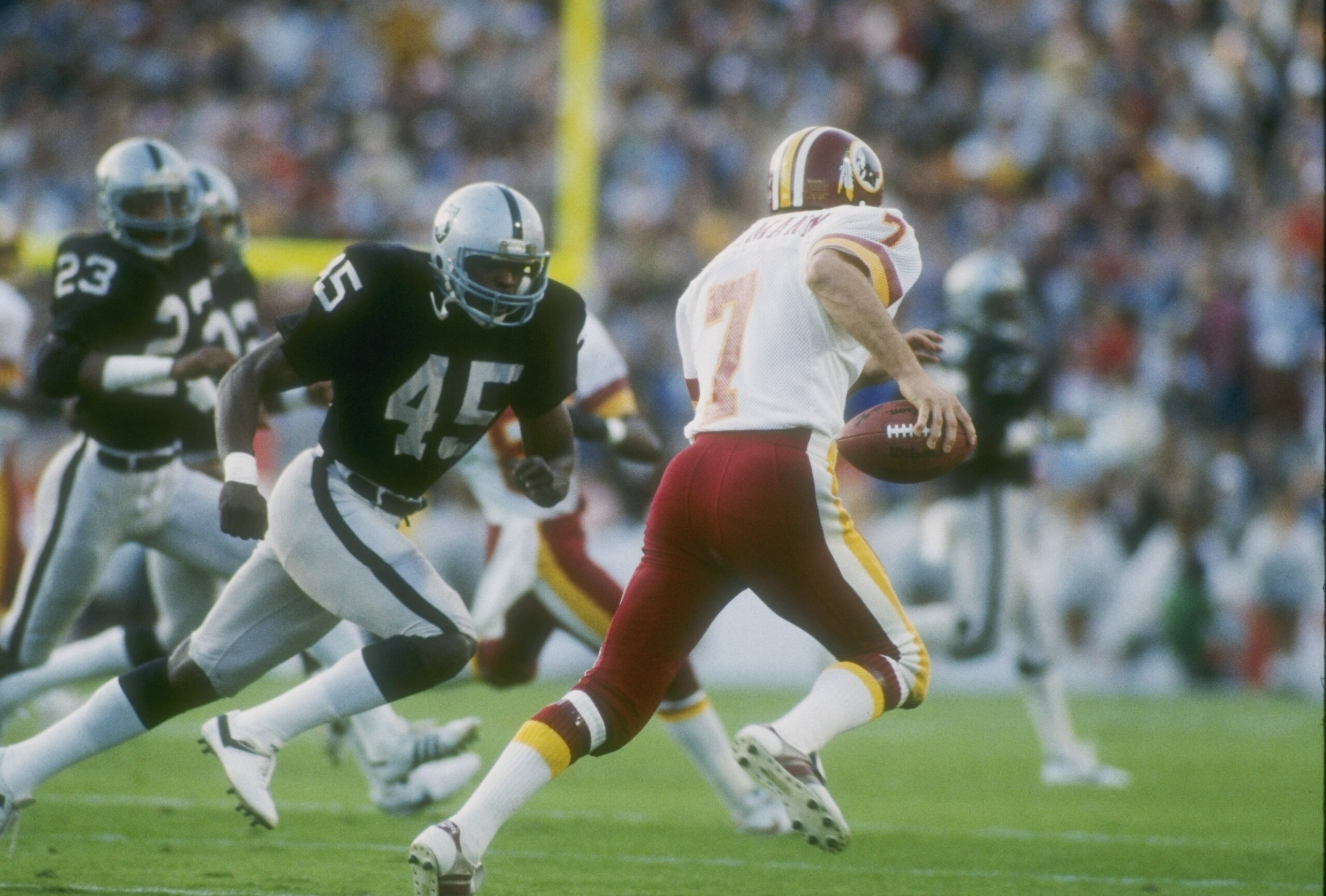
Points Allowed: 9
Total Yards Allowed: 283
The 1983 Washington Redskins were an incredible offensive unit. Joe Gibbs' team scored an NFL record 541 points that year, Joe Theisman (29 touchdowns, 3,714 yards) was the league's MVP and John Riggins set a new NFL record with 24 rushing touchdowns.
And in the two playoff games that earned the Redskins a repeat berth in the Super Bowl, Washington scored a combined 75 points.
But in Super Bowl XVIII, they ran into a Raiders team with three great pass rushers (Howie Long, Lyle Alzado, Greg Townsend), two excellent linebackers (Matt Millen, Ted Hendricks), and the league's best secondary (Mike Davis, Lester Hayes, Mike Haynes).
The Raiders took advantage of a few Redskin mistakes (a blocked punt, Theisman's horrible throw on a screen pass that Jack Squirek picked off and returned for a touchdown), then suffocated Washington in the second half.
After Riggins scored on the first drive of the second half to cut the lead to 21-10, the Raiders held Washington scoreless the remainder of the game, forcing a fumble, an interception, four punts and a turnover-on-downs.
No. 1: New York Giants, Super Bowl XLII
10 of 10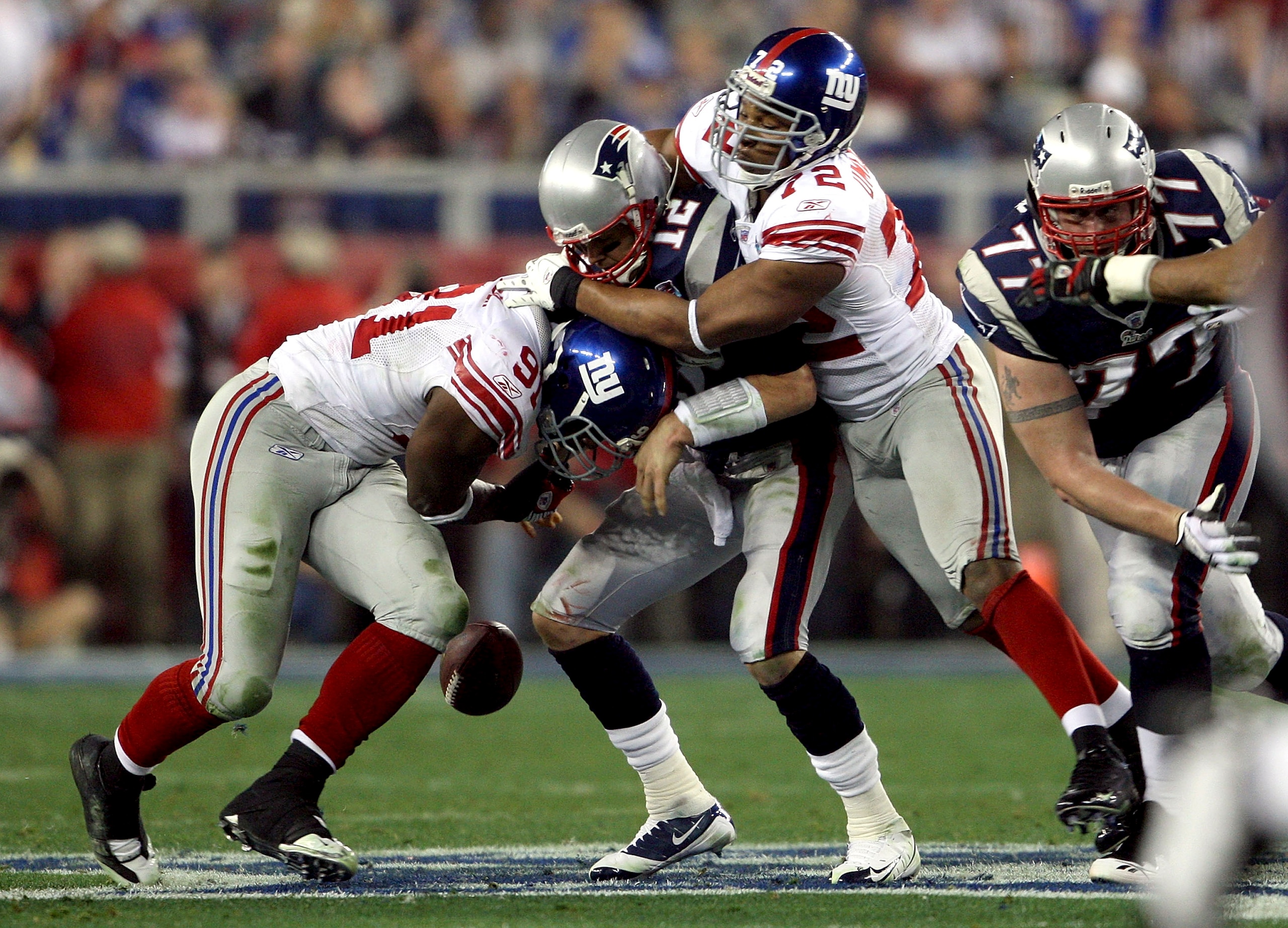
Points Allowed: 14
Total Yards Allowed: 274
No team in NFL history scored more points than the 2007 New England Patriots. Behind Tom Brady's 50 touchdowns (23 of which Randy Moss caught) the Pats averaged just under 37 points per game.
But the Giants had the NFL's best defensive line and with Michael Strahan, Osi Umenyiora, and Justin Tuck harassing Brady, New York kept the game close.
Through the game's first 57 minutes the Giants had allowed just one score. Although they soon surrendered the lead and Eli Manning, David Tyree, and Plaxico Burress had to make up the deficit, the Giants defense made the plays when it counted.
Considering they only forced one turnover from New England, allowing 14 points against one of the greatest offenses in history, that Giants team turned out the best defensive effort in Super Bowl history.
.jpg?w=2560 "Ravens Browns Football")
.jpg?w=2560 "DOLPHINS-AIKMAN")

_0.png?w=2560 "Unranked Teams Cause Chaos in Rankings 📊")
.png?w=2560 "Week 8 Winners & Losers 📊")





