
Small Fish in a Big Pond: Six Super Bowl MVP's That Deserve More Respect
One Sunday a year for the past 45 years, people have glued themselves to their television sets and tuned into the Super Bowl. After the game is over, they of course also watch the post-game ceremony and presentation of the Vince Lombardi Trophy to the game's MVP.
Sure, I can go on and on about the Joe Montana's and Tom Brady's of this exclusive club. Instead, I'm going to focus on a small group of men who had great performances in the Super Bowl, but aren't talked about much today.
That being said, let's jump right in. These are my six Super Bowl MVP's that everyone forgets!
Honorable Mention: Jim Plunkett, QB
1 of 7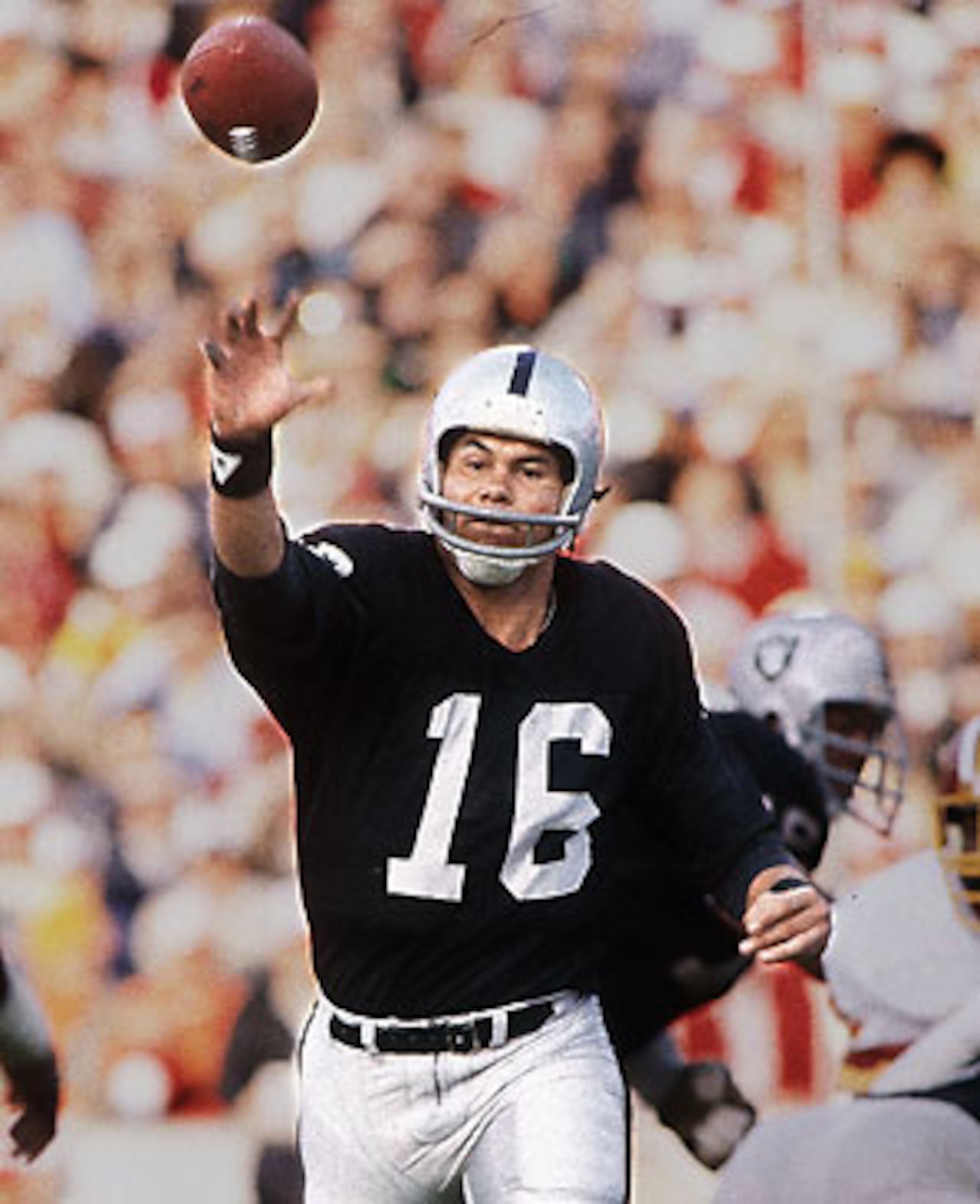
Overall, Jim Plunkett's career stats aren't what one would expect of a Super Bowl MVP, let alone someone who was the first overall pick in the 1971 NFL Draft.
In 15 seasons with the New England Patriots, San Francisco 49ers and Oakland/Los Angeles Raiders, Plunkett passed for a respectable 25,882 yards but had a horrendous touchdown to interception ratio; 164-198. This resulted in a career passer rating of 67.5, not what one would expect from a No. 1 pick.
Despite those stats and being a backup for much of the second half of his career, Plunkett managed to turn in an astounding performance for the Raiders in Super Bowl XV. The former Stanford Cardinal completed 13 of 21 passes for 261 yards (good for a 145 rating!) and three touchdowns, including an 80 yarder to running back Kenny King, as the Raiders defeated the Philadelphia Eagles 27-10
Plunkett turned in another respectable performance in Super Bowl XVIII (16 of 25 for 172 yards and one touchdown), but that 38-9 blowout was the Marcus Allen Show. Given how Plunkett is still remembered for some good years in New England as well as his time in the silver and black, he receives a honorable mention.
No. 6: Larry Brown, DB
2 of 7
Historically speaking, Larry Brown is not a great player. He was drafted by the Dallas Cowboys in the 12th round of the 1991 NFL Draft and only lasted eight seasons in the NFL.
Still, he will forever have a spot in NFL history because of his performance in Super Bowl XXX against the Pittsburgh Steelers. In the game, Brown quashed two rallies by intercepting two passes from Steelers quarterback Neil O'Donnell, the second of which set up the game-winning touchdown as Dallas won 27-17.
That Super Bowl was the last of three Brown won with Dallas, and he departed the following season for a lucrative contract with the Oakland Raiders. He spent two unproductive seasons there before returning to Dallas for one more season before retiring.
While his post-Super Bowl MVP career might be underwhelming, Brown still deserves recognition, because when it was crunch-time, he put the team on his back and came through.
No. 5: Mark Rypien, QB
3 of 7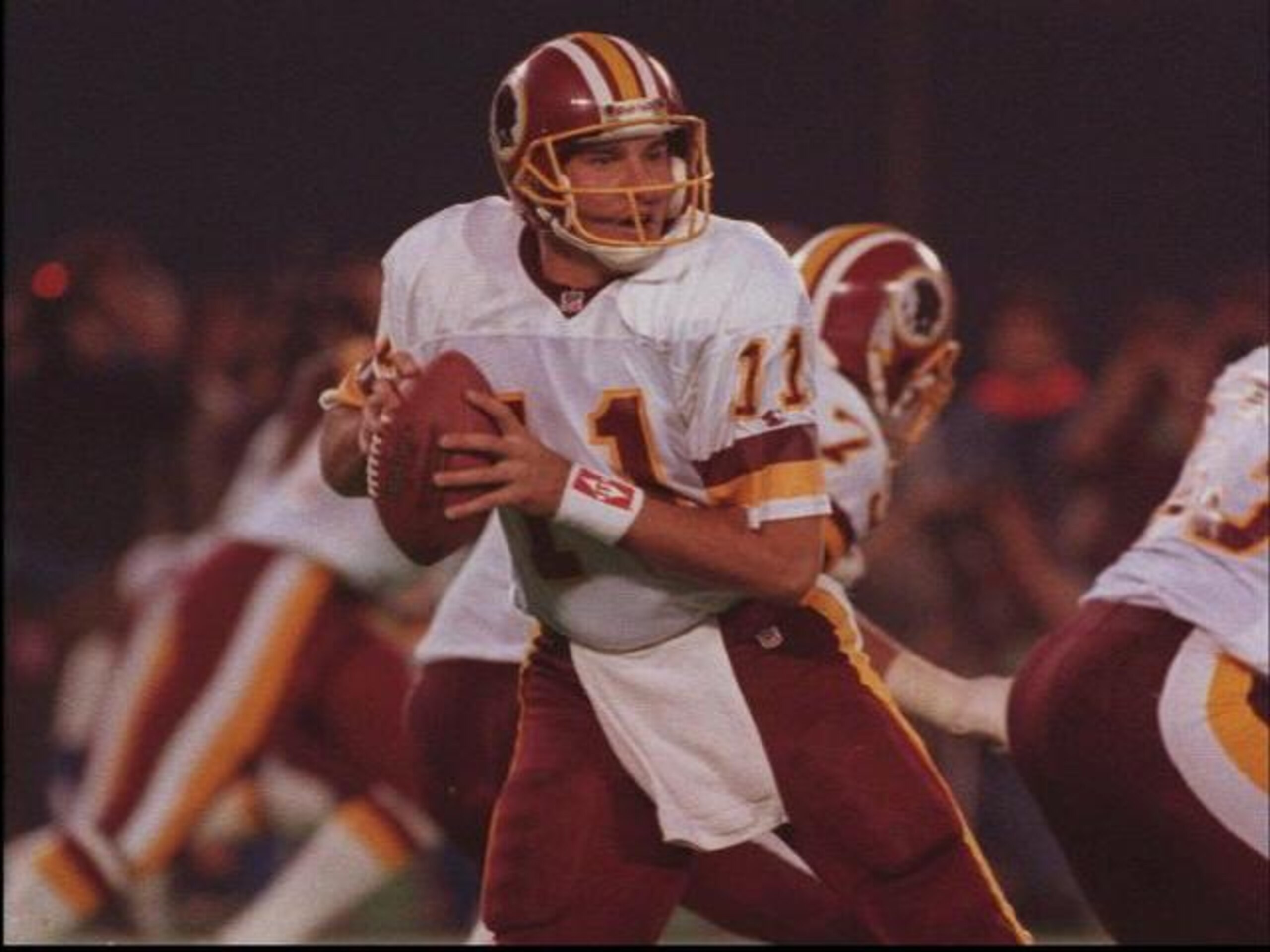
With 11 years in the NFL under his belt, Mark Rypien was an average quarterback. Yet the one great season he had just happened to be the one where he led the Washington Redskins to a Super Bowl Victory.
In Super Bowl XXVI, Rypien completed 18 of 33 passes for 292 yards and two touchdowns as the Redskins beat the Buffalo Bills 37-24. Of course, Rypien was named MVP of the game.
Sadly, Rypien was never the same after that season. In the following years, his numbers declined rapidly and he was released in 1994, spending the rest of his career as a backup with the Rams, Eagles and Falcons.
Still, Rypien's Super Bowl performance remains the most recent bright spot in the history of a franchise that since 1992, has been in dire need of a pick-me-up.
.jpg?w=2560 "Colts Football")
.jpg?w=2560)
.jpg?w=2560 "Commanders 49ers Football")
No. 4: Doug Williams, QB
4 of 7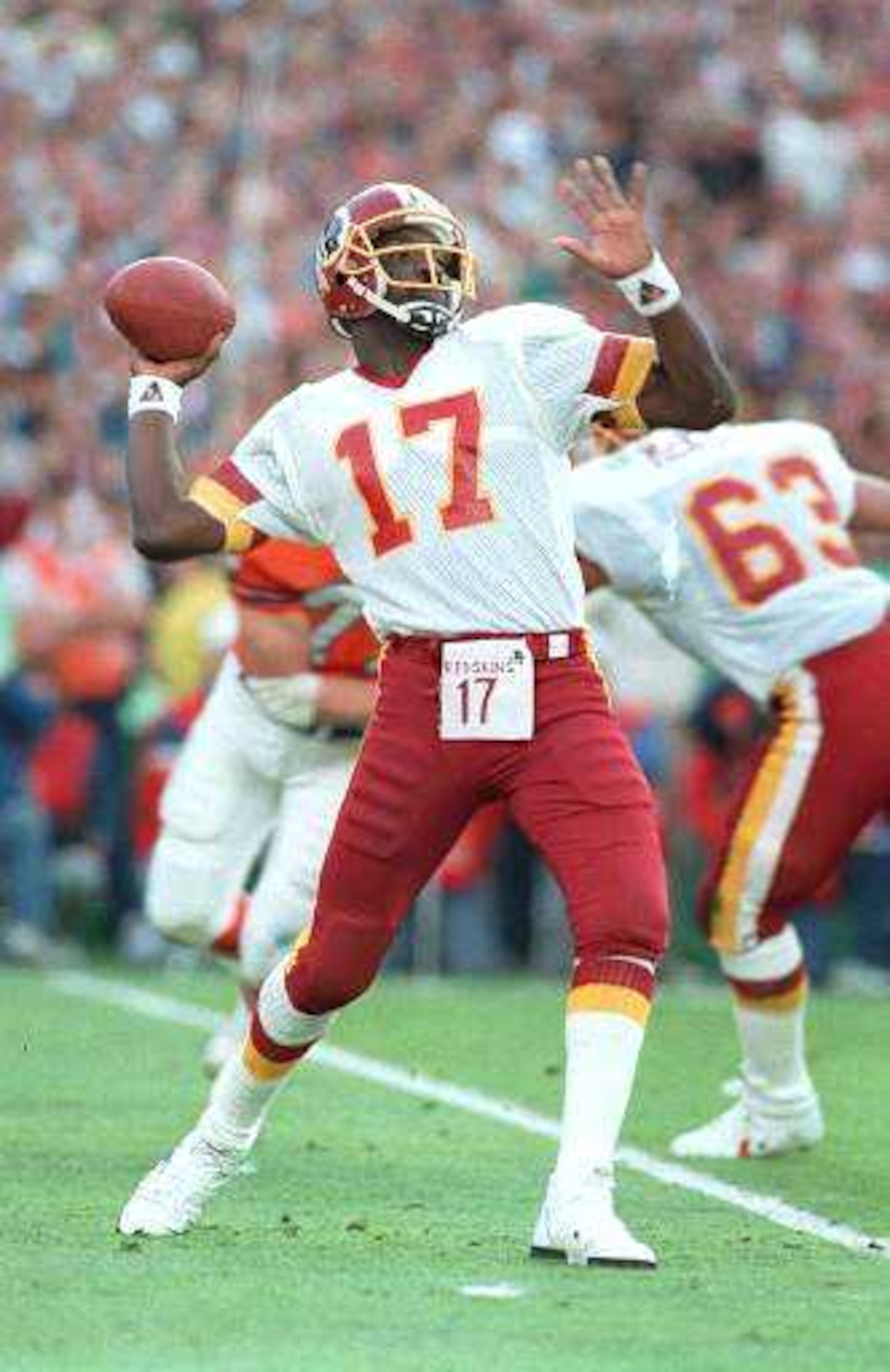
There are many things one can say about Doug Williams. He was the first African-American quarterback to win a Super Bowl, his Super Bowl win came a couple of seasons after spending three years in the USFL following a contract dispute with the Tampa Bay Buccaneers, the list goes on.
Yet, there is one tidbit of information I find astounding about Williams winning Super Bowl XXII. That season, he was the Redskins' backup quarterback!
Williams was made the starting quarterback in the playoffs despite not winning either of the two games he started that season, but coach Joe Gibbs saw something in the 94.0 passer rating he posted.
All in all, Gibbs made the right decision as Williams went 18 of 29 for 340 yards as the Redskins routed the Denver Broncos 42-10 and all of the Skins' points unanswered.
Williams retired two seasons later, but his performance in the Big Game remains one of the best and least talked about outside of the DC area. Thus, he makes this list
No. 3: Desmond Howard, KR/PR
5 of 7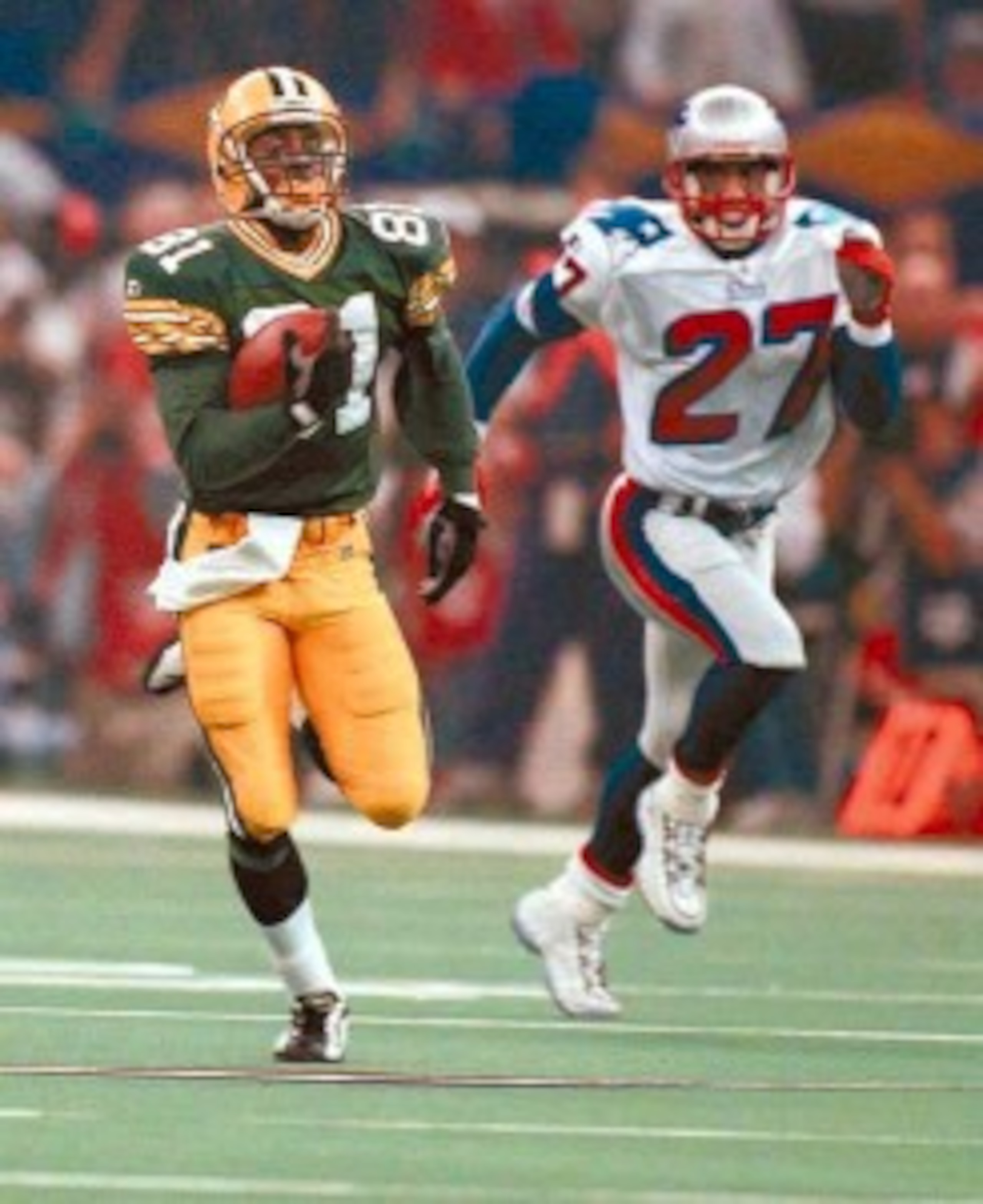
Considering how he was the fourth overall pick in the 1992 NFL Draft, one could look at Desmond Howard's career receiving stats and call him a draft bust. Yet, he was everything but that.
In 12 NFL seasons, Howard was easily the best kick and punt returner of his time as he finished his career with 10,490 yards on kickoff and punt returns.
His most memorable return came during Super Bowl XXXI, when he was playing for the Green Bay Packers. With Green Bay up 27-21 and needing to quiet the momentum of the Bill Parcells-led New England Patriots, Howard caught the ensuing kickoff at the Packers' 1-yard line and returned it 99 yards for a touchdown!
Green Bay completed the two-point conversion and took a 35-21 lead, ultimately winning the game and Howard winning the MVP Award. He may have only been the man of the hour on one play of the game, and his career stats might not be what one would expect of a fourth overall pick, but Desmond Howard is a Super Bowl legend nonetheless and deserves more recognition outside of Green Bay.
No. 2: Chuck Howley, LB
6 of 7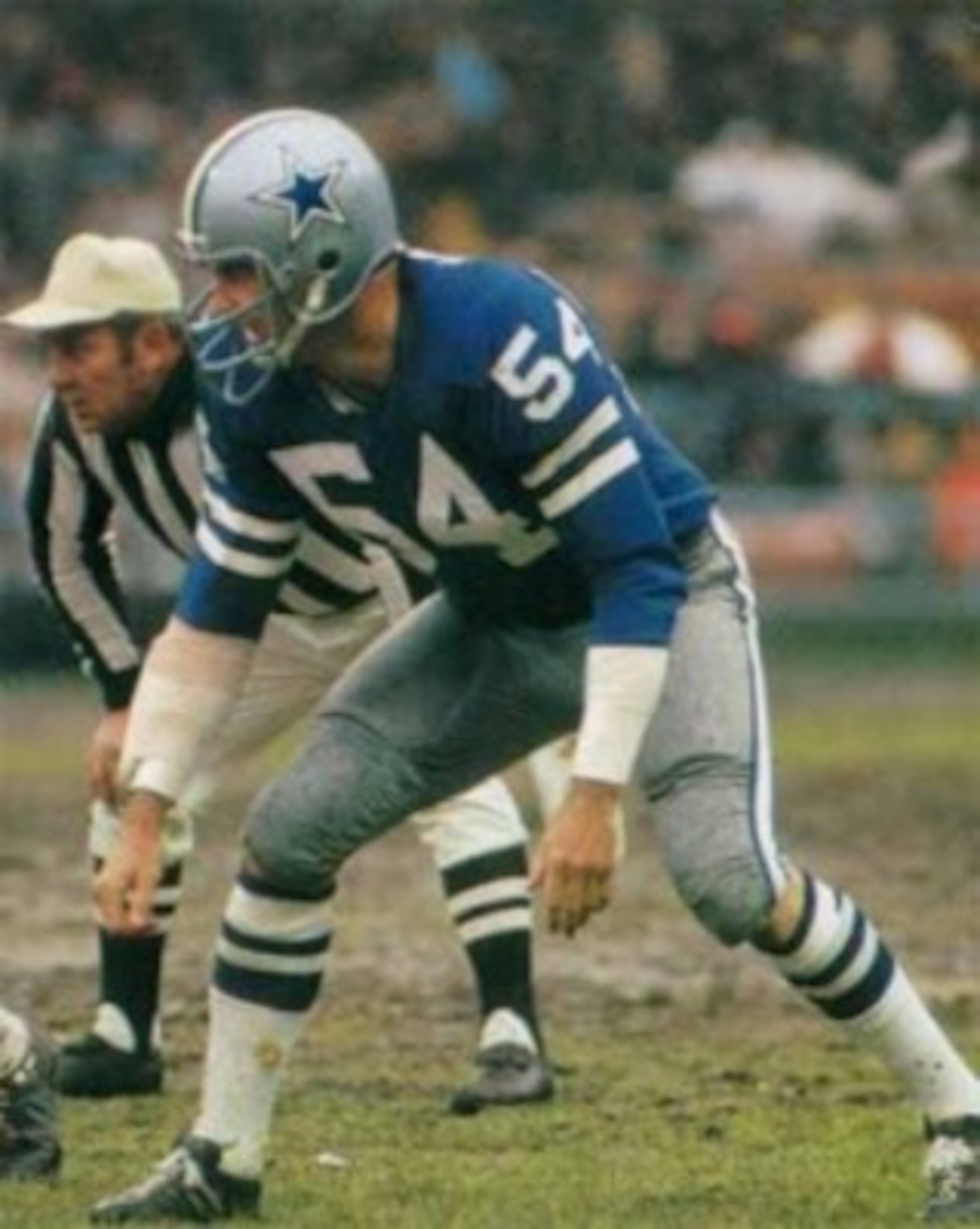
To this day, Chuck Howley is considered the greatest linebacker in Dallas Cowboys history. He was a great coverage man, forcing fumbles and intercepting passes while delivering hard hits at the same time.
In Super Bowl V, when the Cowboys faced off against the Baltimore Colts, Howley intercepted two passes from the legendary Johnny Unitas and also forced a fumble as he was named MVP of the game. The amazing part, the Cowboys lost!
To this day, Chuck Howley is still the only member of the losing team to garner Super Bowl MVP honors. You can go on and on about Roger Staubach and Troy Aikman, but this man deserves just as much credit.
The Cowboys lost that game because of a late-fourth quarter field goal by the Colts. Not to take away from the victory, but Dallas was still the better team despite being two-and-a-half point underdogs. Were it not for Howley, the game definitely would not have been as close.
No. 1: Ottis Anderson, RB
7 of 7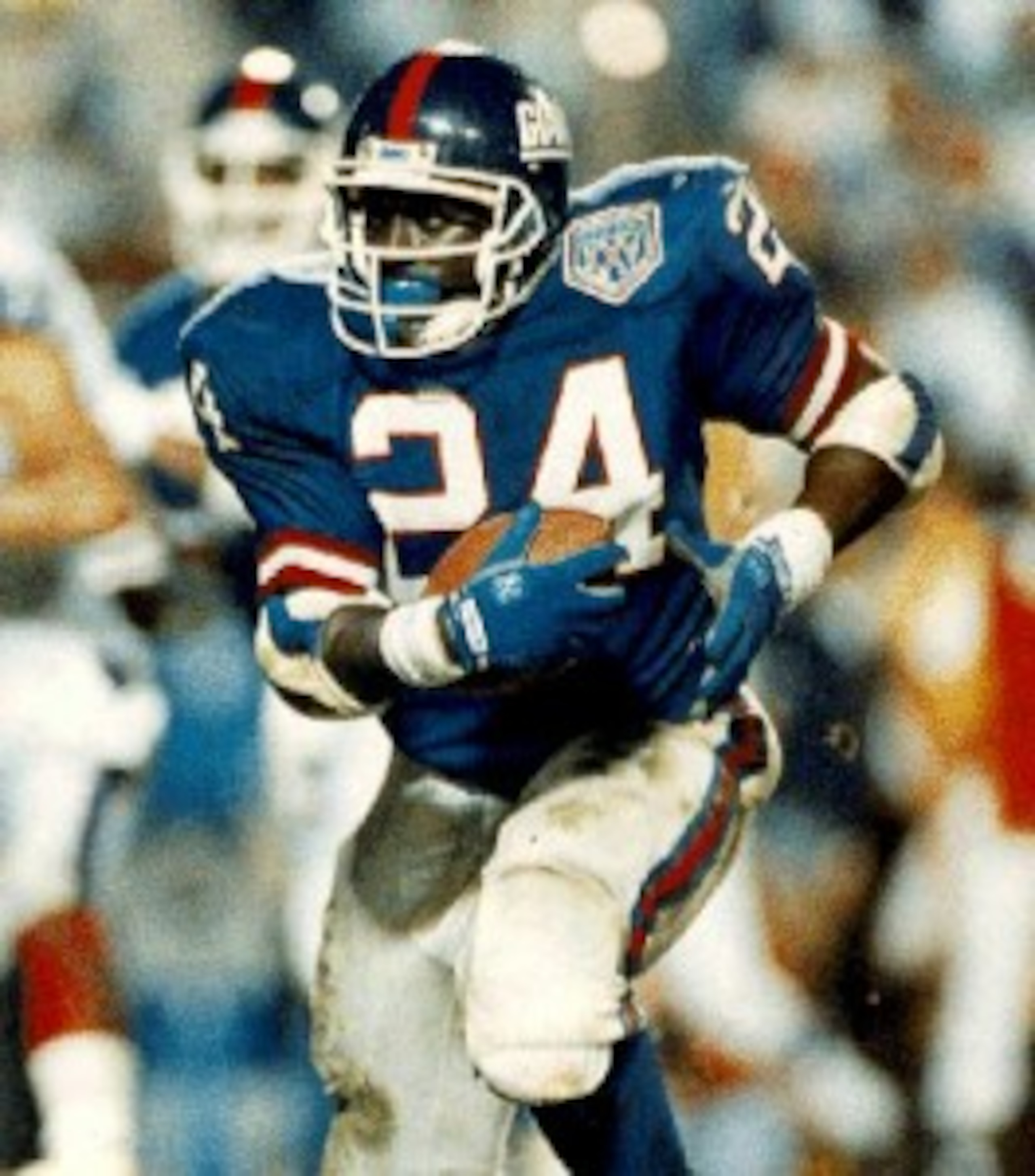
The story of Ottis Anderson is an inspirational one.
He was drafted eighth overall in 1979 by the St. Louis Cardinals and enjoyed six good seasons, (being named Offensive Rookie of the Year and making two Pro Bowls) before injuries took a toll on him. He was forced out of his starting role and became a goal-line back before being traded to the New York Giants.
After spending two seasons in New York as the goal-line back, Bill Parcells made Anderson the starting running back in 1989. What resulted was a career season for the 32-year-old former Miami Hurricane.
In 1989, Anderson ran for a modest 1,029 yards but also had a career high 14 rushing touchdowns as the Giants went on to face the Buffalo Bills in Super Bowl XXV. These stats were enough for him to be named the NFL Comeback Player of the Year.
In the game, Anderson ran 21 times for 102 yards and a touchdown as his Giants won 20-19 and he was named MVP. I find his award amazing simply because a few years earlier, he had been written off as injury-prone and washed up. It's as though he came back from the dead, for lack of better word, and silenced his critics one last time before being replaced by Rodney Hampton two seasons later.
I am not a Giants fan by any means, but Ottis Anderson deserves Super Bowl respect not just in the land of Big Blue, but from all NFL fans.
.jpg?w=2560 "Ravens Browns Football")
.jpg?w=2560 "DOLPHINS-AIKMAN")

_0.png?w=2560 "Unranked Teams Cause Chaos in Rankings 📊")
.png?w=2560 "Week 8 Winners & Losers 📊")





