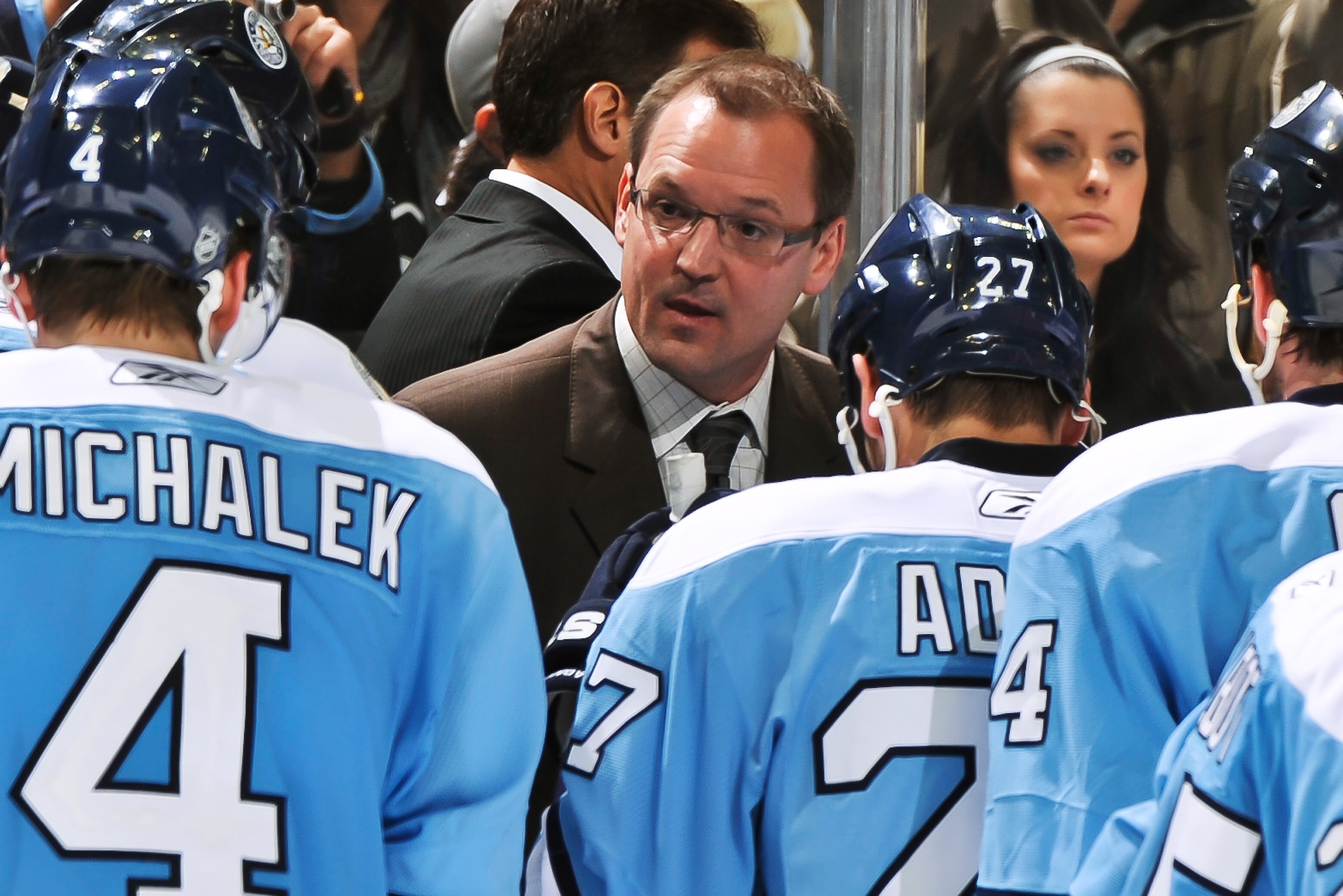

Pittsburgh Penguins: 5 Questions the Pens Must Answer Before the Playoffs
As the Pittsburgh Penguins head deeper in the season, fans and analysts have commented on their inconsistent play as of late which has become a cause of concern.
However, inconsistent play in January could be a blessing in disguise because it gives the Pens some time to improve before the playoffs begin. It acts as a motivator to ensure the playoffs begin with top notch hockey.
The Pens, though, have to find a way to rectify their obvious problems first.
Following are some questions that must be asked of the Pens and answered by them before the start of the playoffs.
Laura Falcon is a Featured Columnist for the Pittsburgh Penguins. Follow her on Twitter or email her at lfalcon@mail.umw.edu with any comments or questions.
Can the Pens Stay Disciplined?
1 of 5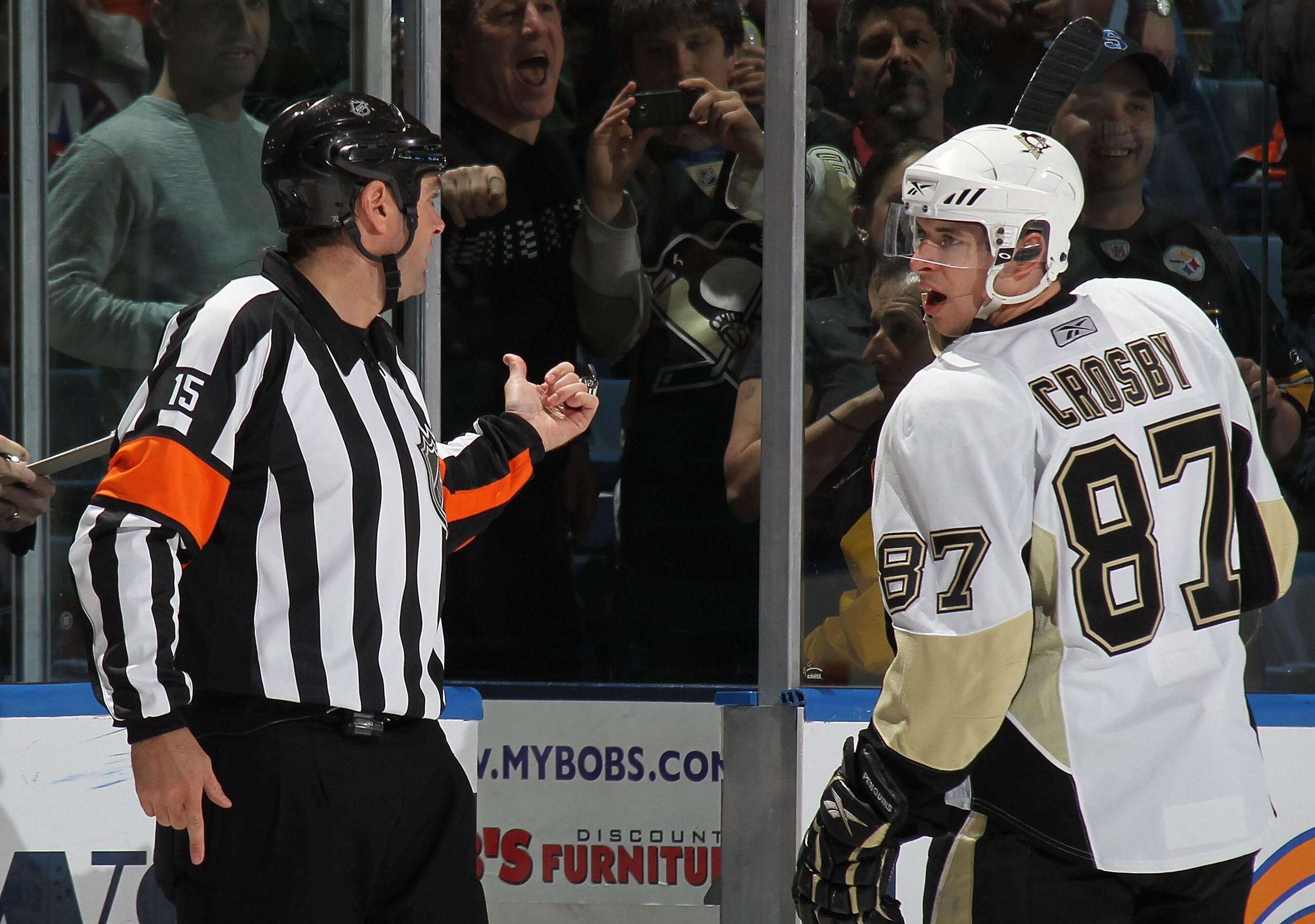
Dan Bylsma isn't kidding when he says the Pens play a physical brand of hockey.
Sometimes, it gets to be a little too physical.
The Pens are currently number one in the NHL in minor penalties, total penalty minutes and average PIM per game. While they make up for it as the number one penalty killing team, being down a man isn't where any team wants to be at any point in time during a game.
Not to mention it's a great way to kill momentum and the Pens thrive on building momentum with continuous pressure and cycling in the offensive zone.
Tying in with the disciplinary problem is the timing of the discipline problems.
The Pens have been caught taking penalties near the end of the third period. Often times, this would take a lead away from the Pens or put them behind. The best example of this was the most recent game against the Boston Bruins.
The Pens need to have better control of their sticks because there will be a time when the penalty kill isn't as dominant as it is now.
Will the Power Play Find Consistency?
2 of 5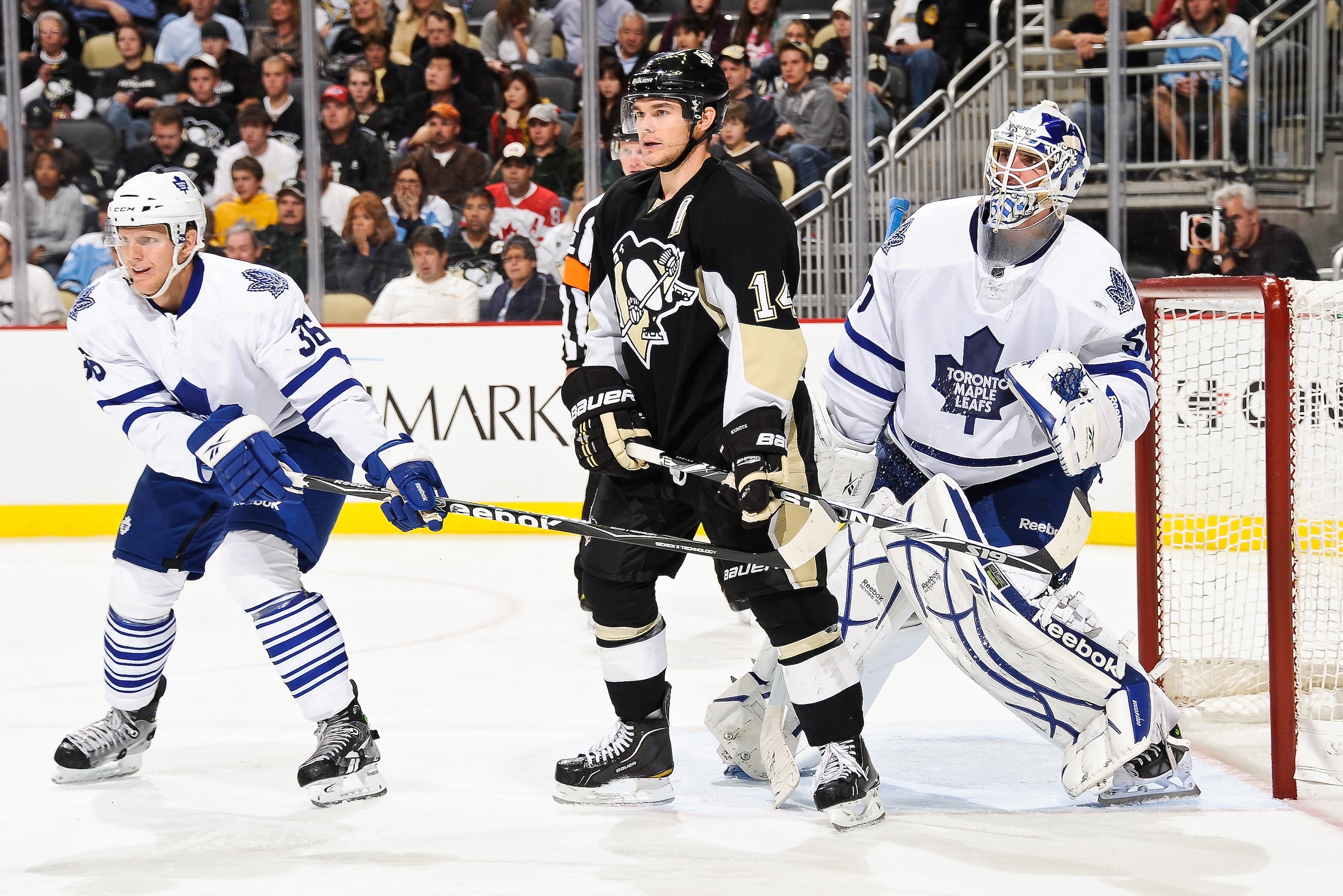
On the flipside of a dominating penalty kill is an average power play.
To give the unit a little credit, they have been on the upside as of late which is surprising since there has been no help from the injured Sidney Crosby. However, some success doesn't mean the power play is out of hot water just yet.
Their power play conversion sits at 15th in the NHL which, while an improvement from last season, still could use an boost specifically in execution. Their most successful power plays involve putting the puck on the net and utilizing that one-timer when it's there. Sometimes, that split-second hesitation is warranted but too often it has become a crutch seemingly out of fear of making mistakes.
The plus side is how impressive the power play has become despite no Sergei Gonchar manning the point.
It demonstrates the talent on the power play unit which is why improvement in that area is very doable.
Can the Pens Solve the Trap?
3 of 5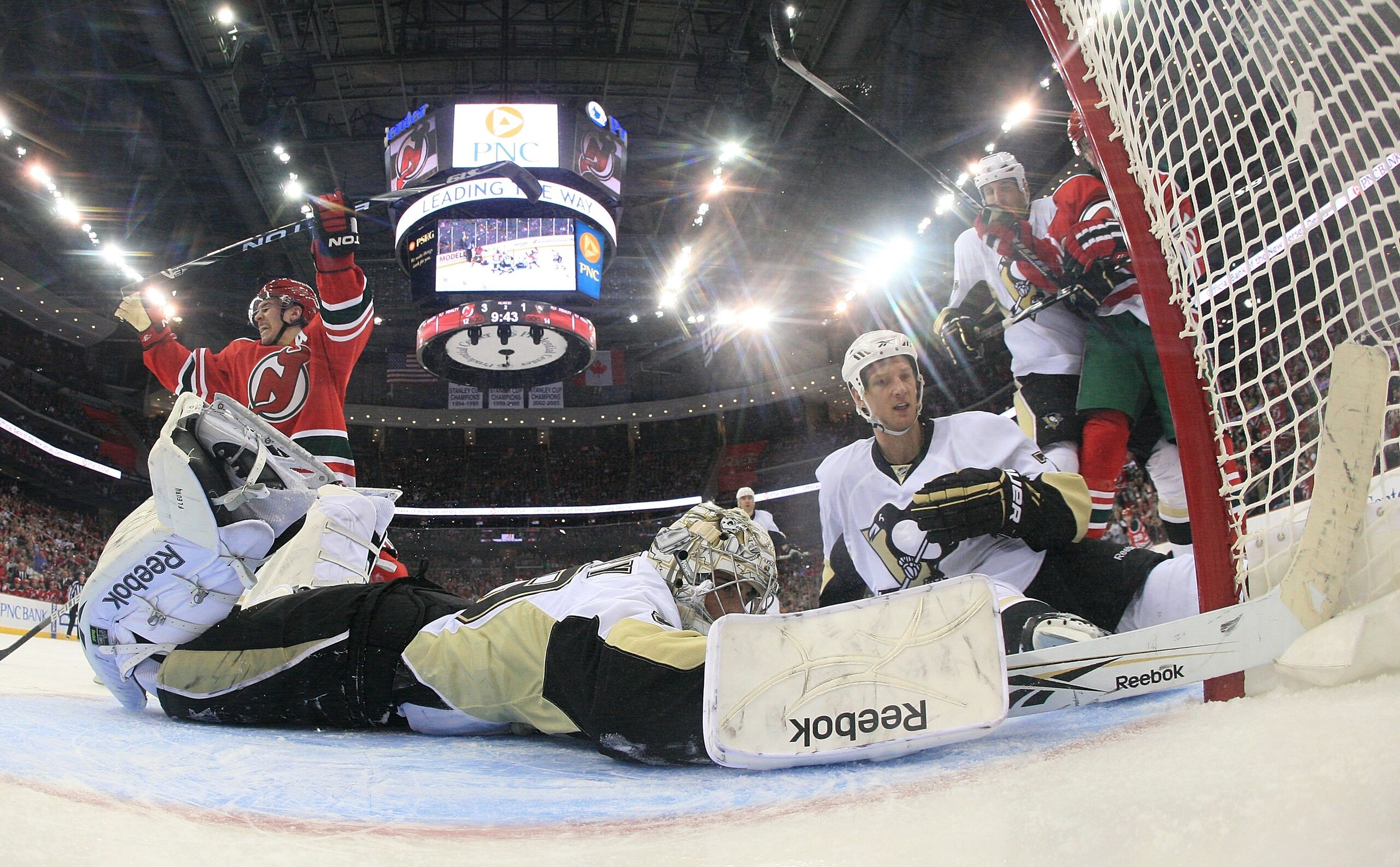
Ah, yes, the dreaded trap.
The sucker of fun and excitement in a hockey game.
It also happens to suck the life out of the Pens.
The most difficult games the Pens would face last season were against teams that implemented a trap. This included the New Jersey Devils who went 6-0 against the Pens under Jacques Lemaire's perfected system.
This season hasn't yielded problems when facing the Devils, but the Pens have found difficulty against the Minnesota Wild and even the Montreal Canadiens.
Bottling up the neutral zone is the best way to interfere with the Pens' game plan which is to carry the puck to the red line and play dump-and-chase. Under the trap, the Pens usually play a tense and more frustrated game that sees them spending more time on the penalty kill rather than building momentum and trying to push through the constricting neutral zone barrier.
What makes this an even greater problem is teams realize the Pens' difficulties when playing against trap teams. Washington Capitals Head Coach Bruce Boudreau has spoken about implementing a trap which he would surely use against the Pens.
Solving the neutral zone trap isn't the Pens most pressing issue as of now, but they must be prepared in case they face a trapping team in the playoffs.
Will the Pens Close Out the Third Period?
4 of 5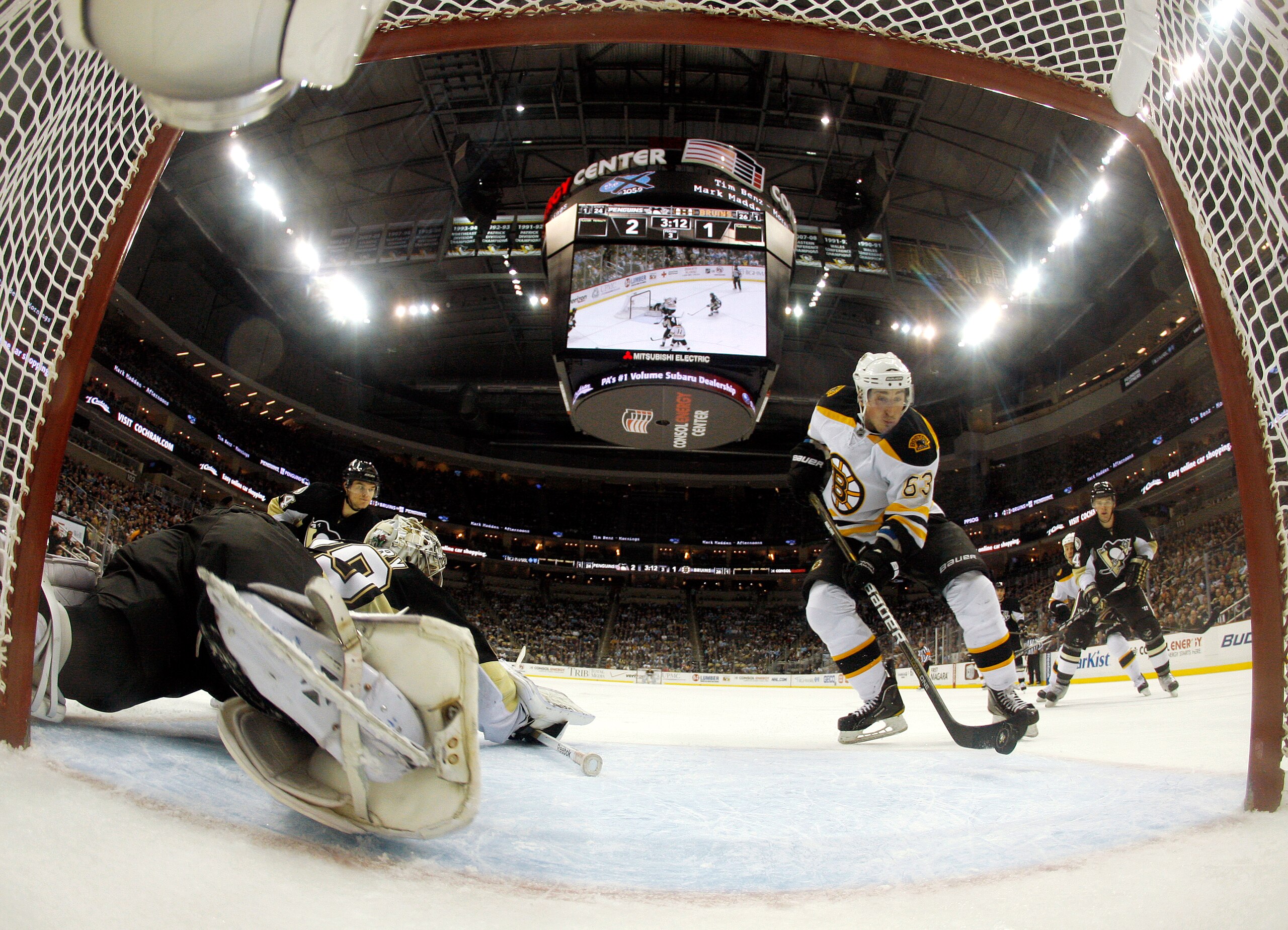
In the 2008-2009 season, the Pens were ranked number one in wins when trailing after one period.
This season has seen that stat all but disappear.
Now, the Pens have become almost notorious for taking an early lead and then allowing the opposition to come back and win in the closing minutes or overtime. Playing like this is a recipe for an early playoff exit.
Pegging the reason behind this problem is more difficult than the others because all clues point to many possibilities such as poor penalty timing, a let-up of energy as the game progresses and even an overall lack of motivation.
However, this problem could be the most deadly if it isn't addressed immediately. Holding down the fort is crucial in the playoffs when goal totals are low.
Just take a look at Games six and seven in the 2009 Stanley Cup Finals.
Can Forwards Not Named Crosby Put Up Points?
5 of 5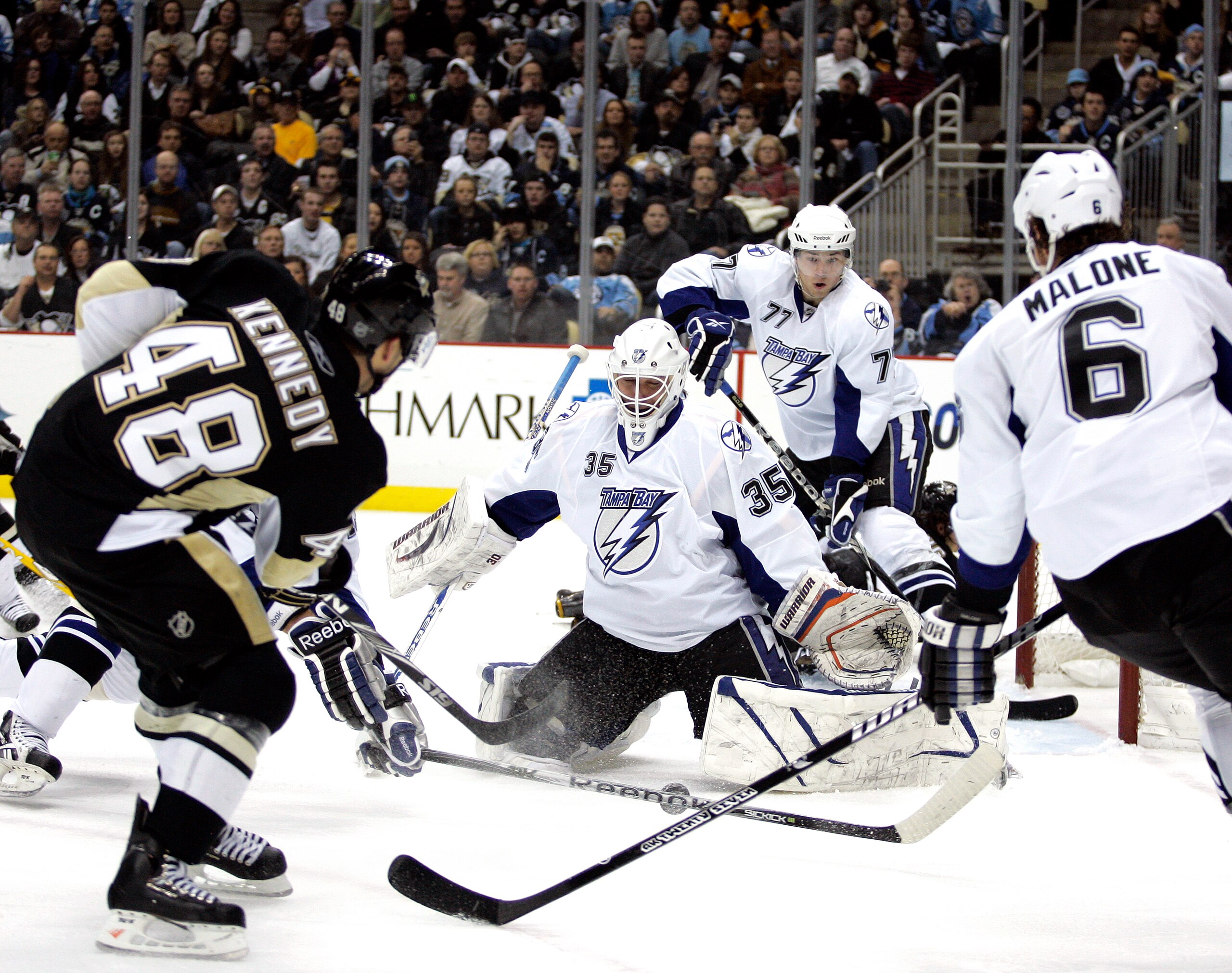
It goes without saying that Crosby has been the most valuable player on the Pens.
However, despite what many might think, he can't do it all on his own. Someone else needs to step up, especially when/if teams find a way to shut down Crosby like Montreal did in 2010 and Detroit in 2009.
Evgeni Malkin has had a slow start to the season thus far and is 31 points behind Crosby. When playing his best hockey, Malkin can be neck-and-neck with Crosby. After Malkin, Chris Kunitz has the next highest points with 30.
The point gap between the players is too large to go unnoticed.
In fact, it's becoming noticeable as of late since the captain has been sidelined with a concussion.
The Pens need to find a way to score on a regular basis without Crosby in the lineup. Last night's game against Montreal was a good example of secondary scorers stepping up to the challenge.
By forcing other players to elevate their game, the Pens could be unstoppable when Crosby returns healthy. But in the playoffs, having that extra goal from a 15-goal scorer could be the difference between victory and elimination.
.jpg?w=2560 "NHL Trade Grades Connor Hellebuyck")
_0.png?w=2560 "Unranked Teams Cause Chaos in Rankings 📊")

.png?w=2560 "Week 8 Winners & Losers 📊")
.jpg?w=2560 "Jonathan Taylor Landing Spots 📍")





