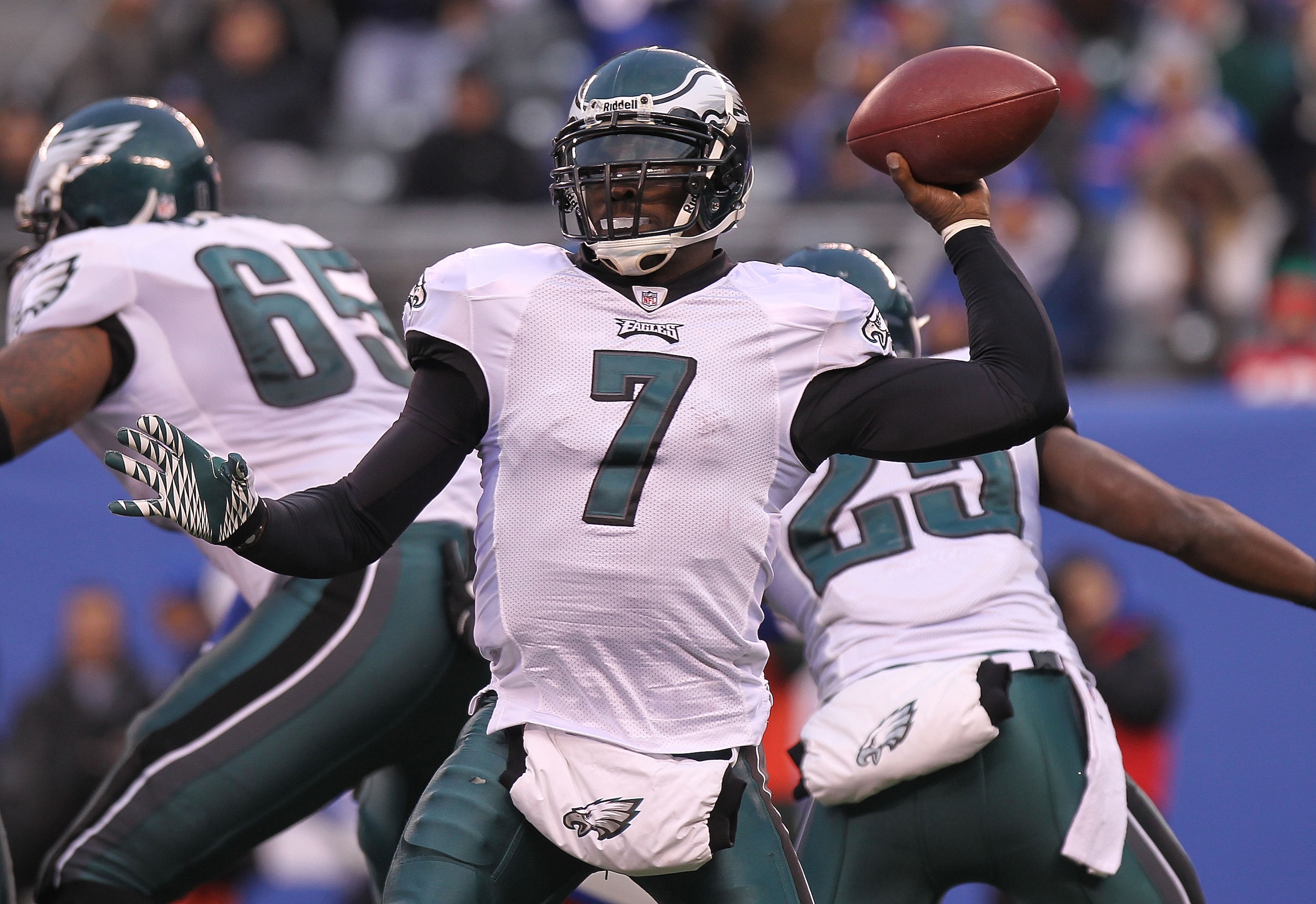

NFL Playoff Predictions: Why Michael Vick May Falter This Postseason
NFL Playoff Predictions: Finally, the NFL playoffs are here.
No more sitting through meaningless games or anything the Carolina Panthers have to offer.
We're at the point when every game matters, when teams lay it all on the line for a Super Bowl ring.
But we're here today to discuss how each team's dreams could be derailed before they even get started.
Though all 12 NFL teams obviously have their strengths, we'll take a look at each team's biggest weakness or potential downfall and how it could cost them a trip to Dallas.
AFC No. 6: New York Jets
1 of 12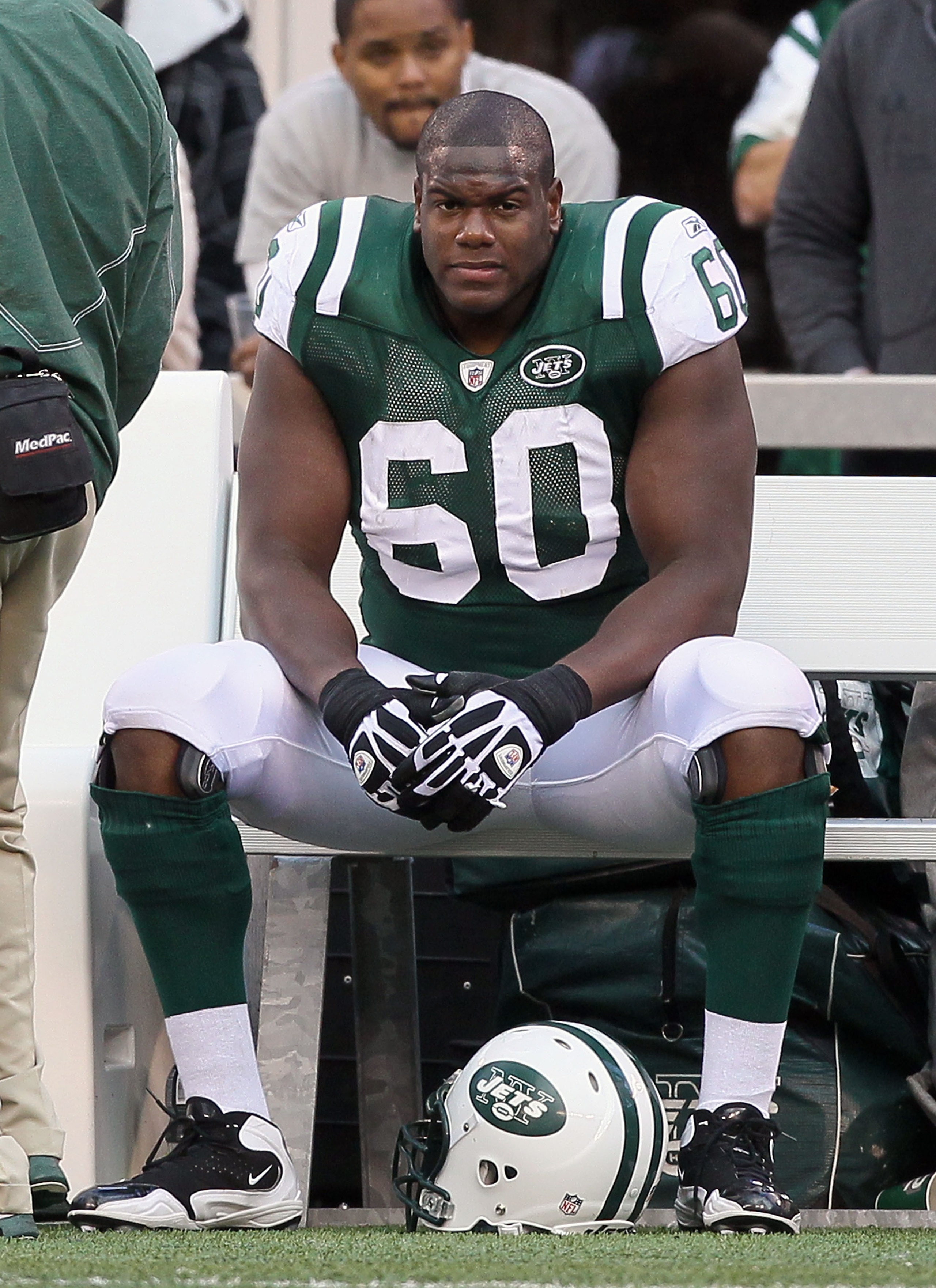
The New York Jets will be the more talented team in their Wild Card game against the Indianapolis Colts.
But that hasn't always translated to success this season, as the Jets have struggled mightily at times (even in wins) against teams they should have blown out of the stadium.
Here are some examples:
Dolphins 10, Jets 6
Jets 30, Texans 27
Jets 26, Browns 20
Jets 23, Lions 20
Jets 24, Broncos 20
You can even look at their games against the Packers (a 9-0 loss), the Patriots (45-3 loss), and the Bears (38-34 loss) as a sign of the team not showing up, whether it's their offense, defense, or both.
If Mark Sanchez and the Jets are going to make any noise in the AFC, they'll have to play up to their talent level.
The Weakness: Playing well below their talent level
NFC No. 6: Green Bay Packers
2 of 12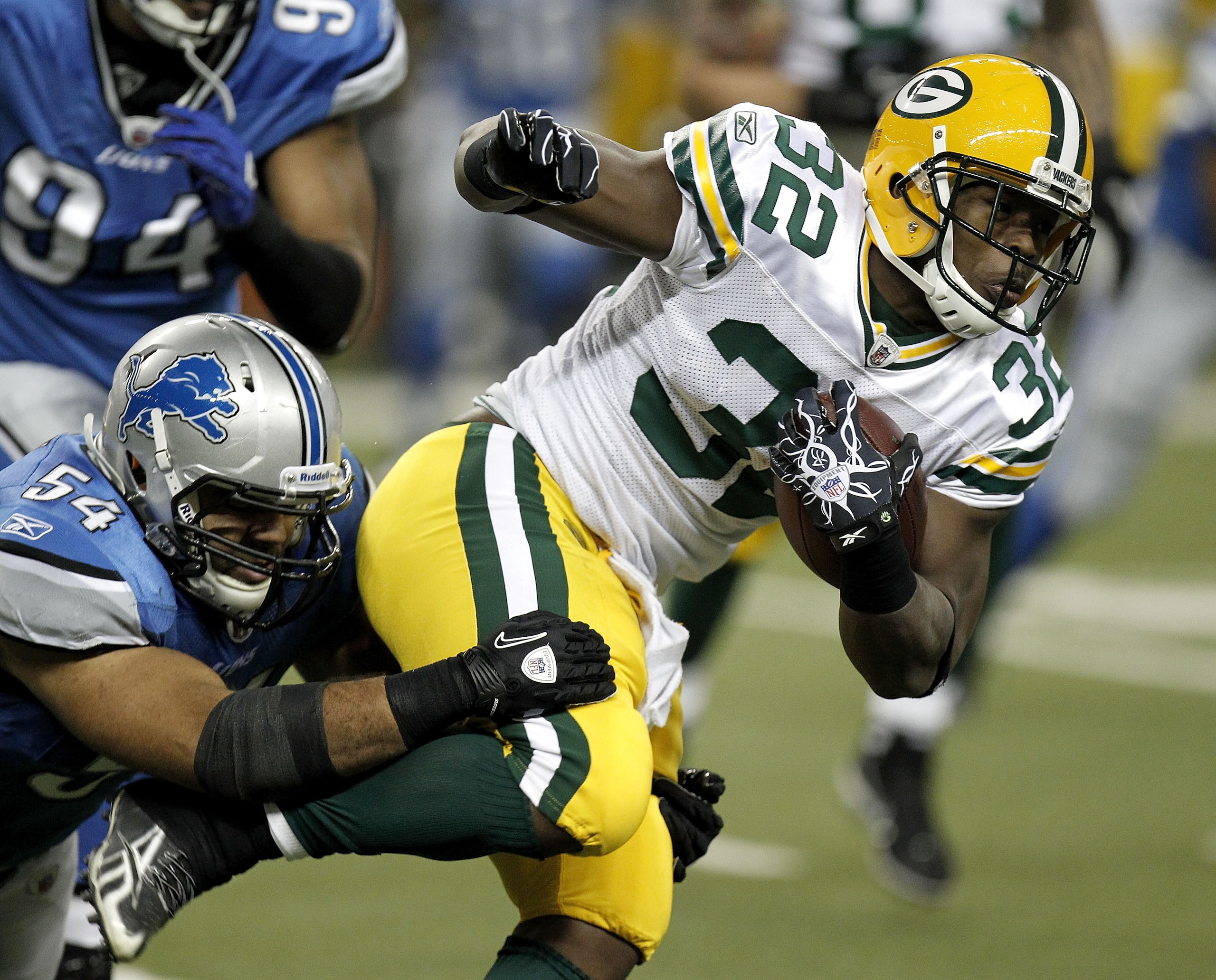
With the way the Green Bay Packers have been playing, I don't think anyone wants to see them in the NFC playoffs.
But as prolific as Aaron Rodgers and Green Bay's passing attack may be, the Packers haven't been able to run the ball for most of the season.
During the regular season, they ranked 24th in the league in rushing yards (100.4 per game) and averaged just 3.8 yards per carry.
Green Bay also had just 11 rushing touchdowns, but four of those came from Rodgers.
In the team's last two games of the season, the Packers' leading rushers had 21 and 39 yards respectively.
They may have gotten by with a poor running game so far, but what will happen in the postseason?
The Weakness: The running game
AFC No. 5: Baltimore Ravens
3 of 12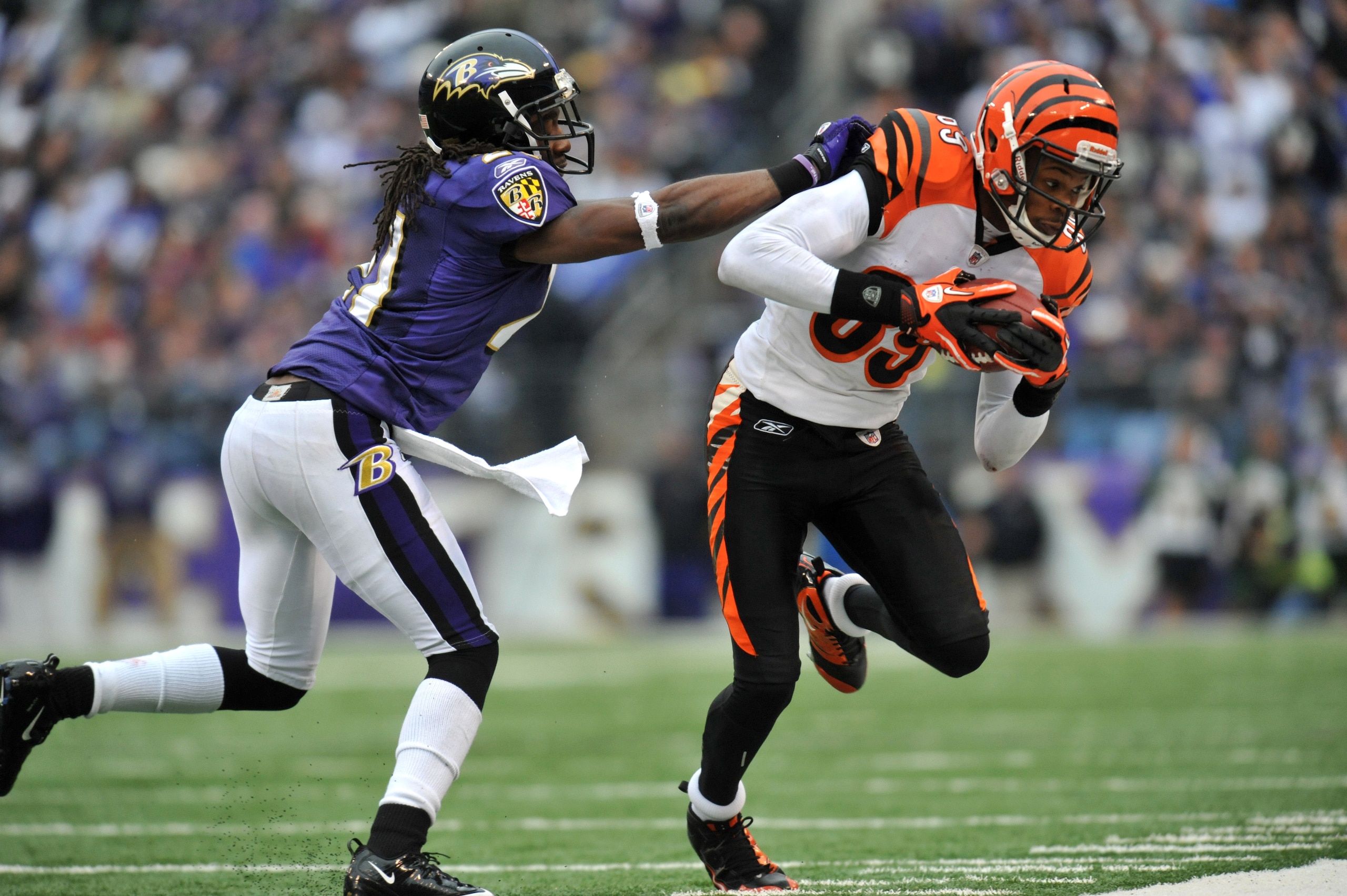
Nobody wants to run against the Baltimore Ravens, and the team's offense has enough weapons to scare its opponents.
But Baltimore's pass defense is a different story.
In the regular season, the Ravens ranked 21st in passing yards allowed (224.9 per game) and gave up 22 touchdown passes.
And check out the stat lines for some of the quarterbacks the Ravens have faced in recent weeks:
Carson Palmer (Week 17): 32-45, 305 yards, one touchdown
Drew Brees (Week 15): 29-46, 267 yards, three touchdowns
Matt Schaub (Week 14): 31-62, 393 yards, three touchdowns
I realize that those teams were all playing from behind and Ed Reed has been a beast, but Baltimore's secondary has to make Ravens fans a little nervous.
The Weakness: Pass defense
.jpg?w=2560 "Colts Football")
.jpg?w=2560)
.jpg?w=2560 "Commanders 49ers Football")
NFC No. 5: New Orleans Saints
4 of 12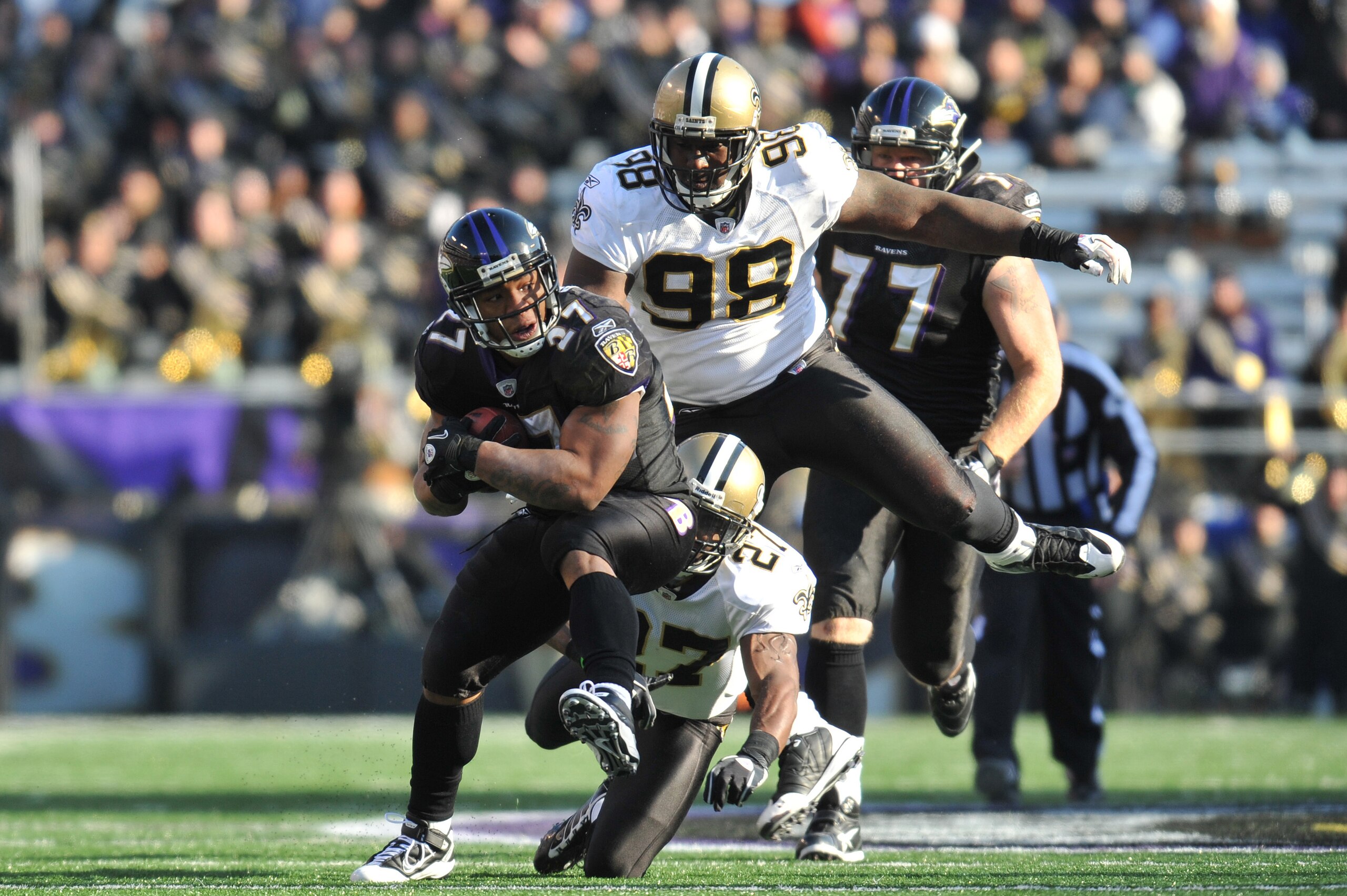
The New Orleans Saints have the No. 4 total defense, but don't let that fool you into thinking everything is right with the team.
The Saints weren't overly impressive against the run during the regular season.
They ranked 16th in rushing yards allowed (112.3 per game), they gave up 4.3 yards per carry, and they gave up 13 rushing touchdowns.
Perhaps more important, though, is the way the team's defense has been torched by some of the league's better running backs.
New Orleans gave up 96 yards on just 16 carries to Steven Jackson, Atlanta rushed for 202 total yards against the Saints earlier in the season, and Ray Rice accounted for 233 total yards and two touchdowns against them in Week 15.
That kind of performance against the run could spell doom for the Saints.
The Weakness: Run defense
AFC No. 4: Kansas City Chiefs
5 of 12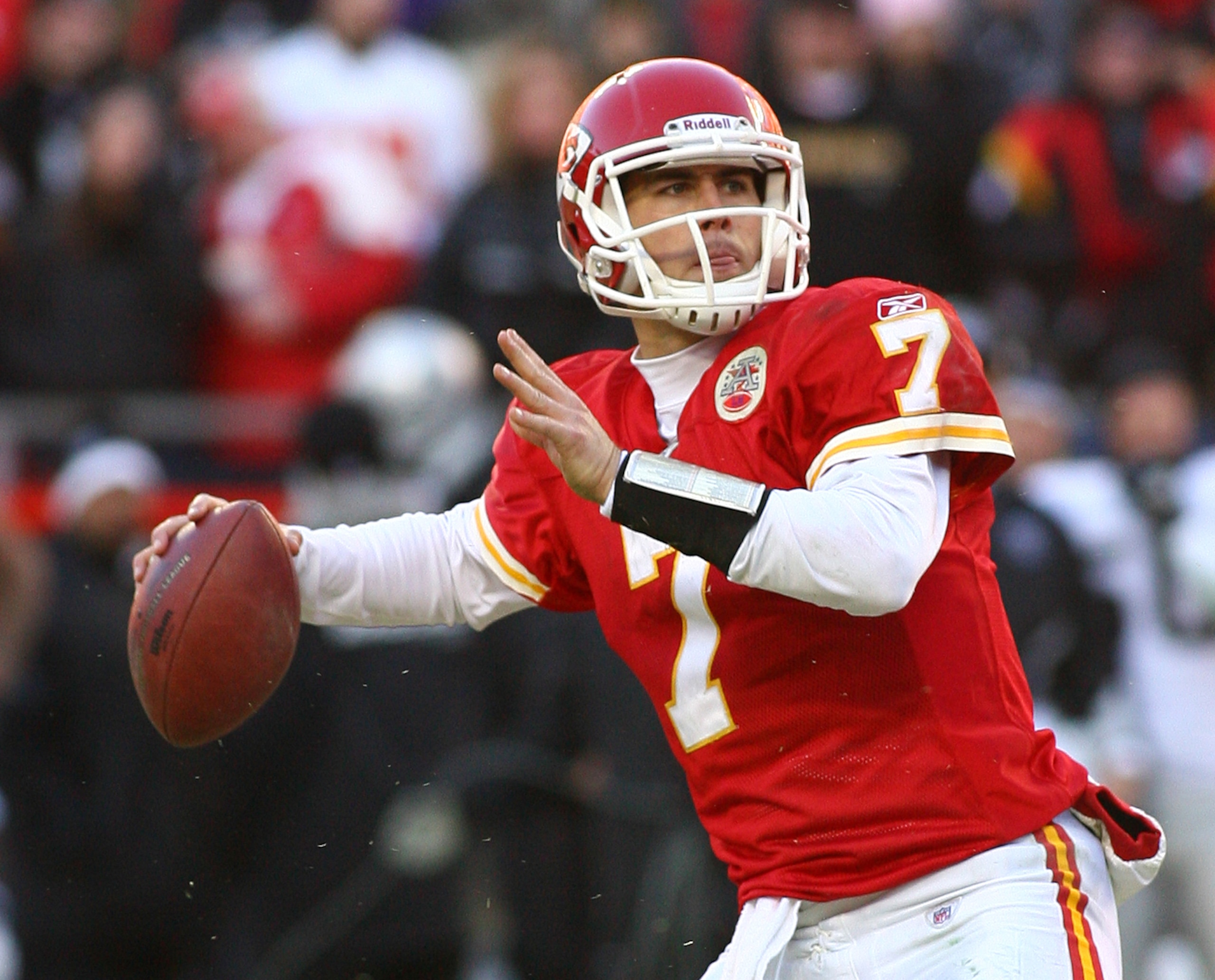
Matt Cassel had a stellar regular season, throwing for 3,100 yards with 27 touchdown passes, just seven interceptions, and quarterback rating of 93.0.
In fact, I thought he was an MVP candidate all season long.
But in Cassel's final two games, he completed just 26 of 62 passes for 299 total yards and three interceptions to just one touchdown.
It's obvious that the Kansas City Chiefs will live and die by Thomas Jones, Jamaal Charles, and their No. 1 rushing attack, but Cassel absolutely cannot afford to play like that if the Chiefs want to advance past the Wild Card round.
Maybe his recent performance is just a minor blip in what's otherwise been a phenomenal year.
Then again, maybe it's not.
The Weakness: Matt Cassel continuing his poor play
NFC No. 4: Seattle Seahawks
6 of 12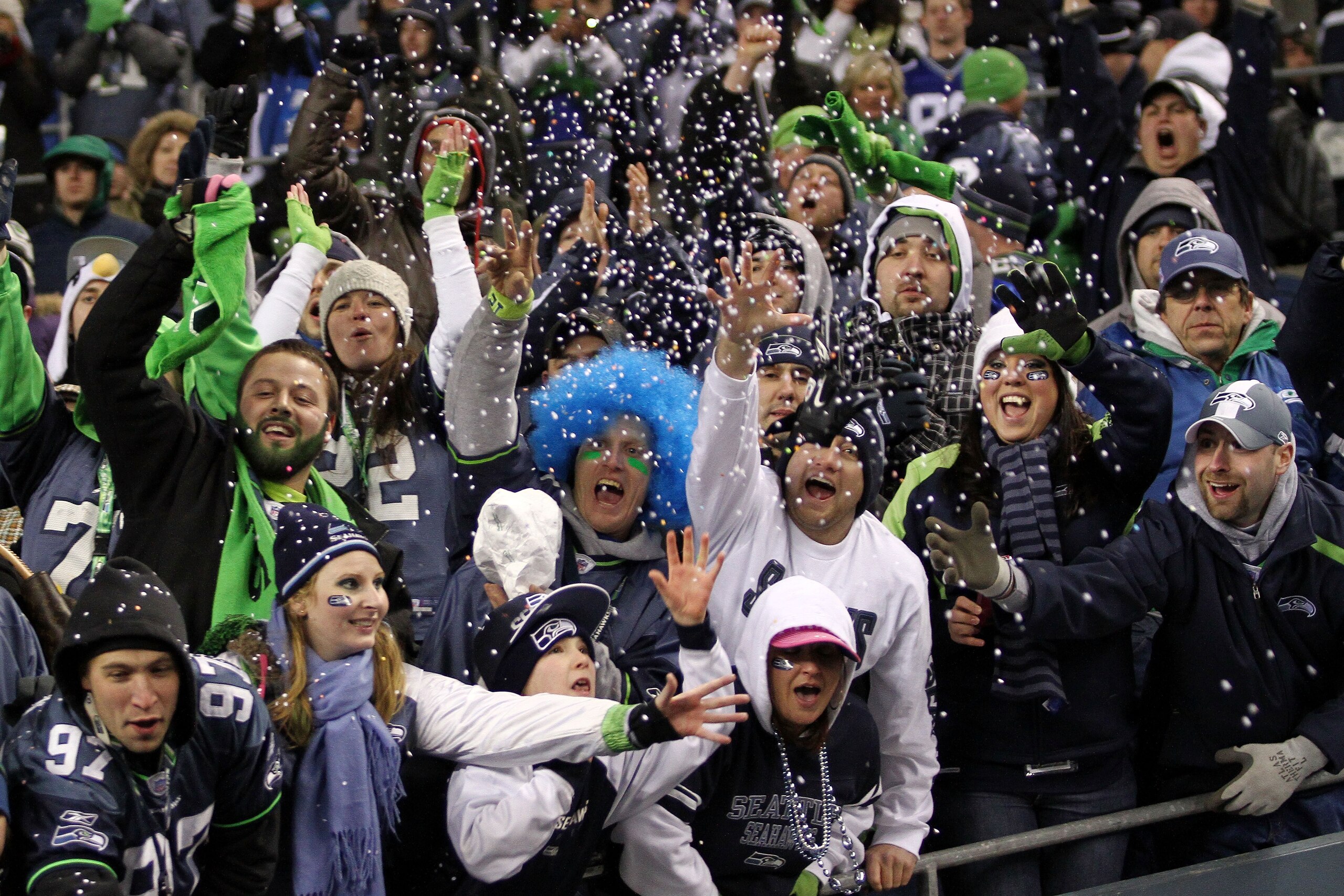
The only real plus that the Seattle Seahawks have is playing at Qwest Field.
Other than that, they might be the worst playoff team—on paper at least—in NFL history.
The Seahawks rank 28th in total offense, 27th in total defense, and 31st in rushing offense.
All nine of their losses have come by at least 15 points, they're -9 in turnover margin, and they give up six points more per game (25.4) than they score (19.4).
I know Seahawks fans will hate me for ripping on them, but you can't argue with those numbers.
The Weakness: Everything
AFC No. 3: Indianapolis Colts
7 of 12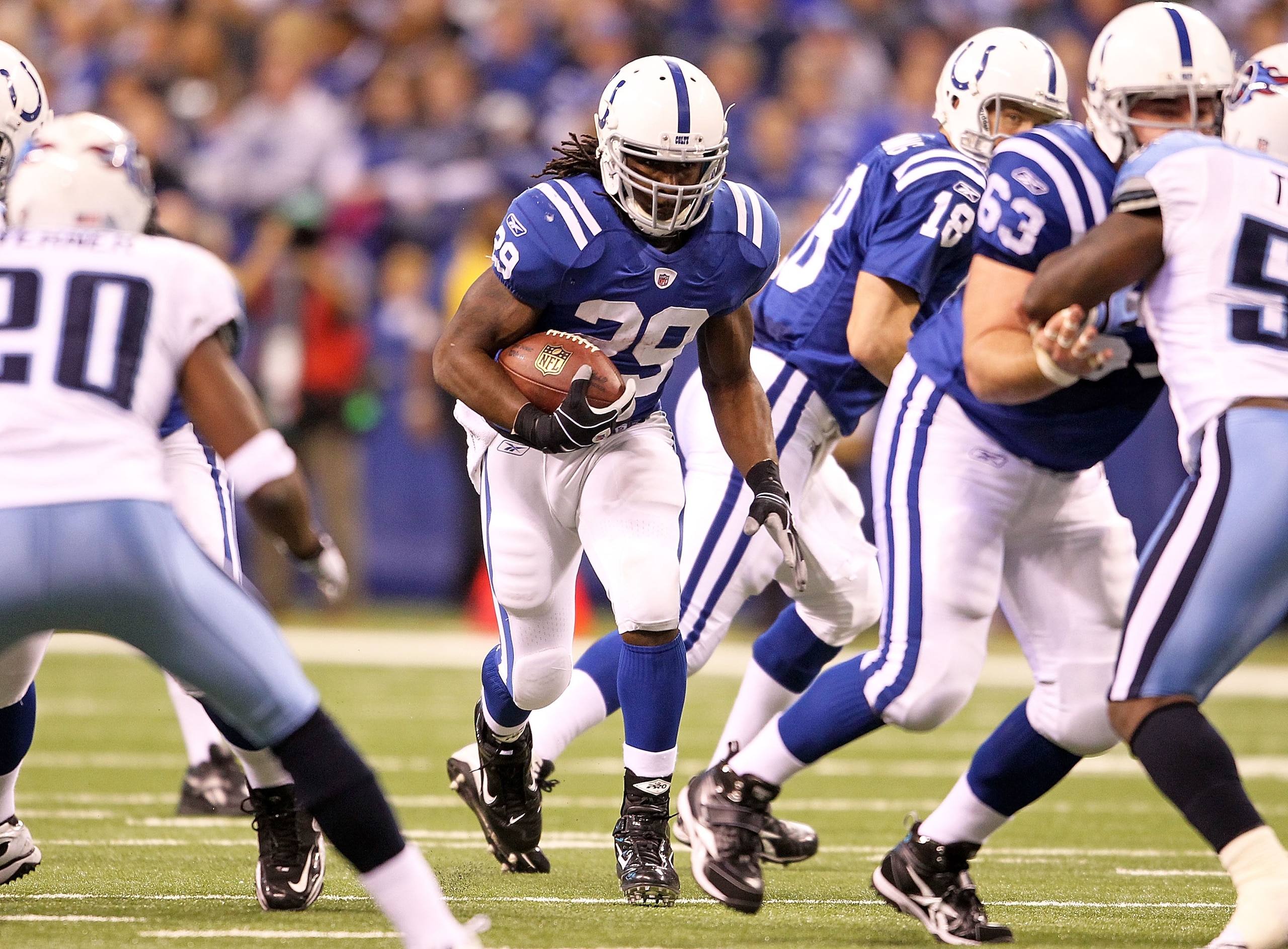
The Indianapolis Colts are right back where they are every year: In the playoffs.
But the 2010 version of the Colts has really struggled both running the football and stopping the run.
In the regular season, the Indianapolis offense ranked 29th in the league in rushing at just 92.7 yards per game, and also averaged just 3.8 yards per carry.
The Colts defense, on the other hand, allowed 127 rushing yards per game (ranked 25th), gave up 14 rushing touchdowns, and allowed 4.6 yards per carry.
Indianapolis' defense also ranks 28th in takeaways with just 21.
Peyton Manning's crew would have a hard time against a team like the New York Jets or Pittsburgh Steelers on both sides of the ball.
The Weakness: The trenches
NFC No. 3: Philadelphia Eagles
8 of 12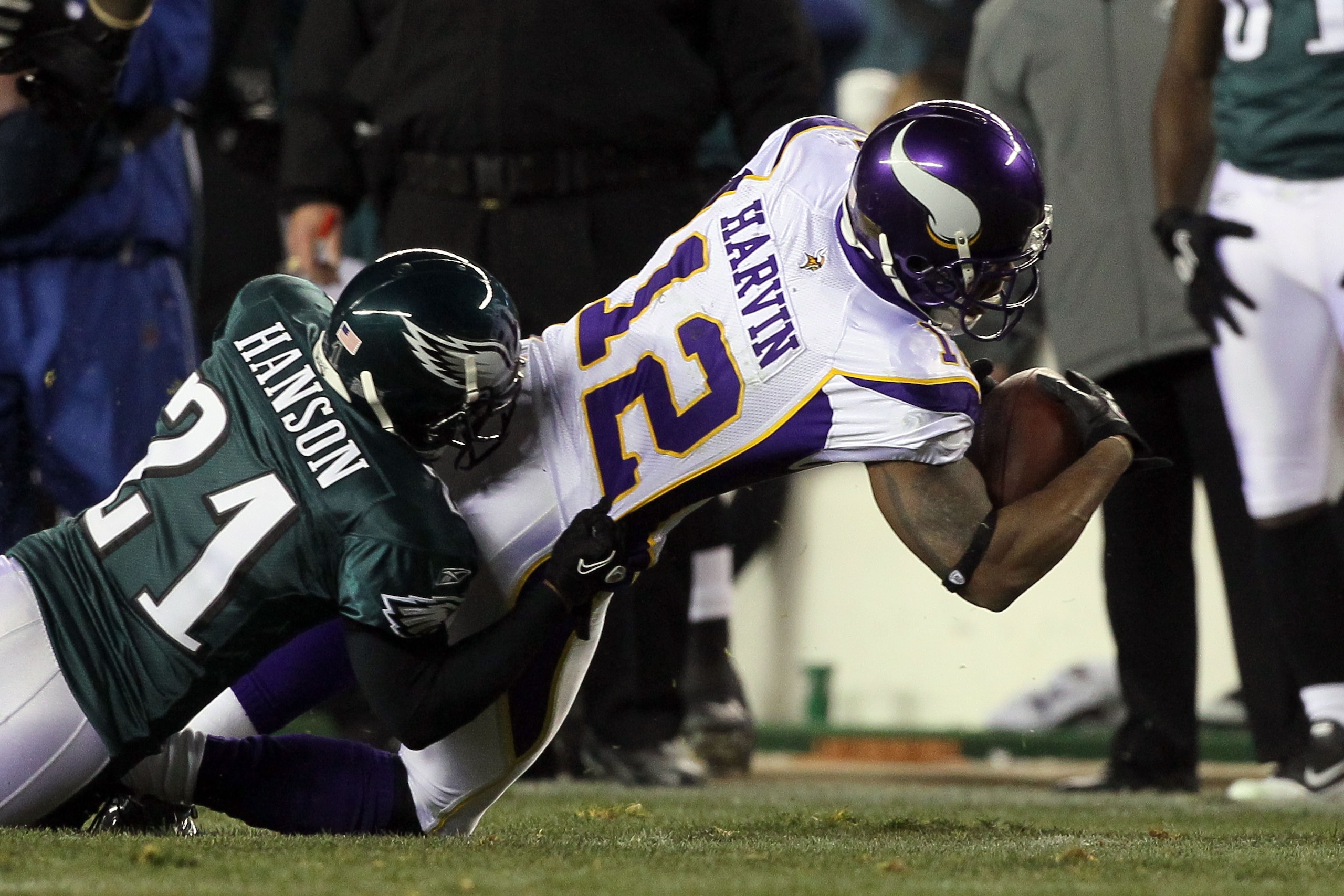
Across the board, the Philadelphia Eagles have been average or great in just about every category on both offense and defense.
But the one glaring weakness on the Eagles has been the team's inability to stop their opponents from scoring.
During the regular season, Philadelphia ranked 21st in points allowed at 23.6 per game.
Much of that is negated by Michael Vick and the high octane offense, but it's still a disturbing trend.
In fact, in the Eagles' final four games that mattered—I'm tossing out the season finale—that Philly defense gave up 27.5 points per game.
Philadelphia also allowed at least 24 points in seven of its last nine games.
The Weakness: Scoring Defense
AFC No. 2: Pittsburgh Steelers
9 of 12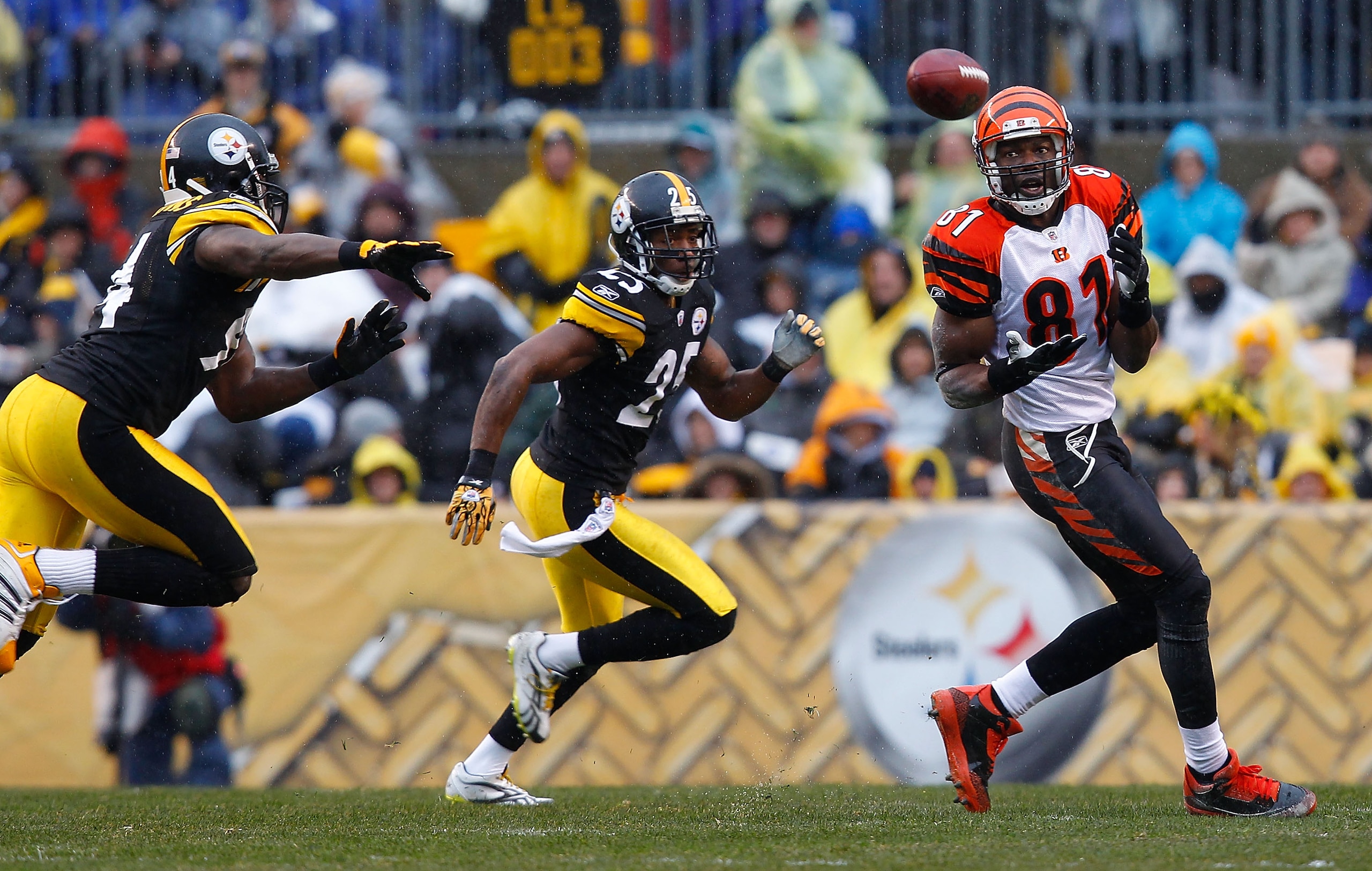
There aren't many problems with the Pittsburgh Steelers, but if I had to find one, I'd go with the team's struggles against the pass.
Pittsburgh ranks 12th in the league in passing yards allowed (214.1 per game), but opposing quarterbacks complete 61.2 percent of their passes against the Steelers secondary.
The Steelers have also given up 3,744 yards to opposing receivers, which ranks 15th in the league.
They have improved against the pass as the season has progressed, but this could be a bigger issue against three teams—the Falcons, Saints and Packers—who have elite quarterbacks and stellar overall passing attacks.
The Weakness: Playing against pass-heavy offenses
NFC No. 2: Chicago Bears
10 of 12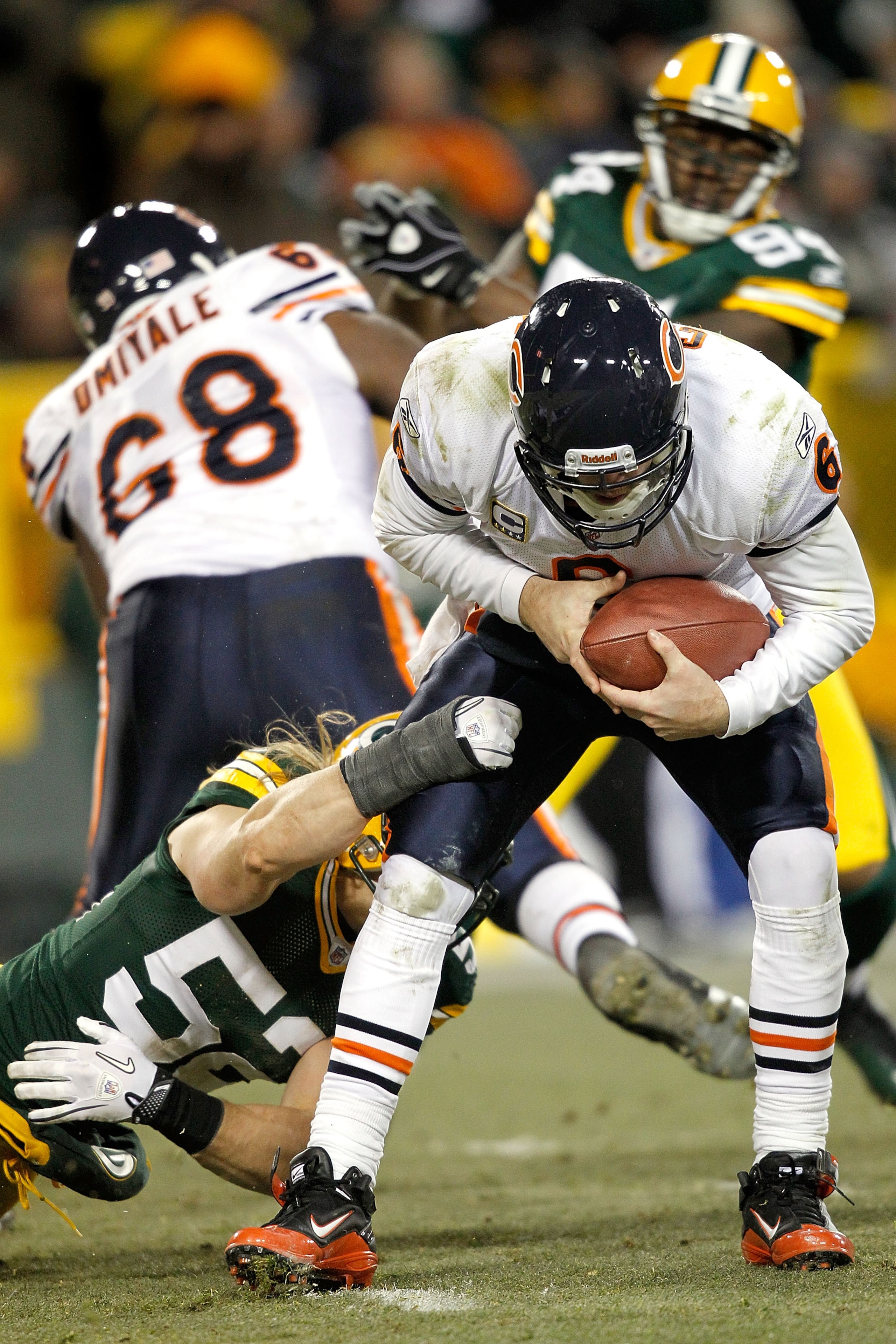
Jay Cutler has thrown a ton of interceptions with the Chicago Bears.
But it's important to note that many of those picks aren't because Cutler made a bad decision. They're because he had close to zero pass protection.
During the 2010 regular season, the Bears offensive line gave up more sacks (56) than any team in the league—no one else allowed more than 50.
That translates to 3.5 sacks allowed per game, which is pretty ridiculous.
If Chicago can't keep Cutler outright, it could be a very short-lived playoff run for the Bears.
The Weakness: Pass protection
AFC No. 1: New England Patriots
11 of 12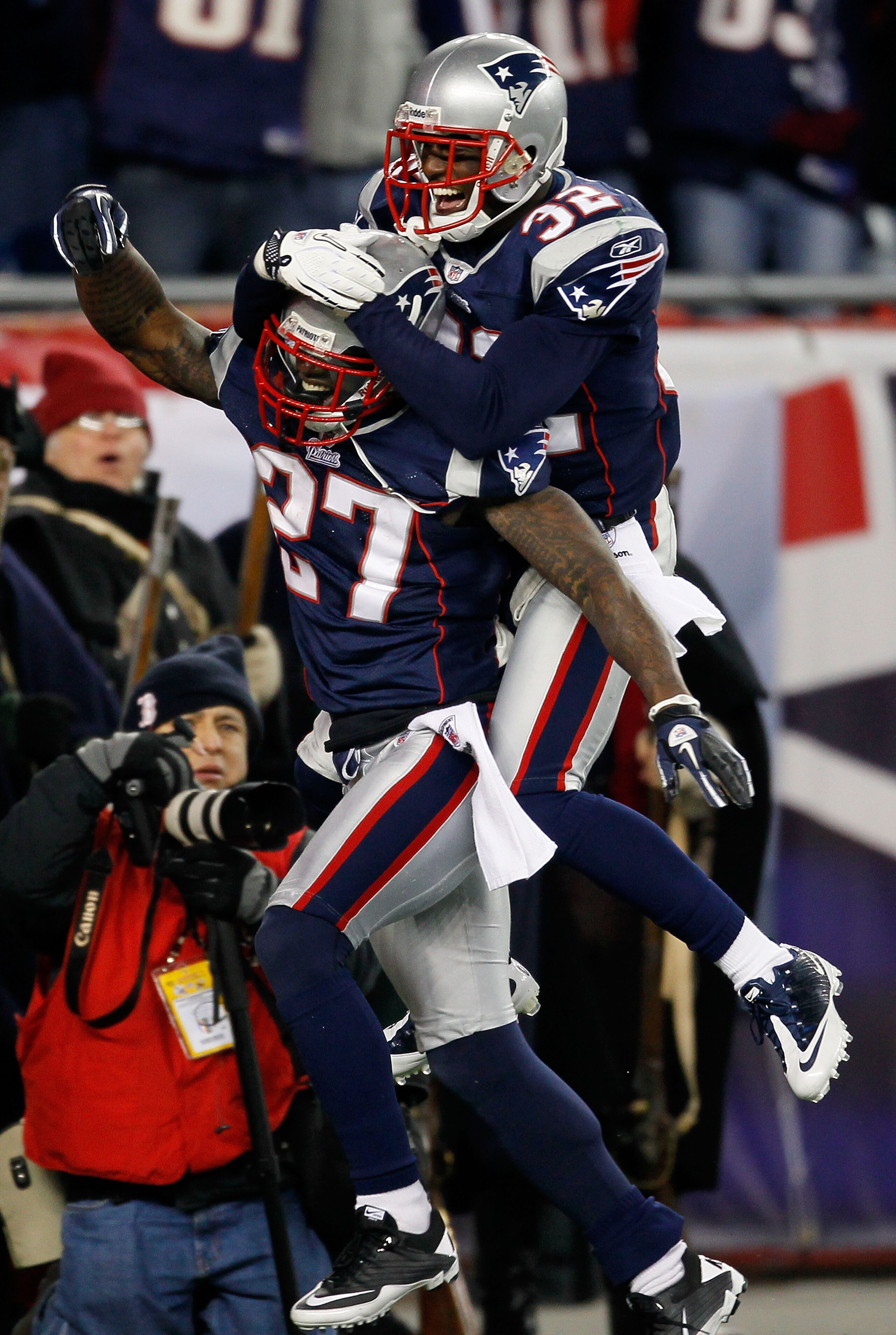
The New England Patriots have played so well all season that it's hard to think anyone can beat them right now.
But one thing you'll notice is that the team's defense seems to be on the field more than most.
The Patriots rank 25th in the league in total yards allowed (366.5 per game) and 30th in passing yards allowed (258.5 per game).
Does a lot of that have to do with New England blowing out its opponents? Yes.
But it also translates to the Patriots ranking 22nd in the NFL in time of possession at 29:24 per game, which is second to last only to Seattle among playoff teams.
New England's defense does force a ton of turnovers, but it also spends more time on the field than just about every other playoff team.
It obviously hasn't been a huge factor so far, because they've won playing that way, but it could play a bigger role against run-heavy teams than you might think.
The Weakness: Playing too much defense
NFC No. 1: Atlanta Falcons
12 of 12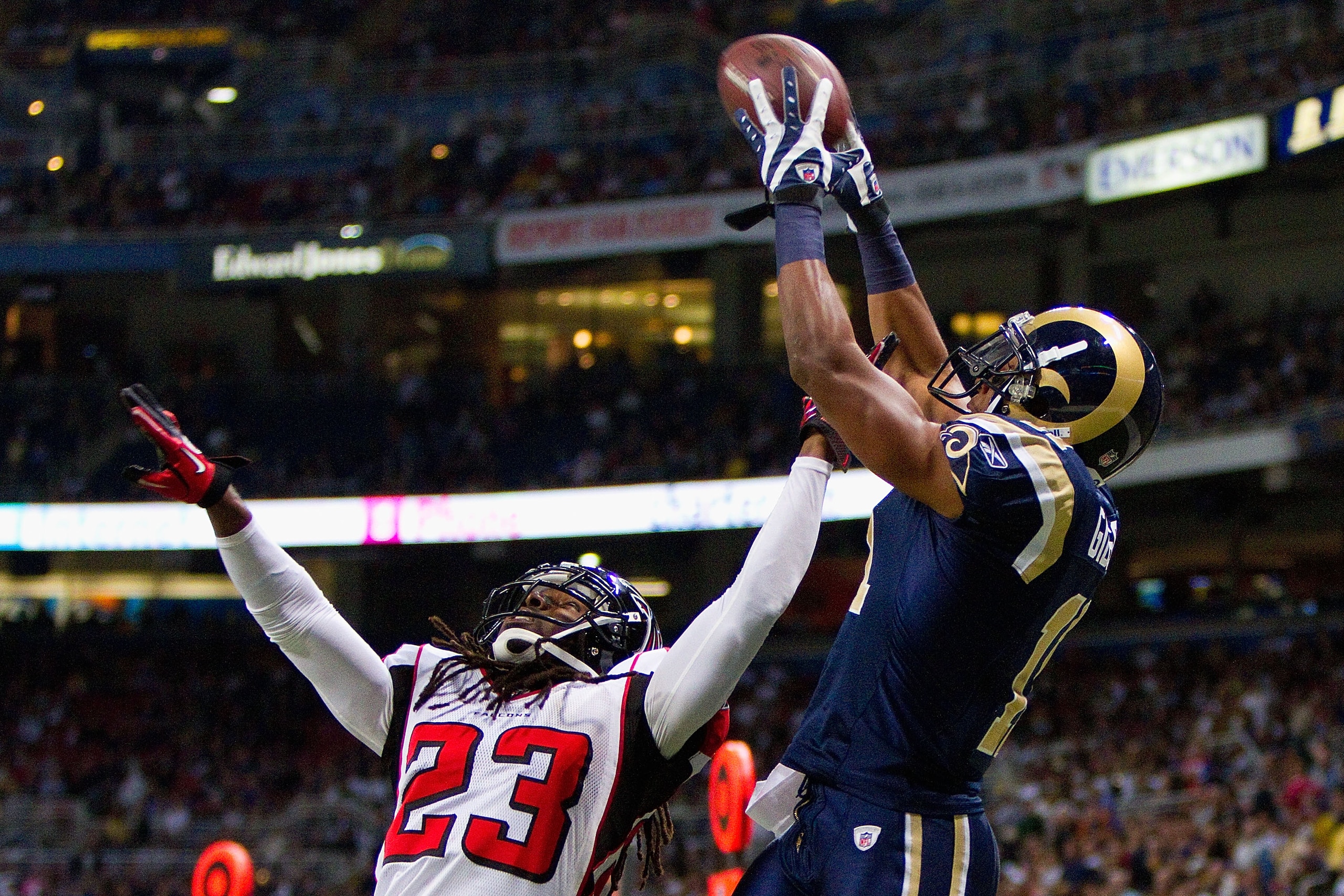
The Atlanta Falcons can run the ball, pass the ball, stop the run, and force turnovers.
But they have struggled all season long against the pass.
During the regular season, the Falcons ranked 22nd in passing yards allowed (222.6 per game), which wasn't really the secondary's biggest problem.
Atlanta also gave up 23 touchdown passes, 6.47 yards per reception, and an astounding 65.0 completion percentage to opposing quarterbacks.
If Aaron Rodgers, Michael Vick or Drew Brees is that accurate against Atlanta in the playoffs, that'll be all she wrote for the Falcons.
The Weakness: Pass defense
.jpg?w=2560 "Ravens Browns Football")
.jpg?w=2560 "DOLPHINS-AIKMAN")

_0.png?w=2560 "Unranked Teams Cause Chaos in Rankings 📊")
.png?w=2560 "Week 8 Winners & Losers 📊")





