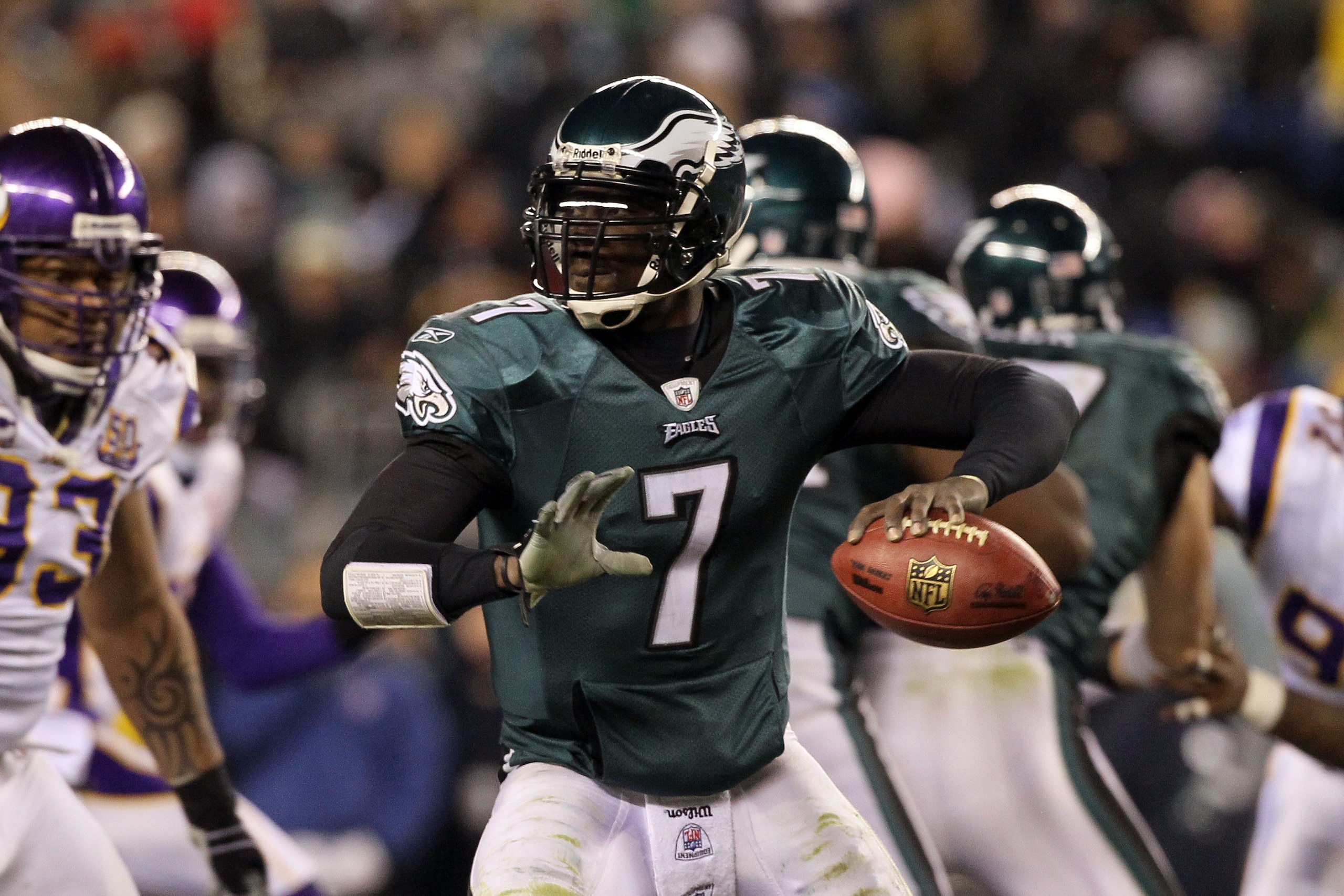

Michael Vick and the 25 Best Comeback Players of the Decade
Michael Vick is the favorite for the annual Comeback Player of the Year award. But since the word "comeback" is pretty loosely defined, there are a few other candidates who could take the title.
A comeback can be a sparkling return from a devastating injury a season earlier.
A comeback can be from a player who most people wrote off as over-the-hill and used up.
Or a comeback can be from a player who was regarded as "never-will-be" the year before—and his entire career.
All of these players are eligible, but we'll have to consider both the overall success of their season and the nature of their comeback to rank them.
No. 25: Clinton Portis, 2007
1 of 25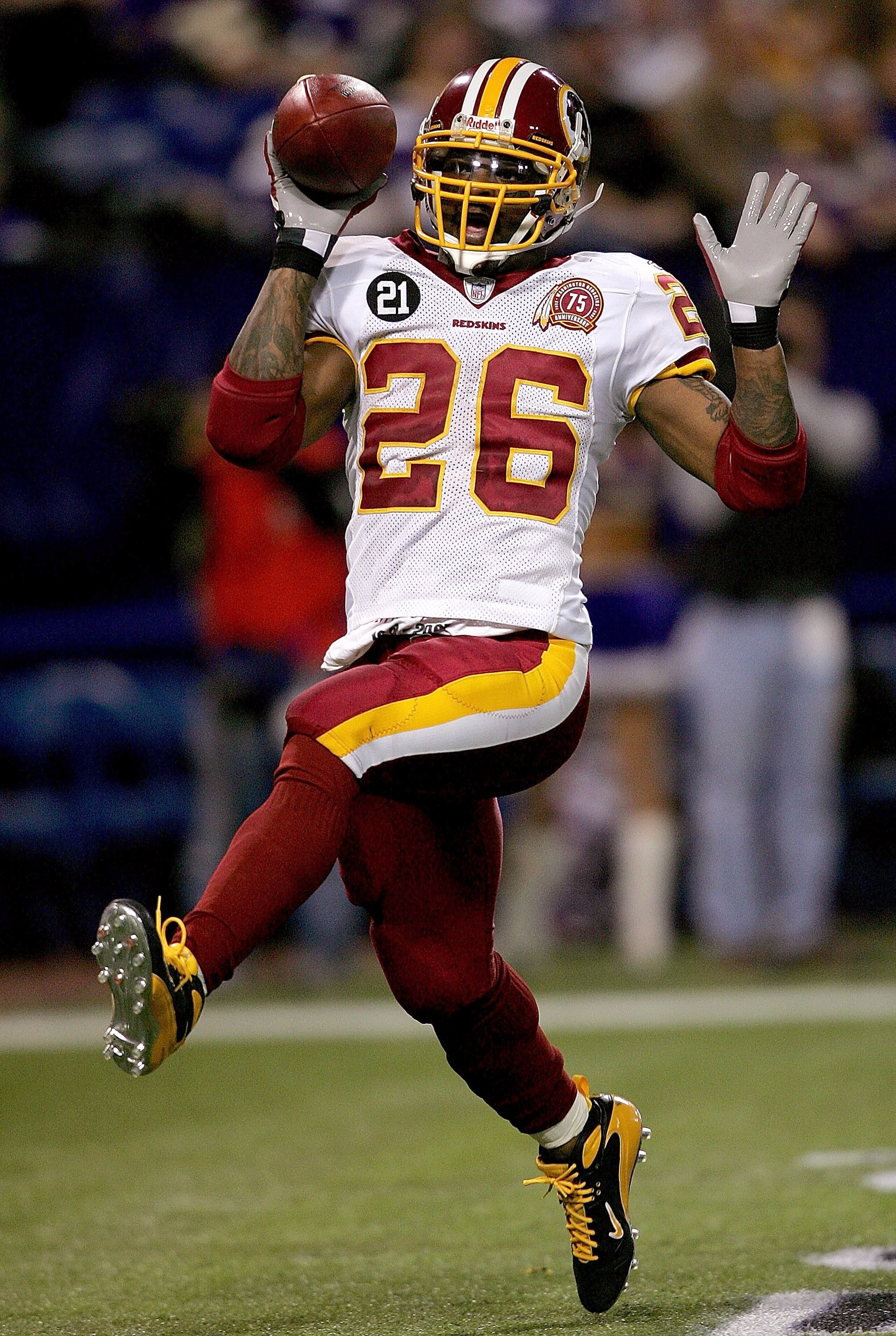
Previous Season: 127 carries, 523 yards, 7 TD
Comeback Season: 325 carries, 1,262 yards, 47 receptions, 389 yards, 11 TD
After his remarkable stint in Denver, Portis was just as good his first two seasons in Washington following the Champ Bailey trade.
But in 2006, Portis suffered both a shoulder and wrist injury that ultimately caused him to miss the team's final eight games.
A year later, he bounced back in Joe Gibbs' system. He finished sixth in the league in rushing, led the league in carries and helped return the Redskins to a playoff berth.
No. 24: Jake Delhomme, 2003
2 of 25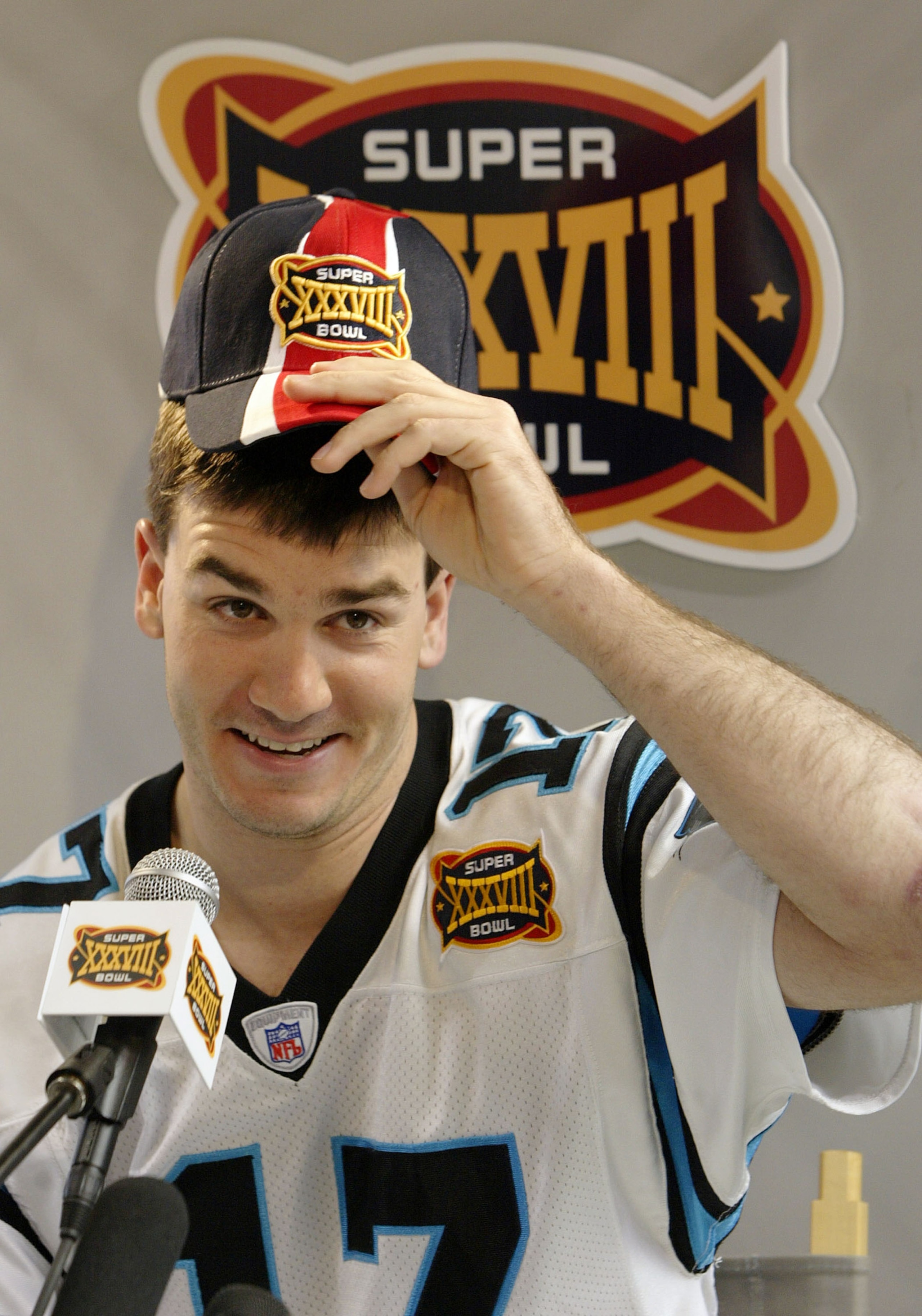
Previous Season: 8 for 10, 113 yards, 0 TD, 0 INT (0 starts)
Comeback Season: 266 for 449, 3,219 yards, 19 TD, 16 INT (15 starts)
Much like Mike Williams, Jake Delhomme was out of the NFL for several seasons. After a short career with the New Orleans Saints, he spent two years in NFL Europe and then sat on the bench for the Saints in 2002, watching Aaron Brooks.
He signed with Carolina that offseason and, after watching one half of Rodney Peete-led offense, the Panthers coaches inserted Delhomme. Under him, the Panthers won the NFC South, then earned trip to Super Bowl XXXVII, where he threw three touchdowns in a near upset of New England.
No. 23: Brandon Lloyd, 2010
3 of 25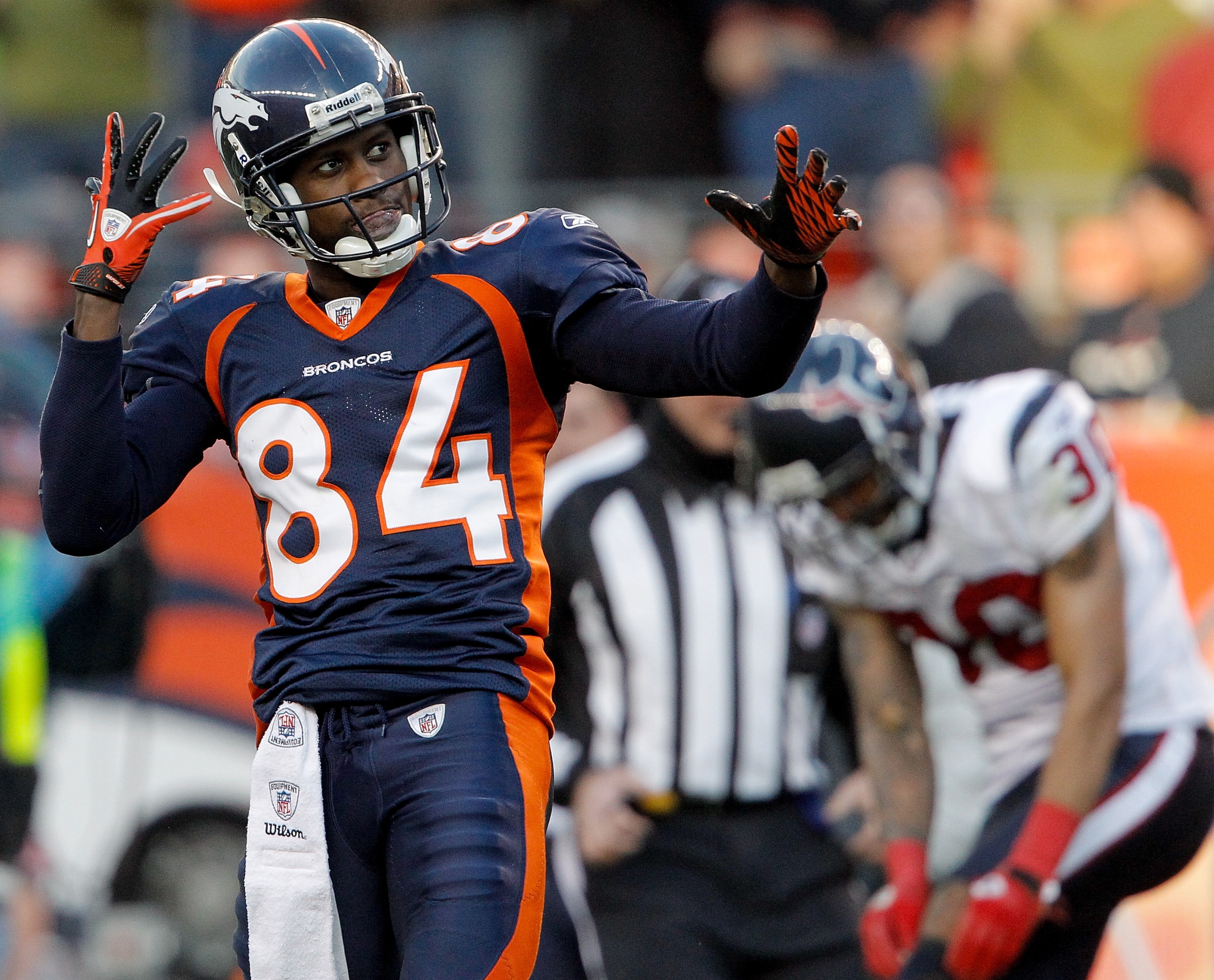
Previous Season: 8 catches, 117 yards, 0 TD
Comeback Season: 77 catches, 1,448, 11 TD
Lloyd played in only two games during the 2009 season, but that isn't the main reason why he is a viable candidate for the 2010 Comeback Player of the Year award.
In his first seven seasons in the NFL, the former Illini was always just an average wide receiver, never catching more than 48 passes.
But in 2010, he became the league's leading receiver and posted six 100-yard games. Prior to this season, he had had three in his entire career.
.jpg?w=2560 "Colts Football")
.jpg?w=2560)
.jpg?w=2560 "Commanders 49ers Football")
No. 22: Randy Moss, 2007
4 of 25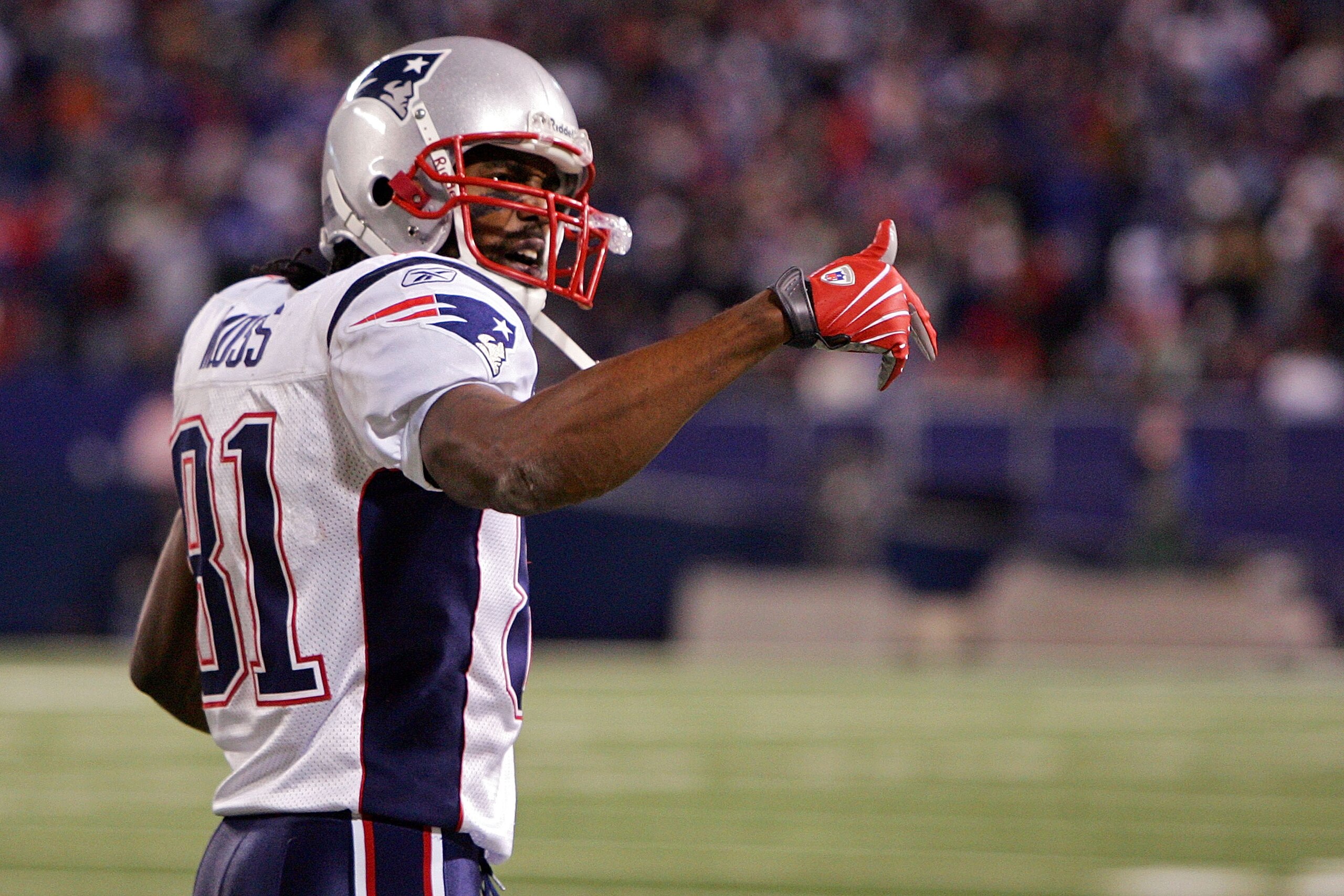
Previous Season: 42 catches, 553 yards, 3 TD
Comeback Season: 98 catches, 1,493 yards, 23 TD
Part of the reason why Moss was seen as washed up at the end of his 2006 tenure with the Raiders was his lack of effort. But he was also turning 30 that offseason.
Whatever the reason (Bill Belichick's presence, a chance of scenery, Tom Brady throwing him passes), Moss squashed that claim in his first season with the New England Patriots.
He set a new league record for touchdown catches and was an integral part of the Pats' undefeated season.
It might not have lasted more than a few years, but it was a remarkable comeback.
No. 21: Wes Welker, 2010
5 of 25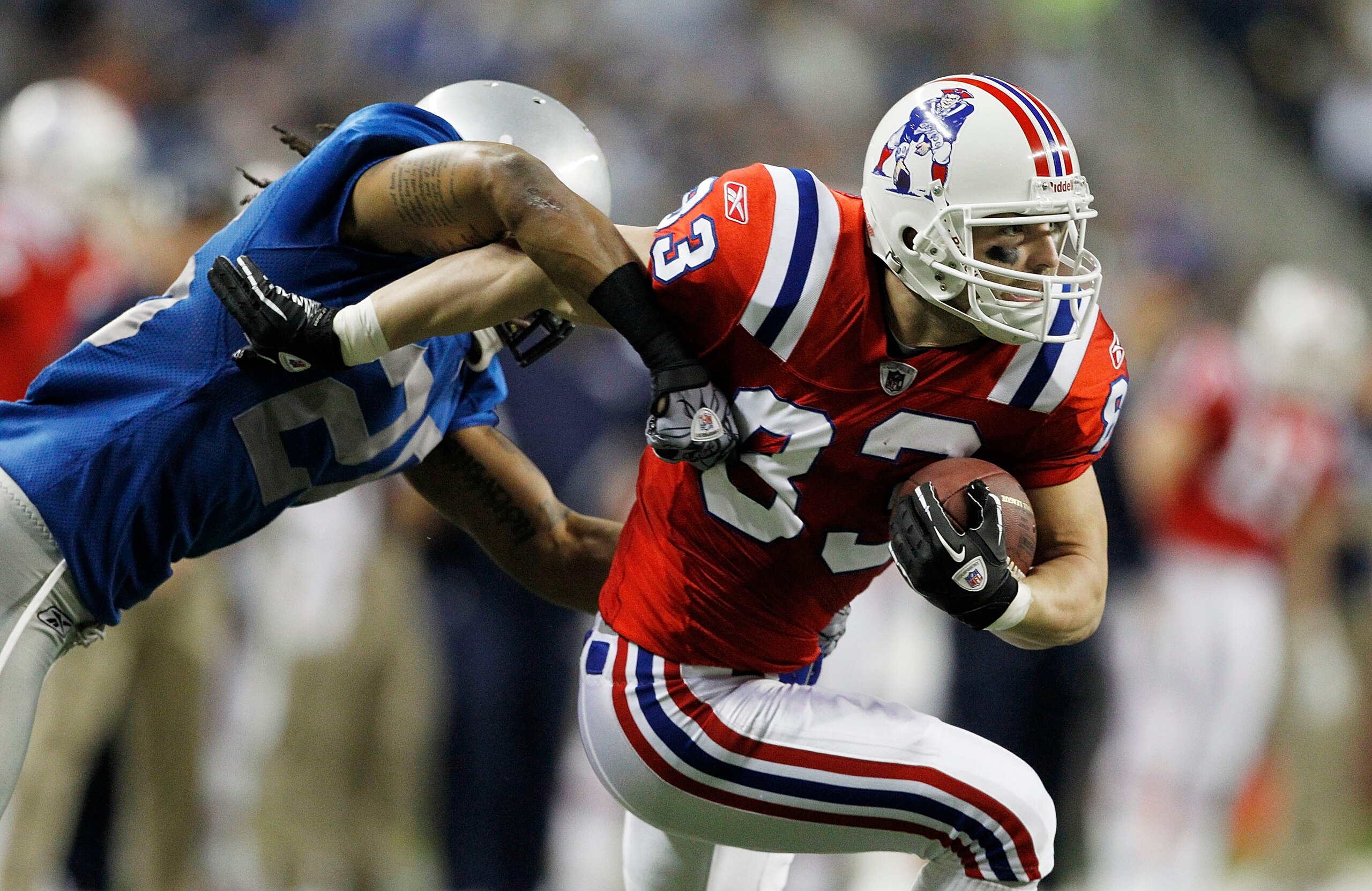
Previous Season: 123 catches, 1,348 yards, 4 TD
Comeback Season: 86 catches, 848 yards, 7 TD
Stats cannot be everything and although Welker's numbers dipped considerably from 2009 to 2010, just the fact that he was on the field in Week 1 is a great comeback story.
Welker tore his ACL in the 2009 season finale against Houston, but he worked his way back and caught eight passes for 64 yards and two touchdowns in the Patriots' next regular season game, Week 1 of 2010.
During the Randy Moss drama of the first month of the season, Welker didn't put up the typical figures he did from 2007 to 2009. But in the second half, when the Pats' offense exploded, he was still Tom Brady's top target.
No. 20: Fred Taylor, 2002
6 of 25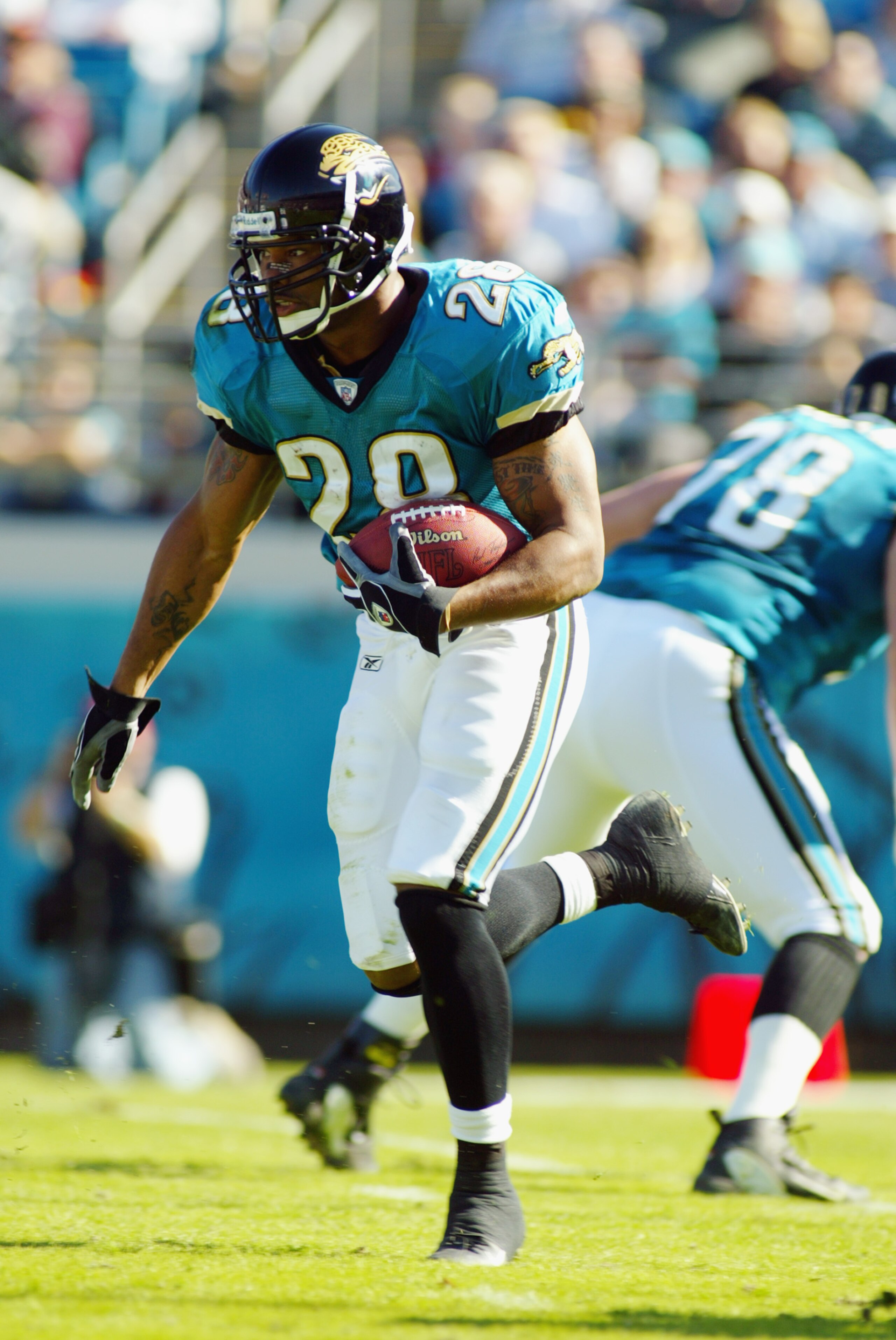
Previous Season: 30 carries, 116 yards, 0 TD
Comeback Season: 287 carries, 1,314 yards, 49 catches, 489 yards, 8 TD
Taylor led the NFL in yards per game in 2000, averaging over 103 each week during a 13 game season.
But in early 2001, he injured his groin and missed almost the entire season, thus continuing the whispers that he was injury prone.
He shut those doubters up the next two years, not missing a single start. That 2002 season he was ninth in the league in rushing and caught a career high 49 passes.
No. 19: Jamal Lewis, 2002
7 of 25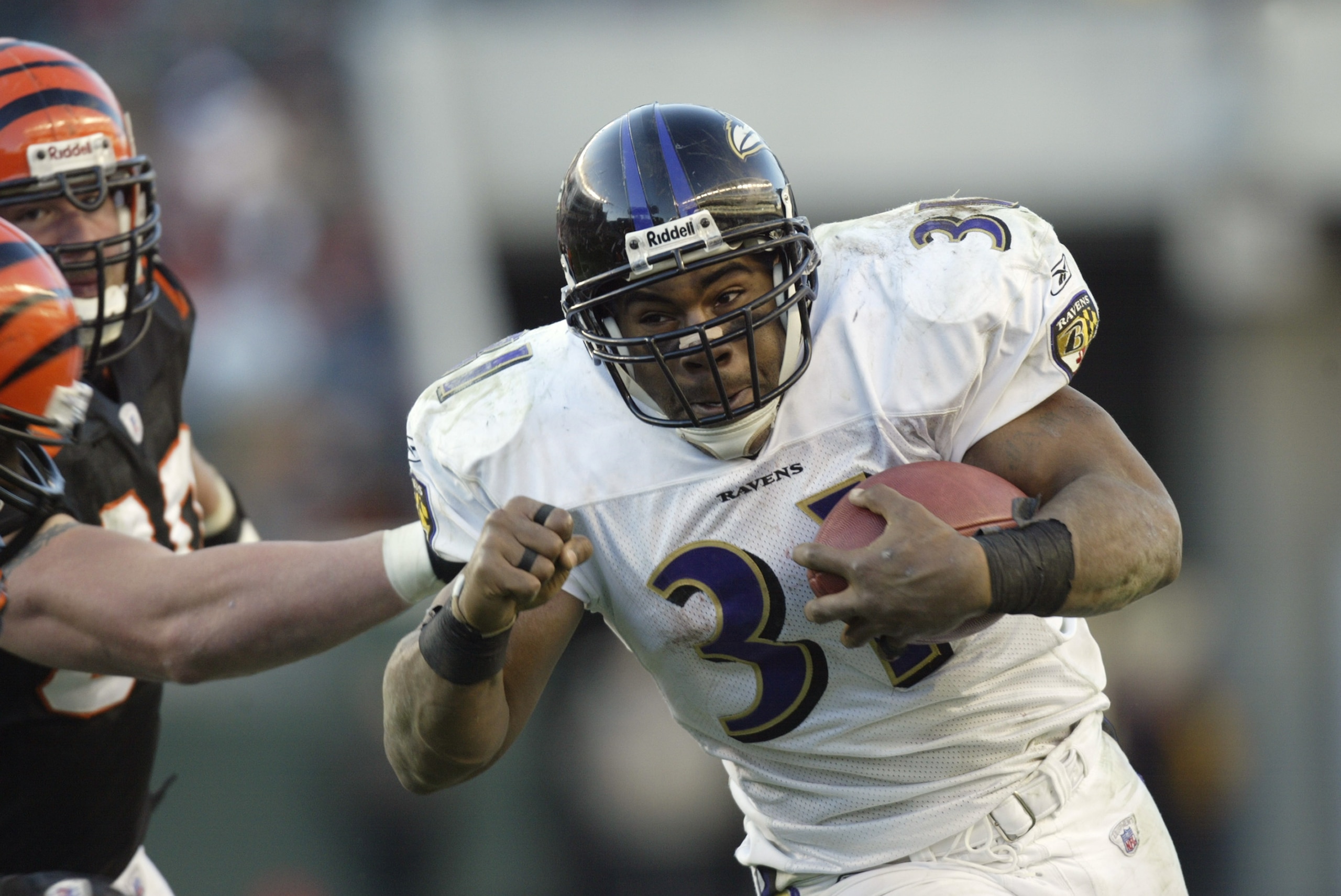
Previous Season: Missed season
Comeback Season: 308 carries, 1,327 yards, 47 catches, 472 yards, 7 TD
Eight months after the rookie running back (27 carries, 102, 1 TD) helped lead the Ravens to a Super Bowl championship, Lewis tore his knee in training camp.
Lewis had already suffered the exact same injury four years earlier as a freshman at Tennessee.
In 2002, Lewis returned to finish eighth in yards and finish third on the Ravens roster in receptions. Most incredible? On two re-constructed knees, he carried the ball 308 times.
Ironically, when Lewis and Fred Taylor faced one another for the first time following their terrible injuries, the two former SEC rivals combined for 53 carries and 270 yards in a 17-10 Ravens win.
No. 18: Priest Holmes, 2001
8 of 25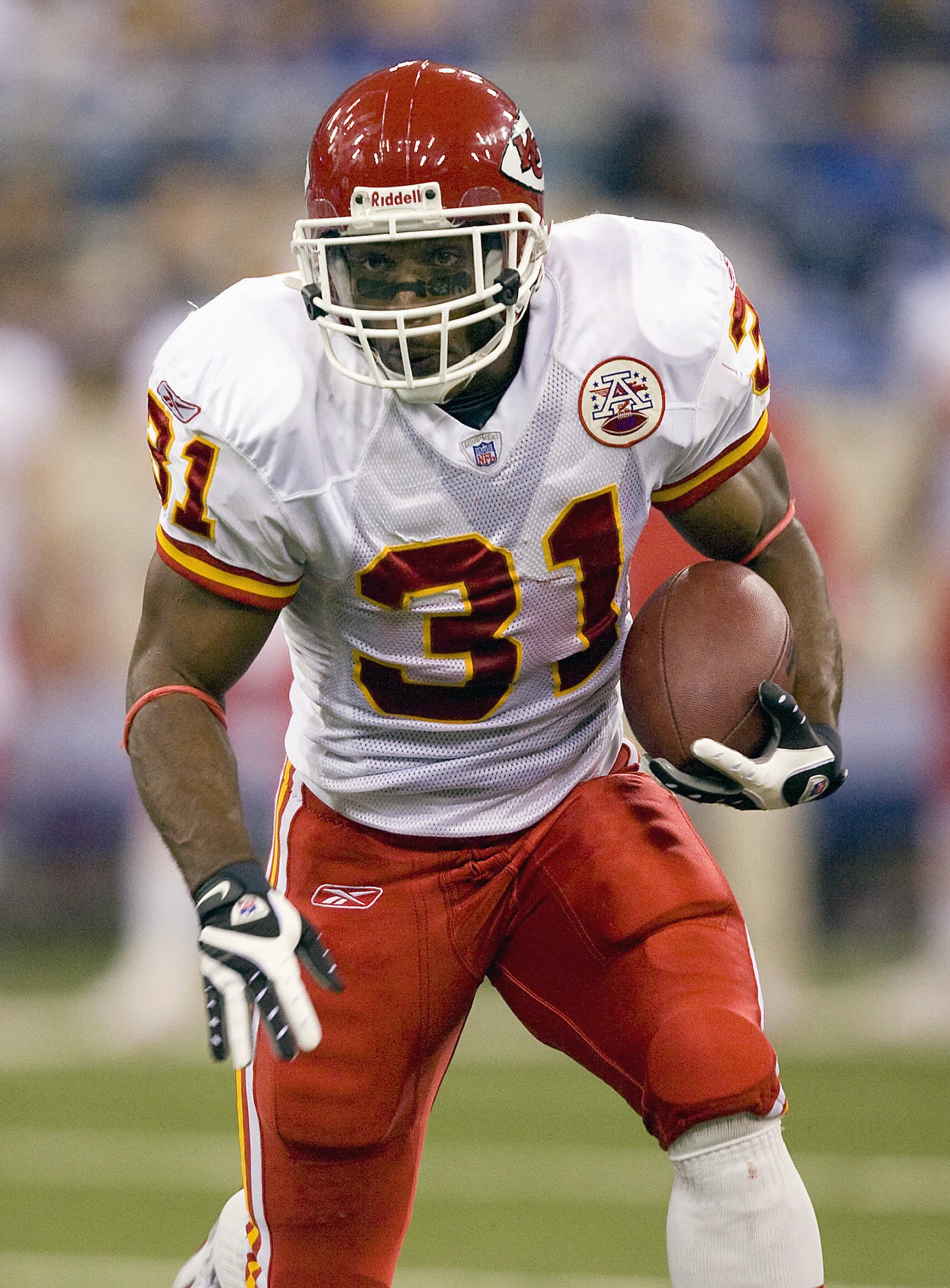
Previous Season: 137 carries, 588 yards, 2 TD
Comeback Season: 327 carries, 1,555 yards, 8 TD
Holmes had a nice career with the Baltimore Ravens. He was the first man in (new) franchise history to rush for 1,000 yards and he was a part of the Super Bowl win in 2000.
But the Ravens drafted Jamal Lewis that season and Holmes' numbers dipped, starting just two games.
He signed with Kansas City in the offseason and promptly became the best running back in football, leading the NFL in rushing.
No. 17: Kerrry Collins, 2008
9 of 25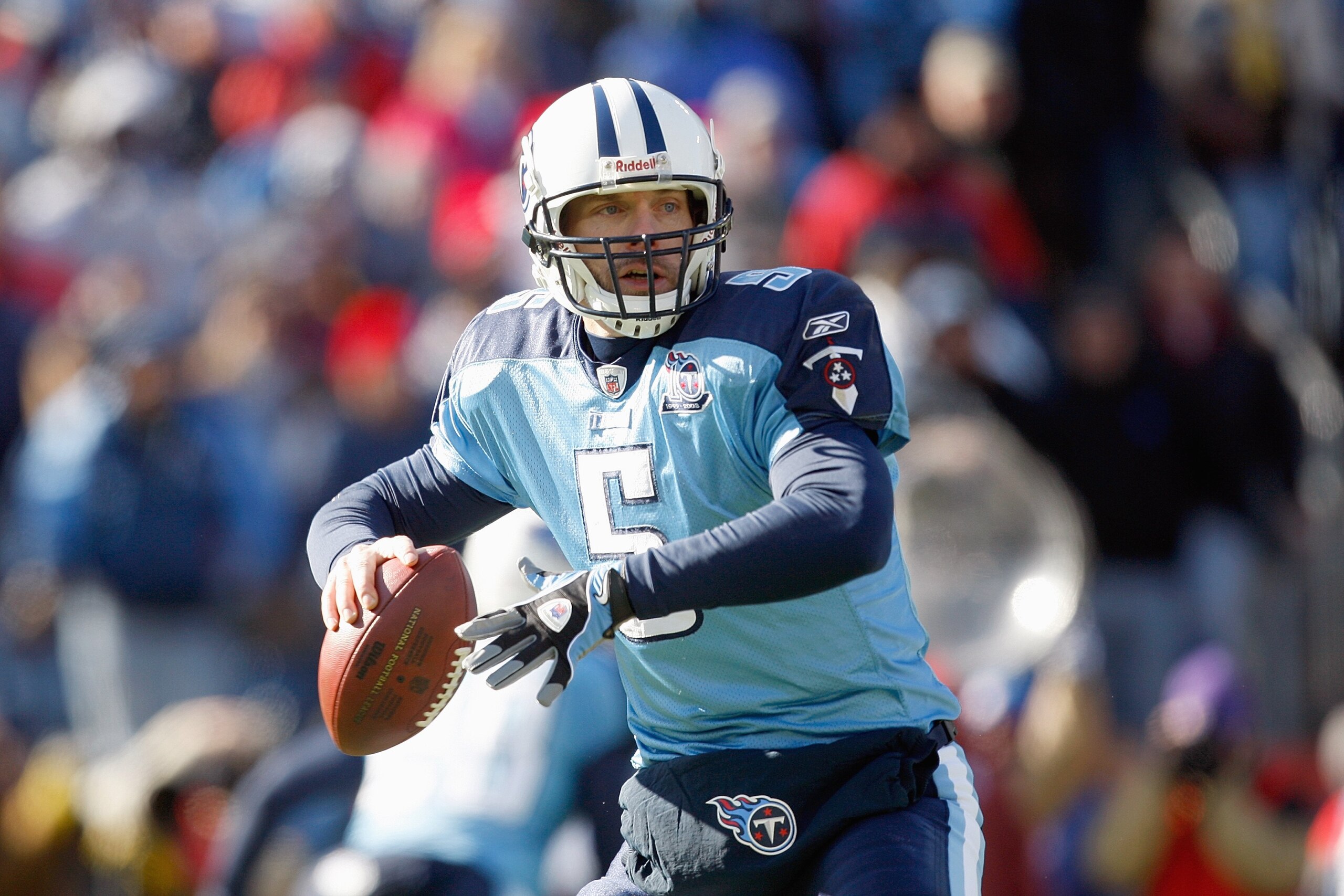
Previous Season: 50 for 82, 531 yards, 0 TD, 0 INT (1 start)
Comeback Season: 242 for 415, 2,676 yards, 12 TD, 7 INT (15 starts)
After one pretty remarkable comeback (when he resurfaced with the Giants in 1999 then led them to Super Bowl XXXV in 2000), Collins pulled off an even greater comeback in 2008.
He was the backup to Vince Young in 2006 and 2007, but took over in Week 1 of '08 and promptly won 12 of 15 games to land the Titans the number one seed in the AFC playoffs.
The 2000 comeback season had better stats and landed his team in a Super Bowl, but because Collins had essentially landed the starter's job in the second half of the 1999 season, it wasn't nearly as stunning as when the 36-year-old Collins earned a Pro Bowl bid in 2008.
No. 16: Kordell Stewart, 2001
10 of 25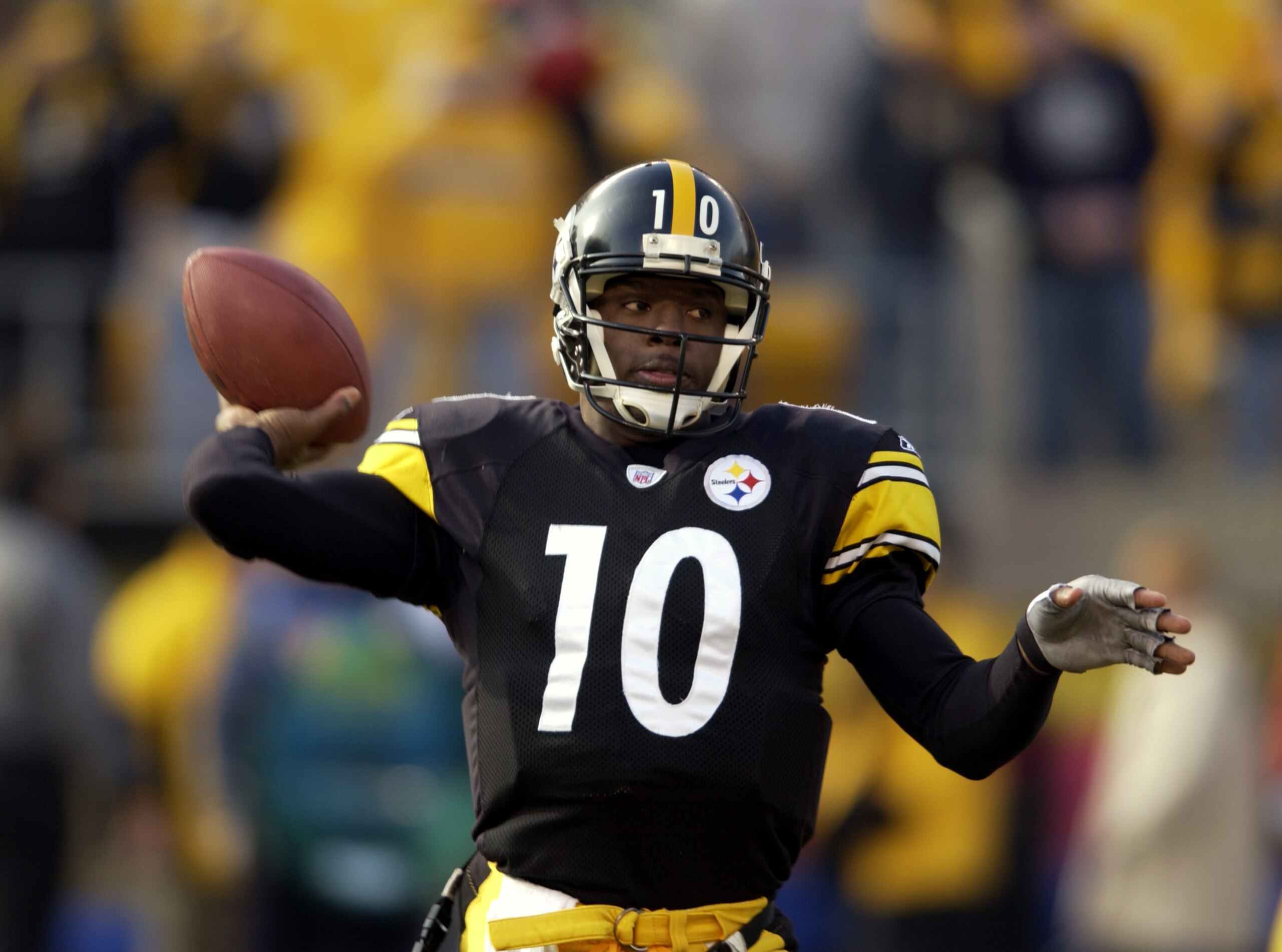
Previous Season: 151 for 289, 1,860 yards, 11 TD, 8 INT (11 starts)
Comeback Season: 266 for 442, 3,109 yards, 11 TD, 11 INT, 96 carries, 537 yards, 5 TD (16 starts)
After being the darling of the Steel City from 1995 to 1997, Slash's career hit rock bottom in the later part of the decade. He was repeatedly booed, benched twice and nearly run out of town.
But a season after showing flashes of excellence late in the 2000 season in a win over the Raiders, Stewart enjoyed a Pro Bowl season and with a 13-3 record, led Pittsburgh to the AFC Championship Game.
And with the division title on the line in December in a trip to Baltimore, Stewart had the best game of his career, throwing for 333 yards and two touchdowns in a 26-21 victory.
It didn't last long (see No. 5 on this list), but Stewart's rebound was storybook.
No. 15: Tom Brady, 2008
11 of 25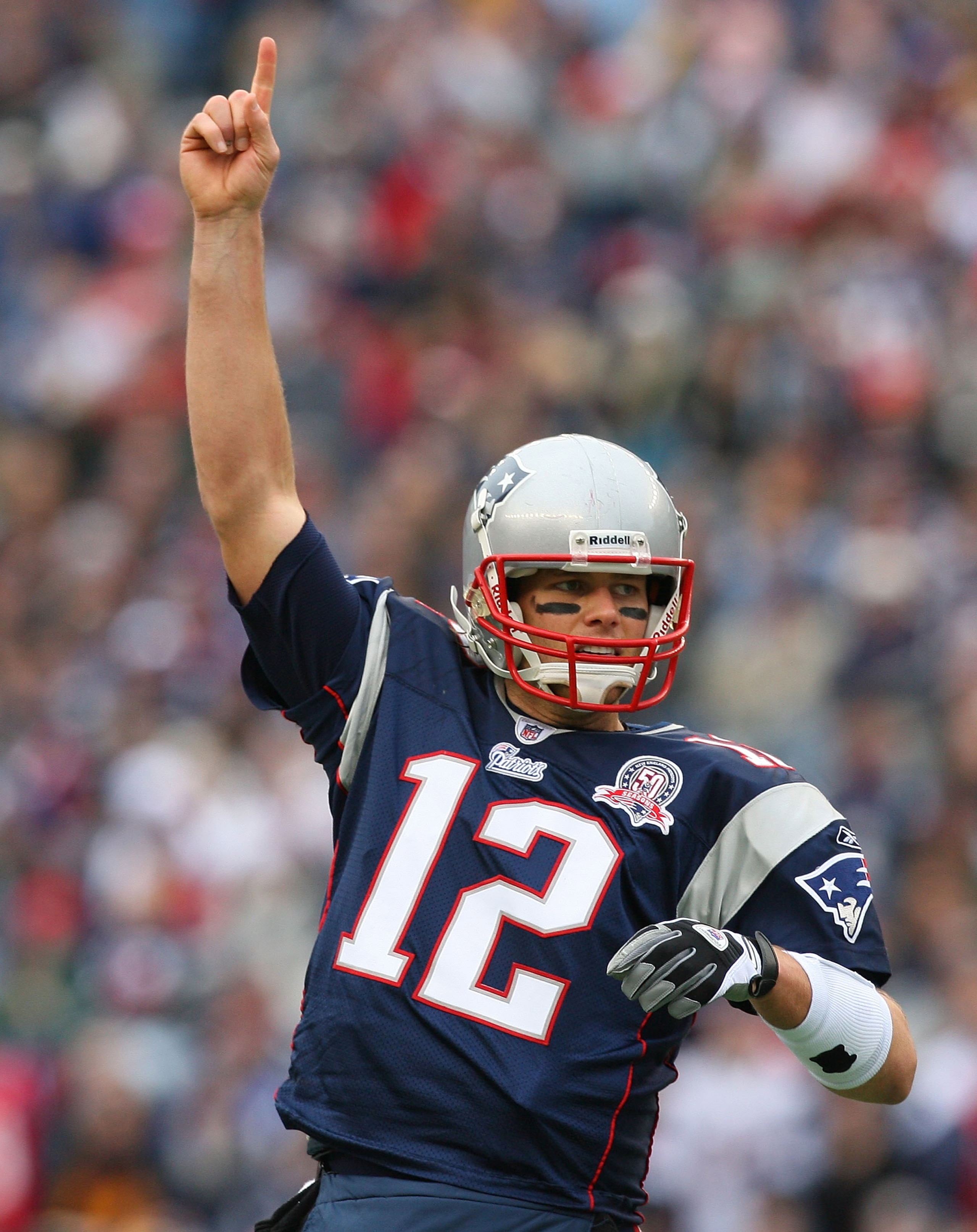
Previous Season: 7 for 11, 76 yards, 0 TD, 0 INT (1 start)
Comeback Season: 371 for 565, 4,398 yards, 28 TD, 13 INT (16 starts)
When Bernard Pollard tore up Tom Brady's knee in the 2008 season opener, was there really any doubt that he would return to top form?
Probably not.
Still, after all the drama related to his recovery (infections, strife with the front office, Matt Cassel) the Pro Bowl season Brady had in 2009 was a big deal.
If nothing else, it set him back on the path to what he would do in 2010: (likely) winning a second league MVP.
No. 14: Mike Williams (Seattle), 2010
12 of 25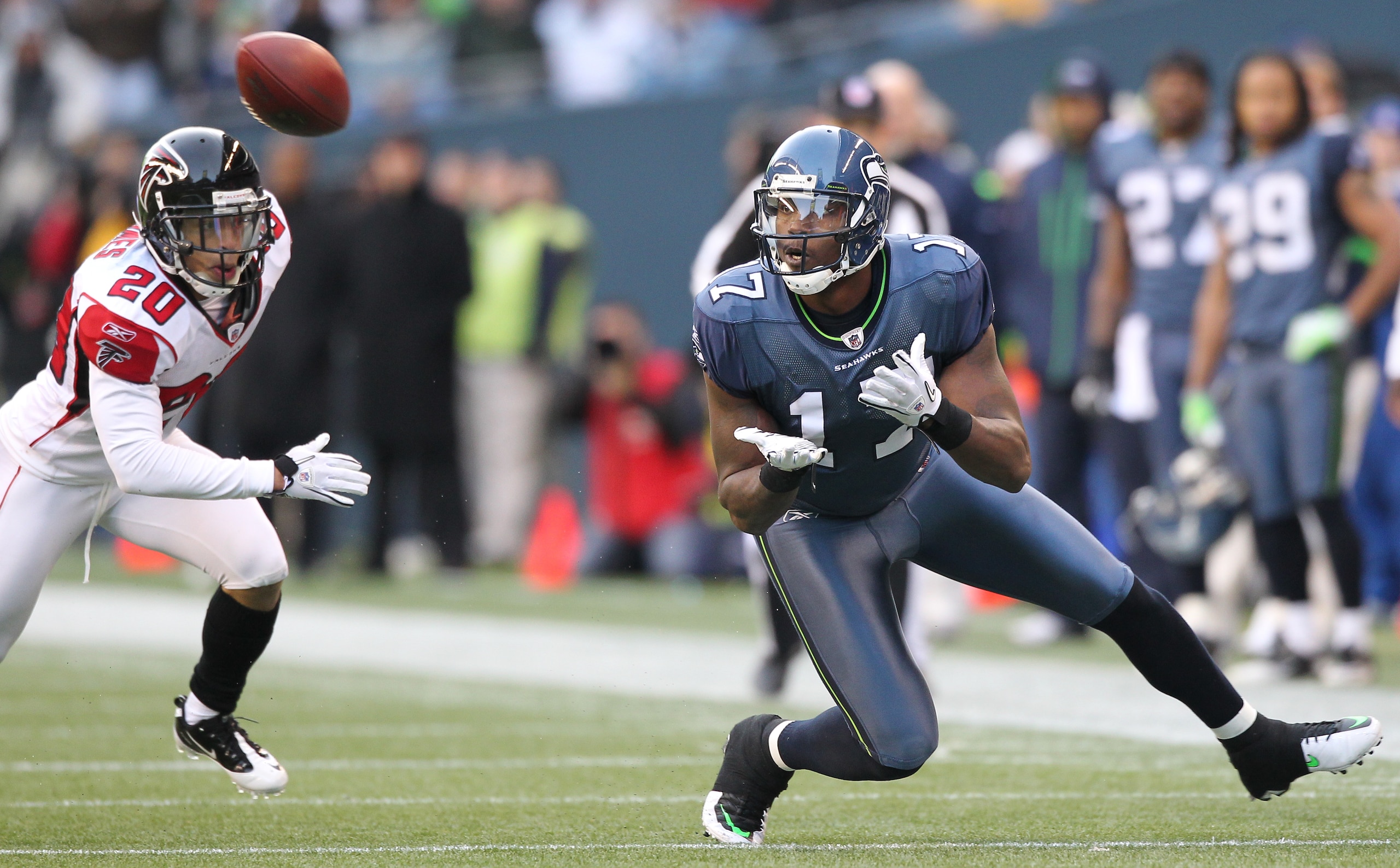
Previous Season: Out of football
Comeback Season: 65 catches, 751 yards, 2 TD
A great comeback story isn't only about injuries or returning from a bad season. A player that was completely out of football and then returned is a comeback of a different kind, yet just as special.
Mike Williams, the 10th overall pick in 2005, was labeled a complete bust after three seasons in the league. He didn't play football in 2008 and 2009, but returned when his former USC head coach Pete Carroll took over in Seattle.
Williams wasn't a top notch receiver in 2010, but he did have three games with double-digit catches and/or 100 yards. For a player who hadn't stepped foot on an NFL field in almost 1,000 days, that's remarkable.
No. 13: Ricky Williams, 2009
13 of 25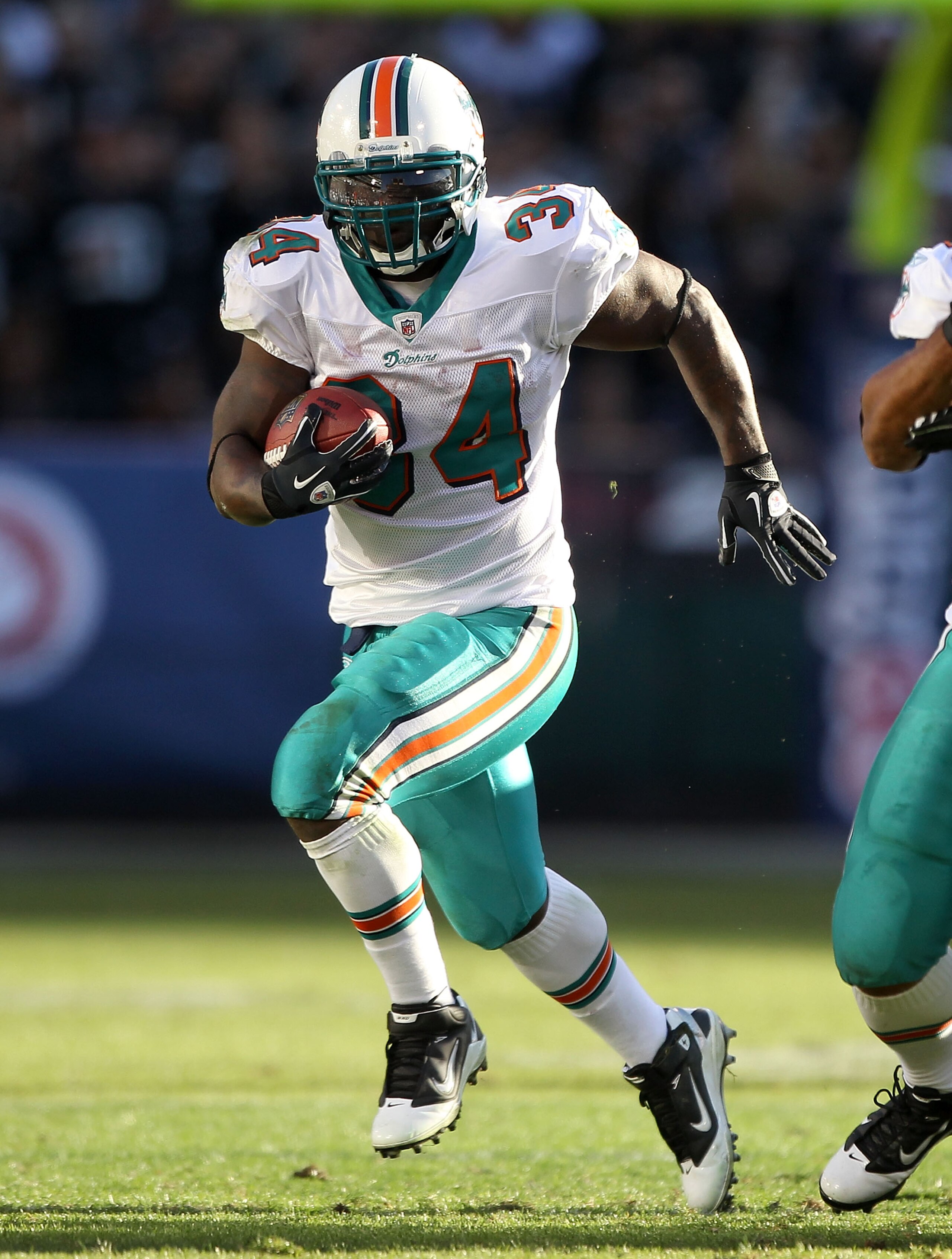
Previous Season: 6 carries, 15 yards (1 game)
Comeback Season: 160 carries, 659 yards, 4 TD
Williams' comeback wasn't complete until 2009, when he rushed for 1,121 yards and 11 touchdowns. But considering that he barely played any football during the previous four seasons, 2008 was a tremendous resurgence.
He retired after the 2003 season, returned to start four games in 2005, then missed all of 2006 with a suspension because of a fourth drug violation.
But the 2008 season turned out to be a perfect fit for him and the Dolphins. With Ronnie Brown running the Wildcat, Williams had a handful of great games as Miami stunned the NFL to win the AFC East.
No. 12: Troy Polamalu, 2010
14 of 25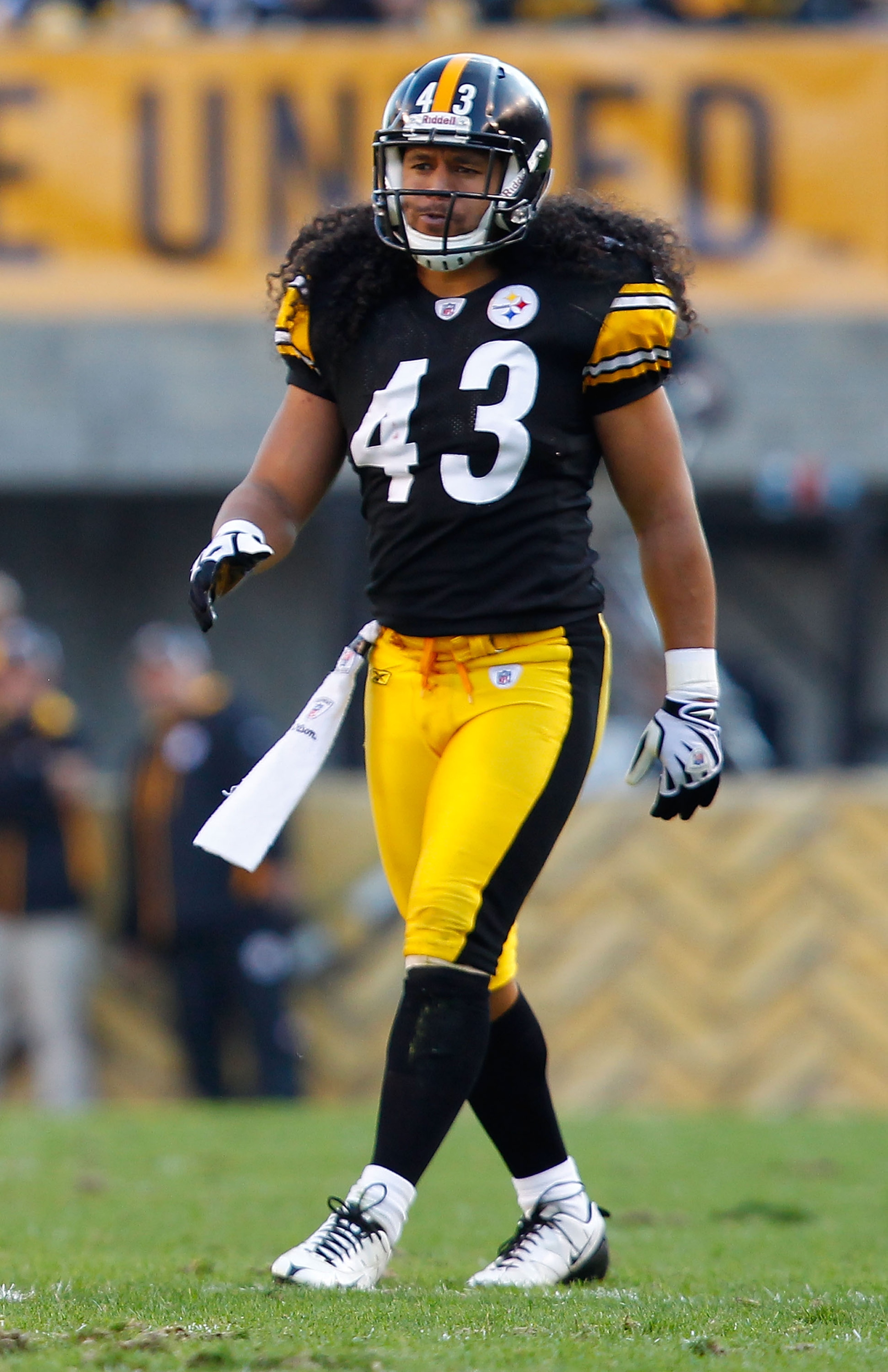
Previous Season: 3 INT, 7 pass break ups (5 games)
Comeback Season: 7 INT, 16 pass break ups, 1 TD (14 games)
The argument for Troy Polamalu as 2010 NFL Defensive Player of the Year started to formulate last year.
Without Polamalu in the lineup with a recurring knee injury, the Steelers defense struggled mightily down the stretch and missed out on the playoffs (even with James Harrison, LaMarr Woodley and others).
When he returned in 2010, they re-emerged as the top rated scoring defense in the NFL and won the AFC North and a two seed.
No. 11: Ed Reed, 2010
15 of 25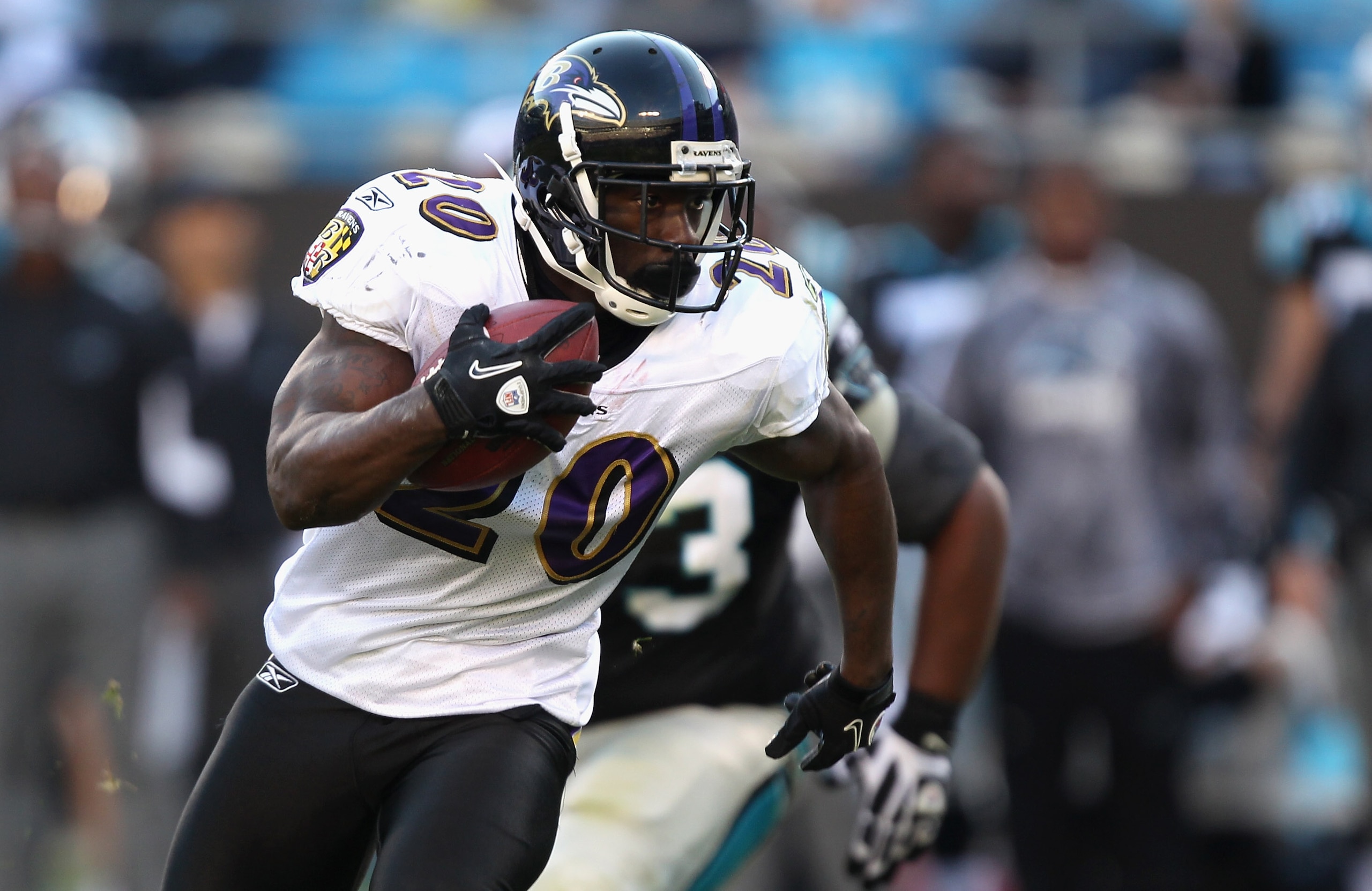
Previous Season: 3 INT, 111 return yards, 1 TD, 5 pass break ups (12 games)
Comeback Season: 8 INT, 183 return yards, 16 pass break ups (10 games)
Reed suffered hip, neck and groin injuries in 2009 and was actually seriously considering retiring at age 31.
"I've been thinking about it, and it kind of hit me on the sidelines," he said after the Ravens lost a 2009 AFC Divisional playoff to Indianapolis. "It's going to be a long offseason. It hurts. I am just thinking about it.
Eventually that hip injury would require surgery and he missed the first six weeks of the 2010 season.
But he returned in Week 7 and quickly made his mark, picking off two passes. He'd add six more in the final nine games to lead the league in interceptions for the third time and earn a seventh Pro Bowl nomination.
No. 10: Brett Favre, 2009
16 of 25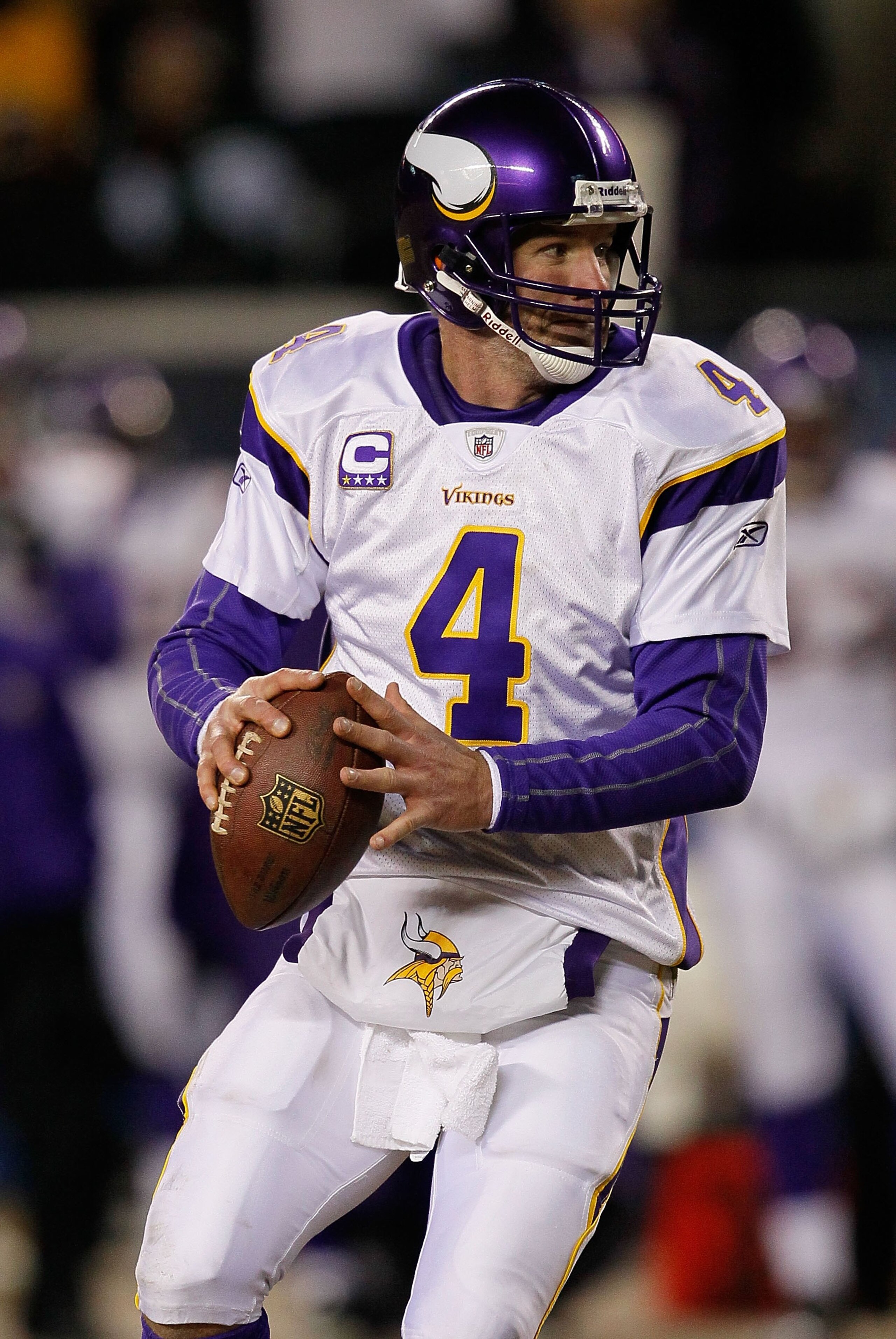
Previous Season: 343 for 522, 3,472 yards, 22 TD, 22 INT (16 starts)
Comeback Season: 363 for 531, 4,202 yards, 33 TD, 7 INT (16 starts)
Favre's second retirement was partly the result of his shoulder ailment, partly because of his running out of steam in December and partly because of his league high 22 interceptions.
For those reasons, he was expected to leave the game after that lone year with the Jets. But he joined the Vikings and turned out the greatest regular season of his long career. More importantly (to him, at least) the Vikings swept both games with Green Bay, won the division and nearly reached the Super Bowl.
No. 9: Ty Law, 2005
17 of 25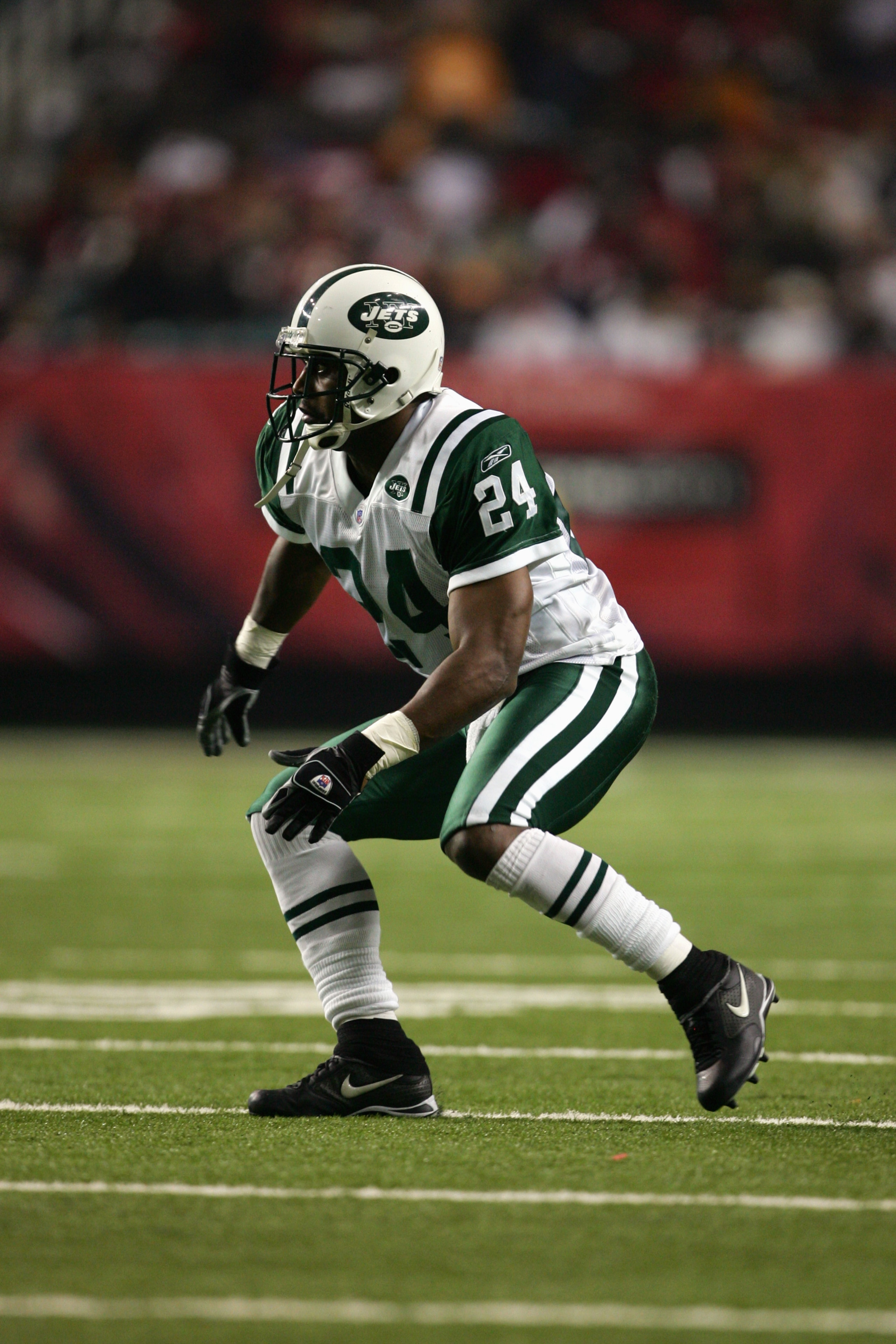
Previous Season: 1 INT (7 games)
Comeback Season: 10 INT, 195 return yards, 1 TD (16 games)
A foot injury in 2004 cost him the last 12 games, as well as their trip to Super Bowl XXXIX. So after a remarkable career with the Patriots, New England let go of their four time Pro Bowler (and his $12 million contract).
No one seemed to want the 31-year-old, but the Jets took a chance and he immediately made an impact, picking off a pass in Week 1 against Kansas City.
He added nine more, including a 74-yard touchdown against his former team in Week 15, to set a career high and lead the league for the second time.
No. 8: Tedy Bruschi, 2005
18 of 25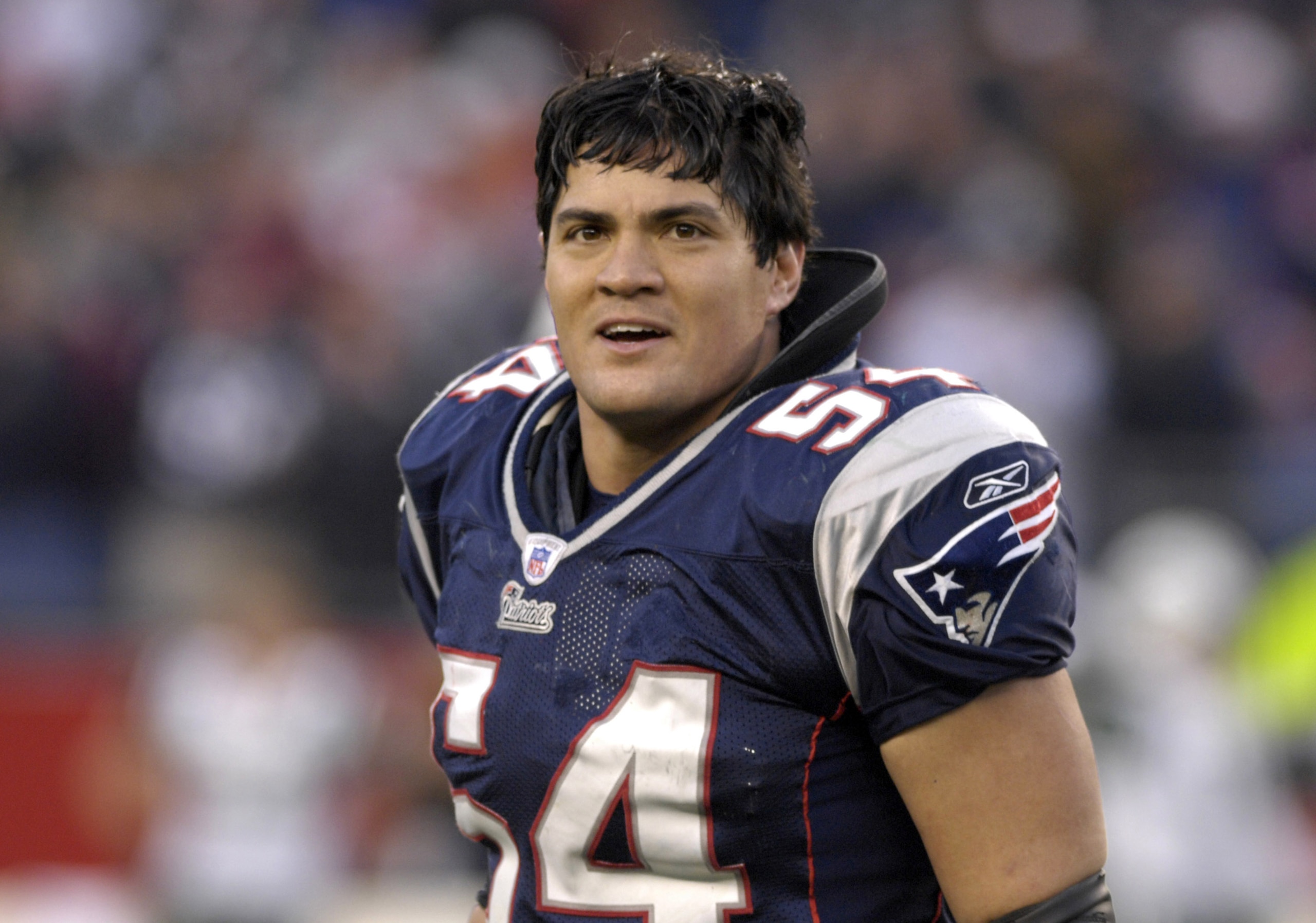
Previous Season: 3.5 sacks, 3 INT (16 games)
Comeback Season: 2 sacks (9 games)
Suffering a mild stroke and returning to the field of play eight months later is worthy of a high spot on this list, no matter what type of totals he posted.
Bruschi had enjoyed better individual and team seasons, but none quite as miraculous as 2005.
No. 7: Steve Smith, 2005
19 of 25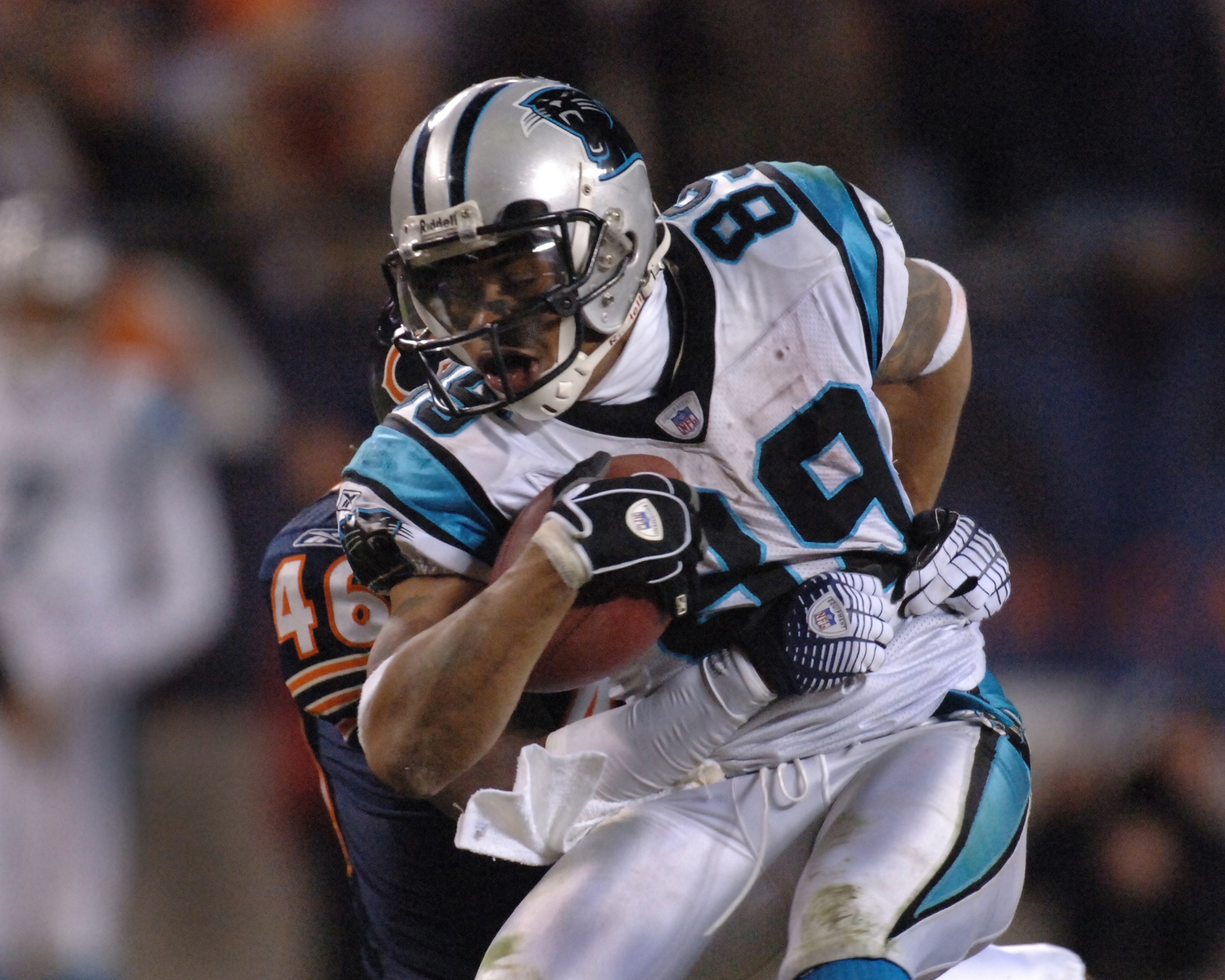
Previous Season: 6 catches, 60 yards (1 game)
Comeback Season: 103 catches, 1,563 yards, 12 TD (16 games)
Steve Smith was a fine receiver for Carolina in 2003, catching 88 passes and helping the Panthers reach Super Bowl XXXVII. Without his overtime touchdown against the Rams, they might not have had a chance to upset the Patriots.
But he broke his leg in Week 1 of the 2004 season and missed the rest of the season.
He bolted out of the gate in 2005, catching eight passes for 138 yards and a touchdown in the first game of the season. He'd finish with the most catches, touchdowns and receiving yards in the NFL and again the Panthers won the NFC South.
No. 6: Kurt Warner, 2007
20 of 25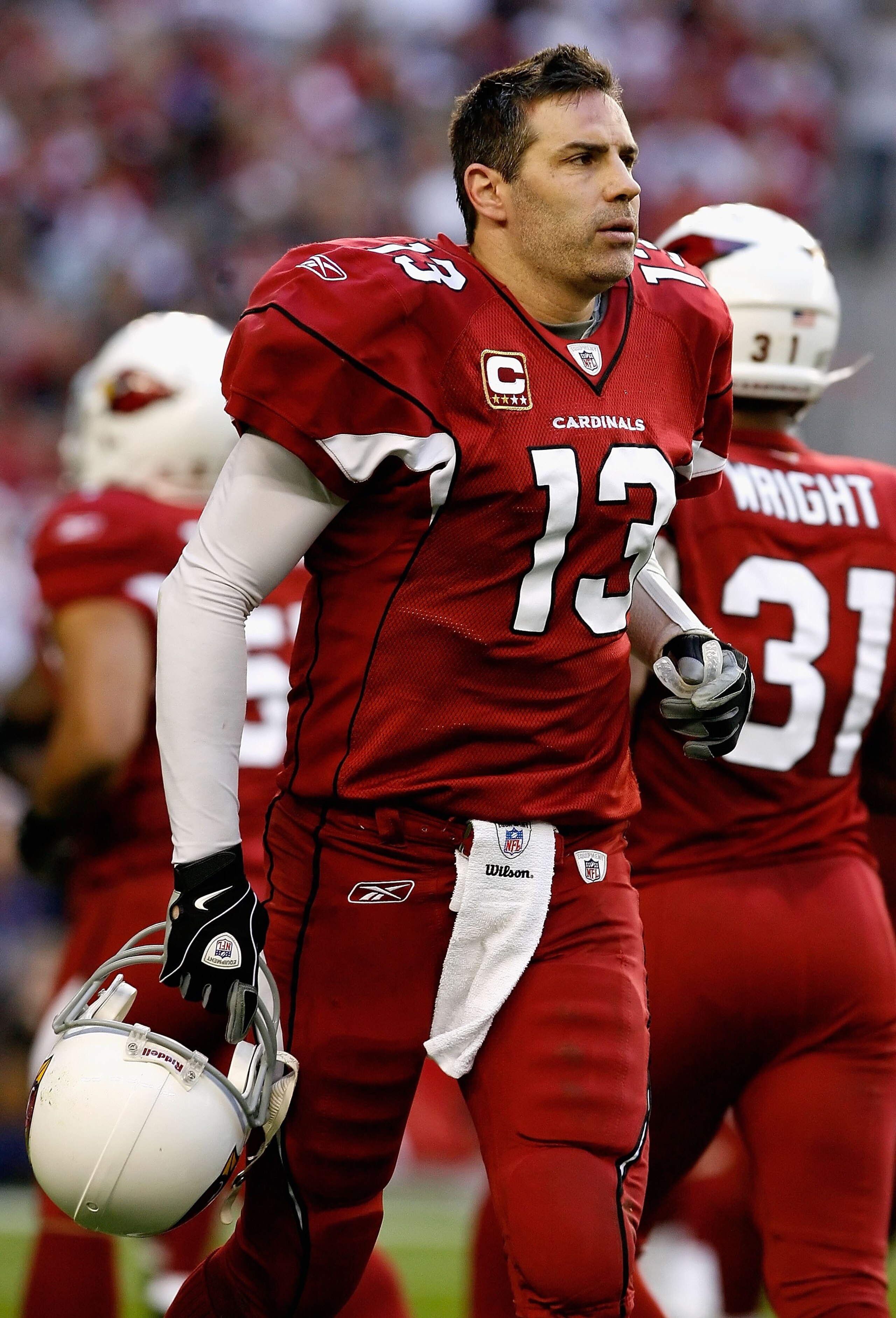
Previous Season: 108 for 168, 1,377 yards, 6 TD, 5 INT
Comeback Season: 281 for 451, 3,417 yards, 27 TD, 17 INT
It wouldn't be until a year later that Warner took the Cardinals to their first Super Bowl and he once again made a run for the Most Valuable Player award. But the 2007 was a larger comeback for Warner
After his ill-fated stay with the Giants and three wins in 15 starts in Dennis Green's offense, Warner had a tremendous half-season stepping in for Matt Leinart in 2007. In the Cardinals last eight games, Warner threw three touchdowns in five games and two touchdowns in the other three.
And just for good measure, in the season finale against the team that had let him go, he threw three touchdowns in a crushing 48-19 win over the Rams.
No. 5: Tommy Maddox, 2002
21 of 25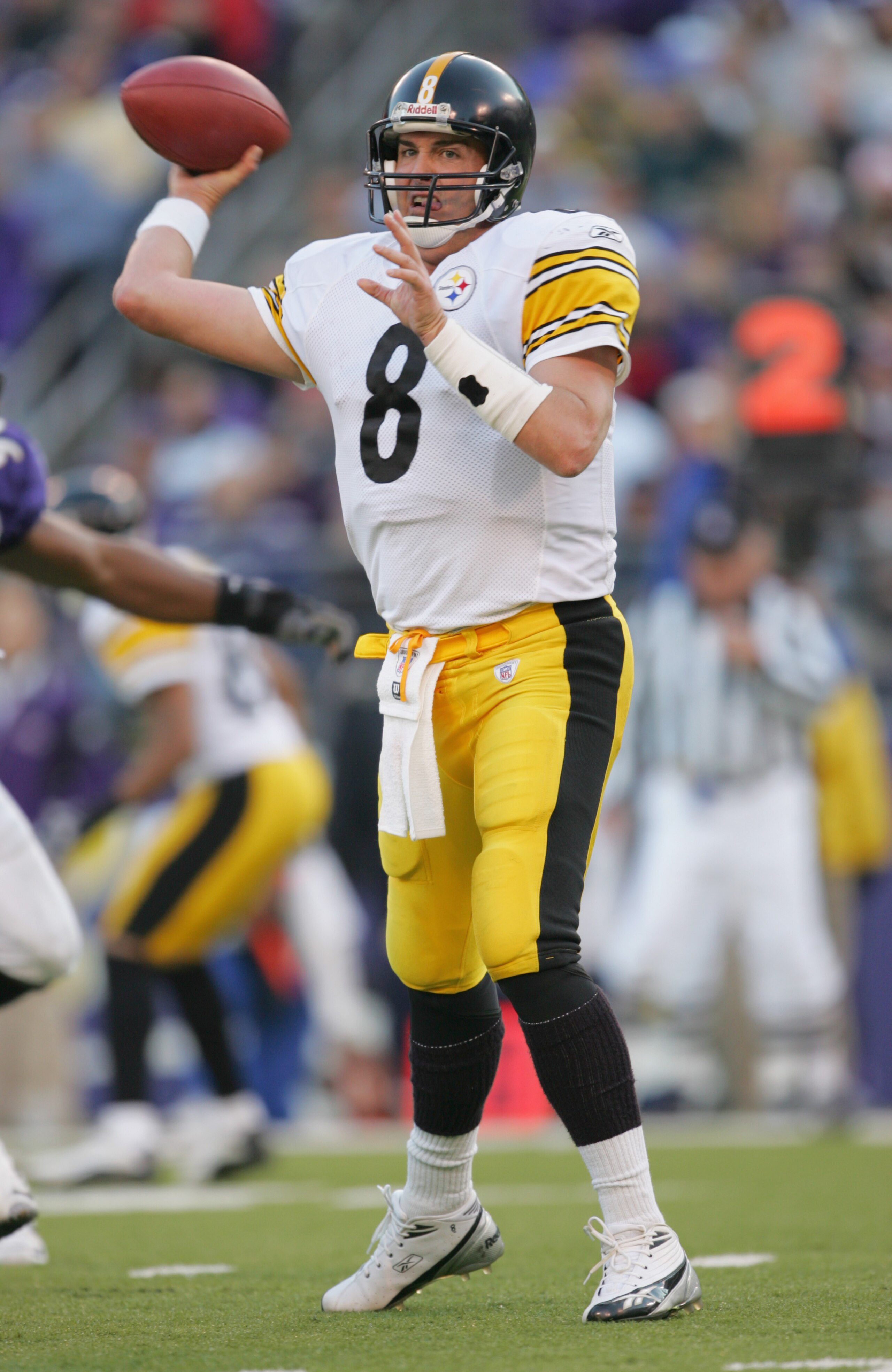
Previous Season: 7 for 9, 154 yards 1 TD, 1 INT (0 starts)
Comeback Season: 234 for 377, 2,836 yards, 20 TD, 16 INT (11 starts)
The former first round pick/John Elway heir apparent was out of the league following the 1995 season, just his fourth in the NFL.
Evidently he was content with selling insurance.
But he spent a year in the Arena League, then was the MVP of the short-lived XFL, landing him a contract with the Pittsburgh Steelers. He only took a few snaps in 2001 and opened the next year as a backup, until Kordell Stewart's comeback completely fell apart in Week 4.
In 11 starts, he led Pittsburgh to seven wins and a tie (in which he set a new franchise record for passing yards), a division title and fittingly, an unthinkable comeback in the team's Wild Card win over Cleveland.
No. 4: Chad Pennington, 2008
22 of 25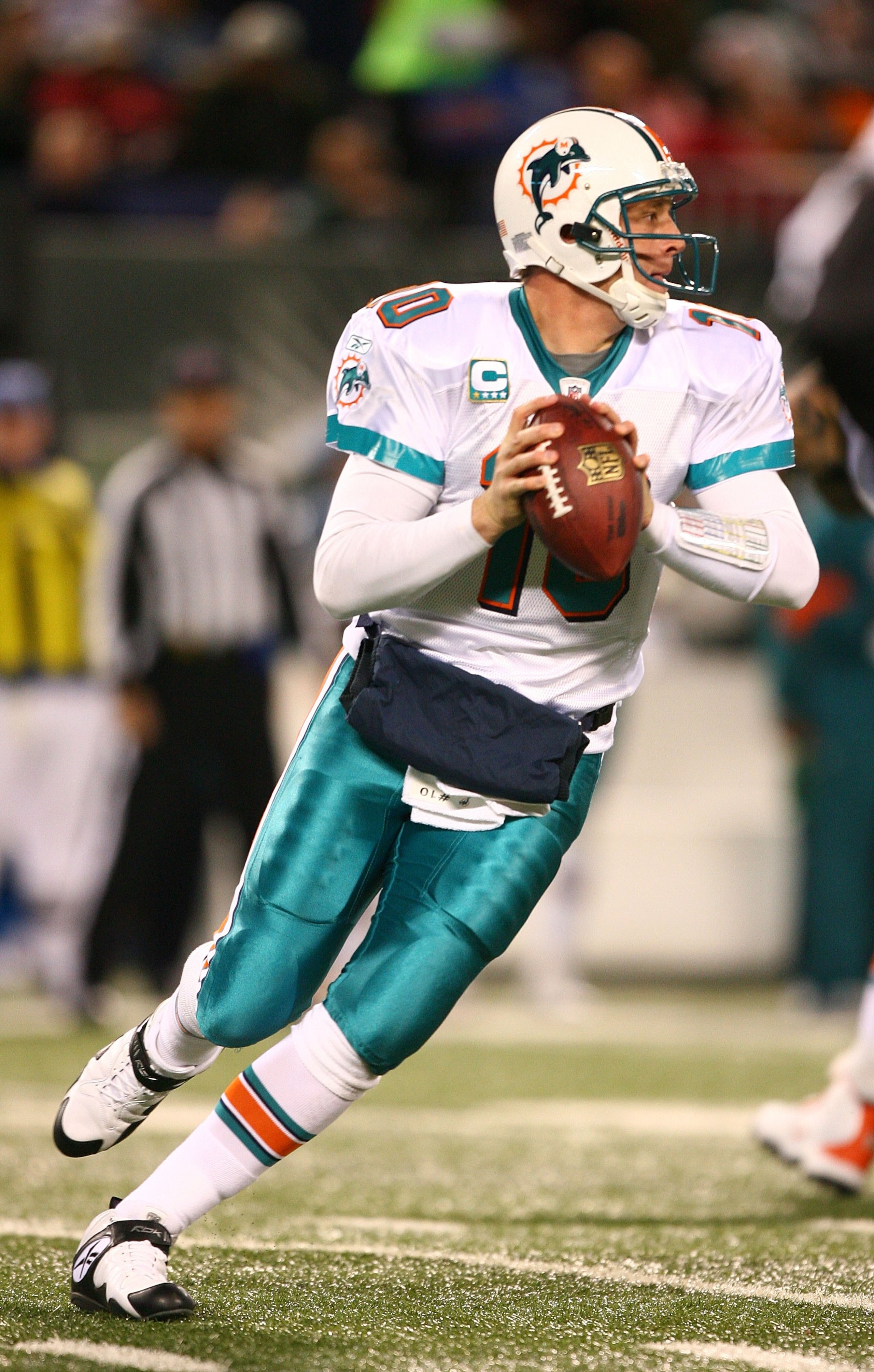
Previous Season: 179 for 260, 1,765 yards, 10 TD, 9 INT (8 starts)
Comeback Season: 321 for 476, 3,653 yards, 19 TD, 7 INT (16 starts)
Repeating as NFL Comeback Player of the Year requires a fairly unique set of circumstances. That happened to Chad Pennington in 2008.
The year before, Pennington suffered injuries, benchings and the prospects of losing his job to the younger, inexperienced Kellen Clemons. For those reasons, the team acquired Brett Favre and he was let go.
The Dolphins and the man who drafted him, Bill Parcells, signed him and Pennington (along with No. 13 on this list) led the Dolphins to a fantastic recovery.
And in Week 17, with the AFC East title on the line against his former team, Pennington (22 for 30, 200 yards, 2 TD, 0 INT) completely outplayed Favre (20 for 40, 233, 1 TD, 3 INT) in the Dolphins' 24-17 win at the Meadowlands.
No. 3: Chad Clifton, 2003
23 of 25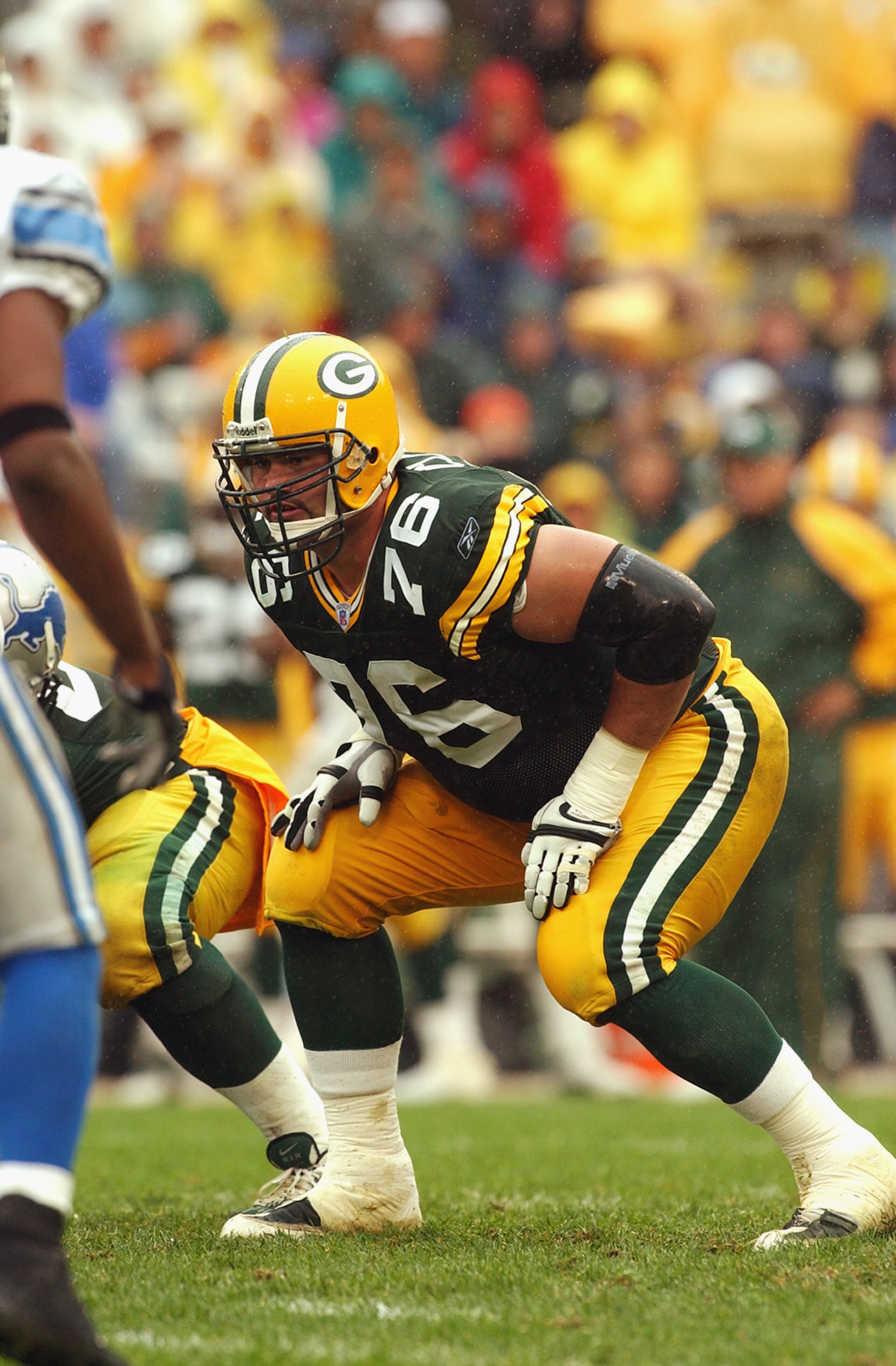
Previous Season: 9 starts
Comeback Season: 16 starts
In one of the most gruesome (and infamous) hits in recent memory, the Tampa Bay Buccaneers' defensive lineman Warren Sapp clobbered the Green Bay Packers' offensive tackle on an interception that eventually changed the rules regarding legal vs. illegal blocks.
Controversy aside (Sapp's confrontation with the media and Green Bay head coach Mike Sherman), the hip injury Clifton suffered was career threatening for the third-year Packer.
But he recovered and started all 16 games in 2003 (the first in a string of five seasons where he missed just one game) and was part of the unit that tied for the second fewest sacks allowed and was the one that opened holes for the No. 1 rushing unit in the NFC.
No. 2: Garrison Hearst, 2001
24 of 25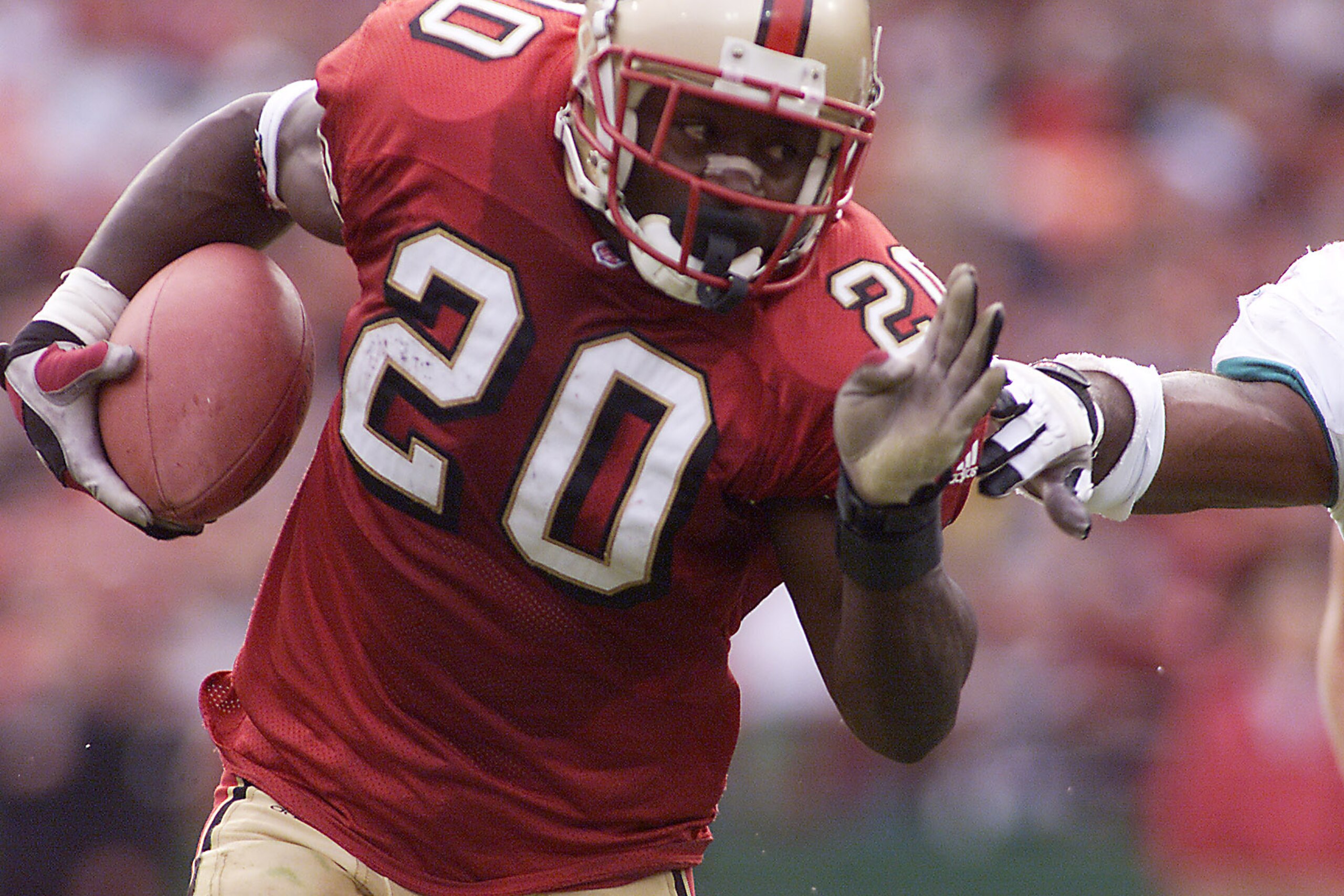
Previous Season: Missed season
Comeback Season: 252 carries, 1,206 yards, 4 TD
Chad Pennington showed it takes something special to win the Comeback Player of the Year award a second time. And like Pennington, that's how Garrison Hearst won the award twice.
Three seasons after winning the award with the Cardinals in 1995, Hearst had a fantastic year with the San Francisco 49ers, rushing for 1,570 yards.
But in that year's playoff loss at Atlanta, he suffered a horrific ankle injury that cost him the next two years. Worse than that, he nearly lost his foot entirely because of the injury: after surgery, the supply of blood to his foot was cut off.
The 49ers stuck by him during rehab and he was back on the field for Week 1 of the 2001 NFL season.
He finished 10th in the NFL in rushing and the 49ers went 12-4.
No. 1: Michael Vick, 2010
25 of 25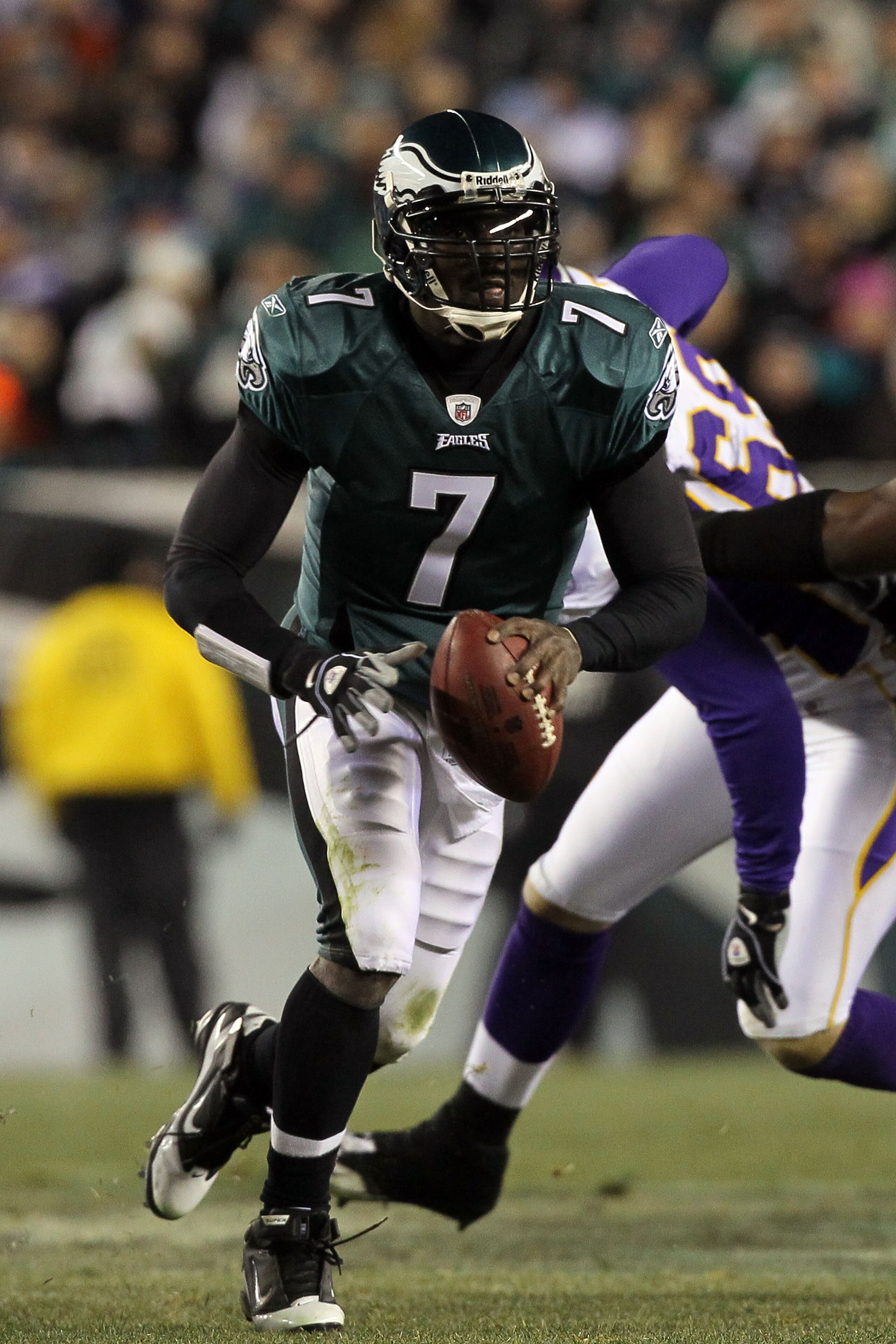
Previous Season: 6 for 13, 86 yards, 1 TD, 24 carries, 95 yards, 2 TD (0 starts)
Comeback Season: 233 for 372, 3,018 yards, 21 TD, 6 INT, 100 carries, 676 yards, 9 TD (11 starts)
Although Vick saw action in 2009 and even produced a few touchdowns, no one could have anticipated his production a year later. Kevin Kolb, not Vick, was expected to replace Donovan McNabb.
But things fell into place and by the second half of Week 1's opener against Green Bay, Vick's fast feet and incredible arm were leading the Eagles. And in a somewhat truncated season (not playing in a quarter of the games because of a rib injury and last week's defacto bye week against Dallas), he put together an MVP-type season.
It was certainly his own fault, but that doesn't change the fact that Vick spent two full NFL seasons in a federal penitentiary. For a player who relied so much on his speed and timing to rebound within two seasons and actually play better than he was prior to his incarceration is an incredible comeback tale.
.jpg?w=2560 "DOLPHINS-AIKMAN")
_0.png?w=2560 "Unranked Teams Cause Chaos in Rankings 📊")

.png?w=2560 "Week 8 Winners & Losers 📊")





