
NFL Rankings: The Best Teams Not To Win the Championship
In 1933, revolution swept the NFL. Prior to that season, the league championship was decided simply by whichever team has the best record at the end of the season. But after years in which the top teams never even played each other, the league was split into two divisions, the East and West. The winner of each division would play a game for the NFL title.
This new format, and the playoff tournaments that have followed, gave rise to another concept: The Almost Great team. The 68 years since are littered with teams that dominated the regular season, but couldn't close the deal in the playoffs. Some had machine-like offenses that suddenly sputtered and died; other had great defenses that couldn't stop anyone with their season on the line. Some were in the midst of dynastic runs. Others had their one shot at glory and spun right back into oblivion.
So here's an ode to the teams who would have been king. No matter what happens in the upcoming playoffs, all the teams who come up short can say at least one thing: There were far better teams who didn't win it all.
25. The 1997 Kansas City Chiefs
1 of 25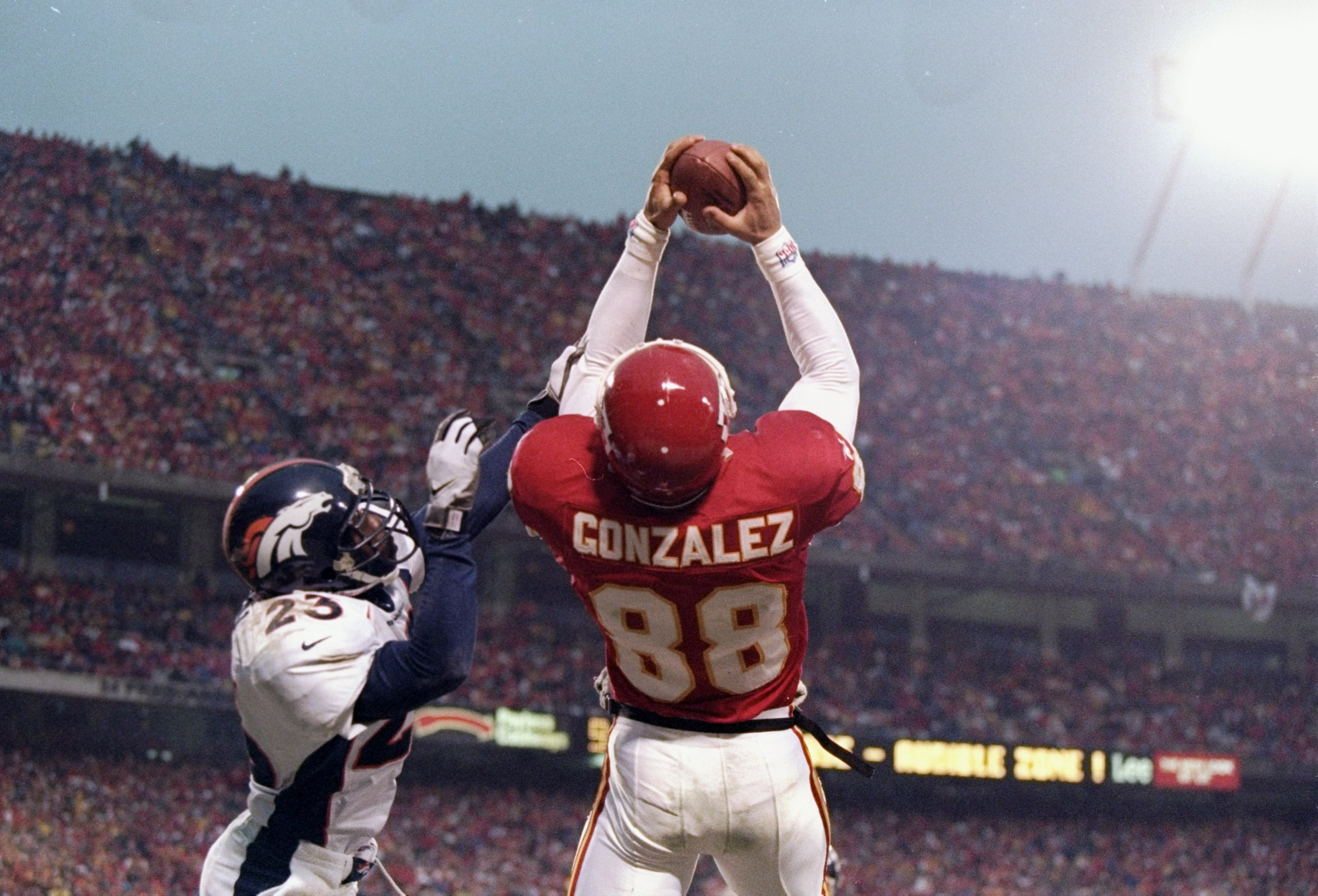
Record: 13-3
Offense: 23.4 PPG (5th)
Defense: 14.5 PPG (1st)
Coach: Marty Schottenheimer
Kansas City had gone 13-3 and earned a No. 1 seed in 1995, only to suffer a shocking loss at the hands of the 9-7 Colts in the divisional round. The 1997 version was even better. Hall of Fame linebacker Derrick Thomas keyed the league's best defense, and they came into the playoffs on a six game winning streak, including a 44-9 blowout of NFC No. 1 seed San Francisco. There were no obvious road blocks standing between them and a trip to the Super Bowl...
...except the fact that their coach was Marty Schottenheimer. He of the 5-13 career playoff record. Kansas City outplayed 12-4 Denver in the divisional round, outgaining the Broncos 303 yards to 272 and winning the turnover battle 2-0—yet they still managed to lose the game 14-10. Go figure.
24. The 1986 Chicago Bears
2 of 25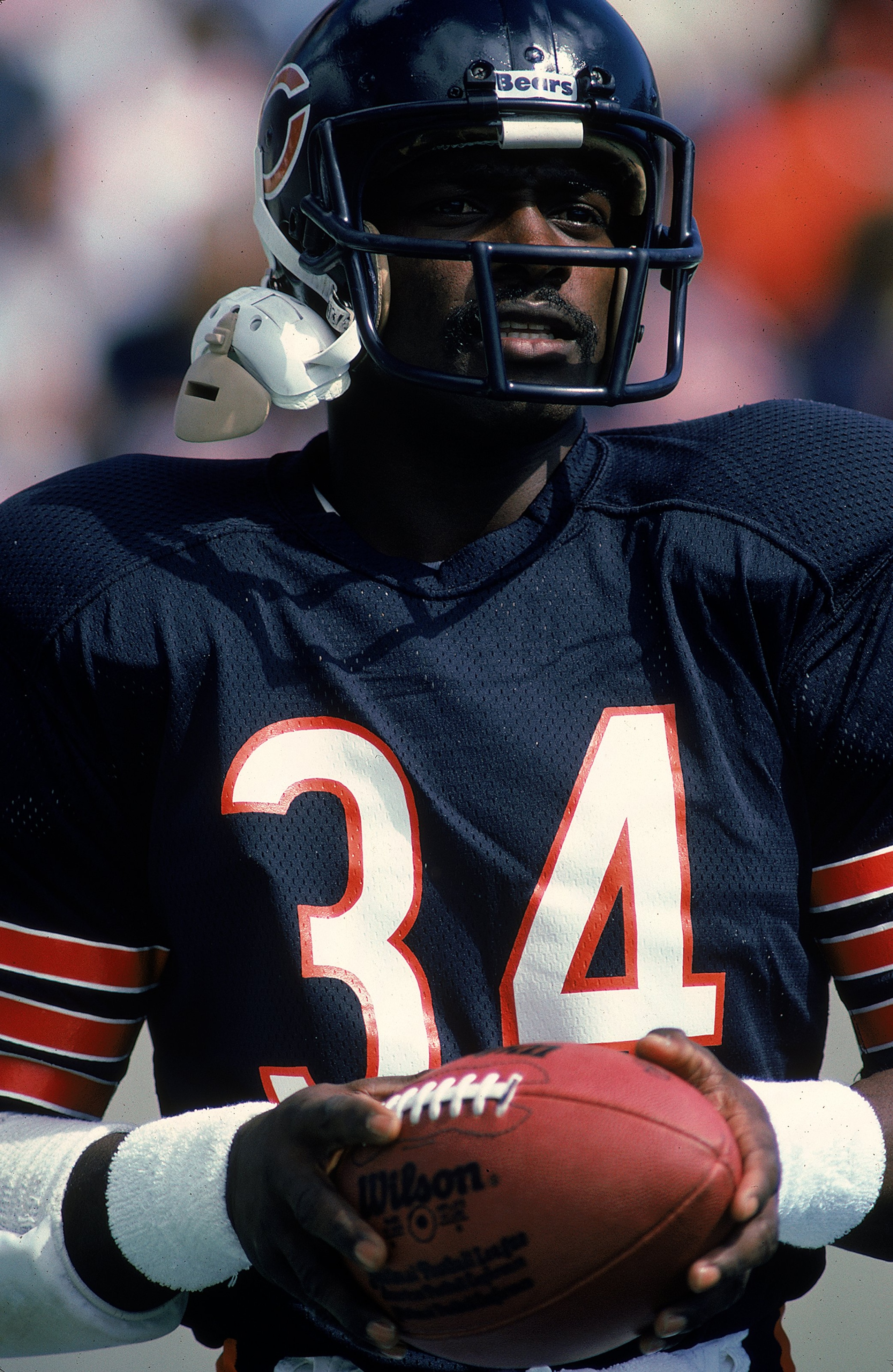
Record: 14-2
Offense: 22.6 PPG (13th)
Defense: 11.7 PPG (1st)
Coach: Mike Ditka
Everyone remembers the 15-1 Super Bowl Shuffle Bears of 1985, but the 1986 team was almost as good. The defense actually gave up fewer points than in their championship season, and they led the league in scoring differential en route to the top seed. Everything was in place for the Bears to roll to a second straight championship and begin the newest NFL dynasty.
Unfortunately, Chicago was done in by the same position that had dogged them for years: quarterback. Rookie Doug Flutie was pressed into service late in the season after both Jim McMahon and Mike Tomczak were injured. When the divisional playoff match-up with 12-4 Washington rolled around, Flutie played like...well, a rookie, throwing two interceptions among the four Bears turnovers. Unable to stand the pressure, the defense broke too and allowed 13 fourth-quarter points. The result was a 27-13 defeat and the death of a dynasty before it could be born.
23. The 1999 Jacksonville Jaguars
3 of 25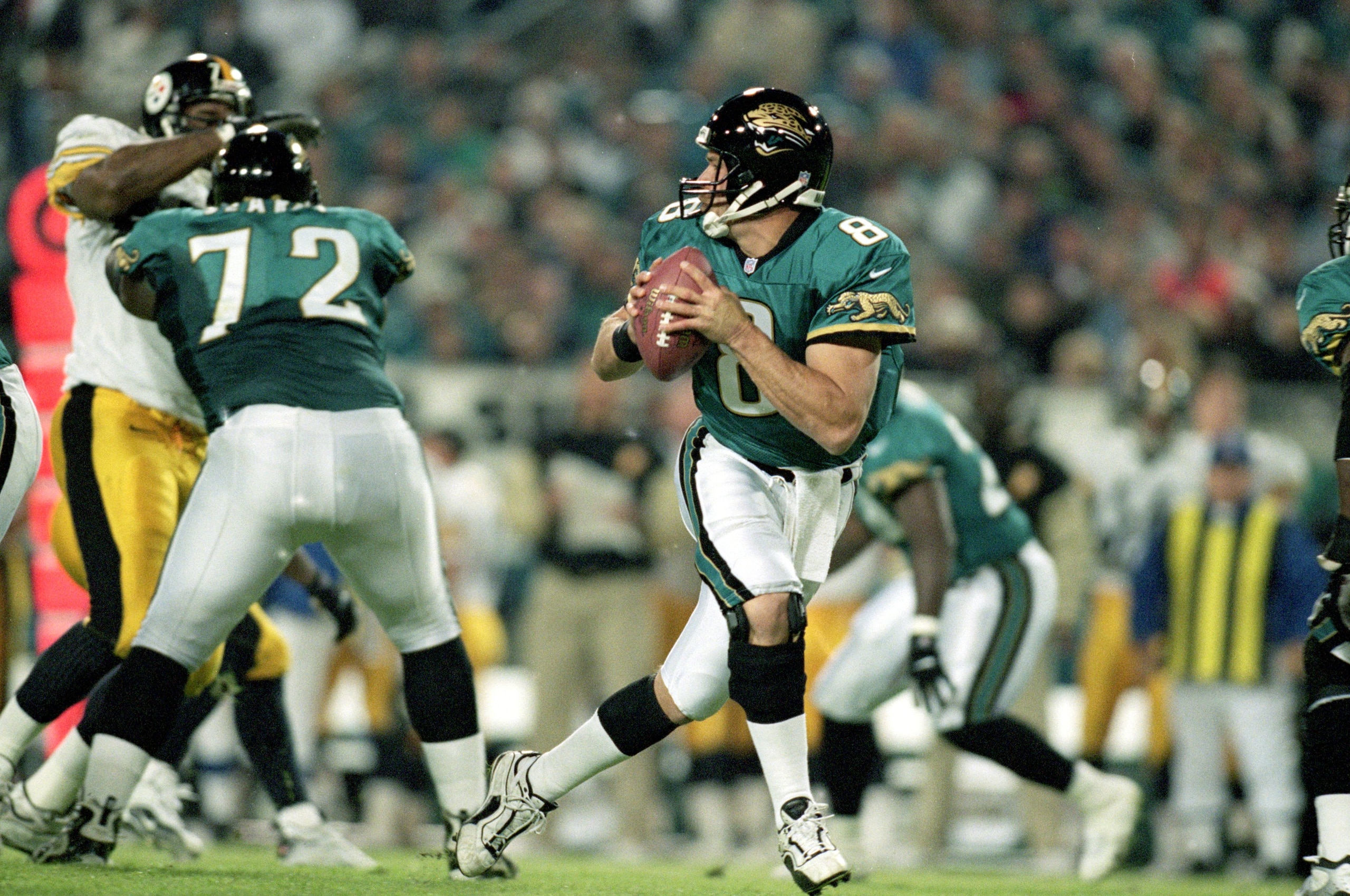
Record: 14-2
Offense: 24.8 PPG (6th)
Defense: 13.6 PPG (1st)
Coach: Tom Coughlin
After putting together a string of three straight playoff appearances in their second, third and fourth years of existence, the Jaguars hit their peak in 1999. They had it all: Defense (held their opponents to single digits eight times), offense (three games with 41 points) and instinct for the football (30 forced turnovers). It all came together in a 62-7 beat down of the Miami Dolphins in the divisional round, sending Dan Marino out with the second-worst defeat in playoff history.
But that win sent them to an AFC title-game match-up with the Tennessee Titans. Tennessee had handed Jacksonville its only two losses in the regular season, including an embarrassing 41-14 loss in Tennessee in Week 16. Needless to say, the third time was not the charm. Jacksonville actually outgained Tennessee 355 yards to 289...but blew the game with six turnovers and 100 penalty yards. The 33-14 loss made the Jaguars to suffer all three of their losses in a season to the same team.
.jpg?w=2560 "Colts Football")
.jpg?w=2560)
.jpg?w=2560 "Commanders 49ers Football")
22. The 2009 Indianapolis Colts
4 of 25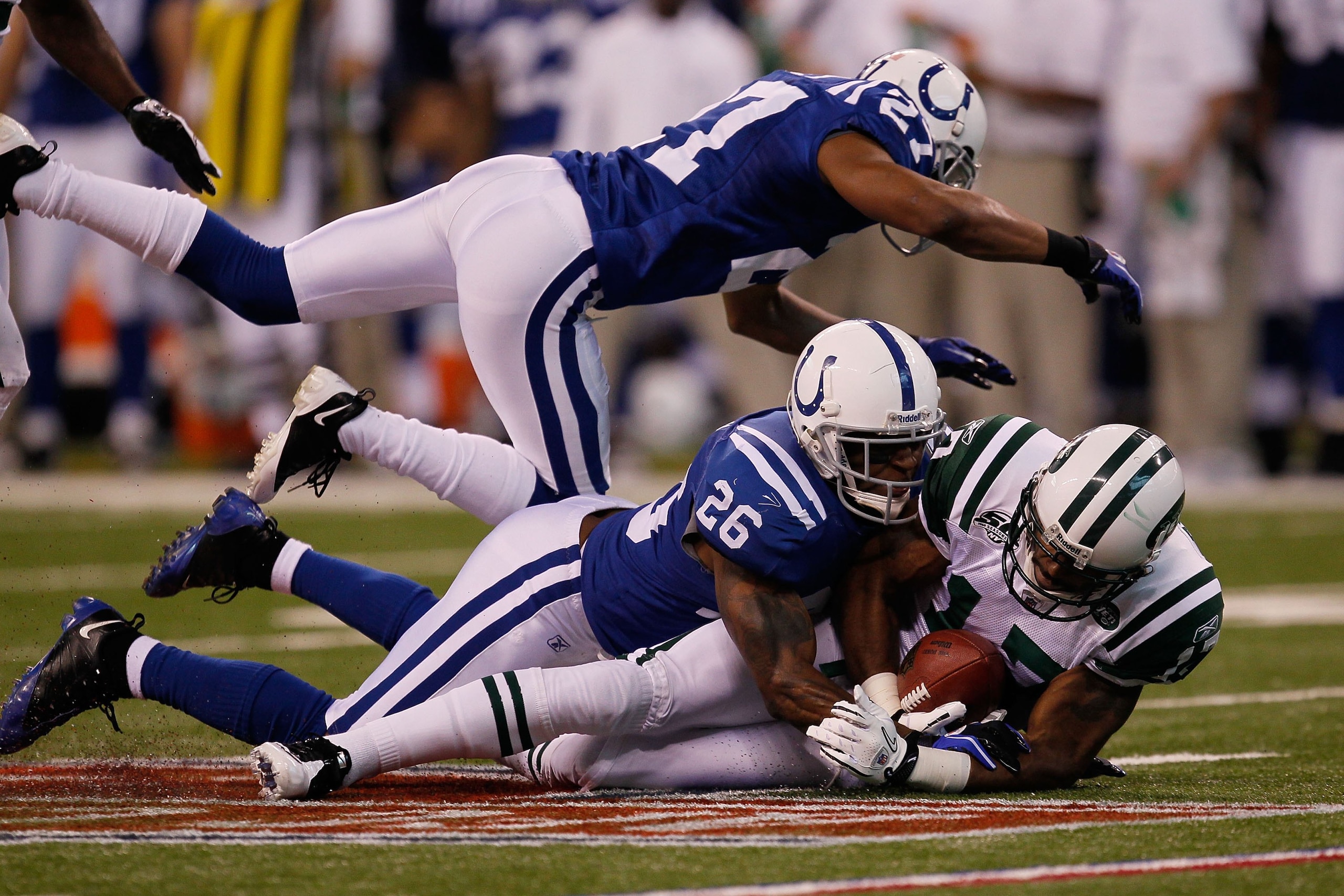
Record: 14-2
Offense: 26.0 PPG (7th)
Defense: 19.2 PPG (8th)
Coach: Jim Caldwell
Based on numbers alone, there's a convincing case that the 2009 Colts don't belong on this list. They ranked just ninth in the NFL is scoring differential (+6.8 PPG), they needed seven fourth-quarter comebacks, and they benefited from a relatively easy schedule; 10-6 New England and Arizona were their toughest opponents of the season.
But the reality is that this team could have had the second 16-0 regular season in history. They won their first fourteen games, led 15-10 in the third quarter against the New York Jets...and then GM Bill Polian and coach Jim Caldwell called off the dogs, ostensibly to rest for the playoffs.
The strategy seemed to work when Indy breezed to the Super Bowl, beating Baltimore and the Jets (both 9-7) by double digits. To hear the pundits talk, a Colts title was inevitable. But finally faced with an elite team in the 13-3 New Orleans Saints, the Colts wilted, losing 31-17 on a pick-six with three minutes left.
21. The 1990 Buffalo Bills
5 of 25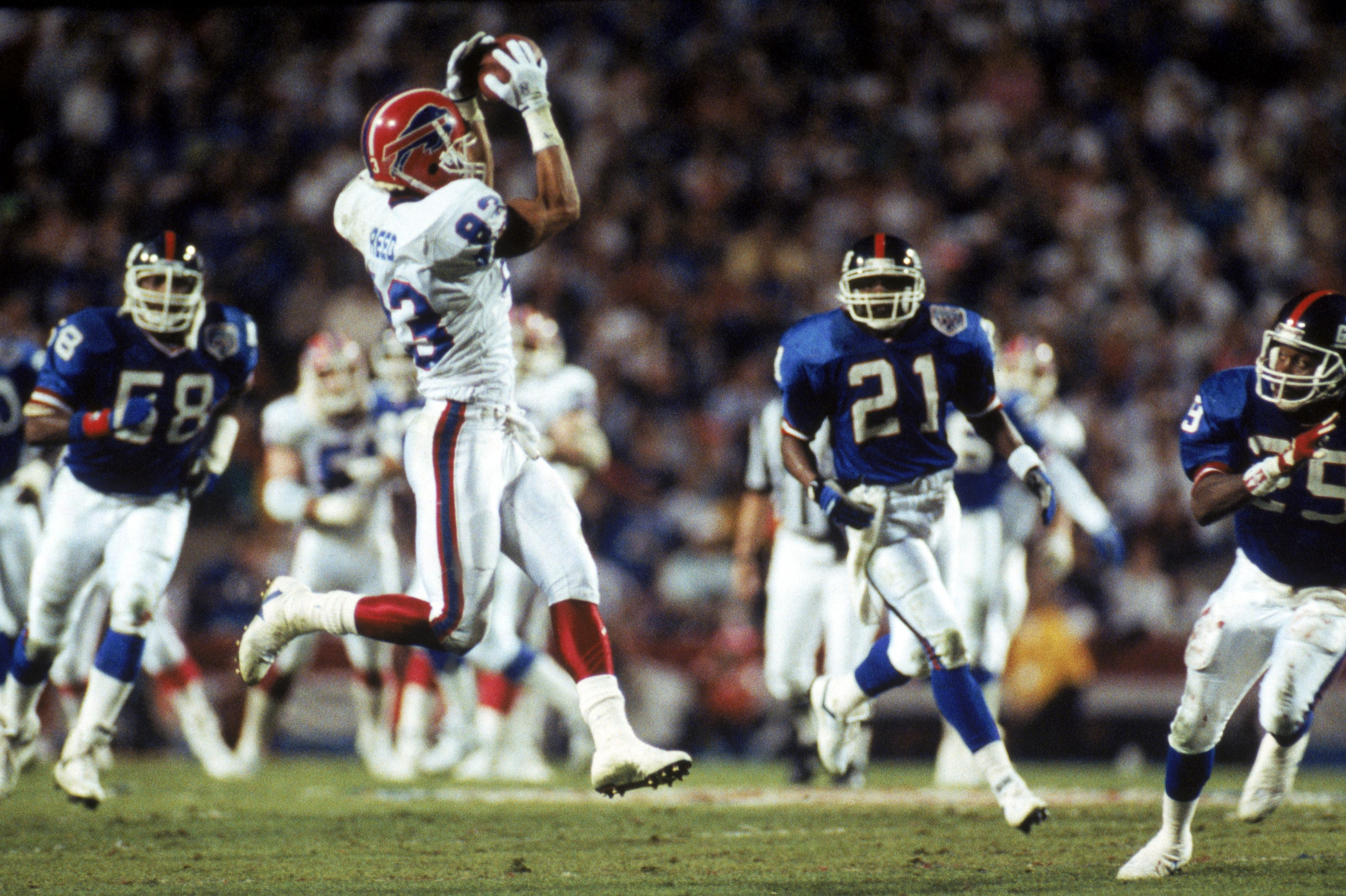
Record: 13-3
Offense: 26.8 PPG (1st)
Defense: 16.4 PPG (6th)
Coach: Marv Levy
One could argue that all four Bills teams from their run of Super Bowl losses should be lumped together, but this 1990 team was clearly the best of the bunch. The triumvirate of quarterback Jim Kelly, running back Thurman Thomas and receiver Andre Reed peaked in a pair of impressive playoff wins. First the Bills outgunned the 12-4 Miami Dolphins 44-34, then they drubbed the 12-4 Los Angeles Raiders 51-3 in the AFC title game. All that was standing in their way of glory was a New York Giants team starting back-up quarterback Jeff Hostetler in place of an injured Phil Simms.
But a team of Bills was done in by a pair of Bills—head coach Parcells and defensive coordinator Belichick, that is. The game plan they crafted kept the high-flying Buffalo offense off the field for all but 19 minutes. Their point-a-minute pace wasn't enough, as kicker Scott Norwood's "wide right" with four seconds left sealed a 20-19 defeat.
20. The 2006 San Diego Chargers
6 of 25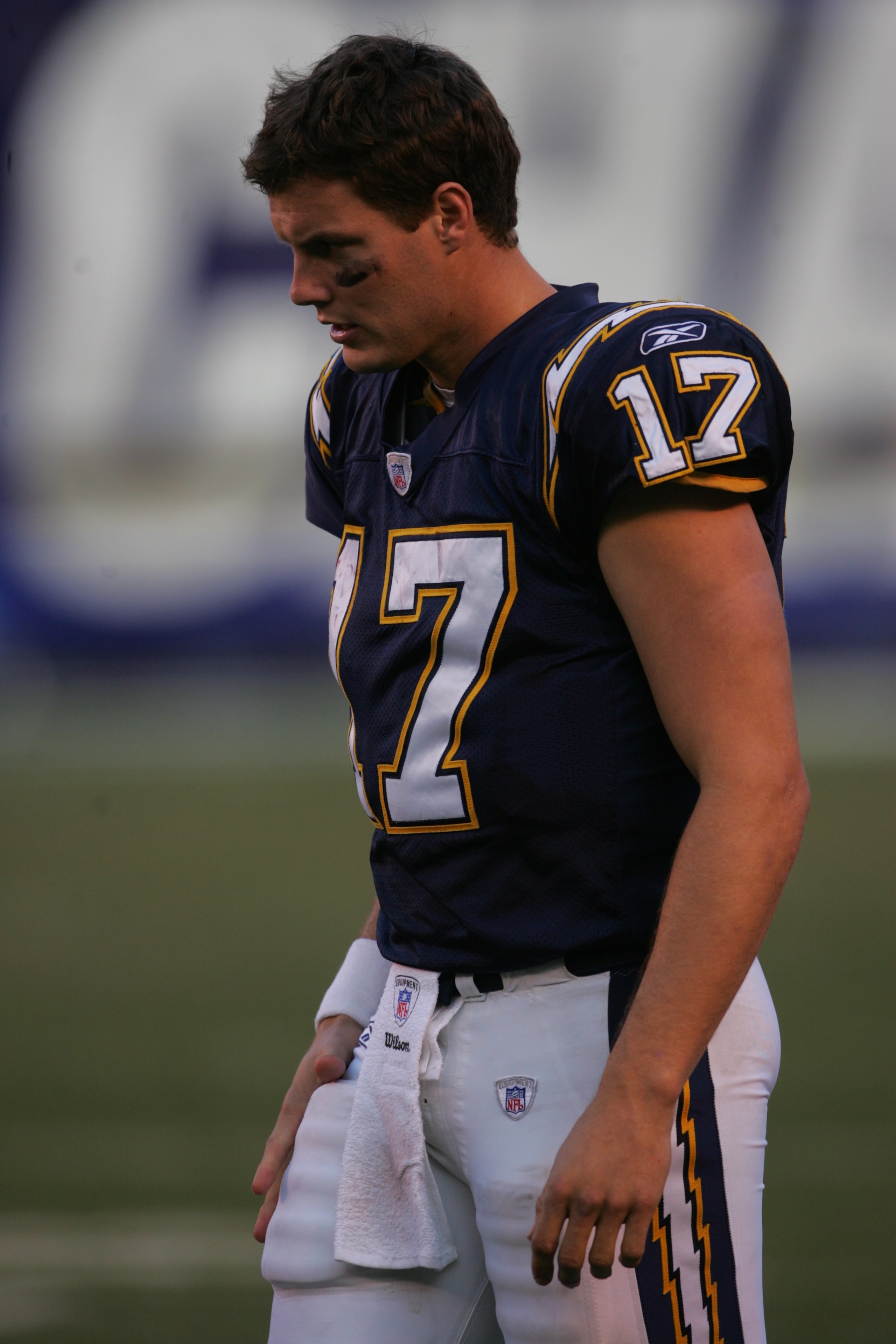
Record: 14-2
Offense: 30.8 PPG (1st)
Defense: 18.9 PPG (7th)
Coach: Mary Schottenheimer
After a couple of good seasons prior, the Chargers peaked in 2006. LaDainian Tomlinson was at the peak of his powers, and quarterback Philip Rivers made the Pro Bowl in his first year as a starter. San Diego's two losses came by just three points each, on the road against fellow playoff teams Baltimore and Kansas City, and they won ten straight to end the regular season.
And then they remembered that their coach was Marty Schottenheimer. The 12-4 New England Patriots did everything they could to hand San Diego a divisional round win, with Tom Brady throwing three interceptions and the imbalanced Patriot offense running 53 pass plays (to 21 runs). But the Chargers kept giving the ball back with four turnovers of their own, including a mid-fourth quarter play where defensive back Marlon McCree intercepted Brady on fourth down, then was promptly stripped by receiver Troy Brown. The 24-21 loss, punctuated by a missed 54-yard field goal with three seconds left, was Schottenheimer's last game to date in the NFL.
19. The 2004 Pittsburgh Steelers
7 of 25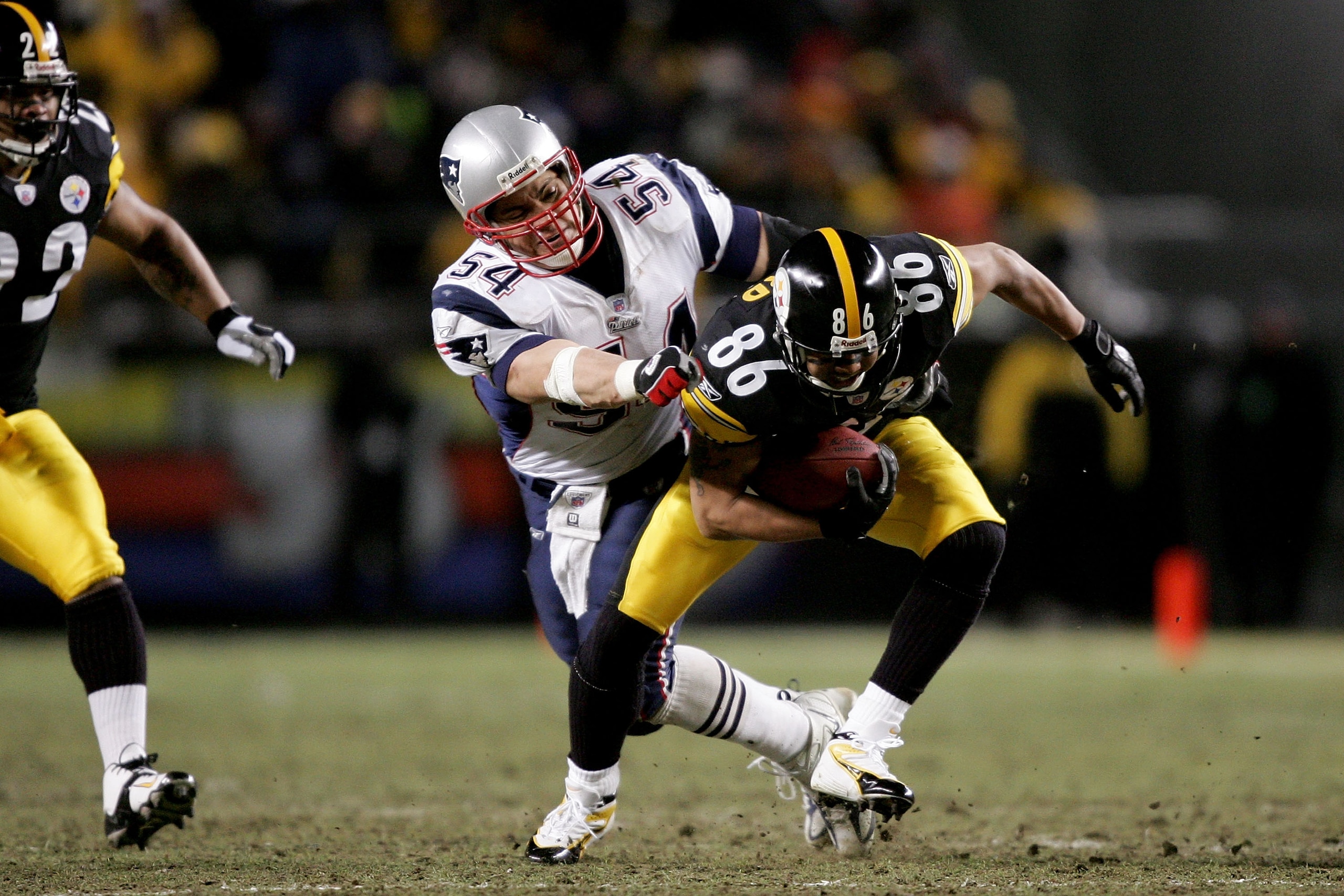
Record: 15-1
Offense: 23.2 PPG (11th)
Defense: 15.7 PPG (1st)
Coach: Bill Cowher
The Steelers season was supposedly lost in Week 2, when quarterback Tommy Maddox went down with an injury. But buoyed by the league's best defense and second-best rushing attack, rookie Ben Roethlisberger managed the team to 14 straight wins, making them the third team in NFL history to win 15 regular-season games.
When the playoffs rolled around, however, Roethlisberger played like the rookie he was. He tossed two interceptions against the 10-6 New York Jets in the divisional round, one of which was returned for a touchdown. The Steelers survived 20-17 in overtime only after Doug O'Brien missed two game-winning field goals in the final two minutes of regulation.
Such play might have sufficed against the Jets, but it wasn't enough in the AFC title game. The 14-2 New England Patriots were going for their third Super Bowl win in four years, and had revenge on their mind after a 34-20 regular season loss. The Pats had the league's No. 2 defense and could score as well. And score they did, with the most points ever by a visitor at Heinz Field in a 41-27 victory.
18. The 1987 San Francisco 49ers
8 of 25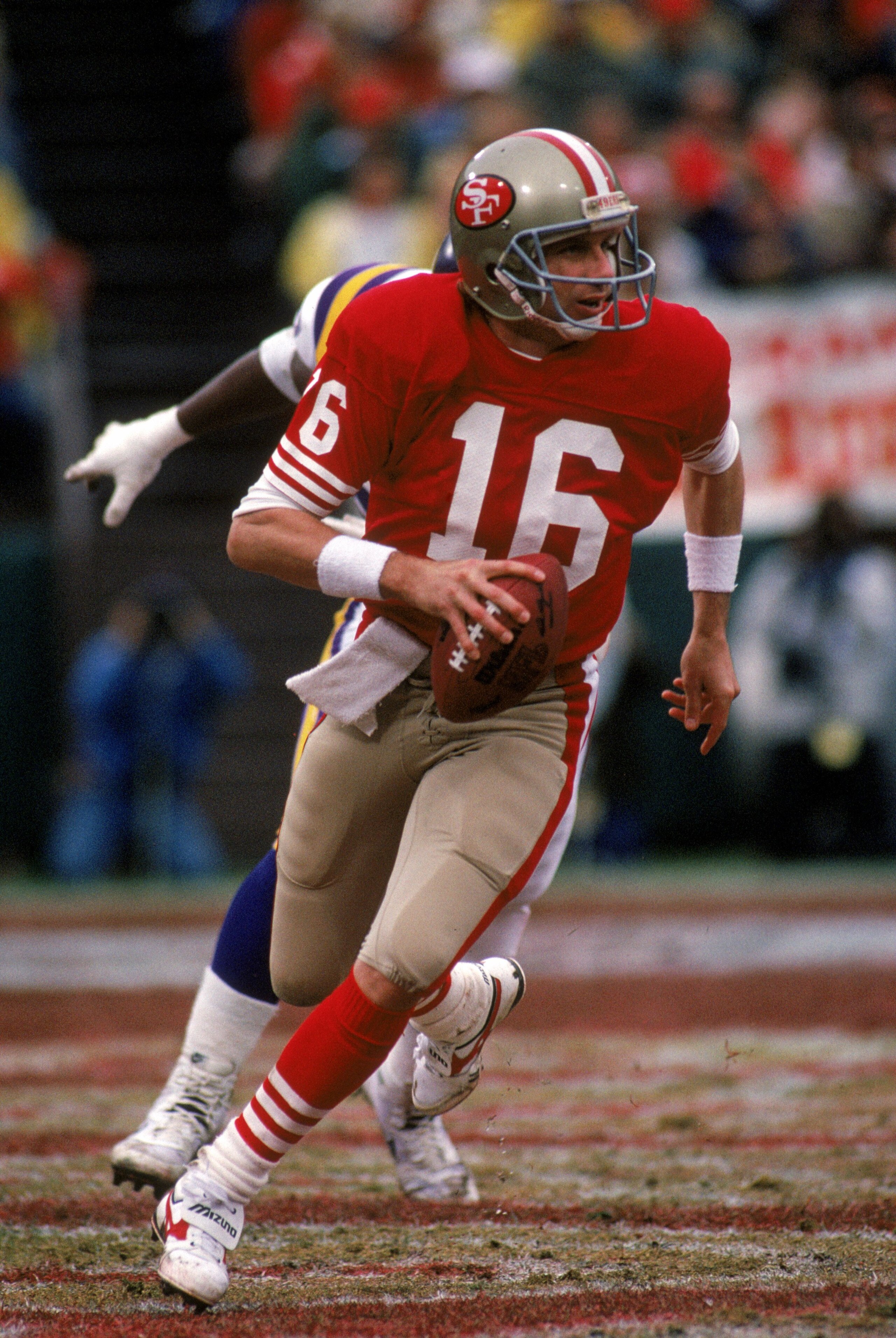
Record: 13-2
Offense: 30.6 PPG (1st)
Defense: 16.9 PPG (3rd)
Coach: Bill Walsh
1987 is mainly remembered for the "Replacement Games," but it could have been remembered as another notch in the San Francisco dynasty. Whether pros or scabs were on the field, the 49ers were nearly unstoppable. Jerry Rice scored a then-record 22 receiving touchdowns in just 12 games, quarterback Joe Montana led the league with a 102.1 passer rating, and the 49ers won their final three regular season games by a combined score of 124-7.
Then San Francisco drew an 8-7 Minnesota Vikings team in the divisional round—and proceeded to play like they were already guaranteed a win. Montana was so ineffective (12-of-26, 109 yards, 1 INT) that he was benched for Steve Young, and the defense didn't have an answer for Anthony Carter, who caught 10 passes for a playoff-record 227 yards (but no touchdowns, incredibly). The 36-24 loss was largely forgotten after the 49ers won the next two Super Bowls, but one wonders what more could have been.
17. The 1967 Los Angles Rams/Baltimore Colts
9 of 25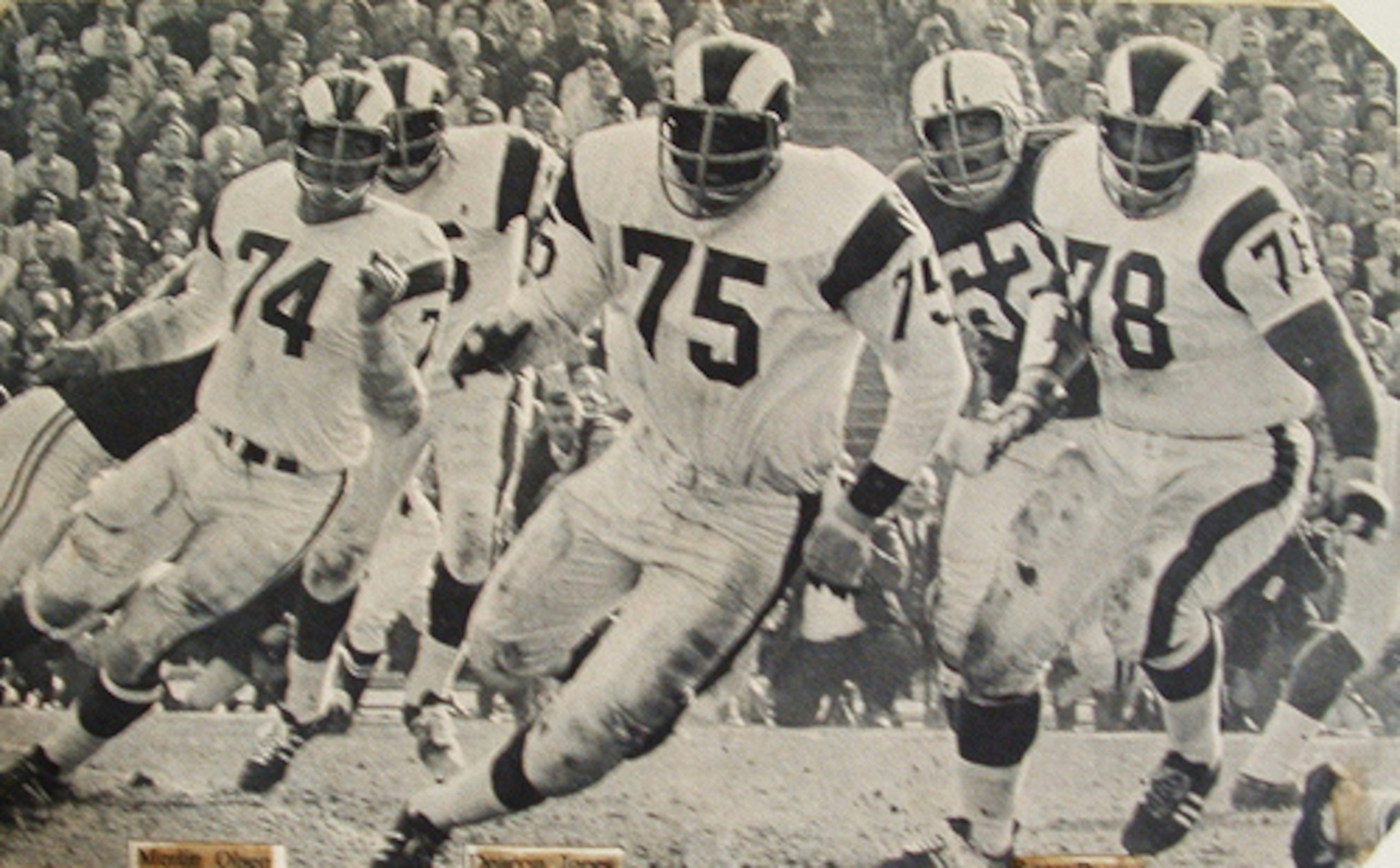
Record: 11-1-2 / 11-1-2
Offense: 28.4 PPG / 28.1 PPG (2nd)
Defense: 14.0 PPG (1st) / 14.1 PPG (2nd)
Coach: George Allen / Don Shula
Either one of these teams could have been in the conversation for the greatest team of all time. Both effectively doubled their opponent's score on average, and they even played to a tie in their first regular season meeting. But not only did neither one win the title, one didn't even make the playoffs.
In 1967, the NFL split from its long-standing two-division format to a new four-division setup. This created the first ever playoff tournament, with each of the division winners getting a spot. The problem: Both the Rams and Colts were in the Coastal division (even though they were on different coasts). Los Angeles got the upper hand 34-10 win in the final regular season game, giving them a 1-0-1 win in the season series and the division tiebreaker. The result was that the 9-4-1 Green Bay Packers (Central), 9-5 Dallas Cowboys (Capital) and 9-5 Cleveland Browns (Century) all made the playoffs, while the 11-1-2 Colts stayed home.
It was left up to the Rams to carry the Coastal banner. But they couldn't even win a playoff game. Both the offense and defense failed to show up in a 28-7 loss (in a game played in Green Bay, for some reason) to a Packers team they had beaten two weeks earlier.
16. The 2005 Indianapolis Colts
10 of 25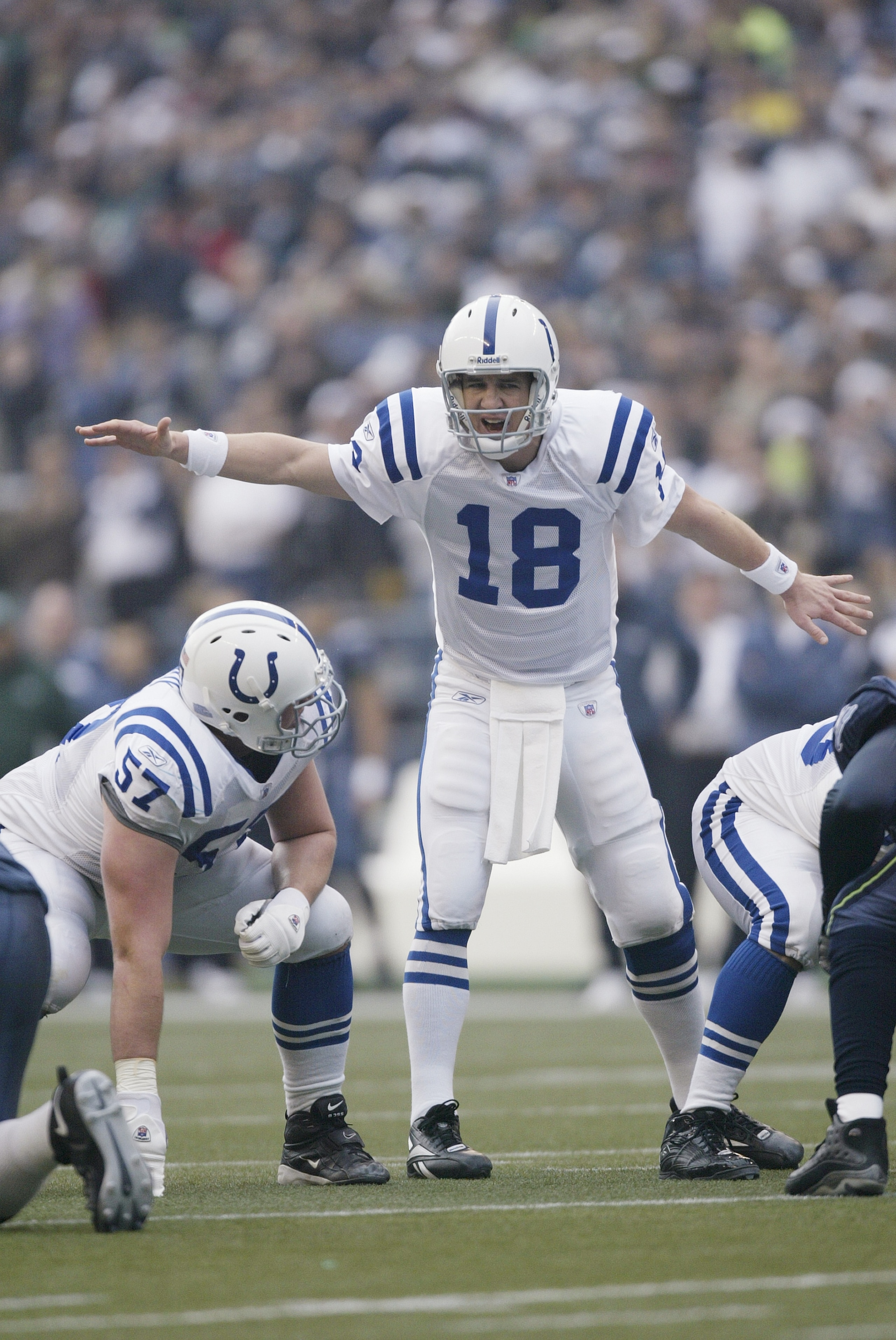
Record: 14-2
Offense: 27.4 PPG (2nd)
Defense: 15.4 PPG (2nd)
Coach: Tony Dungy
If not for the Super Bowl win a year later, this is the team that would have defined Peyton Manning's career: a dominating regular season with nothing to show for it. The Colts had always scored points with Manning around, but in this season they added a shutdown defense as well. The combination led them to 13 straight wins before a tough loss to San Diego ended their run at perfection. With nemesis New England having taken a major step back and no stand-out NFC team, everyone rushed to hand the Colts the Super Bowl crown before the playoffs started.
Of course, Indianapolis had to actually win a playoff game. They opened against a No. 6 seed Pittsburgh team they had dominated 26-7 in the regular season, and were beat up right from the start. An offensive line breakdown (five sacks) gave Manning happy feet and the Steelers a 21-3 fourth quarter lead. Even two gifts, in the form of an incorrectly overturned interception and a Jerome Bettis fumble at the 2-yard line, weren't enough to save Indy from a 21-18 flameout.
15. The 1992 San Francisco 49ers
11 of 25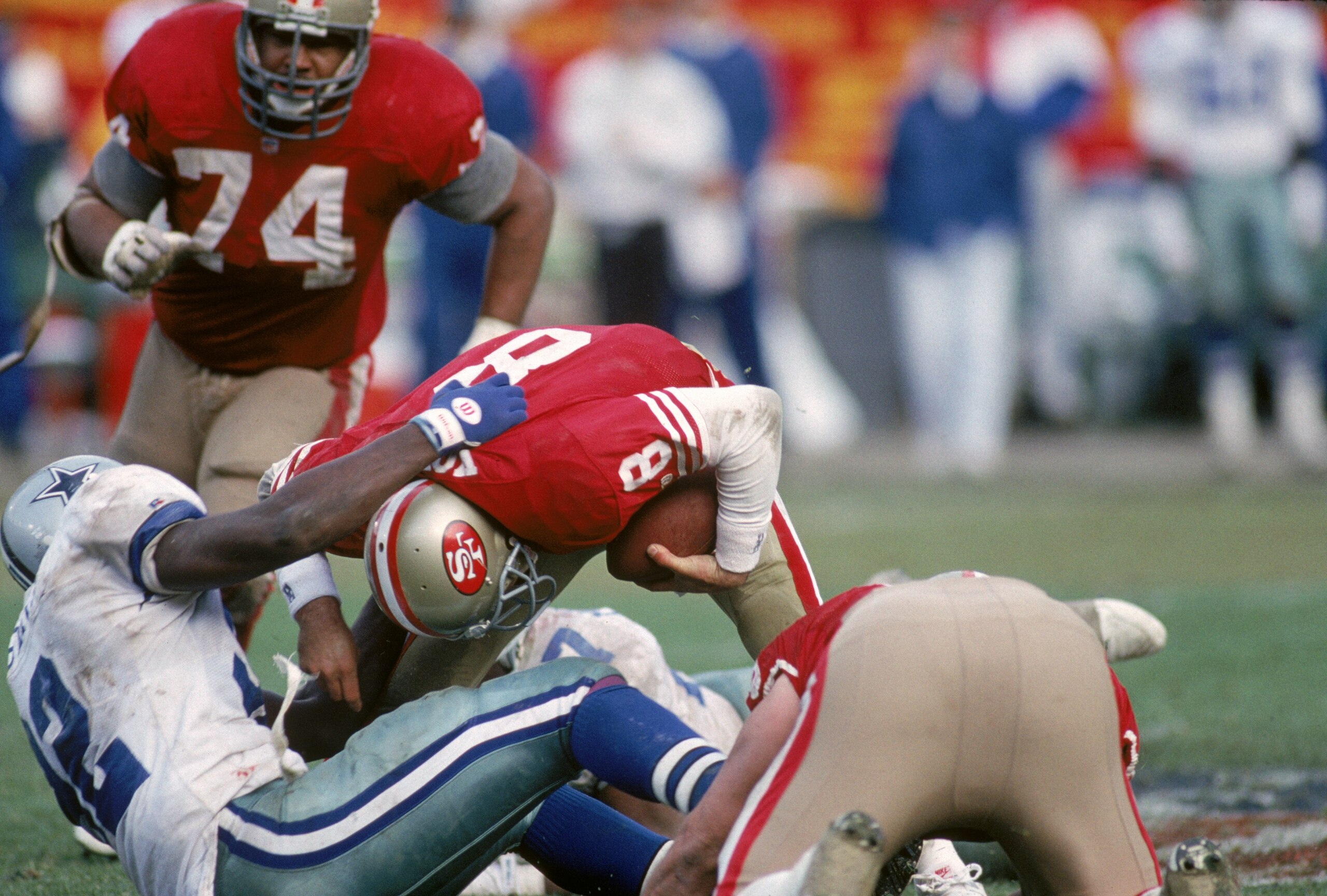
"Record: 14-2
Offense: 26.9 PPG (1st)
Defense: 14.8 PPG (3rd)
Coach: George Seifert"
The 49ers never lost a Super Bowl in their dynasty period, but they sure had a lot of heartbreak trying to get there. In addition to the 1987 team, the 1990 49ers went 14-2 and lost the NFC title game to the New York Giants, with Joe Montana suffering an injury that effectively ended his career in San Francisco. The 1992 team was even better than that one. Quarterback Steve Young posted the second of four straight seasons with a passer rating off at least 100 (107.0), rookie running back Ricky Watters ran for 1,013 yards, and the team sent seven players to the Pro Bowl.
After handling the 9-7 Washington Redskins 20-13 in the divisional round, San Francisco took on 13-3 Dallas in the rematch of the game ("The Catch") that launched the 49er dynasty. With the AFC on a downswing, the game was seen as the de facto Super Bowl. And it went to the Cowboys, with Young tossing two fourth-quarter picks in a 30-20 loss. Dallas went on to win three of the next four Super Bowls, while Young needed two more years before he got the monkey off his back in Super Bowl XXIX.
14. The 1948 Chicago Cardinals
12 of 25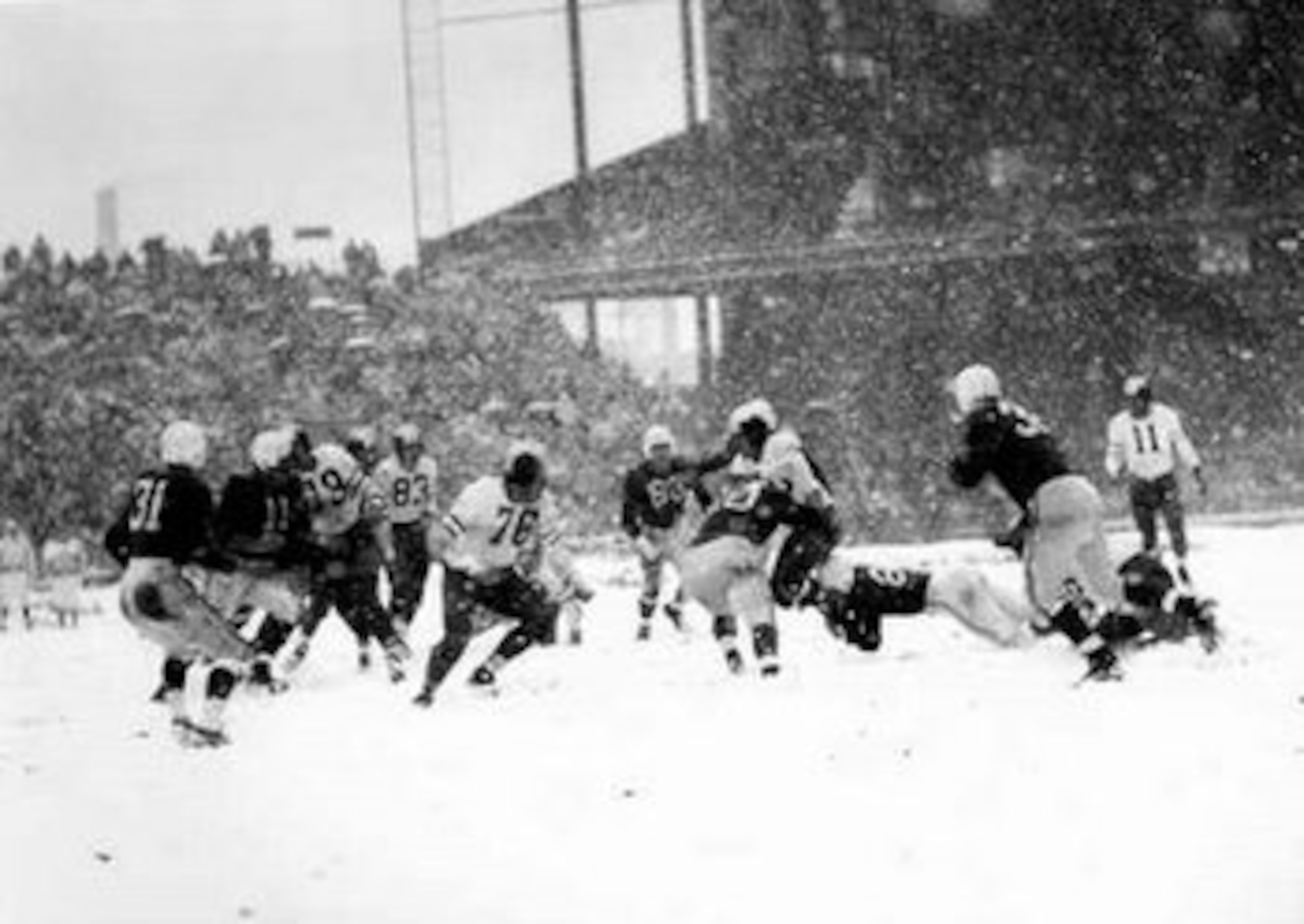
Record: 11-1
Offense: 32.9 PPG (1st)
Defense: 18.8 PPG (3rd)
Coach: Jimmy Conzelman
Those that remember the 1948 usually recall the Philly Blizzard and Steve Van Buren's famous touchdown. What they don't remember is that the score helped knock off one of the best teams of the decade. The Cardinals' No. 1 offense slugged it out with the crosstown rival Bears' No.1 defense for supremacy in the West division all season, coming down to the regular season finale with both teams at 10-1. The Cardinals won 24-21, pitting them against the 9-2-1 Eagles in a rematch of the previous year's title tilt (won by Chicago).
Then the blizzard hit. NFL commissioner Bert Bell considered postponing the game, but the teams voted to play on. The result was that the highest-scoring season in NFL history ended with a title game that was scoreless through three quarters. Early in the fourth, the Cardinals fumbled deep in their own end. Philly recovered, setting out Van Buren's plunge and a 7-0 win.
13. The 1973 Los Angeles Rams
13 of 25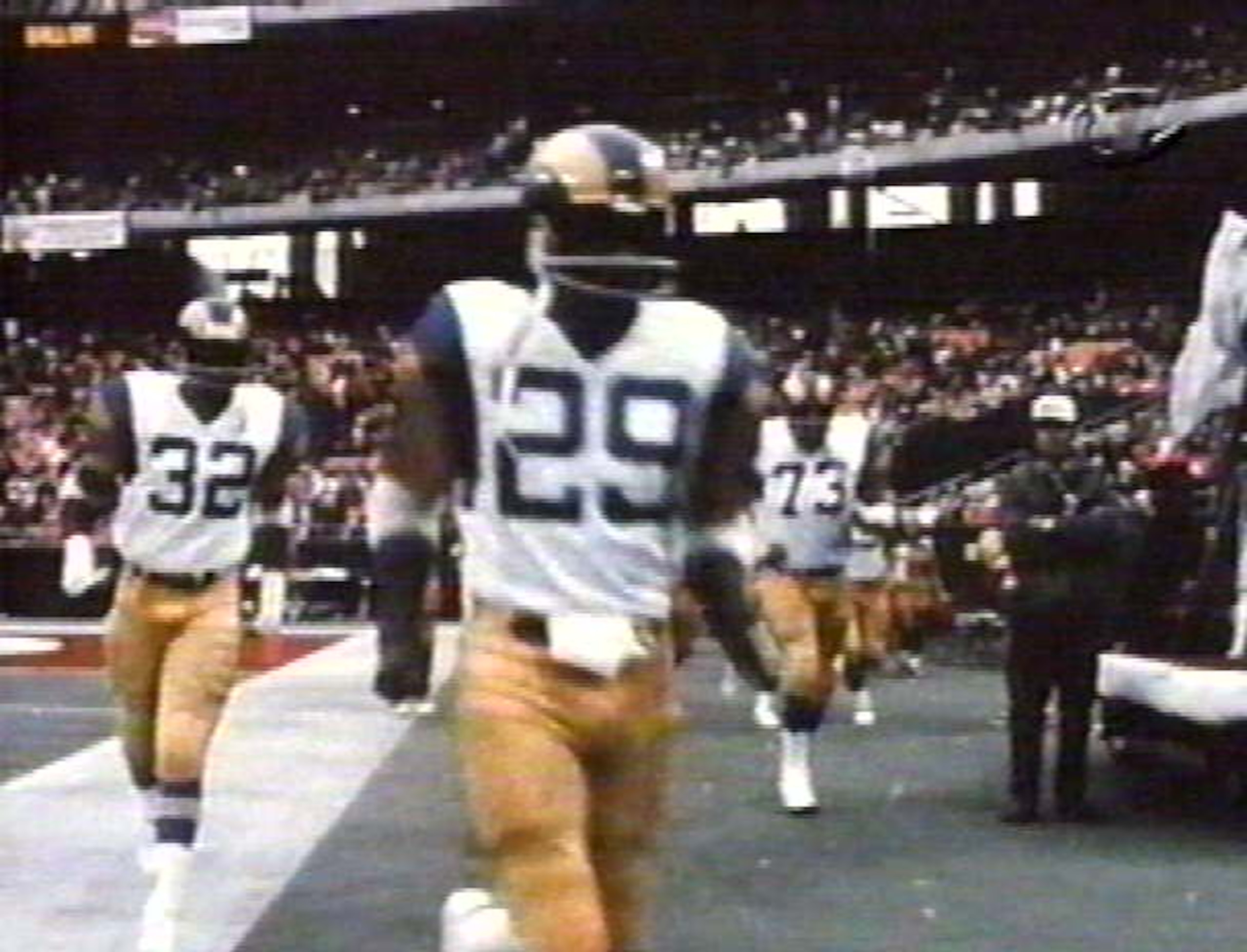
Record: 12-2
Offense: 27.7 PPG (1)
Defense: 12.7 PPG (4)
Coach: Chuck Knox
One year after the Miami Dolphins marched through the regular season undefeated, the Rams very nearly pulled off the same feat. Their two losses, back-to-back jobs on the road against 12-2 Minnesota and 9-5 Atlanta, came by scores of 10-9 and 15-13. First year coach Knox led the league's top offense and a defense that would become No. 1 the following year.
Then the Rams drew the 10-4 Dallas Cowboys in the opening round. Their regular matchup had been the Rams' one defensive breakdown of the season, with Los Angeles winning a shootout 37-31. The defense showed up this time with seven sacks and four forced turnovers...but the offense suffered five sacks and three turnovers of their own. These combined with just 192 yards of net offense for a 27-16 one-and-done.
12. The 1968 Dallas Cowboys
14 of 25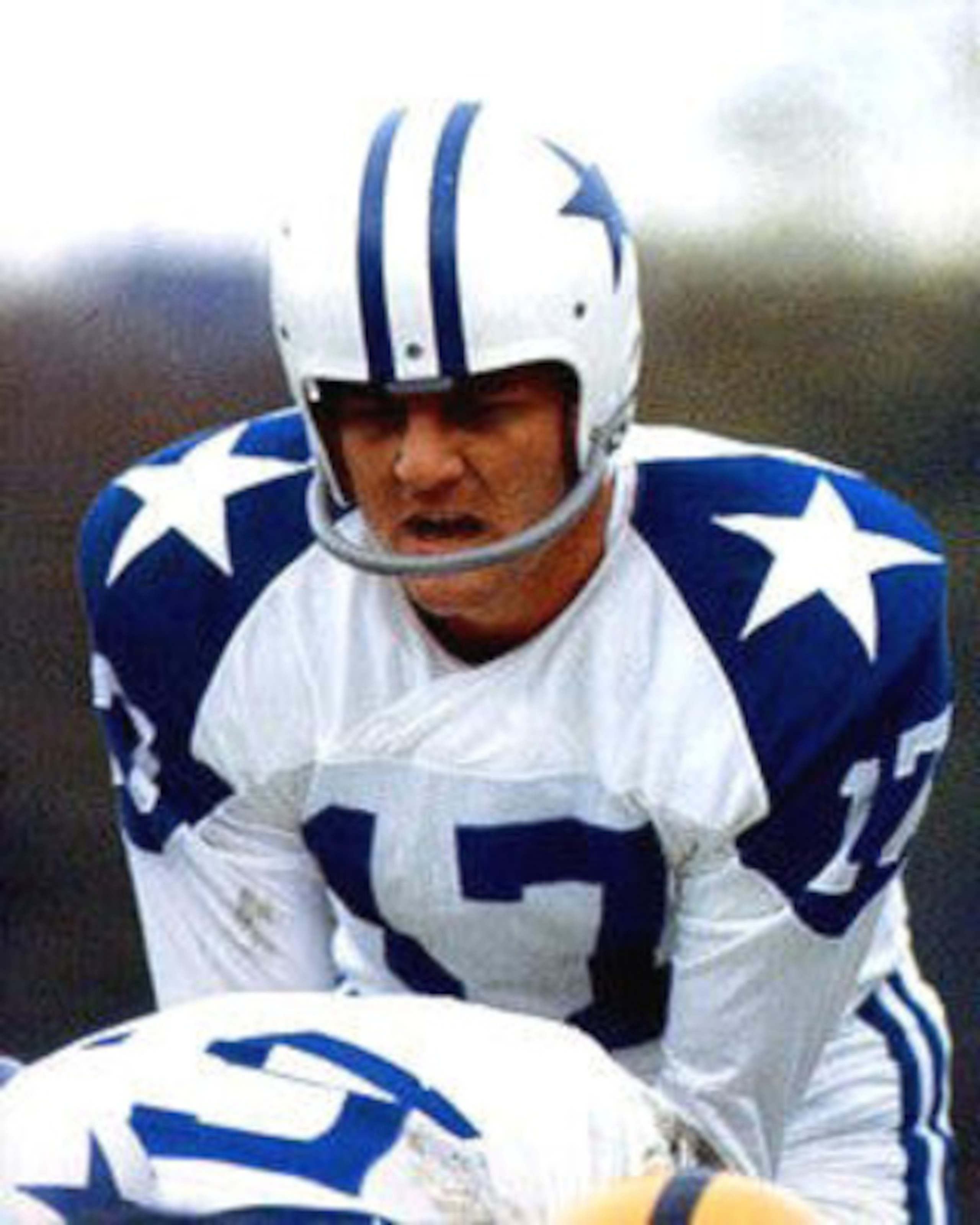
Record: 12-2
Offense: 30.8 PPG (1st)
Defense: 13.3 PPG (2nd)
Coach: Tom Landry
The Cowboys are the "forgotten team" of the 1968 season, but they could have been so much more. Working in the shadow of the 13-1 Baltimore Colts (more on them later), the Cowboys were almost as good. Their +17.5 PPG scoring differential is still on the highest of the Super Bowl era, and their eight Pro Bowlers included quarterback Don Meredith and many of the defensive players (Chuck Howley, Mel Renfro, Bob Lilly) who would key their Super Bowl win a few years later.
On top of that, their nemesis Green Bay Packers were no longer in the way. Dallas has lost the previous two NFL title games to the Packers (and again in the 1968 regular season), but with Green Bay 6-7-1 and out of the playoff picture, the stage was set for a Cowboy/Colts showdown...
...Then the Cowboys lost 31-20 to the 10-4 Cleveland Browns in the divisional round, a team they had hammered 28-7 in the regular season. Meredith threw three interceptions on nine attempts in his final game, and back-up Craig Morton went 9-of-23 with a pick of his own. Whoops.
11. The 1984 Miami Dolphins
15 of 25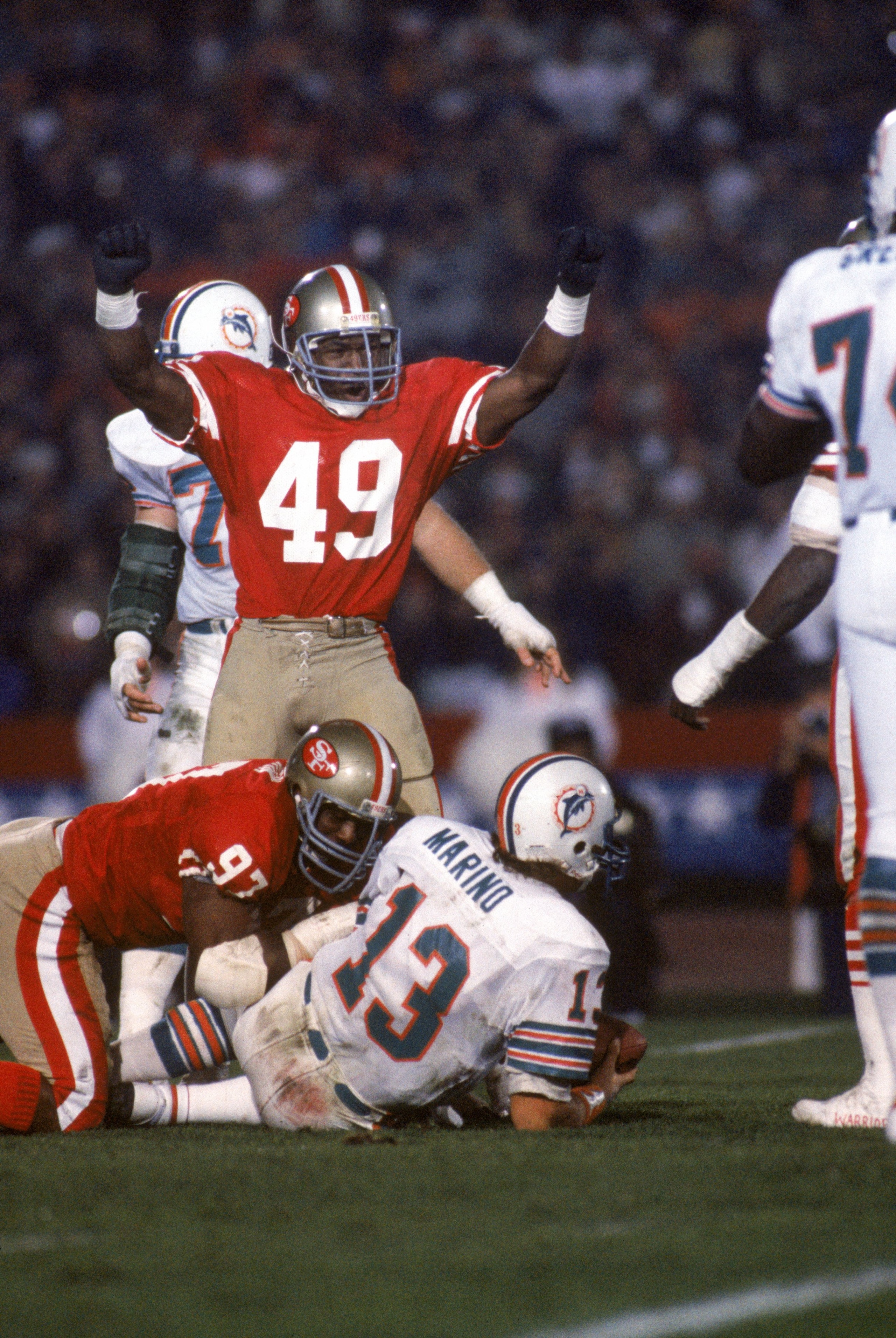
Record: 14-2
Offense: 32.1 PPG (1st)
Defense: 18.6 PPG (7th)
Coach: Don Shula
The "Live Ball Era" in the NFL, were rule changes were made to open up the passing game officially began in 1978. But it was this Dolphins team that first showed the true potential of the aerial attack. Second-year quarterback Dan Marino set a then-record with 48 touchdown passes - the previous record was 36 - and another record that still stands with 5,084 passing yards. Tossing passes to Mark "Super" Duper and Mark Clayton (who each averaged more than 18 yards/catch), the Dolphins won their first 11 games and rolled through the playoffs, beating the 12-4 Seattle Seahawks 31-10 and the 9-7 Pittsburgh Steelers 45-28.
Unfortunately for the Dolphins, their Super Bowl opponent was even better. The 15-1 San Francisco 49ers ranked second in scoring with their own future Hall-of-Fame quarterback Joe Montana, and they had the league's best defense (14.2 PPG) to boot. That defense sacked Marino four times and intercepted him twice in a 38-16 49ers romp.
10. The 1967 Oakland Raiders (AFL)
16 of 25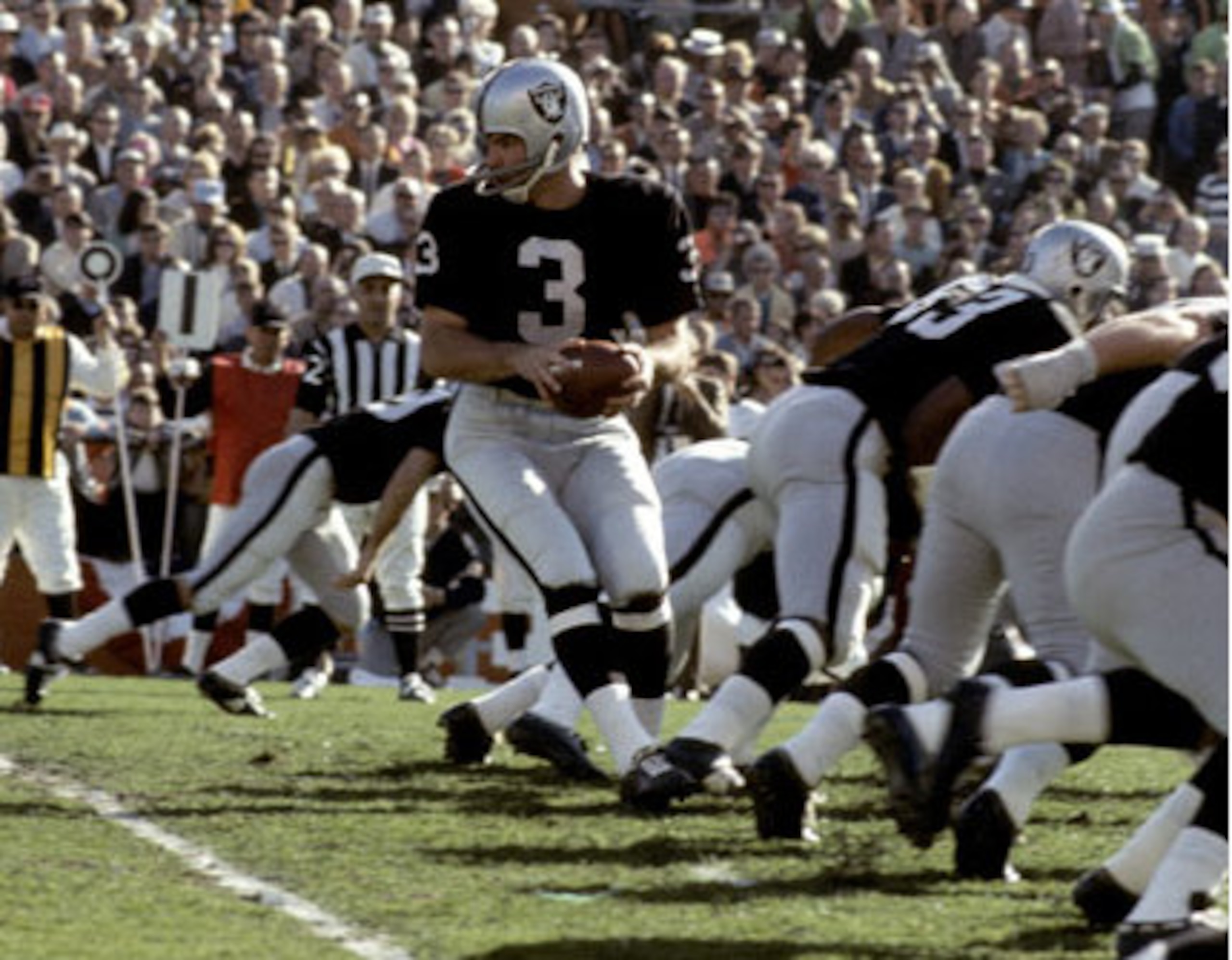
Record: 13-1
Offense: 33.4 PPG (1st)
Defense: 16.6 PPG (2nd)
Coach: John Rauch
This is the only AFL team to sneak onto the list - and they may have been the best team in the league's 10 year history. The roster was littered with Raiders legends in various stages of their careers, including quarterback Daryle Lamonica, kicker George Blanda, receiver Fred Biletnikoff, cornerback Willie Brown, and linebacker Dan Connors. Not only was their 13-1 record the best in AFL history, but they were a country mile ahead of the rest of the league that season. The next-best team was the 9-4-1 Houston Oilers, who bowed out to the Raiders 40-7 in the AFL title game.
Going into Super Bowl II against a 9-4-1 Green Bay team on the last leg of its dynasty, Oakland seemed to have a good chance. But they just lost, baby...33-14, roughly the reverse of a typical Raiders game that season. The game seemed to forever establish the NFL's supremacy over the AFL.
9. The 1983 Washington Redskins
17 of 25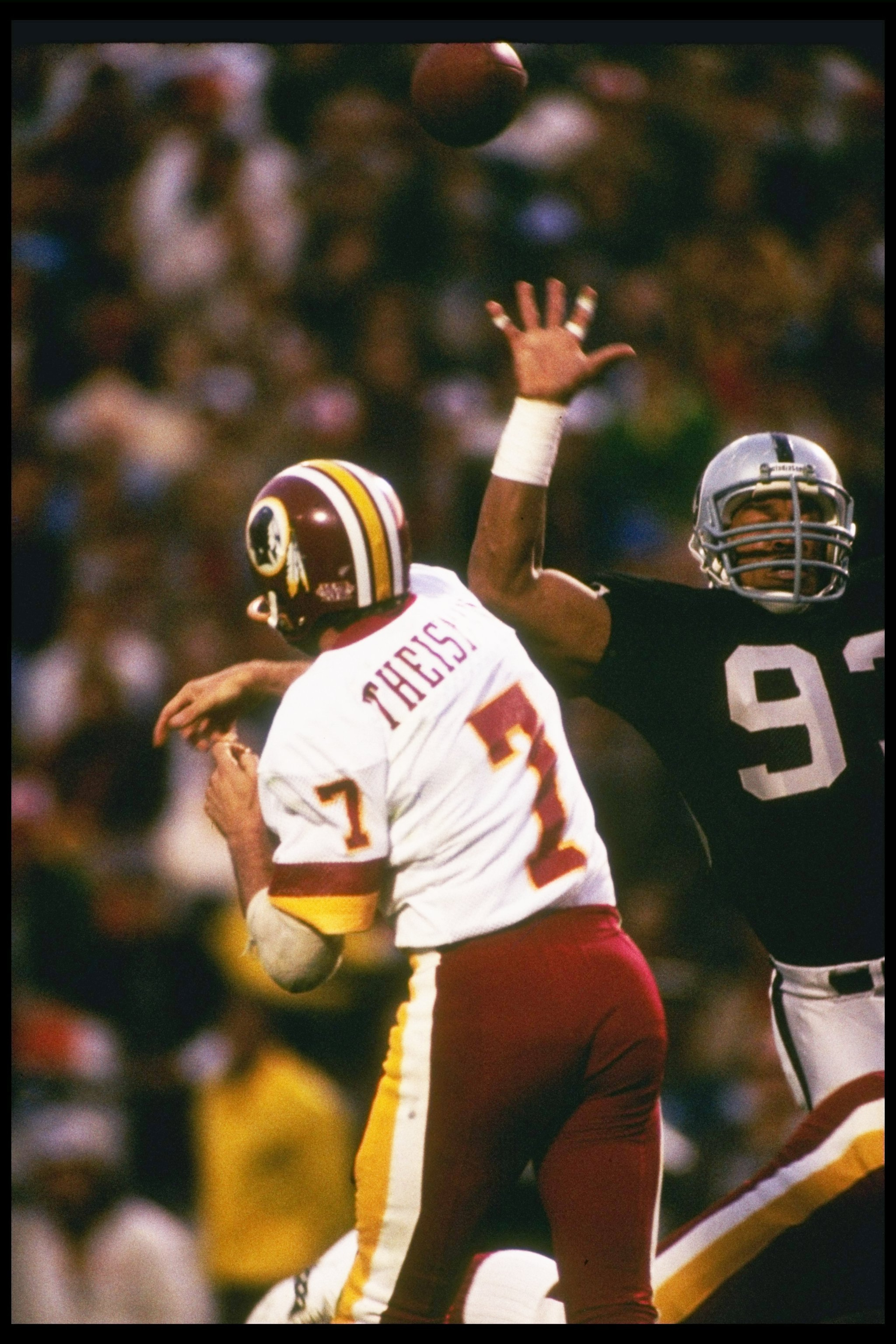
Record: 14-2
Offense: 33.8 PPG (1st)
Defense: 20.8 PPG (11th)
Coach: Joe Gibbs
Coming off a Super Bowl win in the strike-shortened 1982 season, the Redskins looked even better in 1983. Their two losses, to the Dallas Cowboys and Green Bay Packers, were by a single point each. The defense was merely okay, but the offense scored a then-record 541 points. They have league MVP Joe Theismann at quarterback, running back John Riggins, and the defensive Hogs, who helped create an astounding +43 turnover differential.
Washington cruised through the playoffs, obliterating the 9-7 Los Angeles Rams 51-7 in the divisional round, then outlasting the Montana-led 10-6 San Francisco 49ers 24-21 in the NFC title game. They were prohibitive favorites against the 12-4 Raiders in the Super Bowl. But going 4-0 against the city of Los Angeles (they beat the Rams and Raiders in the regular season) was too much to ask. But the offense and defense failed to show up, with Marcus Allen rushing for 191 yards in a 38-9 Raiders win.
8. 2001 St. Louis Rams
18 of 25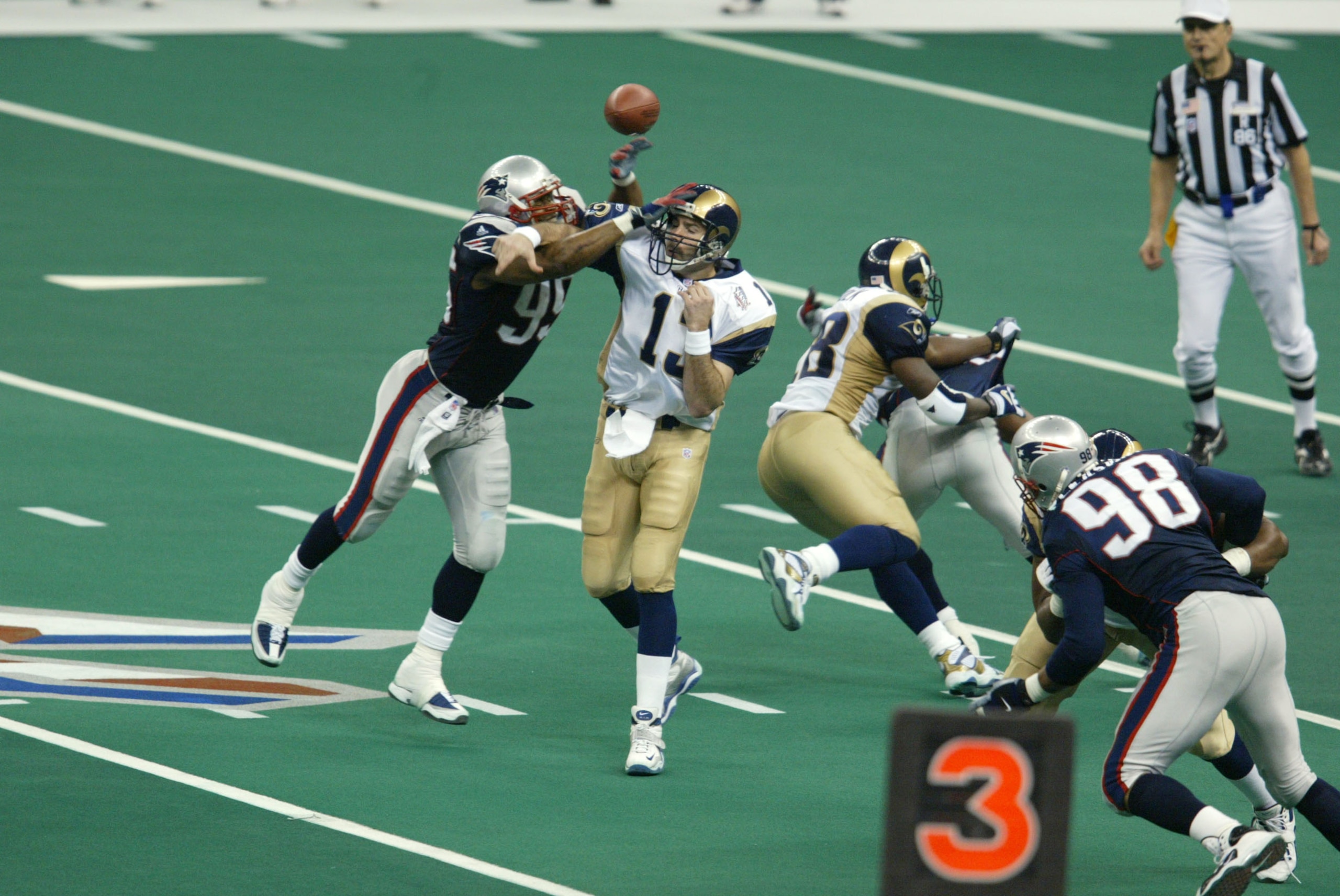
Record: 14-2
Offense: 31.4 PPG (1st)
Defense: 17.1 PPG (7th)
Coach: Mike Martz
Two years removed from their surprise Super Bowl win in 1999, the Greatest Show On Turf looked even better in 2001. The one-two punch of MVP quarterback Kurt Warner and running back Marshall Faulk was at the peak of their powers, as the offense became the first in history to have three straight 500-point seasons. After taking the 2000 season off, the defense came back as well, holding most of their opponents to the teens or lower.
After destroying 12-4 Green Bay 45-17 in the divisional round and outlasting the 11-5 Philadelphia Eagles 29-24 in the NFC title game, the Rams entered the Super Bowl as 14-point favorites against the 11-5 New England Patriots. It was supposed to be a coronation, and it was...for the Patriots. New England forced three turnovers and physically abused Warner and Faulk all game, eventually hanging on for a 20-17 win.
7. The 1969/1970 Minesota Vikings
19 of 25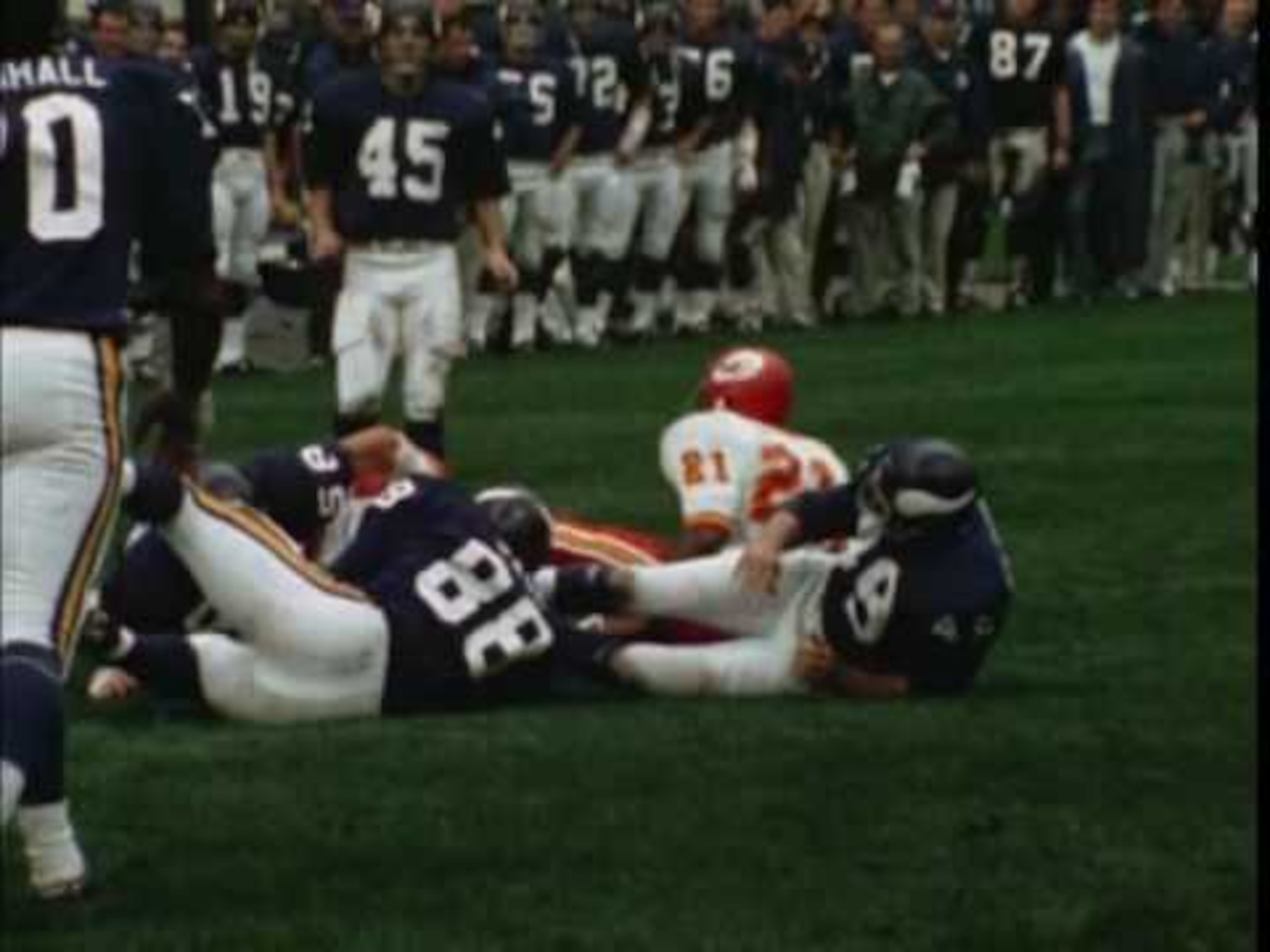
1969 / 1970
Record: 12-2 / 12-2
Offense: 27.1 PPG (1st) / 23.9 PPG (3rd)
Defense: 9.5 PPG (1st) / 10.2 PPG (1st)
Coach: Bud Grant
Simply put, the 1969 Minnesota Vikings had it all. The had the league's best scoring offense and scoring defense, the latter of which still ranks as the second-best in the Super Bowl era. They lost their regular season opener and finale, on the road, but a combined four points to the New York Giants and Atlanta Falcons, and won all 12 games in between.
After beating the 11-3 Rams and 10-3-1 Browns to win the NFL title, the Vikings were expected to put the upstart AFL in their place after the Jets' shocker the previous year. Instead, it was the 11-3 Kansas City Chiefs doing the putting with a 23-7 humiliation in the Super Bowl.
Stunned by the loss, the Vikings roared back almost as strong the following year. The Purple People Eater defense keyed another 12-2 record, including and Opening Day 27-10 revenge beating of the Chiefs. They went into the divisional round against the 10-3-1 San Francisco 49ers eager to put the previous year behind them.
Unfortunately, they had lost veteran quarterback Joe Kapp after he played the entire 1969 season without a contract, and replacement Gary Cuozzo was no Kapp. He went 9-of-27 with two interceptions against the 49ers, resulting in a 17-14 loss. The Vikings' status as perpetual bridesmaids was born that day.
6. The 1951/1953 Cleveland Browns
20 of 25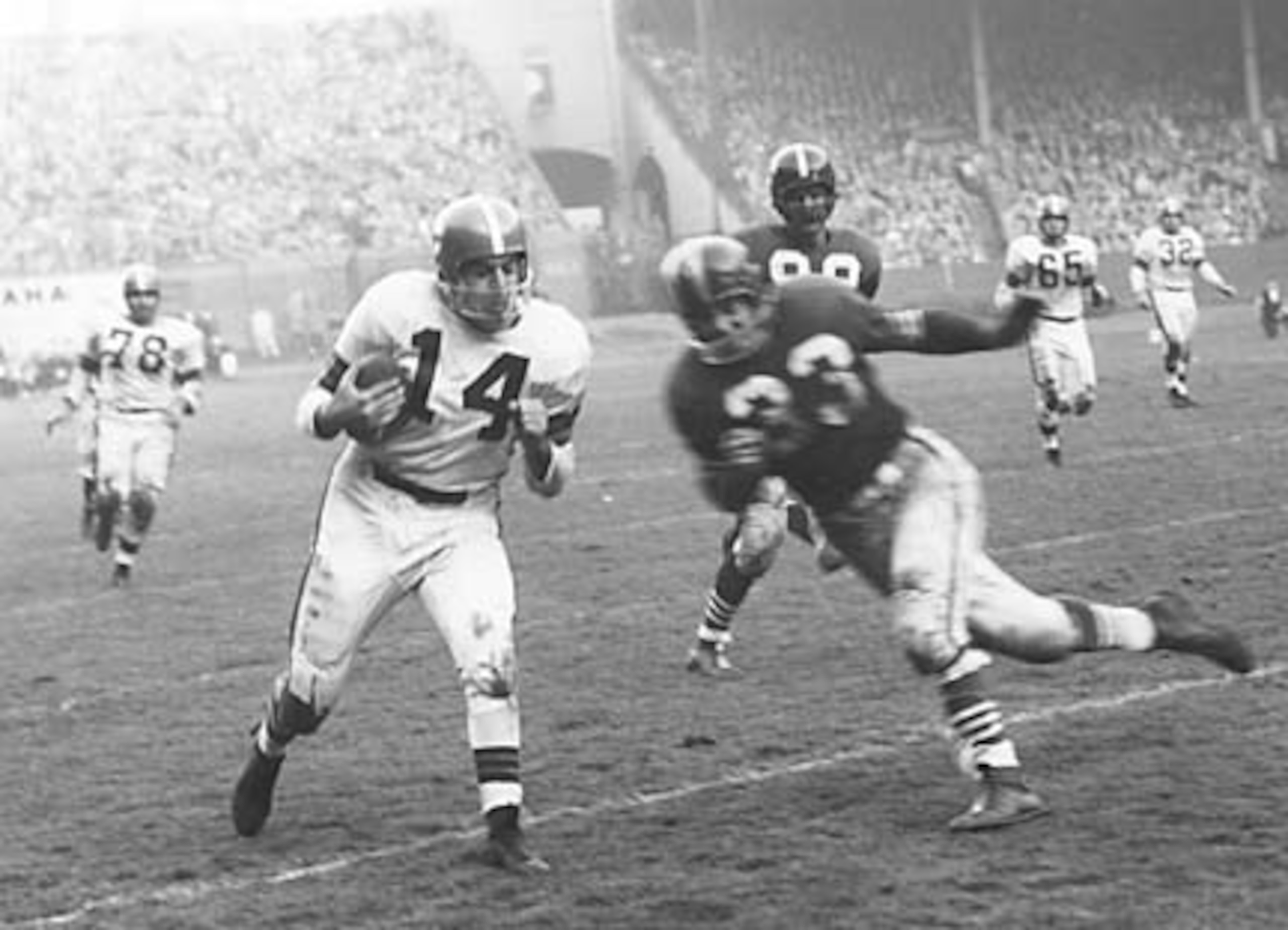
1951 / 1953
Record: 11-1 / 11-1
Offense: 27.6 PPG (3rd) / 29.0 PPG (4th)
Defense: 12.7 PPG (1st) / 13.5 PPG (1st)
Coach: Paul Brown
It's eerie just how similar these two Browns teams were. Both went 11-1. Both had the league's best defense and outscored their opponents by more than two touchdowns a game. Both had an NFL title game rematch from the previous season. And both times, their Hall of Fame quarterback threw up an epic stinkbomb.
Cleveland won the NFL title in 1950, their first year in the league after migrating from the All-American Football Conference. The 1951 team lost their season opener, then won 11 straight to close the regular season. The defense threw four shutouts, while 12 different players scored a touchdown. They went into the title game against the 8-4 Los Angeles Rams expecting to win their second NFL title in as many tries.
Unfortunately, a sudden reliance on the passing game betrayed them. Otto Graham, who averaged just 22 pass attempts in the regular season, hoisted 40 passes in the title game. He completed just 19, while tossing three interceptions and getting sacked five times. Despite this, the Browns fought to tie the game midway through the fourth quarter. But a 73-yard touchdown pass from Norm Van Brocklin to Tom Fears sealed a 24-17 Browns defeat.
After an 8-4 Cleveland team lost to Detroit in the 1952 title game, the cast came roaring back in 1953. This time they won their first 11 games, before the Philadelphia Eagles beat them 42-27 to end the regular season. Despite this, they went into the title game against the 11-1 Lions eager to capture a second title and avenge the previous two years.
Incredibly, Otto Graham found a way to play even worse than in 1951. Graham, whose 99.7 passer rating was almost unheard-of for the era, completed just two of 15 passes, and had two others picked off. Somehow, Cleveland was leading the game late in the fourth quarter. But with 2:08 left to play, Bobby Layne found Jim Doran on a 33-yard strike to seal a 17-16 decision for Detroit.
5. The 1998 Minnesota Vikings
21 of 25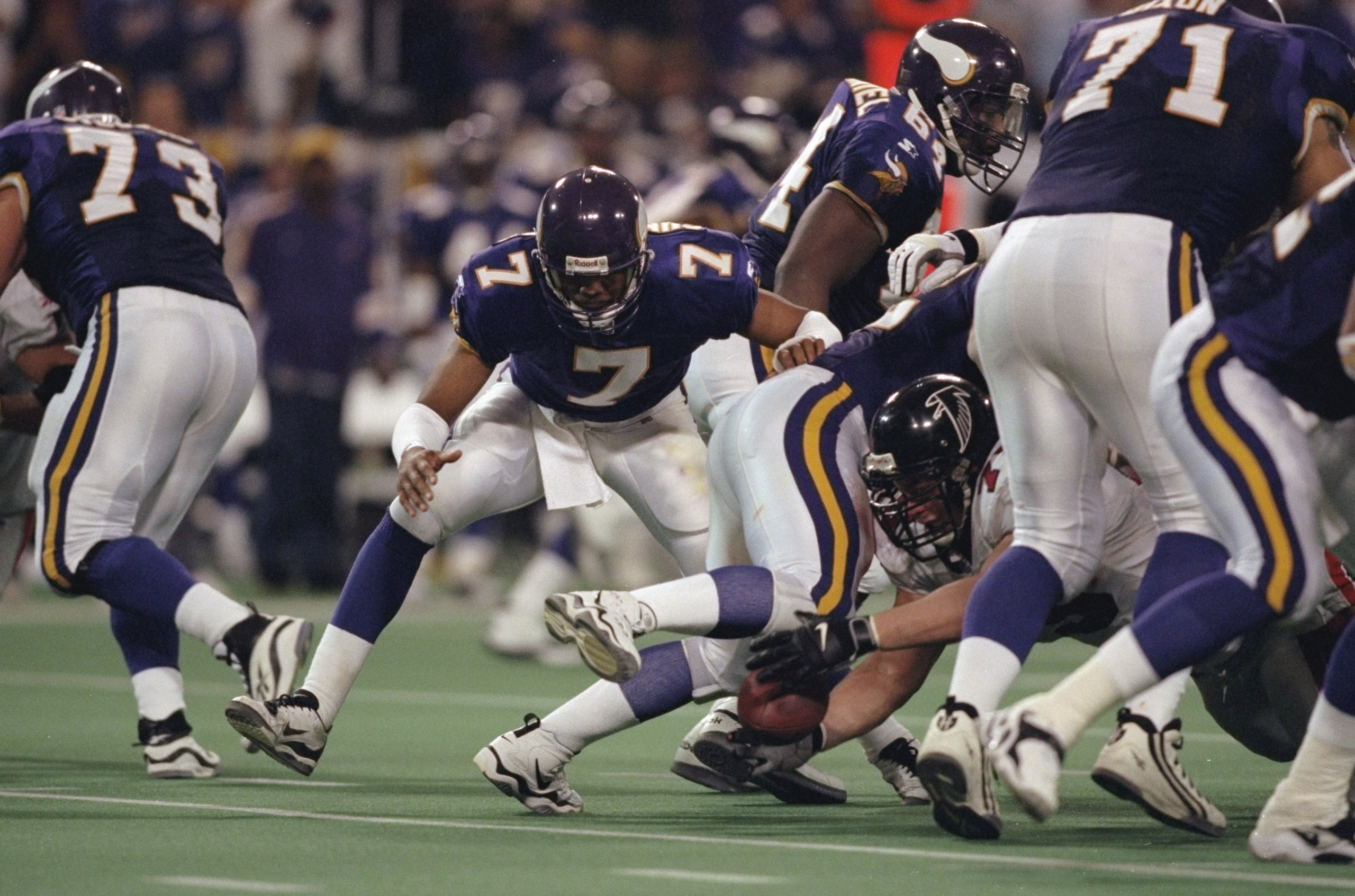
Record: 15-1
Offense: 34.8 PPG (1st)
Defense: 18.5 PPG (6th)
Coach: Dennis Green
This was supposed to finally be The Year for the Vikings. The offense scored a then-record 556 points, led by resurgent quarterback Randall Cunningham, who hadn't been a full-time starter since 1994. Rookie sensation Randy Moss led the NFL with 17 touchdown receptions, while veteran Chris Carter caught 12 more. Minnesota lost once game, a 30-27 road decision to Tampa Bay, then blew out Arizona 41-21 in the divisional round before facing the 14-2 Atlanta Falcons in the NFC title game.
People know most of the story from here. With 2:07 left and a 27-20 lead, Minnesota sent out kicker Gary Anderson - who had missed a field goal or extra point all season - to boot a 38-yard field goal and essentially iced the game. Of course, he missed, and Atlanta drove to score the tying touchdown with 49 seconds left.
But that's not everything. As Sports Illustrated writer Joe Posnanski recently pointed out, the Vikings got the ball back at their own 30 with two timeouts. Rather than try to drive for a winning field goal, coach Dennis Green sat on the ball and went to overtime. In the OT period, Morten "The Other" Anderson hit his own 38-yard field goal to give Atlanta the win.
4. The 1968 Baltimore Colts
22 of 25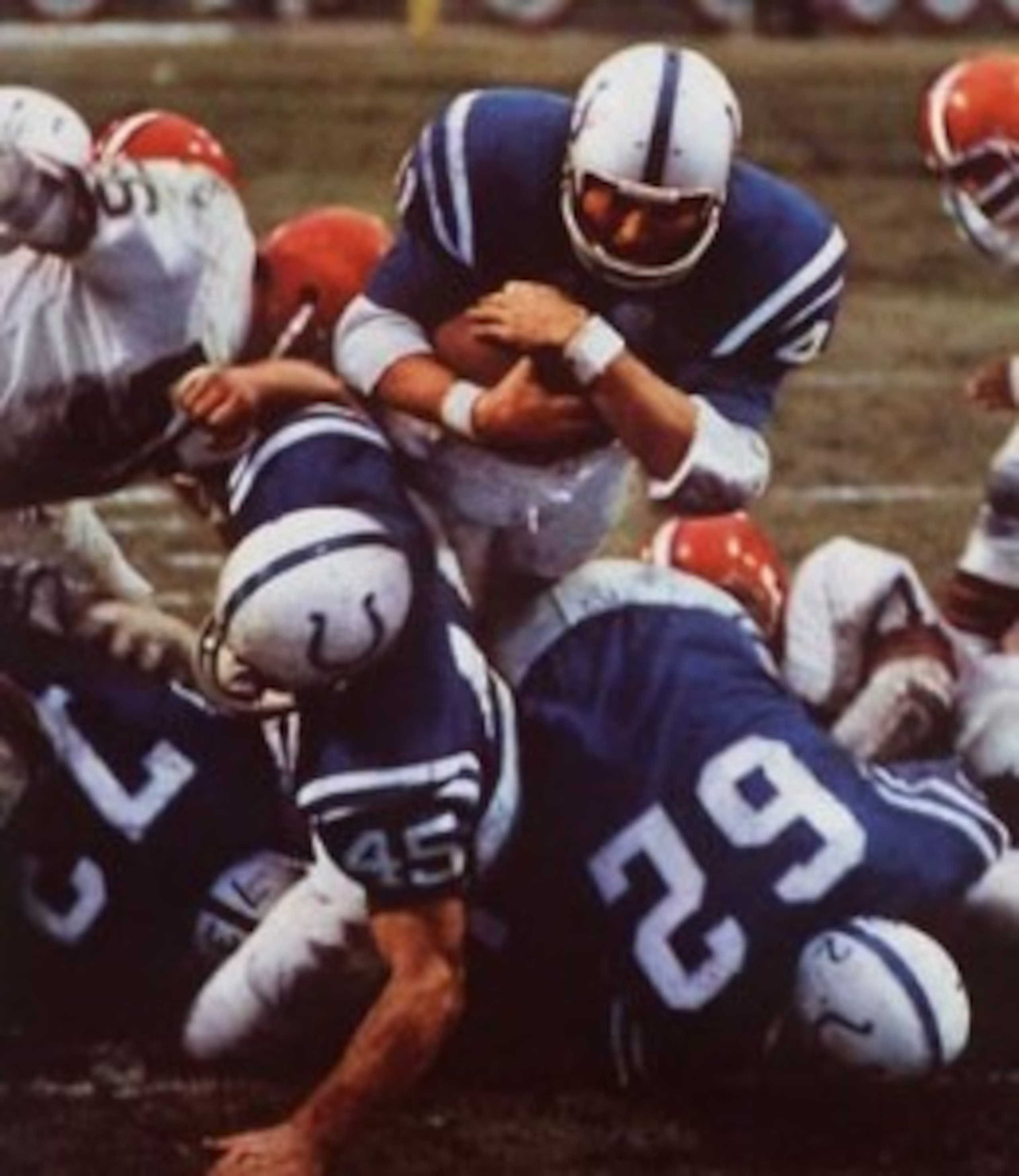
Record: 13-1
Offense: 28.7 PPG (2nd)
Defense: 10.3 PPG (1st)
Coach: Don Shula
After the Green Bay dynasty finally came crashing down, Baltimore seemed the heir apparent to the throne. Supersub quarterback Earl Morrall was brilliant all season in relief of an injured Johnny Unitas, winning the MVP award, while the defense was one of the stingiest of the modern era. The Colts' one loss all season was to the 10-4 Cleveland Browns, which they avenged with a 34-0 demolition in the NFL title game. They outscored their opponents by 18.4 points/game and were favored by that much in the Super Bowl over the 11-3 New York Jets.
Everyone remembers Joe Namath's guarantee before the game. What they don't remember is that the Jets' pass defense, not Namath, keyed the upset. New York held Morrall to 6-of-17 passing and intercepted him three times before Unitas replaced him; Johnny U wasn't much better, going 11-of-24 with a pick of his own.
Yet the stubborn Colts, perhaps overconfident in their superiority, continued to throw the ball even though they averaged 6.2 yards per rush attempt (versus 4.4 yards/attempt in the air). The result was a 16-7 Jets victory and legitimacy for the AFL with the merger on the horizon.
3. The 1934 Chicago Bears
23 of 25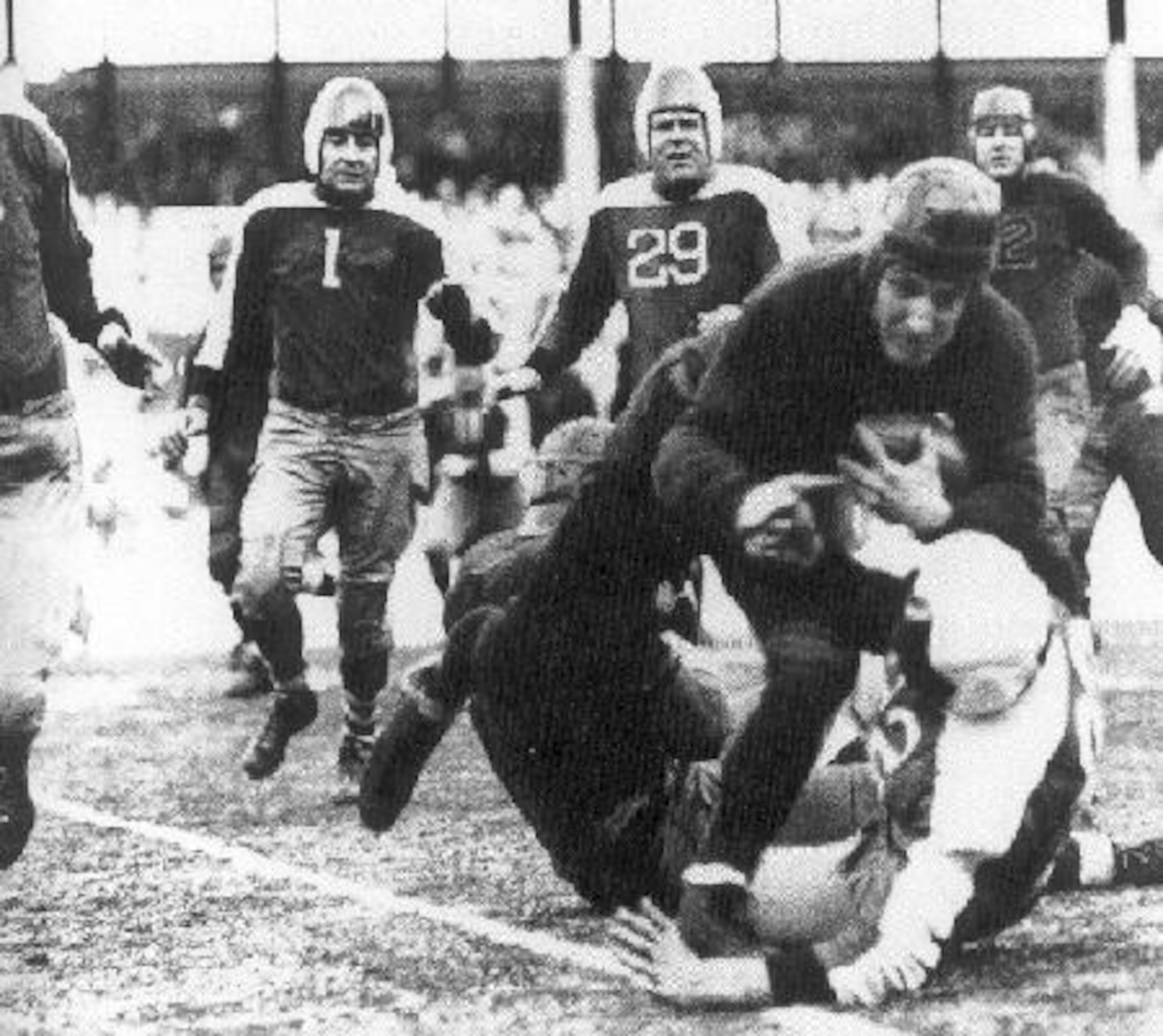
Record: 13-0
Offense: 22.0 PPG (1st)
Defense: 6.6 PPG (2nd)
Coach: George Halas
For a while, an undefeated season seemed inevitable for the Bears. After winning the first NFL title game in 1933, running back Bronko Nagurski and coach George Halas led Chicago on a tear out the gate. They won their first nine games by at least 13 points each, despite playing their first five games on the road.
But cracks were starting to show. They barely eked out a 10-9 win over the New York Giants in Week 10. Two weeks later, they ended the regular season with a Thanksgiving home-and-home against the Detroit Lions, winning both games by three points each (though to be fair, Detroit was 10-1 when the series started). Still, they were 13-0, and had a rematch with the 8-5 Giants in the title game.
And the elements kicked in. Freezing rain the night before coated the Polo Grounds field in ice. Giants coach Steve Owen sent equipment manager Abe Cohen to find sneakers in hopes they would provide better traction. Cohen eventually returned at half-time with nine pairs borrowed from the Manhattan College basketball team.
Midway through the third quarter, with the Bears up 10-3, Giants players changed into the sneakers. Buoyed by their footwear, New York stormed back to win The Sneaker Game 30-13. It wouldn't be the first time that the Giants denied a bid at perfection.
2. The 2007 New England Patriots
24 of 25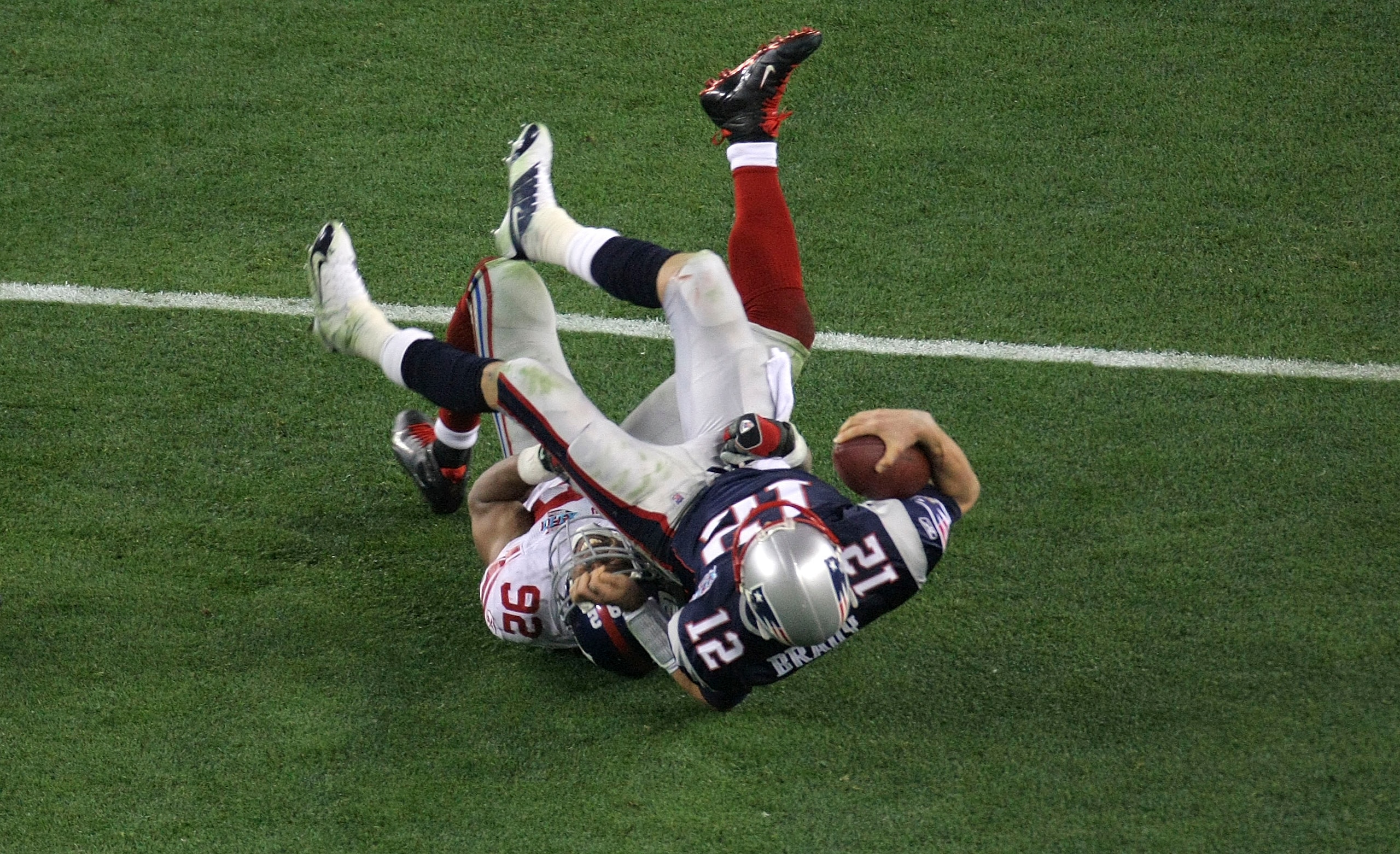
Record: 16-0
Offense: 36.8 PPG (1st)
Defense: 17.1 PPG (4th)
Coach: Bill Belichick
After the Spygate videotaping scandal in Week 1, the Patriots went into "Screw You" mode against the rest of the league. They set Super Bowl-era records for points (589), scoring differential (19.7 points/game), and blowouts (10 wins by at least 21 points). Tom Brady threw a record 50 touchdown passes, 23 of which (another record) went to Randy Moss.
New England cooled a little at the end of the regular season, winning three of their last six games by just three points. Still, they handled Jacksonville and San Diego in the playoffs without much difficulty, and were huge favorites in the Super Bowl against the 10-6 New York Giants.
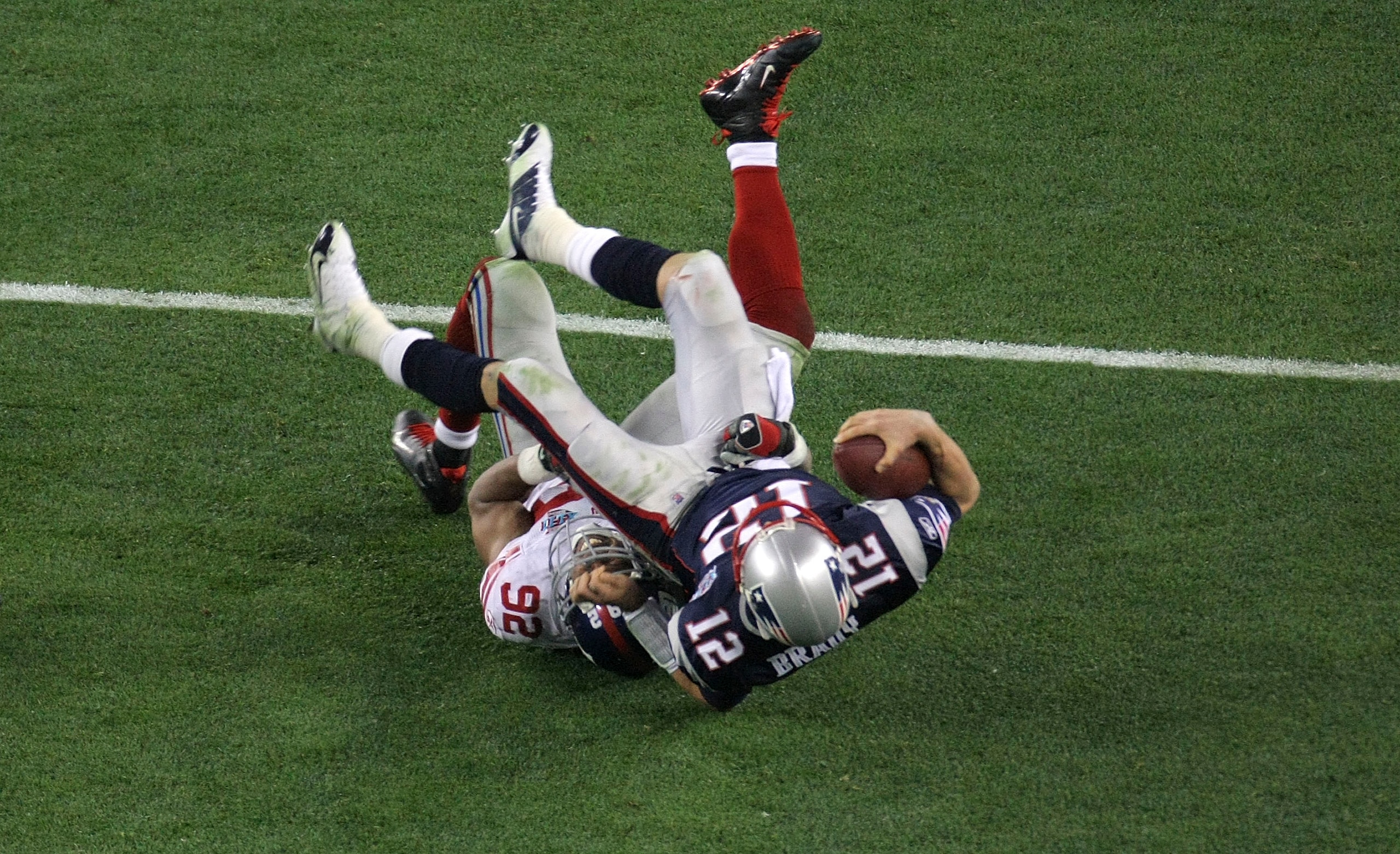
But alas, the Patriots had peaked too early. They scored just 14 points against a Giants team they had torched for 28 in the regular season finale, and an offensive line that had surrender only 24 sacks all season (including playoffs) allowed Brady to be taken down five time. When the defense broke too, surrendering two long fourth-quarter touchdown drives, the upset was complete, and David Tyree became a named cursed in six U.S. states (and celebrated in 44 others).
1. The 1942 Chicago Bears
25 of 25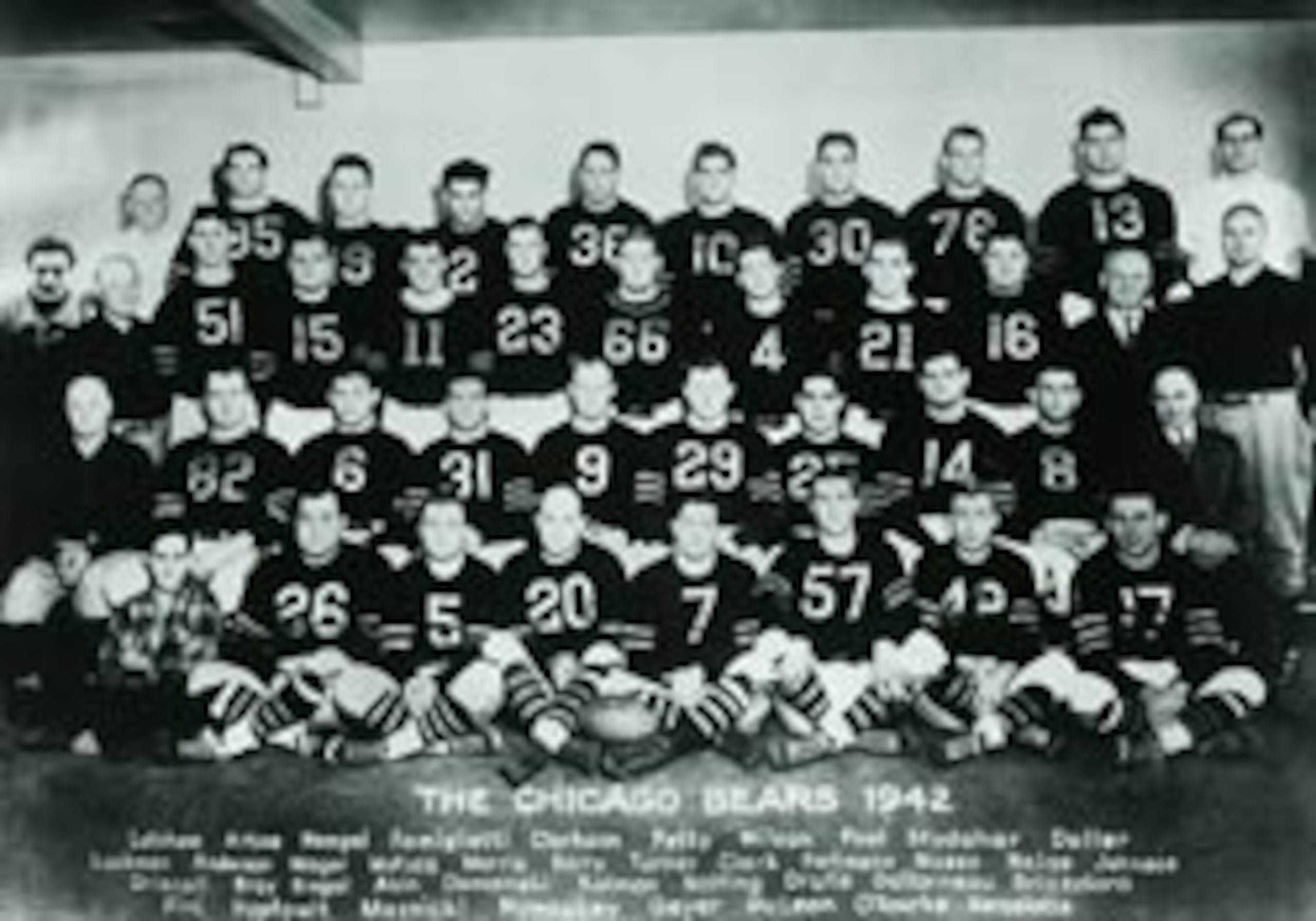
Record: 11-0
Offense: 34.2 PPG (1st)
Defense: 7.6 PPG (1st)
Coach: George Halas, Hunk Anderson and Luke Johnsos (co-coaches)
A lot of the previous teams on this list had at least semi-legitimate reasons that they came up short. Some peaked too early; some lost to a team they previously played and thus had greater intel on them; a few simply ran into a better team. This is the one team that has no excuse.
Chicago had won the previous two NFL championships, including the famous 73-0 game over the Washington Redskins in 1940. This team made the others look meek by comparison. They outscored their opponents by 26.5 points/game, a record that still stands today. Their toughest challenge all season was a pair of 14-point wins. Even George Halas getting drafted into the Army after five games couldn't slow the Bears' march to the title game against the Redskins. Even though Washington was 10-1, there was no way they were going to beat Chicago.
And then the Bears simply forgot to win the title. The highest-scoring team in the league managed all of six points - and they came on a 52-yard fumble return for a touchdown. (Yes, the kicker couldn't even hit the extra point.) They gained just 69 yards on 41 carries (1.7 yards/carry), and threw interceptions on three of their 20 pass attempts. Final score: 14-6, Redskins.
Even now, it's hard to imagine that a team could dominate so thoroughly for an entire season, and then just forget to win the championship. But the Bears, like so many other teams, managed to do it. And that, boys and girls, is why they play the game.
.jpg?w=2560 "DOLPHINS-AIKMAN")
.jpg?w=2560 "Ravens Browns Football")

_0.png?w=2560 "Unranked Teams Cause Chaos in Rankings 📊")
.png?w=2560 "Week 8 Winners & Losers 📊")