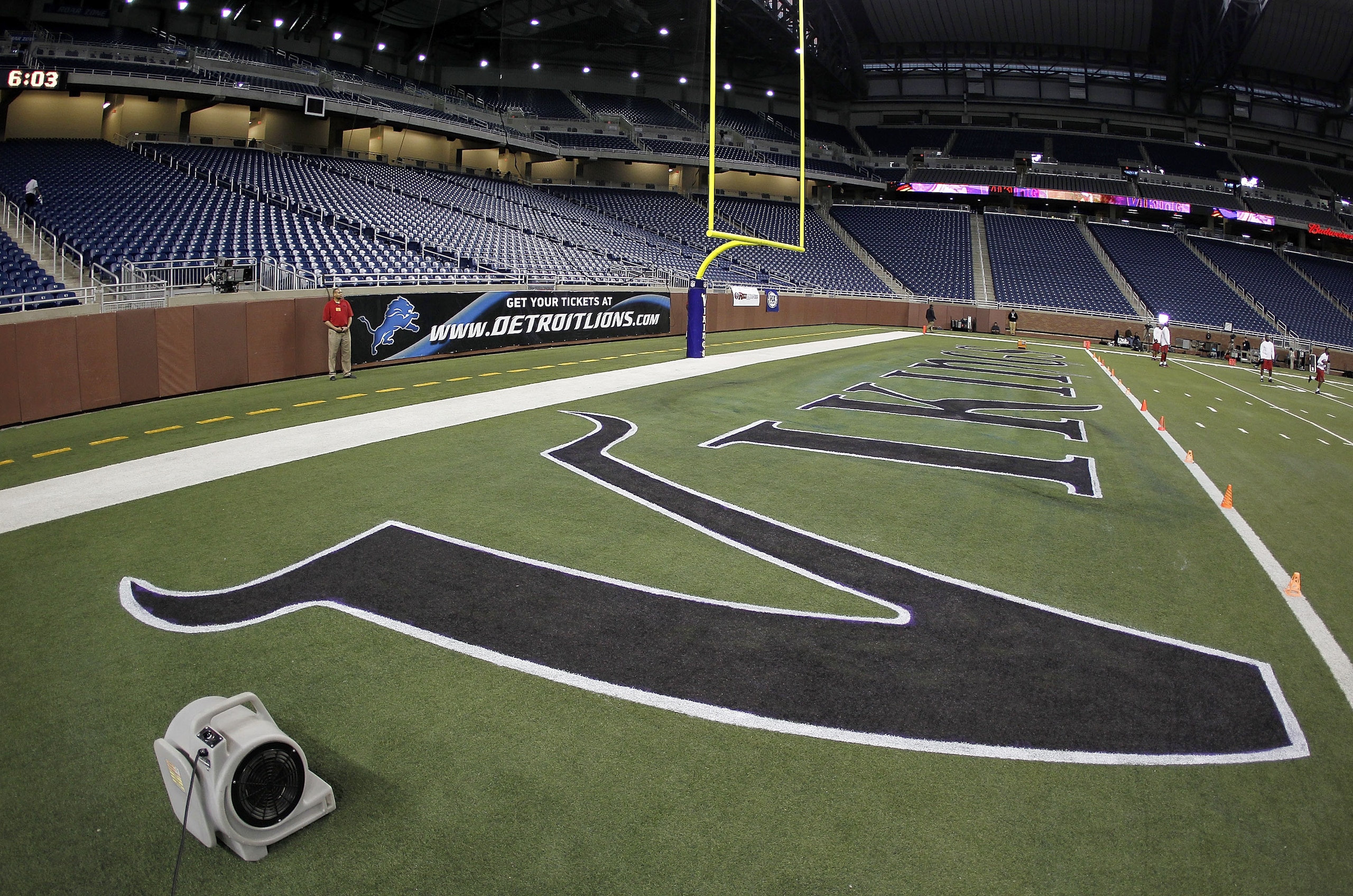

NFL: Best and Worst In-Season Turnarounds of the Last 10 Years
One of the staples of NFL coverage is the Midseason Awards. About halfway through the season, writers and broadcasters alike declare with absolute certainly who the best teams and players are, and who will be left standing when the playoffs roll around. It's fun to read about, and an incredibly wrong thing to do.
There's a reason the playoff field isn't set before the season is done: because the season isn't done. A lot can and will happen in those final games. Almost every year in the NFL, at least one team makes the playoffs, and sometimes even a deep run, after being left for dead at midseason. Conversely, at least one team will appear to be the one to beat only to come apart at the seams.
Just look at this year. San Diego has overcome its usual slow start, rebounding from a 2-5 record to be 8-6 and in the middle of the playoff hunt. Jacksonville was 3-4, but is now 8-5 and would clinch its division with a win this weekend.
On the other side, look at Tennessee and Houston. After Week 7, they were 5-2 and 4-2 and atop the AFC South. Now they're both 5-8 and well out of playoff contention.
So let's take a look at the biggest in-season turnarounds of the past decade. Some were good, some were bad. Some led to the Super Bowl, others to the top-10 in the draft. But all of them were memorable.
BAD: St. Louis Rams, 2000
1 of 20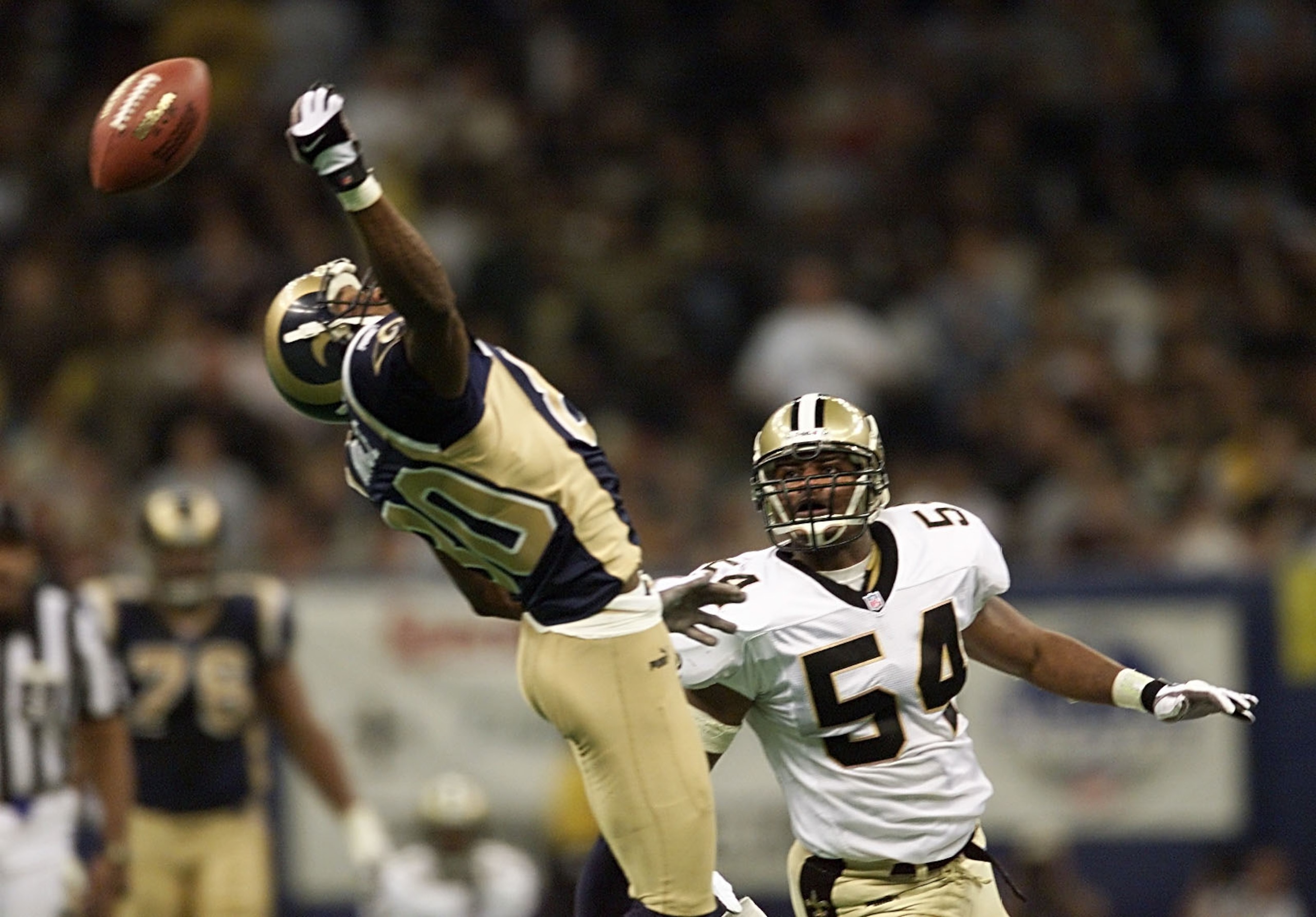
On the heels of their improbable Super Bowl run in 1999, St. Louis jumped out to a 6-0 start, scoring an ungodly 43.7 points per game behind the one-two punch of Kurt Warner and Marshall Faulk. (They ended up leading the league at 33.8/game for the season.)
But the combination of Warner's broken hand and the league's worst scoring defense (29.4 points/game) caught up to the Rams, as they stumbled to a 10-6 finish and backed into the playoffs as a No. 6 seed.
Once in the postseason, they seemed to have an ideal matchup against New Orleans, who was 0-for-the playoffs and had lost to them to end the regular season. But Warner threw three interceptions and lost a fumble, helping the Saints to a 31-7 fourth-quarter lead. A spirited comeback (21 unanswered points) wasn't enough to save the Rams and stop the Saints from getting their first playoff win.
GOOD: New England Patriots, 2001
2 of 20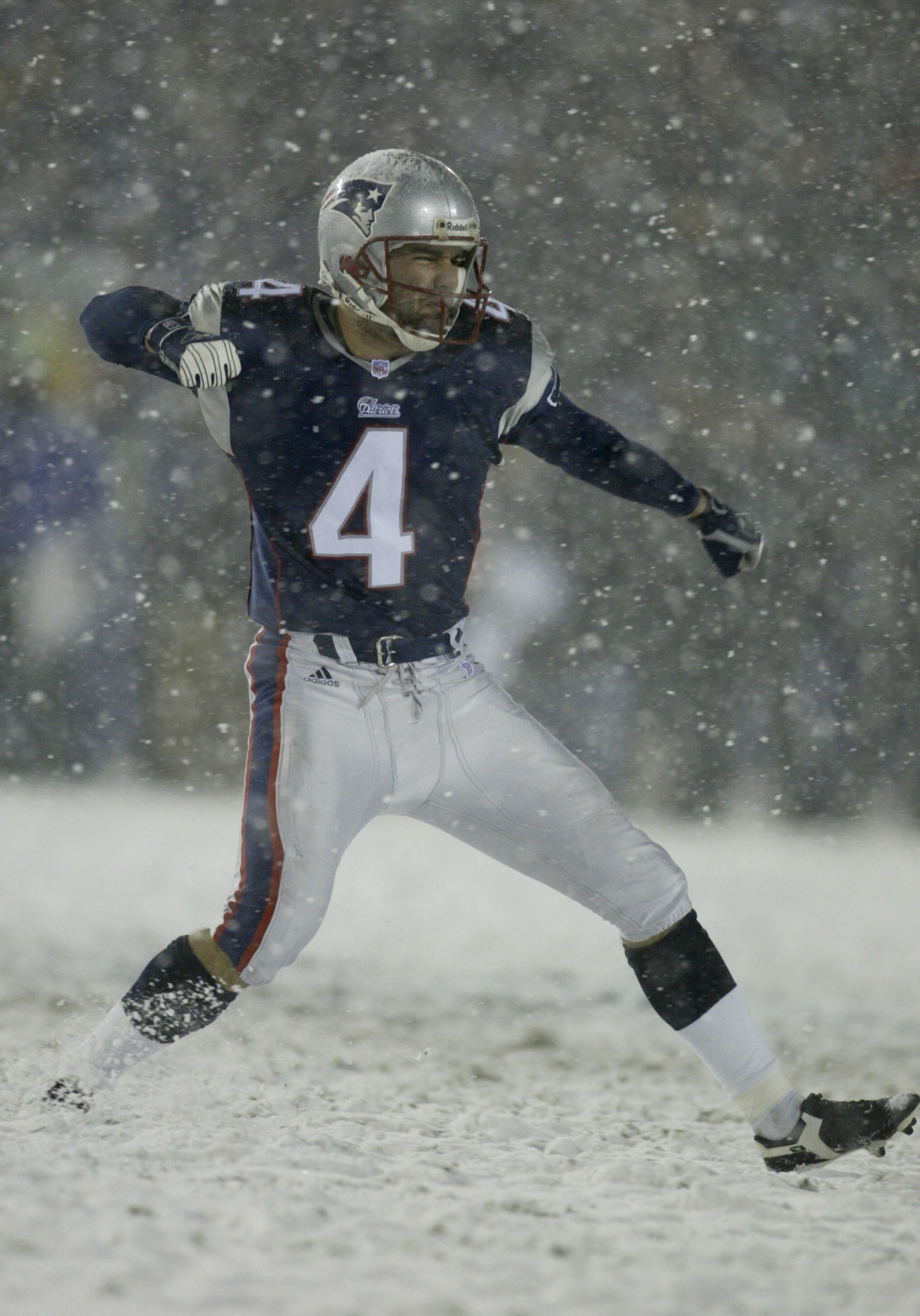
A lot of people remember this story, but it's still worth repeating. New England lost starting quarterback Drew Bledsoe in the season's second game with a chest injury, and got only four games from star receiver Terry Glenn due to off-the-field issues. They were 1-3 after four games, and seemed destined for the bottom of the AFC East. As late as Week 10, the Patriots were 5-5 after a 24-17 loss to the Rams, and were a long shot to even make the playoffs.
But that loss showed the Pats that they could play against top-level competition. Infused by confidence and a growing team chemistry, they didn't lose another game for the rest of the season. A revenge win over the Rams in Super Bowl XXXVI capped the improbable ride, and launched the Patriots to elite status in the NFL: they've won seven of the last nine AFC East titles (losing the other two on tiebreakers) and are on the verge of an eighth this year.
BAD: San Diego Chargers, 2001
3 of 20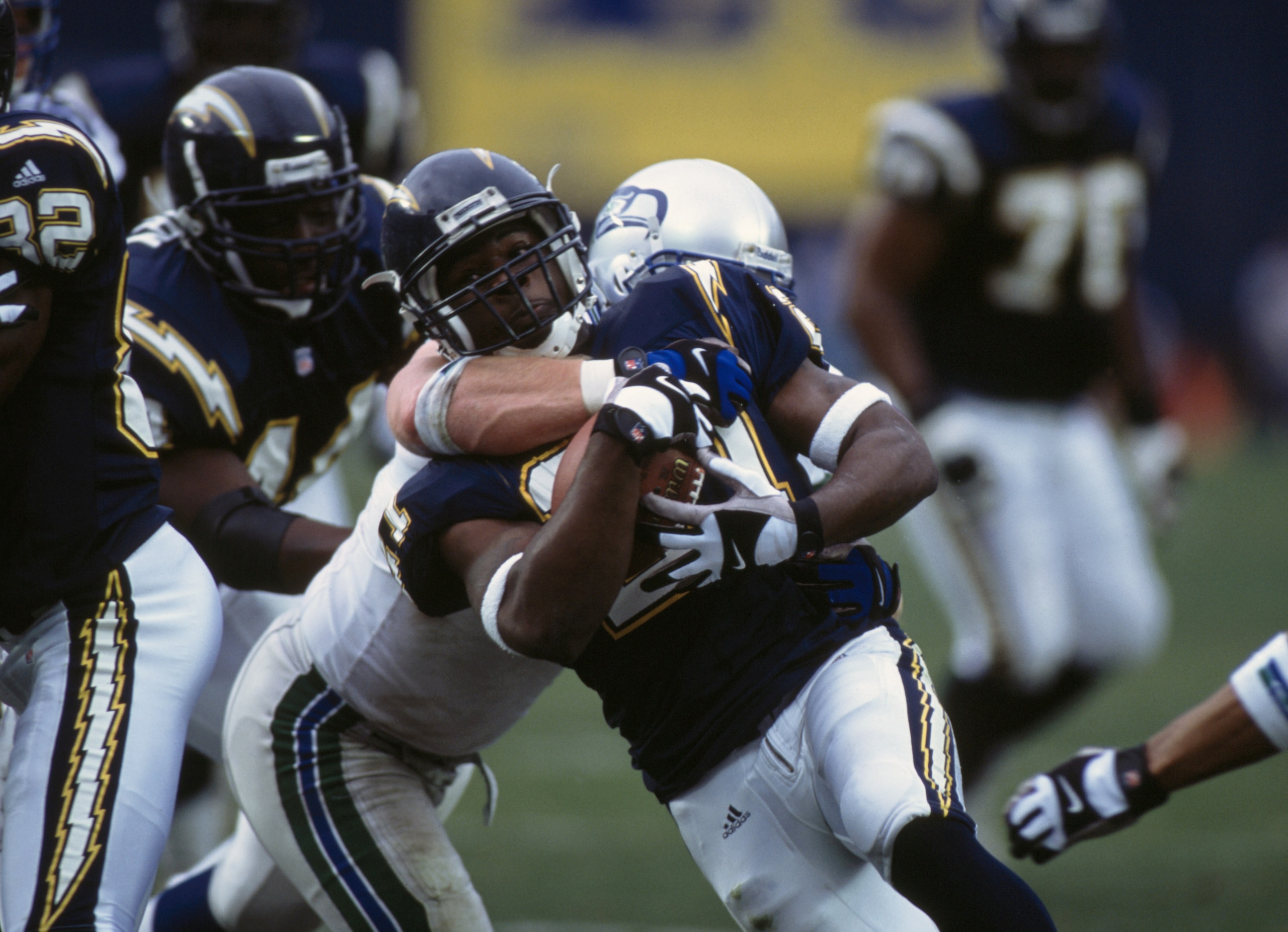
For a while, it seemed like the Chargers would be the surprise team of 2001. San Diego was coming off a 1-15 season in 2000, but jumped out to a 5-2 start behind veterans like quarterback Doug Flute and linebacker Junior Seau, and a rookie running back named LaDainian Tomlinson.
But a tough schedule and an inability to win close games doomed the dream. They lost nine straight to end the season, with six of those losses coming by seven points or less. (Fun fact: San Diego actually outscored its opponents 332-321 for the season). The season laid the early foundation for San Diego's current run, but was immensely frustrating for Chargers fans at the time.
.jpg?w=2560 "Commanders Eagles Football")
GOOD: Tennessee Titans, 2002
4 of 20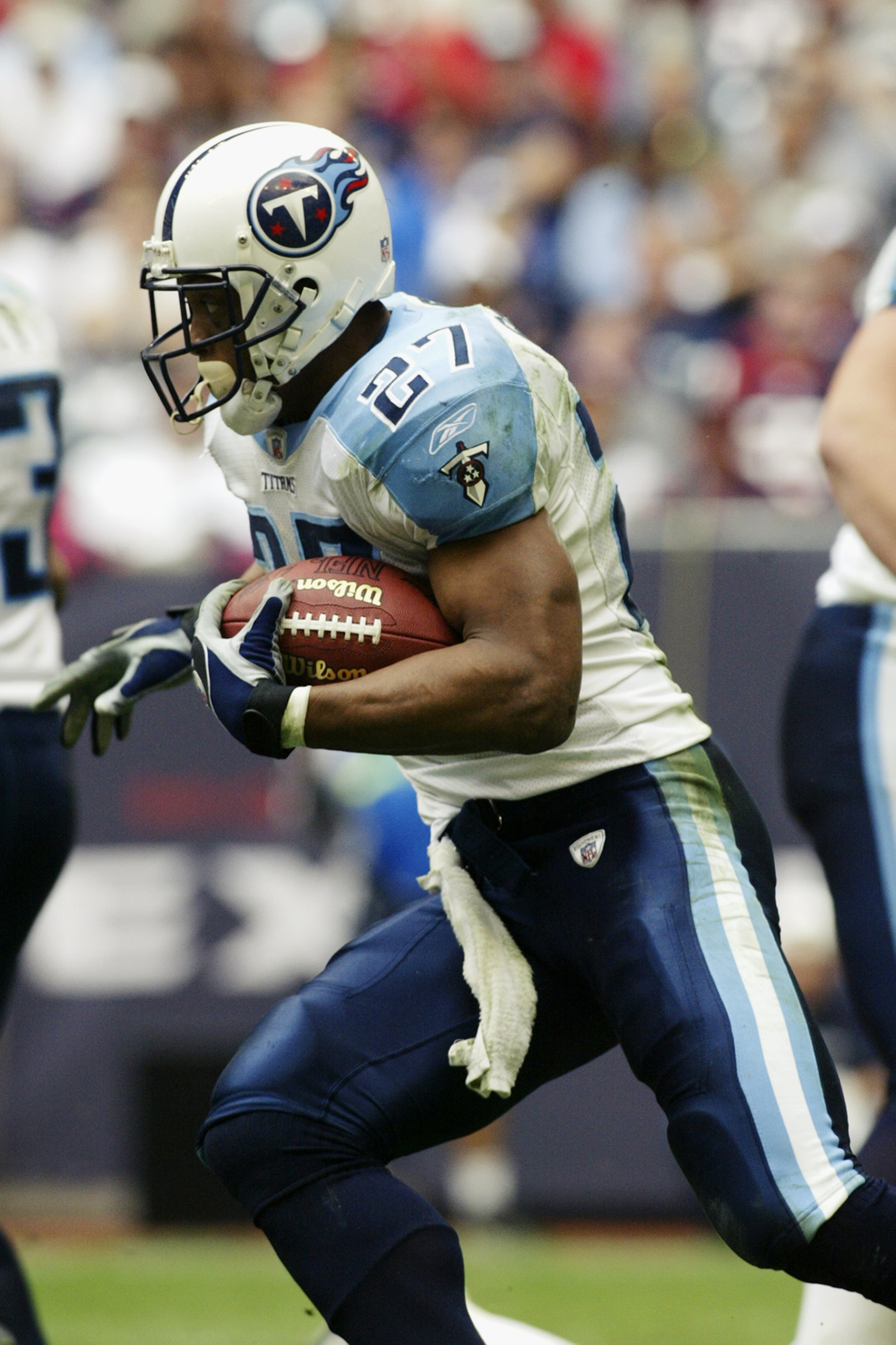
Tennessee had a great first two years after changing their name from the Oilers to the Titans. They went 13-3 each season, and made it to the Super Bowl in 1999. They then fell to 7-9 in 2001 and didn't look so Titan-like. After losing four straight games following their season opener, 2002 looked destined to continue their downfall.
Then destiny took a different turn. The Titans won 10 out of 11 to end the season at 11-5, earning the No. 2 seed behind a resurgent Eddie George (1,420 total yards, 14 touchdowns). They took care of Pittsburgh 34-31 in the divisional round of the playoffs before finally falling to No. 1 seed Oakland 41-24 in the AFC title game.
BAD: Minnesota Vikings, 2003
5 of 20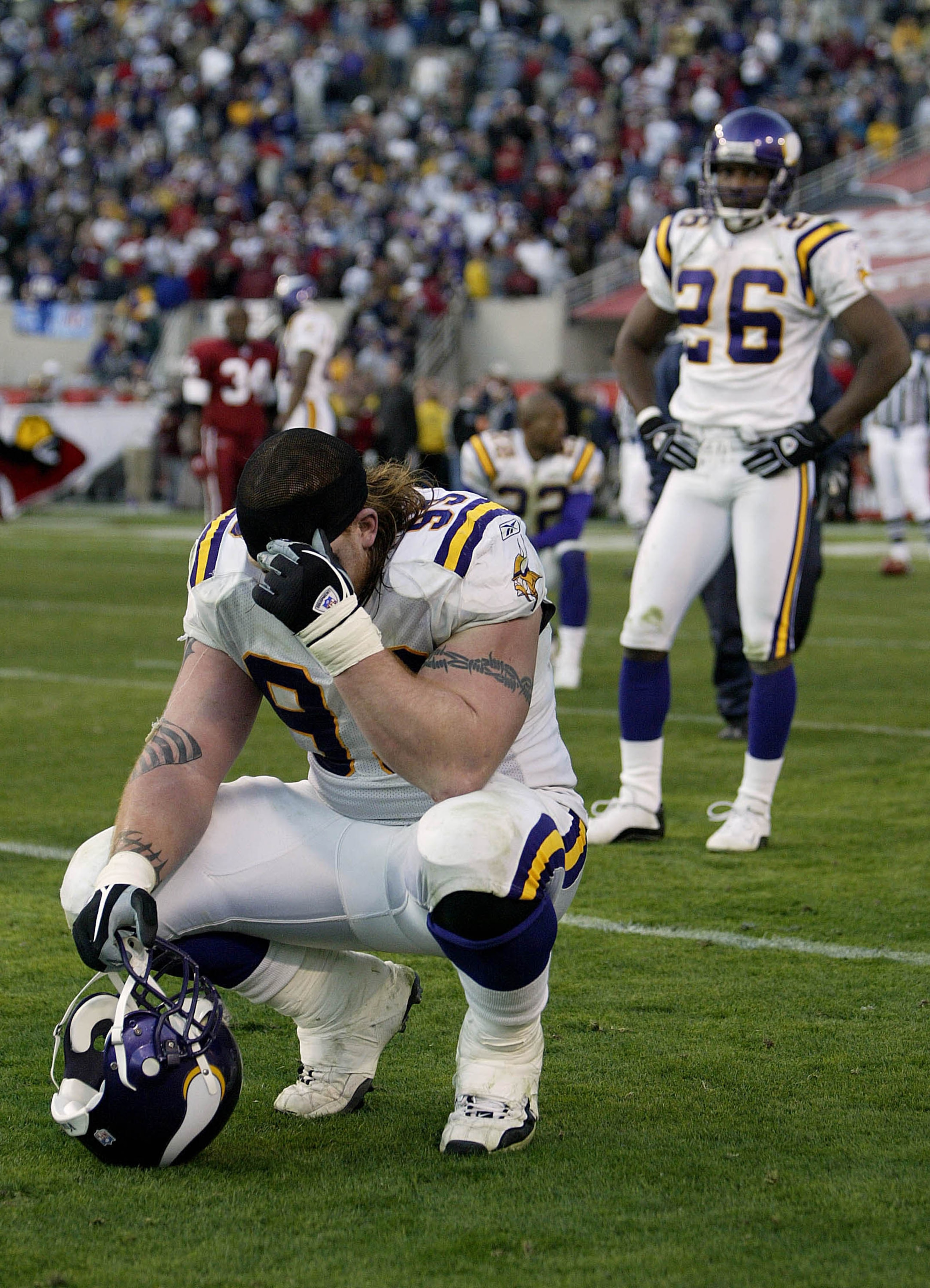
For a time, the 2003 Vikings looked like world beaters. Minnesota had posted consecutive losing seasons following their spirited 1998-2000 run (36-12, two NFL title game appearances), but were back on top of the NFL, getting off to a 6-0 start behind the league's top-ranked offense. Then the wheels came off the wagon.
Going 3-7 to finish the season, including four straight losses, was bad enough for the Vikings. But they couldn't even blame a tough schedule; they lost to four teams (Oakland, New York Giants, San Diego and Arizona) that ended the season 4-12.
The clincher came in the season finale against the Cardinals. A win would have given the Vikings the division title. Instead they allowed a last-second touchdown pass from Josh McCown to Nate Poole (Who? Exactly) on 4th-and-long, aided by the now-defunct force-out rule. The 18-17 loss dumped Minnesota out of the playoffs.
GOOD: Carolina Panthers, 2004
6 of 20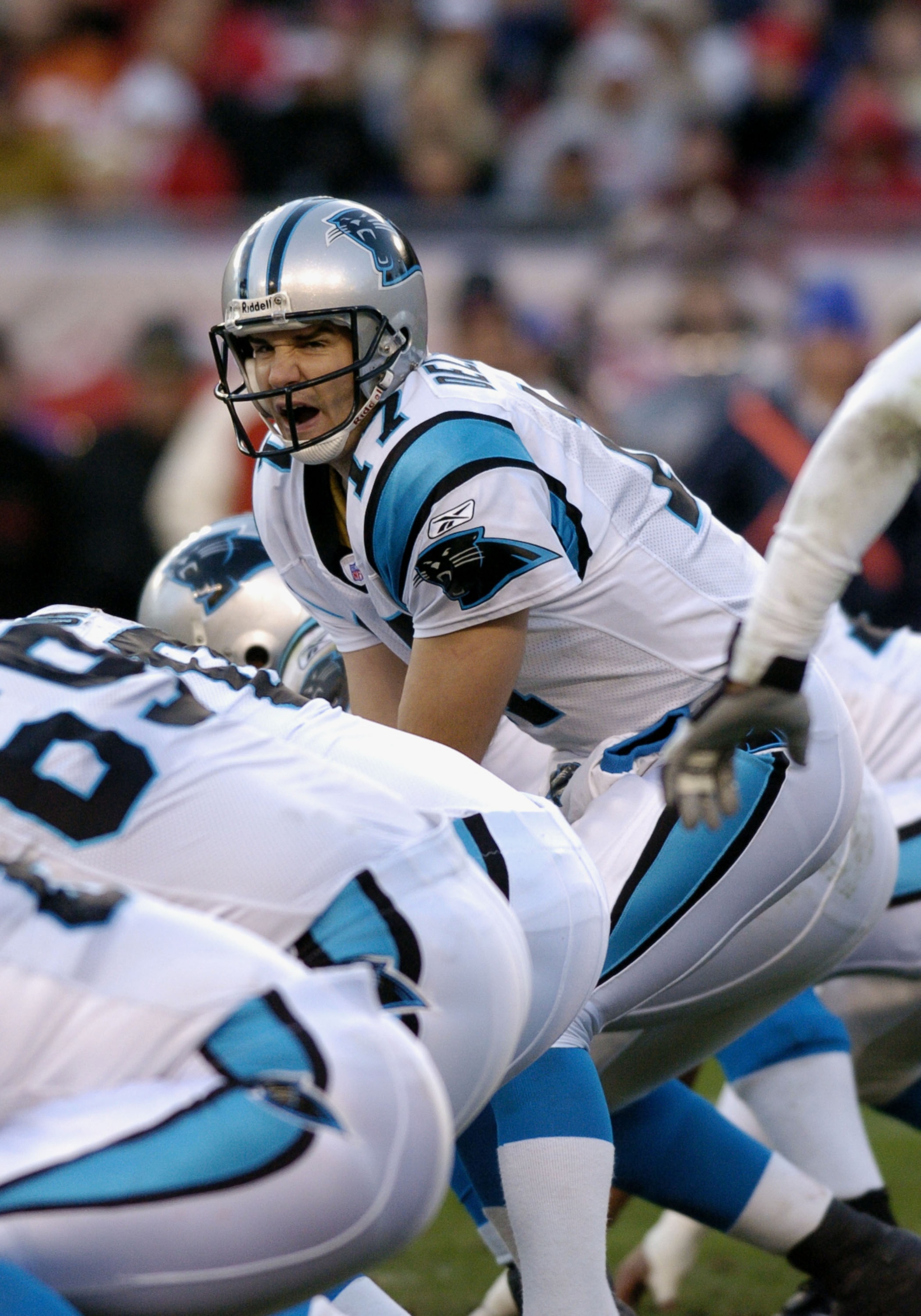
Saying that Carolina got off to a bad start on 2004 is putting it kindly. The Panthers stunk up the joint following its surprise Super Bowl run, going 1-7 in the first half of the season with quarterback Jake Delhomme tossing 11 interceptions. Somehow they regrouped, winning five straight games and improbably putting themselves in position for the playoffs.
In an especially weak year for the NFC, Carolina entered the final weekend at 7-8. If the Panthers could have beaten division rival (and fellow 7-8 team) New Orleans, they actually would have made the playoffs following their wretched start. But the Saints sacked Delhomme six times and stripped two fumbles in the process, handing the Panthers a 21-18 loss and ending their unlikely run.
BAD: Philadelphia Eagles, 2005
7 of 20Philadelphia finally made it to the Super Bowl in 2004 after three straight NFC title-game losses, and were off to a 4-2 start in 2005 in their bid to move the last step up the ladder. But Terrell Owens, upset about not getting a new contract (plus the fact that he's T.O.), decided to do everything he could to sabotage the season.
After stating in an ESPN interview that the Eagles would be better off with Brett Favre at quarterback than Donovan McNabb, the team finally had enough, suspending/deactivating the wide receiver for the final nine games. (And helping give us the “Next Question” press conference in the process.)
At about the same time, injuries caught up with the Eagles. Among others, McNabb, running back Brian Westbrook, center Hank Fraley and cornerback Lito Sheppard were lost for the season in a four-week span. The Eagles lost four straight en route to their 6-10 finish and gave fans someone other than Santa Claus to boo.
GOOD: Washington Redskins, 2005
8 of 20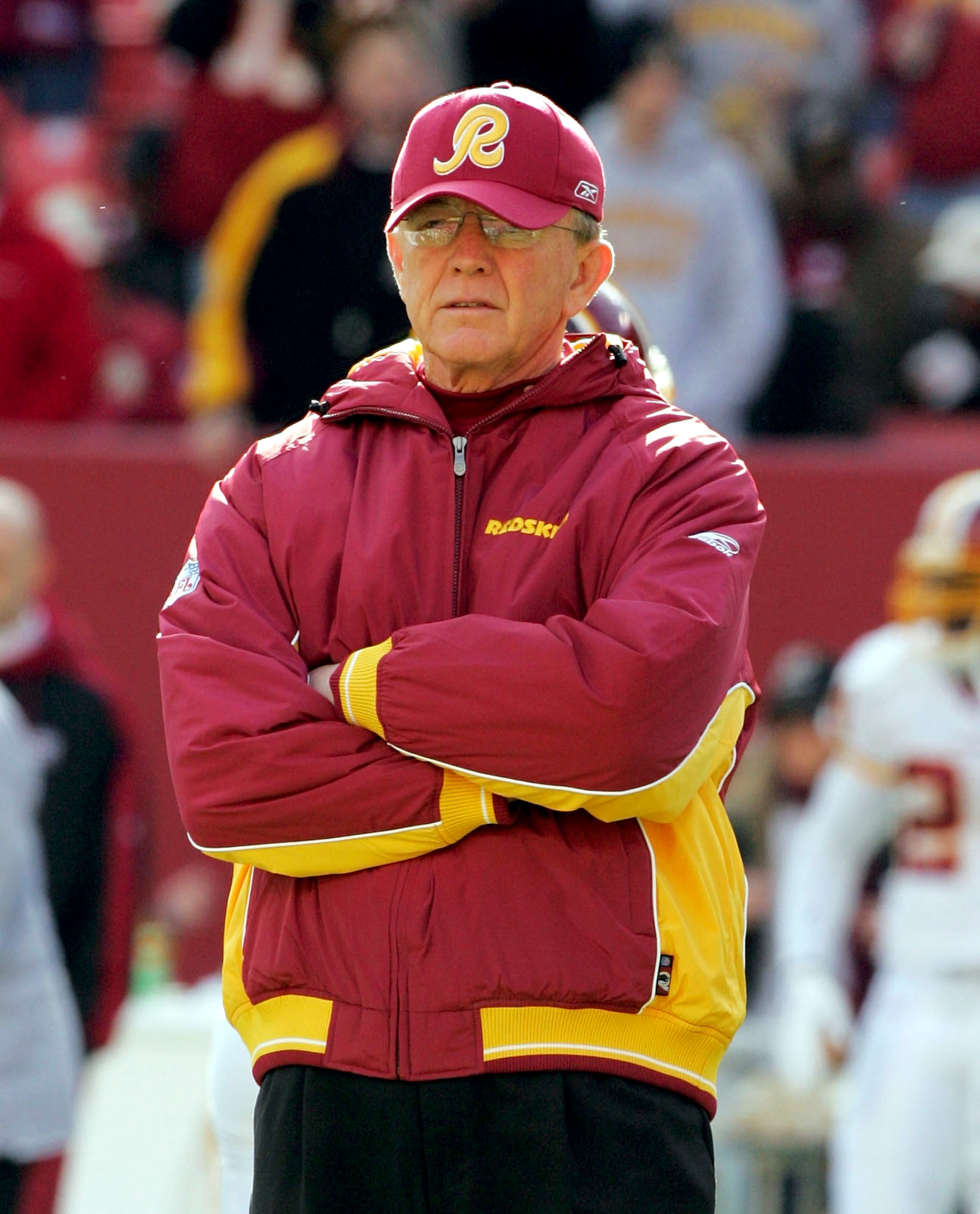
Much ado was made about Joe Gibbs' return to the Washington sidelines in 2004, but a 6-10 season didn't exactly stoke the fires of successes past. 2005 wasn't looking much better; after a quick 3-0 start, the Redskins were sitting at 5-6 following a three-game losing streak. It looked like the critics were right and the game had passed Gibbs by.
Then something clicked. Washington won five straight to close the regular season, including beating division rivals and playoff contenders Dallas and New York, ending at 10-6 and grabbing the final playoff spot in the NFC.
They then traveled to Tampa Bay in the first round and knocked off the Buccaneers 17-10, avenging a 36-35 loss earlier in the season. The magic finally ran out against Seattle, as Washington fell 20-10 to a team they had beaten in overtime back in Week 3.
BAD: Atlanta Falcons, 2005
9 of 20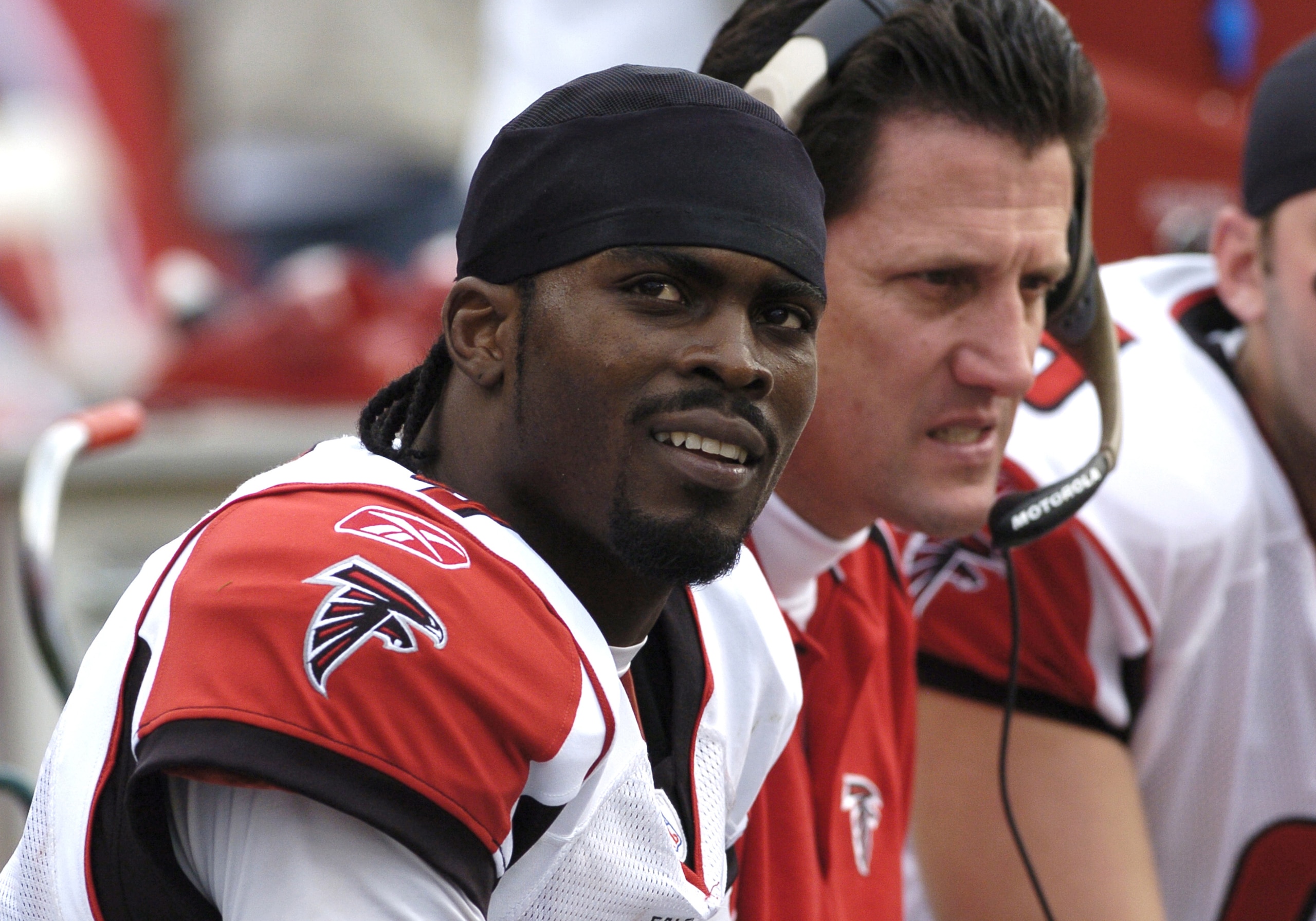
Atlanta had made the NFC title game in 2004, and was firmly in contention for a repeat appearance after going 6-2 in the first half of 2005. In the second half, things started to unravel. Michael Vick may have made the Pro Bowl, but he was far from a complete quarterback, posting a 73.1 passer rating, and the 18th-ranked scoring defense couldn't make up for the offense's shortcomings.
The dagger came in the final game of the season against Carolina, with the now 8-7 Falcons needing a win to keep their playoff hopes alive, and post the franchise's first back-to-back winning seasons. Instead they were humiliated 44-11, with Vick playing so poorly (15-24, 115 yards, 1 INT, no rushing yards) that he was benched for a young quarterback named Matt Schaub.
GOOD: Philadelphia Eagles, 2006
10 of 20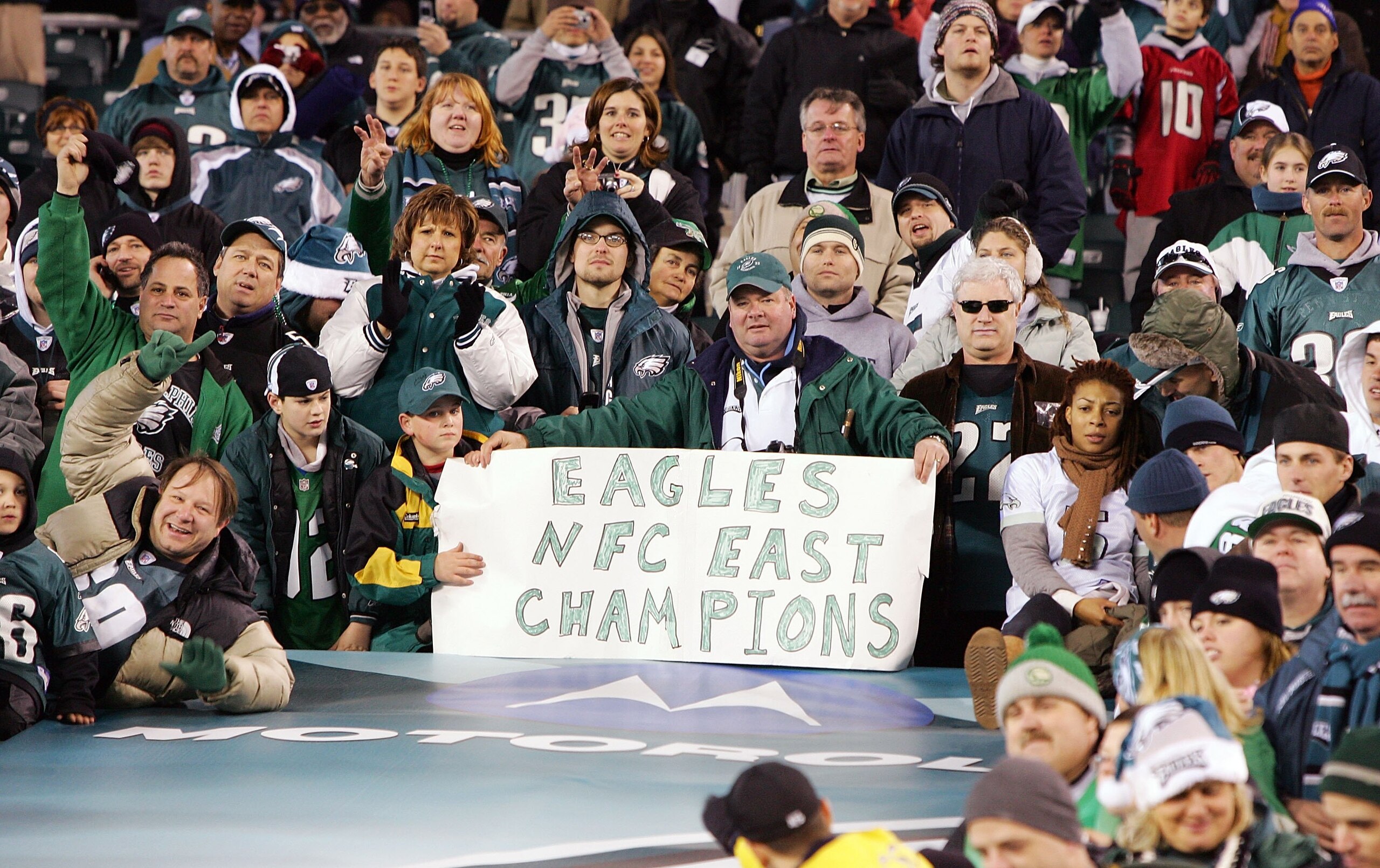
Perhaps karma felt that it owed the Eagles one after their disastrous 2005 campaign. Philadelphia was mired in mediocrity for most of the season, losing star defensive end Jevon Kearse after two games and a big part of their defense in the process. Then Donovan McNabb, in the midst of one of his best seasons, tore his ACL in Week 11. A loss the following week dropped the Eagles to 5-6 and seemingly ended their season.
And then the tide turned. Veteran backup QB Jeff Garcia found the fountain of youth, posting a 95.8 passer rating with just two interceptions, and the Eagles won their final five games, including a December sweep of their division opponents. The run lifted Philadelphia to the NFC East title and a No. 3 seed. They then took care of the Giants 23-20 in their Wild Card game, before finally bowing out 27-24 in New Orleans in the divisional round.
BAD: Denver Broncos, 2006
11 of 20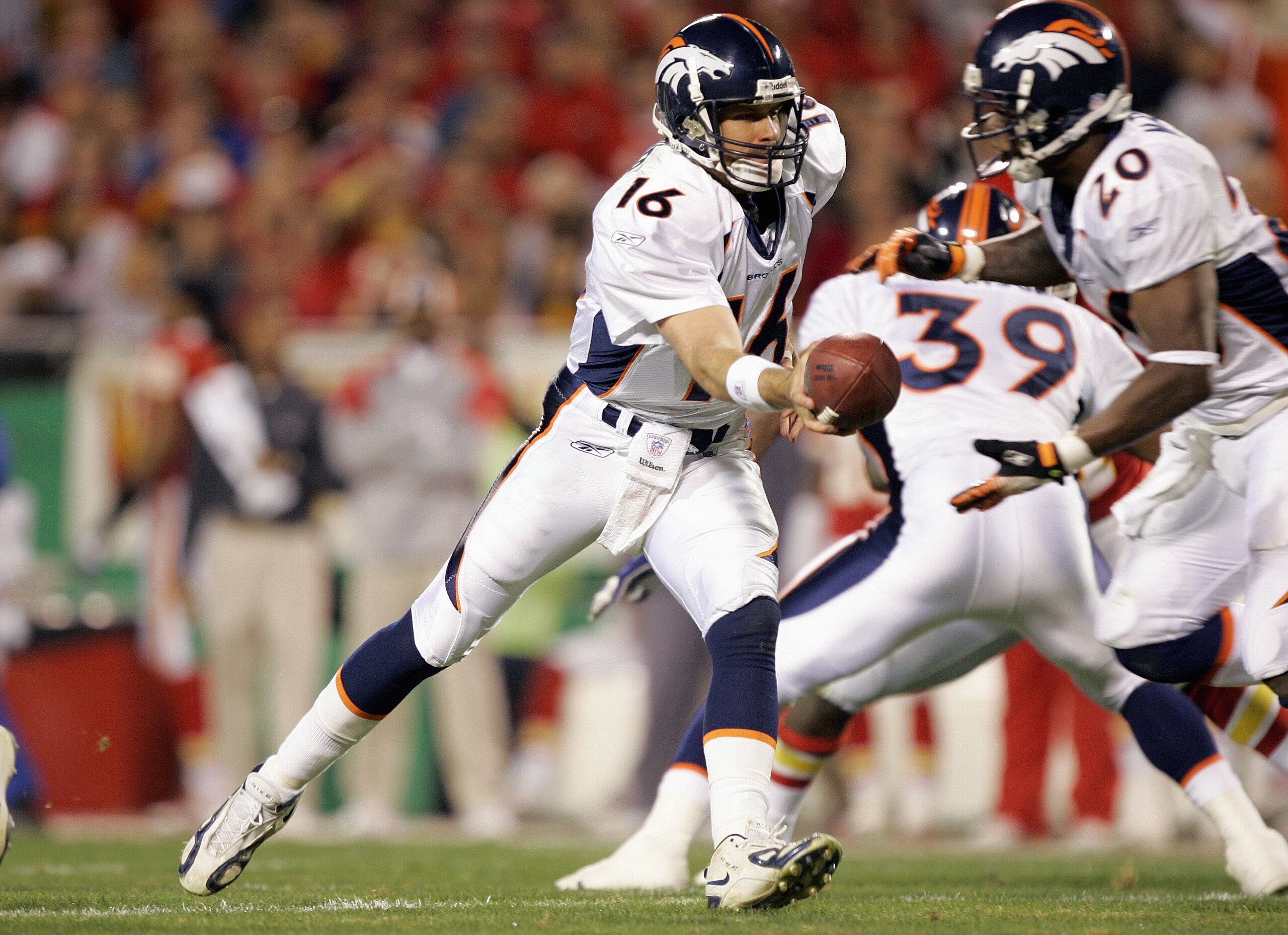
Denver had reestablished itself in the NFL elite in 2005, going 13-3 and playing in the AFC title game. With a 7-2 start to the 2006 season, the Broncos were neck-and-neck with the Chargers for another division title and high playoff seed, and coach Mike Shananhan's genius label was firmly attached.
But after back-to-back losses to San Diego and fellow division rival Kansas City, Shanahan pushed the panic button, benching veteran quarterback Jake Plummer for rookie Jay Cutler. While Cutler posted better statistics (88.5 passer rating to Plummer's 68.8), the team was predictably thrown into disarray; Denver sputtered to a 9-7 finish and lost a tiebreaker with Kansas City for the final playoff spot. It was the beginning of the end for Shanahan, though it took another late-season collapse (more on this later) to finish him off.
GOOD: Washington Redskins, 2007
12 of 20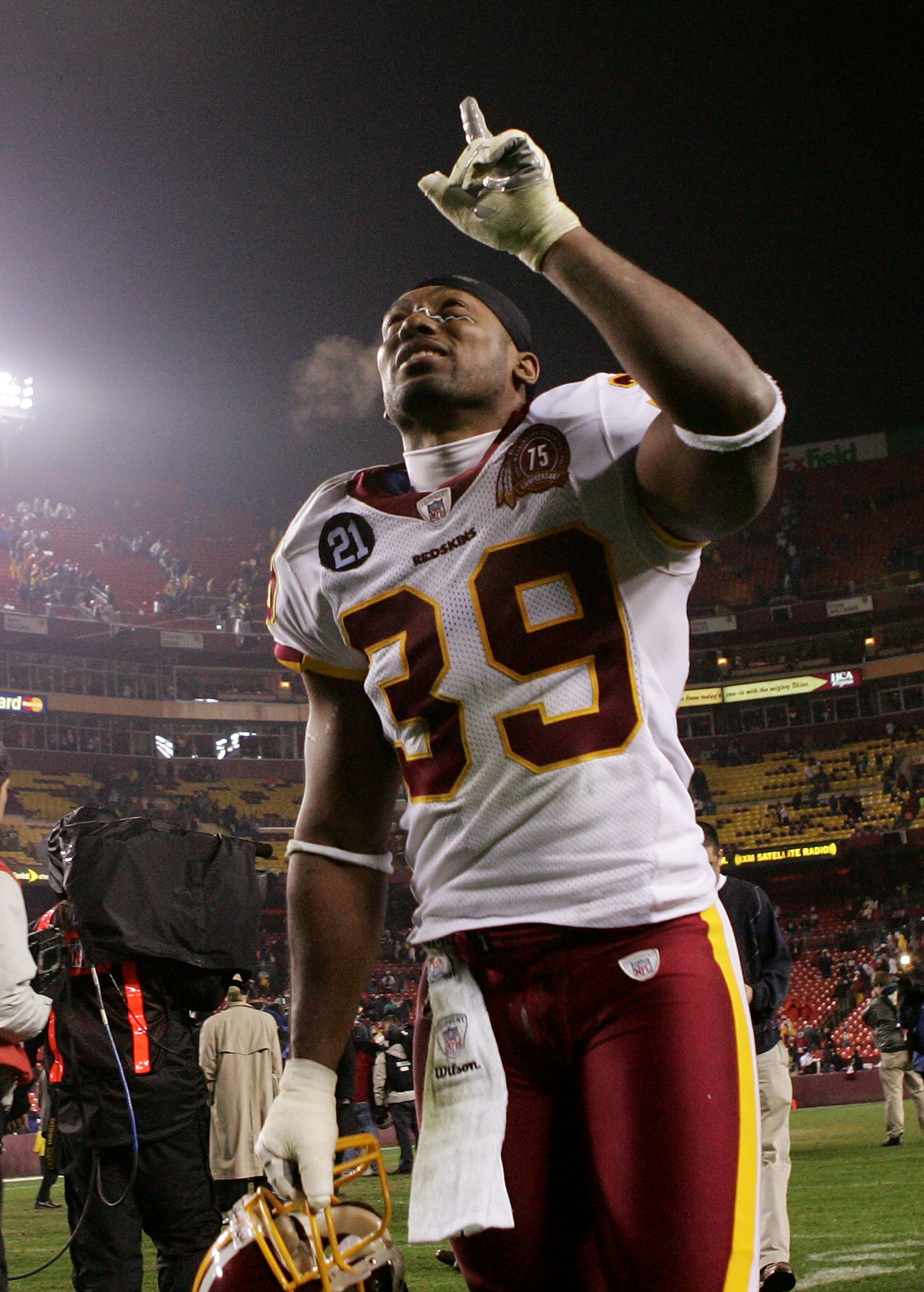
The Redskins have only made the playoffs twice in the last 11 years, and both times it was after a long winning streak to end the season. And for good measure, both winning streaks followed a long losing streak. Washington lost four straight in the middle of the 2007 season, falling to 5-7 and seemingly out of the playoff picture.
But once again, the season came together in the month of December. The Redskins won their final four games—including the season finale against a Cowboys team that had clinched the No. 1 seed and thrown in the towel—earning the final playoff spot just like in 2005. Unlike in 2005, Washington couldn't find any playoff magic, getting blown out by Seattle 35-14 in the Wild Card round. Coach Joe Gibbs retired again after that game, and it's been a fruitless three years since.
BAD: Detroit Lions, 2007
13 of 20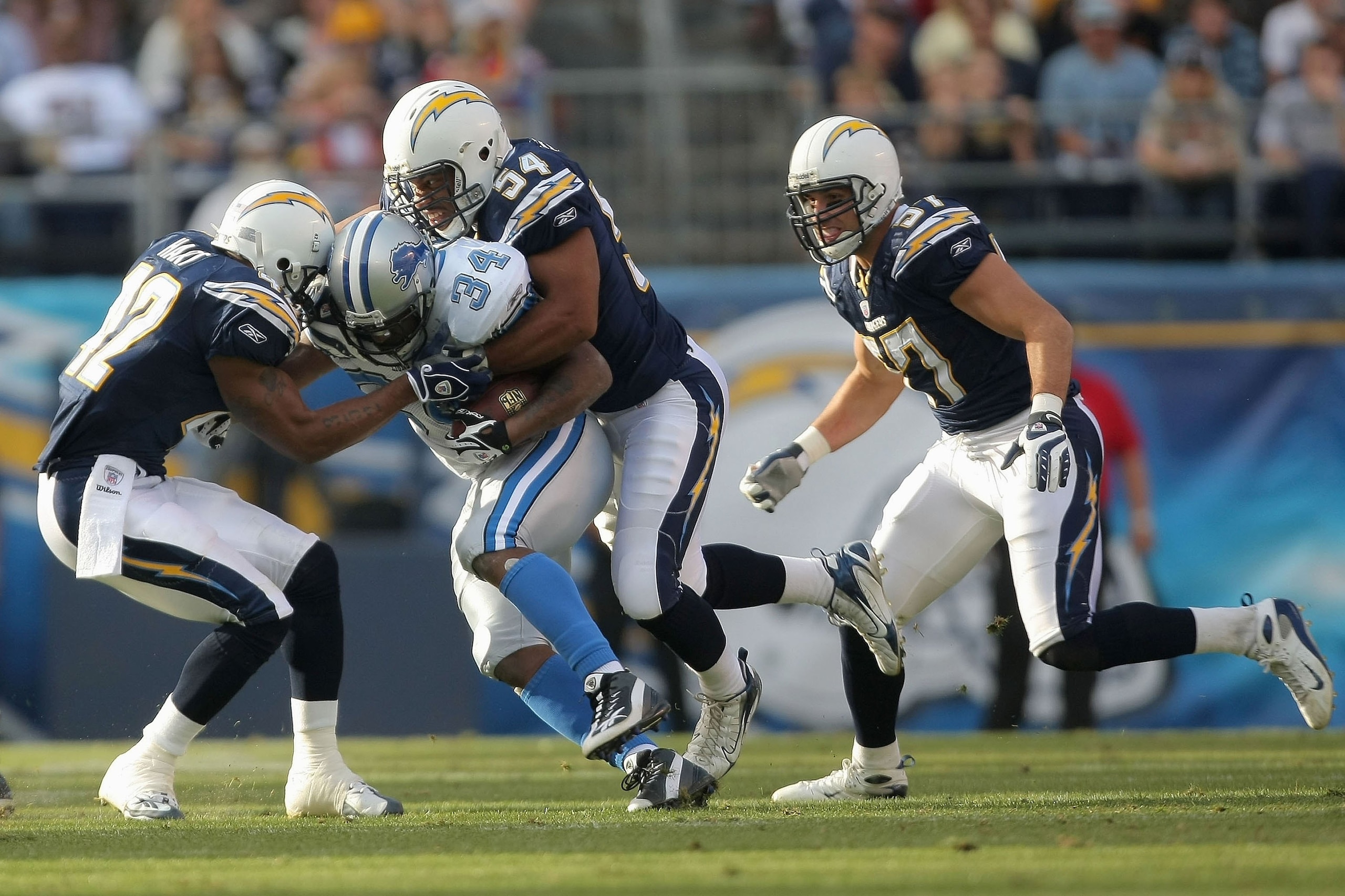
It seemed like the tide had finally turned for Detroit. After winning no more than six games in each of the previous six seasons, the Lions matched that total in the first half of 2007. Suddenly, the 6-2 Lions were the talk of the NFC.
But good things just don't last for the Lions. They lost six straight in the second half—all against teams that finished 8-8 or better—en route to a 7-9 finish. The big problem was that they had the worst scoring defense in the NFL; it only got worse the next year en route to the 0-16 season.
GOOD/BAD: San Diego Chargers and Denver Broncos, 2008
14 of 20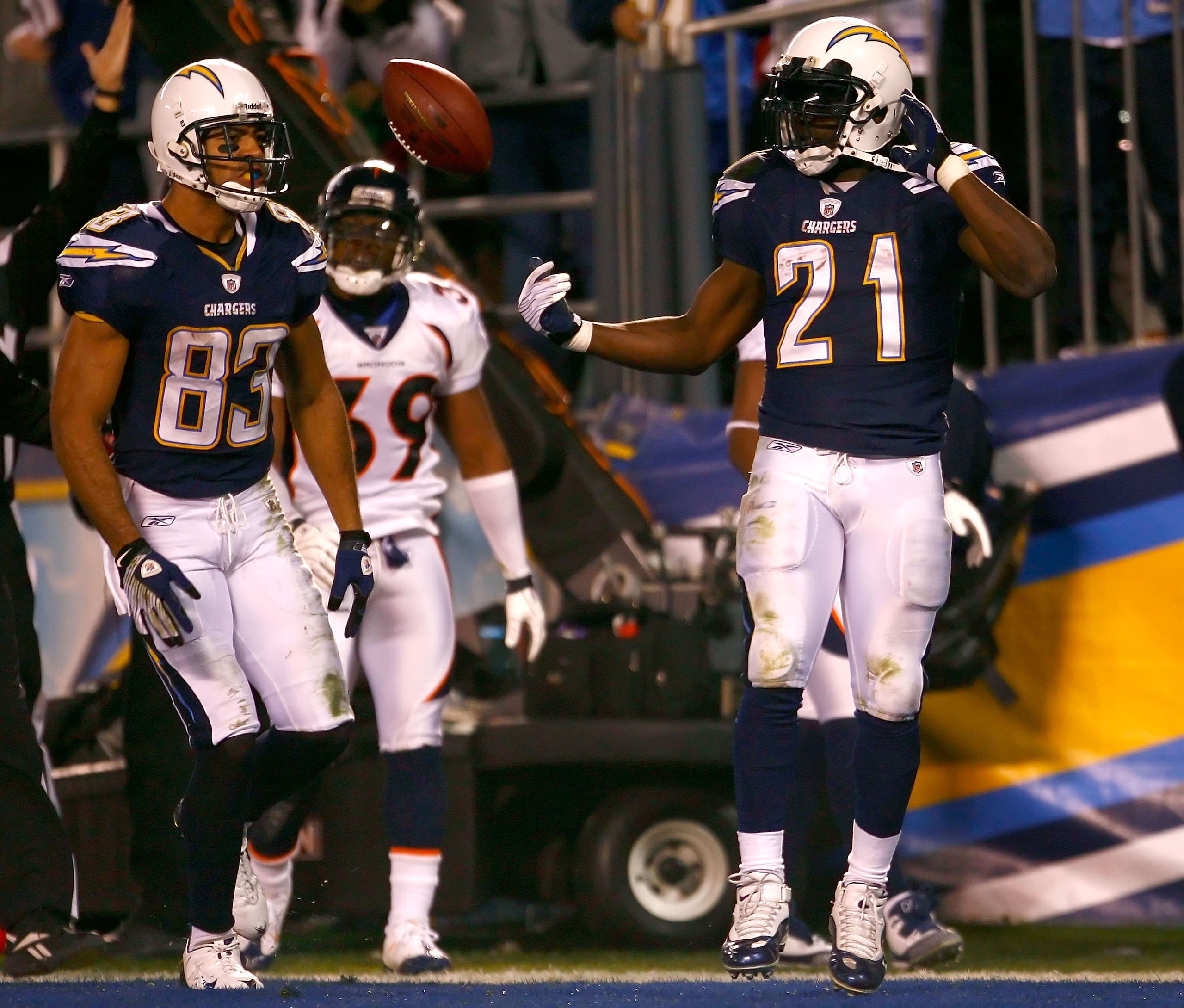
San Diego has been known recently for starting slow and finishing strong; Denver is known for starting strong and finishing slow. In 2008, they came together in the perfect storm. With three weeks left in the season, Denver sat atop the AFC West at 8-5, with San Diego a distant second at 5-8. The only way San Diego could win the division was to win their final three games—including their season finale against Denver—while the Broncos simultaneously lost their final three.
Since both teams are on this list, it's probably clear what happened. The Chargers took care of Kansas City and Tampa Bay, while the Broncos fell to Carolina and Buffalo, setting up a Week 17 winner-take-all battle. It wasn't much of a battle—San Diego avenged a controversial Week 2 loss with a 52-21 beatdown. The 8-8 Chargers went on to win a Wild Card game against 12-4 Indianapolis, while the Broncos promptly fired Mike Shanahan.
BAD: Tampa Bay Buccaneers, 2008
15 of 20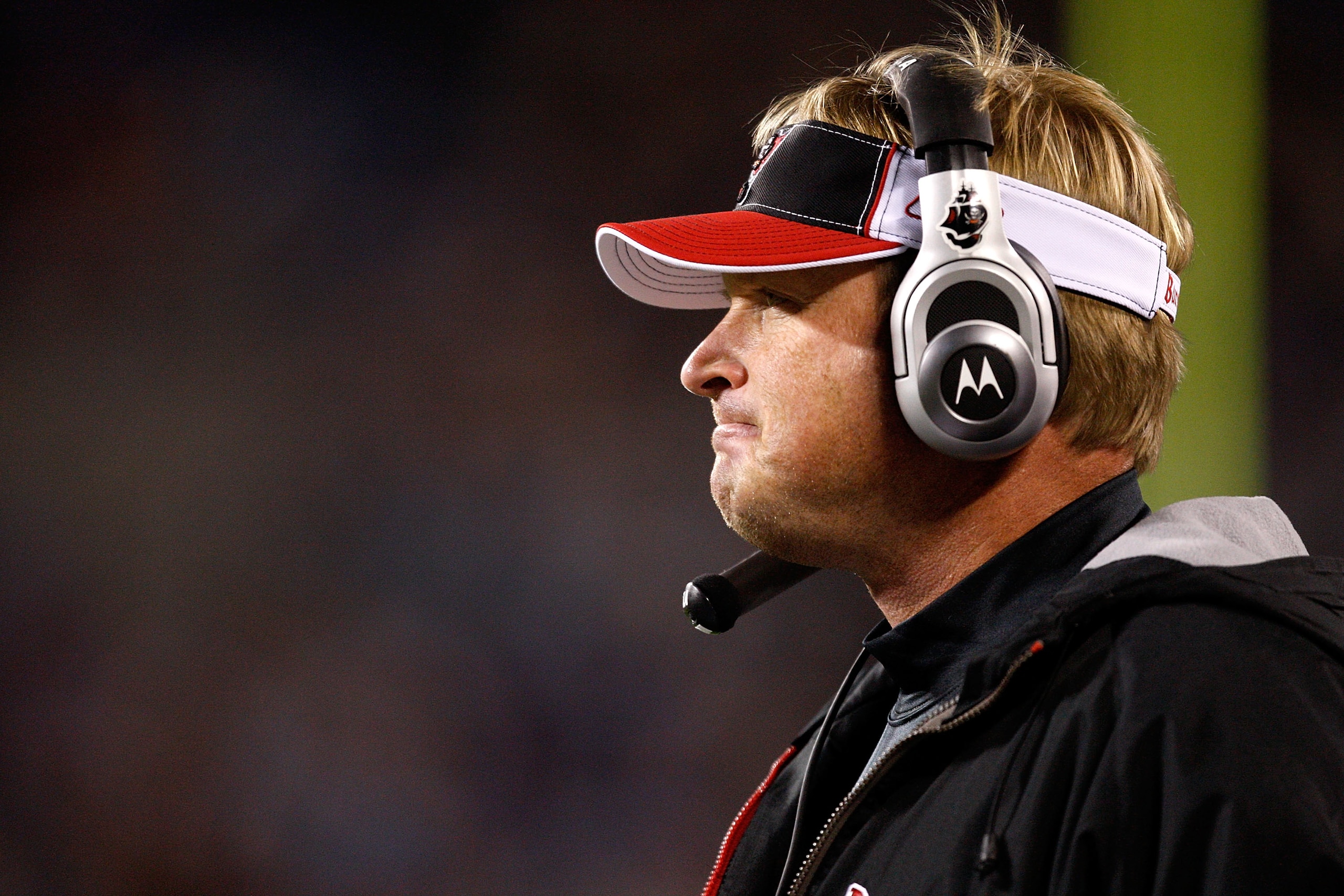
A Super Bowl XXXVII win was enough to keep head coach Jon Gruden in Tampa Bay despite two winning seasons in the next five years, but this collapse was the last straw. Tampa Bay, Carolina and Atlanta waged a three-way war for the NFC South crown (and a possible first-round bye) for most of the season; the Buccaneers and Panthers were both 9-3 entering their Week 14 showdown, with the Falcons a game back. The 38-23 loss hurt Tampa Bay, but it wasn't the end of the world—after all, they were still assured a playoff spot, right?
Wrong. The Bucs lost to Atlanta and San Diego in consecutive weeks, but still could get a playoff spot if they beat a 4-11 Oakland team at home to end the season. Of course, Gruden's former employer came out on top 31-24, completing their downfall and sending Jon to a career of flip-flopping analysis on Monday Night Football.
GOOD: Philadelphia Eagles, 2008
16 of 20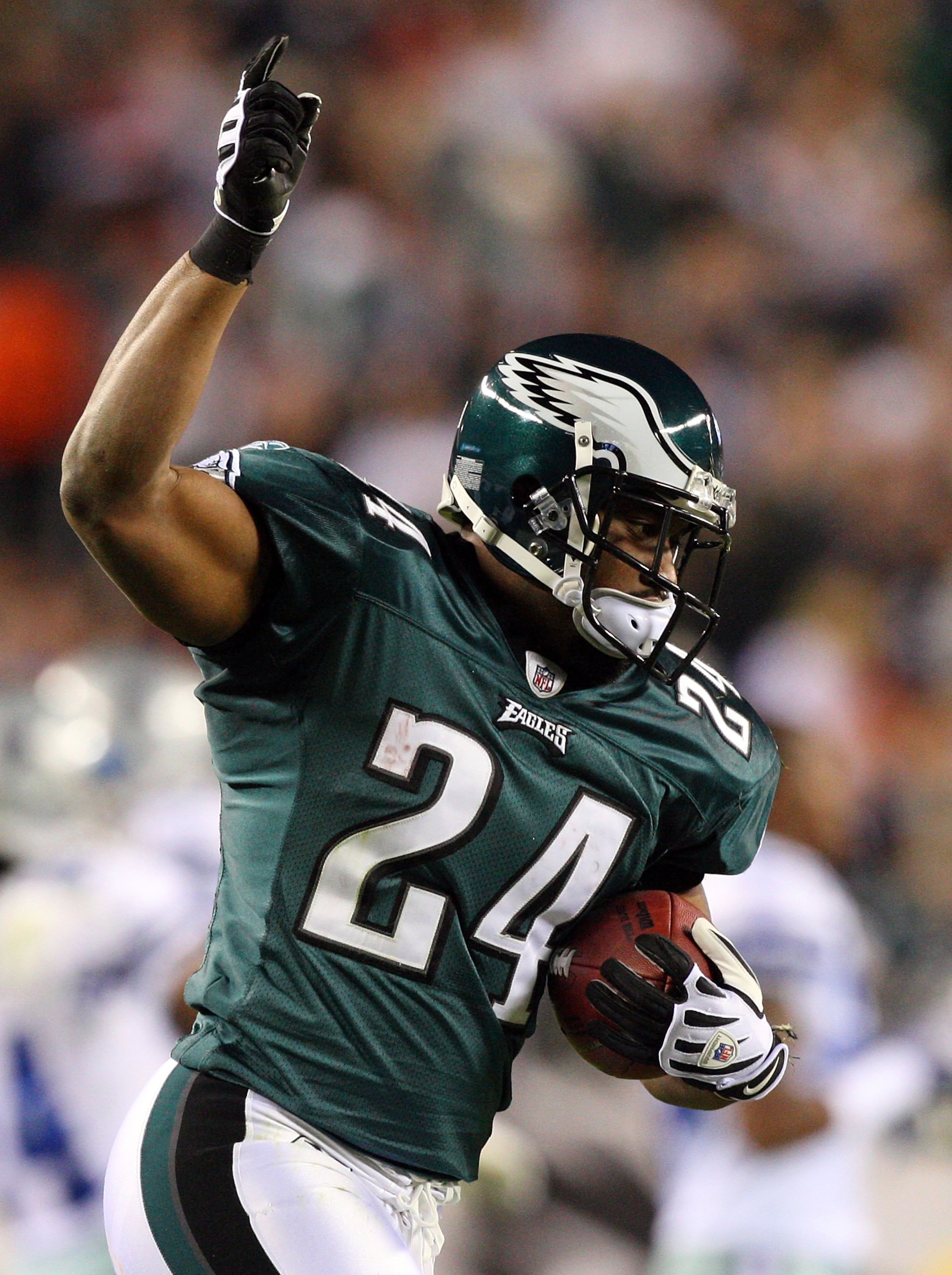
After 11 games, these Eagles were the very definition of an average team: a 5-5-1 record, including the (in)famous "I Didn't Know We Could Have Ties" game and Donovan McNabb getting benched in their 11th game. Then the Eagles surged, winning three straight and watching other contenders (Chicago, Tampa Bay, Washington) fall by the wayside, setting up a simple winner-gets-the-last-spot scenario against Dallas in Week 17.
You know the story from here. Philly eviscerated the Cowboys 44-6, getting in the back door to the playoffs. From there, they dispatched of No. 3 Minnesota and No. 1 New York Giants to get the NFC title game.
The dream came to an end with a 32-25 loss to the Cardinals, the same Cardinals that the Eagles had beaten by 28 to start their unlikely run.
BAD: New York Jets, 2008
17 of 20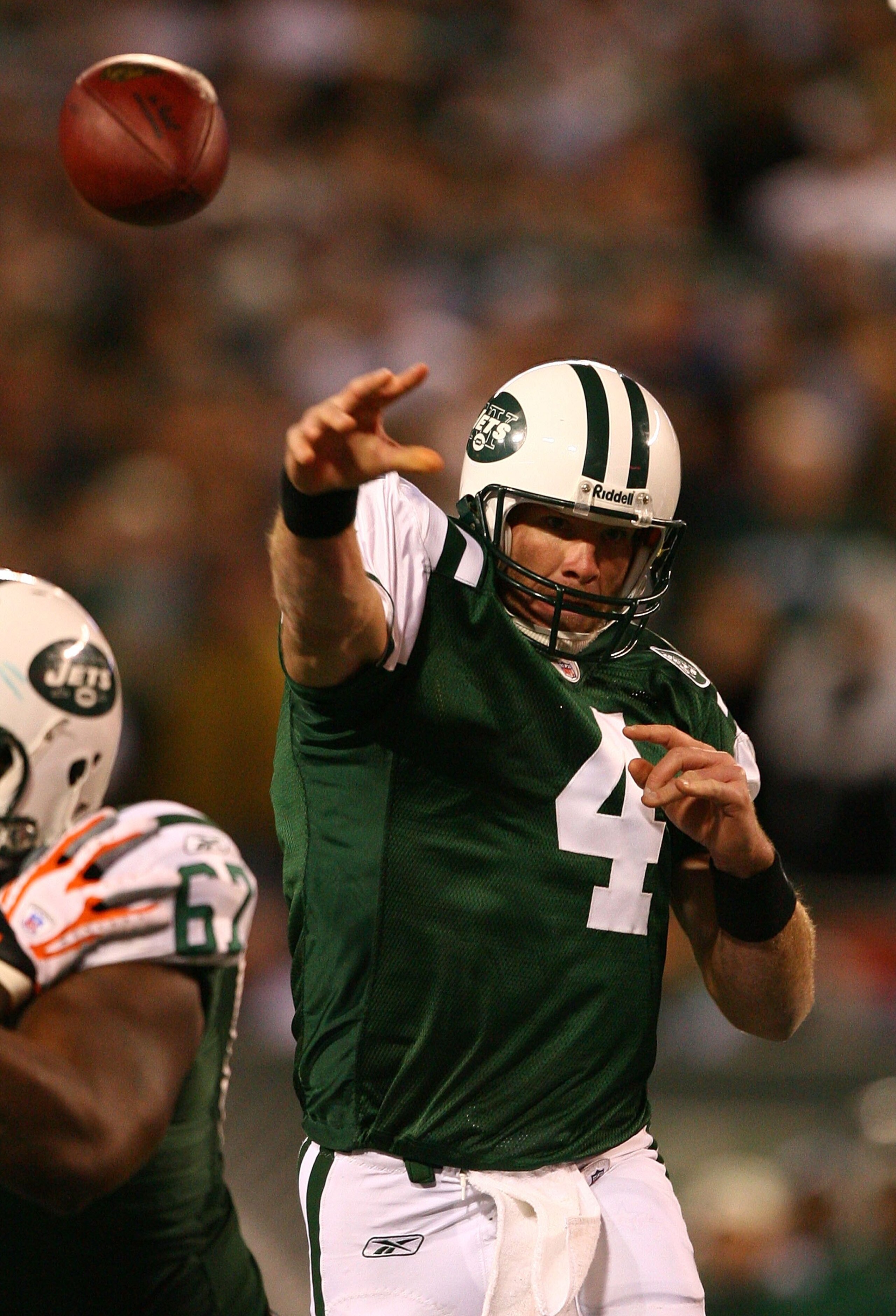
The Jets and coach Eric Mangini took a lot of heat for bringing Brett Favre out of retirement and releasing long-time (though oft-injured) quarterback Chad Pennington. Twelve weeks into the season, the move looked ManGenius; New York was 8-3, coming off a 34-13 beatdown of previously undefeated Tennessee and a thrilling overtime win in New England.
Unfortunately for the Jets, their quarterback was Brett Favre. In the win over the Titans, Favre tore a biceps tendon in his throwing shoulder, and he and the team chose to cover up the injury and keep him in the lineup. Predictably, Favre threw nine interceptions against two touchdowns in the final five games, as the Jets sputtered to a 9-7 finish and missed the playoffs, costing ManNotAGenius his job.
Adding insult to injury, Pennington stayed healthy and led Miami, who went 1-15 in 2007, to an 11-5 record and the AFC East title.
BAD: Pittsburgh Steelers, 2009
18 of 20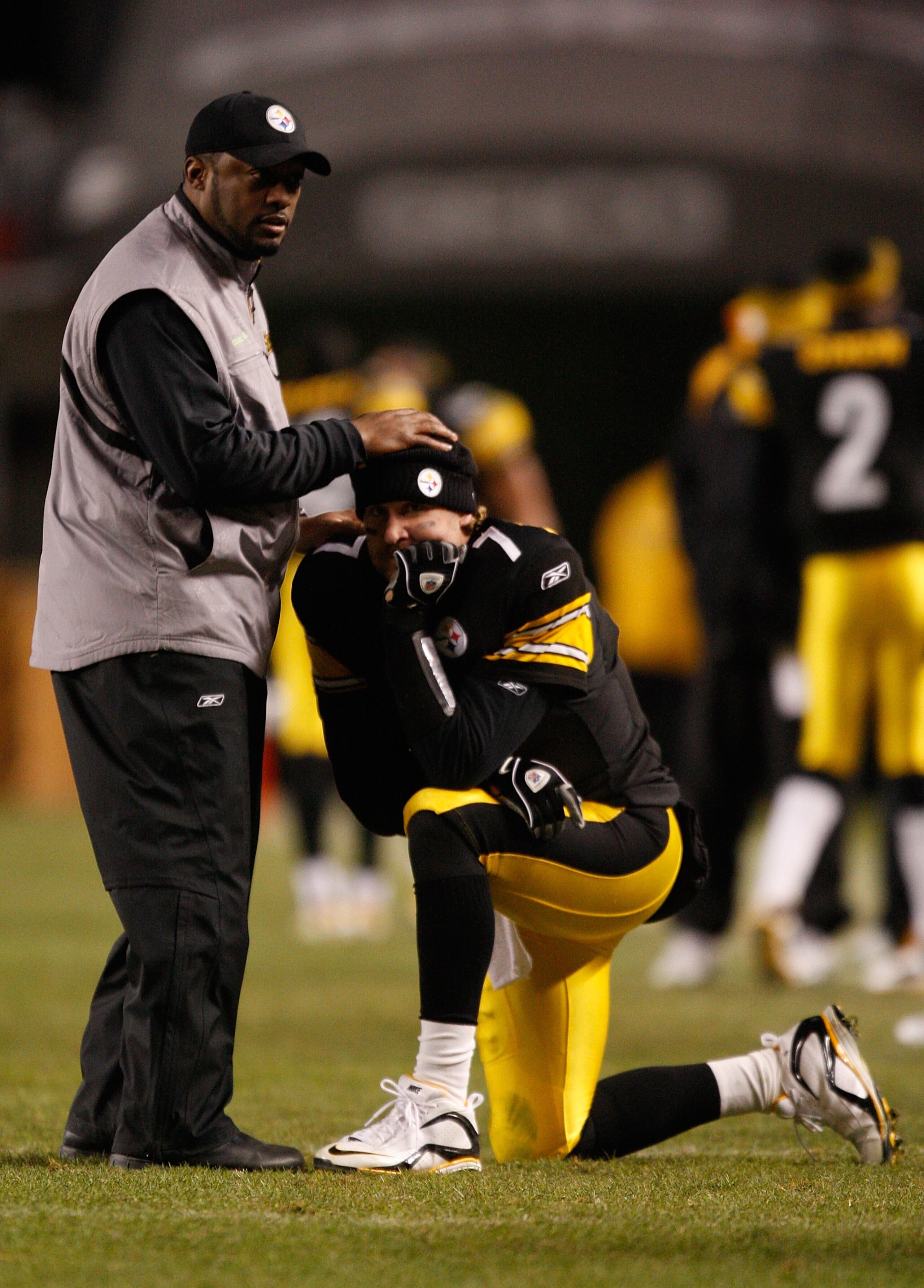
Pittsburgh has won the Super Bowl twice in the past five seasons, and missed the playoffs the following year both times. Injuries and off-field issues derailed their first title defense, but the 2009 Steelers looked like a good team, ending the season's first half at 6-2 after a five-game winning streak.
Then Pittsburgh lost five in a row and did so in almost every combination. The Steelers lost to all three division opponents; they lost consecutive games in overtime and a third by giving up 21 fourth-quarter points; they lost to Kansas City, Oakland and Cleveland, who finished the season a combined 14-34 (and Cleveland was 1-11 when they played). A three-game winning streak to end the season wasn't enough to keep Pittsburgh from missing the playoffs on tiebreakers.
GOOD: Tennessee Titans, 2009
19 of 20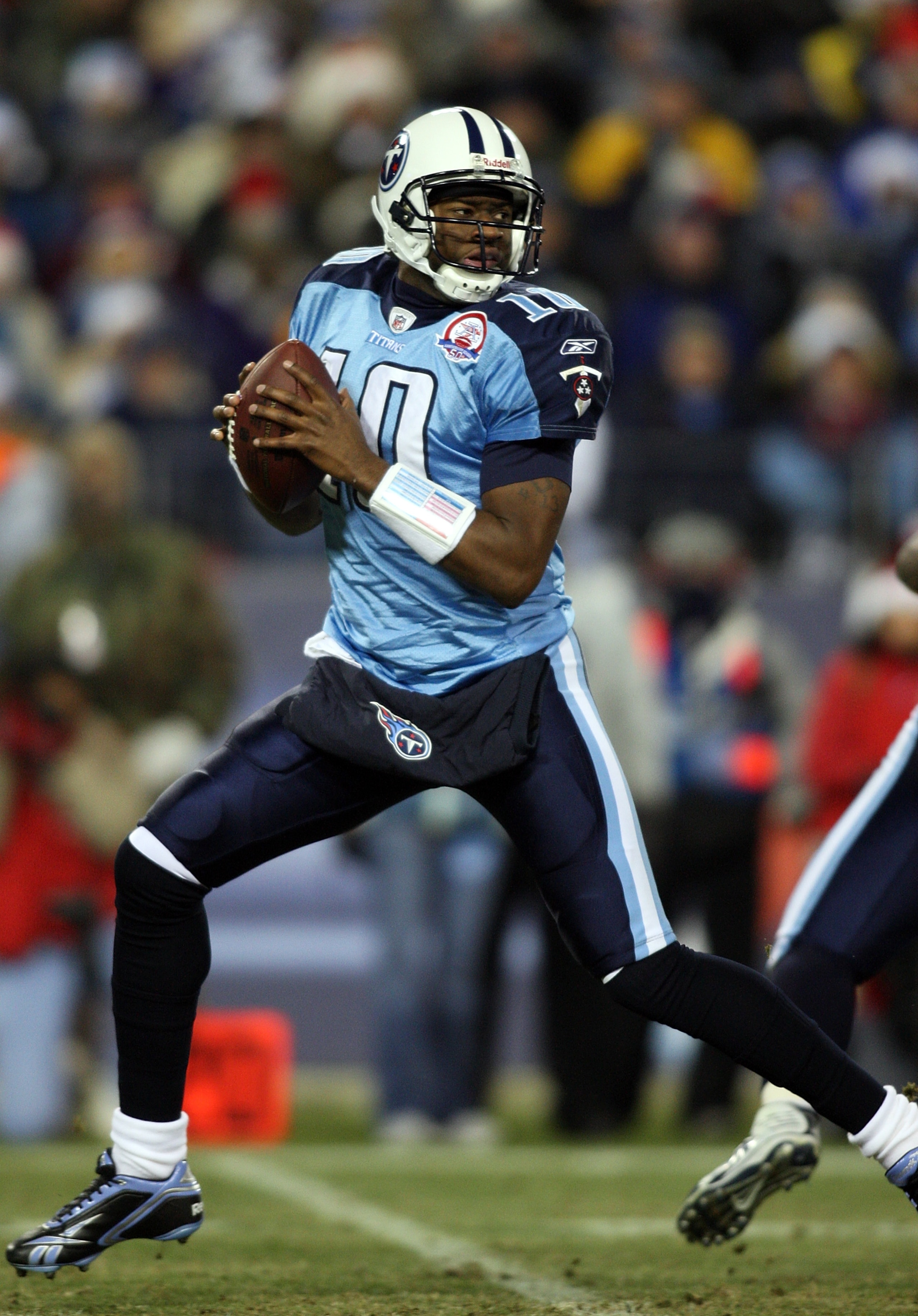
Tennessee went one-and-done in the 2008 playoffs after earning the No. 1 seed in the AFC; to say that loss carried over to 2009 is an understatement. The Titans lost six straight to open the season, culminating in a 59-0 butt-kicking by the Patriots, the worst loss in the NFL since 1976.
After the embarrassing loss, Titans owner Bud Adams ordered that quarterback Kerry Collins, who threw 15 straight incomplete passes at one point in the streak, be replaced by Vince Young. Young promptly led the Titans to five straight wins and an 8-8 final record. Their run came up short of the playoffs, but it gave them something to build on this season, which they did, for a while, anyway.
BAD: Denver Broncos, 2009
20 of 20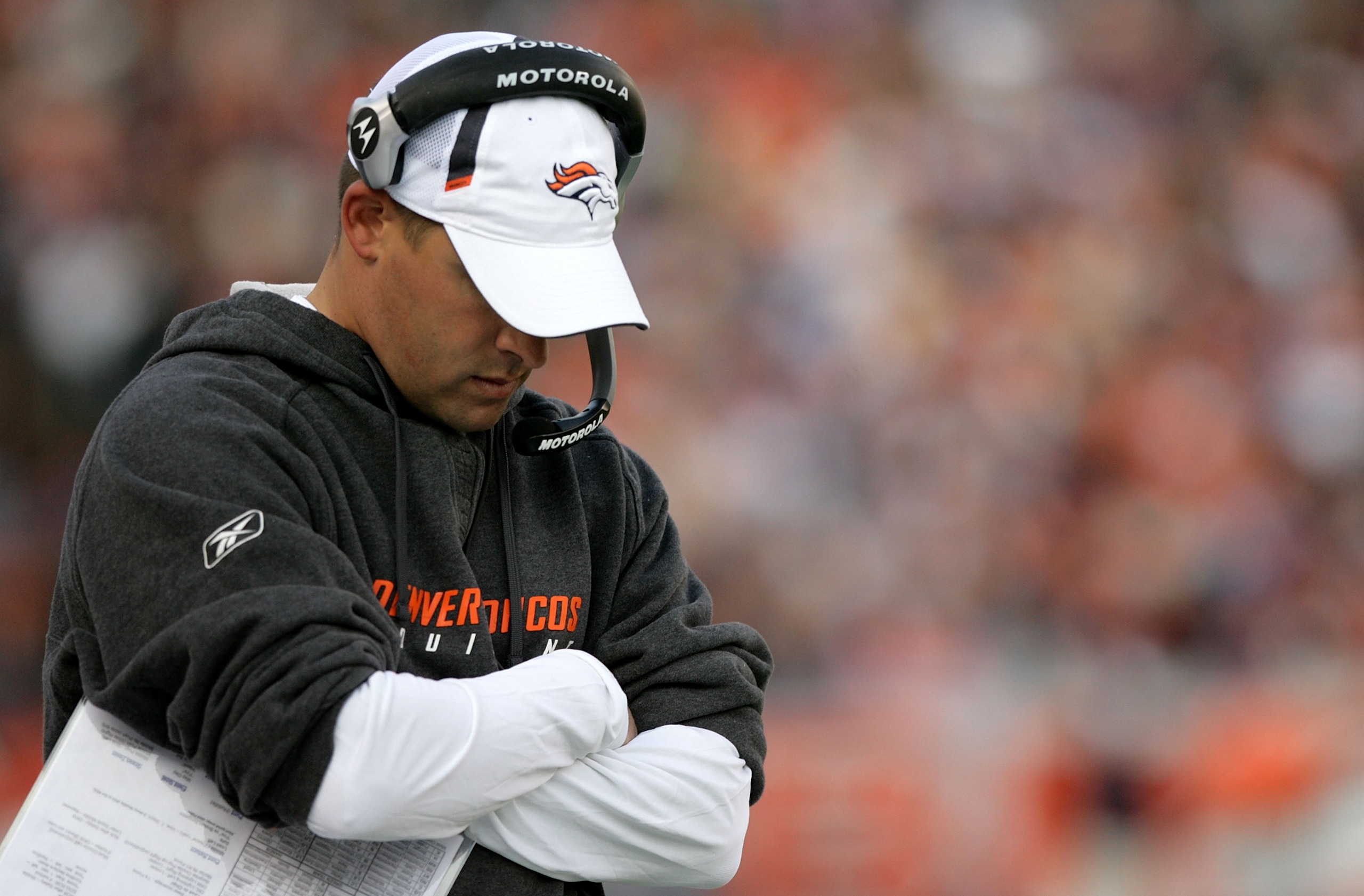
New coach, same result for the Broncos. Denver hired New England offensive coordinator Josh McDaniels as head coach and general manager to replace Mike Shanahan after the 2008 collapse, and he promptly angered most of the fanbase by having a falling out with quarterback Jay Cutler, who was eventually traded to Chicago for Kyle Orton.
Then Denver went out and won its first six games of the season, including victories over eventual division winners Cincinnati, Dallas, New England and San Diego. Suddenly, everything was right in Broncoland.
And just as suddenly, everything fell apart. The Broncos lost four straight games to fall to 6-4; rebounded to win two straight and stay in the playoff race; then packed it in completely, losing their last four and falling to another 8-8 season. McDaniels continued to trade away talented players and lose games, and a new SpyGate incident finally got him fired.
.jpg?w=2560 "Cowboys Giants Football")
.jpg?w=2560 "Grading WWE Raw 🔠")

.jpg?w=2560 "Follow WWE Raw 🇲🇽")