
Philadelphia Flyers vs. Pittsburgh Penguins: Top 10 Intrastate Rivalry Moments
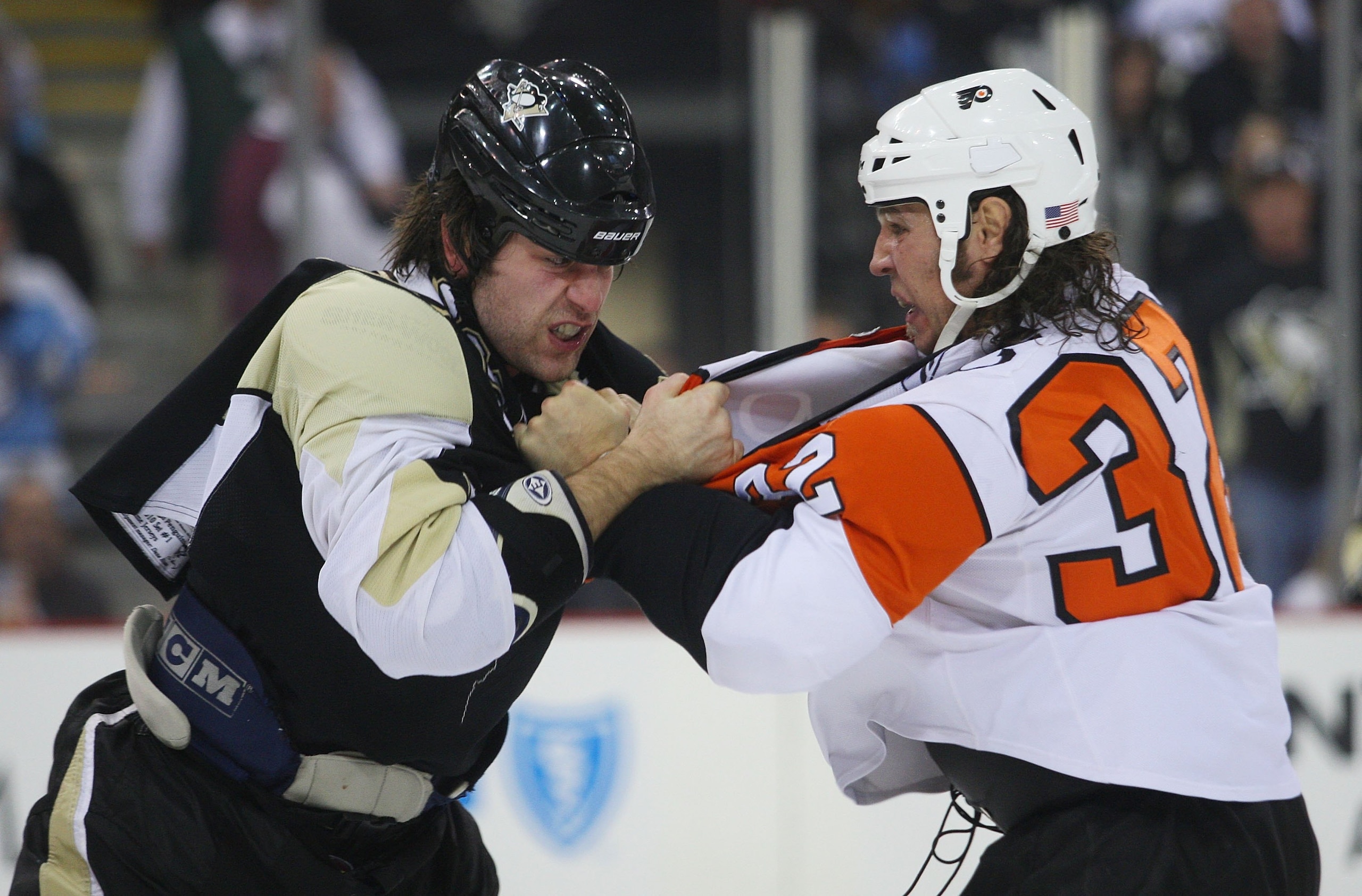
The Philadelphia Flyers and Pittsburgh Penguins have clashed in memorable games since they both entered the league together in 1967. While the Flyers have dominated the rivalry over the course of their histories, there have been stretches where the Penguins have held the advantage over the orange-and-black.
A rivalry which was somewhat dormant for the first part of the decade has exploded as one of the league's fiercest rivalries since the lockout.
Over the 40-plus-year history of the franchises, these two teams have created memorable moments in which fans were exhilarated, angered and even touched. There is no love lost between these franchises, but both can agree when they see Pittsburgh or Philadelphia on the upcoming schedule, the blood starts flowing, emotions rise and play is elevated.
Here are the top 10 moments of this intrastate rivalry of the Flyers and Penguins.
10. Flyers Defeat Penguins 3-2 in CONSOL Energy Center First Game, 2010
1 of 10
The Pittsburgh Penguins nearly left the Steel City as they were fighting for funding to help build a new arena to replace the aging Mellon Arena. Penguin legend Mario Lemieux took over ownership and helped secure a new arena to be built nearby the Igloo.
This past October, Penguins players and fans alike marveled over the new, 18,087-seat CONSOL Energy Center.
The Penguins would christen their arena against their fierce rival and defending Eastern Conference champion Philadelphia Flyers. The Flyers came in without their top defenseman, Chris Pronger, and goalie Michael Leighton. In net, the Flyers would turn to 22-year-old rookie netminder Sergei Bobrovsky out of the KHL.
The Penguins came out firing early on the Flyers but couldn't find the back of the net. The first goal in arena history was scored by Danny Briere, and Blair Betts followed up with a tally to make it 2-0.
The Penguins came back early in the third with a Tyler Kennedy goal and were looking to tie it up on power play just minutes later.
However, rising star Claude Giroux had other plans and turned a Penguins turnover into a shorthanded goal to lead 3-1. Just seconds later, Alex Goligoski scored for Pittsburgh and cut the scoring to 3-2.
After the Flyers took a penalty late in the third, the Penguins pulled Marc-Andre Fleury and made a last-ditch effort to send the game to overtime but were unable to get the tying goal. The Flyers spoiled the arena debut for the Penguins and their fans with the win.
9. 1995 Art Ross/Hart Trophy Race: Jaromir Jagr vs. Eric Lindros
2 of 10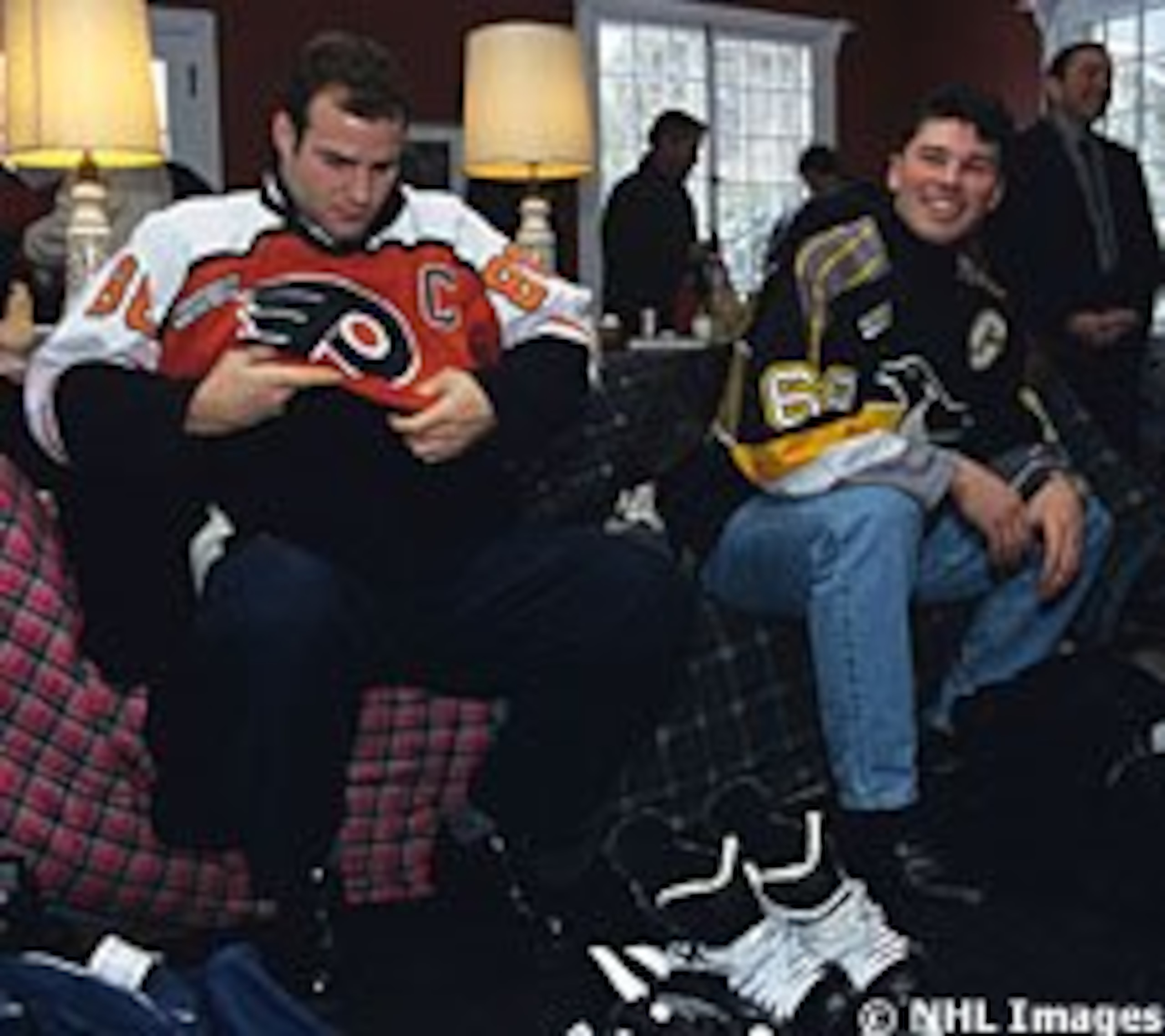
The 1995 NHL season is remembered for a lockout that shortened the season to 48 games instead of the usual 82. Two teams expected to make waves in the Eastern Conference were the Flyers and Penguins. This was due to their young budding superstars in Eric Lindros and Jaromir Jagr, respectively.
Lindros was surrounded by veterans John LeClair and Mikael Renberg to form the famed Legion of Doom line. Jagr was now the main attraction in Pittsburgh and was expected to carry the Penguins as superstar Mario Lemieux was taking the season off due to fatigue from his radiation treatments.
Jagr and Lindros would trade leads in scoring back and forth the entire season, and many pundits felt that the Hart Trophy would be settled by who would win the scoring race. At the end of the season, both players each had 70 points.
However, Jagr was awarded the Art Ross due to scoring more goals (32-29) than Lindros. The Flyers captain would get his due as he would be awarded the Hart Trophy as the league's MVP for leading his team to a division title.
Both teams could have met for the conference championship, but the Devils upset the Penguins in the semifinals and later beat the Flyers en route to winning their first Stanley Cup that season.
It was unfortunate that the league robbed fans of over a third of the season and what could have been a more compelling scoring race between Jagr and Lindros.
8. Sidney Crosby Vs. Philadelphia, 2005
3 of 10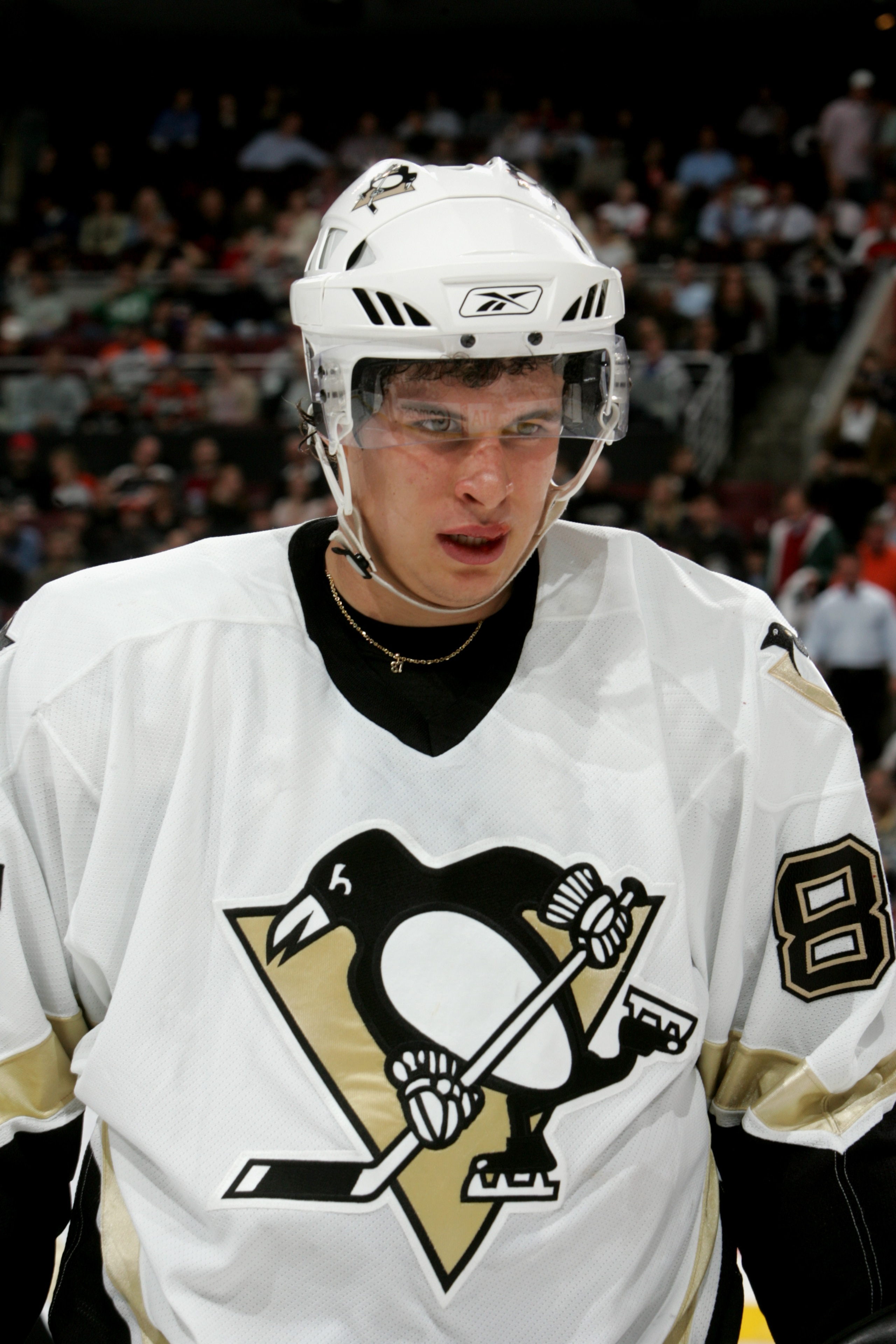
Sidney Crosby made waves before he even entered the NHL. After dominating junior leagues in Canada, Crosby was deemed "The Next One" by fans and one of the saviors of the league as it recovered from the 2005 lockout. After Pittsburgh won the draft lottery, they without hesitation selected Crosby with the first overall pick and hoped he would help save their lowly franchise.
The Philadelphia Flyers had been at the top of the standings for most of the decade and one win away from going to the Stanley Cup Finals—twice. Little fanfare took place in their first meeting in October, but Sidney Crosby would help kick-start this rivalry more than he could have imagined.
Crosby took numerous Flyers hits and found himself with a bloody mouth thanks to the skate of Derian Hatcher. He later took retribution as he scored on a breakaway with under a minute left in overtime and the Penguins beat the Flyers 3-2 in Philadelphia to the anger of many Flyers fans.
The teams would meet several days later in Pittsburgh and Crosby would once again be at the dismay of the Flyers when Peter Forsberg accused the young scorer of diving. Despite a 2-6 record against the Flyers that season, Crosby often contributed and was on the score sheet.
Crosby has gone on to have major success when playing the Flyers. He has owned the Flyers with 60 career points against them, second only to the lowly Islanders. He has drawn the hatred of Flyers fans because of his star reputation and ability to beat them. Crosby's arrival in Pittsburgh has been a catalyst to the revival of this now-fierce rivalry.

7. First-Ever Meeting, October 1967: Flyers Defeat Penguins 1-0
4 of 10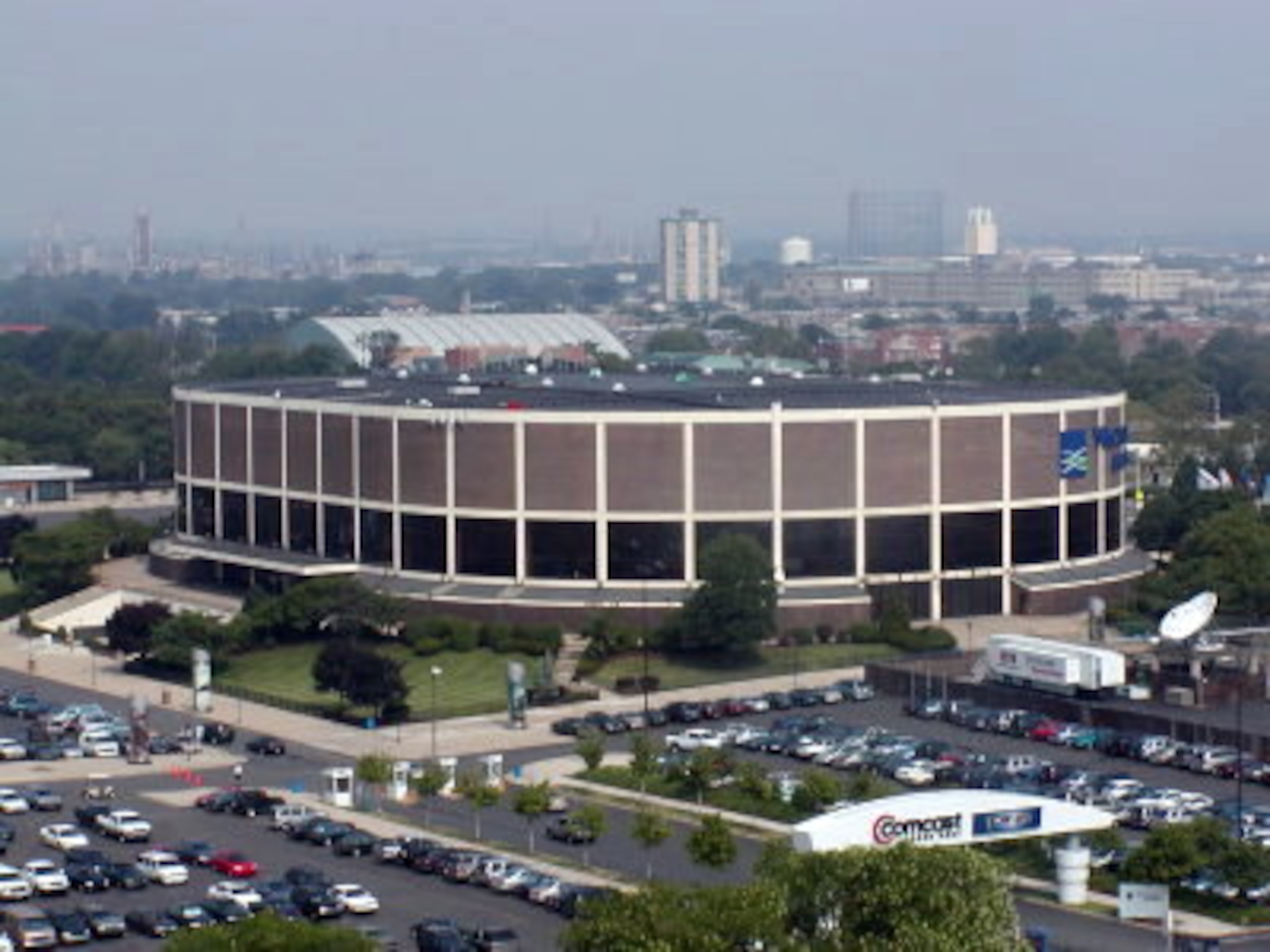
On October 19, 1967, the Philadelphia Flyers hosted the Pittsburgh Penguins in the first NHL regular-season hockey game between the two franchises. Both were part of the 1967 NHL expansion, where the league doubled in size from six teams to 12.
The "Original Six" and the "Expansion Six" were both split into separate divisions. The expansion teams included the Flyers, Penguins, California Seals, St. Louis Blues, Los Angeles Kings and Minnesota North Stars.
The Flyers and Penguins also christened hockey in the brand-new Philadelphia Spectrum, as 7,812 fans watched the Flyers shut out the Penguins 1-0. Doug Favell recorded the shutout as future Hall of Famer Bernie Parent watched from the bench.
The teams have met over 200 times since this game and there has been no love lost between the franchises. However, the roots of the rivalry can be traced back to this very first game over 43 years ago.
6. Mario Lemieux's 8 Point Effort, Game 5 1989 Patrick Division Finals
5 of 10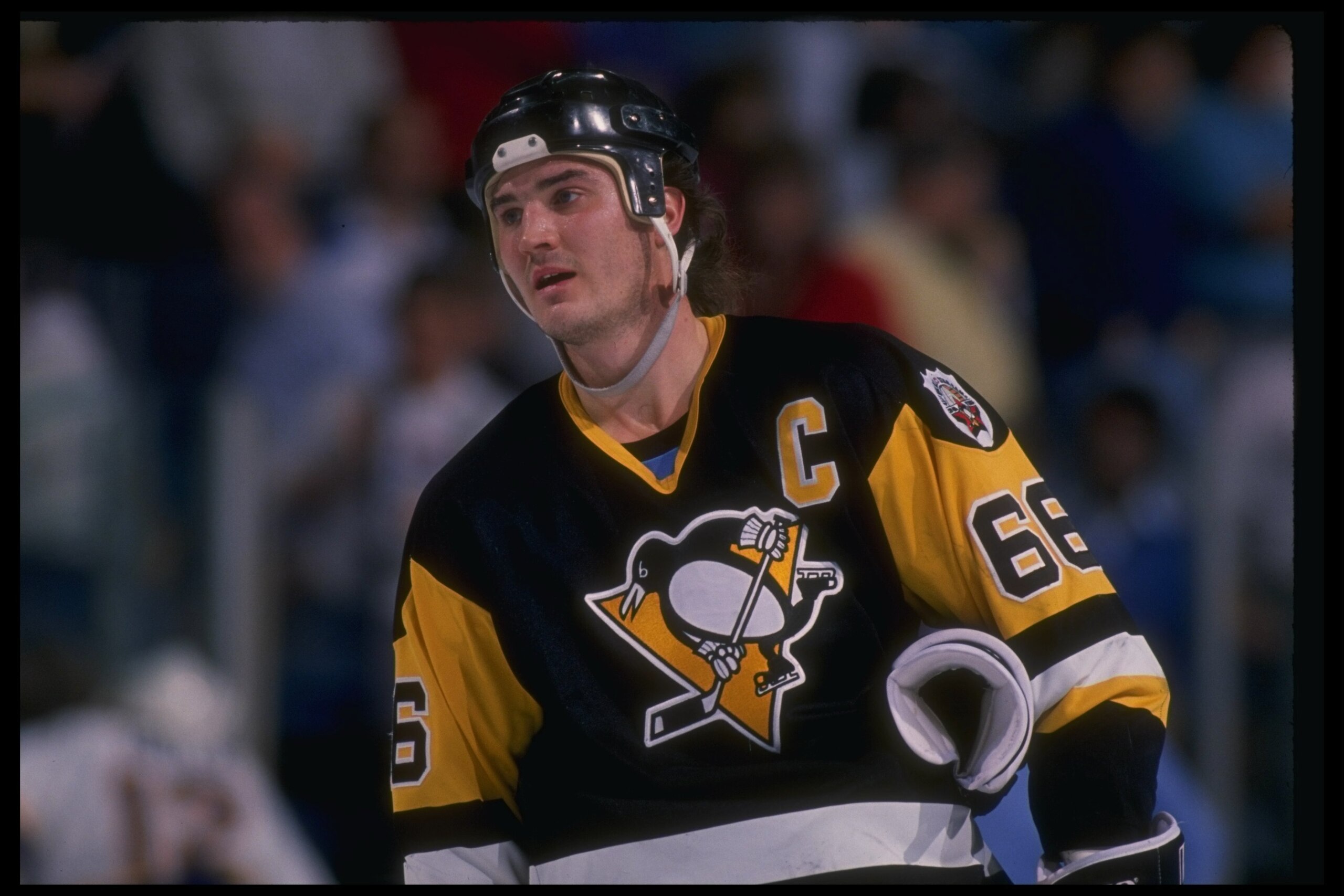
Mario Lemieux had one of the most remarkable NHL seasons in 1988-89. He became the fourth player in history to score 50 goals in 50 games and finished with 85 goals and 114 assists with a total of 199 points. This would be the second-highest single-season total in history behind Wayne Gretzky, who he also finished second to in the Hart Trophy voting.
Lemieux continued his tremendous play into the playoffs, especially in Game 5 of the Patrick Division Finals against the Philadelphia Flyers. The teams were tied at two games apiece in the series and the all-important Game 5 was being played in Pittsburgh.
At the drop of the puck, Lemieux didn't waste much time to finding the back of the net.
Super Mario would register a hat trick before the the seven-minute mark of the first period and later scored his fourth goal to cap off a 6-1 Penguins lead after one. He later added three assists in the second period as the Pens led 9-3.
The Flyers would stage a furious rally and cut the Penguins' lead to 9-7 late in the third before Lemieux scored his fifth goal of the game on an empty-netter en route to a 10-7 Penguins win.
Lemieux's five goals and eight points tied NHL playoff records for a single game. His elevated play in the postseason would come in handy down the road, as he helped lead the Penguins to back-to-back Stanley Cups in 1991 and 1992.
5. Game 7, 1989 Patrick Division Finals
6 of 10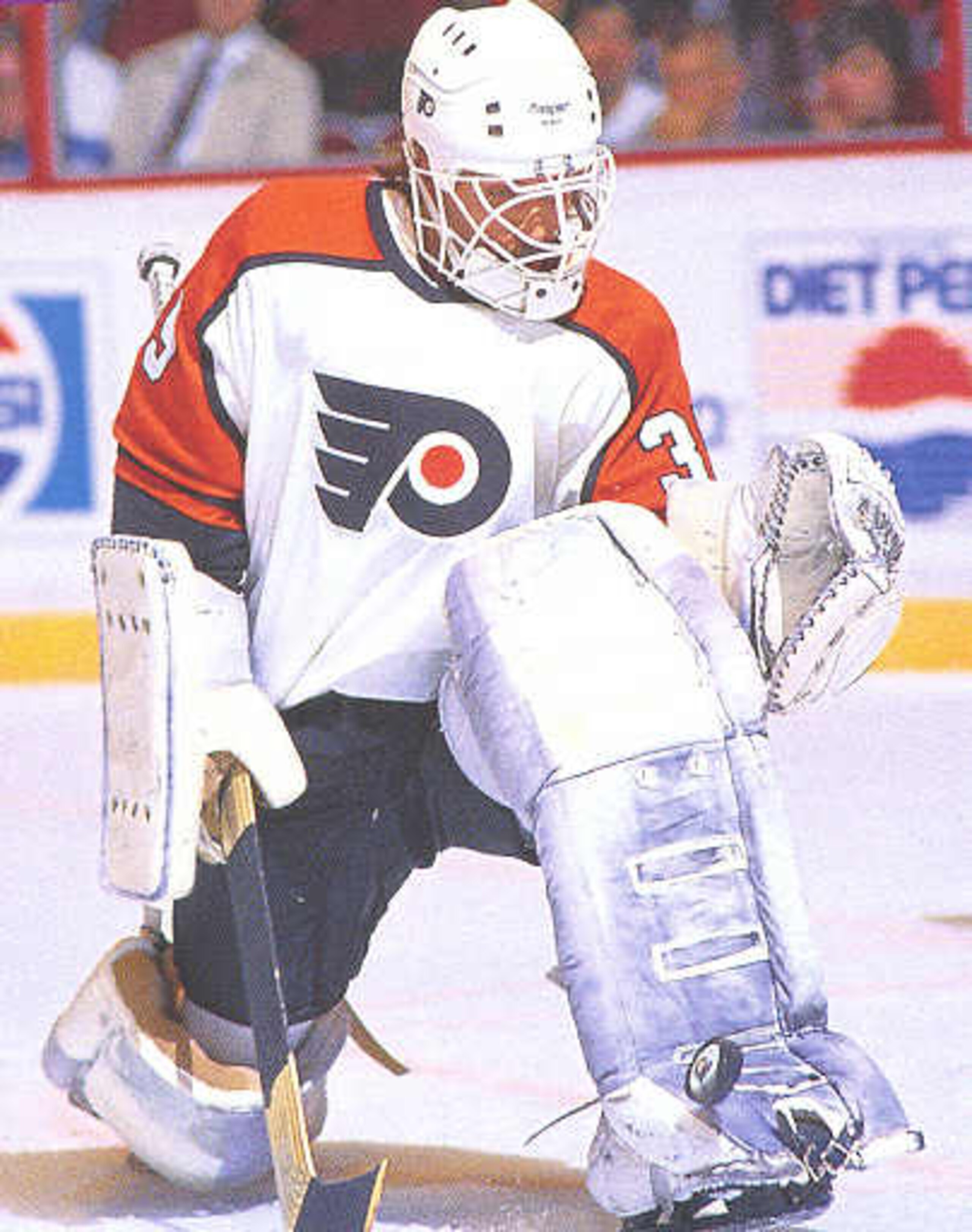
The Flyers and Penguins met for the very first time in the playoffs in the 1989 Patrick Division Finals (equivalent to conference semifinals of today). The Flyers had finished fourth in the division and upset the division champion Washington Capitals in the first round and the Penguins fended off the New York Rangers to set up the matchup.
The upstart young Penguins would be taking on the aging veteran Flyers. The Penguins were led by phenom scorer Mario Lemieux as the Flyers were backboned by the strong goaltending of Ron Hextall. The Penguins and Flyers would alternate wins in the first six games of the series to set up a winner-take-all Game 7 and conference finals against Montreal.
The Flyers were already placed in a underdog position by playing at Pittsburgh for Game 7 when Hextall was injured in their Game 6 victory and was unavailable for the pivotal game. The Flyers would have to turn to backup Ken Wregget with their season on the line.
Brian Propp struck first for the Flyers, but the Penguins tied the score as Lemieux found the back of the net. A shorthanded goal by Dave Poulin gave the Flyers a 2-1 lead headed into the final period.
The Flyers got a huge two-goal cushion as Mike Bullard scored on the power play. Scott Mellanby sealed the game with a late empty-netter as the Flyers won 4-1 and took the series. The real hero of the game was Wregget, who stopped 39 of 40 shots in a brilliant performance off the bench.
4. Game 5, 2008 Eastern Conference Finals
7 of 10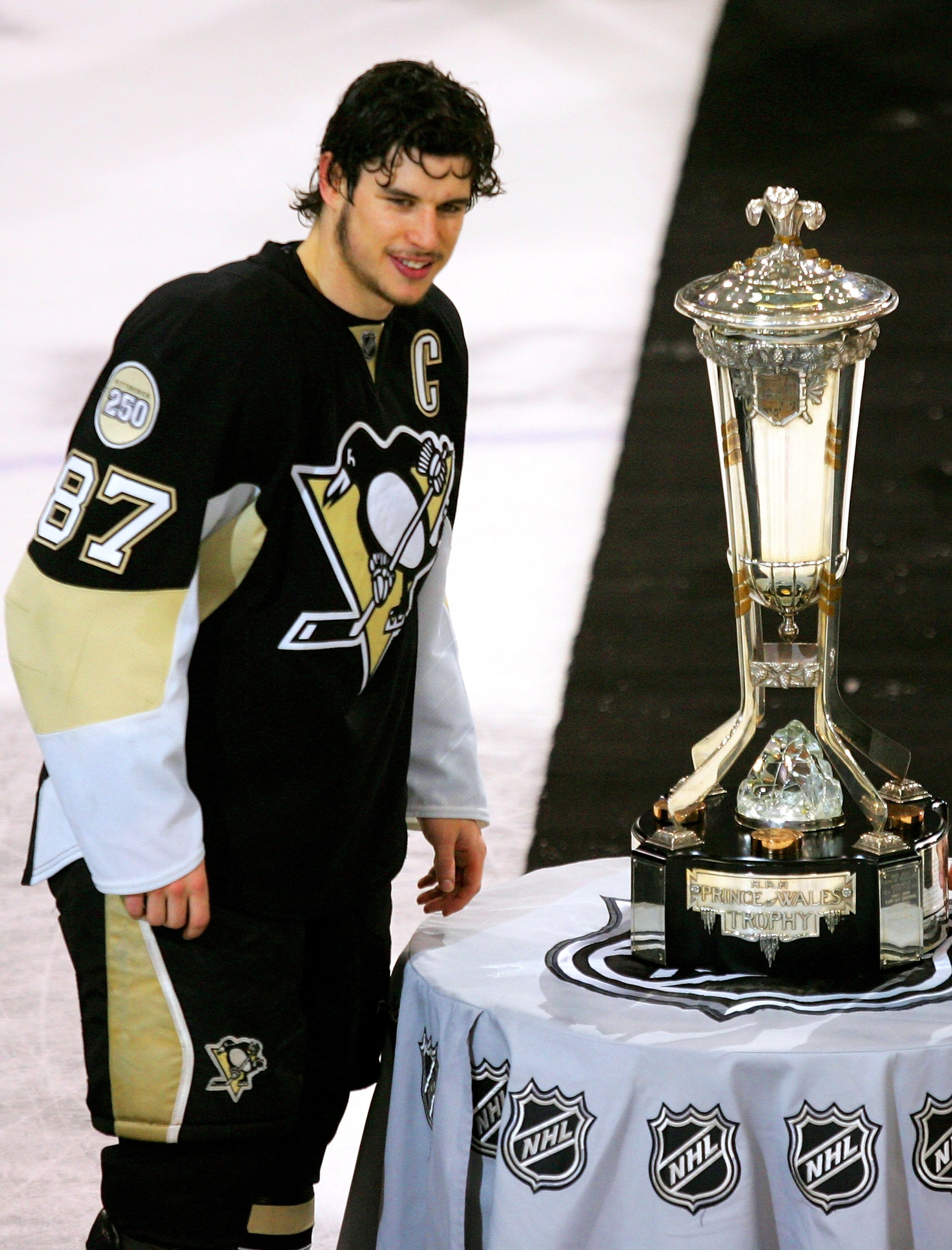
These two rivals met in the 2008 Eastern Conference Finals, but their matchup was anything but expected. The Penguins were Atlantic Division champions and a favorite to reach the Stanley Cup Final. The Flyers had a rebound year after finishing dead last in the NHL in points the previous season, gaining nearly 40 more points and qualifying as the No. 6 seed in the East.
While the Penguins cruised through their first two rounds, the Flyers had to play the No. 3 seed Washington Capitals, where they nearly blew a 3-1 series lead but won an overtime Game 7 in Washington. They moved on to play the No. 1 seeded Montreal Canadiens, where they upset the top team in the East in five games.
The Flyers were already without top defenseman Kimmo Timonen indefinitely after complications from a foot injury suffered against Montreal. The Flyers would compete in the first two games in Pittsburgh but the Penguins eventually would pull away in two 4-2 wins.
Flyers fans were optimistic they could even up the series in Philadelphia with advantage of playing at home, but the Flyers came out flat in Game 3 and couldn't muster any offense in a 4-1 Penguins win.
Facing a sweep and elimination in Game 4, the Flyers came out motivated jumping out to a 3-0 lead in the first period. Jordan Staal scored two goals in the third to cut the lead to 3-2 but the Joffrey Lupul put the game away to give Philadelphia a 4-2 win and send the series back to Pittsburgh for Game 5.
Just as hot as the Flyers came out in Game 4, the Penguins matched that the entire game. Ryan Malone scored 2:30 into the game and was followed up by a Evgeni Malkin power play goal. The Penguins would then score three more goals in the second to have a 5-0 lead going into the third.
Pascal Dupuis added the sixth Penguin tally and behind a shutout effort by Marc-Andre Fleury, the Pens would win 6-0 and move on the their first Stanley Cup Finals in 16 years. Better yet, it was done against their most hated rival—Philadelphia.
3. Game 6, 2009 Eastern Conference Quarterfinals
8 of 10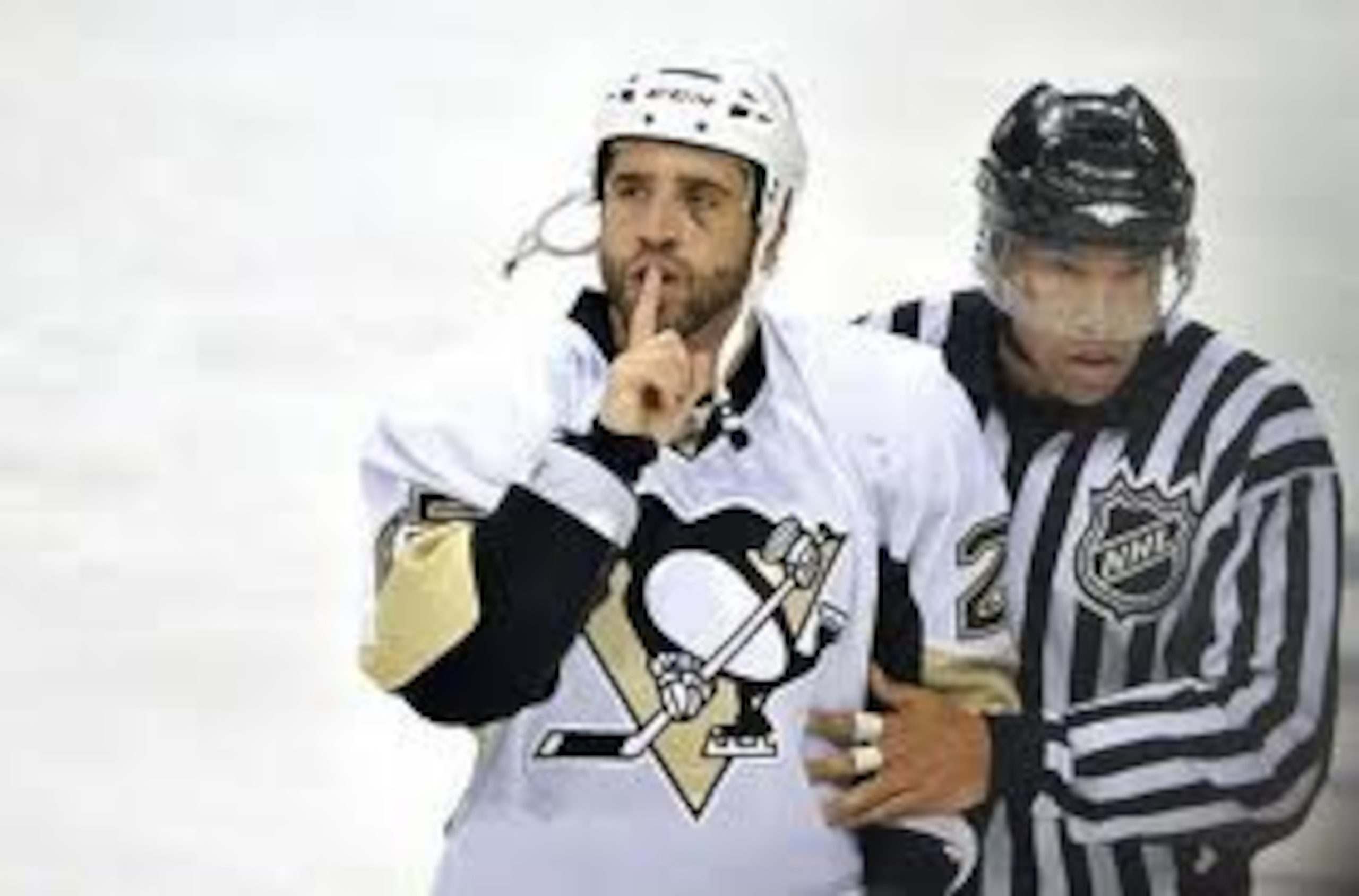
A year removed from their Eastern Conference Finals clash, the Flyers and Penguins met in the playoffs once again—this time in the first round.
The Flyers had been in the playoff hunt all year long and had been sitting at No. 4 spot in the conference. The Penguins had a roller-coaster of a season, which resulted of the firing of Michael Therrien as head coach. He was replaced with Dan Bylsma, who had been coaching the minor-league team in the AHL.
The Penguins got hot midseason and vaulted up the standings, eventually tying the Flyers the last day of the season in points. Due to a tiebreaker of wins, the Penguins were awarded the No. 4 seed and the Flyers the No. 5 seed.
Like the previous season, the Penguins jumped out to a 2-0 lead heading into Game 3 at Philadelphia. This time, the Flyers came out firing en route to a 6-3 route of the Penguins behind two Simon Gagne goals.
The Flyers were hoping to ride their momentum from Game 3 into Game 4, but only one thing stood in their way: Marc-Andre Fleury. The Flyers fired 45 shots on the Penguin goalie but could only solve him once late in third period as they fell 3-1 and face elimination going into the fifth game.
As many expected another blowout exit in the Igloo, Marty Biron said otherwise. The Flyers netminder stopped all 28 Penguin shots in a 3-0 Flyers win heading back to Philadelphia.
Game 6 was a wild atmosphere at the then-Wachovia Center. The fans felt the momentum switching and knew a Game 7 was possible. The Flyers scored two late goals in the first period to lead 2-0 after one. A Crosby slashing penalty put the Flyers on a man-advantage and Danny Briere made it 3-0 early in the second.
The Flyers had all the momentum but things would drastically shift. Dan Carcillo dropped the gloves with Max Talbot soon after the Briere goal. The crowd went wild but Talbot was stirred up, too. He gestured "Shhh" to the Philly crowd and seemingly reignited his teammates.
Fifteen seconds later, Ruslan Fedotenko scored. Less than two minutes later, Mark Eaton made it a 3-2 game. Crosby, with three minutes left, tied the game and after two periods, a stunned Philadelphia crowd found this game tied 3-3.
Sergei Gonchar scored early in the third period and with a late Crosby empty-netter, the Penguins scored five unanswered goals on the road and eliminated the Flyers for a second straight season.
The Penguins would ride the momentum past the Washington Capitals and Carolina Hurricanes and eventually rallied against the Detroit Red Wings to win their third Stanley Cup.
2. Five Overtimes: Game 4, 2000 Eastern Conference Semifinals
9 of 10The 2000 Eastern Conference Semifinals featured these two rivals meeting for the third time in playoff history. The Flyers were the top seed and favorites to reach the Stanley Cup. The Penguins were the No. 7 seed and upset the Washington Capitals to set up the semifinal matchup.
The Penguins stunned the Flyers in the first two games, shutting out the Flyers 2-0 in Game 1 and winning Game 2 easily, 4-1. The Penguins found themselves with all the momentum as they headed home for two games up 2-0 and in the driver's seat to win the series.
The Flyers nearly blew their Game 3 advantage as a late Jaromir Jagr goal sent the game into overtime. But the Flyers pelted Ron Tugnutt in overtime with 11 shots and Andy Delmore found the back of the net to cut the series lead in half.
Game 4 would see the Penguins jump out to an early 1-0 lead behind Alex Kovalev's first-period tally. The Penguins were on their way to a shutout win before John LeClair tied the game about six minutes into the third period.
No one in Mellon Arena that night would thought they would see nearly two more games of play after that goal. Rookie Brian Boucher and Tugnutt held tough in net as the teams traded shots throughout multiple overtimes.
Finally, at 12:01 of the fifth overtime, Flyers captain Keith Primeau skated down the right side, weaved and fired a shot at Tugnutt and beat him glove side to give the Flyers a 2-1 victory after 92 minutes of game play.
Tugnutt finished the game stopping the Flyers on 70 of 72 shots. Boucher finished with 57 saves on 58 shots. Game 4 would be end up the third-longest game in NHL history and the longest overtime game in history.
The Flyers would sustain the momentum from this historic game as they would win Game 5 and 6 and move on to the Eastern Conference Finals, only to fall to the eventual champion New Jersey Devils in seven games.
1. Mario Lemieux Career Ends in Philadelphia, 1997 Playoffs
10 of 10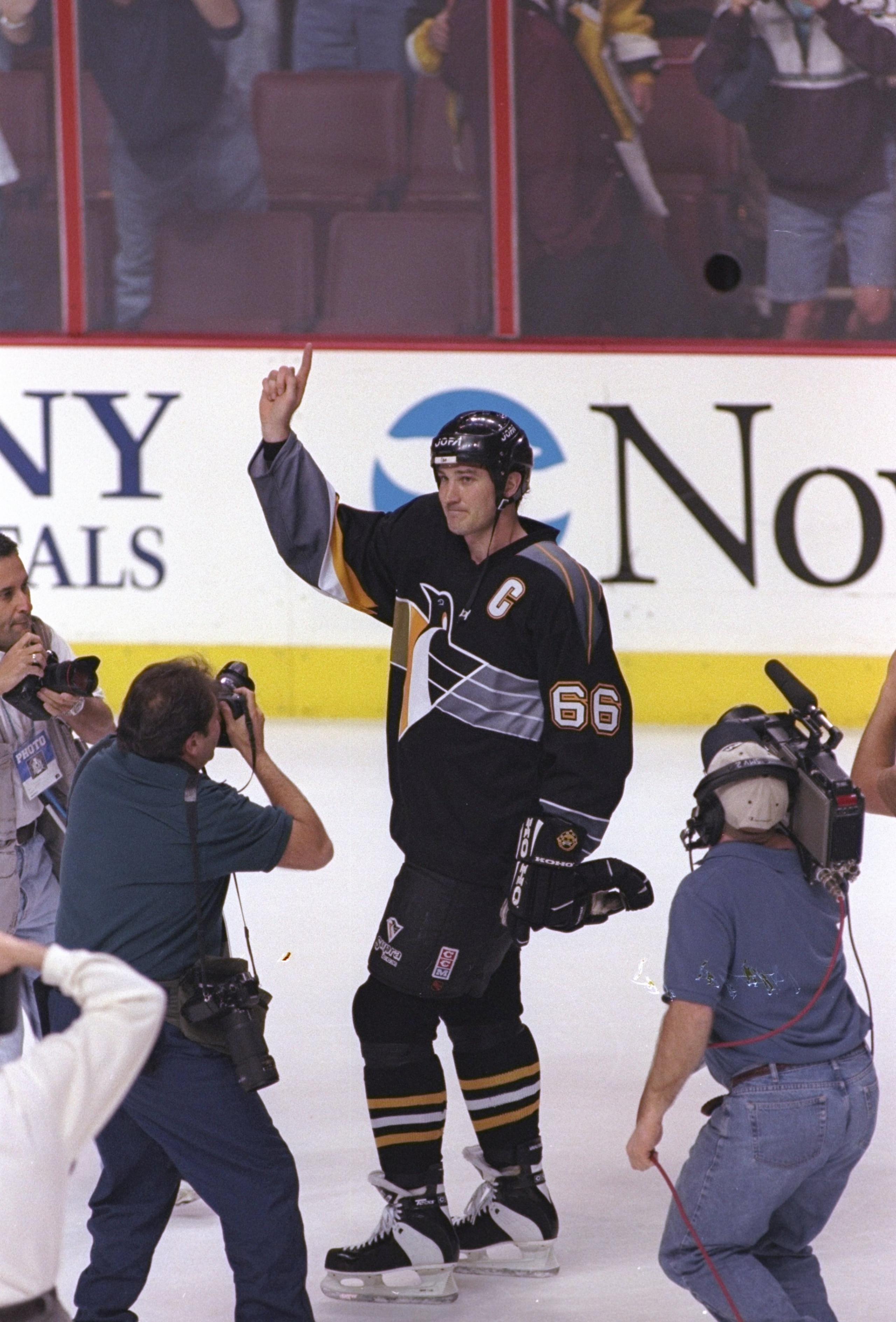
Mario Lemieux was the most talented player in the NHL not named Wayne Gretzky. His production coupled with fellow superstar teammate Jaromir Jagr helped lead the Penguins to two Stanley Cup wins and a time as a perennial contender in the early '90s.
Unfortunately, with all of his talent came numerous health issues. He was diagnosed with Hodgkin's lymphoma after the Penguins' Cup seasons, and before that dealt with numerous back issues. He sat out the 1994-95 season after radiation treatments from cancer left him very fatigued.
He had won numerous accolades since arriving in the NHL in 1984 and decided to call it a career.
Lemieux announced that after the 1997 playoff campaign, he would retire from hockey. His Pittsburgh Penguins were the No. 6 seed and matched up against rival and No. 3-seeded Philadelphia Flyers. Many predicted the ultra-talented Flyers led by Eric Lindros to dispatch of the Penguins, so many expected this to be Mario's final stretch of games.
The Flyers would win the first three games before dropping a 4-1 decision in Pittsburgh in Game 4. The teams returned to Philadelphia for Game 5 and perhaps the final game in Mario Lemieux's career.
The Flyers and Penguins traded goals through the second in a 3-3 game. But the Flyers were just too much for the Penguins and soon added three more goals in the series-clinching 6-3 win. The Penguins captain finished with a goal and assist in the game.
But the moment after this game is what truly represents the rivalry, not the bitterness or hatred, but the ultimate respect the teams have for each other. Lemieux was met with a rousing standing ovation by the often rough and intimidating crowd. The ovation lasted for several minutes and showed the appreciation of the fans, despite how many times he had defeated their Flyers.

.jpg?w=2560 "OBJ Calls Out Giants After Release")