Wayne Gretzky and Mario Lemieux: Are the NHL 'Greats' Truly the Greatest?
 NHL legends such as Wayne Gretzky, Mario Lemieux and Bobby Orr are heralded as some of the greatest players to take the NHL ice, but with the changes incurred in hockey since their times and the emergence of superstars like Sidney Crosby and Alex Ovechkin, are they going to be considered the greatest in years to come?
Ask any hockey fan "Who is the greatest player to play in the NHL?" and the names will be chosen from a select bunch that are widely considered "greats." These are players who have certainly earned the title "great" because of monstrous point totals, success through individual awards and Stanley Cup wins and inspiring leadership.
TOP NEWS
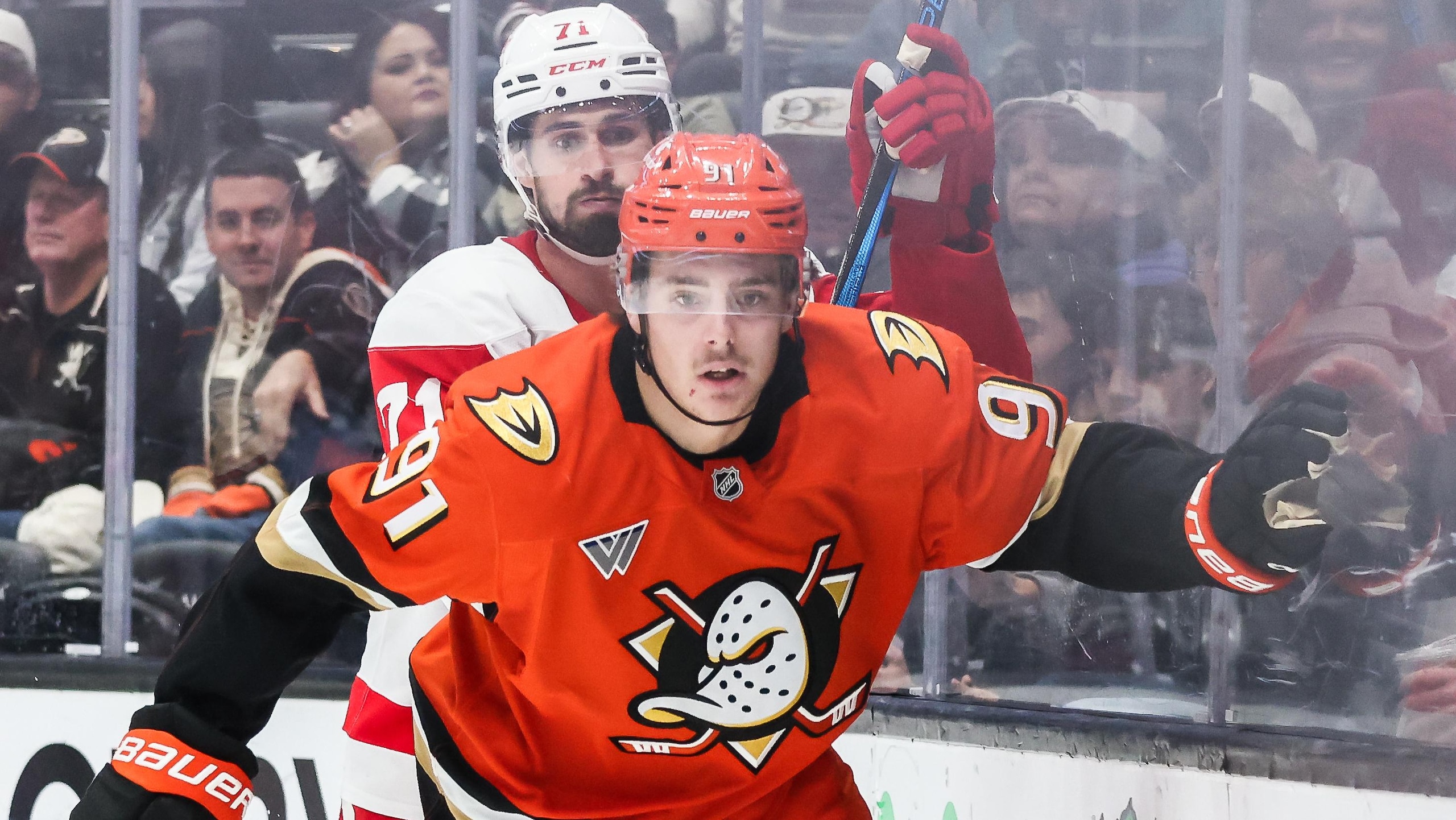
NHL's Biggest Offseason Dramas 🍿

BS Meter on Latest Trade Rumors 🌡️
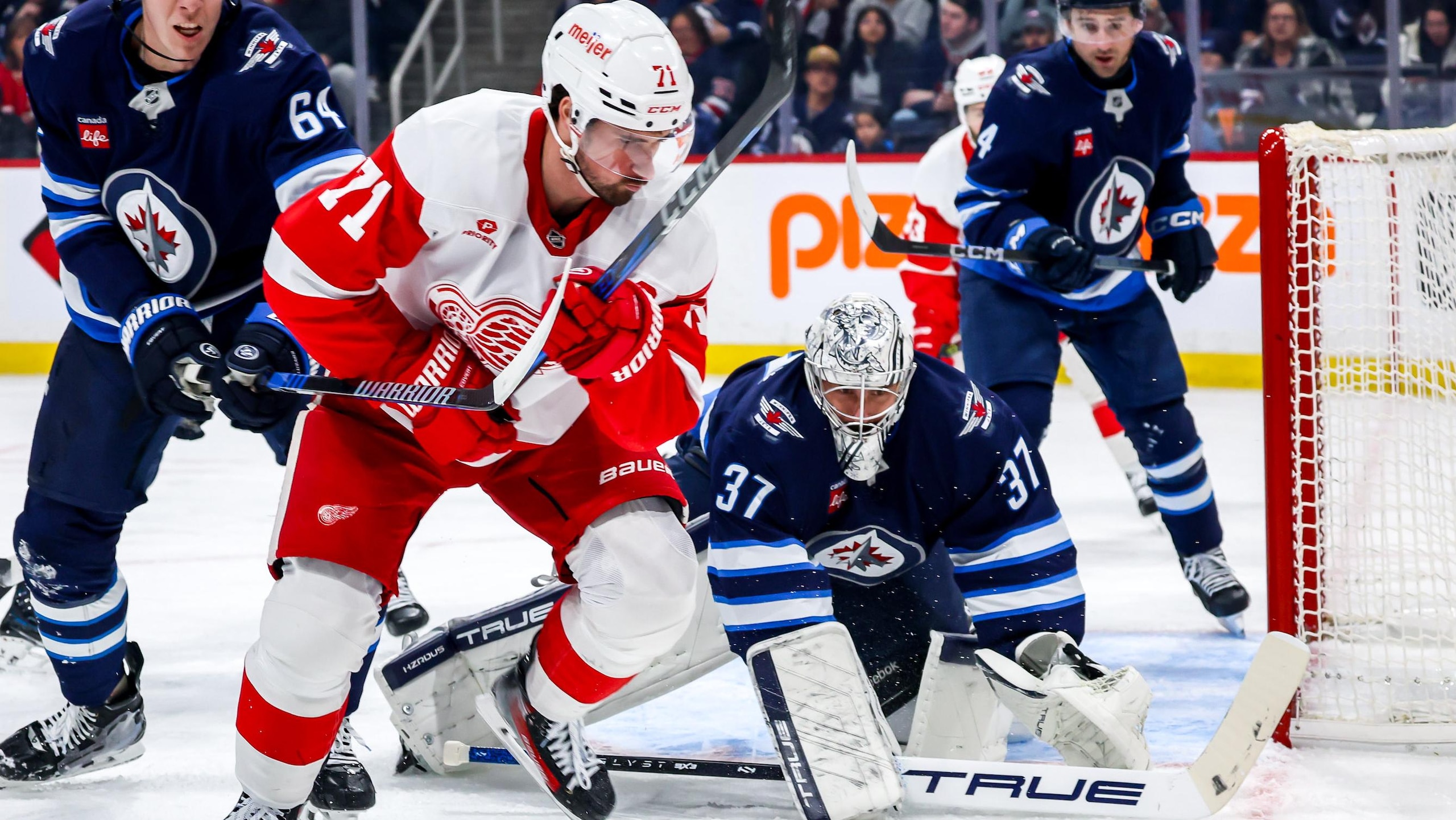
Trades That Could Happen Before Training Camp
It's not even debatable.
But while calling them "greats" is as easy as watching them play, how can we be so sure that they're the greatest?
Hockey in the NHL has changed dramatically throughout the years. These changes have made the NHL one of the most competitive and physically challenging leagues in North America.
And it all has to do with the players' approaches to the game:
1) Improvement in Physical Fitness and Health
Getting in shape? Going out of your way to exercise? These ideas were unheard of until recently when North America became a magnet for health issues, mainly those focusing on obesity and heart disease.
Back in the day, daily activities put enough strenuous activities in people's lives that exercise wasn't necessary. Now, however, it has become a staple of our society, especially when looking at athletes.
These are people who now spend hours a day in the weight room, on a treadmill or bike, or in the pool to prepare their bodies for whatever sport they play. Their diets are measured and carefully watched to supplement the wear-and-tear of the physical preparations and the sport itself.
Because of this focus on physical fitness and health, performances have increased dramatically and so has the competition level. The best offseason fitness and health regimen has often been a deciding factor in who was able to go the extra distance. Players were able to skate longer and harder and they were stronger which not only allowed for more physicality to the game but also helped prevent injury.
Looking in the past, this wasn't much of a concern. Lemieux would smoke right before games and practices.
Now, the idea of an athlete smoking is considered stupid. These athletes need every square inch of healthy lung available.
Knowledge in this area is constantly expanding, so athletes are adjusting their routines accordingly to ensure constant improvement to keep up with other athletes and even get an edge in some cases.
No matter how you look at it, the hockey players of today are far more prepared for the game than any players in the past.
2) More Skilled Goaltending
This one is simple.
Goalies are just better nowadays.
In part this has to with the physical fitness aspect mentioned in the previous section, but overall skill level has improved with a set style—butterfly—which makes goalies a nightmare to face. They are better equipped to face even the deadliest snipers, and they can use their agility and skill appropriately.
I'm not trying to knock on past goalies, but if they faced the skill set available on offense currently, then scores like the recent Philadelphia Flyers and Tampa Bay Lightning would look like a low-scoring match. This is especially true when you see forwards in the 1970's scoring with a slapshot from the blue line.
If anything from the blue line goes in without any kind of traffic or deflection, then the goal is considered soft and definitely embarrassing for the goalie.
Another enhancement for the netminders is their equipment, most notably the goalie mask. The Jason Voorhees mask is out and the normal use of vision while allowing protection is in.
An improvement in goal was very necessary when looking at how every other position has improved as well.
3) Better Skills
If the physical fitness is getting better, then so must the skill to supplement it, and it all starts at the youth level.
Parents are putting more time and money in the development of their little hockey stars and it's making a huge difference long term. Players are learning the little details at an early age so when they reach the professional level, the focus becomes adapting to the speed and size of the players.
How else can you explain the recent success coming from players under the age of 25?
Development programs are receiving more money and young NHL hopefuls are putting in the time to improve every aspect of their game possible to have the best chances possible of getting drafted.
It will be interesting to see if increased success at a young age has an affect on their long term performance in the NHL.
But for now, the young stars littered around the league are performing at alarming rates that only point to tremendous success in the future.
4) Mentorship from the "Greats"
This may be the best advantage the young stars have over the "greats": receiving advice from the "greats" so as to not repeat their mistakes.
When Crosby entered the league, he was immediately placed under the watchful eye of Lemieux; Sergei Fedorov took Ovechkin under his wing.
Both seemed to learn a great deal of hockey knowledge in their first few seasons in the NHL because of how quickly they transitioned from great rookies to the best in the league. Even playing with these elite players, and watching their habits in the locker room and their training routines, made an impact.
Knowledge is one of the most valuable tools in the NHL. In the end, anyone can improve their health through proper diet and a good work out routine, many people can invest more time and money into their overall skill improvement, but how many players have the opportunity to pick the brains of the ones who have seen the view from the top?
So often when people talk about the skills of superstars like Crosby and Ovechkin, any compliments are followed up with a comment similar to "But they'll never be as good as Orr" or "They'll never break the Gretzky's records."
Is this truly a fair assessment to make?
Absolutely no one has the authority to knock on the players who were stars of the league in their own times, but how can the "greatest" players in the history of the NHL be considered the greatest, when the overall game of hockey has improved to the point where the competitive levels and skill sets are through the roof?
A noteworthy factor is that Crosby and Ovechkin are still playing in the NHL. For all we know, one of them could have a bad season and never recover, only producing average numbers until their retirements.
On the other hand, players like Gretzky, Orr and Lemieux proved themselves as legitimate talents that withstood the brutal test of hockey time. Plus they did this in a completely different era where hockey wasn't as popular in North America.
Hindsight, these legends may not have had the best training or equipment to enhance their game, but they had their own demons to battle.
Regardless of what happens to the future NHL stars, players who have been tagged as legends in their time will never lose the respect of the NHL world. However, calling them the greatest may not be as substantial as you think.
Laura Falcon is a Featured Columnist for the Pittsburgh Penguins and a college writing intern for Bleacher Report. Follow her on Twitter or email her at lfalcon@mail.umw.edu with any comments.


.jpg?w=2560 "Grading WWE Raw 🔠")


.jpg?w=2560 "Landon Dickerson Placed on IR")
.jpg?w=2560 "Follow WWE Raw 🇲🇽")
.jpg?w=2560 "Nabers' Recent IG Post 👀")