

Election Day 2010: 10 Times the Government Has Changed the Sports World
Both politics and sports are a huge part of our lives. Fortunately we live in a country where we can vote and choose sides, and we often choose sides with our favorite sports teams.
In the spirit of voting and Election Day, Bleacher Report takes a look at ten instances when the government has impacted the sports world—for better or worse.
Title IX and College Athletics
1 of 10
The law stating that "no person in the United States shall, on the basis of gender, be excluded from participation in, be denied the benefits of or be subjected to discrimination under any education program or activity receiving federal financial assistance," forced many colleges and universities around the nation to drop some of their athletic programs.
MLB Expansion in 1968 and 1999
2 of 10
Back in 1968 and again in 1999 the United States government forced the MLB to expand by threatening to revoke its anti-trust status.
Though the league is much more restricted today, it used to be exempt from these anti-trust laws, which gave it the power to restrict player salaries and control its minor league system.
Theodore Roosevelt and Football Safety
3 of 10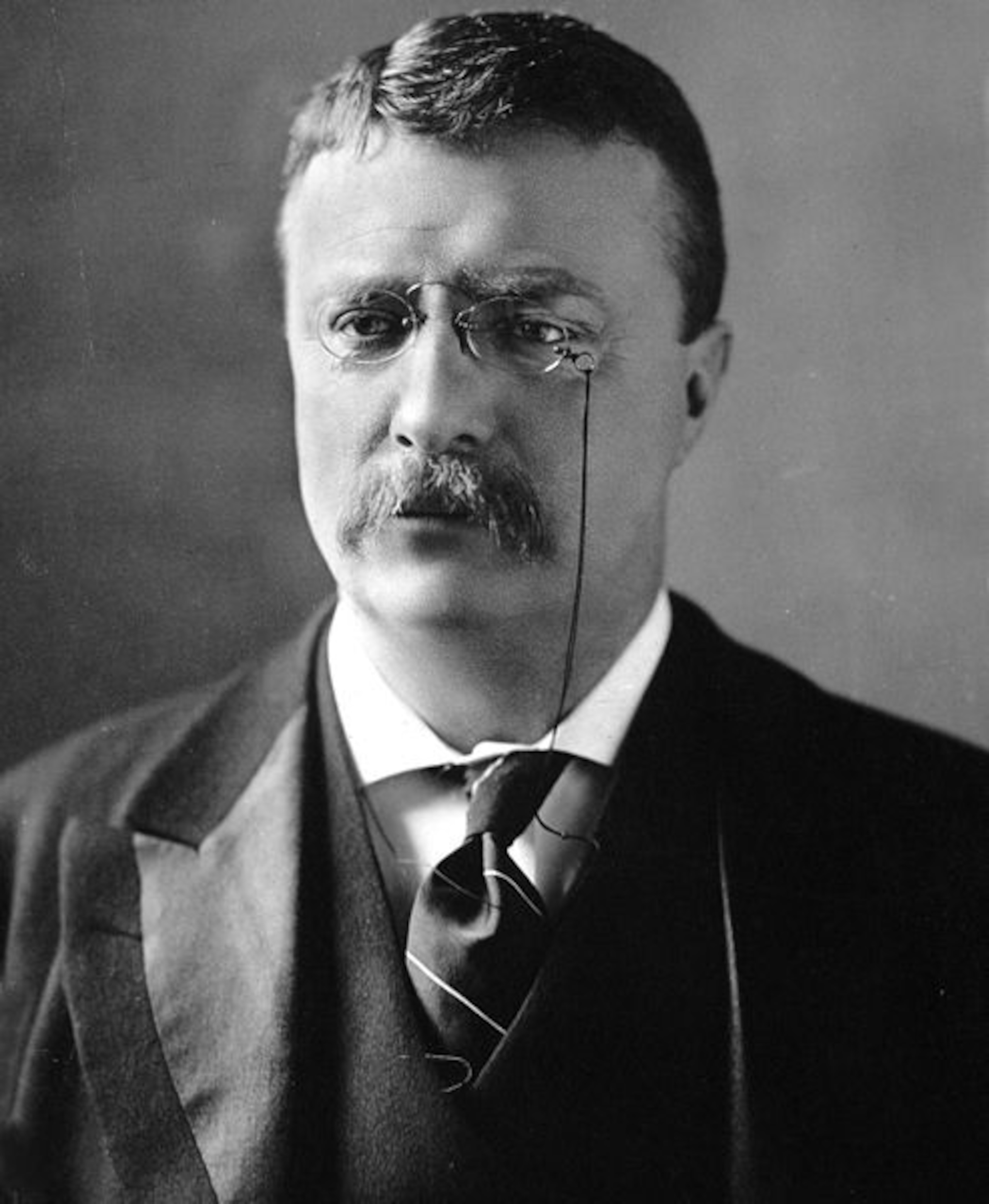
The 26th President of the United States, Theodore Roosevelt, helped change the rules of American Football in order to make the game safer.
A fan himself, Roosevelt met with an estimated 19 colleges from 1905-1906 to discuss ways to make the game safer for the players. These meetings would go on to form the NCAA we know today.
.jpg?w=2560 "Colts Football")
.jpg?w=2560 "Chiefs Giants Football")
.jpg?w=2560 "Titans Colts Football")
Congress' Baseball Steroid Hearings
4 of 10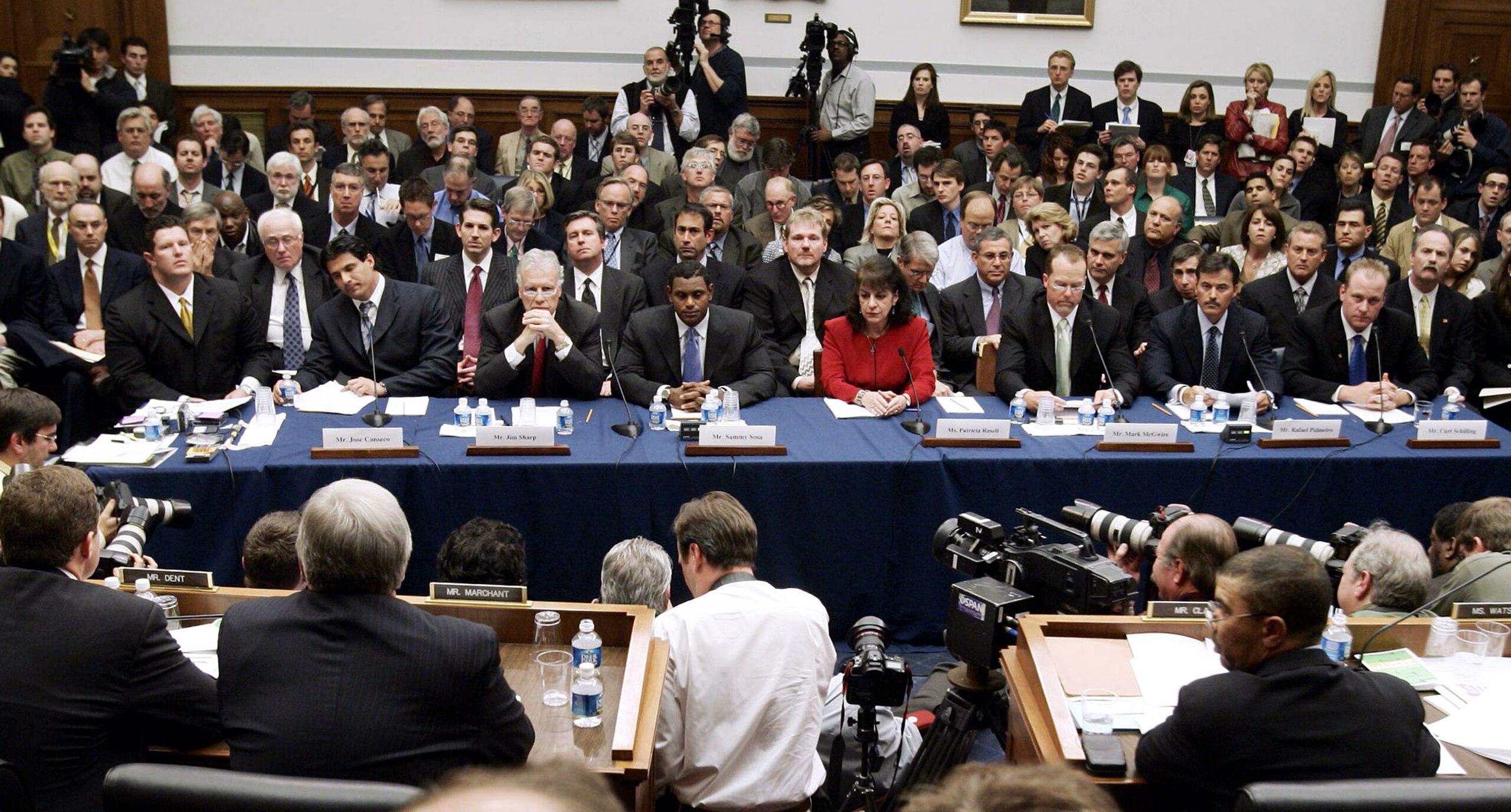
In 2005, the United States Congress got involved in the steroid debate and held several hearings regarding the sport's difficulty to stay clean.
Players such as Sammy Sosa, Rafael Palmeiro and Mark McGwire were present, and the hearing led to changes in baseball's drug-testing policy and enforcement.
1936 Olympic Games
5 of 10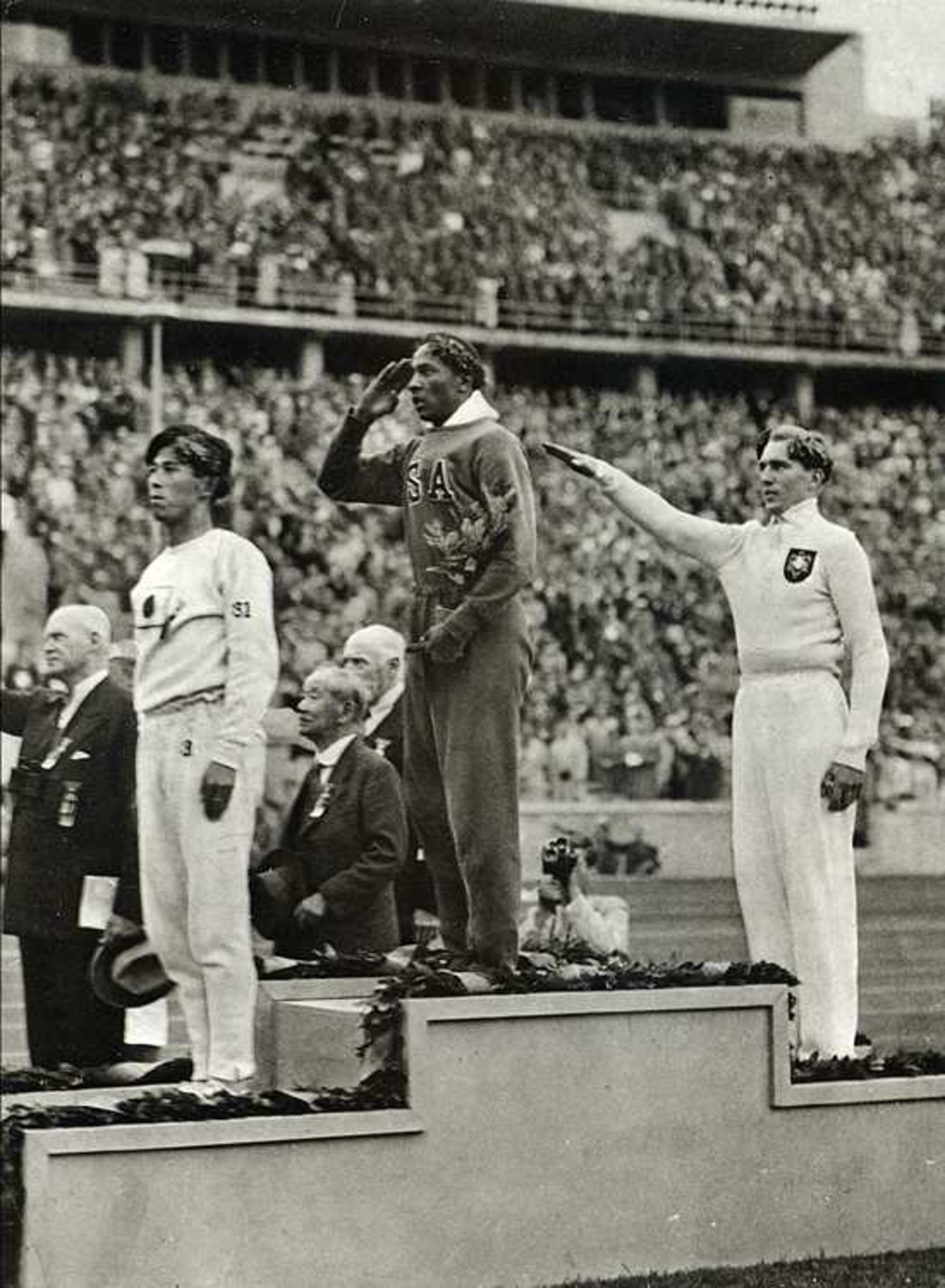
The United States participated in the 1936 Summer Games in Berlin, Germany—but it almost didn't.
The United States considered boycotting the Olympics to show that they wouldn't support the Nazi regime in Germany and its anti-semitic policies.
If they had, however, American athlete Jesse Owens might never have won gold.
Congress and the Sports Broadcasting Act
6 of 10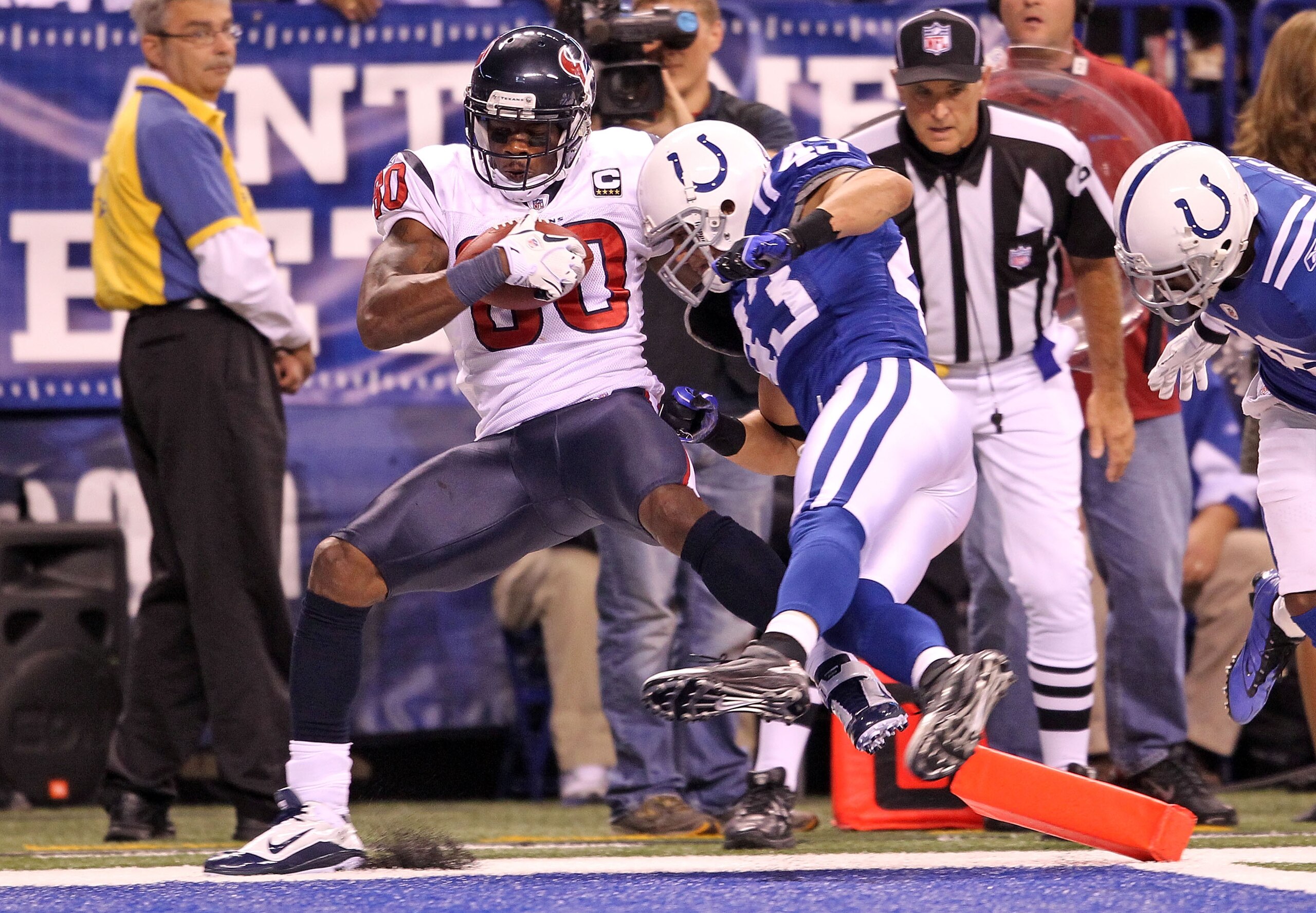
In 1961 the United States Congress passed the Sports Broadcasting Act which keeps leagues from violating anti-trust laws when they negotiate television contracts.
The act was a response to the NFL's attempt at a contract with CBS in the early 1960s.
Amateur Sports Act
7 of 10
It wasn't until the late 20th century that Congress created the modern United States Olympic Committee with the Amateur Sports Act.
The act was put in place after years of declining American success in international athletic competitions like the Olympics.
Congress and SPARTA
8 of 10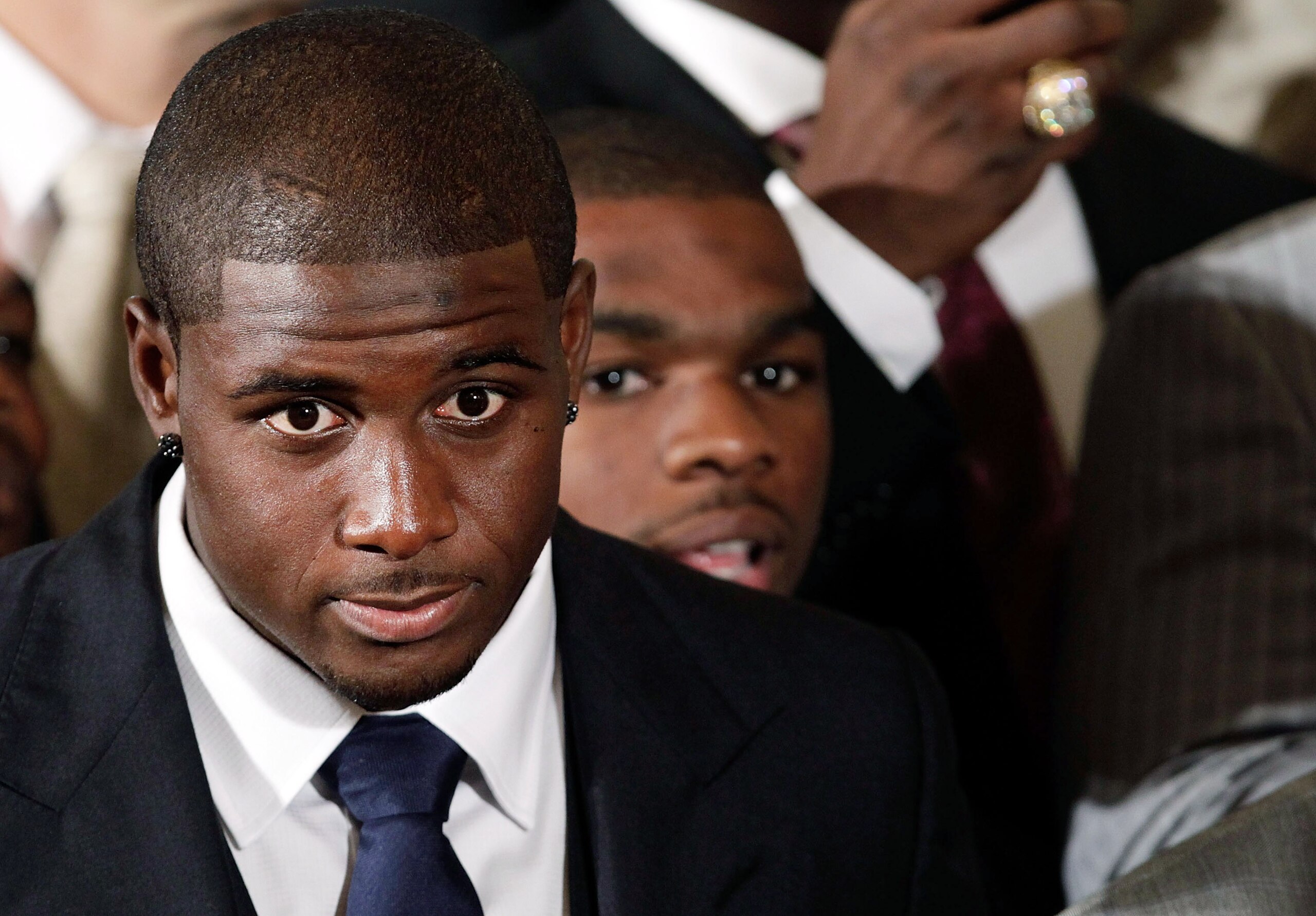
In 2002, Congress passed the Sports Agent Responsibility and Trust Act to help protect student athletes from agents with bad intentions.
"SPARTA" for short, the act has done little to stop agents from bribing star athletes, even though lessons have been learned by Reggie Bush and others.
NFL and Anti-Trust Laws
9 of 10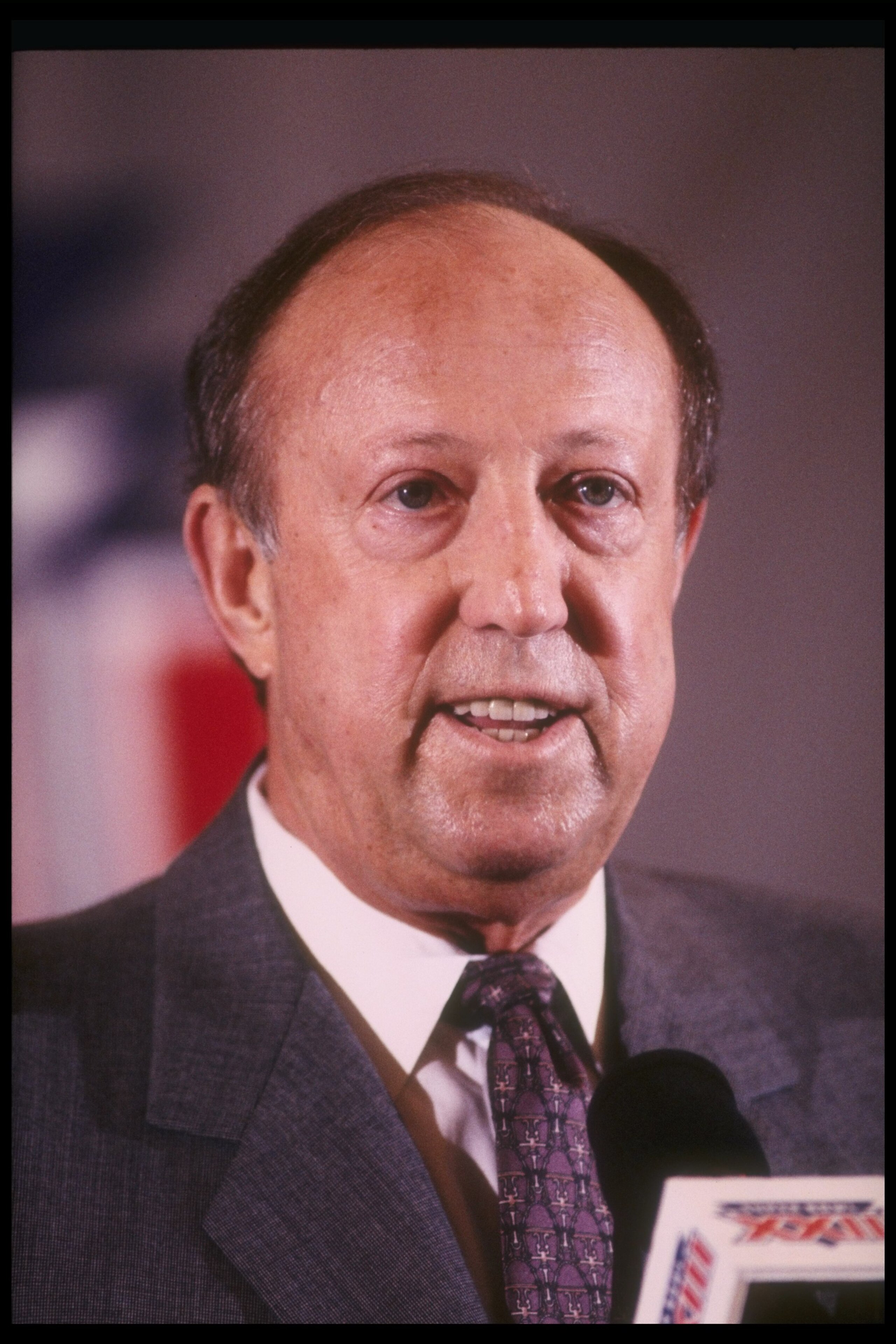
In 1966 the United States Congress granted the NFL an exemption from anti-trust laws which has since allowed the league to become the monopoly it is today.
Pete Rozelle, the commissioner at the time, plead to congress, claiming that no team would ever leave its city afterward—which soon happened just 16 years later.
Congress Outlaws Sports Betting
10 of 10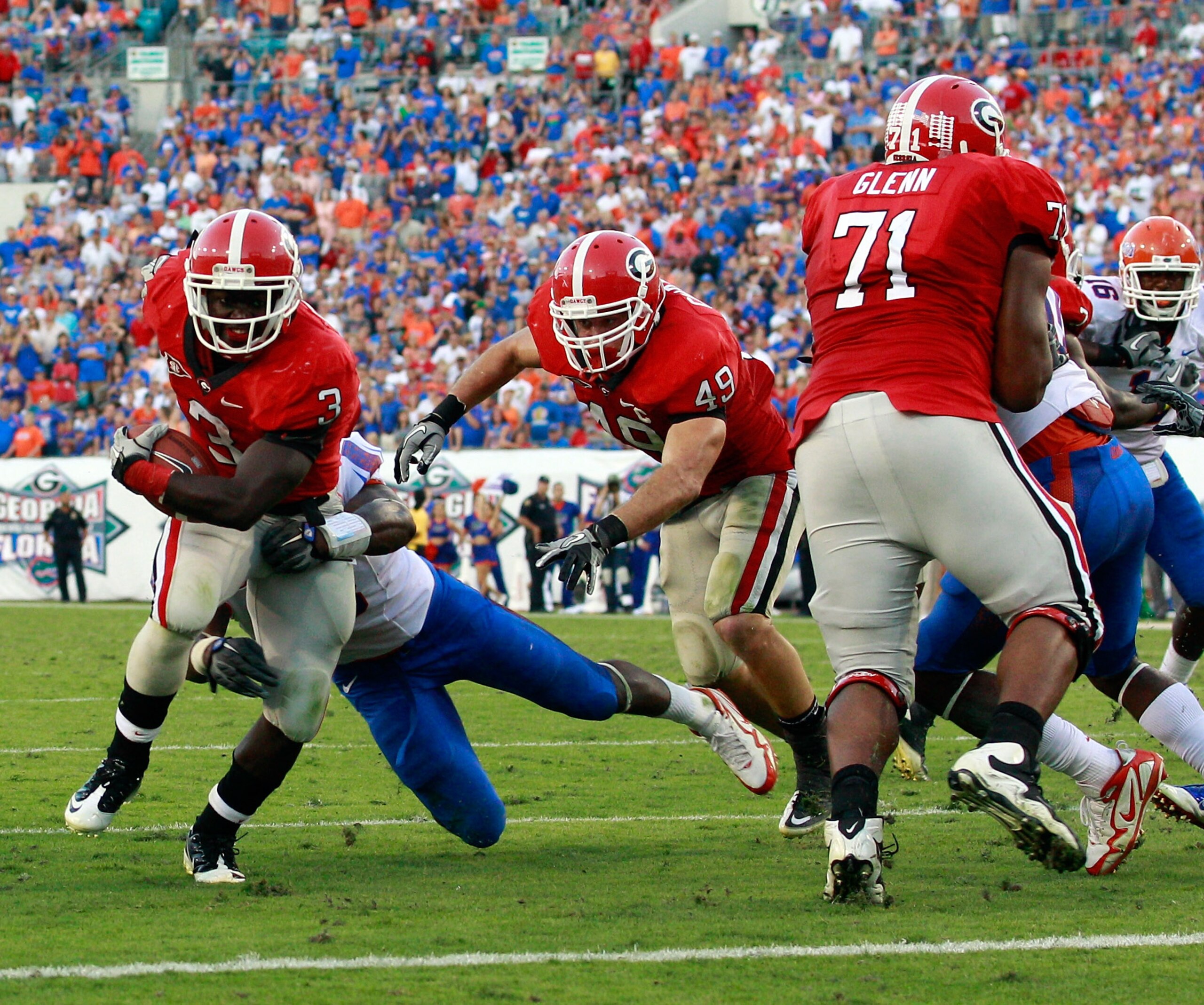
In a 1992 law, Congress aimed to "prohibit high school and college sports gambling in all states including states where such gambling was permitted prior to 1991."
The topic has since been very controversial, and professional sports are still often bet on, as are college games. Currently, New Jersey is at the center of the discussion regarding the legalization of sports betting.
Patrick Clarke is a student at Towson University and a writing intern for Bleacher Report.
.jpg?w=2560)
.jpg?w=2560 "Cardinals Giants Football")






