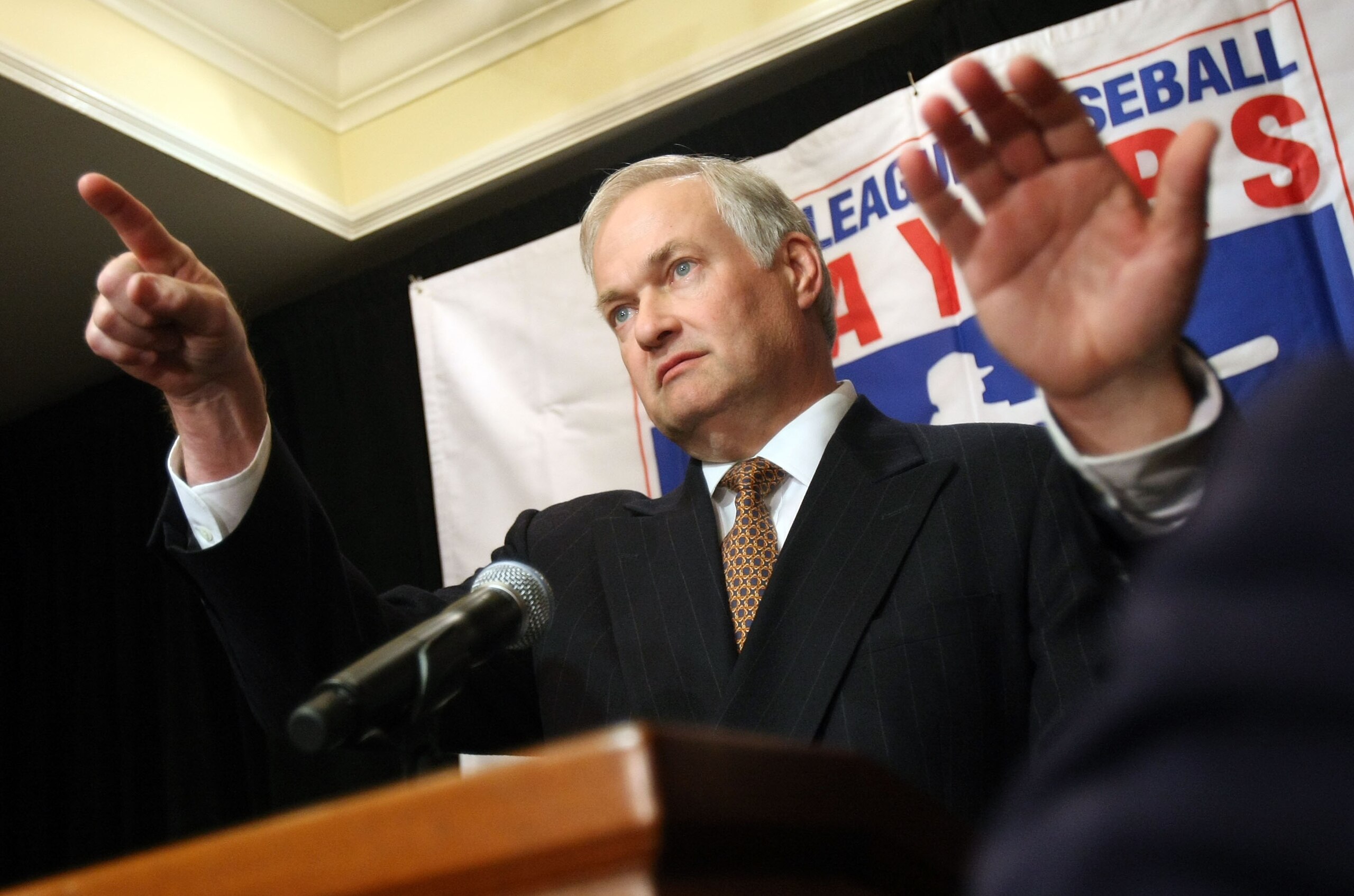

Donald Fehr: 10 Issues the 'New' NHLPA President Must Address
After 26 years serving as the head of Major League Baseball’s Players Association, Donald Fehr now has his sights set on leading the National Hockey League’s Players Association to new heights.
While nothing is official just yet, it appears as if Fehr will become the new President of the NHLPA in quick fashion.
Never afraid to ruffle a few feathers, Fehr brings an impressive resume to the NHLPA, one that suggests he will give NHL Commissioner Gary Bettman and Co. a run for their money when it comes to negotiating the next collective bargaining agreement and beyond.
Fehr, one of the most respected and feared sports executives on the planet, is more than capable of playing hardball with the NHL, which is something the NHLPA has not had since Paul Kelly was in control.
To be fair, the NHL has had the upper hand over the NHLPA for quite some time. Many NHL players vented their concern over the dismissal of the Ilya Kovalchuk trade, siting that if the NHLPA had a strong leader in place that the Kovalchuk deal would never have been contested.
Fehr, a legal wizard of sorts, should help to bring balance to the two sides through strong vision, determination and astute decision making abilities...oh yeah, and he's one hell of a lawyer too!
For Fehr, the road to redemption for the NHLPA will be a long and winding one. With so many issues on the table, Fehr will have to use his hard-nosed reputation to help bring a sense of equality back to the NHLPA.
With that in mind, let’s take a look at ten issues Fehr must address.
NHL Europe: Do The Players Even Want It?
1 of 10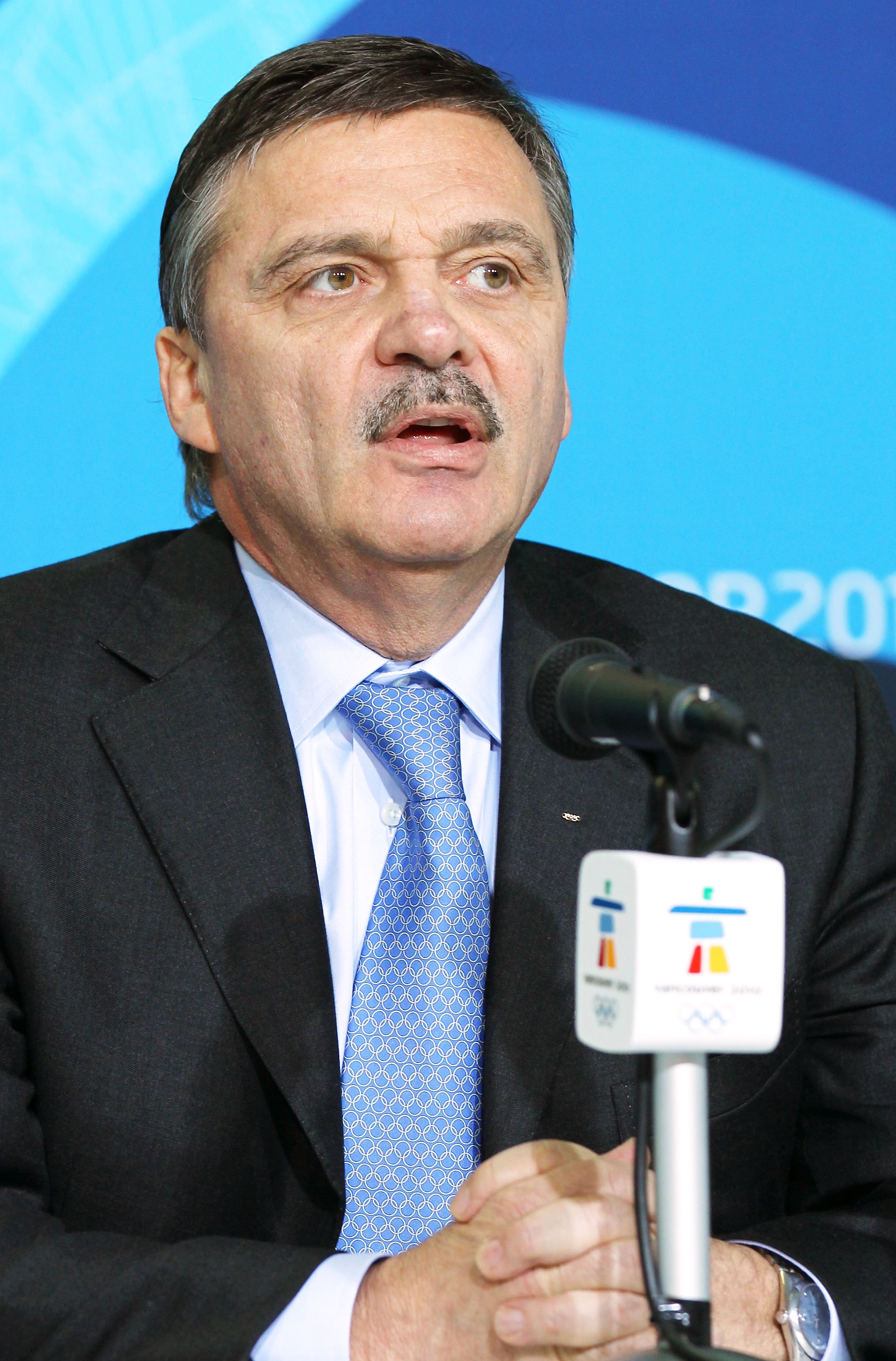
Recently at the World Hockey Summit, Rene Fasel (head of the International Ice Hockey Federation) all but challenged the NHL to try to expand to Europe.
Here is a taste of his comments from the Summit: “This is our territory and I will fight like hell and not allow anybody to come from abroad. I think Europe, we are strong enough to do something on our own and then have a competition between Europe and North America.”
It has long been suspected that the NHL is looking for new markets to expand their revenue stream and fan interest, with Europe being a highly sought-after market. When you consider the investment and commitment the NHL has made by sending teams to Europe to participate in training camps, exhibition games and regular season games one has to believe that Fasel’s words will not be taken lightly by the NHL and NHLPA alike.
The question is, as much as the NHL seems to have interest in the European market, can they realistically make a go of it? And, if so, do the players really want to go to Europe?
While there are no immediate plans on expanding to Europe, the NHL’s stand on all of this is to do whatever is best for the NHL and its players, which, in turn, may mean expanding to Europe someday, Fasel be damned!
Time zone differences, a lack of NHL sized rinks and additional travel are just some of the concerns the NHL and NHLPA will have to address going forward as is the validity of interest in the NHL game overseas, all of which will require the attention of Fehr.
Solidifying A Transfer Agreement Between The NHL And KHL: Is It Even Possible?
2 of 10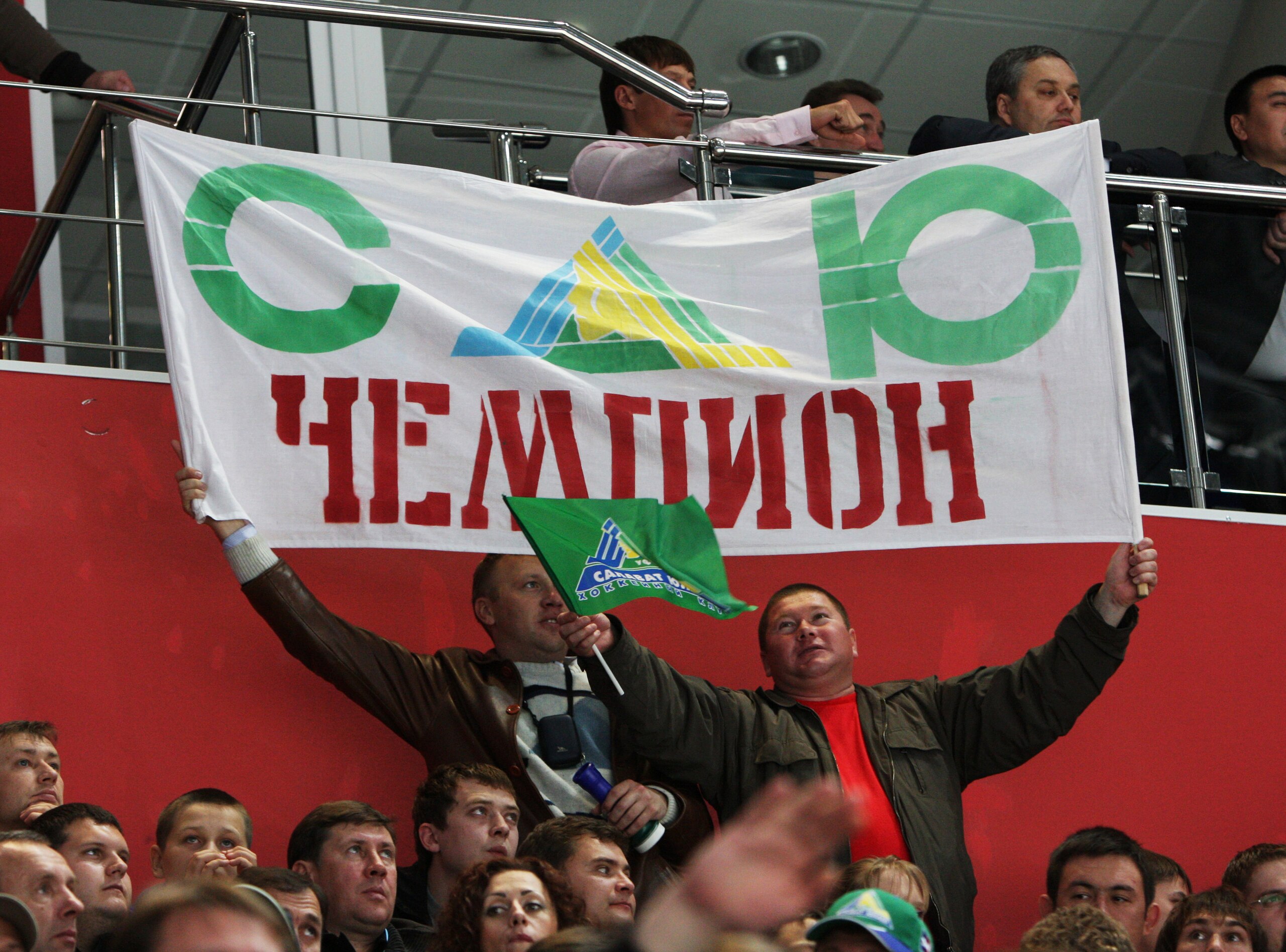
There is a cold war brewing between the NHL and the KHL over the lack of a transfer agreement between the two sides.
As it stands now, due to the fact that there is no transfer agreement between the two sides, there are no legal ramifications or penalties in place to help to stop a player from leaving the NHL in favor of the KHL.
Former Nashville Predators forward Alexander Radulov is a prime example of just how vulnerable an NHL team is to losing a player without any sort of compensation or rights to protect them from being fleeced.
With one year remaining on his deal with the Predators, Radulov, signed a three-year deal with Salavat Yulaev of the KHL in 2008, leaving the Predators with a huge hole up front, something that, without a transfer agreement in place, has many NHL teams concerned that it could happen to them.
Many suspect that numerous NHL teams have gone so far as avoiding top-tier Russian talent on the basis that they may flee North America for the chance to play closer to home.
While many Russian hockey members will argue that there are considerable advantages to having the younger players playing closer to home, many NHL teams want their draft pciks to develop in North America.
Having Russian players leave in the middle of their contract is a huge risk that many NHL general managers are not willing to take, especially when there are so many great North American players to choose from.
It will be the job of the NHL and the NHLPA to find a way to get a transfer agreement in place, but with the NHL, KHL and IIHF at odds, it may prove next to impossible to get such a deal done.
Could Fehr’s experience be the deciding point? Only time will tell. Even Fehr will have a considerable amount of difficulty trying to deal with a Russian side that seems to be intent on challenging the NHL at every opportunity, both now and in the future.
Building Trust: Can Donald Fehr Earn The Players Respect Where Others Failed?
3 of 10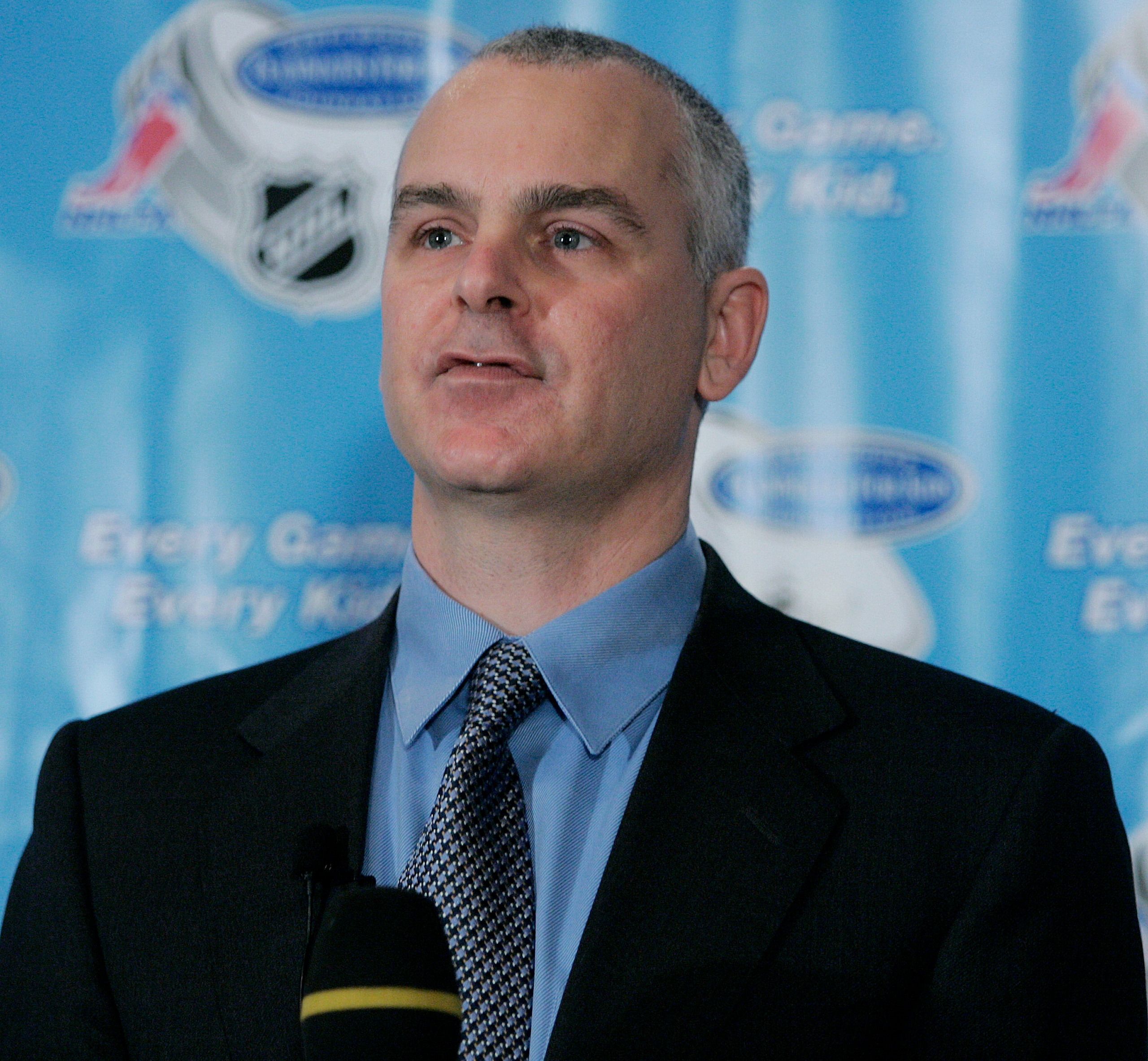
While the players are thought to be in approval of hiring Donald Fehr as the next leader of the NHLPA, you cannot immediately dismiss the harsh feelings between the NHLPA and its former leaders.
After the resignation of Bob Goodenow in 2005, the NHLPA quickly went through two replacements.
Ted Saskin replaced Goodenow but was fired after just two years of service when it was discovered that he had read confidential emails that NHL players had exchanged on the NHLPA website.
Saskin was replaced by Paul Kelly, who quickly fell out of favor with the NHLPA due to concerns over his leadership and integrity.
With a long line of “traitors” behind him, Fehr, known for his passion for representing his troops, will have to earn the respect of the NHLPA members. A passionate battle with the NHL during the next CBA negotiations will go a long way in earning the players trust, which, at this point, is at an all-time low.


Head Shots: Has The NHL Done Enough To Deter This Practice?
4 of 10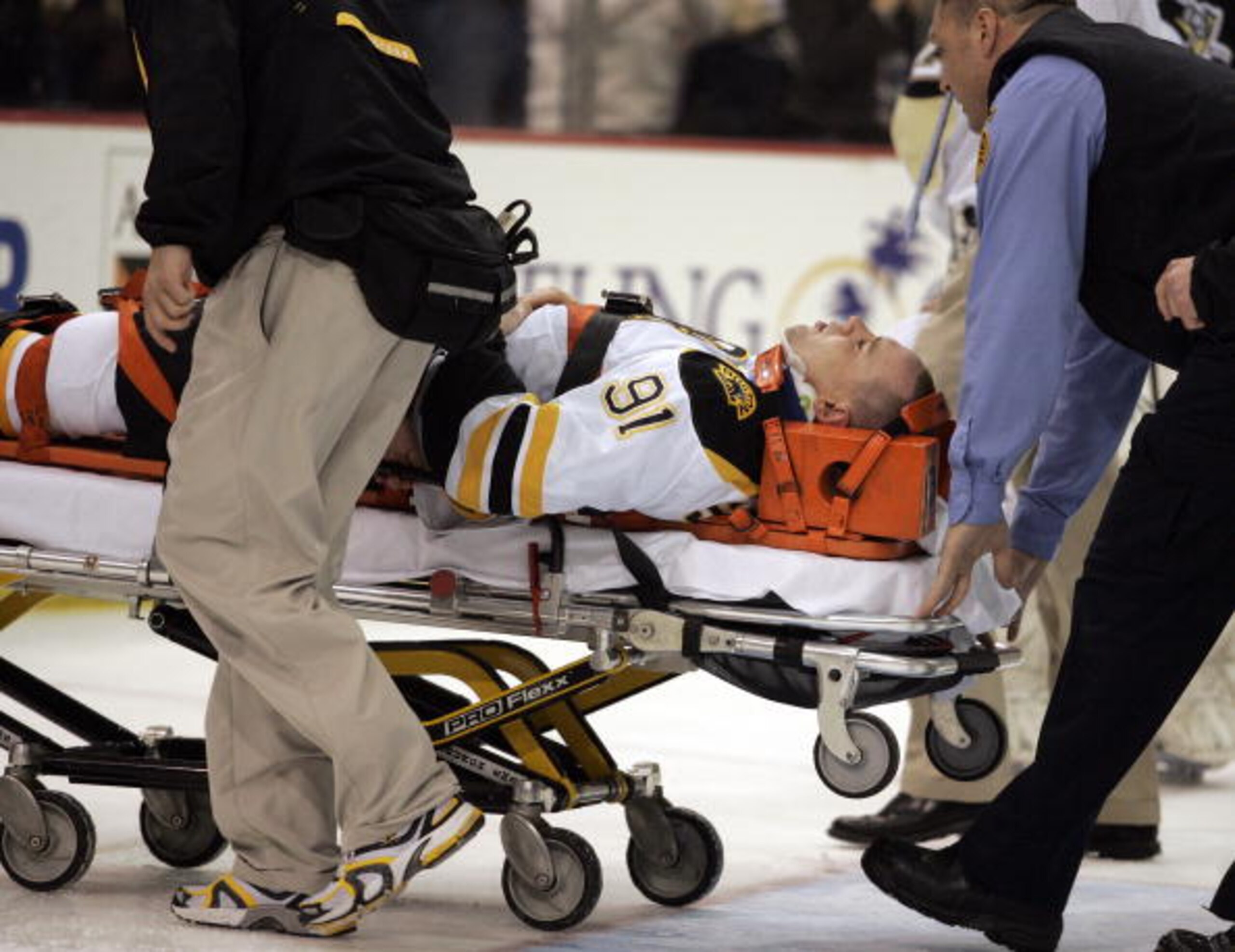
Last season the NHL instituted some new rules to the CBA, designed to punish players for taking liberties with unsuspecting hits to the head.
What it comes down to is that NHL players will now be subject to supplemental discipline by Colin Campbell if the hit is deemed to be a “Blindside” of an unsuspecting player where the primary point of impact is the head.
The rule change was embraced by both the NHLPA and the league, with many general managers offering their support and wisdom along the way.
The rationale was that eliminating these hits would enhance the game of hockey and the rules and subsequent stiff penalties would act as a deterrent to offending players who showed little respect or regret for past victims.
While many NHL executives were thrilled with the adoption of the rules, there has been a not so quiet push for other changes. Better insulated helmets, smaller/softer shoulder pads and the adoption of shields for all players have been suggested by many in the hockey community, but, thus far, the NHL has failed to adopt any of the proposed changes.
The NHLPA has a reputation for fighting suspensions. The first time they test the validity new rules and the suspension of a player should be interesting to say the least.
Collective Bargaining Agreement: Avoiding a Strike
5 of 10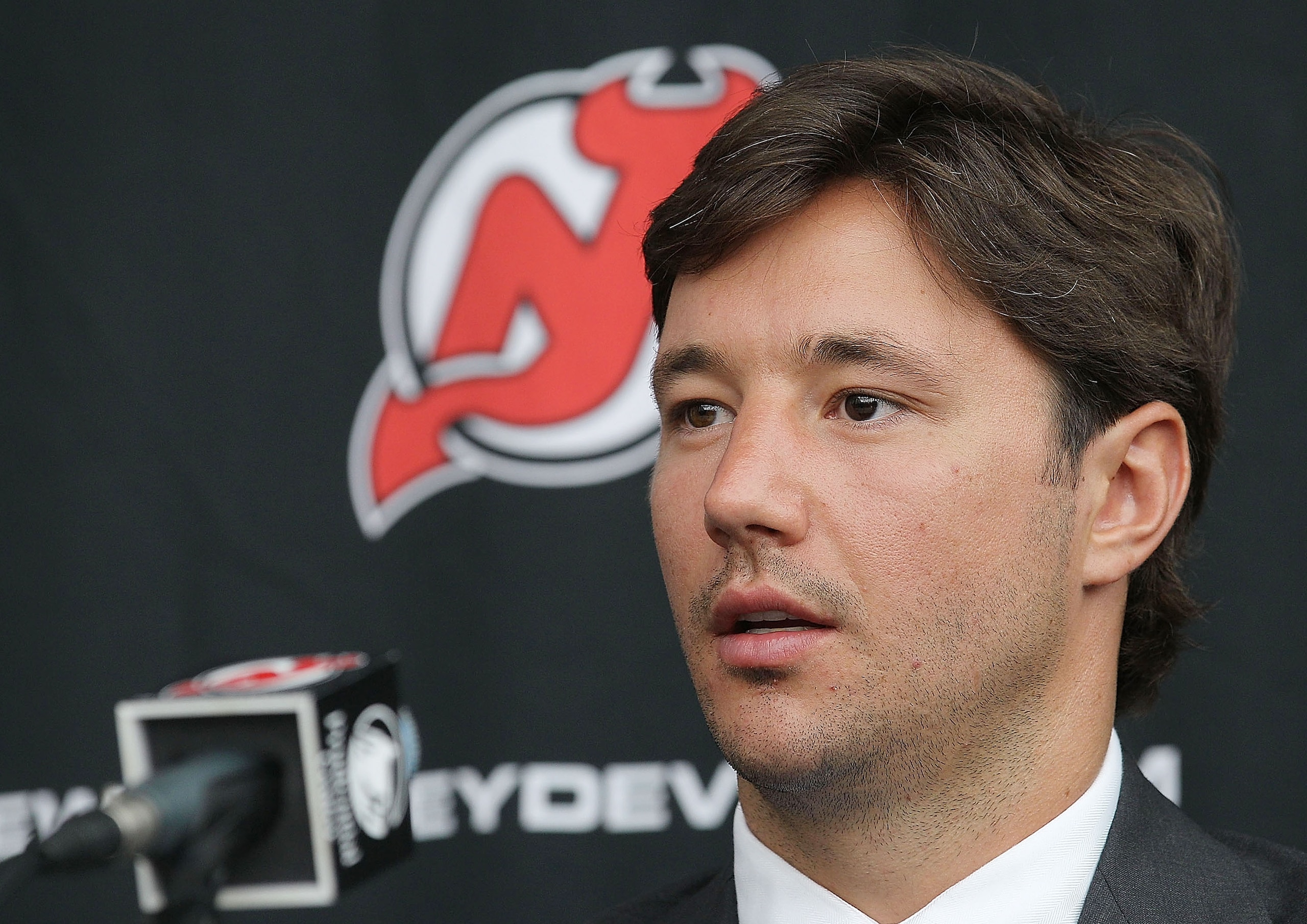
With the NHL’s Collective Bargaining agreement about to expire in the summer of 2012, Donald Fehr will have a lot to say when it comes to the NHLPA going on strike.
Fehr, an exceptional negotiator, will likely be looking for a little payback for the NHL’s challenge of the Ilya Kovalchuk contract and subsequent hard feelings it has left behind with the NHLPA and the players.
Many NHL players feel the NHL took advantage of the current lack of leadership within the NHLPA, which left Kovalchuk volnerable when Gary Bettman and Co. went after the talented Russian and the New Jersey Devils organization for "circumventing" the CBA.
With hard feelings running rampant between the NHL and the NHLPA over the Kovalchuk contract snub, look for the NHLPA and its members to fight the NHL tooth and nail when it comes to amending the CBA, especially when it comes to player contracts, terms and the monies they can be paid.
The NHL can ill-afford to go through another strike, but with the NHL expected to ask for a number of concessions from the NHLPA (including a reduction in the salary cap, a cap on player terms and setting some rules with regards to the players participation in the Olympics) it is looking more and more like the two sides will end up in another highly contested negotiation squabble, which, ultimately, may lead to another strike.
Fehr will need to use his 26-years of experience to try to iron out a new agreement that can satisfy the PA without giving up too many concessions to the NHL, which will be tough.
Some of the major issues will be player contracts (length and terms), rules changes, the salary cap, headshot concerns, equipment, expansion/relocation and the Olympics.
Performance Enhancing Drugs: Is The NHL Doing Enough?
6 of 10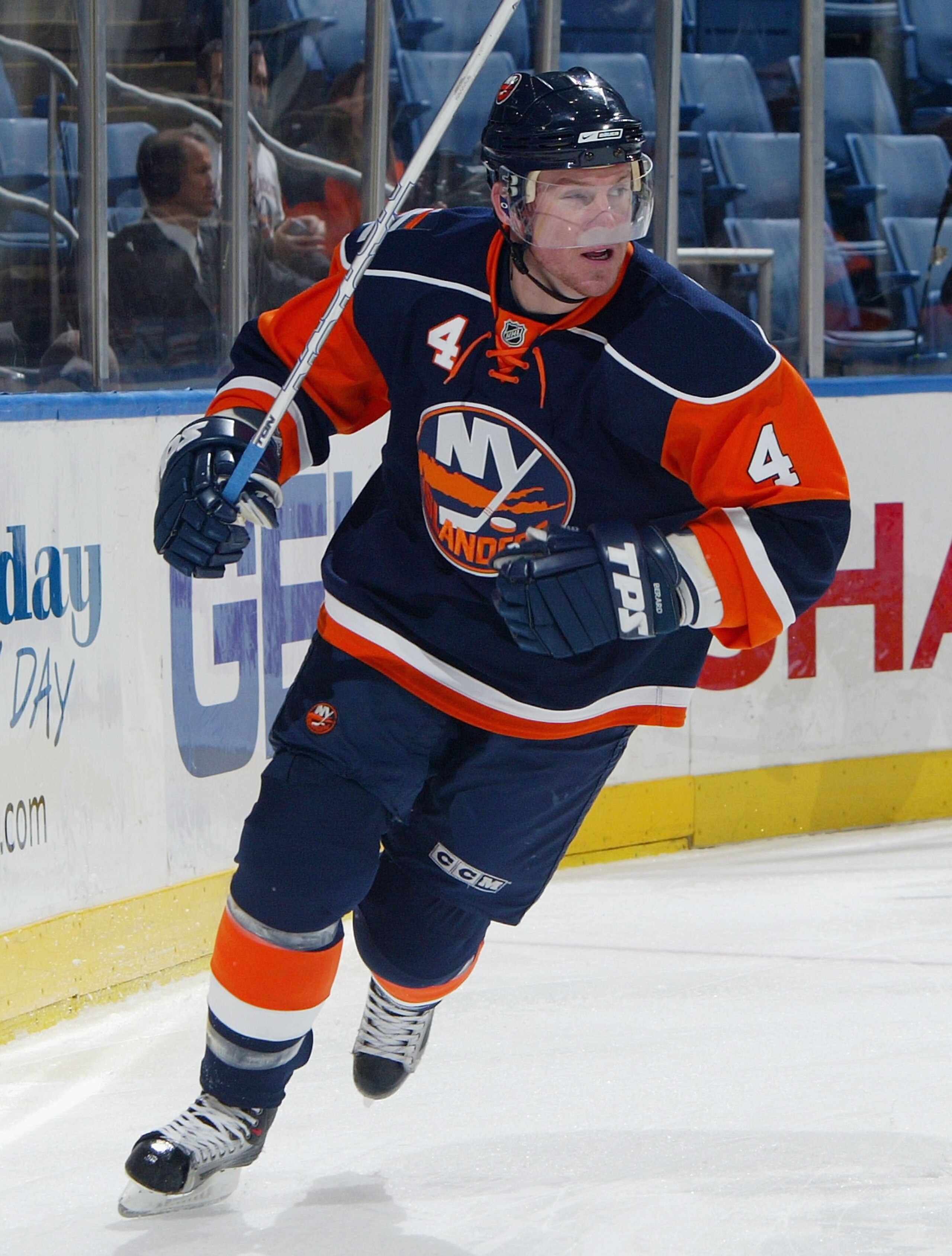
As it stands now, the NHL is not seen as a league with a drug problem. That said, with more and more players looking to find an edge and with many media outlets reporting whispers of cover ups of drug use in the NHL, Donald Fehr may very well have to address drug testing for NHL players.
The NHL currently has a Performance-Enhancing Substances Program Committee, which is comprised of NHL and NHLPA members.
Under said Program, NHL players are subject to up to three “no-notice” tests which can take place at any time during training camp and/or the regular season.
On the surface, the NHL’s PESPC has done a great job of keeping the players honest, but with so many questions still surrounding the league and it’s players, it may be time to re-visit the agreement.
Fehr, who is known for his poor handling of Major League Baseball's drug testing, helped secure a drug testing agreement between Major League Baseball, the players and the clubs, which led to a Joint Drug Agreement which saw baseball players being randomly tested for performance enhancing drugs, with a specific focus on eliminating the use of steroids.
For the most part, this program has served MLB well, making it very difficult for players to use PED’s without heavy suspension and fines, which has helped baseball regain some of the integrity it lost after the many drug scandals emerged.
If the NHL is in need of a more comprehensive drug testing agreement, Fehr is the guy to help get it done, fairly and without prejudice.
***Of note: Bryan Berard (pictured above) was the first NHL player to be suspended for using Performance Enhancing Drugs...
Olympic Participation: Should NHL Players Play in 2014?
7 of 10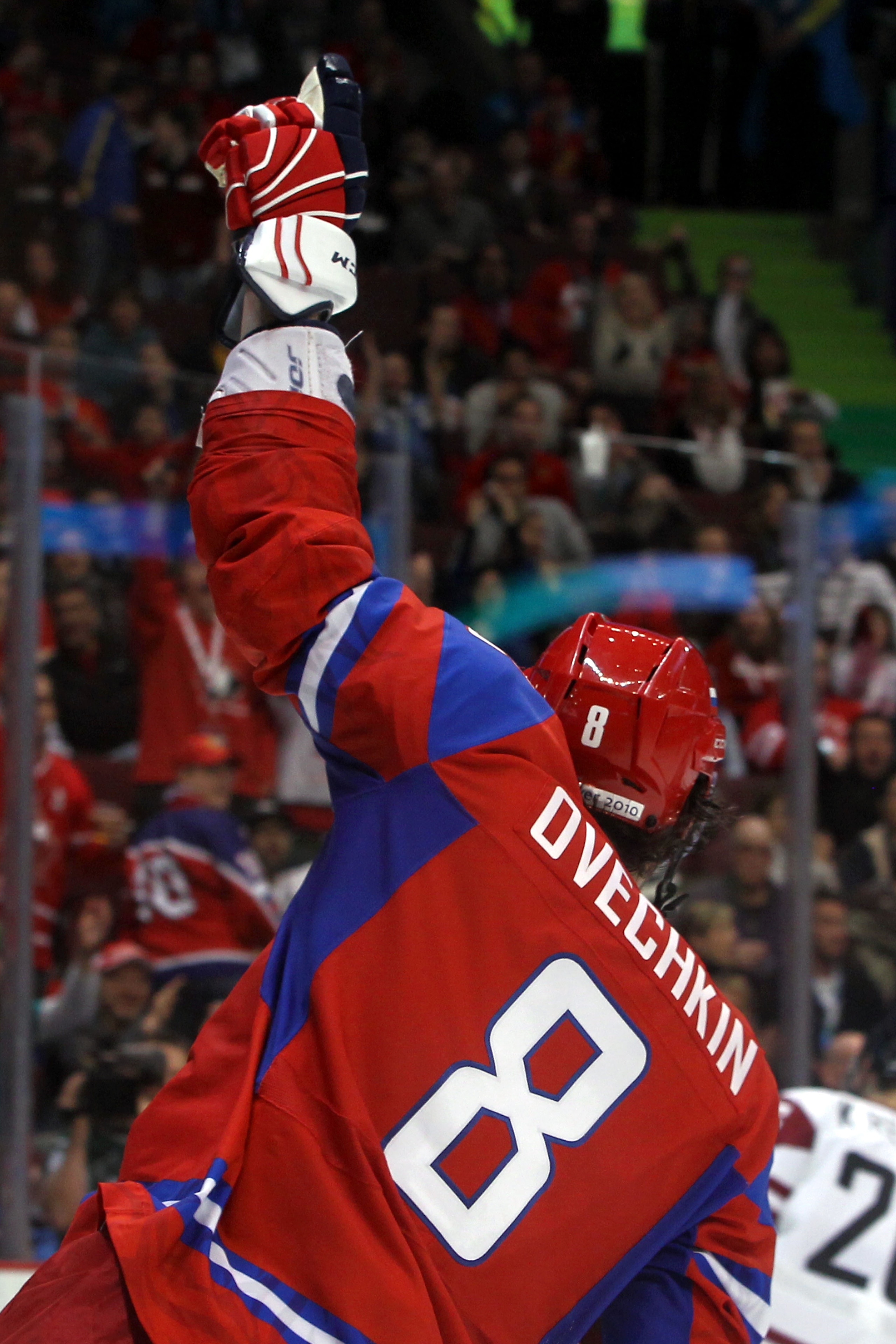
Many NHL believe that NHL Commissioner Gary Bettman is on record as saying that the NHL will not compete in the 2014 Olympics in Sochi, Russia.
The truth is, Bettman has not dismissed the idea of continuing the NHL’s participation in the Olympics, but he does have his fair share of concerns, many of which, the owners agree with.
At the top of the list of concerns are insurance issues, injury concerns and the negative effect that shutting down the NHL for three weeks represents for advertising revenues, sponsors, players and the flow of the NHL season.
Ultimately, the players want to participate in the Olympics, but, as it stands now, that is not their decision to make; it will have to be agreed upon when the new Collective Bargaining Agreement is completed in 2012.
Washington Capitals forward Alex Ovechkin, arguably the best player in the NHL, has made statements suggesting that he would not be stopped from participating in the 2014 Olympics, going so far as to suggest that he would leave the NHL in order to play for Russia with or without approval from the NHL and NHLPA, regardless of the consequences.
In all likelihood, considerable concessions will have to be made by both the NHL and the NHLPA’s side in order to squash all concerns regarding NHL players’ participation in the Olympics.
Clearly, Fehr will be front and centre in those negotiations and is likely to make the players participation in the 2014 Olympics a major point of contention when it comes time to restructure the CBA in 2012.
Contraction: Will The NHL Have To Consider Downsizing?
8 of 10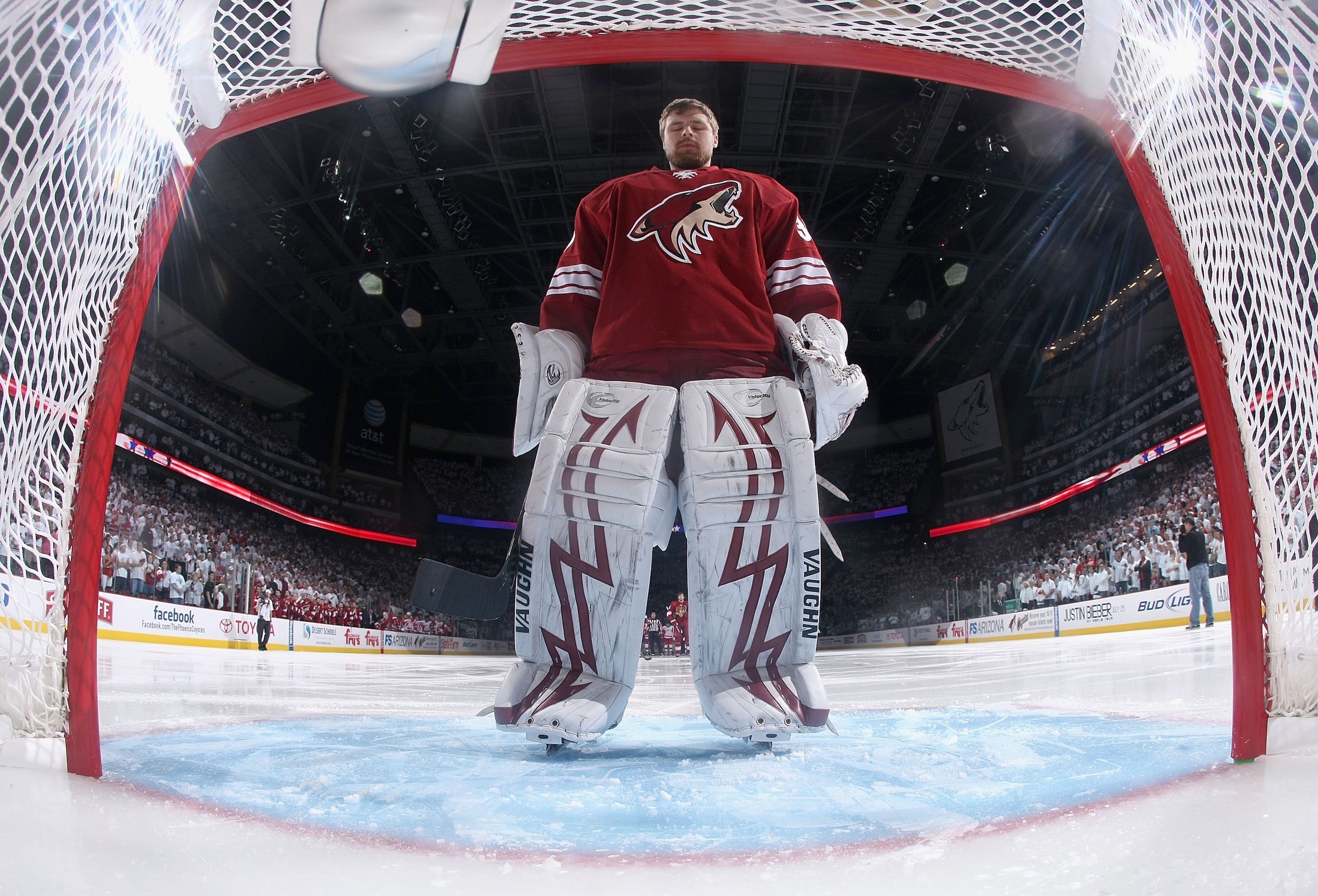
With a reputation for saving jobs and keeping salaries high, Donald Fehr will need to use his experience and insight to address the constant rumblings that the NHL will need to contract some of the money-losing NHL teams.
Clearly, the NHLPA has no interest in seeing NHL jobs taken away, but with so many teams spending far beyond their means, the NHL and NHLPA may need to take a serious look at doing just that: contracting.
The Atlanta Thrashers, New York Islanders, Florida Panthers and Phoenix Coyote’s are believed to be in financial trouble. With the U.S. economy still in a shambles, the NHL is not expected to find many takers if/when these franchises need to be moved, which may lead to contraction.
Numerous experts have suggested that many of these franchises should be moved to more traditional/lucrative Canadian markets such as putting a second team in Toronto, heading back to Winnipeg or Quebec or taking a look at moving a team to Saskatoon.
The fact is, in an effort to grow the game and secure bigger television deals, the NHL seems intent on keeping these teams in their big TV markets, regardless of the poor optics it has created.
If the NHL is to remain strong, they will have to address the have-not franchises that continually lose money, which, in turn, creates poor optics for investors and potential new owners alike.
Fehr is not the type to allow the NHL to contract, look for him to endorse a strategy of re-location and further expansion into Canada.
Free Agents: Keeping NHL Jobs Alive
9 of 10
With so many NHL teams looking to save a buck any way they can, many NHL free agents are being shut out when it comes to getting new contracts.
As such, many NHL players are looking to the KHL and Europe to maximize their bargaining power with some leaving the NHL in favor of the bigger contracts overseas.
Both the NHL and the NHLPA have a vested interest in keeping the best hockey talent in the NHL. With the likes of former San Jose Sharks goaltender Evgeni Nabokov and others already heading to the KHL for monetary reasons it is high time the NHL and NHLPA worked together to ensure the best of the best remain in the NHL.
Another concern for Fehr and NHLPA is the number of players that, fresh off an arbitration win, have had their salary demands rejected by NHL teams, which otherwise forces the players to take a lesser deal from another NHL team. (Clarke MacArthur, who was awarded a $2.4 million arbitration salary but settled for $1.1 million to join the Toronto Maple Leafs, serves as an example of this).
The trouble is, the NHL is emerging as a league that embraces its superstars and turns its back on the grinders and depth players (which is not all bad, is it?). Most NHL teams have a considerable amount of money invested in its top six players, with lesser talents who will play for peanuts making up the bottom six.
Goaltenders are also starting to feel the crunch, with many NHL general managers looking to sign their "Crease Beasts" on the cheap.
You can bet that Fehr will fight for more equality, longer contracts and better job security for his members, something NHL owners are likely to fight en-mass.
Rule Changes: Will They Benefit Both The NHL And Players?
10 of 10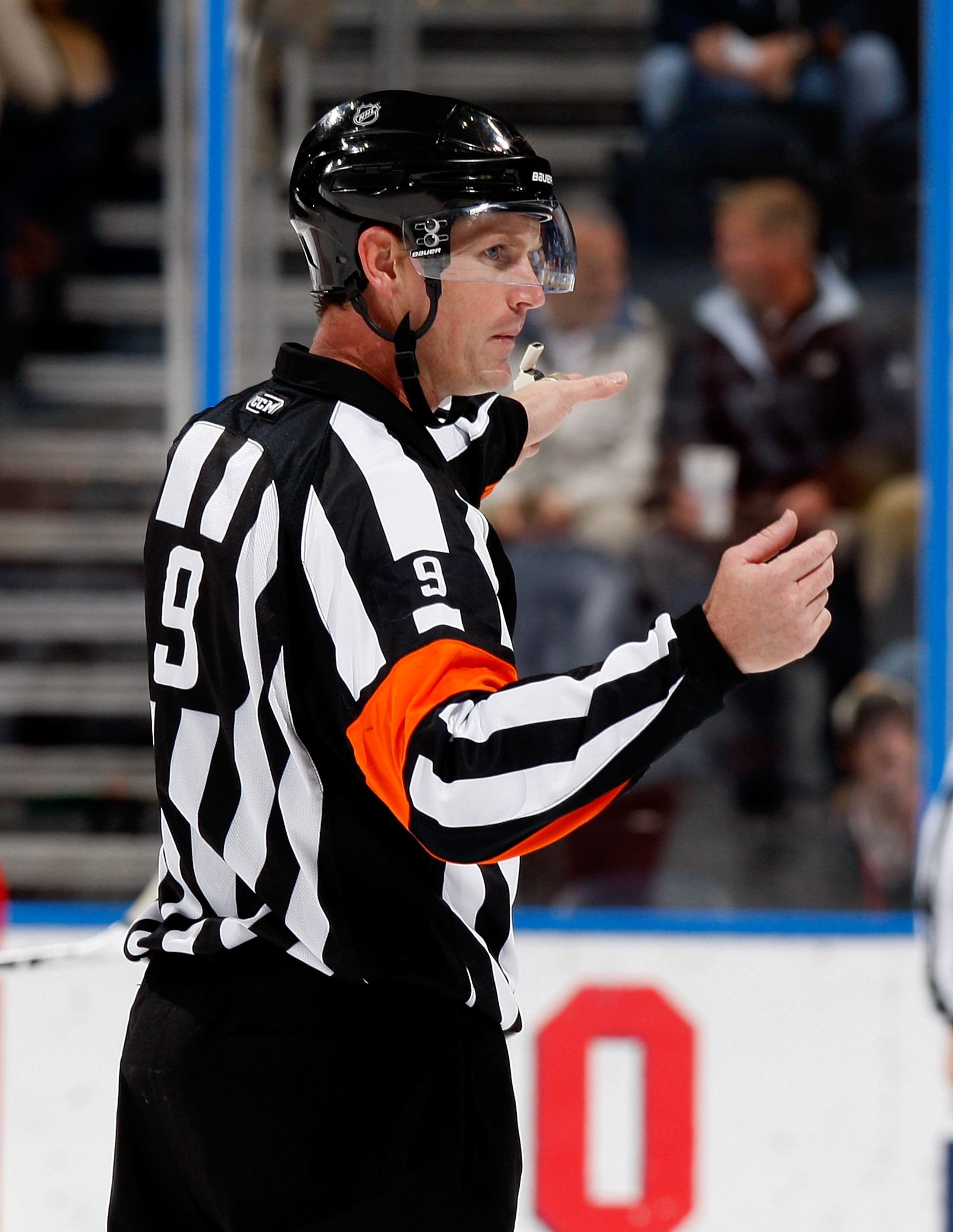
Let’s face it, for every rule change that is proposed, there are those that want to embrace them and those that vehemently oppose them.
The trick is to sift through the proposed rule changes and find the ones that most benefit the game of hockey on the whole.
As the head of the NHLPA, Fehr will be looking at every proposed rule change, with a keen eye on those that will benefit the players.
One such rule is Hybrid Icing, which is a combination of no-touch icing and touch icing. With Hybrid Icing, the referee is given the power to call an icing if he believes the defending player will reach the puck first. Alternatively, the refs may also elect to negate an icing where they feel the offensive player will reach the puck first.
With so many NHL defensemen and forwards suffering head, leg and shoulder injuries as a result of slamming into the boards on a highly contested icing, many suspect Donald Fehr and the NHLPA will push hard for this rule to be adopted.
The NHLPA is in the business of keeping its members healthy, safe and employed; Hybrid Icing helps them to do just that.
Obviously, more than just Hybrid Icing will be discussed in the near future with both the NHL and NHLPA looking for support on some of them. If the two sides can find some common ground here it will benefit both the players and the league, which, in the end, benefits the fans, which is the ultimate goal, right?

-(2).jpg?w=2560 "Bleacher Report")
.jpg?w=2560 "OBJ Calls Out Giants After Release")





.jpg?w=2560 "NFL investigating referee after viral exchange with player")