
NHL New Rule Modifications: Which Rules Could Improve The NHL?
 The NHL is a sports brand that is always striving to improve the on-ice product it puts forth. They are attempting to speak to all audiences, but especially the younger audience in attempt to gain more fans.
In recent years though, the NHL has implemented plenty of changes to the game we once new.
Gone from the old days is the red line, most often used for a two line pass. The deletion of the red line allowed for long stretch passes and the odd extra breakaway a game.
.jpg?w=2560 "Golden Knights Blues Hockey")

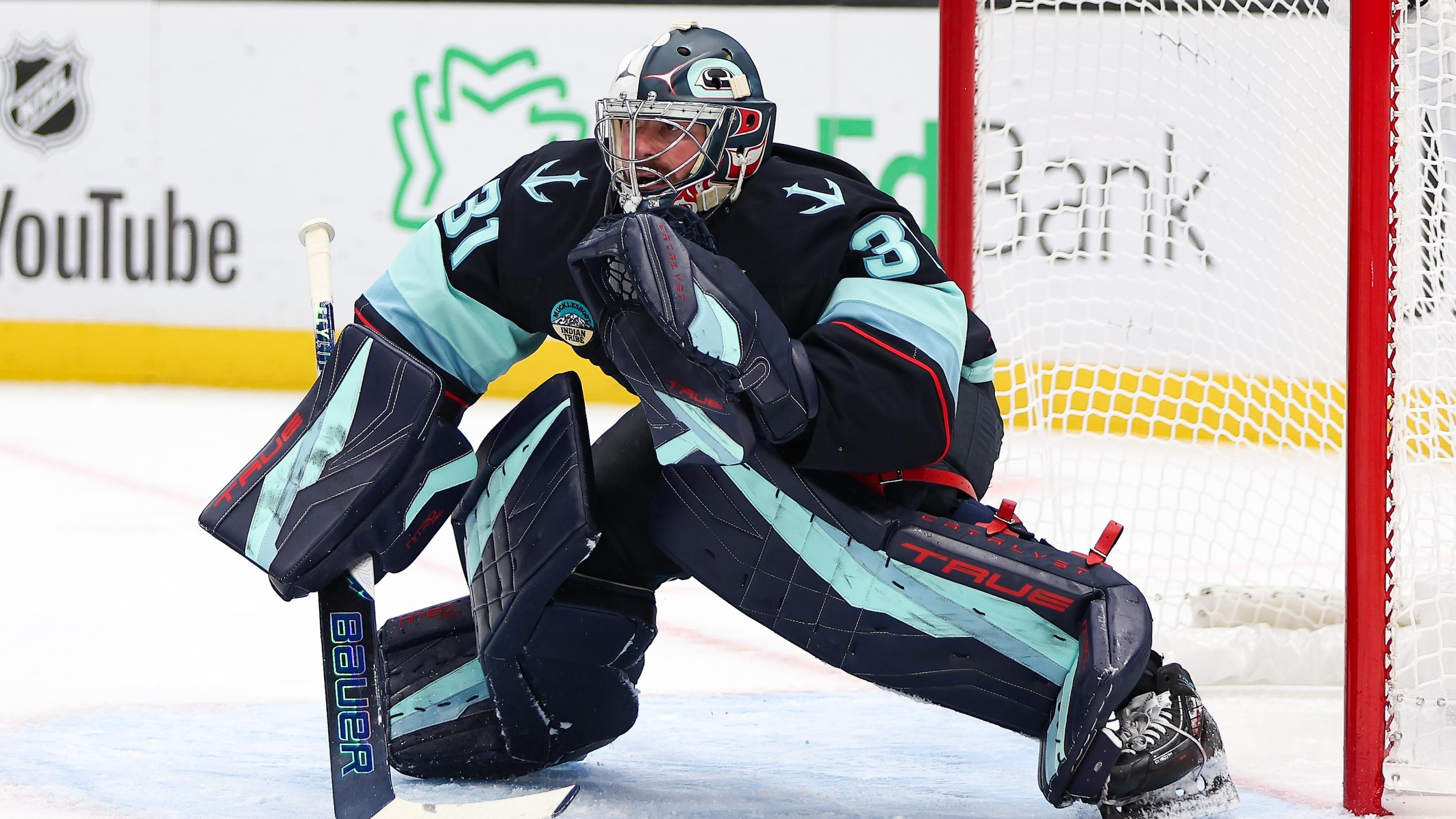
The goalie crease has decreased in size to allow for more traffic in front of the net, and to avoid crease violations, so a Brett Hull like fiasco can be avoided.
Goalies today cannot play the puck in the corner. This allows for opposing players to dump the puck in smartly and chase after it without worrying about the goalie taking it and firing it off the glass.
Lastly, one of the most important rule changes recently was a four on four overtime rather than a five on five overtime. If no winner was decided after five minutes of overtime, a shoot-out decides who wins the game. This new rule is very hit or miss with hockey purists, who believe that you win and lose as a team; deciding a game based on individual performance doesn't give you a true reading of what the whole team is capable of.
This past Wednesday and Thursday, Brendan Shanahan, the vice president of hockey and business affairs for the NHL, conducted a research camp that attempted to use a bunch of new rules and modifications to rules in a scrimmage-like setting.
With all new proposed rule changes, don't expect these changes to be implemented right away, or if at all. The NHL General Managers next meeting is in November, and even then, it's no guarantee anything will pass through them and possibly find their way to an NHL rink near you.
Day One New Rules:
- Hybrid Icing Rule: This hybrid rule gives linesmen the ability to make a ruling on whether a play will be called icing based on which player reaches the face-off dot first—rather than who is first to touch the puck.
Odds of Passing: about 75 percent, the talk of this camp, could be in the NHL in the near future.
- Wider Blue-Lines: Often experimented with, allows for defenceman, especially on the power-play, to have more room to move around in the opposition's zone.
Odds of Passing: roughly 25 percent
- Relocated Face-off Dots: Alter the ice surface to have three faceoff dots, one in each zone, down the centre of the rink.
Odds of Passing: ZERO chance
- Using 3-on-3 and 2-on-2 in Overtime: Pretty self explanatory, after 4-on-4 is unsuccessful, you make your way down the totem pole. Also, the NHL experimented with moving the goalies to the other end of the ice, forcing teams to make long changes.
Odds of Passing: Zero Chance, the NHL seems satisfied with the shootout
- Use of a New Net Mesh: Placing red mesh in the nets rather than white to give shooters a better look at openings.
Odds of Passing: Zero Chance, it does give a shooter a better look, but the fans would have a hard time seeing the puck
- NHL Street Hockey Face-off: Having the puck already on the ice for a faceoff, which is started by a whistle rather than the traditional puck drop.
Out of all six rule changes, I'd be perfectly fine with the hybrid icing rule, which will save a lot of defenceman's careers. The others should be kept on the back-burner for another time..
Day Two New Rules—
- No Touch Icing (International/Junior): Instead if the puck is dumped from the wrong side of center, an icing would be automatically called as soon as the puck crossed the other goal line.
Odds of Passing: About 40 percent, unless the NHL sours on the hybrid icing rule, the international rule will stay that way... international
- Five Man Shoot-Out: The use of five players as opposed to three in the shootout to decide the game.
Odds of Passing: about 60 percent, it's obvious to me that the NHL needs to make the shoot-out a more team orientated game outcome. I would also make a rule that one of the shooters has to be a defenseman.
- Off Ice Referee: The use of one off-ice official calling penalties. There are some pros and cons to this move. Some positives include having less people on the ice and less missed calls, but the cons are that referee's don't get the real feel of the game and the once an official makes a call, a coach can't question his call, as he will be a minimum of 85 feet away from him
Ontario Hockey League referees Dave Lewis and Scott Ferguson handled the officiating. Ferguson was the off ice official.
"I think there's good and bad to it," Ferguson said. "It's good when (Lewis) is down at the net, I can see what's going on behind him. I can watch the changes on the bench, a too many men on the ice situation, I can see that."
"But you don't feel the game, you don't feel when the intensity starts to rise and everything. So that was the tough part about it."
Odds of passing: about 5 percent, I really feel the referees would miss the actual intensity of an NHL game.
- Delayed Penalty Rule: A team who has a delayed penalty on them cannot get a whistle until they have cleared their zone, not just by touching to puck.
Odds of passing: about 15 percent, it's not a bad rule, but again it falls of a bit too far from the NHL norm.
- No Line Changes on Offsides: Much like no changes on icing, you can't change on offsides as well. Better question is when can they change now...on the fly? That's about it unless a penalty happens or the puck is cleared over the glass.
Odds of Passing: about 0.01 percent, Michael Jordan came out of retirement with those odds, but it can't happen twice..oh wait it did.
- Face-off Violation Rule: In the event of a face-off violation, the opposing team could pick the replacement centre to take the face-off. Personally, I find faceoff violations pretty redundant in the game. There are obvious violations sometimes, but most of the time, the linesman are milking all the air time they can get
Odds of passing: ZERO Chance, I hope it stays that way too.
- No Icing when Shorthanded: Teams were whistled for icing while short-handed and could not make substitutions before the ensuing faceoff. That rule right there may make players retire at the age of 30. This rule should have never have even been tried out.
Odds of passing: Negative 100 percent, what a cruel way to punish a penalty killing team. A penalty killer would see his career cut in half by such a ludicrous rule.
- Video Review Netting: In an effort to create more visibility during video review, Plexiglass was used on top of the nets for the morning session and a thinner mesh was used for the afternoon session. Again, it just seems like unnecessary changes there. The new nets would look almost from outer space.
So these were most of the new rule changes the NHL tried out? Which rules do you think could really make the NHL better, and which rules should just stay where they are, on the back burner?
Thanks to Colin Lubdell for structure changes/advice
This Article was a featured story on CBSSports.com on August 30th, 2010.
.jpg?w=2560 "Chiefs, Steelers Eye WR Trades")






.jpg?w=2560 "Raiders Sticking with Cousins")