Is the Canucks Window for Winning Closing? Is It Now or Never?
In sports, especially in the salary cap era, there is a finite window for a team to challenge for, and hopefully win, a championship.
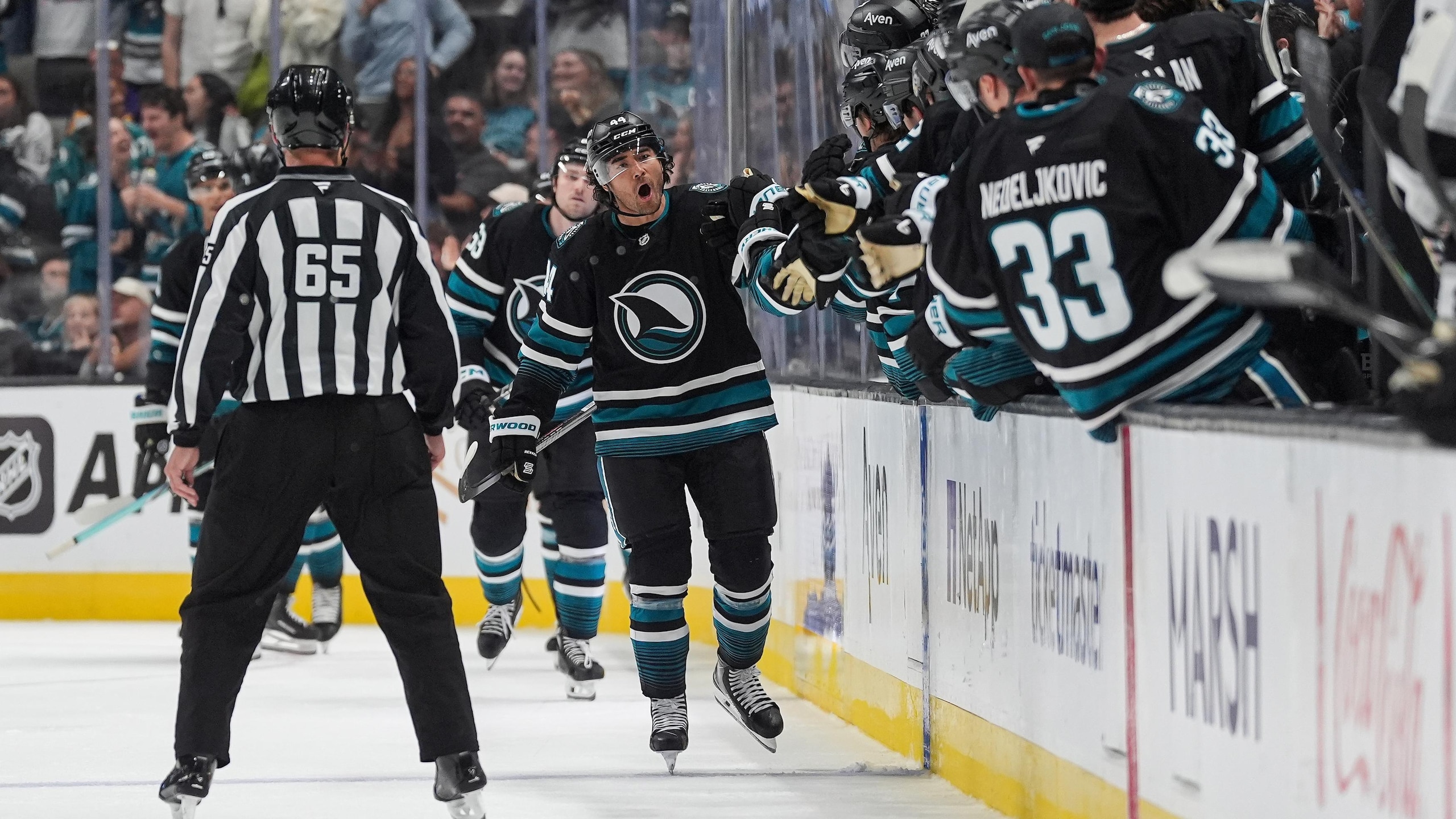
At a certain point, salary pressure, contracts and the performance of your core players will either force a rebuild (LA, Chicago), or drive you into a downward spiral of being not good enough to win, but not bad enough to rebuild. (Calgary, San Jose)
A good GM will recognize this, and try to maximize their team’s chances when the window is open, and also attempt to recognize when the window is closing so they can trade assets for picks and prospects to speed up the rebuilding process.
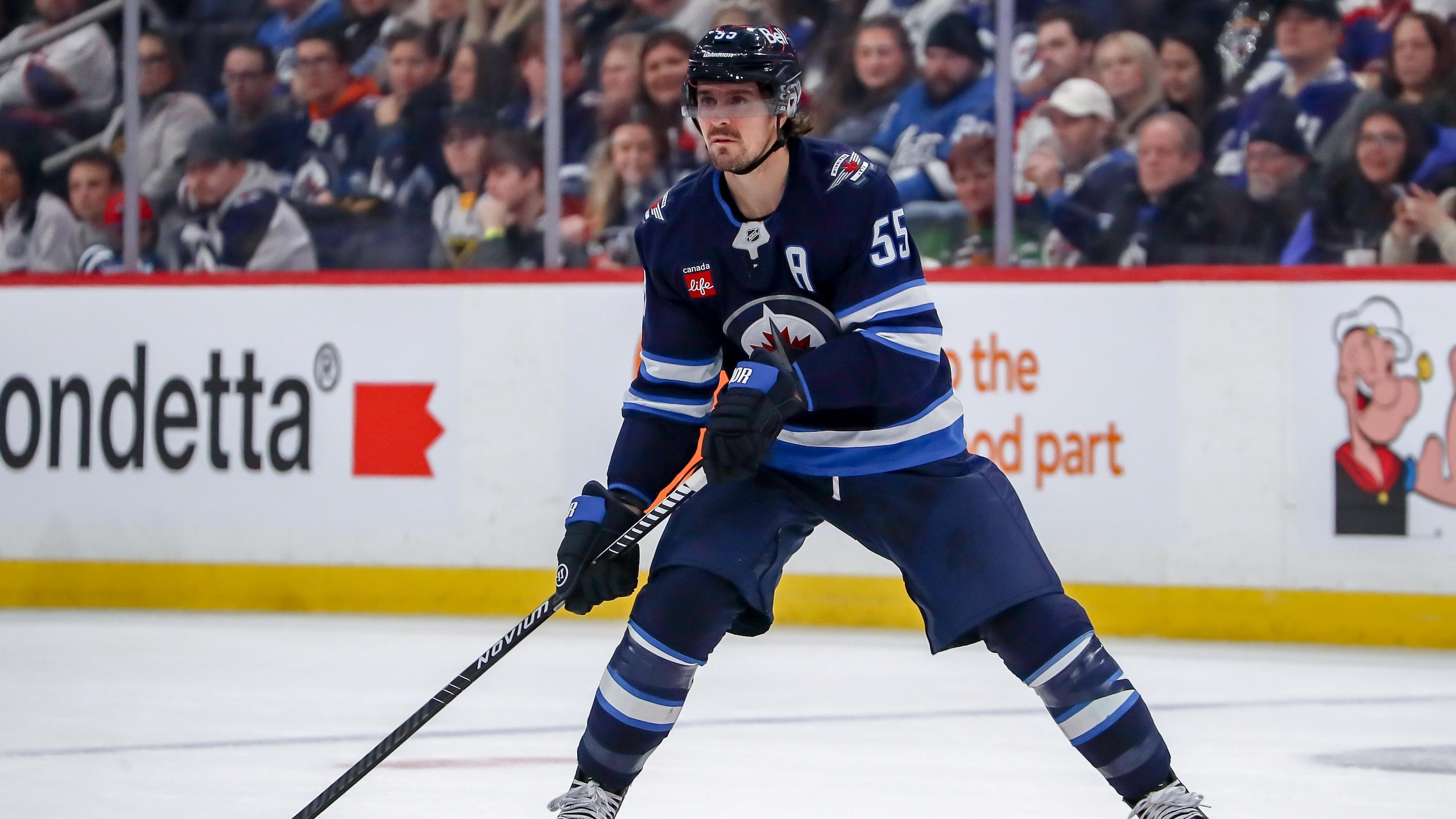

Chicago is a great example of this. With the age of their young core (Keith, Kane, Toews, etc) they knew that their window to win was open last season. They loaded up with players like Hossa and Madden, knowing full well that they were going to pay the price in 2010-2011 once the young core was no longer on their entry level contracts.
As we know, this gamble payed off, and the Hawks won the Stanley Cup.
Bowman then traded off assets (Byfuglien, Ladd, etc) while their stock was still high to hasten the inevitable rebuild process. (IMHO, turning over 50% of your roster is a rebuild, even if you kept most of your core players)
Now back to the Canucks.
I’ve heard it said that their window to win is this year, basically it is now or never. Assets like picks and prospects (Hodgson?) should be traded for players that will help NOW.
I can understand the “win now” sentiment (I’d love to see the Canucks win in my lifetime, lol), but I don’t understand the logic behind thinking its this year or never with the current core players.
I think that Mike Gillis has structured the Canucks contracts in a way that leaves the window to win open for the next 2-3 years at least, not just this year.
Looking at Capgeek, the Canucks core is pretty much locked up long term. And most of them are on the sunny side of 30, so they are just hitting what should be their prime years.
The Sedins are 29, and are under contract for 4 more years.
Ryan Kesler is only 25, and is locked up for 6 more years.
Alexandre Burrows (29, 3 more years) and Mason Raymond (24, 2 more years) are deals considering their production and cap hits. Mikael Samuelsson (33) is the only member of the top 6 forwards over the age of 30, and he has 2 more years left on his contract.
So the top 6 forwards of the team that led the West in Goals For last year will be here in Vancouver for at least the next 2 years, barring a trade. Manny Malhotra (30) will also be a Canuck for the next 3 years, anchoring the third line.
On defense, Dan Hamuis (27, 6 years), Keith Ballard (27, 5 years) and Alex Edler (24, 3 years) are all locked up long term. The rest of the Canucks D is UFA next summer, but those three players are a pretty good core to build around.
In goal, unless the NHL voids his contract extension, Roberto Loungo (31) will be a Canuck for the next 12 years. His backup, Cory Schneider (24) is under contract for the next 2 years.
The Canucks also have several highly touted, but untried, prospects about to start their entry level contracts. Forwards Cody Hodgson (20), Jordan Schroeder (19) and Anton Rodin (19) all could be contributing members of the Canucks in a few years. On defence, Evan Oberg (22), Yann Sauve (20) and Kevin Connauton (20) could also be Canucks as soon as 2010-2011 when half the current D turn UFA.
Whether these prospects play for the Manitoba Moose or have minor supporting roles on the Canucks this year, if Gillis drafted successfully, at least some of them should be able to contribute in a significant way (top 6 forward or top 4 D) before the end of their entry level contracts.
Combine the youth contributing on entry level contracts with the core that is already locked up long term, and that is a recipe for success.
That is the formula that the Blackhawks followed, and in my opinion it is what Gillis should follow.
Now is not the time to panic and trade away picks and prospects for short term help.
Now should be the time to see exactly what these prospects can do, which is why I advocate bringing up at least 1 of the forwards to play on the third line this year.
The highest scoring player on the third line last season was Kyle Wellwood with 25 points, and the line averaged only 21 points per player. (Wellwood with 25 points, Steve Bernier with 22 points and Pavol Demitra with 16 points were the 3 highest scoring forwards on the Canucks outside the top 6)
21 points is not the kind of rookie production that wins you the Calder, but it surely should be within the reach* of first rounder like Schroeder or Hodgson if paired with Malhotra and another veteran.
*21 points over the season is only 0.25 points per game over the season. It is a relatively small sample size, but Schroeder (6 playoff games, 11 regular season games) averaged 0.88 points per game with the Moose last year after he turned pro. Hodgson averaged 0.55 points per game over 11 playoff games when he played for the Moose in 2008-2009. If they can put up a fraction of the production they managed in the AHL playoffs while playing 3rd line for the Canucks, 21 points over a season should be easily achievable.
NHL playing time for Schroeder and/or Hodgson on the 3rd line also gives them a chance to develop in the NHL, rather than spending the whole year in the AHL as is typical for a rookie. As a third liner, behind the potent offensive of the returning top 6 forwards, there would be minimal pressure to produce, so it wouldn’t be the pressure cooker situation where a rookie is tossed onto the top line to sink or swim. (i.e. What happened with Kane and Toews in Chicago, Stamkos in Tampa Bay, etc)
Also it doesn’t have to be the same player all year, conceivably it could rotate throughout the year if whoever is with the Canucks slumps or hits the rookie wall. (This might be especially true for Schroeder, who isn’t used to an 82 game schedule, coming from NCAA)
The Sedins and Kesler developed this way in the past, sheltered behind the offense of the West Coast Express line in its heyday, and now they are core players for the Canucks, so I don’t think it hurt their development.
On D, I’ve also advocated bringing up 1 of the young guys, most likely Oberg, to be the 7th or 8th D. (I think the Canucks will carry 8 D on the active roster this year after all the injury problems recently). This would allow Oberg to get some NHL time in on the 3rd pairing and give the Canucks more of a chance to evaluate him ahead of the potential rebuild when Salo, Bieksa, Erhoff, OBrian and Alberts turn UFA next summer.
In goal, Schneider was once a highly touted prospect who did well as a starter in NCAA and AHL play, but his stock has fallen due to inconsistent performances when called up to the Canucks. This year he is the backup, and should get ~20 games to prove himself. If all goes according to plan, he may be a valuable trading chip next summer.
Taking all of this into account, I don’t think the window for the Canucks is limited to 2010-2011. They have a chance to come out of the west this year, being roughly equal to the Hawks and Wings as the main contenders in the West, with LA and San Jose maybe being in that mix as well depending on what else happens this summer.
But I think their best chance to win will come in 2011-2012, or maybe even 2012-2013, when they are also getting some help from their youth on cheap contracts, while their core players are still in their prime as well.
What do you think?

.jpg?w=2560 "OBJ Calls Out Giants After Release")




.jpg?w=2560 "Saquon Out for Game")