NHL Stanley Cup: Only Two Remain
After nearly eight months, only two teams are still standing: The Chicago Blackhawks of the Western Conference and the Philadelphia Flyers of the Eastern Conference.
The other 28 teams are left trying to figure out where they went wrong and improve as much as possible—or start over entirely. According to the regular season, the two teams that were supposed to be here were the Washington Capitals and the San Jose Sharks, and they have some tough questions to ask themselves in the offseason.
The Sharks were among the final four surviving teams but have struggled to get as far as they did despite being an elite regular season for several years. This dichotomy makes the crystal ball murky to say the least.

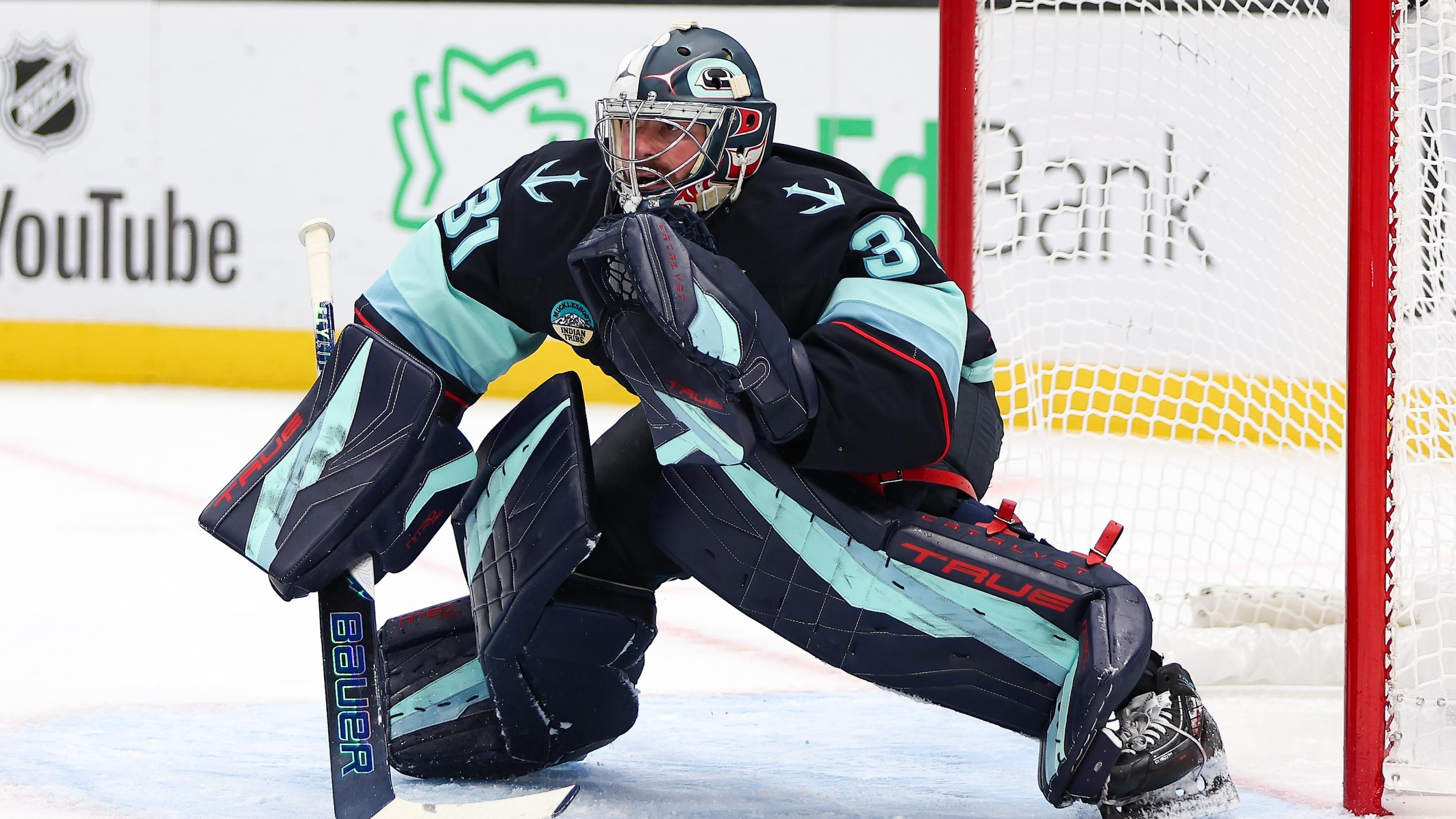
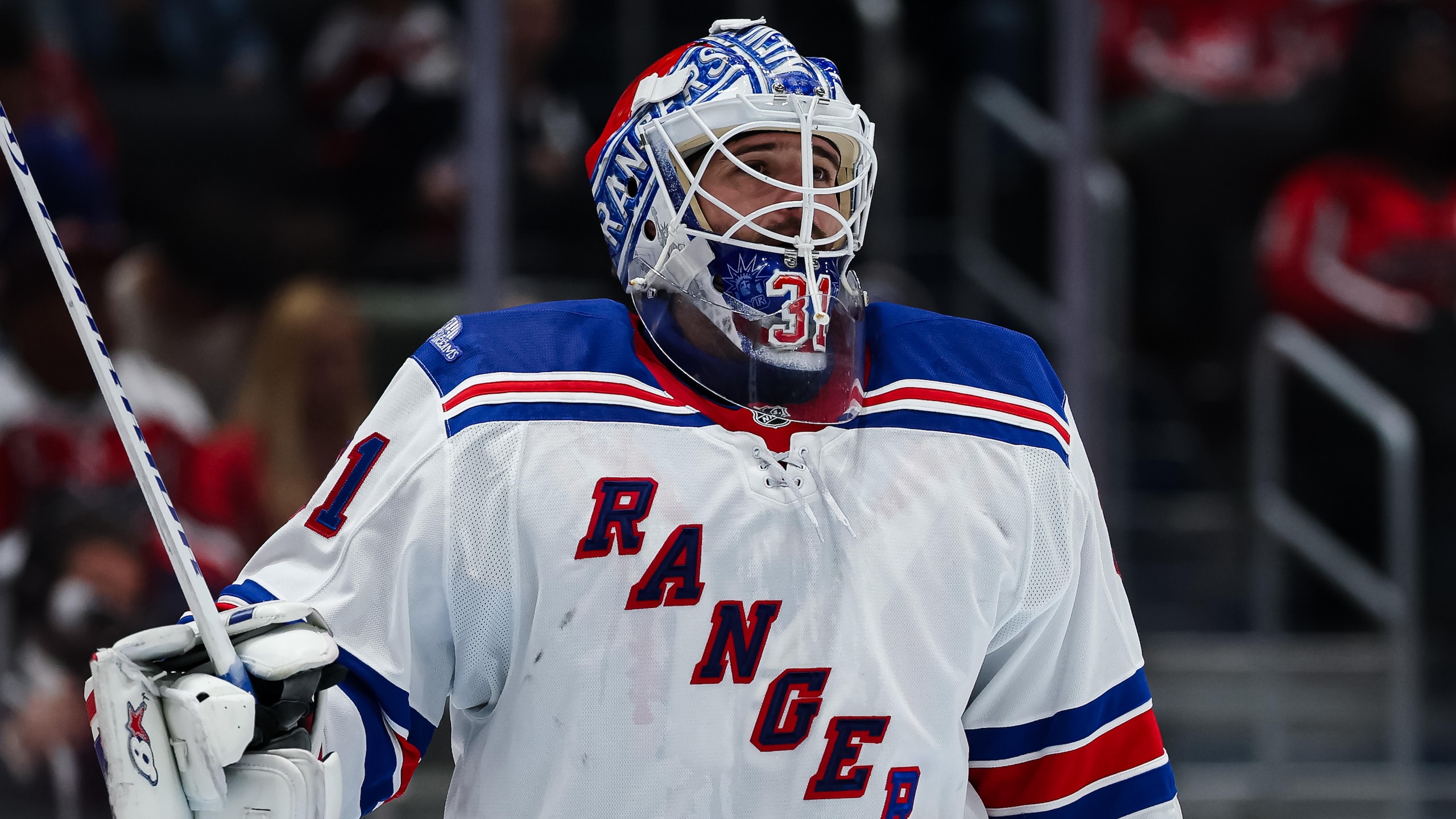
For the Capitals, the images in that device might be misleading. It is easy to be enamoured with a team considered elite by so many who not only have not learn the lessons of the past, but of this very Olympics: Russia, the team so many of its players were on that looks so much like the Caps, lost in the first elimination game, just as the Caps did in the first elimination round.
But for the two that are still standing, the future last until June 3 at the least and June 9 at the latest. And the roads they took to the finals were very different.
Philadelphia was on the verge of being eliminated before the playoffs started thanks to a horrible start to the season. However, they scored a goal in the third period of the regular season finale to extend the game and netted one more shootout goal than their adversary, earning the seventh seed in the East.
Then they blew through the Atlantic Division champions and arguably the greates tgoaltender of all-time in five games and waited for their second-round opponent. The wait did not seem to suit them, as they dropped the first three games to the Boston Bruins.
Then the Bruins choked and the Flyers woked (okay, I worked too hard for that rhyme). Philly became only the third team in NHL history to rally from a 3-0 series deficit, overcoming numerous injuries and rallying from a 3-0 Game Seven deficit on the road in the process.
The conference finals were the first ever to feature a seven seed against an eight seed, and the tired Montreal Canadiens had set records of their own: They were the first eight seed to rally from a 3-1 deficit in the first round and the first team to beat both a President's Trophy winner and defending Stanley Cup champion.
Problem was, to win in the third round, they would have had to be the first NHL team to win a series after surviving two seven-game series, and that was too much to ask. Philly beat them in five games.
Chicago, however, is a predictable finalist. They had dominated the Sharks during the regular season, led the conference in wins, and have tremendous skating depth.
However, Chicago also overcame a lot to get there: Nashville took two of the first three against them and had a one-goal lead and power play to end Game Five, with the potential of taking a 3-2 lead back home. But Chicago got the tying goal shorthanded and won in overtime.
Against Vancouver, the Hawks were blown out at home in Game One, 5-1, and were losing 2-0 in Game Two past the mid-point of the game. They came back to win, then took the next two on the road to take a stranglehold on the series.
Next up, the vaunted Sharks, who came in with home ice, a five-game home winning streak and having the monkey lifted off their backs by not only reaching the conference finals, but beating the two-time defending conference champions to do it. And they swept them.
So both teams have a lot of similarities—grit, deep skaters, and goalies that basically came out of nowhere to anchor them. There will be interesting matchups: Byfuglien is likely to see a lot of Chris Pronger. The Mike Richards line is likely to see a lot of Dave Bolland's.
But it really comes down to talent: Who has more?
Chicago had the third best offense in the regular season and were tied for the fifth-best defense, significantly better on both accounts than Philadelphia. But the Flyers underachieved until it mattered, so the better gauge would be personnel.
Chicago has six forwards with at least ten points through their 17 games so far; Philadelphia has five through their 17. As stated before, Philly battled injuries, with top-six forwards Simon Gagne and Jeff Carter missing time, or they would likely be just as deep in their scoring.
Both also have good checking forwards and penalty killers. In fact, these two teams are probably the biggest threats in the league to score shorthanded.
Likewise, the bottom-six Chicago checking forwards of Andrew Ladd, Kris Versteeg, John Madden, Ben Eager, and Adam Burish are a wash for the likes of Ville Leino, Dan Carcillo, Scott Hartnell, Aaron Asham, and Ian Laperriere.
As previously stated, both goaltenders have similarities, and their relative inexperience makes any comparison unreliable. So it comes down to the blueline, and Chicago has easily the best one-two-three combination of defensemen in the league.
Philadelphia has a good blueline, too, but Chris Pronger is not better than either Duncan Keith or Brent Seabrook. His partner on the first pair, Matt Carle, would be on the third pair in Chicago. Kimmo Timonen is not as good as any of the top three for Chicago, nor is Braydon Coburn an upgrade over Niklas Hjalmarsson.
Brent Sopel used to be on the power play in Vancouver because he is capable offensively, but in Chicago he has been a defensive specialist, and better than either of Philly's bottom-two. Granted, they are both better than Jordan Hendry, but that give the Hawks the first, second, fourth, sixth, and ninth best players on the blueline in this series.
All of this adds up to Chicago in six.

.jpg?w=2560 "Rodgers Iced Out on Plane 💎")
.jpg?w=2560 "Mahomes Told Teammate to Leave Meeting")
.jpg?w=2560 "🚨 Week 8 AP Top 25 Poll")
.jpg?w=2560 "Raiders Could Start Mendoza")


.jpg?w=2560 "Lamar Being Out Shocked Ravens")