Is the NHL in Danger of Becoming Caught in a “Trap” Again?
Just five years ago, nearly every NHL team had adopted some form of “the trap,” a 1-2-2 forechecking system, to better compete in the NHL. The idea was to shut down opposing offenses by clogging up the neutral zone. This effectively minimized, if not nullified, the opponent's ability to light up the lamp.
For the most part, the system worked. In fact, the 1994-95 and 2002-03 New Jersey Devils, 1998-99 Dallas Stars and 2001-02 Detroit Red Wings all turned the trap into Stanley Cups.
NHL Fans often felt cheated when exposed to the trap (a.k.a 'the left wing lock'). They were forced to watch hockey typically void of scoring, creativity, speed and flow. In the end, NHL hockey became a complete bore, causing some NHL fans to stay away en masse.
TOP NEWS
3-Way Trade Ideas for Hellebuyck 💡
Mark Scheifele Landing Spots 📍

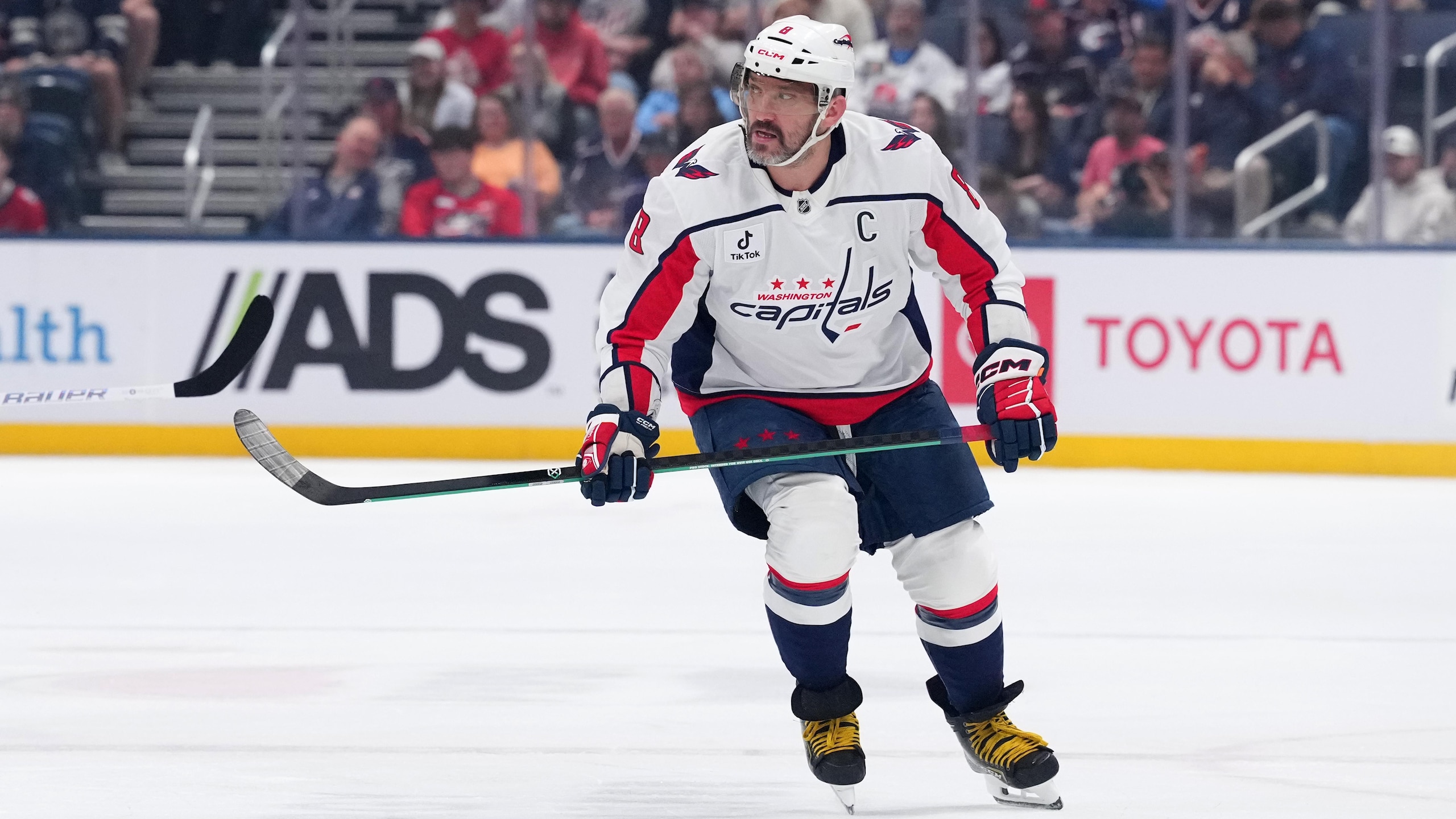
Ovechkin's Greatest Moments 🎱
To thwart NHL GM’s premium on systems (specifically the trap) instead of skill, the NHL instituted several rule changes which made it more difficult for teams and players to successfully run the trap.
One of the major instituted rules reduced the neutral zone form 54 to 50 feet. The rule allowed for improved shooting angles, gave offenses more ice with which to be creative and increased the area behind the net. This, in turn, benefited power play opportunities.
Another rule change prohibited the team that ices the puck to make a line change. This can bite a team in the butt if their players are tired at the end of the shift.
Tired legs often lead to poor decision making, which, in turn, leads to giving up more goals.
The biggest change came from simply asking the refs to call the rules as they are already laid out; specifically calling obstruction, interference and holding.
Often the greatest source of frustration for fans and players alike, these penalties are usually left to the discretion of the referee and, in some cases, are still called very inconsistently. That said, the refs call many more obstruction penalties these days, a testament to the changes brought forward by the NHL.
The enforcement of these rules forced many NHL coaches to relax their neutral zone trap strategies, making skill, speed and creativity the norm. The boring, clutching, grabbing and delaying trap game played a smaller role.
Regardless of the rule changes, and the apparent benefit to the flow and quality of NHL games, many experts felt that teams would revert back to the trap sooner rather than later.
While boring, it is a very effective way to play hockey, especially for a team void of star players/top tier talent.
Just five years after many of these rule changes were implemented, it is safe to say that the dreaded trap is making a comeback.
I, for one, am not too happy about it.
While not NHL hockey, the 2010 Vancouver Olympic Hockey Tournament supplied us with the first look at the trap’s comeback. Many European teams, including Switzerland, Slovakia, Norway and Germany used the trap nightly.
For the most part, you couldn't blame any of these Countries for implementing a trap system. Given the way Canada, the United States, Russia and Sweden were stacked up front, Switzerland (and others) could only compete with the Canada and the U.S. by stacking their defense, hoping for great goaltending and waiting for their opponents to make a mistake.
In the end, the trap system almost worked. Switzerland came within one goal of beating team Canada (a 3-2 overtime loss) and within two goals of beating the States (a 3-1 loss). For the most part, the trap made it possible for these countries to compete at the Olympics, and avoid the embarrassment of lopsided losses.
In this year's playoffs, we have watched the Montreal Canadiens and Philadelphia Flyers adopt a version of the trap throughout the playoffs to dismiss their first round opponents (the Washington Capitals and New Jersey Devils, respectively).
The Canadiens offer the best example of a team using the trap in order to frustrate, impede and nullify opposing offenses. In the first round, the Canadiens completely shut down a Washington Capitals team that owned the NHL's top ranked regular season offense and power plays.
Alex Ovechkin, arguably the best offensive player in the NHL, was completely shut out the last three games of the series. In one game, Montreal achieved the near impossible by keeping Ovechkin off the shot clock completely.
In their second round series with Pittsburgh, the Canadiens have held the NHL's leading scorer, Sidney Crosby, without a goal in the first five games.
Never mind that the Canadiens have limited the Penguins to just two goals or fewer in four out of the first five games. Never mind the fact that the Habs are within one game of the Penguins in the series, with a devastated defensive corps to boot!
In light of the Canadiens and Flyers success, one has to feel that it is only a matter of time before numerous NHL coaches retreat back to the trapping style that was so prevalent throughout the NHL just five years ago.
Excitement may put fannies in the seats, but so does winning.
Winning leads to contract extensions for NHL GM’s and coaches. Losing pretty doesn't.
Former NHL veteran Jeremy Roenick, once said, “Whoever invented the neutral zone trap should be shot." Well, JR, it’s time to get out the rifles.
It appears the trap is about to make a comeback!
For more NHL news and notes check out my website at (USE LINK BELOW)
Until next time,
Peace!

.jpg?w=2560 "Injury-stricken Seahawks signing veteran RB")

.jpg?w=2560 "Viral Rams Coach Vid 🖕")
.jpg?w=2560 "2 NFL Officials Suspended")


.jpg?w=2560 "Mahomes' Wife Trolls Kubiak 💀")