
The Biggest Regret Each MLB Team Will Have from the 2021-22 Offseason
Here is an interesting thought experiment for each MLB team. Now that the major offseason dominoes have fallen and expectations are finally set for 2022, consider what each franchise could come to regret.
In this exercise, we'll try to predict something that happened during the offseason that teams wish they had not done.
Or that they wish they had done.
Some teams had really good offseasons, and it's worth acknowledging that even suggesting a regret could be considered nitpicky if there's a regret at all.
Opening Day is still two weeks away, which gives us plenty of time to ponder and shape the lens through which we may view certain teams this season.
We'll go division by division, starting in the American League East and ending in the National League West.
American League East
1 of 6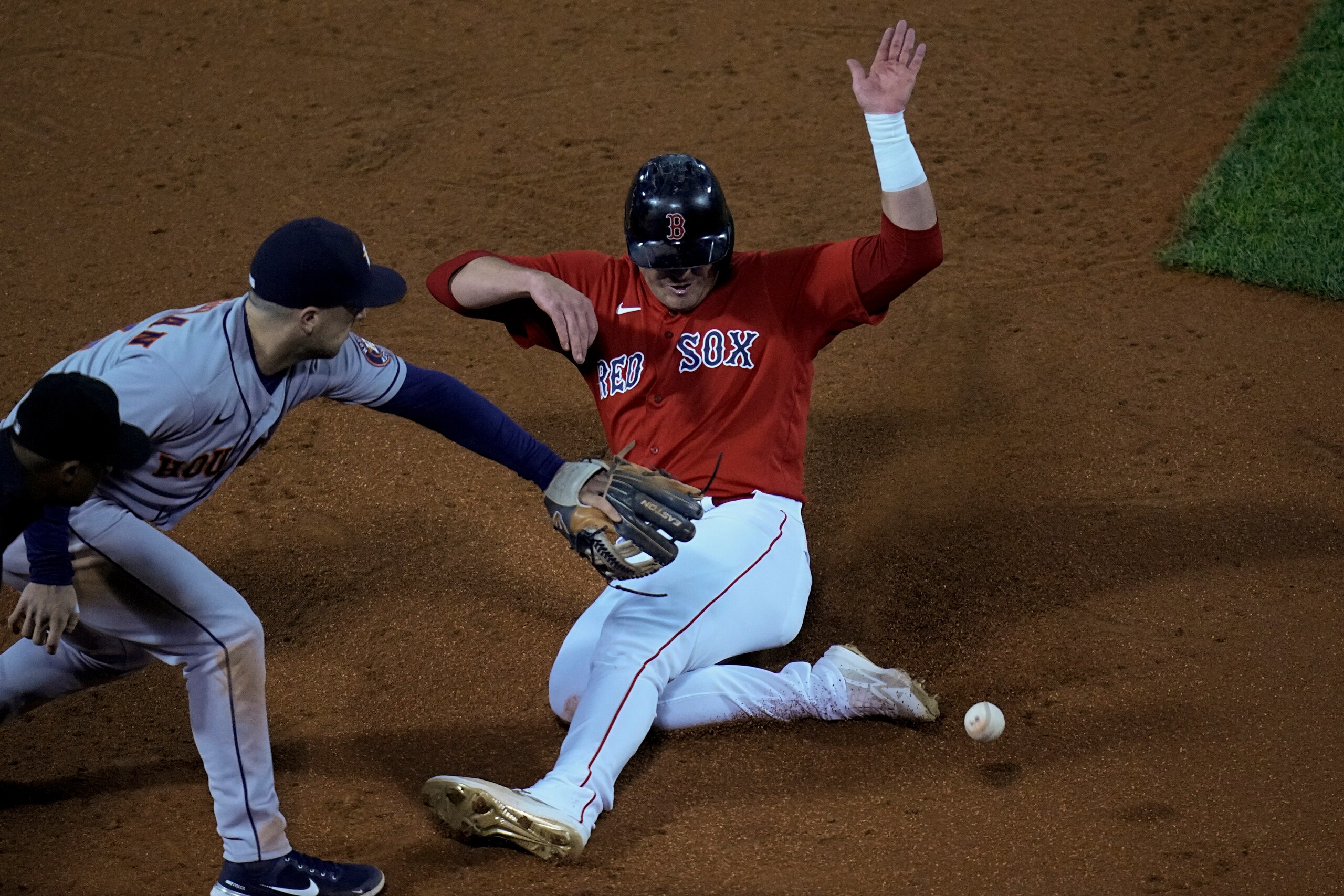
Baltimore Orioles: Lack of trades
B/R's Zachary Rymer praised the Orioles for not trading Cedric Mullins or John Means as their smartest offseason decision. He may be right.
But while no one knows when the Orioles will be any good, we can all agree it's not happening anytime soon. For this reason, good-to-excellent players don't have much utility on this team. Perhaps they keep Mullins and Means as cornerstones of their rebuild, but Trey Mancini is set to become a free agent after this season.
With the universal DH adopted, Mancini's league-wide value essentially doubled. There is an emotional attachment to Mancini after his inspiring return from cancer and for what he means to that locker room.
Anthony Franco at MLB Trade Rumors made the point that demand for Mancini's services could be limited until he rebounds from cancer recovery. The 30-year-old slashed .255/.326/.432 last season, down from the .291/.364/.535 line he recorded in 2019.
Worse case scenarios are the production dips or stay similar to 2021, and the trade value plummets, or they lose him for next to nothing.
Boston Red Sox: Trading Hunter Renfroe for Jackie Bradley Jr.
It's still confusing why the Red Sox traded Renfroe, one of their better offensive players last year, to the Milwaukee Brewers for Bradley, a member of their 2018 World Series squad.
Granted, Bradley—who posted 12 DRS and 10.7 UZR last year—should help improve a defense that ranked dead last outs above average.
However, his offensive numbers were so brutal in Milwaukee that it far outweighed anything positive he did with his glove.
Bradley hit .163 with a .497 OPS, and his 35 wRC+ AND -0.8 WAR were the worst among position players with more than 400 plate appearances, according to FanGraphs.
Chaim Bloom did such an outstanding job fielding a team that made the ALCS last season, but it's difficult to rationalize this particular move.
New York Yankees: Nonchalant approach at shortstop
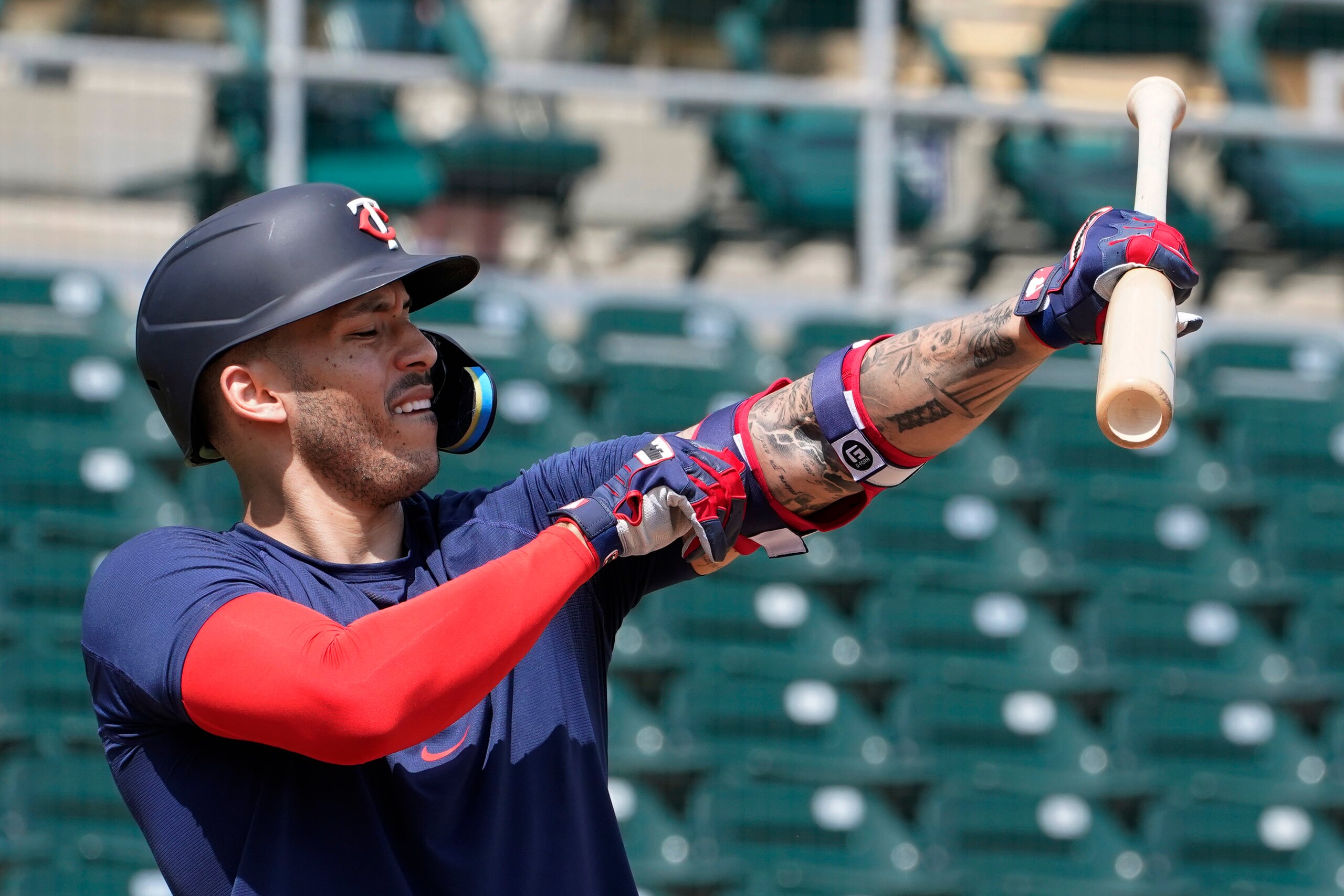
If it's true the Yankees were not really interested in Carlos Correa at shortstop or any of the talented players at that position who were free agents this offseason, better hope they know something the rest of us don't.
Ultimately, the Yankees ended up with Isiah Kiner-Falefa via trade with the Minnesota Twins. But that's not Carlos Correa, Corey Seager, Trevor Story or Javier Baez.
Those are the names that rang out this past offseason, and each signed either with a Yankees rival or a team that should never outbid them for a top player.
For this to not be a regret, the Yankees don't necessarily have to love Kiner-Falefa long term, but two of their best prospects, Oswald Peraza and Anthony Volpe, are worthwhile alternatives for the future.
Tampa Bay Rays: Letting Freddie Freeman get away
Maybe Freeman was always going to sign with the Los Angeles Dodgers.
However, the idea the notoriously conservative Tampa Bay Rays considered upping the ante to get Freeman makes you wonder if they were willing to go all-in. If not, what stopped them?
There were reports Tampa offered Freeman a six-year deal worth around $150 million. He went to Los Angeles for six years, $162 million.
If $2 million a year was the deal breaker to bring in one of the best first basemen of his generation, then shame on the Rays.
Toronto Blue Jays: No regrets
Stumped on this one. The Blue Jays get their first full season at Rogers Centre since 2019 and bring with them two new faces of the rotation from new deals inked during the offseason.
They extended midseason acquisition Jose Berrios to a seven-year, $131 million contract and signed free-agent Kevin Gausman to a five-year, $110 million deal to form a formidable trio at the top of the rotation with Hyun Jin Ryu.
Toronto also brought in left-hander Yusei Kikuchi for three years and $36 million and landed right-handed reliever Yimi Garcia to a two-year $11 million contract to flesh out the staff.
All of that was before they traded for Matt Chapman from Oakland.
Even if it doesn't work out, Toronto should not regret anything.
American League Central
2 of 6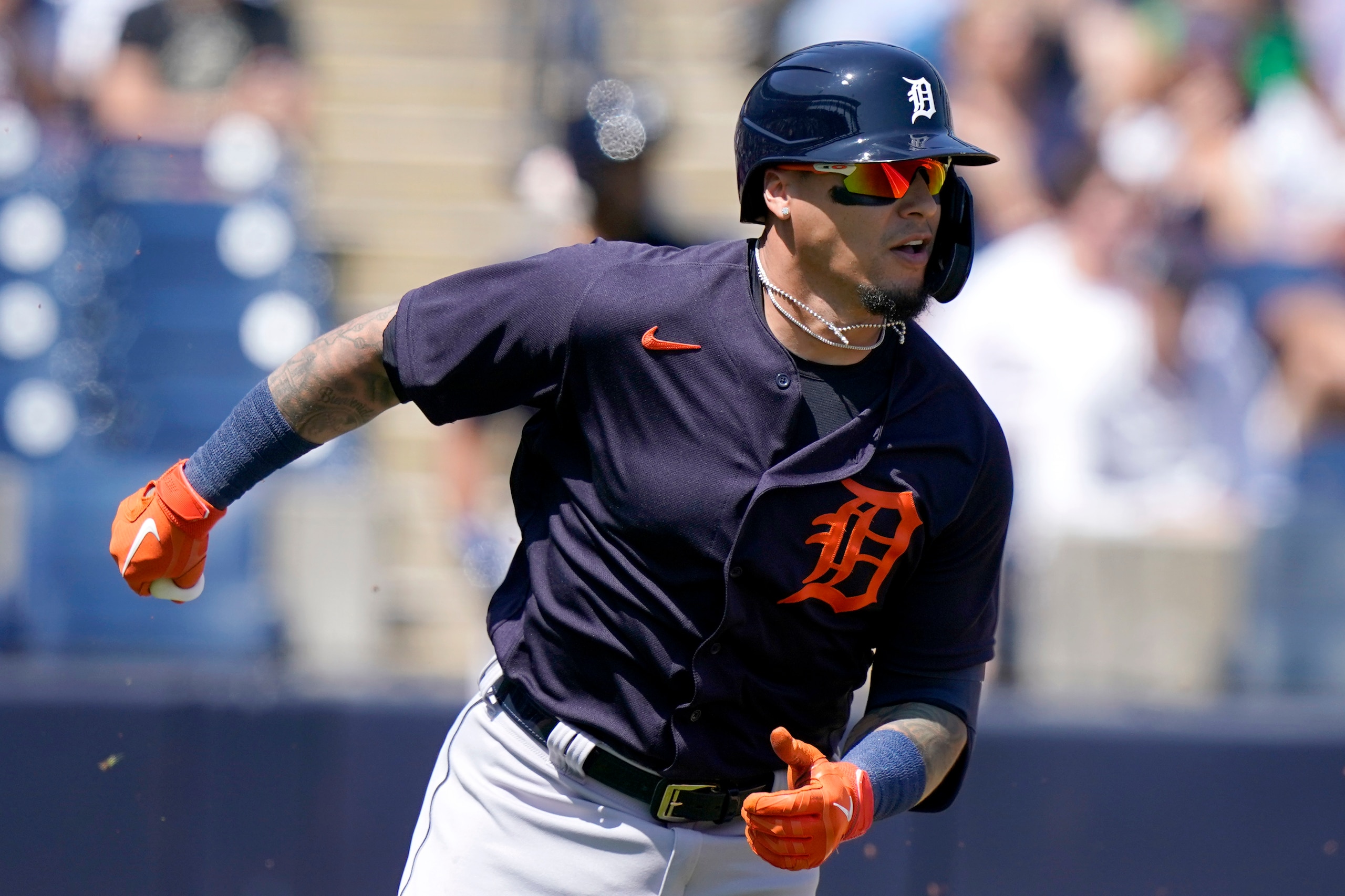
Chicago White Sox: Running in place
After taking over as the AL Central's best team, the White Sox apparently became complacent.
There have been no significant moves to improve this offense, which does not measure up to the Astros or other American League contenders like those in the AL East.
Their pitching isn't necessarily improved, either. Michael Kopech will probably take Carlos Rodon's spot in the rotation. The White Sox signed Kendall Graveman and Joe Kelly and picked up Craig Kimbrel's $16 million option despite not having a clearly defined role for him after the trade from the Cubs last year.
The rest of the AL Central got better this offseason. The White Sox, not so much.
Cleveland Guardians: Not even pretending to try
The Guardians have question marks at just about every part of their roster. On Wednesday, recently signed Giants outfielder Joc Pederson took a shot at the Guardians, Pirates and Orioles for their putrid payrolls.
Their fanbases deserve better.
Cleveland decided not to spend on a corner outfielder, first baseman, middle infielder or the bullpen, despite glaring needs in all of those spots.
Confidence in its in-house talent aside, this shows a brazen lack of effort from the organization.
Detroit Tigers: Signing Baez so early
This is a better team than it was to end last season, so Tigers fans have to be glad about that. They signed two-time All-Star Javier Baez to a six-year, $140 million contract and left-handed starter Eduardo Rodriguez to a five-year, $77 million deal in November.
That's in addition to the young talent developing with manager A.J. Hinch, who enters his second season leading the club.
But speaking of Hinch, after seeing what Carlos Correa ultimately signed for (three years, $105.3 million with opt-outs the first two years), it has to make those fans wonder if they could have done a better job leveraging their manager's relationship with the best free-agent shortstop on the market.
It was one thing when it seemed like Correa's price tag would be too high for certain clubs, but looking at the length of that deal with the division-foe Twins, the Tigers can't help but think "that could have been us."
Kansas City Royals: If they don't trade for Frankie Montas
The Royals don't spend a ton of money, but look at what they're doing and the effort is clearly there. They are trying to win in Kansas City, albeit with homegrown talent, both young and old.
They signed Zack Greinke, who starred there from 2004 to 2010 and won the AL Cy Young award in 2009. Royals fans are also excited for the MLB debuts of prospects Bobby Witt Jr., Nick Pratto and MJ Melendez.
Trading for Frankie Montas, who last year pitched 187 innings for 3.37 ERA ball with a 26.6 strikeout percentage against a 7.3 percent walk rate, would be huge.
Given that the Athletics are in the midst of a fire sale, the White Sox did little to nothing to distinguish themselves from last year's division winner, and the added playoff spot in both leagues, the Royals must see the opportunity here.
Minnesota Twins: No regrets
The Twins, who finished last in the AL Central last year after back-to-back postseason appearances, signed the best free agent available this offseason in Carlos Correa.
They also added Gary Sanchez and Gio Urshela from the New York Yankees.
If there is anything to regret, and I don't believe there is, it would be the opt-outs in Correa's contract that allow him to be a free agent again for the next two offseasons.
That's not ideal, but if it's the price of landing a player no one expected you to get, take it.
American League West
3 of 6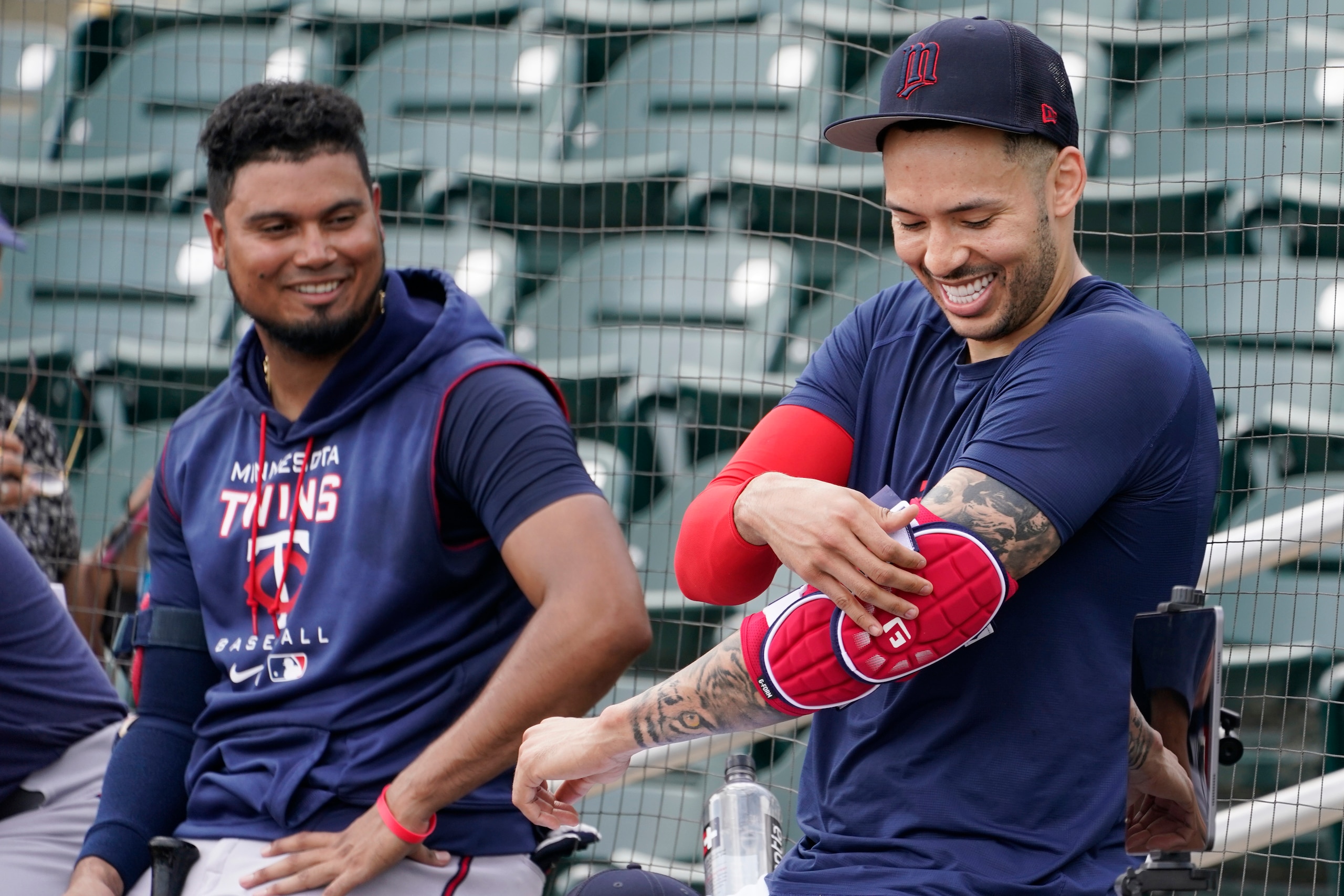
Houston Astros: Unserious offers to Carlos Correa
Similar to the other teams who were hopeful of signing Carlos Correa in free agency, the Astros seemed to miss out on a major opportunity with their lowball offers to one of their franchise icons.
The Astros' best offer to Correa was $160 million over five years, which they knew he would never agree to, considering his friend Francisco Lindor had just set the top of the shortstop market at 10 years, $341 million.
Correa didn't get that 10-year deal he was believed to be looking for and pivoted mid-lockout to hire superagent Scott Boras to represent him. It ended with him taking a much shorter deal with the highest annual salary for an infielder, which is a market the Astros could've dabbled in if they were so inclined.
But on Wednesday, Correa confirmed to reporters he did not hear from Astros officials when the lockout ended.
Now, it's up to Jeremy Pena, Aledmys Diaz or possibly Alex Bregman if he moves from third base to shortstop to fill the void of one of the more valuable players in baseball.
Los Angeles Angels: Still needing starting pitching
If the Angels thought simply signing Noah Syndergaard to a one-year, prove-it deal as he fully returns from Tommy John surgery would solve their pitching woes, they are sadly mistaken.
Syndergaard helps their cause. Getting Mike Trout and Anthony Rendon back from last year's injuries also will be significant in making the Angels more competitive.
But they will need more than Syndergaard to improve one of the worst pitching staffs last year. For now, he just covers the loss of Alex Cobb, who signed a two-year, $20 million deal with the Giants.
The Angels also need bullpen help and still have questions at shortstop after one of the best offseasons to go sign one.
Oakland Athletics: Waiving the white flag
The A's essentially gave up. They traded star first baseman Matt Olson to Atlanta for a decent haul. Third baseman Matt Chapman was sent to the Blue Jays.
Chris Bassitt is now with the Mets via trade.
The most recent reports indicate the A's are focused on trading Sean Manaea before Frankie Montas. You get the idea and see the pattern here.
They are openly waiving the white flag after one "down" season (86-76) that followed three straight trips to the postseason.
How an A's fan can stomach watching them this year is beyond comprehension.
Seattle Mariners: Kyle Seager's retirement
Perhaps this is no fault of the Mariners, but judging by the lack of power in their infield, losing Seager to retirement at just 34 years old is certainly a big loss.
Seattle started the offseason doing pretty well, signing AL Cy Young winner Robbie Ray to a five-year, $115 million deal in free agency just hours before the lockout began in December.
The Mariners also traded for All-Star infielder Adam Frazier from the Padres. But the hope, if not expectation, is that they would be in the mix for Kris Bryant, or possibly trade for one of the Gold Glovers that Oakland had for sale (first baseman Matt Olson and third baseman Matt Chapman).
None of that happened, leaving Seager's departure even more glaring.
Texas Rangers: Not signing Clayton Kershaw
For all the money Texas threw around this offseason, it's a bit strange they were not able to entice Dallas native Clayton Kershaw to come home.
Them spending over half a billion dollars should have been a decent sell to Kershaw, who ended up back with the Dodgers on a one-year, $17 million deal.
If that's all it took to sign Kershaw, and the Rangers still need pitching, it's odd they didn't make that happen.


National League East
4 of 6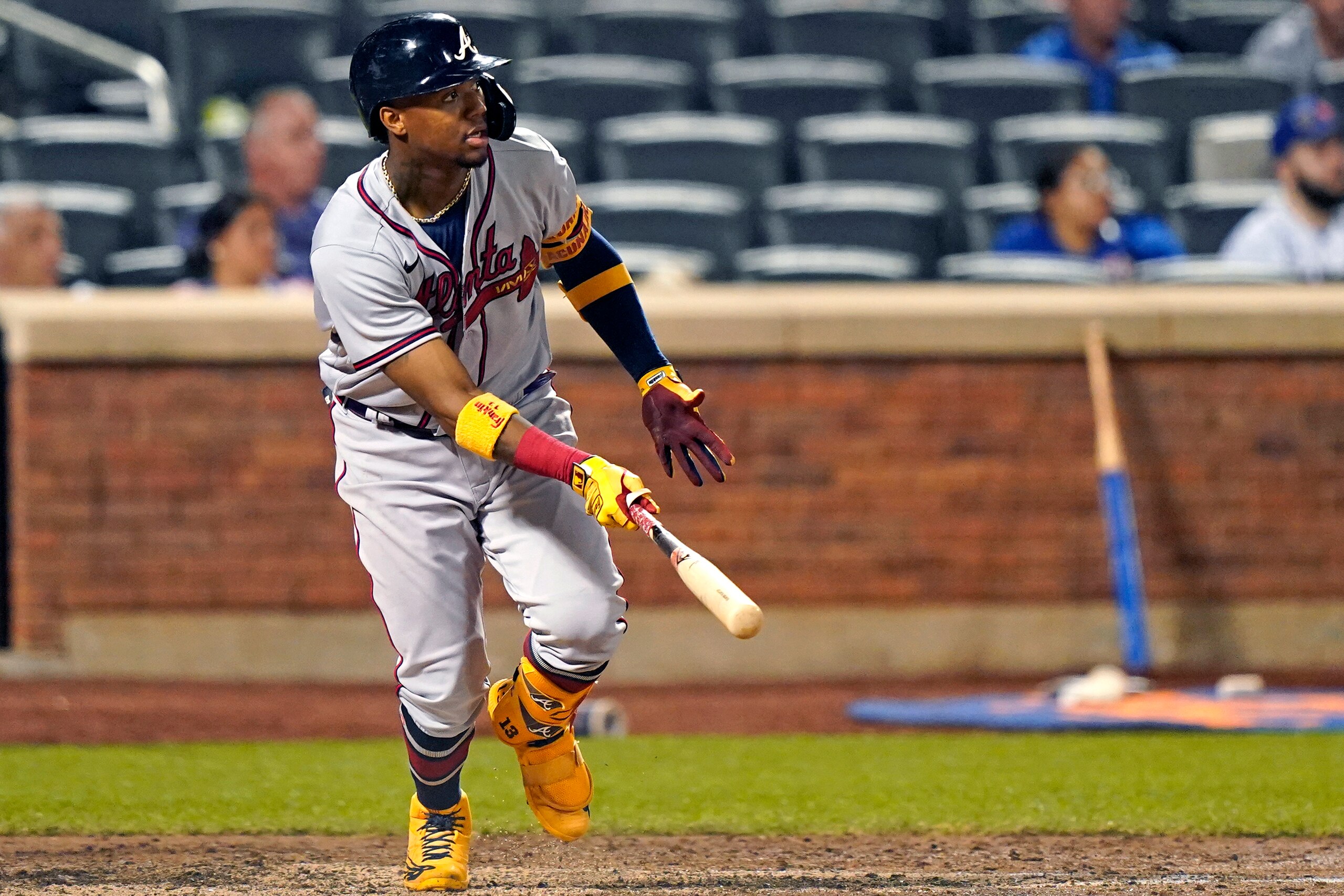
Atlanta: Not properly addressing center field
It's hard to look at Atlanta's offseason and pick out flaws. The loss of franchise icon Freddie Freeman in free agency was cushioned by trading for Matt Olson.
All of the outfielders acquired at the trade deadline became free agents, and Atlanta was able to keep Eddie Rosario on a reasonable two-year, $18 million deal, and Ronald Acuna Jr. returns from injury.
But without addressing the need at center field, it means the recently recovered Acuna will be out there. That's probably not ideal for the player or the team.
Miami Marlins: Not trading for Craig Kimbrel
Once Yimi Garcia was traded to the Astros last year, the Marlins created a hole at closer. Dylan Floro finished the season in that role, and he's the front-runner to fill it again this year, but the Marlins should have done more to bolster their bullpen.
It wasn't bad last year considering how poorly the team performed overall. Miami's bullpen ranked seventh in ERA (3.81) and eighth in WHIP (1.26).
They will regret not trading for Craig Kimbrel, who seems superfluous with the White Sox but could be exactly what Miami needs.
New York Mets: Doing too much
OK, let's be honest: I'm fishing here because the Mets went all-in this offseason.
They signed Max Scherzer, 37, to the most expensive deal ever for a player his age. They traded for Chris Bassitt, who pencils in as an impressive third starter behind Jacob deGrom and Scherzer.
They also signed outfielders Starling Marte and Mark Canha and get Robinson Cano back from suspension to be their designated hitter.
The only regret the Mets could have from this offseason is doing too much, for too little, if it doesn't pan out. But even then, who could fault them for trying?
Philadelphia Phillies: Paying so much for Corey Knebel
It was important for the Phillies to address their bullpen. They did this by signing Corey Knebel to a one-year, $10 million deal.
That seems a bit risky considering his long injury history. Good for Knebel, nearly doubling his salary in free agency. It would be interesting to know who exactly the Phillies were bidding against here.
A lat injury sidelined Knebel last year from May until August, but he posted a 2.45 ERA over 27 games. If he's good and stays healthy, then it's money well spent. The significance of the "if" is what makes that price tag questionable.
Washington Nationals: Frugality
No one really expects the Nationals to be contenders this year, but it'd be hard to accuse them of not trying at all.
Fifteen million of the $24.75 million Washington spent in free agency went to 41-year-old designated hitter Nelson Cruz, who is sure to make their lineup more interesting.
The Nationals also brought in relievers Steve Cishek and Sean Doolittle and second baseman Cesar Hernandez.
Meanwhile, five teams handed out free-agent deals worth at least $200 million. To be fair, Washington reportedly tried to throw $350 million over 13 years at Juan Soto, but the 21-year-old superstar turned it down.
National League Central
5 of 6
Chicago Cubs: Anthony Rizzo
Anthony Rizzo could have been the former Cub to reunite with the team this offseason, and it would have cost them $38 million less than what he took to go back to the Yankees.
The Cubs offered Rizzo $70 million over five years, but the first baseman apparently preferred the two-year deal with an opt-out after one.
If all it took to bring back Rizzo for 2022 was $16 million, with little commitment after that, it seems like that's something the Cubs would be interested in. They won't be good this year, but having Rizzo around to help through the transition would've been valuable.
The deal he signed with the Yankees is a much smarter one for the team than the Cubs' offer.
Cincinnati Reds: Everything
From a competitive standpoint, nothing the Reds have done recently really makes sense.
They decided not to pick up Wade Miley's $10 million option, allowing the division-rival Cubs to sign him. Keeping Miley and trading him after the new collective bargaining agreement was in place would have made more sense.
The team also let Nick Castellanos walk in free agency. Cincinnati is clearly in cost-saving mode, and the fanbase is in for a rough year.
Milwaukee Brewers: Still needing more offense
It's hard to be mad at what the Brewers did to address their offense, which was the worst among last year's playoff teams.
They traded Jackie Bradley Jr., who provided nothing on offense, to Boston for Hunter Renfroe, who is coming off a career year (.259/.315/.501 with 31 homers). Most recently, they signed Andrew McCutchen as a designated hitter who can help out in the outfield as needed.
But how much of an impact will this have on Milwaukee's offense, which ranked 23rd in wRC+, according to FanGraphs? It's unclear exactly what more they could have done, but this could easily turn out to be a really good team that just can't keep up and score enough runs.
Pittsburgh Pirates: Being a non-factor in free agency
The Pirates are firmly planted in their rebuild, coming off three straight last-place seasons. As one of the National League's worst teams, Pittsburgh now has back-to-back seasons with a winning percentage under .400.
As far as payroll, the Pirates' end-of-year expenditure was the lowest of any MLB team for nearly a decade.
No one expected the Pirates to make any splashes this offseason, and they were satisfied to meet said expectation.
They are doing a decent job building from within. But absent any noteworthy outside moves (they did trade Gold Glove catcher Jacob Stallings to the Marlins for a potential rotation arm in Zach Thompson, among others), it's difficult to garner much confidence.
St. Louis Cardinals: Not getting a prominent left-handed bat
While the Cardinals never appeared to be an option for Freddie Freeman in free agency, acquiring a left-handed bat with some power is something this lineup could've used.
Atlanta trading for Matt Olson corresponded with the understanding Freeman would not be back there, but St. Louis should've been at the front of the line for Olson.
Kyle Schwarber was also on the market this offseason.
If those moves were too ambitious, maybe Joc Pederson would've made sense for them. Not getting an impactful left-handed bat beyond signing Corey Dickerson will come with some regret given how busy the offseason was around the league, even with a near-100-day lockout.
National League West
6 of 6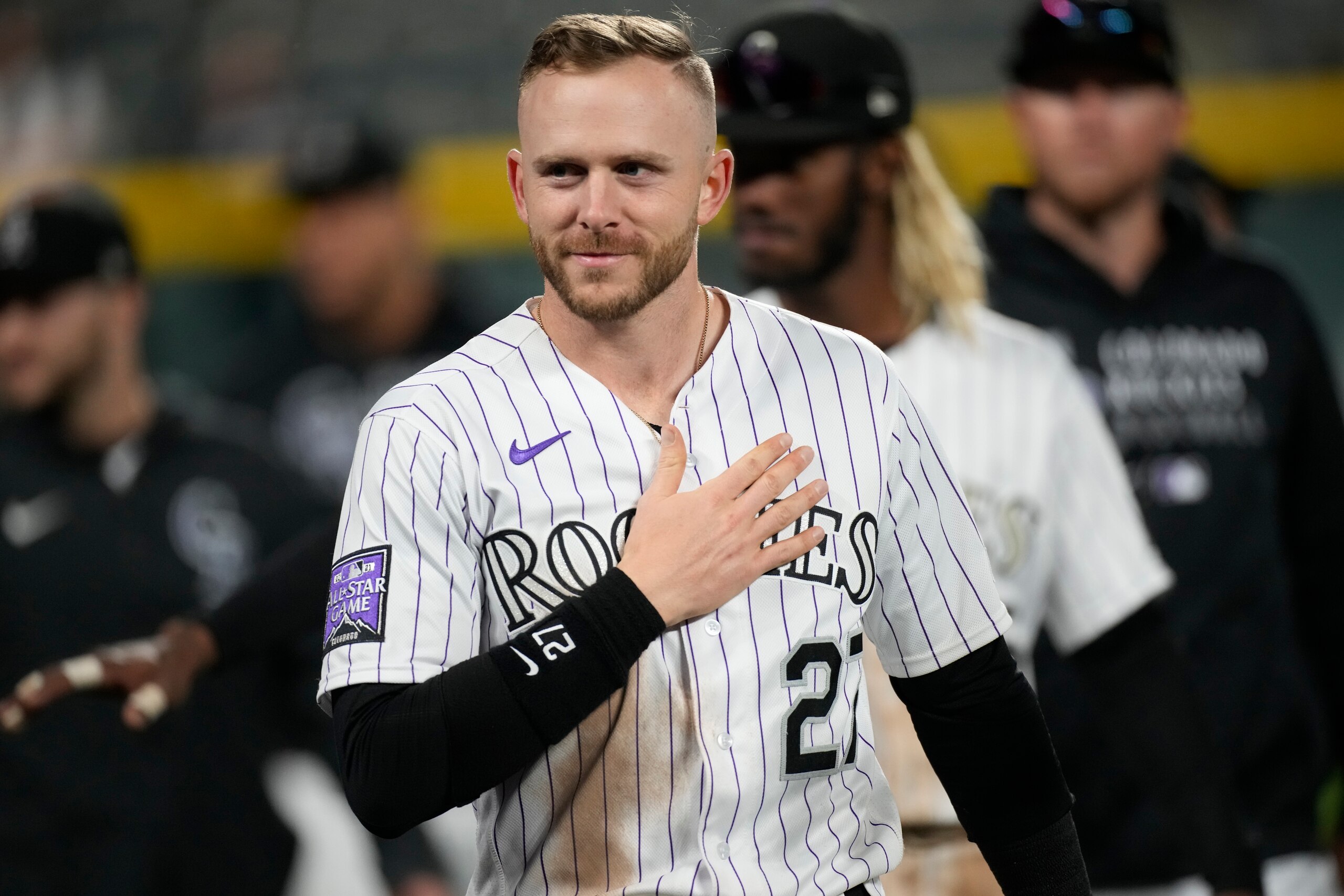
Arizona Diamondbacks: Not bubble wrapping J.B. Bukauskas
Durability concerns with J.B. Bukauskas have lingered for a while, and his latest injury at spring training isn't doing him any favors.
He suffered a grade two tear of his teres major muscle after pitching just one inning in Arizona's spring training opener against the Rockies last Thursday.
As one of the key pieces of Arizona's four-player return from Houston in the Zack Greinke trade nearly three years ago, Bukauskas has yet to make much of an impact for the Diamondbacks. Injuries are part to blame for him not making his major league debut until last season when he had a 7.79 ERA over 17⅓ relief innings.
This was supposed to be the year they figure out whether Bukauskas' future is as a starter or reliever, but it could be months before he's back on the mound.
Colorado Rockies: Mixed messaging
Instead of simply celebrating Kris Bryant signing a seven-year, $182 million deal, Rockies fans are left scratching their heads with this move.
Obviously, getting a player of this caliber is a positive. It's the move you make when you're trying to contend for championships.
Except that's not been the MO in Colorado for quite some time. The Rockies paid more than $50 million to send future Hall of Fame third baseman Nolan Arenado to the St. Louis Cardinals prior to last season.
Then they failed to trade Trevor Story before last year's deadline, though it was apparent the shortstop would not be re-signing with Colorado, in large part because of the apparent lack of interest in competing.
It's time to get clear on where the Rockies stand and what exactly they're trying to accomplish these days.
Los Angeles Dodgers: Letting Max Scherzer out the door
There was mutual interest in Scherzer returning to the Dodgers after the half-season rental last year. The word from his agent Scott Boras was that geography didn't matter, and all the three-time Cy Young Award winner cared about was his chance to win a World Series.
The Dodgers would have given him the best chance to do that. The New York Mets, who signed 37-year-old Scherzer to a three-year, $130 million contract, are simply not as good as the Dodgers, who still have a need for a high-end starter and the money to pay a future Hall of Famer who is still at the top of his game.
They won all 11 of Scherzer's starts after the deadline trade for him, even though he ran out of gas in the postseason.
San Diego Padres: Not adding pitching depth
This is what they tried to do last offseason when they traded for Yu Darvish and Blake Snell. They attempted to do it again this offseason by signing Nick Martinez, a 31-year-old who posted a 1.62 ERA in Japan last year.
Is this enough to make up for San Diego's question marks in the rotation?
Darvish and Chris Paddack both struggled to stay healthy down the stretch last year, and Mike Clevinger is returning from his second Tommy John surgery.
The Padres needed to be in the market for Eduardo Rodriguez or Carlos Rodon just to keep up with what the rest of the National League was doing.
San Francisco Giants: Missing out on Trevor Story
While it would have been unlike the Giants to spend the kind of money it took for the Red Sox to sign Trevor Story (six years, $140 million), it's still disappointing to not land one of the few top free agents they were actually rumored to be in the market to get.
The Giants showed no interest in bringing back Kris Bryant, who ended up at Story's old place in Colorado. But signing Story would have given them a foundational player as San Francisco retools following a historic regular season.



.jpg?w=2560 "NFL investigating 2 referees for separate viral exchanges")
.jpg?w=2560 "Report: Chiefs Contact Hill's Agent")
.jpg?w=2560 "OBJ Calls Out Giants 😳")


.jpg?w=2560 "Tyreek makes another cryptic post amid Chiefs rumors")
