

The best-laid plans of NBA free agency often go awry—a truth recently reemphasized by extensions that erased several high-profile names from 2021 big boards around the league.
Giannis Antetokounmpo is staying in Milwaukee. Rudy Gobert re-upped with the Utah Jazz. Paul George locked down $190 million in new money to stick with the Los Angeles Clippers. LeBron James was never going anywhere, but he made it official with his own extension.
The absences of those players and many others expected to at least test the 2021 market might make the next free-agency session seem less exciting. But...weren't you paying attention? The whole point here is that you can never really be sure what an offseason will bring.
Just ask the handful of teams that built out multiyear schemes around the mere possibility of signing Giannis.
Here, we'll take an early scan around the league to predict which top 2021 free agents could be on the move—and which ones seem likely to stay put. We'll ignore those who can but almost certainly won't hit free agency via player options, like Chris Paul and Blake Griffin.
Plan around these assessments at your own risk.
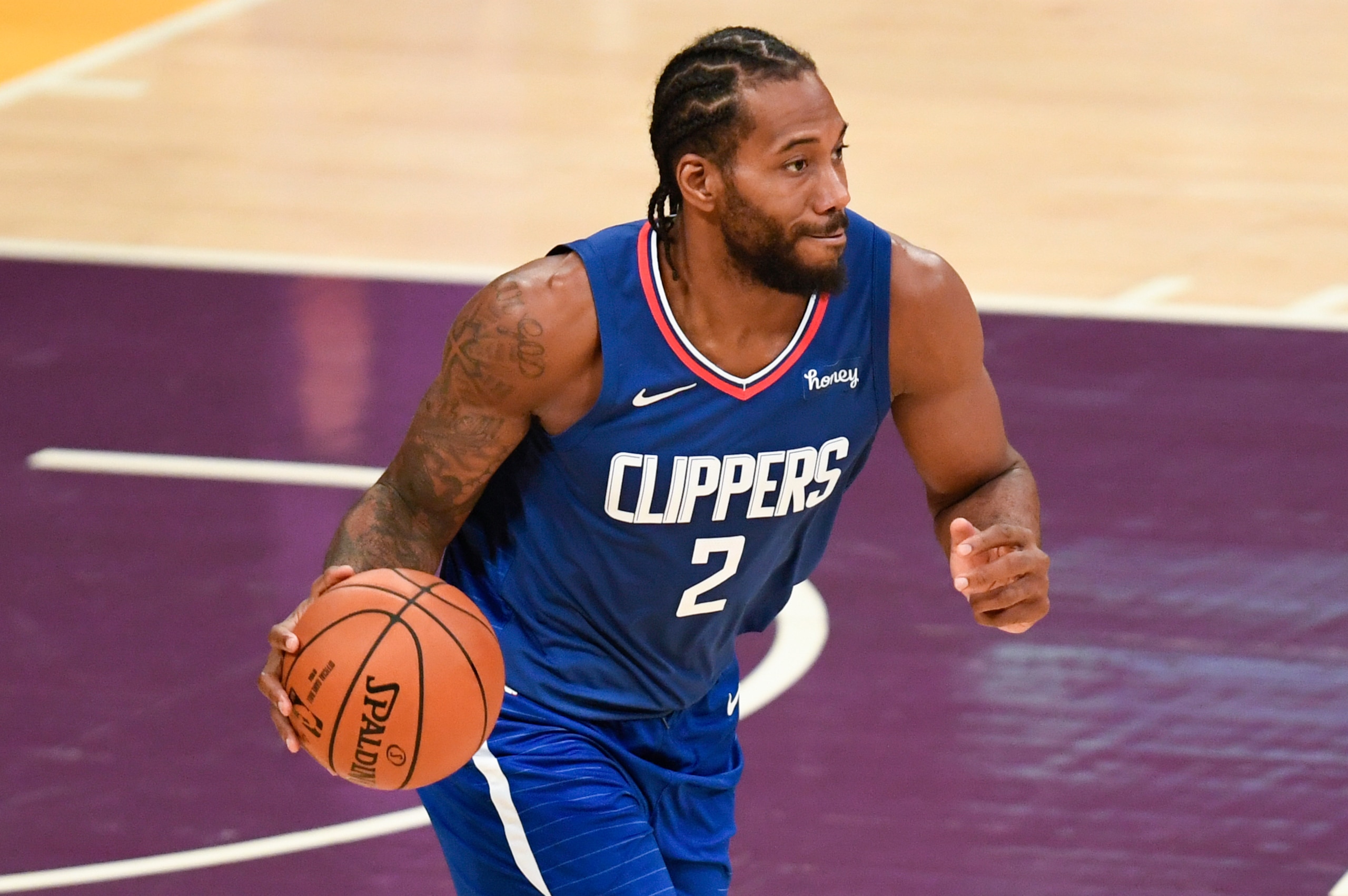
Kawhi Leonard, Los Angeles Clippers
1 of 9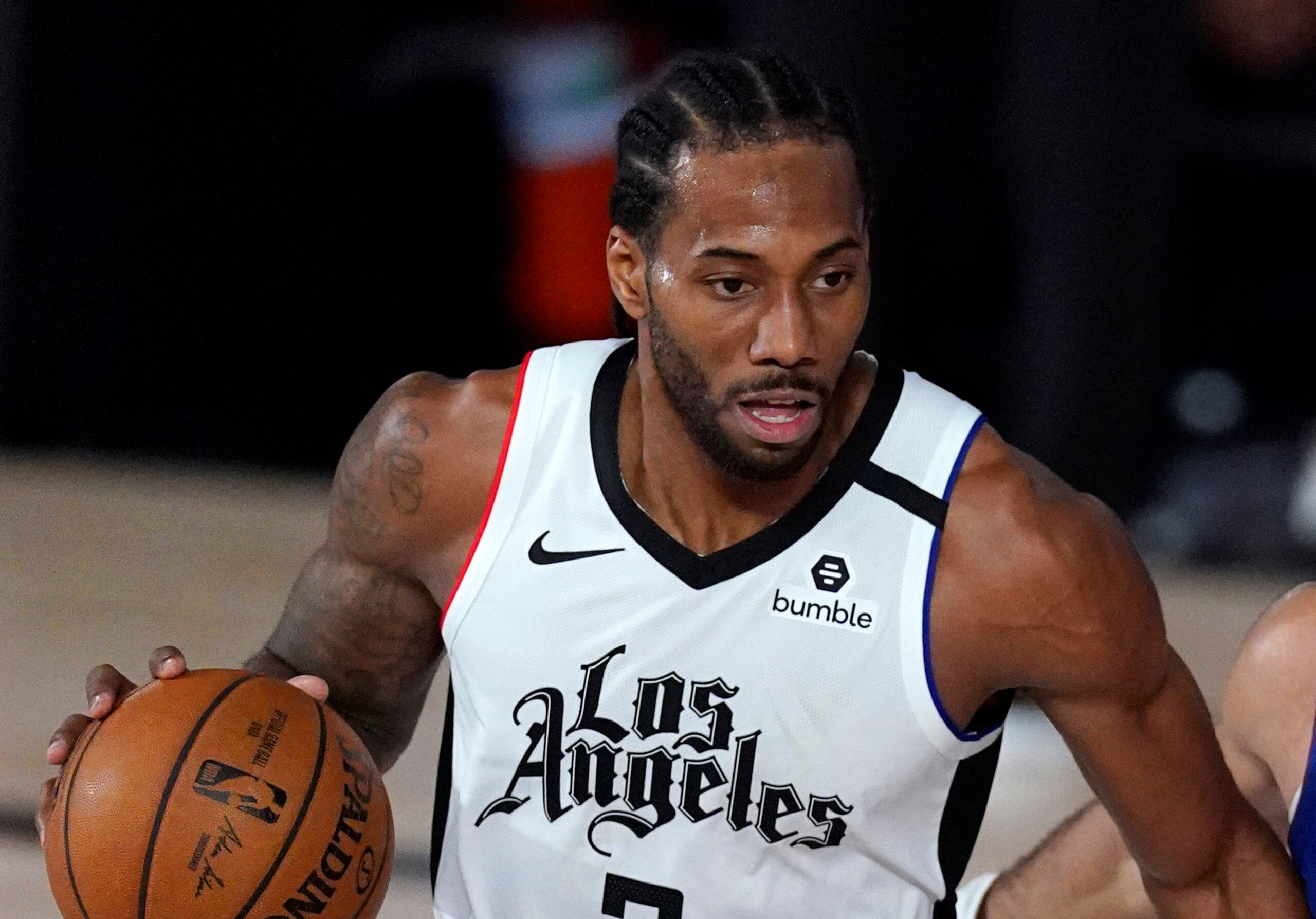
Kawhi Leonard is the only surefire max-salary star with a chance to hit free agency in 2021, and he's already indicated he intends to decline his player option for next season.
The Los Angeles Clippers don't need to worry about losing him, though. Leonard is just making the smart business decision.
At the conclusion of the 2020-21 season, Leonard will have 10 years of service, which will make him eligible for a supermax extension that can pay him up to 35 percent of the salary cap. He'll capitalize on that opportunity by opting out and re-signing with the Clippers on a contract that, at the top end, will be worth $228 million over five years.
No one besides the Clippers can make a five-year commitment, and no other team can touch that $228 million figure. The best outside suitors can offer is a four-year deal for $169 million. The math kind of settles this one, doesn't it?
L.A. proved money is no object by chucking $64 million at Marcus Morris Sr. and then lavishing George with that $190 million extension this past offseason. The bank will be just as open for Leonard, the Clips' franchise star, in 2021.
Flight Risk: Low
Victor Oladipo, Indiana Pacers
2 of 9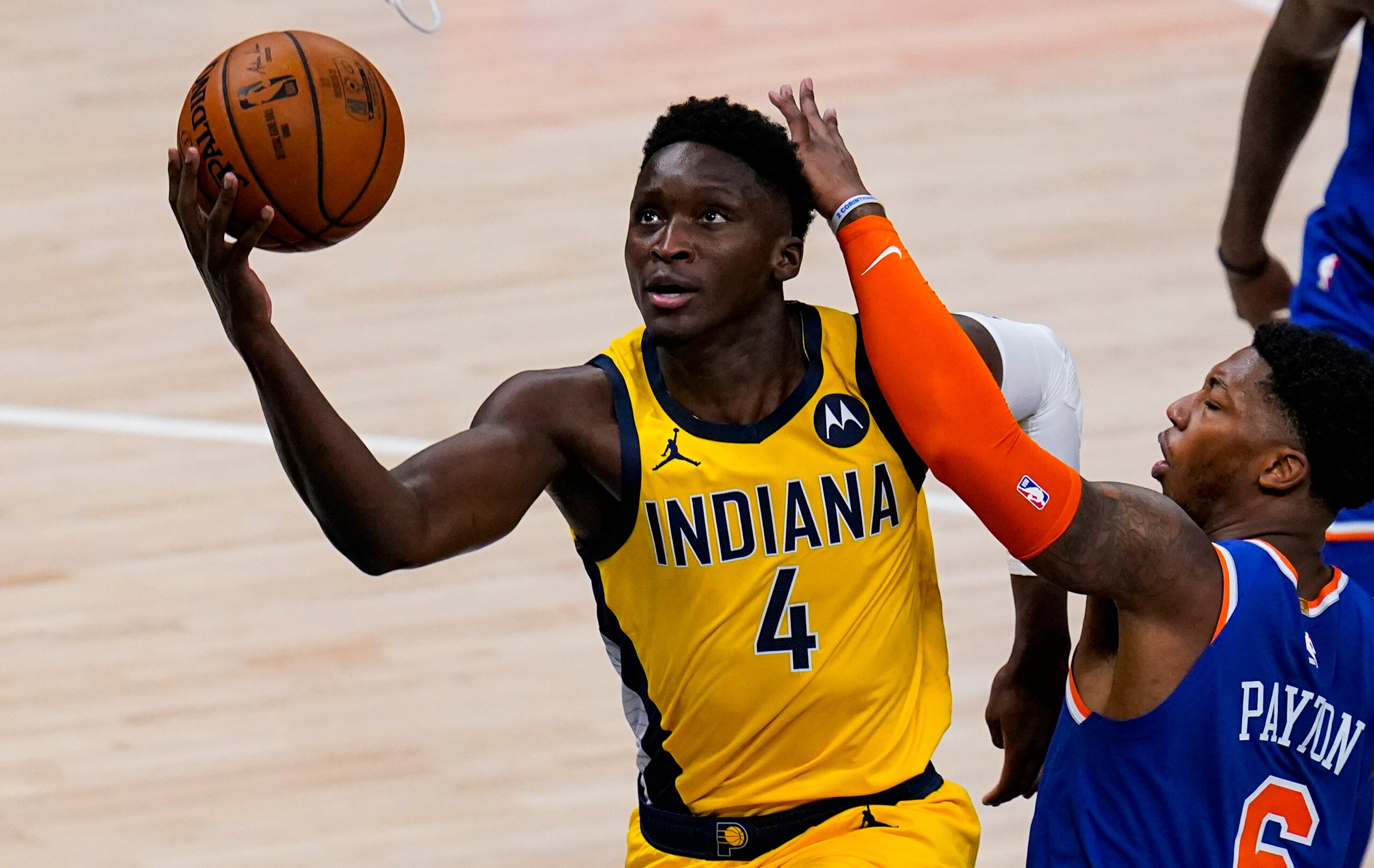
It's hard to be sure, but it felt like the Indiana Pacers were closer to trading Victor Oladipo than extending him this past offseason. That makes it tough to judge the impact of an encouraging start to his age-28 campaign.
Does his stellar play and seemingly improved health make it more likely he and Indy will arrive at an extension agreement that would take him off the 2021 market? Or might the Pacers capitalize on Oladipo's play and sell high before facing the possibility of losing him for nothing in July?
Obviously, the better Oladipo performs, the higher his asking price will become. Even if he continues to produce like the pre-injury All-Star version of himself, you have to wonder whether Indiana views him as a keeper. Rumors that he wanted out (which Oladipo later denied) surfaced in the offseason, and the Pacers will have a better sense of his prospects of staying healthy and productive than any other team.
If they conclude a long-term deal isn't worth the risk, rest assured some other organization will feel differently. This is a two-time All-Star we're talking about here. Even with his last two seasons marred by injury, he'll be a hot commodity.
Flight Risk: Medium
Lonzo Ball, New Orleans Pelicans
3 of 9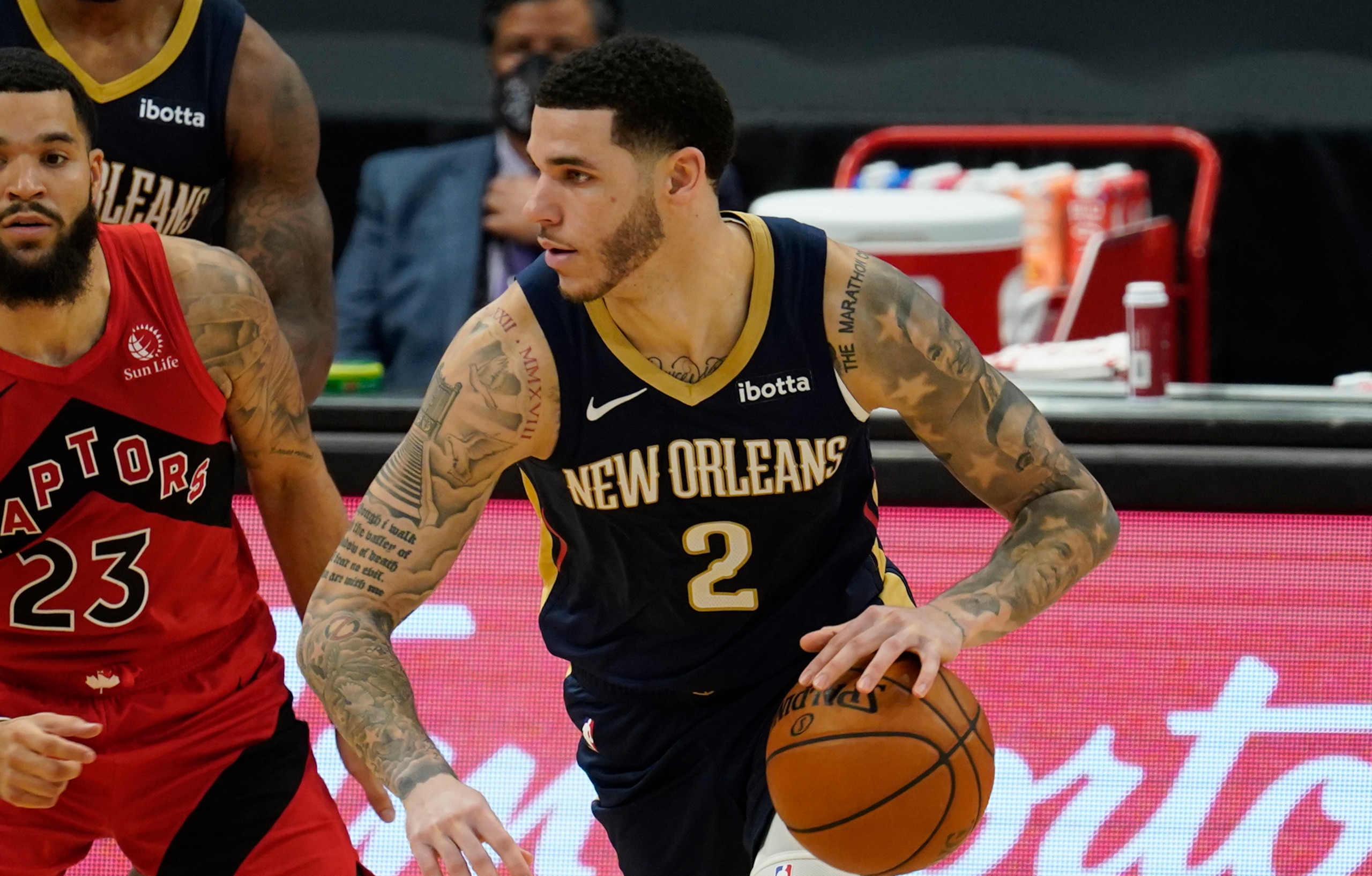
Lonzo Ball turned 23 in October, which means he fits just fine with the young core of Zion Williamson and Brandon Ingram. Already a quality defender and gifted passer whose three-point accuracy climbed all the way to 37.5 percent last season, the 6'6" guard profiles as at least a starting-caliber contributor over the next several years.
Given his draft pedigree and impressive growth as a shooter, the possibility of a leap beyond that level is very real.
The New Orleans Pelicans didn't lock up Ball with a rookie extension prior to the season, which might come back to bite them. The caution is understandable, and it may just be an organizational policy to wait until restricted free agency before forking over big dollars. That's exactly how it went with Brandon Ingram, who ended up getting a max deal a year after he was technically eligible.
Barring a breakout along the lines of Ingram's star turn, Ball won't command a similar max contract. But you can certainly imagine several other teams with cap space would be willing to float him an offer sheet worth $15-20 million per season. With a high-dollar commitment to Ingram and another looming in 2022 for Zion Williamson, it's possible the Pelicans will set a hard salary ceiling for Ball that falls short of what another club will offer.
Then again, the Pels hold all the power because of their matching rights, and the fit in New Orleans makes sense—slow start this year notwithstanding. Ball's not a lock to stay in New Orleans, but a re-signing feels likelier than not.
Flight Risk: Low
John Collins, Atlanta Hawks
4 of 9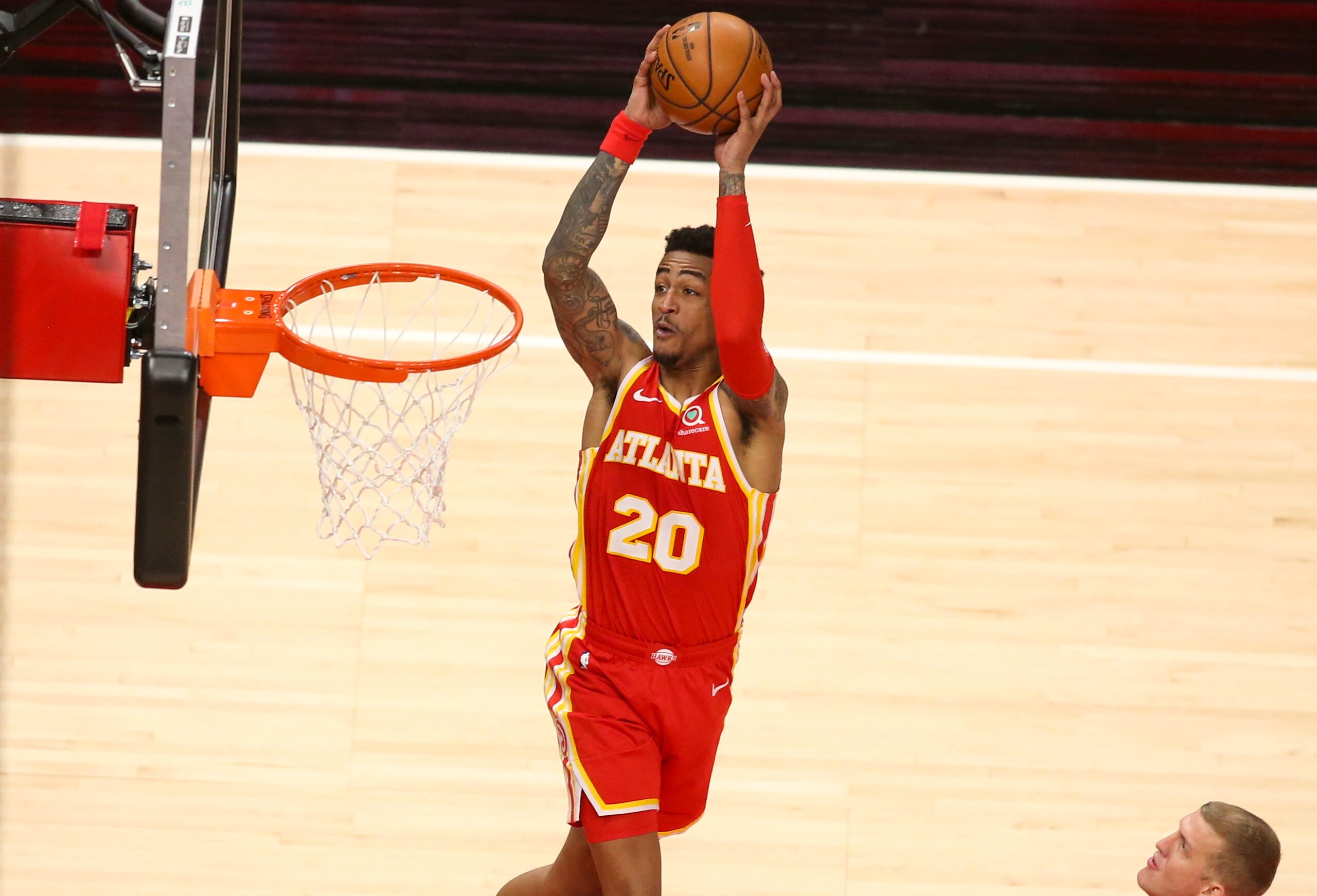
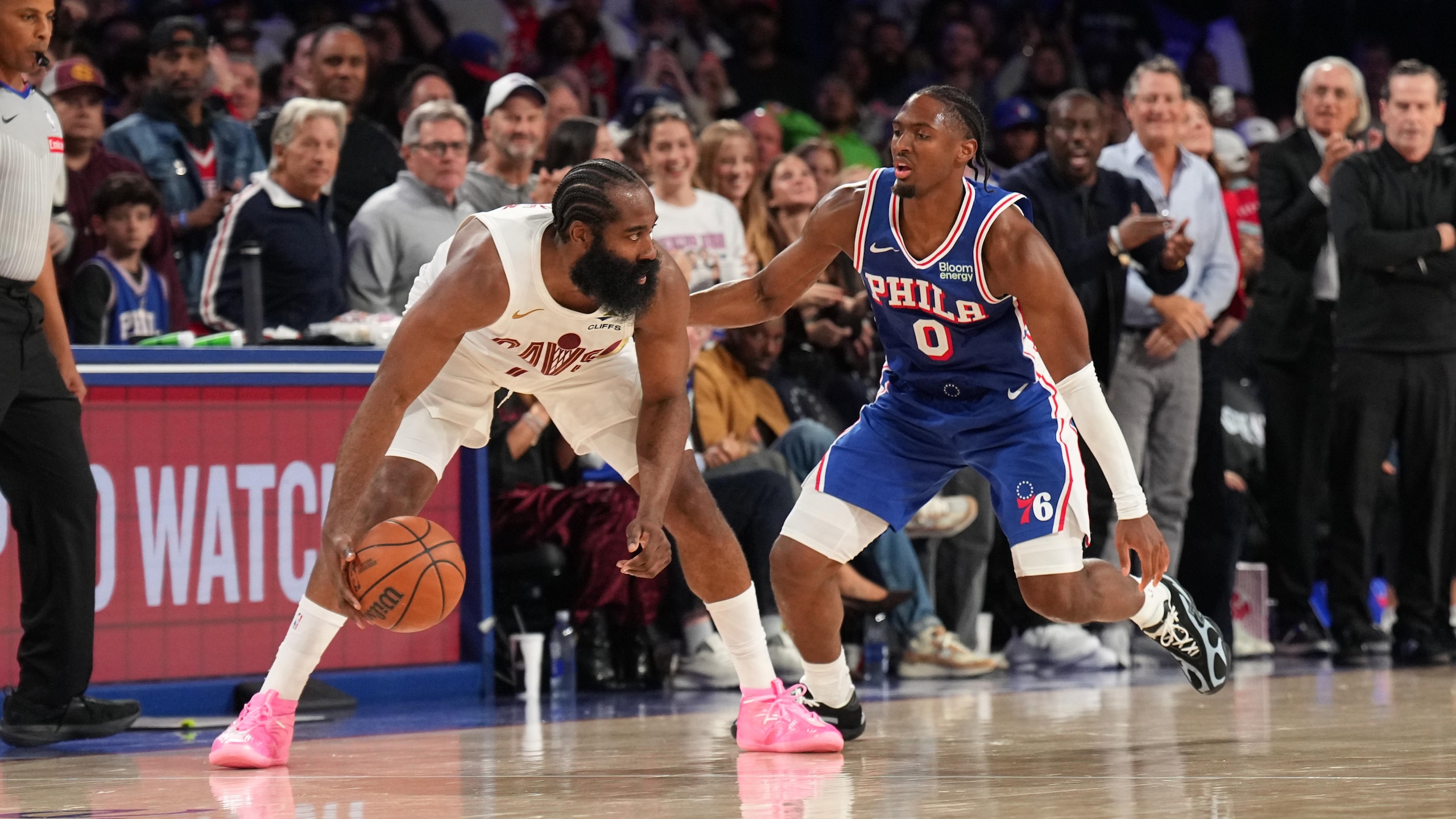
Virtually every sign points to John Collins playing elsewhere next season.
According to ESPN's Brian Windhorst on the Brian Windhorst & The Hoop Collective podcast (h/t Reddit.com), the Atlanta Hawks' preseason $90 million extension offer wasn't enough to satisfy Collins, who's long had max money on his mind. It's possible that wasn't Atlanta's best and final offer, and Collins could force the team to recalibrate by putting together a career year. But the failure to agree on an extension prior to the season indicates, at the very least, that Collins and his camp suspect there'll be bigger offers out there.
The Hawks spent plenty on players other than Collins in 2020, signing veterans Danilo Gallinari, Bogdan Bogdanovic and Rajon Rondo to deals that will eat up $46 million in cap space for 2021-22. Throw in Clint Capela's $17 million salary for next year and the inevitable long-term commitment to Trae Young, who can sign a rookie extension in the 2021 offseason, and you get an Atlanta team that lacks flexibility.
It's true that the Hawks don't need cap space to keep Collins, but would they really go beyond that $90 million figure to match an outside offer in restricted free agency? It'd be tough to rationalize paying a significant tax bill for a team that won't be a title contender.
Collins will have to get significantly better to justify that level of expenditure from the Hawks. He's already a dynamite offensive weapon who averaged 21.6 points per game and shot 40.1 percent from deep in his age-22 season, but the skilled and springy 6'9" big man doesn't have a position on defense.
Too prone to space-outs to function as a rim-protecting center and not laterally mobile enough to guard perimeter-oriented 4s (or wings of any size, for that matter), Collins makes building a quality defense almost impossible. With Young's struggles on that end already putting the Hawks at a disadvantage, a long-term commitment to a second suspect defender could cap Atlanta's ceiling at a disappointingly low level.
If the Hawks were confident Collins could develop into a more complete player, they would have already signed him to a new deal.
Flight Risk: High
Kyle Lowry, Toronto Raptors
5 of 9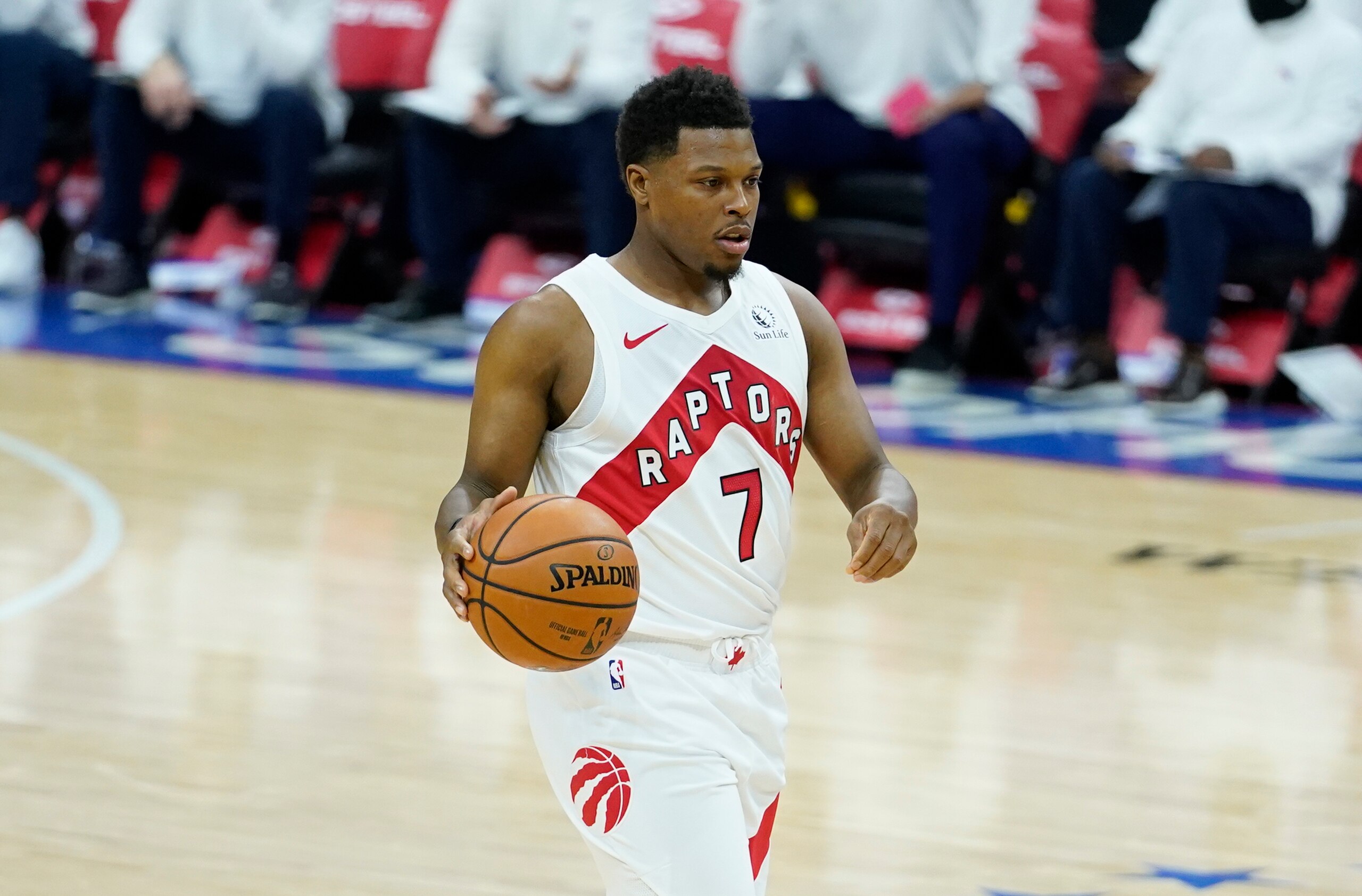
With the Toronto Raptors having lost Marc Gasol and Serge Ibaka a year after Kawhi Leonard and Danny Green departed, they are moving further away from the core that produced the 2019 title.
Kyle Lowry remains, but he'll turn 35 in March and may no longer fit in Toronto's younger-skewing timeline.
It's easy to imagine a team like the Dallas Mavericks making him a free-agency priority. They won't come close to offering a deal worth $30 million per year, which is what Lowry will collect for 2020-21, but the Mavs in the offseason might view themselves as being a high-quality veteran away from seriously contending. Adding Lowry on a short-term deal worth $20 million annually seems plausible.
And if it's not the Mavs who scoop up Lowry, it'll be another savvy team that values his competitiveness, smarts and plug-and-play game. Assuming he doesn't tail off too badly in his 15th season, plenty of contenders will come calling.
Lowry could also go the Paul Millsap route, downgrading from $30 million to around $10 million per year on his next deal to stick (and probably retire) with his team. Millsap's decline has been steep, and ball-handling guards are more valuable than role-playing forwards, so Lowry would have to leave serious cash on the table to return to Toronto on a similar deal.
Finally, there's the possibility of a trade. Would being dealt to a contender prior to the deadline count as "flight"? Not exactly, but it seems fair to assume Lowry would be even more inclined to choose his destination in free agency after a hypothetical stint as a late-season rental.
It's painful to consider given Lowry's brilliant career and deep connection with the Raptors, but his chances of playing elsewhere next year are substantial. Here's hoping we're wrong.
Flight Risk: High
Duncan Robinson, Miami Heat
6 of 9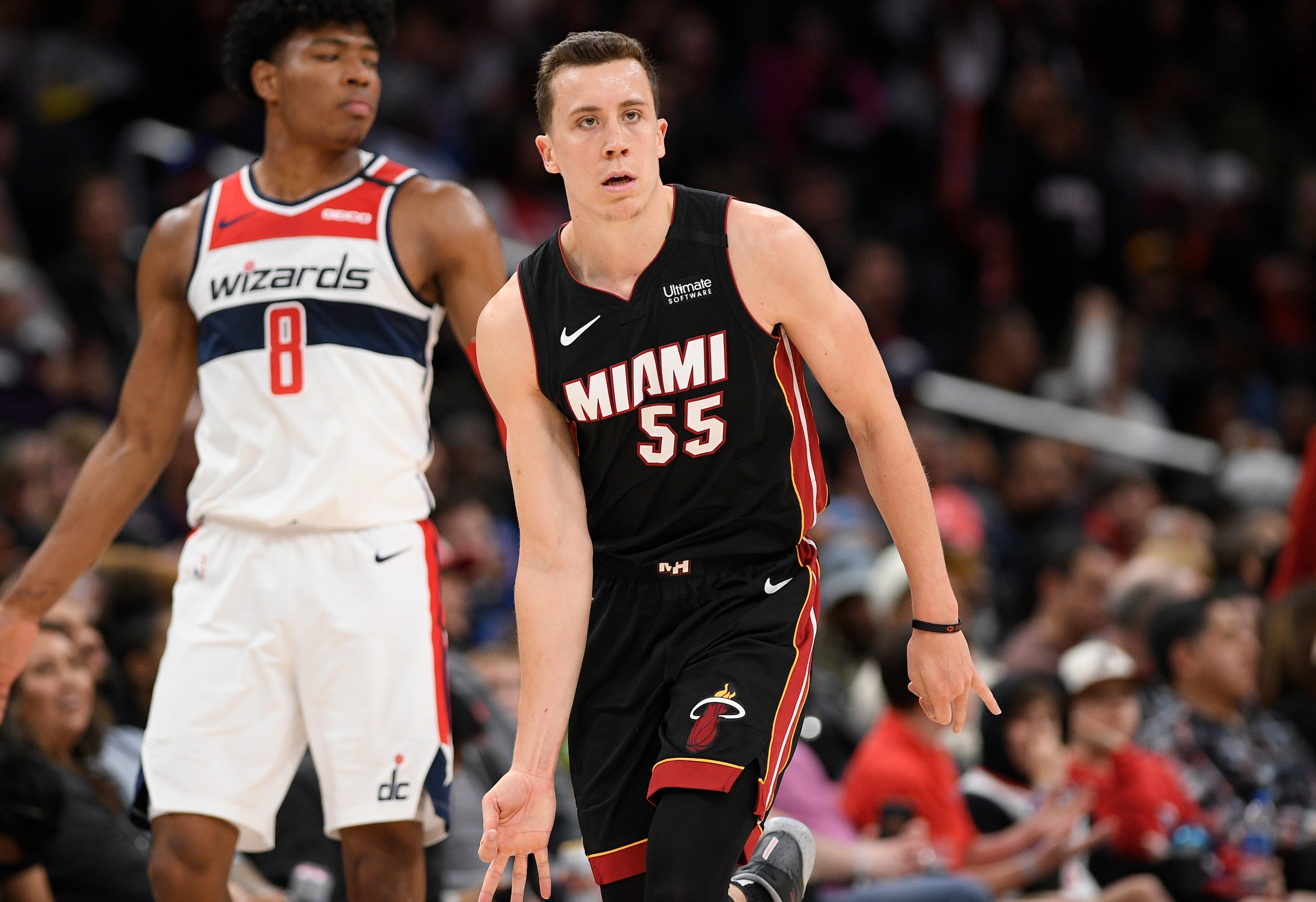
Anybody else imagine Duncan Robinson hearing a cash register going "cha-ching!" in his head on Nov. 20?
That's when ESPN's Adrian Wojnarowski reported the Brooklyn Nets had signed Joe Harris to a four-year deal worth $75 million.
Harris is a fantastic shooter, but Robinson is the only guy not named Stephen Curry to hit at least 250 threes in a season with an accuracy rate north of 44.0 percent. The Miami Heat wing's ability to move off the ball, hit contested shots on a dead sprint and make good decisions when perpetually panicked defenders close out too aggressively means Robinson can make a case as the league's most valuable shooter...again, among those not named Stephen Curry.
The Heat know what they have in Robinson, the walking embodiment of floor-spacing gravity. Their right to match outside offers also gives them an edge. So while literally every team in the league could improve its starting lineup by inserting Robinson into it, Miami, having given Robinson his shot to thrive, is best positioned to keep him.
Whatever the cost.
Flight Risk: Low
LaMarcus Aldridge and DeMar DeRozan, San Antonio Spurs
7 of 9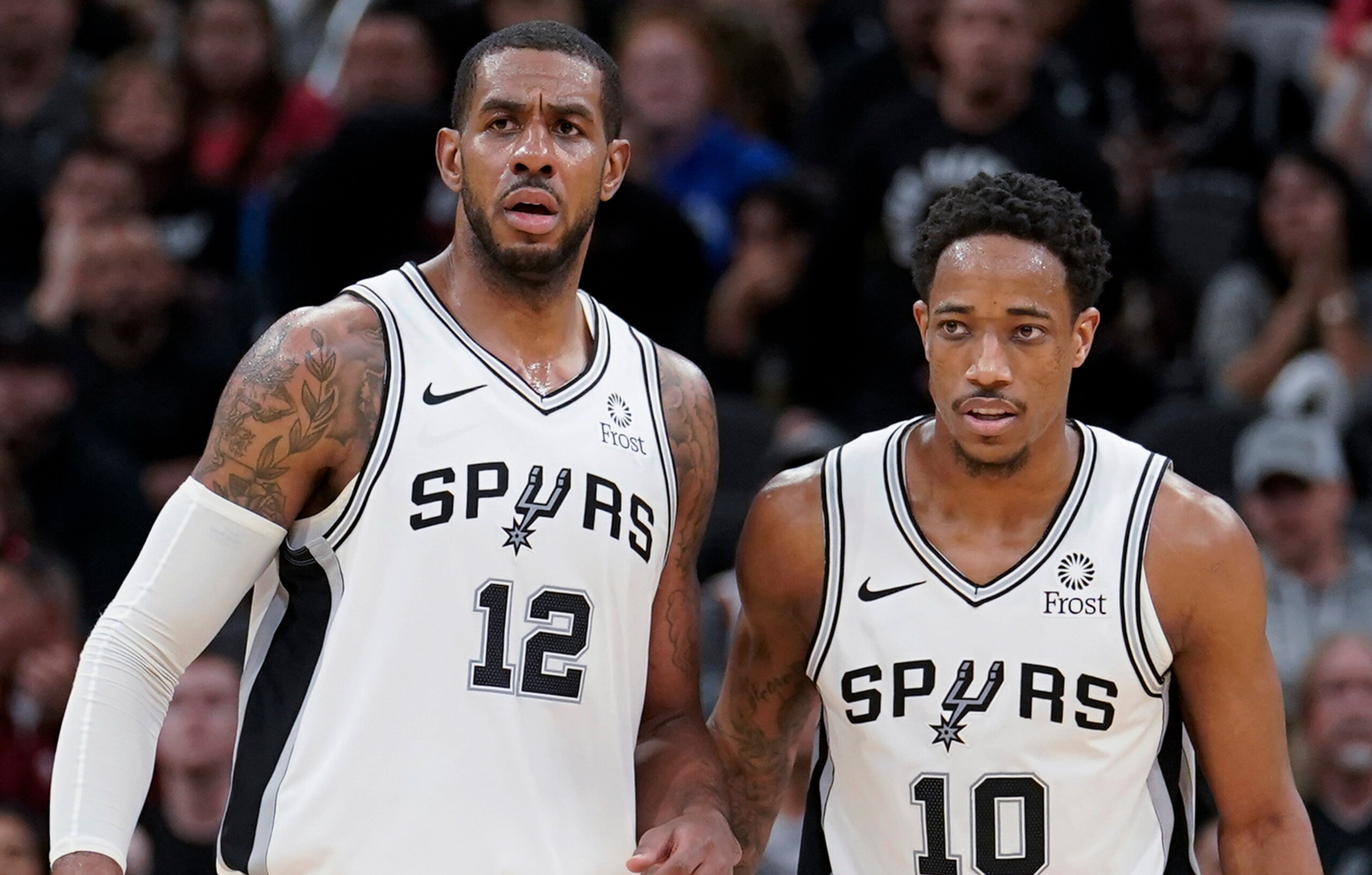
DeMar DeRozan and LaMarcus Aldridge might not have their bags packed, but let's just say they've gotten them out of the closet in preparation.
The San Antonio Spurs' veteran duo, headed for unrestricted free agency, seems like a sure goner.
If they manage to remain on the Spurs roster through the trade deadline (an iffy proposition on its own), DeRozan and Aldridge might not even get contract offers to return. Each has their uses—DeRozan as a capable wing scorer who can pass and Aldridge as a floor-spacing big—but they are also obstructing the developmental arcs of many young players, several of whom San Antonio has already inked to new deals.
DeRozan doesn't necessarily create positional overlap with Dejounte Murray, Derrick White or Lonnie Walker IV, but he's a high-usage player accustomed to a major role. The Spurs can't let their younger talent loose with DeRozan in the fold. Same goes for Aldridge, who doesn't obstruct as many players in his positional range as DeRozan does but who also takes plenty of shots.
There will be a market for each player, but their time in San Antonio is coming to an unavoidable end.
Flight Risk: Extra High
Jrue Holiday, Milwaukee Bucks
8 of 9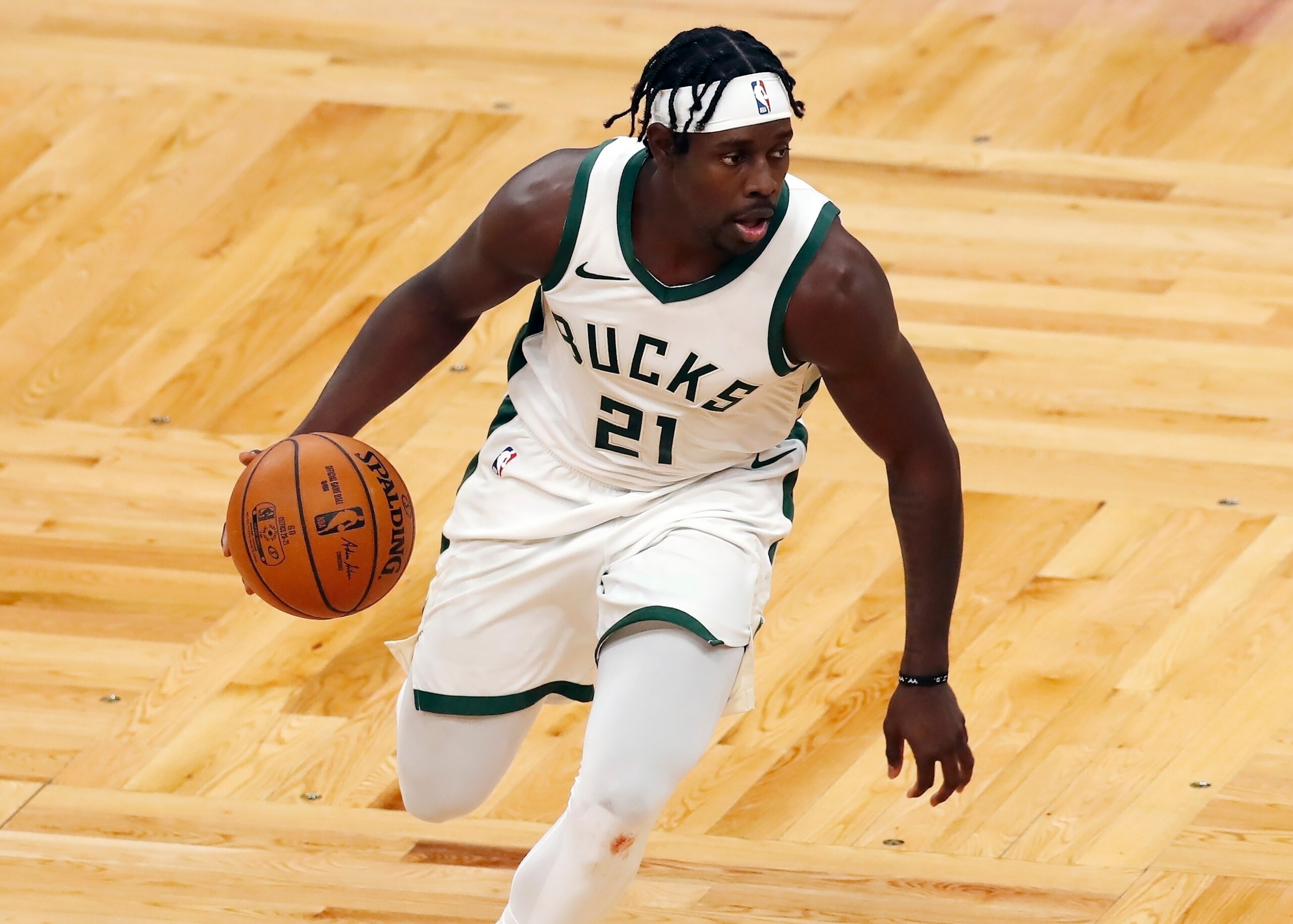
If Jrue Holiday looks a little sluggish this year, it's only because he's lugging around 10 million tons of leverage.
Holiday has a $26.8 million player option for 2021-22, his age-31 season. Under normal circumstances, a player in that contractual position might consider picking up that option. But Holiday will decline his because he knows the Milwaukee Bucks have no choice but to hand him a fat new deal.
Imagine the alternative: Despite surrendering three first-round picks and two additional pick swaps to get him, the Bucks let Holiday walk after a single season.
No chance.
This deal is probably already done in principle.
Flight Risk: Nonexistent
Mike Conley, Utah Jazz
9 of 9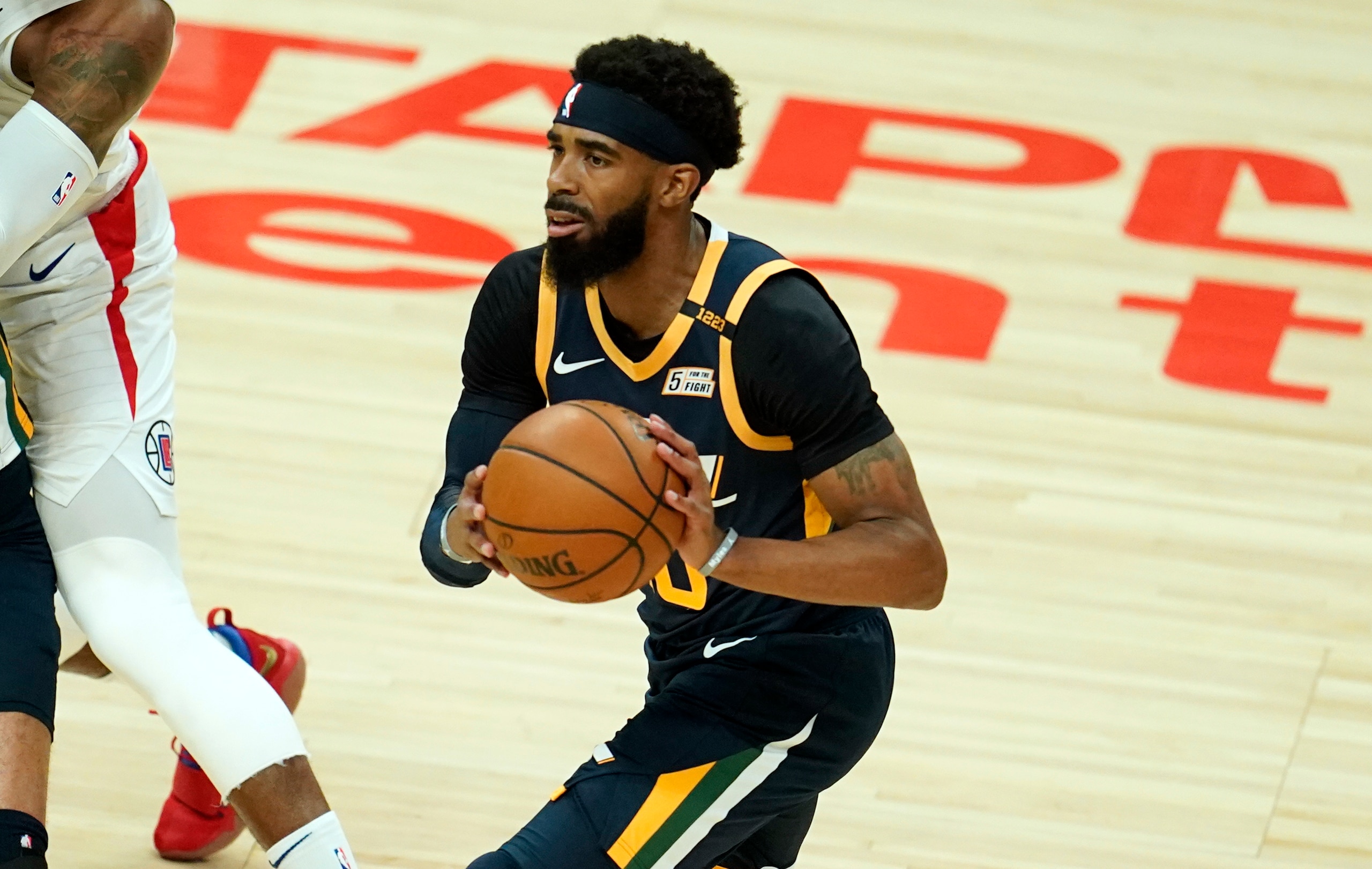
Under new governor Ryan Smith, the Utah Jazz are throwing cash around like never before. But there's got to be a limit to the free-spending frenzy.
Ticketed for the 2021-22 tax even if Mike Conley leaves in free agency, the Jazz may find it difficult to justify starter-level money for a veteran point guard who'll have his share of offers on the market. Conley had a rough first go-round with Utah, but he improved in the bubble and early 2020-21 returns suggest he's still got some juice left. Not enough to make his first All-Star Game but enough to make the Jazz think hard about what they're willing to spend to keep him.
Much depends on how Utah finishes out the season. If this group separates itself from the chunk of roughly a dozen teams in the "very good, but not the Lakers or Clippers" tier, possibly advancing to the West finals, maybe Smith will flip open the checkbook again. If Utah can't put that kind of a run together, it'll be easier to let Conley go and fast-track Donovan Mitchell's transformation into full-time primary ball-handler.
Conley's made a ton of money in his career, so if he's happy in Utah, he might be willing to stay for a discount. If he wants market rates, his Jazz tenure could end after the season.
Flight Risk: Medium
Stats courtesy of NBA.com, Basketball Reference and Cleaning the Glass. Salary info via Basketball Insiders.

.jpg?w=2560 "Bears TE Out for Season")
.jpg?w=2560 "Reported Details of Seahawks-K9 Split")