Did We Get the 2020 NBA Draft Class All Wrong?
NBA teams had more concerns than usual about the 2020 NBA draft class. And with no summer league and a huge layoff from live-game action, expectations for rookies were low.
However, a number of them have surprised early, especially by showing promise in areas that scouts questioned the most.
Some of the top early performers have flashed unexpected skills or strengths scouts didn't anticipate would translate so fast.
These rookies have quickly started to erase concerns from their predraft scouting reports, whether it's been with shooting, scoring, defense or decision-making.
Cole Anthony (Orlando Magic, PG)
1 of 7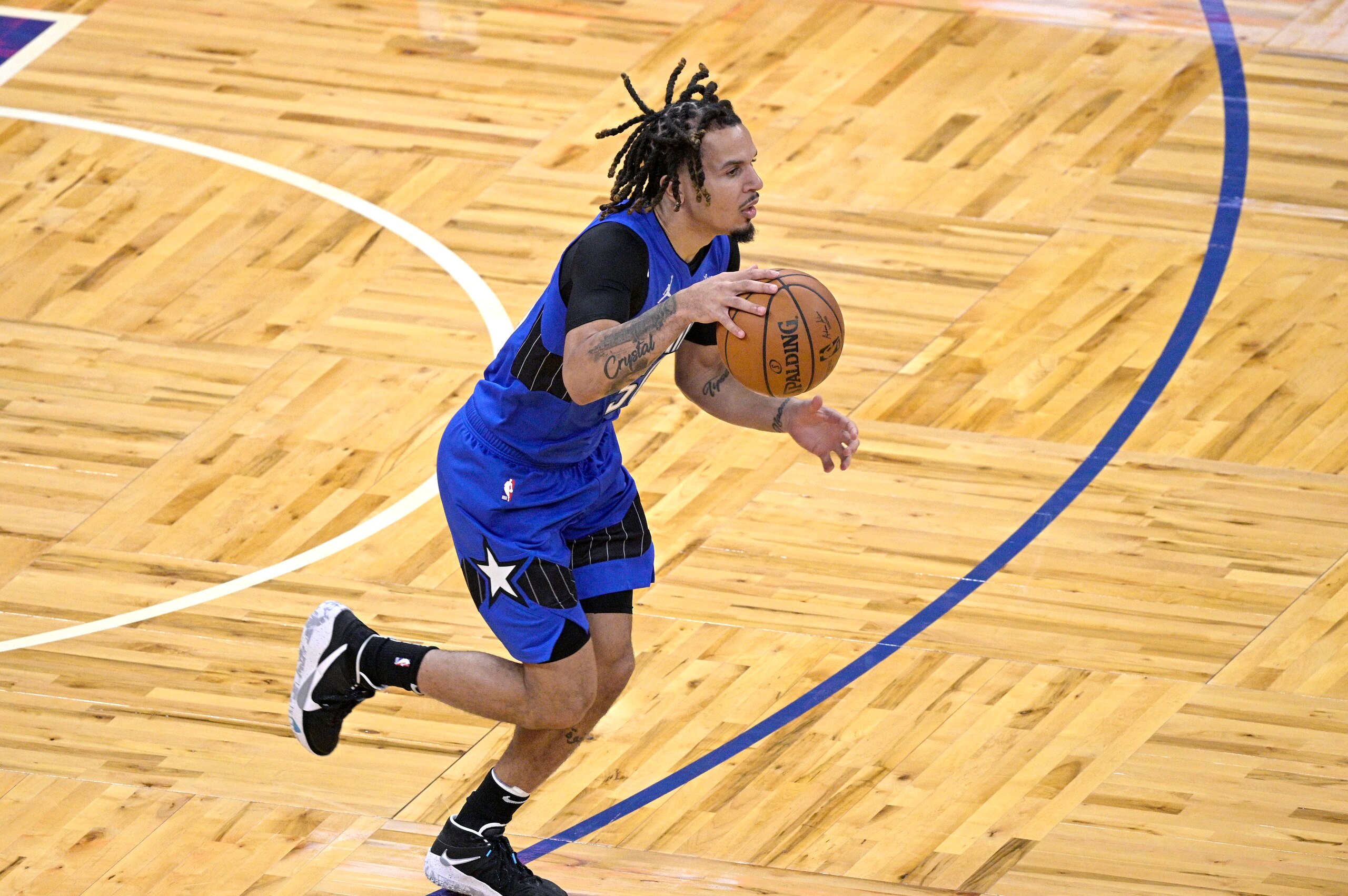
Biggest early surprise: Playmaking efficiency
Cole Anthony didn't fall too far in the draft, but scouts across the NBA cooled on his lead-guard potential based on his inefficiency and decision-making at North Carolina. He's always had a score-first reputation with questionable feel facilitating for teammates.
Yet through four games coming off the Orlando Magic bench, Anthony has totaled 17 assists to just three turnovers.
He's made a noticeable effort to play the right way and win over teammates, even if it's just by making the simple play or pass. Compared to last year, Anthony now has significantly more talent to play off in terms of a supporting cast, so he hasn't needed to over-create or force shots.
His own shot hasn't fallen, but given his track record as a shot-maker dating back to high school, it's safe to assume he'll heat up eventually. In the meantime, it's encouraging to see Anthony make the right reads as a passer without trying to do too much.
Deni Avdija (Washington Wizards, SF/PF)
2 of 7
Biggest early surprise: Three-and-D
That Deni Avdija started his first four games isn't surprising, given his experience in Euroleague and general success in different settings against pros overseas. But the predraft questions wondered about his inconsistent shooting and potential to defend quicker NBA forwards. And so far, he's given the Washington Wizards an efficient three-and-D wing.
Avdija has made seven of 13 threes, showing off the improved, shortened stroke he'd been working on since winning MVP of the Israeli League. Defensively, he's showcased his strong IQ and anticipation. Already with some high-level reads and adjustments, both on and off the ball, Avdija's awareness and team defense have stood out early.
Otherwise, he's flashed the post play, unselfish passing and competitiveness under the boards we saw regularly with Maccabi Tel Aviv. But Avdija's comfort level shooting from distance and defensive impact this soon have been the most encouraging developments.
James Wiseman (Golden State Warriors, C)
3 of 7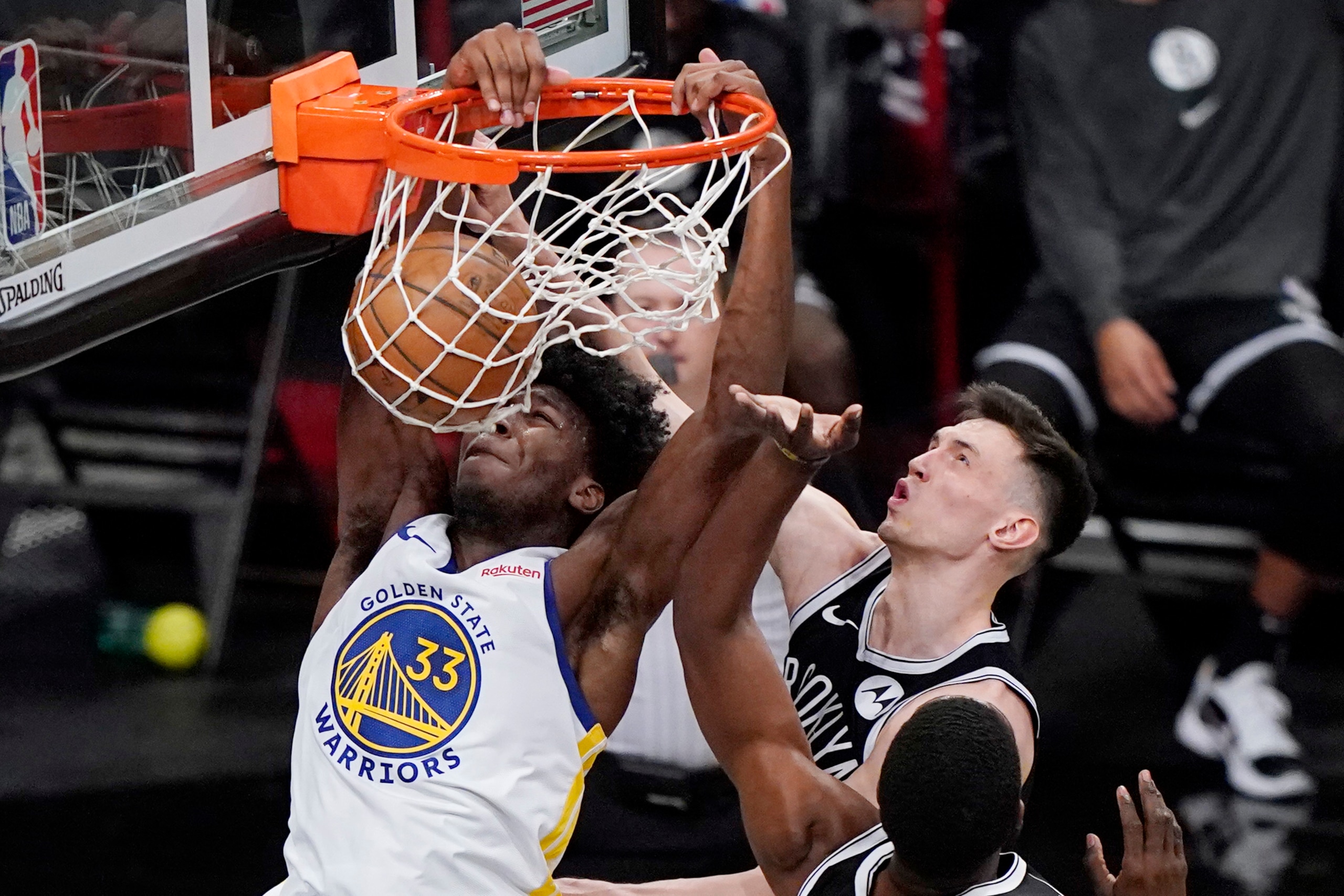
Biggest early surprise: Shooting
After playing just three games at Memphis, which took place over a year ago, James Wiseman didn't come off as NBA-ready for full-time, productive minutes. But through four games, he's averaging 12.5 points in 23.5 minutes to give the Golden State Warriors a surprising source of offense.
It was tough to see the made jump shots coming this early, considering the layoff and the fact that he wasn't considered a shooter to begin with. The garbage-time jumpers against the Brooklyn Nets and five three-point makes so far have been highly encouraging, even if his early-season accuracy has been fluky.
Wiseman sure looks comfortable mechanically when given room. He's also done a nice job of not forcing, taking jumpers in rhythm—and not just when he's left open.
Otherwise, the easy finishes were expected. But he's shown more scoring promise with flashes of open-floor ball-handling and face-up moves from the mid-range.
Wiseman is capitalizing on a picture-perfect situation for development in Golden State, where he can play to his strengths and regular minutes without too much pressure to make things happen on his own.

LaMelo Ball (Charlotte Hornets, PG)
4 of 7
Biggest early surprise: Shooting
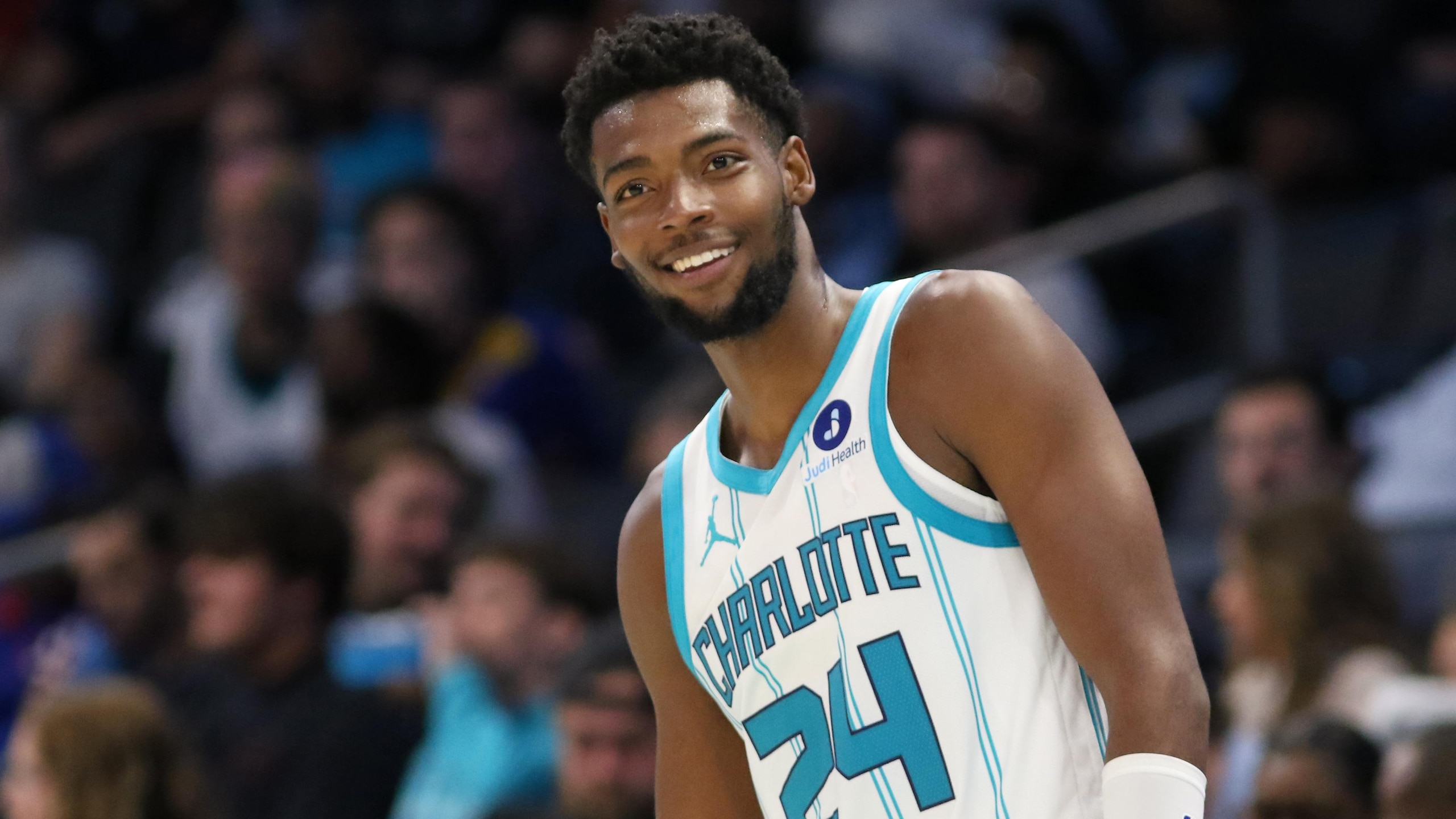
The minutes, scoring and efficiency haven't been there for LaMelo Ball yet. He's taken on an unfamiliar role, coming off the bench in an offense that isn't running through him. But despite the major adjustment, Ball has still been a useful, effective player for the Charlotte Hornets, providing his signature setup passing and bonus shooting that wasn't expected.
Through three games, he's made four of six catch-and-shoot chances (all threes), looking more comfortable than expected given how infrequently he's been used as a spot-up player over the years.
It seems he's quickly realized his scoring chances this year will be limited by Devonte' Graham and Terry Rozier's ball dominance. For Ball, that means he'll need to stay ready to catch and shoot from the wings and corners if he wants to hit shots.
Until coach James Borrego trusts the rookie more to make plays and decisions, Ball will have to adapt and evolve into a different type of player. So far, he's shown a willingness to do so while looking relatively comfortable from NBA range when shooting in rhythm.
Patrick Williams (Chicago Bulls, SF/PF)
5 of 7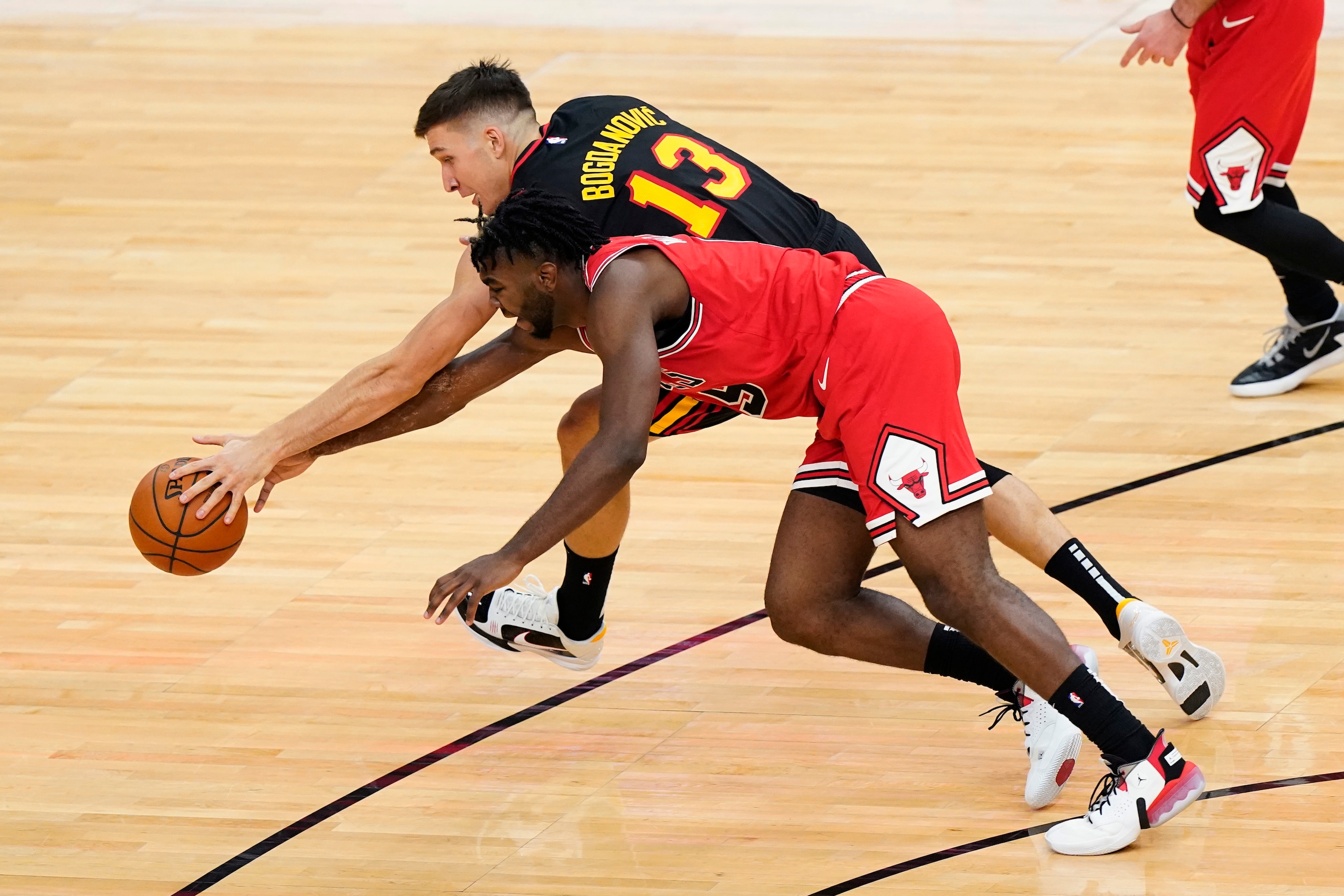
Biggest early surprise: Production
"NBA-ready" wasn't written on Patrick Williams' scouting report. He came off the bench at Florida State before entering the draft as its youngest NCAA prospect. But he's been drawing starts for the Chicago Bulls, averaging more points per game (10.8) than he did in college (9.2).
He just played a key role in Chicago's win over the Washington Wizards on Tuesday night, scoring seven third-quarter points that helped the Bulls maintain their lead.
Though a limited creator for himself, he's making rhythm jumpers, attacking closeouts and crashing the offensive glass for putbacks. Williams is producing in an off-ball role and making quick decisions with the rock, ideal for a lineup that features Zach LaVine, Coby White and Lauri Markkanen.
While the draw all along to Williams was long-term potential fueled by his physical profile, shooting versatility, live-dribble passing and defensive upside, he appears ready to help the Bulls right now.
Payton Pritchard (Boston Celtics, PG)
6 of 7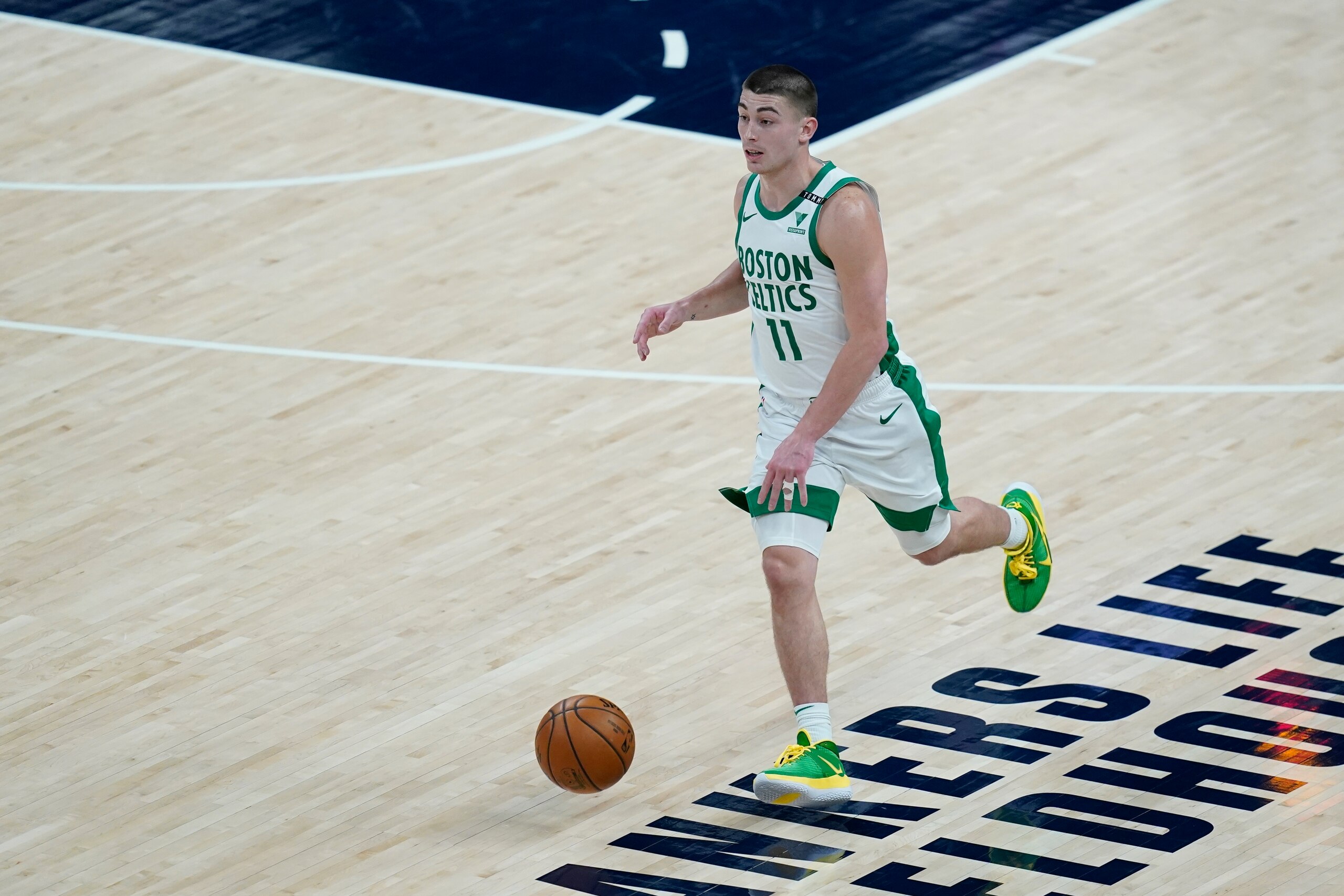
Biggest early surprise: Execution
Despite averaging 20.5 points and 5.5 assists at Oregon, Payton Pritchard didn't go until No. 26 in the draft. Scouts had trouble seeing past his limited athletic ability for a 6'2" guard. In 31 games last year (36.6 minutes per game), he recorded one block and zero dunk attempts.
But the NBA's speed and length haven't bothered Pritchard through four games. While Kemba Walker sits, coach Brad Stevens has made the rookie a regular in the rotation from Opening Night, even giving Pritchard key time in the fourth quarter.
While it's not so surprising to see his three-ball fall (5-of-9), his execution inside the arc seems more unexpected. Despite lacking explosion, he's getting past defenders with timing and craftiness, and he's converting shots using his touch and body to shield.
Built-in competitiveness and IQ have always hinted at NBA role-player potential out of Oregon. But seeing his scoring efficiency and playmaking translate this early suggests Pritchard can instantly be that role player for a playoff team.
Tyrese Haliburton (Sacramento Kings, PG/SG)
7 of 7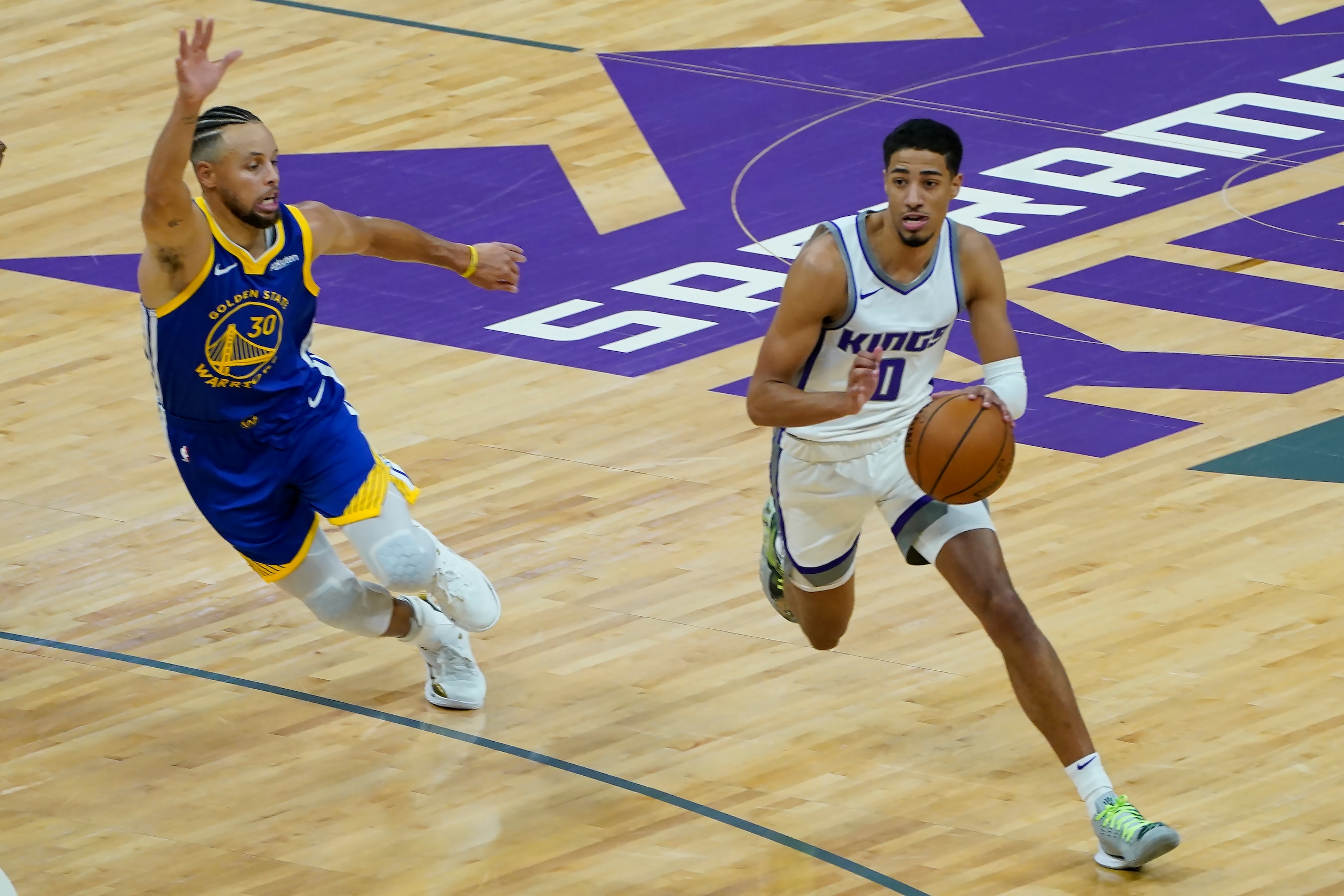
Biggest early surprise: Scoring
The intrigue with Tyrese Haliburton out of Iowa State stemmed from his special passing IQ. The drawback: his lack of burst to beat defenders and a strange shooting release that had scouts questioning how effectively he'd get his shot off against NBA defenses.
In four games as a Sacramento King, he's quickly managed to squash the predraft concerns about his scoring. It's not surprising to see him lead all rookies in assists (5.3), but he's one of four to average double figures in points (10.5), joining three of the top four picks.
He's 8-of-16 from behind the arc, making threes with plenty of distance using the same funky mechanics from college. And without much speed or bounce, he's also 6-of-9 inside the arc, picking his spots wisely and converting on his runners and touch shots around the key.
Haliburton just gave the Kings a huge fourth-quarter lift Tuesday with his shot-making and playmaking that helped sink the Denver Nuggets. While he was considered one of the more NBA-ready rookies, given how passing and IQ typically translate, that he's been able to score and shoot without much trouble has likely caused a number of 2020 lottery teams to already start feeling regret.

.jpg?w=2560 "AD Trolls Bears WR on IG 😂")
.jpg?w=2560 "Viral Dan Campbell Presser 💙")
.jpg?w=2560 "Report: Steelers WR to Miss 'Weeks'")
.jpg?w=2560 "Cam Ward Says He's Not A Loser")
.jpg?w=2560 "Buzz: MHJ Hired Agents for Trade")
.jpg?w=2560 "Chargers Fall to 0-5 🤢")