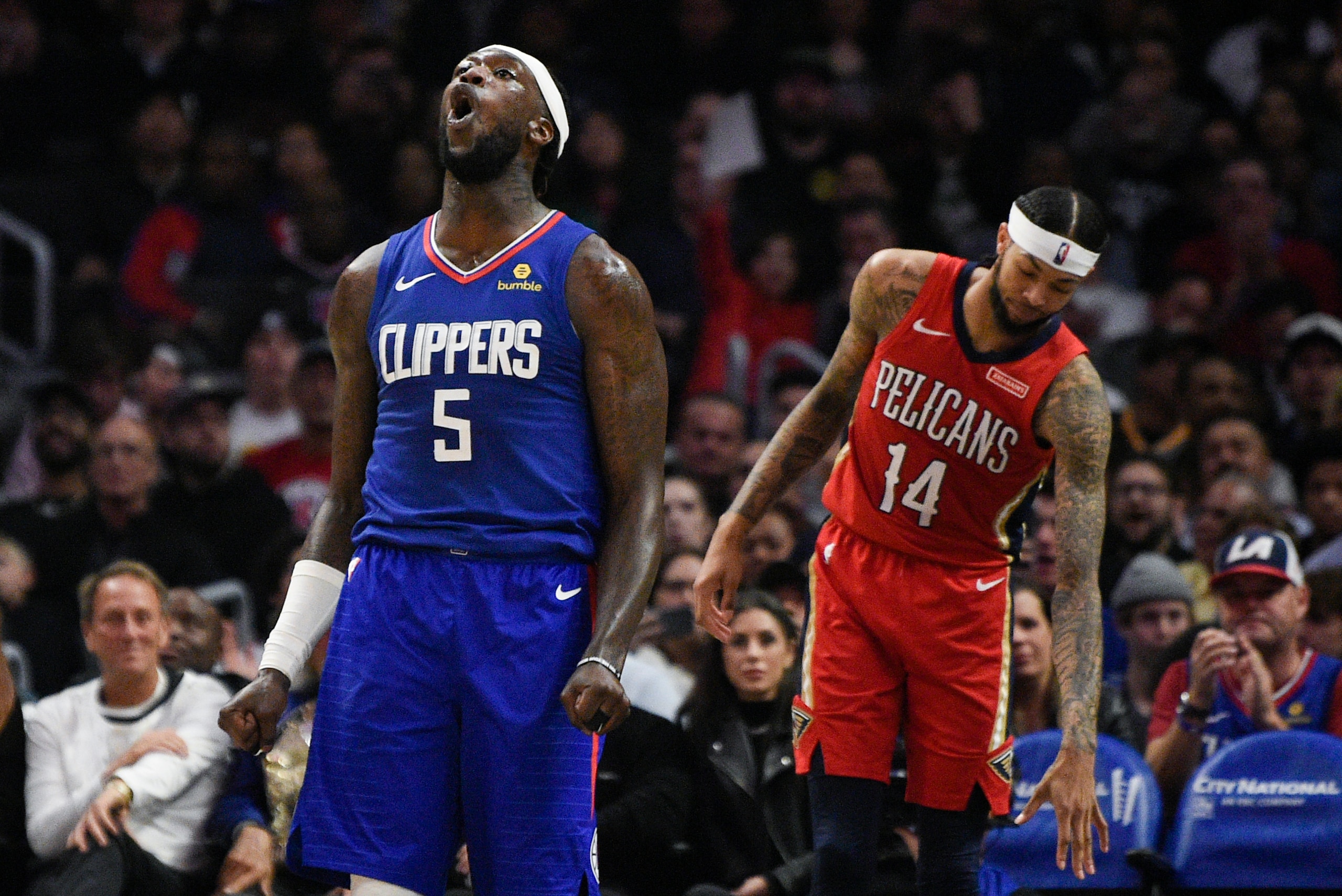


Dedicated NBA fans who care deeply about billion-dollar franchises shelling out too much money for free agents needn't lose too much sleep ahead of this offseason. The market isn't conducive to reckless overspending or monumental mistakes.
No one yet knows for sure where next year's salary cap will land following the league's March 11 closure because of the coronavirus pandemic. We also know it's destined to drop from the initial $115 million projection, in some form.
Whether said fall is steep or more of a slight tumble matters. Regardless, teams are bound to be more frugal than usual after missing out on significant revenue. And even if they're not, it doesn't give players a ton of leverage. They're at the mercy of a cash-poor market.
Only five teams—Atlanta Hawks, Charlotte Hornets, Detroit Pistons, Miami Heat and New York Knicks—are essentially guaranteed to have more than the non-taxpayer's mid-level exception at their disposal. Combine that with a generally shallow free-agency class and you've got a recipe for a more under-control, unspectacular offseason, in which the most incautious and expensive swings come via the trade market.
The list of tempting names to avoid is neither long nor conventional as a direct result. We're trafficking exclusively in good players. Most of them, in a vacuum, are worth a team's time and money. They're only worth sidestepping because they are not gettable, would cost too much to lure away from their incumbent digs or fall into a super-specific price range.
In hopes of eliminating "Did you really just say so and so isn't worth signing?" reaction, players will be separated into the following tiers:
- Not leaving so don't bother: Free agents who are virtual locks to stay, and who lusting after would be a waste of energy.
- RFAs who will cost too much to poach: These players make a ton of sense if the price is right, which it won't be.
- UFAs who will cost too much to poach: Ditto.
- Not worth the non-taxpayer MLE: Can you get these guys for noticeably less than the full mid-level exception? If so, cool. If not, hard pass.
Potential free agents with team options are not up for consideration (think Bobby Portis). Those with player options are fair game if they are overwhelmingly likely to decline them.
Finally, we want to make it clear we're not anti-player. Good on anyone who can broker a Brinks truck payday or better-than-expected salary.
This is solely about the teams and their fans, and which players, to them, may not be worth their price tags.
Not Leaving so Don't Bother: Anthony Davis, Los Angeles Lakers (Player Option)
1 of 8
What, exactly, needs to happen for Anthony Davis to consider leaving the Los Angeles Lakers, a team he all but forced his way on to that has since joined the NBA's foremost championship-contention ranks?
A surprise first-round playoff flameout in the Disney World bubble wouldn't be enough, though it might embolden a few to claim it should. Maybe Los Angeles would have reason to sweat if LeBron James came out and declared his intention to leave in 2021 (player option), but that's not happening. Nor should it be a deal-breaker for Davis.
James will be in his age-36 season next year. Davis orchestrated his arrival knowing full well the King wouldn't be the King—or around—forever.
Cursory inquiries are an obligation for front offices. Fine. This isn't for them anyway.
This is more for the fans who might, maybe, possibly, potentially still be wondering. Redirect your attachment from afar to more signable free agents.
Not Leaving so Don't Bother: Brandon Ingram, New Orleans Pelicans (Restricted)
2 of 8
If Brandon Ingram's inclusion rings a little hollow, well, that's the point. A max contract is his market value. The New Orleans Pelicans understood this when they acquired him and didn't shop him around at the trade deadline. They won't suddenly be scared away by offers they've known were coming for a year.
Interested parties could get cute and try to sign Ingram to a short-term max that allows him the opportunity to re-explore free agency in the near future. Eh. That's more effective for players who aren't no-brainer maxes. Ingram is certainly that in this year's market, and after battling injuries on a few occasions—including a blood-clot issue last season—he may not be so keen on signing a short-term contract.
This all presumes he even tests the waters. He might not. The Pelicans should come in with an offer seconds after free agency begins and have the ability to bake in a fifth year. Beyond that, the league doesn't have much of a max-contract market.
Teams can always create space, but only Atlanta, Detroit, Miami and New York have relatively effortless access to whatever ends up being Ingram's exact price point. It doesn't make much sense for any of them to tie up spending power in a player they won't land.
The Hawks are the closest thing to an exception. They should have no issue chiseling out $40-plus million in space, giving them plenty of flexibility to spare. They can, perhaps, afford to throw their hat into the ring on the off chance the Pelicans get pocket shy.
RFAs Who Will Cost Too Much to Poach: Malik Beasley, Minnesota Timberwolves
3 of 8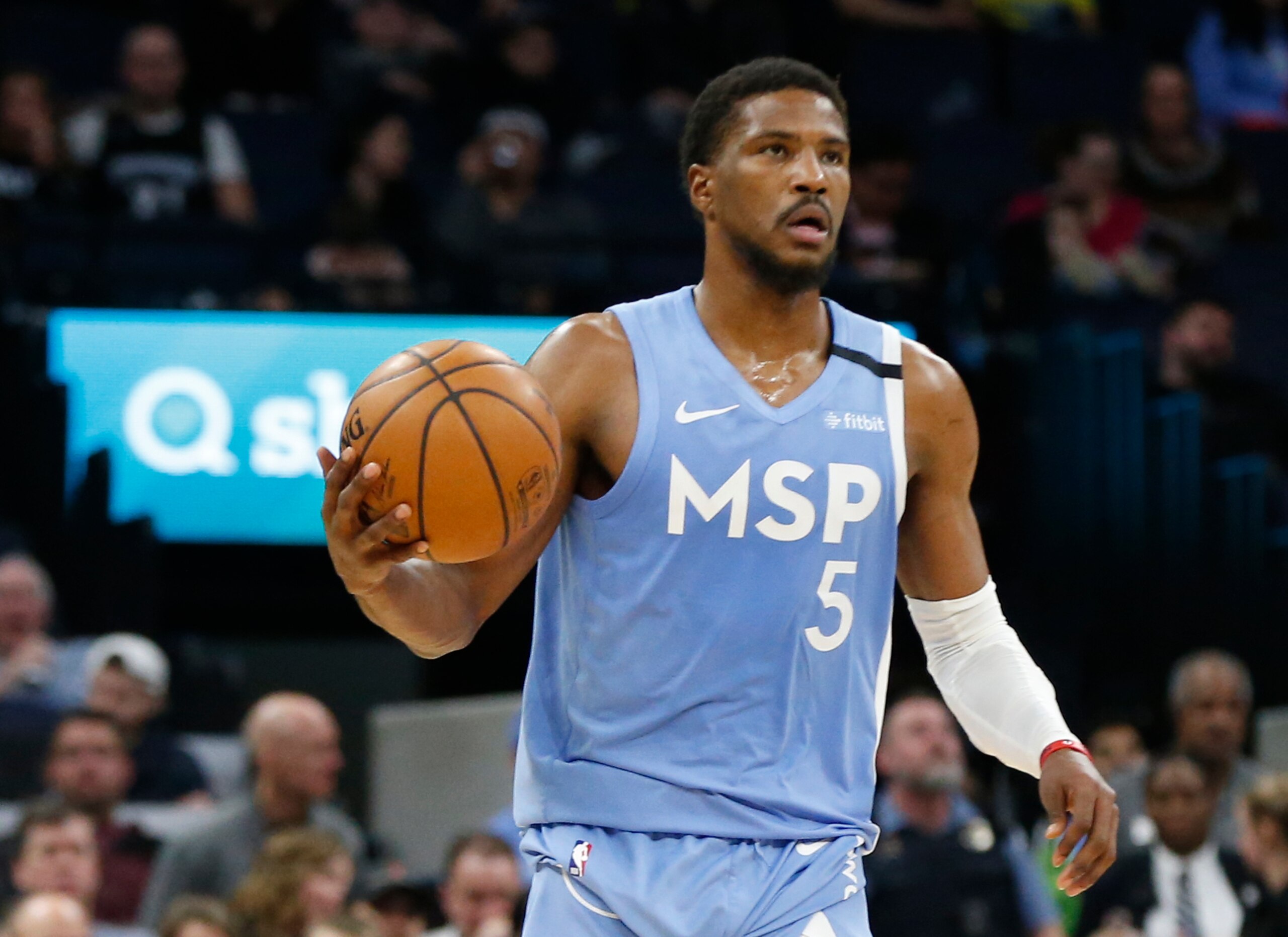
This year's wing market is particularly rough, not because the top options are most likely staying put but because it wants for top options at all.
Brandon Ingram isn't leaving New Orleans. The Los Angeles Clippers aren't letting Marcus Morris (non-Bird) walk after giving up a 2020 first, 2021 swap rights and an intriguing 2021 second-rounder (via Detroit) to get him. Gordon Hayward isn't declining his $34.2 million player option. The same goes for Otto Porter and his $28.5 million player option.
That leaves teams to, in theory, fight over Malik Beasley, Jae Crowder, Danilo Gallinari, Moe Harkless and Justin Holiday while also saying things like "Jordan Clarkson and Joe Harris are kind of wings when you really think about it." You see where this is going.
Beasley will incite a ton of interest as one of the scant few quality options. He doesn't really have the defensive range of a wing, but he is shooting 39.6 percent from deep over the past two seasons and has shown flashes of a floor game. It won't be hard for a team or two to coax itself into ponying up for the services of a 23-year-old who isn't unusable at the 3.
But the Minnesota Timberwolves are going to feel the same way. Their wing rotation is almost entirely barren of proven offense and knockdown shooters. They need Beasley. They won't adequately replace him with the mid-level exception, and aside from not being a free-agent hot spot to begin with, Minnesota isn't on course for game-changing cap room while D'Angelo Russell and Karl-Anthony Towns are on max deals without obliterating the rest of its roster.
Just think of what it'll take to pry Beasley from the Timberwolves if we assume they're willing to pay a premium for his services. Does $15 million annually get it done? Or $17 million? How about $19 to $20 million?
We've officially entered the realm of It's Not Worth Finding Out. Granted, this only applies to the five to seven teams that might have the cash to offer Beasley so much. But still.



RFAs Who Will Cost Too Much to Poach: Bogdan Bogdanovic, Sacramento Kings
4 of 8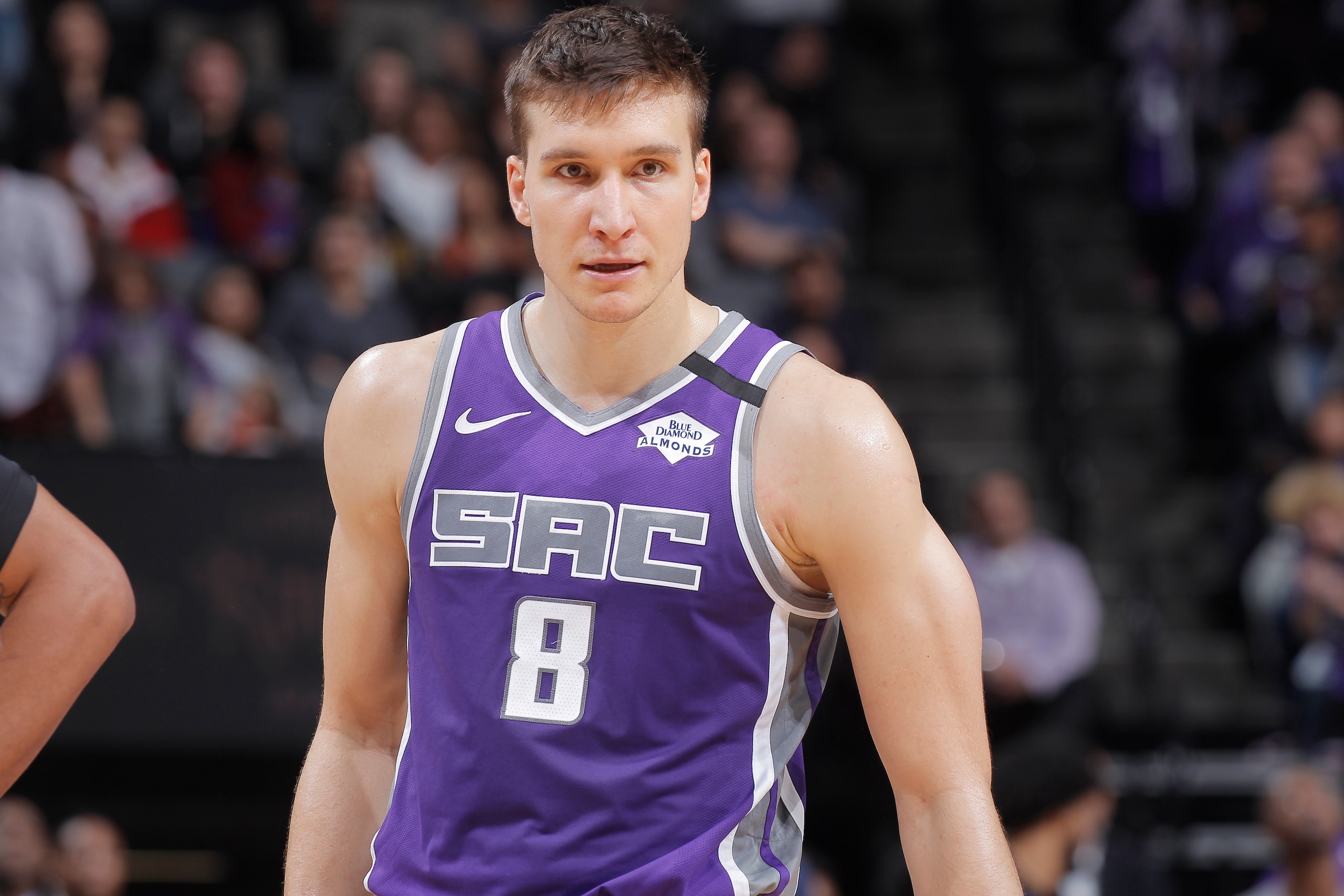
Bogdan Bogdanovic comes oh-so-close to landing in the Anthony Davis and Brandon Ingram tier. The Sacramento Kings have ascribed that type of value to him.
As The Athletic's Jason Jones wrote: "Re-signing restricted free agent Bogdan Bogdanovic will be the top priority. The Kings intend to match any offer sheet from another team, should Bogdanovic sign one."
Clearing off Dewayne Dedmon's contract at the trade deadline allows the Kings to pay Bogi whatever it takes without showing even remote concern for the tax. That doesn't mean they should want to. They already paid Harrison Barnes and Buddy Hield, and De'Aaron Fox, extension-eligible this offseason, is on deck. Sacramento is free from tax concerns next year but not in 2021-22.
Investing in Bogdanovic is also different from paying other restricted free agents. He turns 28 in August. This next contract will probably take him past his 30th birthday. Right now, he's a worthwhile secondary scorer who can initiate the offense in drips and drabs and create from scratch for bench-heavy units. That's all he might ever be.
And while that amounts to a really good player, throwing him $20 or more million per year doesn't sit right. That also seems like the bare minimum it'll take for the Kings to consider letting him walk. This is again a situation that applies to maaybe six or seven teams, but any squad with or the capacity to get near-max room is better off divvying up that money among multiple players.
UFAs Who Will Cost Too Much to Poach: Montrezl Harrell, Los Angeles Clippers
5 of 8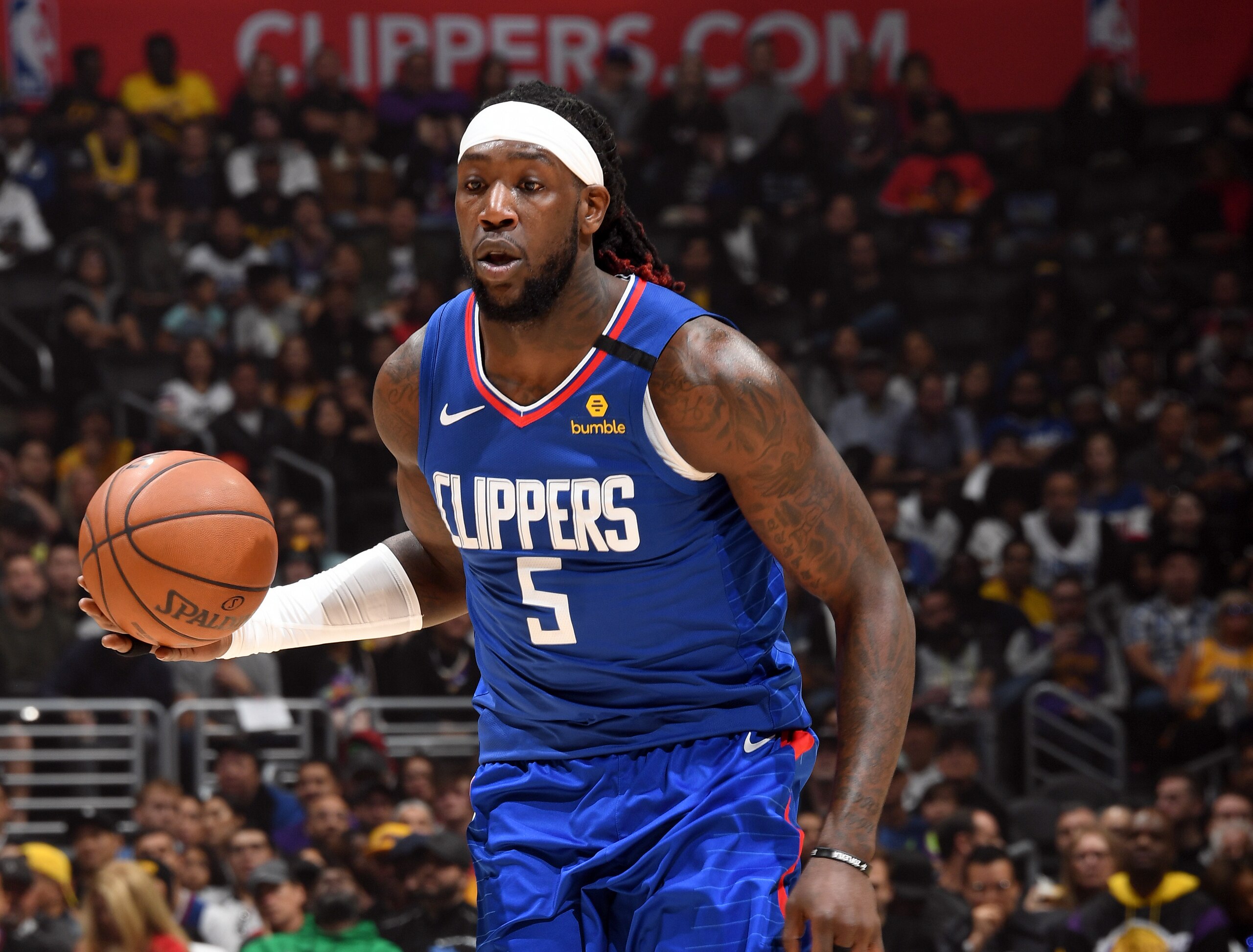
Montrezl Harrell exists in a weird space. He's a high-impact player for one of the best teams in the league, but it isn't quite clear whether he's indispensable or how well his skill set will translate to a different situation.
His functional relentlessness is completely scalable. Whichever team signs him will be acquiring his limitless motor. That's part of why you pay him. He'll outwork pretty much everyone, seamlessly fit within different pick-and-roll combinations, bruise his way to buckets in the post and disarm defenses with head-down off-the-dribble attacks from the perimeter.
Giannis Antetokounmpo and Nikola Jokic are the only other players averaging more than 18 points while shooting better than 59 percent on twos. Harrell's scoring opportunities are easier, but damn. Any team with money and a need up front (Charlotte) or addiction to bigs (New York) can come up with enough reasons to throw the bag at him.
And yet, not all rosters are built to capitalize on what Harrell does best. His offensive work ethic largely requires an elite—or semi-elite—playmaker. Without three-point range, he's a non-starter at power forward. Then again, certain squads cannot roll out a 6'7" center who doesn't dominate the glass or thrive as a primary backline defender without thinking twice.
Paying him won't be hard for the Clippers to reconcile. They know he fits, and unless they have another big-man acquisition in the works, he's more matchup-proof than Ivica Zubac (albeit not as much as JaMychal Green). Other teams don't have that informational luxury. And for what it'll cost to get him out of Hollywood—figure at least $17 million annually—that money should be spent on someone who's more of a sure thing.
UFAs Who Will Cost Too Much to Poach: Marcus Morris, Los Angeles Clippers
6 of 8
Supply and demand dictates Marcus Morris' inclusion. Assuming Brandon Ingram is off the table, he's the best gettable wing on the market. That leaves the door ajar for dangerously high long-term offers no matter what. The price Los Angeles already paid to get him busts it completely open.
Maybe the Clippers are willing to let him turn into a rental. It'll be a lot easier to do so if they close the season with a title. In the event they don't, they'll have every obligation to break open their piggy bank in free agency for both Harrell and Morris. Really, they should default to that even if they grab a chip. Pinching pennies when Paul George (player option) and Kawhi Leonard (player option) are one year away from free agency is sooo not the way to go.
Still, the Clippers are to some extent at the mercy of the market. Morris' non-Bird rights allow them to pay him a starting salary next season of $18 million. That should be enough to keep him, provided they'll go that high, but also gives other admirers a baseline of what he'll cost to steal.
Shelling out $20 or more million for Morris can be justifiable in the short term. It is much less so over the long haul, and he may have the leverage to command a three- or maybe four-year pact.
Yes, the number of teams that can meet said price tag is, once more, incredibly short. But some of them could get the itch to make a splash. What if Atlanta decides it's playoffs or bust next season? Or if the Knicks go full Knicks and decide bringing Morris back after getting assets for him is technically a win?
This year's market will squeeze a bunch of players, perhaps even all of them. Morris is among the very few who can still angle for a lucrative deal. And if his next contract comes from any team other than the Clippers, it's safe to assume that deal will be steeped in risk.
Not Worth the Non-Taxpayer MLE: Moe Harkless, New York Knicks
7 of 8
Moe Harkless' defensive portability ensures he'll be in some form of demand. A frighteningly thin pool of available wings will take care of the rest.
Non-taxpayers with voids on the perimeter could find themselves pretty quickly pining for Harkless' services. Malik Beasley, Danilo Gallinari, Brandon Ingram and Marcus Morris will cost more than the mid-level exception. Jae Crowder might too. The list of alternatives isn't especially encouraging after that.
Guys like Harkless and Justin Holiday could be in line for full-MLE paydays by default. That feels like a little much for the former at this point.
Harkless can cover both true 3s and bigger 4s but doesn't provide much value on the offensive end. He has sometimes hit just enough of his threes to stay on the floor, but he's shooting 30.7 percent from deep over the past two seasons, and defenses won't hesitate to abandon him in the playoffs.
Not Worth the Non-Taxpayer MLE: Hassan Whiteside, Portland Trail Blazers
8 of 8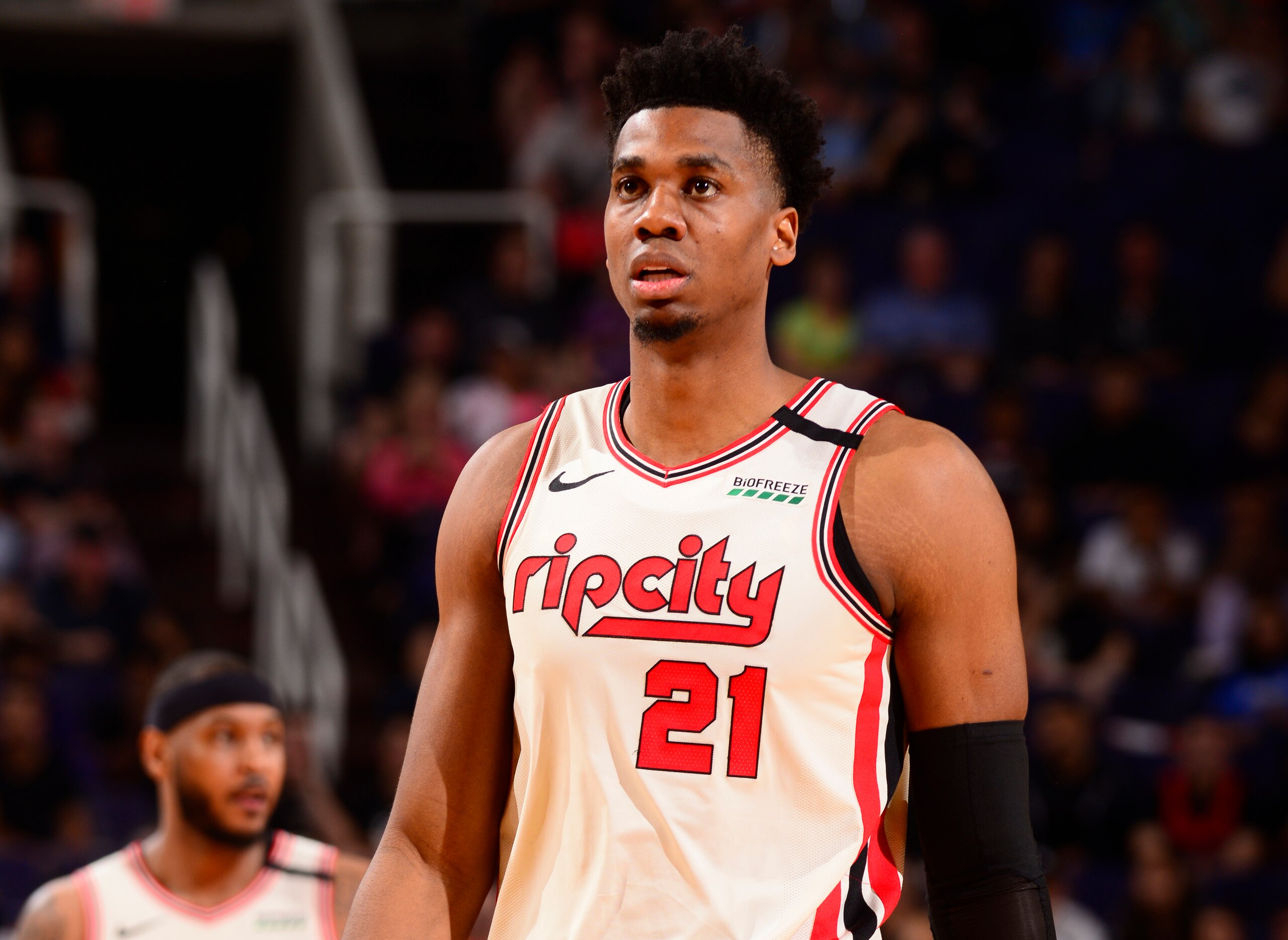
Hassan Whiteside's numbers suggest this is an undue inclusion. He's averaging 16.3 points, 14.2 rebounds and 3.1 blocks per game while downing 61.9 percent of his two-pointers. Teams are tilting more toward floor-spacing bigs, but rim runners and protectors have their place in the league.
Still, Whiteside's impact is warped by his limitations.
The numbers are nice, but he forces offenses to play a certain way. Forget about his not being a threat from beyond the arc. He doesn't even have the range to score off short rolls, and he's not the guy to punish defensive rotations by flinging quick passes on the move. Deploying him without an elite playmaker is basically not an option.
Building an elite defense with him isn't necessarily tough, but he's not cut out to be the hub. His rim protection is real—and the product of better movement than he's credited for—but he can be neutralized when tasked with containing the ball and keeping tabs on bigs who can space the floor.
Evaluating centers in general is a headache these days. Their monetary value is under siege. So many of them can have their utility approximated by cheaper options. Whiteside falls under that umbrella. If he can be had for the mini mid-level or slightly more, he's worth the gamble. If teams have to tether themselves to him for the next three or four years at the full MLE, they're better off staying away.
Unless otherwise noted, stats courtesy of NBA.com, Basketball Reference or Cleaning the Glass. Salary and cap-hold information via Basketball Insiders, Early Bird Rights and Spotrac.
Dan Favale covers the NBA for Bleacher Report. Follow him on Twitter (@danfavale)


.jpg?w=2560 "Jonathan Taylor Landing Spots 📍")



