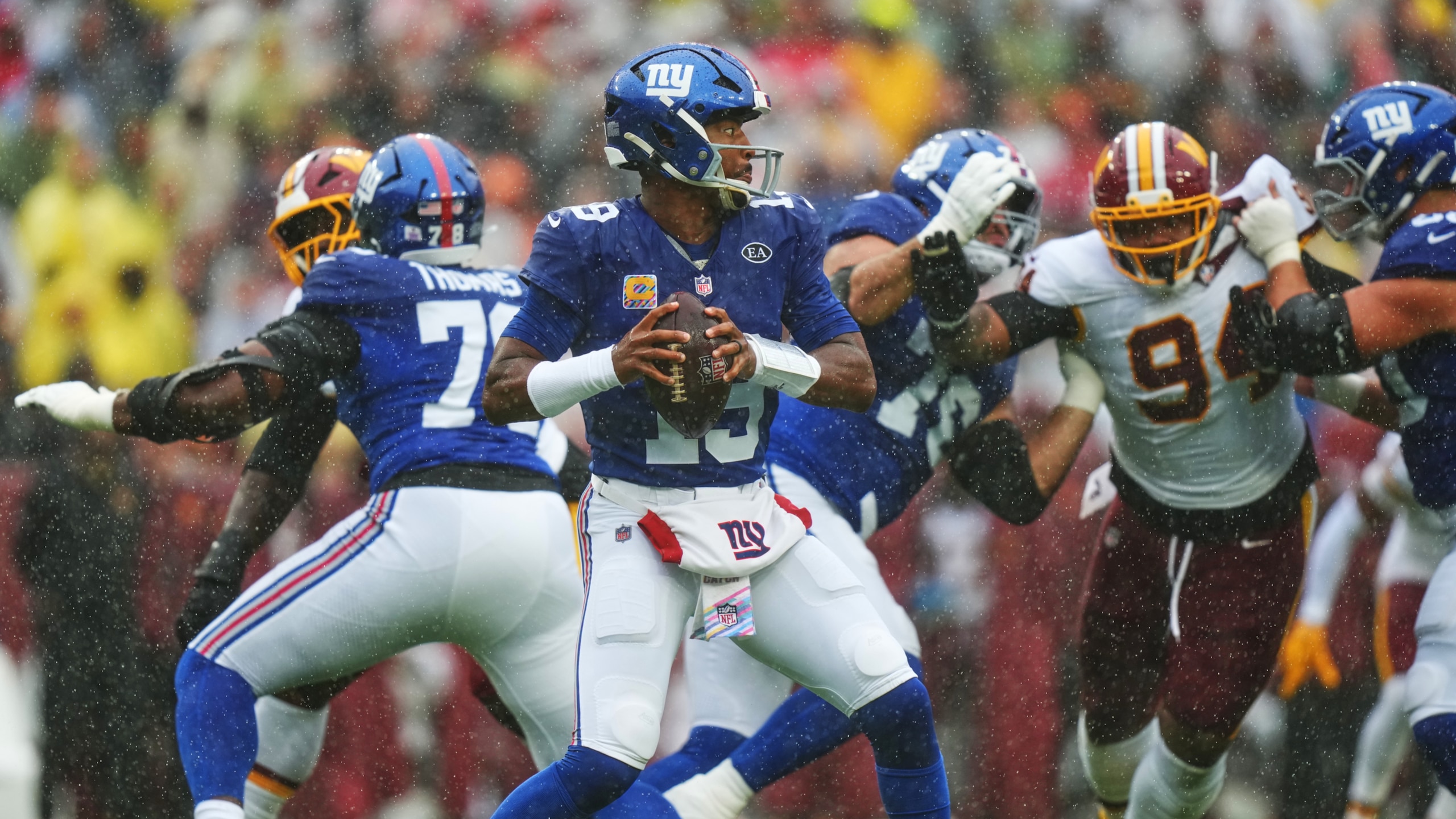
June Opening Day Among Scenarios MLB Pondering in Response to Coronavirus Delay
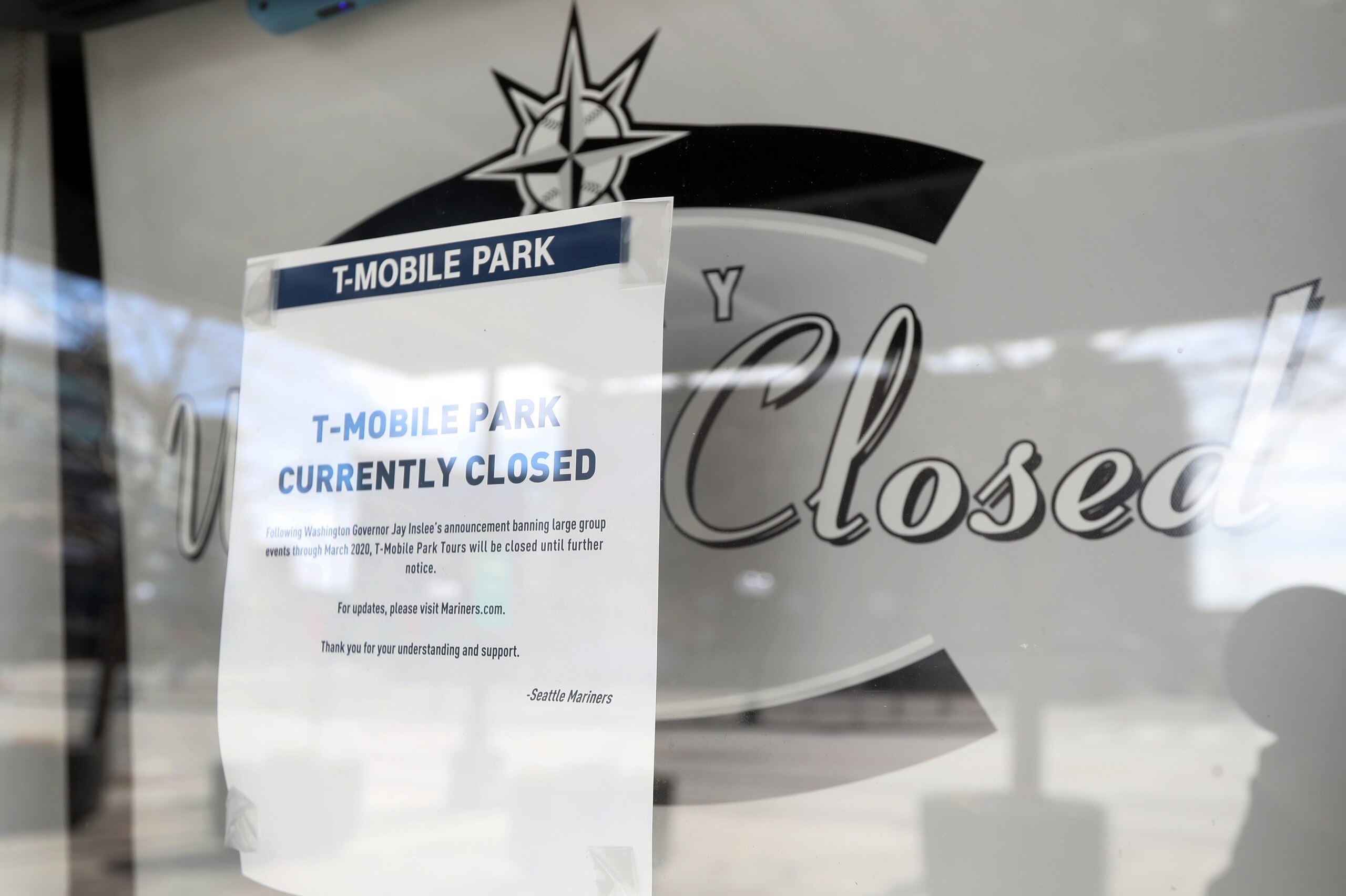
As Major League Baseball lurches into the unknown of the 2020 season amid the coronavirus pandemic, the conversation is dominated by burning questions as to what the season ahead might look like.
Answers? Not many. Not yet. Even the most critical obstacle—identifying the date when the sport can resume—is still just guesswork.
One high-ranking club official raised the possibility of an abbreviated spring training in late May, followed by Opening Day in early June. The executive emphasized he was just kicking the tires on that timeline, but even waiting out a two-month delay is better than the nagging fear that baseball won't be back until 2021.
TOP NEWS
Brewers Up 2-0 on Dodgers in NLCS 🍻
New Truths from NLCS, ALCS 🧐

Ranking Top 25 Trade Chips For Offseason 🔢
Still, assuming this best-case scenario becomes a reality, MLB would be looking at a 120-game season. That's hardly enough games to determine legitimate pennant winners, but the feeling in the commissioner's office is that anything beats a summer of empty stadiums. Only, how does Rob Manfred squeeze those 120 games into a regular season that was initially supposed to end in late September?
It isn't his decision alone, of course.

As another industry official reminded: "This all has to be collectively bargained" with the players' association. That means deciding how many off days to eliminate, how many doubleheaders to shoe-horn, whether to do away with those gimmicky, worn-out interleague series. And, finally, baseball has to make peace with the idea of playing into November, which it vowed never to do again.
The point is, everything is on the table as the sport embarks on a makeshift calendar. There's even some thought to leaving the season intact—no alterations, no trimming away the fat, just leave the schedule alone and begin play when the health crisis subsides.
If only this was a matter of choosing between two good options. Both, however, are flawed. Both will leave 2020 with a permanent asterisk, and that's before the deciding what to do about the June amateur draft, the All-Star Game and the July 31 trade deadline.
So how does baseball, which has suffered from a decline in attendance over the last four years, recover from a setback not of its own doing? The hope is that Americans will be hungry for entertainment and distraction after months of panic. That will be Manfred's pitch to fans: We aren't perfect, but remember what the alternative was like?
Historians will never bestow the same legitimacy on the eventual 2020 champion as they do for every other season, but baseball will nevertheless play a large role in getting the country back on its feet. We should be grateful for the return of the game's beautiful rhythms.
You know who else will benefit after the long interruption? The Houston Astros and Boston Red Sox, both of whom were at the epicenter of the notorious sign-stealing scandal. It's hard to believe the public will still be fuming at Jose Altuve and his teammates, all of whom were being relentlessly mocked earlier this month during spring training.
By June, the revelations of the Astros' elaborate scheme will be months old, enough time for the rage to ease into a simmer. That isn't to say Houston will ever be forgiven for its cheating—and no one's going to forget, as Cincinnati Reds pitcher Trevor Bauer recently said—but it'll be easier to move on by then.
The Red Sox will similarly benefit from the suspension of spring training just as Manfred's investigators were in the final stages of evidence collection for their alleged offenses in 2018.
Officials say the commissioner had no choice but to redirect his attention to the growing health crisis. Manfred has spent most of the last two weeks working with owners of all 30 teams, as well as unions, to decide how to compensate players over the coming months, how to make sure international players will be able to return to the U.S. when play resumes, and how to provide financial relief for game-day employees who will be out of work.
But while the Red Sox and Astros seem to have caught a break with the game's hiatus, the same can't be said of the New York Yankees and Los Angeles Dodgers, the two teams favored to end up in the World Series. This isn't to say they won't still roll through the playoffs for a heavyweight showdown. It's just that any shortened season will feel different, less genuine and provide fewer opportunities to distance themselves from the rest of MLB.
The Yankees, in particular, were sure they were destined for their best season since the 2009 championship. They had it all: a powerful lineup, a Gerrit Cole-led rotation and a weakened rival in Houston. All of the sudden, the coronavirus pandemic upended the sport, and the Yankees found themselves on the sidelines with the 29 other teams.
The only benefit is that Aaron Judge and Giancarlo Stanton will have time to heal. The same goes for lefthander James Paxton. By June, the Bombers' roster should be stacked and healthy again, and the army of Yankees-haters will have one more reason to seethe.
All of these scenarios depend on the orderly resolution one of the greatest medical, social and financial upheavals in our country's history. Baseball is just one of many entities affected, and certainly not the most important.
But that doesn't mean a June return won't matter—the sooner, the better.

.jpg?w=2560 "Grading WWE Raw 🔠")
.png?w=2560 "Allen's BRUTAL 1H Stats 🫤")
.jpg?w=2560 "Monday Night Raw Blog 🔴")