Grading 2019 NBA 1st-Round Draft Picks so Far This Season
Enough NBA basketball has been played to give an assessment on the 2019 first-round rookies.
At least 20 have been given legitimate rotational roles. We graded them based on their effectiveness relative to expectations that were created by their draft slot, so the bar was set higher for lottery picks.
Except for Zion Williamson, we only included full reports for those who have logged at least 500 minutes.
No. 1: Zion Williamson, New Orleans Pelicans
1 of 21
The Good
Zion Williamson has only logged 215 minutes, but coach Alvin Gentry has thrown him right into a full-time role. Over the past few weeks, we've seen enough to assess where he's at as a 19-year-old rookie at the pro level.
So far, it looks as if everything that worked in college is working against NBA opponents. He's averaging 19.8 points in 26.9 minutes per game, shooting 57.4 percent from the floor.
His strength, quickness and explosiveness continue to work for him in the post (14-of-24), on cuts (17-of-21) and the offensive glass. He elevates with speed and power that defenders can't react fast enough to. His second jump is special. He leads the league in offensive loose balls recovered per game. He's shooting 60.7 percent at the rim, rising high for lobs and finishing through contact.
Flashes of ball-handling have popped on drives, where he's shown he can go behind the back and change direction by getting low.
Williamson caught fire during his debut with four three-pointers, and though he's cooled off since, it's clear that shooting potential exists for the future.
The Bad
Williamson hasn't hit a three-pointer since his first game, and he's yet to make a pull-up jump shot. He's started off shooting 58.8 percent from the free-throw line, and it's likely he won't be efficient around the perimeter as a rookie.
We haven't seen much shot creation from Williamson, who's being used exclusively off the ball. He's still relying on his tools and athleticism over skill, which is scary to think about, considering he's still scoring in volume.
Defense has been the biggest adjustment for Williamson, who has occasionally looked lost, particularly guarding away from the basket. Gentry may find out he's best suited as a small-ball center.
Overall Grade: A
Even without being in the best physical condition after sitting the first three months, Williamson has still been an offensive force. He's scored at least 20 points in six of eight games, and the hype looks legitimate.
Improving his ball-handling, jump shot, defense and conditioning will continue to be priorities, but given his attitude and reputation as a worker, there are more reasons to bet on his development than against it.
No. 2: Ja Morant, Memphis Grizzlies
2 of 21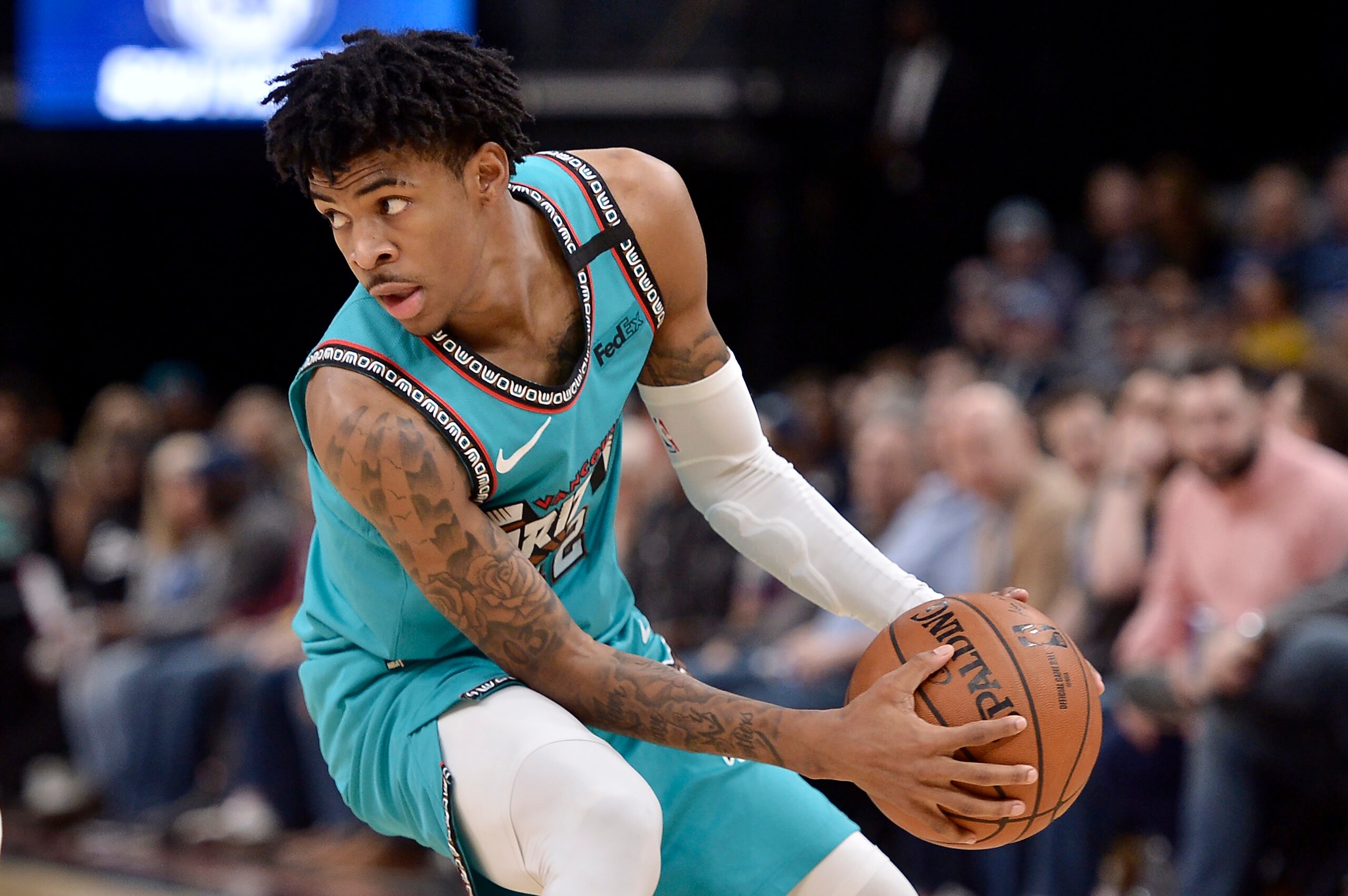
The Good
Aside from flashy highlights, Ja Morant has been remarkably efficient for a rookie lead guard running a young team. The Memphis Grizzles being in the Western Conference playoff picture reflects quite favorably on the No. 2 pick.
On pace to join 2011-12 Kyrie Irving as the only rookie guards to play at least 25 minutes, have usage rates higher than 25 percent and sport a true shooting percentage over 56 percent, Morant has handled the immediate workload with unusual comfort.
He's shooting 49.6 percent, shaking defenders off the dribble with his advanced ball-handling, and scoring at a strong rate in the lane. He's made an outstanding 67-of-125 runners (88th percentile), a key shot for his success. And though he hasn't finished at the rim like a veteran, he's gotten there often enough for easy baskets off transition, isolation drives and ball screens.
Averaging 7.0 assists per game, Morant is generating 1.8 points per possession as a pick-and-roll passer (79th percentile). While he's shown a good feel for using hesitation and making reads, he also flashed exceptional vision and delivery skills with both hands.
Arguably the most surprising development has been his shooting, even though he hasn't taken many jumpers relative to other starting point guards. He's made 38.3 percent of his 2.0 threes per game and 35.4 percent of his half-court pull-ups.
The Bad
The 3.2 turnovers were to be expected based on his college habits, the lack of talent around him and his razzle-dazzle style. Morant can either be too casual or sped up.
He needs to improve his shooting off the dribble, since he's just 17-of-52 when defenders go under screens and force him to take a jumper. That defensive strategy won't change.
Overall Grade: A+
Morant hasn't left any room on the grading sheet to take off points. There weren't many holes, and the ones that exist haven't set him back. He's been an effective creator, scorer by driving, setup man and shooter when given room. And his team is overachieving, with a better record than the Portland Trail Blazers and San Antonio Spurs.
No. 3: RJ Barrett, New York Knicks
3 of 21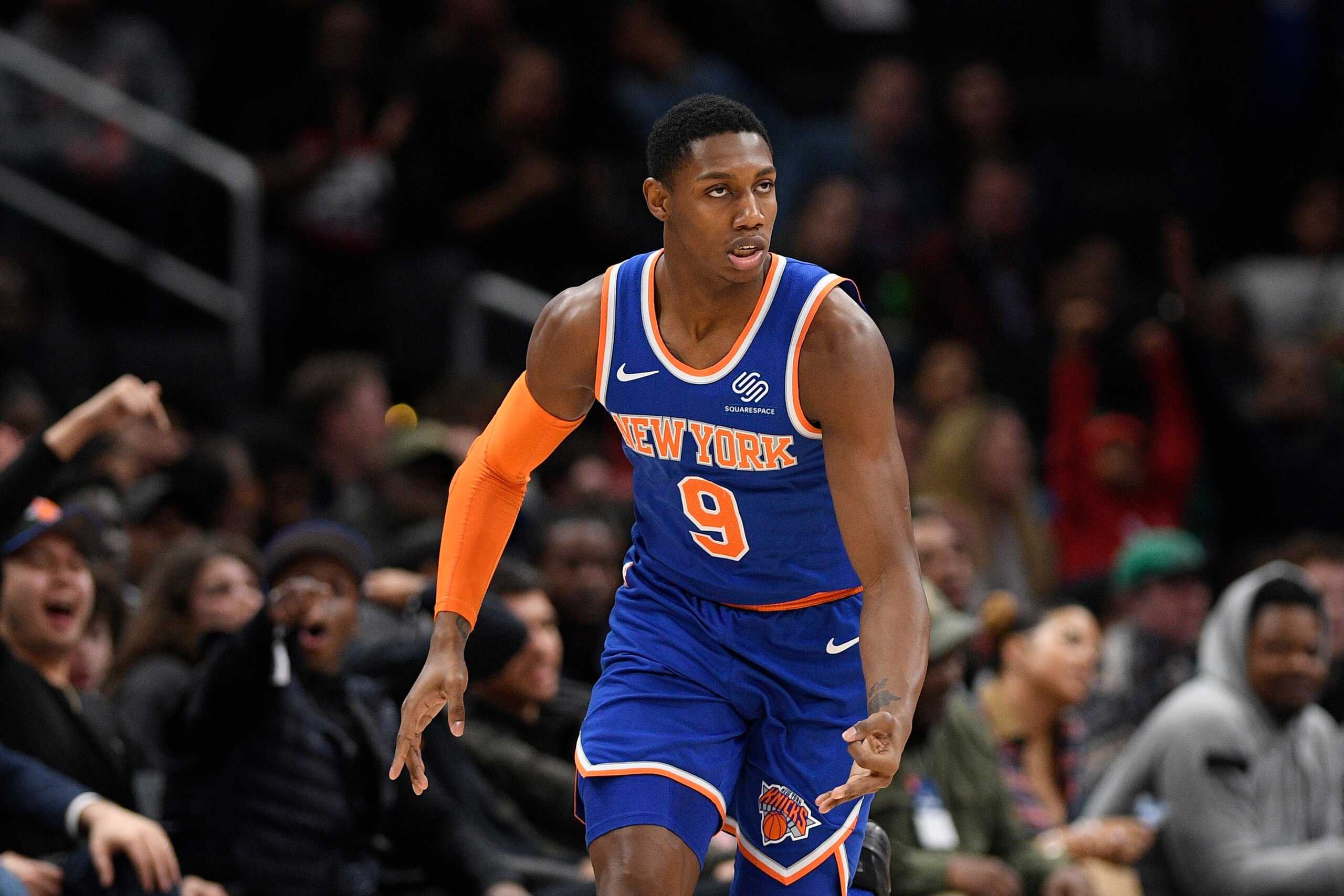
The Good
While the New York Knicks' coaches and management deserve criticism for limiting some of their young players' roles during a lost season, RJ Barrett is averaging 30.9 minutes per game. His 14.0 points per game ranks third among rookies, as his signature scoring instincts and improvisation have carried over from Duke.
Even without a reliable jump shot, Barrett continues to find ways to slash, side-step defenders and decelerate into runners and layups around the key. And for a 19-year-old, he's done an admirable job absorbing and bouncing off contact.
Making 41.3 percent of his no-dribble jumpers out of spot-ups, Barrett has managed to stay effective moving to an off-ball role. His 1.1 threes per game on 33.1 percent shooting is a fine starting point, given his age and history.
Averaging 2.5 assists, Barrett has flashed passing skills that hint at higher playmaking upside down the road. And his 5.2 rebounds also ranks third among rookies.
The Bad
Given his role change from college to New York, plus the team's poor point guard play and spacing, Barrett's 39.4 percent field-goal mark was to be expected.
An inefficient finisher last year, he is making just 41.4 percent of his attempts at the basket as a rookie (7th percentile) and 28.9 percent of his runners (18th percentile).
Creating his own shot remains a troublesome weakness, with Barrett just 8-of-32 out of isolation and 21-of-82 on half-court pull-ups.
And while he has delivered some nice passes off ball screens, he has struggled to convert as a pick-and-roll scorer (.60 PPP, 14th percentile), mostly because of his struggles shooting off the dribble and finishing at the rim.
Overall Grade: B
The production has been good to see. His approach has been equally impressive. Barrett has played the right way, carried himself like a pro and shown no fear attacking stronger opponents. But he has a long way to go in terms of his skill development and execution, and major adjustments will be needed for Barrett to meet No. 3 overall expectations.
No. 4: De'Andre Hunter, Atlanta Hawks
4 of 21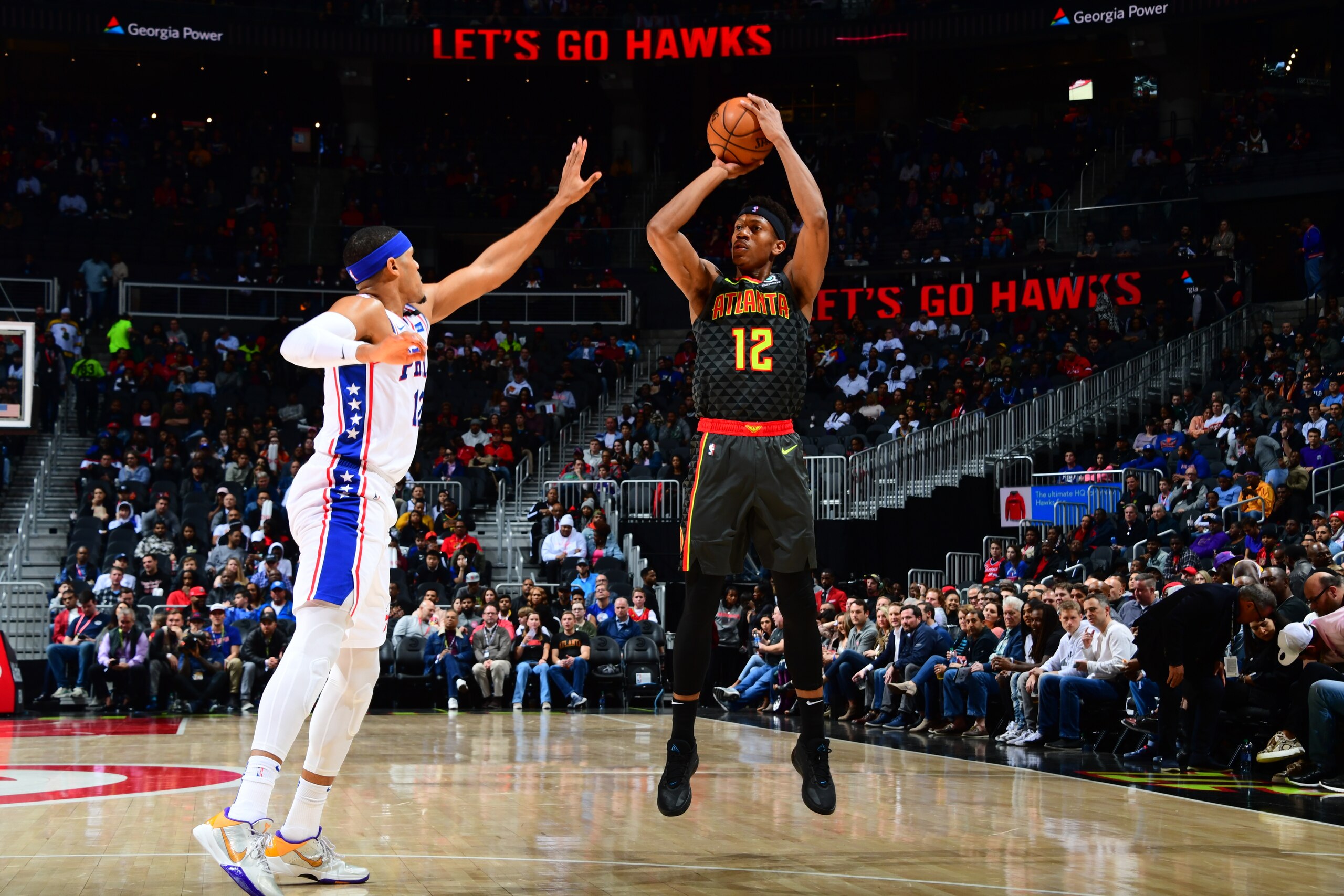
The Good
De'Andre Hunter has quickly established himself as a serviceable role-playing starter for the Atlanta Hawks.
Playing 31.1 minutes per game, he is used mostly as a spot-up player. In those situations, he's shown he can catch and shoot (35.7 percent), take a one-dribble pull-up (13-of-26) or attack the basket in a straight line (11-of-26).
He's making 1.6 threes per game and 76.6 percent of his free throws, so the early signs on his shooting development are relatively encouraging.
Hunter doesn't do much creating in an offense led by Trae Young, but he's looked capable when given the chance, particularly when given space for isolation (12-of-19) or post-ups (9-of-15).
His defense was arguably his signature strength coming out of Virginia, and Hunter has flashed glimpses of strength, quickness and length for guarding both forward positions.
The Bad
Lacking explosiveness and a high skill level, Hunter isn't the most dangerous scoring threat.
Despite his 6'7" size and frame, he's only made 47.4 percent of his shots around the basket. From the perimeter, he's hitting set jumpers, but he's struggled shooting off screens, making just 6-of-27 of those attempts.
His 33.6 percent three-point mark will have to rise as well, given his role as a floor-stretcher.
An 8.5 assist percentage highlights his lack of off-the-dribble game and playmaking, which isn't ideal for a player who has logged a combined 80 percent of his possessions at small forward and shooting guard.
With a 6.5 rebounding percentage, Hunter's ultra-low rebounding rate has also carried over from college.
Overall Grade: B
Thrown right into the mix from day one, Hunter has held his own, converting enough open shots, drives and post-ups while defending at an adequate level. The question long term asks how close he currently is to his ceiling, being that he's 22 years old, isn't a blazing-quick athlete and doesn't have the most adept scoring package.
But even as a role player, Hunter figures to have the chance to replicate a career like Wilson Chandler's or Thaddeus Young's.
No. 5: Darius Garland, Cleveland Cavaliers
5 of 21
The Good
The narrative on Darius Garland's rookie season started changing one month into 2020. He's coming off a productive January, averaging 14.4 points and 5.3 assists, appearing more confident and comfortable in his ball-handling moves and shots.
The eye test sees exciting shot-creation potential with Garland, who has shown the ability to shake off the dribble and separate into step-backs, runners (45-of-102) and layups.
The pull-up game has always been a signature strength of Garland's, and it continues to be his bread-and-butter skill, as he's generating .97 PPP on dribble jumpers inside and behind the arc. His 1.9 threes per game on 36.0 percent are also solid marks for a rookie, and though he rarely gets to the free-throw line, he's making 86.6 percent of his foul shots, another sign of his excellent shooting touch.
Garland has been more effective of late making plays for teammates, and it'd difficult to fairly judge him in a role alongside Collin Sexton. He's made some nice reads and deliveries facilitating out of ball screens.
The Bad
The progress he's made in January has been encouraging, though for the season, his 3.7 assists to 2.7 turnovers still highlights a more natural scorer than distributor. There is obvious room for improvement to his passing feel, and it will be interesting to see whether the Cavaliers management remains committed to a Garland-Sexton backcourt.
The rookie has still struggled most as a finisher and defender. Lacking athleticism and length has caused some problems at both ends. Garland shoots 41.6 percent around the rim, although he doesn't get there often, either, totaling 47 field goals around the basket in the half court (50 games). He's also just 9-of-30 in transition when he's the lead ball-handler.
Defensively, Garland hasn't been effective denying penetration or adding any resistance. Synergy grades him in the 16th percentile for points per possession given up. The fact that he's blocked one shot all season points to his athletic limitations.
Overall Grade: B
Garland has improved his grade over the past five weeks, executing with more decisiveness as a scorer and passer. His skills light up each game. His decision-making needs plenty of work. And he'll have to find more ways to compensate for a lack of explosion, bounce and length.
No. 6: Jarrett Culver, Minnesota Timberwolves
6 of 21
The Good
It's been an erratic start for Jarrett Culver, but the highs were encouraging enough to keep the lows from setting off bust alarms.
From December to January, there was an 11-game streak where he averaged 15.9 points, 5.3 boards, 2.2 assists and 1.4 steals on 45.8 percent shooting.
His versatility has popped, as he's playing 61.0 percent of his possessions at 2-guard, 25.0 percent at small forward and 14.0 percent at point guard. Culver has been most effective slashing off ball screens and handoffs. He's shown secondary playmaking ability as well with plus-size (6'6") for a ball-handler and the passing skills to find teammates in good spots.
Culver's defense was better than his offense, however. He's looked competent against veteran guards and wings.
The Bad
With a 44.6 true shooting percentage, Culver hasn't been efficient in any scoring area. From his floaters and layups to his jumper and fouls shots, he's had serious trouble executing.
From the perimeter, the numbers are similar across the board: 27.2 percent on threes, 27.9 percent on pull-ups and 28.3 percent off the catch. The bigger concern may be his 45.3 percent free-throw mark, which either suggests mechanical problems or a lack of confidence.
With just six made runners all season, Culver hasn't shown a good feel for slowing down and using touch shots over rim protection.
He hasn't been good when playing fast, either, since Culver ranks in the 6th percentile scoring in transition, where he's converting a dreadful 39.3 percent of his shots.
Overall Grade: B-
Culver didn't shoot well last year, so the slow start should have been expected. But his jumper has seemingly gone backward too. He has also struggled in the paint, where he was so effective last year.
His defensive outlook remains encouraging and props up his NBA floor, and he showed enough signs of offensive life attacking the basket.
Now that the Minnesota Timberwolves have D'Angelo Russell, a lead guard to grab defenses' attention, Culver seems likely to have an easier time after the All-Star break.
No. 7: Coby White, Chicago Bulls
7 of 21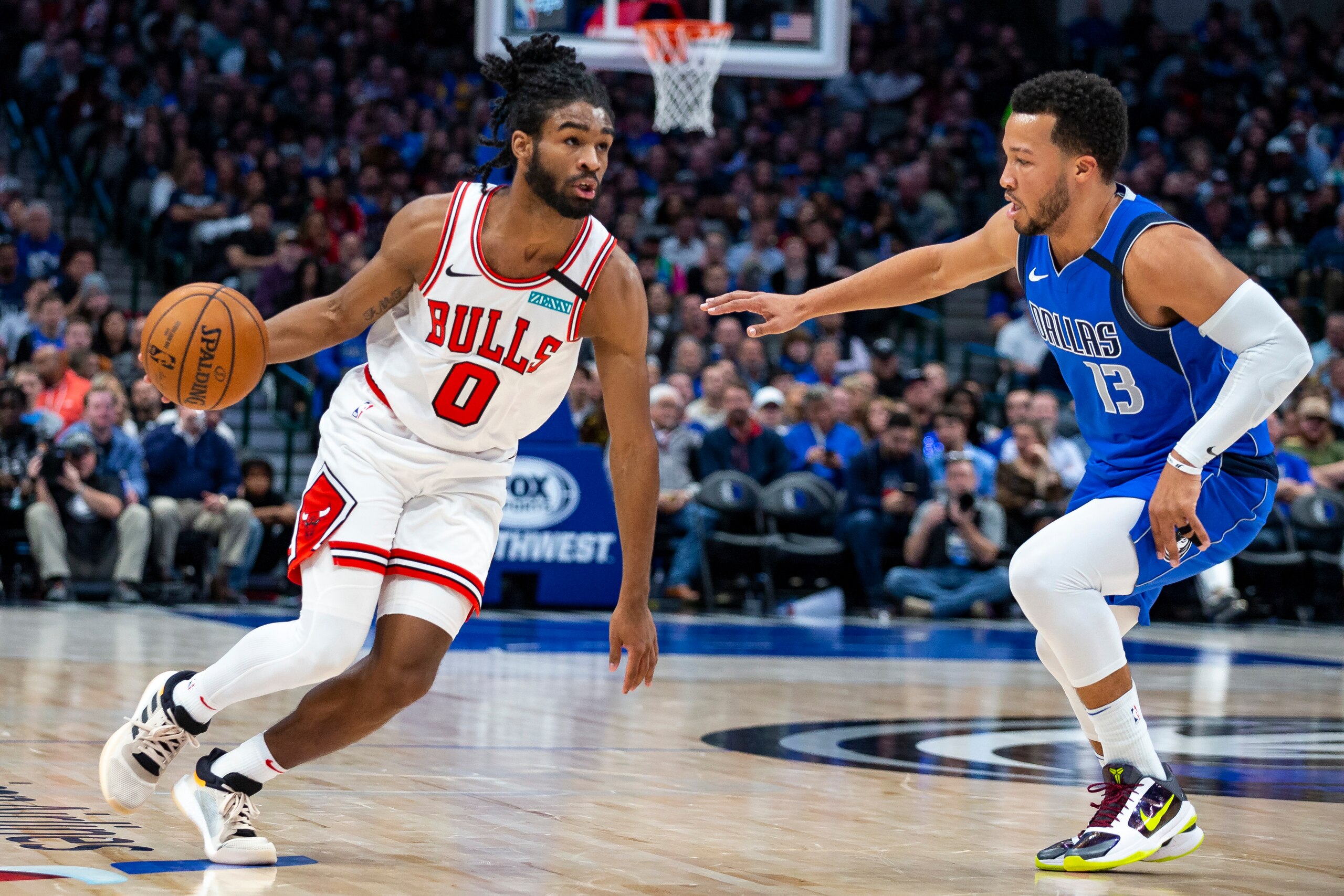
The Good
It's been a mixed start for Coby White, who has come off the bench in every game.
In a sense, it's a role suited for his strengths and weaknesses that have popped since college. The highs of White's season have been the results of streak-scoring outbursts. He totaled 25 points or more four times from October to November. He's hit at least four threes in eight of his first 53 games.
His shot-making capabilities have carried over, even if the efficiency hasn't backed them up. The space he creates with his step-back has been key for shot creation.
And though not a natural facilitator, he has shown passing skills in the pick-and-roll game.
The Bad
Shooting just 37.4 percent from the floor, White has had trouble converting inside the arc. He's making 40.1 percent of his two-pointers, 31.7 percent of his runners and 44.1 percent of his attempts around the basket.
White isn't a long or explosive athlete, and he hasn't executed the touch shots and finesse finishes that his lack of burst force him to take.
Making 33.1 percent of his half-court jumpers, the Bulls' rookie hasn't been a consistent enough shooter for a player who leans so heavily on his perimeter game.
Overall Grade: B-
White hasn't had a great deal of freedom to create in a crowded backcourt. He flashed his signature shot-making, but his physical/athletic limitations, shooting inconsistency and questionable point guard instincts were also exposed.
No. 8: Jaxson Hayes, New Orleans Pelicans
8 of 21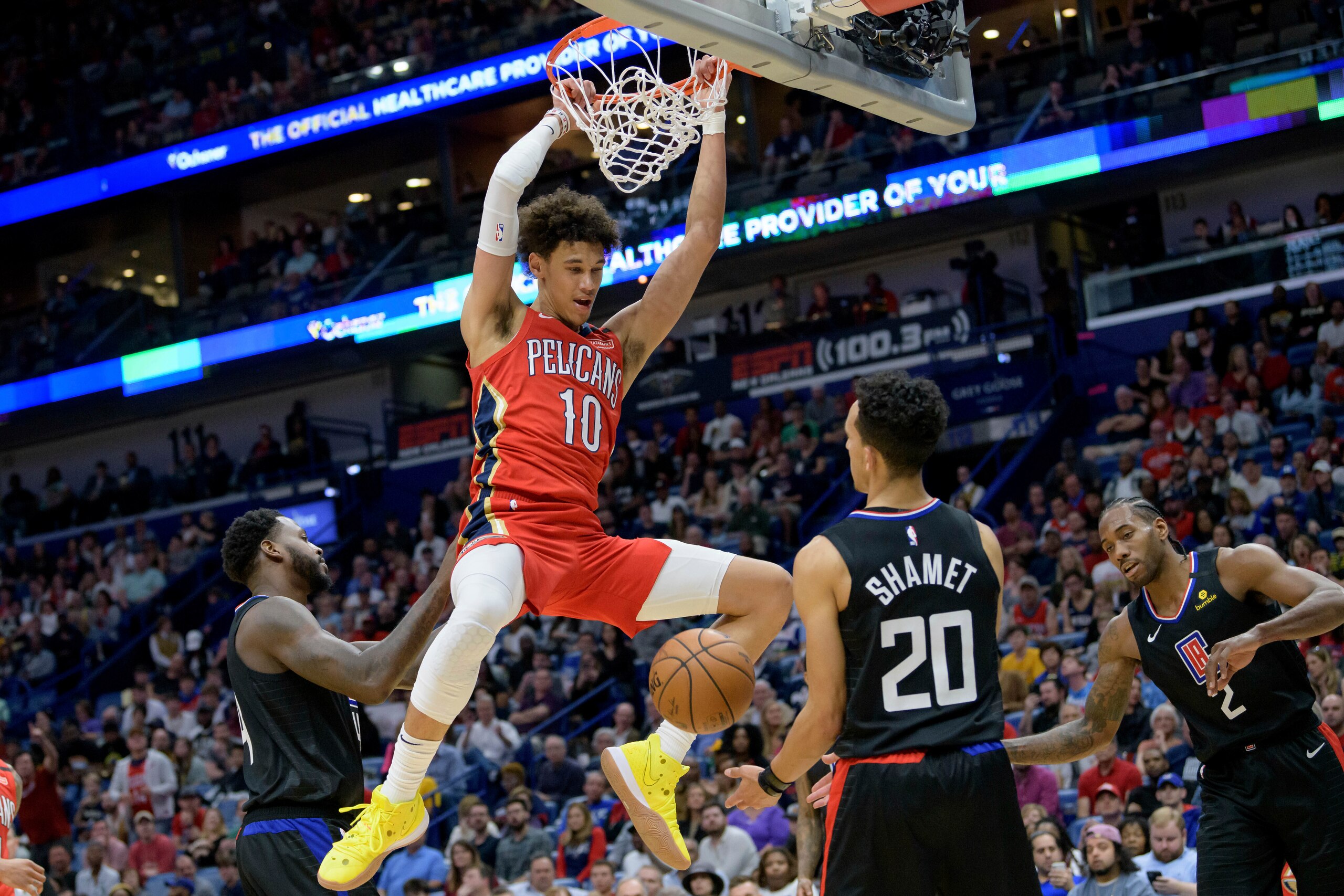
The Good
Zion Williamson missing time early led to an opportunity for Jaxson Hayes. Despite being labeled a long-term project out of Texas, the No. 8 pick has shown he can add value right away with his unique athleticism and mobility for a 6'11" big.
Playing to his strengths as a finisher and rim-runner, Hayes is shooting 65.6 percent around the basket, ranking in the 79th percentile on pick-and-rolls, the 81st percentile on cuts and the 98th percentile in transition.
Hayes has a giant catch radius above the rim, and he uses his wheels and quickness to regularly position himself for easy-basket chances.
Defensively, he's blocking a shot per game in 18.3 minutes, and though he lacks the discipline needed to play full-time center in a staring lineup, he has the natural ability to serve as an impact rim protector one day.
The Bad
Limited offensively, Hayes hasn't shown any skill yet, with one made jump shot and no successful post-ups.
His lack of strength will continue to show in the early stages of his development. He's missed half of his 50 putbacks on the offensive glass. His 12.6 rebounding percentage alone is weak, though it shouldn't come as a surprise since he struggled to board in college as well.
The biggest knock so far are the 5.2 fouls per 36 minutes. He'll eventually have to start learning and adjusting to the NBA whistle to emerge as the franchise's cornerstone center of the future.
Overall Grade: B+
The fact that Hayes is already earning playing time is a plus. He won't help with spacing, but he also won't take many shots that aren't high-percentage looks. He's quickly been able to give the New Orleans Pelicans guards an efficient target off penetration, dives and fastbreak chances.
No. 9: Rui Hachimura, Washington Wizards
9 of 21
The Good
The arrow for Rui Hachimura was pointing up to start the season after a strong summer league and World Cup for Japan. A groin injury slowed him down, but he's still delivered offensively for the Washington Wizards, averaging 13.9 points on 48.9 percent shooting.
Other than timing his crashes to put back misses (14-of-19), Hachimura has been most effective scoring in the mid-range off pull-ups and post-ups. He's shooting 51.3 percent on jumpers from 17 feet to the arc and 47.6 percent off the dribble.
He's also been efficient finishing around the basket, where he uses his strength and scoring instincts to shoot 59.2 percent. From Gonzaga to Washington, Hachimura continues to show impressive feel for finding the right angles and converting through contact.
The Bad
When assessing Hachimura's value, his defensive limitations will always factor into the equation. His negative-3.05 defensive real plus-minus ranks 90th out of 91 power forwards. Opponents play through him too easily, as he doesn't show the quickest feet or anticipation.
And despite his effectiveness scoring inside, he's never rebounded at a high rate, and that remains the case in Washington (11.1 REB pct).
Three-point shooting has also been a question mark on Hachimura's scouting report for quite some time. So far, he's 12-of-52, and he's only made 28.1 percent of his catch-and-shoot jumpers.
Overall Grade: B+
Averaging 29.0 minutes, Hachimura has started in all 26 games he's played, and he's efficiently scoring at a fine rate for a rookie.
His value will continue to hinge on his development as a shooter and defender. But he's already become an offensive weapon inside, whether he's facing up, playing with his back to the basket or working for buckets in traffic.
No. 10: Cam Reddish, Atlanta Hawks
10 of 21
The Good
Cam Reddish has raised his scoring average and field-goal percentage each month after a brutal start. His numbers on the season aren't pretty, but he deserves credit for making gradual adjustments, and if he were to be judged based on January, he'd grade out as one of the better rookies.
Inefficiency aside, Reddish has shown his shot-making skills, mostly when spotting up, though he has flashed the ability to rise and fire off the bounce when his confidence is pumping. He's hit at least three three-pointers in five games since Jan. 12. He's also looked fluid on slashes and cuts with his footwork and coordination.
Encouraging sequences of defensive quickness and anticipation strengthen his grade. Despite question marks about his offense and energy, the Hawks' coaching staff should be feeling good about Reddish's potential to be a plus defender who can guard multiple spots.
The Bad
Offensive execution has been a serious problem for Reddish. Shooting 38.3 percent inside the arc and 30.9 percent from three, he's struggled with contact, tight spaces and outside consistency.
He's made some high-level passes, but he still hasn't shown much dribble creativity, and he's totaled more turnovers than assists.
His .91 PPP in transition ranks in the 15th percentile, so he hasn't been able to lean on open-floor opportunities for easy baskets, either.
Overall Grade: C+
It's tough to give Reddish a high grade when he's shooting 34.9 percent from the floor with a negative assist-to-turnover ratio. But he shot 40.3 percent from three last month and got to the 18-point mark four times.
More made jumpers should lead to a better second half of the season, but his decision-making, motor and finishing are problems that could be tougher to fix.
No. 11: Cameron Johnson, Phoenix Suns
11 of 21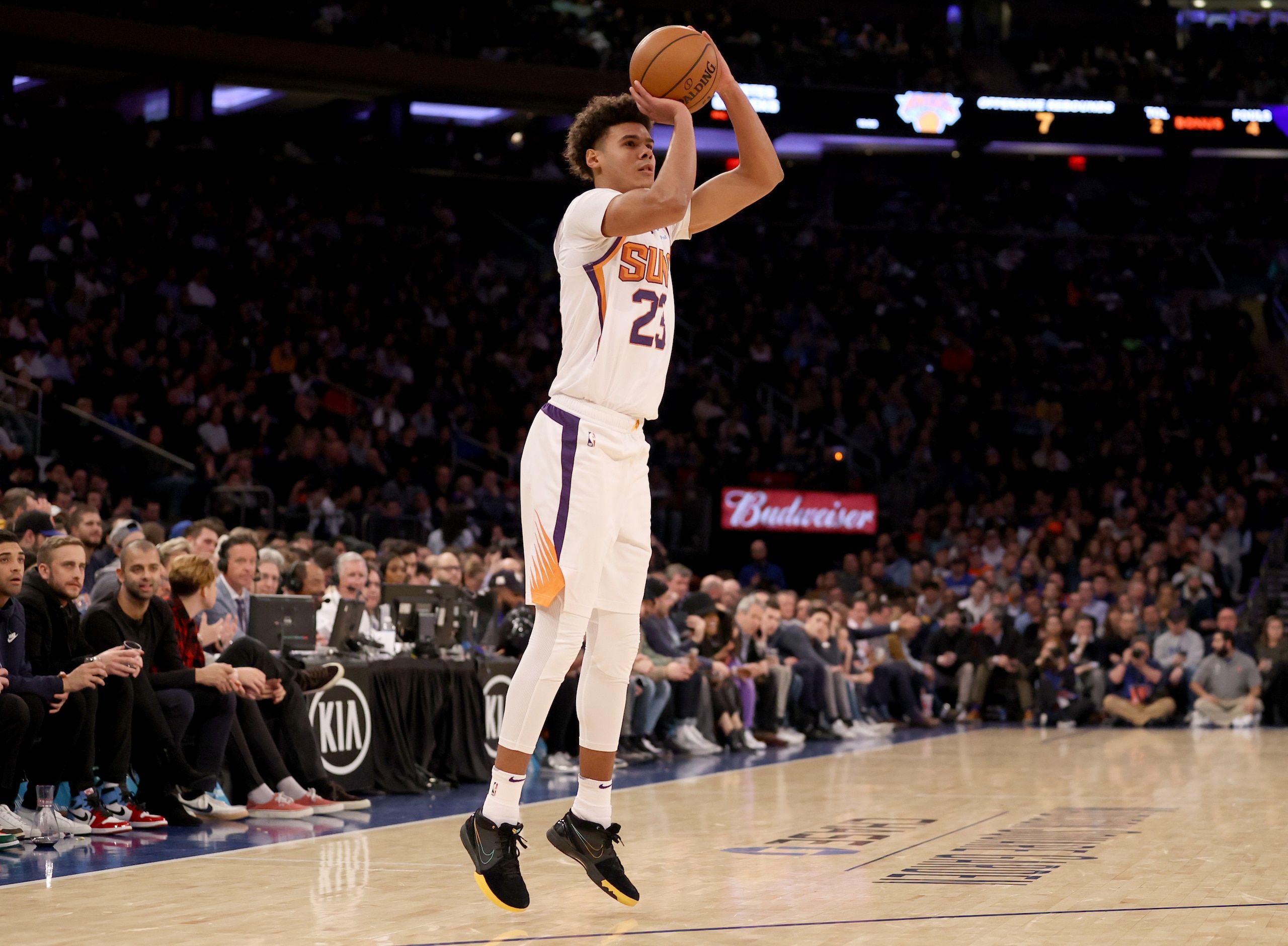
The Good
Considered a reach by many on draft night, Cameron Johnson has quickly been able to show that he can add value with his particular skill set, even if it's limited.
One of the top shooters in college basketball is now a hot-shooting rookie making 38.6 percent of his three-pointers. He's been a reliable spot-up target, as well as a transition weapon (95th percentile) for his ability to quickly catch and release or finish with body control on the move.
Expectations for Johnson's defense weren't high, but he's had some encouraging sequences, and coach Monty Williams may be on to something playing him the majority of minutes at power forward.
The Bad
Johnson puts no pressure on defenses off the dribble. Lacking elusiveness and the explosiveness to blow by, he's a non-threat to create. That forces him to play almost exclusively in an off-ball role, either spotting up, running off screens or cutting.
In 39 games, he's made 17 shots at the rim (half court) and dished out 37 assists.
Overall Grade: B
Of his 249 shot attempts, 171 have come from behind the arc, and given his low turnover rate of 0.6 per game, Johnson doesn't make many mistakes. He's played to his strengths, and when given an opportunity, he's done a fine job of capitalizing as a shooter in a simplified role.
No. 12: PJ Washington, Charlotte Hornets
12 of 21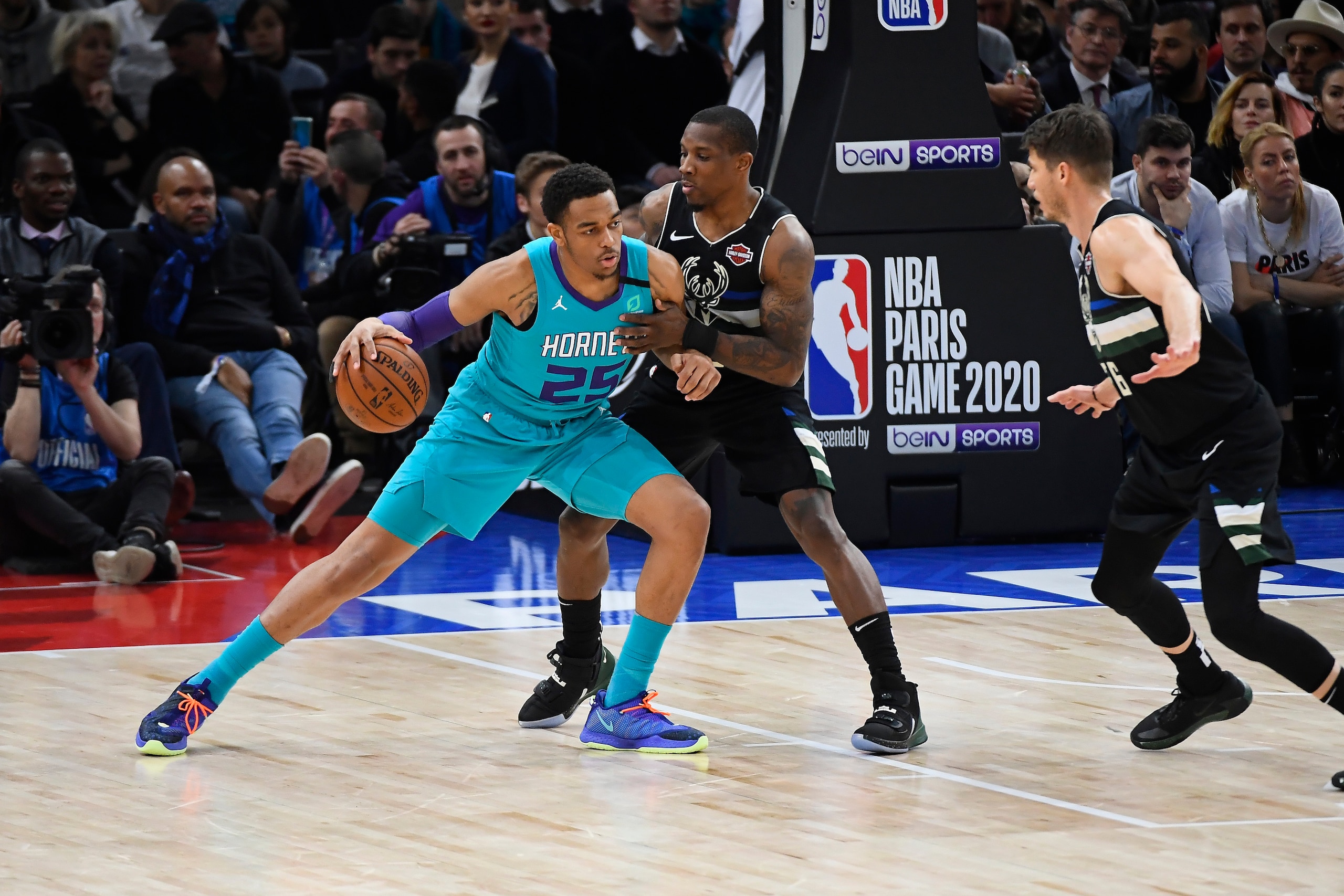
The Good
Averaging 12.1 points on 47.6 percent shooting, PJ Washington has been a steady presence for the Charlotte Hornets, giving the lineup an inside-out scoring forward.
He's looked like a skilled post player, showing impressive footwork, one-handed touch and passing feel. His face-up game is newer and promising, with Washington now a threat to attack a closeout and score on a drive from the arc.
The bigger development has been his three-point shooting. Washington was a much-improved shooter last year at Kentucky, and so far, he's proving it wasn't fluky, making 39.9 percent of his 3.4 attempts.
The Bad
Lacking vertical explosiveness, Washington has had mixed results converting in the paint (54.4 percent at the basket). And while now capable of putting the ball on the floor, he's still a work in progress when it comes to scoring off the dribble with pull-ups or runners.
He should be able to get more than 2.5 free-throw attempts per game, and he should make more than 65.7 percent of his attempts. Washington's perimeter defense has been exposed in certain matchups, and at 6'7", it's tough to regularly use him as the lineup's rim protector.
Overall Grade: A-
Washington has dealt with a couple of injuries, but he's remained consistent with his skill execution and production. His shooting development has quickly carried over, and he's blown up in five games for 20 or more points.
His game may scream role player over star, but if this is his floor, it appears the Hornets should have a long-term starting big with Washington.
No. 13: Tyler Herro, Miami Heat
13 of 21
The Good
The Miami Heat's 34-16 record has been an early storyline, and Tyler Herro has played a role in it, averaging 13.1 points on 39.3 percent shooting from three.
He ranks in the 95th percentile out of spot-ups, hitting 56.1 percent of his non-dribble jumpers. Herro has been one of the NBA's top shooters, both when set and running off screens (51.9 percent). And he's shown he can stop and pop before traffic with 73 made pull-ups. He's also converted 22-of-47 runners and 83.5 percent of his free throws, more indicators of elite touch.
While Herro's value has shown most in the form of perimeter shot-making, he grades in the 86th percentile in points generated from pick-and-roll passes.
He's playing some combo guard for the Heat, giving the lineup a secondary ball-handler.
The Bad
Herro isn't an explosive athlete, and it limits him as a driver and finisher around the basket (44.6 percent). While he's flashed playmaking skills, he only grades in the 25th percentile as a pick-an-roll scorer and shoots 43.3 percent inside the arc.
Opposing scorers have also had their way with Herro, who'll need to find ways to compensate on defense for his lack of length and strength.
Overall Grade: A
Herro has given the Heat a boost with his reliable jumper and confidence. Bad shots or stretches don't seem to rattle him, and he's shown more off-the-dribble skills than he was able to show at Kentucky.
The arrival of Andre Iguodala could mean fewer minutes for the rookie, but he should continue to play a role in the offense and give off long-terms starter vibes.
No. 15: Sekou Doumbouya, Detroit Pistons
14 of 21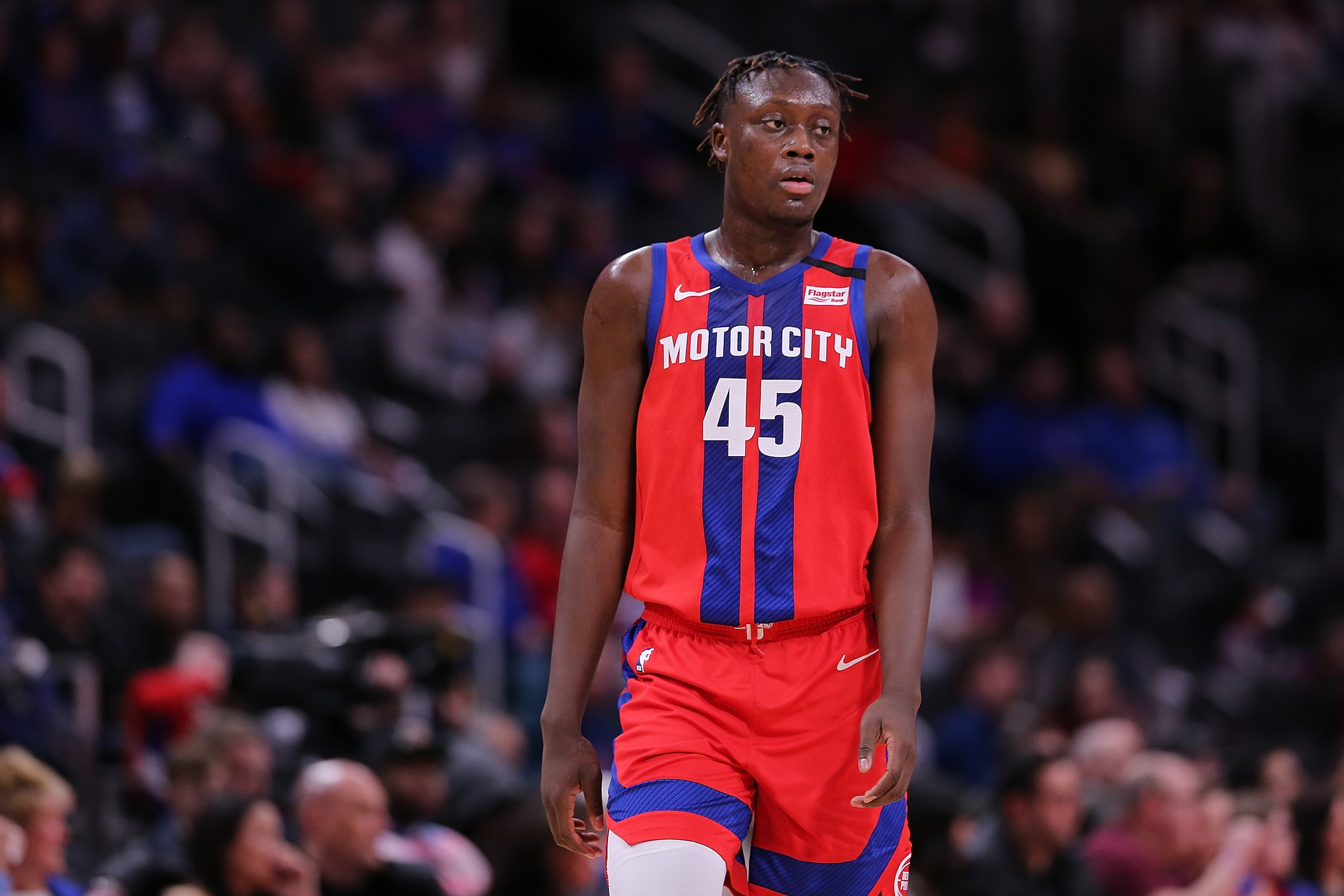
The Good
There weren't any rookie expectations for the NBA's youngest player, so Sekou Doumbouya's highlights and flashes outweigh the low points and streakiness.
After playing well in the G League, Doumbouya came out firing once given the call-up. He put together an eight-game stretch in January where he averaged 14.0 points on 41.4 percent shooting from three.
He's always stood out for his physical profile, but Doumbouya has flashed promising shot-making potential this season, even if he's cooled off considerably.
Otherwise, he's been active moving off the ball, using his tools and athleticism as a cutter. That length, strength and foot speed have also served him well on defense, where he can guard different spots, inside and out.
The Bad
Doumbouya is shooting 28.2 percent over his last 10 games. He's not a shot-creator right now, so an off shooting game limits his offensive impact. The 25 turnovers to 11 assists highlight how raw he is in terms of skill development and decision-making.
Making just 12-of-30 attempts in transition, it's also reasonable to question his feel playing at high speeds and a faster pace.
Overall Grade: B
We've seen two versions of Doumbouya, but he turned 19 in December. This recent slump is a reminder of his age. Despite falling off over the past few weeks, fans should remain encouraged by Doumbouya's foundation, flashes and room/time to improve.
No. 20: Matisse Thybulle, Philadelphia 76ers
15 of 21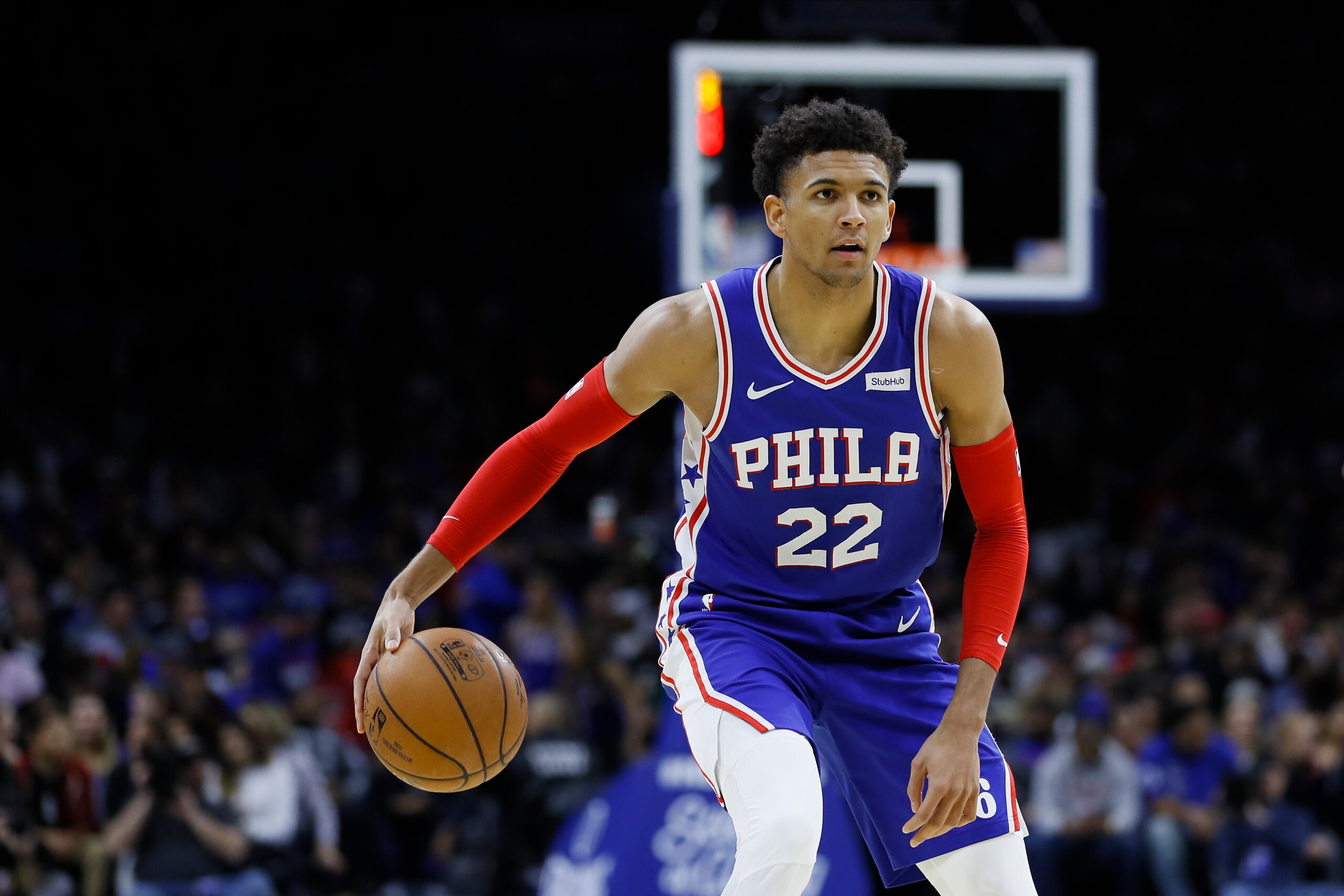
The Good
Last year's Defensive Player of the Year at Washington, Matisse Thybulle has backed up his reputation early with the Philadelphia 76ers. Stats aside, the eye test detects his special defensive anticipation and reaction guarding on and off the ball.
In 20.4 minutes, he's averaging 1.5 steals and 2.6 deflections with 39 blocks in 45 games.
With well-documented scoring limitations, the bar is low for Thybulle on offense. His job is to catch and shoot, and so far, he's making a three-pointer per game at a 37.2 percent clip. He's also shown signs of being able to drive past closeouts, having converted 9-of-14 takes to the basket from a spot-up.
The Bad
If Thybulle isn't making catch-and-shoot jumpers, he is not a useful offensive player. He's generated six points all season as a pick-and-roll ball-handler and zero out if isolation.
Thybulle is also just 1-of-16 on pull-ups, and though he doesn't get to the basket often, he isn't finishing there (40.6 percent).
Overall Grade: B+
Philadelphia is a good situation for Thybulle, who can play to his strengths as a three-and-D wing. It's rare that a rookie can come in and be such an effective wing and team defender.
No skills to create can hurt the offense, but his shooting potential remains promising enough to think he can stick as a high-end role player.
No. 21: Brandon Clarke, Memphis Grizzlies
16 of 21
The Good
Age (23) and offensive limitations likely led to Brandon Clarke's draft-night slide into the 20s. Now he figures to play a key role in the Memphis Grizzlies' rebuild based on the start to his rookie year.
In 21.8 minutes, Clarke is averaging 12.1 points and 5.7 rebounds on 62.0 percent shooting, giving the Grizzlies lineup an energizer and easy-bucket weapon thanks to his bounce. He's shooting 70.3 percent around the basket.
He's picking up most of his field goals off rolls to the basket (96th percentile). But a reliable shot for Clarke has been the one-handed push shot around the foul line; he's 39-of-65 on runners.
He's also hit 20 three-pointers, an interesting development since Clarke didn't shoot them often at Gonzaga. When he doesn't catch and shoot, he's shown he can put the ball down and attack. From spot-ups, Clarke is a combined 21-of-29 on takes to the basket that results in runners, layups and dunks.
Active defensively, he demonstrates impressive instincts for reacting and making plays. At 6'8", he's averaging 0.8 blocks per game.
The Bad
Clarke is mostly an off-ball player. He hasn't shown the ability to use the dribble for shot creation outside of line drives past closeouts. He's made a combined six shots out of isolation or post-ups.
The progress he's made as a shooter is encouraging, but his jumper still isn't reliable, since he only makes 0.4 threes per game and he's hit five pull-ups all season.
He's limited in what he can do in an NBA offense, which raises questions about his ceiling.
Overall Grade: A
With a 21.6 player efficiency rating, Clarke is making plays without needing his number called. He's been a productive, useful role player in Memphis' second unit. And he's executing newer skills that have made him a scoring threat, even without advanced methods for shot creation.
No. 22: Grant Williams, Boston Celtics
17 of 21
The Good
Any scoring Grant Williams delivers should be considered a bonus. He's getting minutes for his special defensive IQ and surprising lateral foot speed for a 6'6", 236-pound forward.
Williams excels at anticipating, and he has enough strengths and toughness to defend bigger players.
He's also starting to show signs offensively this month, averaging 9.5 points during February. Posting up and crashing the offensive glass are still his preferred methods for scoring, as Williams takes what the defense gives him and rarely forces a bad shot. After shooting 42.9 percent from three in January, he recently hit three triples in a game against the Orlando Magic on Wednesday.
The Bad
Williams is only shooting 42.9 percent. He's used mostly as a spot-up player, but he's hit just 26.5 percent of his non-dribble jumpers and one pull-up on the year.
Without plus-athletic ability, he's struggled to finish as a roll man (45th percentile) and cutter (22nd percentile).
Overall Grade: B
Williams has earned time for his defense and intangibles, and that's how he will eventually earn money long term. If he can continue making strides as a shooter, he'll become a full-time player for Boston, though he's never likely to be a high-scoring forward.
No. 23: Darius Bazley, Oklahoma City Thunder
18 of 21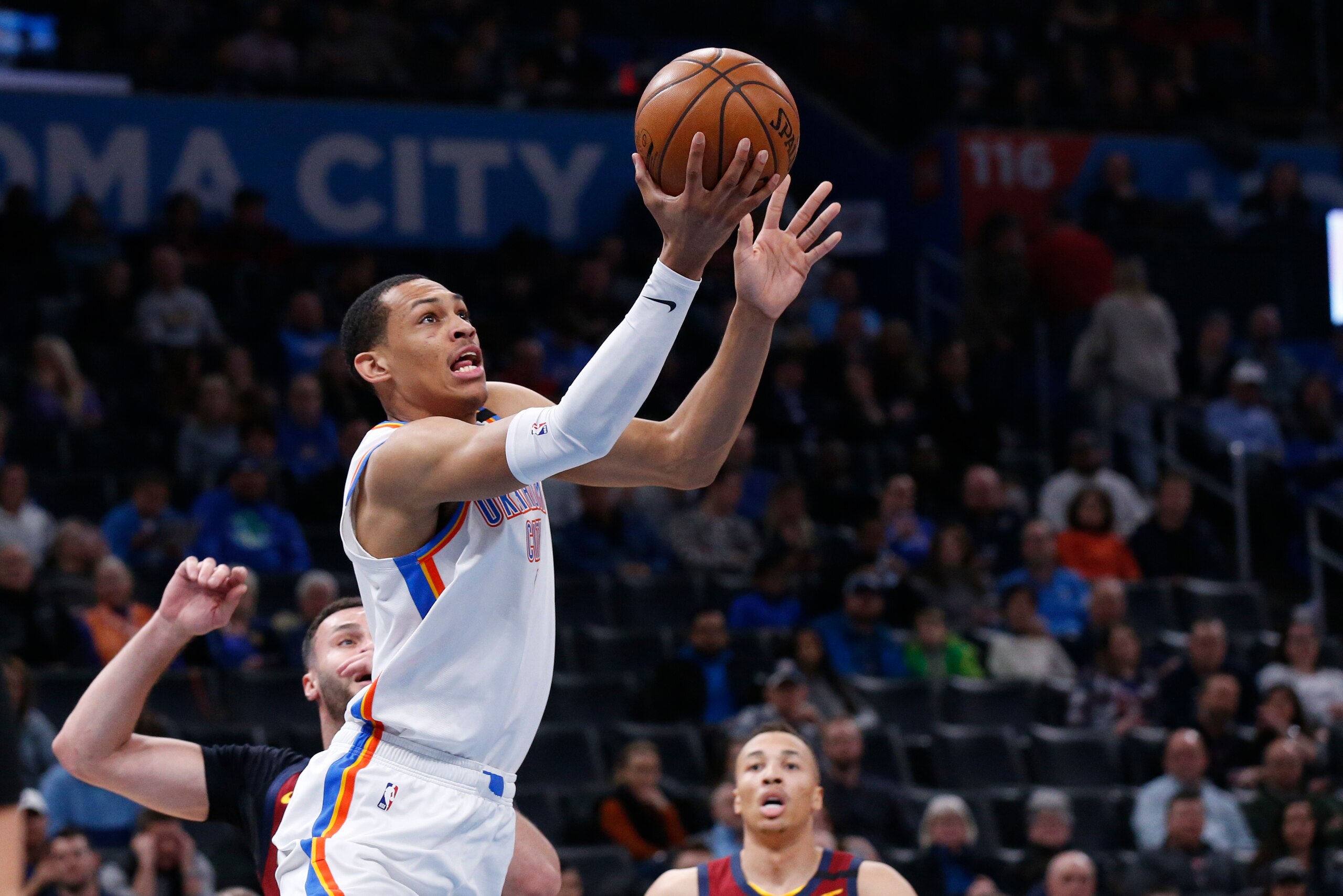
The Good
Rookie expectations were low for Darius Bazley after he skipped college and the G League, but he's earned a small role for the Oklahoma City Thunder for his versatility.
He hasn't been efficient, but for a 6'8" forward, he's shown he can make open jumpers or attack off the catch.
We've also seen flashes of shot creation and footwork that hint at more to come down to the road. Between his size and mobility, Bazley shows promising defensive potential.
The Bad
Bazley's shooting splits aren't pretty: 38.2 percent from the field, 30.0 percent from three and 68.9 percent from the free-throw line.
He hasn't executed scoring skills at a strong rate, having hit just 4-of-12 pull-ups and 1-of-10 runners.
A 4.4 assist percentage also highlights a lack of playmaking ability, which lowers his chances of being able to play the 3.
Overall Grade: B-
Cracking the rotation is an impressive feat on its own. Right now, it's all about the flashes and whether he can build on them over the next few years. So far, he's given the coaching staff enough glimpses at both ends for it to feel confident in his longer-term outlook.
No. 28: Jordan Poole, Golden State Warriors
19 of 21
The Good
Injuries in Golden State led to an immediate role for Jordan Poole, whether he was ready for it or not.
The bright spots to his start mostly include shot-making highlights. He's hit 1.2 threes per game, showing he can shoot off movement with 24-made jumpers off screens.
Poole did reach the 20-point mark three times, and when his confidence is up, he turns into a streak scorer who can catch fire.
The Bad
Poole wasn't prepared for 21.0 minutes per game on a bad team without Stephen Curry and Klay Thompson.
He's shooting 28.2 percent from the floor, 26.4 percent from three and 26.1 percent off the catch while adding little as a playmaker and struggle defensively.
Wildly inconsistent around the perimeter and a disaster finishing at the rim (33.3 percent), Poole has been one of the league's least efficient players.
Overall Grade: D
It's a difficult situation for Poole on the NBA's worst team. But he still has to hit more shots, since the Warriors presumably took him for his scoring potential.
No. 30: Kevin Porter Jr., Cleveland Cavaliers
20 of 21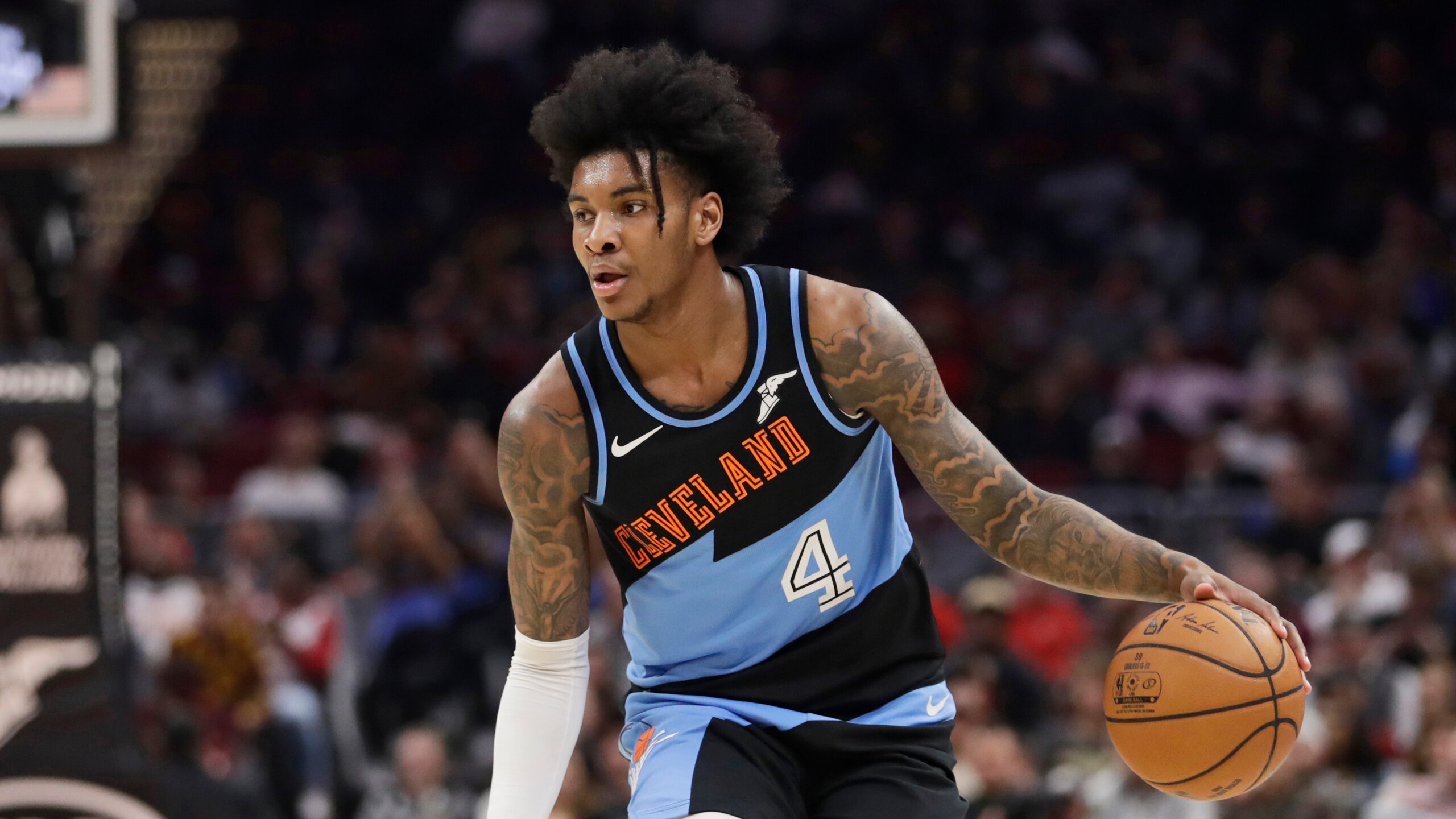
The Good
Kevin Porter Jr.'s start makes his draft-night slide even more puzzling. While his athleticism and hero-jumper game translate to highlights, he's created them while staying efficient. Shooting 44.8 percent, Porter is averaging 9.4 points in 22.3 minutes working on and off the ball.
He's making 46.9 percent of his catch-and-shoot chances, and for a rookie, he's converted an impressive 22-of-53 isolation chances into buckets. That's a tribute to his shot creation and specialty shot making off scoring moves.
Other young guards have struggled to finish, but Porter is at 56.8 percent around the basket, where his frame, bounce and coordination look ready.
He has had some standout defensive sequences as well using his quickness, length and strength. Even if his discipline needs work, the tools and foot speed he has to work with are super encouraging for his two-way potential.
The Bad
Porter has been used most as a pick-and-roll ball-handler, but he's only generating .62 points per possession (19th percentile). He needs to improve his offensive reads in terms of knowing how to make the most of a ball screen as a scorer and playmaker. An 18.3 turnover percentage is mostly a reflection on his decision-making.
Money shooting off the catch, Porter is only at 26.6 percent on his pull-ups. His shot selection in general is difficult, though to his credit, he's executing at a strong rate for a rookie.
Overall Grade: B+
On a weak team with a pair of shoot-first guards in Darius Garland and Collin Sexton, Porter's efficiency is a pleasant surprise. He's averaging 14.5 points in six games since returning from an ugly knee injury that nearly cost him three weeks.
While it's still unclear if Garland will justify going top five, it's pretty obvious that Porter was a major value pick and steal at No. 30.
Non-Qualifiers (Under 500 Minutes)
21 of 21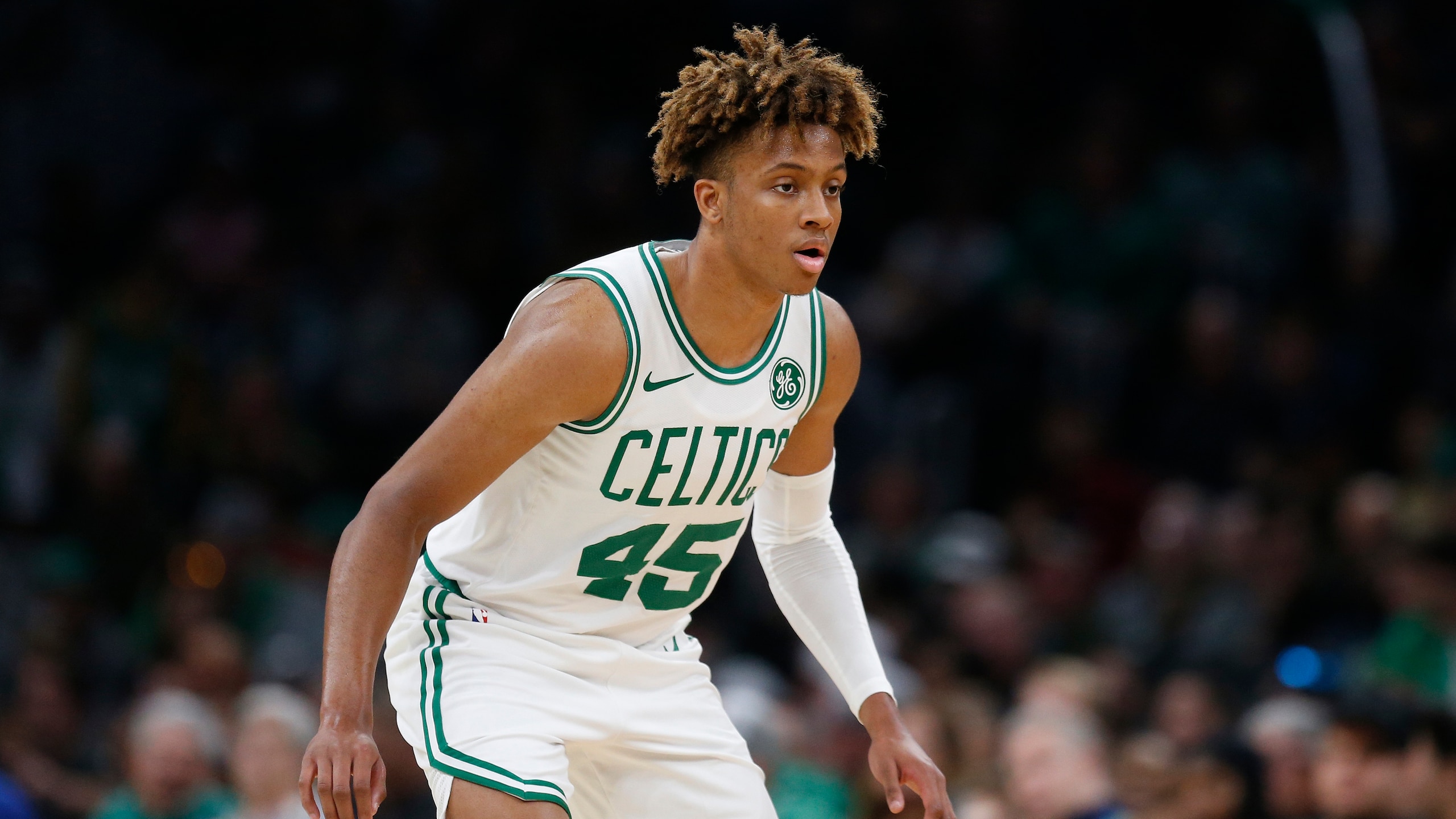
No. 14: Romeo Langford, Boston Celtics
Injuries have limited Langford since college, but he just earned his first start for the Boston Celtics on Wednesday and scored a career-high 16 points Thursday against the Atlanta Hawks. The Celtics are too talented and deep for Langford to have a significant rookie role, but he figures to be in the team's long-term plans with his three-level scoring potential.
No. 16: Chuma Okeke, Orland Magic
Okeke won't play this year after tearing his ACL last March. With a perceived weak 2020 draft class, he will be one of the more interesting rookies for 2020-21 based on his shooting and defensive versatility.
No. 17: Nickeil Alexander-Walker, New Orleans Pelicans
After a strong summer league and preseason, Alexander-Walker struggled early, and then Lonzo Ball got comfortable. There is still plenty to like about his versatility with 6'5" size, shot-making and passing skills, but he won't factor into the Pelicans' plans this season.
No. 18: Goga Bitadze, Indiana Pacers
Getting drafted by the Indiana Pacers means starting behind Myles Turner. Bitadze averaged 21.7 points through three G League games, but it seems unlikely he'll receive many NBA minutes this season. His scoring skills and shot-blocking potential remain promising for the long term.
No. 19: Luka Samanic, San Antonio Spurs
Samanic has averaged 15.2 points, 7.8 rebounds and 1.5 threes in the G League. His scoring versatility for a big is a draw in today's NBA. He'll get his crack eventually in San Antonio after turning 20 in January.
No. 24: Ty Jerome, Phoenix Suns
Injuries have limited Jerome, but the speed and athleticism of the NBA game have also bothered him. He remains worth tracking for his shot making, passing IQ and defensive peskiness.
No. 25: Nassir Little, Portland Trail Blazers
Little has had encouraging stretches for Portland, and once he becomes a more reliable shooter, he'll come closer to earning a role. Shooting 43.0 percent, he brings good energy and athleticism to the Blazers' frontcourt.
No. 26: Dylan Windler, Cleveland Cavaliers
A leg stress fracture will knock Windler out for the season. He was a terrific off-ball scorer at Belmont, and Cleveland could use shot-makers, so he should eventually receive a chance once back at full strength.
No. 27: Mfiondu Kabengele, Los Angeles Clippers
There isn't room for rookies in the Clippers' loaded rotation. In the meantime, the 250-pound Kabengele has been averaging 19.2 points, 9.2 rebounds and 2.0 threes in the G League. He's an energetic big with a projectable jumper.
No. 29: Keldon Johnson, San Antonio Spurs
Johnson is averaging 20.1 points in the G League despite only shooting 22.4 percent from three. His tools, athleticism and attacking style are working, but he could have a tough time finding minutes in San Antonio's deep backcourt.
Stats courtesy of Synergy Sports Reference and Basketball Reference.

.jpg?w=2560 "Cam Ward Says He's Not A Loser")
.jpg?w=2560 "Texans Trade for MHJ")
.jpg?w=2560 "Chargers Fall to 0-5 🤢")

.jpg?w=2560 "Grading MHJ Trade 📝")