


Like the real thing, one wrong move in a fantasy football mock draft can sink the whole ship before it departs.
This seems to grow truer by the year, thanks to the wealth of information and resources for owners to use before and during a draft. Call it an arms race of sorts, where those who best use a combination of tools and time management often come out ahead.
Going into 2018 drafts, a blend of proper value and an understanding of the far-reaching rules of draft strategy will best set up an owner for contention. Finding value sleepers by the round and following some tried-and-true guidelines is the way to go, so brushing up on them as the calendar turns to August is ideal.
TOP NEWS
.jpg?w=2560 "Colts Football")
Jonathan Taylor Landing Spots 📍
.jpg?w=2560)
B/R's Expert Week 7 NFL Picks 🔮
.jpg?w=2560 "Chiefs Giants Football")
Why Josh Simmons Was Told to Leave Meeting by Mahomes, Reid Revealed in New Chiefs Rumors
Sleeper Cheat Sheet
Eli Manning (13.05)
Alex Smith (12.02)
Duke Johnson (11.04)
Rex Burkhead (7.04)
Giovani Bernard (13.03)
Tyler Lockett (13.12)
Anthony Miller (14.06)
Paul Richardson (14.10)
Sterling Shepard (11.06)
Mike Gesicki (n/a)
David Njoku (13.01)
O.J. Howard (13.12)
Average draft position courtesy of Fantasy Football Calculator.
Strategy Tips for Mock Drafts
Wait on QB
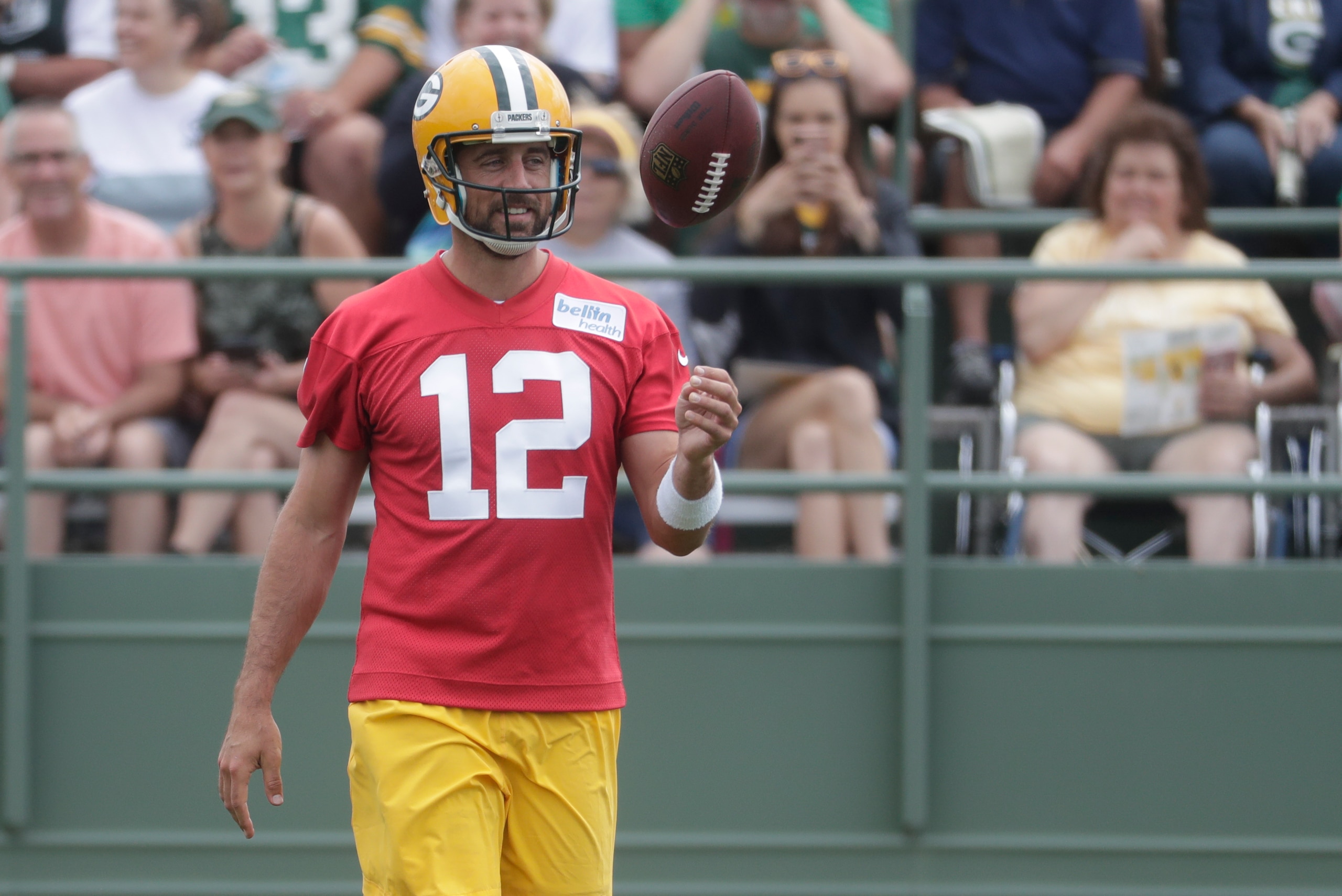
Here's a universal tip that owners should know if they don't already.
This one goes against instinct, of course. But fantasy football is often the exact opposite of the real thing in this regard. Whereas quarterbacks are the face of the NFL and most individual teams, the most critical element of success for a franchise, they are simply just another player in fantasy football (save for leagues where you can start more than one QB).
There are an abundance of quarterbacks who score well in the fantasy landscape on a weekly basis, making it easy to swap out almost weekly if necessary. Most owners only roster one quarterback these days, so there is bound to be somebody available on the open market.
Look at it this way: 22 quarterbacks scored at least 200 points in standard leagues last year, according to FantasyPros.
Only seven running backs did the same.
But there are exceptions to every rule.
Seattle Seahawks quarterback Russell Wilson scored 347.8 points last year to lead everyone at his position and was the only QB over the 300-point mark. But the problem is owners can't count on Wilson to do it again—and even a supposed can't-miss guy like Aaron Rodgers was hardly a top-30 scorer last year. Those who gambled on Green Bay's quarterback early got burnt in a big way not because he struggled (they likely found a nice waiver-wire replacement), but because they missed out on value elsewhere.
Waiting for a while on a Ben Roethlisberger (ADP 10.12) still nets a quarterback in the 250-point range. Complementing him with a waiver-wire add like Andy Dalton massages the need and doesn't sacrifice value elsewhere.
Don't Overvalue TE
While it would be nice to have New England Patriots tight end Rob Gronkowski, he was only one of seven players at his position to score north of 100 points a year ago.
But the investment cost in a guy like Gronkowski is steep; this year it's to the tune of a 2.11 ADP. He scored 158.3 points last year, but he has a higher ADP than Detroit Lions wide receiver Marvin Jones, who sits at 5.08 coming off a 164.1-point season.
Again, this all boils down to value and context. Gronkowski is nice, but he puts owners at a serious disadvantage by needing to recoup value at other skill positions late in drafts where the talent isn't nearly as guaranteed.
Grabbing a tight end in later rounds is much easier than it is to grab a running back or wideout. Owners can lean on proven veterans such as Delanie Walker (7.05), take a gamble on a guy who could outright lead the position in scoring with Tyler Eifert (10.04) or even grab possible breakout candidates like David Njoku (13.01) or O.J. Howard (13.12).
Pick a RB Strategy and Stick With It
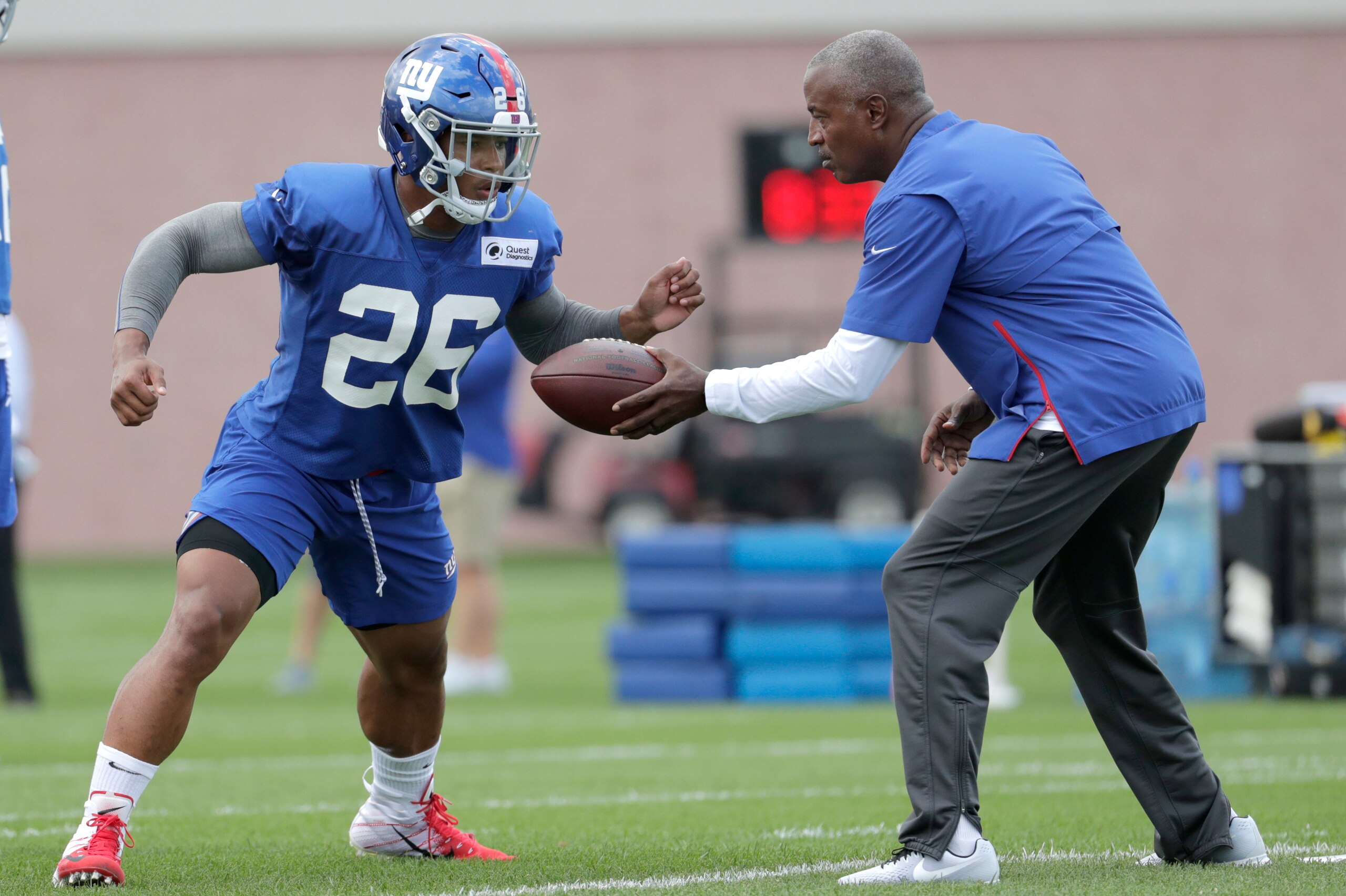
There isn't a wrong way to approach running back anymore.
If owners want to skimp on the position early in favor of others, it's a viable strategy. Droves of guaranteed wideouts will once again produce well and are worth early-round picks. This is even more viable in points-per-reception (PPR) leagues. An owner going this route can balance the scales with late-round running backs and quantity.
The more popular approach is grabbing a first-round runner and then a wideout in the second round to ease the burden of needing to fill out those key positions with elite players. Going with a running back in the first and grabbing another in the second is certainly a viable strategy as well, but only if an owner is positioned near the end of the order in a snake format.
It's important to understand how quickly running backs will go off the board, too. For example, a rookie with a guaranteed workload like Saquon Barkley of the New York Giants has an ADP of 1.06. A second-round back like Derrius Guice of the Washington Redskins sits at 3.05.
Another element to remember is handcuffing. It's incredibly easier to replace a running back or draft proper depth by taking the next guy on the depth chart behind the starter. Targeting those backups on the waiver wire works, too.
Either way, the top 10 running backs will normally be gone by the end of the first round or so in most drafts. Going into it with a set plan, either by attacking early or stockpiling later, is a way to guarantee success.
.jpg?w=2560 "Commanders 49ers Football")
.jpg?w=2560 "DOLPHINS-AIKMAN")








