


The 2018 Major League Baseball season begins in one week, Thursday, March 29 when the Miami Marlins host the Chicago Cubs at 12:30 p.m. ET.
As fans prepare for Opening Day of their favorite team, it's important to not only review where each team stands as Spring Training begins to wrap but also highlight some of the top rule changes aimed to improve the pace of play this season.
Latest 2018 MLB Power Rankings, Odds and Predictions
TOP NEWS
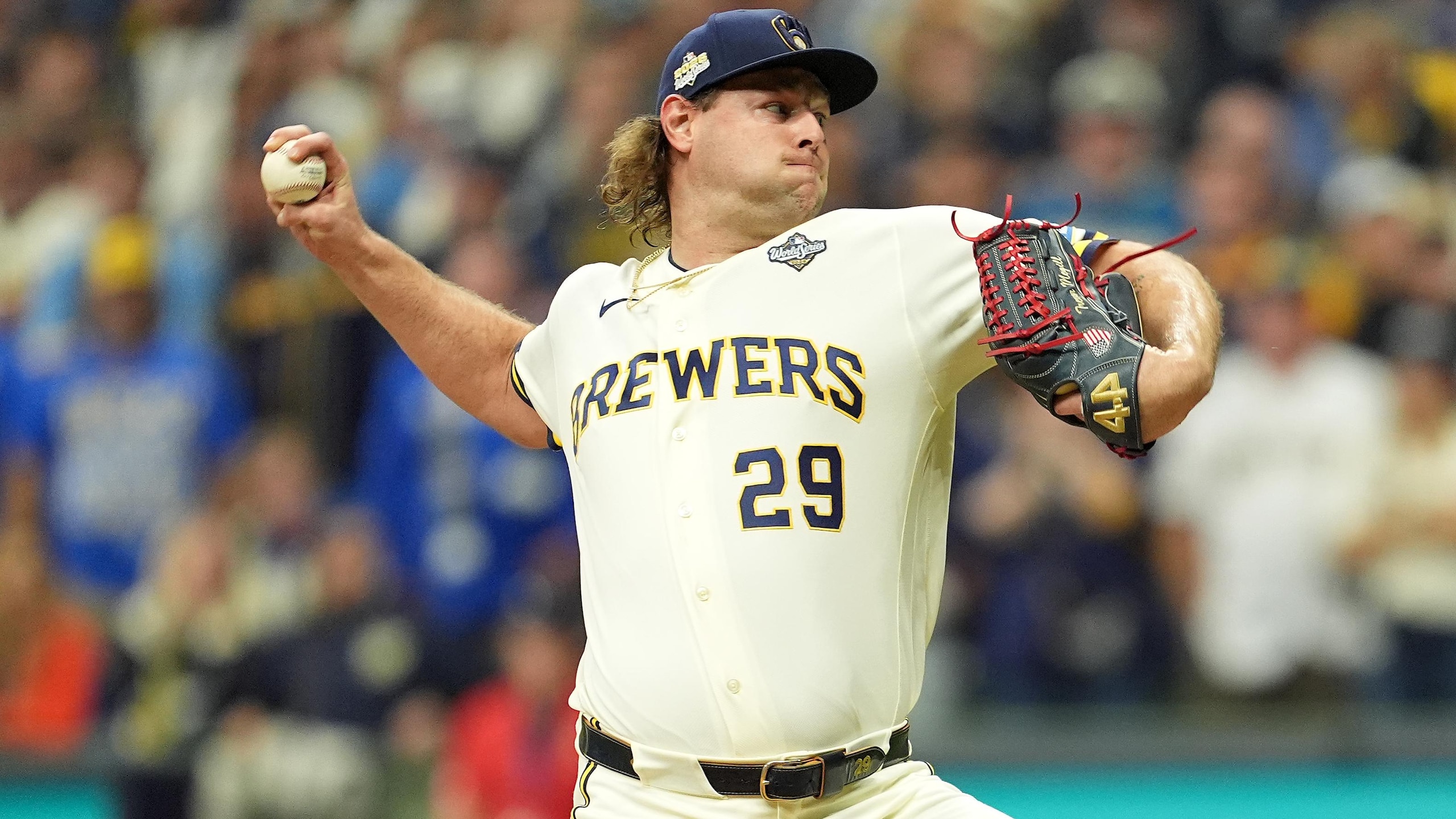
Brewers Closer Blasts Tropicana Field Roof

Latest MLB Trade Rumors 👂
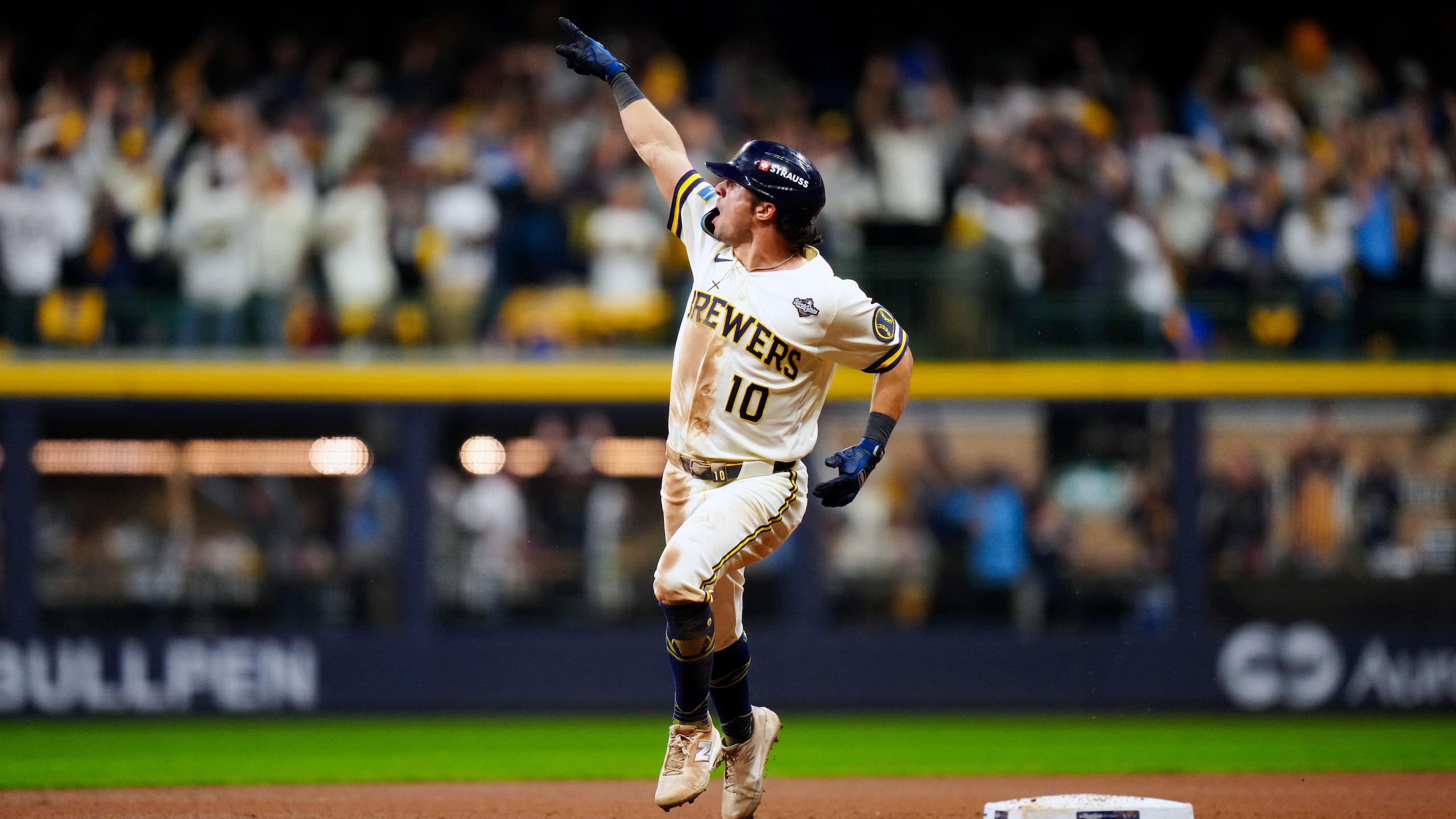
Tying HR Had Bauers Emotional
Note: World Series odds in parentheses, courtesy of OddsShark.com
1. Houston Astros (+500)
2. Los Angeles Dodgers (+500)
3. New York Yankees (+600)
4. Cleveland Indians (+650)
5. Chicago Cubs (+750)
6. Washington Nationals (+900)
7. Boston Red Sox (+1000)
8. Arizona Diamondbacks (+2500)
9. St. Louis Cardinals (+2000)
10. Los Angeles Angels (+2500)
11. Milwaukee Brewers (+3000)
12. Minnesota Twins (+3000)
13. Colorado Rockies (+5000)
14. Seattle Mariners (+3500)
15. Toronto Blue Jays (+3500)
16. San Francisco Giants (+2200)
17. Texas Rangers (+20000)
18. San Diego Padres (+20000)
19. New York Mets (+3000)
20. Oakland Athletics (+20000)
21. Baltimore Orioles (+20000)
22. Atlanta Braves (+17500)
23. Philadelphia Phillies (+10000)
24. Tampa Bay Rays (+15000)
25. Pittsburgh Pirates (+15000)
26. Chicago White Sox (+20000)
27. Cincinnati Reds (+25000)
28. Kansas City Royals (+50000)
29. Detroit Tigers (+50000)
30. Miami Marlins (+50000)
AL MVP Odds
Mike Trout, Angels (+130)
Jose Altuve, Astros (+600)
Carlos Correa, Astros (+1000)
Giancarlo Stanton, Yankees (+1200)
Francisco Lindor, Indians (+1200)
NL MVP Odds
Bryce Harper, Nationals (+300)
Kris Bryant, Cubs (+400)
Nolan Arenado, Rockies (+500)
Paul Goldschmidt, Diamondbacks (+800)
Joey Votto, Reds (+900)
For odds on many more AL and NL MVP contenders, visit OddsShark.com.
For more insight on the team to beat (Houston Astros) and top sleeper team (San Francisco Giants), check out my recent dedicated Power Rankings writeup. For bold predictions and more hot takes entering the season, including how many home runs Stanton and his new teammate Aaron Judge will hit this year, check out B/R's Zachary D. Rymer's article for 10 individual players and five teams.
Rule Changes
As Major League Baseball commissioner Rob Manfred continues exploring ways to make games move quicker, the 2018 season will feature some rule changes in an attempt to speed things up.
The length of an average game last season was a record three hours, eight minutes. It's the sixth straight year in which the average game has taken three hours to be played.
On Feb. 19, Manfred announced four new rules changes including limiting the number of mound visits in a game to six per team, shorter commercial breaks between innings and during pitching changes, and direct access to slow-motion angles in all 30 stadium replay review rooms.
Before the 2018 season gets underway, here is a look at what the new rules will mean for the pace of play.
Maximum Six Mound Visits
Teams will have a maximum of six mound visits per game, though there is additional leeway built in if games are tied after nine innings.
The official definition from MLB of a mound visit is "a manager or coach trip to the mound to meet with the pitcher shall constitute a visit. A player leaving his position to confer with the pitcher, including a pitcher leaving the mound to confer with another player, shall also constitute a mound visit, regardless of where the visit occurs or the length of the visit..."
Teams will get one additional mound visit, in addition to pitching changes, per inning if a game goes to extra innings.
Chicago Cubs catcher Willson Contreras has said he would be willing to accept a fine to break the rule if it's in his pitcher's best interest.
"I’ve been reading a lot about this ruling," he told reporters. "I don’t really even care. If (I) have to go again and pay the price, I will."
MLB hasn't said what the penalty for players and/or teams that surpass the number of mound visits will consist of.
Reduced Commercial Breaks
MLB has changed the way commercial breaks between innings and during pitching changes will be handled.
Stadiums will still feature the countdown clock that runs down from 2:05 during locally televised games and 2:25 during nationally televised games, but there will be a new approach to ensure the first pitch is thrown as the clock hits zero:
"The difference now is that at the 25-second mark, the umpire will signal for the final warmup pitch and the pitcher must throw it before the clock hits 20. The batter will be announced at the 20-second mark and the pitcher must begin his windup to throw the first pitch of the inning within the five seconds before the clock hits zero. Another important change is that a pitcher is no longer guaranteed eight warmup pitches between innings. However, he can take as many as he wants within the countdown parameters noted above."
In the past, pitchers have been guaranteed eight warm-up pitches between innings. They are no longer ensured that privilege but are able to take as many as they want within the parameters listed below.
The same rules also apply to pitching changes during innings.
Instant Replay
As MLB continues to fine-tune its replay system, a key change in 2018 will feature every team's video review room receiving instant access to slow-motion camera angles.
This will allow the replay coordinators and umpires to quickly examine bang-bang plays, determine the correct call and make an official ruling on the field.
Last year, MLB changed the rule to give managers 30 seconds to decide whether or not they wanted to challenge a play and instituted a maximum two-minute time limit for replays.


.jpg?w=2560 "Raiders Could Start Mendoza")

.jpg?w=2560 "Rodgers Iced Out on Plane 💎")

.jpg?w=2560 "Packers Safety Slams Refs 🤬")

.jpg?w=2560 "🚨 Week 8 AP Top 25 Poll")
