
MLB Metrics 101: The 5 Teams That Regularly Dominate the Trade Deadline
Making good deals during Major League Baseball's trade deadline season is no easy feat. Most of them either go bad or go nowhere.
There are some teams, however, who've done well over the years. Bleacher Report's MLB Metrics 101 is here to give them their due credit now that the July 31 non-waiver trade deadline has passed.
Hello, and welcome back. A couple of weeks ago, the topic was the most brutal trade deadline fails of the 2000s. Flip that topic on its head, and major fails for one team become major wins for another.
That is a nice segue this week's topic: Which teams have done really well in deadline deals?
All July trades from 2000 through 2014 (a nice 15-year sample size) qualify for consideration. For how they'll be sorted, read on for more.
Methodology
1 of 7
Here are the questions that need answering: How often have teams won their July trades, and how much value did they get from their wins?
To begin, the same basic rules that applied to the deadline fails apply here:
- "Value" means wins above replacement, courtesy of Baseball Reference. It weighs offense, defense and baserunning for position players, and innings pitched and runs allowed for pitchers.
- Only controllability that teams were exchanging at the time of the deal counts.
If anyone's confused by that second point, consider Scott Rolen and the St. Louis Cardinals.
He stayed in St. Louis for five more seasons after the Philadelphia Phillies traded him there in July 2002, but that's only because he signed an extension. He was just a rental when the Cardinals traded for him. That's what counts for this particular look back in time.
As for what qualifies as a trade "win," here are the ground rules:
- One team ultimately gained more WAR than the other team.
- If the supposed winner got zero WAR or suffered less negative WAR than the supposed loser, it's not a win for either side.
- If it's a tie and both teams gained more than 1.0 WAR from the deal, it's a win for both sides.
- In multiteam trades, the team that gained the most WAR wins.
Up ahead are the five teams that gained the most WAR from trade wins between 2000 and 2014. But first, a few honorable mentions.
Honorable Mentions
2 of 7
San Francisco Giants
The San Francisco Giants haven't scored in many blockbusters, but their recent track record is loaded with value buys. Such as: Jason Schmidt, Randy Winn, Freddy Sanchez, Ramon Ramirez, Javier Lopez, Hunter Pence, Marco Scutaro and Jake Peavy.
The Giants didn't actually gain much WAR from the bunch, but it's no small consolation that the latter six did their part to deliver three World Series titles.
Baltimore Orioles
What the Baltimore Orioles lack in quantity of trade wins, they make up for in quality. Landing Melvin Mora in a swap for Mike Bordick in July 2000 turned out to be a stroke of genius. Turning Koji Uehara into Chris Davis and Tommy Hunter in July 2011 was another.
Washington Nationals
Maybe the Washington Nationals weren't expecting Tanner Roark to turn into one of the National League's best pitchers when they got him for Cristian Guzman in July 2010, but it's happened. Other players they've nabbed in July trades include Wilson Ramos, Tomo Ohka and Jon Rauch.
Los Angeles Angels
The then-Anaheim Angels' July 2001 deal of Kimera Bartee for Chone Figgins is one of the biggest steals of the century. They've also scored as buyers, netting players like Dan Haren, Huston Street, Alberto Callaspo and an epic half-season from Mark Teixeira in 2008.
Detroit Tigers
Dave Dombrowski's reputation as a shrewd buyer was largely formed between 2002 and 2015 with the Detroit Tigers. His best buys include David Price, Doug Fister, Jose Iglesias, Anibal Sanchez, Omar Infante and Jeremy Bonderman.
And while it's not counted here, Dombrowski also did well when he sold Yoenis Cespedes to the New York Mets for Michael Fulmer in July 2015 before losing his job a few weeks later.
5. Tampa Bay Rays
3 of 7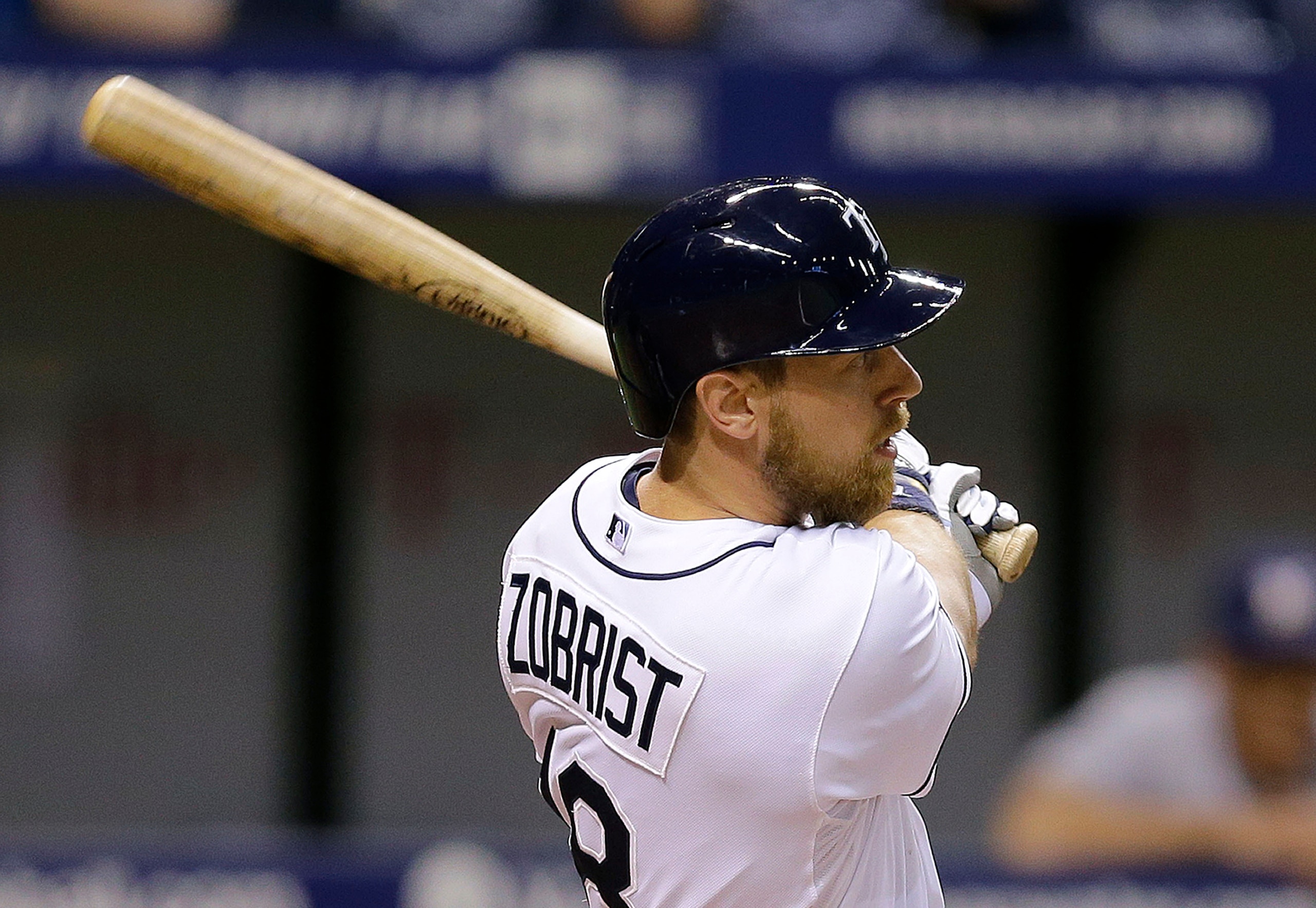
| 15 | 6 | 57.6 |
It seems weird, but it's true: The Tampa Bay Rays haven't been that active in MLB's hottest trade month.
However, six wins out of 15 July trades is a pretty good ratio. And two of those wins are huge.
The bigger of the two is a July 2006 trade in which the Rays (then the Devil Rays) sent rental slugger Aubrey Huff to the Houston Astros for a couple of minor leaguers.
One was Ben Zobrist. All he did was blossom into an All-Star utility man and a poster boy for advanced metrics, racking up more WAR between 2009 and 2014 than all but Robinson Cano and Miguel Cabrera. He's one of the great trade steals in history, much less the 2000s.
Tampa Bay netted a smaller yet still significant steal two years earlier in a July 2004 deal with the New York Mets. The deal was Victor Zambrano for Scott Kazmir, who was then one of baseball's top prospects.
Kazmir also blossomed. Specifically, between 2006 and 2008, when he averaged a 3.41 ERA and made two All-Star teams.
Other players acquired by the Rays in July include Grant Balfour, Paul Wilson and Brent Abernathy. Not great adds but solid ones.
And while their end of the July 2014 three-team deal centered around Price looks light now, keep an eye on one party we haven't yet heard from: Willy Adames.
He checks in as the No. 18 prospect in baseball for MLB.com, which remarks that he has "all the ingredients to develop into an All-Star-caliber shortstop."


4. Pittsburgh Pirates
4 of 7
| 38 | 11 | 63.2 |
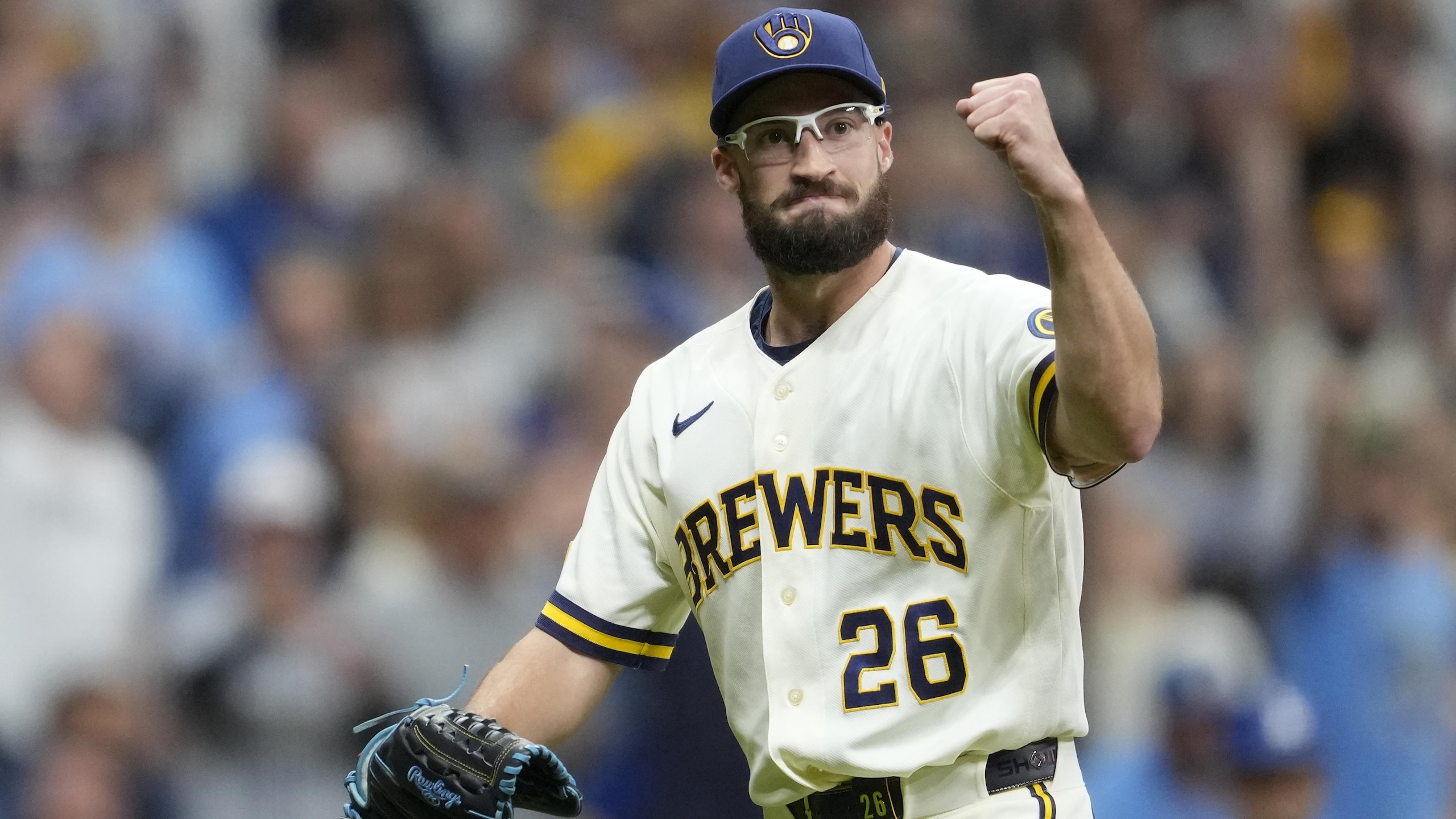
It's only recently that the Pittsburgh Pirates have developed into a contender. Before that, they spent the bulk of the 2000s feeding their talent to contending teams.
However, that's not such a bad life if you play your cards right.
One of the Pirates' bright spots in the mid-2000s was their double-play combination of Jack Wilson and Freddy Sanchez. They acquired both July trades: Wilson from the St. Louis Cardinals in July 2000 for Jason Christiansen and Sanchez from the Boston Red Sox in July 2003 for Jeff Suppan.
Between 2004 and 2008, the Wilson-Sanchez duo combined for 26.4 WAR and three All-Star appearances. Sanchez even won a batting title when he hit .344 in 2006.
The Pirates later got Josh Harrison from the Chicago Cubs in a July 2009 deal centered around Tom Gorzelanny. He's since become a two-time All-Star who serves the Pirates as a utility player/energy source.
"What he's done since the day he became a member of the Pirates is hit, show up with energy, show up with enthusiasm, show up with positivity, show up with grit, show up ready to win," Pirates general manager Neal Huntington said of Harrison after extending him in 2015, per ESPN.com.
Elsewhere, Jeff Karstens and Ross Ohlendorf helped the Pirates get the better end of a July 2008 blockbuster with the New York Yankees. Other trade victories include Shawn Chacon (2006), James McDonald (2010) and Travis Snider (2012).
3. Chicago Cubs
5 of 7
| 36 | 14 | 72.1 |
The Chicago Cubs have been both buyers and sellers in the 2000s and have produced success stories in both departments.
Included within is one of the great buys in recent memory: A July 2003 trade in which the Cubs sent spare parts to the Pirates for Kenny Lofton and Aramis Ramirez. Lofton was a solid rental, while Ramirez shook off growing pains to turn into a star third baseman.
Other buys the Cubs made in the early 2000s that deserve mentioning are a July 2000 deal for Rondell White, a July 2001 deal for Fred McGriff and even the July 2004 four-team deal centered on Nomar Garciaparra.
However, the Cubs are featured here mainly because of their more recent wheeling and dealing.
Although many things have turned the modern Cubs into a powerhouse, they couldn't have done it without July trades. During the trading seasons of 2012, 2013 and 2014, they netted Jake Arrieta, Kyle Hendricks, Addison Russell, Pedro Strop and Carl Edwards Jr.
Or, if you prefer: a Cy Young winner, an ERA champion, an All-Star shortstop and two of the team's best relievers.
Once again straying into territory not covered here, the Cubs also deserve credit for their moves last July.
It's too soon to make a long-term judgment on the prices they paid to get Aroldis Chapman and Mike Montgomery, to be sure. But the former helped get them to the 2016 World Series, and the latter was the guy who sealed the deal.
2. Texas Rangers
6 of 7
| 32 | 8 | 86.3 |
That's a lot of July trades and not that many July trade wins, but don't let that fool you. When the Texas Rangers have scored, they've really scored.
Nothing stands out like the July 2007 deal in which the Rangers flipped Mark Teixeira and Ron Mahay to the Atlanta Braves. The Braves' hope was the trade would lead to postseason greatness. Instead, that eventually went to the Rangers.
This is the deal that netted Elvis Andrus, Neftali Feliz, Matt Harrison and Jarrod Saltalamacchia for Texas. All but Saltalamacchia turned into key parts of its back-to-back World Series runs in 2010 and 2011
David Murphy, who came over from the Boston Red Sox in a July 2007 deal for Eric Gagne, was another key part on those teams. Ditto Nelson Cruz, a throw-in part of a July 2006 deal with the Milwaukee Brewers for Carlos Lee.
Michael Young, arguably the backbone of those great Rangers teams, is yet another player acquired in a July trade. He came over in a July 2000 deal that sent Esteban Loaiza to the Toronto Blue Jays.
"This long-lamented trade could serve as a precautionary lesson in the dangers of deadline deals," Brendan Kennedy of TheStar.com wrote in 2015.
Think that's the end? Not quite.
1. Cleveland Indians
7 of 7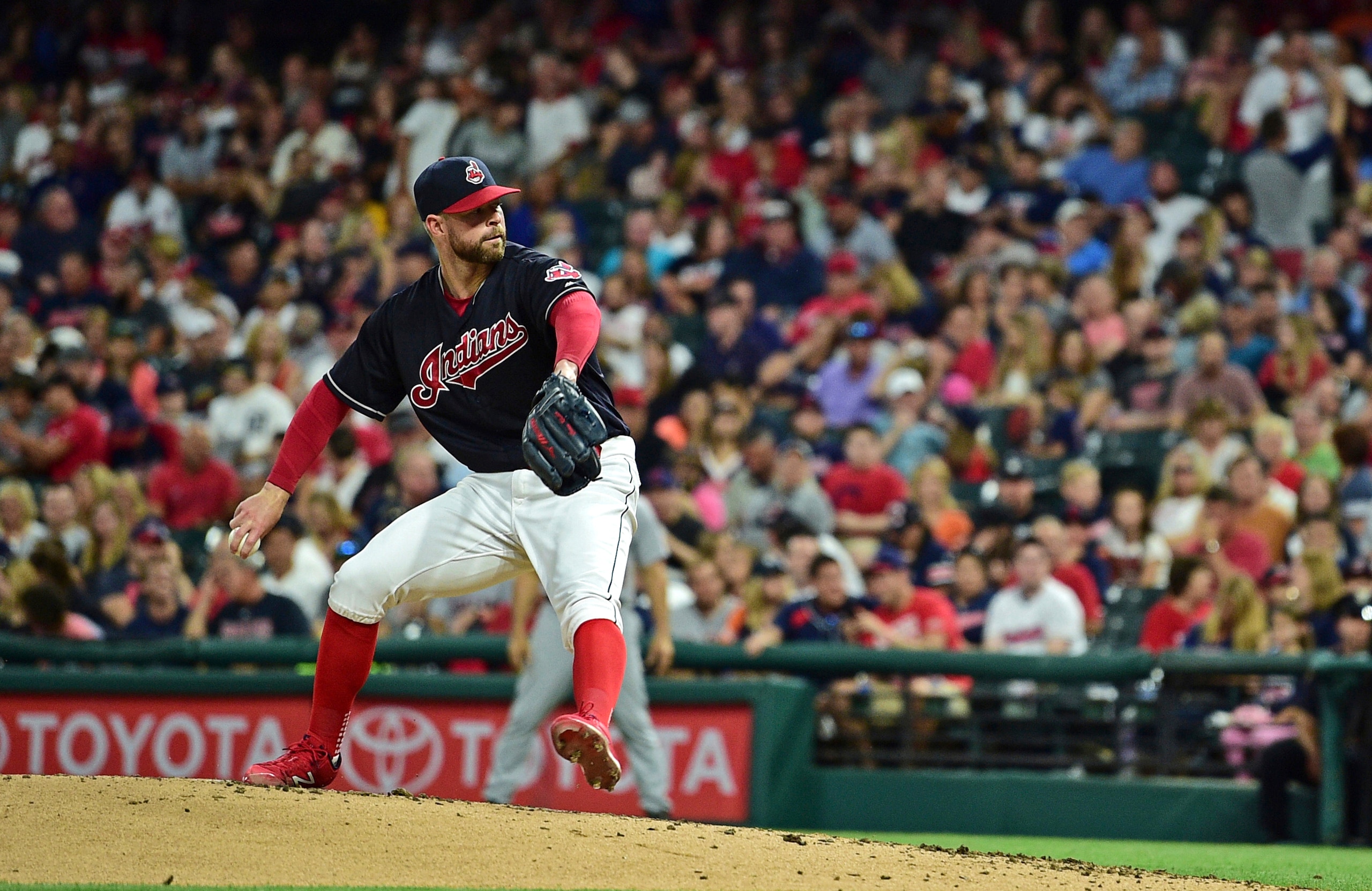
| 39 | 16 | 127.3 |
Maybe it's luck. Maybe it's fate. Maybe it's just good trading.
Whatever it is, recent history says other teams should be wary about dealing with the Cleveland Indians.
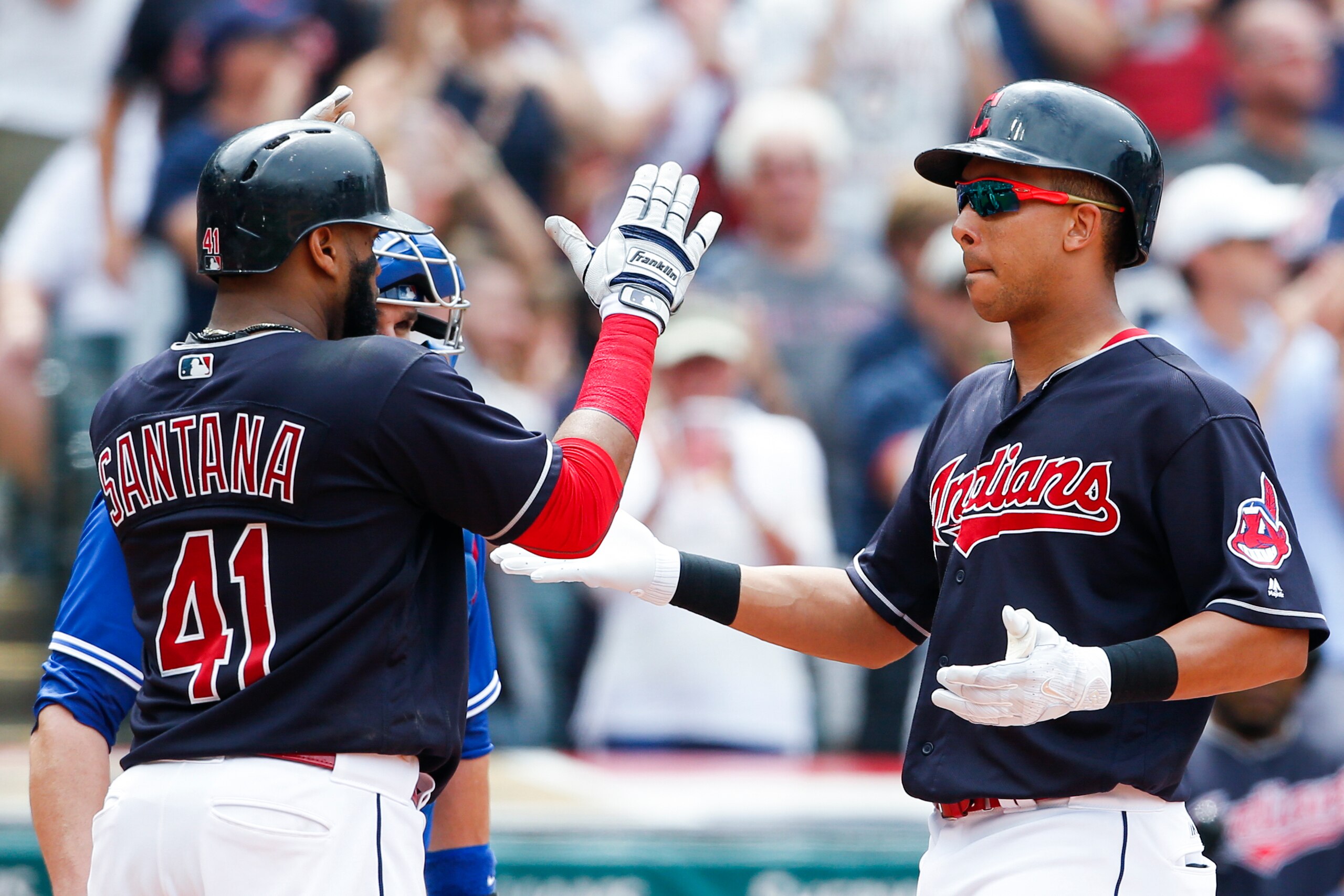
Cleveland took three of 10 spots in the B/R MLB Metrics 101 countdown of the top robberies of the 2000s. Doing the deed was their July 2006 trade for Shin-Soo Choo, their July 2008 deal for Carlos Santana and their end of a July 2010 three-team deal with the Cardinals and San Diego Padres: Corey Kluber.
These deals alone would be enough to push the Tribe's trading track record into the spotlight. But there are enough hits elsewhere to deserve bullet-point treatment:
For the record, there are also some solid buys in Cleveland's recent history. Included within are Milton Bradley, David Segui and, in the end, even Ubaldo Jimenez.
And if the Cubs can get a shoutout for Chapman and Montgomery, the Indians can get a shoutout for Andrew Miller. If they didn't pay the price for him last July, they wouldn't have come within a win of a championship.
All told? Not bad. Not bad at all.
Transaction records and stats courtesy of Baseball Reference.

.jpg?w=2560)
.jpg?w=2560 "Cam Ward Says He's Not A Loser")
.jpg?w=2560 "Chargers Fall to 0-5 🤢")

.jpg?w=2560 "Grading MHJ Trade 📝")