

Congress Members Ask DEA and NFL for Information Regarding Prescription Drugs
Representatives from the House Energy and Commerce Committee wrote letters to NFL Commissioner Roger Goodell and Chuck Rosenberg, head of the Drug Enforcement Administration, to receive information about the use of prescription drugs and controlled substances by NFL teams, per ESPN.com.
On March 9, the Washington Post's Rick Maese reported teams failed to follow DEA guidelines on the storage, tracking, usage and prescribing of controlled substances.
Maese's discoveries came as part of a federal lawsuit former players have filed against the NFL. In the suit, the plaintiffs allege team officials improperly handled prescription drugs, and when the plaintiffs made NFL officials aware of their concerns, they were met with either a slow response or complete inaction.
TOP NEWS

New NFL Power Rankings 📊
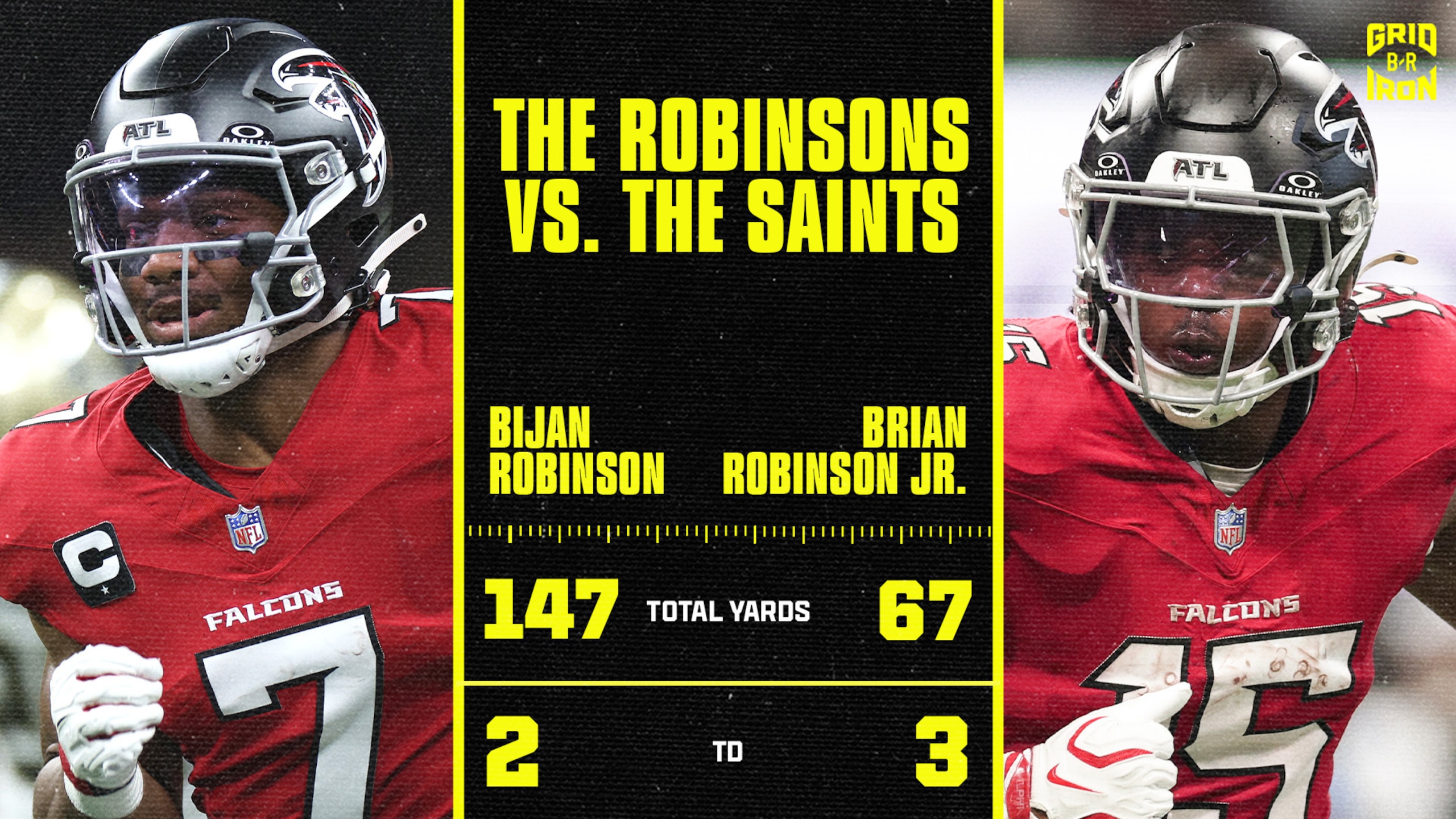
The Robinsons POUND the Rock 🪨
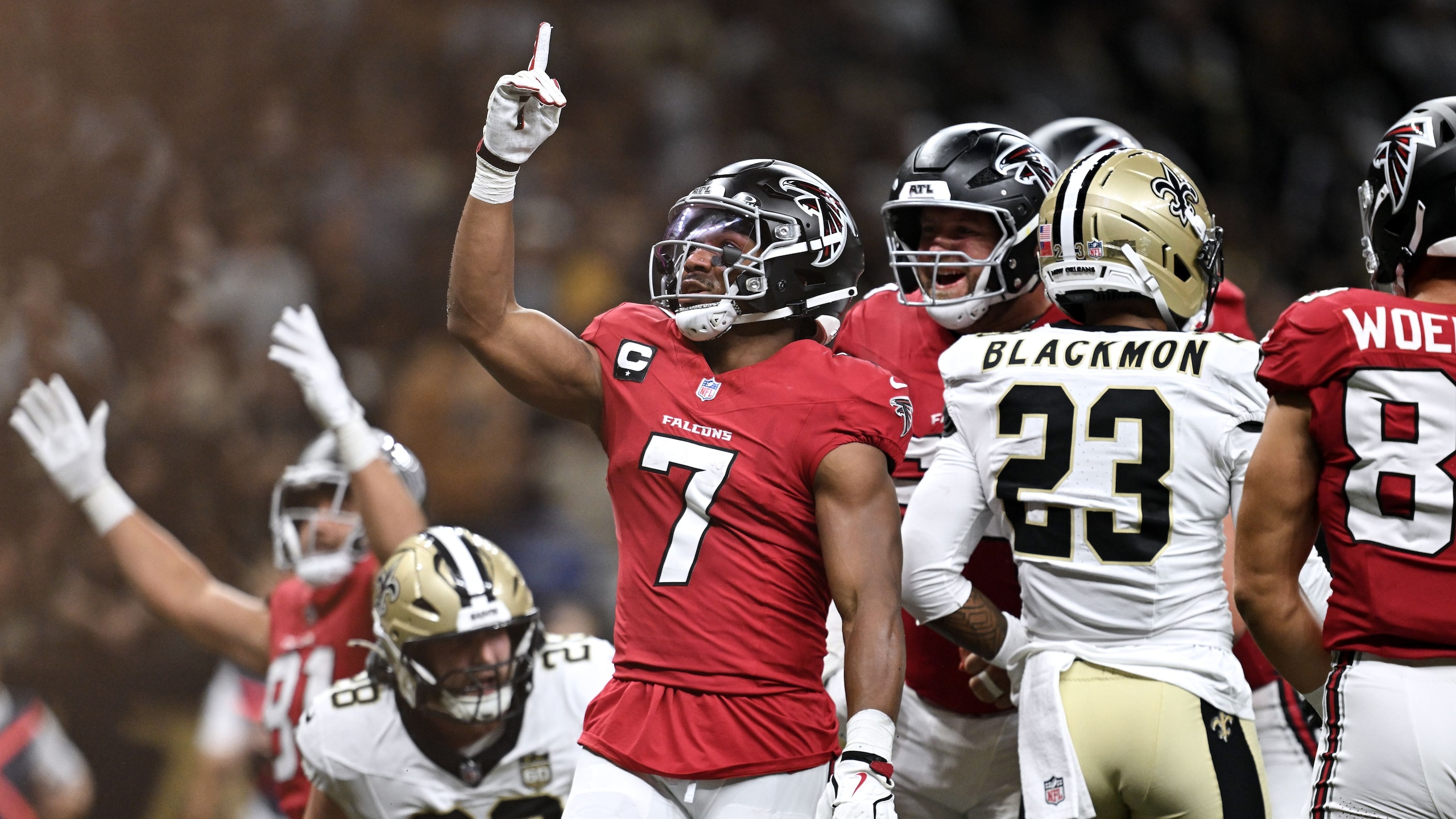
Takeaways from Falcons' dominant MNF win
Anthony Yates, a team physician for the Pittsburgh Steelers, testified that "a majority of clubs as of 2010 had trainers controlling and handling prescription medications and controlled substances when they should not have."
The plaintiffs also shared an email from Paul Sparling, the Cincinnati Bengals' head trainer, in which he said he was "pretty good at keeping [league officials] off the trail" when they conducted inspections to ensure the Bengals were adhering to the DEA guidelines.
Opioid addiction has become a problem across the United States. The American Society of Addiction Medicine reported 20,101 Americans died in 2015 as a result of overdosing on prescription pain relievers.
In 2011 researchers at Washington University School of Medicine spoke to 644 former NFL players as part of a report for ESPN's Outside the Lines. The researchers found the former players misused opioids at a rate four times higher than average Americans.
Fifty-two percent of the players interviewed said they had used prescription medication while they were playing, and of that group, 63 percent said they had acquired the medication from a "nonmedical source."

.jpg?w=2560 "Rams Eagles Football")
.jpg?w=2560 "Grading WWE Raw 🔠")


.jpg?w=2560 "2 NFL Officials Suspended")
