

How the Biggest Offseason Moves Are Paying off in the 2016-17 NHL Season
Generally, the NHL trade scene struggles to live up to the grand dreams concocted by the rumor mill. Sometimes, though, reality is stranger than speculation.
Last summer was such a time. A single day in June saw two stunning blockbusters, with Shea Weber, P.K. Subban, Taylor Hall and Adam Larsson all switching teams. To those deals we can add trades which saw the Maple Leafs add a new starting goalie and the Rangers a cornerstone centre, along with a pair of transactions centered on recent first-round draft picks.
So how are all these deals playing out? With more than half of the 2016-17 season in the books, now is a good time to assess the early returns on this past summer's biggest trades.
Trade information courtesy the NHL’s official 2016-17 trade tracker and Pro Sports Transactions. Contract details courtesy of Cap Friendly. Statistics via Hockey Reference and Stats.HockeyAnalysis.com.
Frederik Andersen for Draft Picks
1 of 8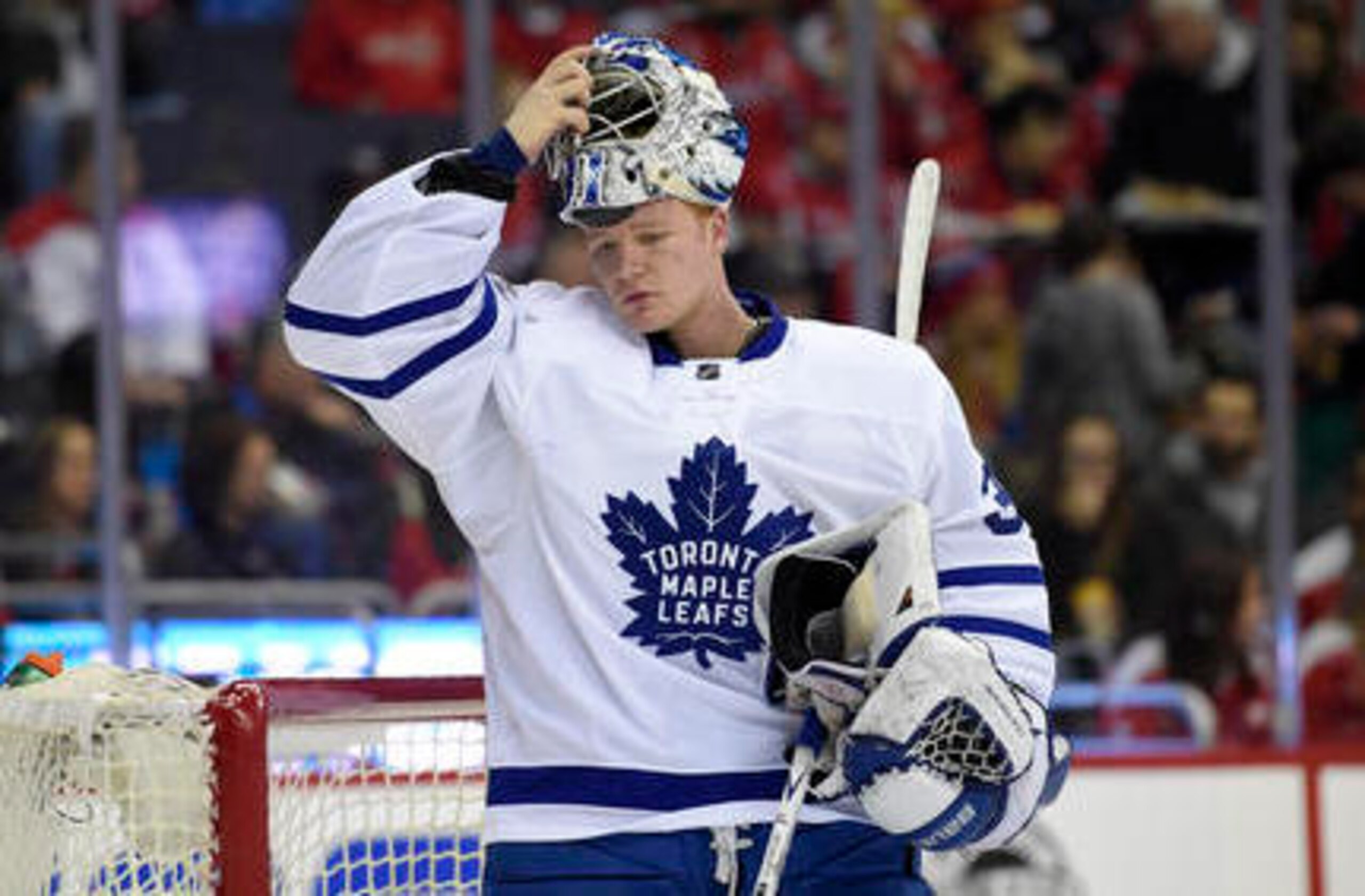
The Trade: Ducks acquire a 2016 first-round pick and 2017 second-round pick from the Maple Leafs in exchange for G Frederik Andersen.
Anaheim Ducks: Anaheim spent the No. 30 selection at last year’s draft on WHL forward Sam Steel, and right now, that selection looks like a real steal. Steel has 36 goals and 88 points in 41 games after coming in just under the point-per-game mark last season.
Toronto Maple Leafs: Andersen was brought in with the expectation that he would give the Maple Leafs certainty in net. After a slow start, he’s done precisely that. His 0.919 save percentage presently ranks 12th among starters, though he’s one of a bunch of quality stoppers closely clustered between fourth and 17th overall in save percentage.
Derick Brassard for Mika Zibanejad
2 of 8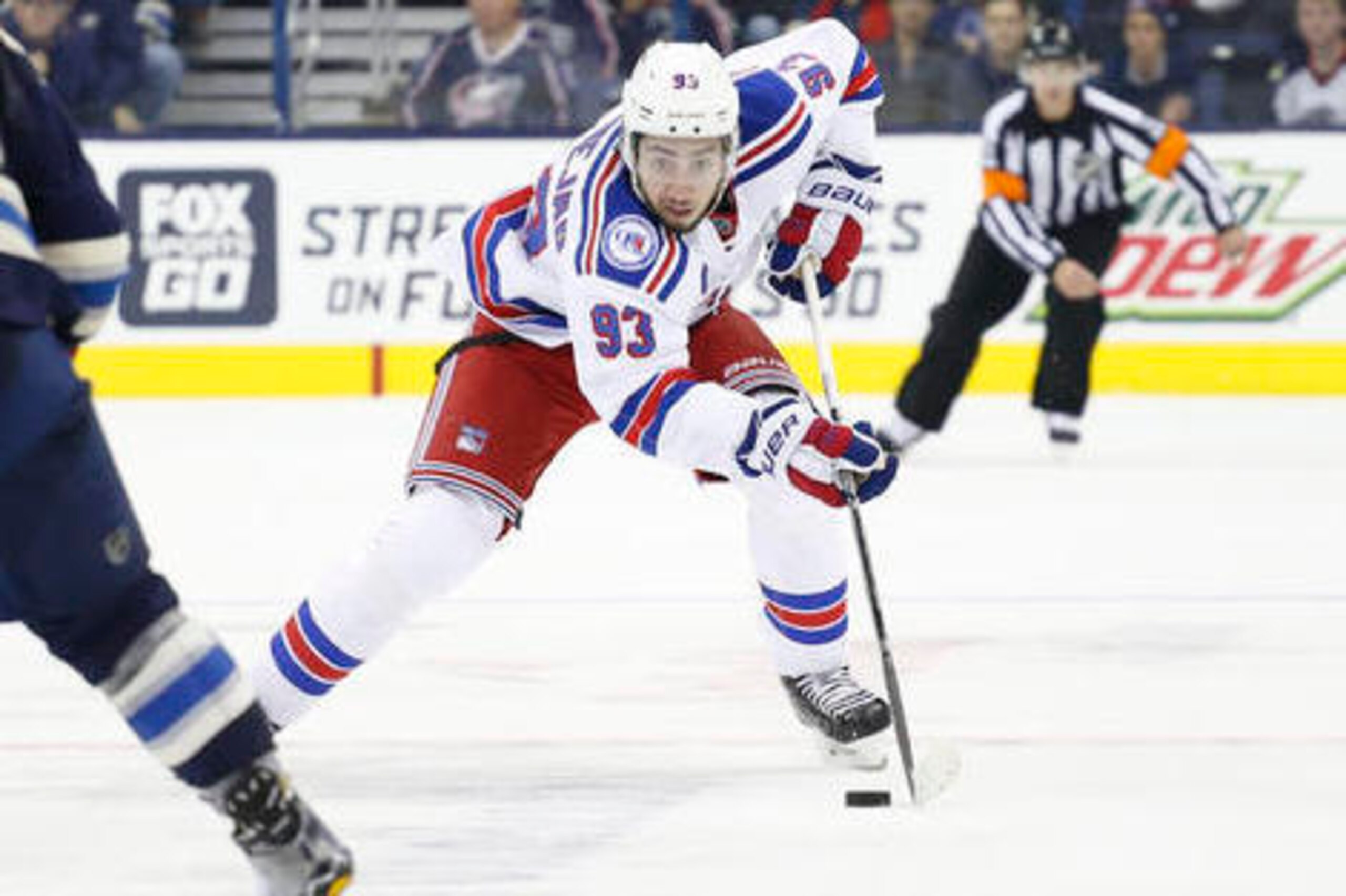
The Trade: New York acquires C Mika Zibanejad and a 2018 second-round pick from Ottawa in exchange for C Derick Brassard and a 2018 seventh-round pick.
New York Rangers: An injury to Zibanejad has helped to conceal how good of a trade this was for the Rangers. When he’s been in the lineup, the 23-year-old centre has brought a little bit of everything, including 18 points through just 25 games, which is the best scoring pace of his career. He’s also bigger and younger than Brassard, and his return to the lineup should give the already competitive Rangers a further boost.
Ottawa Senators: As much as Brassard has been a decent two-way player for a Senators team firmly in the playoff race, it’s hard to understand what possessed Ottawa to make this trade. The 29-year-old veteran has seen his scoring rate decline year after year, falling to a level below what either he or Zibanejad managed last season.
Lawson Crouse for Draft Picks
3 of 8
The Trade: Arizona acquires C Dave Bolland and LW Lawson Crouse from Florida in exchange for a 2017 third-round pick and a conditional 2018 second-round pick.
Arizona Coyotes: From Arizona’s perspective, this was always about securing a blue-chip prospect in Crouse, and the cost of that acquisition was the cap hit of the injured Bolland and some draft picks. Bolland has not played this season. In October, Sportsnet’s Dhiren Mahiban reported he may never play again. Crouse has just six points through 44 games in a depth role with the Coyotes.
Florida Panthers: Florida didn’t get any immediate help in this deal, but it’s hard to pin any of the team’s struggles this season on the absence of Crouse. This deal hasn’t really helped or hurt them, and now that Crouse has played more than 10 games this season, it’s likely that the Panthers will get that conditional 2018 second-rounder.
Erik Gudbranson for Jared McCann
4 of 8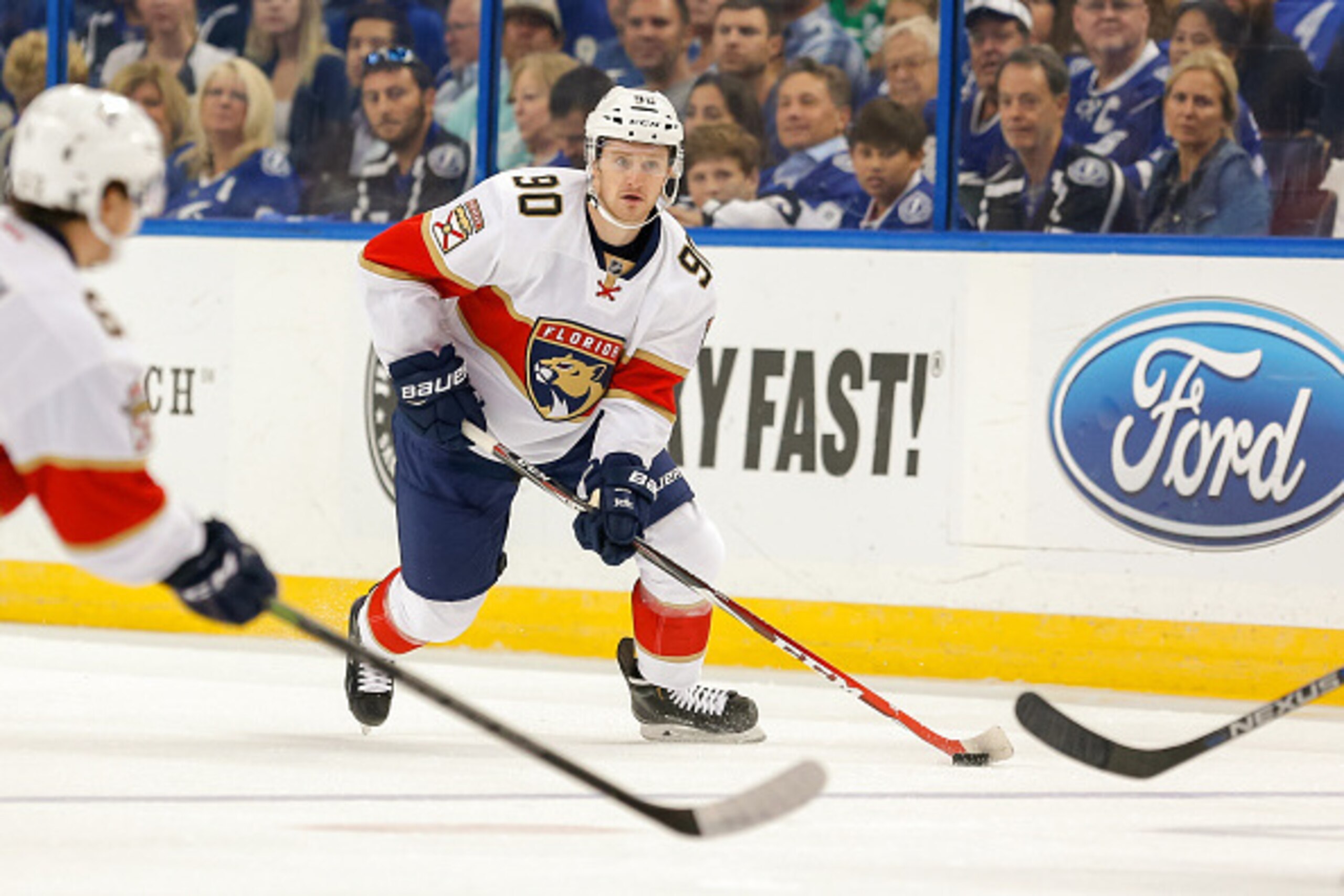
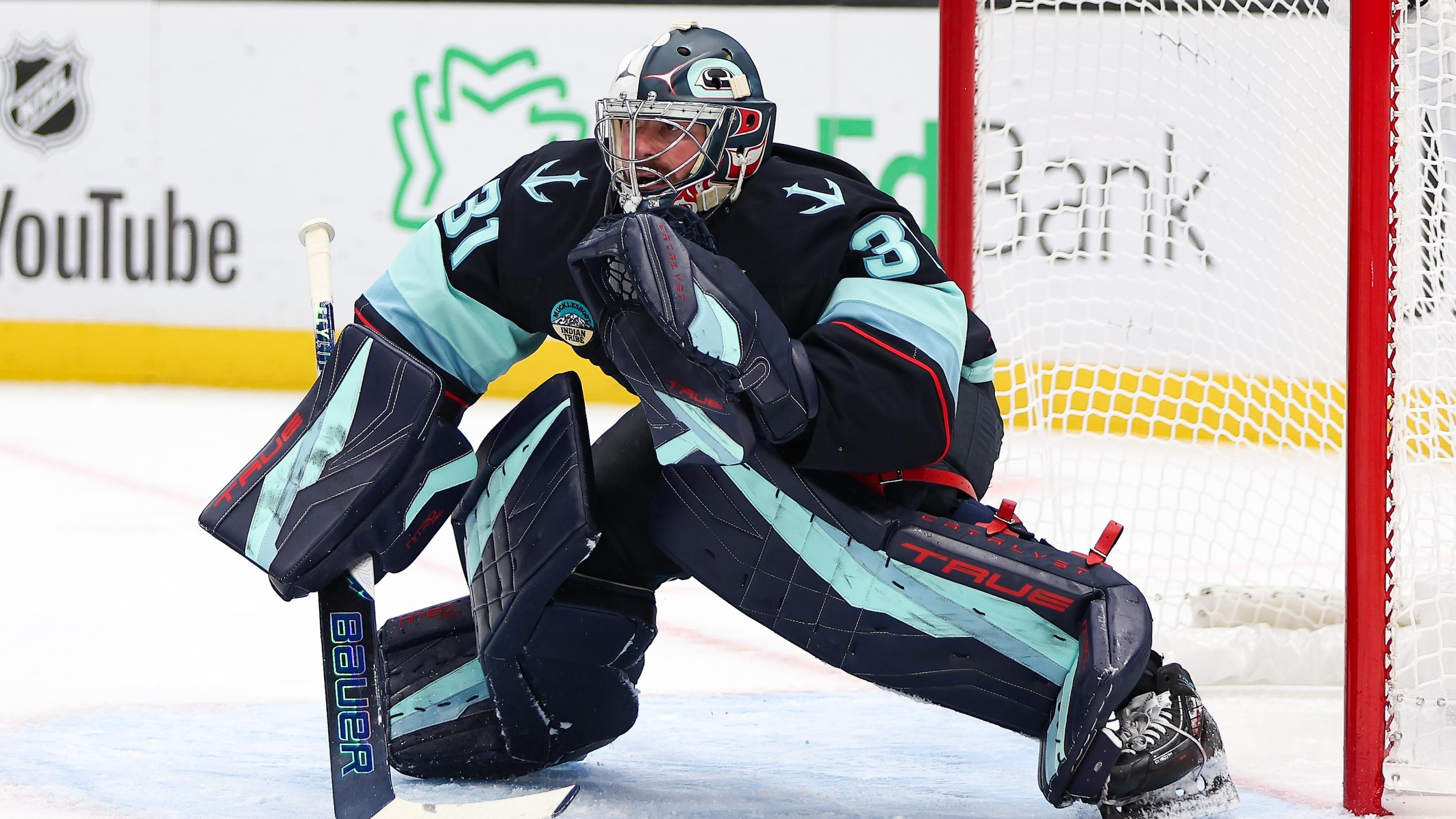
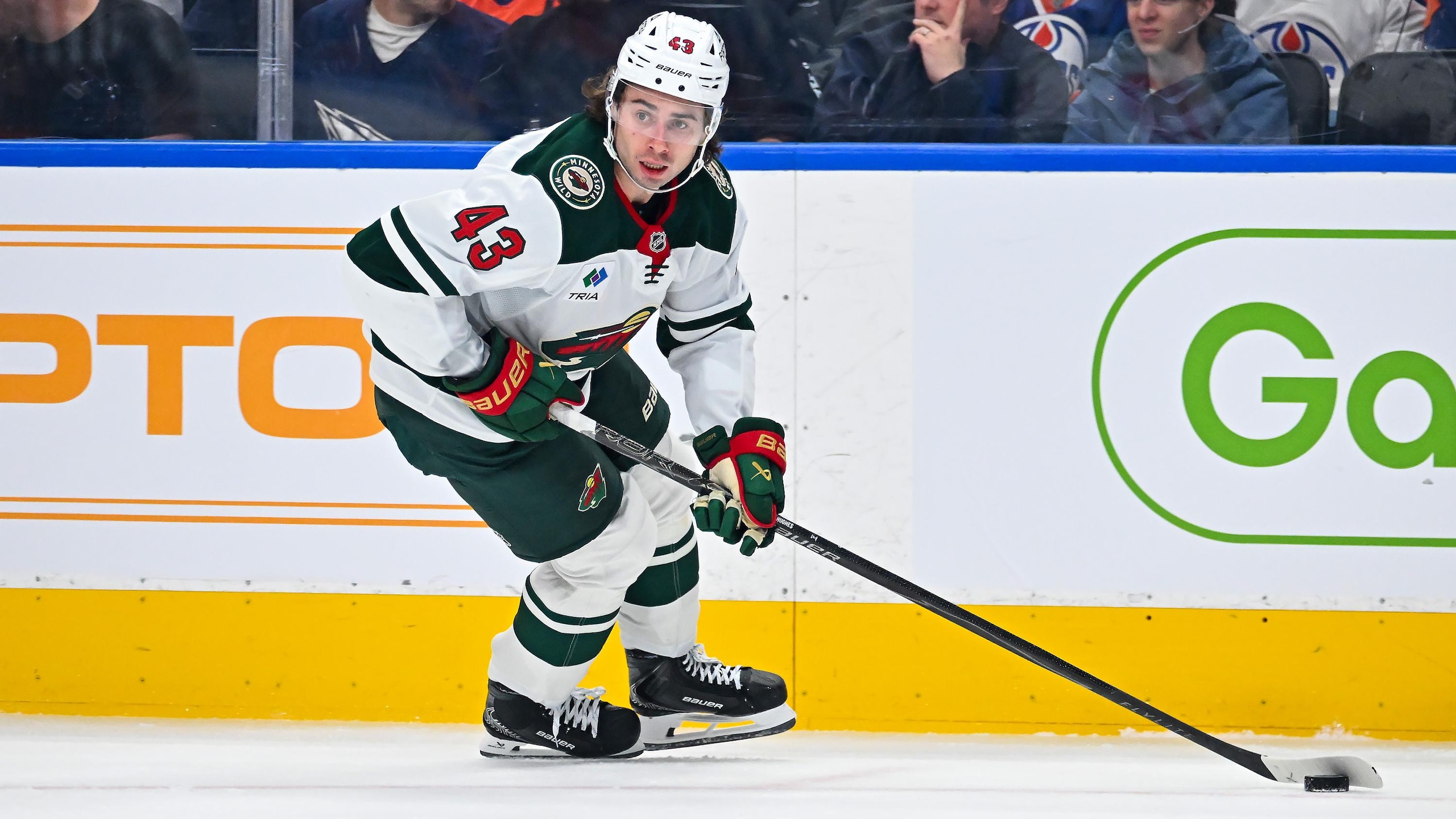
The Trade: Florida acquires C Jared McCann, 2016 second- and fourth-round picks from Vancouver in exchange for RD Erik Gudbranson and a 2016 fifth-round pick.
Florida Panthers: McCann has been a disappointment. He has just a single goal in 29 NHL games this season, and his six points in 15 AHL contests is an even weaker performance from a 20-year-old first-round pick. Despite an impressive NHL games-played total to this point in his career, he has morphed from prospect to suspect.
Vancouver Canucks: Gudbranson is one of five defencemen averaging more than 20 minutes per game on an injury-ravaged Canucks blue line. In December, he was felled by a wrist injury which required surgery (as per TSN). Before being knocked out of the lineup, Gudbranson posted the worst shot and goal metrics among Vancouver defencemen.
Lars Eller and Andrew Shaw Deals
5 of 8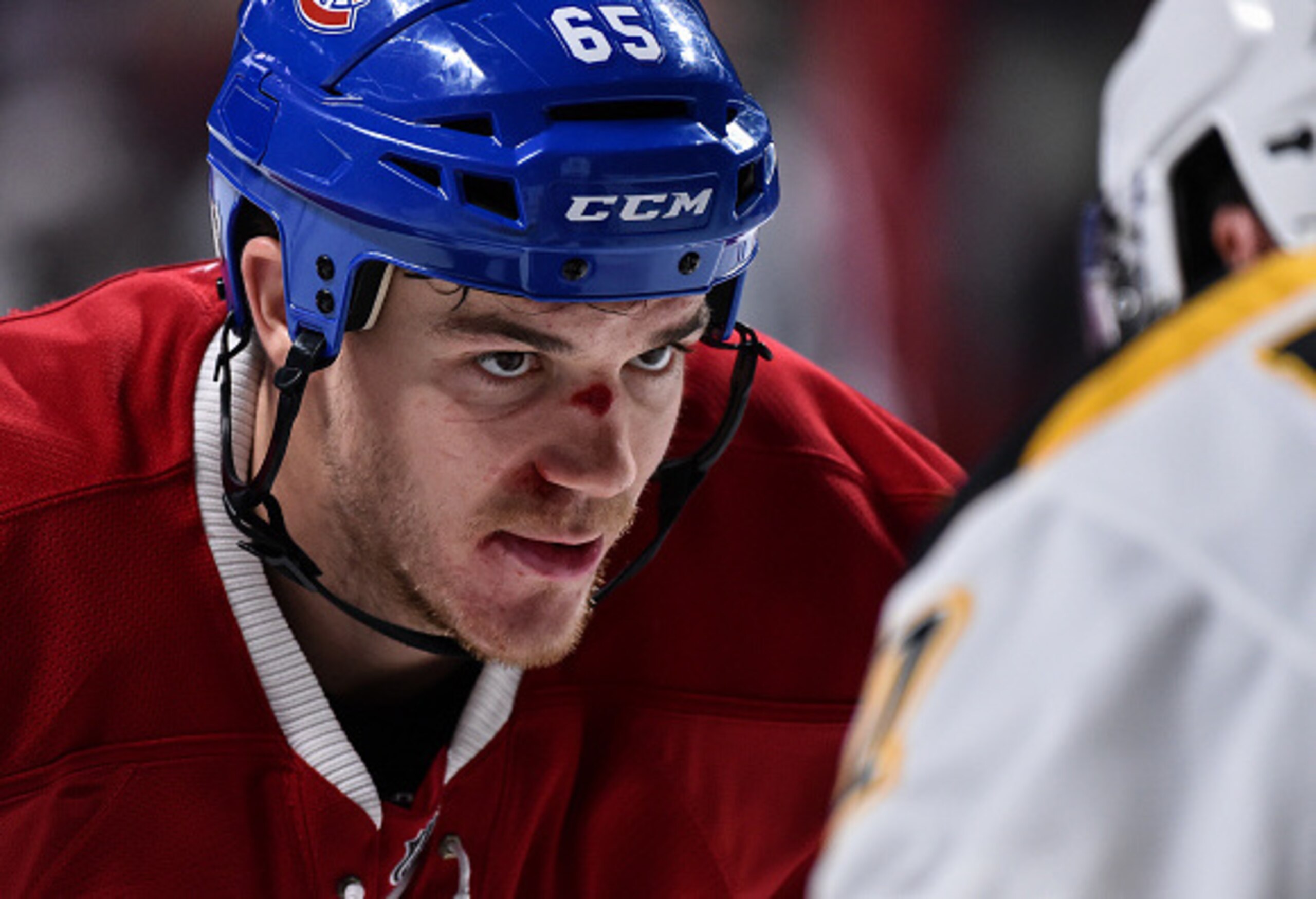
The Trade(s): Chicago acquires two 2016 second-round picks from Montreal in exchange for C Andrew Shaw. Montreal acquires a 2017 second-round pick and 2018 second-round pick in exchange for C Lars Eller.
Chicago Blackhawks: The Blackhawks had little choice but to move Shaw given salary cap constraints. Both players they drafted with their 2016 selections appear to be progressing nicely. Forward Alex DeBrincat is having another brilliant season in major junior, while defenceman Chad Krys is having a solid freshman campaign for Boston University.
Montreal Canadiens: In many ways this was a Shaw-for-Eller trade for the Habs, though they also deferred their picks from 2016 to 2017/2018. After a slow start, Shaw was just finding his rhythm when an injury knocked him out of the lineup; he’s been somewhat less effective since returning earlier this month. He’s a modest offensive upgrade from Eller and certainly more physical.
Washington Capitals: A year ago, the Caps turned to Mike Richards in an ill-fated attempt to upgrade a mediocre bottom-six forward group. Eller is vastly superior in the same role and has helped Washington turn its third line into a unit that can dominate play territorially. A little more offence would be nice but is neither necessary nor expected.
Taylor Hall for Adam Larsson
6 of 8
The Trade: Edmonton acquires RD Adam Larsson from New Jersey in exchange for LW Taylor Hall.
Edmonton Oilers: Larsson’s arrival in Edmonton has been rightly credited with helping to stabilize a woefully inadequate defence corps, while the continued emergence of Leon Draisaitl has helped ease the sting of losing Hall’s offensive presence. There’s little question that the Oilers are a more balanced team than they were a year ago.
New Jersey Devils: The Devils have had a tough year. The team’s popgun offence is such that Hall was able to miss 10 games due to injury, yet he still holds the club’s scoring lead. He’s also driving puck possession for a team that struggles in that area. Larsson is clearly missed on the back end, but one wonders how bad things would be up front without Hall.
Dmitry Kulikov for Mark Pysyk
7 of 8
The Trade: Buffalo acquires Dmitry Kulikov and a 2016 second-round pick from Florida in exchange for Mark Pysyk, and 2016 second- and third-round picks.
Buffalo Sabres: It has not been an easy season for Kulikov, who is in the final year of his current contract before heading into unrestricted free agency. He has appeared in only 22 games, he has just a single point and his collaborations with both Rasmus Ristolainen and Zach Bogosian have been underwhelming. He was expected to fill a weakness on the left side of the defence corps, but he simply hasn’t been able to do so adequately.
Florida Panthers: It would be nice if Pysyk was generating a bit more offensively, but otherwise the Panthers have no reason for complaint. He’s been averaging nearly 19 minutes per game and both his on-ice shots and goal metrics are among the best on a blue line that also includes Aaron Ekblad and Keith Yandle. He’s younger and cheaper than Kulikov without being noticeably inferior.
P.K. Subban for Shea Weber
8 of 8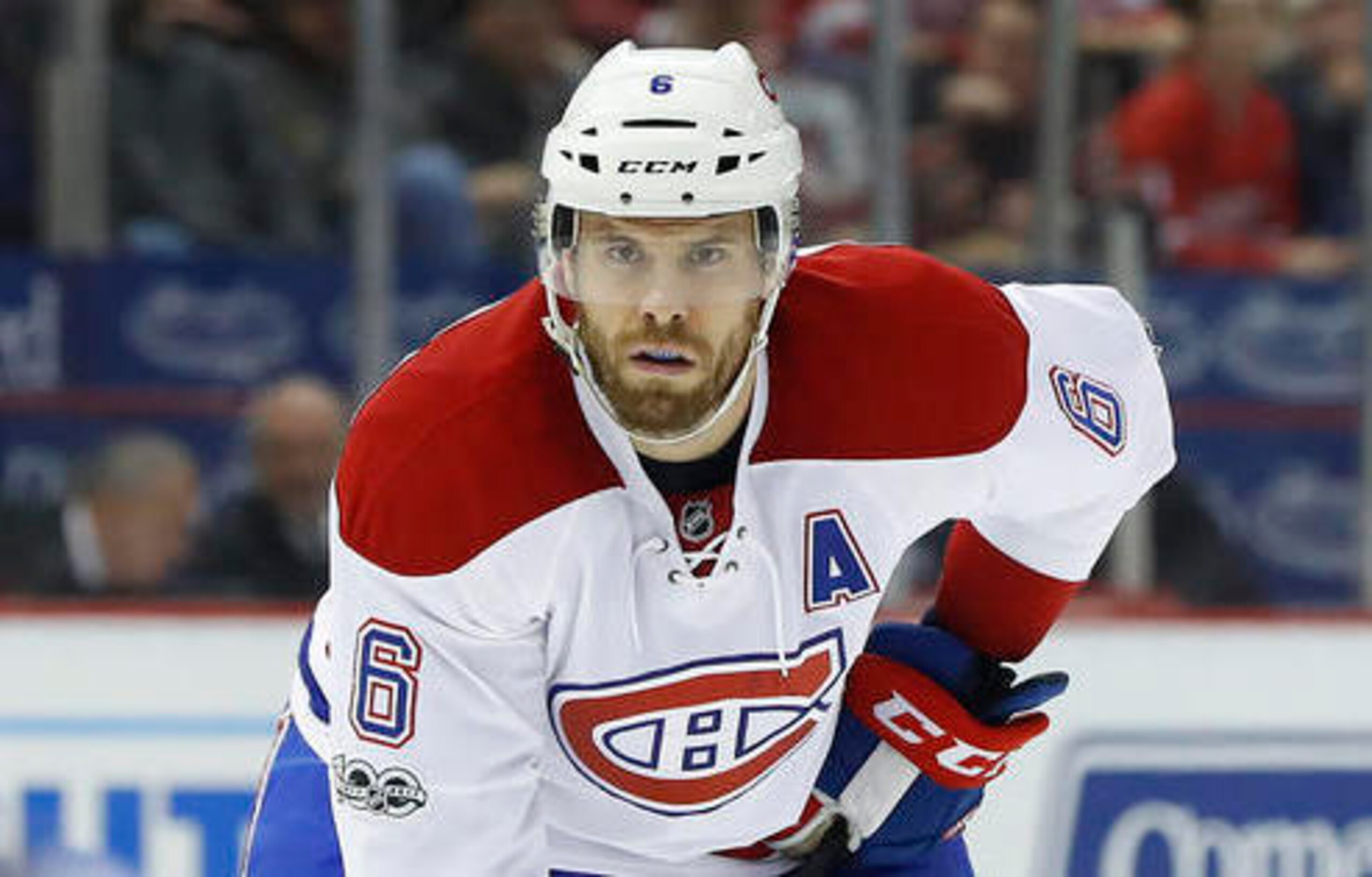
The Trade: Montreal acquires RD Shea Weber from Nashville in exchange for RD P.K. Subban.
Montreal Canadiens: Weber’s underlying numbers are strong for the minutes he’s playing but not mindblowing. That doesn’t mean Montreal regrets the trade. Weber has 12 goals and 31 points in 50 games and is anchoring the defence on a revitalized Canadiens team, which is running away with the division title.
It’s worth remembering that the Habs ran away with the division title in 2014-15 with Subban in that same slot, but it does seem clear that the coach and general manager are more comfortable with Weber’s buttoned-down style of play. They certainly appear to be a Cup contender again.
Nashville Predators: The Predators have had an up-and-down campaign, and Subban has struggled with injury and ugly on-ice percentages. Based on the first half of this season, it would be easy to conclude that Nashville is losing this deal. Having said that, Subban still has strong underlying numbers and is years younger than Weber—a rebound percentage-wise and things could look different indeed. This trade was polarizing when it was made and remains so to this day.
.jpg?w=2560 "NHL Trade Grades Connor Hellebuyck")



.jpg?w=2560 "Malik Beasley Negotiating Plea Deal (AP)")
.png?w=2560 "Week 8 Winners & Losers 📊")

.jpg?w=2560 "Jonathan Taylor Landing Spots")
.jpg?w=2560 "Aikman Blasts Cowboys WR 🫣")