Team USA's Awful World Cup of Hockey Blueprint Behind Embarrassing Exit
Two games into the 2016 World Cup of Hockey, Team USA finds itself without any possible path to victory. A shocking defeat at the hands of Team Europe, followed by a largely unsurprising loss to Canada, means that the outcome of Thursday’s game against the Czech Republic is irrelevant.
The early exit has already prompted waves of criticism against USA Hockey, and for good reason. The team was built on a faulty blueprint, took the wrong coach and left too many of the right players at home. Do that and then lose in embarrassing fashion and anger is an inevitable result.
TOP NEWS

Mark Scheifele Landing Spots 📍

Every Team's Odds to Win the Cup 🏆
Ranking Top 10 NCAA Men's Hockey Players for 2026-27 Season
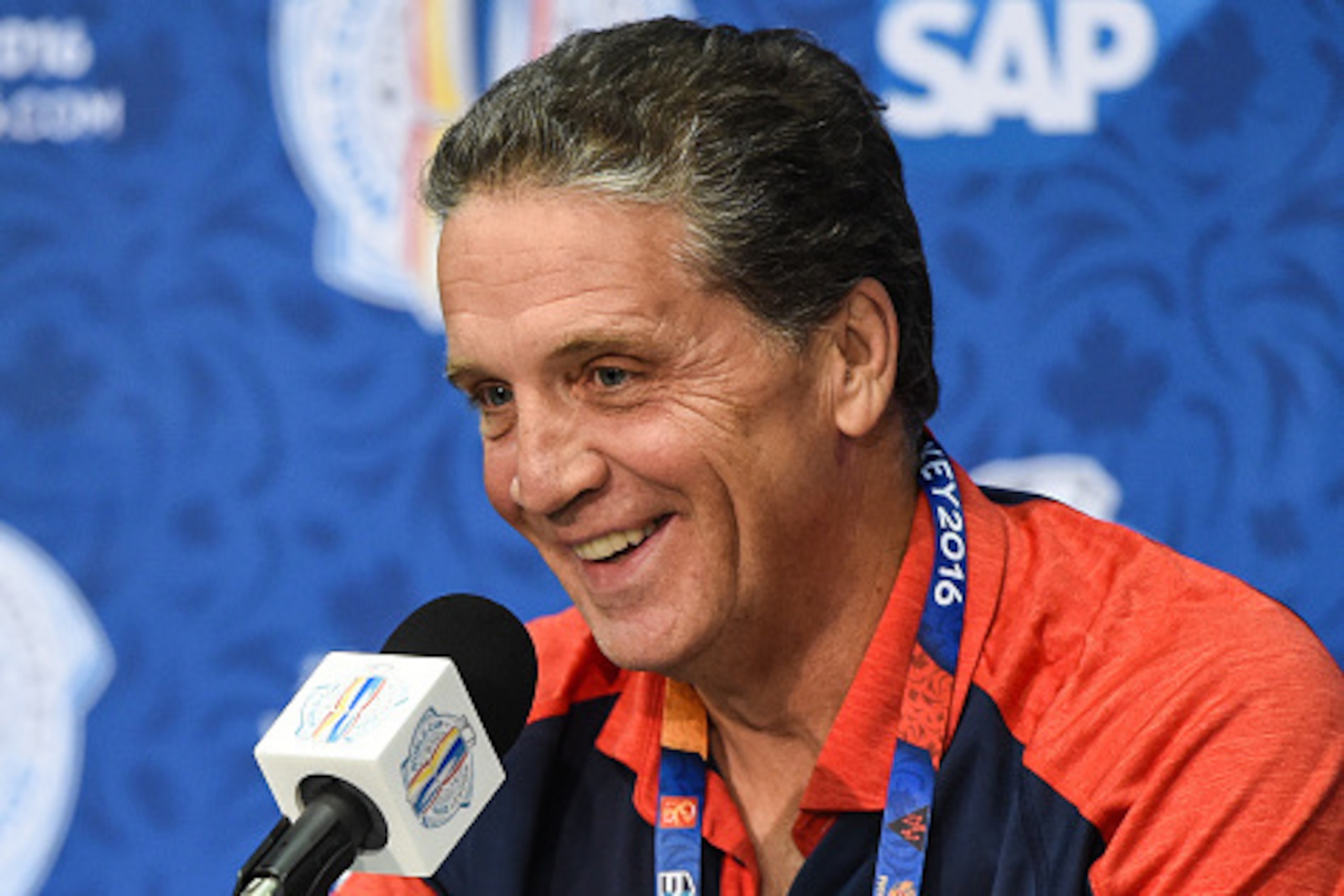
General manager Dean Lombardi made it perfectly clear what he valued in his team in an interview with ESPN’s Craig Custance earlier in September, stressing that he was looking for a specific “identity.” When it came time to make the tough decisions, he didn’t look at speed or scoring ability or some other tangible hockey talent, but rather at his assessment of team identity.
“We got down to the final [team selection], we sat tighter and it was so close,” he said. “You come back—who fits right in? What's the character? Will they fit into the team? That was always your tiebreaker.”
In fairness to Lombardi, the supremacy of the intangible over the tangible is a fairly common failing in hockey. Just over a week ago, ESPN’s Joe McDonald boldly predicted the Americans would beat Canada based on team chemistry and identity. He cited a poll of different hockey people and quoted an unnamed player.
“Both teams are talented, probably the best two teams in the tournament,” the player said. “But the identity and chemistry and the role players, I like the U.S. more.”
In the vast majority of individual games, though, it isn’t the role players who drive results. It’s the stars. Scoring more goals than the other team is the objective, and as a general rule the guy with 60 points does a lot more in the service of that goal than the guy with 40 points.
NHL teams don’t employ role players because over years of study they have determined it’s important to have just the right mix of less-skilled, grittier players on the roster. They do it because talent is scarce, and it’s difficult to run four offensive lines. It’s not a virtue; it’s an inevitability.
Just as inevitably, because lesser talents tend to be easily replaceable, the guys who carve out long careers tend to be widely liked team-first players. That’s the byproduct of the NHL system, not an indication that team-building requires third and fourth lines of lower talent, higher grit and superior affability.
Lombardi decided to take his NHL team-building approach to the World Cup, and that was the great overarching mistake that led to most of the others. One of those mistakes was his choice of head coach: John Tortorella.
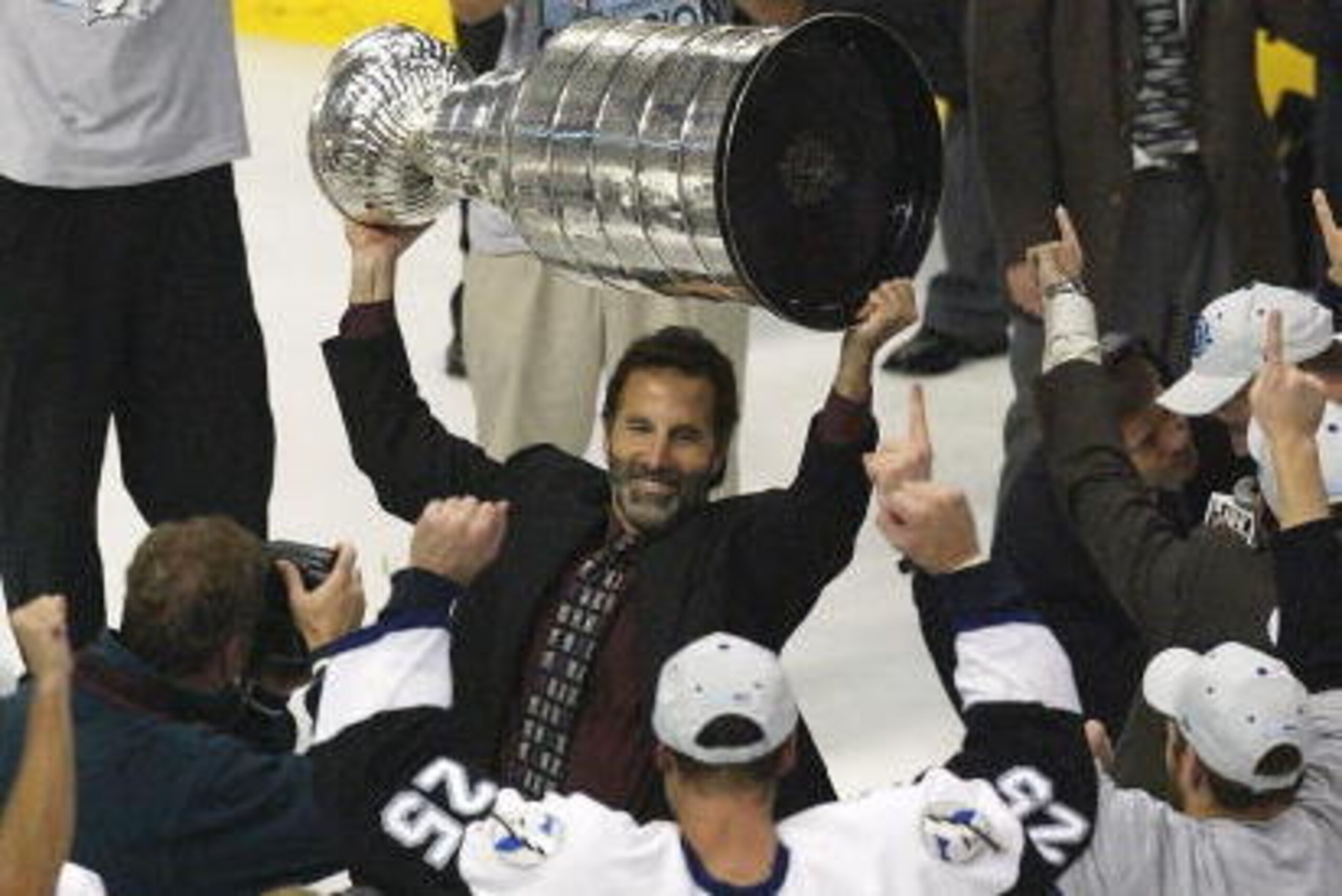
A dozen years ago, Tortorella won the Stanley Cup. He was in his mid-40s, young for a coach, but had long experience behind the bench all the same. His mantra, “Safe is Death,” was a great fit for a high-scoring Tampa Bay team.
Now, he’s older, far more experienced but also much more conservative. His last full season behind an NHL bench was in Vancouver, where he oversaw a 10 percent drop in goal-scoring and was fired one year into a five-season contract. Yet his love of gritty, defensive hockey made him a natural fit to execute Lombardi’s misguided strategy.
He’s also far less effective. As TSN’s Travis Yost convincingly demonstrated when Tortorella was hired in Columbus, his teams tend to be better before his arrival and after his departure than they are during his tenure. Yost called the valley between before and after the “John Tortorella effect.”
Even in his prime, though, Tortorella was famously abrasive. He clashed with players in Tampa Bay, most notably star centre Vincent Lecavalier. Before Team USA was even out of the exhibition round, he was airing his team’s dirty laundry in front of the media.
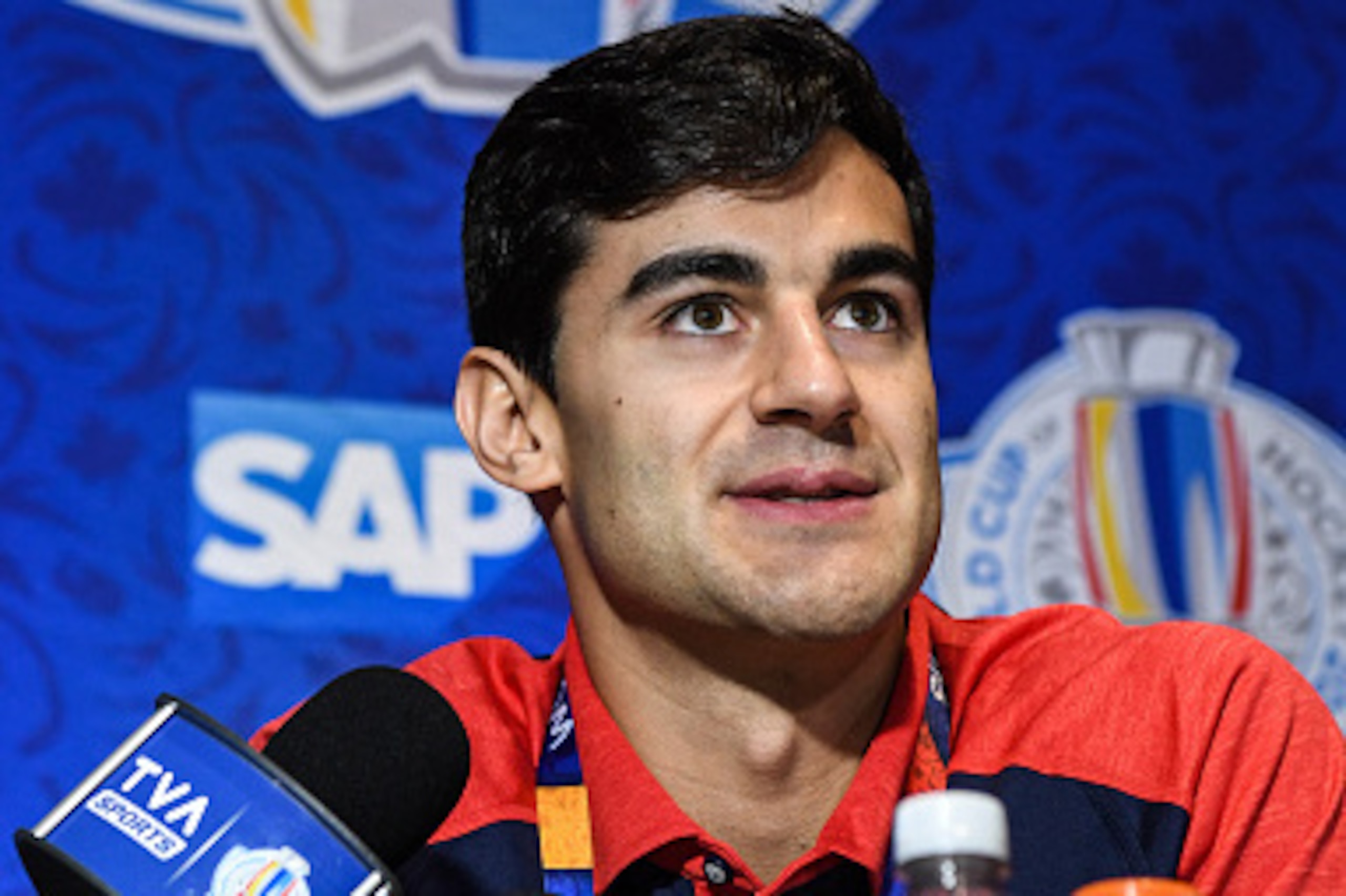
“[Max Pacioretty]’s OK, yeah, but I need more out of him,” Tortorella told the media during the preliminary round. “Max hasn’t, he’s got to give me some reason to give him more minutes here, so we’ll see where it goes. We know he’s a really good player, good kid, but we’ve just got to get a little bit more out of him.”
Despite the “good player, good kid” line, Tortorella has been around long enough to know exactly how that would play in the press. The veteran coach deliberately and publicly shamed one of Team USA’s three best goal scorers before the tournament even got started. It would be a debatable choice under any circumstances, but particularly so for a club built on the principles of chemistry and team identity.
Then again, “debatable choices” was a theme for this edition of Team USA, particularly when it came to roster construction.
Phil Kessel, who led the Stanley Cup winner in points last spring, certainly should have been named to the team, even if surgery in August may ultimately have meant he couldn’t play.
Yet the snub of Kessel wasn’t the only controversial decision. Yahoo’s Ryan Lambert ran the list down on Monday, and it’s a long one: Justin Abdelkader instead of Kyle Okposo, Brandon Dubinsky instead of Tyler Johnson and defencemen Jack Johnson and Erik Johnson in place of Kevin Shattenkirk and Justin Faulk.
Make some of those changes and maybe Team USA doesn’t get shut out by a motley conglomeration of Europe’s lesser hockey powers in its first game of the tournament. Playing Dustin Byfuglien more than Erik Johnson and Pacioretty more than oh, any of the 11 forwards ahead of him on the depth chart would help, too.
We’ve focused on the negatives here, but there is one big positive to come out of Team USA’s 2016 World Cup debacle. It should result in a sea change at USA Hockey, a dramatic shift in approach that prevents this sort of foolishness from happening again.
No future American manager should be allowed to take an approach that explicitly values identity over actual talent. With any luck, no future American team will be as hamstrung out of the gate as this one was.
Jonathan Willis covers the NHL for Bleacher Report. Follow him on Twitter for more of his work.


.jpg?w=2560 "NFL investigating 2 referees for separate viral exchanges")

.jpg?w=2560 "Report: Chiefs Contact Hill's Agent")
.jpg?w=2560 "OBJ Calls Out Giants 😳")
.jpg?w=2560 "Tyreek makes another cryptic post amid Chiefs rumors")