
NHL Players Most Likely to Have Sophomore Slumps in 2016-17
NHL rookies face an enormous uphill battle for playing time, and precious few receive substantial ice time in their first year in the league. During the 2015-16 season, only 25 rookie skaters played 1,000 or more minutes.
But as difficult as it is to establish an NHL career, keeping it on track is a greater challenge.
Consistency is the true measure of a player, and any drop-off early in a career could mean a trade or a demotion. There are players who emerged last season who rode luck—high shooting percentage, a rash of injuries at their position—and a great challenge awaits these players this fall and winter.
Here are the NHL players most likely to suffer the dreaded sophomore jinx in 2016-17.
Anthony Duclair, LW, Arizona Coyotes
1 of 5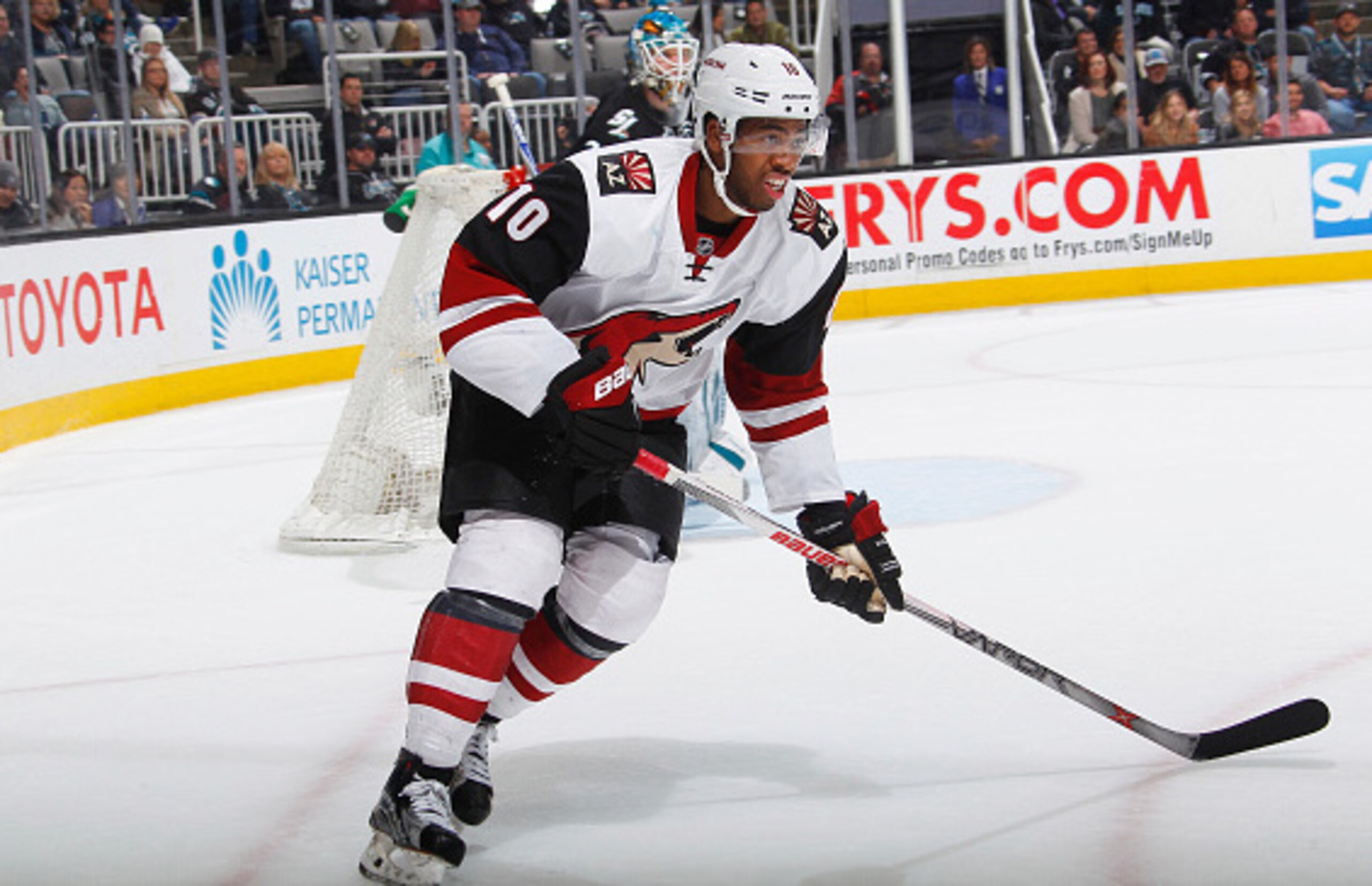
Rookie performance: In 81 games this past season, Anthony Duclair of the Arizona Coyotes reached the 20-goal plateau. His 41 points suggest he will be a going concern on a skill line for years to come. He came over in the Keith Yandle trade with the New York Rangers and has the look of a strong contributor for many years.
Analysis: Duclair is an effective skater and should be able to make an impact offensively, but he may have been running with some luck as a rookie. His 19 percent shooting percentage—20 goals on 105 shots—represents the highest total among rookie regulars in 2015-16. It is also top-five league-wide, including all players.
Outlook: There are very few negatives about Duclair, but the goal total in 2015-16 included a mix of skill and luck. It should be mentioned that Duclair has always carried a sniper's aim, posting over 20 percent during his four years of junior. It is reasonable to expect a fall in shooting percentage, and with it a lower goal total in the coming year.
Jaccob Slavin, D, Carolina Hurricanes
2 of 5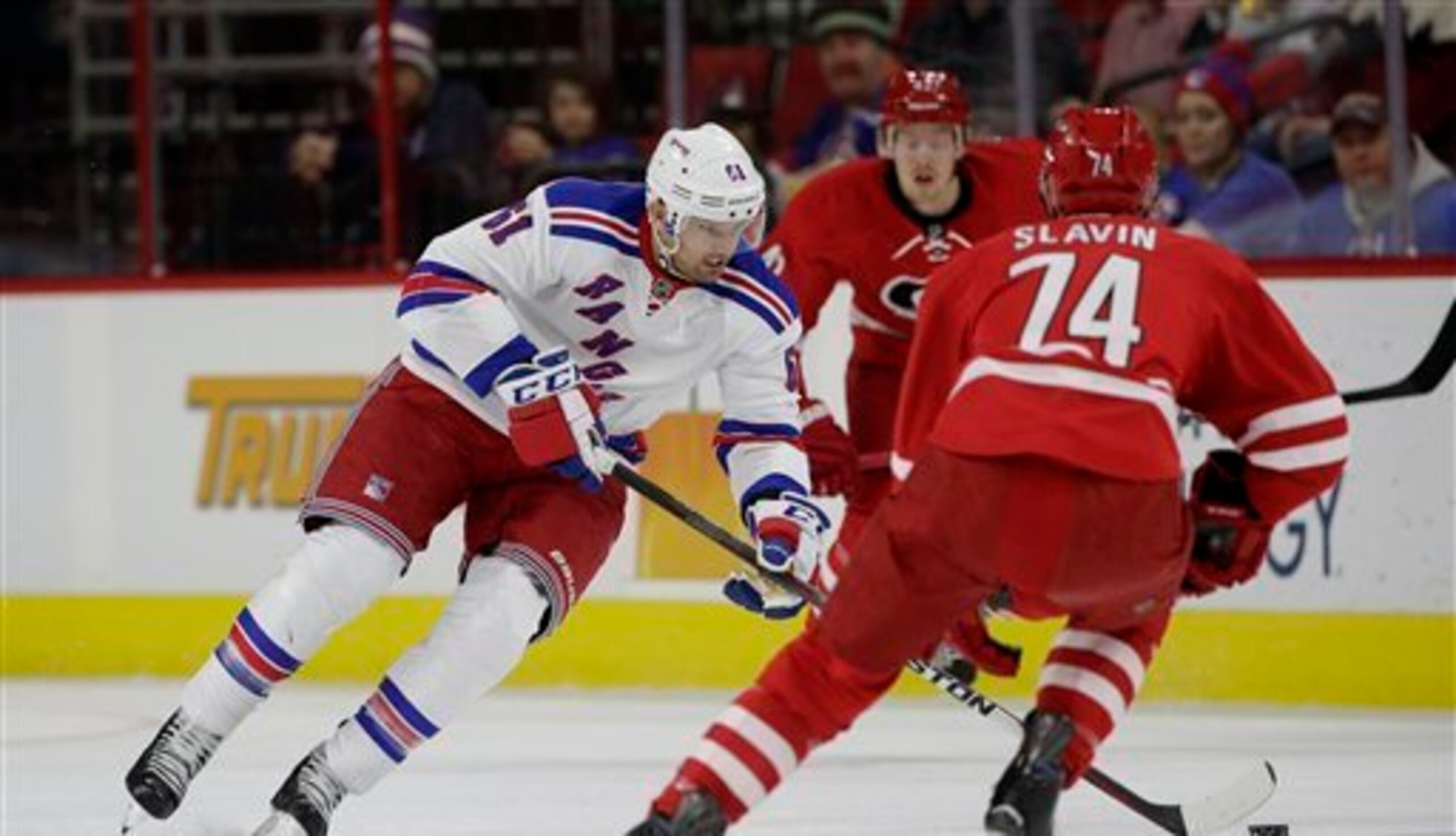
Rookie performance: Jaccob Slavin of the Carolina Hurricanes scored just 20 points in 63 games but delivered solid defense as a rookie. His possession number—Corsi for percentage at even strength—was 50 percent, according to Stats.HockeyAnalysis.com. He played tougher opposition according to BehindTheNet.ca—meaning he stepped into the deep end and fought the opposition to a standstill. Slavin's accomplishments were not front-page news but should be based on rare performances by rookies.
Analysis: Slavin is a fourth-round selection who played two years of college, stopped off in the AHL for a cup of coffee and then arrived in the NHL as a somewhat complete defender. That is beyond unusual, and history suggests that betting the under on his sophomore season is the smart play.
Outlook: There is no reason to question Slavin's rookie season, but can he do it again? It is rare to see a player adapt so quickly as a rookie pro. If he repeats his rookie year, the Hurricanes will have caught lightning in a bottle on a pick taken deep in the 2012 draft. Slavin had one of the best rookie seasons a year ago, and very few noticed. If he does it again, more attention will come his way.
Brandon Davidson, D, Edmonton Oilers
3 of 5
Rookie performance: Brandon Davidson of the Edmonton Oilers began the year as a No. 8 defenseman on the team depth chart. He rose from those humble beginnings to provide the team with outstanding play. One of his strongest numbers came via Stats.HockeyAnalysis.com, which showed Davidson as one of the NHL's top 20 defensemen in Corsi relative to team.
Analysis: Davidson will need to do it again in order to make certain this season established a level of ability. He also had some injury issues during the season, and durability is always a concern with defensemen.
Outlook: Davidson was drafted so deep in the 2010 NHL Entry Draft that it is an open question as to how many general managers were actually in attendance at the time of his selection. The odds of him getting to the NHL at all were poor, the odds of him posting such a quality season even less. Brandon Davidson will have to prove himself over and over in the NHL, and the challenges in the coming season will be massive—expectations are higher, and the competition level will be more difficult. Posting a season like his rookie year will be difficult for Davidson.

.jpg?w=2560 "Golden Knights Blues Hockey")
Mike Condon, G, Montreal Canadiens
4 of 5
Rookie performance: Mike Condon of the Montreal Canadiens earned his way to an NHL job—and then was thrust into the starter's role in 2015-16. The injury to Carey Price meant plenty of work for Condon, who played in 55 games as a rookie.
Analysis: Condon posted a save percentage of .903 in the NHL—the average for the league is .915—but posted a 2.71 goals-against average and won 21 games in 2015-16. He is extremely unlikely to play 55 games in 2016-17—Price should be back—and would need a considerable spike in save percentage in order to make himself a contender for more than a backup role.
Outlook: The Price injury thrust Condon into the spotlight, and he performed well enough to hold the No. 1 job for a substantial time. The reality is that Condon will have to post better numbers in 2016-17 in order to stay in the NHL.
Shayne Gostisbehere, D, Philadelphia Flyers
5 of 5
Rookie performance: In 64 games with the Philadelphia Flyers, Shayne Gostisbehere posted 46 points in 64 games—and added two points in six playoff games. He led all rookie defensemen in points during the 2015-16 season and was a standout on the power play—with 22 points during the man advantage.
Analysis: Although Gostisbehere's resume suggested a productive offensive player, the numbers he produced suggest an impact defender—something his draft pedigree did not imply. Gostisbehere was a strong offensive player in college, and his AHL totals—15 points in 21 career games—suggest a very good point-producer.
Outlook: The point total as an NHL freshman was very strong, and a correction in his production seems likely based on his own history. He should still remain productive in 2016-17, but his point total may not approach 50 again.
.jpg?w=2560 "Chiefs, Steelers Eye WR Trades")