

2016 NHL Draft Results: Biggest Winners and Losers of Round 1
There was a lot of hype leading up to the 2016 NHL draft. With expansion on the way, and many teams up against a nearly flat salary cap, there was every reason to think the annual event would be a wild and woolly affair.
Instead, it was surprisingly tame. Auston Matthews, the consensus No. 1 pick, went first overall to the Toronto Maple Leafs. Most of the rest of the first round carried on more or less like it had been scripted by the various publications that handicap the draft each year. A few minor trades were made, but nothing earth-shattering transpired.
Still, the stakes were high for the teams involved and the teenagers being selected; the future of both groups was substantially altered by the night's proceedings.
The following is a lighthearted look at the winners and losers of the first round, capturing the surprises for good and bad and the strengths and weaknesses of the draft.
Winner: Calgary Flames
1 of 9
The Calgary Flames had a very good night.
Some of it was the result of good fortune. Matthew Tkachuk was not expected to be available when the Flames picked; most predraft rankings rated him No. 4 or No. 5 overall, and there was even chatter that he might work his way into the top three somehow.
"The sky is the limit with this guy," one scout told the Hockey News. "Everyone tries to poke holes in him, but all he's done is answer all those critics and then some. He's going to be a hell of an NHL player."
Tkachuk scored 30 goals and 107 points in just 57 OHL games last year.
The other thing the Flames did was address their need for a starting goaltender, and they did it at a discount.
Calgary announced the acquisition of goaltender Brian Elliott from St. Louis in exchange for a second-round selection and a conditional third-round pick. That's a pretty reasonable price for a starting goaltender, and likely less than the Flames would have paid for a bigger name like Ben Bishop or Marc-Andre Fleury.
Elliott led the league with a 0.930 save percentage last season and went 23-8-6 for the Blues in the regular season. He's in the final season of a three-year contract with a $2.5 million cap hit.
Bottom line: Calgary added a top prospect for the future with a smart selection and addressed immediate team need without overpaying.
Loser: Anyone Who Loves Trades
2 of 9
There was no shortage of trade talk entering the 2016 draft. Moves involving early picks, star players and the like were speculated upon, but virtually nothing happened.
Montreal was the busiest team on the trade front, acquiring Andrew Shaw from Chicago for draft picks and shipping Lars Eller to Washington for the same. However, those moves were a far cry from predraft speculation that the Canadiens might move defencemen P.K. Subban or move up to select Pierre-Luc Dubois.
Incredibly, those two deals represented two-thirds of current NHL talent moved in the first round (goaltender Brian Elliott was also traded).
Bottom line: The first round of the 2016 draft saw very little trade activity, despite advance buildup.
Winner: Henrik Borgstrom
3 of 9
For the most part, the first round of the draft featured little in the way of surprise selections. A few players tumbled from early in the first round to later in the first round, and a few others made small climbs, but anyone who had purchased one of the many draft guides out there would have recognized the names selected.
The exception was Henrik Borgstrom, who went 23rd overall to the Florida Panthers.
Borgstrom is a 6'3" Finnish forward who posted good scoring totals in that country's top junior league this past season, and Florida may well have been correct to pick him when it did. However, he was more commonly ranked as a late second-round selection; International Scouting Services went so far as to put him 137th on its list.
Instead, he went in the first round and is clearly a priority for the Panthers' management group.
Bottom line: Borgstrom was picked far earlier than most predraft projections would have indicated and is clearly valued above the consensus view by the Panthers.
Loser: Jakob Chychrun
4 of 9
There will undoubtedly be some who take issue with the "loser" designation here, and understandably so. After all, Jakob Chychrun isn't the first player to fall below where he was expected to be picked, and many of his predecessors went on to have excellent careers.
However, Chychrun entered the year as perhaps the most highly touted defence prospect for the 2016 draft. The consensus even entering the draft was that Chychrun was one of three players (along with Olli Juolevi and Mikhail Sergachev) with a good chance of being selected in the top 10.
Those projections turned out to be accurate for Juolevi and Sergachev, but not for Chychrun. Then he was passed by Jake Bean and Charlie McAvoy, too, before finally going at No. 16.
None of this means Chychrun won't go on to prove the teams that passed on him wrong. It does mean that his stock has fallen significantly in the course of a year, and that he'll be at a disadvantage when it comes time to negotiate his entry-level contract.
The good news is that Arizona at least traded up to select him.
Bottom line: Chychrun's stock has fallen over the course of his draft year, but he still has a chance to prove the doubters wrong.
Winner: Detroit Red Wings
5 of 9
The Detroit Red Wings entered the draft with a real problem. Pavel Datsyuk's decision not to return to the club left Detroit not only without its No. 1 centre, but also with $7.5 million of cap space committed to a player who would not dress for so much as a single game.
The solution to this sort of problem is obvious: Trade the player to a budget team with an abundance of cap space. The problem is that those budget teams tend to demand all kinds of futures as compensation. For example, when Chicago wanted out from its bad deal with Bryan Bickell, Carolina managed to extract Teuvo Teravainen as compensation.
Detroit wasn't in precisely the same situation. Datsyuk took more cap space than Bickell, and Bickell will actually play for Carolina. But on the other hand, Bickell needs to be paid actual dollars, while Datsyuk does not.
Even so, there's no question that the Wings did well. As ESPN's Craig Custance reported, they traded down from No. 16 to No. 20, dumped Datsyuk's deal (while taking back Joe Vitale) and also managed to collect a second-round pick for their efforts. Somehow, Ken Holland managed to convince the Coyotes to pay full value for moving up and then foisted Datsyuk's deal on them in addition to that compensation.
Bottom line: Detroit was compensated to move down four spots in the draft and got to dump its biggest salary-cap problem at virtually no cost.
Loser: The NHL's Digital Clock
6 of 9
As it turns out, the strict three-minute limit that each NHL team had to make its decision was not so strict. The first round dragged on interminably, with long breaks between picks and precious little in terms of trades.
Even the obvious picks took the full three minutes. Toronto surely knew well in advance that it was going to take Auston Matthews first overall, yet it waited for the clock to run down before finally making the selection.
One of the rare trades actually went over the three-minute limit. Detroit ran the clock down to zero and then some before it finally moved the No. 16 pick to Arizona in a package for the No. 20 pick, making the clock look more like a suggestion than a hard-and-fast rule.
Perhaps it's wrong to pick on Detroit too much, though. Midway through the draft, James Mirtle of the Globe and Mail noted the average team was taking more than eight minutes to make its selection.
Bottom line: There's no reason for the league to take four hours to make 30 picks.
Winner: USA Hockey
7 of 9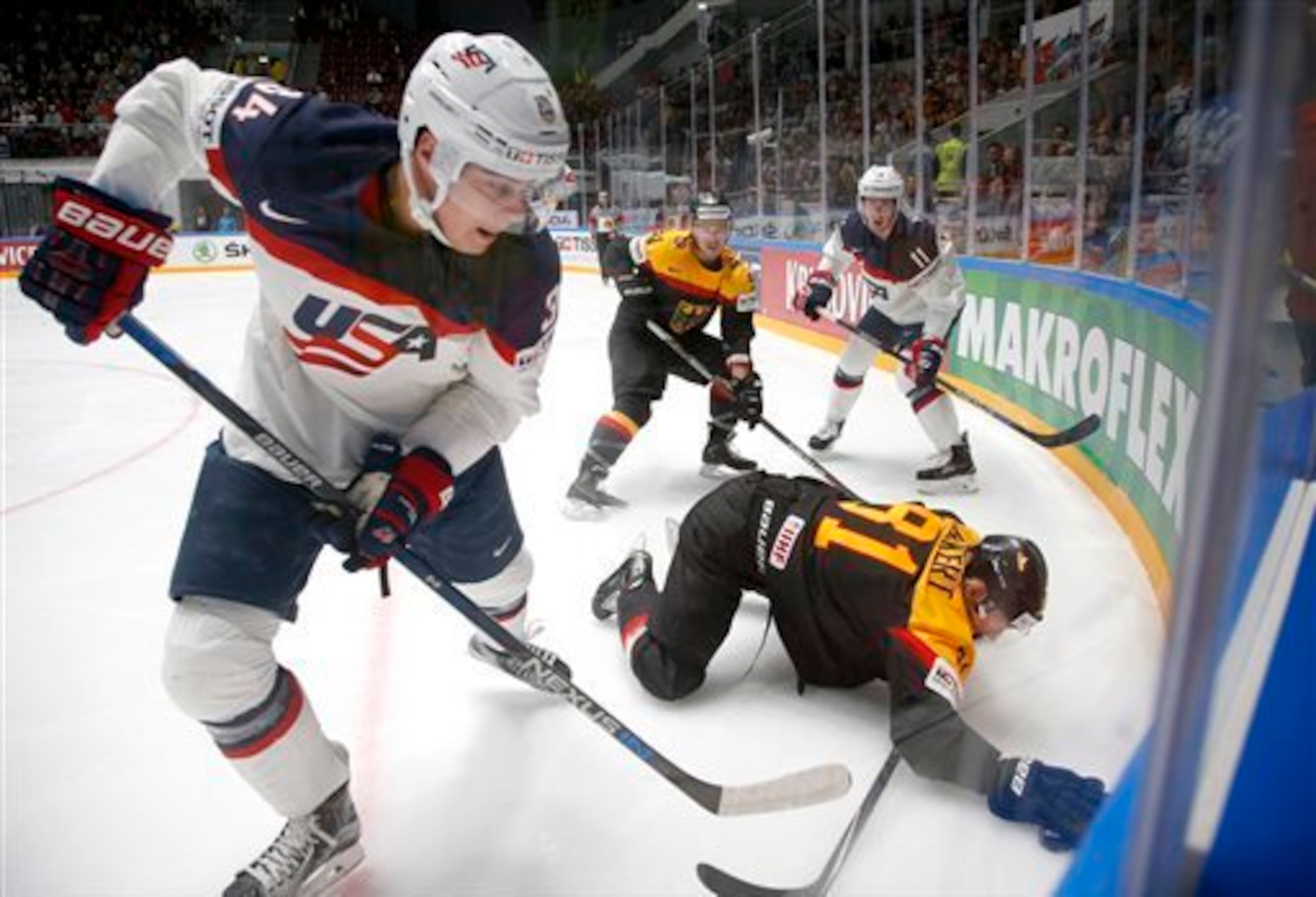
Obviously, having Auston Matthews go first overall was a nice coup for USA hockey; it's been nearly a decade since the last American player (Patrick Kane in 2007) went first overall. However, this draft class was defined not just by Matthews, but also by its depth.
Matthew Tkachuk went sixth overall. Clayton Keller went seventh. The rest of the first round was also littered with American picks, including Logan Brown, Charlie McAvoy, Luke Kunin, Kieffer Bellows and others.
Jim Johannson, who works for USA Hockey, spoke to USA Today's Kevin Allen about the quality of this year's class prior to the draft.
"This is an excellent and diverse group of Americans who will be taken in the draft, especially in the first round," Johannson said. "The unique part is that we have forwards projected to go high in the draft who have a mix of skill and scoring. And we have another group with size and physical play."
Bottom line: The backbone of the 2016 draft was a quality group of American players, including No. 1 selection Auston Matthews.
Loser: Teams with Multiple Quality Goaltenders
8 of 9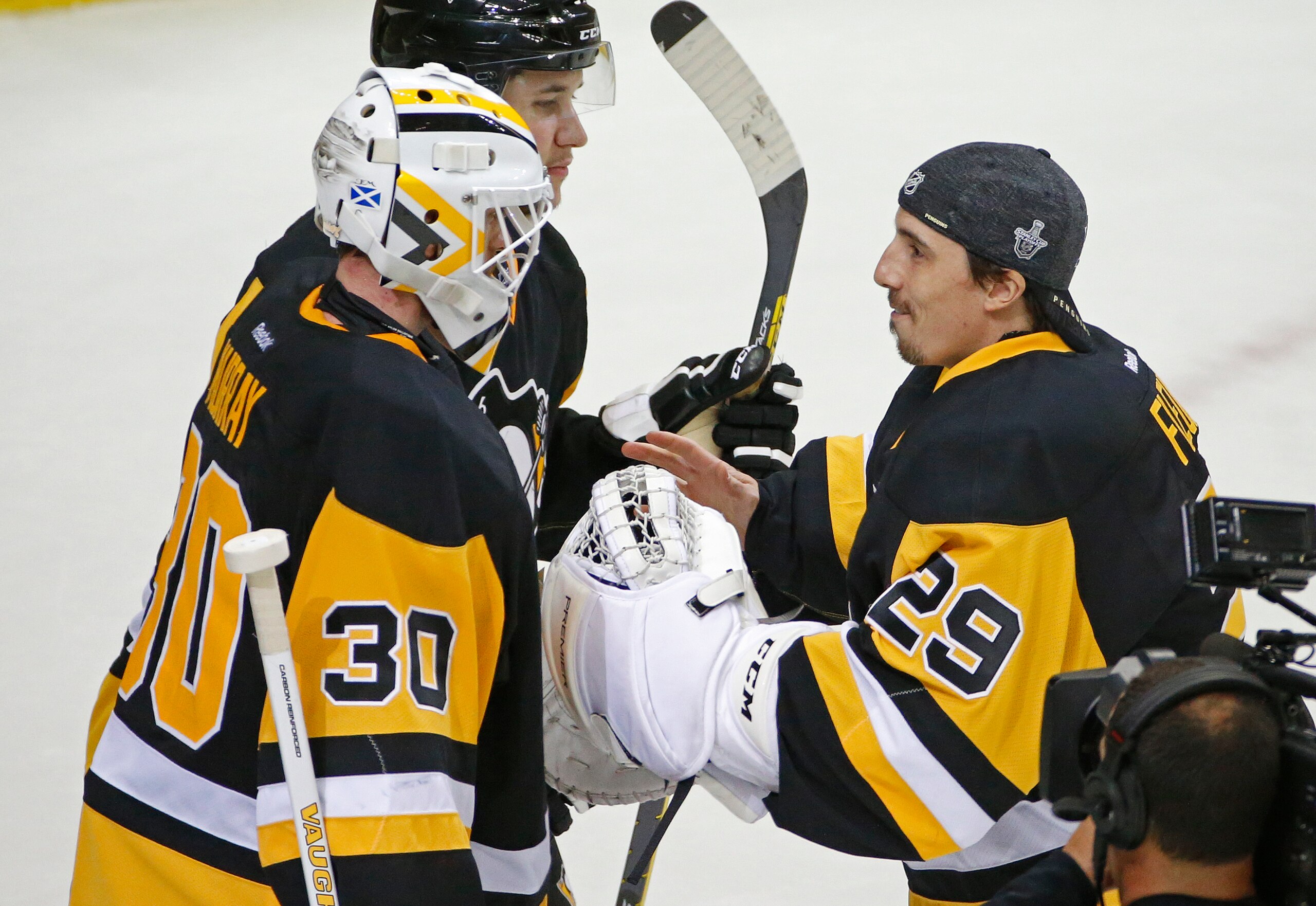
It's probably fair to expect the NHL expansion draft to loom over much of next season, but so far it doesn't seem to be driving trades.
For months now it has been common knowledge that NHL teams will only be allowed to protect a single goaltender for the 2017 NHL expansion draft. It was expected that, as a result, teams with two good goalies would try to offload one of them this summer, thereby preventing the possibility of losing one for nothing.
It didn't really happen. Brian Elliott was traded, but he's on an expiring contract. Frederik Andersen was traded earlier on, but it was doubtful the Anaheim Ducks could afford his new contract on their budget anyway. The expansion draft doesn't seem to really be instigating trades.
That may turn out to be problematic. It seems highly likely that a year from now, clubs with two potential starters (like Pittsburgh and Tampa Bay) may struggle to get the same trade value that they might have this summer. On the other hand, both the Pens and Bolts are contenders, so having the duplication may pay off in the short term.
Bottom line: There are still a lot of NHL teams with two quality goaltenders that run the risk of losing one in the expansion draft.
Winner: Washington Capitals
9 of 9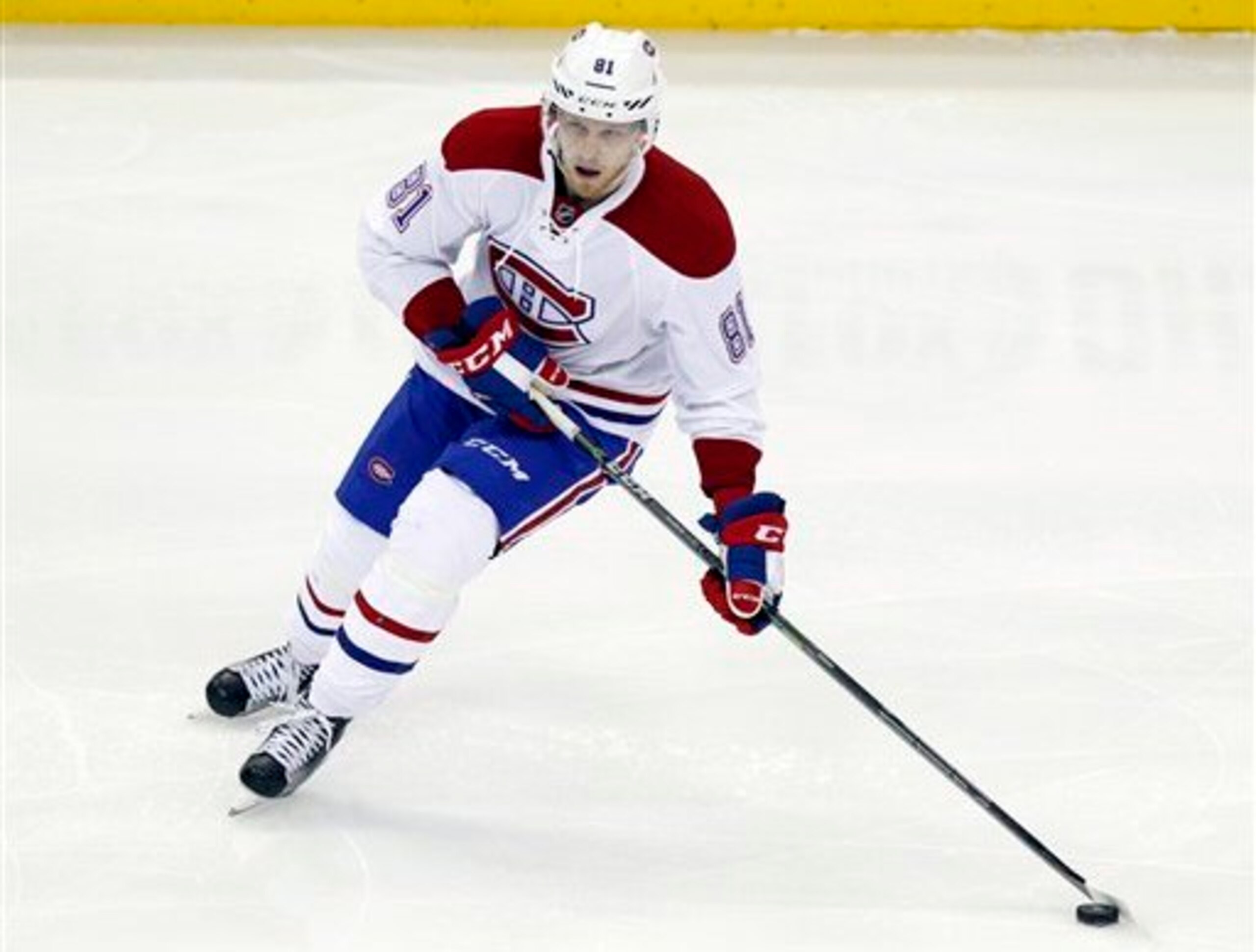
Washington entered the draft in a decidedly unpleasant position, but it did strong work addressing both immediate and future needs in the first round.
Thanks to previous trades, the Capitals had no second- and no third-round selection in the 2016 draft, making it difficult to stockpile talent and also tough to address need via trade. The team's first-round pick was down at 26th overall, making it tough to land a quality prospect or move down for additional assets.
General manager Brian MacLellan managed to check off a few boxes.
First, he added centre/left wing Lars Eller, a big, versatile forward who can play a scoring-line or a checking-line role. The cost was second-round picks in 2017 and 2018, assets that can potentially be recouped between now and those drafts.
Second, the Caps traded down from No. 26 to No. 28, adding a third-round selection in the process. Moving down two picks had no real impact on the quality of player available, and the Caps were still able to draft mobile defenceman Lucas Johansen.
Bottom line: The Capitals improved their bottom six, drafted a quality prospect and added a pick in the 2016 draft to a depleted cupboard.
Cap information courtesy of General Fanager.
.jpg?w=2560 "NHL Trade Grades Connor Hellebuyck")

_0.png?w=2560 "Unranked Teams Cause Chaos in Rankings 📊")

.png?w=2560 "Week 8 Winners & Losers 📊")
.jpg?w=2560 "Jonathan Taylor Landing Spots 📍")





