Duncan Keith's Lax Suspension Reinforces the Ugly Stereotypes of NHL Discipline
Had the NHL wanted to send a message that it was serious about stick-swinging and shots to opponents’ heads, it could not have asked for a better opportunity than the one Chicago Blackhawks defenceman Duncan Keith offered up on Tuesday when he swung his stick into the face of opponent Charlie Coyle.
It was a tremendous opportunity. The NHL managed to turn it into a serious problem.

.jpg?w=2560 "Golden Knights Blues Hockey")
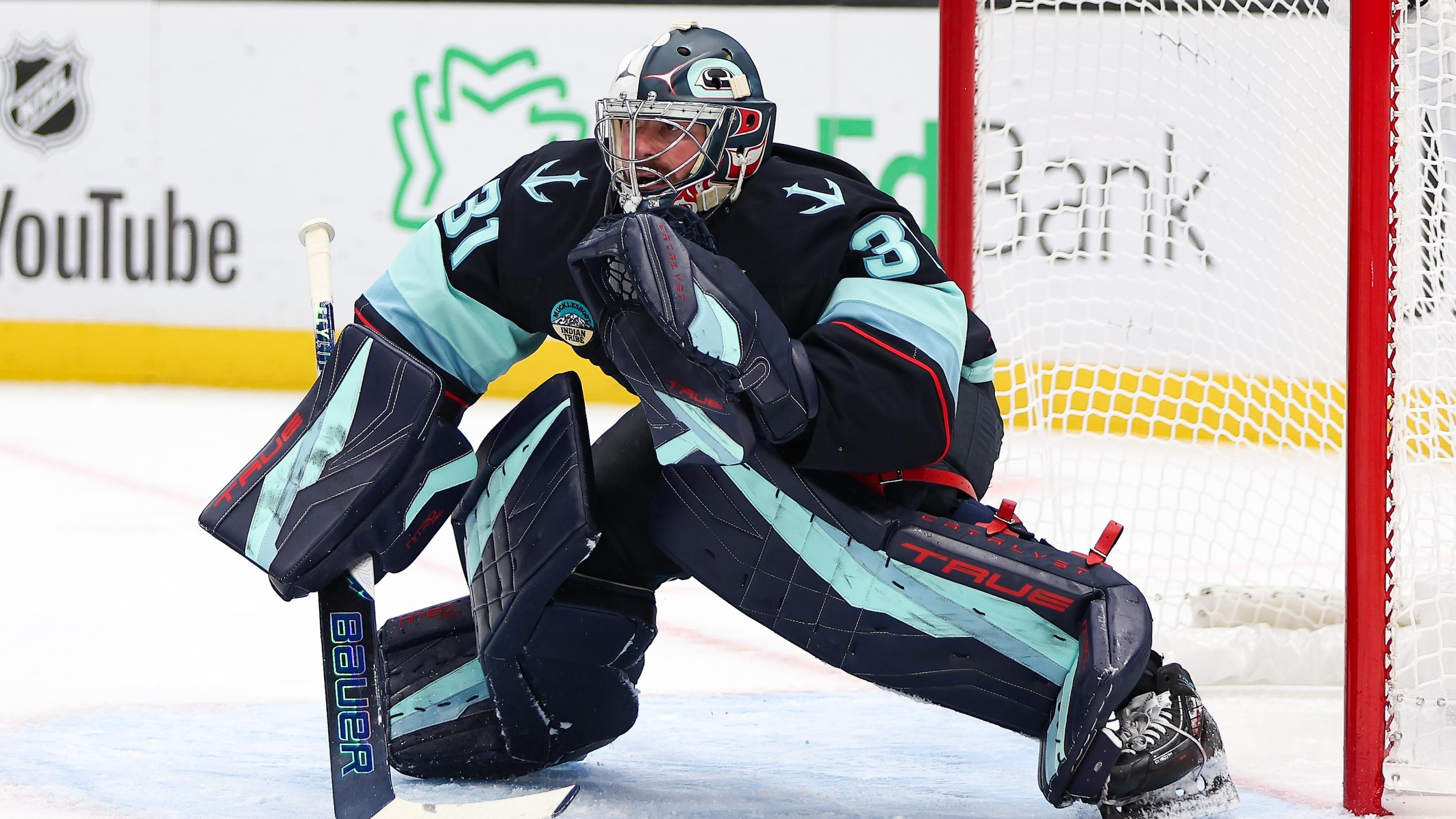
The violent intent here was hard to deny; there was little room for belief that this was an accidental swing of the stick. As the NHL Department of Player Safety’s official suspension video forcefully argued, this was a deliberate act on Keith’s part toward the Minnesota Wild forward:
"While on his back, Keith looks at Coyle, winds his arm back, then slashes his stick dangerously and violently, directly into the face of Coyle … It is important to note that Keith is in perfect control of his stick at all times. This motion is made intentionally, not recklessly … Keith is looking directly at his opponent, winds his arm back and whips it forward with a chopping motion aimed at Coyle’s face.
"
Not only was the act intentional, but it also came from a player the league had suspended for doing almost exactly the same thing just a few years earlier. This too was something that Player Safety recognized:
"Keith has been suspended twice previously, once for a similar high-stick to the face of Jeff Carter, for which he was suspended for one Western Conference Final game. That play was described by our department as a retaliatory high-stick and a one-handed upward swing with the blade of his stick, which hits Carter directly in the face. We believe this description accurately describes this strike on Coyle as well.
"
History and intent offered the NHL a chance to act forcefully and decisively. Keith could not point to a spotless prior history, nor would it be easy for him to argue that he had inadvertently committed the infraction. The league had every right to impose a serious suspension, and there were good reasons to do so.
The nature of the incident also offered powerful motivation. There isn't any constituency for keeping stick-swinging incidents in hockey; nobody wants to see that kind of nonsense.
This was also a shot to the head at a time when the NHL is facing a lawsuit over player concussions and is battling the perception that it doesn’t take head injuries seriously.
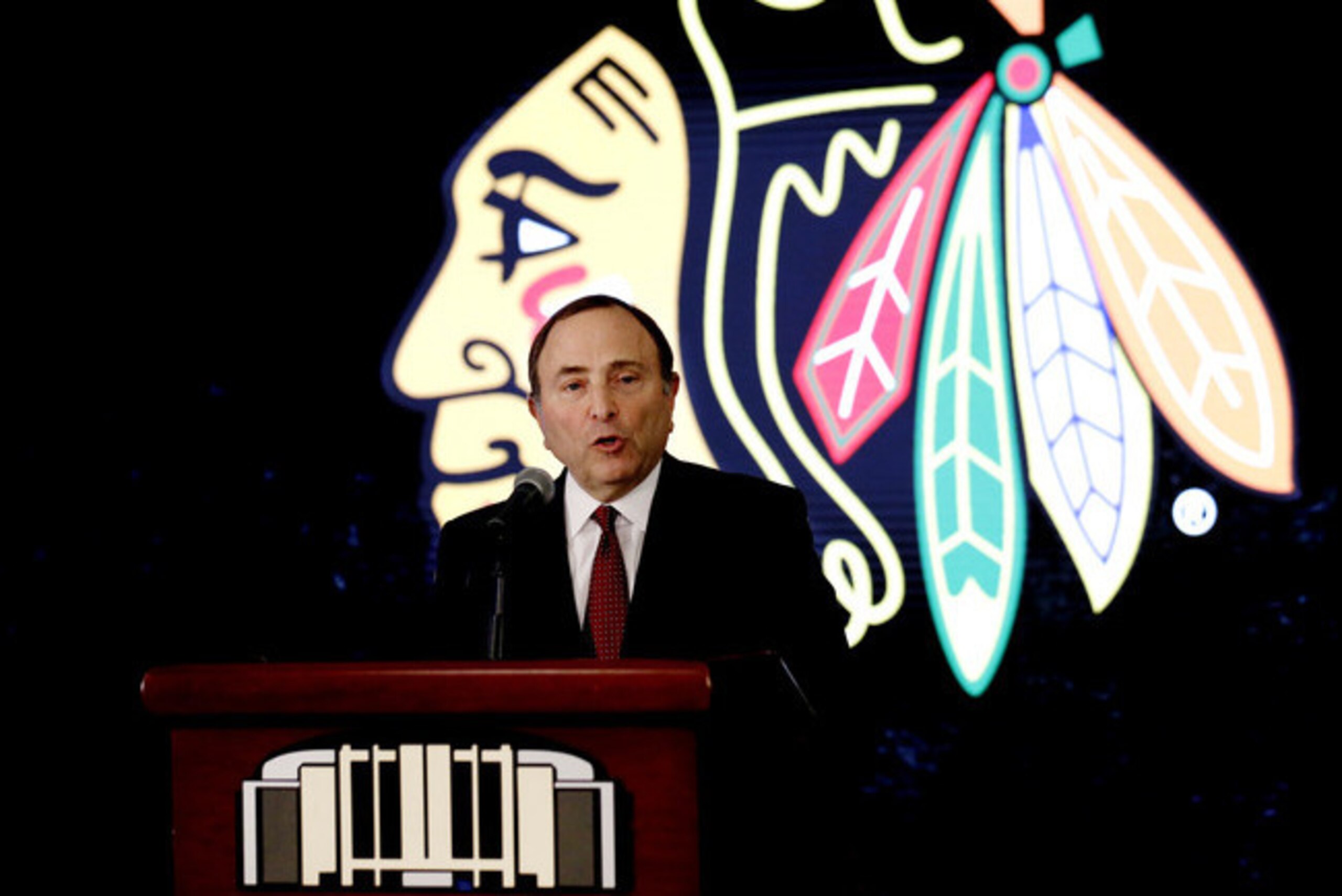
In a piece dated just one day before Keith's slash on Coyle, TSN's Rick Westhead reported on internal NHL emails in which concussions were discussed. In one email chain, key NHL executives debated the long-term effects of head injuries. In another, Commissioner Gary Bettman flippantly quipped, "The night is young!" when informed by then-player safety head Brendan Shanahan that the league hadn't had any concussion issues on a particular evening.
The length of Keith's suspension would be one measure of the NHL's commitment to cracking down on the kinds of actions that create head injuries.
Another factor worth noting is the common perception of the NHL’s disciplinary system.
Sean McIndoe of the blog Down Goes Brown humourously highlighted some of those common beliefs a half-decade ago with a mock-up of the league’s player-suspension flowchart. It hit on some of the usual criticisms, including the NHL’s unwillingness to suspend star players and the league’s tendency to throw the rulebook away during the postseason.
A heavy suspension to Keith on the eve of the playoffs would have done much to refute the ideas that the NHL doesn’t care about policing the playoffs and pulls its punches for star players.
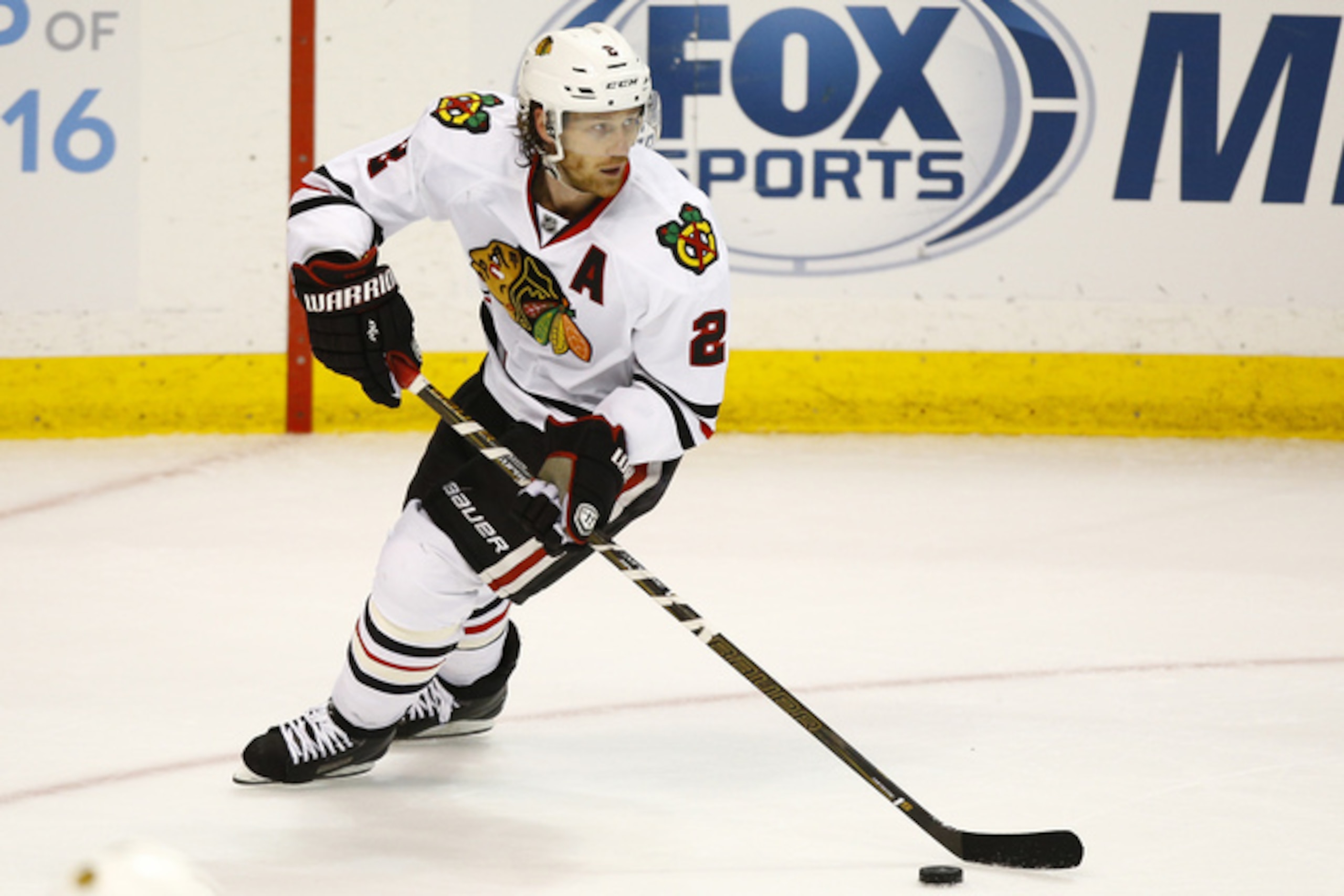
Finally, there was the player and team involved. A suspension to a star player on one of the NHL’s best teams located in one of its biggest markets is impossible to miss; one way or the other, the league was going to send a loud message with its reaction.
And so it did. It just sent the wrong message.
Chicago has clinched a playoff spot and is almost certainly bound for a first-round date with the St. Louis Blues in the Central Division, so while the last five regular-season games Keith will sit out aren’t meaningless, they’re not all that far from being so. The single playoff game the suspension covers matters quite a bit more, but it is just one game.
Thus all of those ugly little narratives about the league were reinforced. Anyone who entered the day believing the NHL goes light on punishing star players and wouldn't suspend any player for a long stretch of playoff games came away with confirmation of those beliefs. Cynics who think the league doesn't genuinely care about head shots and isn’t serious about protecting its players from nasty stick work picked up one more piece of evidence to support those thoughts.
“This is an intentional and retaliatory act of violence by a player with a history of using his stick as a weapon,” intoned the narrator on the official explanatory video, clearly and accurately identifying the crime, right before announcing a punishment that came nowhere close to being enough for such an offence.
.jpg?w=2560 "Chiefs, Steelers Eye WR Trades")