

The Achilles' Heel of Every NHL Team in 2015-16
The term "Achilles' heel" will be familiar to readers; it has been used repeatedly over the years because the image it conjures is so irresistible. The idea of a virtually invincible warrior with a tiny flaw—a flaw that ultimately dooms him—is both powerful and easy to understand.
Real life, of course, isn't quite as simple as mythology. Even the best of NHL teams aren't perfect save for one tiny flaw; most teams have a mixture of strengths and weaknesses, with the best teams having more of the former and fewer of the latter.
For our purposes, we're trying to identify a flaw, either fatal or potentially so, with each NHL roster. Bad teams will have many of them; we're looking for an overriding factor. Good teams will have fewer problems, and the ones they have will be less serious, so in these cases we're looking for something that could potentially undo the club over a seven-game playoff series.
In each instance, we chose a single statistic that captures the problem in a nutshell and then went into more detail on the defect. Read on to see what we have to say about your team.
Anaheim Ducks
1 of 30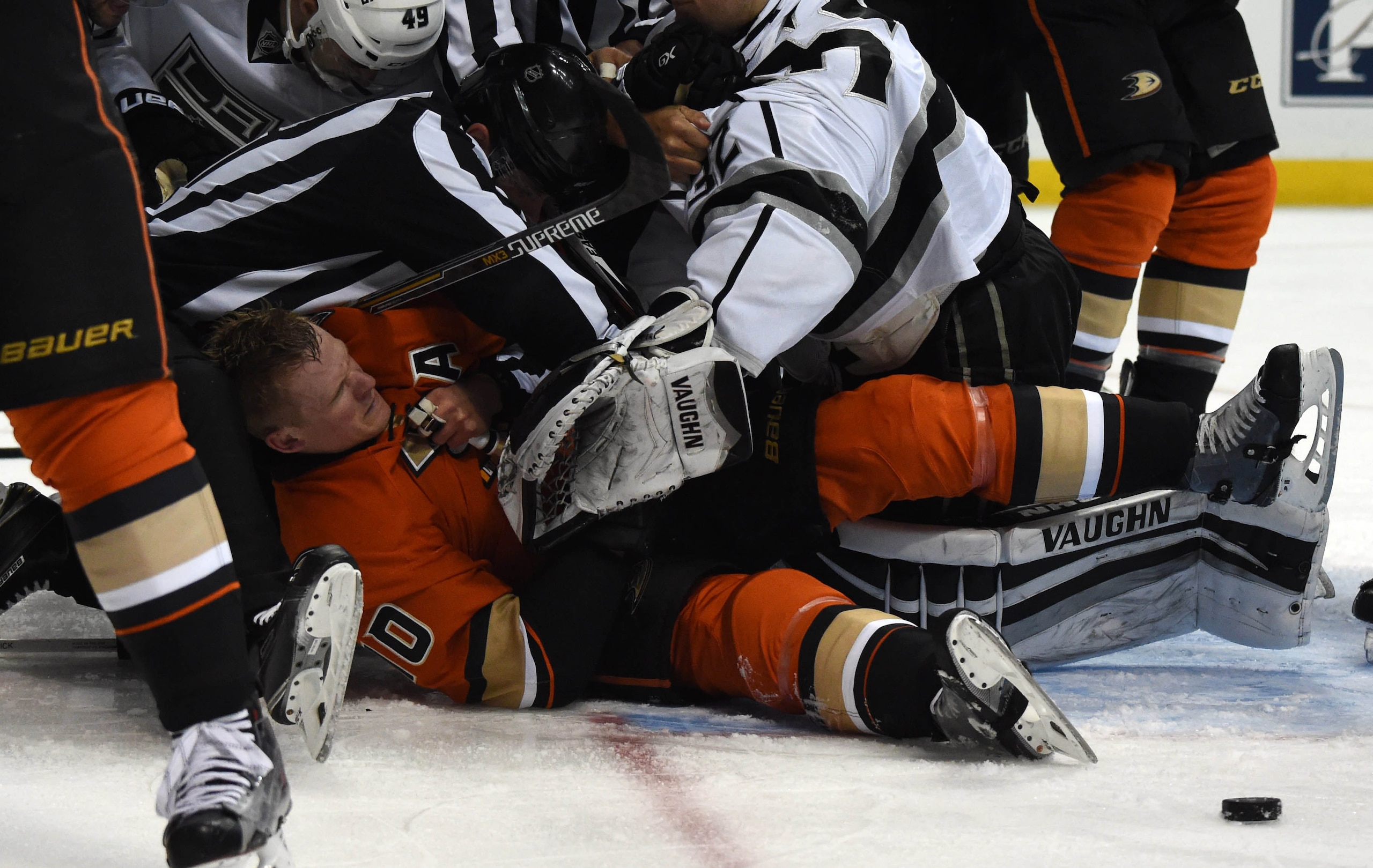
The (potentially) fatal flaw: Lack of discipline
The statistic that captures it: Minus-39 power-play differential
How it has played out so far
The Ducks are famous for playing an aggressive and physical style of hockey. Their biggest stars—Ryan Getzlaf and Corey Perry—embody this style of play, and it runs throughout the lineup. It's a style of play that has generally been well-suited to the playoffs in the Western Conference in recent years.
Yet it's also a style of play that can backfire on a team.
This season, Anaheim has drawn 199 penalties and taken 238, meaning it has sent the opposition to the power play 39 more times than it has gone itself. That's the second-worst differential in the league, and in a series against a team like Chicago or Dallas (both disciplined clubs that are good at drawing penalties), it could prove fatal.
Arizona Coyotes
2 of 30
The (potentially) fatal flaw: Unreliable goaltending
The statistic that captures it: Mike Smith's .901 save percentage
How it has played out so far
The Coyotes entered the year with an NHL tandem consisting of Smith, coming off a bad year, and reclamation project Anders Lindback.
Smith has been injured, and when he's played, once again he has not been good, with his .901 save percentage not even a good number for a backup. Lindback, who has a long history of disappointment combined with short stretches of strong play, has been hurt often and been even worse when he's played, with a .894 save percentage.
Injuries to both goalies forced Arizona to turn to third-stringer Louis Domingue, who briefly propelled the team into a playoff spot with a strong run. Unfortunately for the club, he's faltered of late, posting just a .901 save percentage over his last 20 games.
Boston Bruins
3 of 30
The (potentially) fatal flaw: The decline of Zdeno Chara
The statistic that captures it: 48.2 percent Fenwick rating
How it has played out so far
Even at the age of 38, Chara is a wonderful player. He averages more than 24 minutes per game, takes on the toughest opposition, starts an unholy number of shifts in the defensive zone and, for the most part, does it with generic partners.
But he's starting to show cracks, and the Bruins don't have anyone even close to him to help carry the load after last summer's trade of Dougie Hamilton.
For the last eight seasons, Chara has done all those things in the first paragraph, but he's done them while also managing simultaneously to be on the ice for more shots for than against. For eight straight seasons, his Fenwick number (shots and missed shots for versus against) has been above both the 50 percent mark and the team average. This year it isn't.
Yet head coach Claude Julien can't afford to lighten Chara's load. Any responsibilities taken away from him would devolve to Torey Krug, John-Michael Liles and Dennis Seidenberg. With all due respect to that trio, none of them are capable of handling anything close to the same load that Chara has for so many years.

-(1).jpg?w=2560 "Bleacher Report")
Buffalo Sabres
4 of 30
The (potentially) fatal flaw: Puck possession
The statistic that captures it: 46.3 percent score-adjusted Corsi
How it has played out so far
Buffalo's raw shot metrics aren't really all that bad, but the problem with looking at the raw numbers is that the Sabres lose lots of games. It's well-known that teams with the lead tend to play a more conservative, defensive style, and that shows up in score effects: Teams do better on the shot clock when trailing.
That's why it makes sense to look at score-adjusted numbers, which do a better job of reflecting actual talent. When we do that, we see that the Sabres tend to get outshot by a significant margin, something they will need to overcome as that team's rebuilding process continues.
Calgary Flames
5 of 30
The (potentially) fatal flaw: Goaltending
The statistic that captures it: Jonas Hiller's .883 save percentage
How it has played out so far
Calgary's season started badly and never really recovered, despite some stretches of relatively strong play. Karri Ramo was waived early in the year; he'd eventually be recalled and become the Flames' most reliable option. Top prospect Joni Ortio was waived a little bit later; he's struggling with the .900 save percentage plateau in the majors.
Hiller's implosion has been the biggest problem, though. The veteran starter was brought in last year and rewarded Calgary with a .918 save percentage performance; this year, he's 35 points south of that, safely down in third-stringer-level territory.
Carolina Hurricanes
6 of 30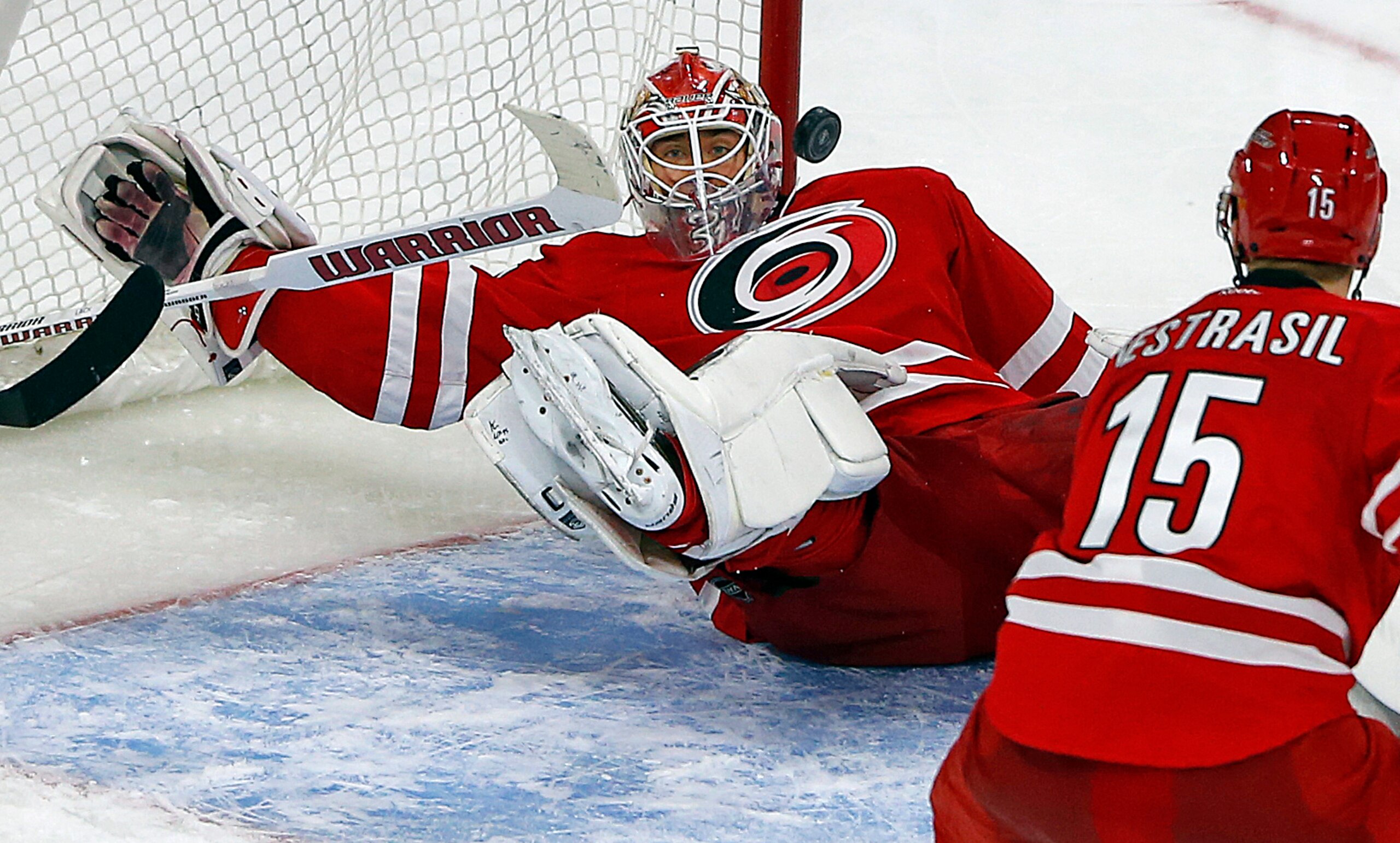
The (potentially) fatal flaw: Turning puck possession into goal differential
The statistic that captures it: 98.3 PDO
How it has played out so far
PDO is a statistic invented a few years back as a way of measuring a bunch of things. It' pretty simple, really; it's just an NHL team's five-on-five shooting percentage plus its save percentage. It's routinely conflated with luck, but the truth is a little more complicated.
Carolina has done an excellent job this year of keeping the puck in the opposing team's end of the rink. It takes 52 percent of all shots at five-on-five, but the problem is that the 'Canes are bad both at converting the shots they take into goals and at preventing opposing shots from becoming goals against.
Looking at the roster, it's easy to think of this as a talent problem. In net, Eddie Lack had a terrible start to the year, while Cam Ward has been mediocre to bad for nearly a half-decade now. Up front, Carolina has mostly run a no-name offence with a few exceptions, and while many of its forwards have redeeming qualities, it just isn't a group of natural snipers.
Chicago Blackhawks
7 of 30
The (potentially) fatal flaw: Offensive depth
The statistic that captures it: 107 goals for, 107 goals against at five-on-five
How it has played out so far
Despite having two of the league's most potent lines and a goaltender in the midst of a potentially Vezina-caliber season, the Blackhawks have only managed to tread water this year at even strength. The reason has a lot to do with the team's forward depth.
Andrew Desjardins picked up an assist this week, pushing him all the way to 10 points on the season. He's just the eighth Blackhawks forward to hit that plateau. Outside of the top two lines and the occasionally promoted Andrew Shaw, nobody on the team scores at anything approaching a serious clip.
Chicago moved to address this at the deadline, bringing in Andrew Ladd, Dale Weise and Tomas Fleischmann. That trio will need to give the team at least a third scoring line, or the Hawks may be exposed in long series against good teams.
Colorado Avalanche
8 of 30
The (potentially) fatal flaw: Puck possession
The statistic that captures it: 45.0 percent Fenwick rating at five-on-five
How it has played out so far
It's hard to win hockey games when the other team spends much more time in your end of the rink with the puck than you do in their zone. That's been a problem for the Avalanche, who despite strong goaltending have been outscored at even strength because they spend far too much time in their own zone.
Mostly, Colorado's managed to get away with it thanks to timely scoring. In one-goal games, the Avs are 18-9-4 (0.581 win percentage), but in games decided by more than one goal, they are 17-21 (0.447 win percentage).
It gets pretty difficult to win a seven-game series that way.
Columbus Blue Jackets
9 of 30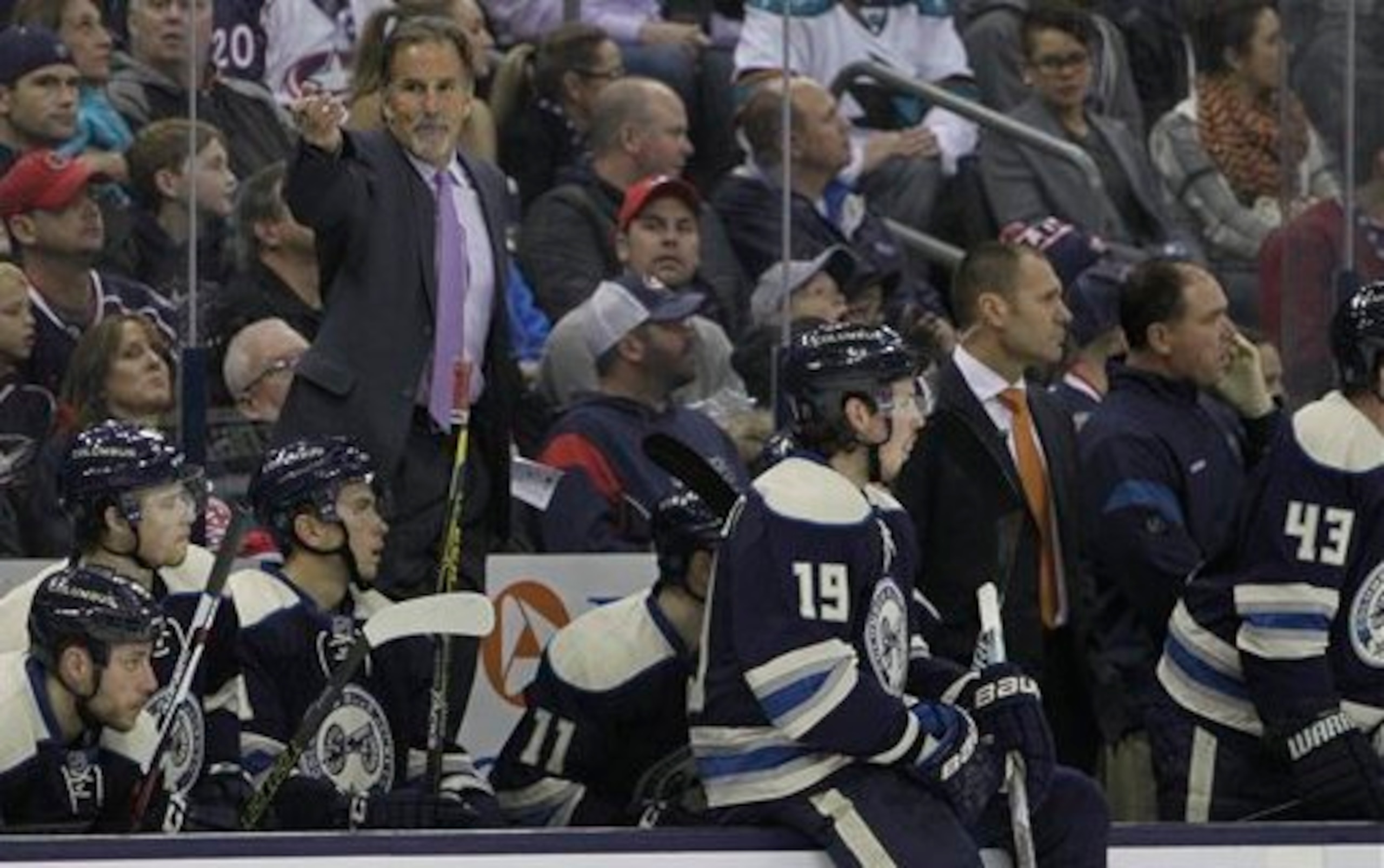
The (potentially) fatal flaw: Puck possession
The statistic that captures it: 47.1 percent Corsi rating at five-on-five
How it has played out so far
The Jackets aren't much better than Colorado in this department, ranking 28th in the NHL in Corsi differential. Whereas early in the season under previous coach Todd Richards the team had trouble both in net and when it came to converting shots into goals, now the primary difficulty is that too often the puck is in its own end of the rink.
Joonas Korpisalo's emergence as a legitimate starting option did much to limit the damage, but in the long term, the Blue Jackets will almost certainly need to get back to outshooting their opponents in order to have team success.
Dallas Stars
10 of 30
The (potentially) fatal flaw: Goaltending
The statistic that captures it: .904 team save percentage
How it has played out so far
General manager Jim Nill raised eyebrows this summer when he brought in veteran stopper Antti Niemi on a rich, multiyear contract, particularly since he already had Kari Lehtonen on the roster. The club opted for the tandem approach, likely with the hope that one of the two goalies would seize the starting job.
Neither has managed to do so.
Niemi got the first crack at the job, but despite a 22-12-6 record, he hasn't been very good, managing a decidedly underwhelming .903 save percentage. That opened the door for Lehtonen, who has been marginally better with a 18-8-2 record and .906 save percentage.
Right now, it looks like Dallas will enter the playoffs without a clear-cut and capable No. 1 goaltender.
Detroit Red Wings
11 of 30
The (potentially) fatal flaw: Inability to hang on to a lead
The statistic that captures it: 16-1-7 record when leading after two periods (.667 win percentage)
How it has played out so far
A 16-1-7 record may actually look pretty good at first glance, but that win percentage when leading after two makes Detroit the league's second-worst team at holding a lead. The Toronto Maple Leafs are better; the Buffalo Sabres are a target to aspire for.
NHL teams rarely lose hockey games when entering the third period with the lead. Pittsburgh hasn't lost a game all year in this situation, and 11 different NHL teams win more than 90 percent of games when they enter the third period with even the smallest of advantages.
It's not an exaggeration to say that if the Red Wings were better at this, they might be leading the Atlantic division right now.
Edmonton Oilers
12 of 30
The (potentially) fatal flaw: A weak and inexperienced defence corps
The statistic that captures it: 30.2 shots against per hour at five-on-five
How it has played out so far
Edmonton has some talented defencemen on its roster, but for the most part, the Oilers are young. They have some experienced defencemen on the roster, but for the most part, they are supporting pieces. Only recent free-agent addition Andrej Sekera combines high skill with extensive experience.
The team's top seven defencemen include the following names:
- Oscar Klefbom: 21:53 average TOI, 107 career NHL games
- Darnell Nurse: 20:33 average TOI, 61 career NHL games
- Brandon Davidson: 19:11 average TOI, 63 career NHL games
- Griffin Reinhart: 16:43 average TOI, 25 career games
Klefbom has been hurt, Davidson is injured now and Reinhart has bounced back and forth between the NHL and the AHL. Nurse only turned 21 last month. It should be a good group eventually, but growing pains are a big part of Edmonton's problems right now.
Florida Panthers
13 of 30
The (potentially) fatal flaw: Unsustainable shooting percentage
The statistic that captures it: 8.58 five-on-five shooting percentage
How it has played out so far
No single ingredient has been more crucial to the Panthers this season than a massive increase in shooting percentage. The question is whether this gain represents a legitimate increase in talent or if it is simply the result of a team shooting the lights out for a time.
It's worth looking at how well Florida has converted shots to goals over the last few seasons
- 2012-13: 5.77 shooting percentage
- 2013-14: 7.20 shooting percentage
- 2014-15: 7.27 shooting percentage
- Three-year average: 6.91 shooting percentage
This season feels like the opposite of 2012-13; where absolutely nothing went in that year, this year everything's going in. The difference between an 8.6 shooting percentage and a 7.2 conversion rate may not seem like much, but in Florida's case, it works out to an additional 20 goals.
If that offence dries up in the playoffs, the Panthers will be in real trouble.
Los Angeles Kings
14 of 30
The (potentially) fatal flaw: Lack of discipline
The statistic that captures it: Minus-37 power-play differential
How it has played out so far
This is an item that comes up for a few big Western Conference teams.
Like Anaheim and St. Louis, the Kings are famous for their size and strength. It is a formula that has generally served them well in the playoffs, where penalty calls tend to decline. However, it is also part of the reason the Kings have at times struggled in the regular season (relative to their talent level). Taking more penalties than the other team just makes it harder to win hockey games.
Los Angeles is one of three teams in the league to give the opposition a power play 35 or more times than it heads to the man advantage itself. In a close series, an extra penalty or two could make all the difference.
Minnesota Wild
15 of 30
The (potentially) fatal flaw: The penalty kill
The statistic that captures it: 76.2 percent success rate
How it has played out so far
No team currently in the NHL playoffs has a worse penalty-kill percentage than the Minnesota Wild.
It's not like the Wild have just been getting bad breaks, either; they're legitimately bad in every area when down a man. They allow nearly 55 shots against per hour in four-on-five situations; that ranks 25th in the NHL. Compounding matters is a lousy .848 save percentage, which also ranks 25th in the league.
Put simply, they allow too many shots and too many of the shots they allow turn into goals.
Minnesota is two points out of the final wild-card spot in the West, and it's not hard to imagine a scenario where a slightly more effective penalty kill would have it comfortably inside the playoffs right now.
Montreal Canadiens
16 of 30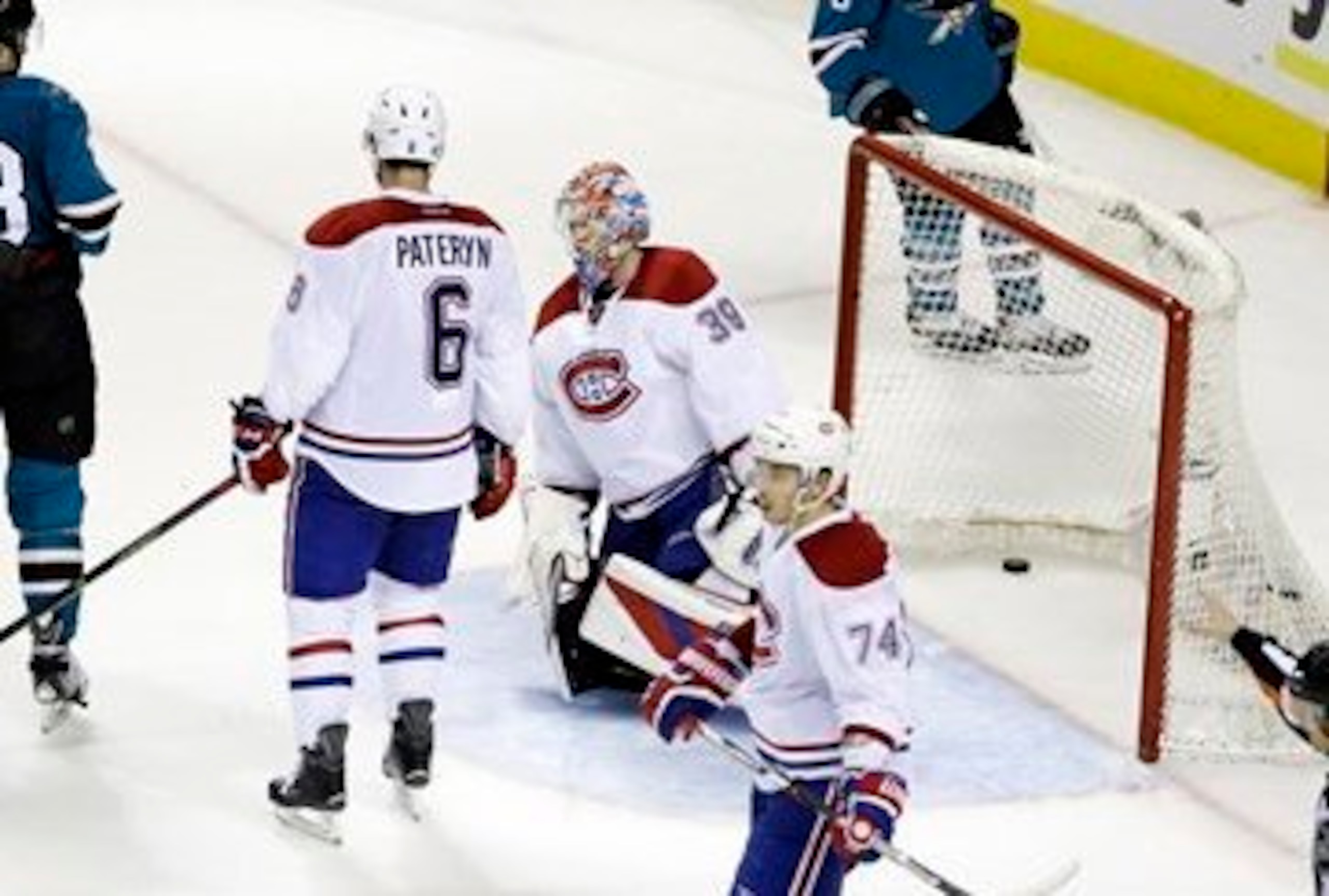
The (potentially) fatal flaw: Competent backup goaltending
The statistic that captures it: 10-2-0 record with Carey Price; 22-28-6 record without him
How it has played out so far
In this case, there's nothing special about the Canadiens' fatal flaw. Carey Price got hurt, and it destroyed their season.
That's not to say other areas shouldn't be examined. Head coach Michel Therrien deserves a significant portion of the blame for his team's total collapse post-Price. General manager Marc Bergevin has not only stood solidly behind Therrien, but he delayed making a potentially season-saving move until it was too late. Various roster players have also underperformed.
But it's the inexcusably bad backup goaltending that has been fatal to the club. Mike Condon proved incapable of holding down the starter's job, Dustin Tokarski played his way out of the league and reclamation project Ben Scrivens has proved equally incapable of stabilizing the situation in the crease.
Nashville Predators
17 of 30
The (potentially) fatal flaw: Pekka Rinne
The statistic that captures it: 0.491 win percentage with Pekka Rinne; 0.538 win percentage without him
How it has played out so far
The ups and downs of Nashville's season can largely be laid at the feet of starting netminder Pekka Rinne.
The Predators jumped out to a hot start and have been nearly unbeatable of late, and in both cases, Rinne deserves much of the credit. Over a total period of 25 games (eight form the start of the year, plus his last 17), he's posted an exceptional .928 save percentage, the kind of performance that has made him a franchise cornerstone.
But there was also that long lull in the middle. Over a 30-game stretch at midseason, Nashville struggled badly, with Rinne a primary culprit. His .892 save percentage over that span nearly took the Preds out of the running for a playoff spot.
With Rinne at his best, Nashville is a legitimate Cup contender. With Rinne at his worst, the team will have trouble winning a round.
New Jersey Devils
18 of 30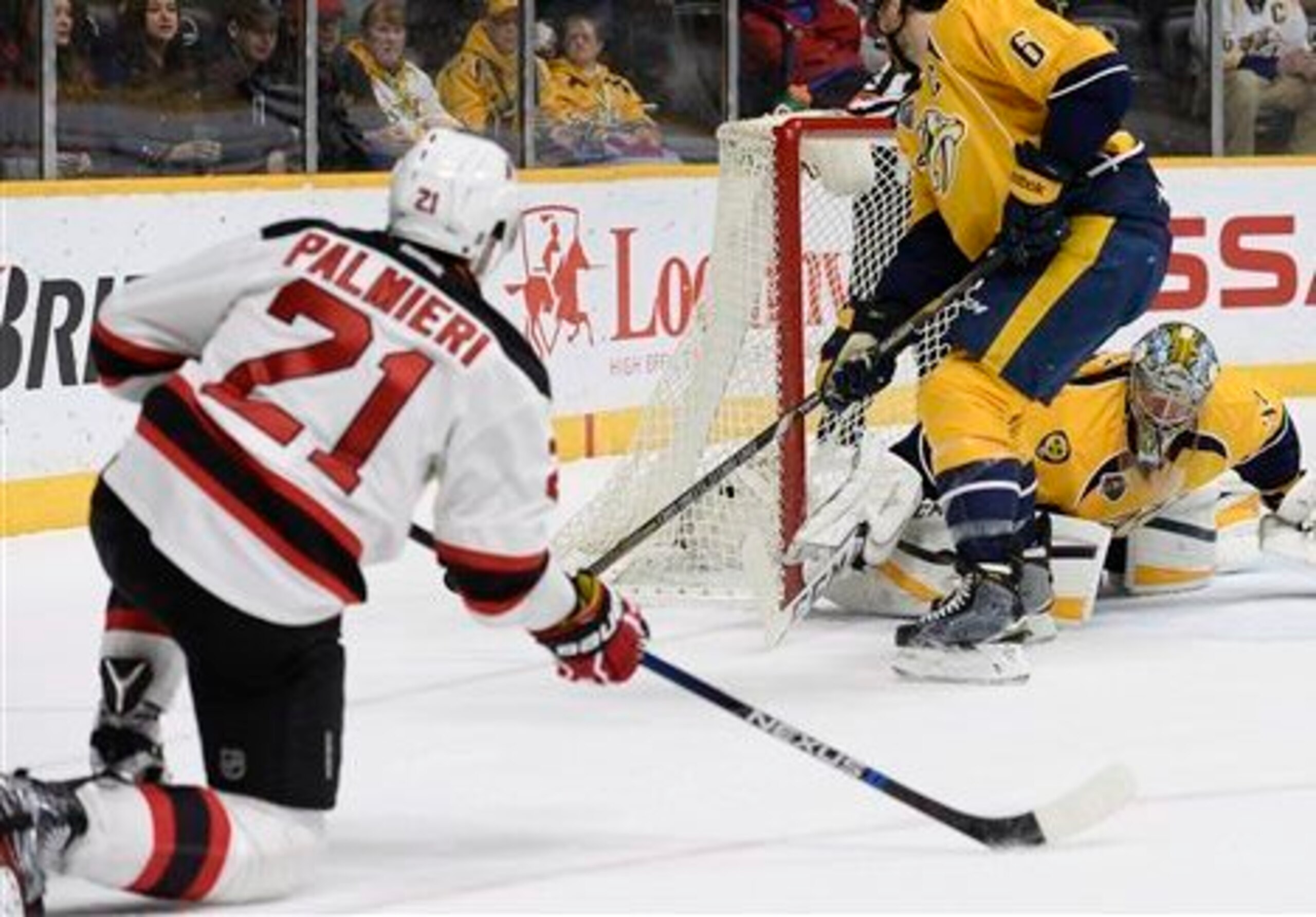
The (potentially) fatal flaw: Scoring goals
The statistic that captures it: 149 goals for
How it has played out so far
It's been fascinating this year to follow New Jersey's top goal scorers. Kyle Palmieri was a tremendous trade addition over the summer and has had a great year. Lee Stempniak was a fantastic bargain free-agent signing and a key piece, though he's since been traded to Boston. Meanwhile, longtime Devil Adam Henrique will likely top 25 goals this season.
For most teams, Palmieri and Stempniak would be pleasant surprises in depth roles. In New Jersey, they are (were) feature players because pretty much nobody else was scoring. Mike Cammalleri has missed a bunch of time to injury, and with the exception of some recently recalled prospects, there just hasn't been much firepower up front for the Devils.
The league's lowest-scoring team could have tallied 20 more goals this year and still be stuck in the bottom third of the NHL standings. On the other hand, the club's defence and goaltending is so good that 20 more goals would almost certainly have put it in the playoffs.
New York Islanders
19 of 30
The (potentially) fatal flaw: The blue line
The statistic that captures it: 29.3 shots against per hour at five-on-five
How it has played out so far
It isn't that the Islanders have a bad defence corps, exactly. It's just one that might be exposed over the course of a seven-game series against a good opponent.
The top end is serviceable. Travis Hamonic is a quality defensive defenceman and when teamed with Calvin de Haan, it gives the team a reasonable shutdown pair. The trouble is that putting those two together opens up weak spots elsewhere.
Both Nick Leddy and Johnny Boychuk have seen their on-ice shot metrics fall off dramatically; both are under 50 percent in terms of Fenwick at five-on-five. Thomas Hickey and Marek Zidlicky are a capable third pair, but neither is a great fit in a higher slot on the depth chart, while No. 7 defender Brian Strait isn't a player a contending team wants to be dressing regularly.
This is a team that could be really hurt in the playoffs by an injury or a cold streak from one of its top defencemen.
New York Rangers
20 of 30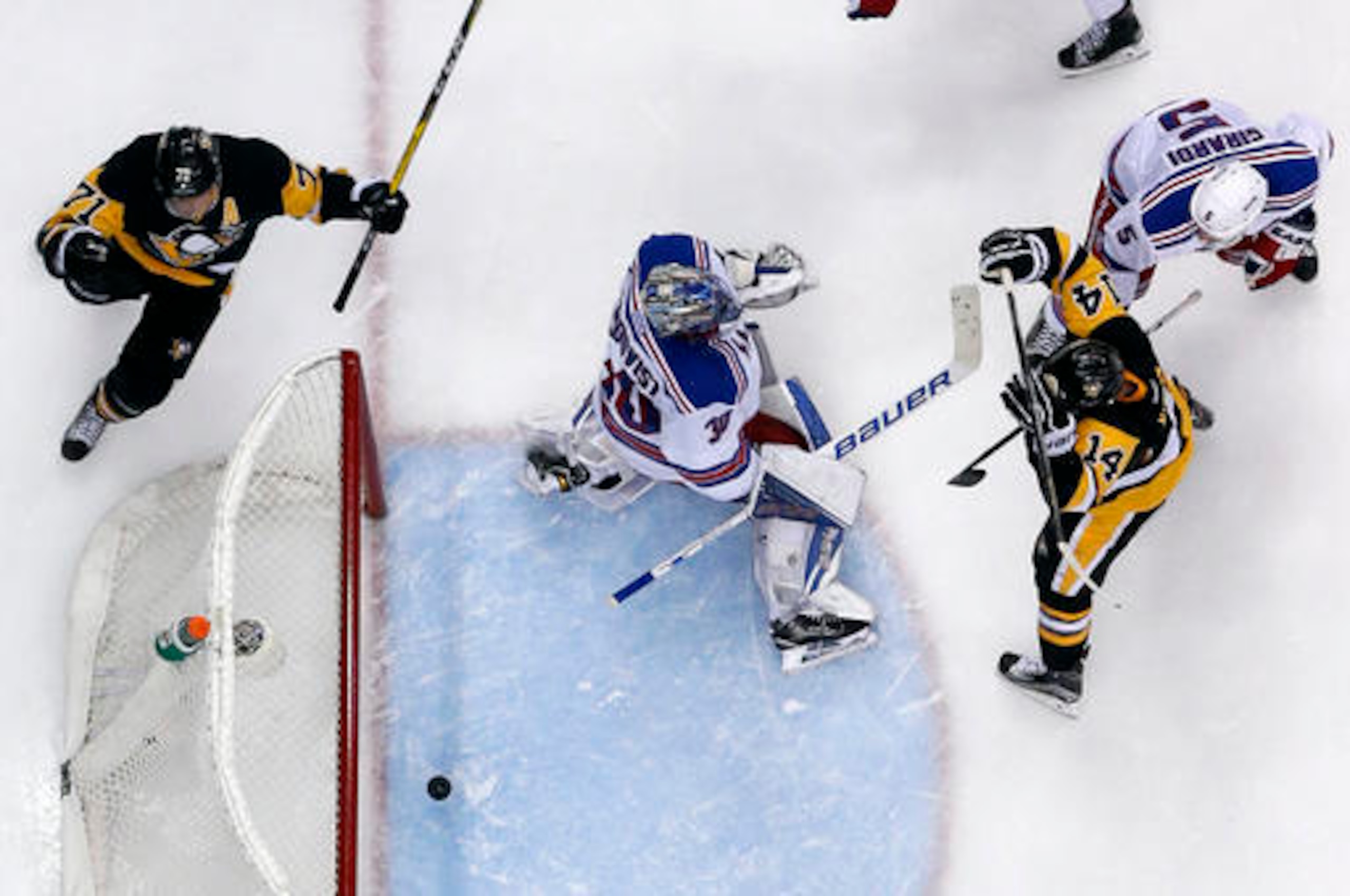
The (potentially) fatal flaw: The penalty kill
The statistic that captures it: 77.4 percent success rate
How it has played out so far
No team currently in the postseason has done a worse job of shutting down opposing power plays than the New York Rangers, and only three teams in the league have a worse penalty-kill percentage overall.
The Rangers do just an OK job of limiting shots against, averaging just under 50 per hour when down a man, a total that puts them right in the middle of the league. Unfortunately, their save percentage is a wretched .845, which means that far too many of those shots end up in the back of the net.
Ottawa Senators
21 of 30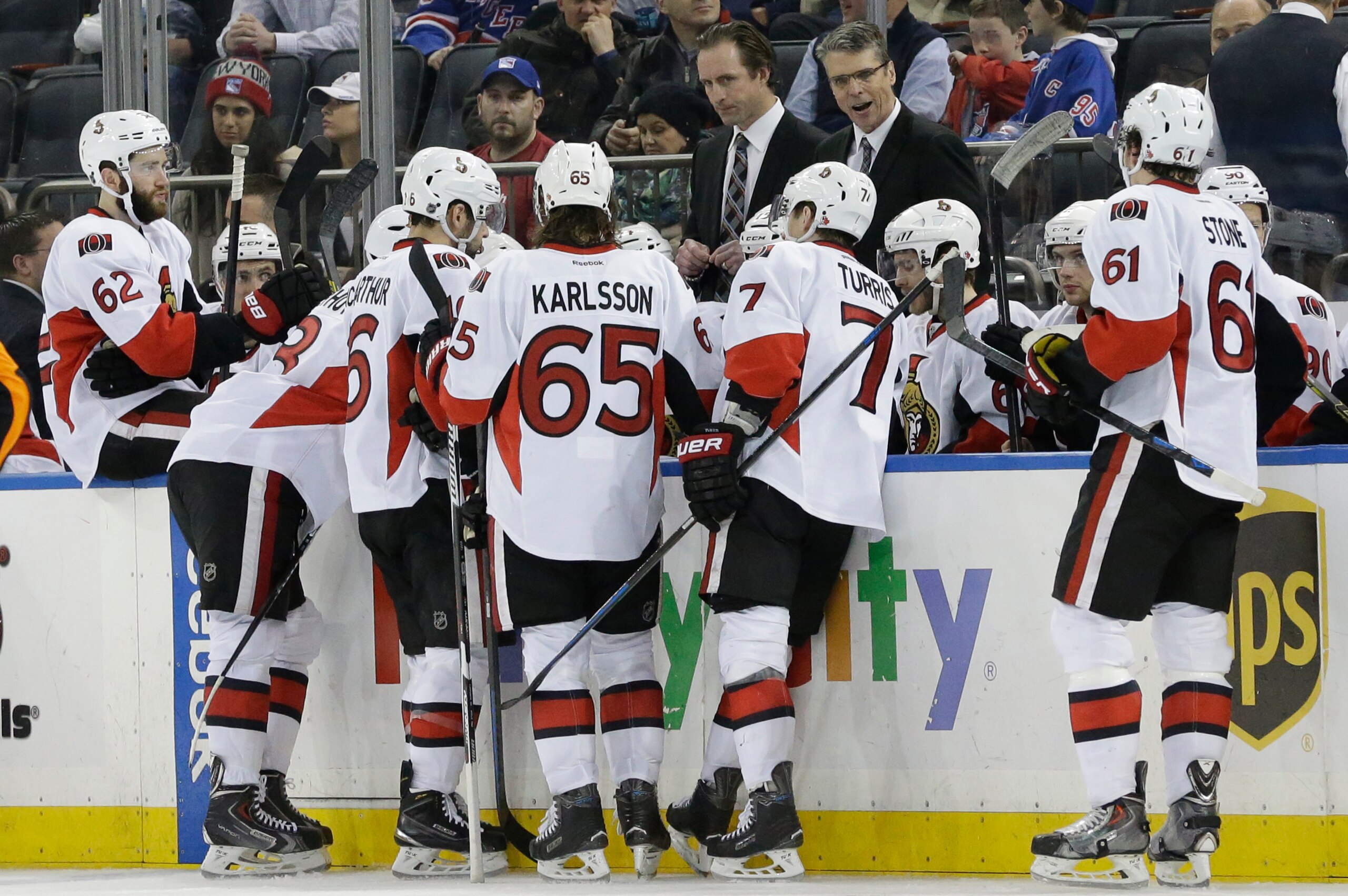
The (potentially) fatal flaw: Puck possession
The statistic that captures it: 46.0 shots percentage at five-on-five
How it has played out so far
For every 100 shots fired at even strength in a game involving the Ottawa Senators, the Sens manage 46 and their opponents record 54. It's a small enough gap that in a single game, or even a group of games, Ottawa can win, particularly once special teams and other situations are factored into the equation.
Over time, though, it gets tougher and tougher for a team that routinely gets outshot to outperform. There's a cost associated with spending so much time in the defensive zone, and the Senators have paid it this year, getting outscored at five-on-five despite stellar goaltending and a pretty decent collection of offensive finishers.
Philadelphia Flyers
22 of 30
The (potentially) fatal flaw: Scoring early
The statistic that captures it: 41 first-period goals
How it has played out so far
The Flyers have a nasty habit of starting games poorly. Consider this breakdown of goals for and against by period:
- First: 41 for, 52 against (minus-11)
- Second: 56 for, 56 against (even)
- Third: 59 for, 55 against (plus-4)
- Overtime: 9 for, 5 against (plus-4)
Even though Philadelphia outscores the opposition the rest of the way, the Flyers are still a minus team on balance because of those early deficits.
Pittsburgh Penguins
23 of 30
The (potentially) fatal flaw: A relatively weak and inexperienced defence corps
The statistic that captures it: Trevor Daley ranks third on the team in average ice time
How it has played out so far
Since the coaching change in Pittsburgh, the Penguins have improved their fortunes significantly. However, the team's blue line remains a position of weakness, featuring too few capable, experienced players. As we did with Edmonton, it's worth taking a moment to look at the inexperience among the team's seven most used defencemen this year:
- Olli Maatta: 19:40 average TOI, 140 career NHL games
- Brian Dumoulin: 19:00 average TOI, 80 career NHL games
- Derrick Pouliot: 14:54 average TOI, 52 career NHL games
Add in middling veterans Daley, Justin Schultz and Ian Cole, and this is a team that will enter the playoffs with a decidedly uncertain back end.
St. Louis Blues
24 of 30
The (potentially) fatal flaw: Lack of discipline
The statistic that captures it: Minus-43 power-play differential
How it has played out so far
Although less successful in the playoffs in recent years than Anaheim or Los Angeles, St. Louis is built along similar lines. Size, strength and defensive play are all key factors in the team's makeup, and in order to win, the Blues need to play an aggressive and intimidating style of game.
Penalties are a natural byproduct of that.
No team in the NHL has a bigger gap between penalties drawn and penalties taken than the Blues; on average, they get more than one extra penalty than their opposition for every two games they play. That's a pretty big advantage to hand over to the other team in a long playoff series.
San Jose Sharks
25 of 30
The (potentially) fatal flaw: Home record
The statistic that captures it: 12-15-3 record in San Jose
How it has played out so far
The Sharks are a team surprisingly lacking in obvious weaknesses. They addressed depth issues at all positions at the trade deadline, and they're remarkably capable both in five-on-five play and on special teams. They have quality at the top end up front, on defence and in net.
So it's kind of weird they don't seem to be able to win at home this year.
On the road, San Jose is 25-9-3, which may be a good thing since the odds are the team will start the 2016 playoffs in an opponent's arena. However, unless the Sharks can put up some wins in their home rink, it's going to be difficult to close out a series against the best teams in the West.
Tampa Bay Lightning
26 of 30
The (potentially) fatal flaw: The power play
The statistic that captures it: 16.7 percent power play conversion
How it has played out so far
There is no shortage of talent in Tampa Bay. Last year's Stanley Cup finalists have a dizzying array of talent and perhaps the best pure finisher in hockey, and yet they have failed this year to make opponents pay when they take a penalty.
Steven Stamkos is doing his best; he has 12 goals on the man advantage. The trouble is that almost nobody else is scoring. Nikita Kucherov has eight goals, but the third-ranked player on the team is Jonathan Marchessault, with four, a figure that represents literally half of his career NHL tallies.
The majority of the team's most gifted offensive players have been no-shows.
Toronto Maple Leafs
27 of 30
The (potentially) fatal flaw: Inability to overcome early deficits
The statistic that captures it: 0-24-4 record when trailing after two periods (0.000 win percentage)
How it has played out so far
Jump out to an early lead against Toronto, and the odds of a win are good. Hold that lead through the third period, and they are virtually certain.
The Maple Leafs haven't won a game this year when trailing after two periods. They have won only two when trailing after a single period. Their win percentage in both situations is the worst in the league.
Much of the problem stems from a lack of capable scorers. The Leafs have one of the worst five-on-five shooting percentage rates in the game of hockey and are one of just three teams in the NHL with a power-play conversion percentage below 16 percent.
Vancouver Canucks
28 of 30
The (potentially) fatal flaw: Inability to hang on to a lead
The statistic that captures it: 15-4-7 record when leading after two periods (0.577 win percentage)
How it has played out so far
The Nashville Predators are an average team with the lead, ranking 16th in the NHL by win percentage when entering the third period up by a goal or more. Their record is 23-1-3, good for a .852 win percentage in those situations.
If Vancouver was league-average, it would have seven more wins this season, and even assuming that all of those wins came from the overtime rather than regulation-loss pile that would equate to seven more points on the year.
Seven additional points wouldn't make the Canucks a contender, but it would put them just three points back of the final wild-card spot in the West while having three games in hand on the team currently in that position. It could well prove to be the difference between making and missing the playoffs.
Washington Capitals
29 of 30
The (potentially) fatal flaw: Braden Holtby's recent struggles
The statistic that captures it: 0.901 save percentage over his last 20 games
How it has played out so far
For much of the season, the Capitals have looked unstoppable. With a potent collection of forwards, a deep and capable defence and a Vezina contender in net, they have steamrolled the league for most of this season.
Cracks are showing in that last area of strength, however.
Holtby, who has been so pivotal to Washington's success for most of the year, is in something of a prolonged slump now. He's lately taken to alternating strong and wretched starts, over the last 14 games recording a save percentage north of .900 one night and then one below that level the next. The Capitals need for him to rebound if they are to have success in the postseason.
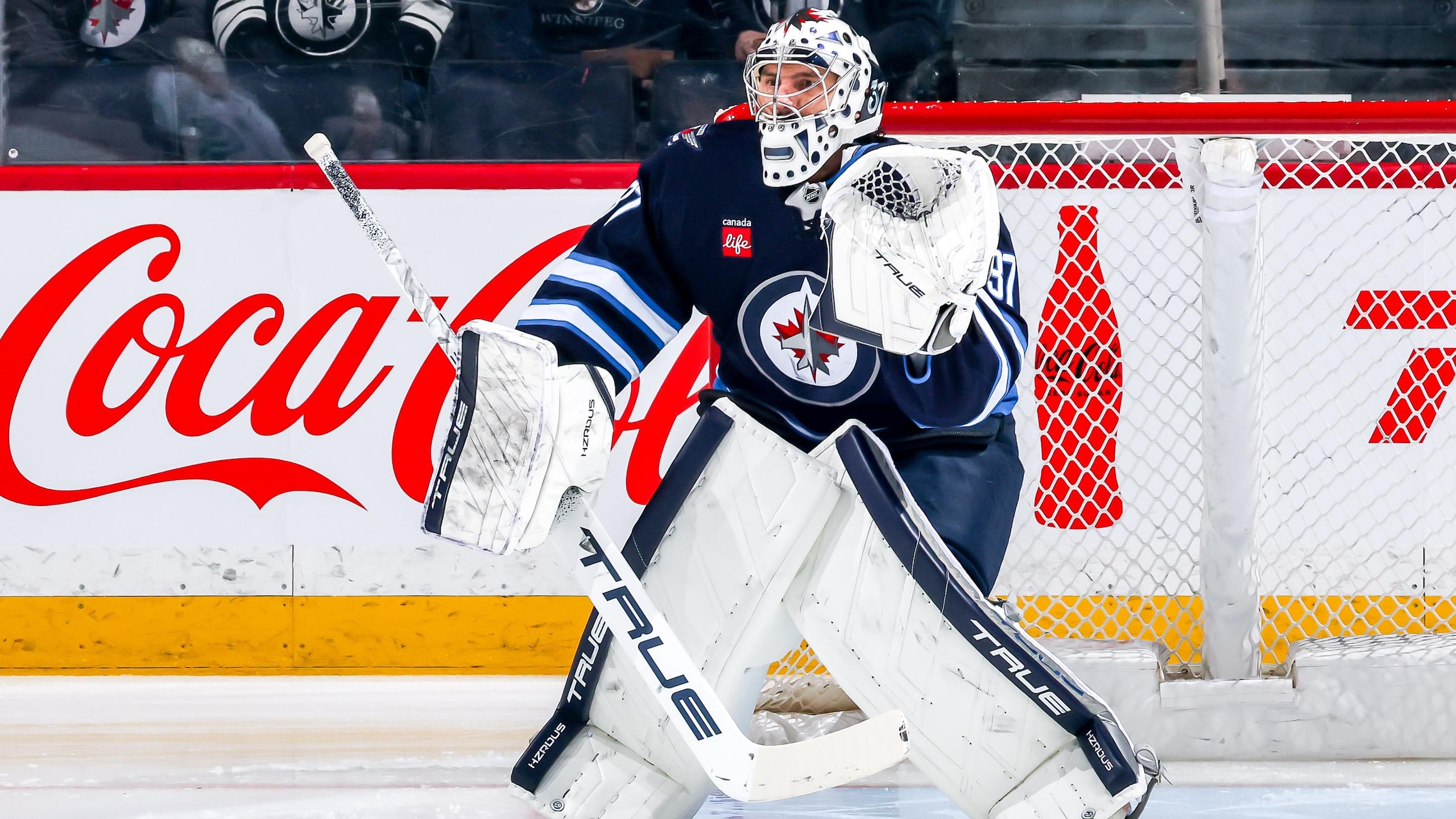
Winnipeg Jets
30 of 30
The (potentially) fatal flaw: Special teams
The statistic that captures it: 15.3 percent power play conversion
How it has played out so far
Winnipeg has the worst power play in the NHL. Despite the presence of several extremely talented offensive defencemen and despite some encouraging young talent up front, this is a team that has consistently proved itself incapable of executing with the man advantage.
Sadly for Jets fans, it isn't just the power play that is a problem.
The Jets have the No. 25-ranked penalty kill in the NHL, killing off opposition advantages just 78.5 percent of the time. Only one team currently in the playoffs (the Rangers) has been less effective when down a man.
Statistics courtesy of NHL.com and Stats.HockeyAnalysis.com. Salary information via General Fanager.
.jpg?w=2560 "Simon Edvisson Landing Spots")



.jpg?w=2560 "Vikings HC Called OBJ Before Release ☎️")
.jpg?w=2560 "Dak to Stroud: Get Some Wins 💯")

.jpg?w=2560 "5 NFL Players Getting Trade Buzz")


.jpg?w=2560 "NFL Won't Fine 'Beverage' Celebrations 🍻")