
2016 NFL Combine: Workout Warriors Who Can Live Up to the Hype
The 2016 NFL Scouting Combine wraps up on Monday, but we've already seen some stellar performances throughout the weekend.
The phrase "workout warrior" gets thrown around a lot this time of year, and it usually comes with negative connotations.
It's important to remember, however, that strong workout numbers don't necessarily mean a player fits into the common definition of a workout warrior.
The way to separate the workout warriors from the true athletes is to compare their combine performance to their actual game film.
When a player posts strong numbers in workouts that directly correlate to ways in which he wins on the field, then the combine performance should be viewed as genuine confirmation that he's headed toward a strong NFL career.
With that in mind, here's a look at five prospects who posted phenomenal numbers in Indianapolis and have the skills to translate those workout numbers into success in the pros.
Darron Lee, Ohio State
1 of 5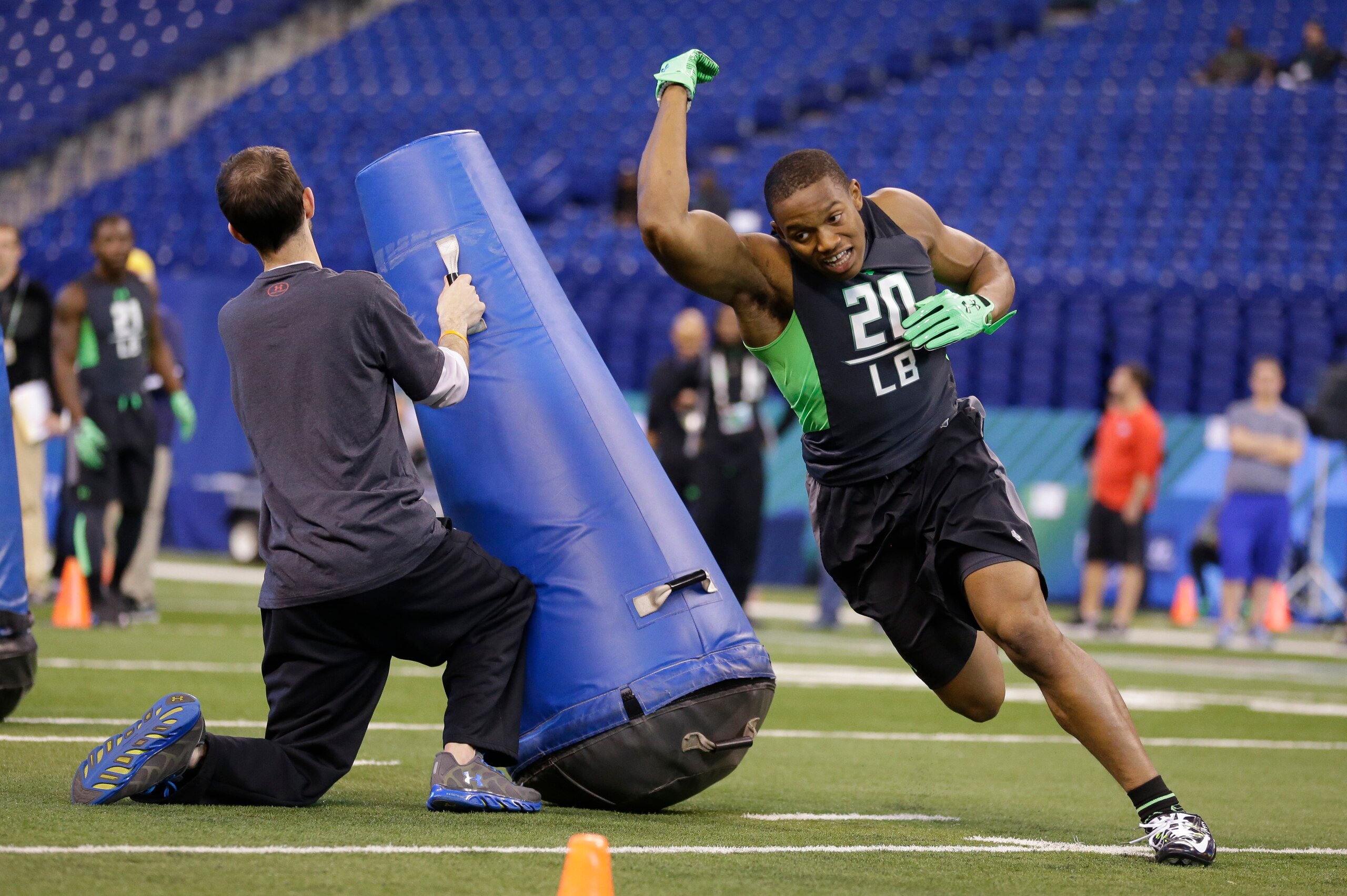
Darron Lee's combine numbers were eye-popping, and they certainly put him among the elite athletes at his position.
When a prospect puts up numbers that are so far superior to his peers', it can sometimes raise questions about why he wasn't more dominant at the college level. Lee was certainly a productive linebacker at Ohio State, but not the superstar that his combine numbers would indicate.
With Lee, however, there is a perfectly logical explanation for his on-field flaws.
Lee primarily played cornerback in high school—Rivals listed him at 6'2" and 195 pounds. As a result, Lee is still very new to the linebacker position.
In that context, Lee's performance during his two years as a starter for the Buckeyes is even more impressive. And it helps justify the assessments of NFL scouts or coaches who see him developing into an even brighter star in the pros.
On the field, Lee misses some tackles and takes some poor angles in pursuit, but both types of mistakes should be expected, given his lack of experience.
Given the speed at which he picked up the position at Ohio State and his phenomenal raw athleticism, Lee has one of the highest ceilings in this draft class.
Jason Spriggs, Indiana
2 of 5
Among offensive linemen, Indiana's Jason Spriggs posted the top time in the 40-yard dash and the longest broad jump. He also finished fourth in the bench press with 31 reps.
According to Rotoworld's Josh Norris, Sprigg's impressive broad jump is the fourth-best among offensive linemen since 2006—and the three ahead of him were all first-rounders.
Spriggs is a little on the lighter side for an offensive lineman at just 301 pounds.
That weigh-in number could remove him from a few draft boards, as it may not meet the minimum requirements for certain franchises. But his strong performance at the combine will solidify his first-round grade for the teams who favor mobility on the offensive line.
As a former tight end, Spriggs' combine numbers shouldn't come as a shock, and they definitely translate to the field.
This week was simply confirmation that Spriggs has the athleticism to compete at the next level.
Will Fuller, Notre Dame
3 of 5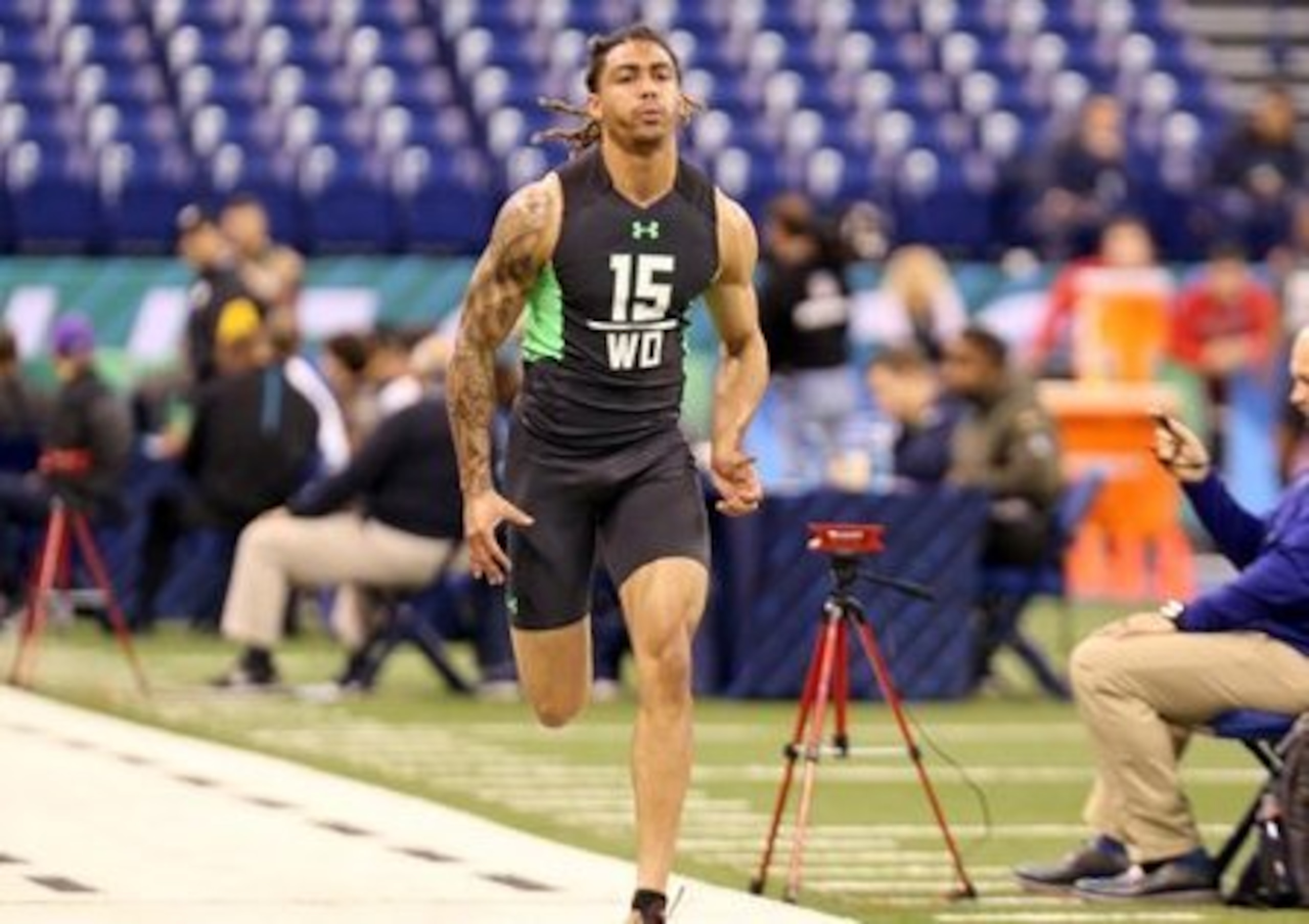
Notre Dame's Will Fuller posted the fastest time among all wide receivers in the 40-yard dash—a title that's fun to hold but rarely leads to much NFL success.
Fuller, however, is more than just a raw prospect with NFL speed. He's already shown the ability to consistently win with his speed at a high level.
There isn't much more to Fuller's game than speed, so immediate expectations should be tempered. But he will be an immediate deep threat at the next level.
Expect Fuller's game to mimic Ted Ginn Jr.'s early in his career, as he'll be a receiver defenses have to account for at all times but aren't necessarily afraid of in most situations.
Fuller's career will begin to take off if he's able to develop his strength, which should allow him to battle for contested catches and make plays even when he isn't able to break free over the top of the defense.

.jpg?w=2560 "Cardinals Giants Football")
.jpg?w=2560 "Hill Injury Update Football")
Corey Coleman, Baylor
4 of 5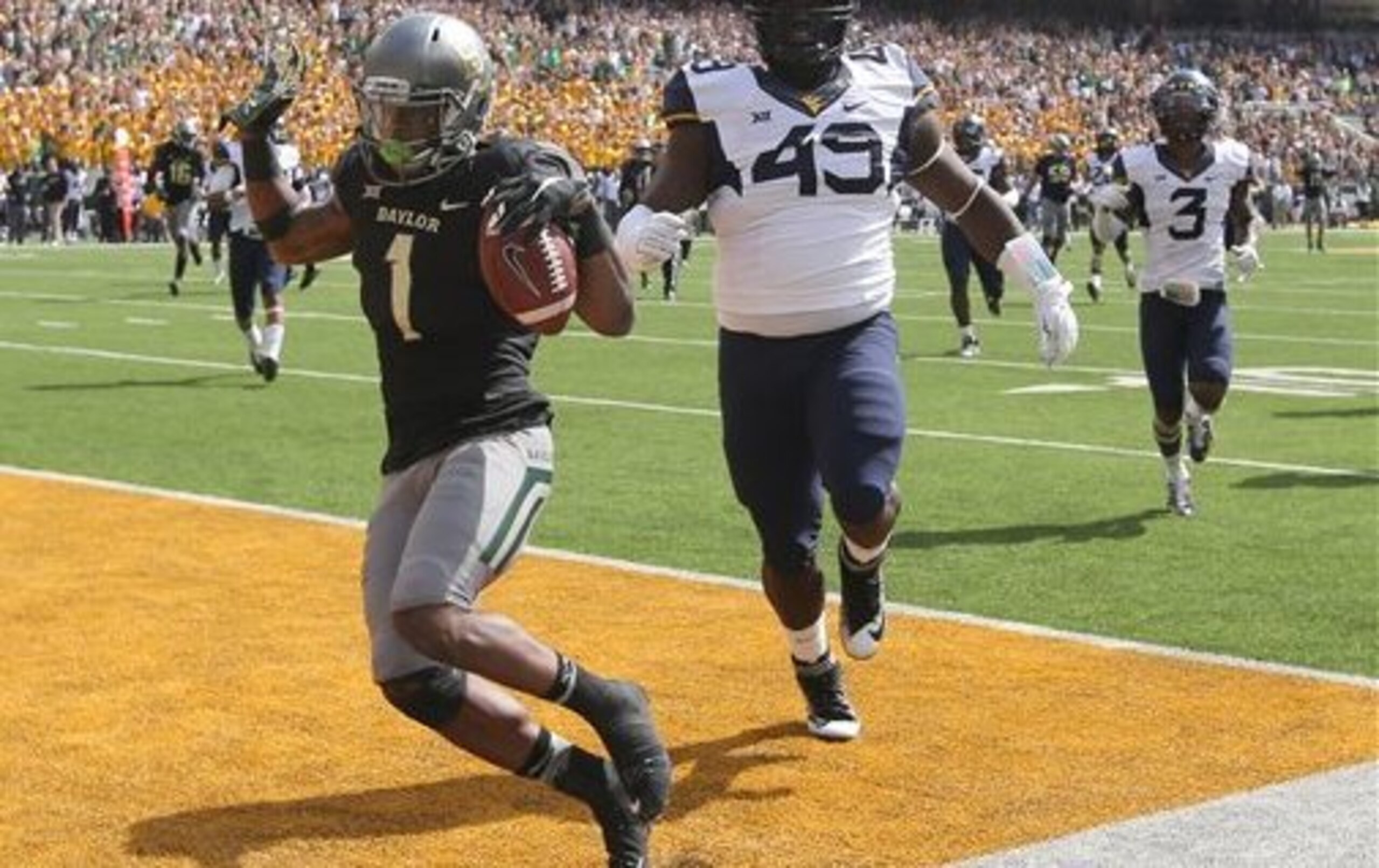
Corey Coleman elected not to run the 40-yard dash at the combine. That's a decision that sometimes raises a red flag, but since Coleman's speed is obvious on film, it shouldn't change anyone's opinion of his ability to get down the field.
What made Coleman a combine star, despite skipping the most high-profile event, was his 40.5-inch vertical leap—the third-best mark among receivers.
Unlike Fuller, who wins exclusively with speed, Coleman has already reached the point in his development where he can make plays in traffic.
Coleman made numerous impressive grabs at Baylor, leaping above defenders to pluck the ball from the air.
His vertical leap wasn't just a combine stunt, it was a skill that directly translates to his game and already shows up in his film.
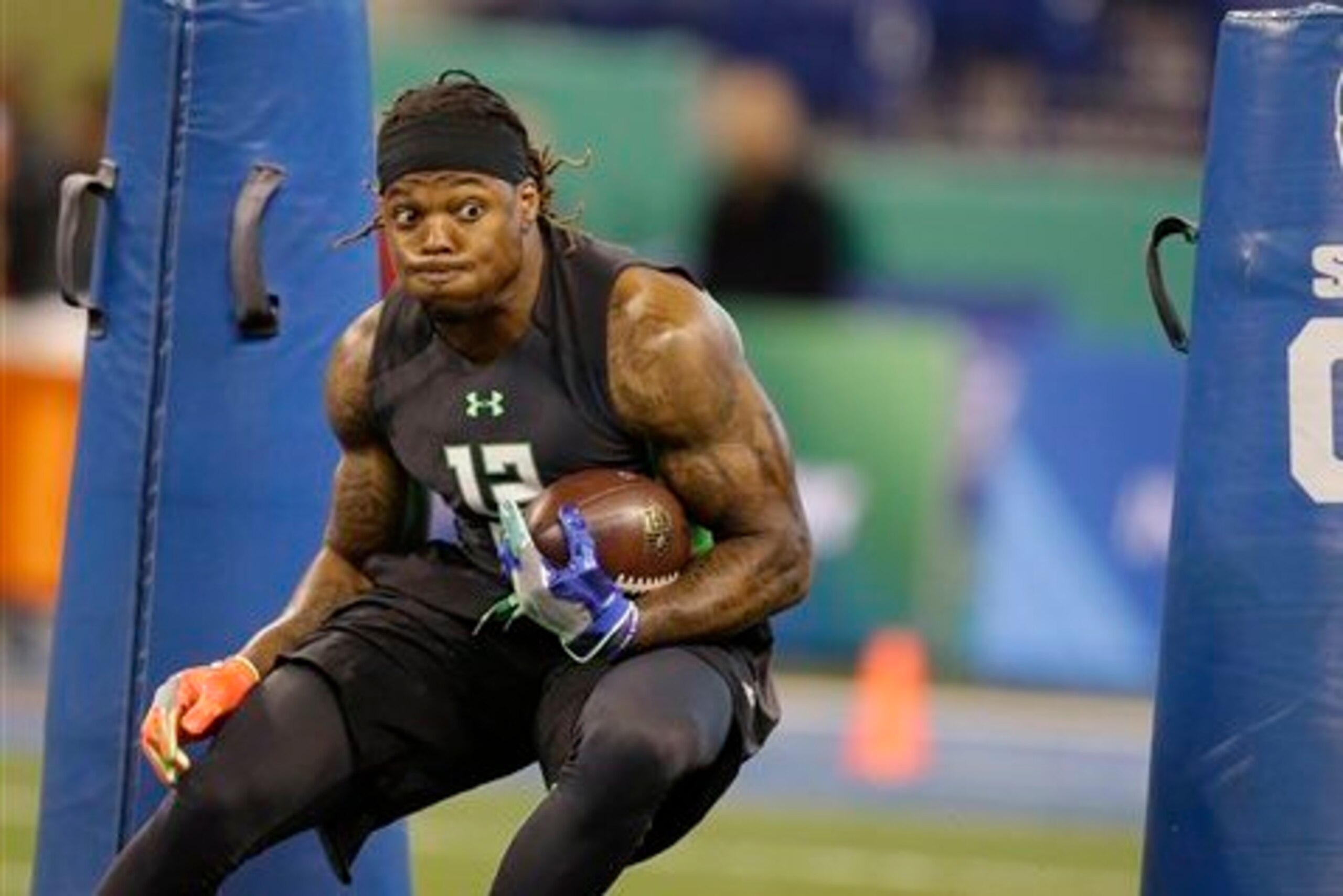
Derrick Henry, Alabama
5 of 5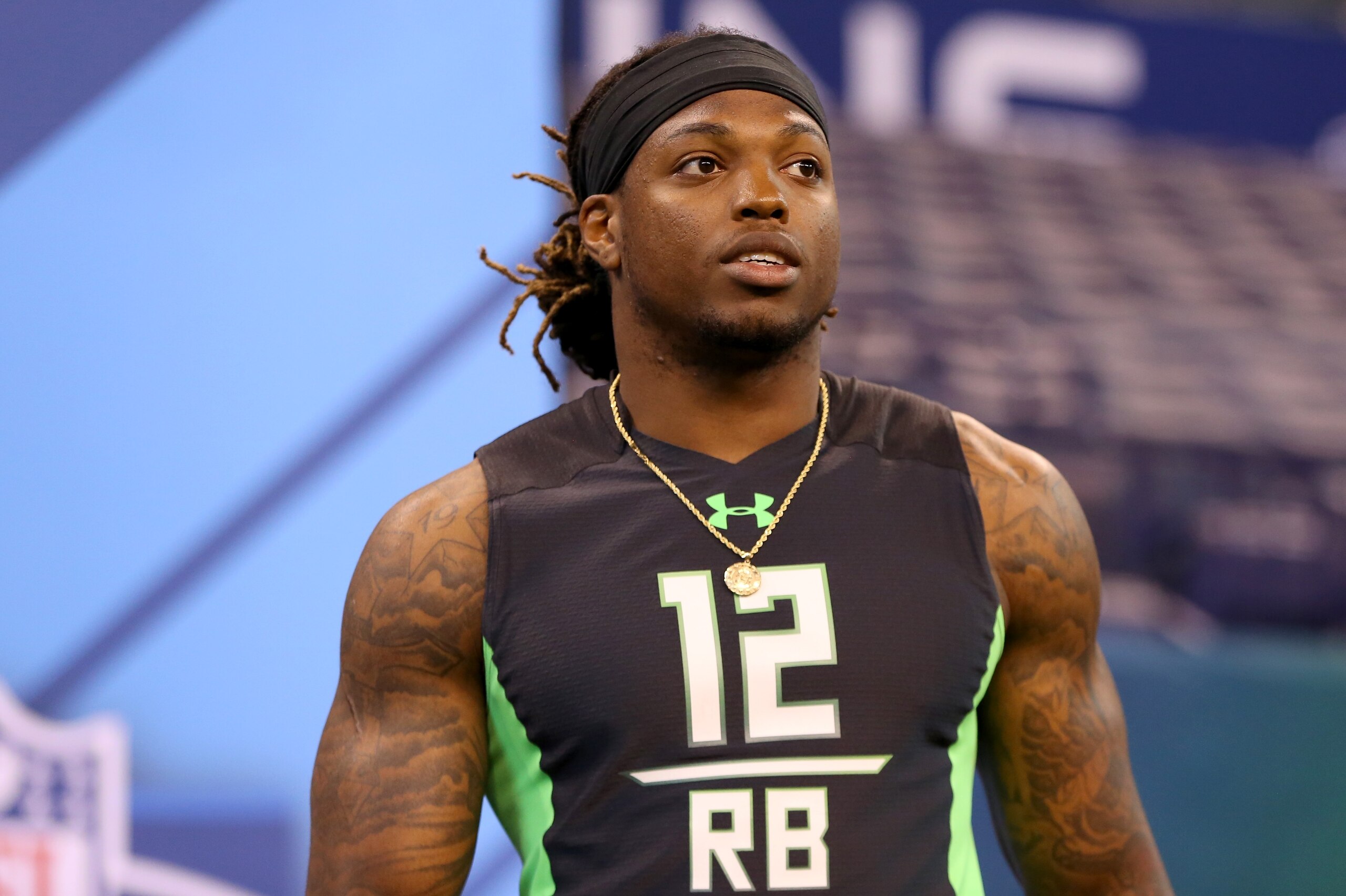
Derrick Henry fits into the category of prospects who showed more athleticism in the combine than on the field at Alabama. However, there is reason to believe he can elevate his game to match his performance in Indianapolis.
Henry weighed in at 247 pounds, a shocking weight for a running back.
The fact that Henry posted numbers such as his 4.54 40-yard dash and 37-inch vertical leap at 247 pounds will help teams teams attempting to project his performance at a lighter weight in the pros.
Henry should use Pittsburgh Steelers running back Le'Veon Bell as a role model, and teams should use Bell as an example of what they could potentially expect from Henry if he's able to lose some weight.
Bell weighed in at 230 pounds at the combine in 2013, though he appeared to play at a much heavier weight at Michigan State.
Since the weight loss, the lighter Bell has been a far more explosive runner in the pros than he was for the Spartans.
Obviously, Henry's size helps him break tackles, but in today's NFL, speed and agility are equally, if not more, important.
If Henry can play closer to 235 pounds in the pros, we may be able to see his explosive athleticism shine on the field more frequently.
.jpg?w=2560 "Titans Giants Football")
.jpg?w=2560 "Dolphins Bills Football")