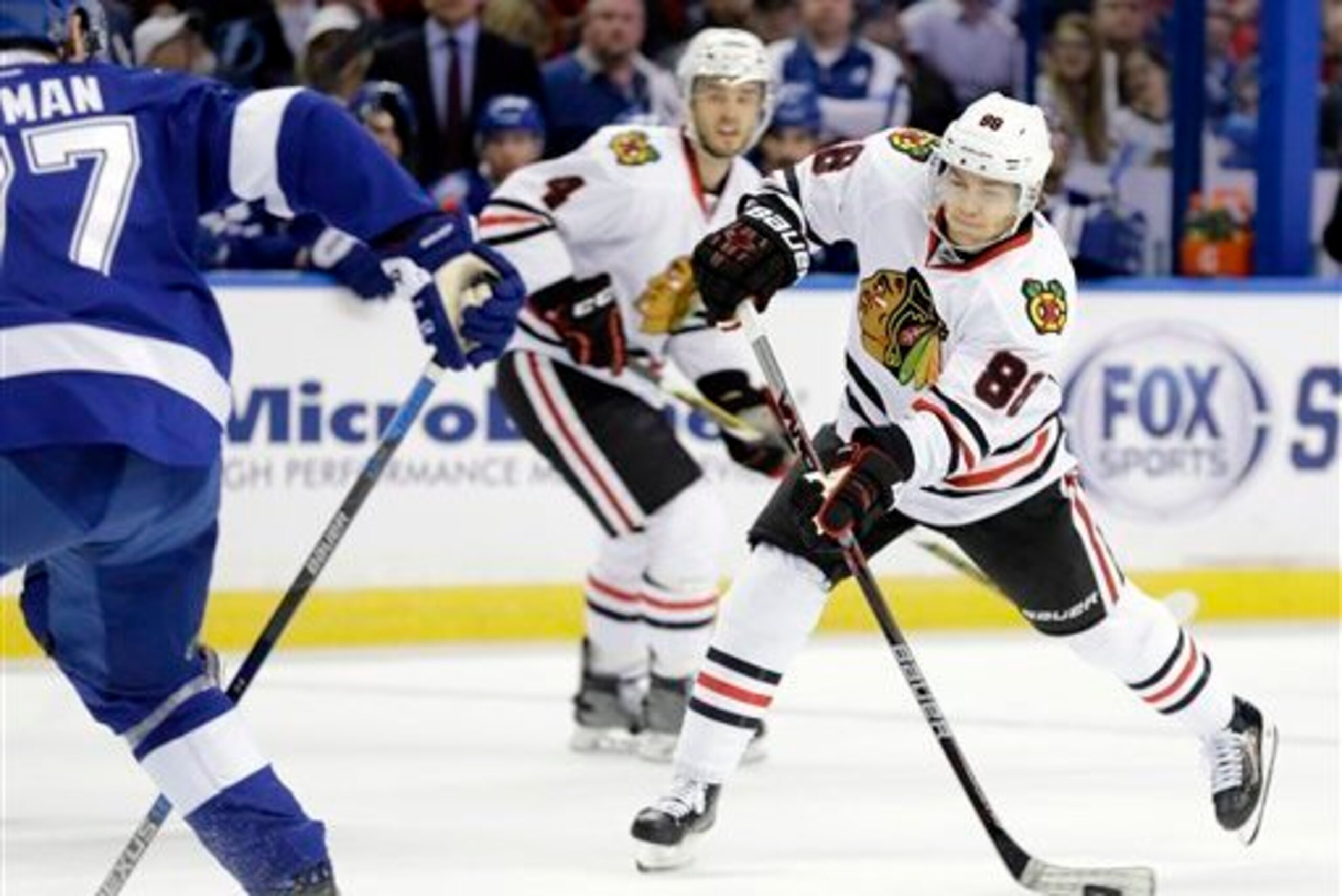

B/R's All-NHL Teams at the 2016 All-Star Break
Good, old country hockey. It's what NHL fans will get next, as the marquee lights head to Broadway for this weekend's All-Star Game at Bridgestone Arena in Nashville.
Broadway, in this case, is the name of the street that cuts through the main area of downtown. Many of the names on the following slideshow will be there. Some will not, but they still get the prestige of being named to Bleacher Report All-NHL teams, as conferred by B/R staffers Jonathan Willis, Carol Schram, Allan Mitchell, Luke Richardson, Steve Macfarlane and yours truly.
Cumulative votes from the panel led to the selections. The players chosen had to post impressive numbers, pass the eye test and play an important enough role for their teams to convince our analysts that they have been among the best at their position up to this point in the season. First and second teams are listed in the following slideshow.
What did we get right? What did we get wrong? Hit the comment button, and let us know.
Y'all come back now, y'hear?
Second-Team Left Wing: Alex Ovechkin, Washington Capitals
1 of 12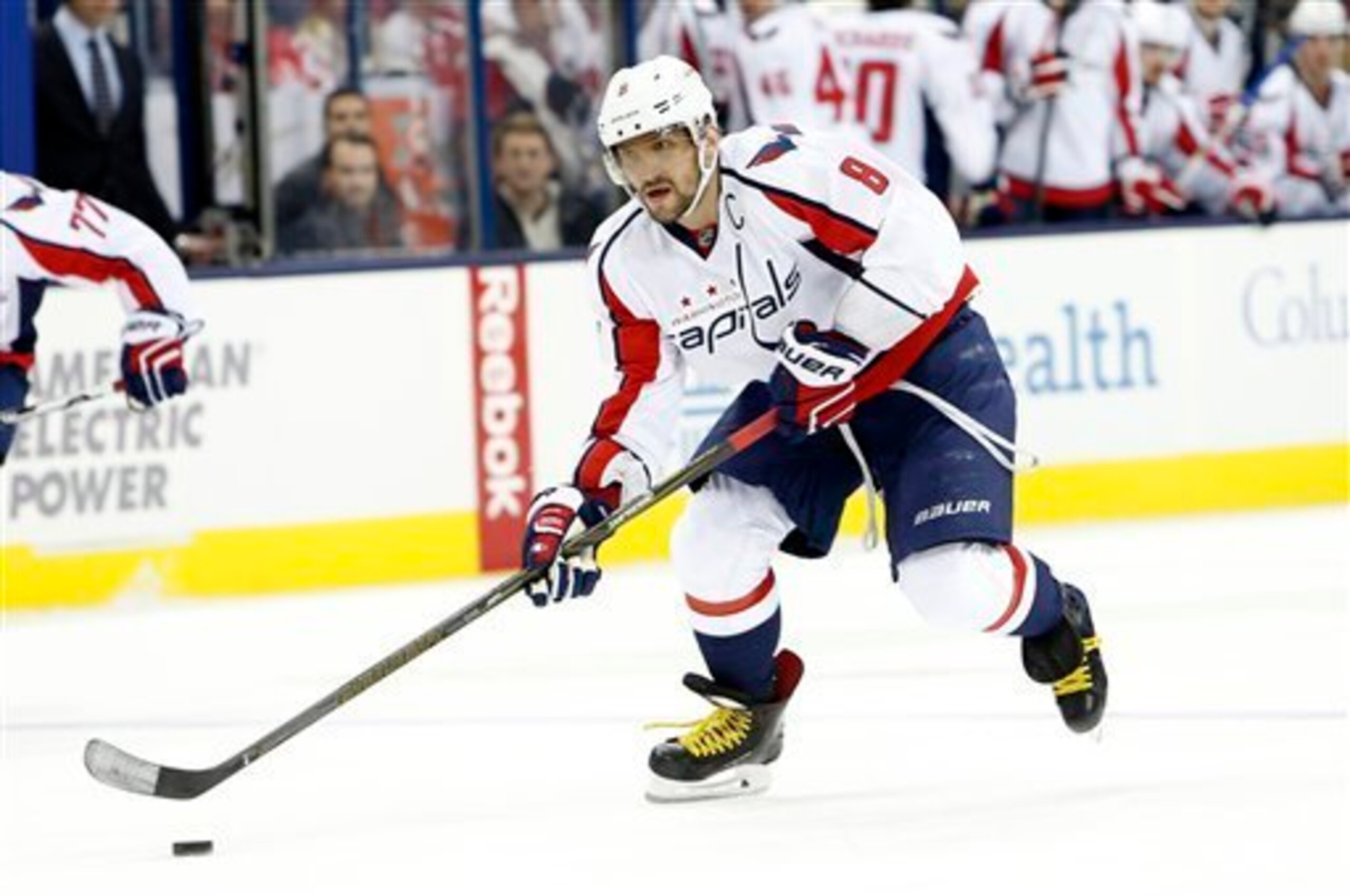
By the numbers: Some say it's been the most complete season of Alex Ovechkin's career so far, and the numbers lend credence. His 28 goals entering Wednesday's game with the Flyers were tied for second in the league. His assist total is a bit lower than usual, with only 14 entering Wednesday. But he's been tremendous overall for a Caps team leading the league in points.
Why he made it: Ovechkin is the leader of the league's top team, and he's been a marquee star since he entered the league. He'll be a hit in the three-on-three format, with no doubt some of the best from his bag of tricky moves. He's a natural for Nashville.
Other candidates: Taylor Hall received lots of consideration from the voters but wasn't up to Ovechkin's level. Johnny Gaudreau of Calgary also received votes.
Second-Team Center: Patrice Bergeron, Boston Bruins
2 of 12
By the numbers: Numbers never tell the full story with Boston's longtime center, but they're great nonetheless. Nineteen goals, 44 points, plus-10. Patrice Bergeron has unquestionably been the Bruins' best player so far. He is such a good defensive player too, as his multiple Selke awards attest.
Why he made it: Since 2007, Bergeron has had only one season (2008-09) in which he failed to score 50 percent or higher on Corsi percentage. Translation: He has the puck on his stick a lot when he's on the ice, much more than the other guys. And he does good things with it.
Other candidates: Jonathan Toews and Anze Kopitar finished third and fourth, respectively, in the voting. Both got off to slow starts, which dragged their overall stats down some. But both of their teams are near the top of the Western Conference, and they're both coming on strong, so check back with us for the end-of-the-year voting.
Second-Team Right Wing: Vladimir Tarasenko
3 of 12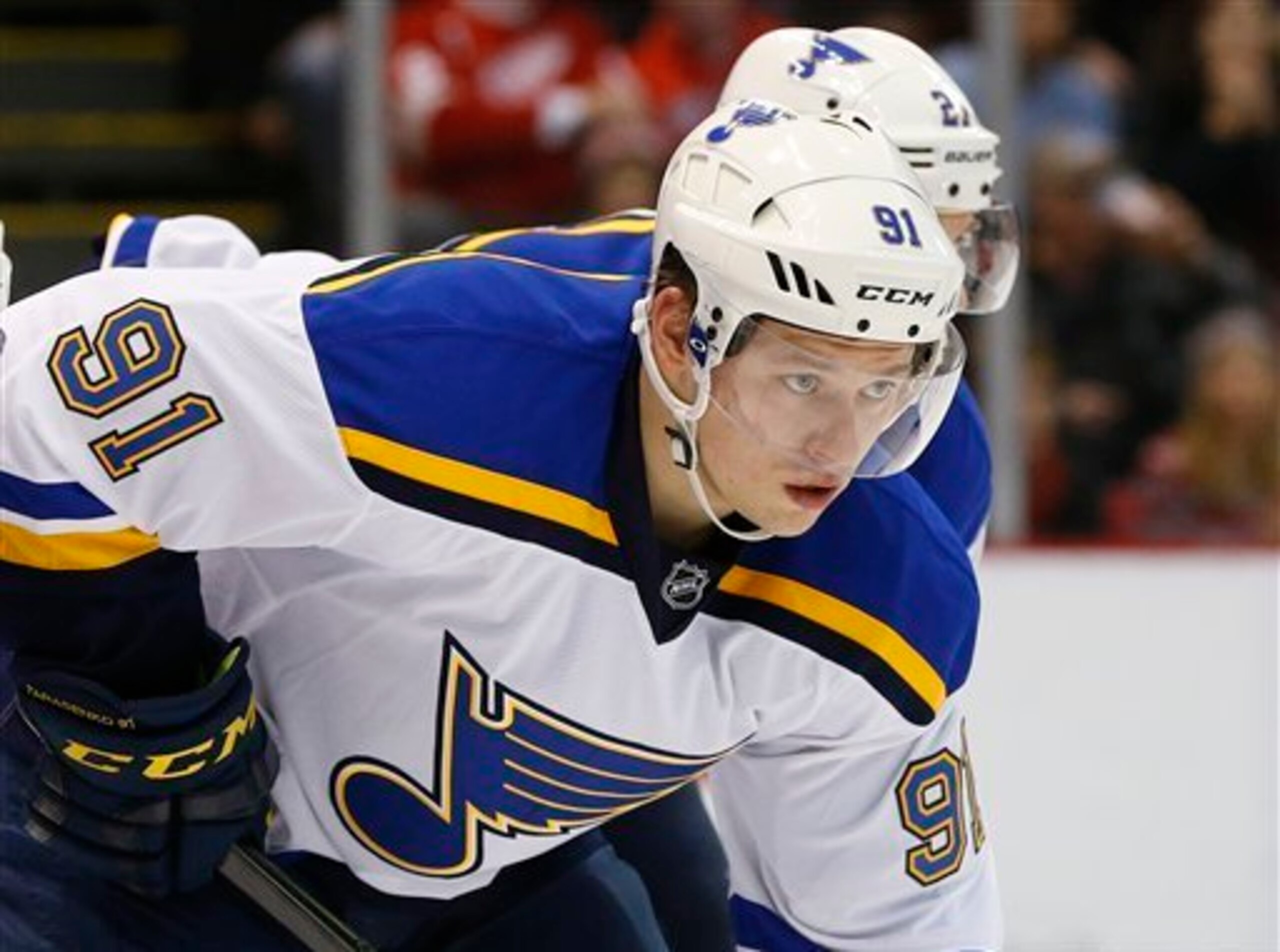
By the numbers: With 25 goals and 46 points in his first 50 games, the Russian winger's numbers are certainly there. More than that, Vladimir Tarasenko inspires real fear in opponents. He often is double-teamed down low but still manages to create scoring chances most every shift.
While his defensive game needs work (minus-one, only on the ice for defensive-zone starts 34.9 percent of the time), the offense is special.
Why he made it: Tarasenko's hands are among the quickest in the league. He doesn't often waste his chances, either. Since he entered the league four years ago, his shooting percentage has never dipped below 10 percent.
Other candidates: Blake Wheeler from the Jets finished third, and maybe if the Jets were better than they were in the first half, he would have made it. As it stands, he is the best player on a mediocre team.
Second Team Defense: Drew Doughty
4 of 12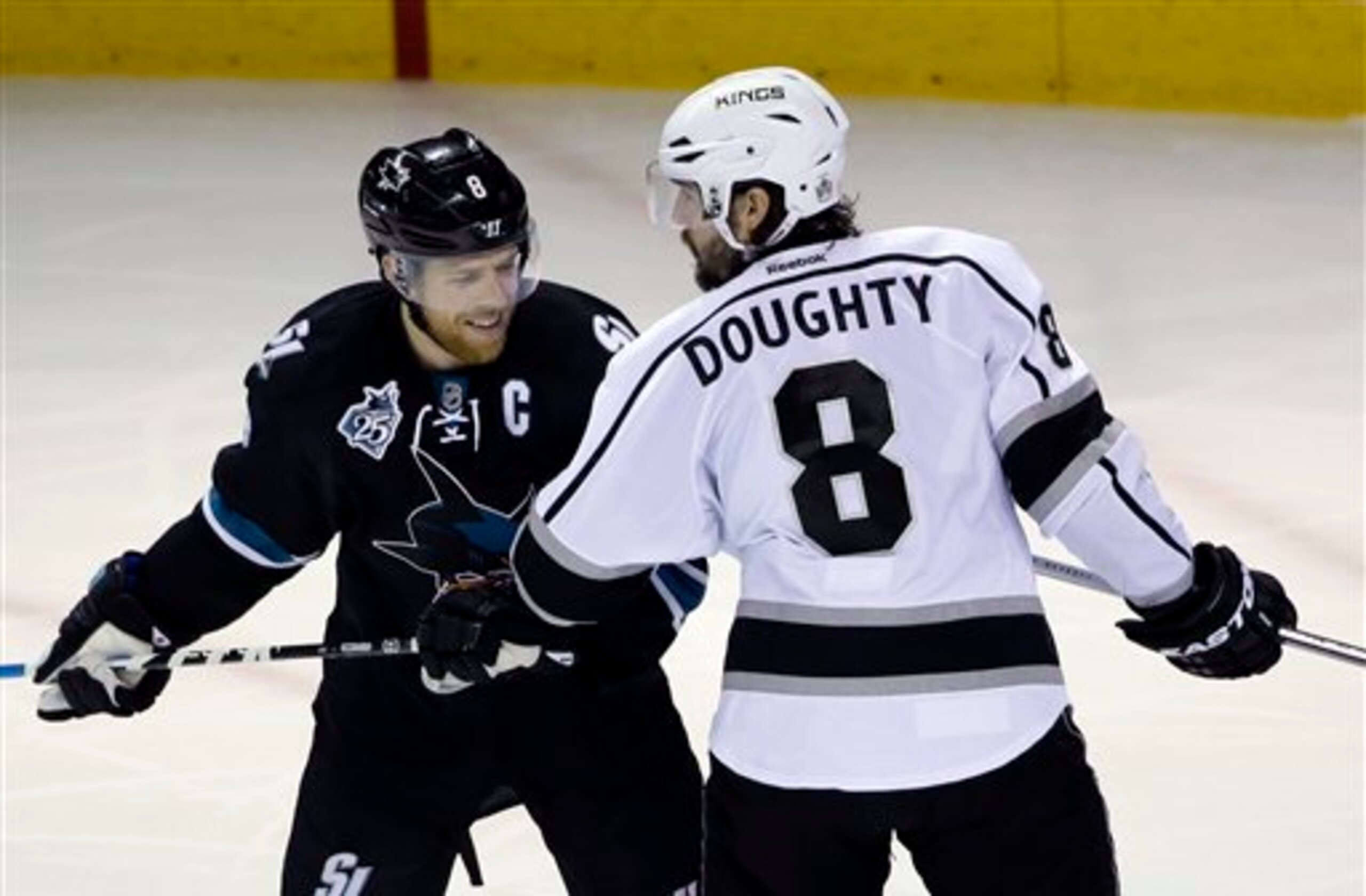
By the numbers: Entering Wednesday's game with Colorado, Drew Doughty was averaging 28:01 per game for the Kings, with a plus-15. He finished last season at plus-three.
It's not always easy to quantify Doughty's value just by the numbers, good as they are. He brings a swagger to the Kings that has greatly contributed to two previous Stanley Cup wins, and the Kings seem to have as good a chance as any to get another one this spring.
Why he made it: Seven of Doughty's nine goals entering Wednesday came on the power play. He remains a premier PP performer, with his extra second of patience on the puck keeping opponents off their edges.
Other candidates: Ryan Suter and Oliver Ekman-Larsson received many votes but came up just short. Ekman-Larsson is hurt somewhat by playing in the hockey witness protection program known as Arizona.
Second-Team Defense: Roman Josi
5 of 12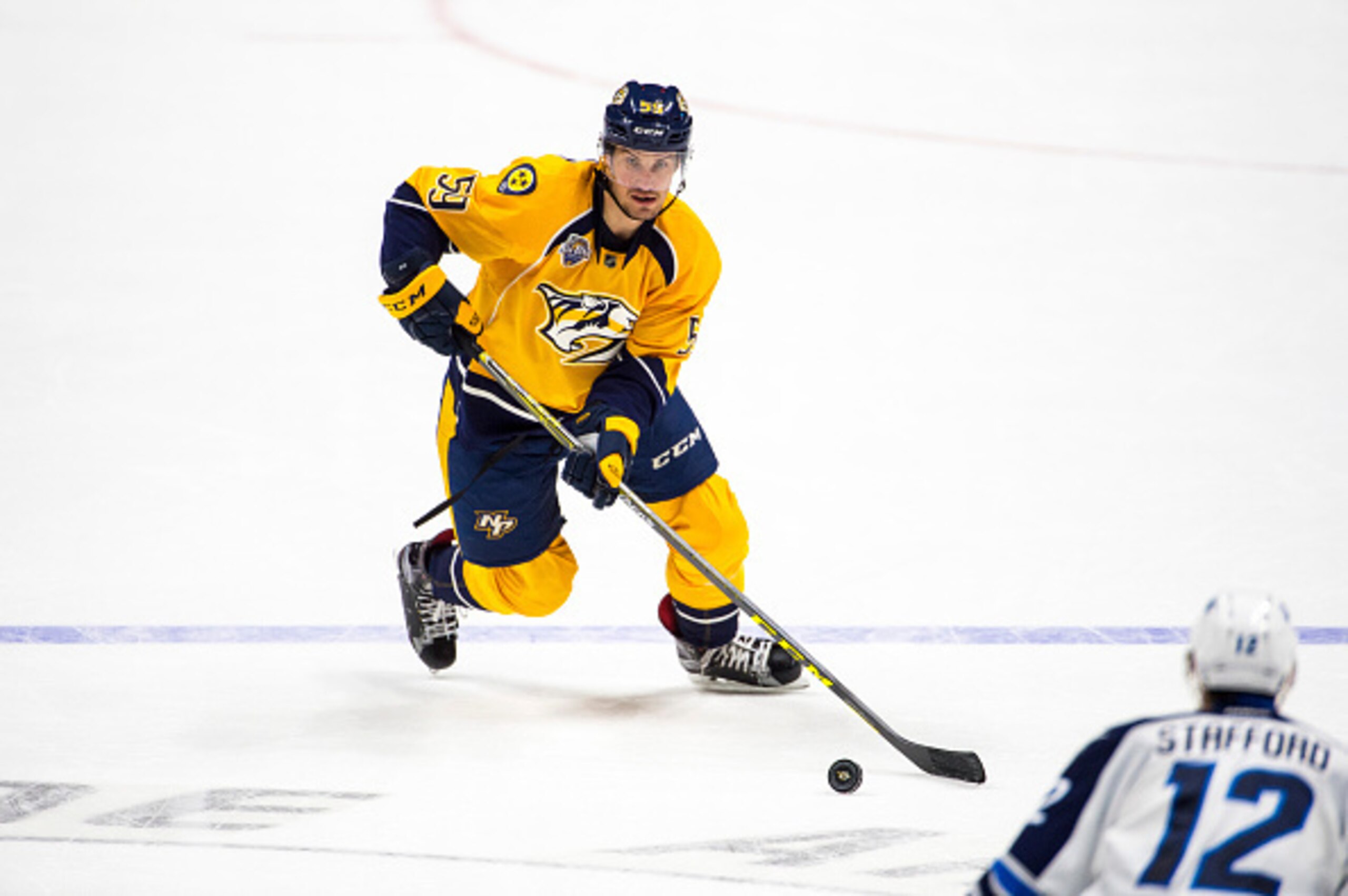
By the numbers: Roman Josi's defensive game may have its limits (a minus-three entering Wednesday), and he has just one point (an assist) in 16 career playoff games. But other than that, Josi is a premier offensive defenseman. He is among the top 10 in D-man scoring and is a premier power-play point man.
He will no doubt be a crowd favorite at the All-Star Game in front of the Bridgestone Arena gathering.
Why he made it: It's so hard for forwards to score these days, with the defense and goaltending much better than they used to be. Guys such as Josi, who can add that second prong of attack, are prized commodities.
Josi has proved he is a huge threat at the offensive end.
Other candidates: T.J. Brodie, John Klingberg and Brent Burns all garnered votes.
Second-Team Goalie: Corey Crawford
6 of 12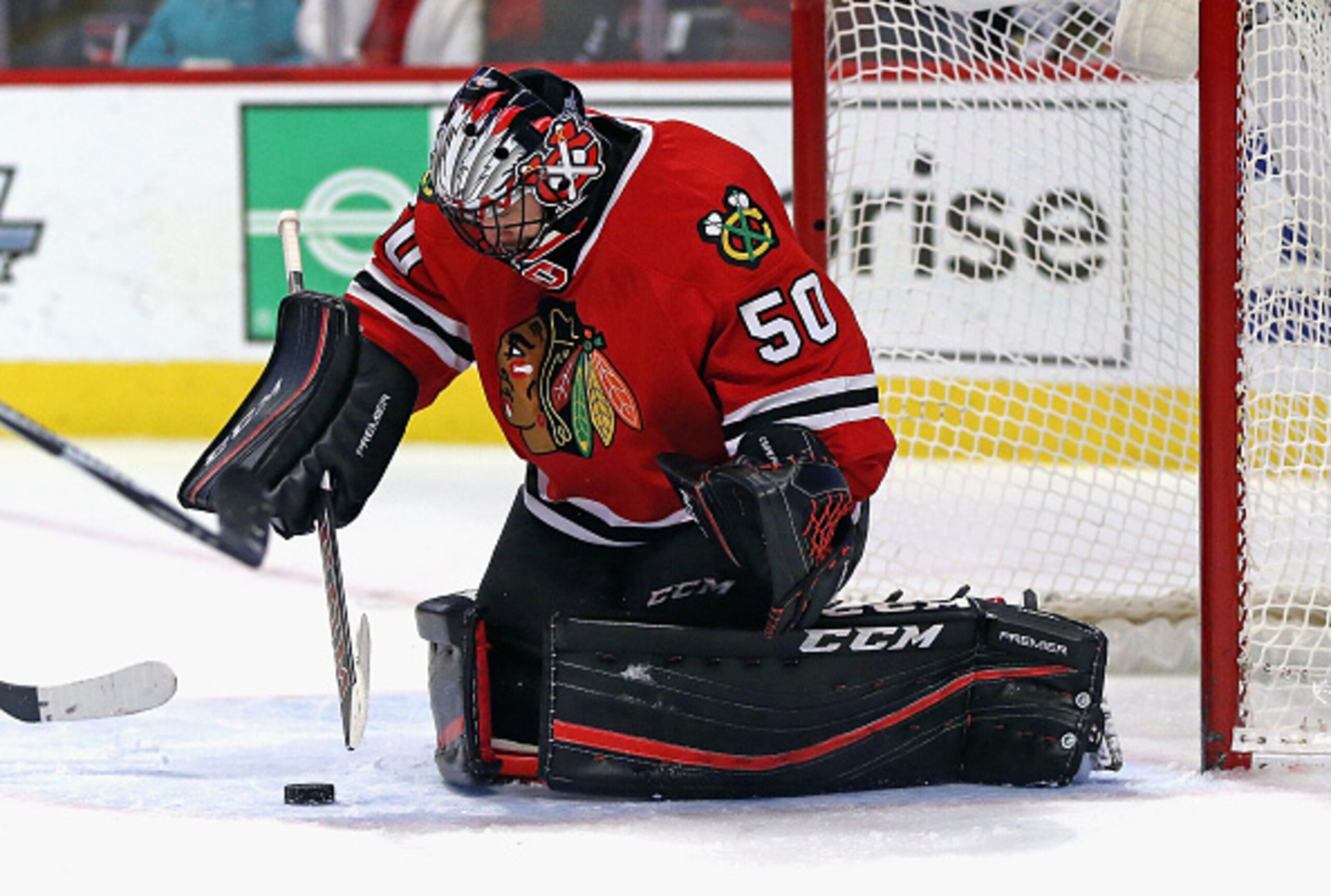
By the numbers: Corey Crawford has a league-leading seven shutouts, to go along with sterling goals-against (2.14) and save percentage (.931) numbers. He seems to finally have achieved an “elite” status as a goalie, at least among more of the chattering class than before. It’s tougher getting recognition as a goalie on a great team, but people know now, more than before, how much Crawford has contributed to Chicago’s success.
Why he made it: Crawford has improved his game. He doesn’t suffer from the blowout losses as much as he used to, which contributed to his previous reputation as a streaky goalie. He’s consistently good now.
Other candidates: Cory Schneider and Roberto Luongo—former teammates in Vancouver but now elsewhere—challenged for a top-two spot in our voting.
First-Team Left Wing: Jamie Benn
7 of 12
By the numbers: Jamie Benn posted 58 points in his first 50 games. He’s unlikely to unseat Patrick Kane for the Art Ross, which would be his second in a row, but he’s having another outstanding season for the Stars. As captain of the Stars, Benn plays a bigger role than your usual player. He’s a leader.
Why he made it: Big Benn not only has the skill to be an elite scorer, but his size (6'2", 210 lbs) and strength give him an unfair advantage in close around the net. He’s difficult to check and continually works on his game.
First-Team Center: Tyler Seguin
8 of 12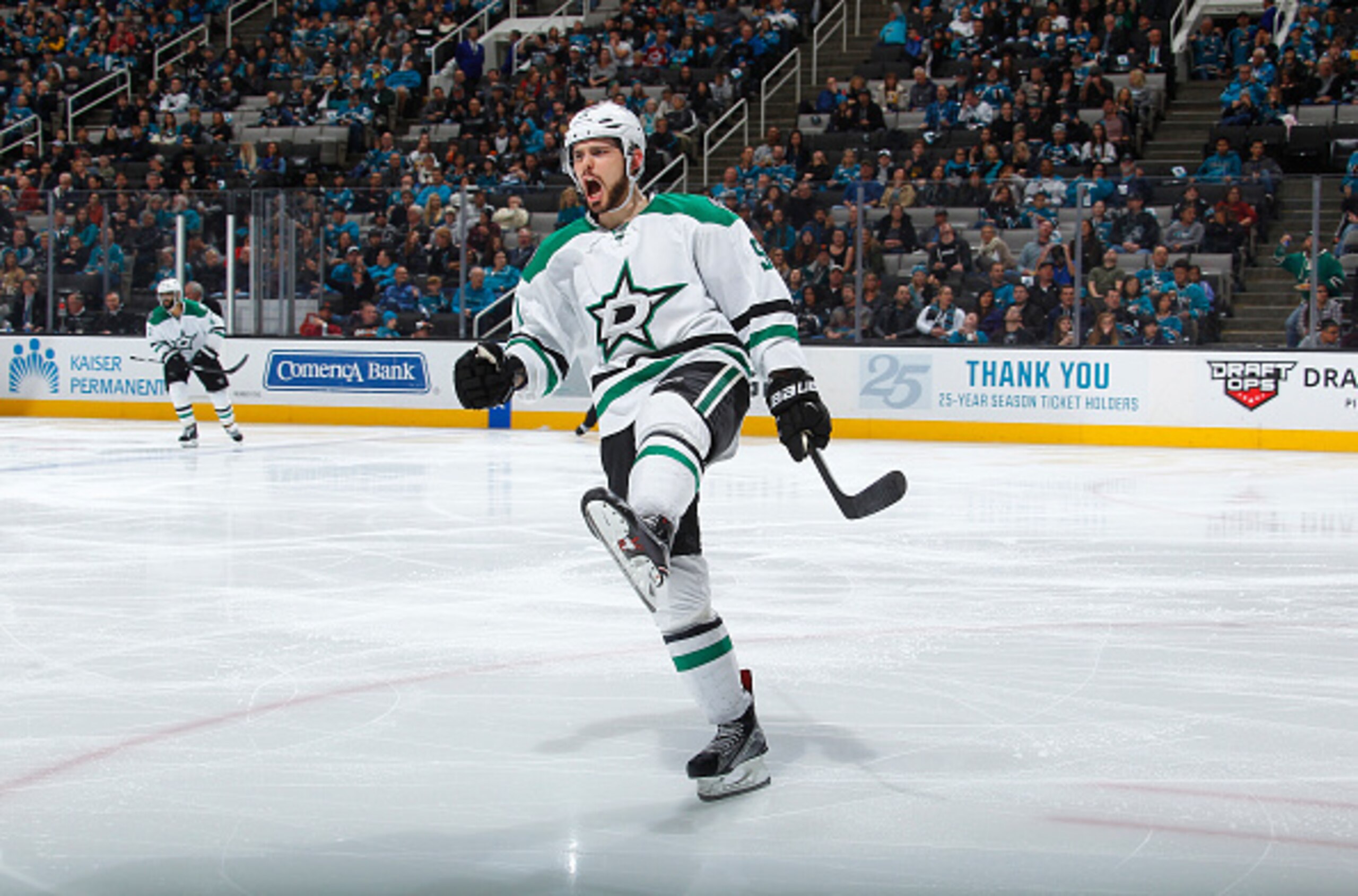
By the numbers: Tyler Seguin enters the all-star break in a bit of a funk. Entering the weekend, he had just three points in his previous 11 games, a far cry from the torrid pace he set before. He still deserves first-team honors, however, having lifted Dallas into the upper echelon of Western Conference teams. The break should do him some good.
Why he made it: Seguin was unstoppable for much of the true first half of the season, and he’s helped make the Stars into a real winning team. His talent is proven, and he should be fun to watch in a three-on-three format for 20 minutes.
First-Team Right Wing: Patrick Kane
9 of 12
By the numbers: Despite off-ice distractions, Patrick Kane has had his best season as a pro. He leads the NHL in scoring by a good amount and has helped Chicago regain top-dog status in the Western Conference entering the break. He has surpassed last year's point total, with 73 compared to 64.
Why he made it: Kane’s skill with the puck is on another plane from just about everyone else. His hands are fast, and he handles the puck like it is magnetized to the stick. He figures to win the scoring race by a wide margin. Beyond all that, his teams win.
First-Team Defense: Duncan Keith
10 of 12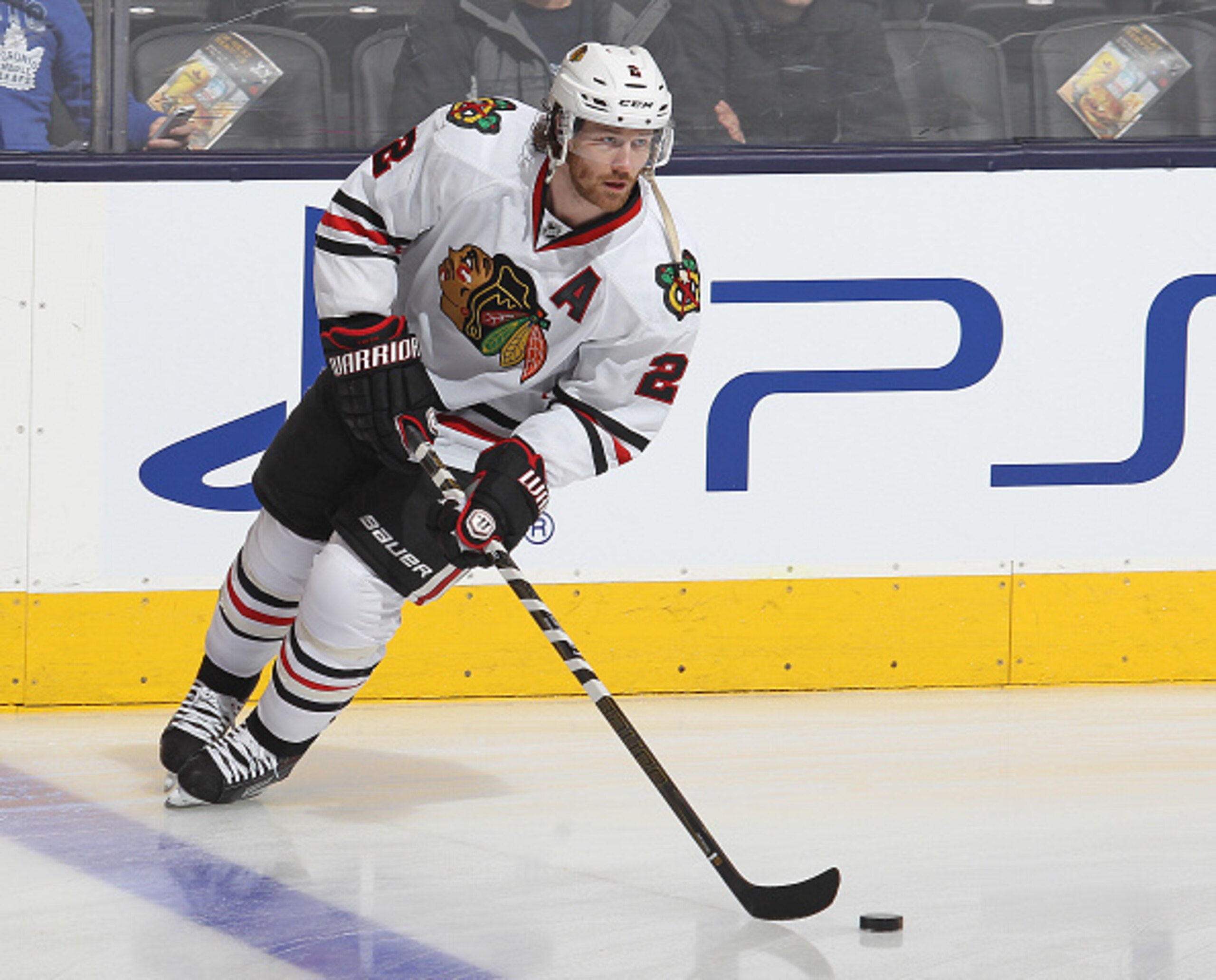
By the numbers: Somehow, Duncan Keith was not named to the actual All-Star Game, despite another superb year. An early-season injury cost him some in his stats, but he’s been every bit as good as the player who won the Conn Smythe Trophy last season. He is probably the most respected defenseman in the league among his peers.
Why he made it: Keith, as usual, is among the league leaders in average ice time per game, at 25:22. Coach Joel Quenneville has actually given him a bit more rest than usual, perhaps with the expectation that he’ll need to use him more in the playoffs. Keith has always been willing to play as long as it takes to win a game.
First-Team Defense: Erik Karlsson
11 of 12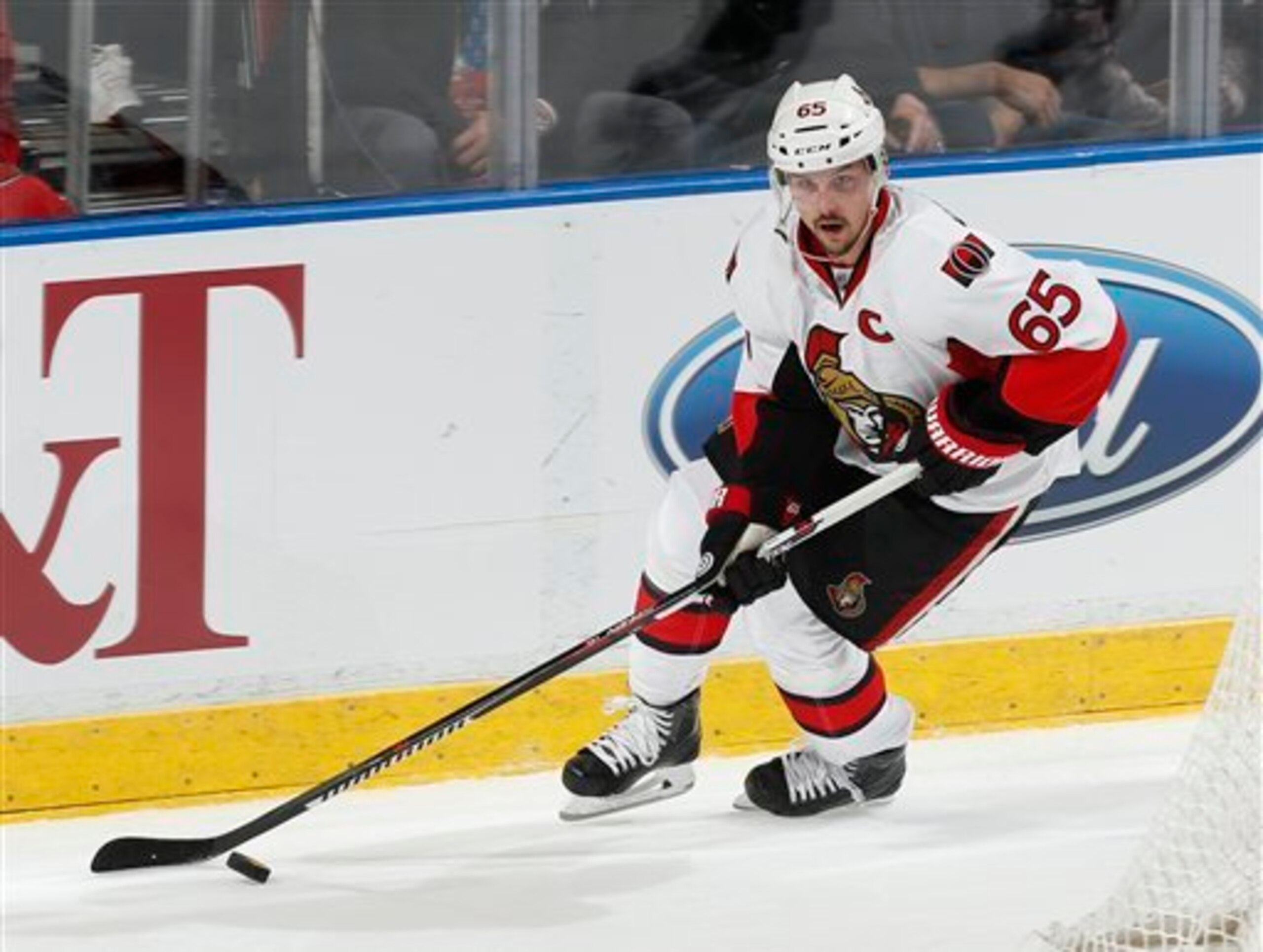
By the numbers: At 28:51 per game, Erik Karlsson leads all NHL players in ice time per game. His offensive skill is off the charts, and he leads all defensemen in scoring, with 52 points. He should be a treat to watch in a three-on-three format for 20 minutes. Don’t be surprised if he’s your MVP in Nashville.
Why he made it: Karlsson is just plain fun to watch. He isn’t the world’s greatest defensive player, but he more than makes up for it at the other end. He gets people out of their seats, which counts for a lot in this game.
First-Team Goalie: Braden Holtby
12 of 12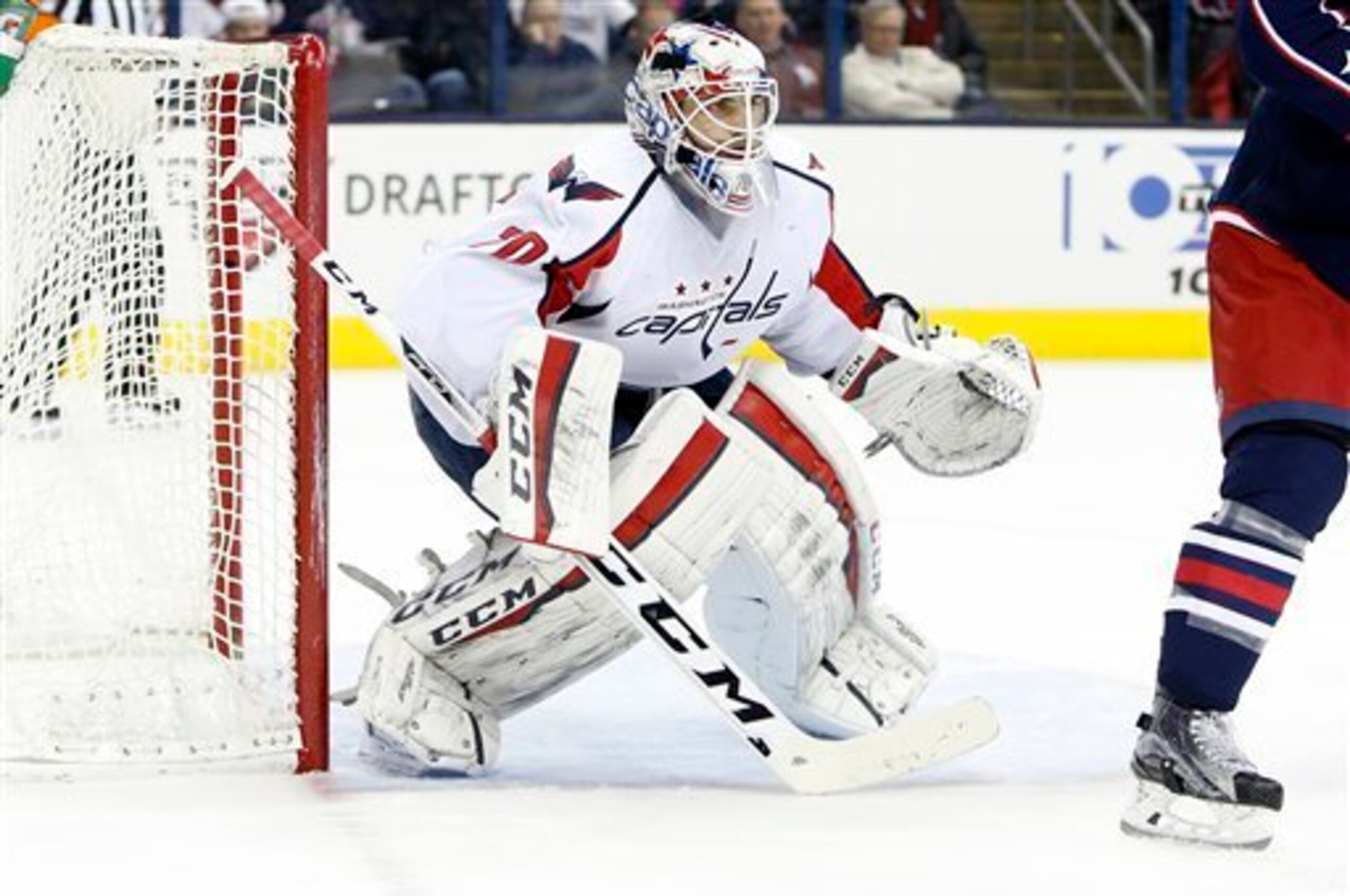
By the numbers: Braden Holtby took a 30-5-2 record into Wednesday’s game against Philadelphia, which is good enough for us to make him the top goalie regardless of what happened against the Flyers. Holtby has developed into a great player—the kind of goalie who figures to give his team lots of confidence for years to come.
Why he made it: Holtby is big (6’2”, 217 lbs) but is quick side-to-side. He has gotten better technically since Mitch Korn came over with Barry Trotz from Nashville, which is no surprise. Korn is probably the league’s pre-eminent goalie coach.
.jpg?w=2560 "NHL Trade Grades Connor Hellebuyck")

.jpg?w=2560 "Raiders Could Start Mendoza")

.jpg?w=2560 "Rodgers Iced Out on Plane 💎")
.jpg?w=2560 "Packers Safety Slams Refs 🤬")

.jpg?w=2560 "🚨 Week 8 AP Top 25 Poll")


