

How Many Goals Will Alex Ovechkin Score in His Legendary Career?
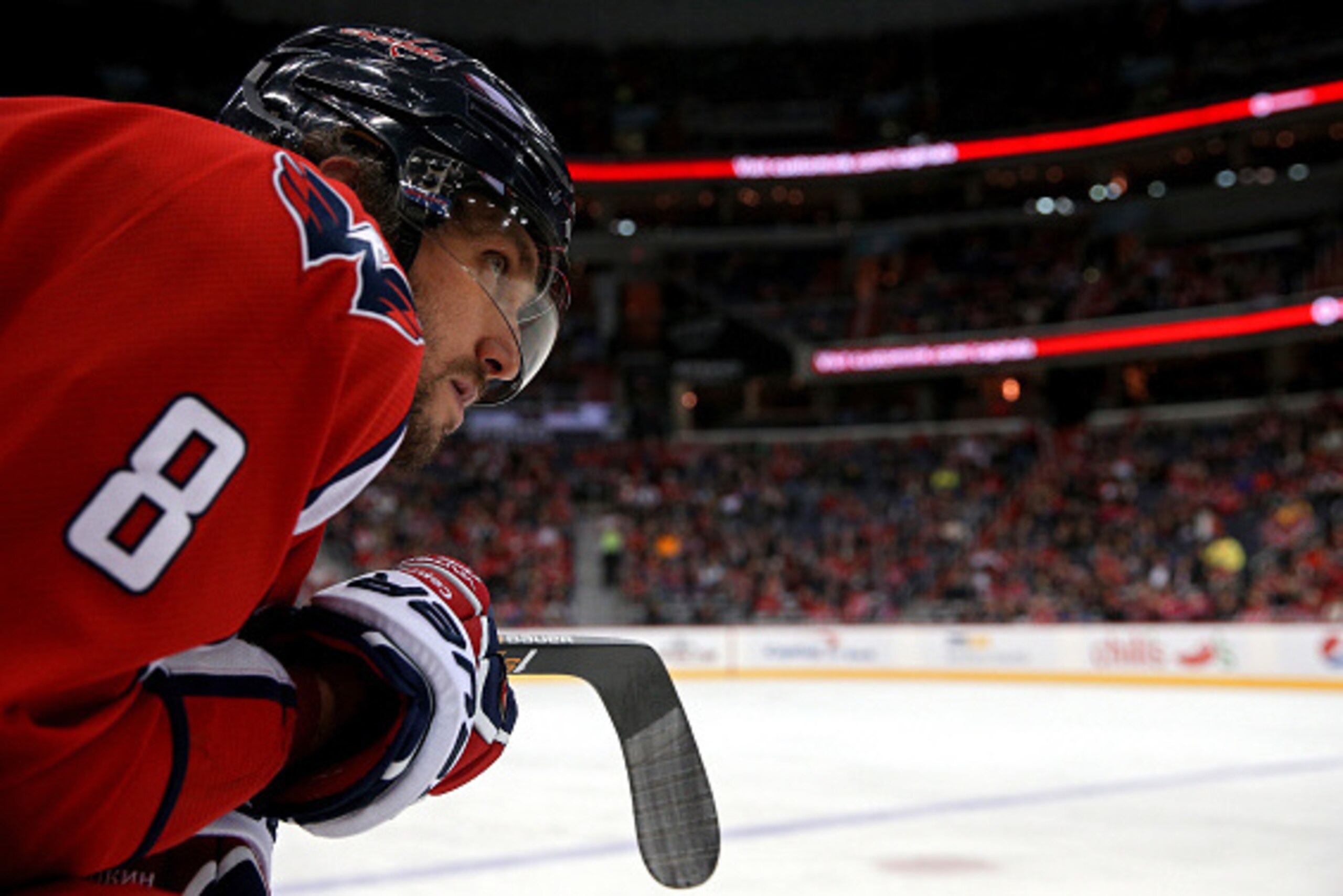
Washington Capitals captain Alex Ovechkin scored his 500th career NHL goal over the weekend, becoming the 43rd major league skater to reach that threshold.
It’s a more remarkable attainment than one would think from that description, because unlike 32 of his fellows, Ovechkin did not have the advantage of playing NHL hockey in the 1980s. He’s a goal scorer nearly without peers in the modern game, and he’s one of the best pure snipers of all time, if not the best.
At the age of 30, he’s also nowhere near the end, and he’s going to pass plenty of other names on the all-time scoring list before he’s done.
TOP NEWS
3-Way Trade Ideas for Hellebuyck 💡
Mark Scheifele Landing Spots 📍

Ovechkin's Greatest Moments 🎱
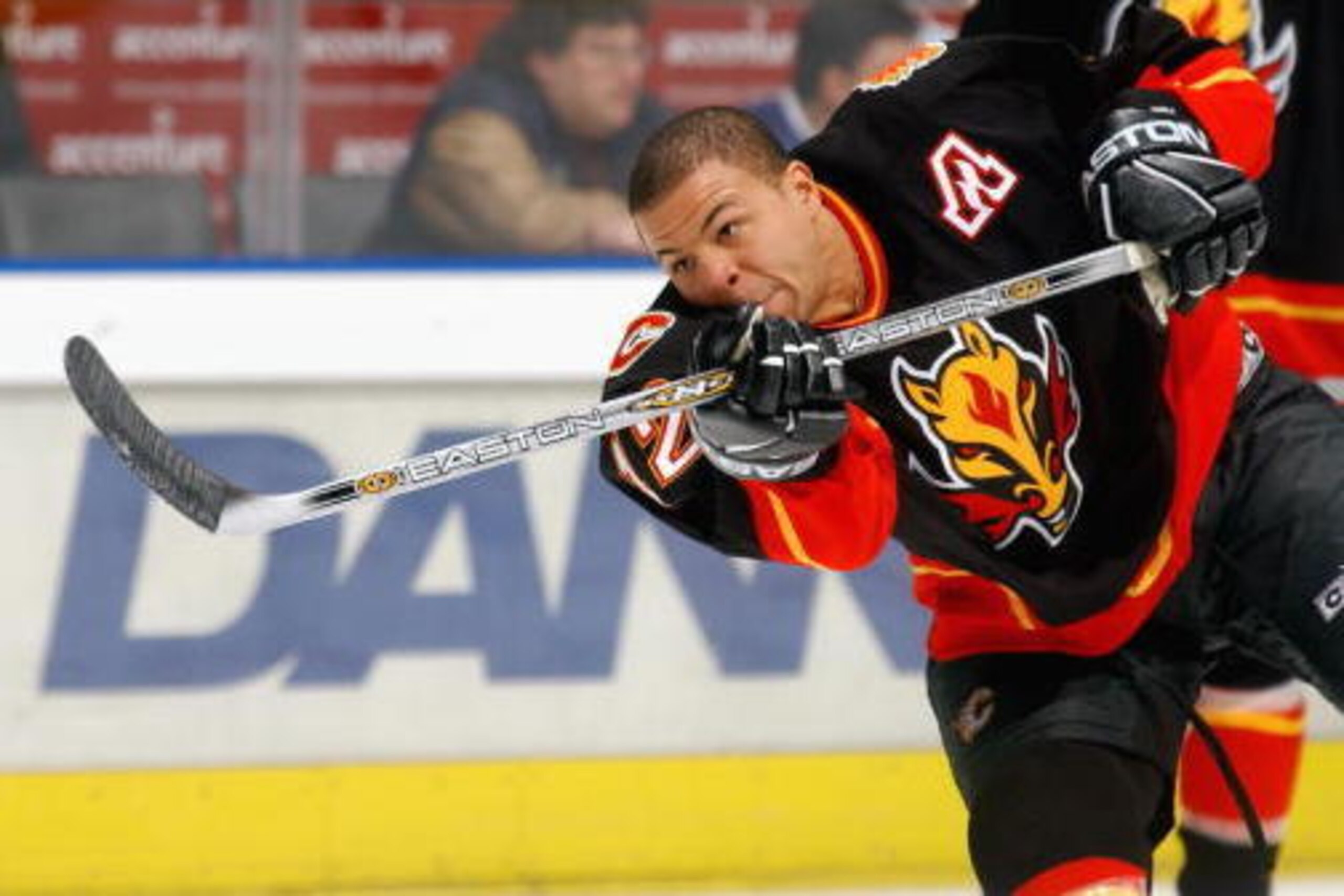
It’s remarkable how few of Ovechkin’s contemporaries can compare. His career started in 2005-06; the next newest NHLer on the 500-goal list is Jarome Iginla, who entered the league nearly a decade earlier.
Patrick Marleau and Marian Hossa are both closing in on the 500-goal mark, but both are of basically the same vintage as Iginla. For players who have played exclusively in the 2000s, only Ovechkin and the departed Ilya Kovalchuk can boast more than 400 goals.

Not only is there plenty of open road, but there’s also not a lot in the rearview mirror.
Kovalchuk is off in the KHL, and Steven Stamkos is more than 200 goals behind and has lost ground in each of the last four seasons. Stamkos will probably recover—it used to be fashionable to write Ovechkin off, back when he was only scoring 30-odd goals a year—but for the moment, Washington’s captain is by far the league’s most formidable goal scorer.
It’s difficult to predict how long Ovechkin will continue scoring at his current rate for a bunch of reasons. He’s an elite player; elite players tend to be capable of defying typical career arcs. Jaromir Jagr, the other active NHLer on the 500-plus goals list, makes this point nicely. Goal totals tend to decline at different rates than assist totals, as current Carolina Hurricanes stats guru Eric Tulsky noted back in his blogging days.
Then there’s Ovechkin’s odd career path, which featured two sub-40-goal seasons right when one would have expected him to be in his prime.
| 2008-09 | 23 | 79 | 56 | 36 | 19 |
| 2009-10 | 24 | 72 | 50 | 37 | 13 |
| 2010-11 | 25 | 79 | 32 | 25 | 7 |
| 2011-12 | 26 | 78 | 38 | 25 | 13 |
| 2012-13 | 27 | 48 | 32 | 16 | 16 |
| 2013-14 | 28 | 78 | 51 | 27 | 24 |
Looking at it in detail, it’s not hard to see what happened to Ovechkin’s scoring: The power play collapsed. When he scored 32 goals in 79 games in 2010-11, Ovechkin had 25 even-strength goals and seven power-play markers. When he scored 51 goals in 2013-14, he had 27 even-strength goals and 24 power-play markers.
A succession of coaches since have managed to avoid wasting Ovechkin’s considerable power-play talents, so he should be able to avoid the kind of premature collapse in his goal-scoring that he suffered through a half-decade ago.
It’s probably worth comparing Ovechkin to some of the better goal scorers in recent NHL history to see how their production moved with age. Let’s look at five-year increments, starting at age 25:
| Alex Ovechkin | 0.63 | 0.61 | --- | --- |
| Jarome Iginla | 0.38 | 0.52 | 0.42 | 0.35 |
| Jaromir Jagr | 0.52 | 0.56 | 0.43 | 0.30 |
| Teemu Selanne | 0.63 | 0.57 | 0.35 | 0.48 |
| Brendan Shanahan | 0.44 | 0.48 | 0.41 | 0.38 |
There’s a lot in here, and things like lockouts and rule changes make it difficult to judge fairly. What does seem abundantly clear is that the greats tend to stay great late in their careers. Iginla scored 29 goals last year and should top 20 this season at the age of 38. Jagr is scoring at a 30-goal pace at the age of 43. Selanne topped 30 goals at the age of 40. Shanahan managed 29 in just 67 games at age 38.
There’s no way to firmly forecast Ovechkin’s future scoring. We don’t know what will happen to his health, we don’t know how many games will be lost to the league squeezing the players for financial concessions and we can’t know how rule changes will impact league scoring rates.
What we can do is make some back-of-napkin estimates. The other greats on the chart above tended to lose about 20 percent of their per-game scoring in those five-year increments. If we combine that kind of decline with an estimate of Ovechkin’s likely games played, we can get a rough picture for where he might finish on the all-time scoring list.
If Ovechkin plays until age 40, which is not uncommon for a player of his caliber, he’ll have the opportunity to play some 840 more major league games, barring yet another lockout and/or serious injury. If we figure minor wear and tear costs him 10 games per year the rest of the way, we’re still looking at nearly 750 games left in his career.
If we further divvy those up equally between his age 31-35 and age 36-40 career segments, working in our expected 20 percent declines in total scoring, we can figure him for 320 more NHL goals, along with the 25 he’s on pace to score over the remainder of this season. Add those 345 projected NHL goals to the 501 Ovechkin already has, and we end up with a career total of 846.
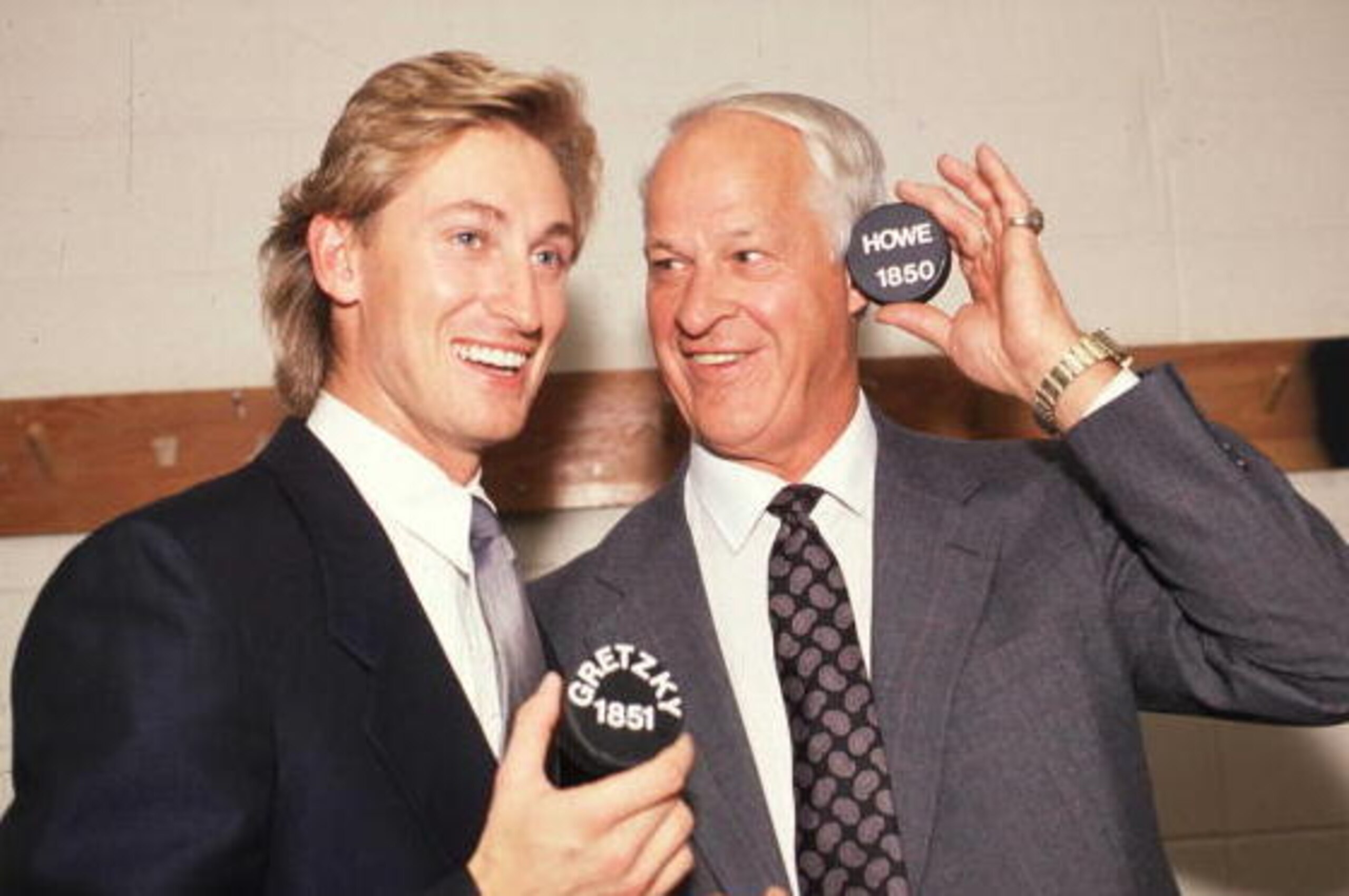
That would be good enough for second all time. Only Wayne Gretzky (894) and Gordie Howe (801) eclipsed 800 goals over their NHL careers; Ovechkin’s current pace is enough that he could well pass one or both before all is said and done.
No other active skater is close to that level. Jagr will doubtless pass Brett Hull for third all-time, as he’s just four goals back of Hull’s mark of 741, but he’s unlikely to play long enough to pass Howe.
Ovechkin’s place among the greats is already assured; the only question now is how high he can climb. With a little luck and good health, he could plausibly finish as high as first on the all-time list.
Statistics courtesy of hockey-reference.com.
Jonathan Willis covers the NHL for Bleacher Report. Follow him on Twitter for more of his work.


.jpg?w=2560 "Viral Rams Coach Vid 🖕")
.jpg?w=2560 "Injury-stricken Seahawks signing veteran RB")
.jpg?w=2560 "2 NFL Officials Suspended")


.jpg?w=2560 "Mahomes' Wife Trolls Kubiak 💀")

.jpg?w=2560 "Grading WWE Raw 🔠")