

The Biggest Takeaways from the 2016 World Junior Championships
The 2016 IIHF World Junior Championship is in the books, as the host team from Finland raised pulses throughout its compact nation of 5.5 million people with its thrilling 4-3 overtime win over Russia in the gold-medal game.
The U.S. team finished nicely as well, with an emphatic 8-3 win over Sweden to pick up the bronze.
World Juniors is always entertaining for its pedal-to-the-metal playing style and the opportunity it affords us to see the next generation of NHL prospects in action before most of them get a foothold in the big leagues.
Here are the biggest takeaways from this year's tournament.
Home Ice Is Nice
1 of 7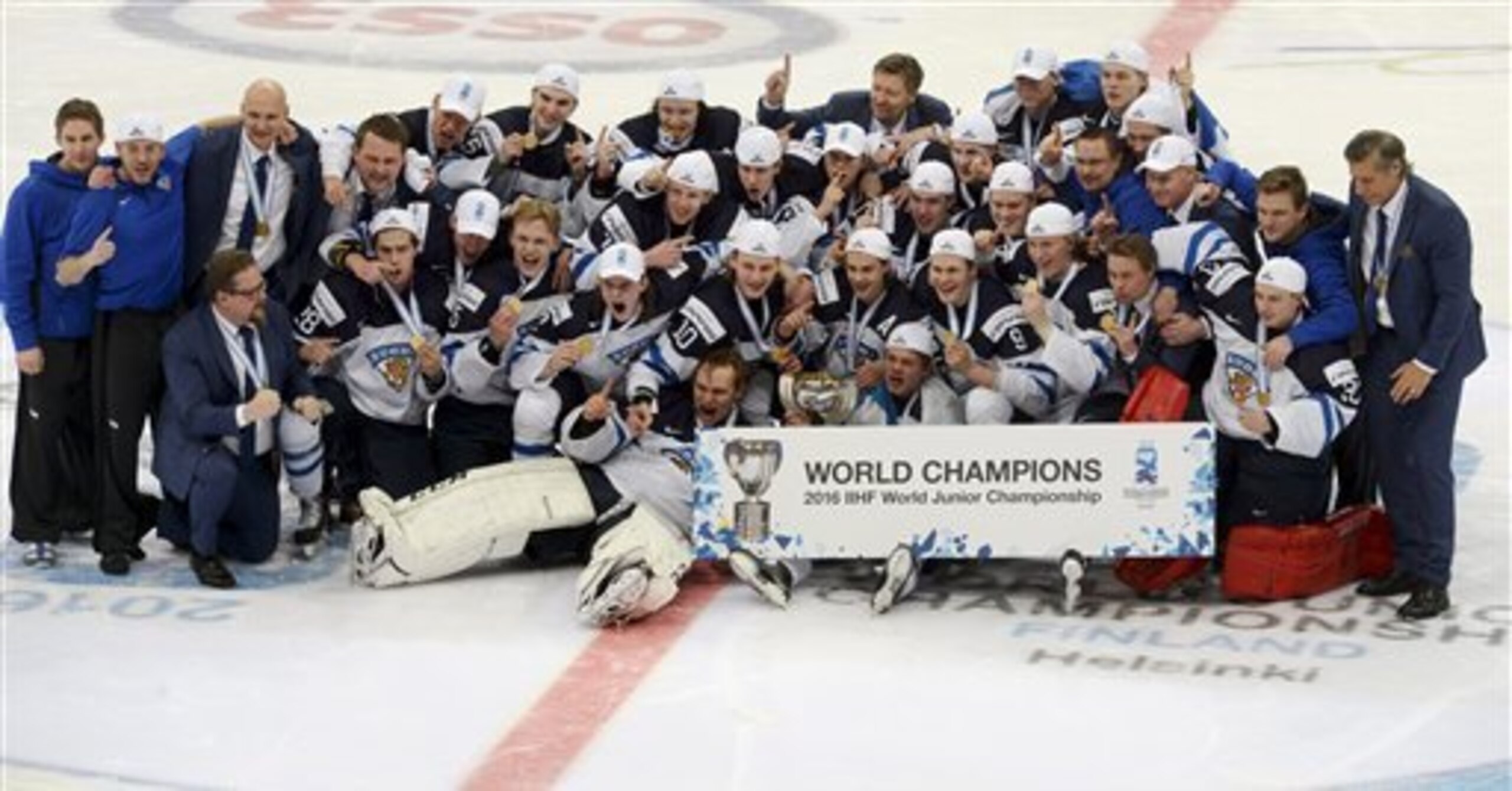
After Team Canada captured gold in its home country for the fifth time in World Junior history in 2015, Finland mirrored the achievement Tuesday in front of a frenzied partisan crowd at Helsinki's Hartwall Arena.
Finland also won gold at home in 1998. The only other nation to have accomplished the feat is the then-Soviet Union, which won the 1983 tournament in Leningrad.
Luminaries on hand to witness the win included Finnish president Sauli Niinisto and national hockey legends Teemu Selanne and Saku Koivu.
The gold medal is the second for Finland in the past three years. The Finns also captured the 2014 World Junior Championship in Malmo, Sweden, on the strength of a 15-point performance from Teuvo Teravainen, now of the Chicago Blackhawks, and standout goaltending from Nashville Predators prospect Juuse Saros.
Better the Devil You Know...
2 of 7
Coach Ron Wilson of the United States did his best to keep things interesting throughout the tournament by providing a number of memorable sound bites.
Given the outcome for his team, he'll probably be haunted by the memory of telling Mark Masters of TSN before the semifinal against Russia that he didn't know any Russian players, via Pete Blackburn on Twitter.
Wilson's response when Masters wondered if the coach planned to do some research before the game? "No, I’m not. We play with our team. That’s what I’m going to trust."
As you know, the U.S. lost that game 2-1. Yegor Korshkov—who is hardly obscure since he finished the tournament tied for the Russian scoring lead—led the way with a goal and an assist.
The Big Ice Makes a Big Difference
3 of 7
The World Junior Championship is an important showcase for all the participating countries, but it's a gold mine in Canada, where television ratings explode and arenas regularly sell out when the Canadians play host.
As a result, the tournament schedule favors host cities in North America—especially Canada. That means NHL-sized ice surfaces, which seem to have helped the Canadians earn good results in recent years.
It hasn't always been this way. Team Canada's five-year gold-medal winning streak from 2005 to 2009 included wins in Sweden and the Czech Republic, as well as two in Canada and one in the U.S.
Since then, the Canadians settled for silver in Regina in 2010 and in Buffalo in 2011 and then bronze in Calgary in 2012 before returning to gold status in Toronto in 2015. After being knocked out of the quarterfinals by Finland this year, Canada has now failed to bring home a medal of any colour from the three most recent European-based tournaments.
The contrast is not as dramatic for Team USA, which includes more NCAA players who are familiar with bigger ice surfaces in their regular league play. Two of the three U.S. gold medals in this tournament to date were earned in Europe—in Finland in 2004 and in Ufa, Russia, in 2013, with the third coming in Canada in 2010.
This year's bronze is another indication that the Americans are able to adapt more successfully to the big ice than their neighbors to the north.
Auston Matthews Is Worthy of His Hype
4 of 7
He didn't bring home a gold medal or lead the scoring race, but Auston Matthews of Team USA was named to the World Junior All-Star team by the media covering the tournament, per Risto Pakarinen of IIHF.com. After his strong performance, Matthews will almost certainly maintain his position at the top of the rankings heading into the NHL draft in June.
Matthews finished the tournament tied for the tournament's goal-scoring lead with seven goals and tied his linemate Matthew Tkachuk, who is also draft-eligible, for fourth place overall with 11 points. Russia's defensive ability to shut down the Matthews line was the key reason for its medal-round win—the third straight for Russia over the Americans at World Juniors.
For many players, the tournament is a chance to show their best stuff in an effort to improve their draft stock. Matthews simply needed to prove that he is everything he's been said to be.
The draft lottery pingpong balls will decide his NHL fate when they're released in April.
Expect Great Things from Alex Nedeljkovic
5 of 7
Alex Nedeljkovic shone in net for the U.S. throughout the tournament, finishing second overall behind Linus Soderstrom of Sweden with a 1.66 goals-against average and .943 save percentage after giving up nine goals in six appearances.
According to Mike G. Morreale of NHL.com, Nedeljkovic's numbers are just a hair below the best World Junior goaltending performances in U.S. history, by Al Montoya in 2004 (1.33, .944) and John Gibson in 2013 (1.36, .955).
A second-round pick of the Carolina Hurricanes in 2014, Nedeljkovic will now return to the Niagara IceDogs of the OHL. He's 2-1 during his short stretch with Niagara since being acquired in a trade with the Flint Firebirds in early December, with a .946 save percentage and 1.67 goals-against average.
Finnish-Born Players Will Make a Splash in the 2016 Draft
6 of 7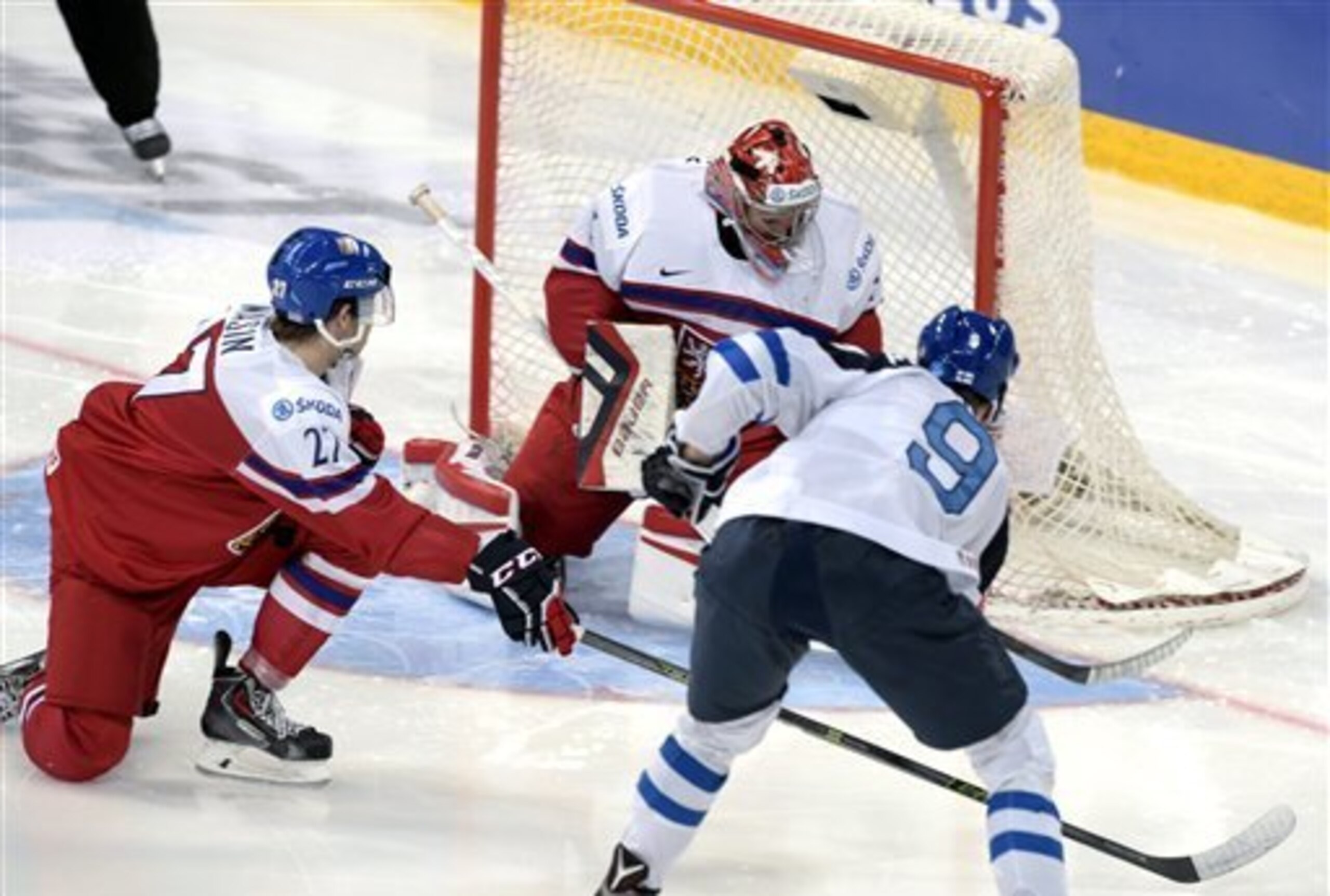
Traditionally, the World Junior tournament has been a showcase for 19-year-old players who have already been drafted.
With more and more 18- and 19-year-olds now earning NHL jobs at young ages, more roster spots are opening up on World Junior teams for talented younger players. This year, a handful of them took full advantage of the bright spotlight and high level of competition.
Auston Matthews was the best-known draft-eligible player coming into the tournament, but by the time the Finnish anthem played at Hartwall Arena after the gold-medal game Tuesday, the hockey world was buzzing about Finland's dynamic top line of Jesse Puljujarvi, Sebastian Aho and Patrik Laine.
The trio led the tournament in scoring, while Puljujarvi and Laine were both named to the All-Star team—and they're both just 17. Puljujarvi was also named best forward and tournament MVP—an impressive collection of accolades for a player who won't be 18 until May 7.
Puljujarvi and Laine both already boast NHL frames. ISS Hockey listed the 6'3" Puljujarvi fourth in its December draft rankings, while 6'4" Laine was ninth. Aho is the old man of the group. He turns 19 in July and was drafted 35th overall by Carolina in 2015.
Expect to hear plenty more about Puljujarvi and Laine in the months leading up to the draft in June. In addition, keep an ear out for 17-year-old Finnish defenseman Olli Juolevi, who was also named to the tournament All-Star team. It could be a huge year for Finland at the draft in Buffalo in June.
Nothing Is Certain Until the Final Buzzer
7 of 7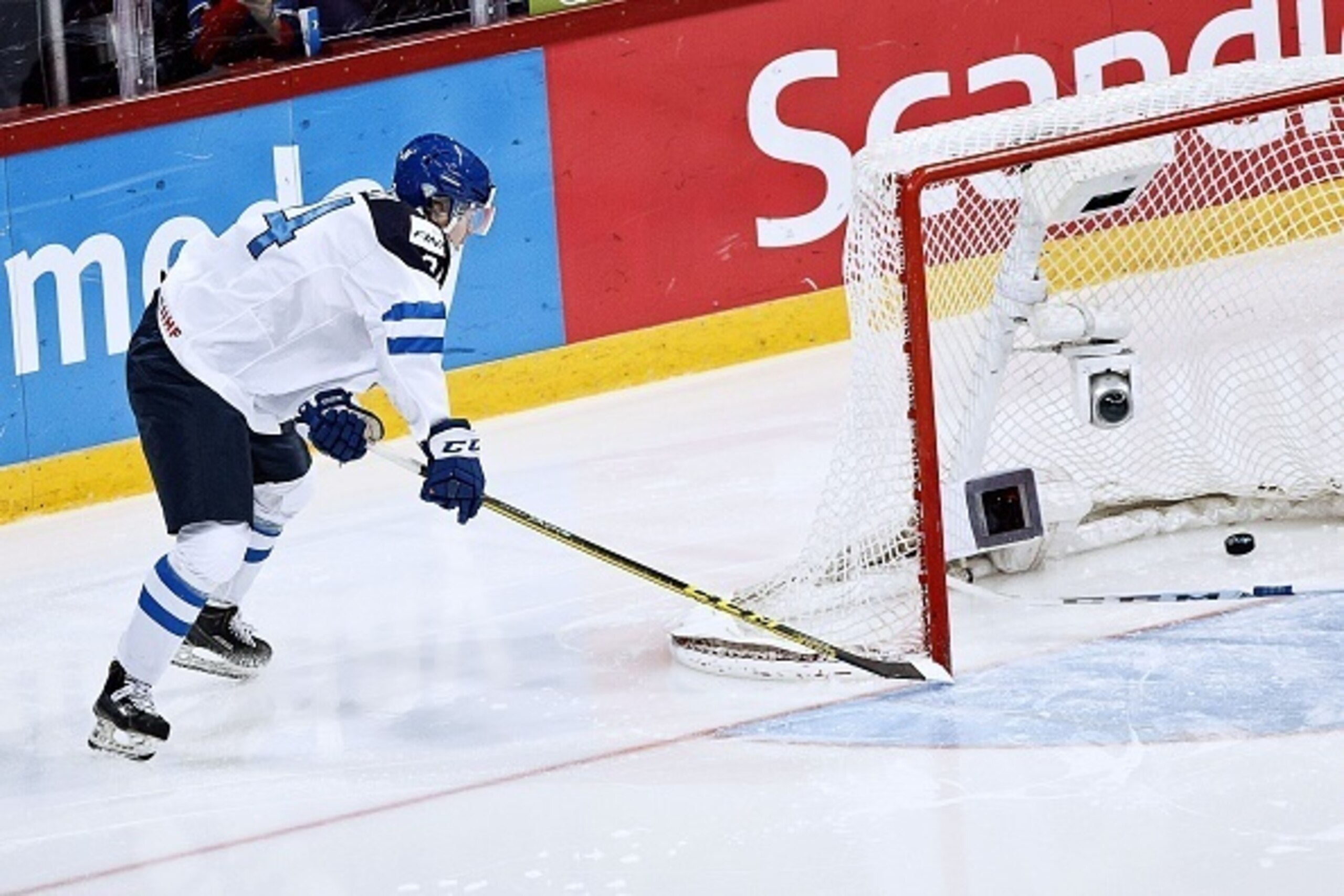
One reason why World Junior play is so exciting is because the under-20 players have not yet had all their impulsive tendencies coached out of their games.
Emotions run high. Mistakes happen. Players take chances. That rich broth can lead to plenty of games with unpredictable endings that come right down to the wire.
Tuesday's gold-medal game was a perfect example. In the NHL, it's not often that we see a team surrender a two-goal lead in the third period, but that was just the beginning of the drama between Finland and Russia.
After the Finns came from behind to tie the game, Hartwell Arena exploded when Mikko Rantanen put the home team up 3-2 with 2:09 remaining. A late push with an empty net earned the Russians the equalizer with just six seconds left in the third, setting the stage for Toronto Maple Leafs' prospect Kasperi Kapanen's daring wraparound game-winner just 1:33 into overtime.
What a roller coaster!
Finland's 6-5 quarterfinal win over Canada three days earlier was equally dramatic. In that game, the Finns also spotted their opponent a 2-0 lead before coming back to tie. Then the teams seesawed back and forth until Patrik Laine scored the game-winner to advance the Finnish team with a comfortable 5:50 left in the third.
Add in two semifinal games that were both decided by one goal, and the suspense ran high throughout the medal round in Helsinki.
.jpg?w=2560 "NHL Trade Grades Connor Hellebuyck")

.jpg?w=2560 "Raiders Could Start Mendoza")


.jpg?w=2560 "Rodgers Iced Out on Plane 💎")

.jpg?w=2560 "🚨 Week 8 AP Top 25 Poll")
.jpg?w=2560 "Fantasy Waiver Wire Stars 🤩")
.jpg?w=2560 "Packers Safety Slams Refs 🤬")
