

Potential Trade Packages for NHL Teams in the Running to Land Travis Hamonic
On Wednesday, Sportsnet’s Elliotte Friedman broke the news that star defenceman Travis Hamonic was looking for a trade away from the New York Islanders. Hamonic, a 6’2”, 205-pound right-shooting rearguard, is in the prime of his career at the age of 25 and currently leads the Isles in ice time.
The report was quickly confirmed by TSN’s Darren Dreger, who added some important context:
TOP NEWS
3-Way Trade Ideas for Hellebuyck 💡
Mark Scheifele Landing Spots 📍

Ovechkin's Greatest Moments 🎱
It’s likely that each of the four teams named in Dreger’s report would have interest in landing Hamonic, who is on a contract that runs until 2019-20 and has a team-friendly $3.86 million cap hit. The problem is what the Islanders want in return, which was explained by an unnamed league executive quoted in Friedman’s piece.
“The problem with them trading Travis Hamonic,” said the executive, “is they want…Travis Hamonic.”
Friedman elaborated that the Islanders are “not interested in a picks or prospects type of return.”
It’s also worth noting that the Islanders’ forward depth chart is already pretty impressive; it was good enough that the team felt comfortable dispatching Ryan Strome (50 points last season, five points in 12 games this year) to the AHL when he hit a slight rough patch. Given that, it makes sense that the team would be looking for a defenceman—and preferably a right-shot rearguard—to fill the hole that would be created by Hamonic’s departure.
If the return requires a quality right-shooting defenceman, who could the teams named by Dreger offer in exchange?

Winnipeg Jets: Tyler Myers
Like Hamonic, Myers is a big (6’8”, 229 pounds) right-shooting defenceman in the prime of his career and is signed long term. He had a very strong debut for the Jets after coming over in trade from Buffalo last season but has cooled down considerably this year.
The upside for Winnipeg is that Hamonic is likely the better player. The downside is that while Myers has a higher cap hit than Hamonic, his deal was front-loaded so that he’s actually paid significantly less in real dollars. The Jets have been a budget team since returning to the NHL, so that’s a significant factor. Beyond that, Myers is a relatively new addition himself, and Winnipeg might view his current slump as temporary.
One important note here is that the Jets are in good shape on the right side. In addition to Myers, they have veteran Dustin Byfuglien (though he’s a pending free agent) and star youngster Jacob Trouba. If they don’t see a big talent gap between Myers and Hamonic, they have little incentive to pull the trigger.
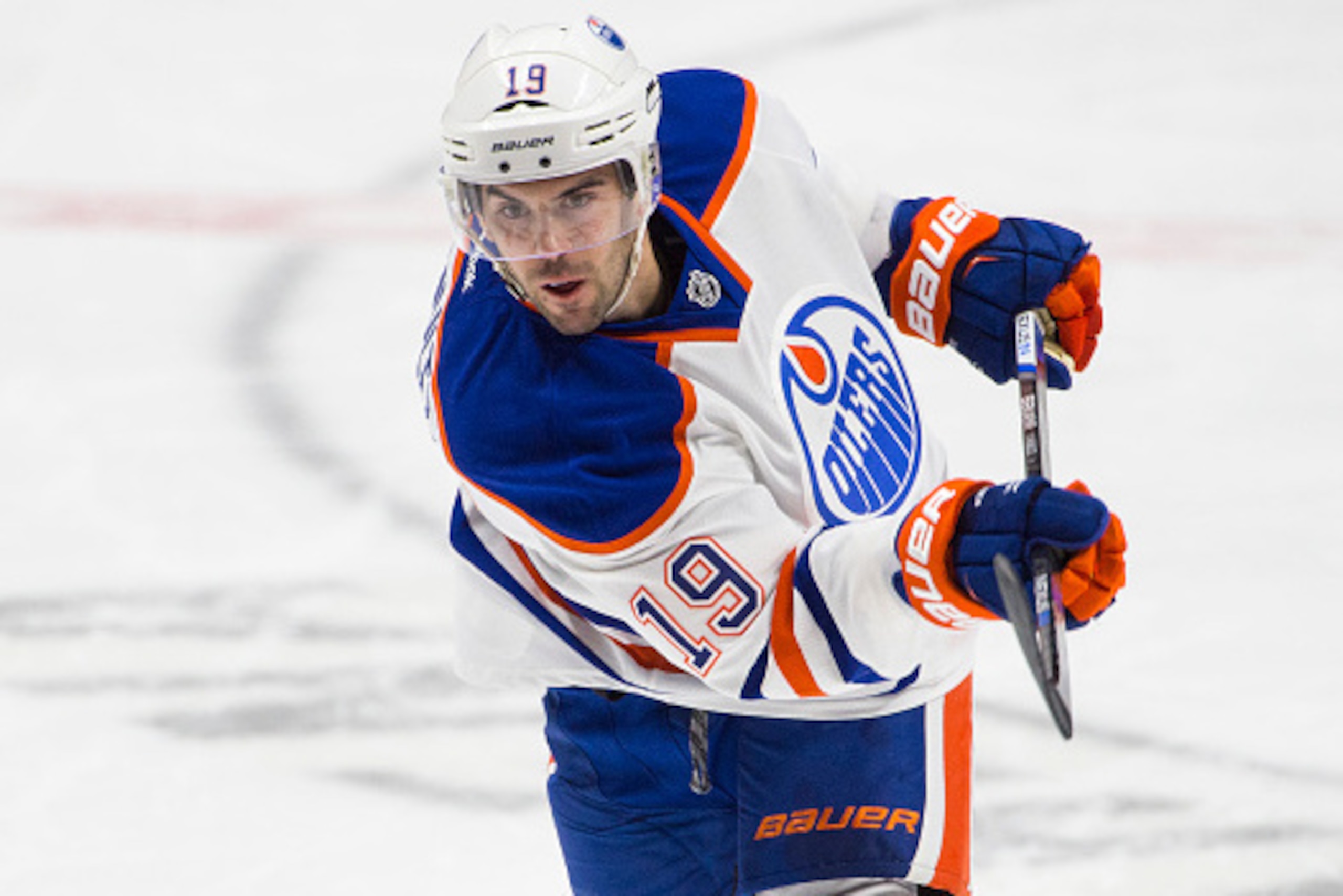
Edmonton Oilers: Justin Schultz
The Oilers have a desperate need for a top-quality right-shooting defenceman because they don’t have one. If the Isles were looking for help up front, Edmonton could certainly oblige them, and if they were interested in taking back a left-shooting rearguard, the Oilers would have a few options.
On the right side, though, it comes down to Schultz or Mark Fayne. Schultz is a better fit age-wise and may have more upside, and Edmonton could certainly offer picks or prospects as sweeteners in a deal, but there’s no one-for-one trade that would make any sense for New York. No club on this list has a greater need for a player like Hamonic if the Isles move on their reported asking price.
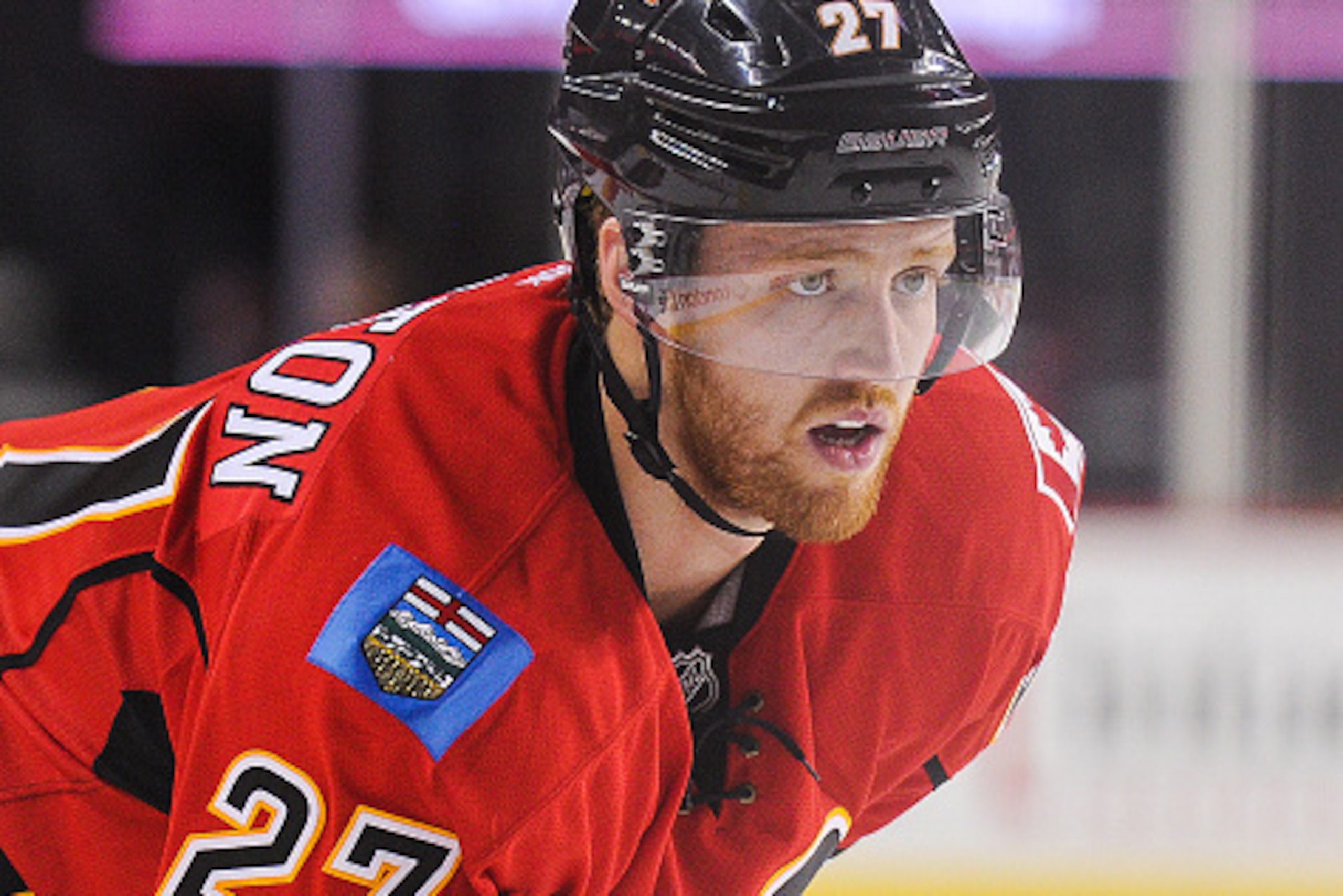
Calgary Flames: Dougie Hamilton
Another big, young, right-shooting defenceman, Hamilton came to Calgary from Boston in the offseason. He’s struggled since, and so it’s at least hypothetically possible that the Flames might consider a do-over.
However, of the teams on Hamonic’s reported list, Calgary actually makes the least sense. There’s a decent argument that Hamilton is a superior player in the here and now and also boasts greater upside. The Flames also have T.J. Brodie on the right side, whom they almost certainly won’t be trading. If general manager Brad Treliving feels that Hamilton’s slow start is a temporary setback, then Calgary has no incentive to make a deal.

Vancouver Canucks: Chris Tanev
Like Myers and Hamilton, Tanev is a young, right-shooting rearguard. He lacks both the size and physical dimension that Hamonic adds, but he’s a very good puck-possession player. He’s also on a reasonable long-term contract.
Tanev might hit the sweet spot for a trade. He’s good enough and young enough that the Islanders would need to seriously consider a deal centered on him. The question is whether the Canucks see Hamonic as an upgrade; he certainly brings more of a physical dimension to the game, but Tanev has emerged as a key figure in his own right on Vancouver’s blue line.
Vancouver falls somewhere between Edmonton (desperate) and Calgary/Winnipeg (no real need) in terms of need for a defenceman like Hamonic. His age makes him a good long-term fit for Vancouver, and the Canucks have a need on the right side; Tanev is the only significant right-shooting defenceman currently on the roster.
But just because this has become public doesn’t mean we should expect a speedy resolution. As Newsday’s Arthur Staple pointed out in his confirmation of the story, Hamonic has been looking for a trade for some time now:
It’s going to be hard for the Islanders to convince a team to part with another defenceman as good or almost as good as Hamonic. It’s also going to be hard for a rival team to convince New York to blow a hole in its defence corps by taking back a significantly lesser player or someone who plays a different position.
Perhaps the increased pressure of Hamonic’s trade request becoming public shifts the dynamic, but if New York general manager Garth Snow is willing to ignore that pressure until he gets the kind of deal he wants, it may take a while for this one to be resolved.
Statistics courtesy of NHL.com. Salary-cap information courtesy of NHLNumbers.com.
Jonathan Willis covers the NHL for Bleacher Report. Follow him on Twitter for more of his work.


.jpg?w=2560 "Grading WWE Raw 🔠")
.jpg?w=2560 "Viral Rams Coach Vid 🖕")
.jpg?w=2560 "Bijan's INSANE 1st Half 🤩")
.jpg?w=2560 "Injury-stricken Seahawks signing veteran RB")

.jpg?w=2560 "2 NFL Officials Suspended")

