
Why Your Favorite Team Won't Win the 2016 Stanley Cup
Only one group of players gets to hoist the Stanley Cup over their heads at the end of the NHL season, so chances are it won't be your team.
We take a look at why it won't happen for each of them, whether it's a lack of scoring power, a porous defense, an inexperienced roster, goaltending trouble, special teams woes or a something distracting them from their ultimate goal.
We've pored over the early results and statistics and examined the history books. Some of these are clearly much easier than others.
The only thing we can say for certain is at least one of these slides will be proved wrong.
Click ahead to see what your team's fatal flaw may be and let the debate begin in the comments section.
Anaheim Ducks
1 of 30
The flaw: A lack of chemistry.
What it means: The Anaheim Ducks made some seemingly minor roster moves in the offseason but can't seem to get it together as a group this season as a result. They're shockingly the lowest-scoring team in the entire league so far after parting ways with Matt Beleskey and Kyle Palmieri. They're scoring more than a goal per game less than a year ago despite the presence of superstars Ryan Getzlaf and Corey Perry.
They've played strong defense and received solid goaltending to stay in the playoff hunt, but they won't win the Cup without finding the right mix up front and improving that offensive support.
Arizona Coyotes
2 of 30
The flaw: The thin blue line
What it means: The Arizona Coyotes defense is atrocious, and the goaltending is suspect. Mike Smith is struggling while being shelled with the seventh-most shots against per game on average. The Coyotes have been surviving thanks to a surprising offensive surge that has them in a playoff spot for now. Oliver Ekman-Larsson is an elite defenseman but the drop-off is steep from there.
Boston Bruins
3 of 30
The flaw: The penalty kill
What it means: The Boston Bruins are dead last in the NHL in killing penalties, performing at a pitiful 70.4 percent success rate. It's severely affecting their ability to stay ahead in the goal-differential department. Thanks to David Krejci's amazing start, they are scoring 3.36 goals per game. But when his numbers dip, the flaw could become fatal to their playoff hopes.

Buffalo Sabres
4 of 30
The flaw: Unproven goaltending
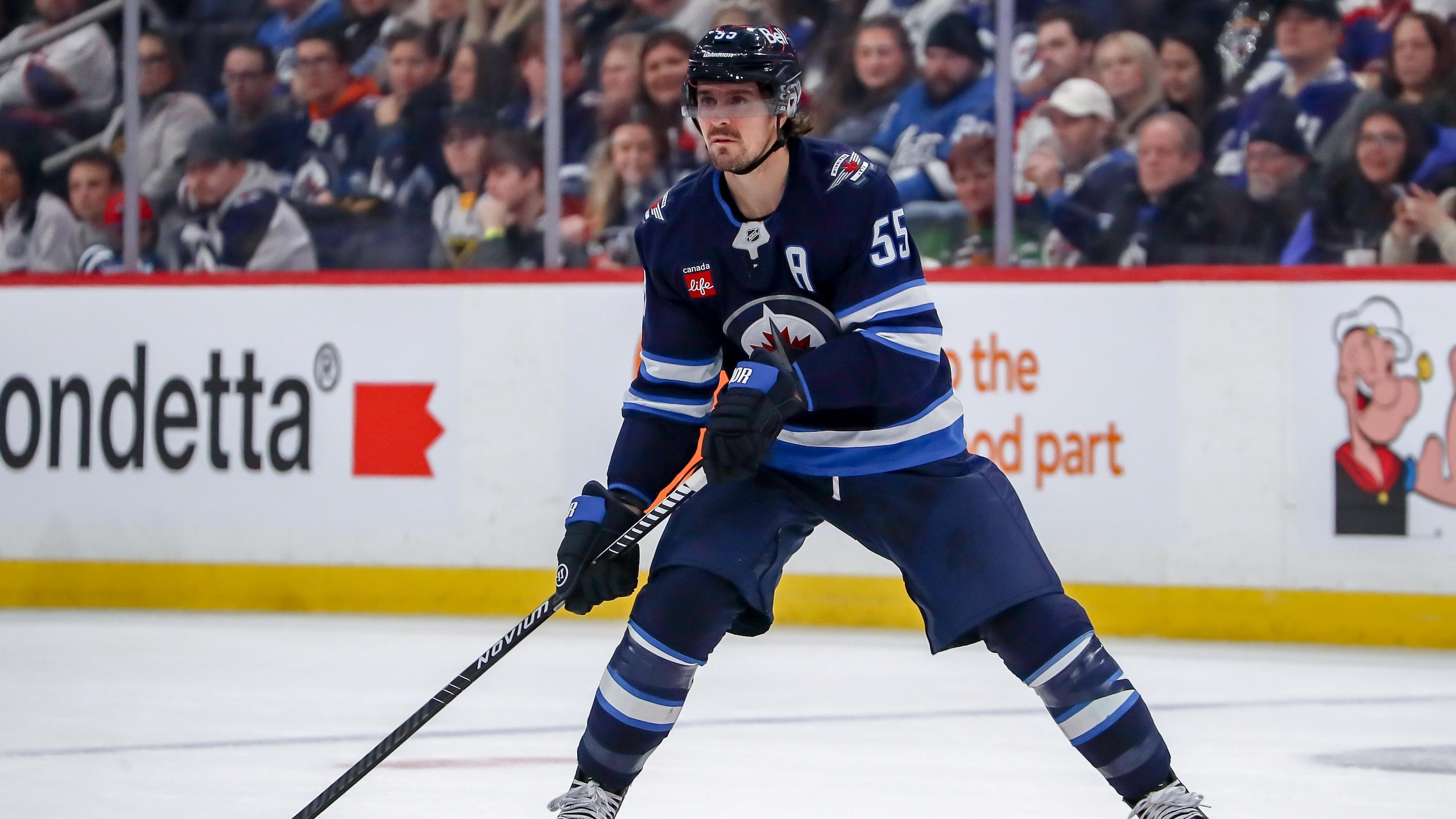
What it means: The rebuilding Buffalo Sabres have done a nice job of assembling an improved cast and a mix of young veterans to help direct some young stars in waiting. But things have been interesting between the pipes. They parted with a first-round pick to grab Robin Lehner as their starter, but he lasted less than half a game before getting injured. Fill-ins Chad Johnson and Linus Ullmark have done admirably, but not one of the three has the talent needed to help an inexperienced team win a Cup.
Calgary Flames
5 of 30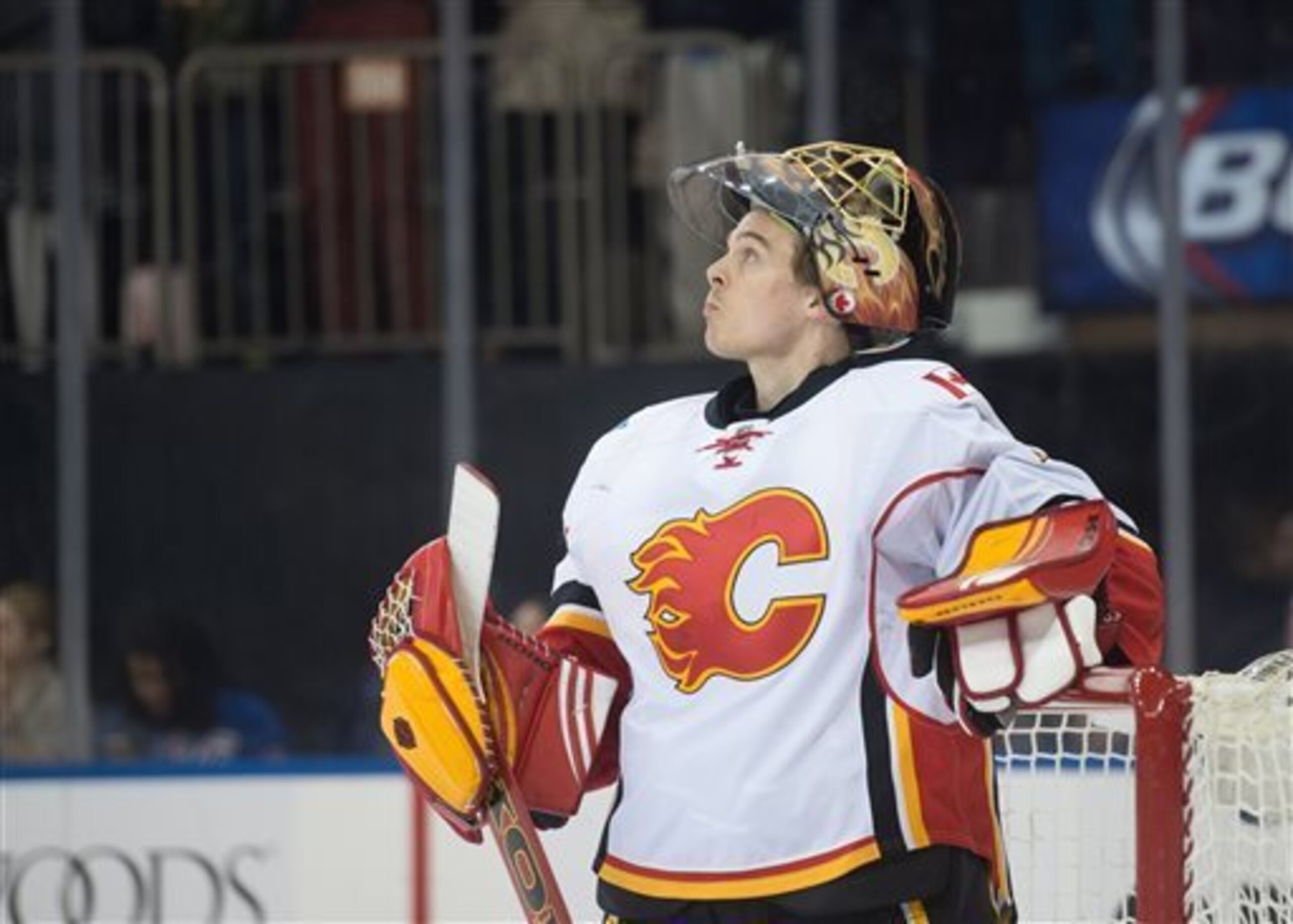
The flaw: Terrible goaltending
What it means: Last season, despite terrible possession numbers, the Calgary Flames managed to not only get into the playoffs but actually won a round. They did so because of strong goaltending. This year, the goaltending has gone south. Not one of the three goalies on the roster has a save percentage over .900. Their possession numbers have improved significantly, but the netminders have let them down completely.
Carolina Hurricanes
6 of 30
The flaw: A lack of offensive talent.
What it means: When Kris Versteeg is your leading scorer, you know you're not going to be winning a championship. Versteeg was an important player in a secondary role in Chicago but is pacing the Carolina Hurricanes with 10 points in 15 games. He's the only person in double digits, and only five Hurricanes have at least five points on the year. They're averaging two goals per game—the third-worst total in the NHL.
Chicago Blackhawks
7 of 30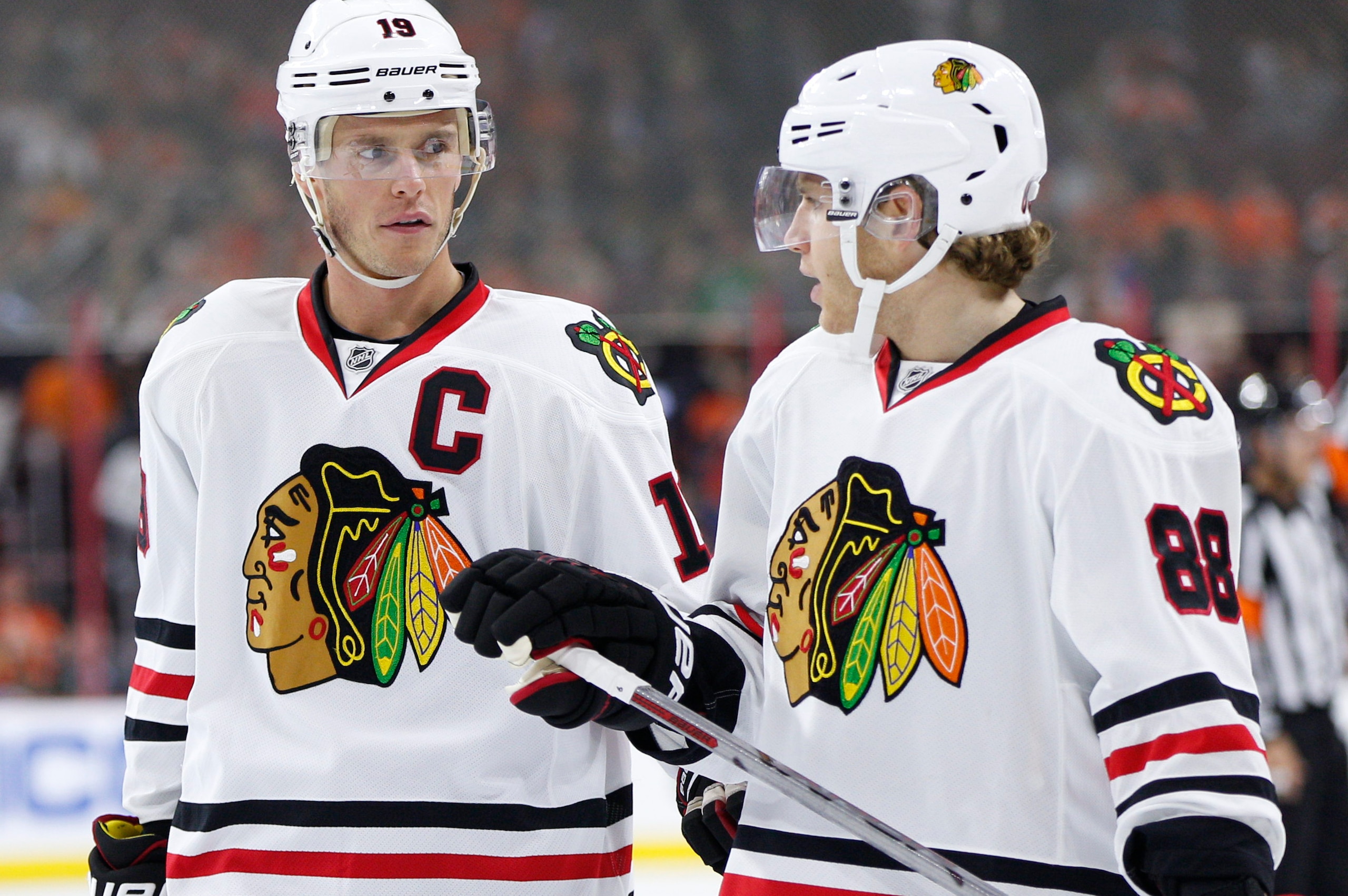
The flaw: Inexperienced additions.
What it means: Although the core remains with the likes of Jonathan Toews, Patrick Kane and Duncan Keith, the Chicago Blackhawks had to give up some key pieces of the past championships, including Brandon Saad, Patrick Sharp, Johnny Oduya and Kris Versteeg from last spring's title.
The team has looked a little hungover from the tremendous amount of hockey played, and the young players have done well up front but have big shoes to fill as secondary support over the long haul—and things get much tougher in the playoffs. Besides, they only win every second season.
Colorado Avalanche
8 of 30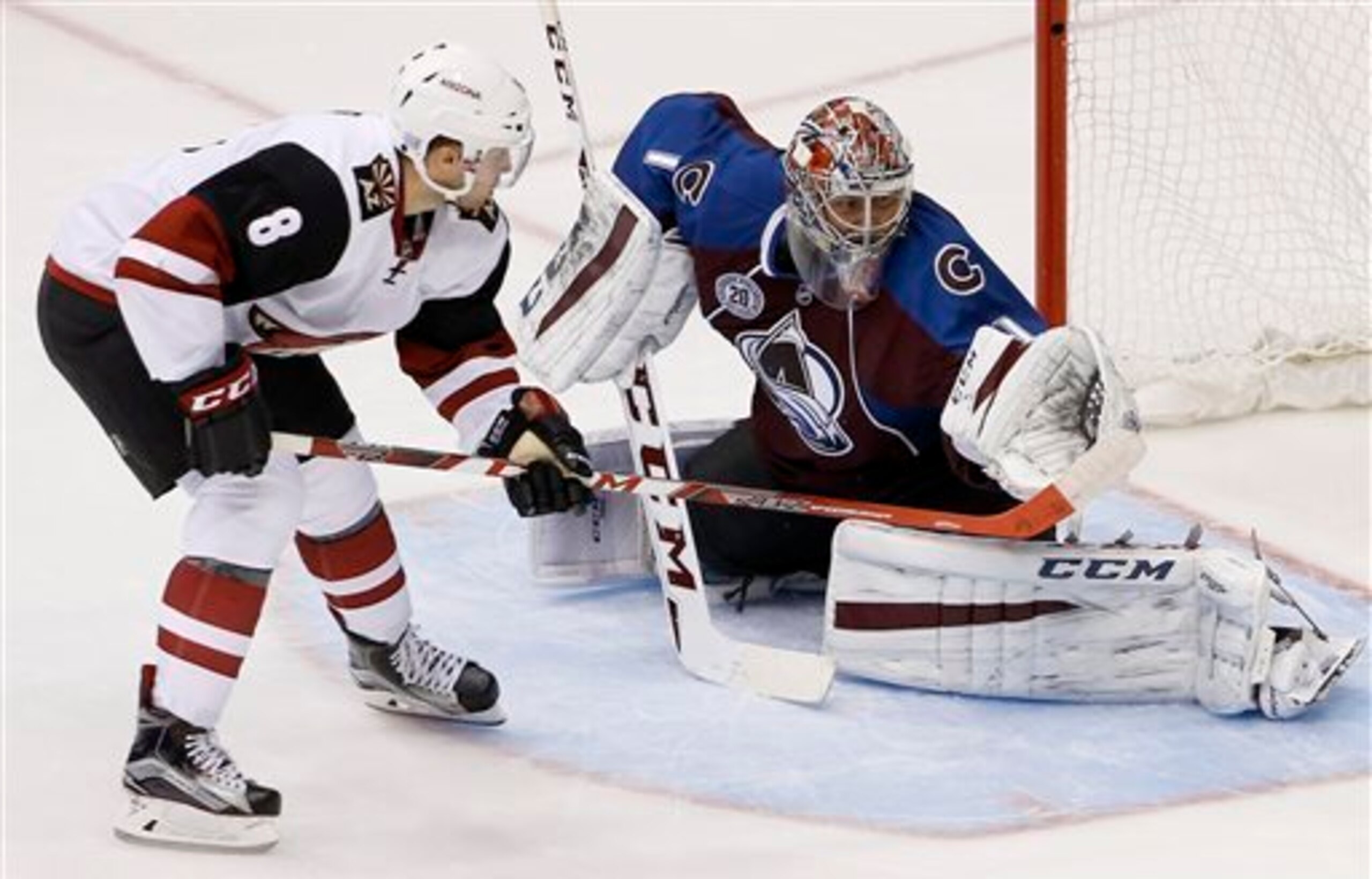
The flaw: Possession.
What it means: You could point out the poor play of goaltender Semyon Varlamov, who before an injury had posted an appalling .890 save percentage and 3.26 goals-against average. He's far from the man who helped the team overcome the fancy stats to make the playoffs two seasons ago. And that's what it will take—a superstar, Vezina-worthy performance from a goaltender—to help this awful possession team mask its deficiencies in controlling the play.
Columbus Blue Jackets
9 of 30
The flaw: The defensive group.
What it means: Gifted as they are with a deep forward group, the Columbus Blue Jackets are not nearly as fortunate on the back end. A great indicator of how strong your defensive group is in its own zone is the penalty kill, and the Jackets have the fifth-worst percentage (75 percent) in the NHL at the moment. The team's rearguards may be the worst as a whole in the league. Three of them are among the worst dozen D-men in plus/minus.
Dallas Stars
10 of 30
The flaw: They're too dependent on offense.
What it means: We all love offense. Watching a team as skilled in that department as the Dallas Stars is a beautiful thing. But the playoffs are a much more stingy environment when it comes to scoring, and the team isn't built to muck it up in the corners in their own end. They've struggled defensively, which is why a team that has scored the second-most goals per game is fourth-best in goal differential and the 23rd-ranked penalty kill.
Detroit Red Wings
11 of 30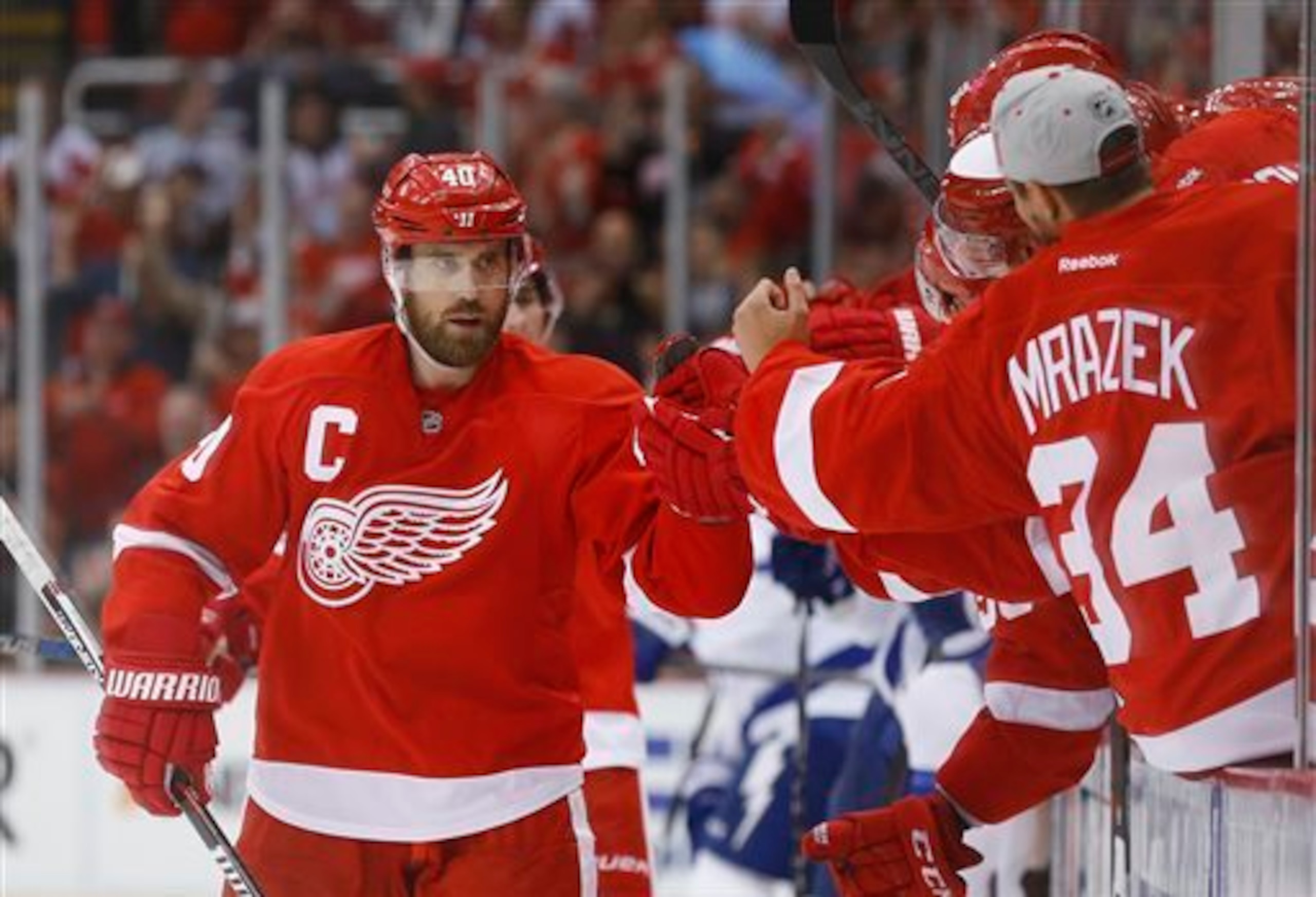
The flaw: Top-heavy offense.
What it means: The Detroit Red Wings rely too heavily on the top six forwards, especially captain Henrik Zetterberg. Getting Pavel Datsyuk back may help, but the two Wings legends are no longer a lock to stay healthy or be able to play through nagging injuries. The combined totals of Landon Ferraro, Joakim Andersson, Darren Helm, Drew Miller, Luke Glendening and Riley Sheahan—who have all played at least 10 games—is two goals and seven points (and Sheahan accounts for both goals and four of those points).
Edmonton Oilers
12 of 30
The flaw: A gawd-awful defense.
What it means: The Edmonton Oilers have gone about things all wrong over the past decade. Instead of mixing in a stud defenseman or two in their wealth of high draft picks, they've focused on forwards. And thanks to injuries, inconsistencies and a carousel of coaches, the talented-on-paper group hasn't been able to carry the team into the playoffs on scoring alone.
This year will be no exception, especially with rookie phenom Connor McDavid on the shelf for a couple of months with injury. The blue line is bad.
Florida Panthers
13 of 30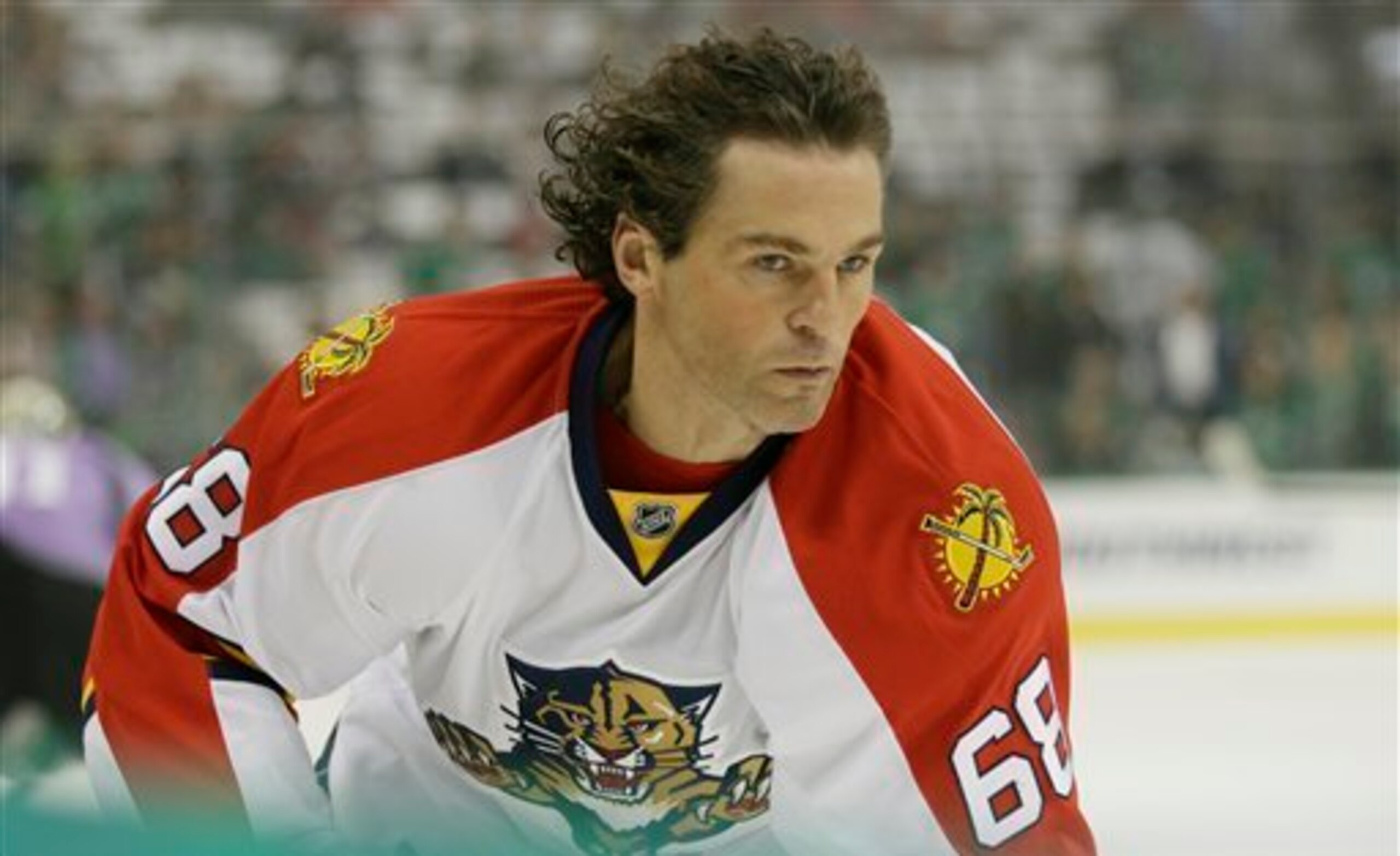
The flaw: Key players are too old.
What it means: Jaromir Jagr is the Florida Panthers' most important cast member. He's 43. Defensemen Brian Campbell (36) and Willie Mitchell (38) are playing around 20 minutes a game. The mentors have some good young players learning the game through their examples, but they aren't yet at the level where they can push this team into the playoffs. If they do somehow manage it, the vets may have nothing left in the tank to win a round, never mind the Cup.
Los Angeles Kings
14 of 30
The flaw: Anze Kopitar is MIA.
What it means: The LA Kings' perennial Selke candidate, Anze Kopitar, saw his scoring dip last season, but it's dropped even more so far this year. As long as the team continues to play a strong possession game and get stellar goaltending from Jonathan Quick, the Kings can overcome the lack of production from their biggest star. But they'll need him at his best in order to have success in the playoffs.
Minnesota Wild
15 of 30
The flaw: Devan Dubnyk may not be what he appeared.
What it means: The Minnesota Wild invested in Dubnyk after the goaltender breathed life into their season after a trade brought him to Minny. But his performance so far this season has been much more pedestrian than the one that secured the incredible numbers he posted with the team last year. Thanks to some strong offense, the team hasn't felt the sting of that drop yet. But if the goal support dips, the Wild are in trouble.
Montreal Canadiens
16 of 30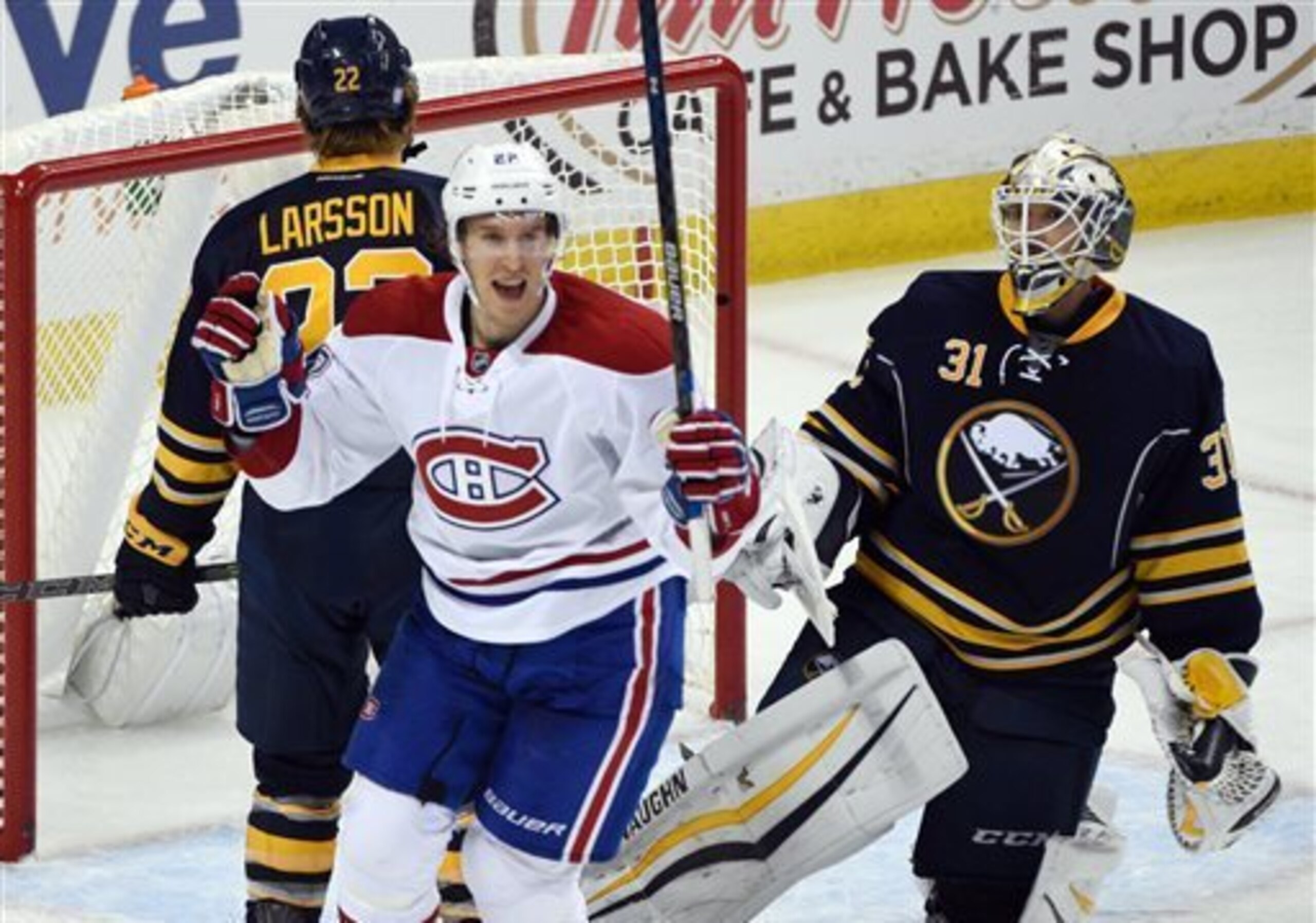
The flaw: They're too perfect.
What it means: OK, this may be one team that is nearly impossible to critique at the moment. But perhaps they're playing too well early on to sustain the momentum and will eventually crash back to earth. They have six players with shooting percentages of more than 15, including former plugger Dale Weise. The thing is, even if they stall offensively as they did last year, they have Carey Price. And backup goaltender Mike Condon has been strong in relief of the injured star. They might win this thing.
Nashville Predators
17 of 30
The flaw: Their centers can't hang.
What it means: Mike Fisher, Craig Smith, Paul Gaustad and Cody Hodgson aren't going to scare anyone down the middle. They aren't doing much in the faceoff circles this year with a sub-.500 rate of success on their draws—the third-worst total in the league at 48.2 percent. Worse, they're contributing very little offensively. They're a far cry from the standard for Cup winners set by the Los Angeles Kings a few years ago.
New Jersey Devils
18 of 30
The flaw: They're too old.
What it means: With all due respect to the impressive starts of veterans such as Michael Cammalleri, Lee Stempniak, and Travis Zajac, all in their 30s, the New Jersey Devils aren't getting much production from young players. One reason is they're the fourth-oldest team on average in the league this year. Also, they've got very few strong prospects outside of Adam Henrique and Kyle Palmieri—the only two Devils in their 20s making a difference.
New York Islanders
19 of 30
The flaw: Not enough offense from the defense.
What it means: Of the 44 goals the New York Islanders have scored this season, just seven have come from the back end, and Nick Leddy—who scored 10 last year—has been shut out so far. There has been fairly balanced scoring up front, but if the team slips back to last year's John Tavares-heavy production trend, they'll need more help from the blueliners.
New York Rangers
20 of 30
The flaw: The power play isn't too powerful.
What it means: The New York Rangers haven't been able to get over the hump in the playoffs, and part of the reason for that may be the struggles on the power play, which becomes an even more important aspect of the game in the postseason when even-strength goals are much harder to net. Rick Nash has no goals and just one point on the man advantage so far this year, and the team has seven total tallies in 39 opportunities.
Ottawa Senators
21 of 30
The flaw: Too many shots against.
What it means: The Ottawa Senators have allowed a league-worst average of 34.6 shots against per game this season, and it has translated into the fifth-worst goals-against average in the NHL. Goalie Craig Anderson hasn't been able to withstand the pepperings, and even though Andrew Hammond has done better than his fellow netminder, it would take a monumental effort to get through four playoff rounds of that kind of punishment.
Philadelphia Flyers
22 of 30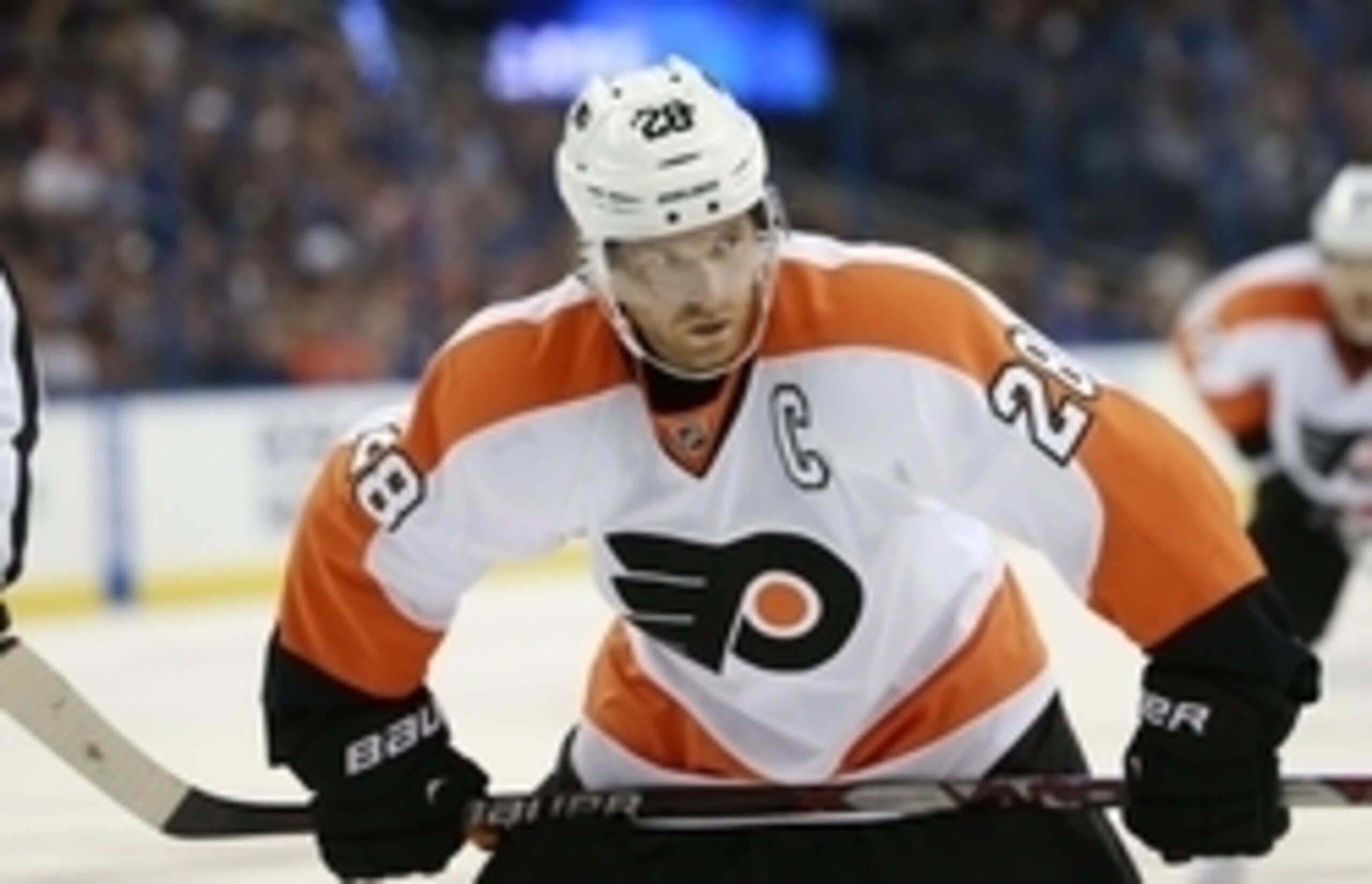
The flaw: Not enough scoring punch.
What it means: Last year, the Philadelphia Flyers were a two-man show, with Claude Giroux and Jakub Voracek doing the heavy lifting offensively. This season, it's been Giroux on an island—and even he has barely broken double digits through 16 games. Voracek has no goals and five points. Giroux and Brayden Schenn lead the way with five goals apiece, and the Flyers are the second-worst team in the NHL in terms of goals scored per game, averaging 1.81.
Pittsburgh Penguins
23 of 30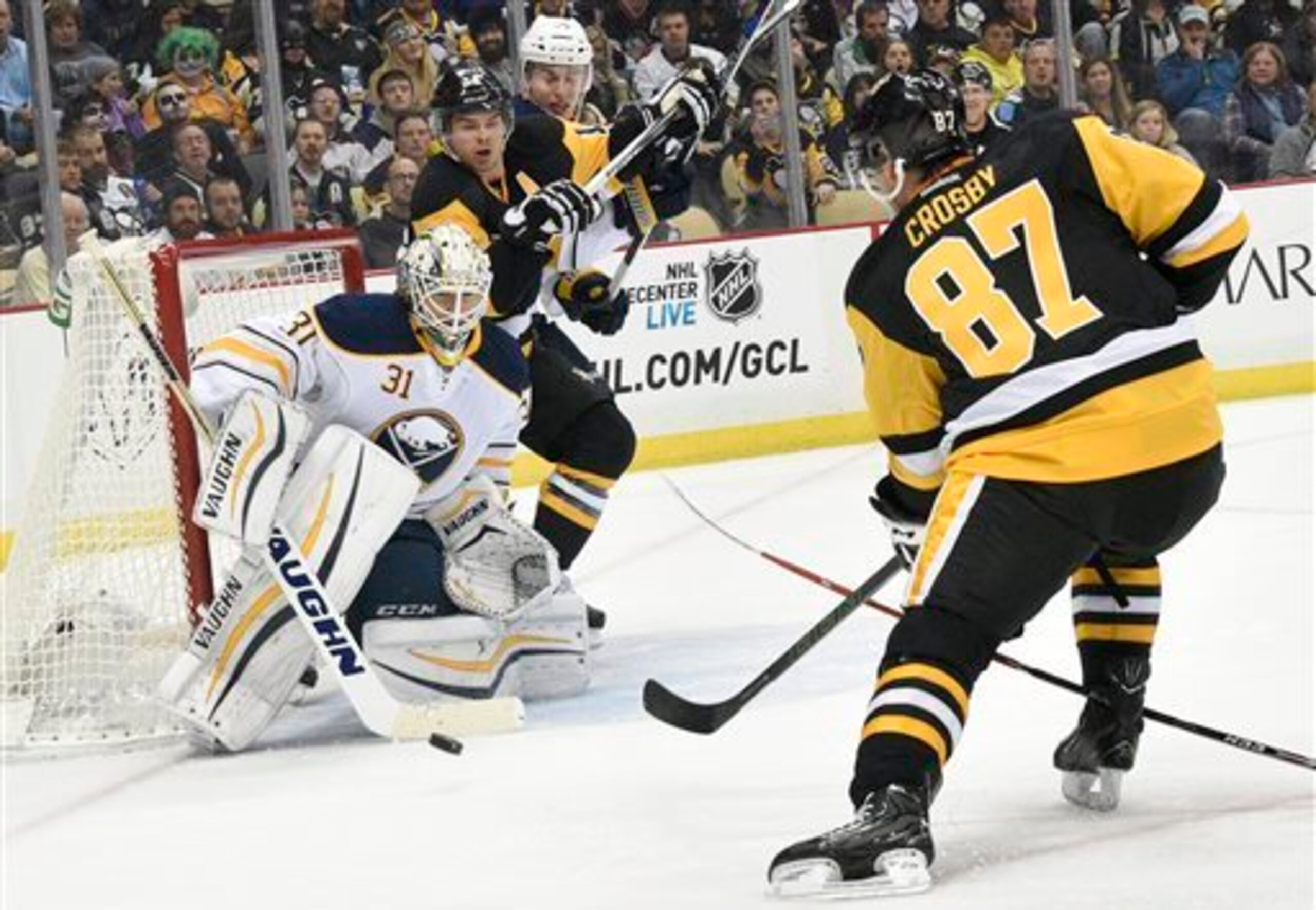
The flaw: A pop-gun offense.
What it means: Who would have guessed coming into the season that a team featuring Sidney Crosby, Evgeni Malkin, Phil Kessel, Kris Letang, Patric Hornqvist and David Perron would be so terrible offensively. But Crosby is sputtering, Hornqvist and Perron are practically invisible and the team is scoring at the fifth-worst rate in the NHL. The power play is struggling too at a rate of 14.6 percent, which is the fourth-worst total in the league.
San Jose Sharks
24 of 30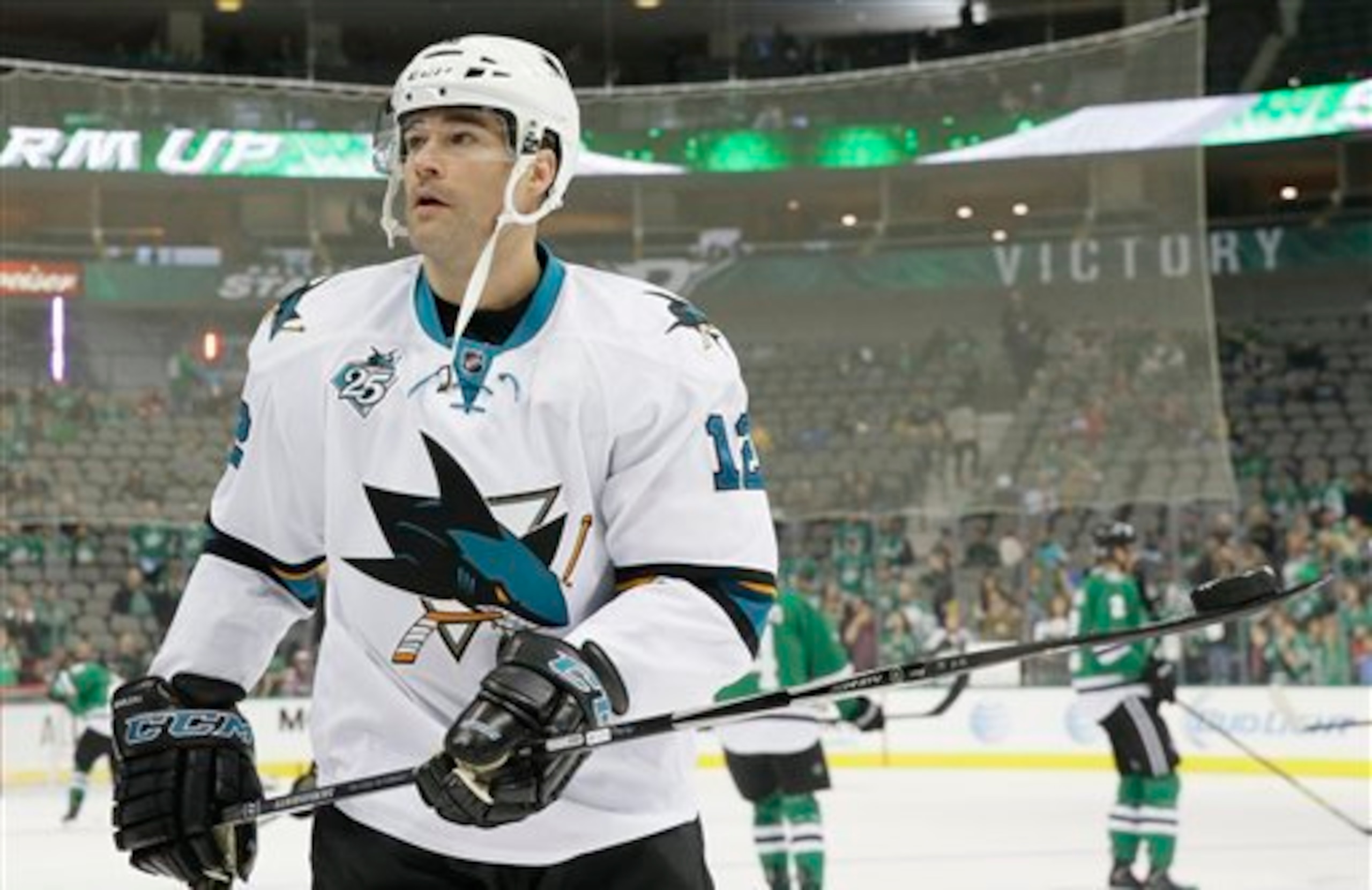
The flaw: They will be sellers at the deadline.
What it means: The San Jose Sharks will finally decide it's time to move on from its longtime stars. It was just a matter of time before former Sharks captains Joe Thornton and Patrick Marleau became role players on the team as opposed to its driving forces. That seems to have happened this season. They sit fourth and fifth in team scoring, and there are rumblings, as shared by TSN's Bob McKenzie, that Marleau would accept a deal somewhere else. Being embroiled in trade rumors this early could put them into a real rebuild at long last.
St. Louis Blues
25 of 30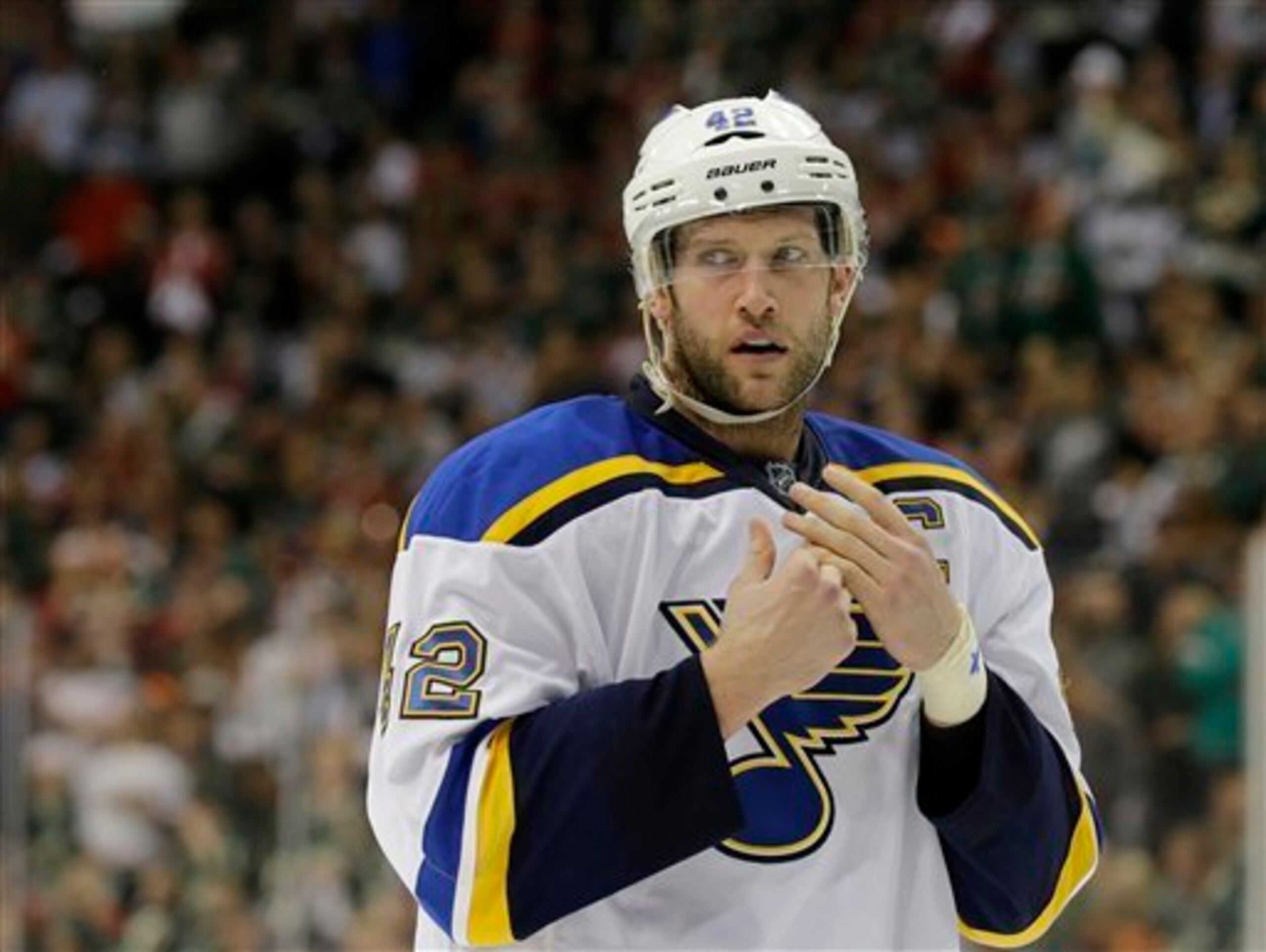
The flaw: They only dominate in the regular season.
What it means: Aside from a dysfunctional power play so far this season, the St. Louis Blues have been stellar as usual. But that trend goes out of the window come playoffs, and this is coach Ken Hitchcock's last chance to shake that label. The Blues have made it through the first round just once in their last 13 attempts.
Tampa Bay Lightning
26 of 30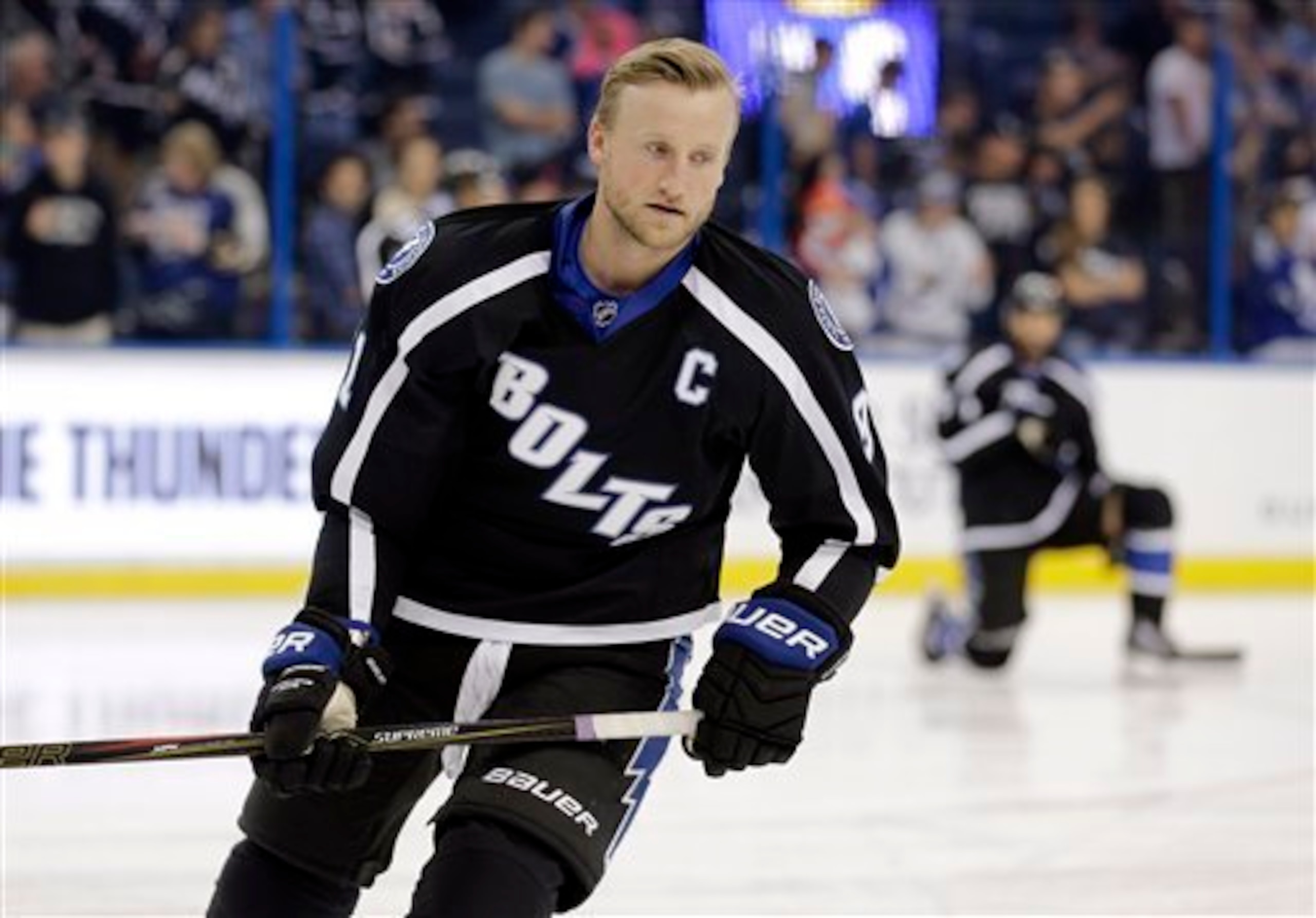
The flaw: The Steven Stamkos situation is too big a distraction.
What it means: Every time the Tampa Bay Lightning play a team for the first time, they face the same questions about captain Stamkos' expiring contract and the lack of a new deal. It's a tiresome thing to go through in the locker room, as easy as it is for the players to say the right thing and blow it off. The truth is the mental effect of the uncertainty and constant reminder is impossible to avoid. Drama is a bad thing. And if he gets traded, there's no winning the deal, never mind the playoffs.
Toronto Maple Leafs
27 of 30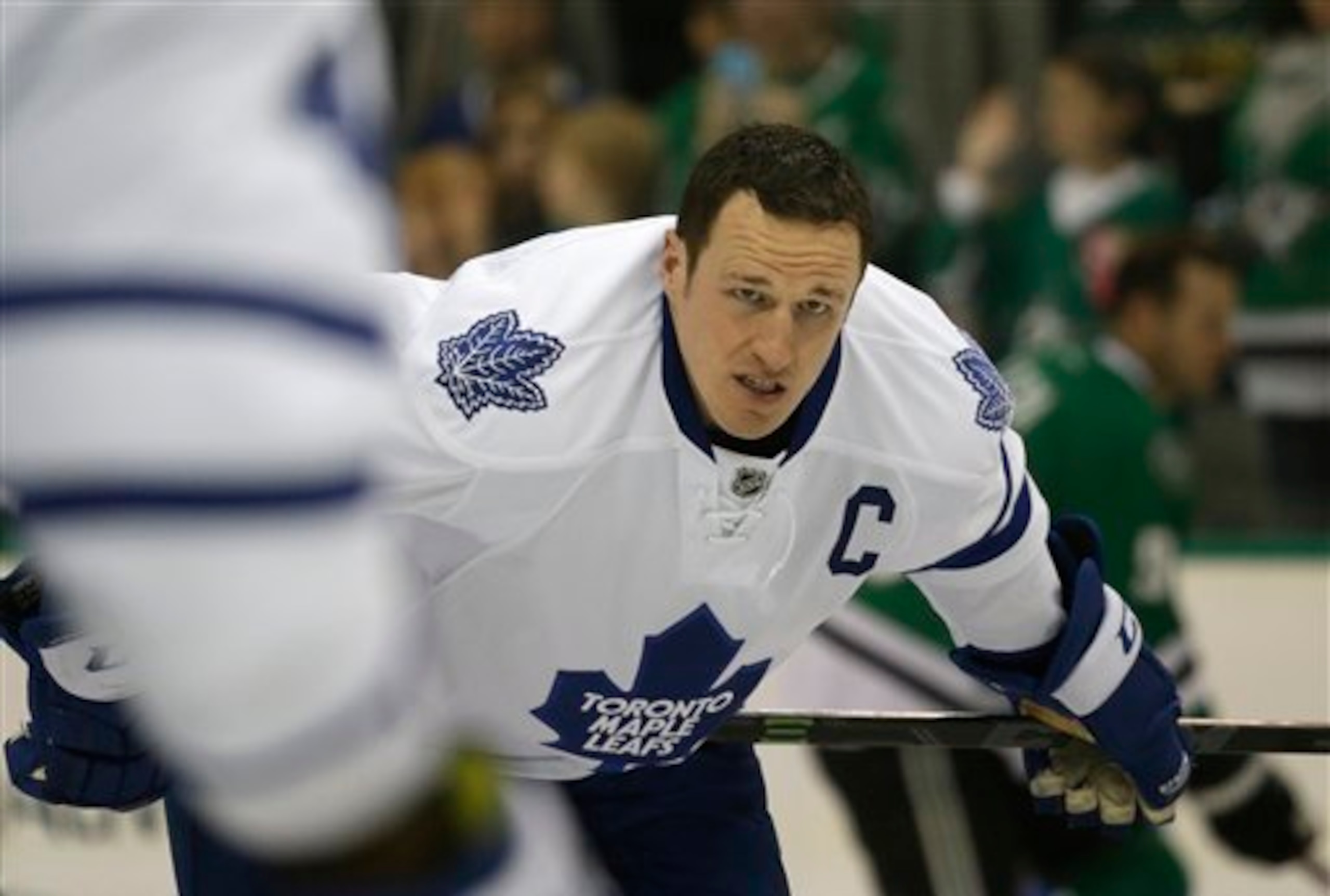
The flaw: The forwards can't score.
What it means: Take a look at the points leaders in the absence of former perennial scoring machine Phil Kessel. Defensemen Morgan Rielly and Dion Phaneuf lead the way. The Toronto Maple Leafs are the Frankenstein's monster of the NHL, cobbled together with spare parts in what is sure to be a long transition toward competitiveness.
Vancouver Canucks
28 of 30
The flaw: Ryan Miller's inconsistency.
What it means: Miller is the equivalent of the goaltending yo-yo. His first three games were stellar this season. His next four awful. He strung three more decent performances together and followed them up with four more losses with save percentages in the .800s. The Vancouver Canucks still have some strong offensive ability and a decent group of defensemen, but without an elite goalie, they won't make it anywhere near the Stanley Cup unless visiting it in the Hockey Hall of Fame.
Washington Capitals
29 of 30
The flaw: The stars collapse at crunch time.
What it means: It's silly to try and suggest the team as it stands is showing any sign of weakness. The Washington Capitals are firing on all cylinders with strong showings offensively, defensively, in goal and on special teams. But the past has shown the Caps have failed to come through in the playoffs—specifically Game 7s.
Alex Ovechkin has one goal and one assist in his past five Game 7s. Nicklas Backstrom has a goal and three points in his past nine, including last spring's disappointing finish against the New York Rangers.
Winnipeg Jets
30 of 30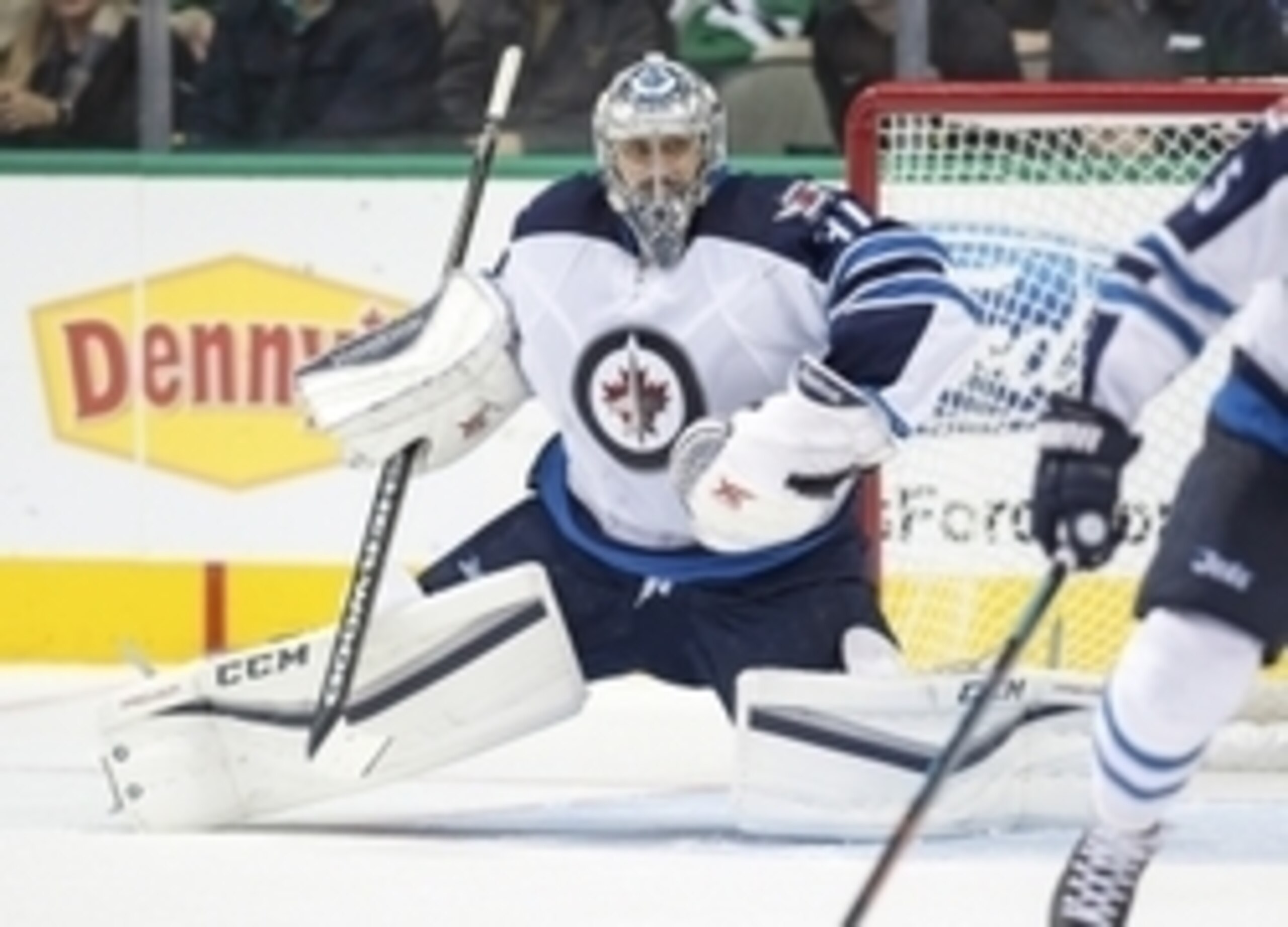
The flaw: Goaltending.
What it means: Ondrej Pavelec is back. After a stellar season in which he played well above his career averages, his numbers have plummeted back to the level we're used to seeing. Backup Michael Hutchinson has been better but is unproven as anything more than a time-share netminder. The Winnipeg Jets got into the playoffs on the strength of their backstops last year. They won't get close without improved play from Pavelec or Hutchinson snaring the regular role.
Statistics via NHL.com and Stats.HockeyAnalysis.com. Contract information via GeneralFanager.com.


.jpg?w=2560 "Grading WWE Raw 🔠")

.jpg?w=2560 "Bijan's INSANE 1st Half 🤩")
.jpg?w=2560 "Viral Rams Coach Vid 🖕")
.jpg?w=2560 "Injury-stricken Seahawks signing veteran RB")


.jpg?w=2560 "2 NFL Officials Suspended")
