Cricket Australia: World Cricket's Clown of the Month, October 2015
Cricket is a sport that doesn’t always embrace change easily.
It took Kerry Packer’s revolution with World Series Cricket in the late 1970s to get the one-day game up to speed. Now, however, we take white balls, coloured clothing, floodlights and enhanced television coverage for granted.
Then, Twenty20 cricket came along. What was at first seen as a bit of a gimmick in English county cricket quickly became a global product worth millions.


.jpg?w=2560 "Colts Football")
But, the popularity of the shortest format may never have blossomed if it wasn't for India triumphing in the inaugural ICC World Twenty20 in South Africa.
The subcontinent suddenly caught the T20 bug, and the rest, as they say, is history. The Indian Premier League has made many, many cricketers extremely wealthy, while other competitions are continuing to spring up all over the world.
Yet, despite all the changes to the limited-overs stuff, Test cricket has remained the backbone of the sport.
It may not attract big crowds around the world (or anywhere that England aren't playing, for that matter), but it is still held in the highest regard by the players. Well, most of the players.
England batsman James Taylor reiterated that Test performances are still the measuring stick for greatness, recently telling the official site of the England and Wales Cricket Board [h/t cricketcountry.com]: "It is the pinnacle, Test match cricket, and that is where I want to be."
The white kit, the red new ball, not to mention the breaks for lunch and tea before light stops play. These are all facets and one-off traits that make Test matches just that little bit special.
We may now have covered pitches, shorter tours and even the ability to turn on floodlights to deal with the darkness, but Test cricket still has that traditional feel about it.
I mean, how many other contests can last five days before being declared a draw? Test cricket is basically the sporting equivalent to war.
Now, though, Cricket Australia wants to tamper with the beautiful game.
It's not a little tampering, either. It’s not like they’re rubbing dirt on the ball, just like former England captain Michael Atherton once famously did in a Test at Lord's. No, what they’re doing is more like taking a bottle top to it. They’re ripping it to shreds.
It was announced back in June that Australia and New Zealand will play in the very first day-night Test match, scheduled for the Adelaide Oval, Australia, at the end of November.
James Sutherland, Cricket Australia’s chief executive, said of the initiative, per Daniel Brettig of ESPN Cricinfo:
"One of the global challenges with Test cricket is that most of the matches outside holiday periods are played on week days, in the middle of the day when people are at work and kids are at school. By shifting the playing times each day's play can go into the evening and allow people to come in after work or after school to attend the last few hours of play, but also when they get home in other parts of the world or other parts of the country, they can watch the game on TV.
"
It may be good for television, James. It's understandable it offers more pairs of eyes to see adverts during breaks in play, but what about the poor players? You know, the ones who are actually out there competing.
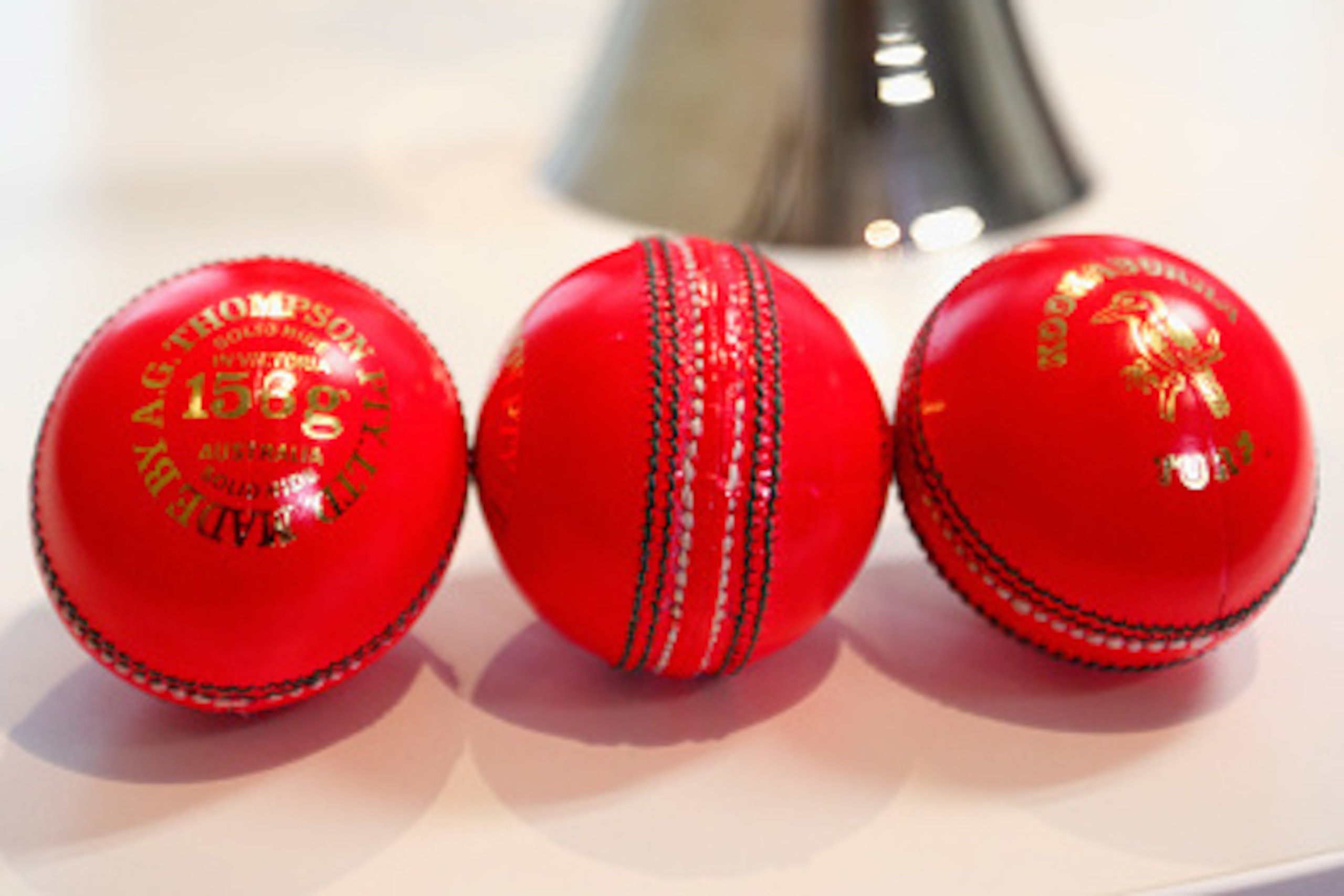
Instead of the nice, new red cherry they’ve been used to for so long, the bowlers will suddenly be running in, resplendent in their white clothing, with a pink ball in hand.
The New Zealand players were not immediately sold on the idea. Players association chief Heath Mills admitted in the same article from Brettig: "It is fair to say our players are nervous about the day-night Test.”
Since then, the Kiwis have had the chance to trial the idea of day-night cricket during a 50-over tour fixture against a Prime Minister’s XI at the Manuka Oval in Canberra, Australia.
Adam Voges—Australia’s Test vice-captain who played in the game—was not impressed with the pink ball, per BBC Sport: "There wasn't much pink left on it by the end of the game. It stopped swinging, there was no reverse-swing, but the older it gets, I can't see it being any easier to see."
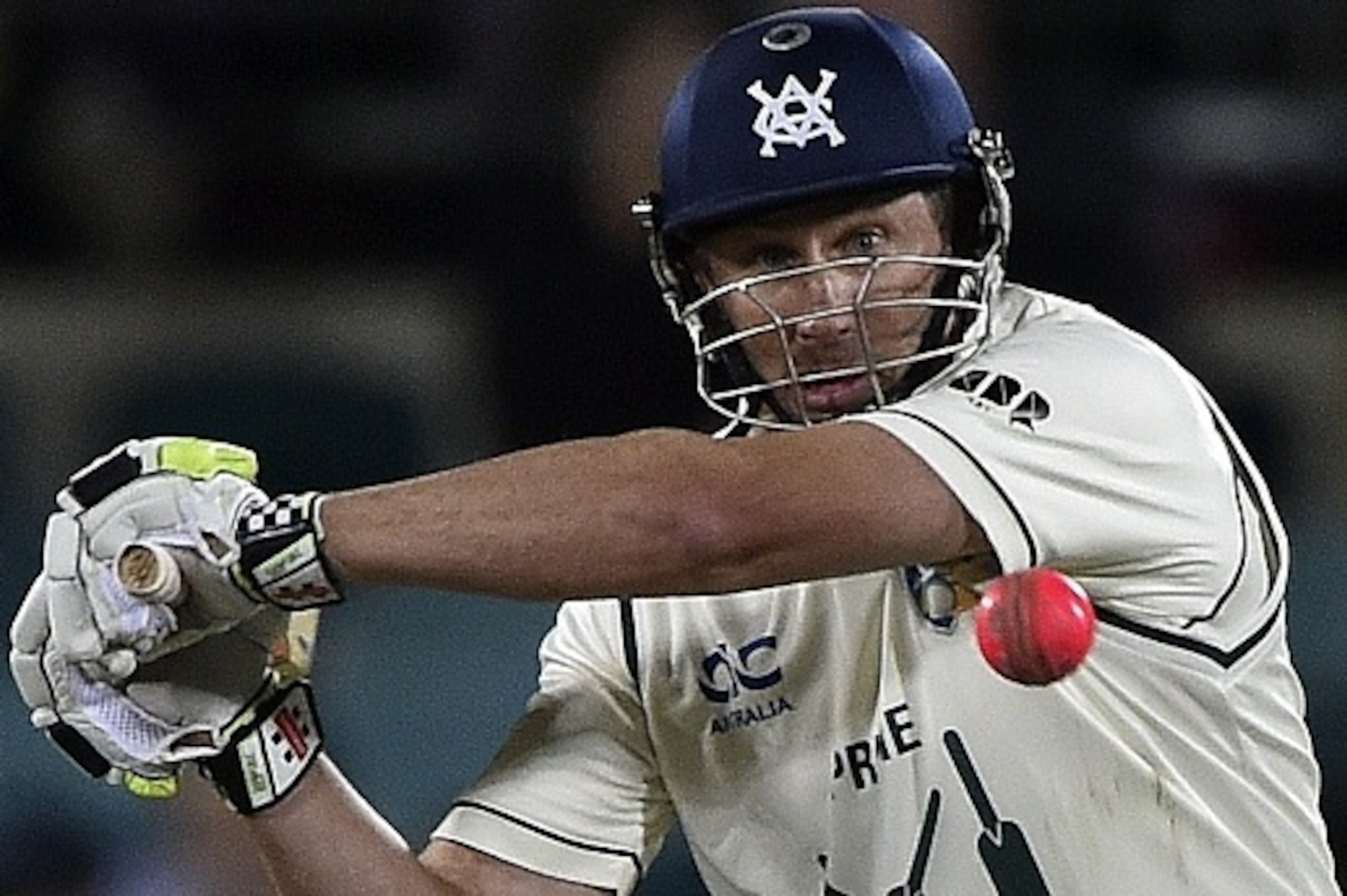
Kookaburra, the manufacturers, hit back. General manager Brett Elliot said, according to Andrew Wu and Jon Pierik of the Sydney Morning Herald: "The red ball scuffs and picks up the green from outfields and pitch; it's just that the contrast is more obvious on a coloured ball."
Further testing will take place during the opening round of Sheffield Shield matches in Australia.
However, time is running out to get things ready for the maiden day-night fixture.
It is all very well being live on air on prime time, but it is not the best advert for the format if the product on offer isn’t anywhere near the standard it should be.
Perhaps day-night Test matches will eventually become the norm, or at least acceptable in certain places. They may well have a future in the United Arab Emirates, where Pakistan are currently based due to security concerns back home.
But, Cricket Australia, the television companies and administrators in general don’t need to get greedy. And they definitely don't need to rush into anything, not until everyone is confident it can actually work.
New Zealand have waited a long, long time to get a three-match series against their trans-Tasman rivals. Don't spoil the spectacle by forcing the issue to play under lights.
There’s something about the history, the pace of play and the slow-burning nature of a Test match that makes it work. But, when it comes to day-night games, not everyone is tickled pink by the idea.
.jpg?w=2560 "NFL Paris Football")


.jpg?w=2560 "Trevon Diggs Cut by Seahawks")