
Ranking the Most Disappointing Losses in US Open History
Rafael Nadal and 2014 runnersup Kei Nishikori and Caroline Wozniacki all suffered bitter defeats in this year's US Open. However, they don't rank among the most disappointing losses in U.S. Open history in our opinion.
Obviously ranking such losses is a subjective endeavor. We focused on four factors that symbolize a disappointing defeat: being the victim of a major upset, letting an apparent victory slip away, having an awful performance in a big match and displaying overt sorrow afterward.
The disappointment the crowd feels when a sentimental favorite fails also was considered in some cases, albeit to a lesser extent.
Only matches in the Open era, which started in 1968, were considered in our ranking of the 10 most disappointing losses in U.S. Open history.
10. Pete Sampras Loss to Lleyton Hewitt, 2001 Finals
1 of 10
Pete Sampras' loss to Lleyton Hewitt in the 2001 U.S. Open finals earned the final spot in our list, barely beating out Venus Williams' loss to Kim Clijsters in the 2010 finals, Jennifer Captiati's loss to Monica Seles in the 1991 semifinals and Andre Agassi's second-round loss to Arnaud Clement in 2000.
Sampras' 7-6, 6-1, 6-1 defeat was disappointing for two reasons: First, it ruined a nice comeback story by Sampras, whose status had slipped precipitously in 2001. Second, the mighty Sampras was made to look helpless for much of the match, getting blown off the court in the final two sets.
Sampras came into the 2001 U.S. Open in a serious slump. He was the runnerup at the 2000 U.S. Open, beating Hewitt is straight sets in the semifinals before losing to Marat Safin in the finals. But he had not won a single one of the 12 tournaments he played since then and had failed to reach the quarterfinals in any of the first three majors of 2001.
By the time the U.S. Open arrived, Sampras had gone 14 months without winning a tournament, and his ranking, which had been No. 1 just 10 months earlier, had slipped to No. 10. There was little reason to believe the 30-year-old Sampras would capture his 14th Grand Slam singles title.
However, Sampras upset No. 2-seeded Andre Agassi in a riveting quarterfinal match and beat the No. 3-seeded Safin in straight sets in the semifinals. There was hope Sampras could win the event he had first captured 11 years earlier at age 19.
Sampras stayed close in the first set of the finals, but a USA Today story noted that an overrule by the chair umpire gave Hewitt a critical point in the tiebreaker, which Hewitt won 7-4. The 20-year-old Hewitt dominated Sampras after that, sprinting through the final two sets with the loss of just two games.
The Telegraph called it "an astonishingly one-sided final," noting that Sampras' "timing was sadly adrift, his volleys were tentative, the forehands all too erratic and, worse of all for him, not even the renowned Sampras serve was establishing any consistent authority."
Sampras finished the match in embarrassing fashion, missing two volleys and double-faulting while losing his serve in the last game.
Sampras said this defeat was more disappointing that the straight-set loss to Safin a year earlier.
"This is probably more [disappointing] because I worked so hard to get here," said Sampras, according to a USA Today account.
"I got through some tough matches and played some great tennis. Last year, I just got overpowered in a way. Today I just got outplayed. I'm sure as time goes by, I'll reflect and feel good about what I did here. But only one name gets on that trophy and it's not mine. So that's the harsh reality of it."
Two days later New York was rocked by the 9/11 terrorist attack on the World Trade Centers.
9. Ken Rosewall Loss to Jimmy Connors, 1974 Finals
2 of 10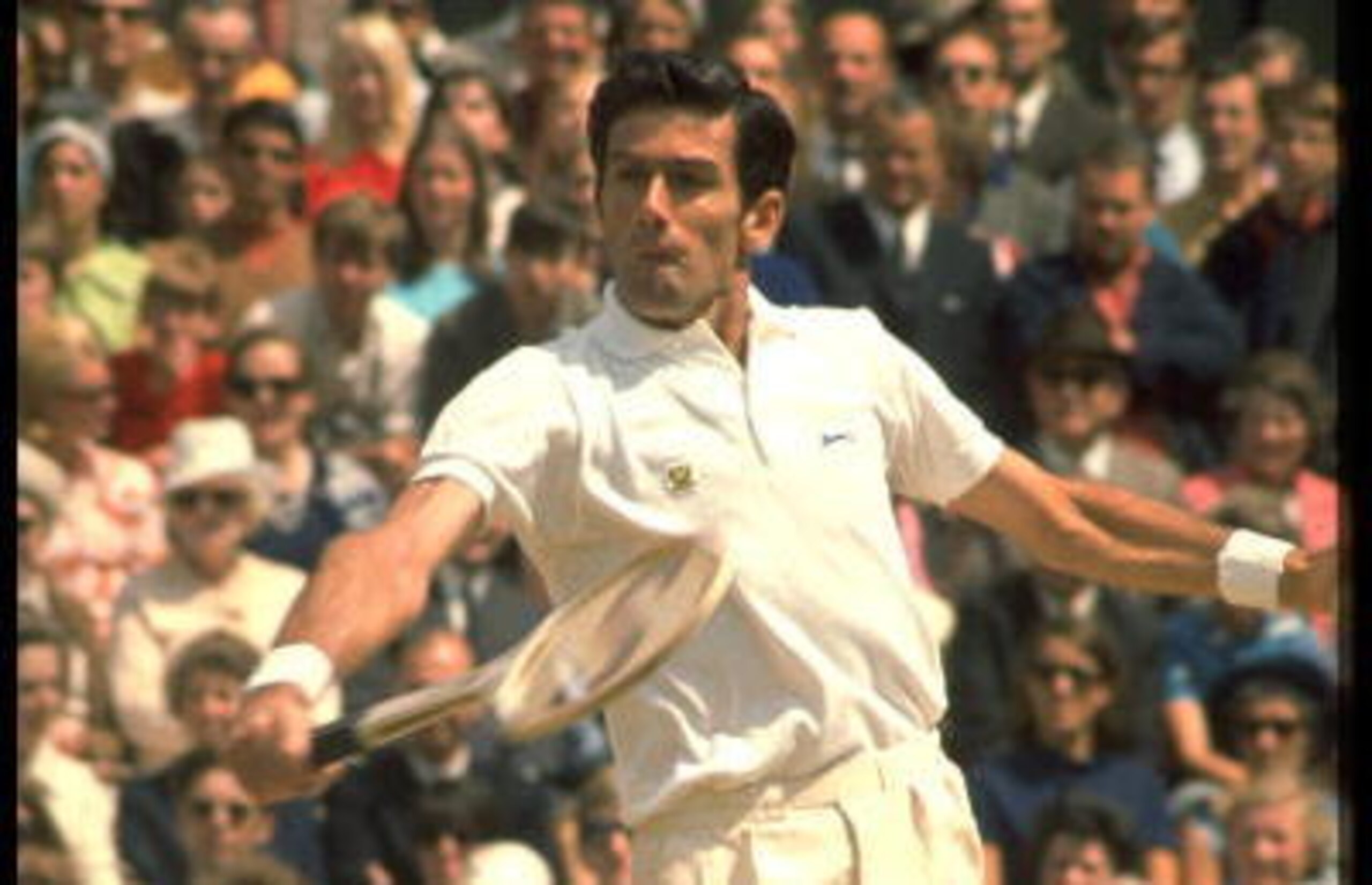
The historic beating Ken Rosewall took in the 1974 U.S. finals not only humbled and disappointed the aging Rosewall, it disappointed the crowd that day in Forest Hills, N.Y.
As the Chicago Tribune noted: "Rosewall was hoping to make history Monday and the crowd roared for him when he wasn't sitting in stunned silence after another Connors two-fisted backhand had ticked the line."
At 39, Rosewall was bidding to become the oldest player to win a title at the U.S. championships. Even though Rosewall had been blown out in straight sets by Connors in the Wimbledon finals, the Aussie's four-set victory over No. 2-seeded John Newcombe in the U.S. Open semifinals suggested he might have a better result against Connors this time on the grass courts of the West Side Tennis Club.
It turned out to be worse than Wimbledon, as the 22-year-old Connors crushed Rosewall 6-1, 6-0, 6-1.
Sports Illustrated said it was "surely Rosewall's worst defeat since he learned to hit a backhand."
It is still the most one-sided men's finals of a Grand Slam event in the Open Era. In fact, the only two Grand Slam finals that were as lopsided were the 1881 Wimbledon finals, when William Renshaw beat John Hartley 6-0, 6-1, 6-1, and the 1936 Wimbledon title match, when Fred Perry defeated Gottfried von Cramm 6-1, 6-1, 6-0.
"No one really likes to lose so easily," Rosewall said after his loss, per the Chicago Tribune report, "and I feel it very much, as it's probably the last time I'll make the finals of a major meet."
Indeed, Rosewall, who had won his first major title 21 years earlier, never reached the finals of another Grand Slam event.
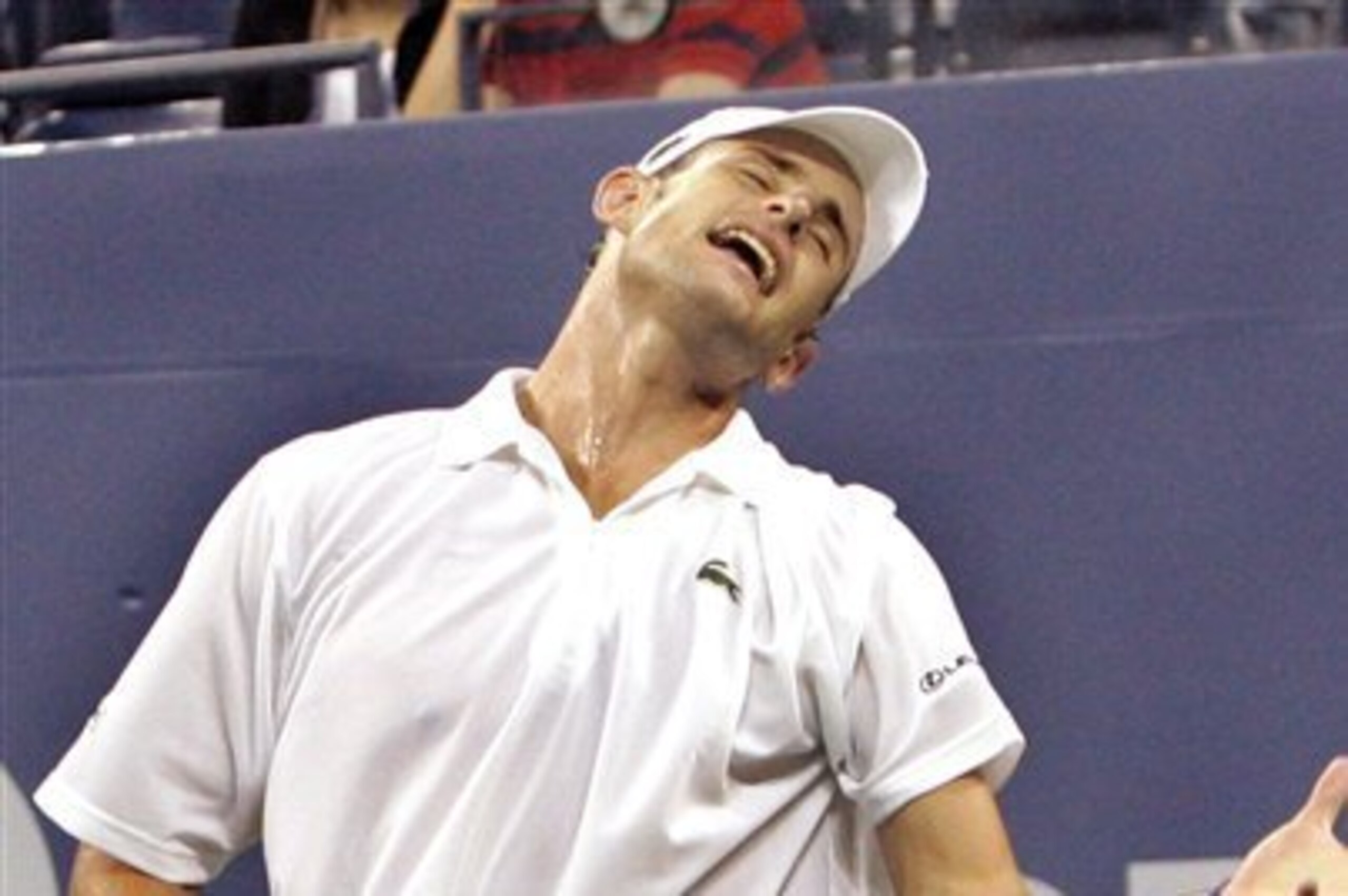
8. Andy Roddick Loss to Gilles Muller, 2005 1st Round
3 of 10
Andy Roddick was coming off his second-straight appearance in the Wimbledon finals, losing to Roger Federer in both 2004 and 2005, and he had played well in the hard-court tournament immediately before the 2005 U.S. Open.
Plus, Roddick loved playing in the U.S. Open, the site of his one and only Grand Slam singles title, achieved just two years earlier in 2003.
Roddick was considered a title contender at Flushing Meadows in 2005.
Gilles Muller, Roddick's first-round opponent, was ranked No. 68 and was playing in the U.S. Open for the first time. He had reached the third round of Wimbledon that year but had lost in the first round to unseeded players at both the Australian Open and French Open in 2005.
The Luxembourg resident made a statement with his big serve against Roddick, who was seeded No. 4 and ranked No. 3 at the time. Roddick was eliminated in this night match in three tiebreaker sets, 7-6 (4), 7-6 (8), 7-6 (1).
"This totally blindsided me," Roddick said afterward, according to the New York Times. "I just felt like I was going to have a pretty good run here. I'm in a little bit of shock right now, to be honest. I'd give anything to go back four hours right now."
To make matters worse, the loss came on Roddick's 23rd birthday.
"I don't really remember a loss where I've felt this bad," Roddick said per a tennis.com article on the upset. "I love playing here."


7. Stefan Edberg Loss to Alexander Volkov, 1990 1st Round
4 of 10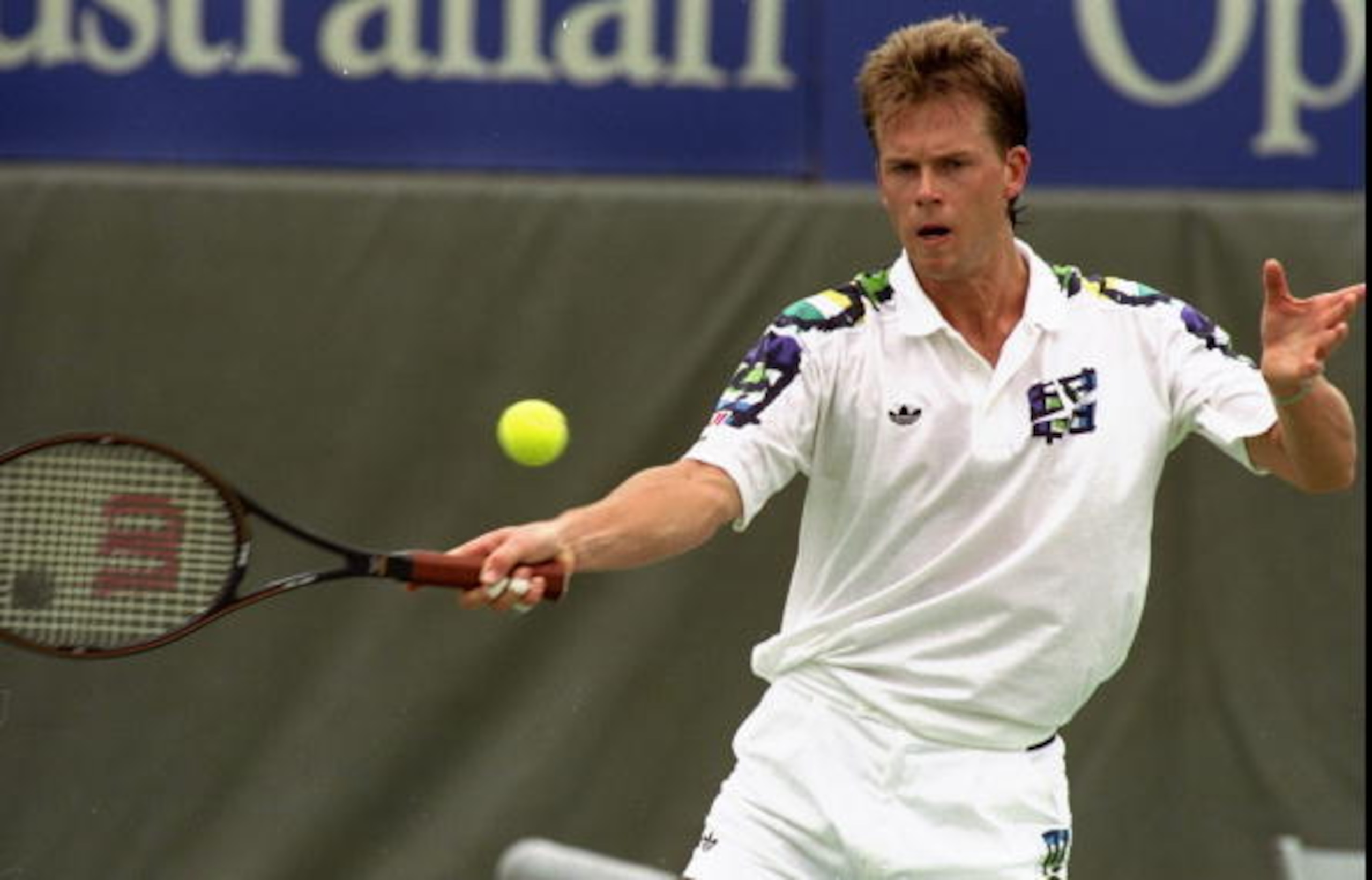
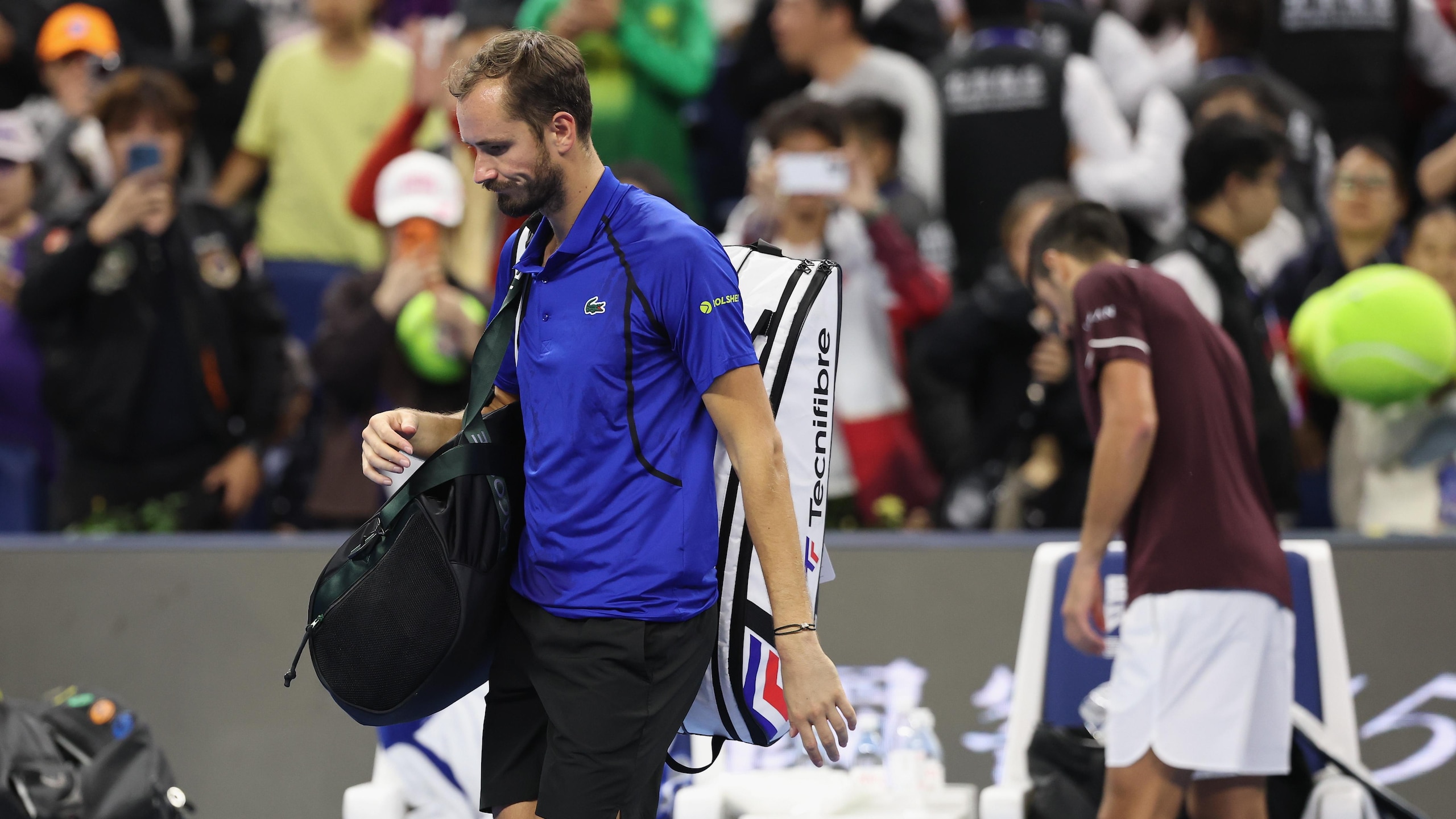
Stefan Edberg's first-round loss to Alexander Volkov in 1990 was disappointing for Edberg on the most basic level. It was an embarrassing defeat, a result that seemed almost unimaginable. Tennis.com called it the biggest upset in U.S. Open history.
The records of the two players coming in suggested Volkov had no chance.
On one side was Volkov, who was ranked No. 52 in the world, had won a total of one match in his three hard-court warmup events leading up to the 1990 U.S. Open and had lost to Edberg 6-2, 6-4 in their only previous encounter.
Volkov thought so little of his chances that he had booked a flight out of New York after the match, according to one Los Angeles Times story, and was scheduled to play in a club tournament that began on Friday of the first week of the U.S. Open, per another L.A. Times article.
On the other side was Edberg, who was ranked No. 1, was the defending U.S. Open champion, had won Wimbledon two months earlier and had won 21 straight matches, having won all three hard-court tuneup events for the U.S. Open.
Not only did Edberg lose to Volkov, but he fell in straight sets, 6-3, 7-6, 6-2.
Edberg was at a loss to explain the result.
"This is really hard to tell right now," Edberg said, according to the Los Angeles Times. "This is something I need to sit down and think about. At the moment, I can't think of any reasons why it happened."
It was the first time the top men's seed lost in the first round since Jan Kodes defeated John Newcombe in 1971. Kodes proved his upset was no fluke, advancing all the way to the 1971 finals before losing to Stan Smith in four sets.
After he beat Edberg, Volkov lost his second-round match in straight sets to unseeded Todd Witsken, who lost his third-round match in straight sets to unseeded Kevin Curren, who lost his fourth-round match to unseeded David Wheaton, who lost his quarterfinal match to John McEnroe in straight sets.
6. Ana Ivanovic Loss to Julie Coin, 2008 2nd Round
5 of 10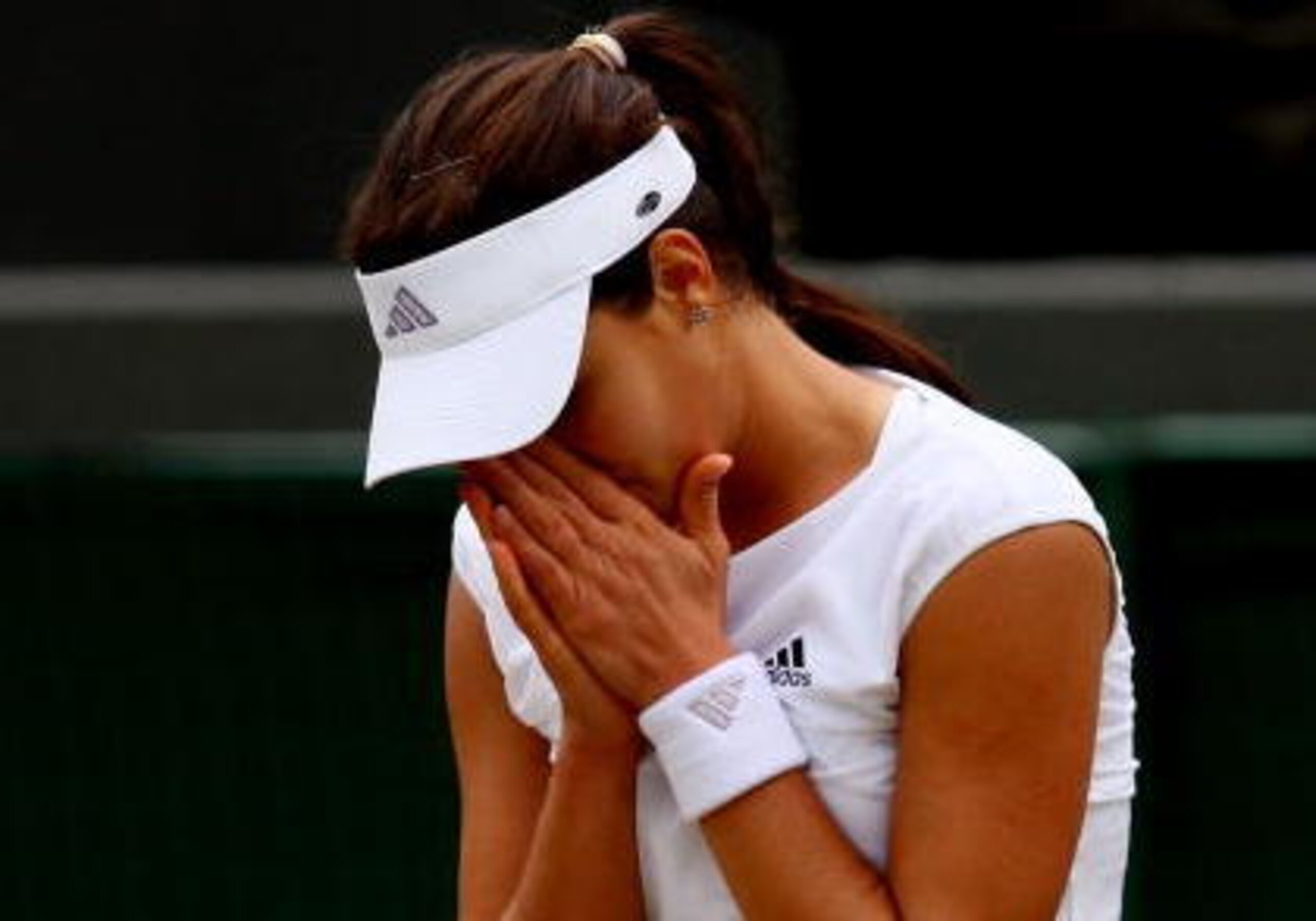
Much like Stefan Edberg's loss to Alexander Volkov, Ana Ivanovic's second-round loss to Julie Coin in 2008 made the list simply because it was so unexpected.
Ivanovic was ranked No. 1 and had won the French Open earlier that year. She was bothered by a thumb injury but had survived a first-round match against Vera Dushevina, a decent player ranked No. 57.
Ivanovic figured to have an easier time with Coin, a qualifier ranked No. 188 who was playing in the main draw of a WTA event for the first time in her career. Two weeks earlier, at a lesser, ITF hard-court event in the Bronx, Coin had lost in the first round of qualifying to a player ranked 423rd.
At Flushing Meadows, Coin had the biggest win of her career when she upset 40th-ranked Casey Dellacqua 7-6, 7-6 in the first round. She then pulled off one of the biggest surprises in Grand Slam history by knocking off Ivanovic 6-3, 4-6, 6-3, becoming the lowest-ranked player ever to beat someone ranked No. 1.
Ivanovic, who double faulted eight times in the match, "was unrecognizable from the player who won on clay at Roland Garros," according to the New York Times story.
"Obviously, it's very frustrating, because I know I can play so much better," Ivanovic said afterward, per tennis.com. "This was very, very disappointing loss for me, but it's something that I have to accept."
5. Guillermo Vilas Loss to Manuel Orantes, 1975 Semifinals
6 of 10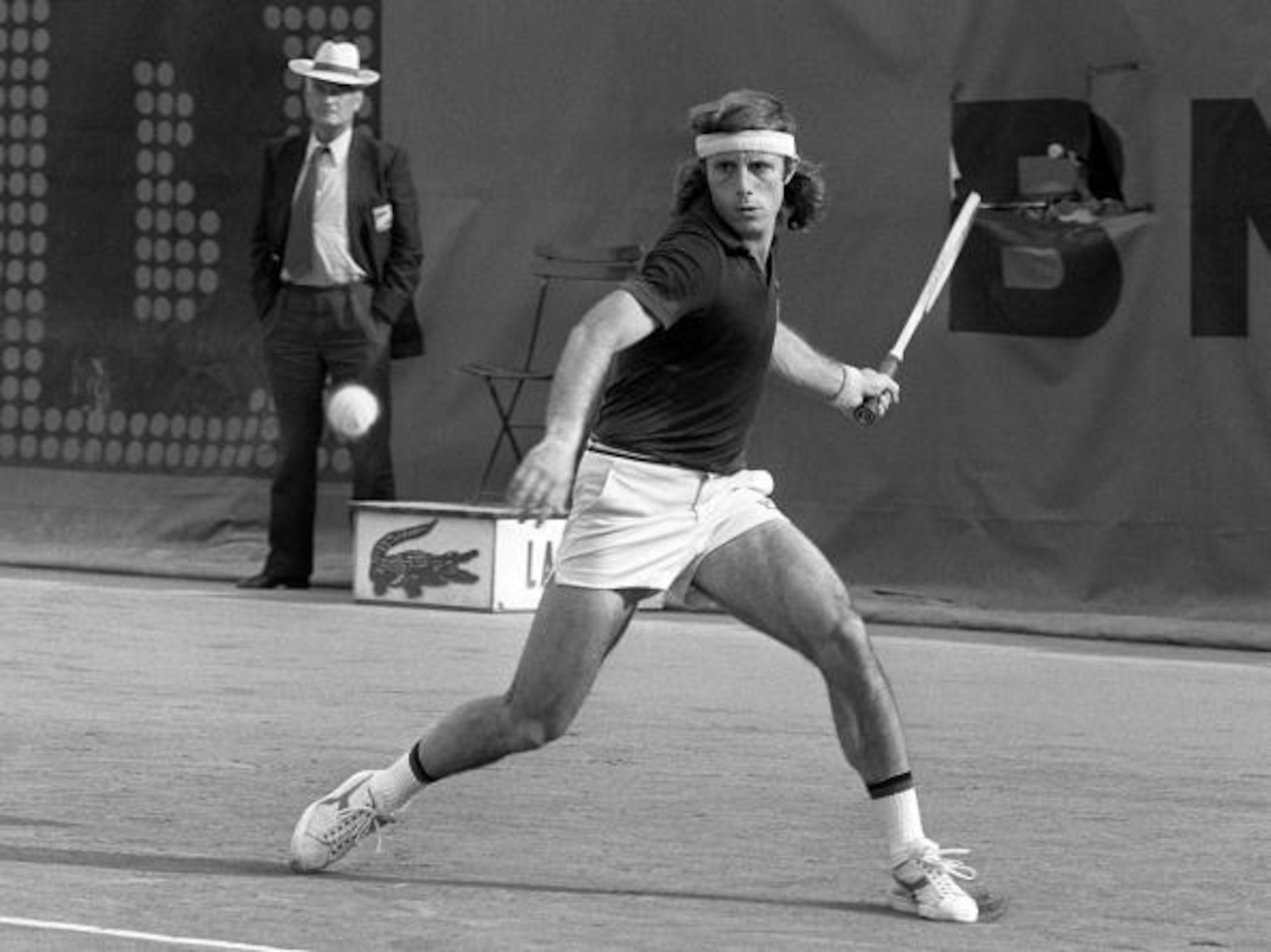
Guillermo Vilas of Argentina holds the Open-era record for longest match-winning streak at 46 in a row, and he also set the record for most consecutive clay-court matches won at 53 straight, a record broken by Rafael Nadal.
When the U.S. Open was played on the gray Har-Tru clay courts for the first time in 1975, Vilas was considered one of the favorites. Bjorn Borg had already won the French Open twice, but his lifelong troubles at the U.S. Open began in 1975 when, as the No. 5 seed, Borg lost to No. 1-seeded Jimmy Connors in straight sets in the semifinals.
That same day, in a late-night match, the No. 2-seeded Vilas faced another outstanding clay-court specialist, No. 3-seeded Manuel Orantes.
Vilas had lost to Borg in the French Open finals that year but had won three of the four clay-court tournaments leading up to the U.S. Open. His only loss in that stretch came against Orantes in the semifinals at Indianapolis.
However, the 23-year-old Vilas rolled through his first five matches at the 1975 Open without losing more than five games in any match. He beat two clay-court specialists with amazing ease, taking out Jan Kodes 6-2, 6-0, 6-0 in the round of 16 and beating Jaime Fillol 6-4, 6-0, 6-1 in the quarterfinals.
Vilas seemed to be on his way to another convincing win against Orantes in the semifinals, winning the first two sets relatively easily 6-4, 6-1. Orantes took the third set, but Vilas built a 5-0 lead in the fourth set.
Vilas had a match point with Orantes serving at 0-5, but the Spaniard saved that point with a surprise serve-and-volley tactic. Vilas had two more match points while serving at 5-1 but could not cash in either.
Vilas had five match points in all in that set, according to a World Tennis story, but could not win any of them. Orantes won seven straight games to even the match, then won the fifth set to finish off one of the greatest comebacks in tennis history, 4-6, 1-6, 6-2, 7-5, 6-4.
Orantes then blew away Connors 6-4, 6-3, 6-3 in the finals the next day, which probably made Vilas feel worse about his missed opportunity.
Vilas later revealed in a video interview produced by Las Imagenes Retro that he had a leg injury that restricted his movement for much of the match. However, that did not lessen his disappointment.
Later in that Las Imagenes Retro-produced interview done in Spanish and translated into English here, Vilas still sounded incredulous that he lost: "At the time I was invincible. I was invincible. I didn't see how I could lose that match. Impossible I lost it."
4. Roger Federer Loss to Novak Djokovic, 2011 Semifinals
7 of 10
What made Roger Federer's loss to Novak Djokovic in the 2011 semifinals particularly difficult to accept was the cumulative effect of having lost to Djokovic in similarly heart-wrenching fashion a year earlier.
In the 2010 U.S. Open semifinal, Federer had a double match point with Djokovic serving at 4-5, 15-40 in the fifth set. But Federer could not close it out, losing the final set 7-5.
Federer won the first two sets in their 2011 semifinals meeting, and although Djokovic rallied to take the third and fourth sets, Federer again had a double match point in the fifth set. But this time Federer was serving for the match, at 5-3, 40-15.
Djokovic responded with one of the best service returns ever seen, blasting a Federer first serve for a winner. Federer then netted a forehand on his second match point and eventually double-faulted on break point to lose the game. Djokovic then won the next three games to finish off a 6-7 (7-9), 4-6, 6-3, 6-2, 7-5 Federer defeat.
"It's awkward having to explain this loss," Federer said, per the Guardian, "because I feel like I should be doing the other [winner's] press conference."
Federer displayed his level of disappointment when discussing Djokovic's remarkable service return to save the first match point.
According to the Guardian, Federer said the shot did not reflect the effort of someone "who believes much anymore in winning. To lose against someone like that, it's very disappointing, because you feel like he was mentally out of it already. Just gets the lucky shot at the end, and off you go.
"Today I clearly felt like I never should have lost."
3. Bjorn Borg Loss to John McEnroe, 1981 Finals
8 of 10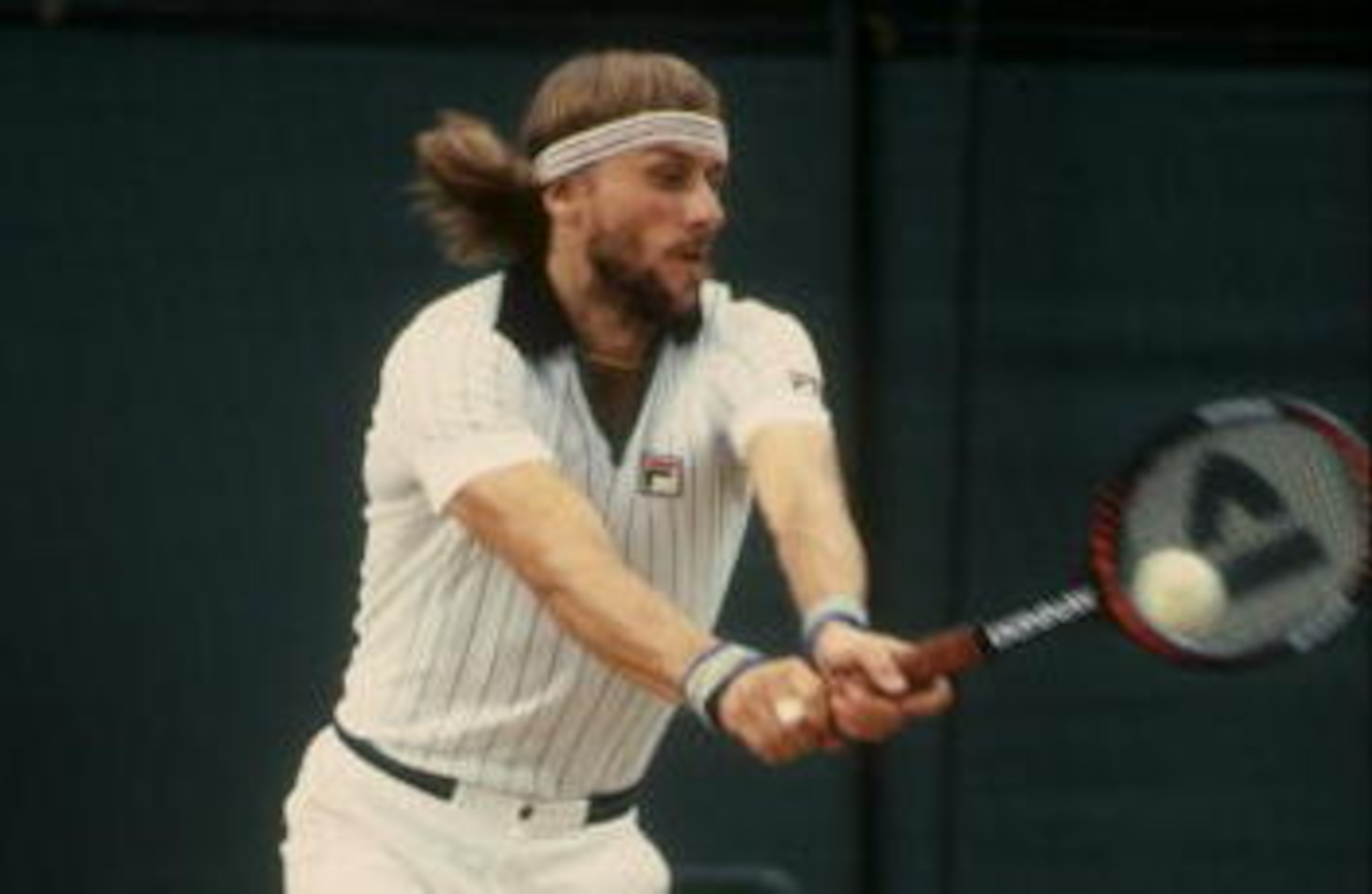
Bjorn Borg's loss to John McEnroe on Sept. 13, 1981, symbolized a different kind of disappointment. It represented the end of something special in tennis.
When they met in the 1981 U.S Open finals, the Borg-McEnroe matchup had developed into one of the most intriguing rivalries in sports. Their meeting in the 1980 Wimbledon finals, which Borg pulled out in five sets despite losing the the fourth-set tiebreaker 18-16, was one of the most riveting tennis matches in history.
However, McEnroe had beaten Borg in the 1980 U.S. Open finals and the 1981 Wimbledon finals before they stepped on to the court for the 1981 U.S. Open finals. The intriguing tennis of their previous matches never materialized this time. Although Borg won the first set, McEnroe dominated the rest of the match in a 4-6, 6-2, 6-3, 6-4 victory.
Borg just did not seem interested in the match, and he left the court immediately after the loss. He failed to stay for the award ceremonies, skipped his postmatch press conference, showered and left through a back door.
''It seemed like he didn't play his game,'' said McEnroe afterward, according to the New York Times.
Death threats made over the weekend may have affected Borg.
''Bjorn was very disturbed about losing,'' his agent, Bob Kain, told the New York Times regarding Borg's quick departure, ''and he was concerned about the death threat, enough that he wanted to get out of there as quickly as possible.''
It turned out that his hasty exit that day represented his departure as a tennis icon. He played two more tournaments in 1981 and one in each of the next two years, but he never played in another Grand Slam event and never faced McEnroe again.
Borg never won the U.S. Open despite reaching the finals four times, and he never played a meaningful match after this 1981 loss to McEnroe. Borg was 25.
In this case the disappointment lay not only with Borg, who was burned out on the sport and looked it. Borg's lackluster play in the match and his subsequent departure from tennis were also a disappointment for fans, for the sport and for McEnroe, who lost the rival who had brought the best out of him. McEnroe was just 22 when he played Borg in the 1981 U.S. Open.
2. Andrea Jaeger Loss to Andrea Leand, 1981 2nd Round
9 of 10
Andrea Jaeger's shocking loss to Andrea Leand in 1981 had the double whammy of disappointment: Not only did Jaeger lose in the second round to a player she was expected to beat easily, but she suffered the loss after taking what seemed to be an insurmountable lead.
Jaeger was just 16 years old at the time, but she was already among the top players in the world. She had reached the U.S. Open semifinals the previous year, losing to Hana Mandlikova in three sets, and she was seeded No. 2 at the 1981 U.S. Open, behind only Chris Evert and ahead of Tracy Austin and Martina Navratilova, among others.
Hard courts, the surface at the U.S. Open in 1981, were Jaeger's best surface.
Her first-round match went as expected as Jaeger crushed qualifier Maria-Christine Calleja 6-1, 6-0.
Jaeger's second-round match against Leand also went as expected for much of the contest. Leand, a 17-year-old amateur playing in the main draw of a professional tournament for the first time, could not stay with Jaeger, who roared out to 6-1, 5-2 lead. When Jaeger took a 30-0 lead in the eighth game of the second set, leaving her just two points from victory, the outcome seemed a formality.
Somehow, Leand rallied to win that game, the first of seven consecutive games she would win to even the match at a set apiece. The two played on even terms in the third set until Jaeger got what she thought was a bad call while serving at 3-3, 30-40.
"Oh come on," yelled Jaeger to the chair umpire, according to the Washington Post. "You know that was out."
Losing that game on the disputed point seemed to suck the life out of Jaeger, who lost the next two games and the match, 1-6, 7-5, 6-3.
The Post story noted that Jaeger burst out crying when she approached Lee Jackson, the WTA's touring referee, on her way off the court. "She missed every call," Jaeger said to Jackson between tears, regarding the chair umpire. "She had three chances and she missed every one."
Jaeger never won a Grand Slam singles title, and her career ended at age 19 because of a shoulder injury. She later became a nun.
1. Martina Navratilova Loss to Janet Newberry, 1976 1st Round
10 of 10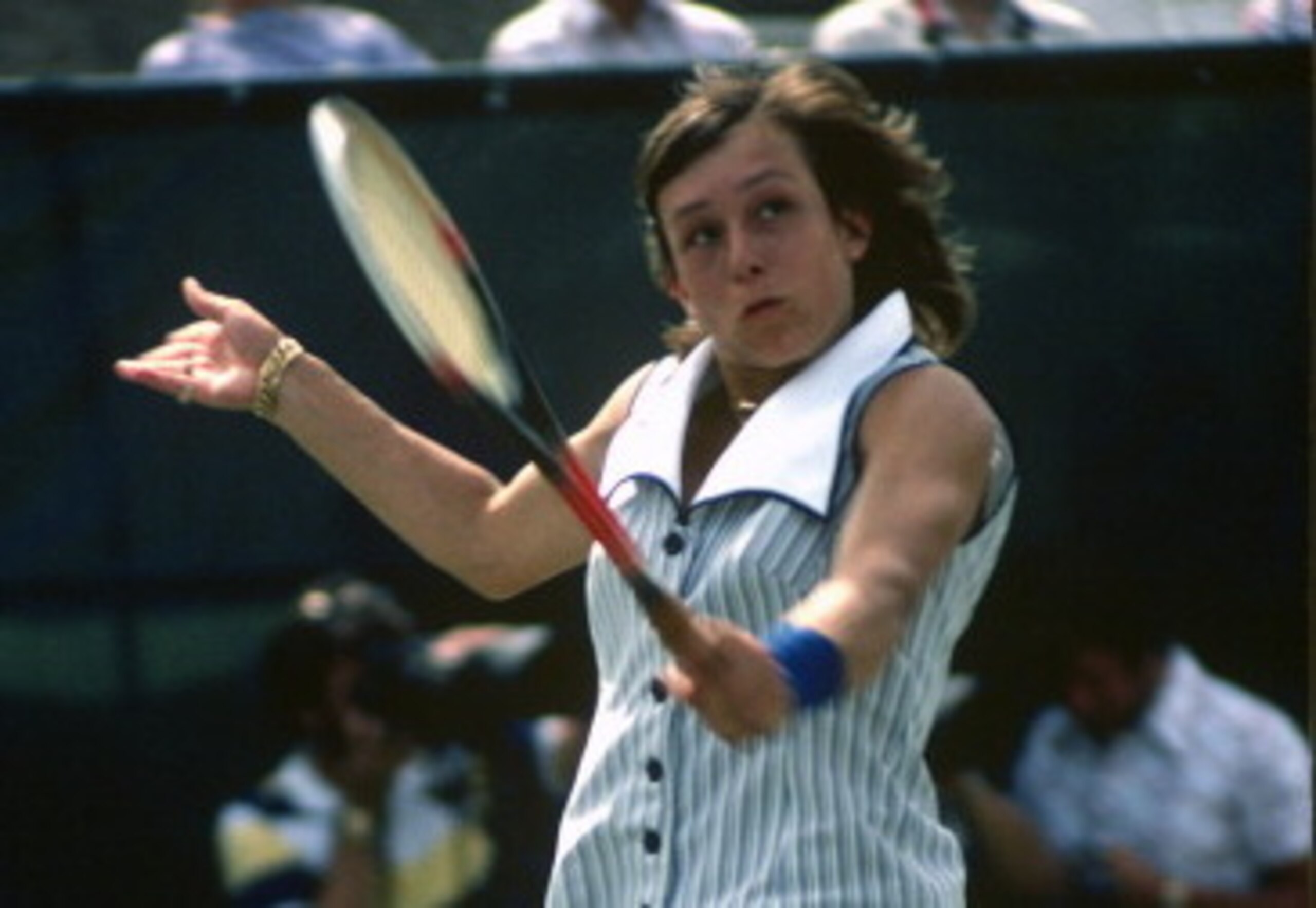
The photograph that appeared in the Chicago Tribune accompanying the story of Janet Newberry's first-round upset of Martina Navratilova in the 1976 U.S. Open shows just how disappointing this loss was for the 19-year-old Navratilova.
Navratilova had defected to the United State a year earlier and was on the verge of becoming a big-time tennis star. She had reached the finals of the 1975 Australian and French Opens and the semifinals of the 1975 U.S. Open. She was coming off a semifinal berth in the 1976 Wimbledon event, having lost to No. 1 Chris Evert in three sets.
Navratilova was seeded No. 3 at the 1976 U.S. Open, and a major breakthrough seemed imminent.
Newberry, meanwhile, had returned to the tour just three weeks earlier after having a knee operation in February. She was a good player, good enough to reach the French Open semifinals in 1975, but she was not in position at that point to challenge the up-and-coming teenager. Or so it seemed.
Navratilova rolled through the first set as expected, dominating Newberry 6-1. But Navratilova lost her focus, as she did occasionally early in her career, and lost the second set. She was down 5-1 in the third and made a comeback, winning two games and saving three match points. But ultimately she lost the match on the slow Har-Tru clay courts at Forest Hills, N.Y., 1-6, 6-3, 6-3.
Navratilova was inconsolable afterward.
A 1994 New York Times story by Harvey Araton recounted a 1976 New York Post account of the aftermath of that match:
"The story said that after Navratilova went to the net to shake Newberry's hand, she sat down in her chair, put her head in a towel, and began to cry.
"These were not mild tears," it read. "This was a 19-year-old girl breaking down completely in front of people in the stands and television cameras and reporters and not caring."
So distraught was Navratilova that even Newberry had to help calm her down. On the way out, Navratilova leaned against a wire fence and began to sob, "even more violently than before."
"
A 2000 story on Navratilova that appeared in Salon.com reported that Newberry said she had never seen anyone so distraught.
Navratilova told the Associated Press in 1994: "Losing in the U.S. Open in 1976 was the lowest I've ever been. I never felt so alone at the time."
.jpg?w=2560 "Grading WWE Raw 🔠")
.jpg?w=2560 "Viral Rams Coach Vid 🖕")



