

Three weeks may not seem like much of a sample in an NBA season that'll eventually span six months, but it's more than enough to make some early assessments for all 30 teams.
To do that, we'll assign one word to encapsulate every squad's start, touching on major storylines, key stats and anything else that helps provide a sense of how things have gone so far.
Victor Wembanyama and the San Antonio Spurs are surging while still figuring things out. Luka Dončić is on a scoring blitz. The Oklahoma City Thunder have somehow held it together despite a rash of injuries to critically important players.
Let's check in on those teams and all the rest three weeks into the 2026-27 season.
Atlanta Hawks: Selfless
1 of 30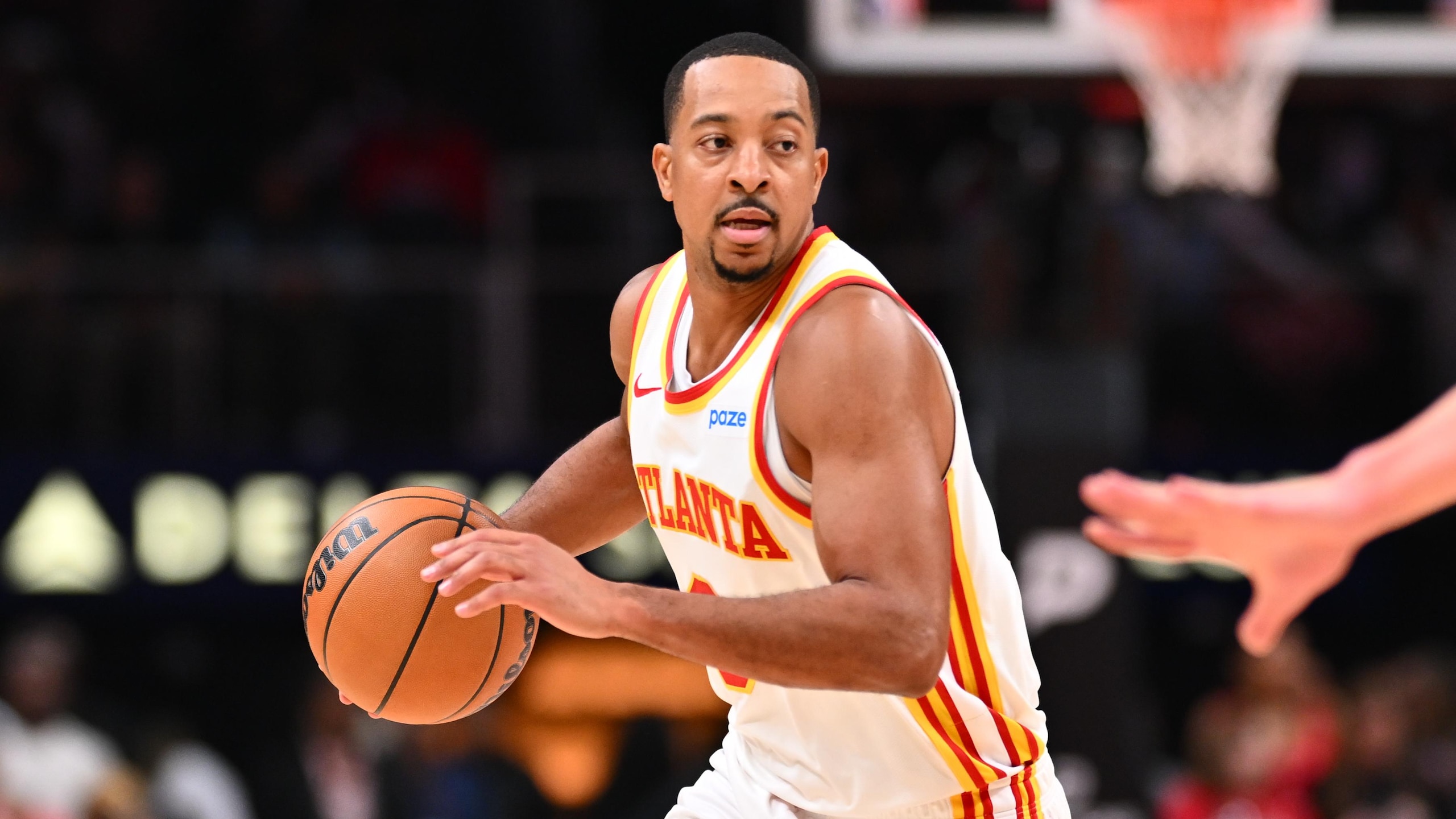
The Atlanta Hawks were having a hard time creating shots consistently with their starters because the otherwise talented group lacked on-ball zip. So veteran guard CJ McCollum solved the issue by going to head coach Quin Snyder and suggesting that rookie Kingston Flemings should take over his starting spot.
The quality of opposition has been a factor, but Atlanta went 3-1 across the first four Flemings' starts. In two wins against the Washington Wizards and one against the Brooklyn Nets, the Hawks put up three straight offensive ratings of at least 117.0—something they hadn't done at any previous point in the season.
It'd be irresponsible to say the change was owed entirely to Flemings, but he scored in double digits, got downhill and shot at least 55.6 percent from the field in all three wins. Meanwhile, McCollum stabilized the bench.
Maybe the Hawks' main issue is still their lack of a true superstar, but they'll outplay their talent if everyone continues to make ego-free decisions.
Boston Celtics: Systematic
2 of 30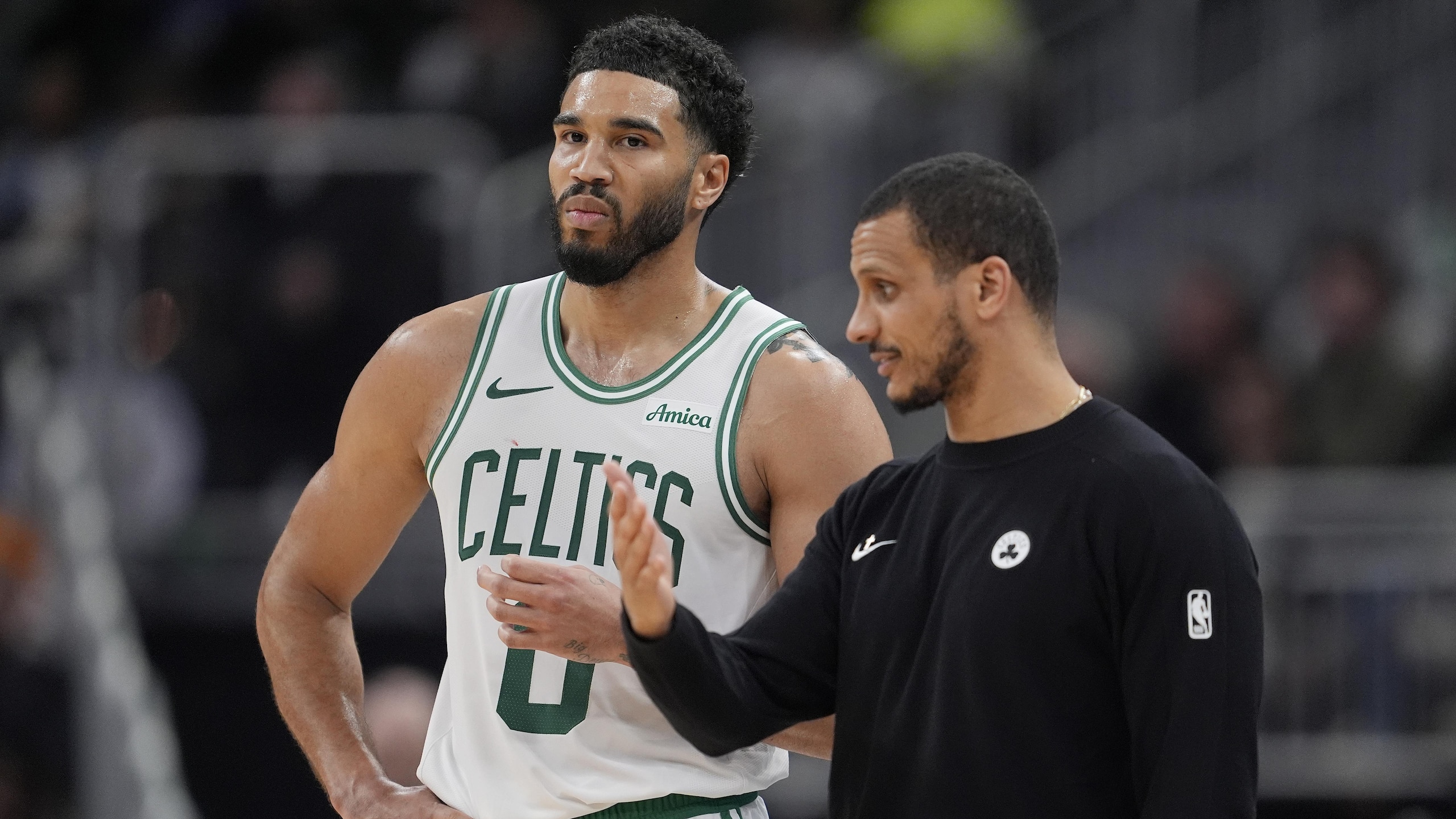
Swap in Paul George and Mitchell Robinson for Jaylen Brown, and the Boston Celtics' wildly successful operation continues to run like clockwork.
This week's marquee matchup with Brown's Philadelphia 76ers saw the Celtics continue to bomb threes, move the ball and defend with purpose—just like they've done for the last half-dozen years. The familiar result: an easy win.
Boston is once again among the league's top five in both offensive and defensive efficiency. As usual, the Celtics are among the NBA leaders in three-point frequency. Personnel changes, even seemingly seismic ones, don't seem to matter. Boston just continues to play its game, trust the math and blow away the competition.
Those who pilloried the Celtics for the Brown trade can still hope the former Finals MVP will be missed in the playoffs, when Boston's finely tuned system sometimes breaks down. For now, this team is wired tight and doing exactly what it always has, with Jayson Tatum atop the pecking order and head coach Joe Mazzulla at the controls.
Brooklyn Nets: Pesky
3 of 30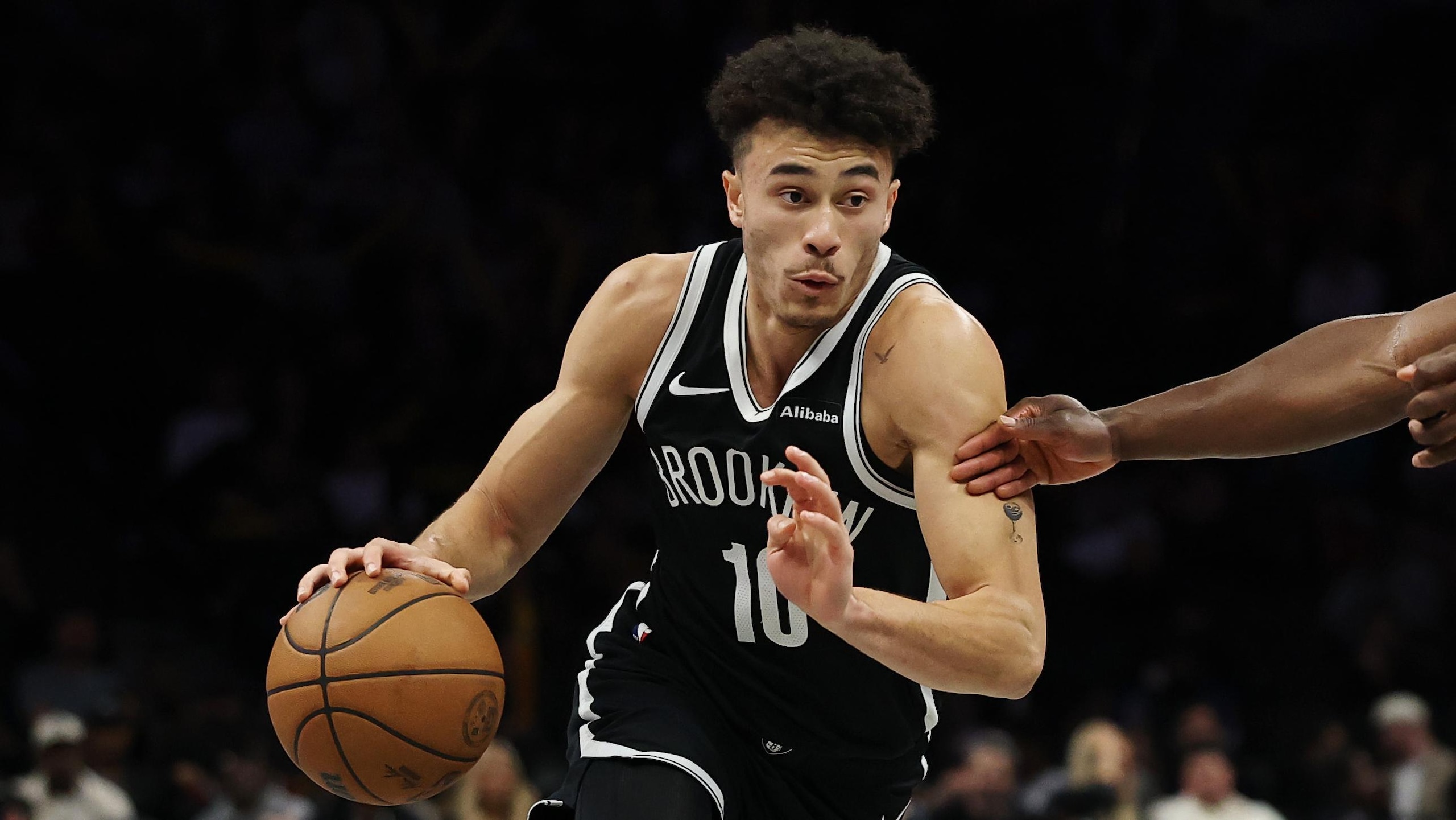
The Brooklyn Nets still don't have a quality win (beating Charlotte, Indiana and New Orleans doesn't count). They're struggling mightily to put points on the board most nights, but at least they're kind of a pain to play against.
Brooklyn ranks among the league's top 10 in opponent turnover rate and has eight regulars in the rotation averaging at least 1.0 steal per 36 minutes. That number climbs to 10 if you include Egor Demin and Terance Mann, who've both missed time.
Second-year guard Nolan Traoré has become a regular starter. He leads all Nets who've played at least 100 minutes with a whopping 2.3 thefts per 36. Paired with his intriguing development as a scoring threat (61.1 effective field-goal percentage), he's emerged as a real bright spot next to prized rookie Mikel Brown Jr.

Charlotte Hornets: Un-Unserious
4 of 30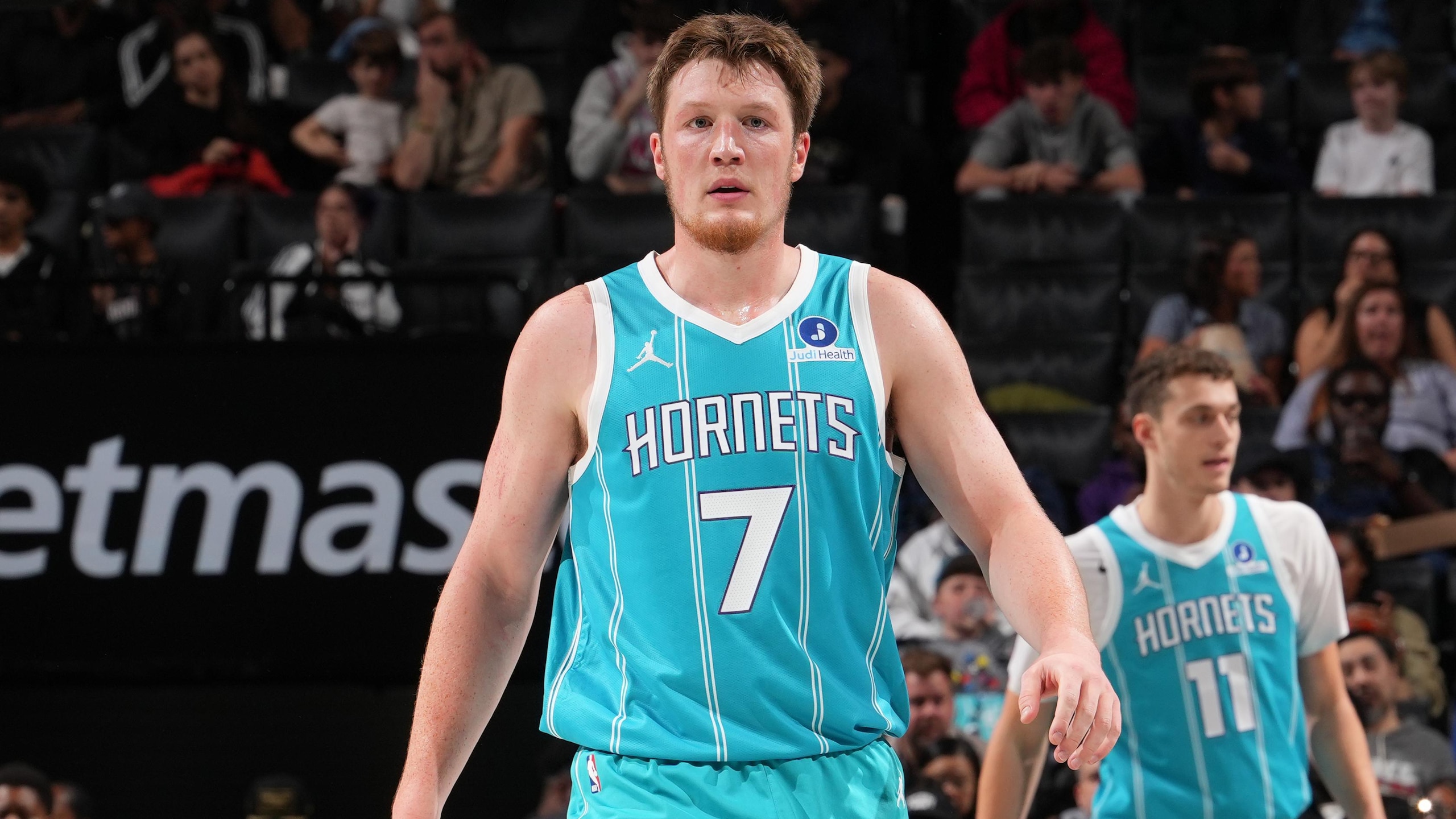
Yeah, we're making words up now.
The Charlotte Hornets' season will be defined by what the team can and can't do without LaMelo Ball, a player whose critics often labeled him "unserious." So far, the Hornets are missing some of the wild, chaotic unpredictability their former point guard delivered.
Injuries to Kon Knueppel, Brandon Miller and Coby White foreseeably defanged Charlotte's attack in the early going, but the team's offense continued to underwhelm during a six-game losing streak from Oct. 28 to Nov. 6. Naz Reid has had his moments. This group will look punchier when everyone is ramped up to full speed, but something is undeniably missing from an offense that took the league by storm for most of last year.
It turns out the Hornets could use a little more unseriousness.
Chicago Bulls: Unlucky
5 of 30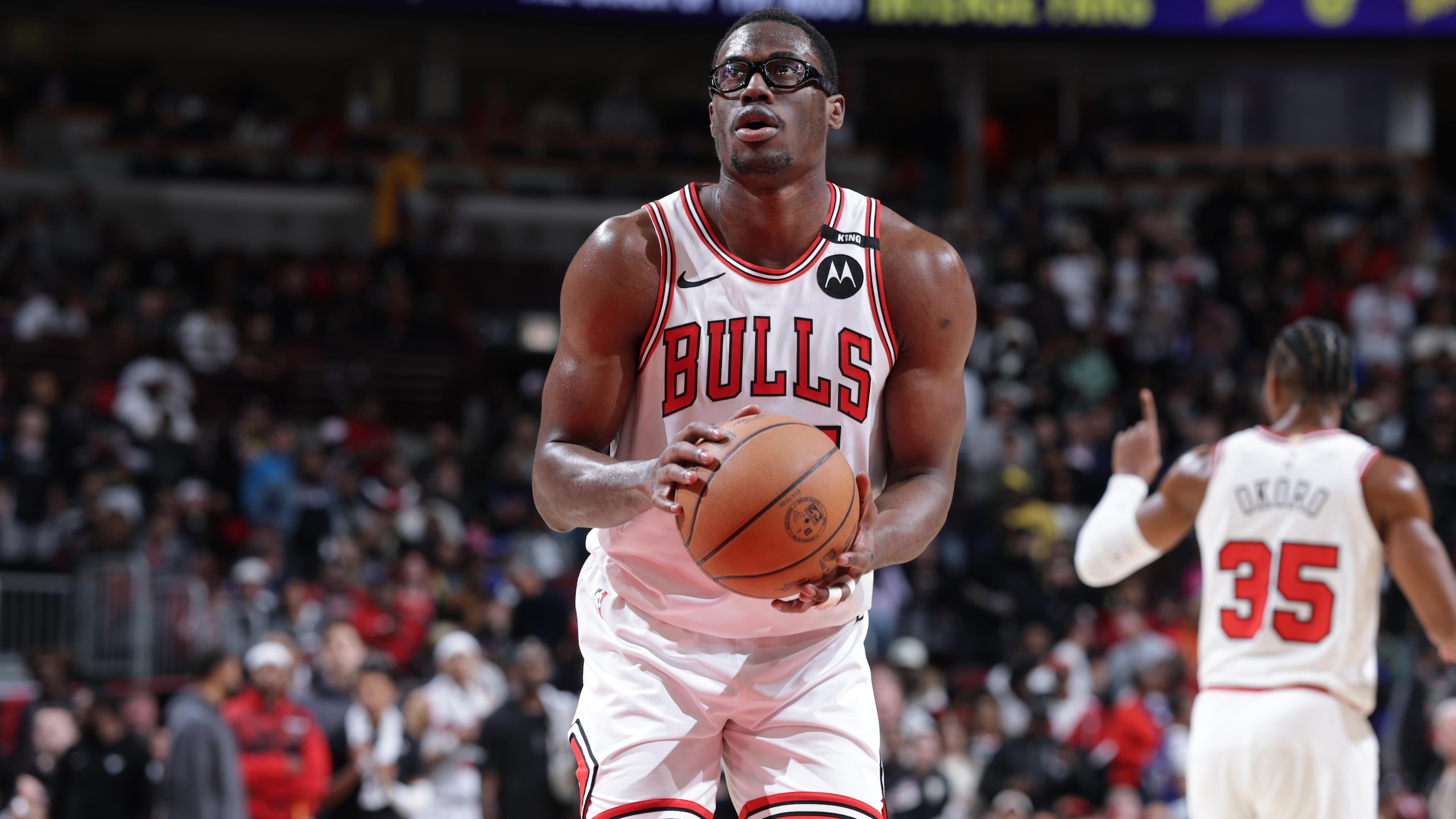
It'd be easy to cite the Chicago Bulls' No. 30 ranking in defensive efficiency, make fun of them by choosing "permissive" as their word and move on. But we've learned enough about early-season stats to know that there's almost always something random underlying a stat like this.
In Chicago's case, it's the typical culprit of red-hot opponent shooting.
Teams playing the Bulls are drilling a ridiculous 40.8 percent of their threes, the highest mark in the NBA so far.
While it's true Chicago's defensive personnel is wanting, particularly on the perimeter, that number is mostly out of the players' hands. Where the defense has more control, like near the rim, the Bulls are actually pretty solid. They rank among the top 10 in limiting opponents' conversion rates at the basket.
Pair that fact with the even bigger luck gap on the other end—the Bulls are second in location-based expected effective field-goal percentage but 28th in actual effective field-goal percentage—and you've got a whole lot of bad fortune that should normalize.
Cleveland Cavaliers: Cliff
6 of 30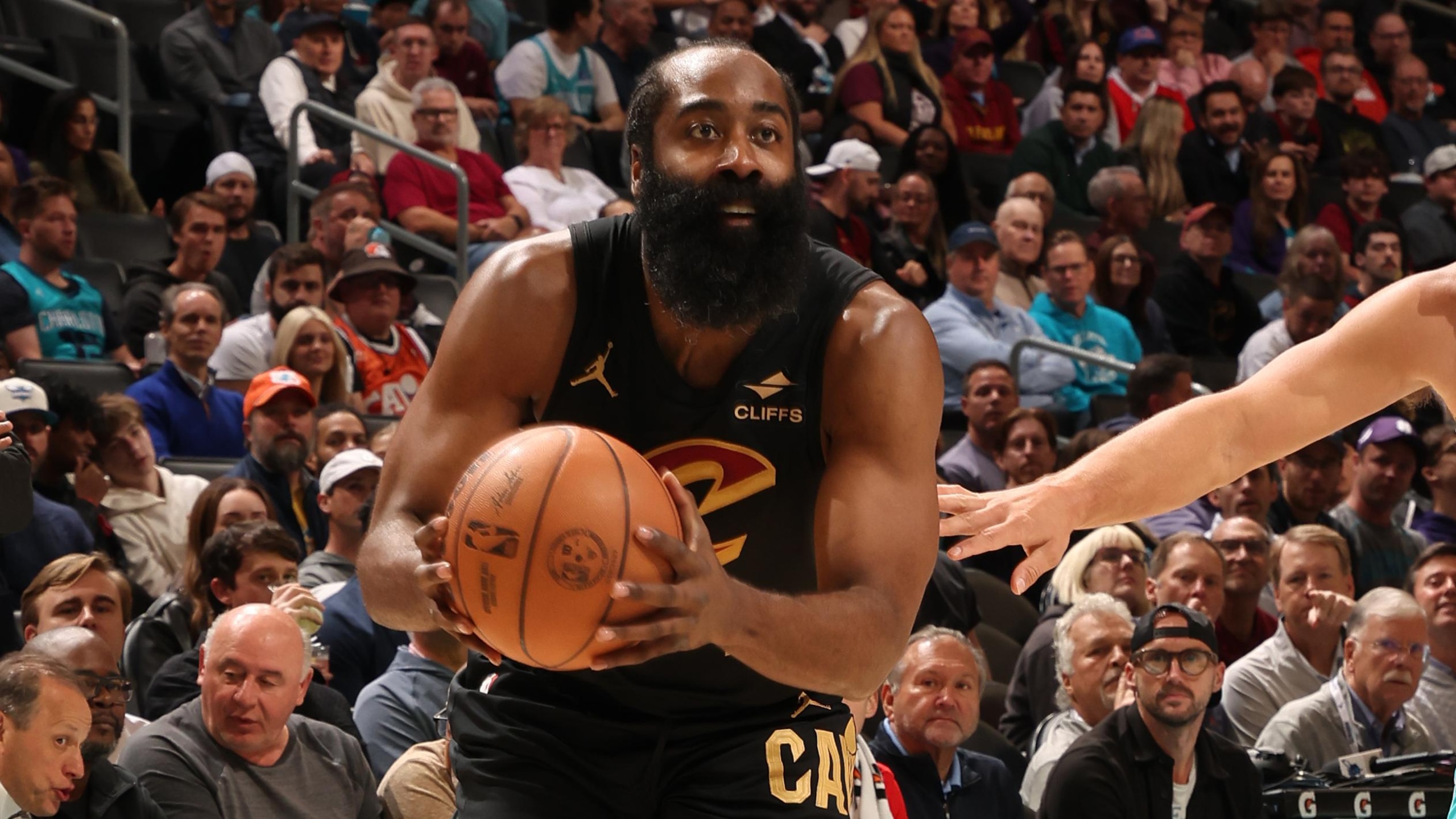
James Harden deserves credit for remaining a viable offensive engine for as long as he has. Genius passing, scoring craft, a trailblazing exploitation of the gather step and plenty of experience against top defenders allowed him to maintain a relatively high level deep into his 30s.
What was once a gentle decline has now gone over a cliff.
Harden, who inked a fully guaranteed three-year, $96.5 million contract over the offseason, has been overtaken by Father Time.
On pace to post his lowest scoring and assist averages since his first season with the Rockets in 2012-13, Harden is struggling mightily to create separation or score inside the arc. He's not getting past defenders and can't finish near the basket, which is producing an array of off-balance, low-efficiency shot attempts. His 50.0% effective field-goal percentage, driven down by a 39.7 percent conversion rate on two-pointers, is one of the worst of his career.
It certainly doesn't help that the NBA is cracking down on foul-baiting by offensive players, something that was once among Harden's superpowers. This is mostly about natural decline, as it significantly lowers the Cavs' ceiling.
Harden's 32-point outburst on Nov. 11 against the Knicks offered faint hope, but it was an outlier in an otherwise dismal start.
Dallas Mavericks: Ascendant
7 of 30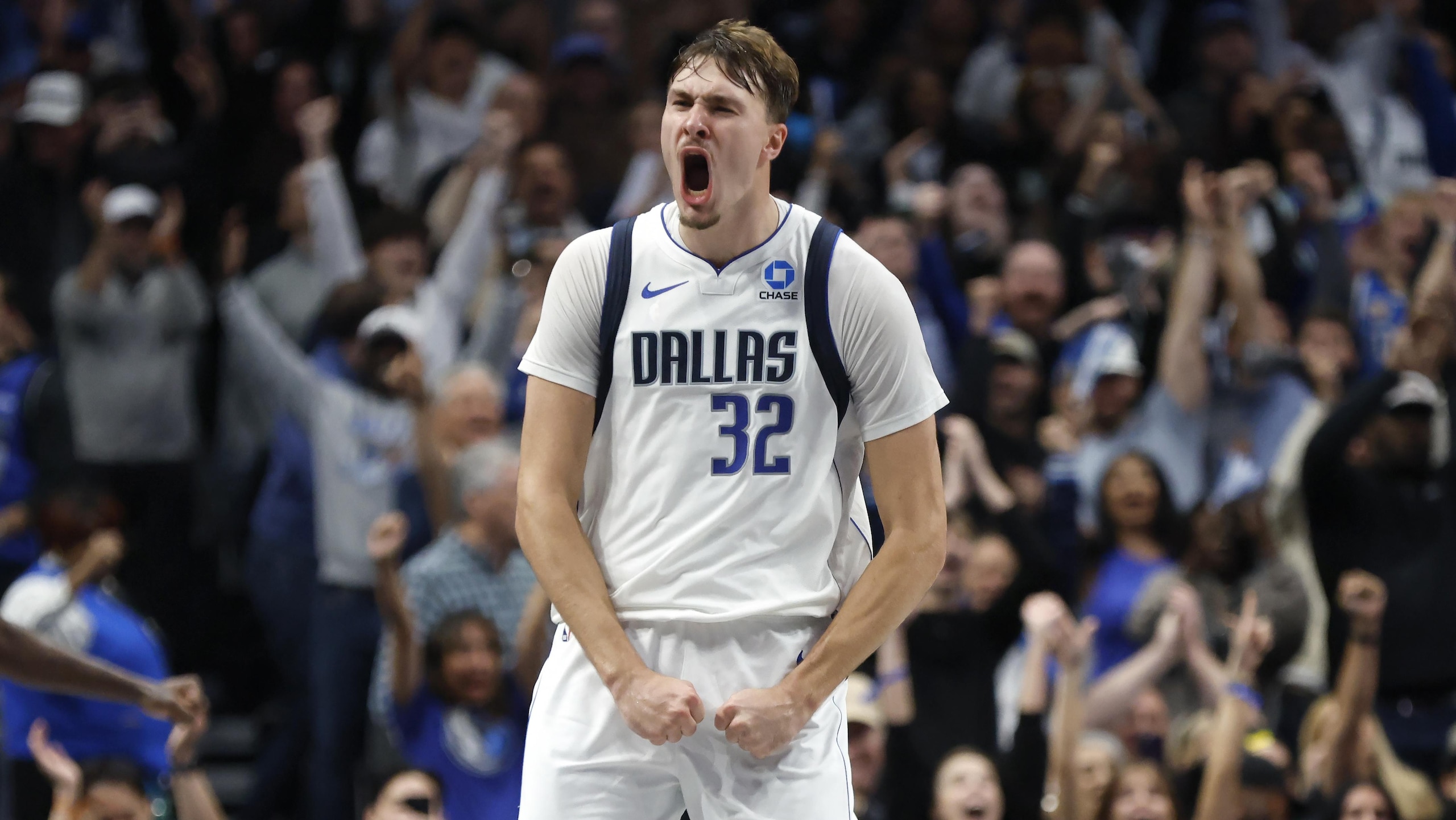
Cooper Flagg is playing like he plans to join LeBron James, Kobe Bryant and Luka Dončić on an extremely short list of 20-year-olds to earn an All-NBA nod.
Flagg's offensive game is hitting a new level in his second season. Kyrie Irving's playmaking is helpful as a pressure release, but this is mostly about clear growth from the reigning Rookie of the Year.
Now, toting a pull-up mid-range that is effectively automatic, Flagg is also getting to the foul line 6.7 times per game while handing out an average of 6.5 assists. Both are well above last year's rates. They're coming alongside defensive play that looks much more like what was described in his prospect profile.
The best (very) young player in the league is demonstrably better than he was during an award-worthy rookie season. Flagg still hasn't ironed out his three-point shot. When he does, he'll be among the most complete two-way forces in the sport. At this rate, he should get there by January.
Denver Nuggets: Twilight
8 of 30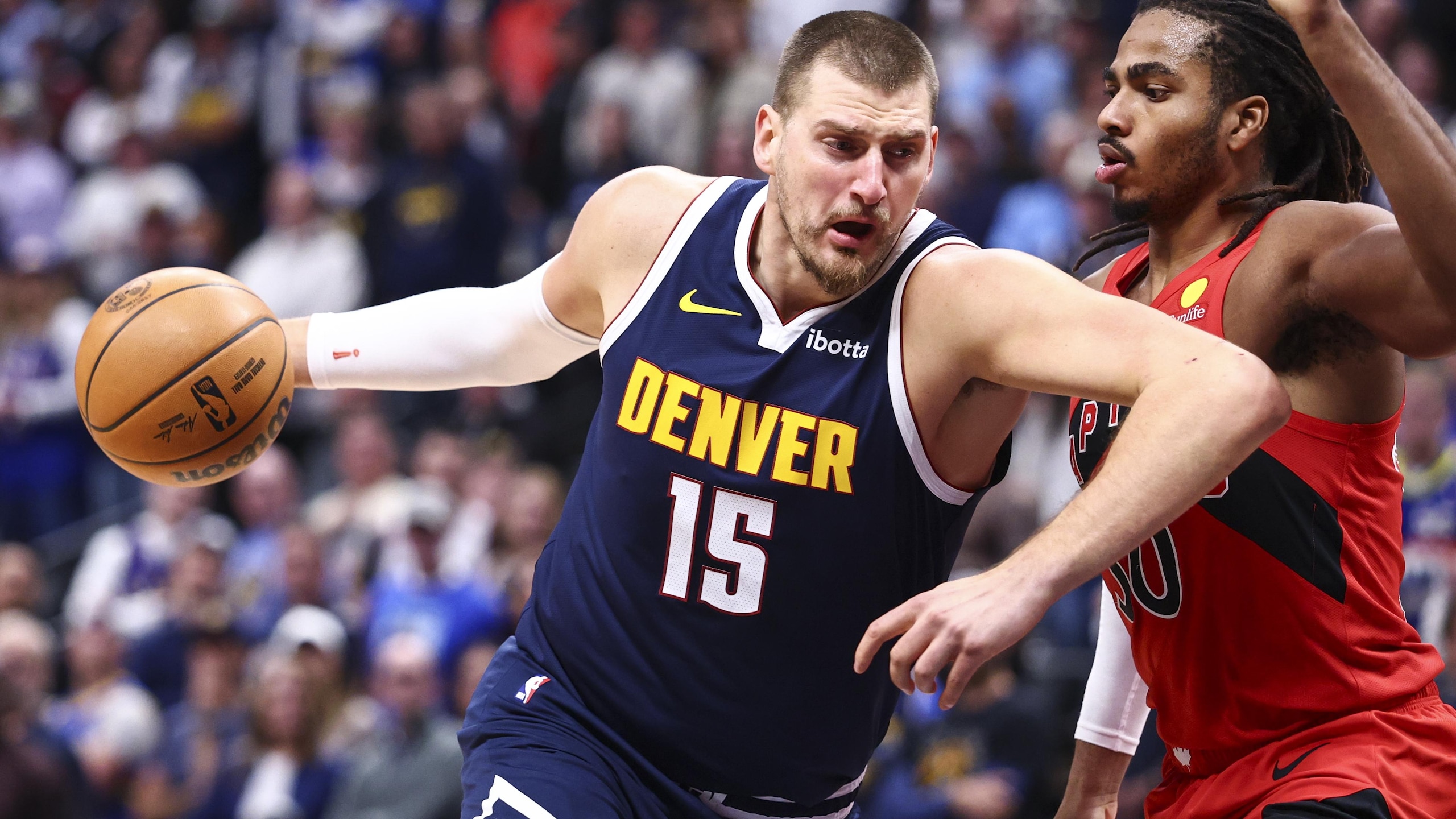
The sun hasn't set on the Denver Nuggets' days as first-tier contenders, but early returns suggest Nikola Jokić and Co. are entering their twilight phase.
The Nuggets managed a meager 84 points against a healthy Oklahoma City Thunder team in their opener, then suffered home losses to the Warriors and Blazers. The league's top offense last season looks less potent than it has at any point during Jokić's reign. The three-time MVP, while still a brilliant orchestrator, has lost a tick or two off his fastball.
Yes, it's weird to say that about a player who's very likely to average a triple-double. But it's true. Jokić is less mobile and engaged on defense. He's effectively lost his ability to make threes. Even those money-in-the-bank floaters and flip shots are rimming out more often.
As long as Jokić, Jamal Murray and Aaron Gordon are relatively healthy, there's no danger of Denver missing the playoffs. We know what the apex-predator version of this team looks like, as the current iteration just doesn't measure up.
Detroit Pistons: Partial
9 of 30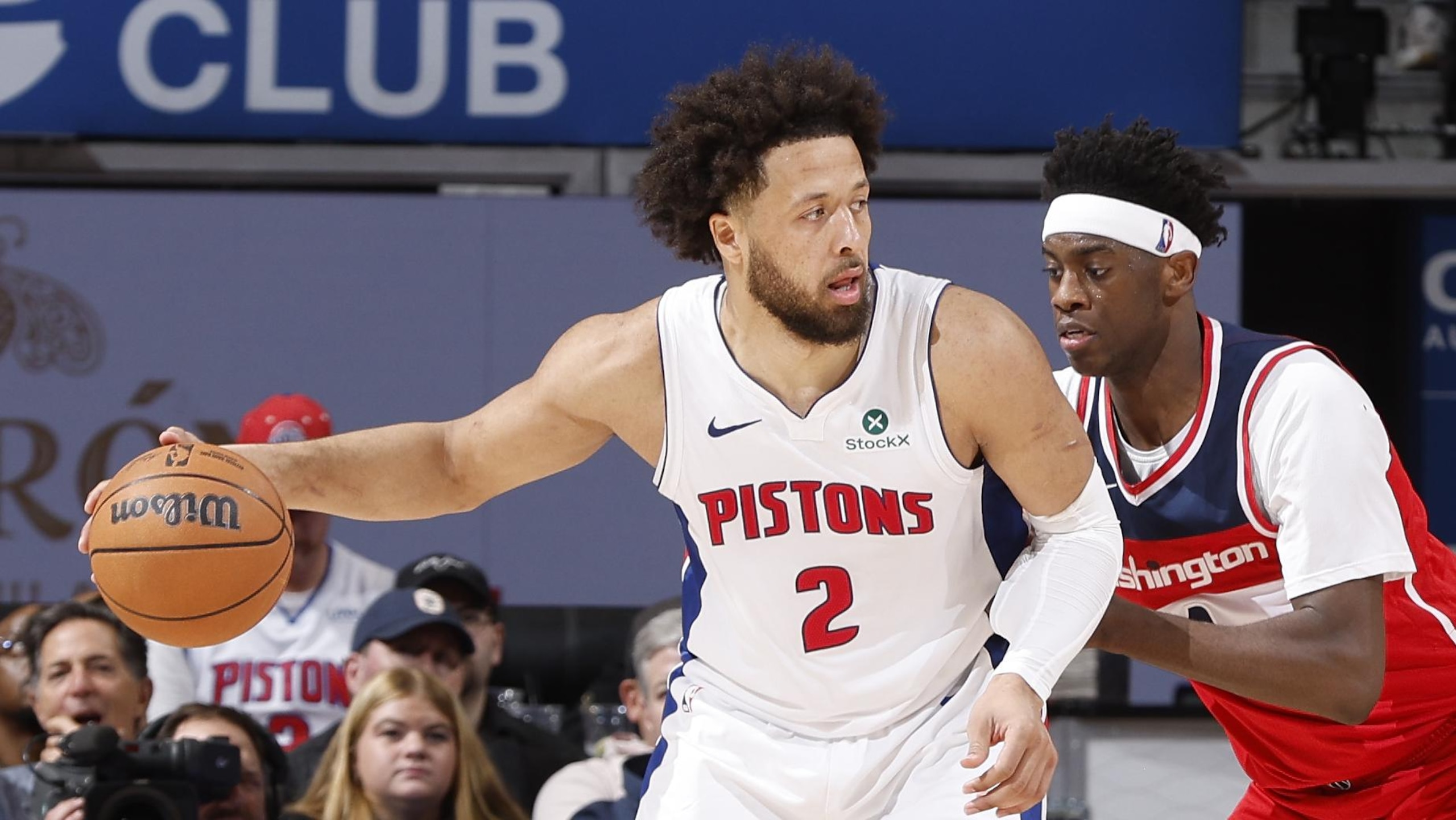
Compared to last year, the Detroit Pistons are shooting the lights out. That's a point in favor of the team's decision to address last season's frequent offensive failures by adding a bunch of gunners to the rotation. While returners Duncan Robinson and Daniss Jenkins are leading the charge by drilling over 40.0 percent of their treys, newcomer John Collins is more than pulling his weight as a floor-stretcher.
Despite a hot shooting start, it still feels like the defensively dominant Pistons have only halfway solved their problems.
The offense still depends heavily on Cunningham (see his 52-point, zero-turnover effort in an overtime win on Nov. 12). Ausar Thompson hasn't shown enough in his expanded on-ball role to suggest Detroit's secondary playmaking has improved at all.
Thompson's presence on the floor knocks the Pistons' offensive rating down by almost 6.0 points per 100 possessions. Their most commonly used lineup without Cunningham scores 103 points per 100 possessions, a low figure.
With a star like Cunningham and a defense this good, Detroit isn't in trouble. But adding shooting still feels like a half-measure.
Golden State Warriors: Lifeline
10 of 30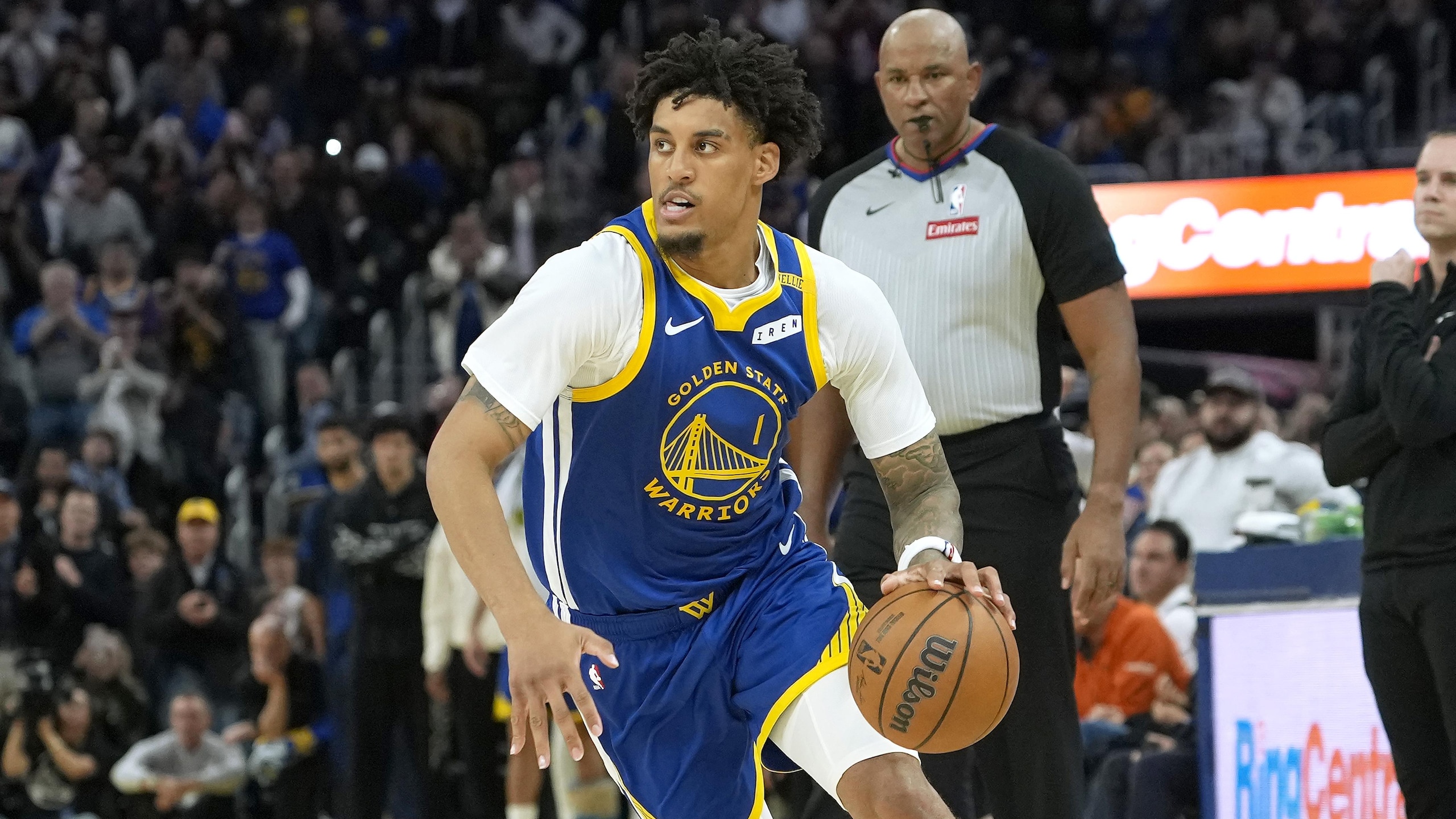
Not even Yaxel Lendeborg's college head coach knew this was coming. If Dusty May had believed the No. 11 pick had this kind of offensive dominance in him, Lendeborg would have come off the board at No. 9 instead of Michigan teammate Morez Johnson Jr.
May and Dallas' loss is the Warriors' gain, as Lendeborg has given the aging and unathletic Dubs a reason to believe there's hope beyond Stephen Curry.
Lendeborg has racked up multiple 30-point games, physically overpowered opponents on drives, drilled loads of pull-up threes and generally outplayed every rookie in the 2026 class. He's huge and aggressive. He can create his own shot and draw fouls. As a result, Lendeborg very often runs the offense whenever Curry is off the floor.
Lendeborg is in for a true test now, though. After Curry suffered an abdominal injury against the Rockets on Nov. 11, Golden State's season may depend on the rookie's readiness for full-time, first-option work.
Houston Rockets: Solved
11 of 30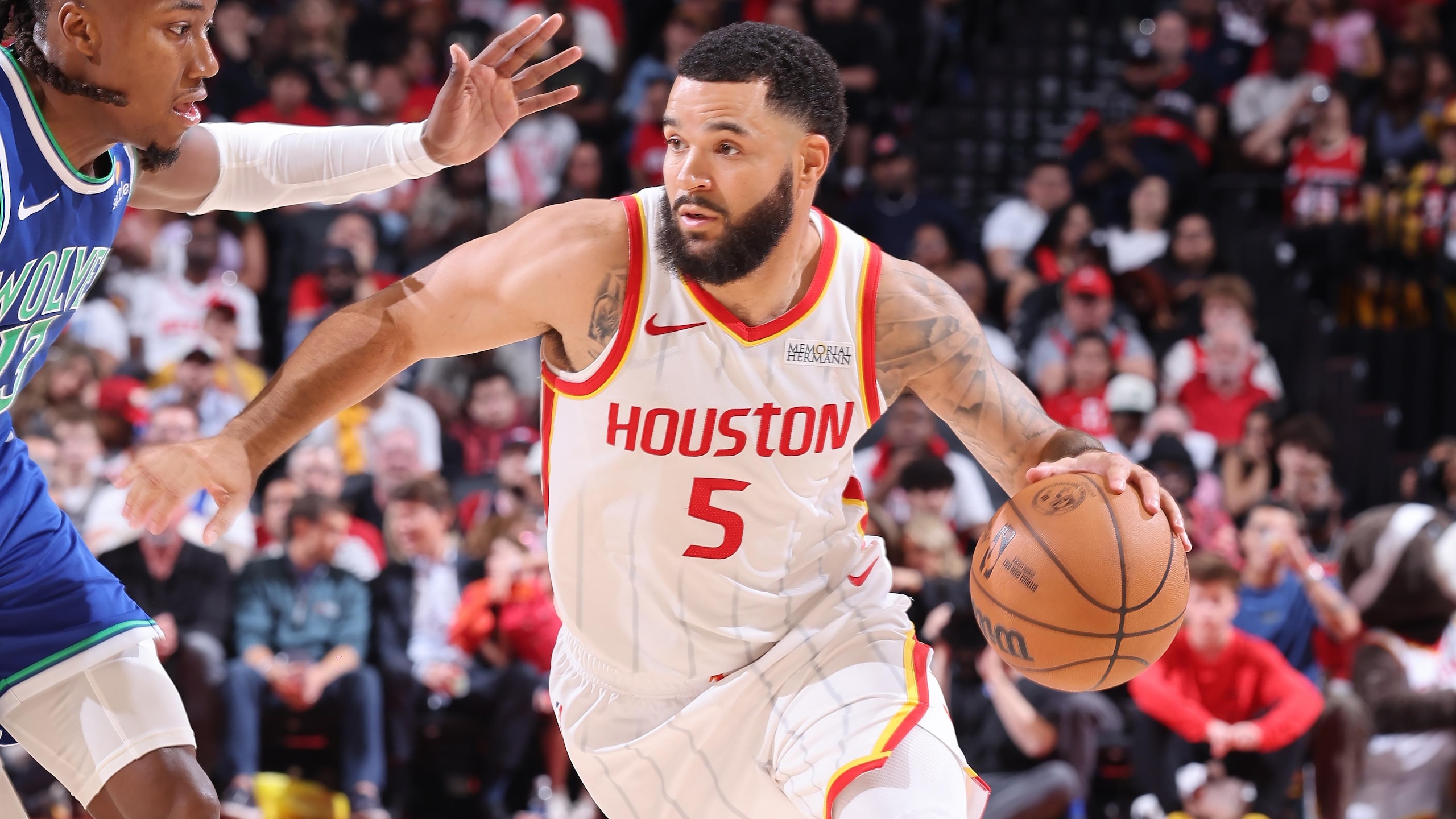
Well, it turns out Fred VanVleet was really as important as everyone thought.
While the Houston Rockets still need to worry about Amen Thompson's nonexistent jumper and the inevitable improvement of their opponents' 30th-ranked three-point accuracy, everything just runs more smoothly with the veteran guard back in the fold.
FVV is only averaging 13.7 points per game and may have lost a step after tearing his ACL, but he's a stabilizing presence in the locker room and on the floor. His reintroduction to the lineup puts Thompson into a right-sized offensive role and has allowed Alperen Sengun to access the best version of his game.
Houston will still face postseason problems because defenses won't honor the outside shots of Sengun or Thompson, but this group is a lock to win another 50-plus regular-season games.
Indiana Pacers: Downer
12 of 30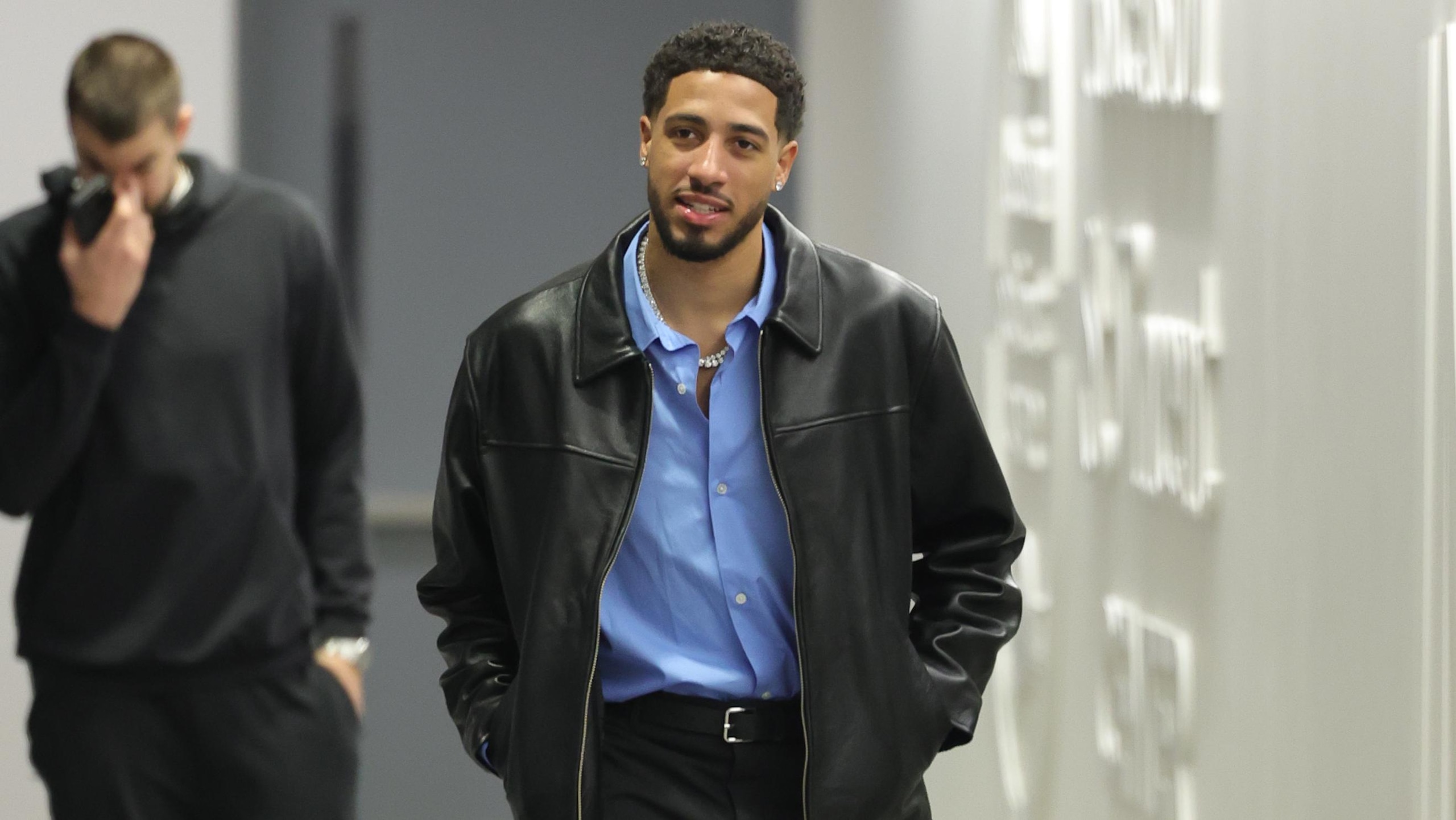
A full season is a long time to wait, but Indiana Pacers fans endured the layoff while Tyrese Haliburton got healthy. Their patience has yet to be rewarded.
Haliburton went down with a hamstring strain after just four games, leading a list of several sidelined Pacers in what was supposed to be a redemptive season. There's still time for Indy to get right, recapture the magic of 2024-25, and give its supporters what they've waited for. Alarm bells should remain silent less than a month into the season.
At the same time, it's now harder to imagine the Pacers regaining their peak form.
A key ingredient in the secret sauce of their Finals run was a high-intensity, movement-heavy, fast-paced style that put extreme physical demands on the players. If Haliburton, Ivica Zubac, TJ McConnell and others are already showing signs of breakdown, how can they be expected to hold up when they return?
LA Clippers: Poised
13 of 30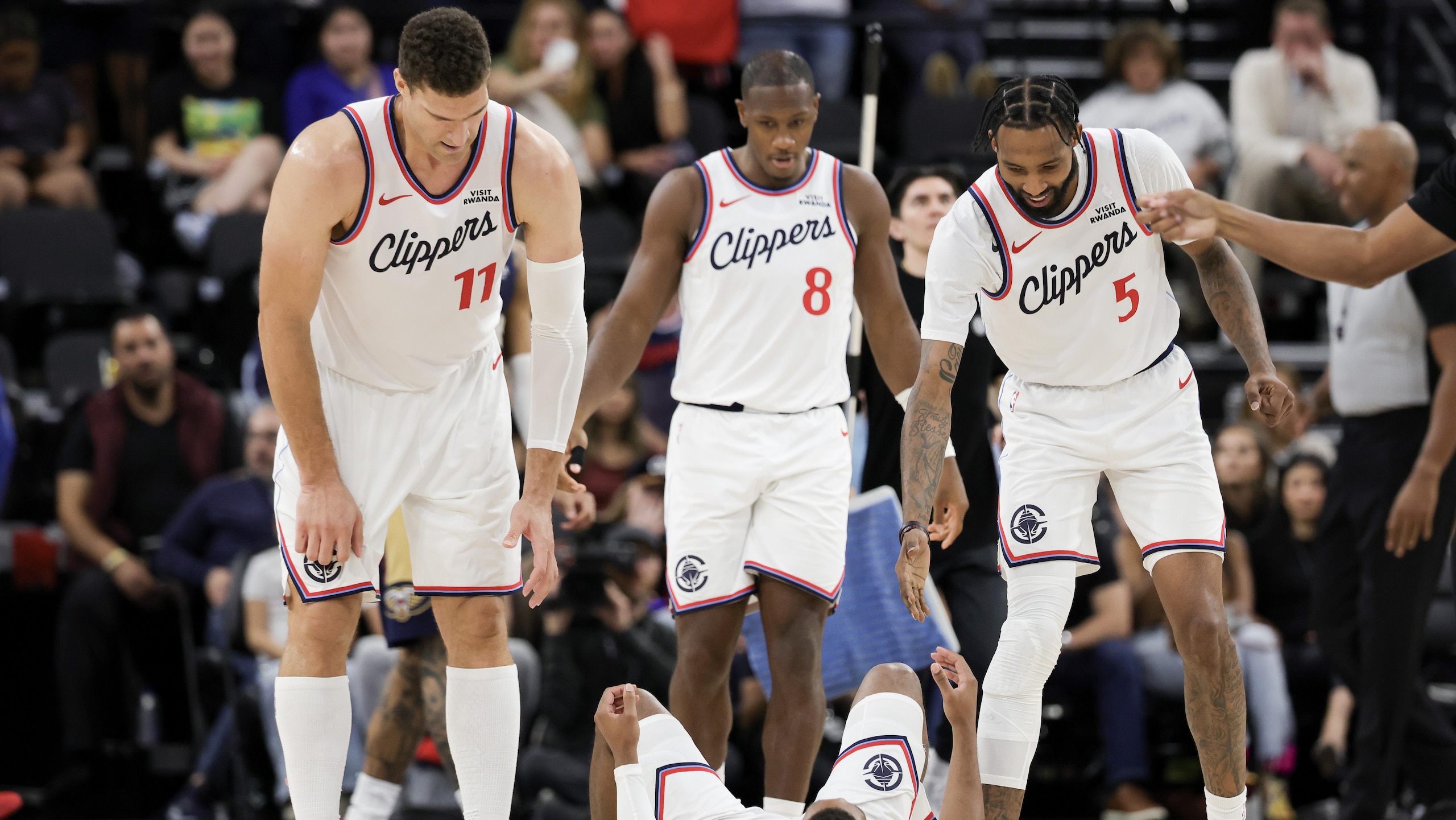
We don't mean "poised" in the sense of composure, even if the LA Clippers are mostly led by vets who've seen enough to keep their cool in high-leverage moments. We mean it in more of a "ready and waiting" kind of way, as LA will eventually be in position to derive some positive value from a season that is otherwise circling the drain.
With Derrick Jones Jr., Kris Dunn, Brook Lopez and Max Strus, the Clips have a stable of useful and healthy (fingers crossed on that one) veterans who should be in high demand when trade season picks up. Though they're out five first-rounders as punishment for cap circumvention, the Clippers should be able to recoup real assets by shipping out a ton of valuable expiring salaries.
While it might be tempting to see what the team looks like with a healthy Brandon Ingram next to Darius Garland, the wiser course is for the struggling Clippers to stay patient before pouncing on the trade market.
Los Angeles Lakers: Validated
14 of 30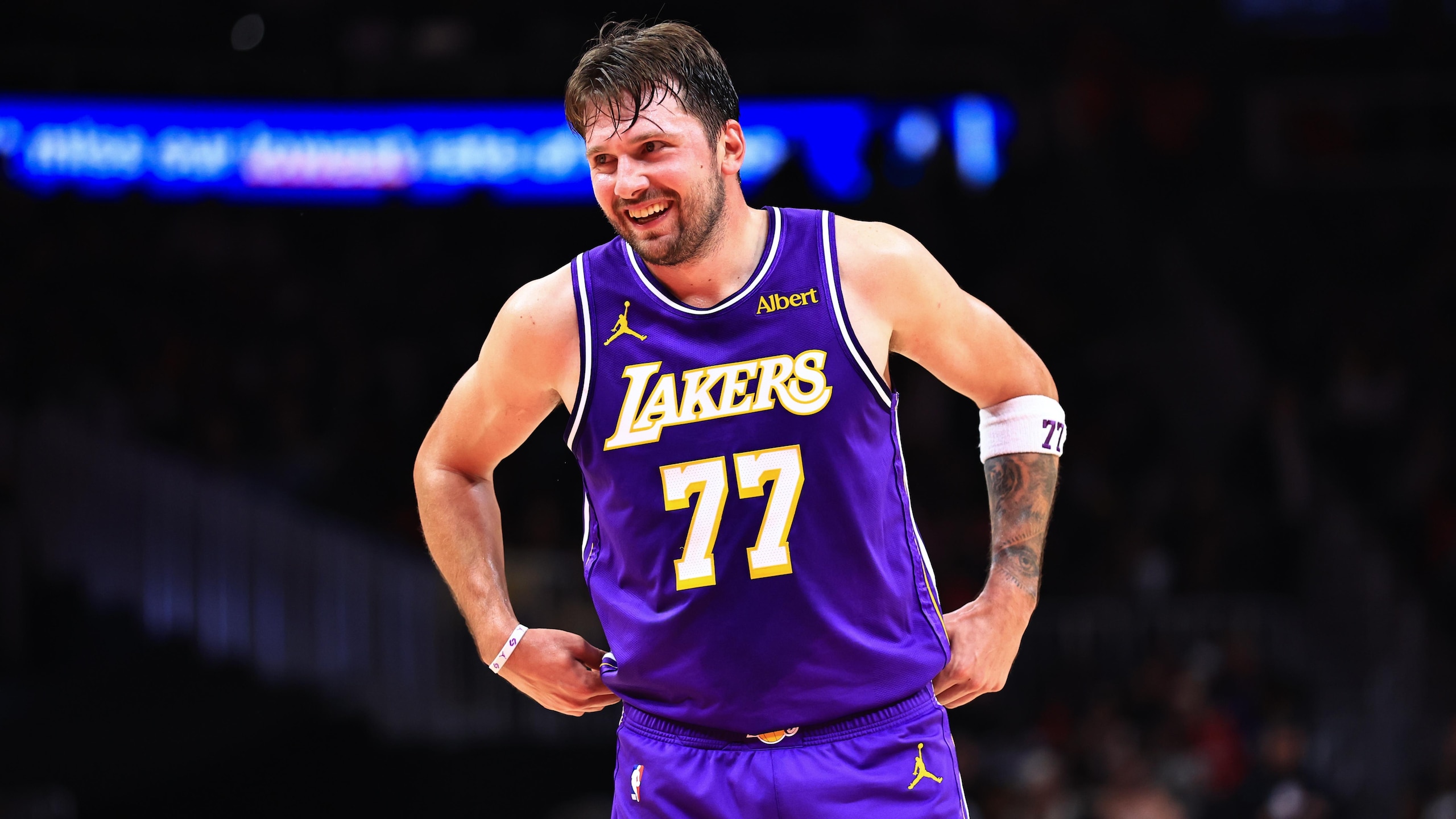
In the wake of a controversial offseason, many agreed the Los Angeles Lakers gave up way too much for Walker Kessler, failed to build a supporting cast with enough reliable three-and-D role players and were generally headed for a disappointing season that might even prompt Luka Dončić to consider playing elsewhere.
So much for that.
Dončić is among the MVP front-runners and definitely the favorite to win a scoring title. Most of Los Angeles' other maligned moves have worked out just fine. Austin Reaves is justifying his new deal by playing like a top option whenever Dončić isn't on the floor. Kessler is captaining a competent defense, as the support pieces are pulling their weight.
It turns out the secondary players tend to fall into place when the primary one, Dončić, plays like he's got everything to prove.
Memphis Grizzlies: Floating
15 of 30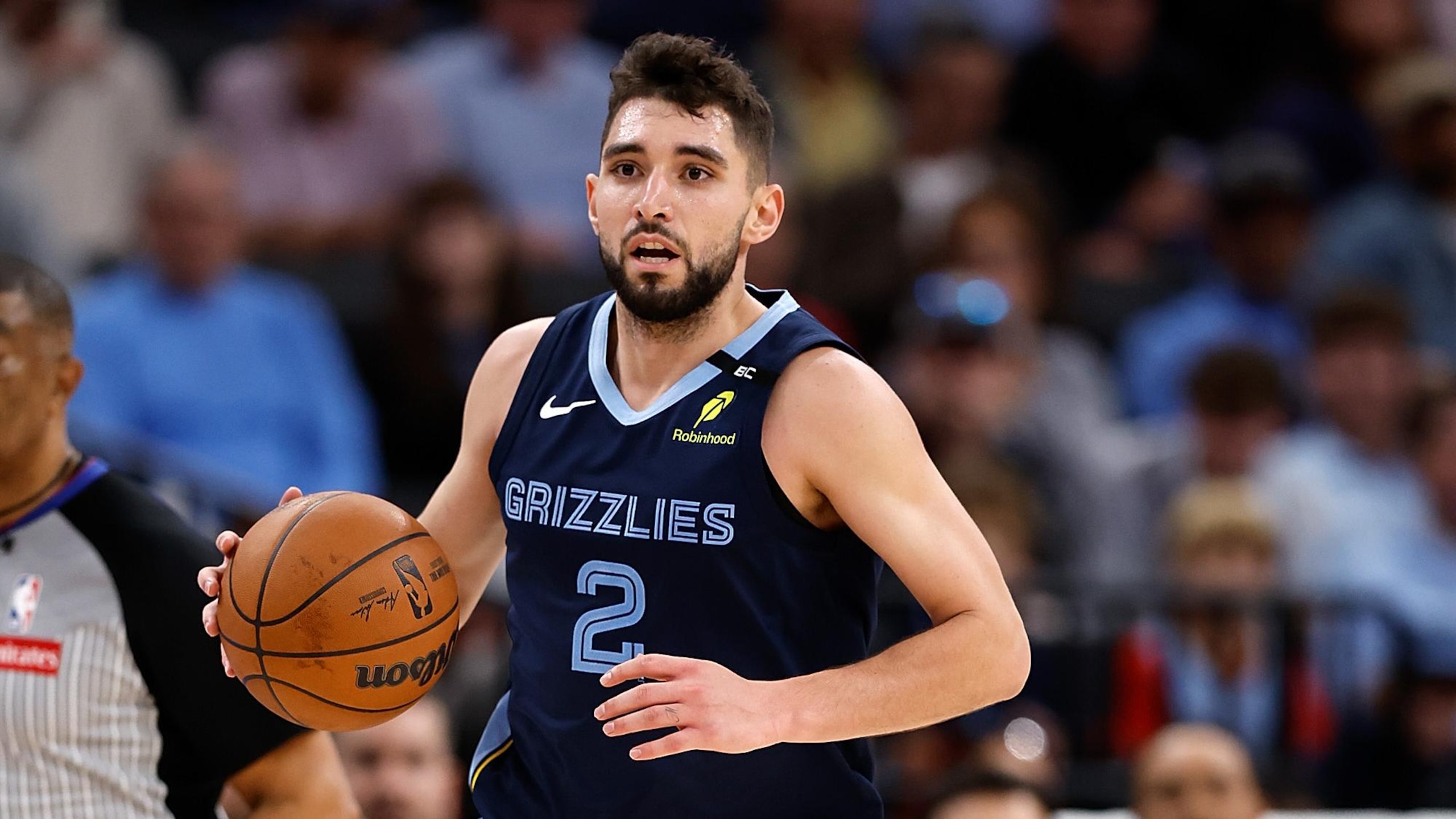
The Memphis Grizzlies have more going for them than an explosive Ty Jerome.
A deep roster that spreads minutes around to an extreme degree ensures the Grizzlies are always fresher and playing harder than their opponents. Steps forward from the likes of Cedric Coward, Jaylen Wells, GG Jackson and Zach Edey all mattered in Memphis' remarkable 7-0 start.
But none of the Grizzlies' surprising success would have happened if Jerome hadn't drilled every wrong-footed, seemingly off-balance floater he tried.
It's not just Jerome's herky-jerky cadence and craft around the basket that has made him the most unexpected star in the league. He's also draining threes, playing with the unbridled confidence of a multi-time All-NBA honoree and thriving in Memphis' unrelenting offensive style.
Tougher times lie ahead as the Grizzlies' scorching three-point shooting inevitably cools, but Jerome and his arsenal of floaters will still let the team levitate on most nights.
Miami Heat: Feel
16 of 30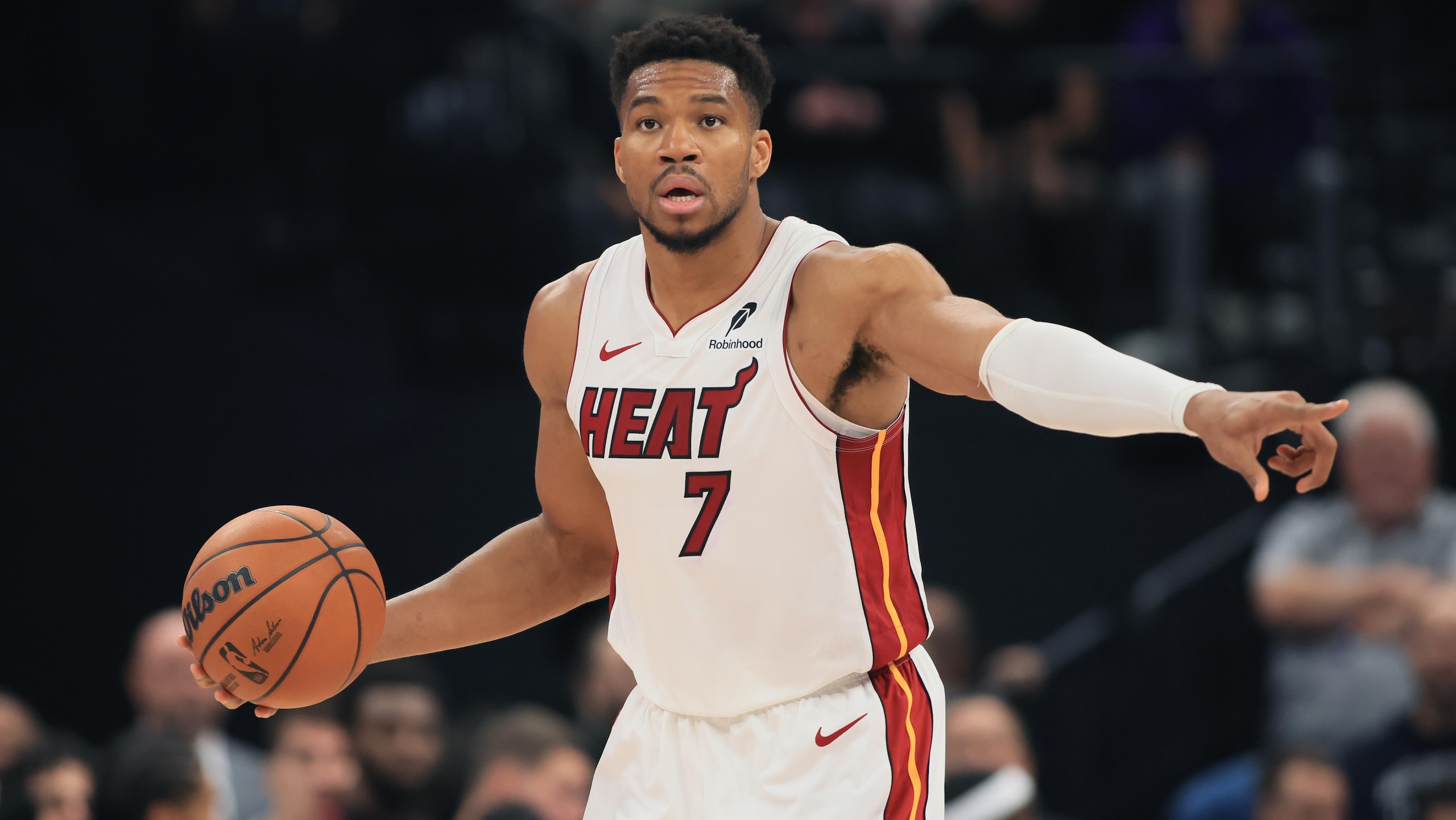
Feel is a tricky thing to evaluate, but Doc Rivers doesn't think Giannis Antetokounmpo has any. Opponents who've stood in and "felt" him on his trademarked downhill drives might beg to differ.
While Rivers' controversial comments contained some of his on-brand responsibility evasion, they also might have helped explain the Miami Heat's struggles. Sure, Giannis is bludgeoning defenders and putting up stats as usual, but the Heat haven't quite figured out how to build a sensible system around a player who, in fairness to Rivers, really does just put his head down and go.
Bam Adebayo has yet to figure out where to fit in, Andrew Wiggins looks lost and Klay Thompson's elite shooting isn't making up for his lack of defensive mobility. Though Miami has seen success after its 0-4 start, four of its five wins came against pushovers in the Pacers, Clippers, Kings and Jazz.
Beating good teams will require cohesion and a little more tactical variety. It remains to be seen whether that's possible with Antetokounmpo as the focal point.
Milwaukee Bucks: Obliteration
17 of 30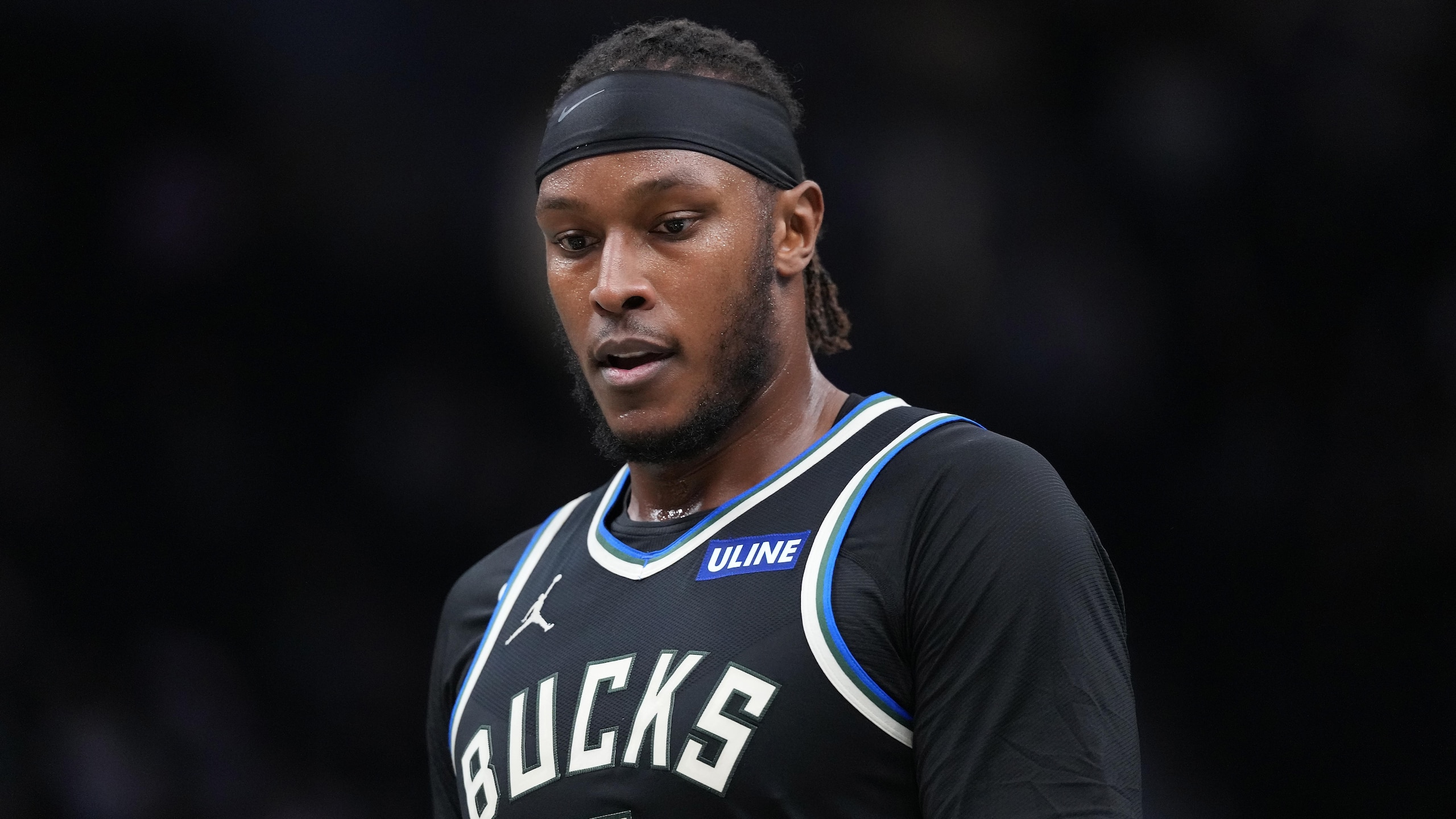
The Milwaukee Bucks beat the Pacers by eight on Oct. 26, but have otherwise been suffering blowout loss after blowout loss in their first year of a post-Giannis existence.
Of their first 11 defeats of the season, nine came by double-digit margins. Three of them ended by at least 25 points.
Other than Tyler Herro and Jaime Jaquez Jr., nobody on the roster has managed to score at a decent volume with any level of efficiency. A shockingly immobile Myles Turner has been totally unable to firm up the defensive back line or control the glass.
If you think this is bleak, just wait until a potential punishment for cap circumvention related to Gary Trent Jr.'s offseason contract. If the league docks the Bucks a couple of their distant first-round picks, it's going to be difficult to see any light at the end of the tunnel.
Minnesota Timberwolves: Ironic
18 of 30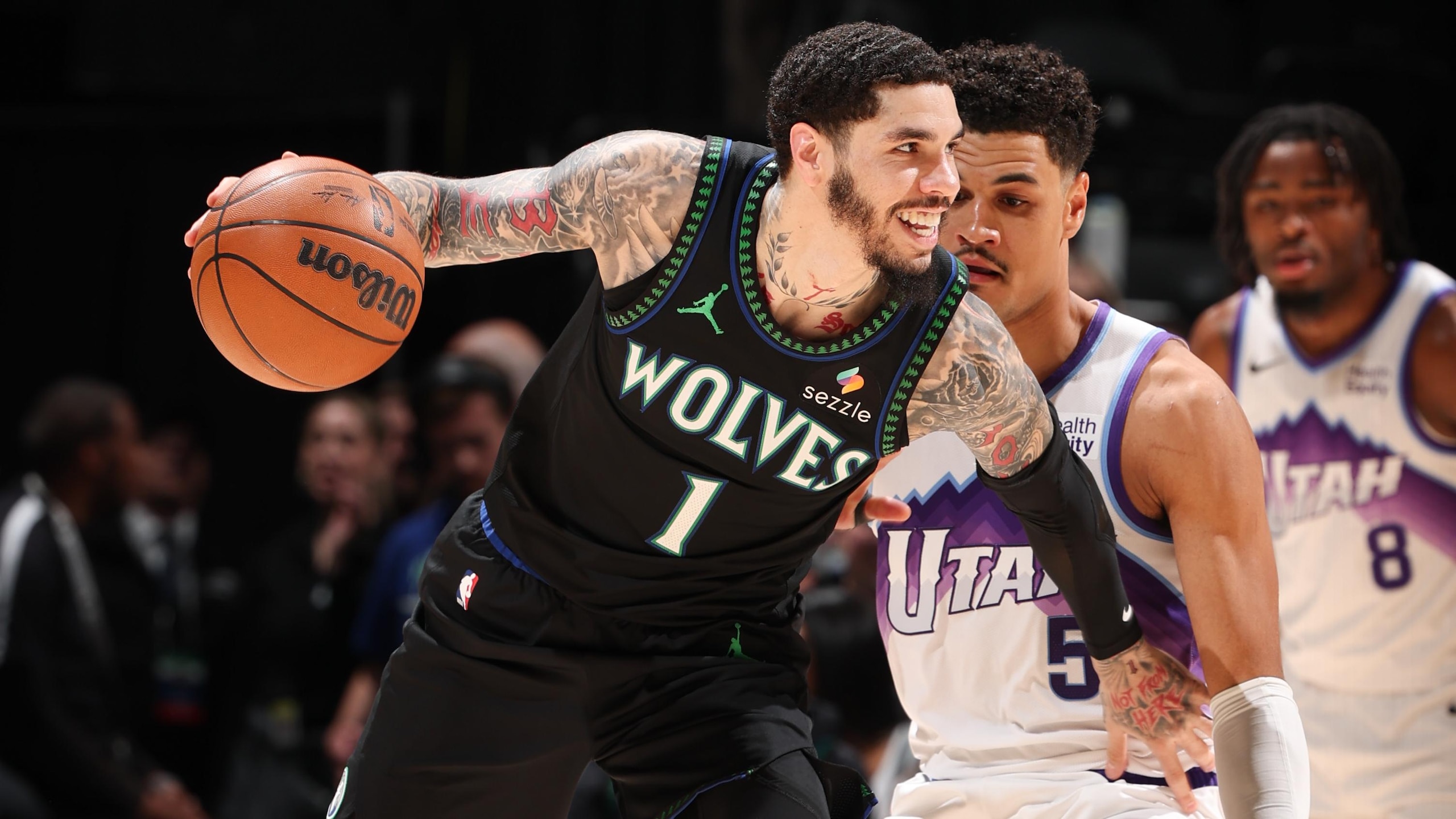
Even LaMelo Ball's staunchest advocates would agree that, for all of his many good qualities, "stability" hasn't exactly been baked into the profile. To be clear, Ball's tendency toward wild on-court decisions and general joie de vivre are net positives; they're part of the reason he's been such an electrifying offensive force when healthy.
It's pretty shocking that a player basically defined by his wild-card nature has helped keep the Minnesota Timberwolves consistent and functional after losing Anthony Edwards to injury.
Minnesota is on pace to best last year's 49 wins and is thriving to the tune of a plus-15.9 net rating swing when Ball is on the court. For his part, the swashbuckling point guard is hitting 40.6 percent of his 8.8 three-point attempts per game while finishing at career-best rates inside the arc. Remarkably, Minnesota has also resisted the urge to overextend the injury-prone Ball, limiting him to what would be a career-low 27.5 minutes per game.
That Ball is averaging a career-worst 4.0 turnovers per contest almost feels reassuring. At least there's still a little wildness in him.
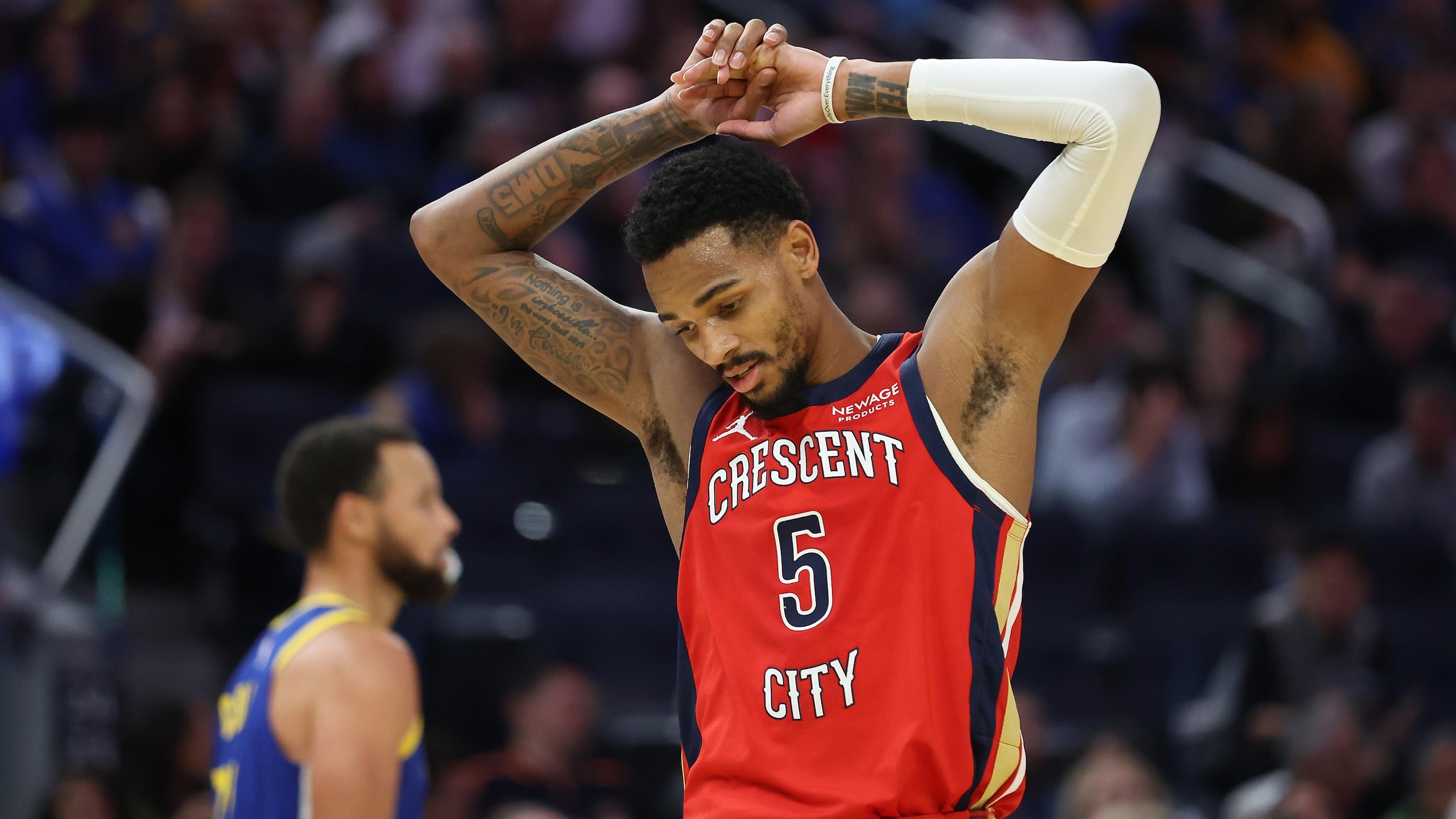
New Orleans Pelicans: Lapped
19 of 30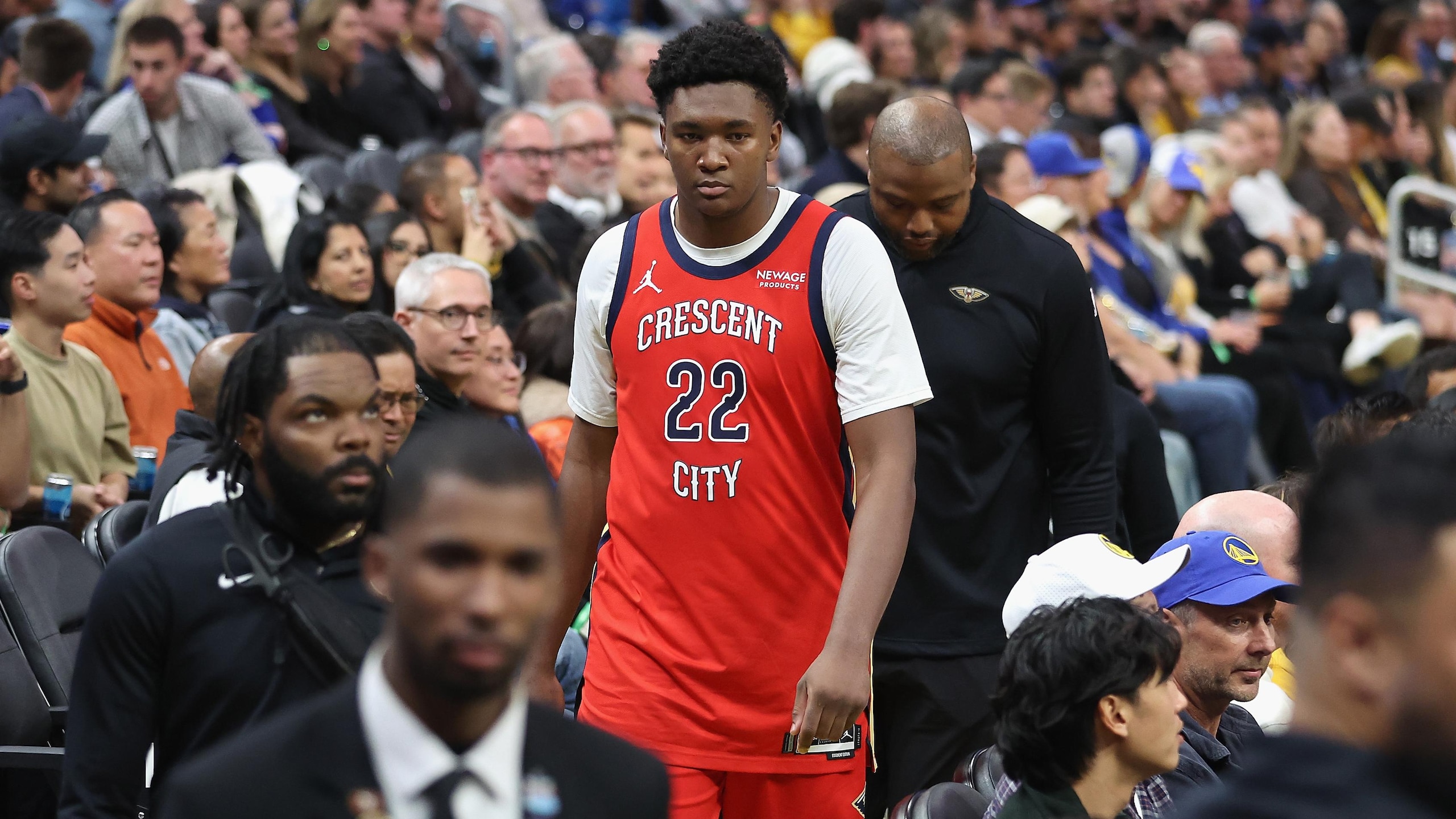
It's great when a single word can describe a team's start in more than one way. We've got one such instance here.
First, second-year big man Derik Queen needed to take a couple of laps around the floor of a live game that his team was losing by 50 points. His frustration is relatable; the New Orleans Pelicans are prone to stretches of listless play that necessitate a little cool-down walk. You try keeping a level head when you're getting blown out to such an extreme degree.
Second, the Pelicans under new head coach Jamahl Mosley have been lapped by the field tactically. Never known for offensive innovation with the Magic, Mosley has the Pels sitting dead last in three-point attempt rate—a long way behind No. 29. While substandard shooting personnel partly explains the issue, there's really no excuse for taking fewer than 30.0 percent of your shots from beyond the arc in 2026.
The three-point revolution is a decade old. Somebody should tell the Pels to get with the times.
New York Knicks: Indebted
20 of 30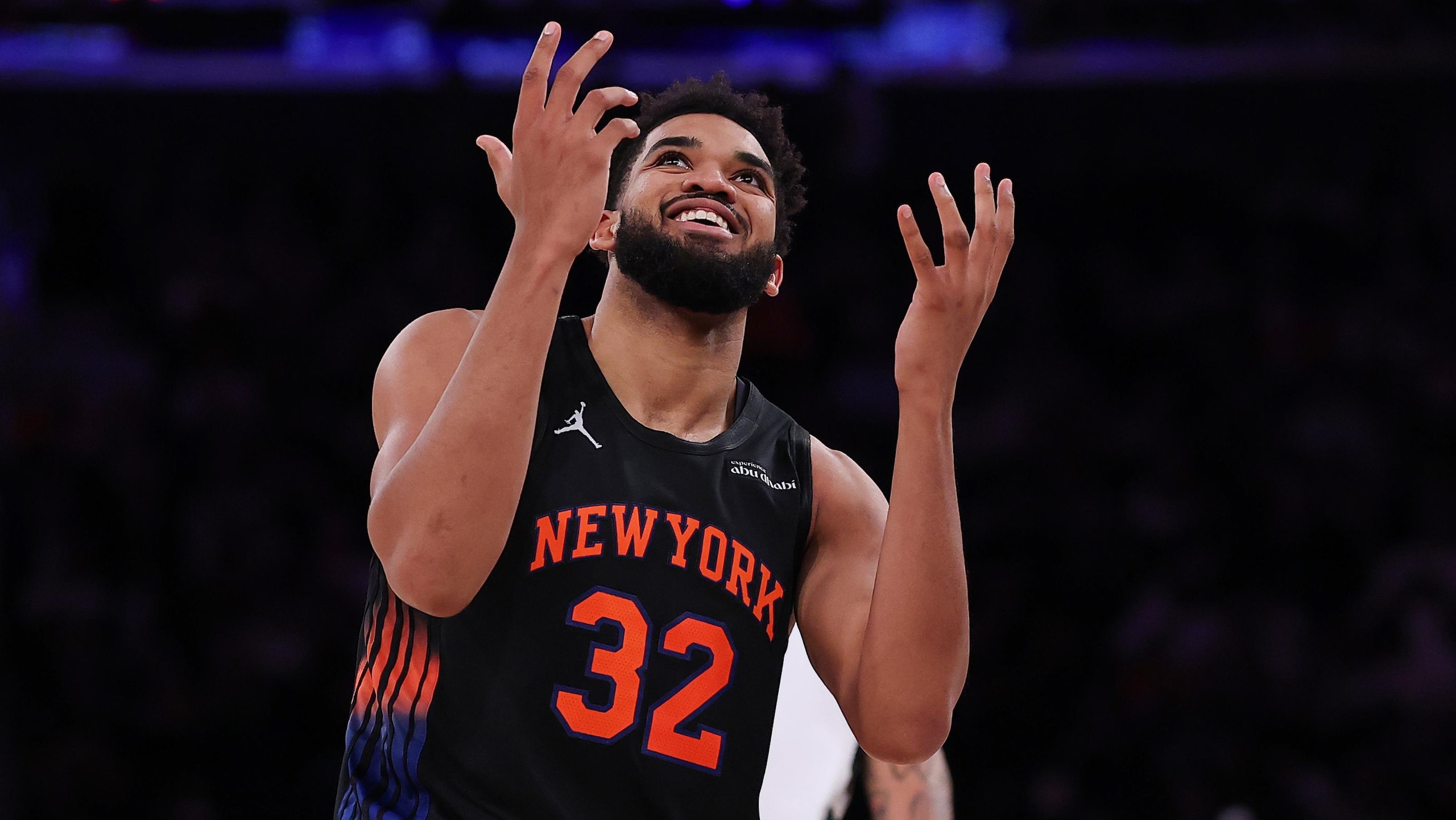
The New York Knicks are paying Karl-Anthony Towns $57 million in what will almost certainly be the final year of his contract. Even in NBA terms, that's a lot of money.
It still feels like they owe him more.
Towns owns a $61 million player option for next season that he'll surely decline if he doesn't get an extension, something the Knicks weren't prepared to give him over the offseason. Instead of sulking or mailing it in after helping the Knicks to their first title in a half-century, Towns went to work.
On track to lead the league in rebounding, playing as focused defensively as he ever has and posting the highest effective field-goal percentage of a career defined by shooting efficiency, KAT is playing perhaps his best ball ever.
In doing so, he's taken full possession of the negotiating high ground and further endeared himself to Knicks fans. Towns has done everything asked of him in circumstances where many players would pout or agitate for an exit. For that, owner James Dolan and the Knicks are deeply indebted to him.
Oklahoma City Thunder: Resilient
21 of 30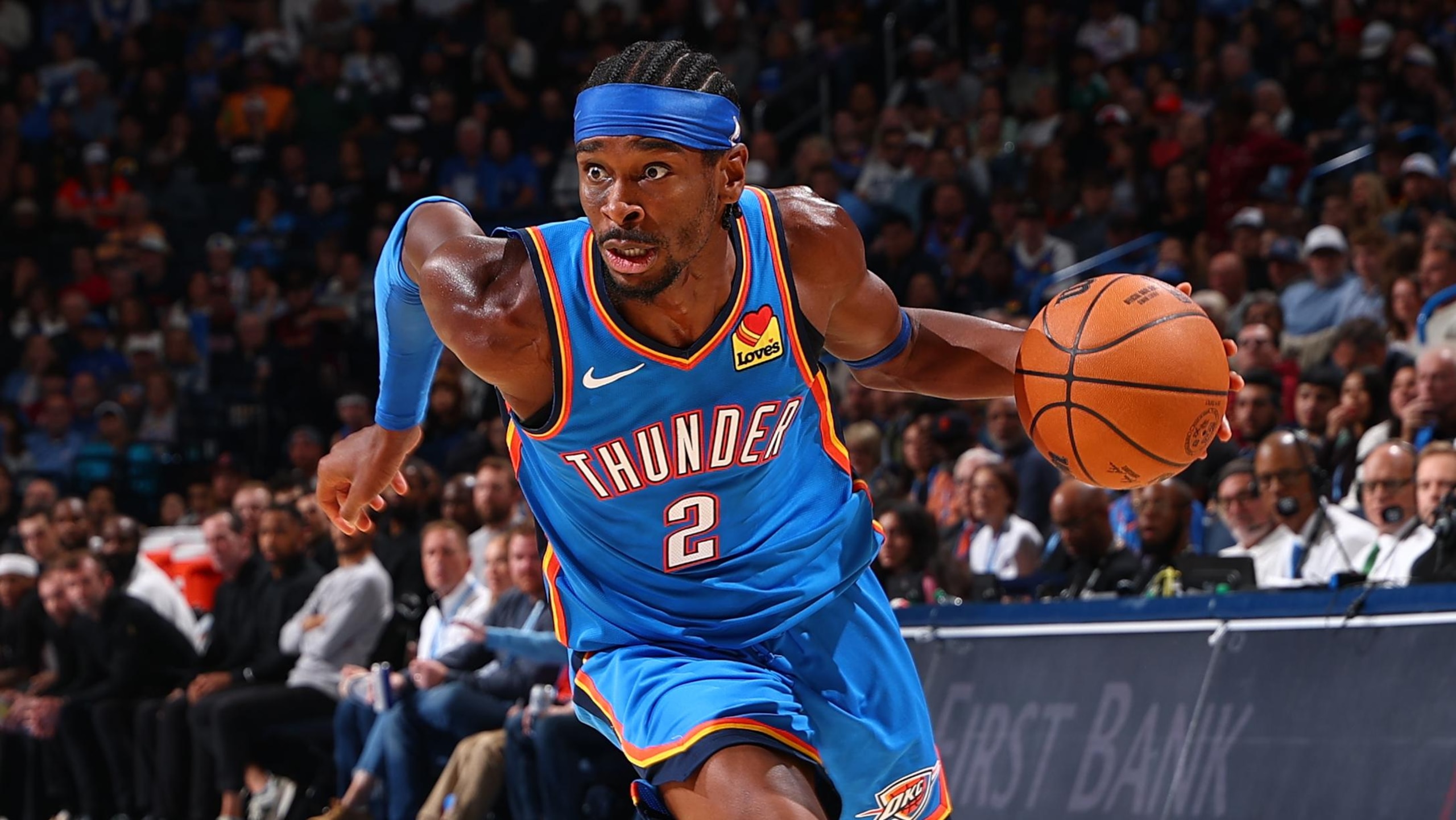
"Cursed" was a real consideration here.
When you lose three starters to major injuries in the same game, it's hard to accept the idea that mere bad luck is to blame. Whether you're inclined to buy black magic or some kind of "Weapons"-esque voodoo as the explanation, you've got to concede that something otherworldly befell the Oklahoma City Thunder early this year.
Jalen Williams and Cason Wallace are both likely lost for the season, while Chet Holmgren has an 8-to-10-week timeline for his comparatively minor patellar tendon tear. Losing three players of that caliber would be devastating in any circumstance, but it stings even more for an OKC team that sent out three rotation mainstays—Aaron Wiggins, Lu Dort and Isaiah Joe—to cut costs over the summer.
Shai Gilgeous-Alexander still has help in the form of Isaiah Hartenstein, Ajay Mitchell, Jaylin Williams, Jared McCain, Alex Caruso and rookie Aday Mara. That group fought through adversity to start 8-4. All things considered, that's a remarkably good result.
Orlando Magic: Familiar
22 of 30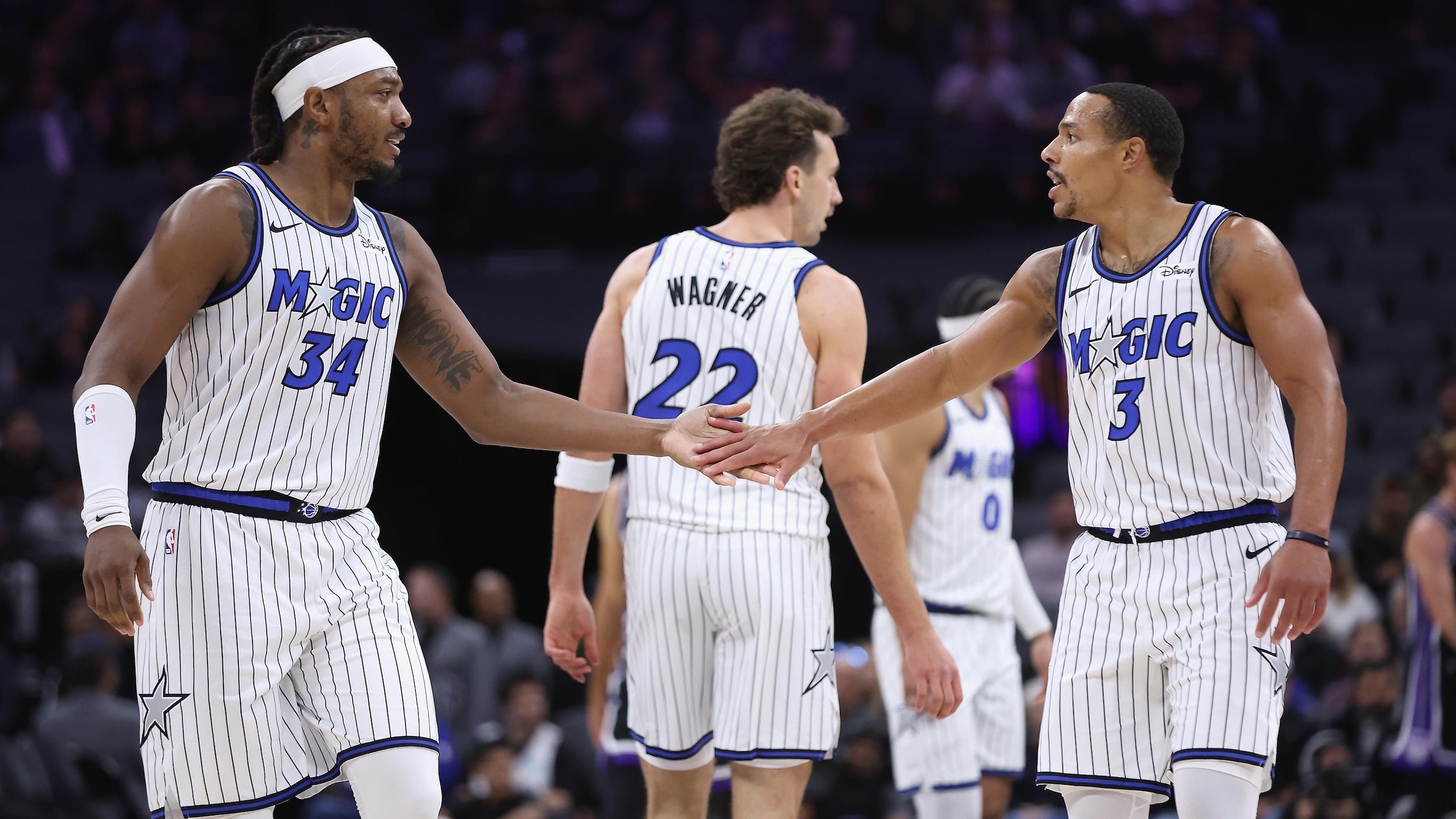
Multiple members of the starting five have already missed significant time. That has made points hard to come by. In other words, these are the Orlando Magic we've come to know and love over the last several years.
Paolo Banchero went down early. Jalen Suggs got injured soon after, limiting the upside of a squad that showed some initial signs of positive change. During their first couple of games, the Magic got stellar play from Banchero and some welcome quick-trigger three-point shooting from Desmond Bane and Tristan da Silva.
While Orlando has continued to fire away from deep, ranking in the top 10 in three-point attempt frequency for the first time since Stan Van Gundy was in charge more than a decade ago, the team's refreshing offensive philosophy hasn't mattered. Due largely to injuries, Orlando is once again hovering around the bottom of the league in offensive efficiency.
That story is all too familiar to Magic fans.
Philadelphia 76ers: Clutch
23 of 30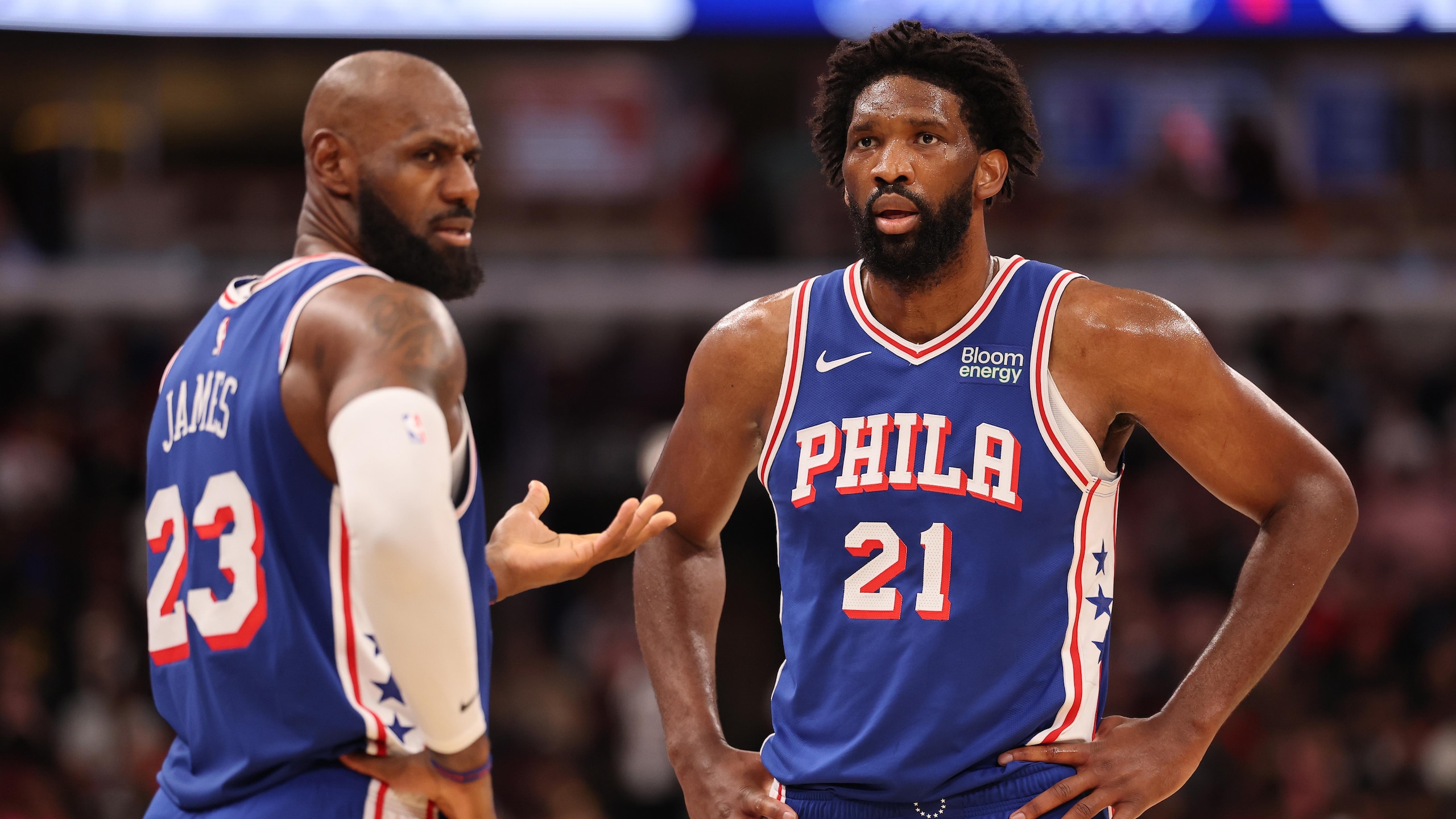
Clutch Player of the Year is basically a crapshoot award every season. Few stats have less year-over-year predictive value than a team's record in close-and-late situations.
But you have to hand it to the Philadelphia 76ers: So far, they've been the league's best clutch team.
Philly is a remarkable 8-0 with a plus-40.8 net rating in games where the score is within five points in the last five minutes. It's up to you to decide whether that's a sign the Sixers have been squeaking by on a thin margin and are therefore overrated, or whether they're proving their ability to win the tight games they hope to experience in the playoffs.
The best teams tend to avoid clutch situations altogether by blowing out their opponents. Philadelphia certainly isn't doing that. Does it still count for something that a roster filled with new players is pulling out close wins without fully developed chemistry? Are the Sixers actually way worse than their record suggests?
Guess we'll see.
Phoenix Suns: Underwater
24 of 30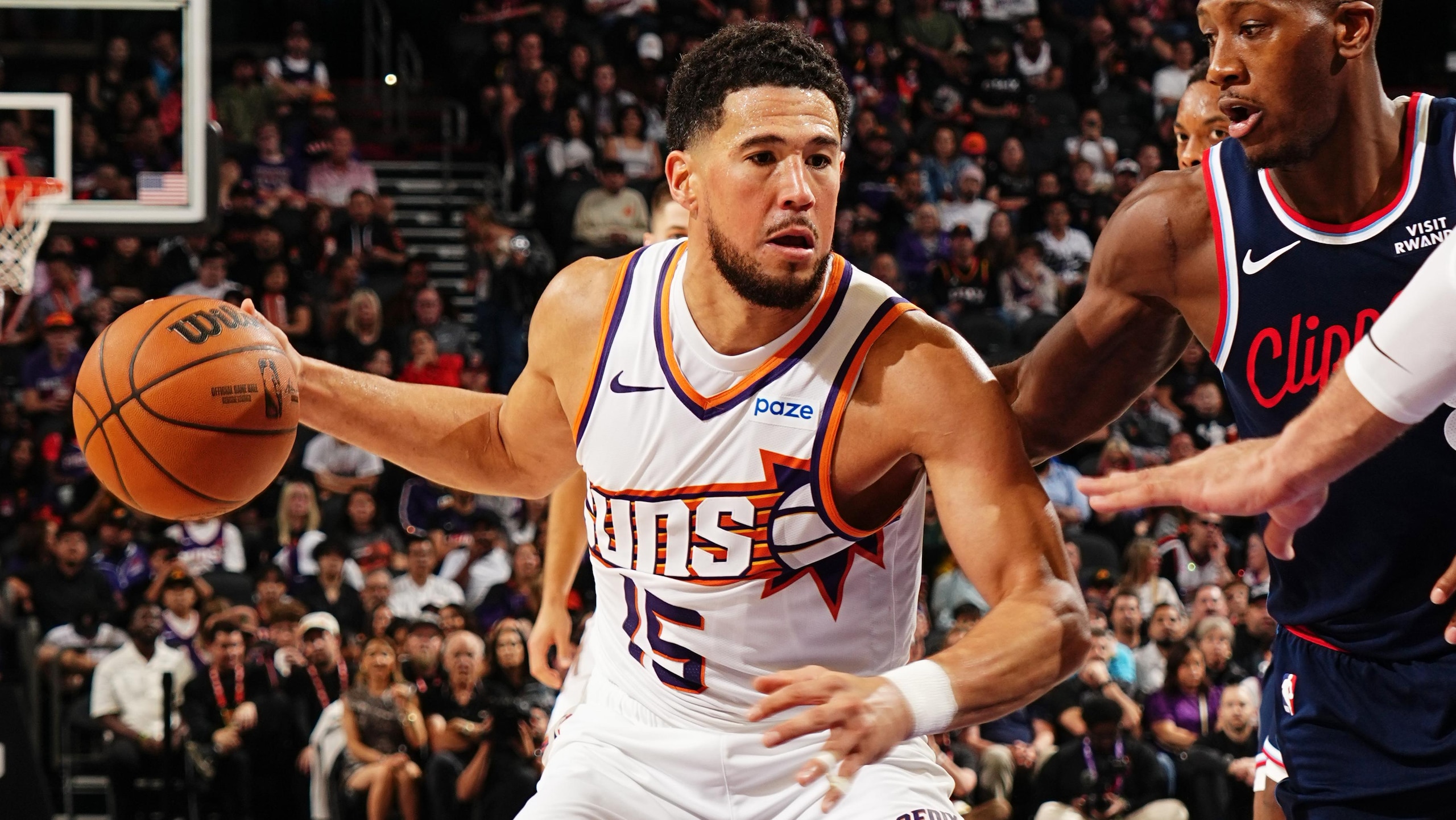
Miles Bridges hasn't played anywhere near well enough to justify the price (an unprotected 2033 first-round pick) the Phoenix Suns paid to get him. Jalen Green is showing no signs of rehabilitating his trade value. A roster oddly built without a point guard is—shocker!—often having a hard time scoring.
Phoenix's offensive rating with Bridges, Green, Devin Booker and Dillon Brooks on the floor together ranks in the seventh percentile.
The Suns deserve credit for four of their last five, but the overall picture is bleak. Bad deals populate the books, draft capital is basically nonexistent and Khaman Maluach, one of the few potentially inspiring young players in the mix, has looked unready for real minutes.
Phoenix surprised everyone by winning 45 games a year ago, but that figure could represent a high-water mark for the next decade or so.
Portland Trail Blazers: Undiminished
25 of 30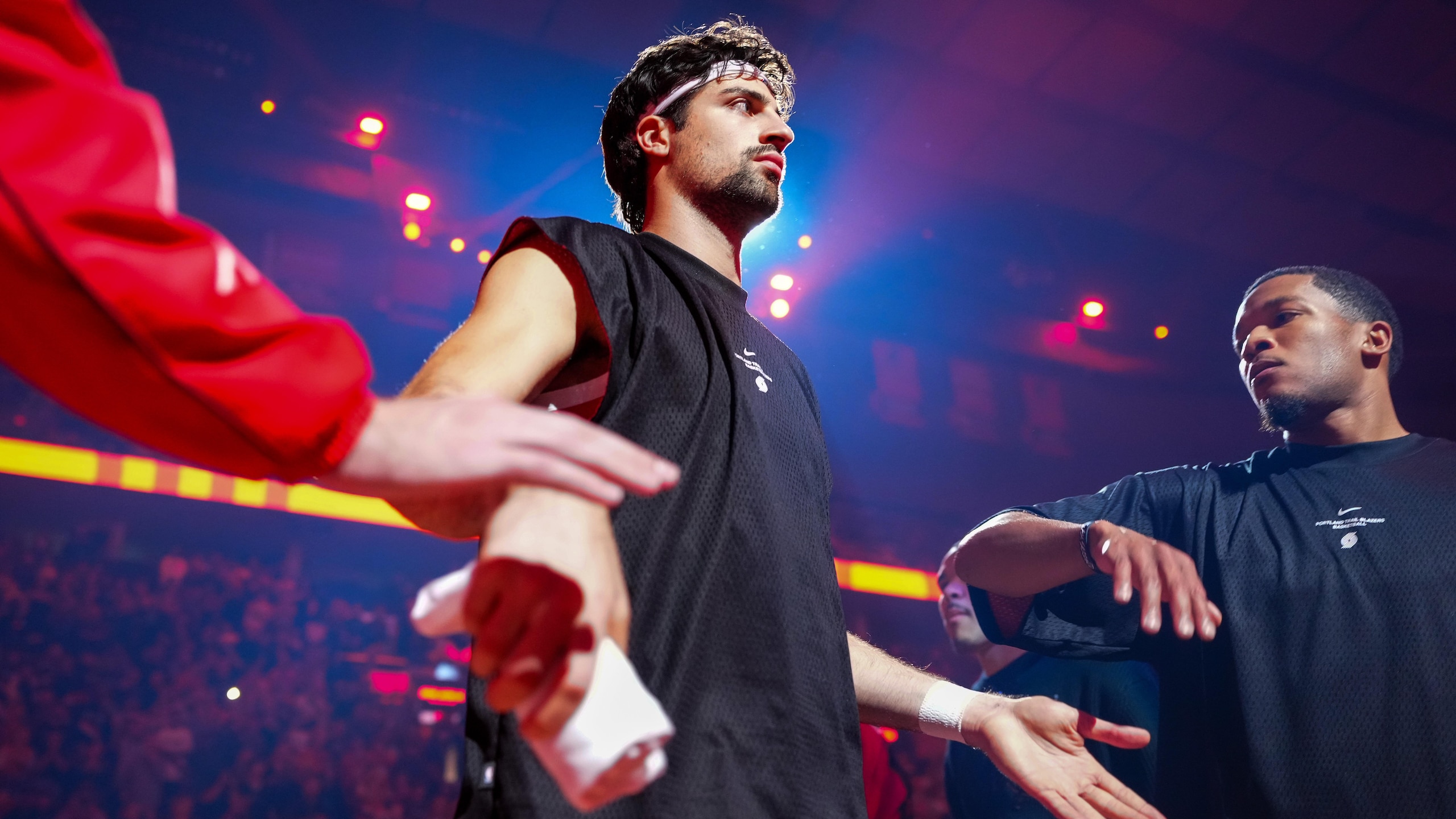
Coming into 2026-27, Deni Avdija seemed destined for an ill-advised role reduction. After breaking out as a first-option offensive weapon last year, the Portland Trail Blazers' rising star figured to lose on-ball chances to new addition Ja Morant and returning icon Damian Lillard.
Instead, an injury bumped Morant from the rotation, while Lillard quietly accepted a bit of a backseat. Perhaps most importantly, the Blazers realized it would be absurd to minimize their best player.
After leading the league in drives per game last year, Avdija is as hard-charging as ever. He ranks a solid second in that stat this season. Nobody averages more assists per game on drives or gets to the foul line more often when attacking downhill.
Thankfully, Portland understood how impactful Avdija became last year and figured out how to add talent around him without taking away his touches. The reward could be the 26-year-old's first career All-NBA nod.
Sacramento Kings: Beam
26 of 30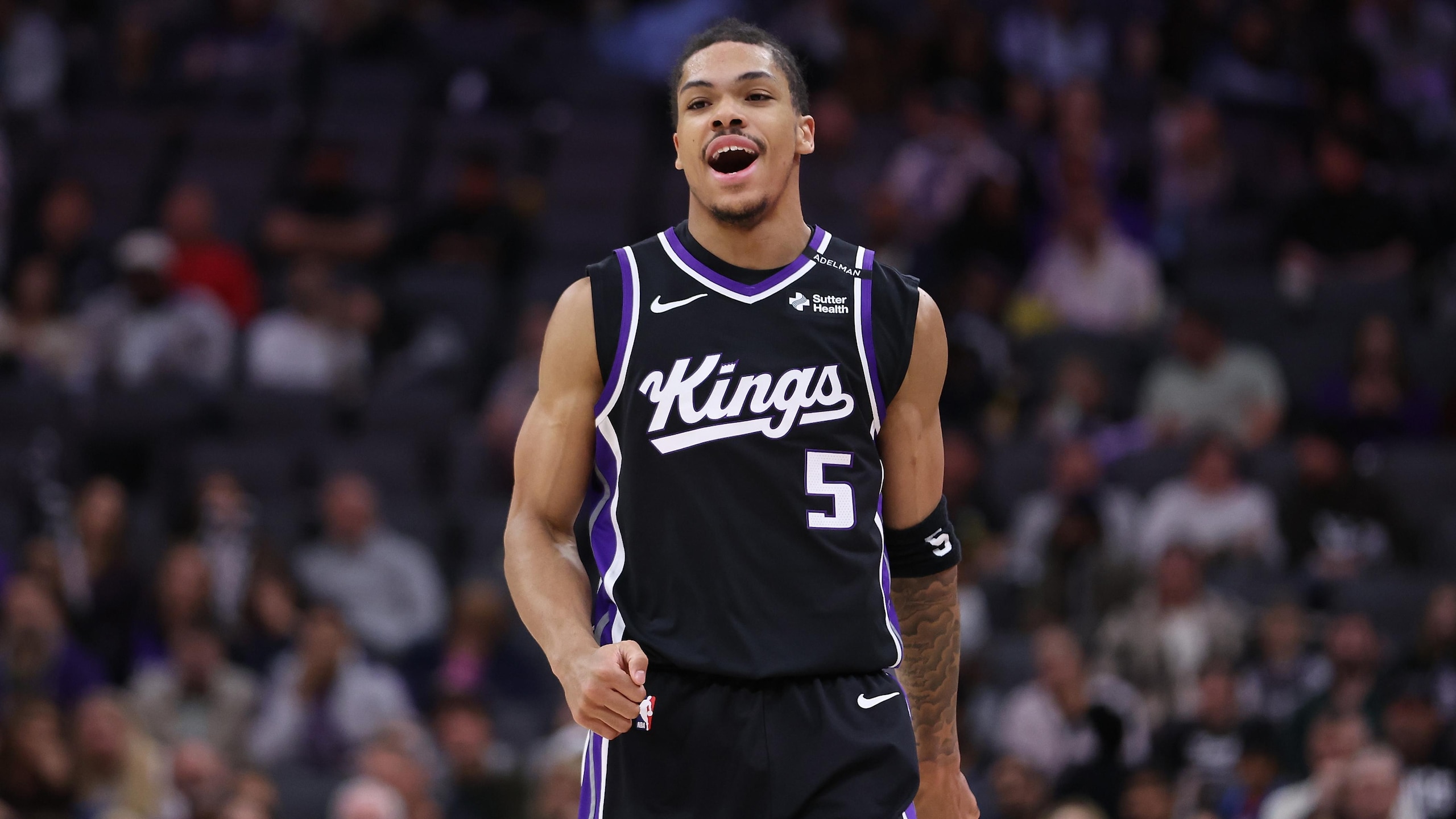
The Sacramento Kings haven't lit the beam often this season. That's disappointing because it's genuinely one of the league's better celebratory gimmicks. For that matter, it's been tough to see much light in an otherwise dark, gloomy campaign.
Look harder to see a tiny ray of hope shining through in the shape of rookie Darius Acuff Jr.
Efficiency is going to escape him all season because Acuff is tasked with a preposterously large role and subsists on a diet of tough shots. But if you're not seeing real lead-guard potential in the 20-year-old, you're not paying attention.
Lightning quick, bold, clever with the ball and nowhere near his peak as a foul-baiting grifter, Acuff is atop the league in minutes per game and running away with the team scoring lead at 26.4 points per game. If he holds onto that figure, it'll be the highest rookie scoring average since Michael Jordan put up 28.2 points in 1986.
San Antonio Spurs: Alarming
27 of 30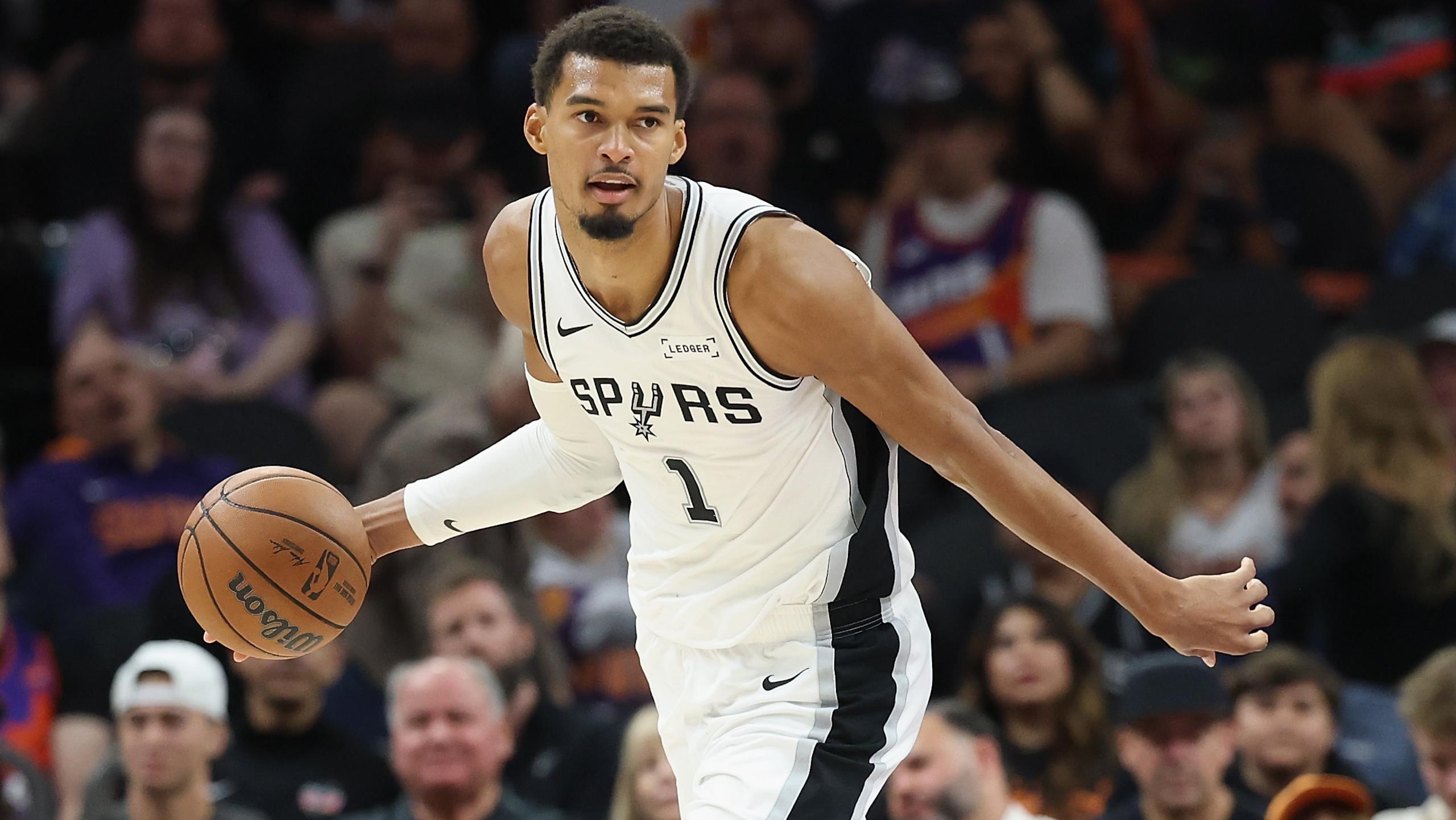
The San Antonio Spurs have no reason to be alarmed. It's everyone else that should be freaking out.
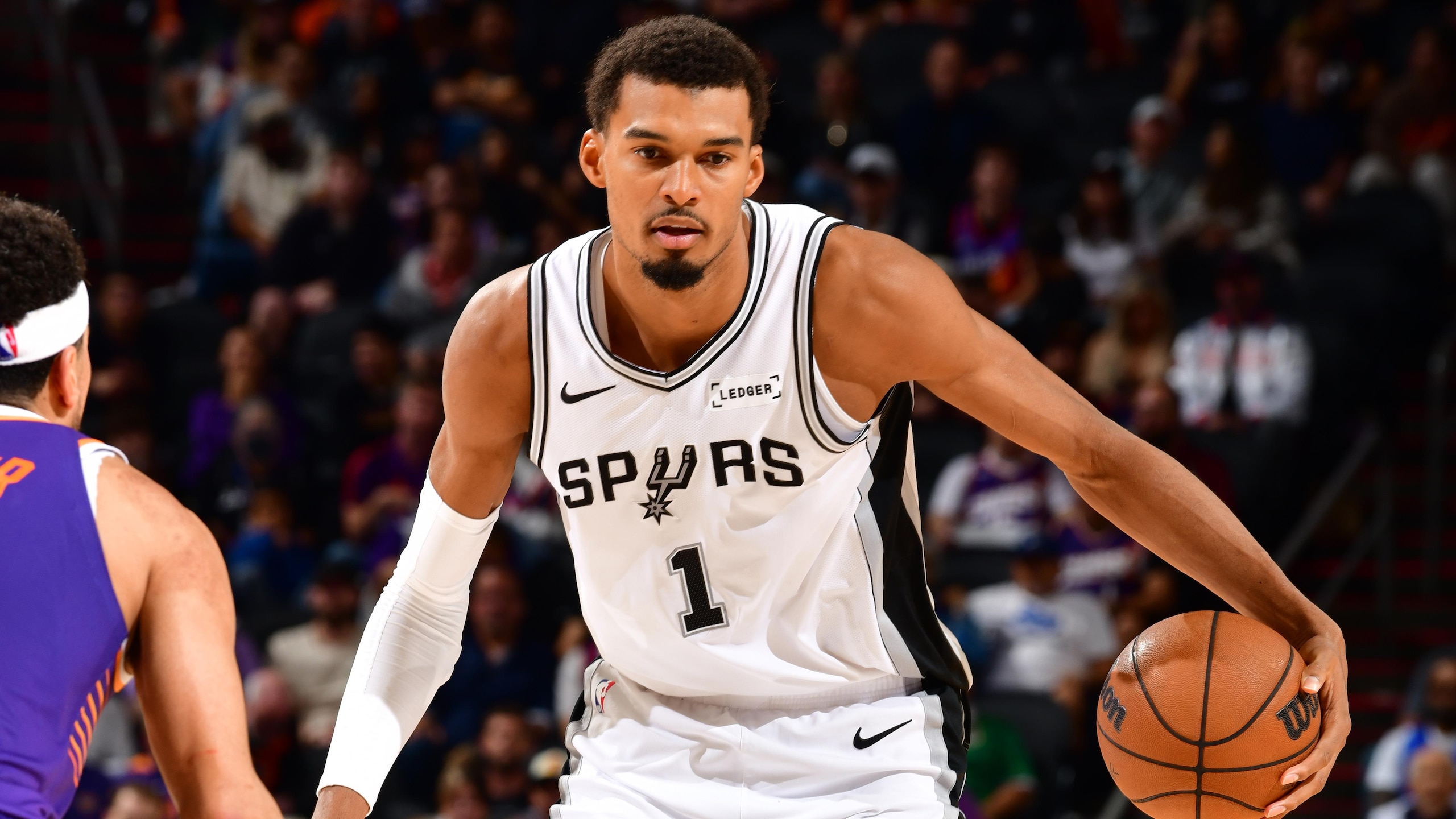
Experimenting with an odd three-guard lineup hasn't caused any real issues after a 0-2 start. Through San Antonio's first dozen games, its preferred starting group, which features Dylan Harper alongside De'Aaron Fox, Stephon Castle, Devin Vassell and galaxy-devouring center Victor Wembanyama, owns a plus-27.9 net rating.
That's a wild number for a team that's still clearly working out the kinks tactically.
The Spurs are getting 40- and 50-point games from Wemby, despite still not totally understanding how best to utilize him offensively. Teams aren't guarding Stephon Castle above the arc. Free-agent signee Tobias Harris hasn't even played yet. Other contenders are showing cracks or losing swaths of their rosters to injury.
It's scary out here for everyone hoping to knock off the Spurs.
Toronto Raptors: Overextended
28 of 30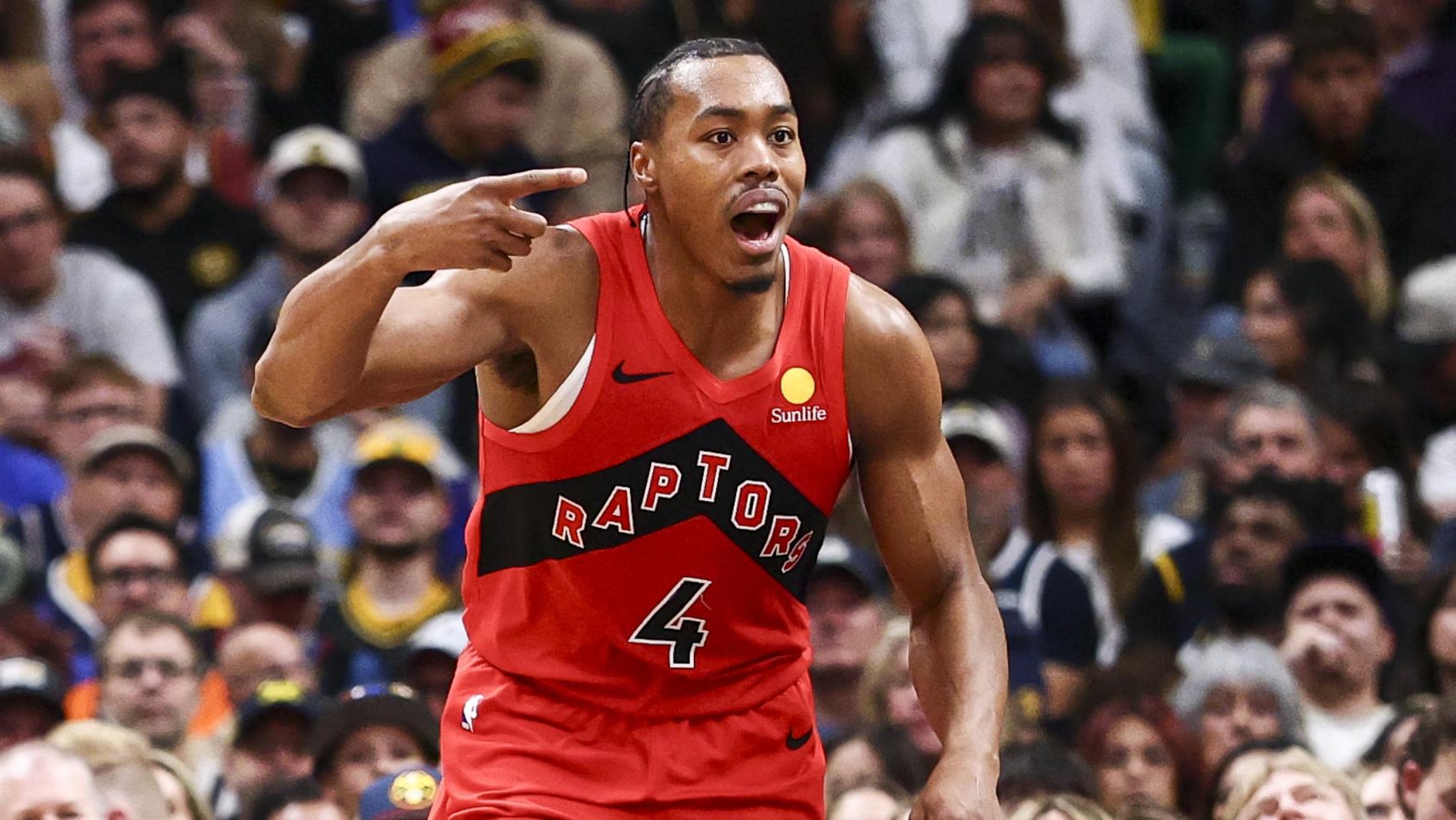
It's no surprise that Kawhi Leonard (or Immanuel Quickley, for that matter) has faced early-season availability issues. History says missed time was priced in for both.
That didn't make it any easier to watch Scottie Barnes struggle in a first-option role, which many hoped he could handle after last postseason's promising showing. The point of adding Leonard was that Barnes could slot into a more secondary playmaking role but still elevate his game when needed.
Barnes has had his moments, like when he racked up 41 points in a loss to Orlando. Limited to just eight games by an adductor strain, he's had a hard time scoring efficiently and limiting his turnovers. Barnes is shooting well below 20.0 percent from three and is on track to blow past his career-high 2.8 giveaways per game.
Don't give up on the Raptors, who should slot everyone back into their properly sized roles when healthy. You may want to consider Barnes a bit overextended as a primary scoring option.
Utah Jazz: Unprepared
29 of 30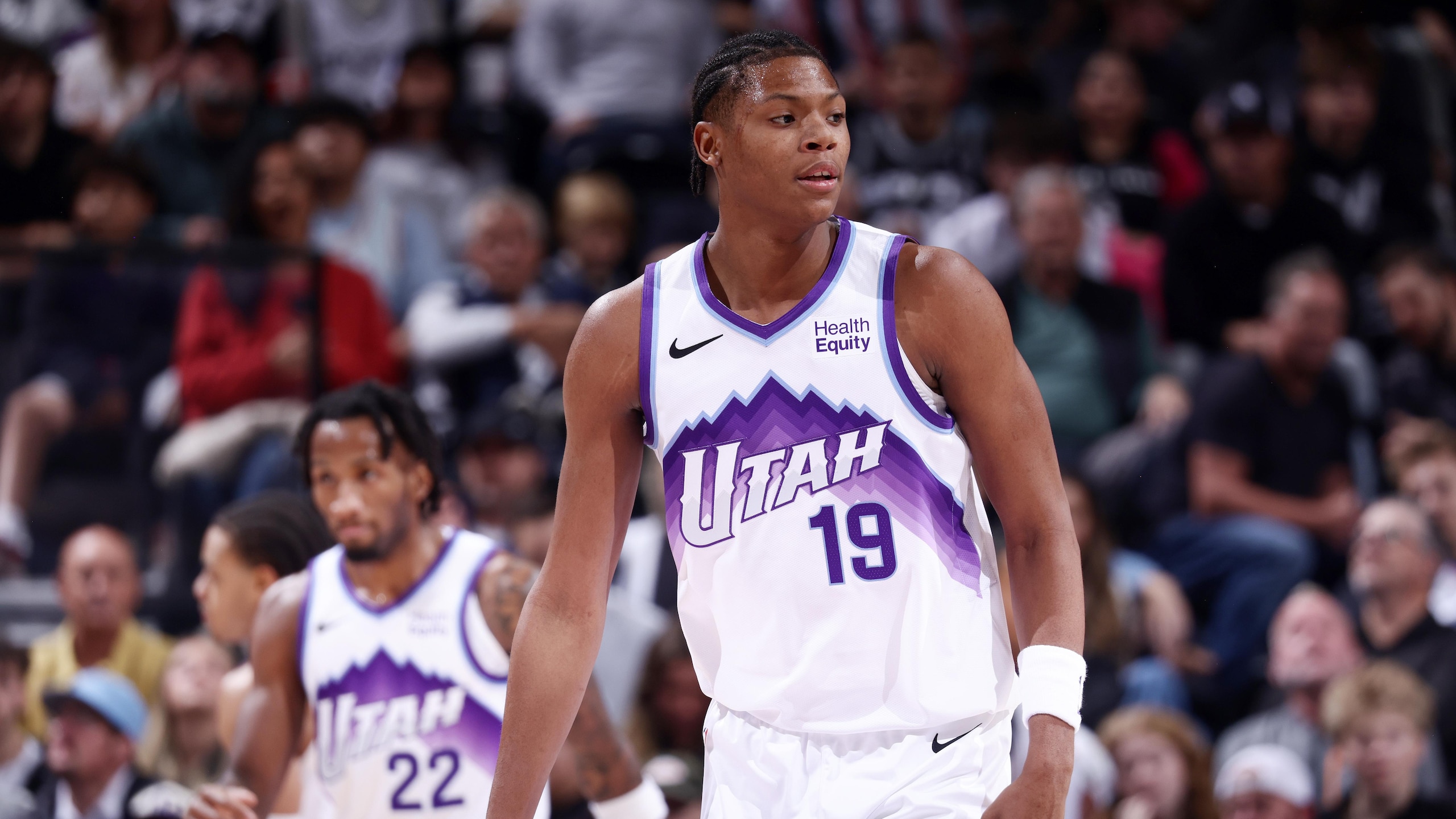
The Utah Jazz's top two minutes leaders are 19 and 20 years old, respectively. Any team depending so heavily on Darryn Peterson and Ace Bailey is naturally going to look a little unready.
In another sense, the Jazz have seemed blindsided by their first foray into actual competitive basketball. For the last several years, Utah hoarded draft assets and losses, often deliberately manipulating lineups and rest nights to ensure a better lottery position.
Maybe a return to honest competition isn't as easy as flipping a switch. That's why the Jazz lost 11 of their first 12 games while failing to deliver on their offensive promise.
It doesn't help that the vision of this team changed abruptly when Walker Kessler was traded to the Lakers and Jaren Jackson Jr. went down early with an injury. But it's hard to avoid the feeling that the Jazz just weren't conditioned to play at the level of the rest of the league.
Washington Wizards: Foundations
30 of 30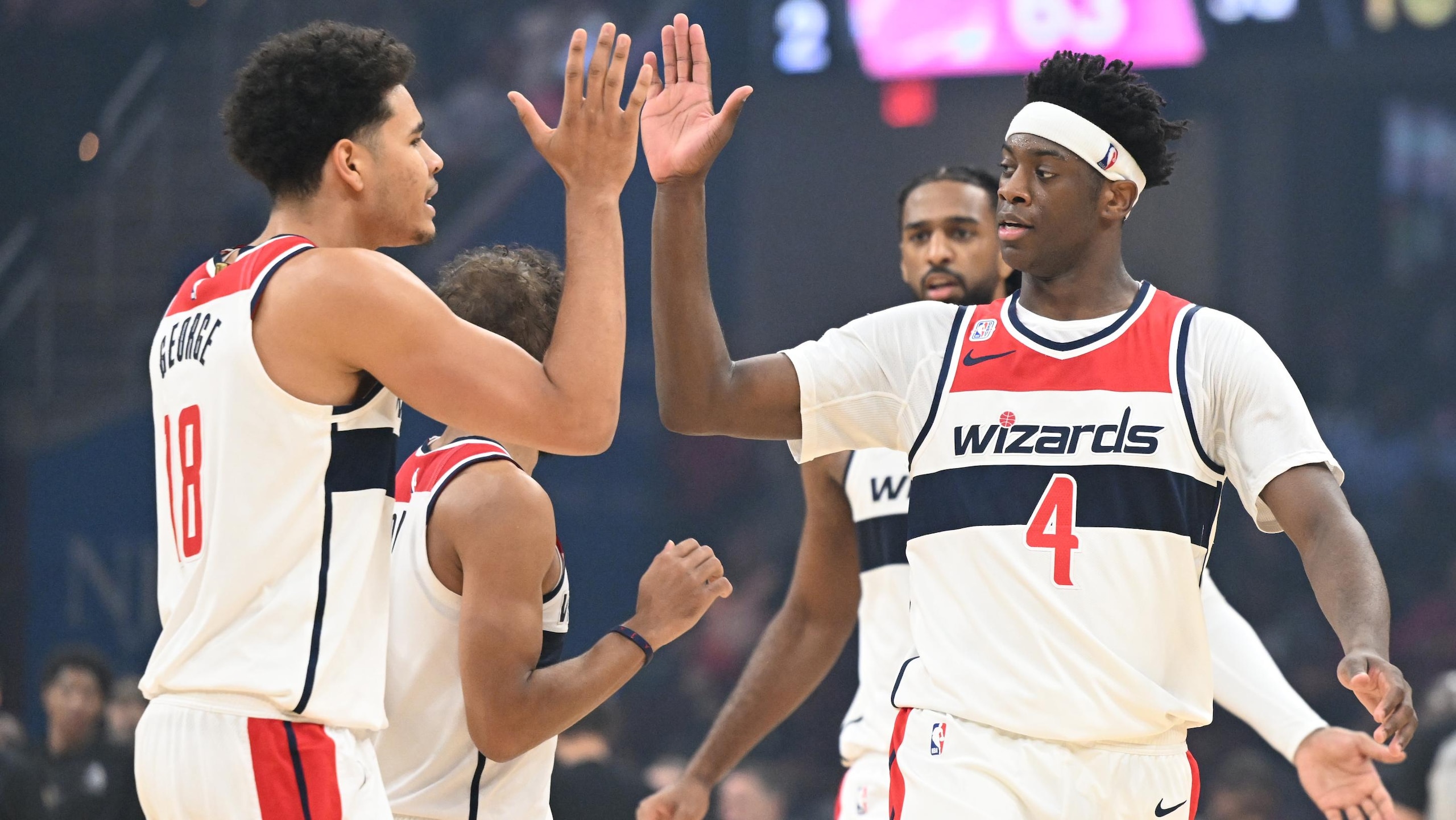
AJ Dybantsa doesn't yet have the numbers to validate his No. 1 draft position, but the suddenness of his attack to the basket and his ideal big-wing frame matter more when projecting how great he might become.
The interesting thing with the Washington Wizards so far is that they might have more than one foundational young player in the fold. Kyshawn George is older than Dybantsa at 23, but his continued development into a two-way, do-it-all wing should have Wizards fans ecstatic about the future.
George already has six 20-point games after logging 10 all of last year (during a far less competitive Wizards season). His development as an on-ball creator has him on track to set a new career high with 4.8 assists per game. Pair that with intense perimeter defense and startling shot-blocking for a wing, and the third-year pro is well on his way to some Most Improved votes.
Washington is still mostly defined by its imported vets, but if Anthony Davis winds up getting traded and/or Trae Young continues to misfire from deep, a pair of younger up-and-comers could form a new foundation.
Stats courtesy of NBA.com, Basketball Reference and Cleaning the Glass. Salary info via Spotrac.
Grant Hughes covers the NBA for Bleacher Report. Follow him on Bluesky and subscribe to the Hardwood Knocks podcast, where he appears with Bleacher Report's Dan Favale.