

In here, it's always NBA trade season.
Regular-season basketball only just returned, but front offices are constantly projecting forward. Why should we be any different? And so, we ring in the New 82-Game Year with our first trade-target big board of the 2026-27 campaign.
Each mini list is built while accounting for team needs, directions, cap sheets and available assets. Names who aren't trade-eligible until December (or January) are fair game for this exercise. We will denote when players are able to be moved wherever necessary.
Every team will be given at least one ambitious target to keep things fun. Ultra-ambitious targets will be sprinkled in whenever appropriate (or to prove a point).
Atlanta Hawks
1 of 30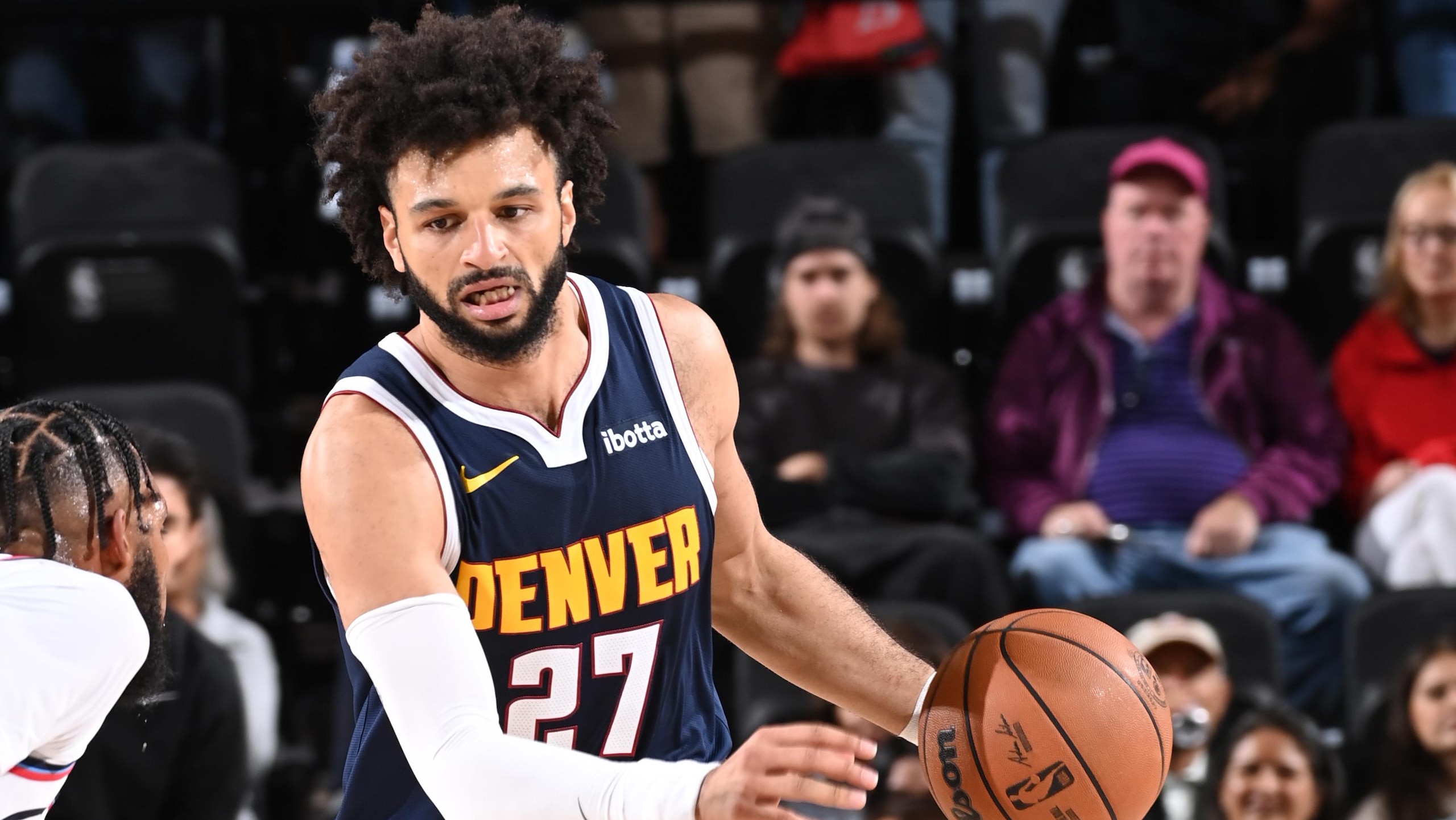
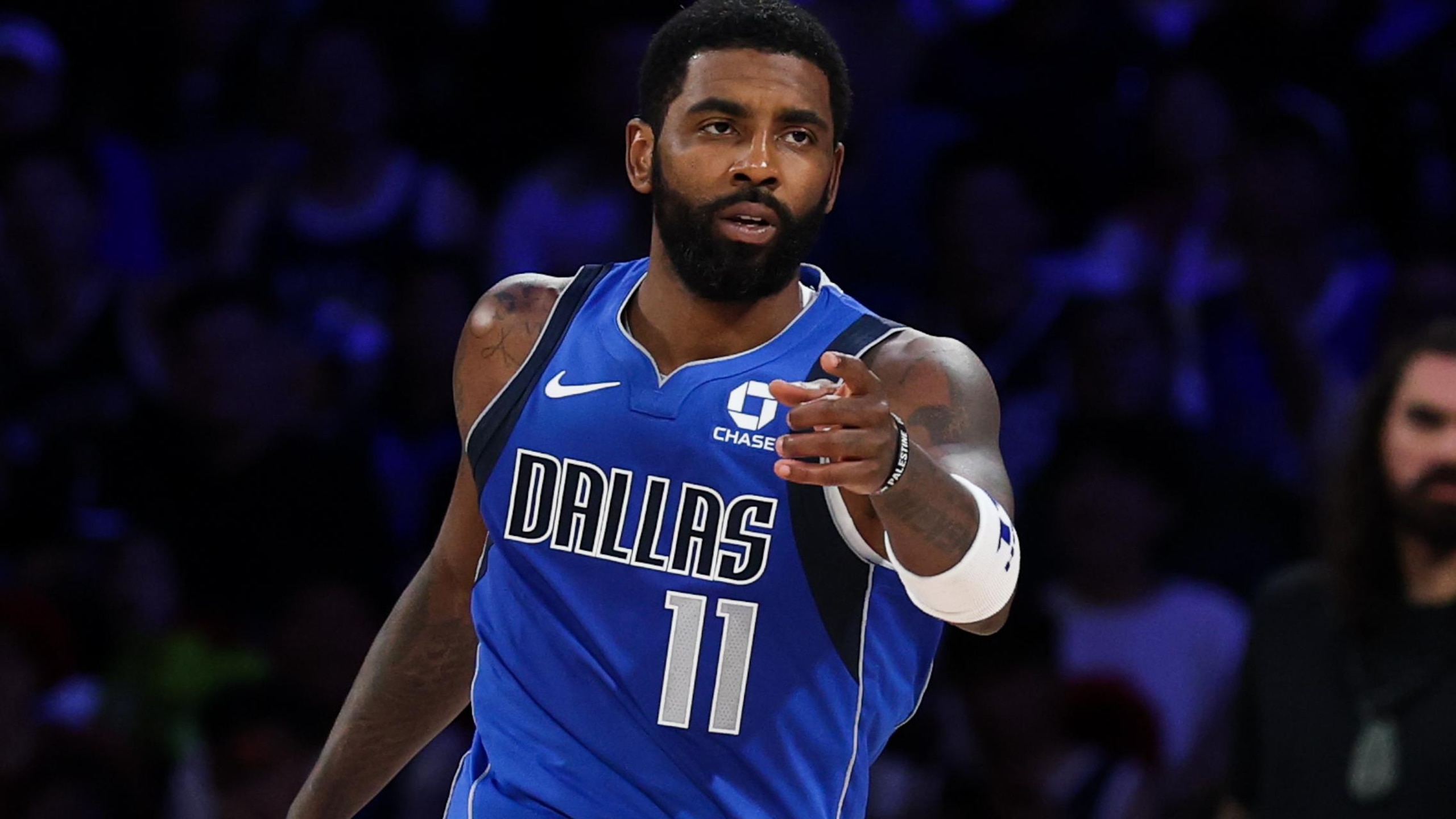
- Kyrie Irving
- Jamal Murray
- Day'Ron Sharpe (trade-eligible Dec. 15)
One look at the Atlanta Hawks' contract collection shows they're hard-wired to take a big midseason swing, and a primary creator remains their most pressing need. Even as they ran roughshod over the league to close last year, their half-court offense was good-not-great material.
Kingston Flemings may eventually be the answer. He probably won't solve all of their problems right now.
Kyrie Irving comes with a pricey salary, but the contract is short term. The Hawks can use his player option next summer to renegotiate a longer deal at a lower number. More importantly, he could lose a step or two and remain an offensive force. The shooting isn't going anywhere, and he can play off other ball-dominant talent—including Flemings.
Jamal Murray straddles a similar line. He doesn't have Kyrie's handle or raw creation, but he's a better defender and can play off anyone. Though the three years and $161.4 million left on his contract are steep, bargain-bin deals for Jalen Johnson and Onyeka Okongwu give the Hawks this season and next before it becomes a real problem. Atlanta should cross its fingers for a Denver implosion.
Day'Ron Sharpe rounds out the board as a heftier frontline alternative to Johnson, Okongwu, Jock Landale and a healthy Mo Gueye. While not a shutdown rim protector, he brings good-enough rebounding, physicality and defensive mobility at a backup's price point.
Boston Celtics
2 of 30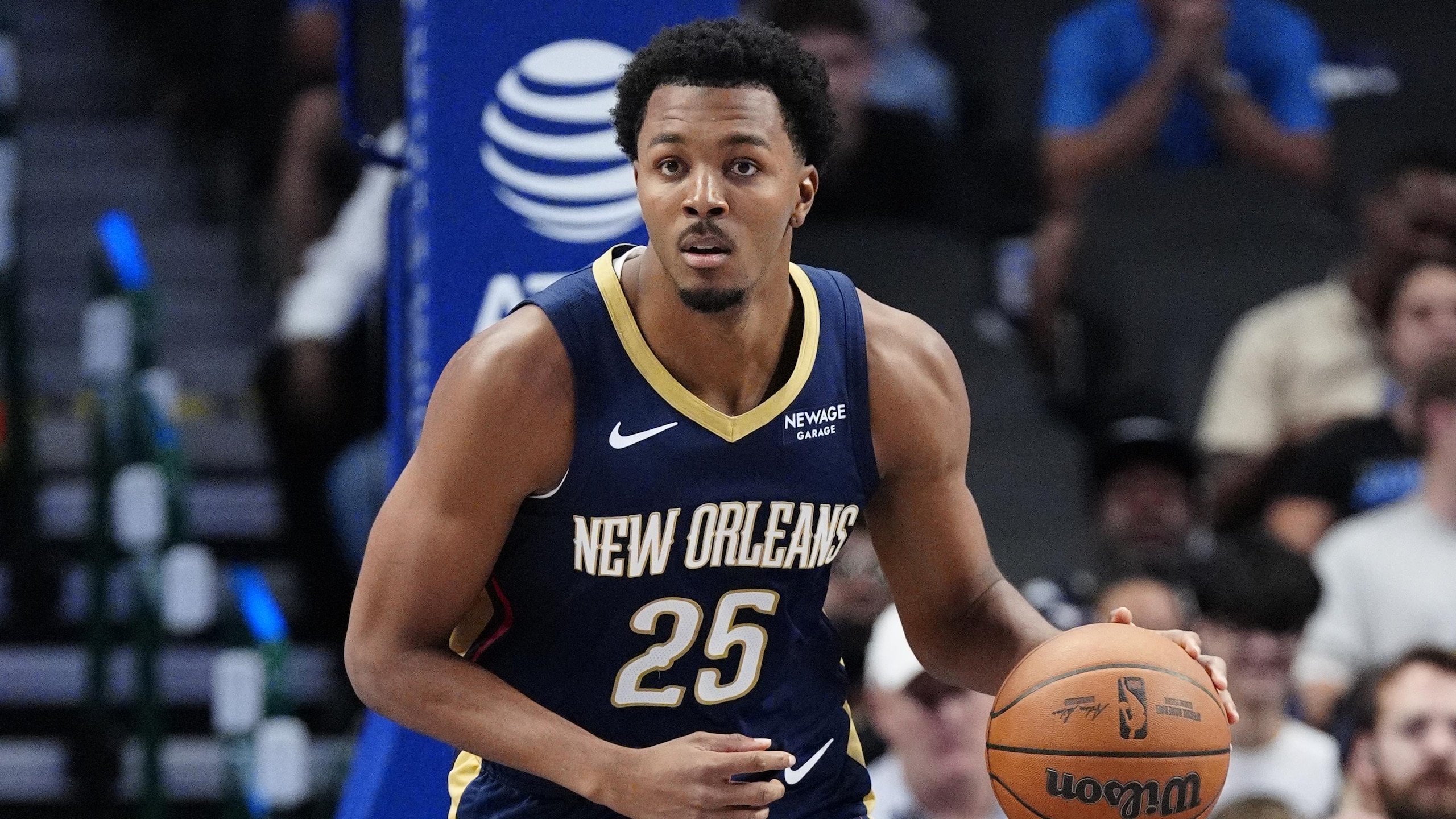
- Trey Murphy III
- Scotty Pippen Jr.
- Naji Marshall
The Boston Celtics feel like they'll wait until the offseason if they go buck wild on the trade market, but Trey Murphy III is Mazzullaball nirvana. His three-point shooting scales to higher volume and movement, and he's a lob target in his own right.
A team-friendly salary through 2028-29 only heightens his appeal. The Celtics can match his money without including Paul George if they're willing to ship out Mitchell Robinson as part of a (mega) package once he's trade-eligible.
Speaking of team-friendly, Scotty Pippen Jr. provides ball-handling, playmaking and defense on the cheap. He is owed under $5.5 million combined over the next two seasons (2027-28 club option) and would spare Boston from overtaxing George, Derrick White or one of the younger wings with too much on-ball work.
Naji Marshall remains trade-eligible after signing his extension with Dallas, where he's dabbled in oversized-point-guard work. Boston also needed outside-in rim pressure before moving Jaylen Brown. Marshall delivers that in spades, and the Celtics have enough floor-spacers to offset his shaky shooting outside floater range.
Brooklyn Nets
3 of 30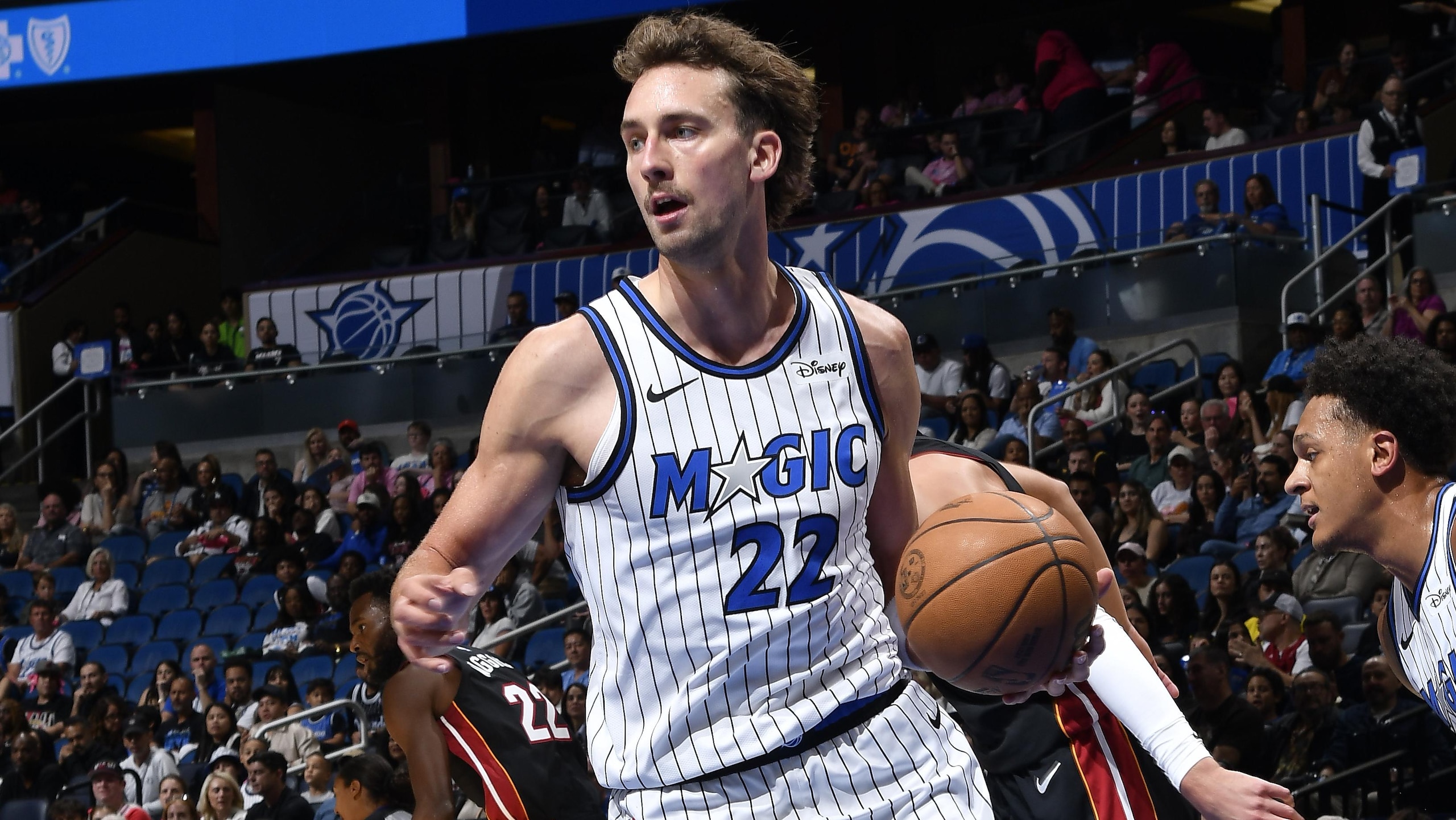
- Franz Wagner
- Ron Holland II
- Yang Hansen
Now isn't the time for the Brooklyn Nets to go all-in. Their lack of involvement in the Giannis Antetokounmpo and Jaylen Brown sweepstakes is proof they know as much.
Franz Wagner is a worthwhile exception, in large part because he's only all-in from a financial perspective. The Orlando Magic would be moving him under cap-sheet duress after seeing their season go off the rails. Brooklyn has the financial leeway to build around a pricey power wing who's a net additive at both ends. His brother, Mo Wagner, is also Brooklyn's backup center. Just saying.
Younger fliers should otherwise be the Nets' trade-market currency. Ron Holland II typifies the approach with "the dials all go to 11" energy and toughness. Unless he turns into a deadeye shooter, his future with the Detroit Pistons is conveniently up in the air after they doubled-down on the trio of Cade Cunningham, Jalen Duren and Ausar Thompson.
Yang Hansen has not shown enough of what makes him special at the NBA level: passing, range and physicality. But he's two impressive summer leagues deep and on a Portland Trail Blazers squad with no fewer than two centers in front of him. Brooklyn has plenty of room to plumb the depths of his game even after bringing back Day'Ron Sharpe.


Charlotte Hornets
4 of 30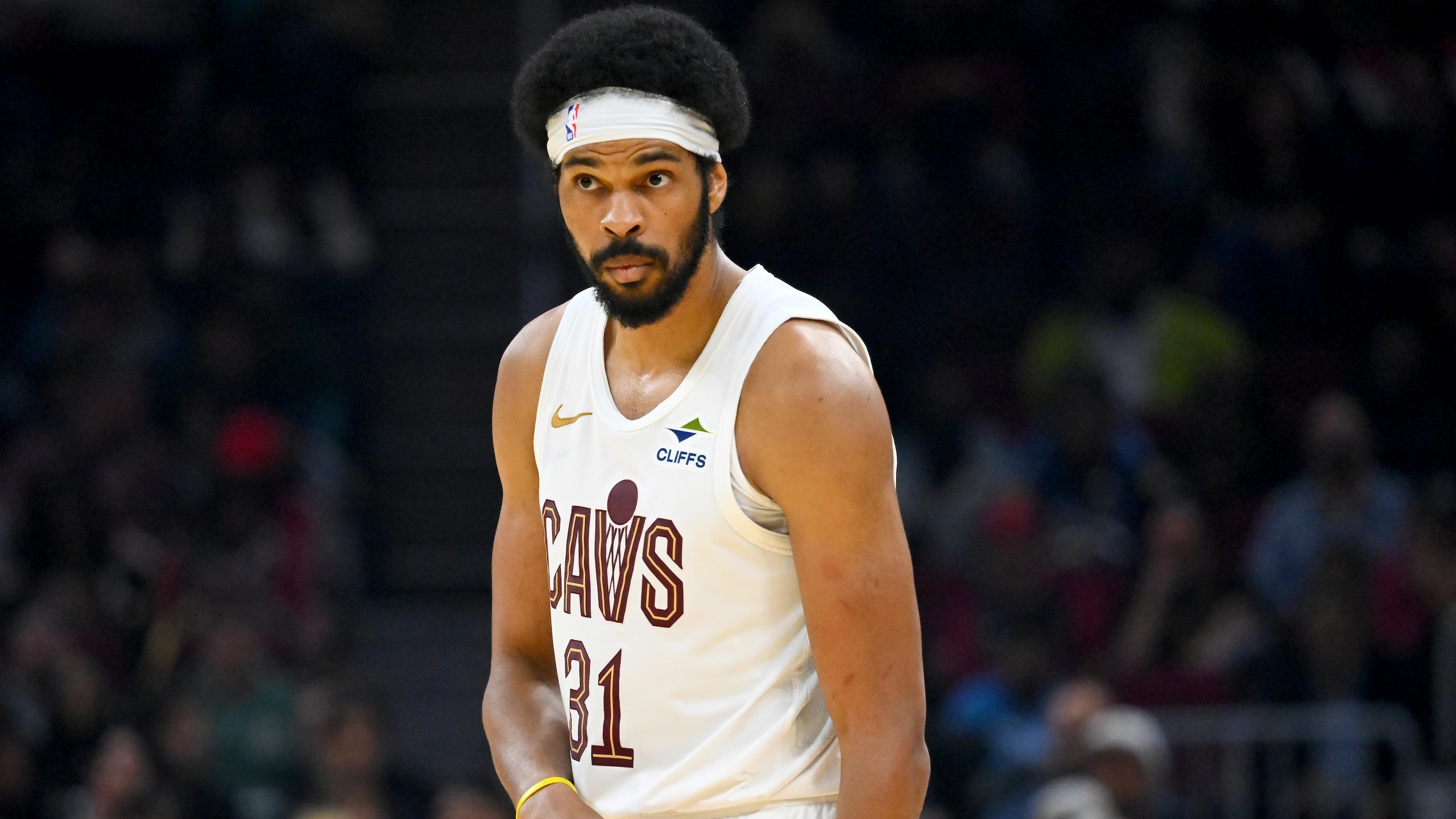
- Isaiah Stewart
- Jarrett Allen
- Onyeka Okongwu
Mileage will vary on how aggressive the Charlotte Hornets should be pursuing upgrades. They need to see what everyone coalesces into post-LaMelo Ball.
Isaiah Stewart is a happy medium. The Hornets need more rim protection in the middle than the big-man cohort of Naz Reid, Moussa Diabaté, Hannes Steinbach and Ryan Kalkbrenner will provide. Stewart shouldn't cost the moon to extract from Memphis, and he's owed a flat $15 million per year through 2027-28.
In the event Charlotte is willing to swing bigger, Jarrett Allen encapsulates everything it needs. The in-house playmaking ranks will have to prove their mettle to maximize his offensive utility, but he's more of an independent decision-maker than credited.
Onyeka Okongwu has improved as a shooter, passer, rebounder—the whole nine. Prioritizing someone with a little more heft is fine, but his versatility lets him pair nicely with every other big on the roster as part of larger lineups.
Like Allen, Okongwu's availability is predicated on their own teams underachieving. While the Hornets have create-your-own-market assets, they should be rooting for Atlanta and Cleveland implosions and pivots.
Chicago Bulls
5 of 30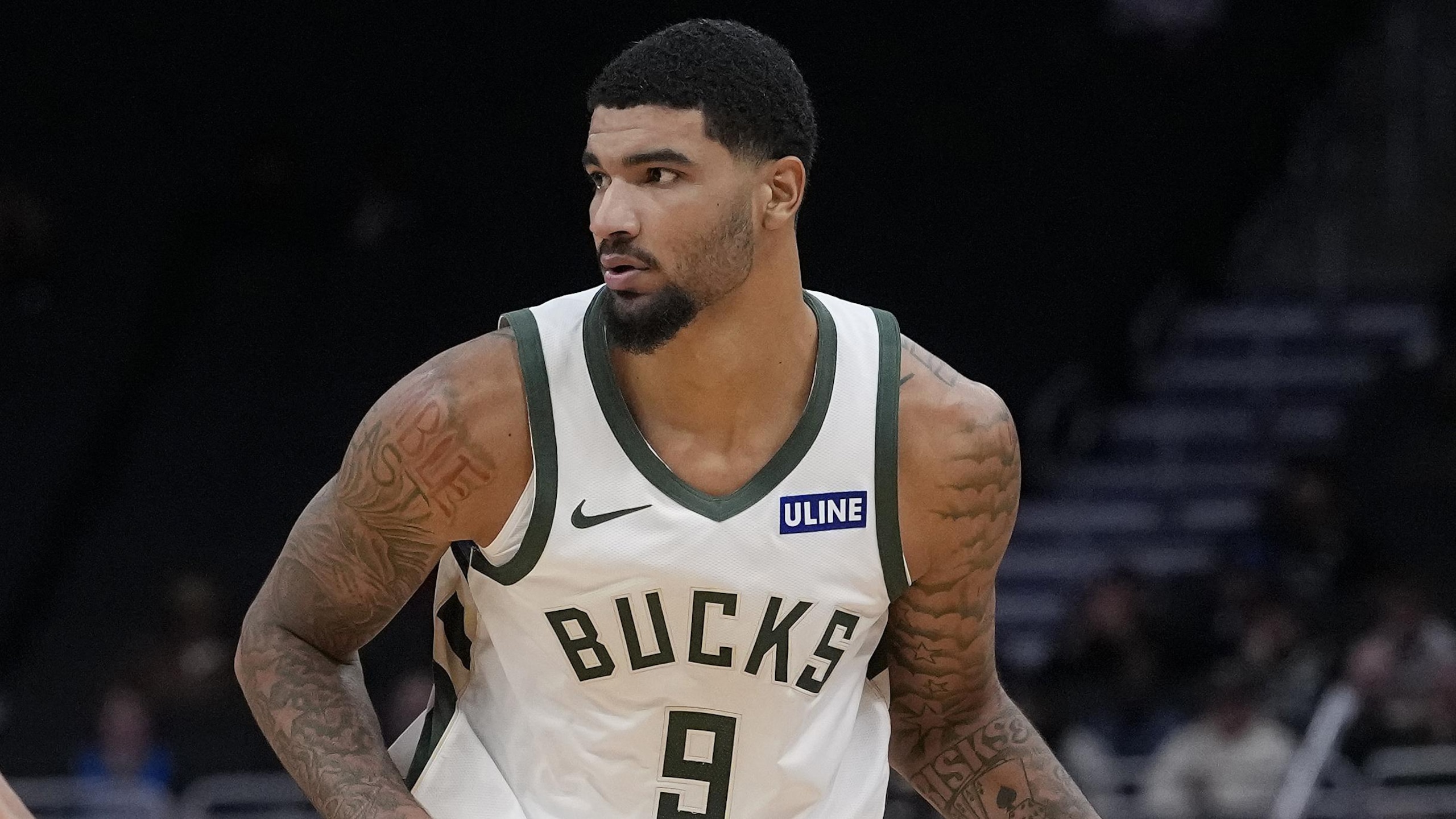
- Kel'el Ware
- Zach Edey
- Dereck Lively II
The Chicago Bulls are clearly rebuilding. That is surreal to write with a straight face, and it puts them squarely in young-flier and distressed-asset modes.
A long-term big man prospect should be the top focus. Under no circumstances should the Bulls jettison unprotected or lightly protected first-round picks, which might rule out everyone on this list. It still never hurts to ask.
Kel'el Ware has the highest ceiling of the trio. He might be able to space the floor. He might be able to hold his own defensively at the 4 or the 5. He definitely gives Chicago an an explosive, athletic frontcourt with Matas Buzelis and Caleb Wilson.
Are the Dallas Mavericks and Memphis Grizzlies worried enough about the long-term health of Dereck Lively II and Zach Edey, respectively, that they're willing to sell low to medium? I'm asking for all of Chicago.
Cleveland Cavaliers
6 of 30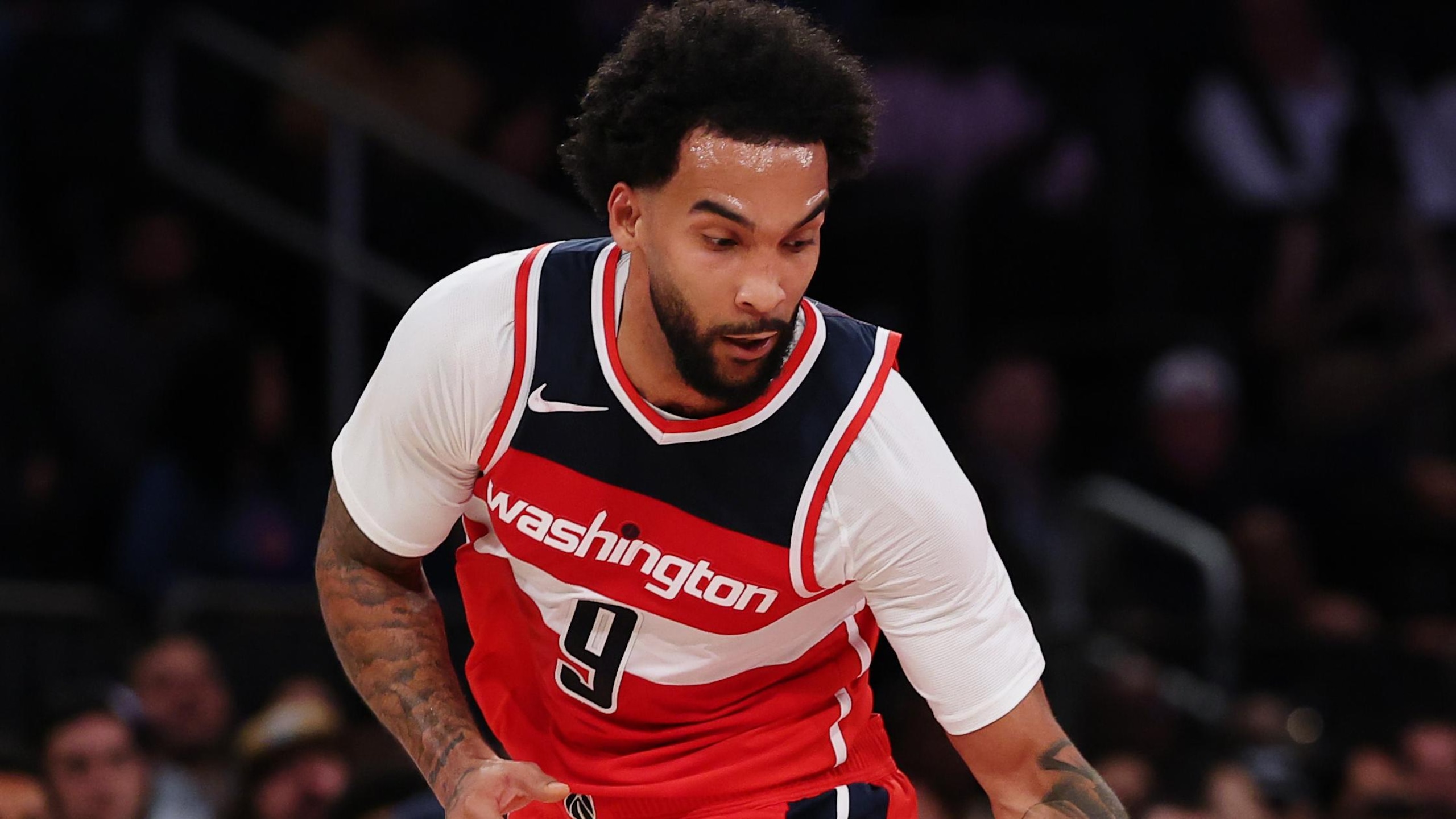
- Justin Champagnie
- Jabari Walker
- GG Jackson II
Odds and ends are all that can populate the Cleveland Cavaliers' wish list unless they're moving a core player.
They are hard-capped at the first apron, from which they sit just $45,000. Their largest matching salary outside the starting five is the sub-$10 million Sam Merrill. After him, it's Jaylon Tyson…who's on the books for under $3.7 million.
Justin Champagnie, Jabari Walker and GG Jackson II are each cheap enough for the Cavs to dream about. All of them can log minutes as a backup 4. Champagnie can sponge up reps as the 2 or 3 as well. Walker can slide up to the 5 in a pinch.
Depth-chart politics are Cleveland's best friend for each of these guys. Champagnie and Jackson are ensconced in crowded wing rotations, and Walker's usage by Philadelphia could plunge if its frontline is ever kinda-sorta healthy.
Dallas Mavericks
7 of 30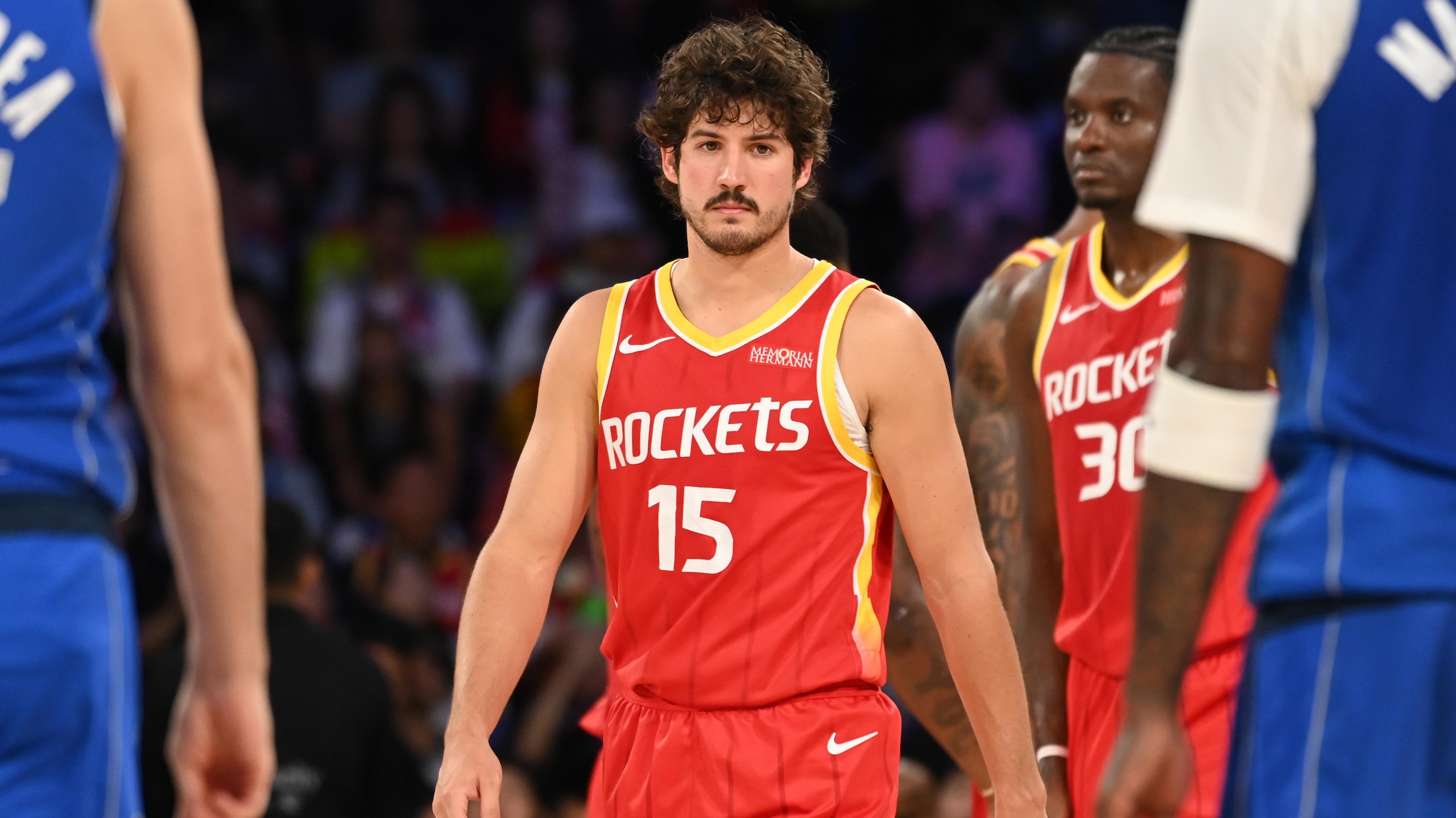
- Reed Sheppard
- Scoot Henderson
- Tre Jones
Kyrie Irving is a fleeting answer to the Dallas Mavericks' lead-guard question even if they don't trade him. They should be dedicated to pursuing anyone who can feasibly change that.
Scoot Henderson immediately springs to mind. He has become a somewhat-trustworthy shooter and doesn't need to dominate the ball. His athletic profile isn't what it was supposed to be, but he can still get into the paint and has a defensive pulse.
Guards galore in Portland plus Henderson's impending restricted free agency could leave him on the chopping block. The opportunity cost of prying him away shouldn't be too stark—particularly if the Blazers have interest in any of Dallas' vets (Max Christie, anyone?).
Reed Sheppard shouldn't technically be available. The best version of him does everything the Houston Rockets' offense needs—most notably drill outside shots of all types. But Sheppard gets targeted on defense and doesn't play with a lot of offensive oomph. Both flaws are liable to trap him in Ime Udoka's doghouse now that Fred VanVleet and Marcus Smart are both in town.
Tre Jones isn't a good enough shooter to top this list, but he's the most proven option. A maestro of the mid-range, he adds genuine ball control and standout vision in traffic. Getting him would immediately make life easier on Cooper Flagg and improve the shot quality of any Mavericks center. Dallas is also big enough elsewhere to test out Jones-Kyrie backcourt lineups.
Denver Nuggets
8 of 30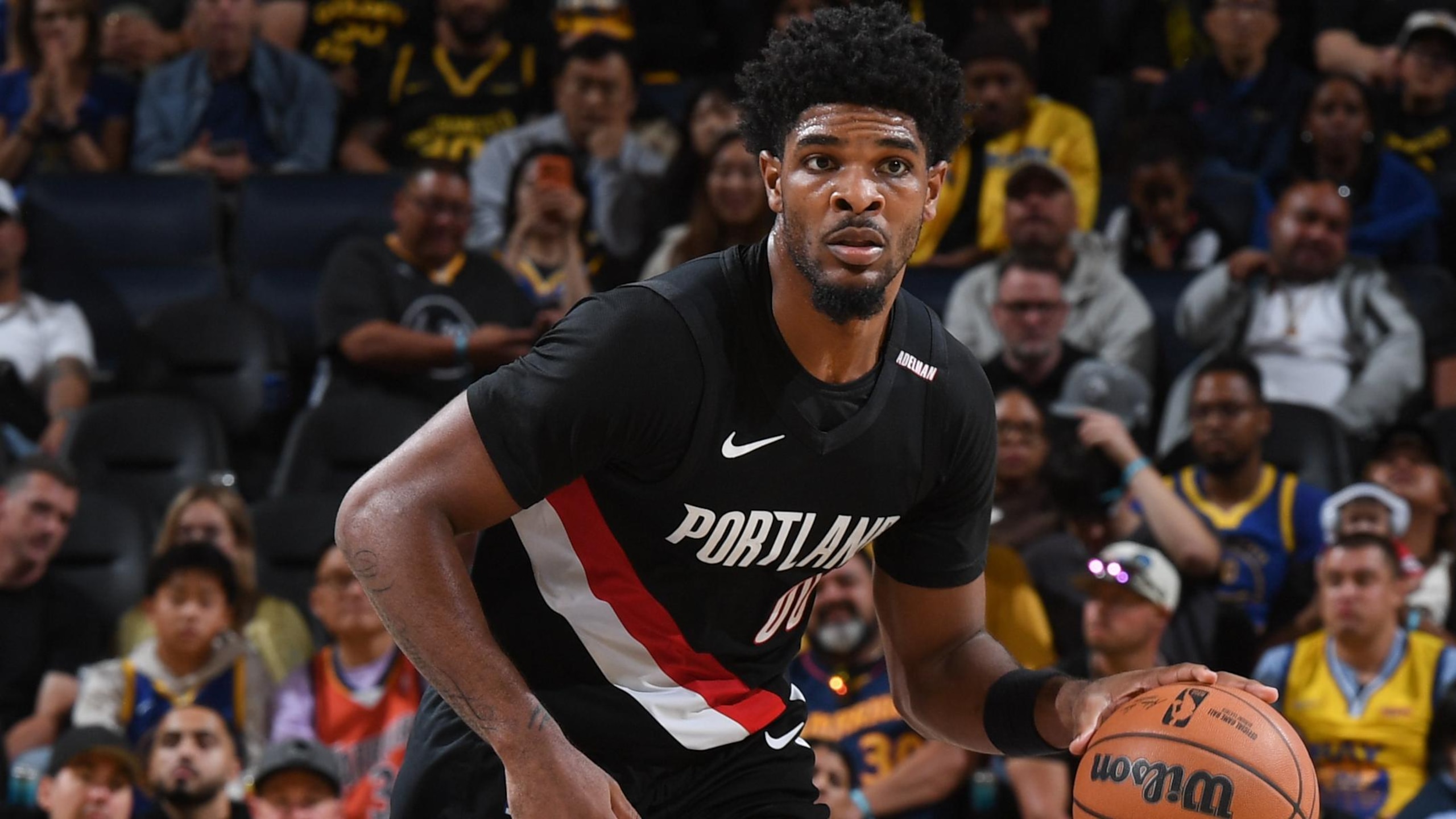
- Scoot Henderson
- Kris Dunn
- Jordan Goodwin (trade-eligible Dec. 15)
Ball-handling that holds up to playoff pressure should be exactly what the Denver Nuggets are Jones-ing for. Tyus Jones was pretty OK in the postseason last year and DeMar DeRozan is a portrait of stability, but the former is tiny and neither brings much athleticism to the table.
Scoot Henderson would be a nifty flier if the Nuggets can make the math work. He's on the books for $13.6 million, and they're more than $3 million into the second apron. This scenario begs for a third team if Denver, as expected, is looking to cut money.
Gaming out a package is worth the hassle. Henderson shot over 38 percent on spot-up threes last year and immediately becomes one of the Nuggets' best athletes. His defense has improved enough to operate alongside Jamal Murray.
Kris Dunn admittedly won't bring much ball-handling. But he's a willing screener who defends with All-NBA hellfire for extended pockets. A Zeke Nnaji-plus-enough-sweeteners package could get the Nuggets out of the second apron if one of those sweeteners is a dispensable young player.
Jordan Goodwin belongs on this list if Denver thinks it'll get enough supplemental ball-handling from Christian Braun and Cam Johnson this year. His three-year, $19 million contract is a pittance, and at 6'3", he spends equitable time defending wings and guards. Like Dunn, nobody's writing love songs about his jumper. But he's at 37.3 percent from three over the past two seasons, and the Nuggets need defensive firepower more than offensive polish.
Detroit Pistons
9 of 30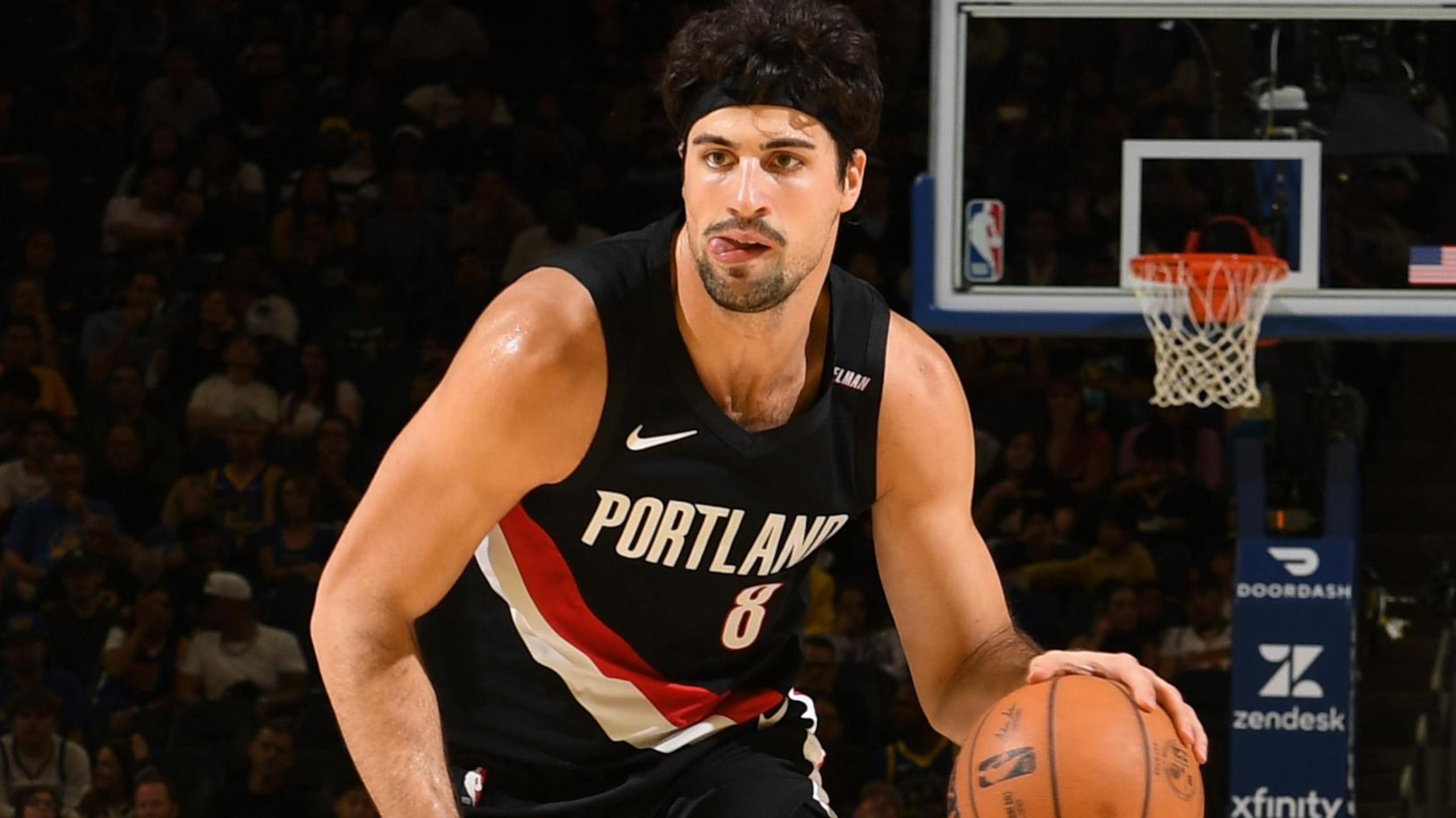
- Deni Avdija
- Michael Porter Jr.
- Tyler Herro
Gauging the Detroit Pistons' ambitions is difficult for the time being. Poking around Austin Reaves ahead of free agency suggests they're itching for a splash, but their actions imply they want to see whether more spacing plus improvement from Ausar Thompson and Jalen Duren can fill the No. 2 scorer/creator void.
Detroit should abandon all pretense if it means getting Deni Avdija. He can drive the offense or play off Cade Cunningham while checking the "big-picture 4" box. He is the player you put pretty much everything on the table to land—particularly when his salary is small enough you wouldn't need to include Thompson (who's poison-pilled post-extension anyway).
Portland would be bananas to ship out Avdija now. But he's too cheap to extend, and the Ja Morant trade makes it harder to renegotiate-and-extend him next summer. Who knows whether team governor Tom Dundon is willing to back up the Brink's truck for his prize forward if and when he can. The private-equity thing to do is sell him at the peak of his value.
We continue playing the greatest hits after Avdija. Michael Porter Jr. and Tyler Herro both supercharge the spacing and offensive optionality. In Herro's case, Detroit's ball-handling and table-setting would improve.
The Pistons won't get either of them for nothing, but as soon-to-be free agents, they're less likely to require a king's ransom. The same holds true for their next contracts. Detroit shouldn't have a huge issue affording either one of them past this season.
Golden State Warriors
10 of 30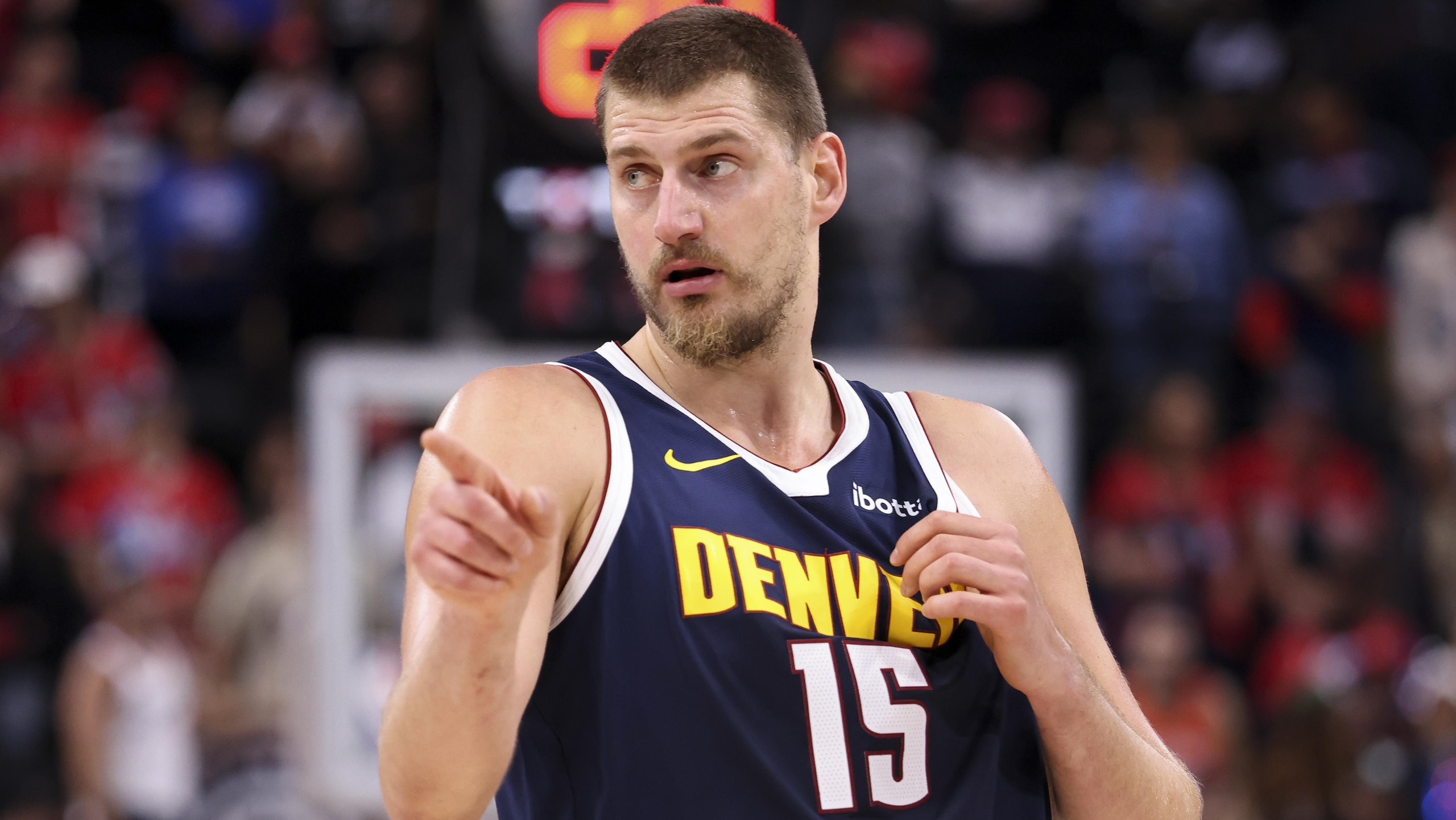
- Nikola Jokić
- Chet Holmgren
- Evan Mobley
Jimmy Butler, Kristaps Porziņģis and Moses Moody won't be ready to rock until god knows when. It took one open practice for Stephen Curry to scare the hell out of everyone by tweaking his ankle. Head coach Steve Kerr is already apologizing to fans.
This Golden State Warriors season is cooked.
Rather than pretend they should be skulking around mid-tier markets, this is a wishlist of epic proportions. The Dubs shouldn't do anything unless it has the chance to give them everything.
Maybe the Denver Nuggets' season veers so far into the abyss that both the franchise and its superstar lifer reconsider his extension promise. Perhaps Aday Mara is so good so fast that the Oklahoma City Thunder end up rethinking their monster commitment to Chet Holmgren amid an expected belly flop into second-apron territory next season. Maybe the Cleveland Cavaliers self-destruct after going all-in multiple times over and seek to restock their draft-pick cupboard the only way they now can: by moving Evan Mobley.
None of this is likely. That's the point. The Warriors are so far away from a championship-contender formula, waiting out unlikely trade opportunities is the only sensible way forward.
Houston Rockets
11 of 30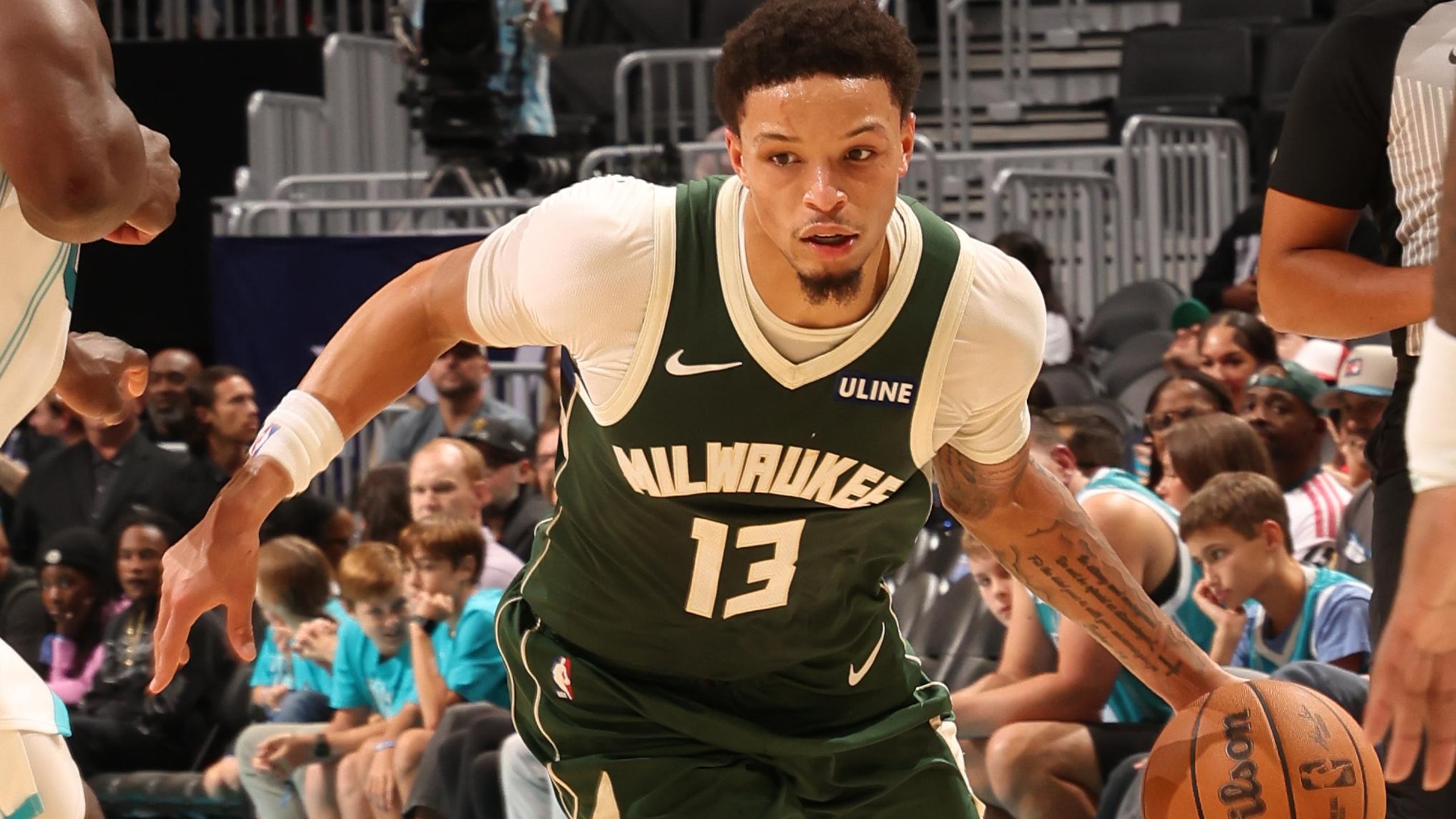
- Trey Murphy III
- Ryan Rollins
- Jalen Smith
Offense remains the Houston Rockets' biggest question mark. This big board attacks it from different angles and to varying ambition.
Trey Murphy III should be on the Rockets' radar even if Fred VanVleet looks great post-ACL injury and Reed Sheppard goes kaboom in Year 3. The 26-year-old soups up half-court spacing without dominating the ball and has enough size to slot into the 2, 3 or 4.
Ryan Rollins could feasibly claim the No. 1 spot on this list if VanVleet doesn't look like himself or Sheppard's play drives Ime Udoka to distraction. His shot selection can be spotty and he's not the cleanest ball-handler, but playing for the Rockets could give him a more structured role than he had with the Bucks. A higher-stakes environment might help him address those weaknesses.
Rollins doesn't get picked on as frequently at the defensive end as Sheppard and has shown more panache on his drives. Houston would have to contend with his free agency next summer ($4 million player option), but he should run cheaper than VanVleet is now.
The Rockets won't need much big-man insurance if Steven Adams stays healthy and they roll out more Jabari Smith Jr.-at-the-5 arrangements. We're talking about fairly large ifs in both cases. Jalen Smith's floor-spacing and rebounding are better safety nets than present-day Clint Capela. And at a $9.4 million price point, Houston should be able to game out his arrival without entering the tax.
Indiana Pacers
12 of 30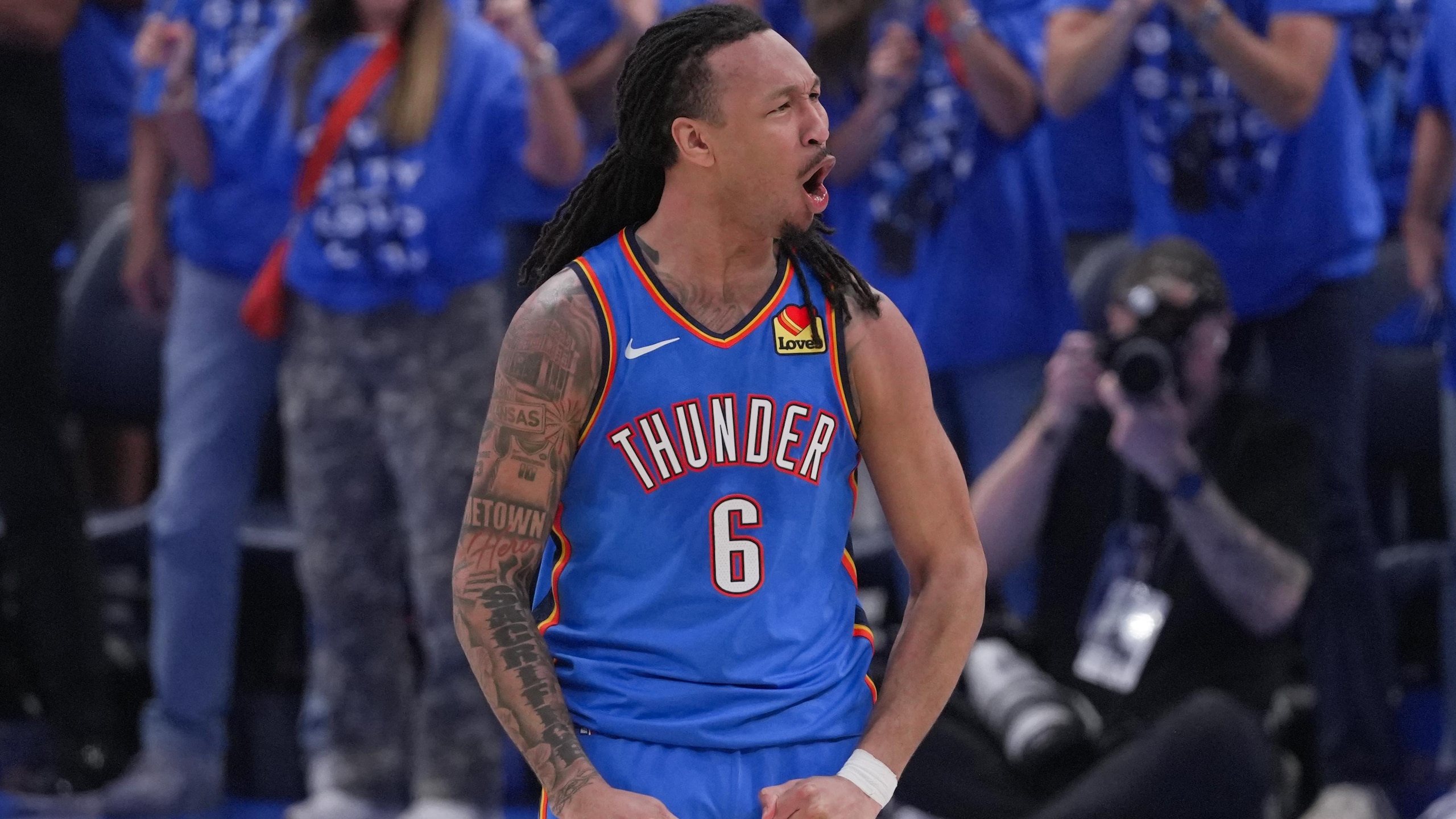
- Yves Missi
- Jaylin Williams
- Jordan Walsh (poison pill)
Backup bigs and wings loom as the Indiana Pacers' biggest needs until (or unless) they prove otherwise. The former takes precedence, because Ivica Zubac can't play 48 minutes per game and Jay Huff is coming off a down year from beyond the arc.
Yves Missi is wildly imperfect at the offensive end but could suddenly develop quality hands and touch around the basket thanks to the magic of playing alongside Tyrese Haliburton. The idea of acquiring a center on his rookie-scale deal will appeal to a franchise nearly $6 million into the luxury tax and juggling an expensive core in the years ahead.
Here's a list of every player averaging at least 10 defensive rebounds and three made triples per 100 possessions since 2022: Luka Dončić, Jayson Tatum, Kevin Love, Victor Wembanyama and Jaylin Williams. 'Nuff said.
Well, not quite. J-Will would top the board if not for his $7.8 million salary. That's far from exorbitant, but incorporating him gets complicated if the Pacers are trying to shed $6 million in salary. It's more likely Aday Mara prompts Oklahoma City to trade J-Will than Indiana pays the tax.
Jordan Walsh can defend all over the floor and only makes $2.4 million this season. His extension was cheap enough at three years and $15 million that the poison pill provision isn't a huge hurdle. His importance to the Celtics is the bigger obstacle. He started games in the preseason. Indy will have a harder time calling about him if he stays inside the opening five.
Los Angeles Clippers
13 of 30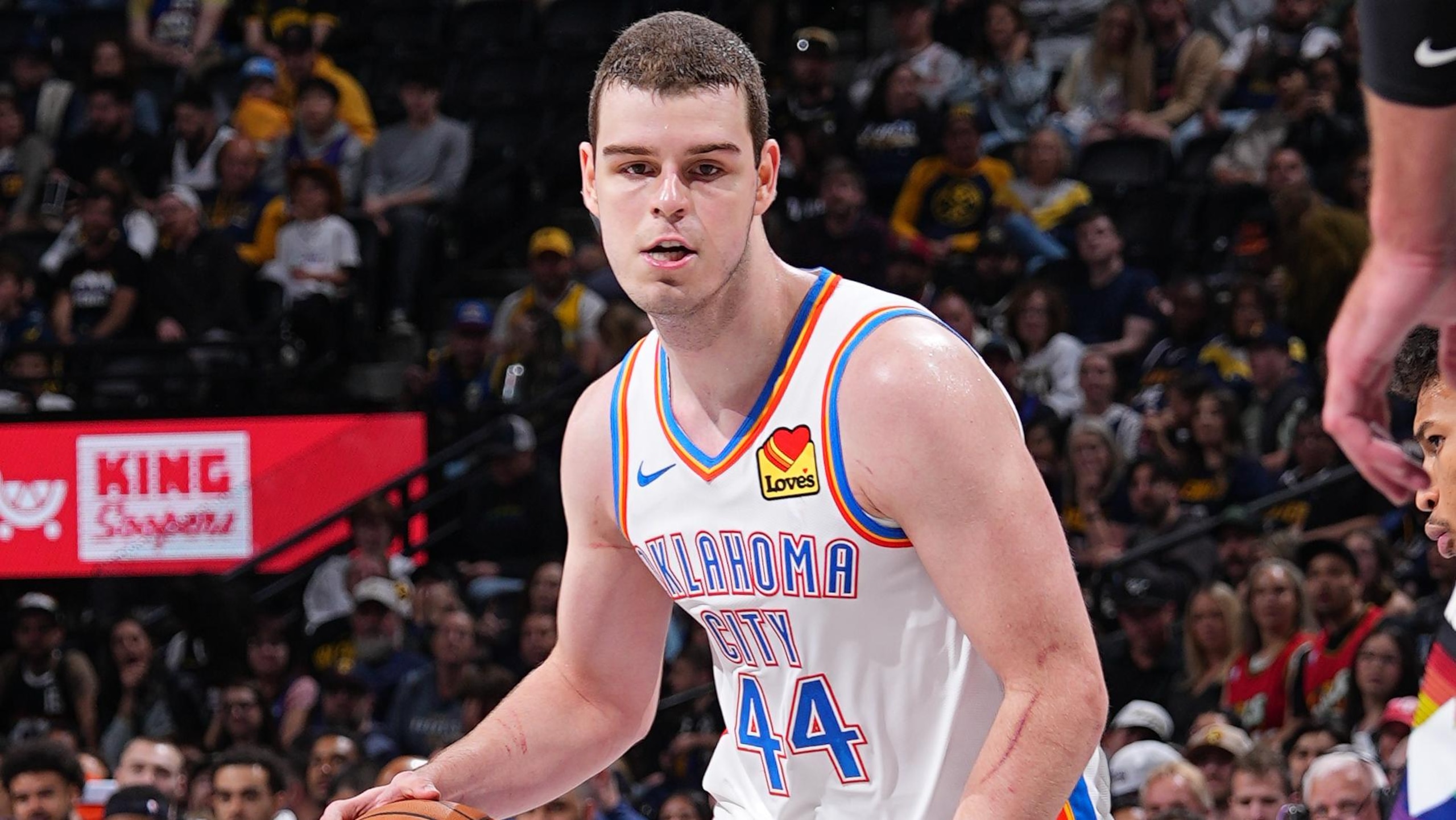
- Future first-round picks
- Jrue Holiday
- Nikola Topić
Collecting first-rounders is standard rebuilding-team procedure. It's even more essential for a Los Angeles Clippers franchise that was just stripped of five future picks.
Jrue Holiday goes against the bigger-picture emphasis at first glance. Hear me out, though: He's a high-character vet who still provides ball-handling, some scoring and plenty of defense. Putting him in a lineup with Keaton Wagler and Darius Garland actually makes a ton of sense.
The Portland Trail Blazers just so happen to be teeming with guard-types and will need to clear off money that's on the books past this season if they want to renegotiate-and-extend Deni Avdija. L.A. has the expiring contracts to make a deal work.
Nikola Topić represents the opposite end of the rebuilding-team spectrum: a second-draft guy. Health issues, including a cancer diagnosis, and an absurdly deep Oklahoma City Thunder roster have pretty much zeroed out his opportunities.
L.A. is an ideal landing spot with the Clippers in nothing-to-lose territory. There is some redundancy with the team's other ball-handlers, but Garland and Wagler can play off anyone. The Clippers can worry about pecking-order problems if Topić turns into something.
Los Angeles Lakers
14 of 30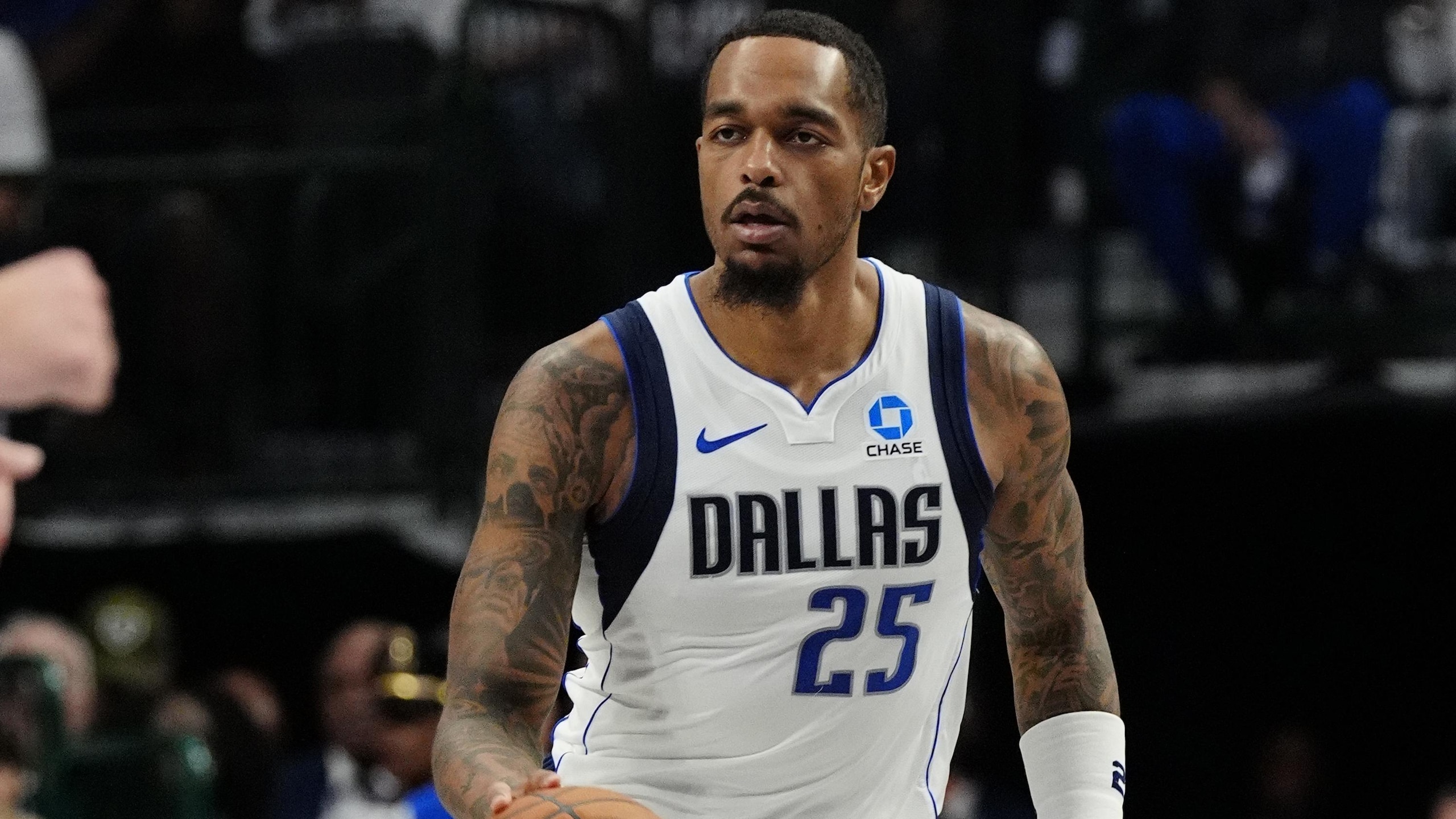
- PJ Washington
- Derrick Jones Jr.
- Day'Ron Sharpe (trade-eligible Dec. 15)
Combo forwards and backup bigs should be all the rage for Los Angeles Lakers trade-machine enthusiasts. The problem? They have just one first-round swap and three future second-rounders to dangle alongside matching salary. Including rookie Cameron Carr glitzes up any package, but he should be considered off limits unless the Lakers are landing a member of their closing unit.
PJ Washington comes close to meeting that criterion. He fits like a glove next to Walker Kessler at the 5 when his three-ball is falling, and though he's not a defender who turns the water off, he can be moved up and down the matchup ladder. Head coach JJ Redick can even use him for backup-center tick when Kessler is catching a breather.
Assuming Carr won't be on the table, Los Angeles' best chance of landing Washington is more about the Dallas Mavericks. The Lakers need him to tumble down a crowded frontcourt hierarchy.
Derrick Jones Jr. and Day'Ron Sharpe are more realistic for what L.A. can offer. Going on 30 this February, Jones remains athletic enough to check tough defensive assignments and get up and down the floor. He tends to hit juuust enough of his wide-open threes to remain in a playoff rotation.
Sharpe would be a huge defensive upgrade at the backup-5 spot to Sandro Mamukelashvili and the ghost of Kevon Looney. Thanks to Mamu's shooting and driving, the Lakers could play both bigs together rather easily in bench mobs. Most critically, Sharpe is top-end insurance against Kessler missing any time.
Memphis Grizzlies
15 of 30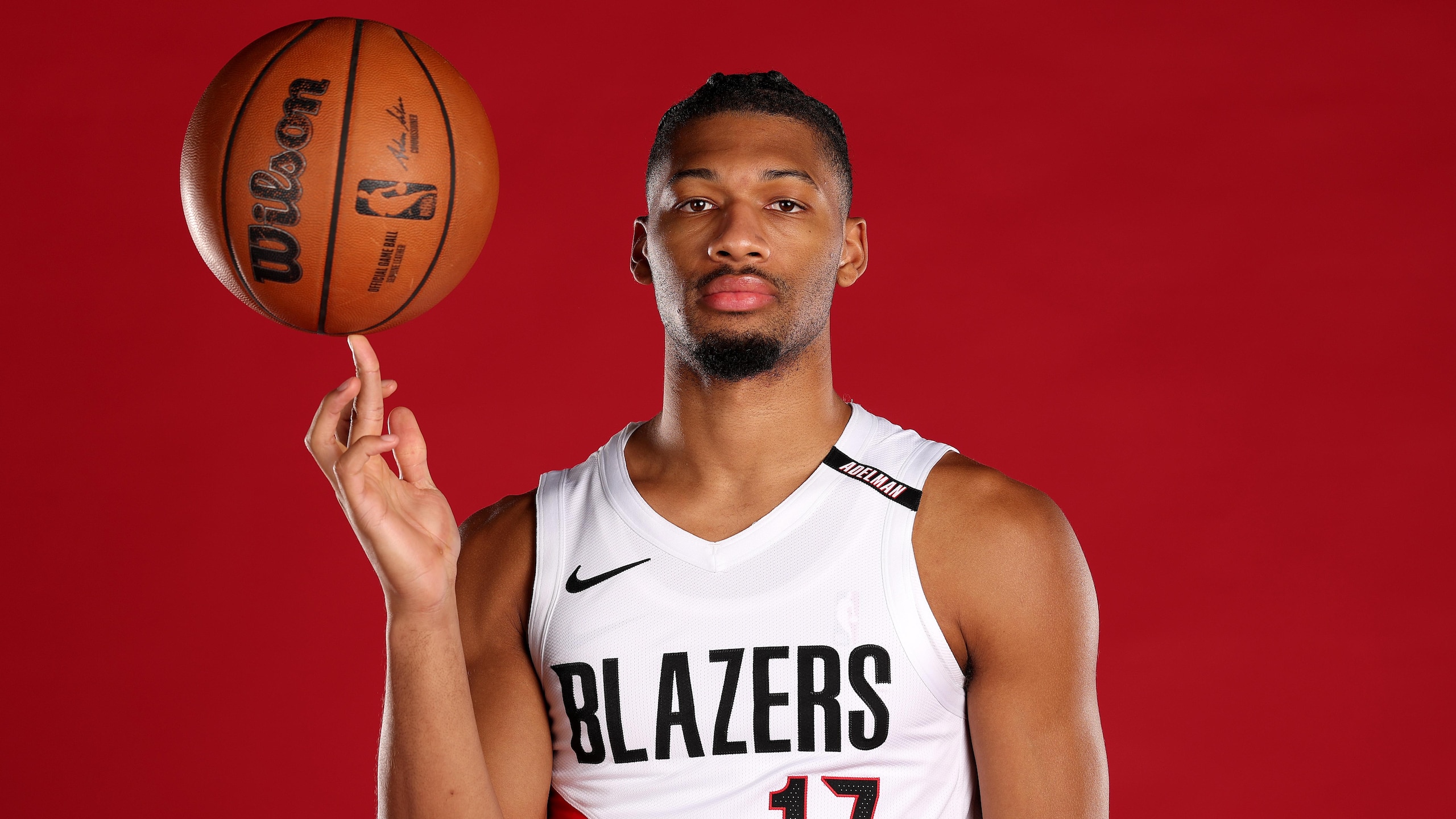
- Shaedon Sharpe
- Darius Garland
- Reed Sheppard
Ty Jerome, Scotty Pippen Jr., Cam Spencer and Jaylen Wells are all quality backcourt players. The Memphis Grizzlies need someone at the 1 or the 2 with the potential to really pop.
Not that they should be in a rush to make a big swing. That's why Shaedon Sharpe is at the top. He's going to miss much of this season with a meniscus tear in his right knee. The Grizzlies have the timeline to take it slow with him.
For all his defensive flaws, Sharpe offers bonkers shot-making possibilities. His off-ball movement has always stood out, although Memphis will want a higher-end floor general if it's going to nuke some of his more damning impulses. If the Portland Trail Blazers are looking to offload long-term salary to make way for a Deni Avdija renegotiate-and-extend next summer, Memphis is a logical trade partner.
Injuries make Darius Garland seem older than he is in reality. At 26, he is decidedly timeline-proof. He can shimmy between running the offense on-ball and working away from it. The chemistry between him and Cam Boozer could be heavenly.
You're either smitten with Reed Sheppard's shooting and defensive playmaking or turned off by his slight frame and lack of on-ball gusto going downhill. Either way, boom-or-bust, he's a higher-end backcourt prospect than anyone the Grizzlies have now. The Houston Rockets should be on Memphis' speed dial if it looks like Sheppard is the eighth man in their rotation.
Miami Heat
16 of 30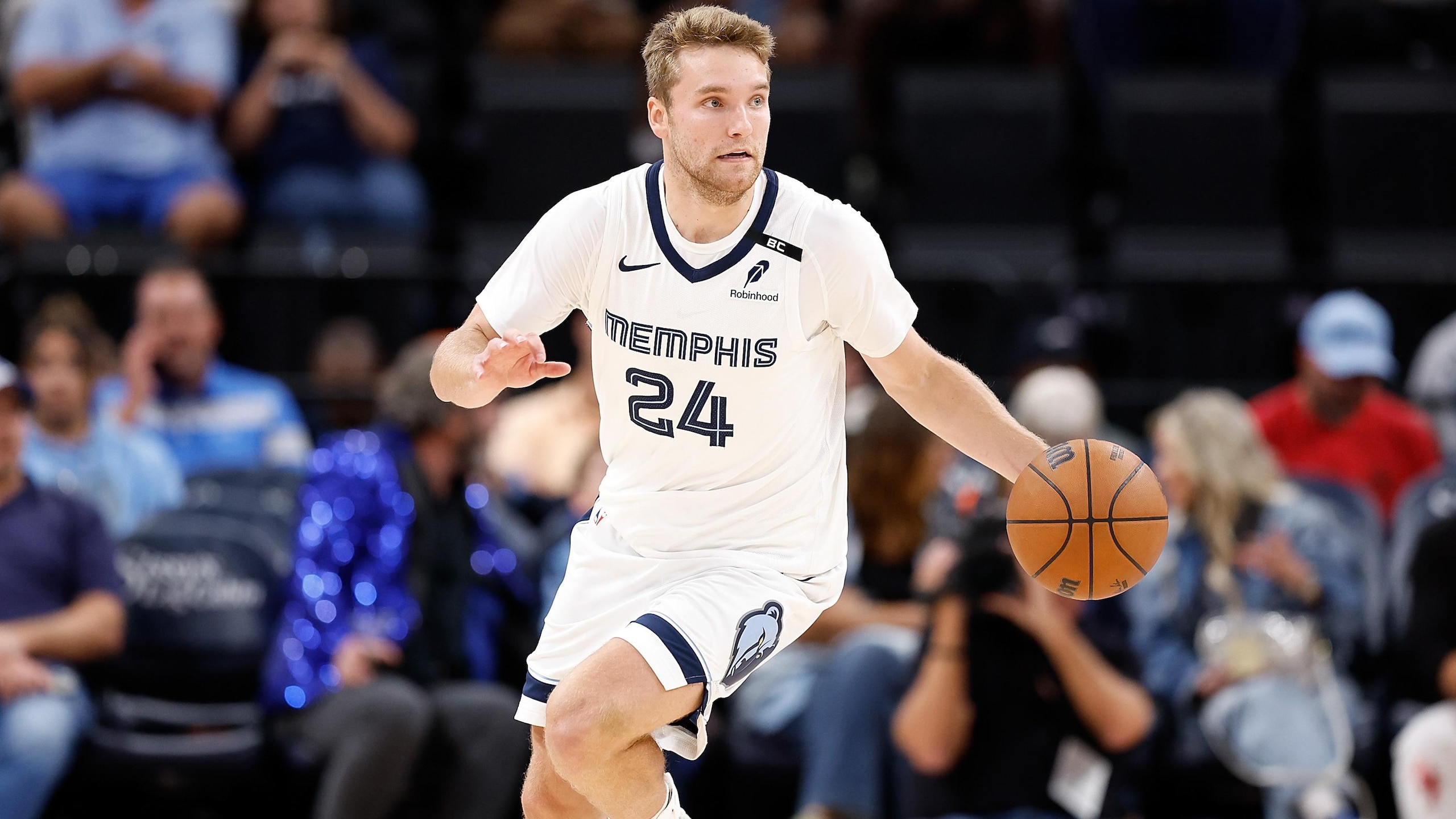
- Cam Spencer
- Daniss Jenkins
- Ty Jerome
The Miami Heat have adequately stocked their supporting cast with shooting if Klay Thompson ever moves out of Brickscayne Bay. But they remain hard-up for ball-handling that doesn't shrink the floor.
Cam Spencer would take care of that—and then some. He averaged 5.6 assists while swishing 44.9 percent of his 4.6 three-point attempts for the Memphis Grizzlies last season and plays enough defense that he could close games. Bake in a contract that has him under team control through 2028-29 for less than $3 million per year, and the Heat shouldn't be above sending out a first-round swap or even a conditional 2029 first.
Daniss Jenkins' shooting hasn't extended to off-the-dribble opportunities, but he drilled 47.7 percent of his spot-up triples last year and is a serviceable offensive steward. The Detroit Pistons' motivation for trading him would be to open up run for Ebuka Okorie and get out in front of Jenkins' foray into 2027 restricted free agency.
Despite setting the world on fire for 15 games last season, Ty Jerome could be the more gettable Memphis guard. He isn't a billboard for health and has more defensive limitations than Spencer. His shot-making, handle and passing are also enough to (probably) start and close for the Heat.
If it looks like Miami is avoiding the lottery, would Memphis accept a 2028 swap and 2029 first attached to Nikola Jović for Spencer or Jerome (and other money)? Failing that, the Heat have the more reasonable contracts of Davion Mitchell and Bobby Portis Jr. to use as salary anchors.
Milwaukee Bucks
17 of 30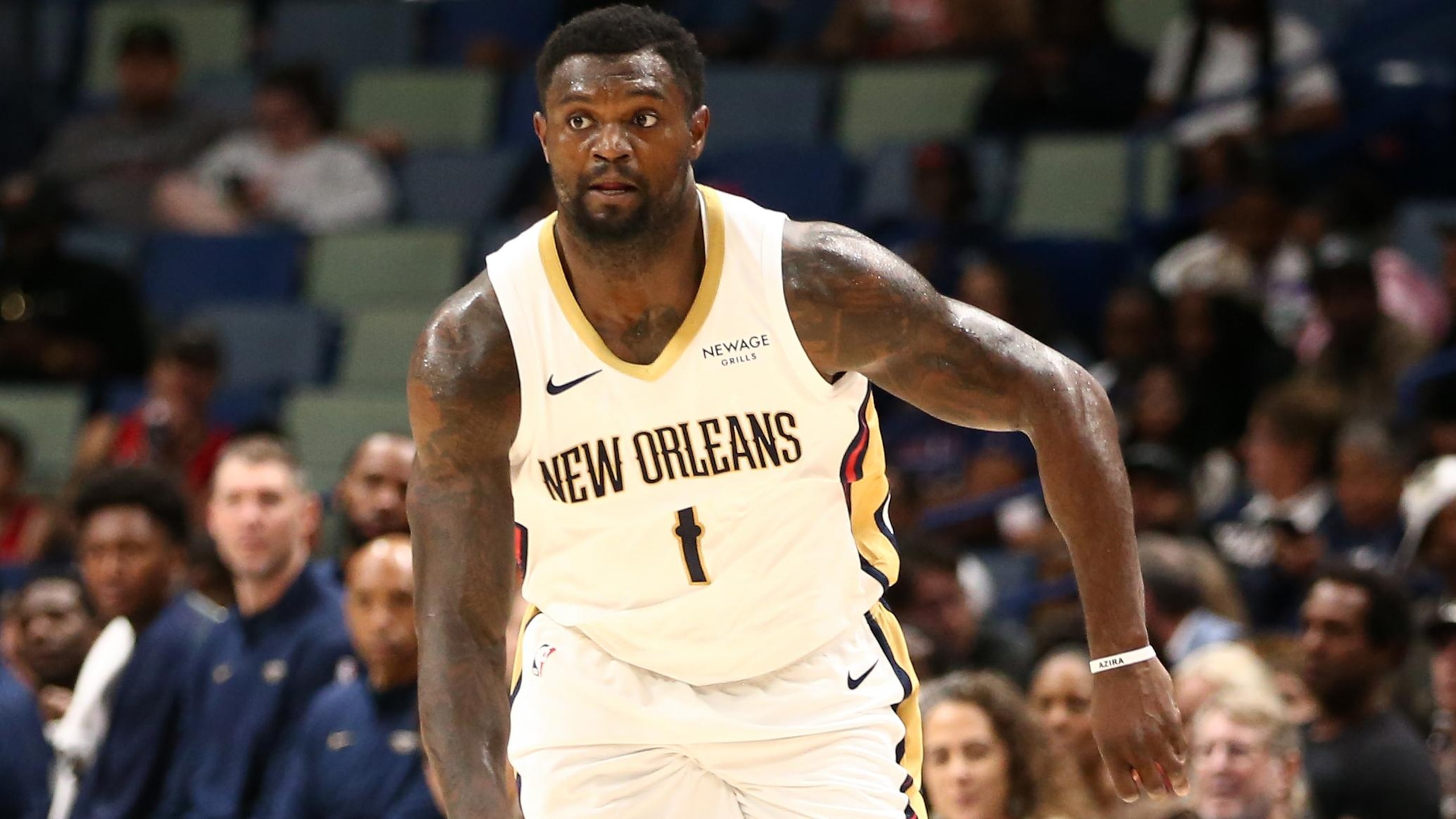
- Cleveland's 2031 first-round pick (via Denver)
- Zion Williamson
- Paolo Banchero
The Denver Nuggets are inside the second apron. The Milwaukee Bucks have over $12.5 million in tax room and a $25.5 million traded player exception burning a hole in their pocket.
Let's make a cost-cutting deal that reroutes Cleveland's 2031 first-rounder to Wisconsin.
Apart from targeting more future first-rounders, the Bucks have so many guys that they should consider taking on distressed big-name assets, just to see what happens. This approach also jibes with them not controlling their own first-rounder again until 2030.
Can they get a Zion Williamson peek without having to give up a first-rounder? Or help the Orlando Magic shave future salary while giving up modest value for Paolo Banchero, a flawed 23-year-old who nevertheless fits the timeline and has an All-Star appearance and smattering of playoff moments under his belt? The Bucks should totally find out.
Minnesota Timberwolves
18 of 30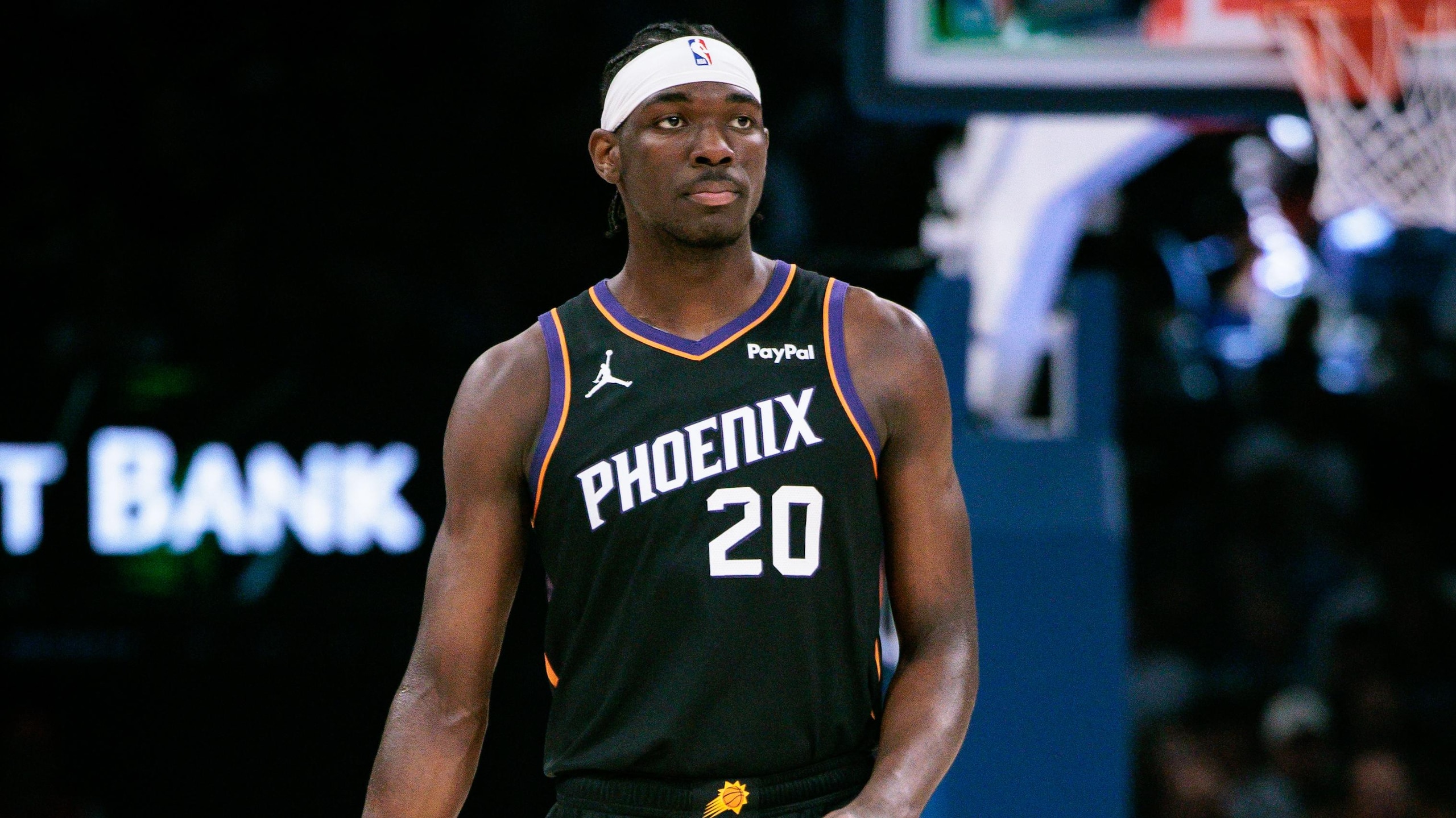
- Rasheer Fleming
- Jabari Walker
- Micah Potter
Adding size off the bench would go a long way for the Minnesota Timberwolves. Their primary backup 4-5 options are a mixture of Joan Beringer, Trey Lyles and Cody Williams. Sliding Jaden McDaniels up to the 4 in certain instances will help, but the Wolves could run into overarching issues if Beringer, Rudy Gobert or Jonathan Kuminga find themselves in foul trouble (or out).
Rasheer Fleming would be a dynamite fit. He is long, can defend a bunch of positions, has potential to gobble up small-ball 5 minutes and likes to crash the offensive glass. His contract is a bargain. He's under team control at a combined $7.4 million. Though he seemed in line for a bigger role with Phoenix this season, the Miles Bridges acquisition changes the calculus.
Jabari Walker gets to the rim, rebounds and can also be moved around the positional spectrum on defense. His importance to Philadelphia has skyrocketed amid frontcourt injuries, but he stands to get lost in the shuffle if and when Dominick Barlow, Adem Bona, Dean Wade, LeBron James and Joel Embiid are healthy at the same time.
Micah Potter hit some ridiculous threes as a member of the Indiana Pacers last season and grabs a few more rebounds than you'd think. Portland has a trillion centers, and he could plausibly drop behind Donovan Clingan, Robert Williams III and Yang Hansen in the pecking order. Minnesota should be crossing its fingers that he does.
New Orleans Pelicans
19 of 30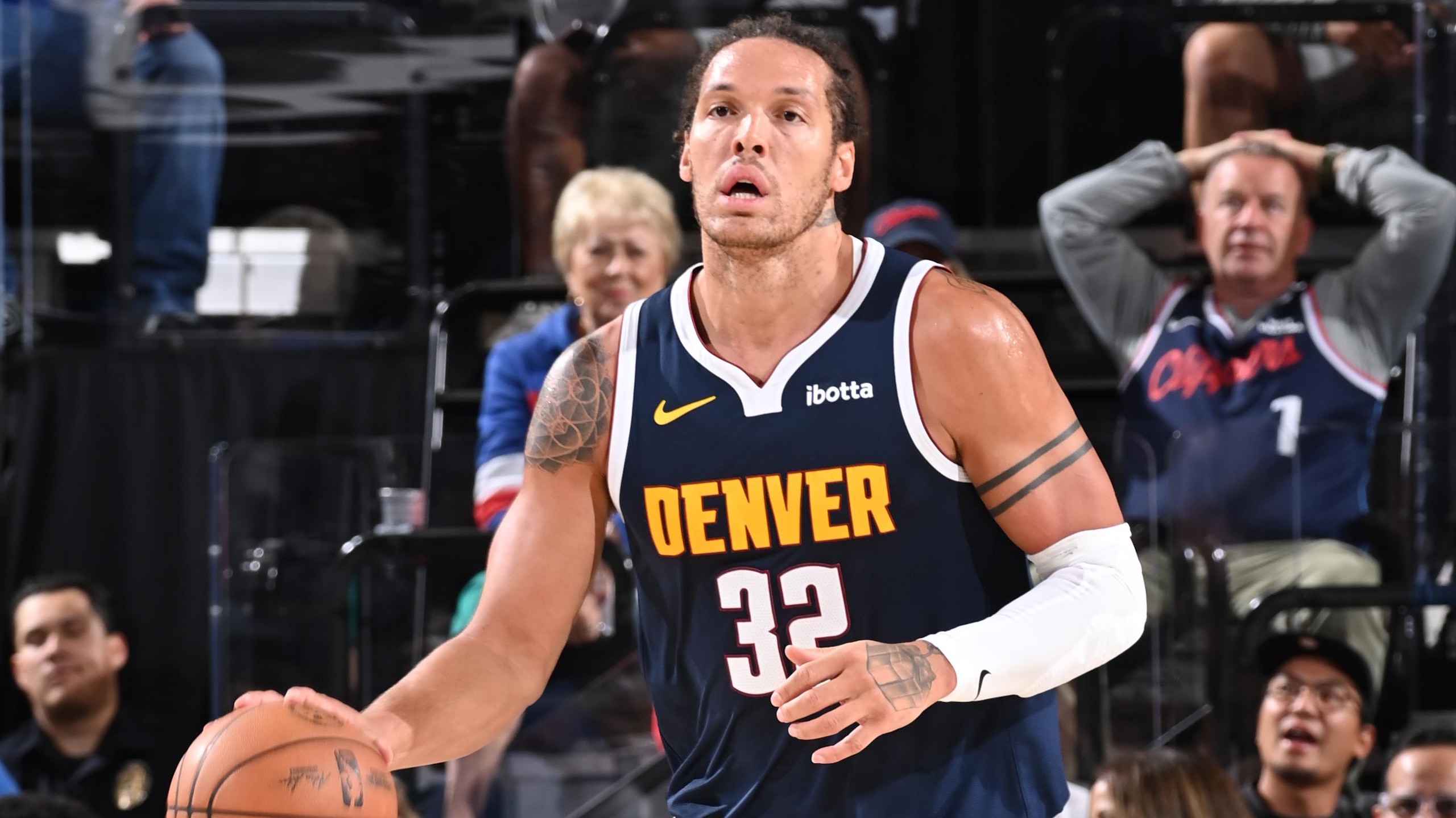
- Myles Turner
- Jaylin Williams
- Aaron Gordon
The New Orleans Pelicans are running their operation like they have a prayer of being good this season. Everyone in this universe and 99.9 percent of all alternate ones disagree. New Orleans shouldn't be aggressive buyers as a result.
At the same time, if they're going to give the roster a fighting chance, they should transact like they mean it. In other words, trade for a frontcourt player who fits with Derik Queen or Zion Williamson—or both.
Myles Turner better have a second home in The Big Easy with how often he's tied to the Pelicans. He's less appealing as a player now, but more attractive to acquire. New Orleans won't have to give up the haul it once needed to land him. Building something around Jordan Poole's expiring contract might get 'er done.
Jaylin Williams' defensive rebounding and willingness to fire away from deep are a nice complement to both Zion and Queen. His $7.8 million salary in each of the next two seasons is a nicer complement to the Pelicans' books.
Aaron Gordon is the most aggressive name here. He does almost everything the Pelicans' frontcourt would need alongside Queen or Zion: defend, space, move without the ball, etc. The rebounding might be touch-and-go, but hey, that's an issue in New Orleans now.
Gordon's path to the chopping block is the toughest to peg. The Pelicans need the Denver Nuggets to stumble relative to other superpowers and enter roster-reorientation mode beyond shopping Cam Johnson and Christian Braun.
New York Knicks
20 of 30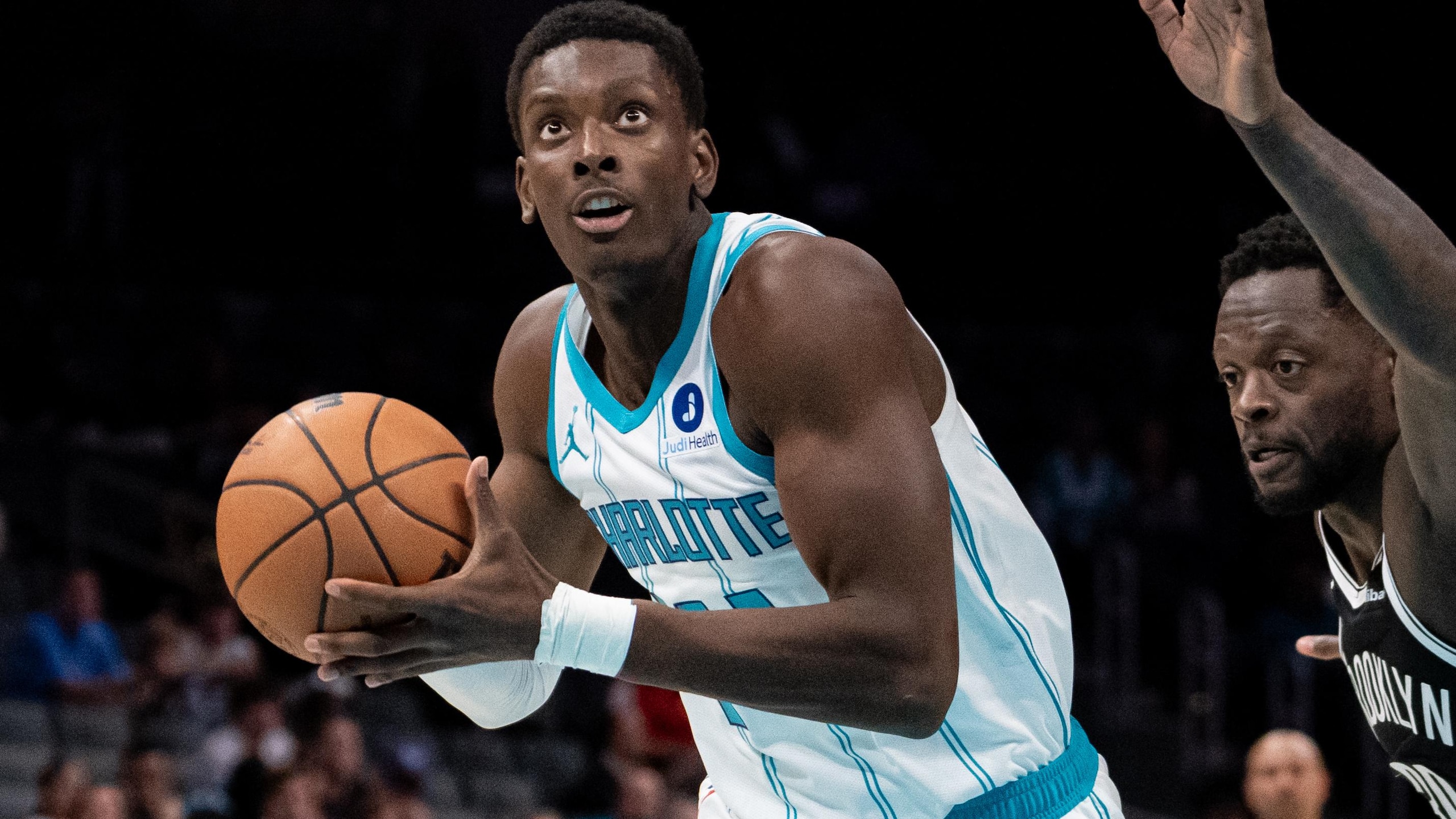
- Moussa Diabaté
- Dylan Cardwell
- Luka Garza
Andre Drummond and James Wiseman are worthwhile regular-season heirs apparent to Mitchell Robinson and Ariel Hukporti, respectively. Whether the New York Knicks have enough depth behind Karl-Anthony Towns to feel good about every playoff matchup is a separate matter.
Moussa Diabaté and Dylan Cardwell check the offensive rebounding and defensive mobility boxes. Diabaté is in his contract year and could wind up being a rental, but Cardwell is under team control through 2028-29 for a combined $7.4 million. Both can log minutes alongside Towns—an option New York doesn't have with Drummond or Wiseman.
Luka Garza falling behind Robinson and Neemias Queta in the Boston Celtics' big-man hierarchy is the Knicks' opening to get him out of Beantown. Ditto for his impending free agency next summer. After drilling over 43 percent of his threes last year, he is another tall body who can play beside Towns if New York so chooses.
Garza doesn't have the defensive malleability of Diabate or Cardwell, but he's a stealthy presence on the second-chance glass. Through five NBA seasons, he has notched a career offensive rebounding percentage of 15.8. That mark ranks eighth in the entire league among everyone who has logged at least 2,000 total minutes.
Oklahoma City Thunder
21 of 30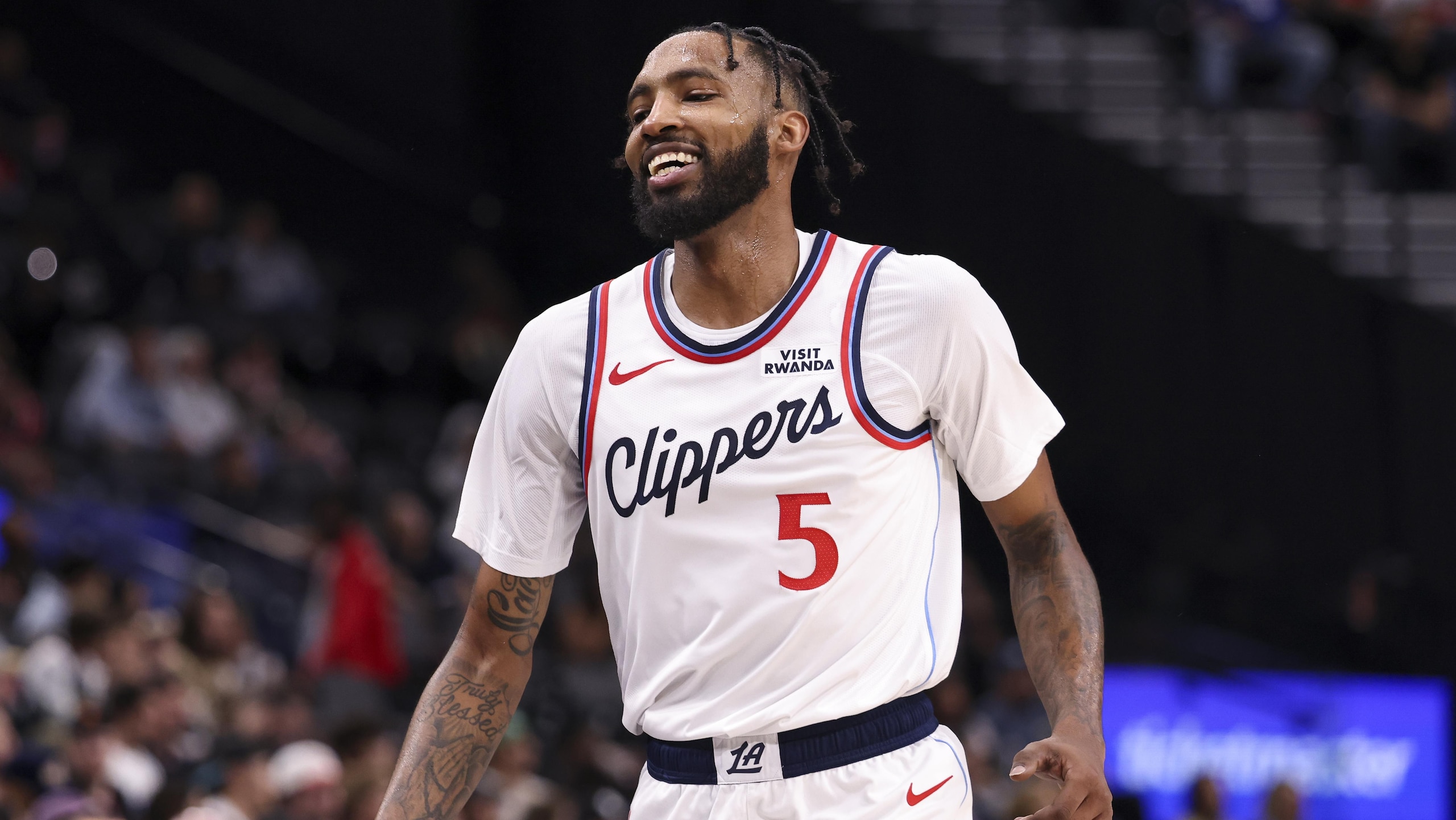
- Rasheer Fleming
- Derrick Jones Jr.
- Josh Minott (trade-eligible Dec. 15)
Forwards standing 6'7" or taller are on the Oklahoma City Thunder's mind. At least, that is what their offseason offer sheet to Spencer Jones suggests.
Going after Rasheer Fleming is an extension of that approach. The jury remains out on his three-point shooting, but at 6'9" and with a wingspan over 7'5", he's a defensive worker bee who can even tackle select big-man assignments. His willingness to crash the offensive glass is a plus, and a contract that pays him $7.4 million total through 2028-29 is just what Oklahoma City's jam-packed books ordered.
Derrick Jones Jr. still has the athletic profile to fit the Thunder's style. The shooting is forever dicey, but he's drilled more than 35 percent of his threes over the past two regular seasons. His $10.5 million salary is easy enough for Oklahoma City to acquire and comes off the books after this year.
Josh Minott follows the Rasheer Fleming blueprint. He isn't as long, but he can rumble with a bunch of different positions on defense. If he's anywhere near the 40 percent clip he shot from three last season, the Thunder should be smitten with both his fit and the two-year, $9 million contract he just started.
Orlando Magic
22 of 30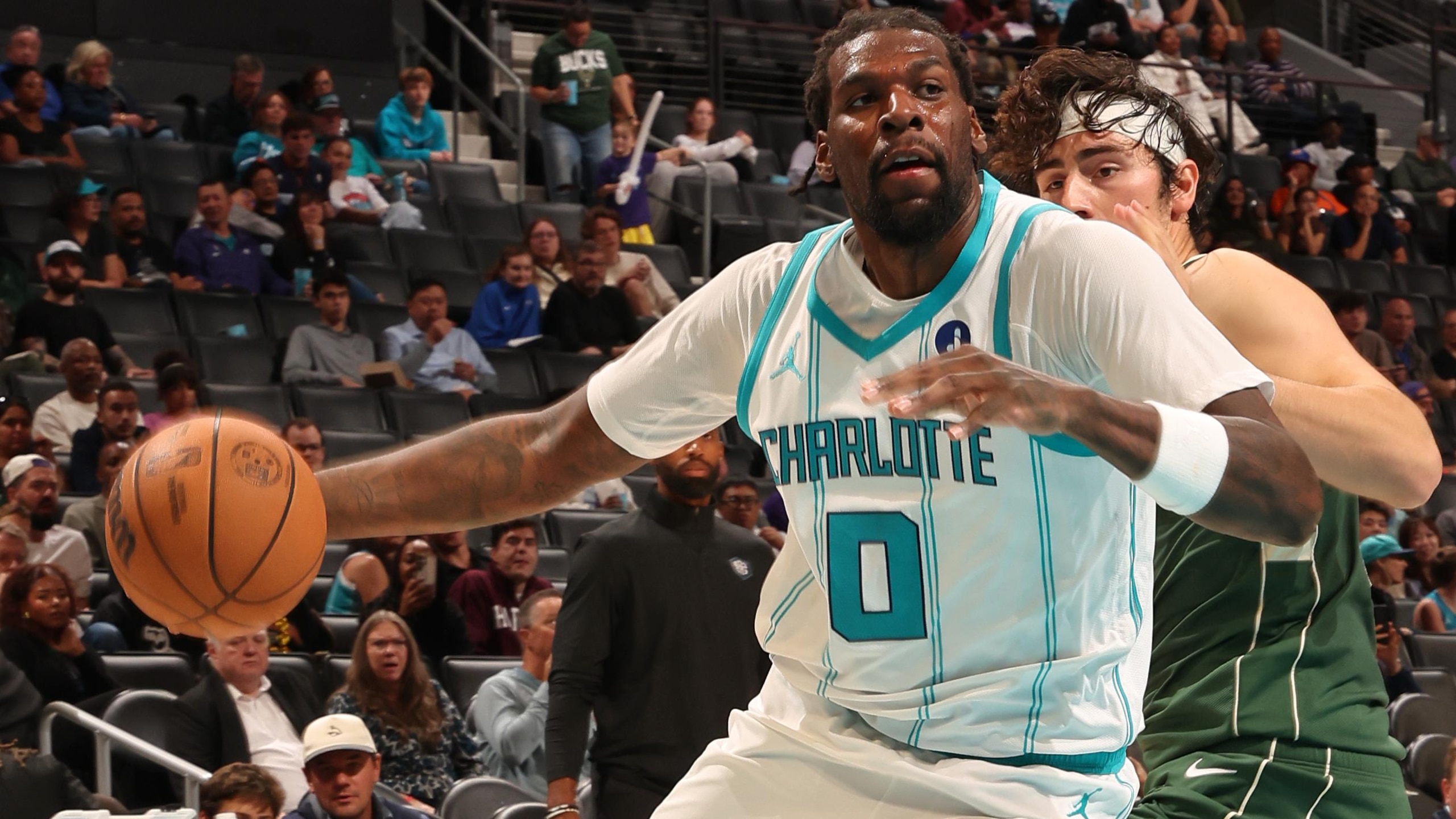
- Naz Reid
- Svi Mikhailiuk
- Deuce McBride
Newly minted head coach Sean Sweeney can change the Orlando Magic's offense. He can't change the personnel. The Magic haven't ranked in the top half of both three-point volume and efficiency since 2011-12. Anyone who nudges them further in that direction should pique their curiosity.
Naz Reid tops the list if Orlando is willing to do something spicy. Its books are within striking distance of the second apron, but a package of Anthony Black and Wendell Carter Jr. cuts both short- and long-term payroll when factoring in Black's next contract.
Svi Mikhailiuk is 6'7" and just banged in 40.8 percent of his 7.5 three-point attempts per 36 minutes last season. Between that and his $3.9 million salary, the Magic should be all over him.
Deuce McBride is in a contract year, which theoretically complicates Orlando's situation. But he's a better shooter than Black who, because of his size, will cost way less to retain. Acquiring McBride would be an excellent hedge against AB pricing himself out of town or the front office electing to move him ahead of the Feb. 11 trade deadline.
Philadelphia 76ers
23 of 30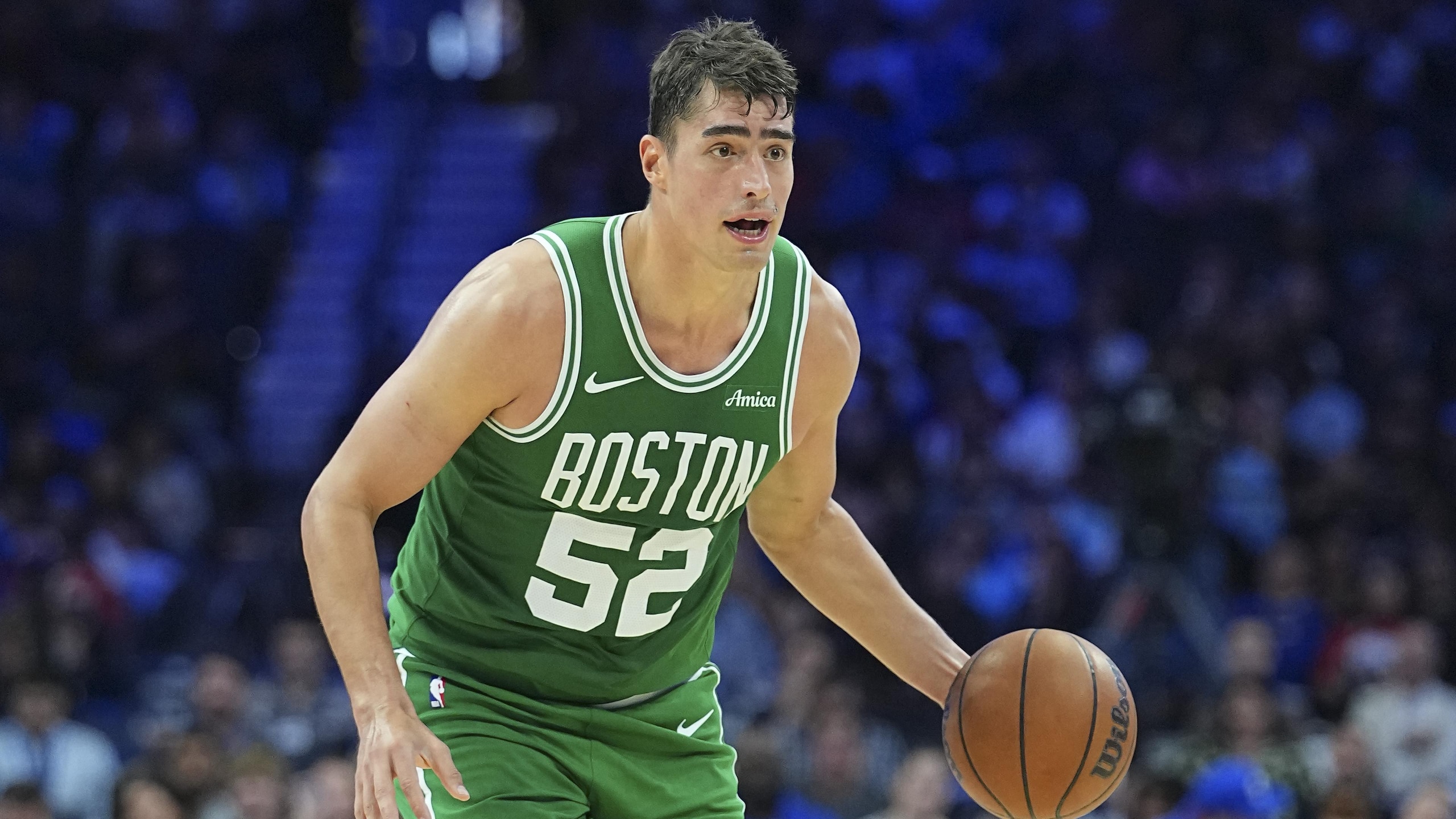
- Moussa Diabate
- Luka Garza
- Karlo Matkovic
Close your eyes and point at a Philadelphia 76ers frontcourt player. Chances are pretty high they're an injury risk…if not already injured.
Chasing after backup bigs is Philly's default as a result.
Moussa Diabaté's offensive rebounding and two-way mobility are an upgrade over any true center the Sixers currently have behind Joel Embiid. His entry into 2027 free agency is a potential deterrent, but it's also what makes him gettable. For a team right up against the first apron that doesn't have much dispensable salary, his $2.5 million contract is a spreadsheet thirst trap.
Luka Garza won't always be the answer over someone like (a healthy) Adem Bona. But his floor-spacing adds an intriguing element to the rotation. Philly can get away with playing him alongside another big if it's looking to upsize. Even with free agency on the horizon, his $2.8 million salary is a capologist's fever dream.
Familiarize yourself with Karlo Matković if you haven't already. He would thrive in the Sixers' uptempo attack after live rebounds, shot 42.2 percent on 90 three-point attempts last year and has a combination of sneaky athleticism and good hands that render him an operable lob threat. His $2.3 million salary is both teensy and expiring, and he's not someone who will have many suitors during free agency if things work out in Philly.
Phoenix Suns
24 of 30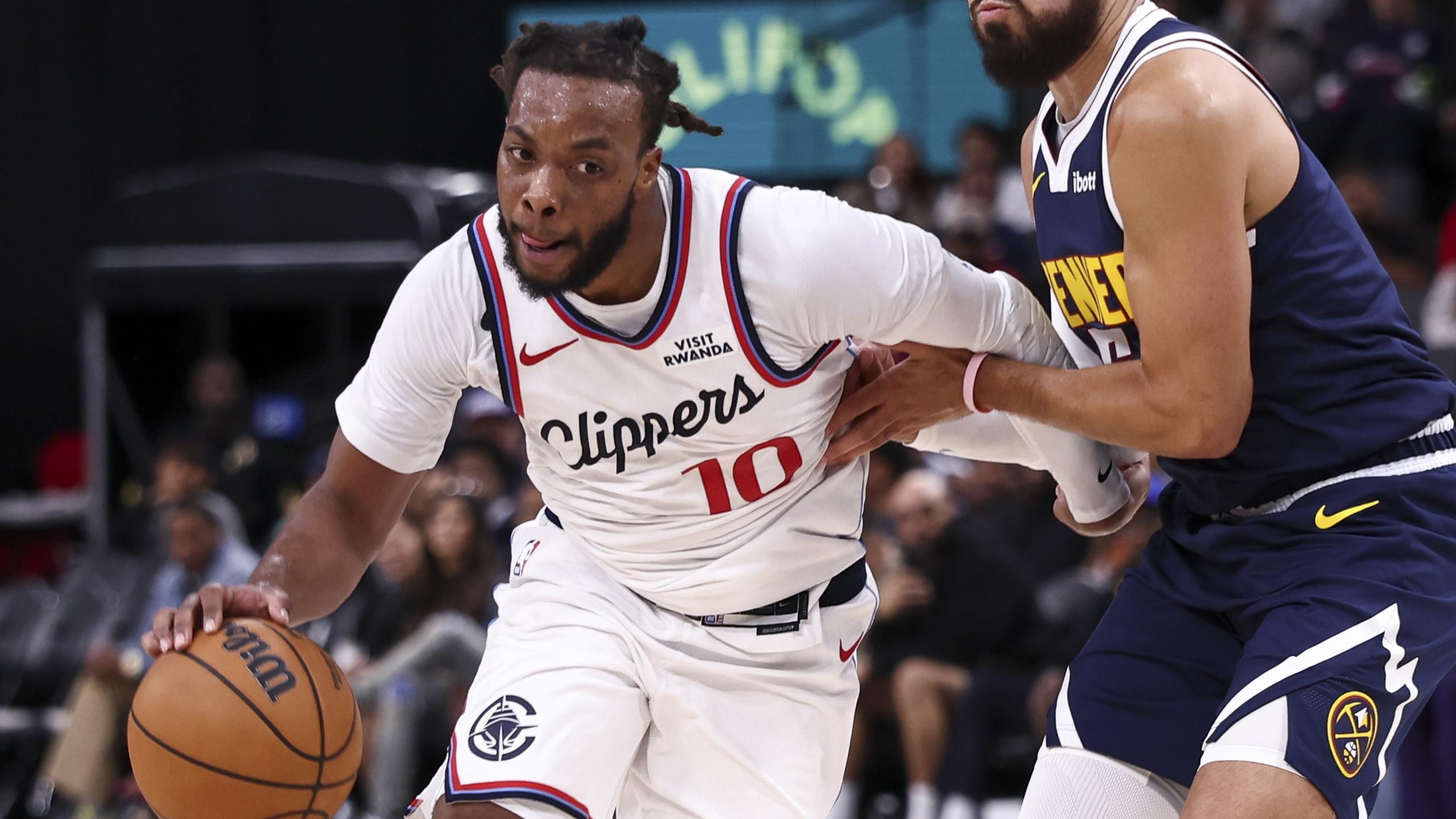
- Darius Garland
- Dejounte Murray
- Terrence Shannon Jr.
Imagine a world in which Devin Booker doesn't need to be the Phoenix Suns' top scorer and setup man. What a concept!
Darius Garland's scattershot health bill shouldn't scare the Suns. They have just one tradeable first-round pick. They don't have the assets to be choosy. Garland's shooting, fidgety cadence in the lane and broader passing vision would make life easier for Booker and crank up the play-finishing utility of Oso Ighodaro and Khaman Maluach. Attaching Jalen Green's contract to another just about gets the salary-matching job done.
Dejounte Murray has looked fairly steady coming off an Achilles injury that limited him to 14 appearances last year. He isn't a first-rate playmaker, but he's still a higher-end initiator than Collin Gillespie.
Although Terrence Shannon Jr.'s playmaking is often conflated with getting downhill at top speed, he has flashed live-dribble poise coming around ball screens and throws pretty good lobs. Maluach would eat. That alone should get Phoenix picking up the phone.
Fortunately for the Suns, Shannon had the Minnesota Timberwolves waxing about the importance of putting the ball in his hands following last year's playoffs. Good luck figuring out that possession math with LaMelo Ball, Anthony Edwards, Ayo Dosunmu, Jonathan Kuminga and Jaden McDaniels on the roster. Phoenix should use the breadth of players blocking him to its advantage.
Portland Trail Blazers
25 of 30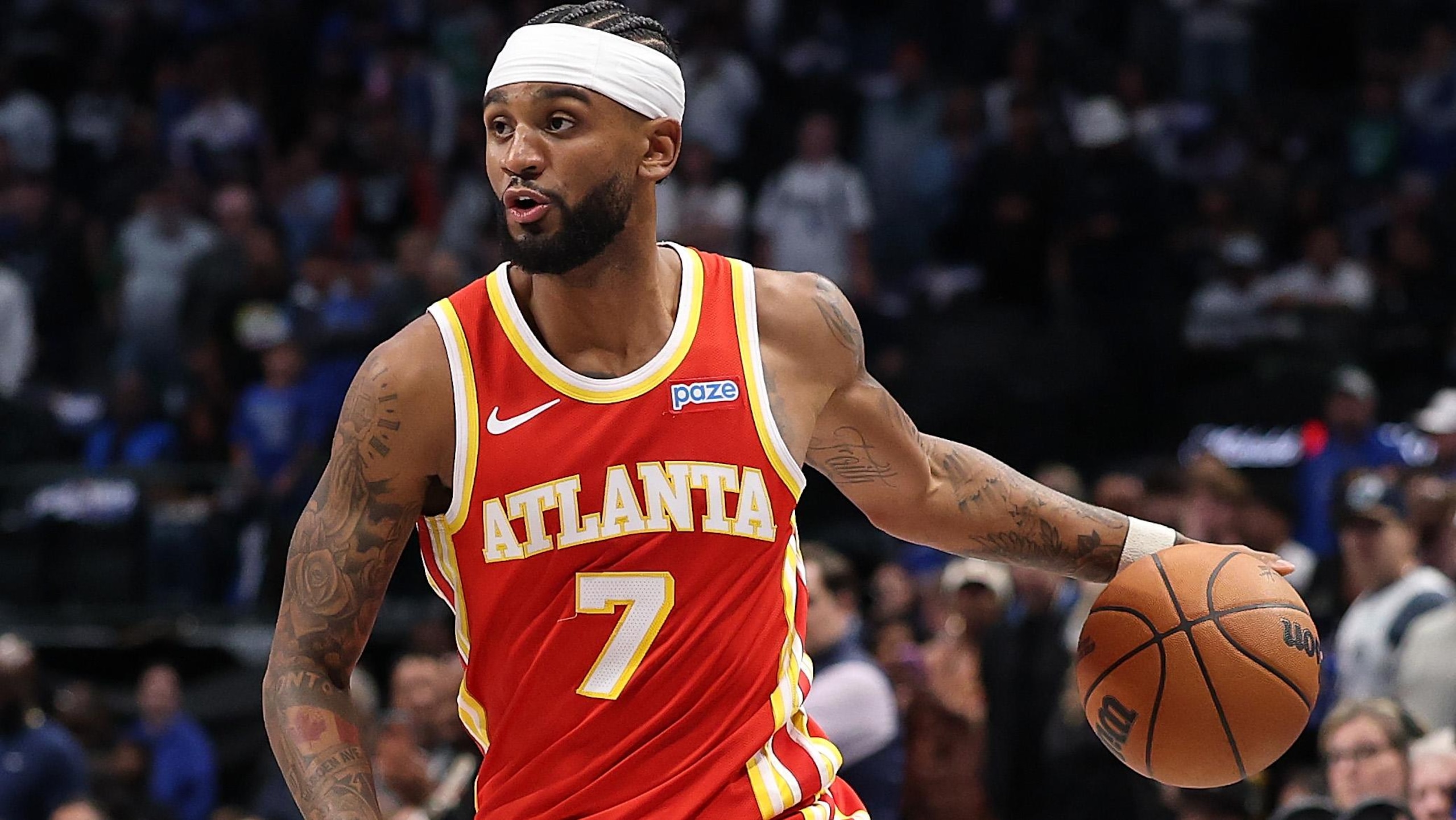
- Nickeil Alexander-Walker
- Jalen Suggs
- Jaylen Wells
Speaking with yours truly on Hardwood Knocks, Locked On Blazers' Mike Richman identified another point-of-attack defender as the Portland Trail Blazers' biggest need. My first instinct was additional shooting, but Damian Lillard and Ja Morant have to be protected on the less-glamorous end. The current roster puts a lot of stress on Toumani Camara while asking Scoot Henderson and the aging Jrue Holiday to guard above their heads.
Nickeil Alexander-Walker is the "Why choose between shooting and defense?" option. The reigning Most Improved Player is disruptive both on and off the ball and downing 39 percent of his treys over the past four seasons.
Convincing the Atlanta Hawks to move him will take a Godfather offer. The Blazers have assets to throw around, and NAW's mid-level contract is attractive enough to toss them at him.
Jalen Suggs' shooting comes and goes, but he's a defensive dynamo and probably an underrated passer. Payroll concerns are coming for the Orlando Magic—and they know it. Packages built around some combination of Shaedon Sharpe, Scoot Henderson, Robert Williams and draft equity might get them thinking. Doubly so if they want to keep soon-to-be-restricted-agent Anthony Black past this season.
Jaylen Wells is making minimum-contract money this season and next and routinely covers the other team's best offensive players. That combination is enough to overlook the shaky shooting. The Memphis Grizzlies shouldn't be dying to move him, but he's not far away from requiring a new deal (2027-28 team option) and they're in the early stages of a rebuild.
Sacramento Kings
26 of 30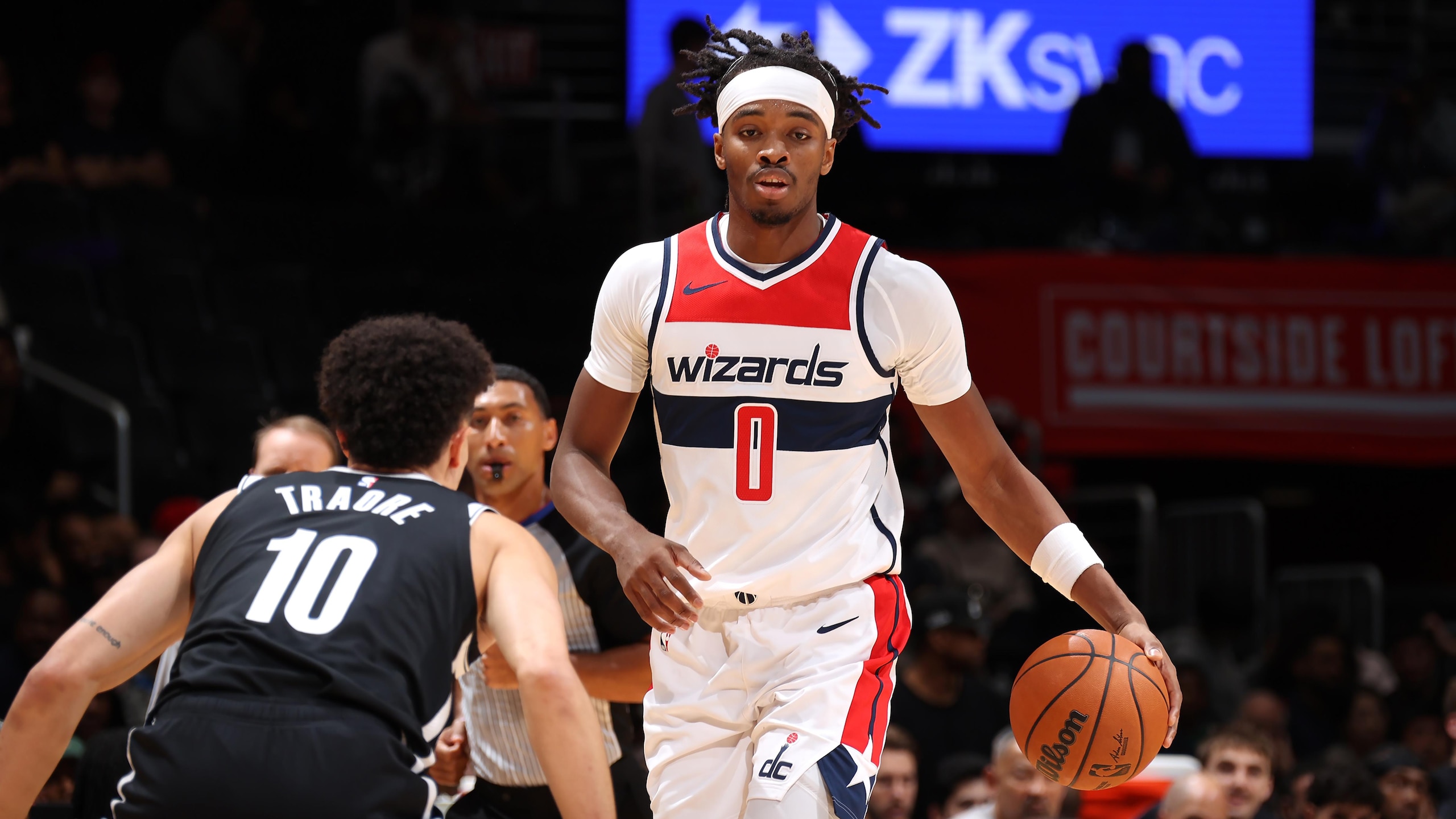
- Bilal Coulibaly
- Jarace Walker
- Tidjane Salaün
Assuming the Sacramento Kings aren't prepared to short-circuit their future for the instant gratification of chasing the 10-seed, they are in full-on second-draft mode.
Bilal Coulibaly is in a contract year and at risk of getting buried by Washington's wing surplus. His offensive wheelhouse remains TBD, but he's a pesky defender across up to four positions.
Jarace Walker is threatening to graduate from the "second-draft guy" discussion. But the Indiana Pacers are in the tax, which they never pay, and he's in a contract year himself. Both tidbits should be music to the Kings' ears.
Tidjane Salaün has the physical tools to be...anything. A little over two years into his career, this has resulted in a quasi-formless archetype. He did, however, make strides last year as a shooter and rebounder and should be a transition lightning rod.
Unless the Charlotte Hornets believe he's their long-term answer at the 4, they have enough combo bigs for the Kings to inquire about a Salaün flier.
San Antonio Spurs
27 of 30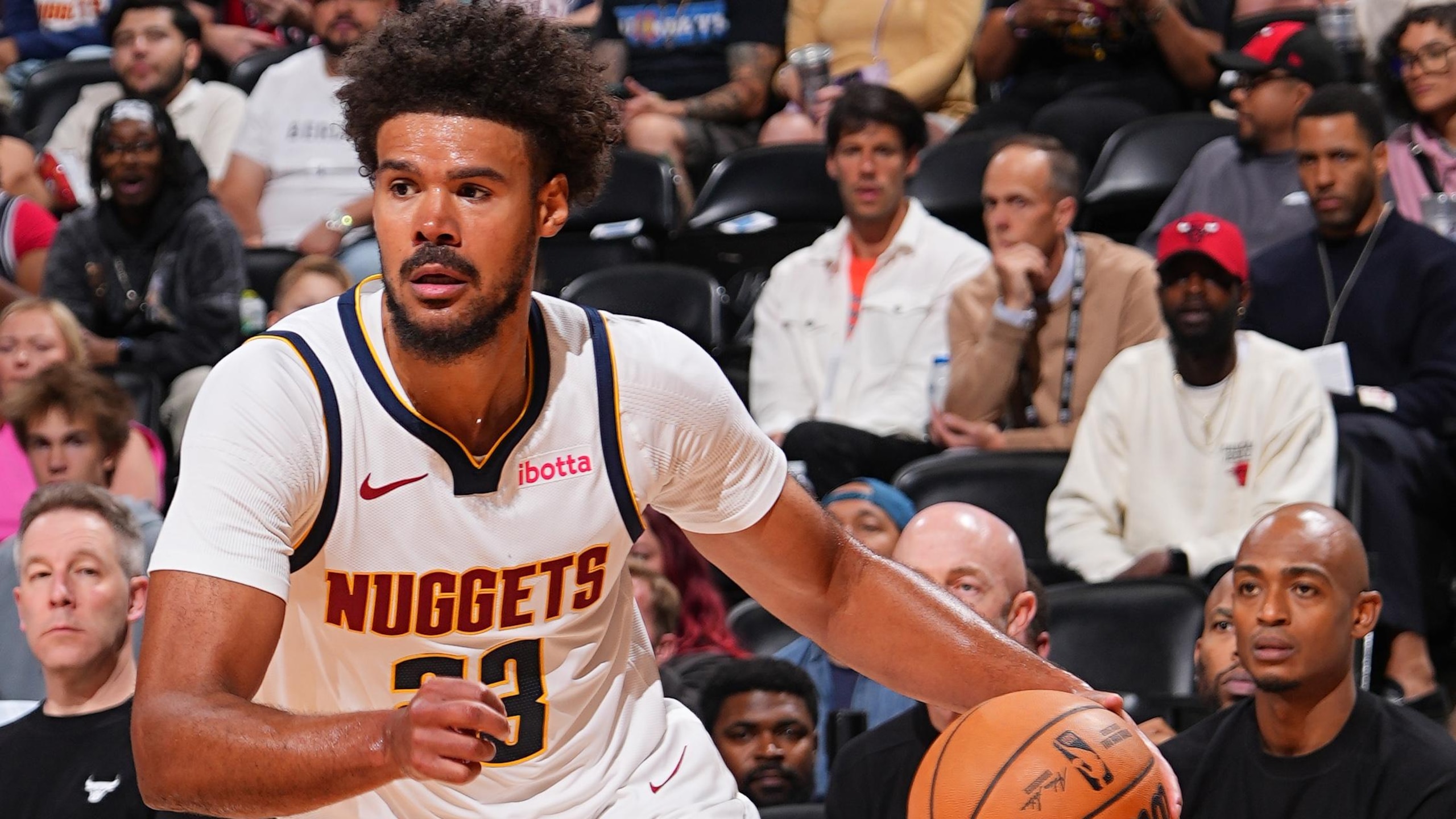
- Trey Murphy III
- Cam Johnson
- Tari Eason (trade-eligible Jan. 15)
Anything the San Antonio Spurs consider should be viewed through the lens of cherry-topping their best lineup. If Victor Wembanyama, Dylan Harper, Stephon Castle and De'Aaron Fox are all in it, the final spot should be rounded out with a combo forward.
Trey Murphy III would be divine. He isn't as imposing as Tobias Harris, but the Spurs are test-running Devin Vassell alongside the three guards. Murphy is an upgrade as an off-ball player and offers more size.
Cam Johnson falls into a similar bucket. Murphy has him beat as an athlete (and contract), but Johnson is the more dynamic passer. His foray into 2027 free agency must be a factor, but the Denver Nuggets' financial situation should also make him easier to acquire.
Tari Eason is the biggest swing of all. The five-year, $81.5 million contract he just signed fits San Antonio's short- and long-term salary structure, and he remains a defensive menace. If the Spurs could guarantee he'd down more than 34 to 36 percent of his threes, or that Houston would be open to a shakeup, he'd be the best option on the board.
Toronto Raptors
28 of 30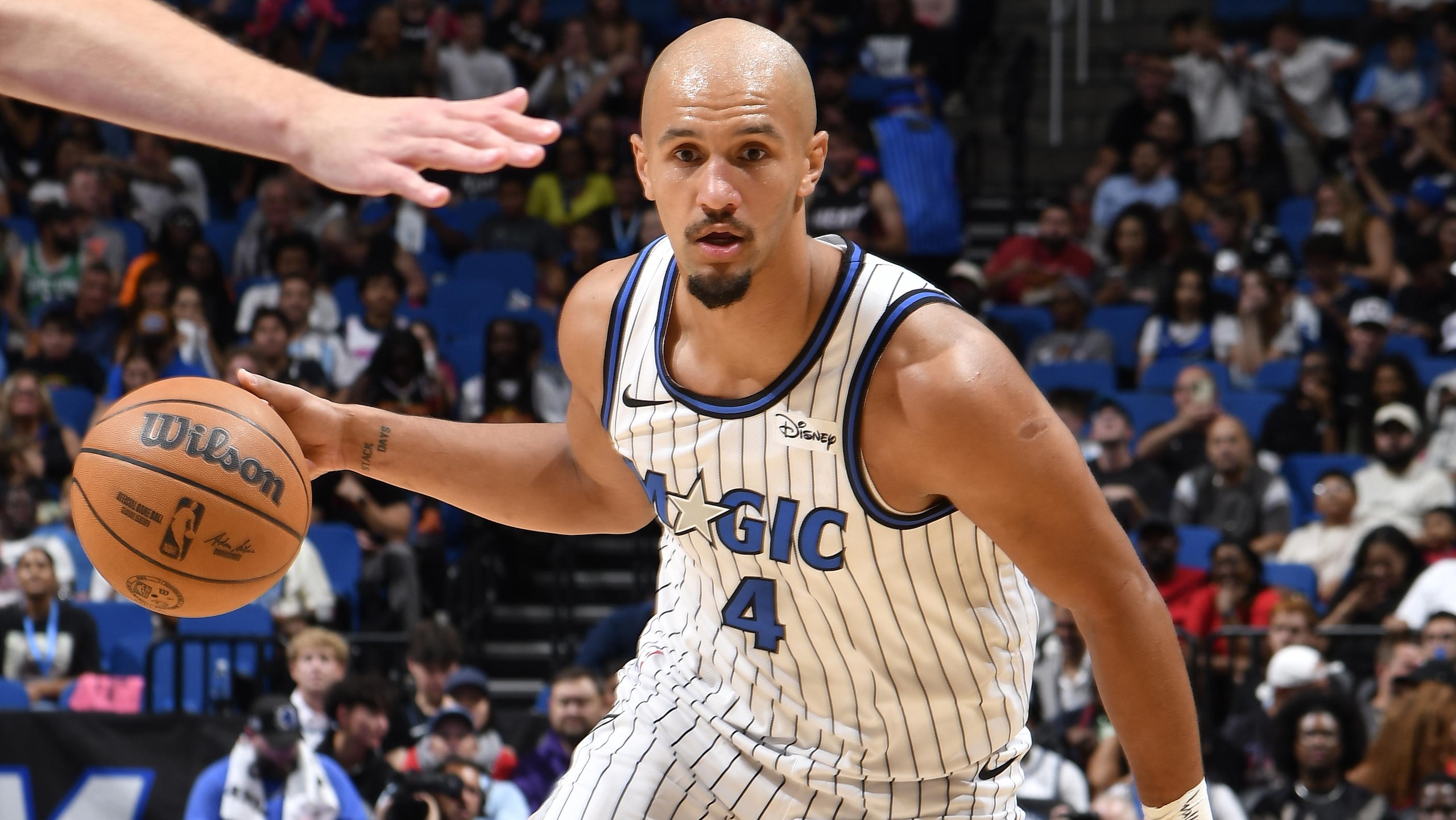
- Kyrie Irving
- Jalen Suggs
- Karl-Anthony Towns
Shooting and passing top the Toronto Raptors' list of needs. Kyrie Irving takes care of both while creating a filthy offensive trio with Scottie Barnes and Kawhi Leonard.
Aging up the roster even further would be a risk, and Kyrie's $39.5 million isn't cheap. But the Raptors have two other stars to streamline his workload, and they can use his player option next summer as a chance to negotiate a longer deal with a smaller annual number.
Jalen Suggs doesn't receive enough credit for passing. The shooting can be rough, but he hit 39.3 percent of his spot-up threes last year. He also upgrades the top of Toronto's defense. Immanuel Quickley and RJ Barrett are overstretched in prominent on-ball roles.
The Raptors should put a pin in Karl-Anthony Towns' extension standoff with the New York Knicks while they're at it. He isn't always the defender we witnessed during last year's playoffs, but the spacing, driving, passing and rebounding diminish the need for Toronto's offensive upgrade to come in the backcourt.
And yes, the huge salaries here are by design. The Raptors' books are better built for a bigger move. They don't have the second-rung contracts to swing middle.
Utah Jazz
29 of 30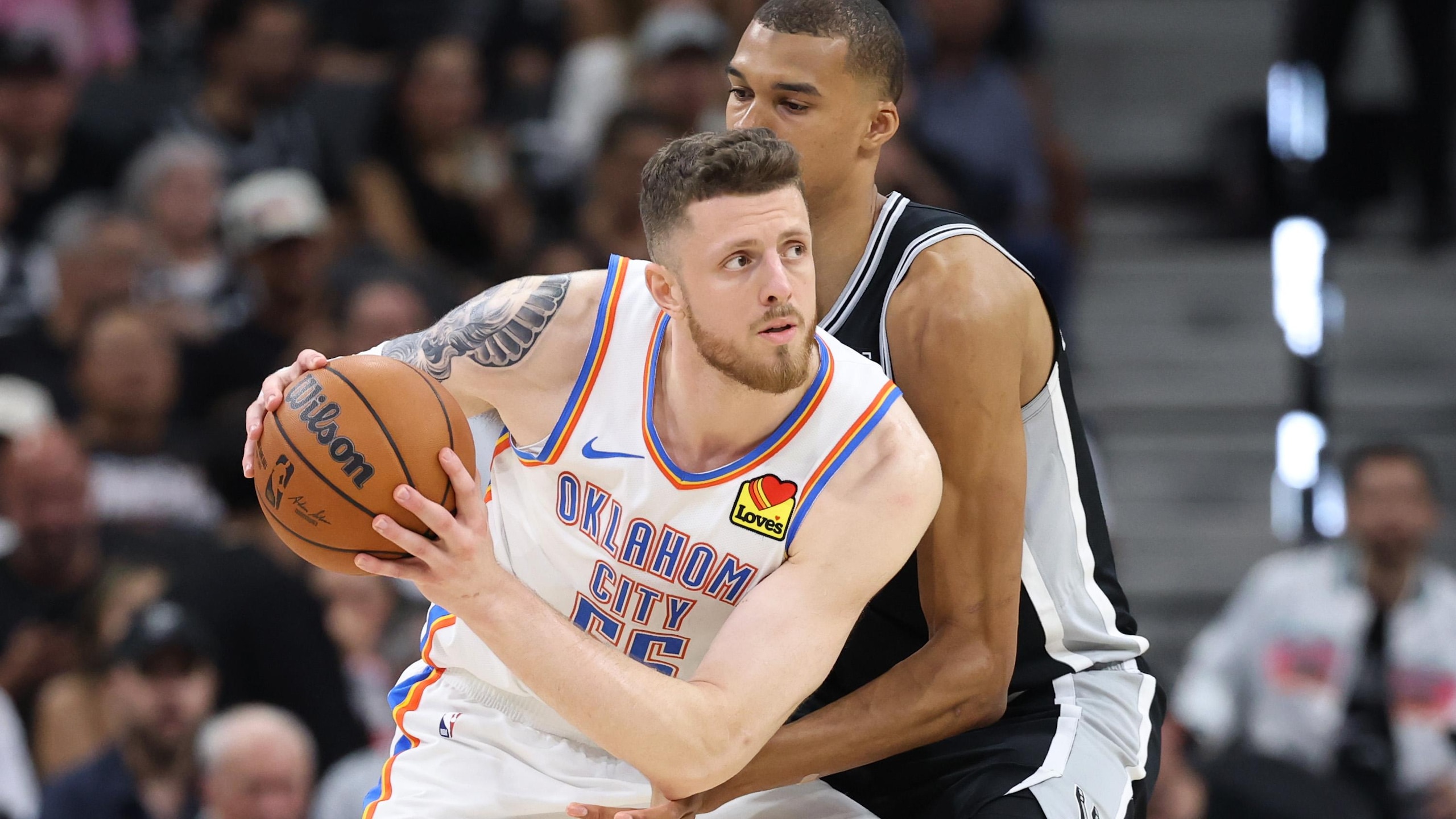
- Isaiah Hartenstein (trade-eligible Dec. 15)
- Jarrett Allen
- Onyeka Okongwu
Signing-and-trading Walker Kessler to the Los Angeles Lakers left a hole in the Utah Jazz's center rotation. It has grown even larger following Jusuf Nurkić's right toe injury. Luckily for the Jazz, they have the assets to go big-name hunting.
Isaiah Hartenstein would be an ideal get. He promises physicality, rebounding, passing and a trusty ol' flip shot. Utah can play him alongside Jaren Jackson Jr. without issue and doesn't need to worry about him griping if head coach Will Hardy deems it necessary to run out JJJ-at-the-5 to close games.
To that end, all Jazz fans should be rooting for Aday Mara to dominate from the jump. That's the pathway to the Oklahoma City Thunder getting out in front of next year's second-apron crunch by dealing Hartenstein.
Get ready to hear Jarrett Allen's name mentioned a ton in Utah circles this year. He isn't the most imposing big, but he would boost the Jazz's rim protection and rebounding and does a ton of ancillary things on offense beyond finishing. He (probably) costs more than anyone on this list to land, so that's food for thought.
Onyeka Okongwu isn't a towering big himself. But the shooting, passing, rebounding and switchability are perfect for this Jazz roster. A frontcourt built around him and Jackson may not board every miss, but it'd be among the three or four most versatile defensive tandems around.
Washington Wizards
30 of 30
- Aaron Nesmith
- Cam Johnson
- Max Strus
Wing shooting that doesn't come at the expense of defense profiles as the Washington Wizards' biggest pain point. Aaron Nesmith's scrappiness, movement and outside touch fit like a glove alongside this team's cast of on-ball-leaning talent.
Prying him away from the Indiana Pacers is an "over my dead body" undertaking. They aren't exactly teeming with two-way wings themselves. The Wizards have enough assets to get the conversation started, particularly if Indiana stumbles off its championship-contender arc.
Cam Johnson could become collateral damage of the Denver Nuggets inevitably getting out of the second apron. Washington should be among the first in line for his passing, shooting and overall feel if that's the case. He's not anchoring a perimeter defense on his own, but he's also not capsizing it.
Max Strus is an excellent stab-in-the-dark option should the Wizards want to play it safe. His $16.7 million salary comes off the books after this season, and it shouldn't cost too much to land him when he's starting the year injured. If the price is right, his shooting and playmaking are worth the wait.
Dan Favale is a National NBA Writer for Bleacher Report. Follow him on Bluesky (@danfavale), and subscribe to the Hardwood Knocks podcast, co-hosted by Bleacher Report's Grant Hughes.