.jpg?w=2560)

Where Clippers' Circumvention Scandal Ranks Among Biggest Punishments in Sports History
Sports leagues write rules. Enforcing them is the harder part.
Players, teams and executives throughout history have looked for ways to work around their respective sports' rules to better position themselves to win. Teams have hidden bonus payments in international signings, deflated footballs, hacked a rival's scouting database, and, in one century-old case, conspired with gamblers to fix a World Series. Governing bodies have answered with lifetime bans, forced sales, vacated wins, relegation and expulsion from international play.
Here, we've ranked the biggest punishments in sports history. The ranking weighs more than the size of a fine. It accounts for what each penalty took away: draft capital, titles, whole seasons, jobs and access to competition itself. (Note: Punishments only involving either owners or general managers, such as former Los Angeles Clippers owner Donald Sterling and Phoenix Suns owner Robert Sarver, were excluded from consideration.)
The list spans more than a century, from the 1919 "Black Sox" to the Los Angeles Clippers' salary-cap circumvention with Kawhi Leonard.
20. Miami Heat Tamper With Pat Riley
1 of 20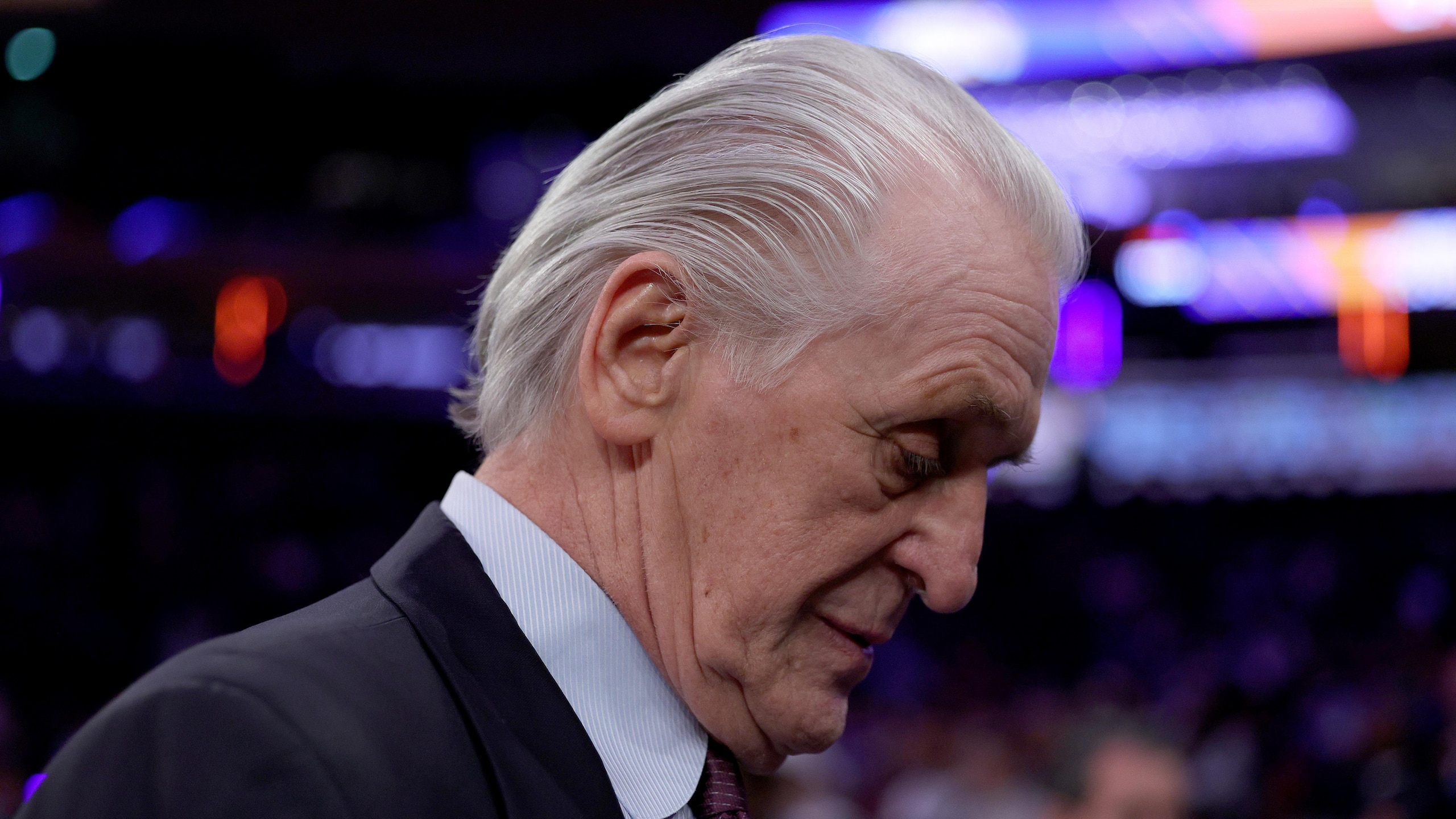
The punishment: $1 million in cash and a 1996 first-round pick, sent to the New York Knicks
In 1995, Pat Riley resigned as the New York Knicks' head coach with a year left on his contract and immediately became the leading candidate to run the Miami Heat. The Knicks accused the Heat of tampering, as The Washington Post reported at the time, pointing to conversations between owner Micky Arison and Riley about a combined coaching and front-office job.
Rather than wait on a ruling from then-commissioner David Stern, the teams settled on Sept. 1. UPI reported that the Heat sent New York $1 million and a 1996 first-rounder from the Atlanta Hawks, clearing the way for Riley to become Miami's president and head coach the next day.
The Knicks used that pick on Walter McCarty, who wound up playing only 35 regular-season games in New York.
19. The Malice at the Palace
2 of 20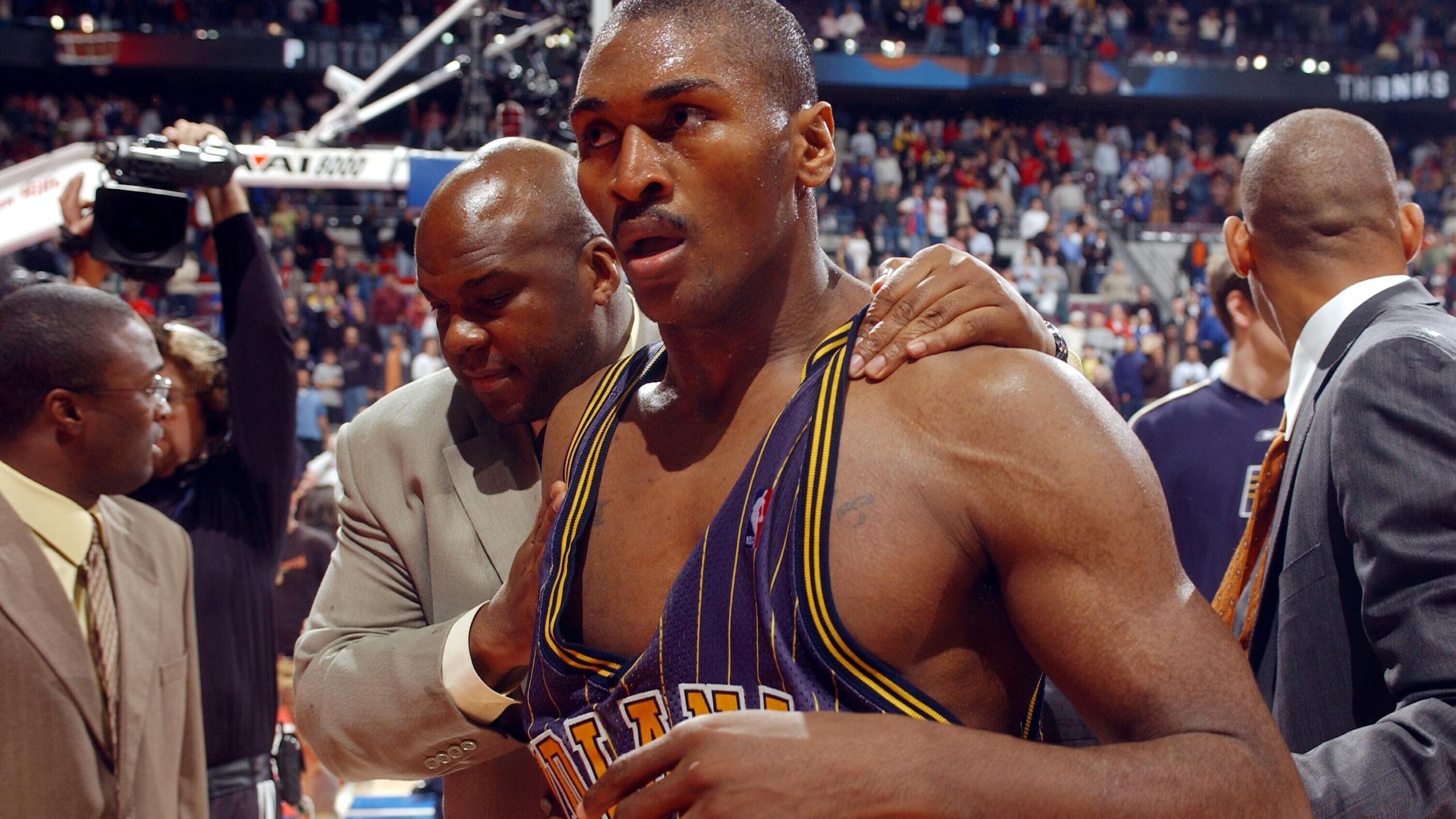
The punishment: Nine players suspended for 146 games total, including 86 games for Ron Artest
In November 2004, a melee between the Indiana Pacers and Detroit Pistons produced the longest suspension the league has issued for an on-court incident.
As Chris Bengel of CBS Sports later recounted, the fight started when Pistons center Ben Wallace shoved Pacers forward Ron Artest under the basket. It escalated after a fan threw a drink at Artest, who charged into the stands at The Palace of Auburn Hills. Stephen Jackson followed him in. Jermaine O'Neal punched a fan on the floor.
Then-NBA commissioner David Stern suspended Artest for the rest of the season, a ban that reached 86 games (including the playoffs) and cost him roughly $5 million in salary. Jackson got a 30-game suspension, while O'Neal was suspended for 25 (which was reduced to 15 by a federal arbitrator). Wallace got six. Anthony Johnson got five, and four other players drew one game each for leaving the bench. Criminal charges followed against players and fans.
In response to the Malice at the Palace, the NBA tightened arena security and alcohol policy. The brawl remains the reference point for how the league polices the line between the floor and the stands.
18. Broncos Violate NFL's Salary Cap... Twice
3 of 20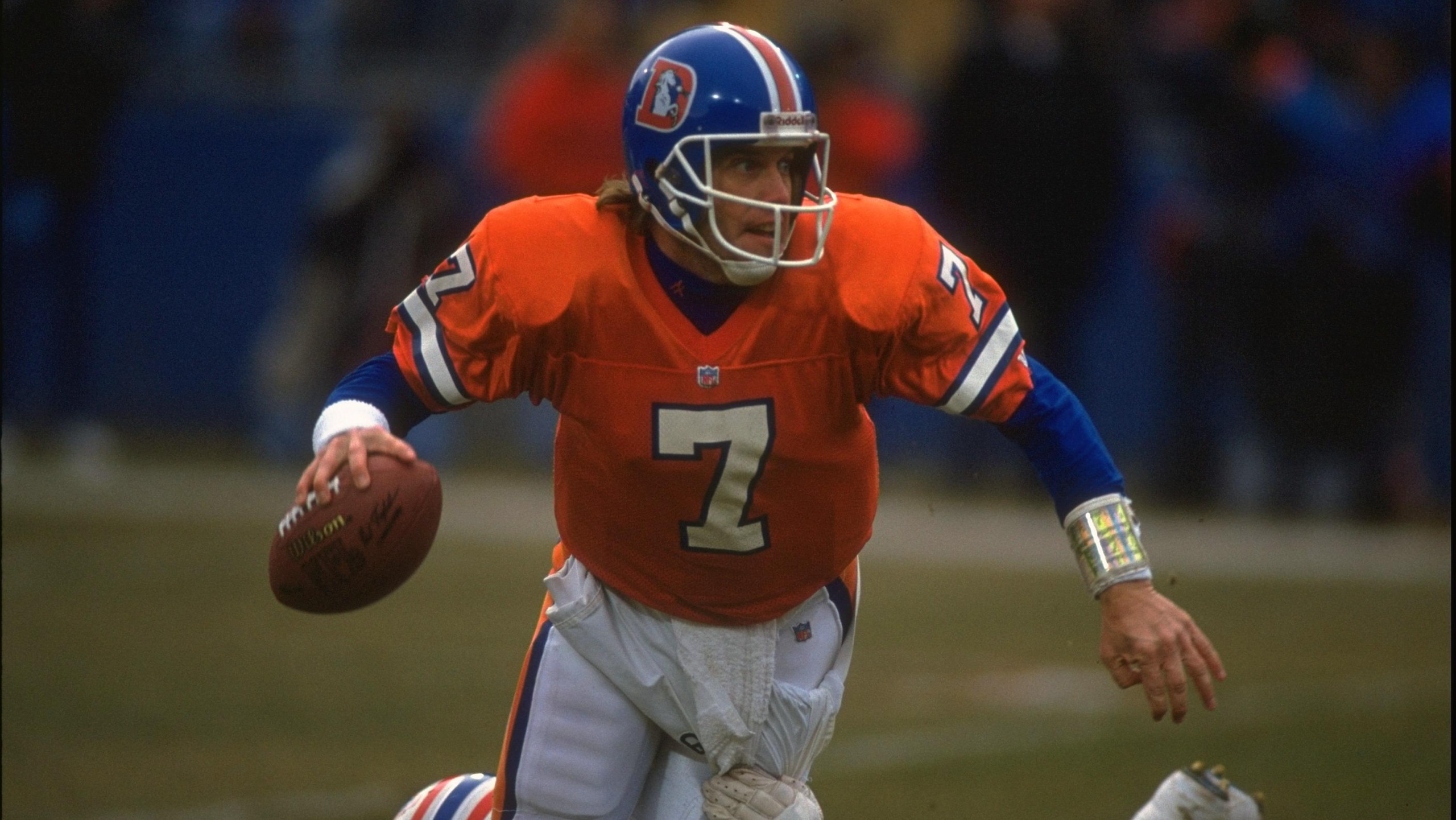
The punishment: $1.918 million in fines across two rulings, plus third-round picks in 2002 and 2005.
In December 2001, the NFL fined the Denver Broncos $968,000 and took their 2002 third-round pick over violations tied to roughly $29 million in deferred payments to John Elway and Terrell Davis, according to Mark Maske of the Washington Post.
Three years later, the Broncos were back in hot water with the league. Per the Associated Press, the NFL fined Denver $950,000 and took a 2005 third-rounder for circumventing the salary cap between 1996 and 1998, the stretch that included both of its Super Bowl titles.
The violations involved agreements to defer salary with interest and a promise not to waive a player before a set date, both of which changed how the money hit the Broncos' cap sheet.
In a statement after the second ruling, Broncos owner Pat Bowlen said "that there was no competitive advantage gained by our organization, nor was there any involvement or responsibility by anyone who is currently with the Broncos in any capacity," per Maske.
.jpg?w=2560 "Packers Browns Football")
17. UEFA Bans Rangers from European Competition
4 of 20
The punishment: No license for the 2012-13 European competitions, and no route back into UEFA play for three seasons.
Rangers, a professional football club in Scotland, faced financial hardship in the late 2000s and entered administration in February 2012 due to a disputed tax liability. UEFA's licensing rules require clubs to declare overdue payables to tax authorities and to employees, per STV News, and failure to satisfy those conditions blocks entry to European competition regardless of where a club finishes domestically.
It quickly became clear that Rangers were not likely to meet UEFA's deadline. As a result, Rangers were not granted a license for the 2012-13 UEFA competitions and were ineligible to apply for one for three seasons after the club's collapse.
The Sports Integrity Initiative has documented how the licensing question played out, including UEFA's position that no further investigation was warranted once Rangers dropped into the fourth tier of Scottish football. For a club of that size, the combination of no European access and a start in the bottom division was a financial hit that took years and years to absorb.
16. Chelsea Banned from Transfer Windows
5 of 20
The punishment: A two-window ban on registering new players and a 600,000 Swiss franc fine, both cut in half on appeal.
In February 2019, FIFA banned Chelsea from signing players for two transfer windows after it "found them guilty of breaching rules related to the signing of players under the age of 18," according to ESPN's Liam Twomey.
FIFA's statement announcing the punishment said Chelsea breached Article 19 of its player-transfer regulations regarding 29 minors and "committed several other infringements relating to registration requirements for players." The ban covered the summer 2019 and January 2020 windows.
It didn't stop Chelsea from selling or loaning players, nor did it apply to the women's or futsal teams. The club also got 90 days to sort out the status of the minors involved. The English FA was fined separately and given six months to address its own registration practices.
Chelsea appealed. As reported by AFP, the Court of Arbitration for Sport cut the ban to one window in December 2019 and halved the fine, finding the club guilty of roughly a third of the violations FIFA had identified.
Since Chelsea had already sat out the summer window, the ruling freed them to sign players that January. But the damage was done.
15. Saints' Bountygate Scandal
6 of 20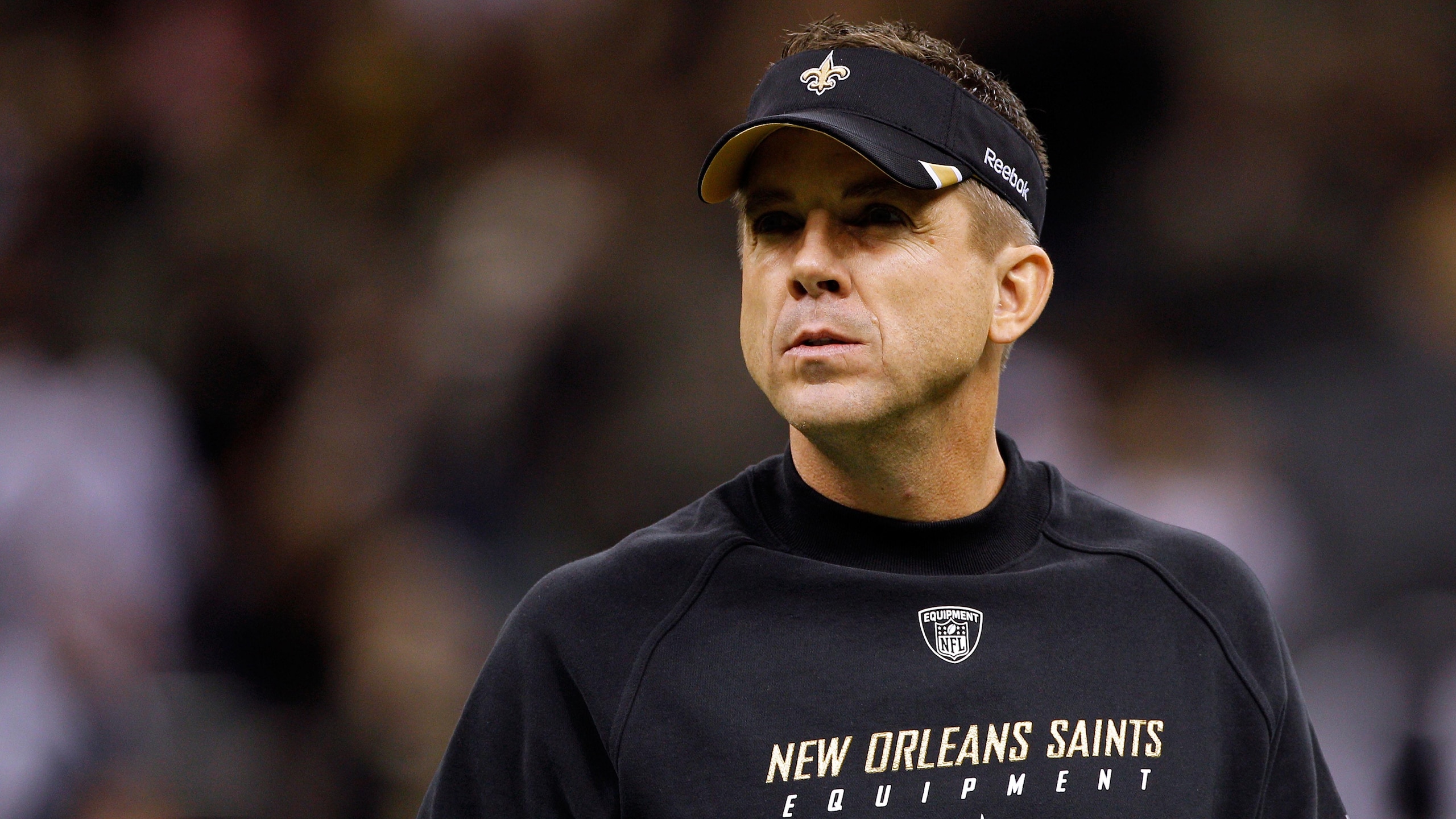
The punishment: A full season for head coach Sean Payton, an indefinite ban for Gregg Williams, a $500,000 fine, and second-round picks in 2012 and 2013.
In 2012, the NFL found that the New Orleans Saints ran a program from 2009 through 2011 that paid defensive players bonuses for knocking opponents out of games. As a result, NFL Commissioner Roger Goodell suspended head coach Sean Payton without pay for the 2012 season and banned defensive coordinator Gregg Williams indefinitely.
According to NFL.com, Payton was the first head coach whom the league had ever suspended for any reason.
The NFL also suspended Saints general manager Mickey Loomis for eight games, which was believed to be the first suspension of a GM in league history, per NFL.com, while assistant head coach Joe Vitt was suspended for six games.
In addition, the NFL levied a $500,000 fine and stripped the Saints of their second-round picks in both 2012 and 2013. New Orleans had already traded its 2012 first-rounder, so those were its top selections in each draft.
To justify the severity of those punishments, Goodell cited the Saints' targeting of players, the involvement of the coaching staff, and three years of denials.
14. Patriots' Deflategate Scandal
7 of 20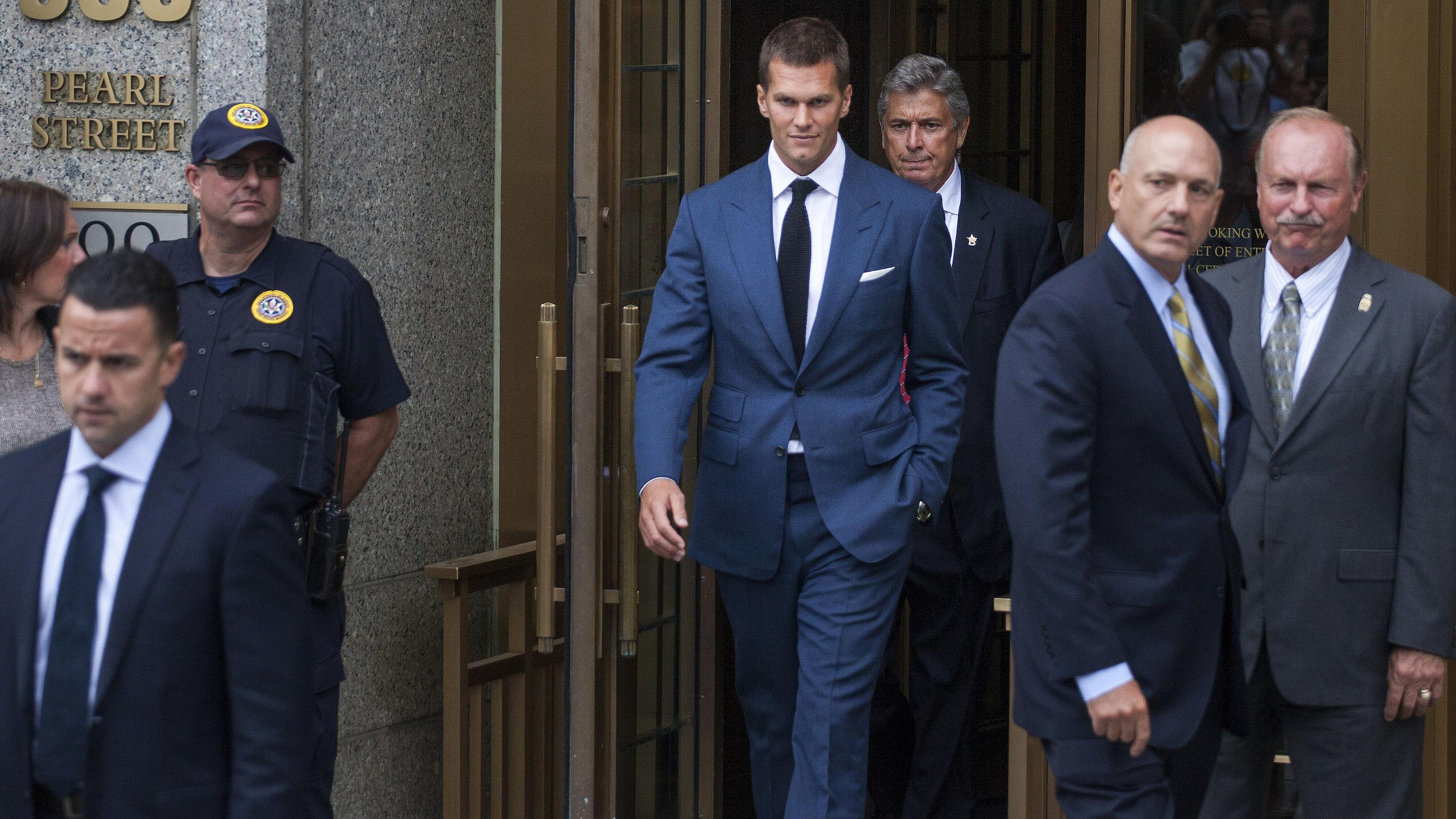
The punishment: A $1 million fine, a 2016 first-round pick, a 2017 fourth-round pick and a four-game suspension for QB Tom Brady.
In 2015, an NFL-appointed investigator determined it was "more probable than not" that two New England Patriots staffers deliberately deflated footballs before the AFC Championship Game against the Indianapolis Colts earlier that year, and that quarterback Tom Brady "was at least generally aware" of it.
Five days later, the NFL suspended Brady for four games, stripped two draft picks from the Patriots and slapped them with a $1 million fine "for the violation of the playing rules and the failure to cooperate in the subsequent investigation." The $1 million fine was the largest team fine in league history at the time.
As Mark Maske of the Washington Post noted, the significance of the underinflated footballs and the strength of the findings were disputed from the start. Patriots owner Robert Kraft called the punishment far beyond any reasonable expectation and said it rested on circumstantial evidence, while Brady's agent called it baseless.
Brady's suspension went through more than a year of litigation before he served it at the start of the 2016 season.
13. Astros' Sign-Stealing Scandal
8 of 20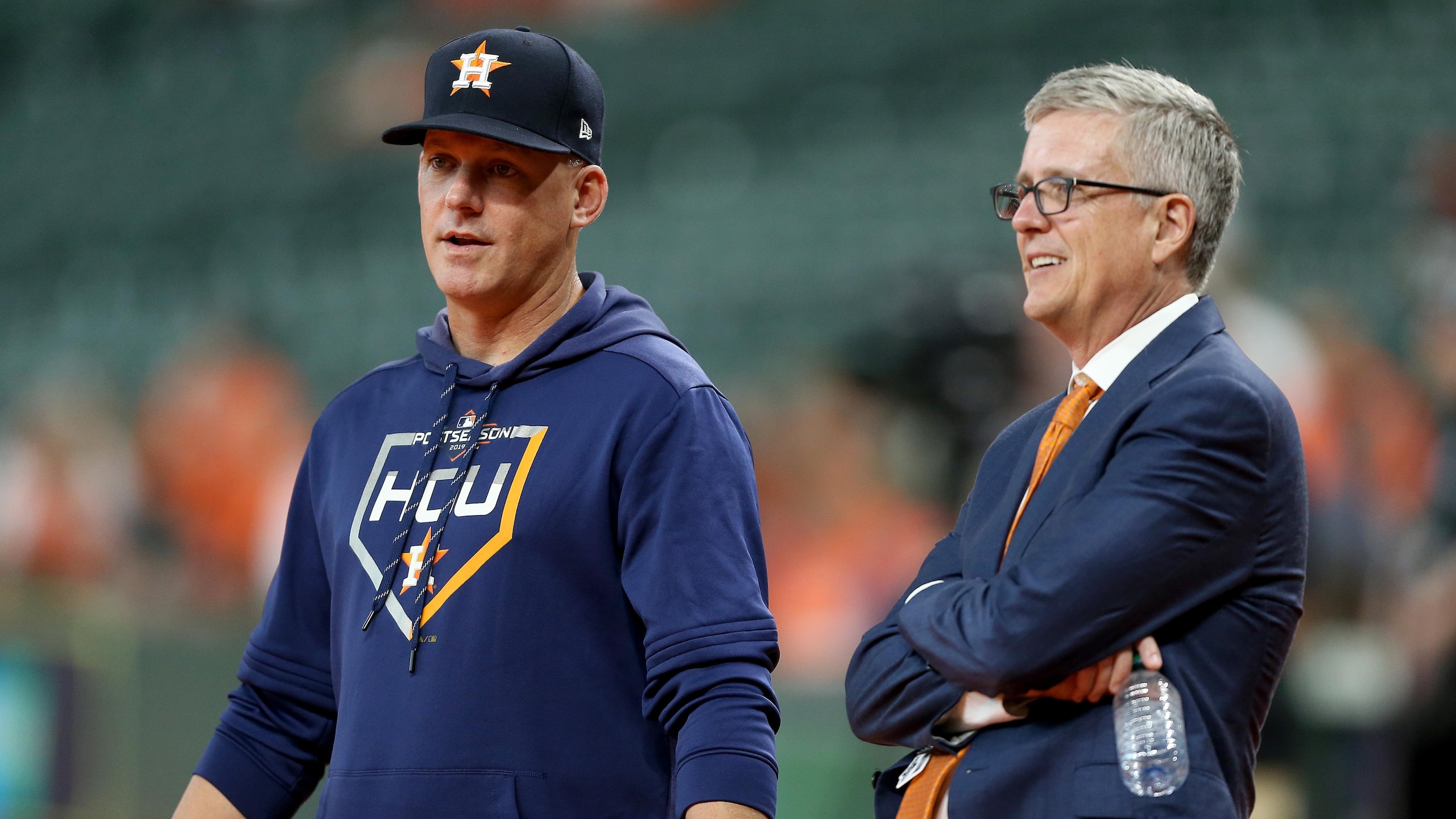
The punishment: One-year suspensions for manager AJ Hinch and general manager Jeff Luhnow, a $5 million fine, and first- and second-round picks in 2020 and 2021.
In November 2019, Ken Rosenthal and Evan Drellich of The Athletic broke the news that the Houston Astros "stole signs during home games in real time with the aid of a camera positioned in the outfield" during the 2017 season.
Two months later, MLB laid down the hammer on Houston for the sign-stealing scheme.
According to Rosenthal and Drellich's reporting, the Astros hooked up "a feed from a camera in center field, fixed on the opposing catcher's signs," to a TV monitor in the tunnel between their dugout and their clubhouse. "Team employees and players would watch the screen during the game and try to decode signs — sitting opposite the screen on massage tables in a wide hallway. Players then banged on a trash can near the dugout to tip pitches to the hitter.
MLB's investigation found no evidence that general manager Jeff Luhnow knew about the scheme, while manager AJ Hinch was aware of it but did not approve of it. Despite that, MLB suspended both of them without pay for one season, and the Astros fired them shortly thereafter.
The $5 million fine that MLB levied was the maximum allowed under the Major League Constitution, while the four forfeited picks were the most the league had taken from a club for a rules violation. No individual players were disciplined, though, as MLB commissioner Rob Manfred called it both "difficult and impractical" to do so.
12. Pete Rose's Lifetime Ban
9 of 20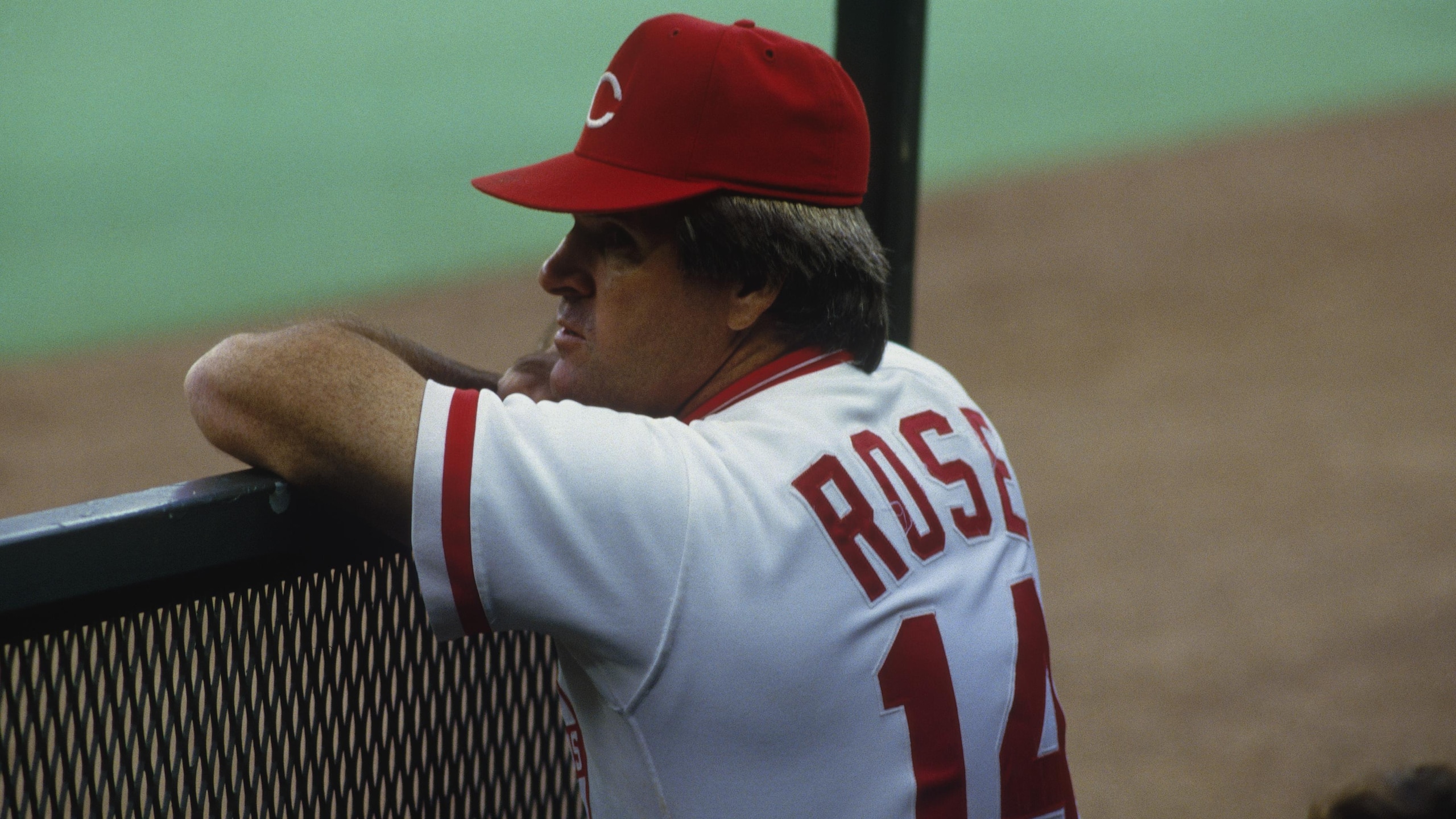
The punishment: Permanent ineligibility beginning in 1989, which held for 36 years.
In August 1989, an MLB investigation concluded that Cincinnati Reds manager Pete Rose bet on games, including games involving his own team, while managing the club. As a result, Rose was placed on baseball's permanently ineligible list in August 1989 under a settlement with then-commissioner Bart Giamatti.
Rose applied for reinstatement to baseball in 1997 without success. MLB commissioner Rob Manfred rejected another petition from him in 2015. Rose died in September 2024 at the age of 83.
Eight months later, Manfred removed Rose from the permanently ineligible list along with other deceased players, writing that someone no longer living cannot threaten the game's integrity. The decision followed a petition from Rose's attorney and public pressure from President Donald Trump.
Reinstatement did not automatically put Rose in the Baseball Hall of Fame. It only makes MLB's all-time hits leader newly eligible for consideration.
11. The Chicago Black Sox
10 of 20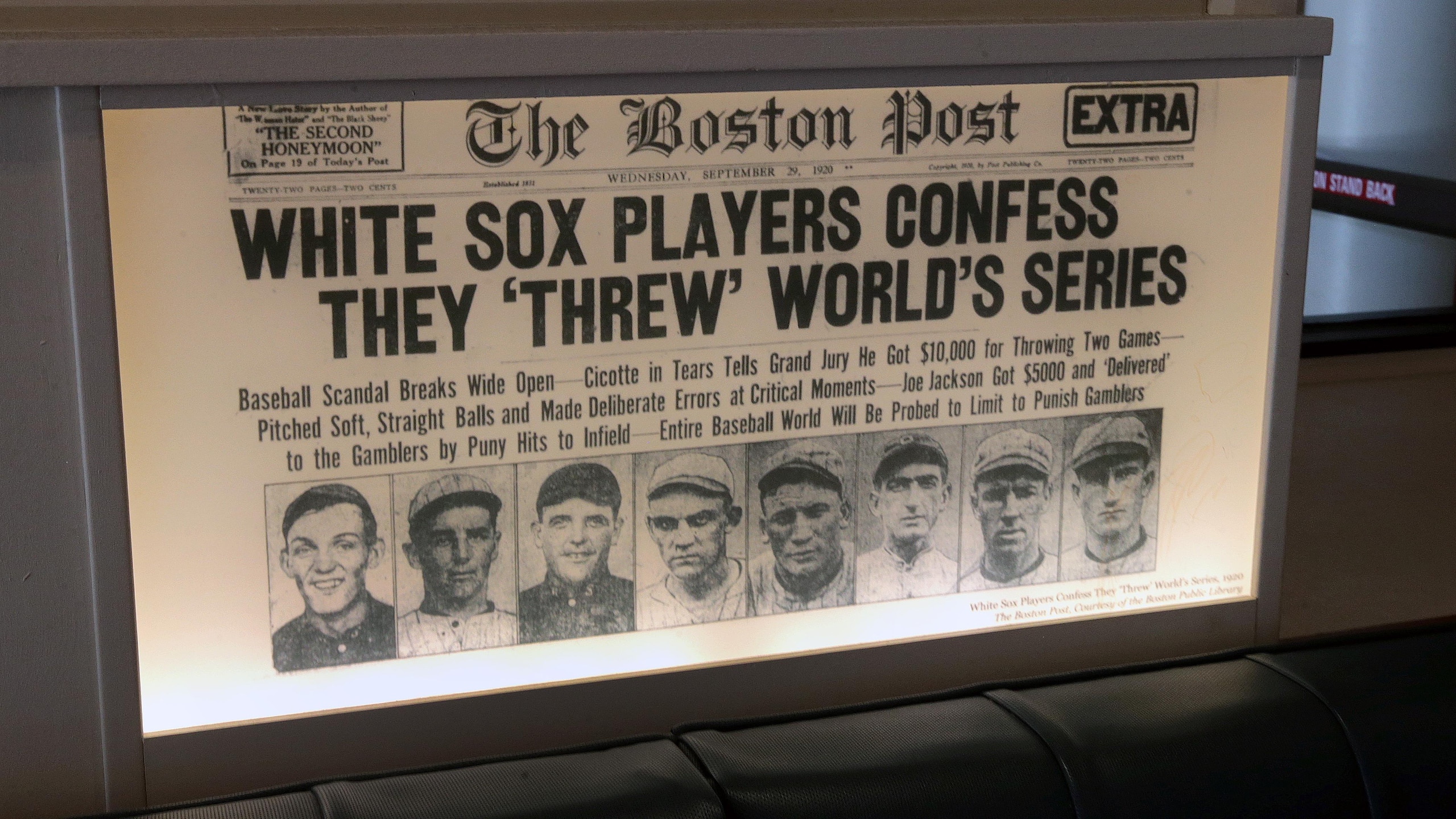
The punishment: Permanent ineligibility for eight Chicago White Sox players, lifted posthumously in 2025.
In 1919, a group of eight Chicago White Sox players was accused of conspiring with gamblers to throw the 1919 World Series against Cincinnati. Although a criminal jury acquitted them, MLB commissioner Kenesaw Mountain Landis banned the eight players from professional baseball for life, which set the standard for how the sport would treat gambling that affected game outcomes.
The banned group included "Shoeless" Joe Jackson, whose .356 career average is the fourth-highest in major league history. The story got another chapter more than a century later, though.
In May 2025, MLB commissioner Rob Manfred removed Jackson, seven other Black Sox, and nine additional deceased players from the permanently ineligible list, ruling that permanent ineligibility ends at death. Jackson is now eligible for Hall of Fame consideration through the Classic Baseball Era Committee, which next votes in December 2027.
10. FIFA Bans Russia From International Football After Invasion of Ukraine
11 of 20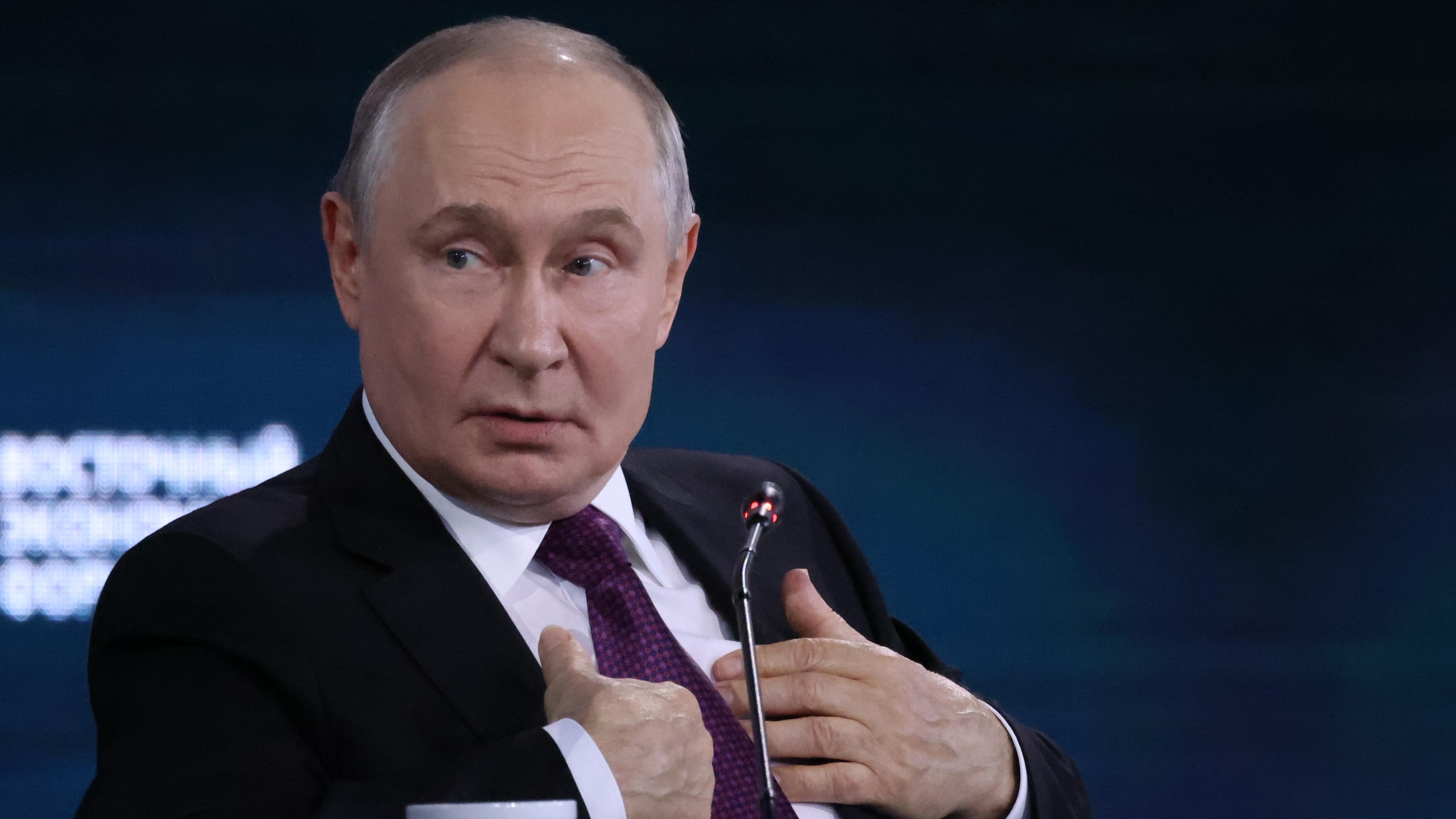
The punishment: Suspension of every Russian national team and club from FIFA and UEFA competitions, still in force.
Four days after Russia began a full-scale invasion of Ukraine in February 2022, FIFA and UEFA issued a joint statement banning "all Russian teams, whether national representative teams or club teams," from all FIFA and UEFA competitions "until further notice." That ban remains ongoing.
The Russian men's national team was scheduled to host Poland in a World Cup qualifying playoff on March 24, but Poland, Sweden and the Czech Republic all said they would refuse to play against them. The suspension removed Russia from the bracket and from Qatar 2022 altogether, while the women's team lost its place at Euro 2022.
Spartak Moscow, the last Russian club still alive in the Europa League, was automatically eliminated in the round of 16, which caused RB Leipzig to advance to the quarterfinals. UEFA also ended its sponsorship deal with Gazprom.
The Russian Football Union appealed, but CAS upheld the UEFA ban in July 2022. The RFU then withdrew its challenge to FIFA's decision.
Euronews reported in June 2026 that UEFA again extended the ban for the 2026-27 season. Russia was excluded from qualifying for the 2026 World Cup and now plays only friendlies.
9. Cardinals' Database Hack
12 of 20
The punishment: A $2 million payment to Houston and the Cardinals' top two picks in the 2017 draft
In June 2015, Michael S. Schmidt of the New York Times reported that the St. Louis Cardinals were under federal investigation for trying to hack into a private online database of the Houston Astros. In January 2016, former Cardinals scouting director Chris Correa pleaded guilty to five counts of unauthorized access to a protected computer.
A federal judge sentenced him to 46 months in prison, while MLB commissioner Rob Manfred placed him on the permanently ineligible list. Manfred then turned his attention to the Cardinals themselves.
In January 2017, Manfred ordered the Cardinals to pay $2 million to the Astros and forced them to send their top two picks to Houston (the No. 56 and No. 75 overall selections). MLB's Department of Investigations found no evidence that any other Cardinals staff aside from Correa was responsible for the "intrusions into the Astros' electronic systems," but Manfred held the Cardinals liable anyway.
Houston called the award unprecedented and said it sent a clear message about the severity of what happened. However, plenty of observers thought the penalty was light given how long the access continued.
8. Penn State's Sandusky Controversy
13 of 20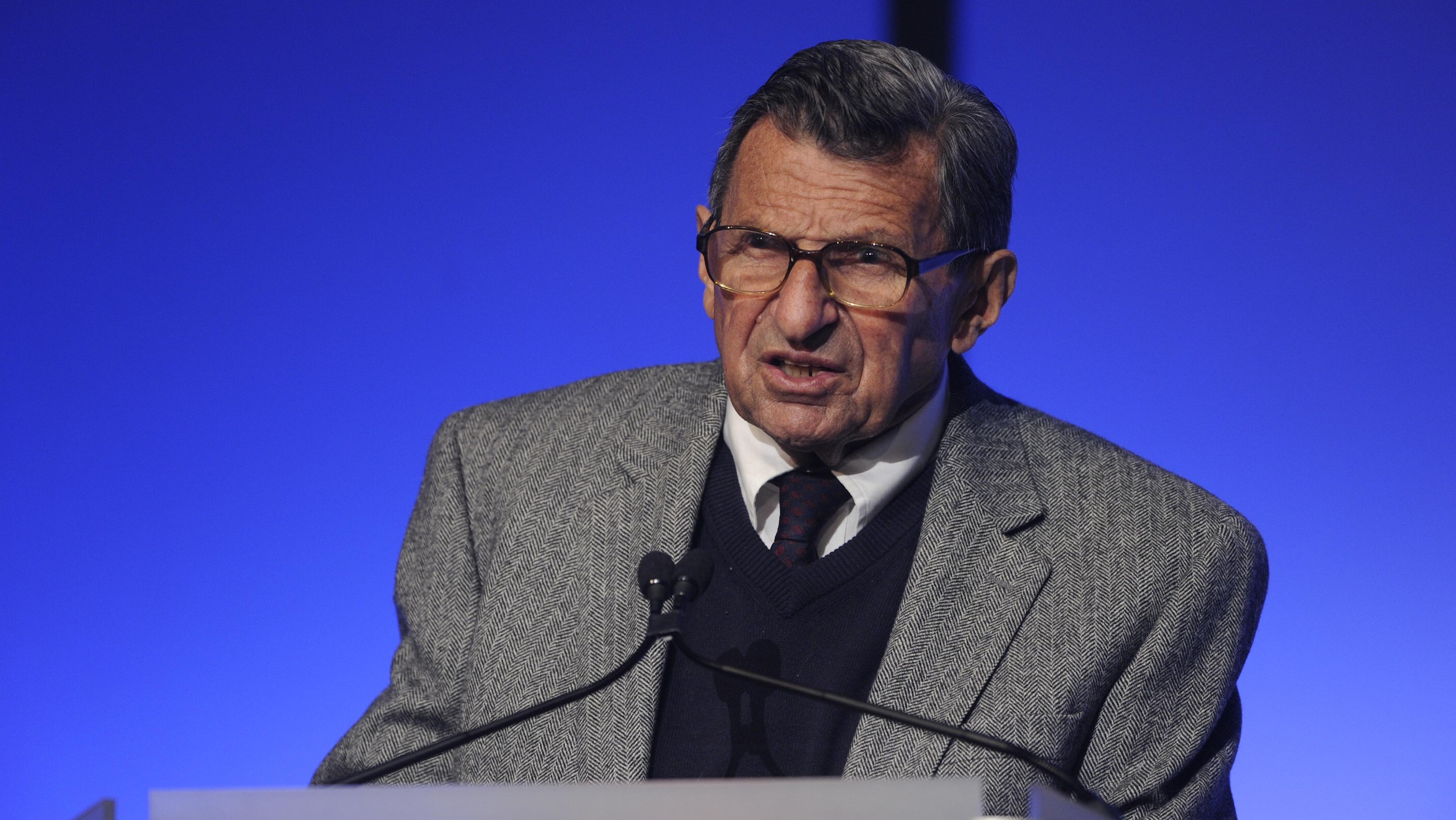
The punishment: A $60 million fine, a four-year postseason ban, five years of probation, scholarship reductions, and 112 vacated wins.
In June 2022, former Penn State assistant football coach Jerry Sandusky was convicted on 45 counts of child sexual abuse. One month later, the NCAA punished Penn State for its "failure to value and uphold institutional integrity" based on its finding that university officials had failed to act on what they knew.
The $60 million fine was set at roughly one year of the football program's average revenue and was directed to an endowment for child sexual abuse prevention and victim services. The postseason ban ran from 2012-13 through 2015-16. Penn State also had to cut 10 initial and 20 total scholarships each year for four years.
Per ESPN, vacating every win from 1998 through 2011 erased 112 victories, 111 of them from then-head coach Joe Paterno's record, and stripped the program of shared Big Ten titles in 2005 and 2008. The Big Ten added a $13 million fine of its own.
The NCAA restored scholarships early and lifted the bowl ban in September 2014. A January 2015 settlement returned all 112 wins and kept the $60 million fine in Pennsylvania.
The original sanctions remain among the harshest ever imposed on a major college program.
7. Juventus Relegated to Serie B in Match-Fixing Case
14 of 20
The punishment: Relegation to Serie B, two Serie A titles revoked, and a 30-point deduction later reduced to nine.
In 2006, Juventus were relegated from Serie A to Serie B because of a match-fixing scandal, according to UEFA. In addition, they were stripped of their 2005 and 2006 league titles and received a 30-point handicap for the 2006-07 Serie B campaign.
The case grew out of wiretaps showing club officials working to influence referee assignments. Fiorentina and Lazio were also relegated in the initial ruling, with 12-point and seven-point deductions. Milan stayed up with a 15-point penalty.
Juventus were also barred from the Champions League. Their 2004-05 title was revoked and never reassigned. The 2005-06 title went to Inter, which had finished third and was not charged.
The penalties softened on appeal. The FIGC's appeal body reduced the Juventus deduction to 17 points in late July 2006, and a further appeal reduced it to nine. As Fox Sports noted, the club started Serie B nine points down and won promotion at the first attempt, though Zlatan Ibrahimovic, Patrick Vieira and Lilian Thuram were among those who left when they were relegated.
Juventus have spent nearly 20 years contesting the revocation of the 2006 title in various courts without success.
6. Braves Circumvent International Signing Rules
15 of 20
The punishment: The Braves' 12 international signees were declared free agents, a 2018 third-round pick was forfeited, their 2020-21 international pool was halved, and they a $10,000 cap on international signings for 2019-20.
After finding that the Atlanta Braves circumvented international signing rules across three straight signing periods, MLB issued the above sanctions.
The scheme worked through what MLB called bundling. Per ESPN, the Braves routed extra bonus money to five players in 2015-16 by first paying it to another player classified as a foreign professional, who then redistributed it. Had that money been counted correctly, Atlanta would have blown past its pool by more than 5 percent and been capped at $300,000 per signing through June 2019.
MLB commissioner Rob Manfred voided the contracts of nine players whom the club would not have been eligible to sign, including Kevin Maitan at $4.25 million and Abrahan Gutierrez at $3.53 million. Twelve prospects became free agents in total.
The club-level penalties did the lasting damage, draining the farm system and shutting Atlanta out of the international market at full strength until 2021.
General manager John Coppolella resigned during the investigation and was placed on the permanently ineligible list. He said at the time that he took responsibility for his actions but had acted under his superiors' direction. Special assistant Gordon Blakeley, the club's international scouting chief, was suspended for a year.
Coppolella's ban didn't hold. MLB reinstated him on Jan. 9, 2023, citing the more than five years he spent on the list, the contrition he expressed, and other steps he took. However, he has not yet returned to a job in baseball.
5. Timberwolves' Joe Smith Cap Circumvention
16 of 20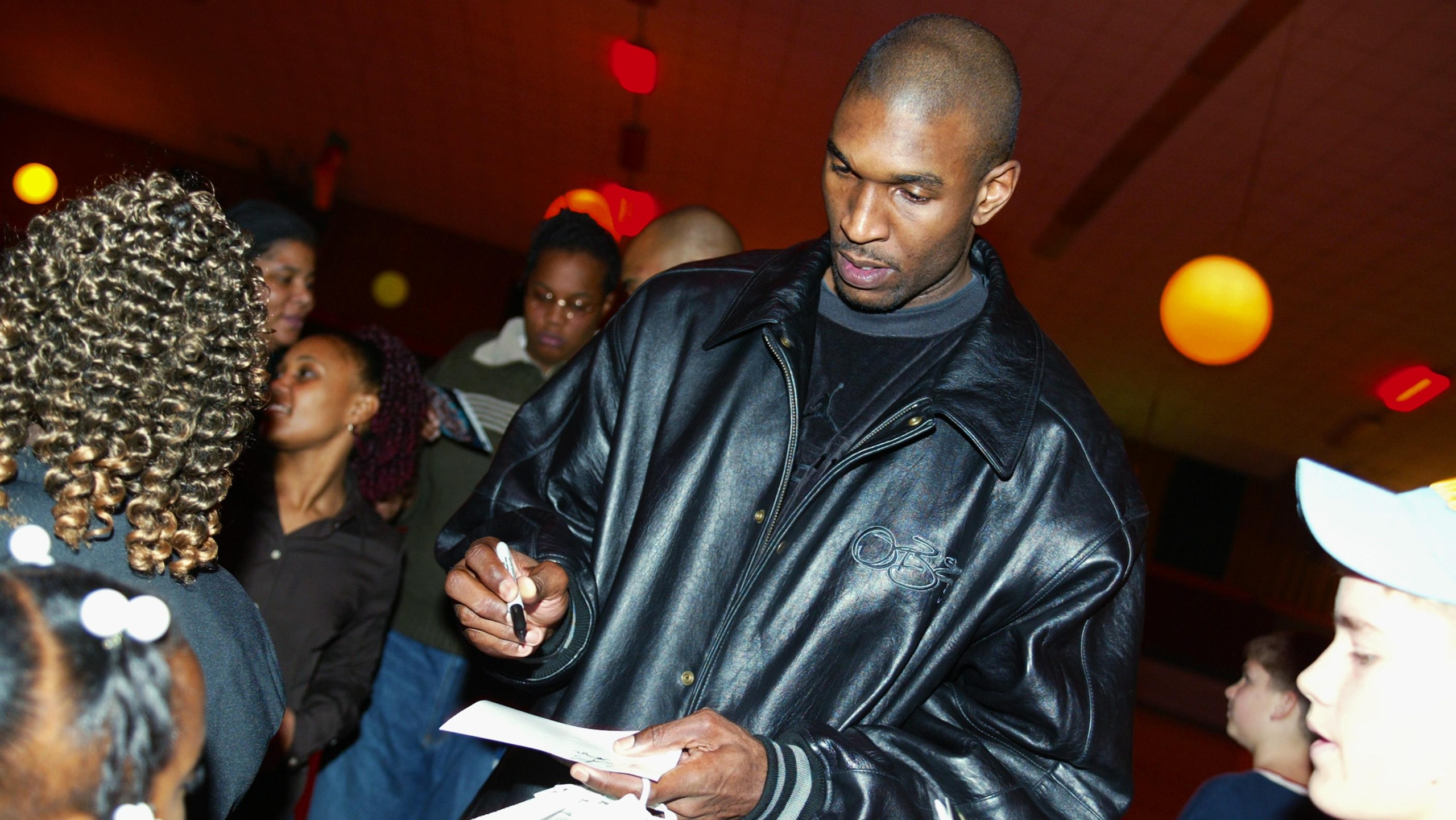
The punishment: A $3.5 million fine, five forfeited first-round picks, voided contracts, and a one-year suspension for owner Glen Taylor.
Before there was Kawhi Leonard, there was Joe Smith.
The Minnesota Timberwolves signed a secret agreement with Smith in January 1999, worth up to $86 million over seven years, in exchange for Smith accepting a series of one-year contracts at well below market value, per the Associated Press. The arrangement, which surfaced through a lawsuit between rival agents, preserved cap room for the Wolves while keeping Smith in place until they had his full Bird rights.
Then-NBA commissioner David Stern called the Timberwolves' conduct a fraud of major proportions and stripped them of five first-round picks while voiding Smith's contracts, thereby eliminating his Bird rights. The fine was the largest the NBA had ever imposed on a franchise, player or individual.
Team owner Glen Taylor received a one-year suspension, while vice president of basketball operations Kevin McHale took a one-year leave. As Yahoo Sports noted in its review of the case, the league later returned the 2003 and 2005 picks.
The lost draft capital arrived during Kevin Garnett's prime, and it left Minnesota with almost no cheap route to build around him.
4. Clippers Circumvent Salary Cap for Kawhi Leonard
17 of 20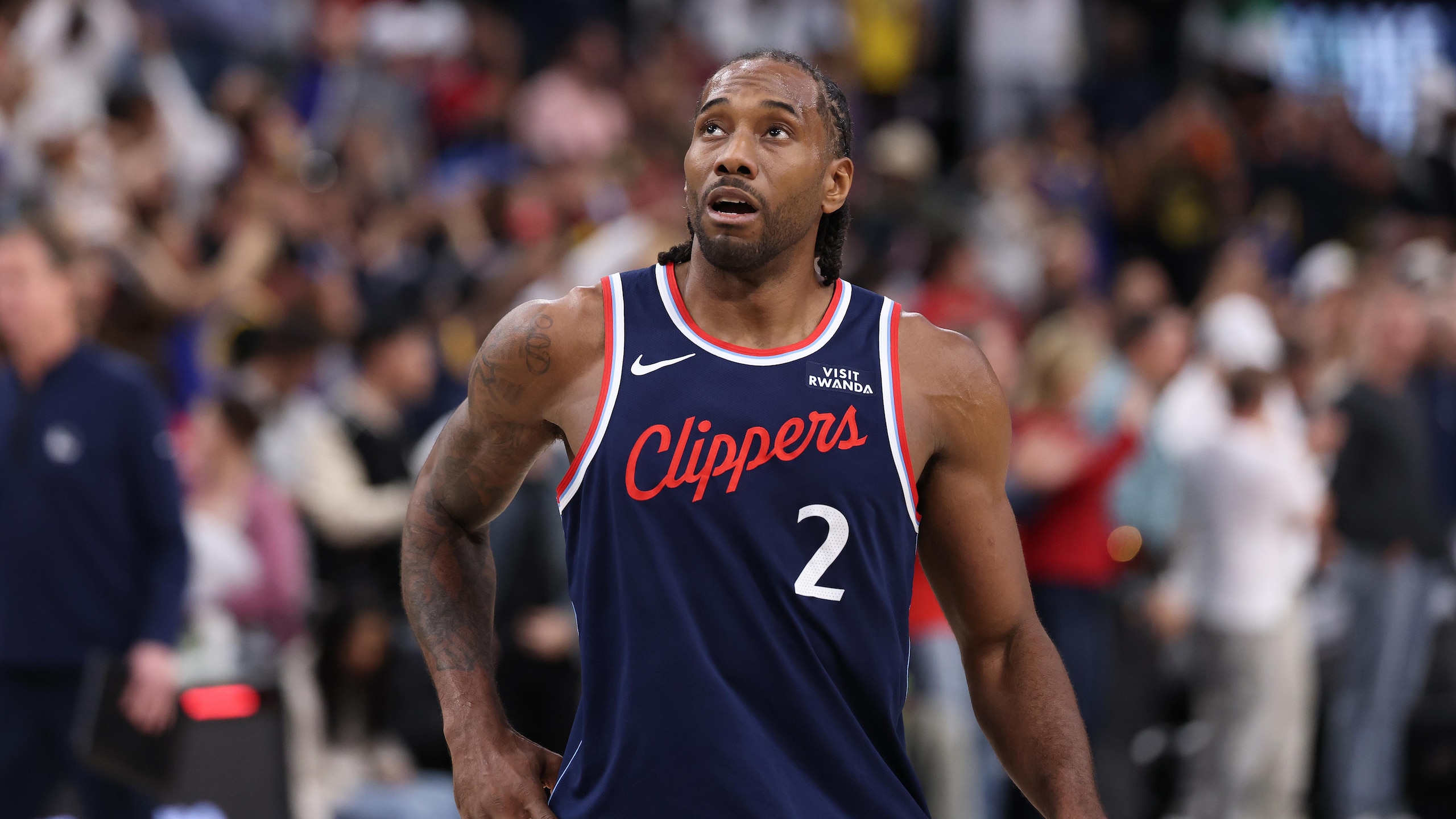
The punishment: Five first-round picks from 2029 through 2033, a $30 million fine, a one-year suspension for Steve Ballmer, and five years of league monitoring.
In September 2025, journalist Pablo Torre reported that Los Angeles Clippers forward Kawhi Leonard had a "no-show" four-year, $28 million endorsement deal with Aspiration, a company affiliated with the Clippers. A former Aspiration employee told Torre that the arrangement existed to circumvent the salary cap.
As it turned out, that was hardly the only endorsement deal that Leonard had with one of the Clippers' business partners.
The law firm Wachtell, Lipton, Rosen & Katz conducted an independent investigation and discovered that the Clippers both facilitated those agreements and induced "the companies to enter into these agreements by offering them business from the team."
As a result, the NBA stripped the Clippers of first-round picks in the 2029, 2030, 2031, 2032 and 2033 drafts and fined them $30 million. Both Clippers governor Steve Ballmer and president of business operations Gillian Zucker were suspended for a year, while president of basketball operations Lawrence Frank received a six-month suspension.
The Clippers reject the findings and "are exploring every legal remedy." However, appealing to an arbitrator is not an option for them, as the NBA and National Basketball Players Association both agreed to the punishments.
3. Manchester City Banned From Champions League for Two Seasons
18 of 20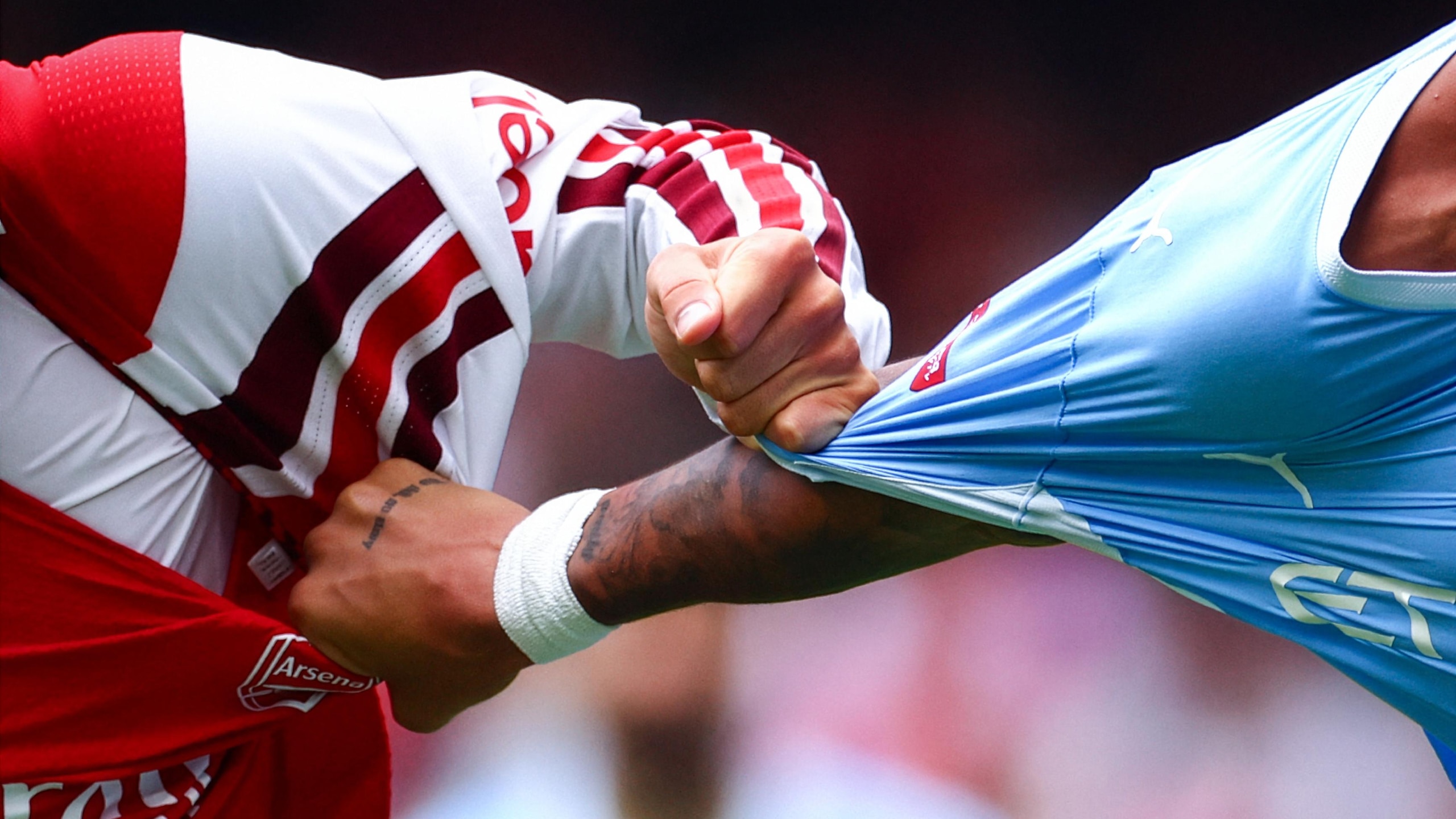
The punishment: A two-year ban from all UEFA competitions and a €30 million fine, both overturned or reduced five months later.
UEFA's Club Financial Control Body ruled in February 2020 that Manchester City had overstated sponsorship revenue between 2012 and 2016 in the break-even information it submitted and had failed to cooperate with the investigation. The case followed a series of allegations published by Der Spiegel in November 2018, drawing on documents obtained by Football Leaks.
The sanction would have kept City out of the Champions League for the 2020-21 and 2021-22 seasons. City denied every allegation and appealed to the Court of Arbitration for Sport.
CAS ruled in July 2020. Per CBS Sports, the panel found most of the alleged breaches either unproven or time-barred, concluded that a competition ban was not appropriate for a failure to cooperate alone, and cut the fine by two-thirds to €10 million. UEFA declined to take the case to the Swiss Federal Tribunal.
Although the ban never took effect, it still ranks this high because of what it would have cost. Two years out of the Champions League would have meant hundreds of millions in lost revenue and a recruiting problem no wage bill could solve.
2. SMU Football Given NCAA 'Death Penalty'
19 of 20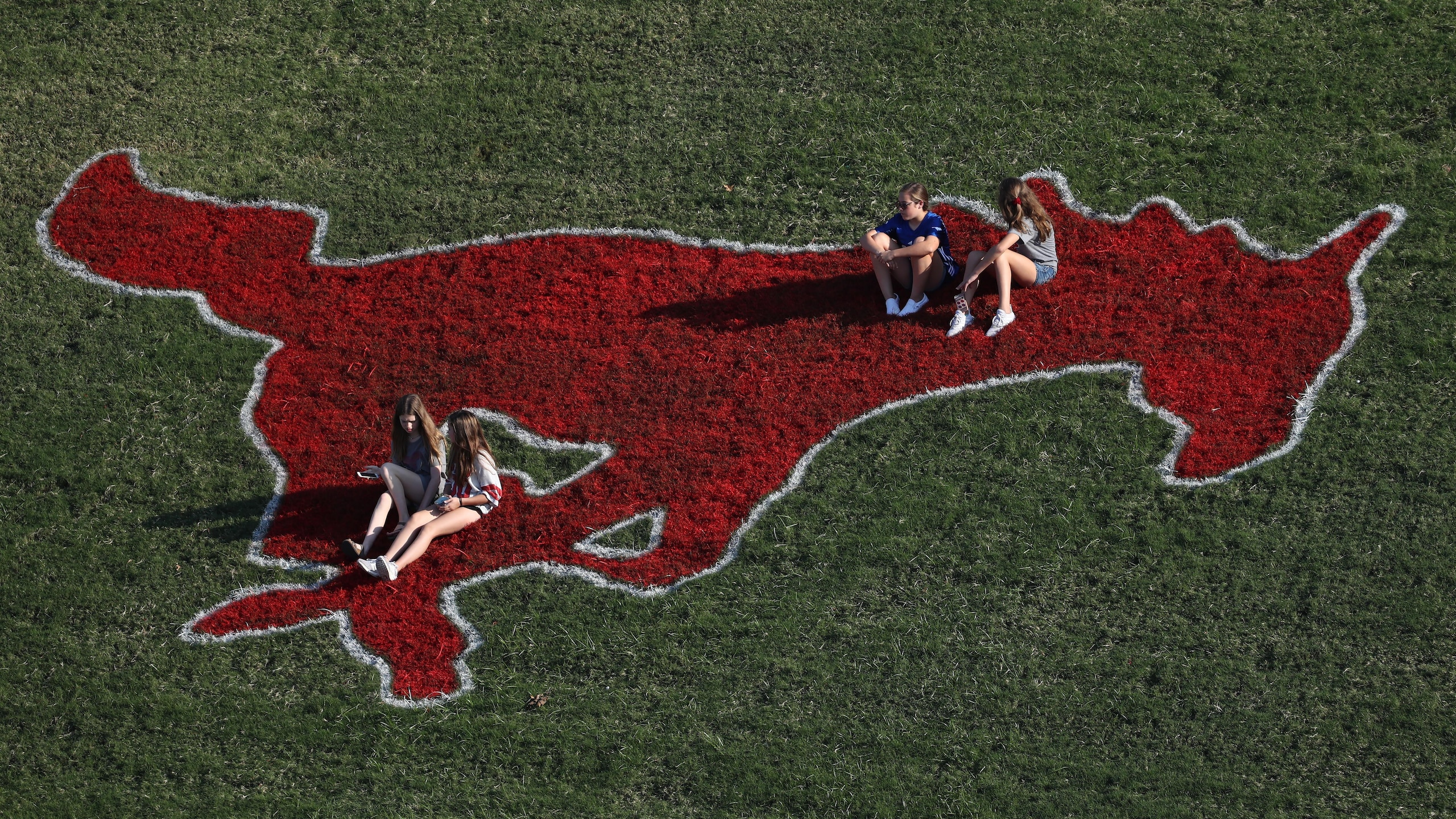
The punishment: SMU's entire 1987 season was canceled, all 1988 home games were canceled, and 55 scholarships were lost over four years.
Beginning in the mid-1970s, SMU began funneling money from boosters to football recruits to lure top-tier talent. The program experienced far more success as a result, but it also ran afoul of the NCAA, resulting in multiple probations.
In 1985, SMU's football program "was placed on three years' probation for paying players, a virtual 'slap on the wrist' for promises that it would stop making illicit payments and that boosters who had paid players would be banned from contact with the football program," according to EBSCO. Two years later, the NCAA cracked down even harder.
An NCAA investigation revealed that 13 student-athletes received $61,000 in 1985 and 1986 "from an SMU booster slush fund," per Craig Thomas of NCAA.com. The NCAA responded by issuing its so-called death penalty to the program, which wiped out its 1987 season, canceled all home games in 1988 and stripped SMU of 55 football scholarships over a four-year span.
SMU was allowed to play seven scheduled road games in 1988 so opponents would not lose the revenue. School officials concluded they could not field a viable team and canceled that season, too.
The Mustangs returned in 1989 and finished 2-9. They did not have a full scholarship allotment until 1992 and did not post a winning season again until 1997.
1. McLaren Fined Record $100 Million in Spy Scandal
20 of 20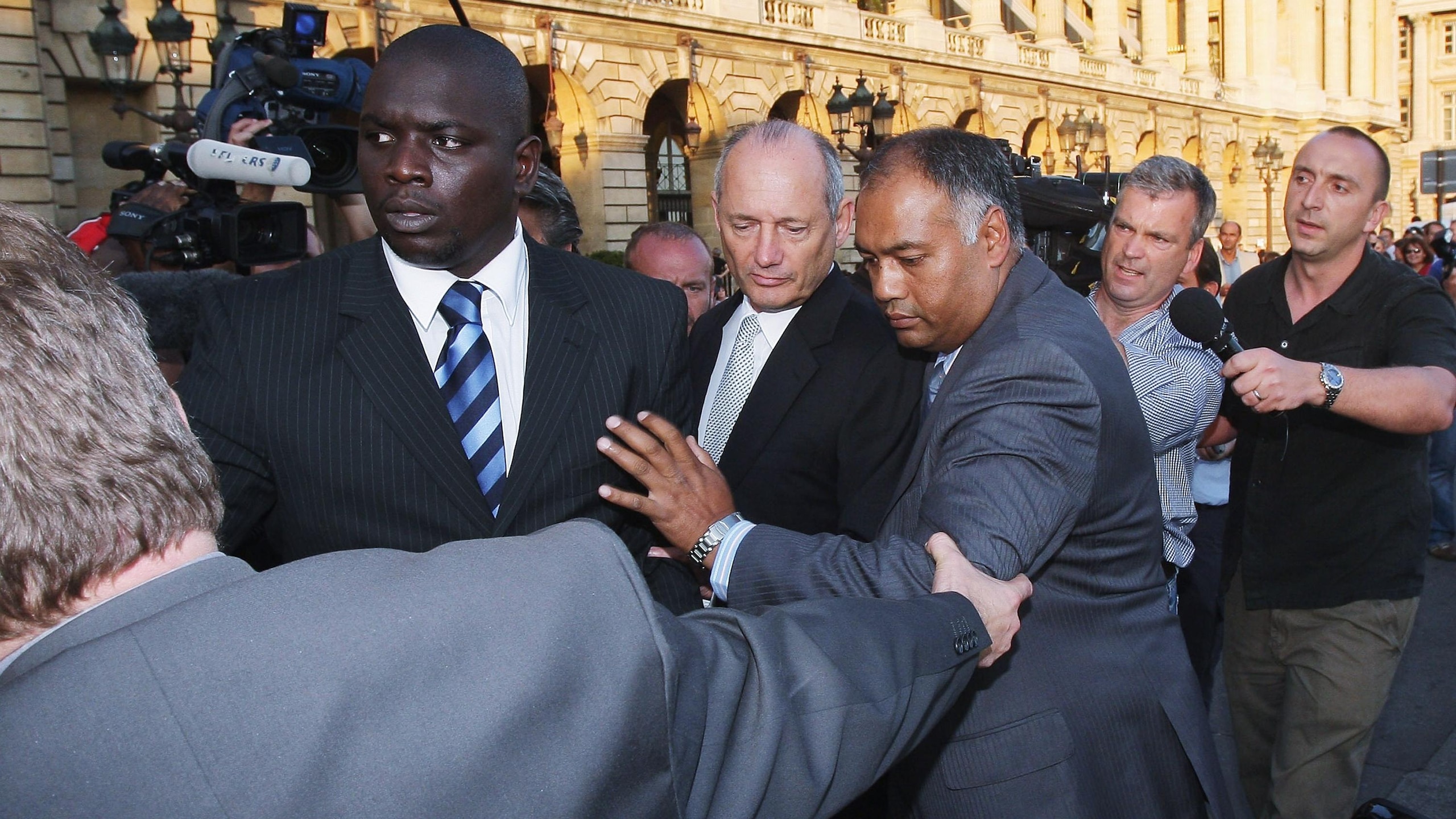
The punishment: A $100 million fine and every constructors' point from the 2007 season, with no ability to score more.
CNN reported on the FIA World Motor Sport Council's decision on Sept. 13, 2007, which stripped McLaren of all constructors' points and set the fine at $100 million, less the Formula One Management income lost through the points deduction.
The case broke open when a 780-page dossier of confidential Ferrari technical data turned up at the home of McLaren chief designer Mike Coughlan. Ferrari mechanic Nigel Stepney, who was accused of supplying it, was fired.
The council had ruled in July that McLaren possessed the material but declined to punish the team at that stage, citing insufficient evidence that it had been used. A second hearing in September changed that.
Drivers Lewis Hamilton and Fernando Alonso were not penalized and stayed in the title fight, which Kimi Raikkonen won by a point. CBC reported that the FIA cited exceptional circumstances, since the drivers had given evidence in exchange for immunity, and that the council could have thrown McLaren out of both the 2007 and 2008 championships.
Team principal Ron Dennis said McLaren had never denied that the Ferrari information sat in an employee's home, and that no one had proven the team used it. The headline number remains the largest fine in the history of team sport, though the deduction from lost income meant McLaren's actual payment came in far below $100 million.
.jpg?w=2560 "Eagles Football")