.jpg?w=2560)

Ranking the 15 Best One-and-Done NBA Draft Prospects of All Time
Twenty years ago, the NBA and National Basketball Players Association implemented what's now known as the one-and-done rule. Starting in 2006, prospects were required to turn at least 19 during the year of the draft and be one year removed from high school to be eligible for the NBA draft.
That rule change meant prospects could no longer jump from high school straight into the pros, à la Kobe Bryant, Kevin Garnett, and many others. Instead, they'd have to spend at least one year playing somewhere else. For American prospects, that usually meant playing in college.
Prior to 2006, it was relatively rare for a player to opt for the NBA draft after their freshman season. Now, the opposite is true. In the 2026 NBA draft, nine of the first 10 picks were one-and-done players, as were 11 of the 14 lottery picks.
To date, hundreds of one-and-dones have been selected in the NBA draft. Our goal here is to determine which of those players—the ones who spent a year in college before going pro—went on to have the best NBA careers.
Our rankings do not include college stats, draft status or expectations. Instead, we're focused solely on ranking the best-performing one-and-dones in the NBA.
These rankings are subjective, but they take into account the full breadth of each player's NBA career up to this point. The rankings are not limited to the one-and-done era, either. Any player who was drafted after spending only one year in college before being drafted could be considered. However, players who spent their post-high-school year playing internationally or in the G League were not considered in these rankings.
We'll start with a few up-and-comers who could factor into the rankings and a handful of honorable mentions before breaking into the top 15.
Young One-And-Dones Who Could Eventually Make a Case
1 of 17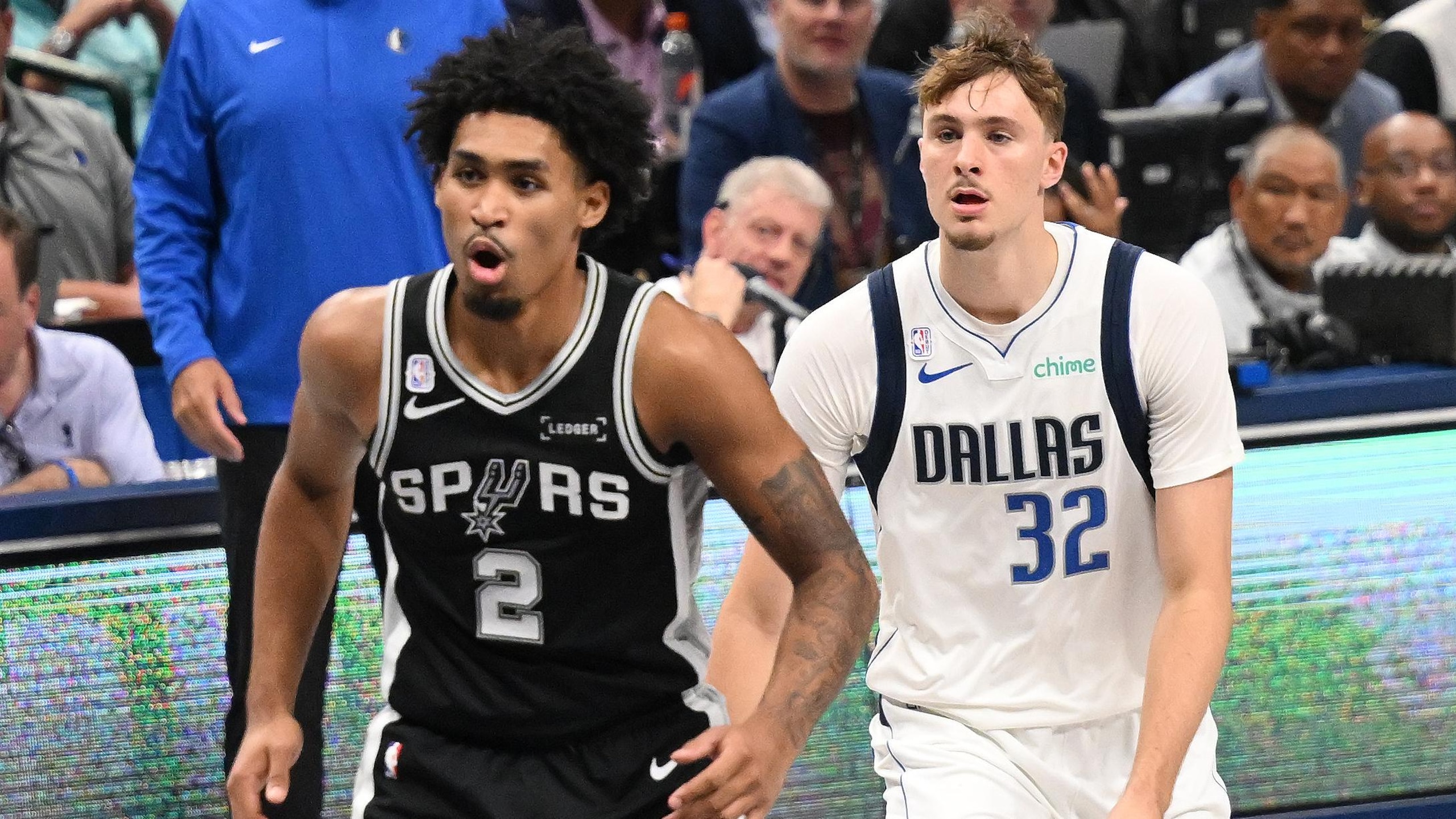
It's hard to compare players across time periods and varying career lengths, so no one who has played for fewer than five NBA seasons cracked the top 15 of our rankings. However, that doesn't mean they weren't considered. In fact, some hoopers from the younger generations have already established themselves as stars.
The following four players have already had NBA success and could be knocking on the door for inclusion among the most successful one-and-dones.
Jalen Duren: Duren had a career season in 2025-26, averaging 19.5 points and 10.5 points while shooting 65 percent from the field. He earned his first All-Star selection and made the All-NBA third team.
Cooper Flagg: The 2025-26 Rookie of the Year was the no-questions-asked No. 1 overall pick in his draft class. With rookie averages of 21.0 points, 6.7 rebounds, 4.5 assists and 1.2 steals per game, he's building from a strong foundation and could be ready to ascend to superstar status anytime now.
Dylan Harper: Harper is in the perfect situation to succeed with the San Antonio Spurs, and he showed flashes of brilliance during their run to the 2026 NBA Finals. With steady improvement, he could jump to All-Star level and beyond before you know it.
Jalen Johnson: The Atlanta Hawks have hard-pivoted and are now squarely building around Johnson, who had his best season yet in 2025-26. In his fifth year, Johnson made his first All-Star team, All-NBA third team, and averaged career highs with 22.5 points, 10.3 rebounds and 7.9 assists per game.
Honorable Mentions
2 of 17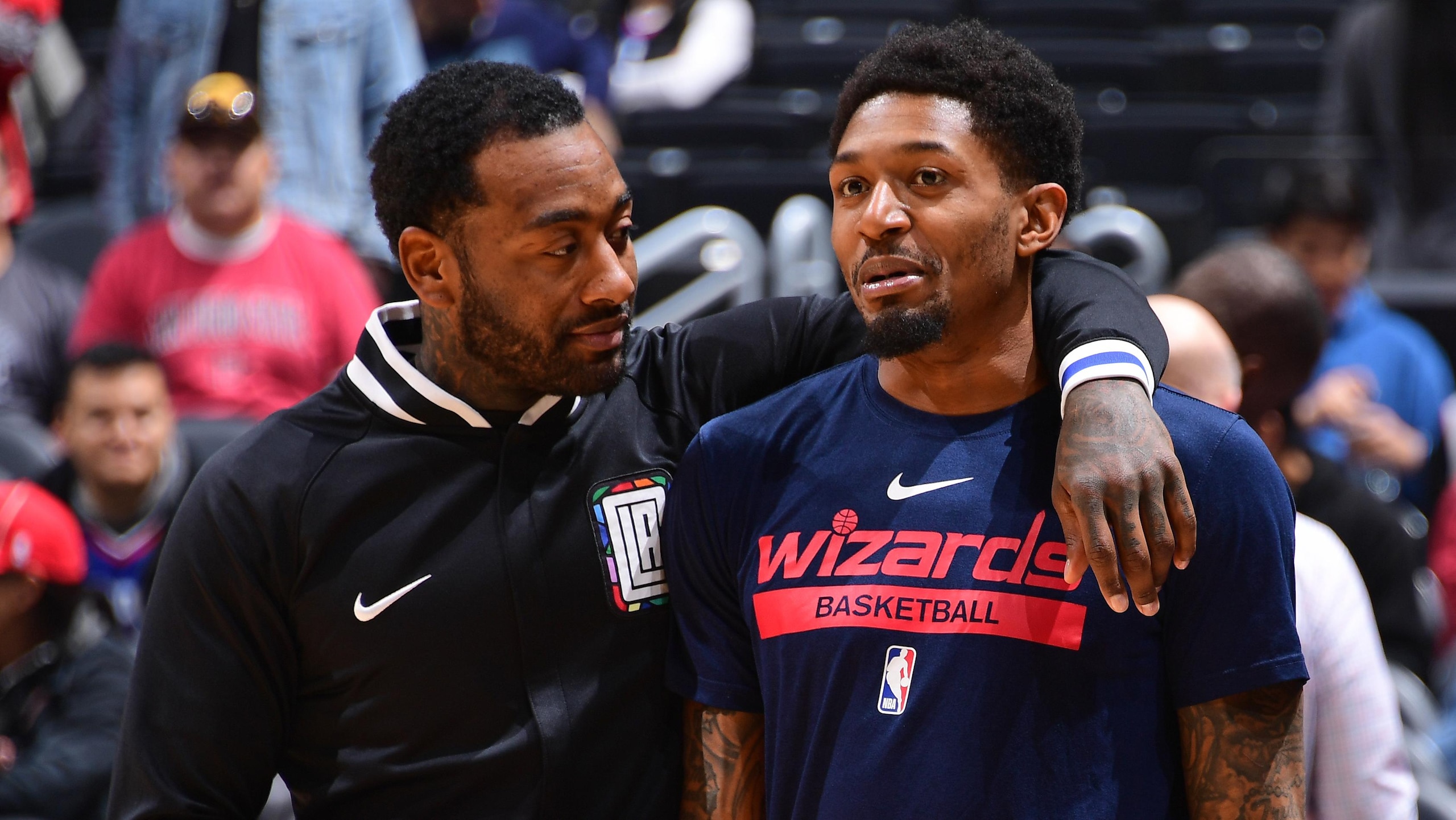
Given the tidal wave of one-and-done prospects since the rule change in 2006, there have been numerous success stories over the past 20 years. However, not everyone can make the top 15 of these rankings.
Here are some honorable mentions who just missed the cut, presented in alphabetical order.
Bradley Beal: Though the second half of his career has been hampered by injuries, Beal was a high-volume scoring threat in his prime. He made three All-Star teams, and he peaked in 2020-21 when he earned a spot on the All-NBA third team while averaging 31.3 points per game.
DeMarcus Cousins: A dominant inside presence and double-double machine for much of his career, Cousins was a major star before injuries started to unravel his career. Boogie's prime included three straight All-Star appearances in the mid-2010s, as well as back-to-back All-NBA second-team nods in 2014-15 and 2015-16.
Cade Cunningham: The No. 1 overall pick in the 2021 draft has clearly turned a corner and is coming into his own. He made the All-NBA third team in 2025 and then made another leap all the way to the first team in 2026. A versatile offensive engine, Cunningham could be an annual MVP candidate for years to come.
Evan Mobley: Like the previously mentioned young up-and-comers, Mobley is knocking on the door. The No. 3 overall pick in 2021, Mobley was the Defensive Player of the Year in 2024-25, has made two All-Defense first teams and was on the All-NBA second team in 2024-25 as well.
John Wall: Injuries derailed Wall's career, but in his prime, he was a perennial All-Star and MVP candidate. Wall averaged 18.7 points and 8.9 assists per game over his 11-year career, earning five straight All-Star nods and a spot on the All-Defense second team in 2014-15. He peaked in 2016-17 with a spot on the All-NBA third team and a seventh-place finish in MVP voting.
15. Trae Young (2018)
3 of 17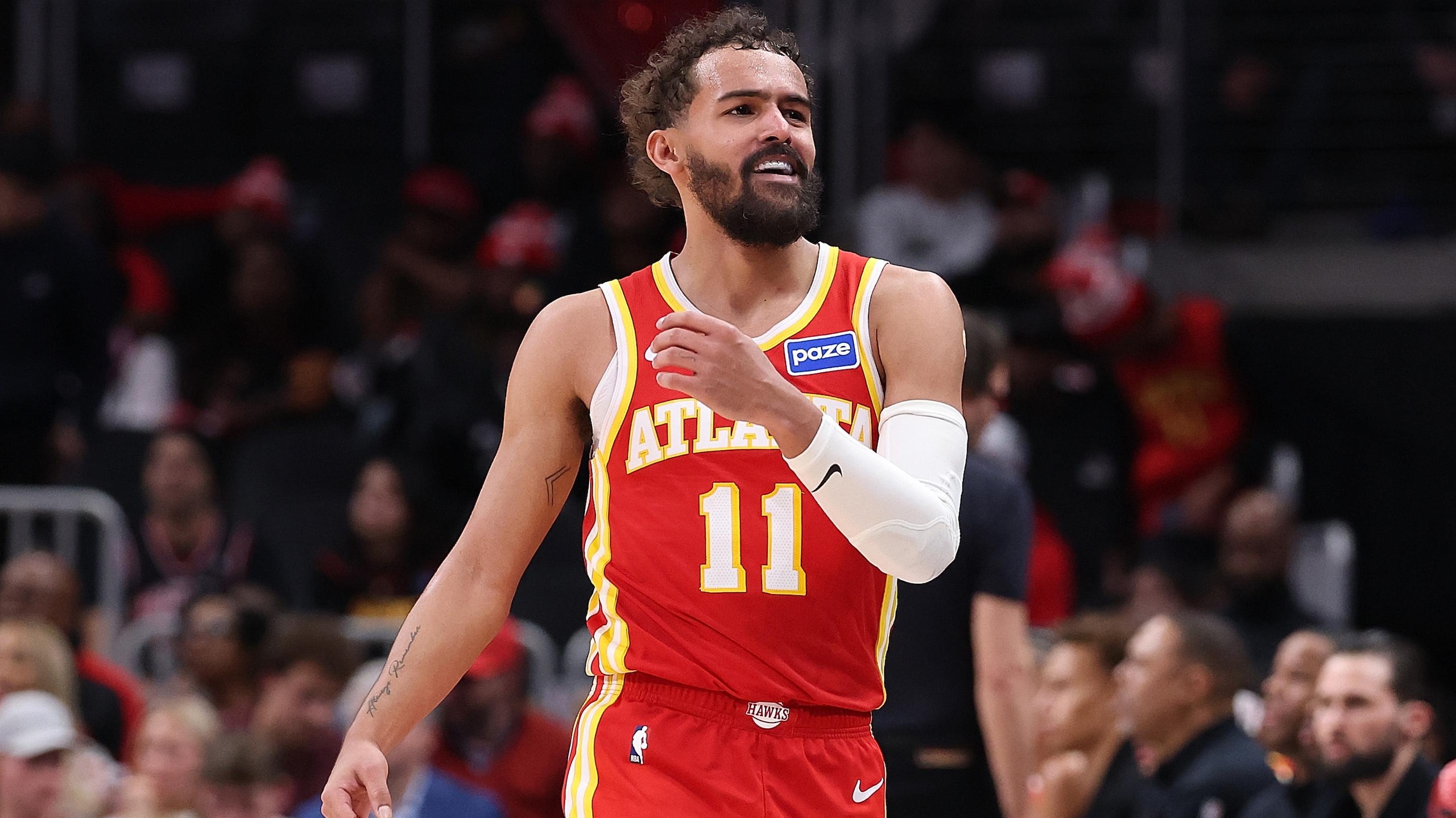
There were some questions about Trae Young when he entered the league as the No. 5 overall pick in 2018 out of Oklahoma. The 6'2" guard quickly silenced any critics who might have questioned how his size, shooting and defensive deficiencies would translate to the NBA, as he immediately became the offensive focal point for the Atlanta Hawks and finished second in Rookie of the Year voting behind Luka Dončić.
Young only continued to blossom from there, scoring 29.6 points per game in his second season before truly ascending in Year 3. That's when Young carried the fifth-seeded Hawks on an unexpectedly deep playoff run, one that involved a villain turn in New York followed by a gutty seven-game defeat of the top-seeded Philadelphia 76ers before falling to the Milwaukee Bucks in six games. During that playoff run–which was his first in the NBA–Young averaged 28.8 points and 9.5 assists per game, firmly planting his flag as a true star in the league.
Overall, Young has four All-Star nods and earned All-NBA third team honors in 2021-22. Over his nine-year career, he's averaged 25.1 points, 9.8 rebounds and 1.0 steals per game. After missing most of the 2025-26 campaign, he'll be aiming to get back on track as the point guard of the Washington Wizards next season.

14. Devin Booker (2015)
4 of 17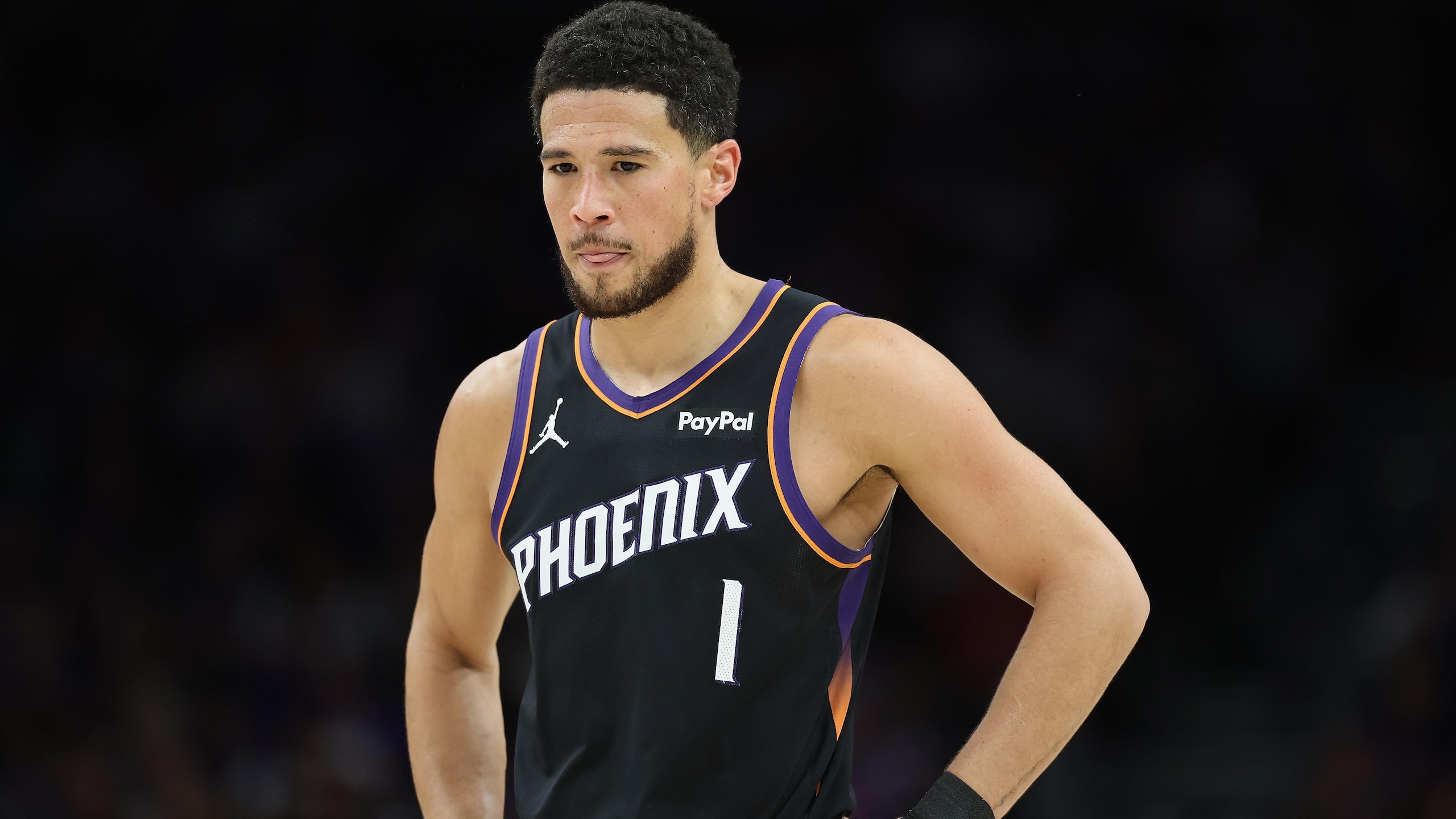
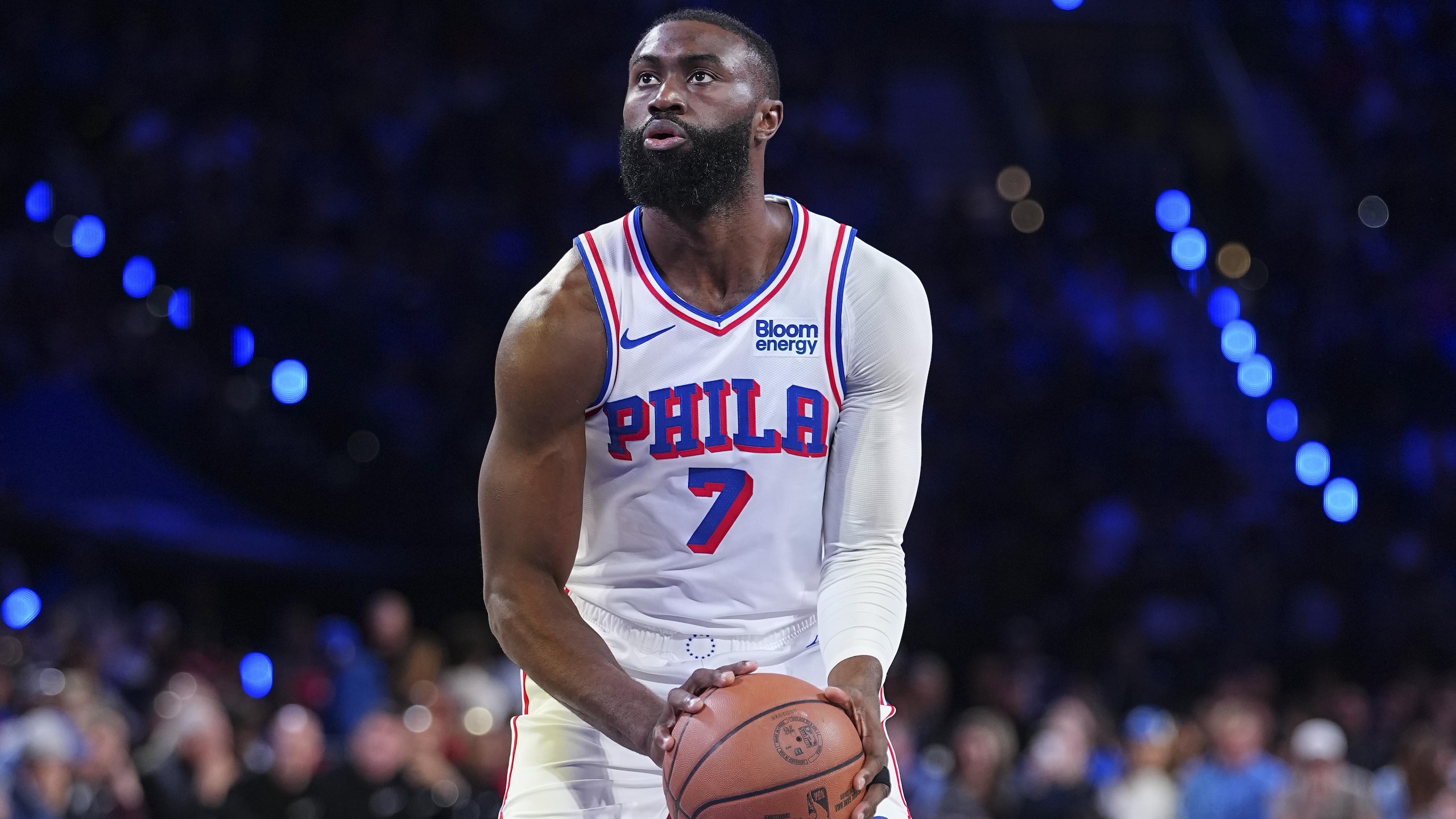
When Devin Booker finished his freshman year at Kentucky and entered the 2015 draft, he did so while he was still only 18 years old. His birthday is in October, which made him eligible for the draft following his freshman year in college, but he was still the youngest player in that year's draft.
Booker found the perfect home with the Phoenix Suns as the No. 13 overall pick. His blend of playmaking, sharpshooting and versatility as a 6'5" guard have served him well over his 11-year NBA career. Booker helped raise the Suns' profile, as the team has been a regular playoff contender since he received his first of five All-Star nods in 2019-20.
After helping the Suns reach the 2021 NBA Finals, Booker put together his best season as a pro in 2021-22, averaging 26.8 points, 5.0 rebounds, 4.8 assists and 1.1 steals per game while shooting a career-best 38.3 percent from long range. He ended that season with an All-NBA first-team selection and was fourth in MVP voting.
Given that Booker made the All-NBA third team in 2023-24 and still has yet to turn 30 years, there could still be a lot of great basketball in his future.
13. Anthony Edwards (2020)
5 of 17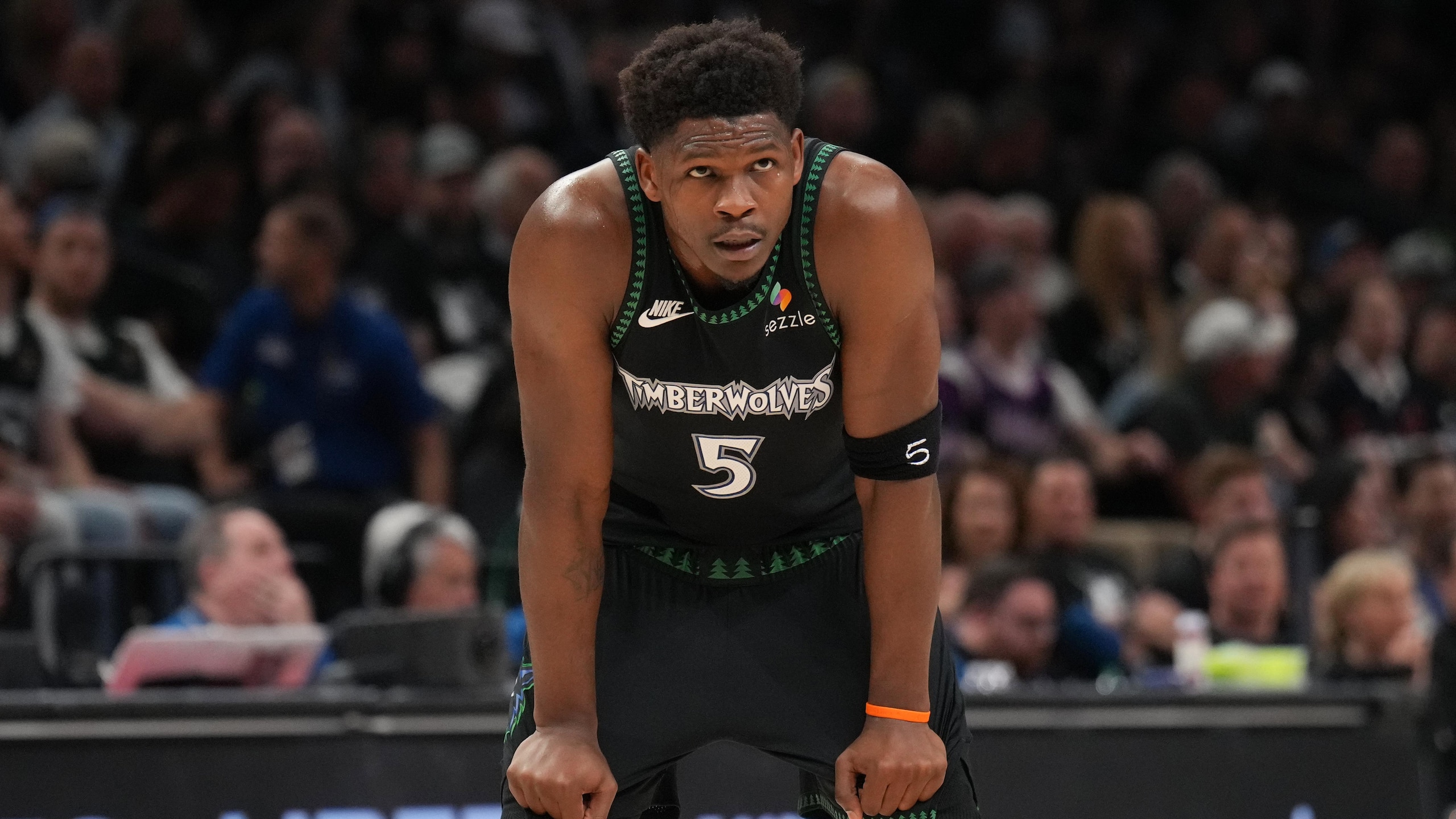
Being the No. 1 overall pick comes with high expectations. Anthony Edwards has either met or exceeded what the Minnesota Timberwolves were hoping for when they drafted him in 2020.
Armed with charisma, boundless athletic ability, two-way versatility, and a stellar three-point stroke, Edwards has become not only the face of the T-Wolves, but also one of the most popular players in his generation.
Edwards' immediate ability to contribute at a high level has turned the Timberwolves into a regular threat in the loaded Western Conference. With career averages of 24.6 points, 5.2 rebounds, 4.1 assists and 1.3 steals per game while shooting 36.9 percent on a heavy diet of three-pointers, Edwards has been an All-Star for four straight seasons. That trend isn't likely to stop anytime soon, as his play has arguably improved every year.
One of the most clutch players in the league and an annual MVP candidate, Edwards made the All-NBA second team in back-to-back years in 2023-24 and 2024-25. After playing 72 or more games in each of his first five seasons, he missed the games threshold for postseason awards in 2025-26, which was the only thing keeping him from another All-NBA season. He averaged a career-high 28.8 points along with 5.0 rebounds, 3.7 assists, 1.4 steals and a blistering 39.9 percent shooting rate from long range across 61 ames.
As long as he can stay healthy, Edwards is positioned to potentially fly up these rankings in the future, especially if he can bring a championship to Minnesota.
12. Kevin Love (2008)
6 of 17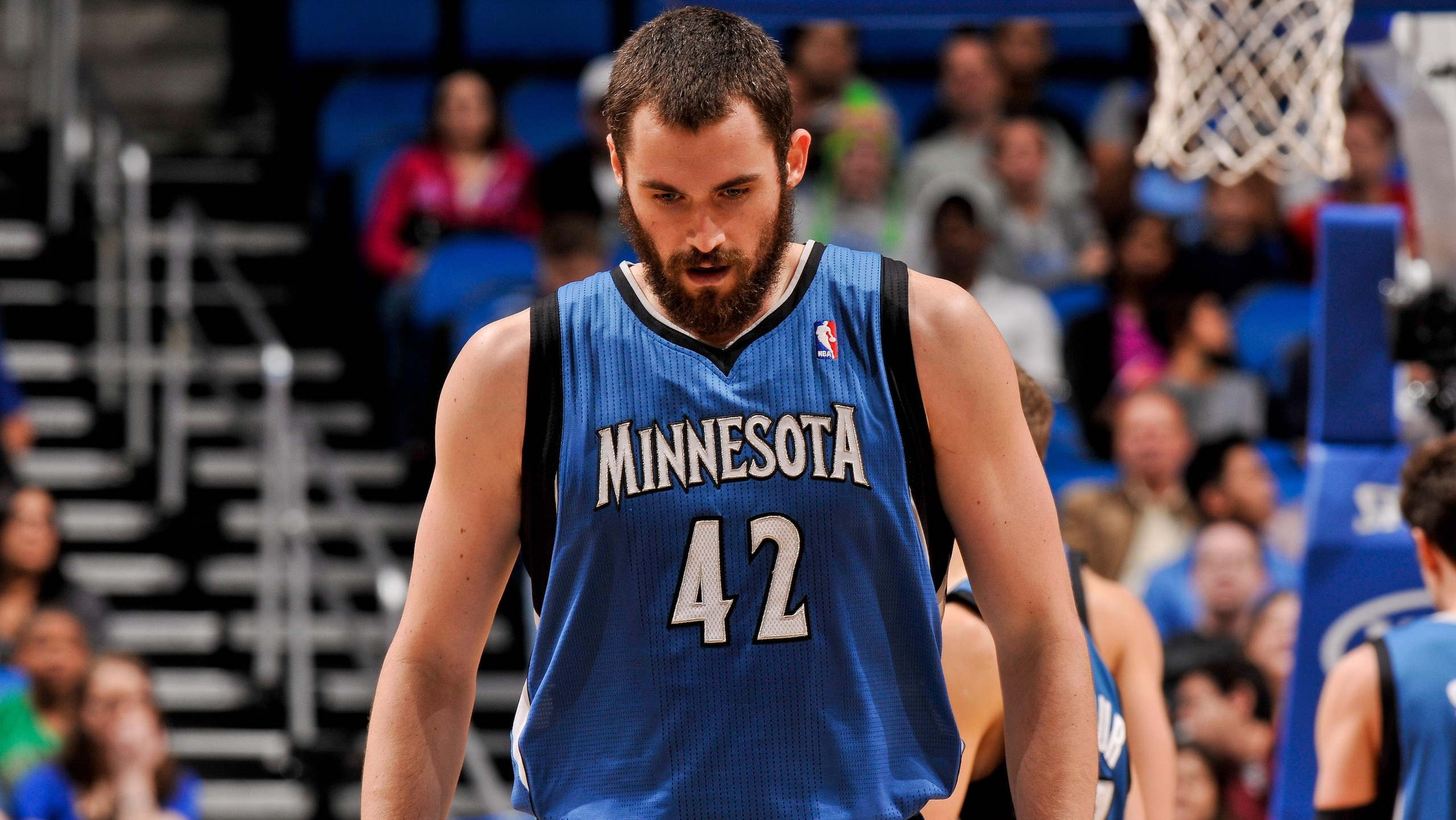
One of the longest-tenured players in these rankings, Kevin Love has been an adaptable, floor-stretching, rebound-gobbling machine for four different teams throughout his 18-year career.
By his third season, Love was the NBA's top rebounder (league-leading 15.2 per game) while averaging over 20 points per game as the clear star and focal point of the Minnesota Timberwolves. His production that year earned him the league Most Improved Player award and his first All-Star nod.
He took things to another level the next season, as he put up 26.0 points and 13.3 rebounds in the first of his two All-NBA second-team campaigns.
With his stock at its highest after averaging 26.1 points, 12.5 rebounds and a career-best 4.4 assists per game in 2013-14, Love headed to Cleveland to join forces with LeBron James and Kyrie Irving. There, he took on more of a supporting role, and he played it to perfection as he helped the Cavaliers win the 2016 NBA Finals.
From there, Love added a few more All-Star seasons before his production started to decline with age. But he's undoubtedly been a valuable asset everywhere he's gone during his career.
11. Jaylen Brown (2016)
7 of 17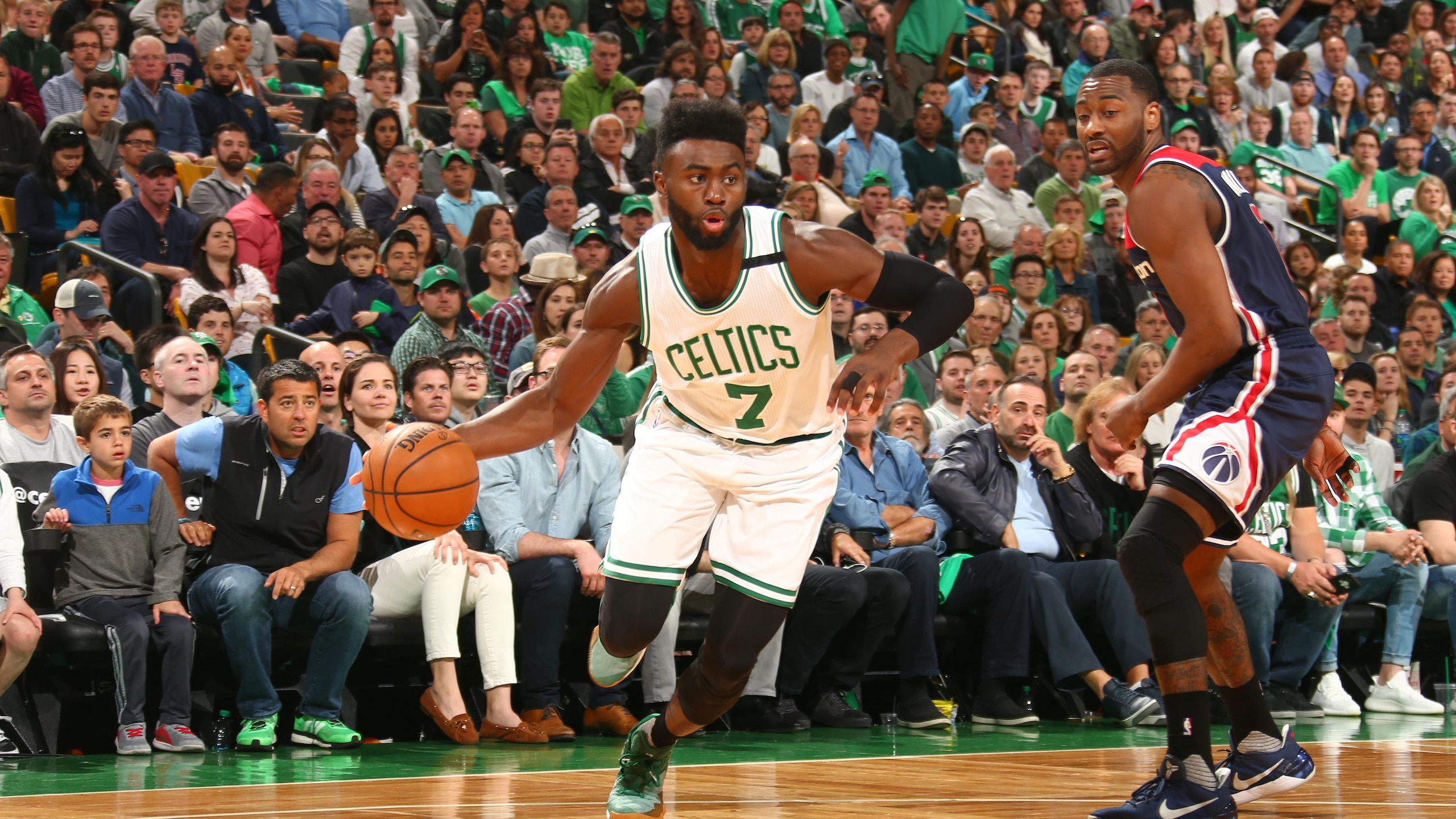
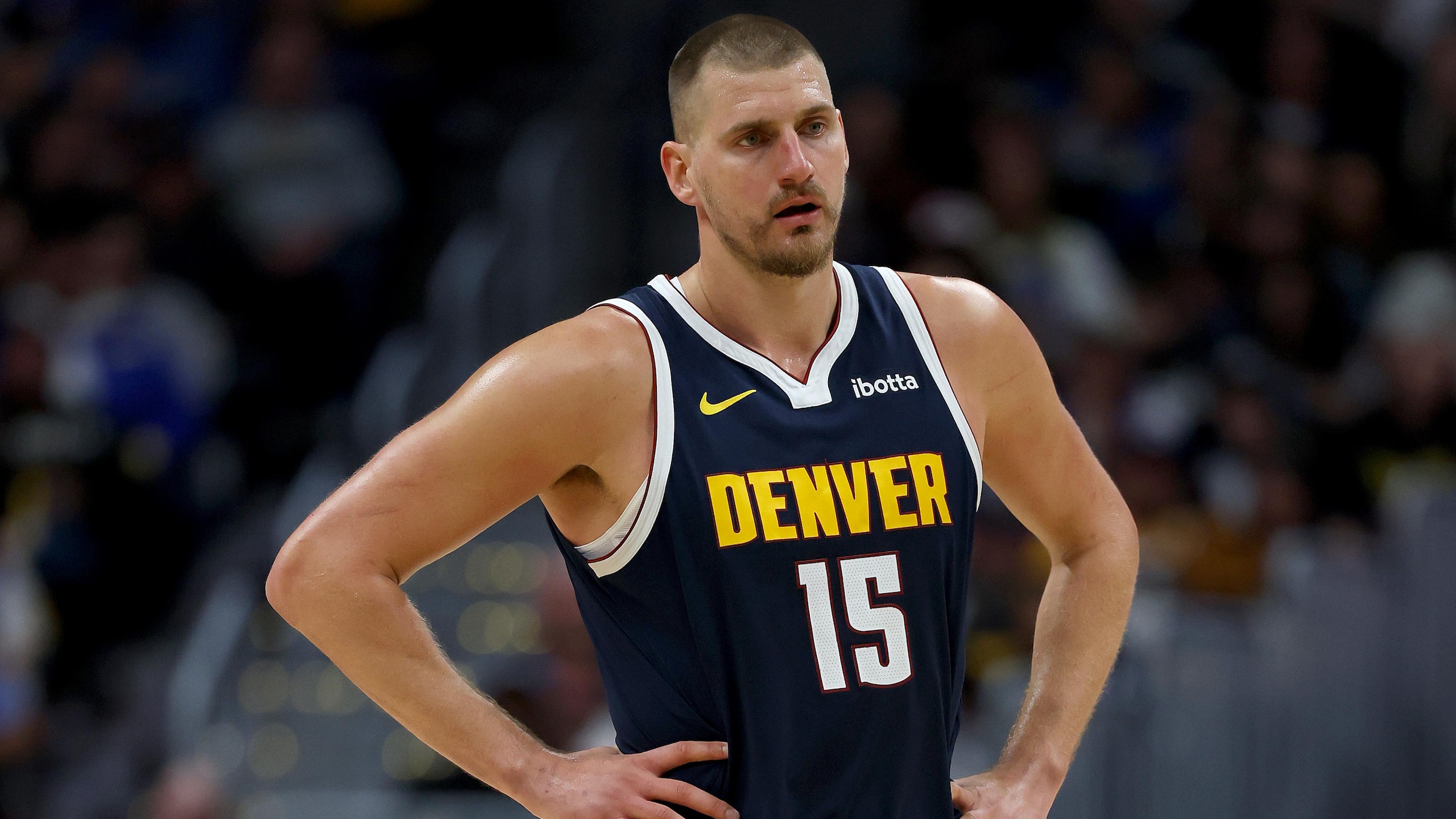
Analytics may view Jaylen Brown as a negative player, but there's no denying that he's been incredibly successful since joining the NBA as the No. 3 overall pick out of Cal in 2016.
It took a few seasons for Brown to ramp up and truly come into his own, but he's blossomed into a perennial All-Star—five out of the past six seasons—who has performed his best on the league's biggest stages. After earning All-NBA second-team honors in 2022-23, Brown followed that season with another strong campaign before really exploding during the 2023-24 playoffs.
Brown earned Eastern Conference Finals MVP in 2024 by averaging 29.8 points, 5.0 rebounds, 3.0 assists and 2.0 steals per game while shooting 51.7 percent from the field in a four-game sweep of the Indiana Pacers. He then received seven out of 11 votes for Finals MVP after helping the Boston Celtics claim their 18th title by averaging 20.8 points, 5.4 rebounds, 5.0 assists and 1.6 steals per game.
After putting together the best season of his career in 2025-26—one good enough for All-NBA second-team honors and a sixth-place finish in MVP voting while Jayson Tatum was sidelined— Brown is on the move to Philadelphia, where his stock could continue to grow as he forms a formidable Big Four with LeBron James, Tyrese Maxey and Joel Embiid.
10. Blake Griffin (2009)
8 of 17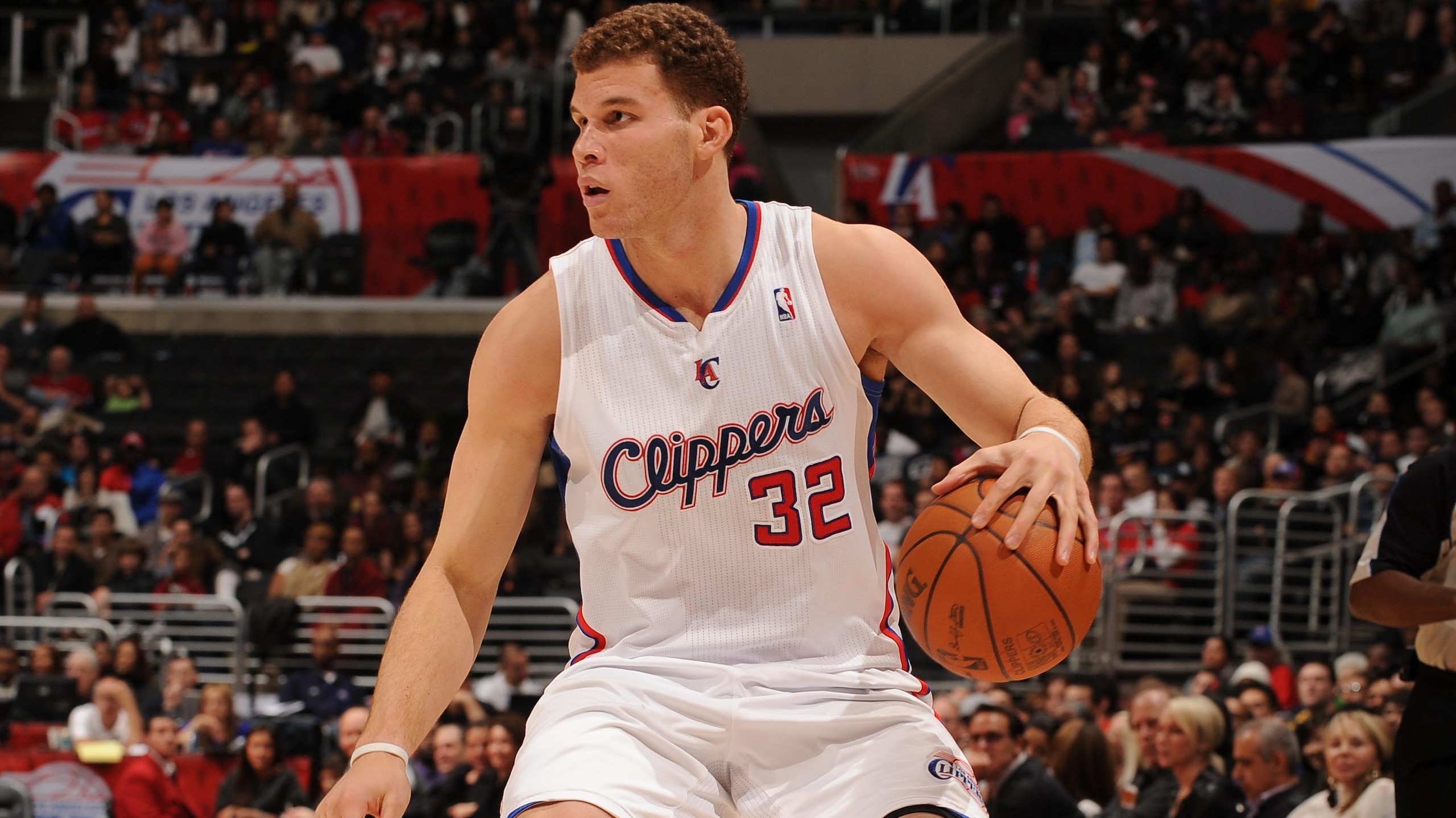
Though he was limited by injuries at times during his career, Griffin was an undeniable force when he was healthy and at his athletic peak. And the 6'9" athletic phenom was pretty much in his prime from the time he first stepped on the court for a regular-season game.
After missing his first season because of a kneecap injury, Griffin vaulted into the MVP conversation as a rookie in 2010-11 by averaging 22.5 points, 12.1 rebounds and 3.8 assists per game. He was the unanimous Rookie of the Year and made the first of five straight All-Star Games.
A dominant interior presence who could throw down on anyone and from seemingly anywhere, Griffin helped resurrect the Los Angeles Clippers during their "Lob City" era. He was a staple on All-NBA teams from 2011-12 through 2014-15, and he peaked in 2013-14 when he averaged 24.1 points and 9.5 rebounds per game, which helped him finish a career-best third in MVP voting.
Despite a lull mostly caused by injuries, Griffin turned back the clock in 2018-19 with the Detroit Pistons. During that season—one which landed him on the All-NBA third team—Griffin averaged a career-best 24.5 points per game while connecting on 36.2 percent of his 7.0 three-point attempts per game. Adding that three-point shot helped Griffin adapt his game and kept him both relevant and valuable all the way until he retired in 2023.
9. Kyrie Irving (2011)
9 of 17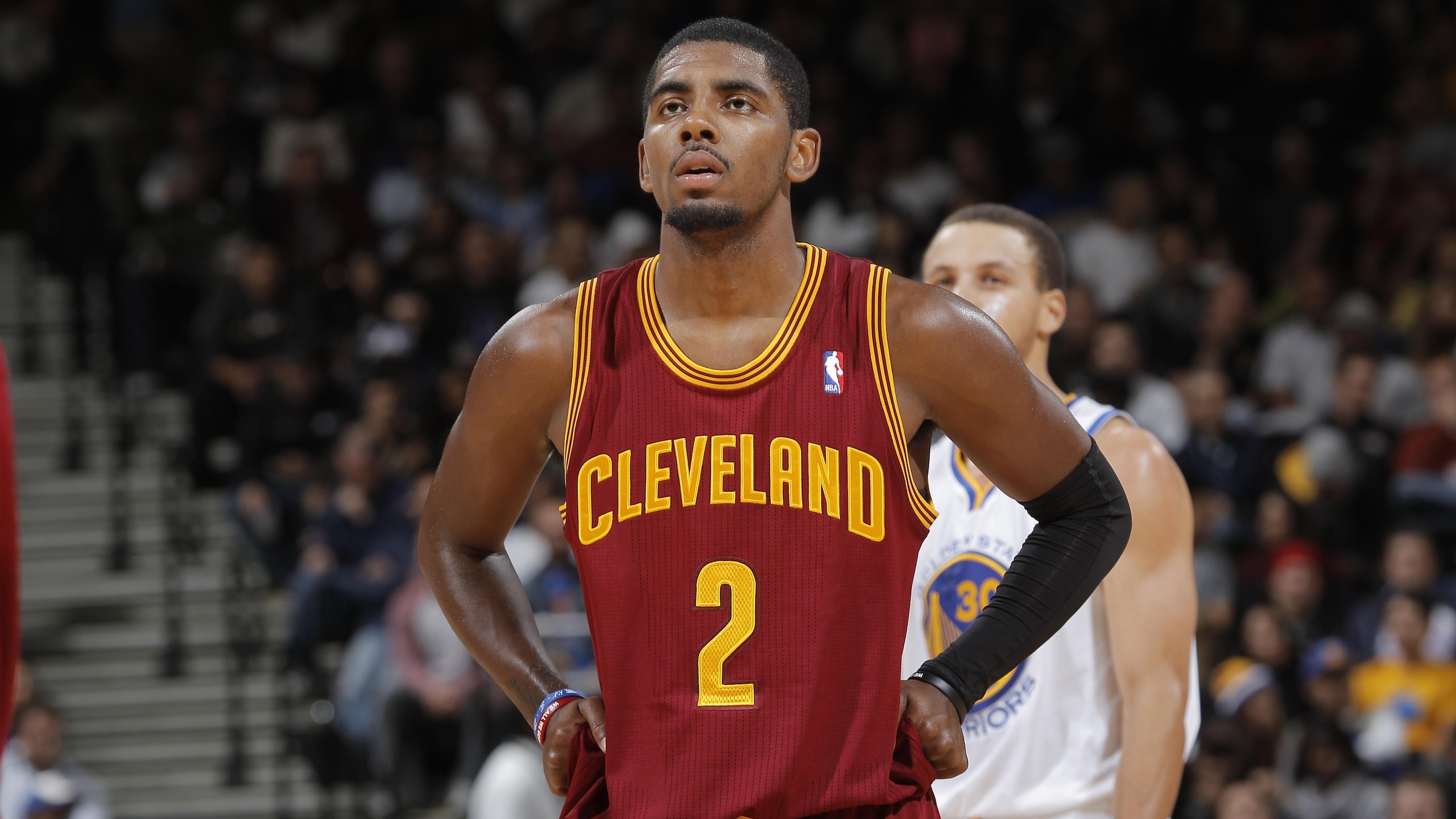
One of the most skillful and creative scoring guards ever to play in the NBA, Kyrie Irving has been a key contributor to numerous successful teams during his 14-year career.
Despite a college season at Duke in which Irving suffered a severe right toe injury that limited him to just 11 games, Irving was still the No. 1 overall pick in 2011. He made that decision look great, as he averaged 18.5 points and 5.4 assists while shooting 39.9 percent from three-point range to become the near-unanimous Rookie of the Year.
Irving has been an All-Star in nine seasons since then, and he's received one second-team All-NBA selection and two third-team nods in total, each with a different team. During the 2016 playoffs, Irving helped the Cleveland Cavaliers clinch their first championship by averaging 25.2 points and shooting 44.0 percent from three-point range during the 21-game playoff run, including hitting the clutch, game-winning triple with under a minute left in Game 7.
After missing the entire 2025-26 season because of a torn left ACL, Irving is now set to join up with Cooper Flagg. He may have even more in his bag to add to his legacy.
8. Jayson Tatum (2017)
10 of 17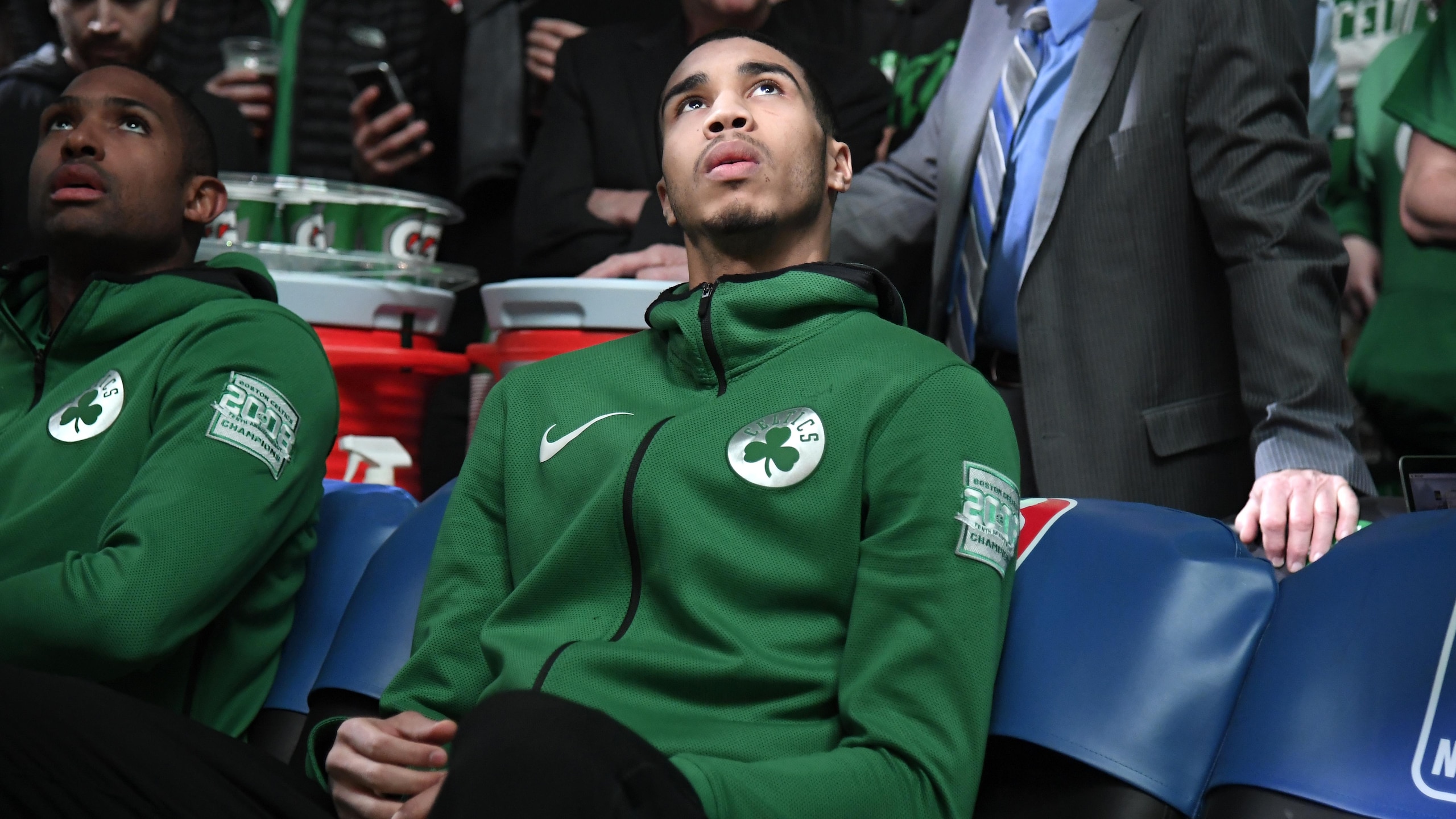
Another former Duke player who missed a lot of time last season, Jayson Tatum has accomplished a lot in a relatively short period of time.
The third overall pick in 2017 has the most All-NBA first-team appearances (four) of anyone in these rankings thus far, and he's played only eight full seasons. He's a 6'8" versatile wing who can score from anywhere on the court, and he's become more adept at using his gravity to find open teammates for assists.
So far, Tatum has averaged 23.5 points, 7.4 rebounds, 3.9 assists and 1.1 steals during his career while connecting on 36.8 percent of his three-pointers. He's one of the best offensive players in the league while also being a net positive on defense, and his numbers are even better in the playoffs. The Boston Celtics have made the playoffs in all nine of Tatum's seasons, and he's averaged 24.2 points, 8.3 rebounds, and 5.0 assists in 127 postseason tilts.
Hopefully, Tatum will soon get back to being his old self after missing most of the 2025-26 season because of a right Achilles tear. Regardless, he has already established himself as one of the best one-and-done players the league has ever seen.
7. Karl-Anthony Towns (2015)
11 of 17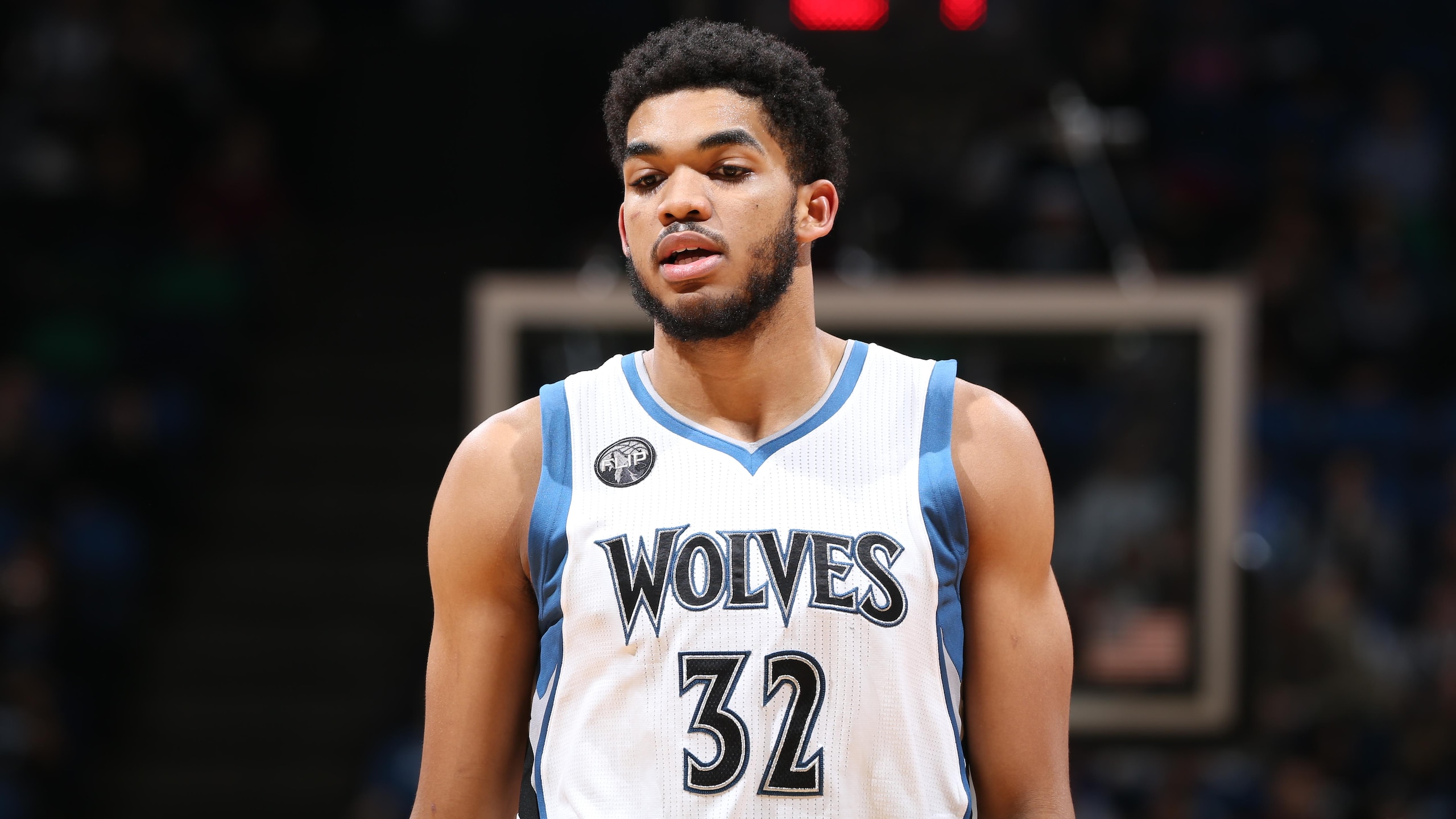
All Karl-Anthony Towns has done since arriving in the league as the No. 1 overall pick in 2015 is become a high-scoring double-double machine, establish himself as one of the best three-point shooting 7-footers of all time, and help the New York Knicks end their five-decades-long title drought.
Not too shabby.
Towns only has six All-Star berths and has made just three All-NBA teams (including zero first-team selections), all of which are lower than some of the players who have come before in these rankings. However, he has been a consistently high-level two way performer who has greatly impacted his teams' success year in and year out.
Towns owns career averages of 22.8 points, 11.1 rebounds, 3.1 assists, and 1.1 blocks per game. his 39.7 percent long-range shooting and 1,230 made triples rank him among the greatest 7-footers ever to shoot the three. Additionally, Towns ranks in the top 50 all-time in win shares per 48 minutes.
With three straight All-Star nods and a championship ring, Towns is still playing some of his best basketball at age 30. Even though he's not the main star of his team, he's still a major factor when he takes the court, and he's clearly still got plenty left in the tank.
6. Derrick Rose (2008)
12 of 17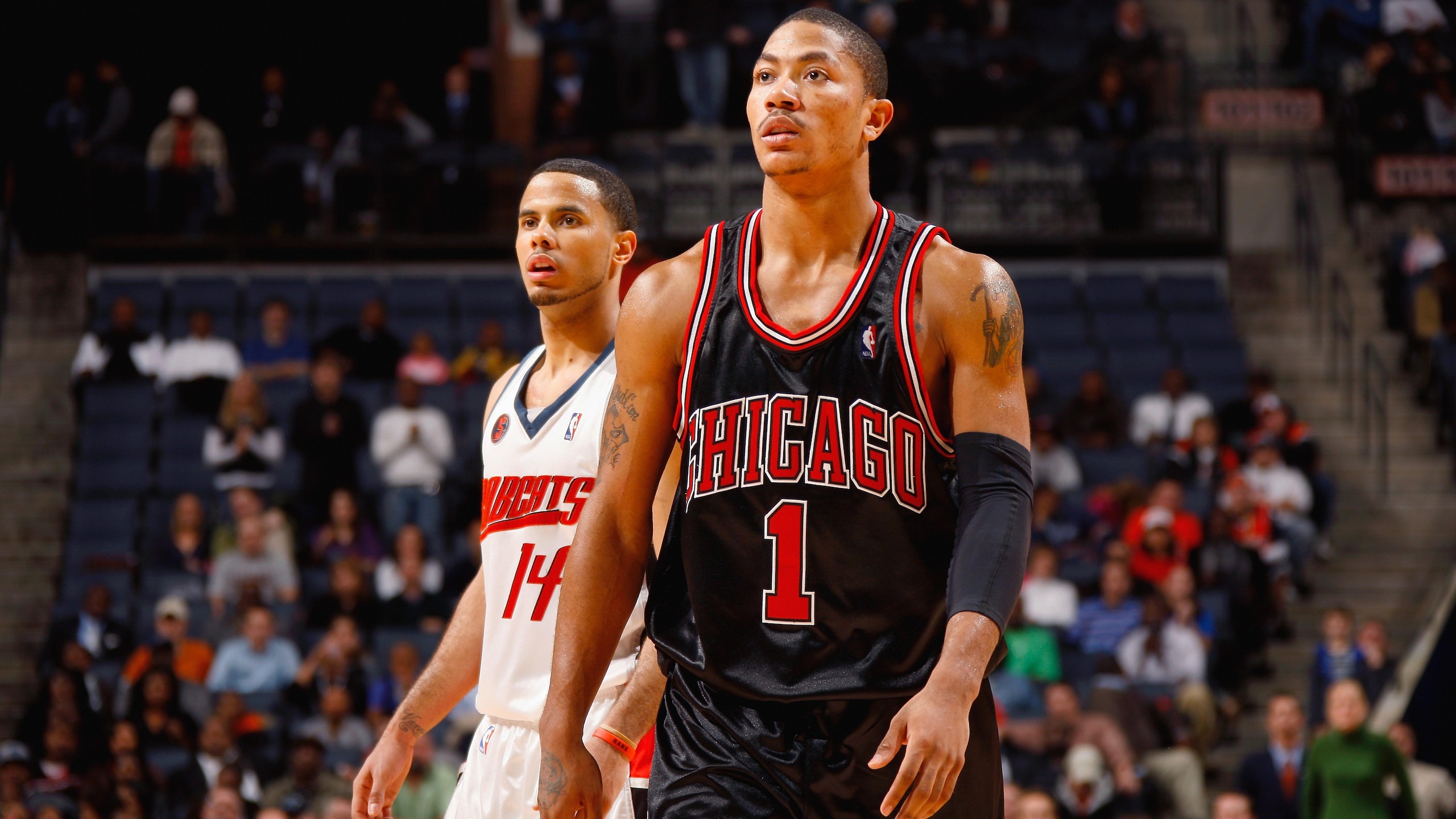
You may look at Derrick Rose and think that he's ranked too highly. After all, he averaged less than 50 games per season during his career, which was unfortunately peppered with major injuries. Overall, we only got three full seasons out of Rose before a torn left ACL in 2012 followed by right meniscus tears in 2013 and 2015 upended his trajectory.
Even with that all being the case, Rose at his peak wasn't just an MVP contender like others so far in these rankings. In 2010-11, Rose was the league's MVP and, naturally, an All-NBA first-team selection.
Rose's unique blend of speed, agility, scoring, passing and athleticism took the league by storm over his first three-and-a-half seasons. He was must-see TV during that stretch, and he seemed poised to be a top player in the league for years to come.
The fact that everyone was collectively robbed of seeing Rose's career continue unmarred by injuries is a major letdown. While he did enjoy a late-career renaissance as a solid sixth man for the Minnesota Timberwolves and Detroit Pistons, Rose never returned to the peak days of the first few seasons of his career.
Still, an MVP is an MVP, and Rose at least collected one of those before injuries took their toll.
5. Joel Embiid (2014)
13 of 17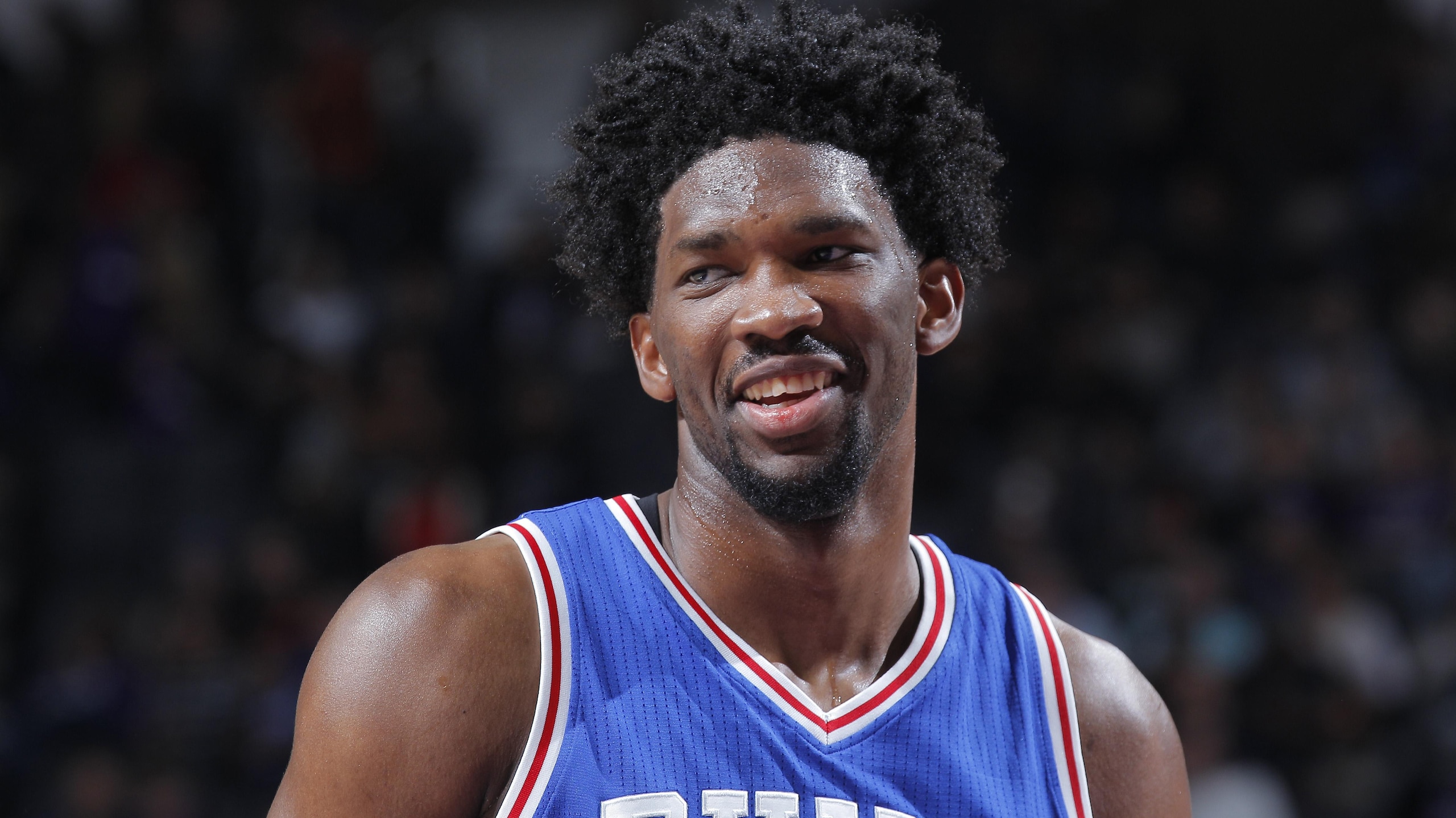
Like Derrick Rose, Joel Embiid has been dogged by injuries throughout his career. In fact, he came into the league as the No. 3 overall pick in 2014 and missed the first two seasons before making his debut in 2016. Over the 10 seasons since his debut, Embiid has played an average of 49 regular-season games per year.
However, unlike Rose, Embiid has been a regular MVP candidate, All-NBA-caliber player and All-Star when he's been able to take the court. Embiid is a seven-time All-Star, has made five All-NBA teams (one first, four seconds), has been on the All-Defense second team three times, is a two-time scoring champ and won the league's MVP award in 2022-23 after two successive second-place finishes.
Though Embiid hasn't always been available and hasn't helped the Philadelphia 76ers advance past the second round of the playoffs, the 7'0" center from Cameroon has been a dominant two-way force for a decade. Though he's only played 490 games, his win shares per 48 minutes (.2122) rank 14th all-time—the best of any one-and-done player ever.
With Tyrese Maxey, LeBron James, Jaylen Brown and VJ Edgecombe as his running mates, Embiid is positioned for another strong season. After three straight seasons under 40 games played because of injuries, maybe Embiid can get back to his MVP-caliber self in 2026-27.
4. Carmelo Anthony (2003)
14 of 17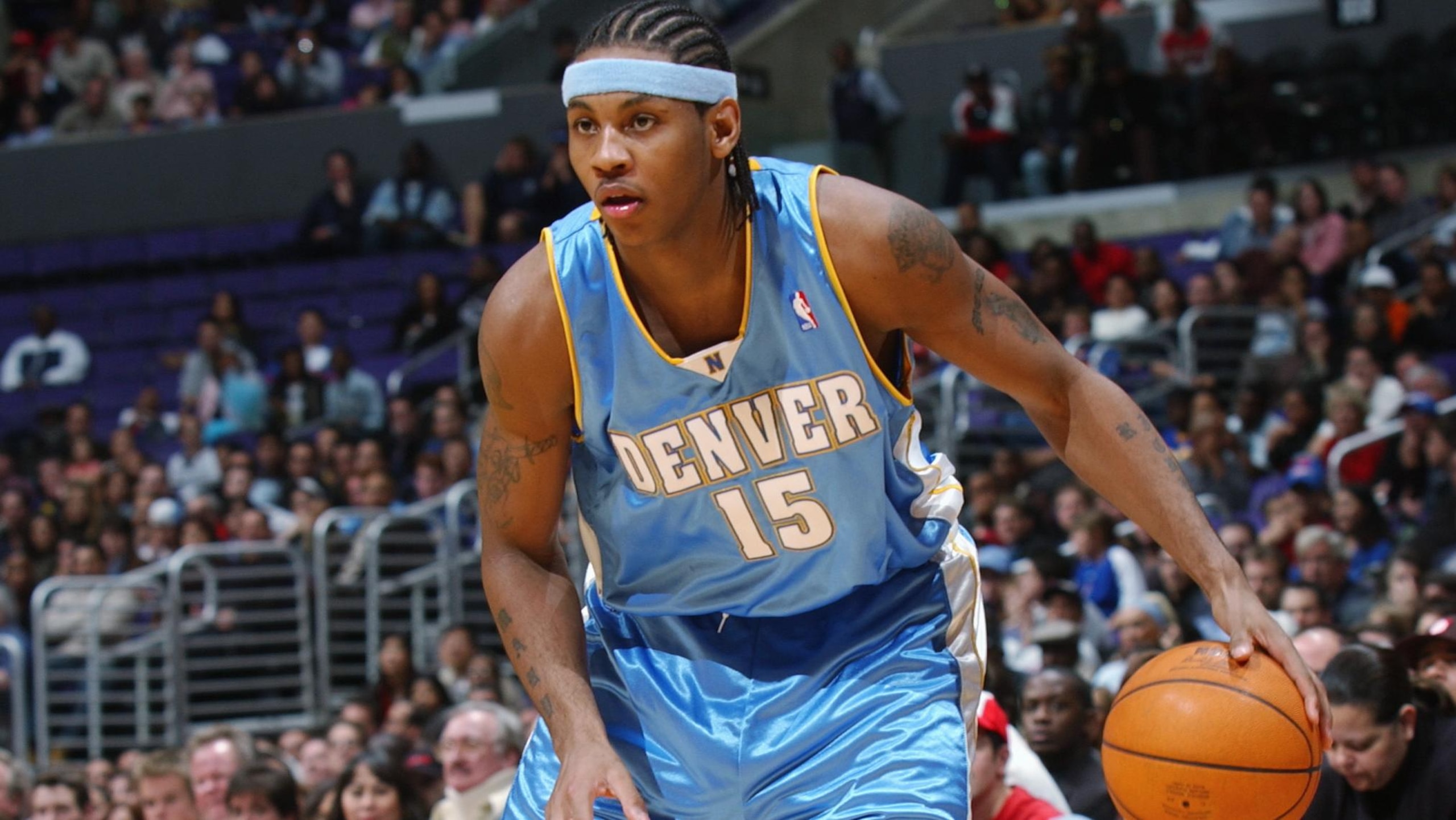
Before the official one-and-done era, it was uncommon for freshmen to declare for the NBA draft. High-level prospects typically would either jump right from high school to the pros or spend a few years in college before turning pro.
Carmelo Anthony was the exception, as the bucket-getting wing led Syracuse to a national championship as a freshman in 2003 and immediately opted to take his talents to the NBA. He went on to become a 10-time All-Star, six-time All-NBA player (two second-team nods and four third-round selections), the scoring champ in 2012-13 (28.7 points per game), and a Hall of Famer who was inducted in 2025.
While Melo is the only player in the top six of these rankings who didn't win an MVP, he came close as the third-place finisher in 2012-13. Over his first 14 seasons, he averaged over 20 points per game in each campaign while remaining relatively healthy throughout, and he currently stands as the 11th-highest-scoring player in NBA history.
Anthony was undeniably a trailblazer in terms of being one-and-done, and his success in the NBA—not to mention his Olympic exploits—earned him a place in both Springfield and NBA lore.
3. Anthony Davis (2012)
15 of 17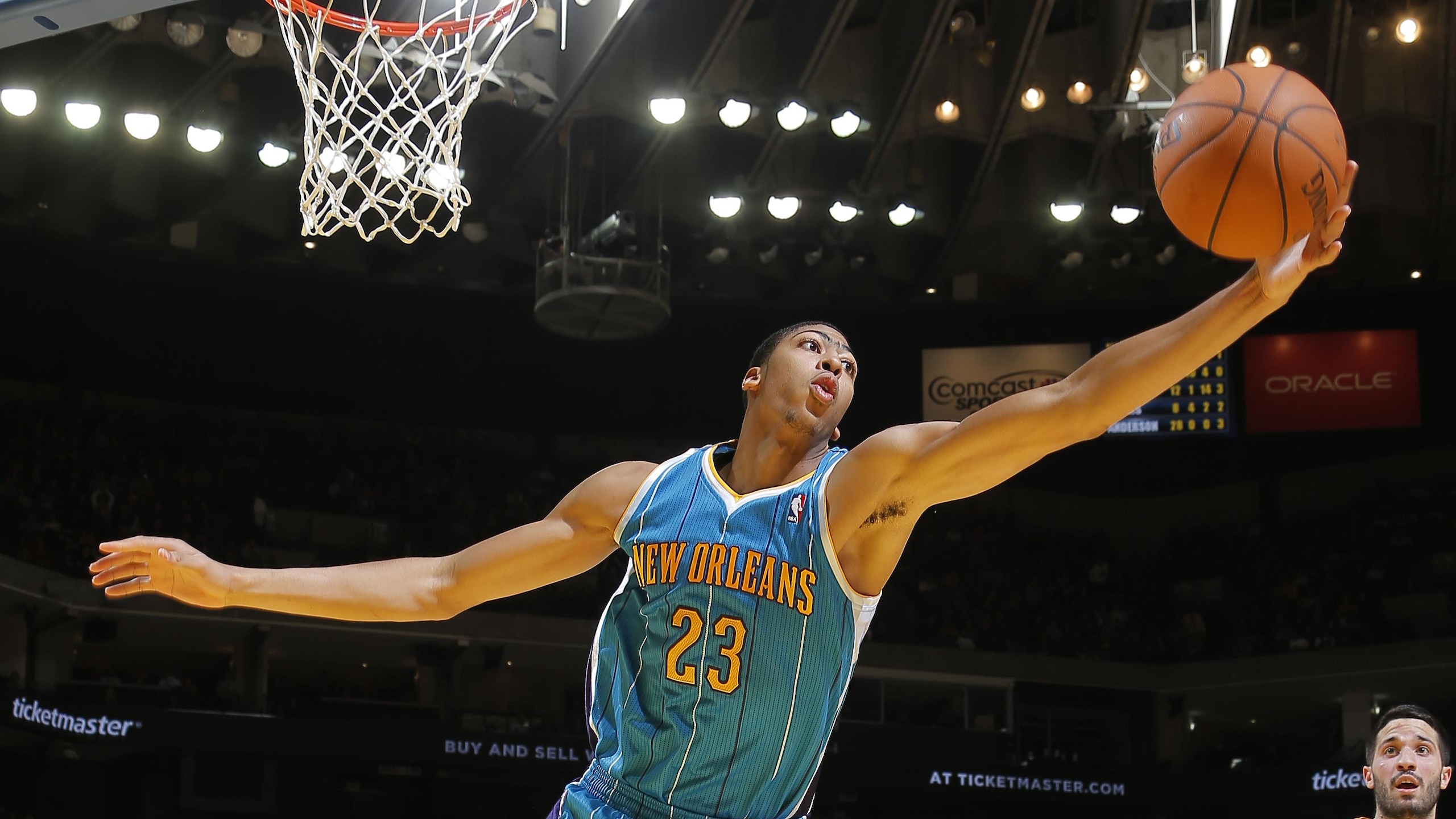
Fresh off an amazing season at Kentucky that culminated in him claiming Most Outstanding Player at the Final Four, Anthony Davis was the clear No. 1 pick in the 2012 draft. Over his 14-year career, he's largely lived up to or exceeded the extraordinary expectations that accompanied his arrival in the league.
An incredible two-way player, Davis has career averages of 24.0 points, 10.7 rebounds and 2.3 blocks per game. He led the league in field goals per game twice and in blocks per game three times, with each of those seasons coming in his first six years in the league. In terms of accolades, AD is a 10-time All-Star, five-time All-Defense honoree (three first-team nods), and has made five All-NBA teams (four firsts, one second).
Early in his career, Davis helped New Orleans make the playoffs twice and averaged 30.5 points, 12.7 rebounds and 2.5 blocks over three series, but his heroics couldn't lift the Pelicans deeper. After being traded to the Los Angeles Lakers in 2019, he capped off his first season in Hollywood with a championship in the Bubble. Davis averaged 27.7 points, 9.7 rebounds and 1.4 blocks during that postseason run and led all players with 8.7 made two-point field goals per game.
While Davis has dealt with injury issues, particularly in recent years, his overall output has been nothing short of fantastic on both ends of the court, and he's maintained that production over an extended period. Whenever he retires, his first-ballot Hall of Fame case is already made.
2. Shai Gilgeous-Alexander (2018)
16 of 17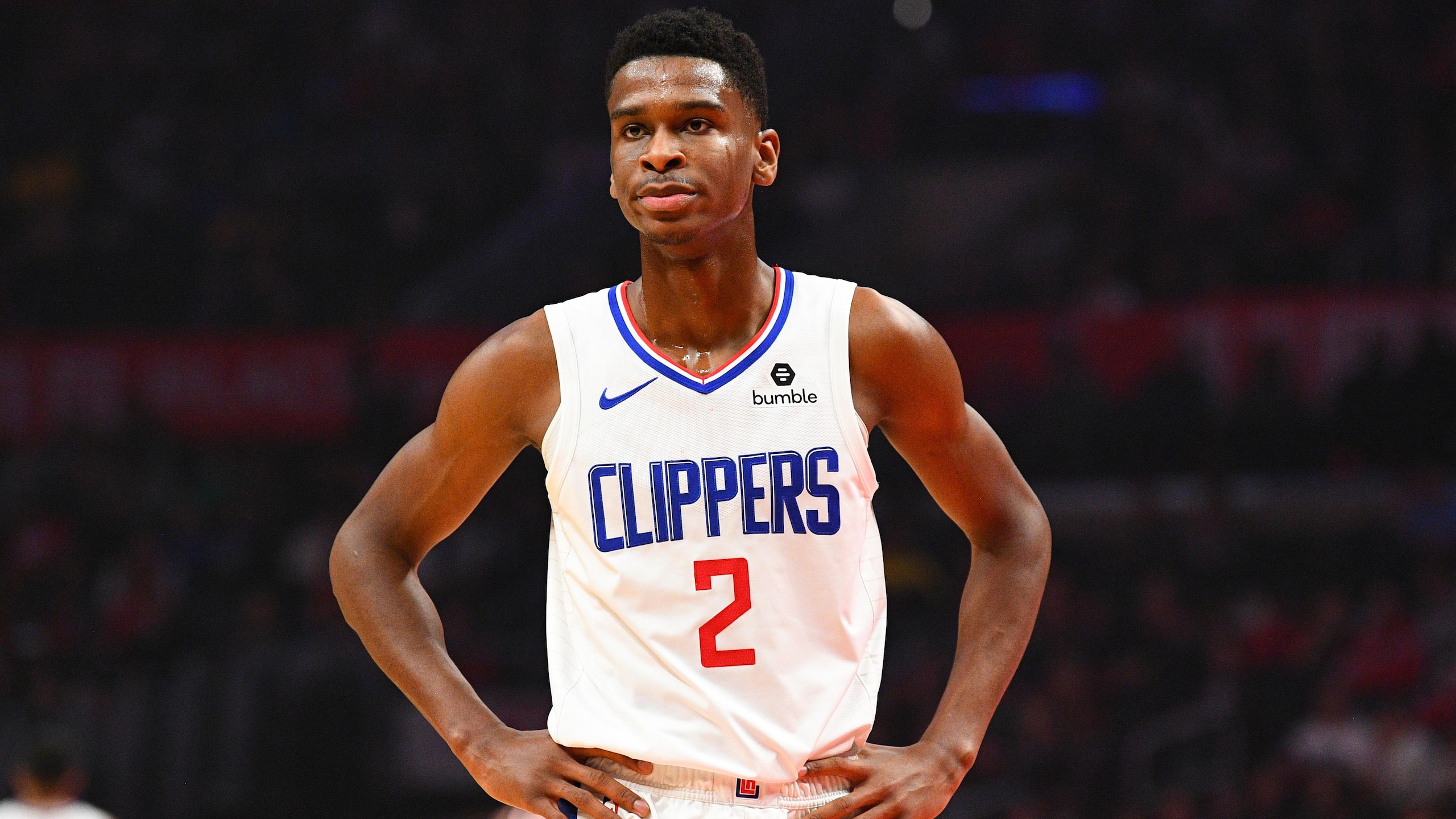
Shai Gilgeous-Alexander has only eight seasons under his belt, so his longevity and career totals pale in comparison to many other players in these rankings. However, he's achieved something that no other one-and-done player ever has—he's won a pair of regular-season MVP awards.
After a relatively quiet first few years in the league, SGA surged to superstar status in 2022-23. During that season, he became the Oklahoma City Thunder's No. 1 option and broke out with 31.4 points, 5.5 assists and 1.6 steals per game while making his first All-Star team, earning his first of four straight All-NBA first-team nods, and finishing fifth in MVP voting.
In the three seasons since that, Gilgeous-Alexander has averaged 31.3 points, 6.4 assists and 1.7 steals per game and won the league's MVP award in both 2024-25 and 2025-26. During each of the past four seasons, he has led the NBA in free throws made (8.3 per game) while shooting 89.0 percent from the charity stripe (up from 80.7 percent on 3.9 made per game in his first four years).
SGA led the Thunder to the franchise's first championship in 2025, averaging 29.9 points, 6.5 assists, 5.3 rebounds and 1.7 steals during their 23-game postseason run. His stellar performance in the Finals earned him Finals MVP, making him just the second player in these rankings to claim that award.
However, the person who stands at No. 1 has a pair of Finals MVPs to his name, not to mention a whole slew of other accolades in a long, illustrious career.
1. Kevin Durant (2007)
17 of 17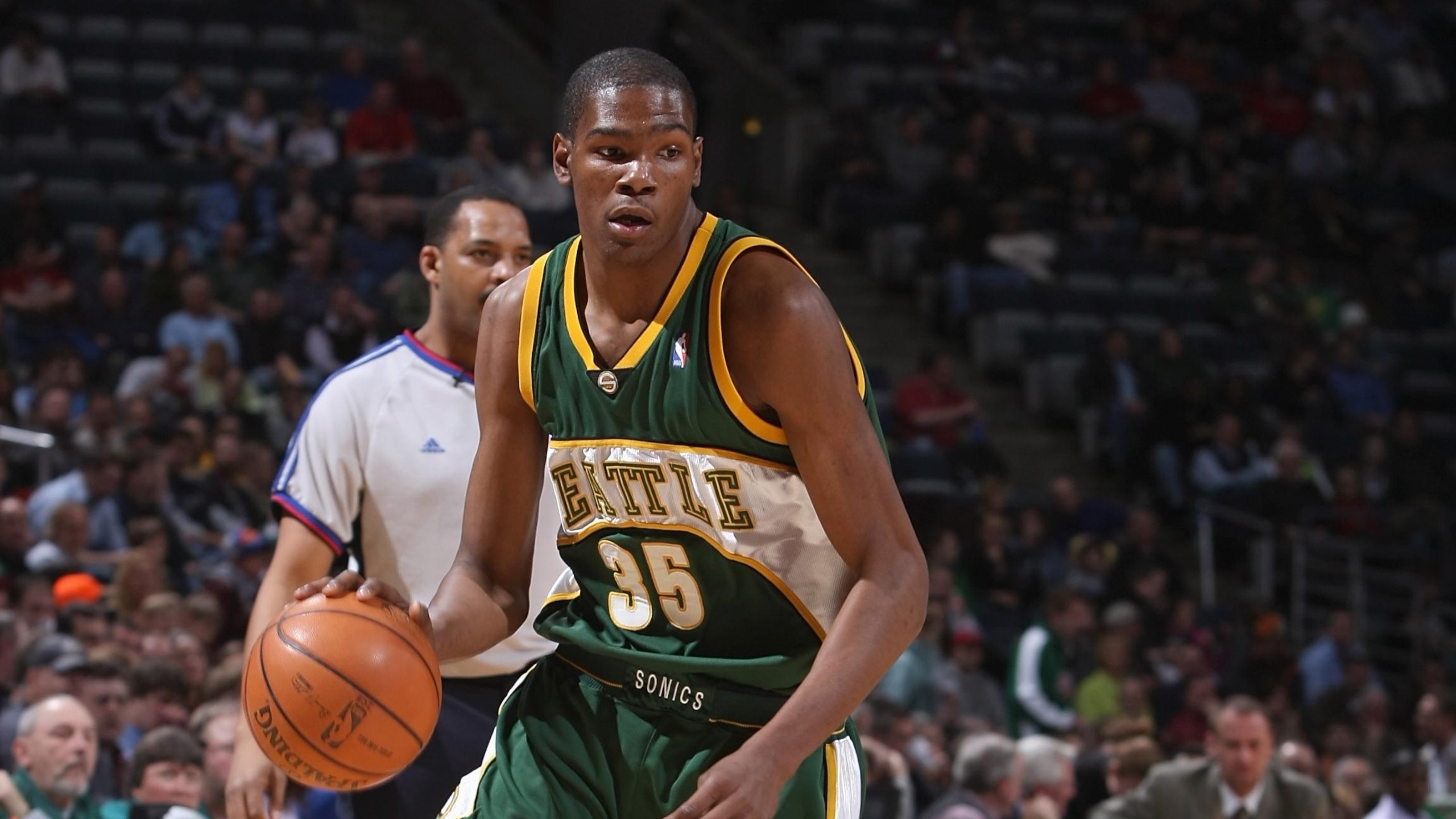
With the benefit of hindsight, it feels preposterous that Kevin Durant wasn't the No. 1 overall pick in 2007. In this exercise, though, that's neither here nor there. What matters here is that after one season at Texas, Durant transitioned to the NBA and became one of the 15 best players ever to play the game.
Playing alongside other all-time greats like LeBron James and Stephen Curry, Durant has more than held his own. The Slim Reaper has established himself as one of the greatest shooters and three-level scorers the game has ever seen, with his 6'11" frame and silky smooth touch presenting opponents with the kind of matchup nightmare that's almost unprecedented in league history.
Durant owns career averages of 27.1 points, 6.9 rebounds, 4.4 assists, 1.1 blocks and 1.0 steals per game over 1,201 games spanning 18 seasons. He's led the league in scoring four times, including 32.0 points per game during his (somehow) lone MVP season in 2013-14, has made 12 All-NBA teams (six firsts, six seconds), and has been selected to 16 All-Star Games. In terms of scoring, KD ranks fifth all-time, and if he follows his career averages, he stands poised to surpass Kobe Bryant for fourth place during the 2026-27 season.
Fourteen of Durant's 18 seasons have included trips to the postseason, and he's led all scorers in points per game five times during those playoff runs. During his first two seasons with the Golden State Warriors, he was dominant throughout their title runs, earning Finals MVP in back-to-back years in 2017 and 2018.
Wherever Durant has played and regardless of the stars on his team, he has always put up monster numbers. He's one of the greatest pure scorers—and hoopers—ever to play the game, and he should remain the gold standard for one-and-done players for a long time.

.jpg?w=2560 "Chiefs, Steelers Eye WR Trades")