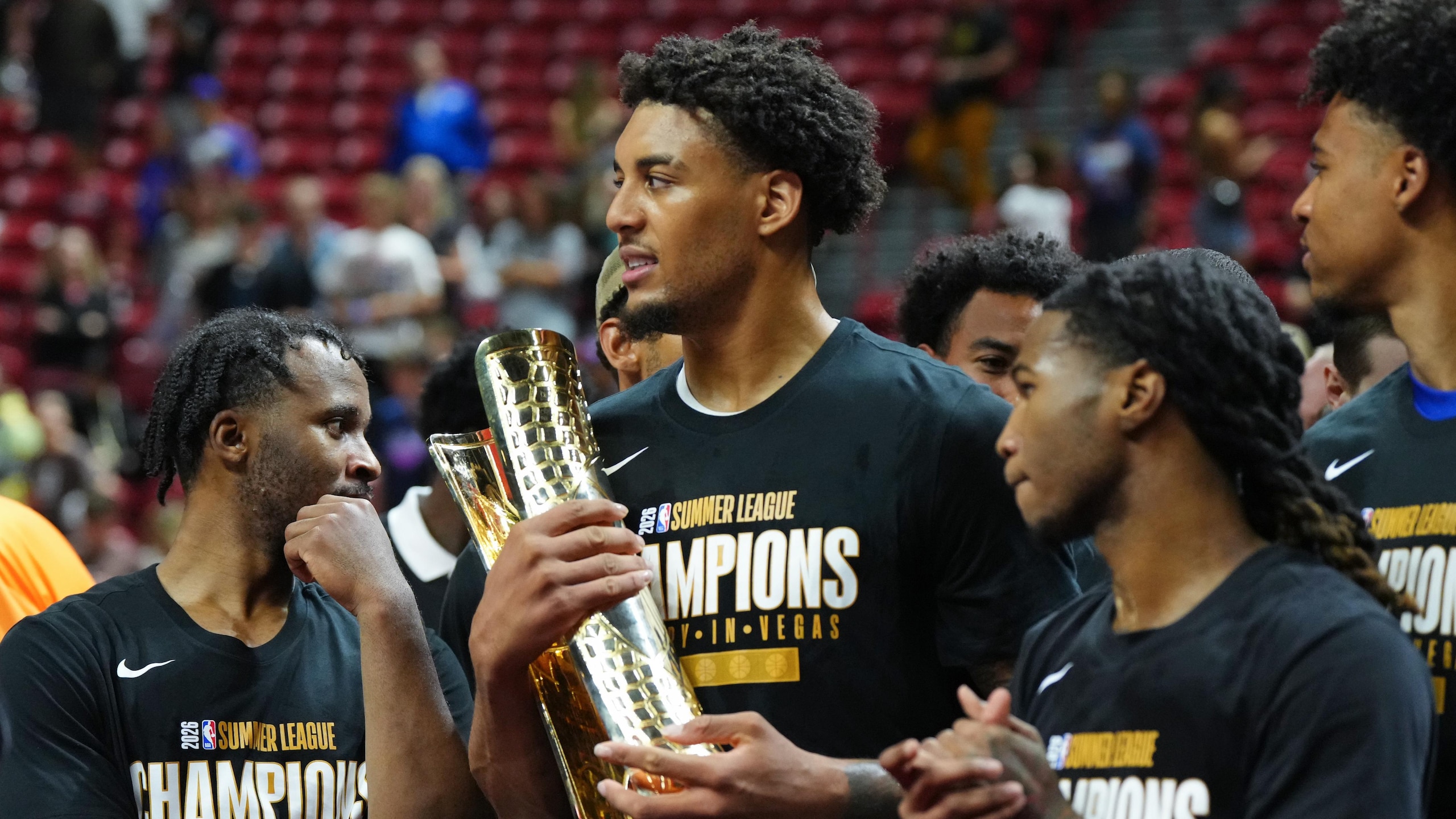

Final Grades for Top 2026 NBA Rookies at Las Vegas Summer League
The final bell—er, buzzer—has sounded.
The 2026 session of NBA summer school is finished.
The games that don't matter, yet maybe reveal things that wind up mattering a lot, are all complete. The Golden State Warriors are your 2026 Summer League champs with prized lottery pick Yaxel Lendeborg adding to his jewelry collection after securing a championship ring with the Michigan Wolverines in April.
While Lendeborg will go down as one of the summer session's prized pupils, which other top picks are deserving of high-letter marks? And did any of the early selections from this highly anticipated class come close to failing under the Las Vegas spotlight?
Let's examine both ends of those extremes and everything in between while updating the letter grades for eight of the top freshman to suit up in Sin City.
For context, these letter grades weigh the prospects against their individual expectations and not against the rest of this freshman field.
Darius Acuff Jr., Sacramento Kings
1 of 8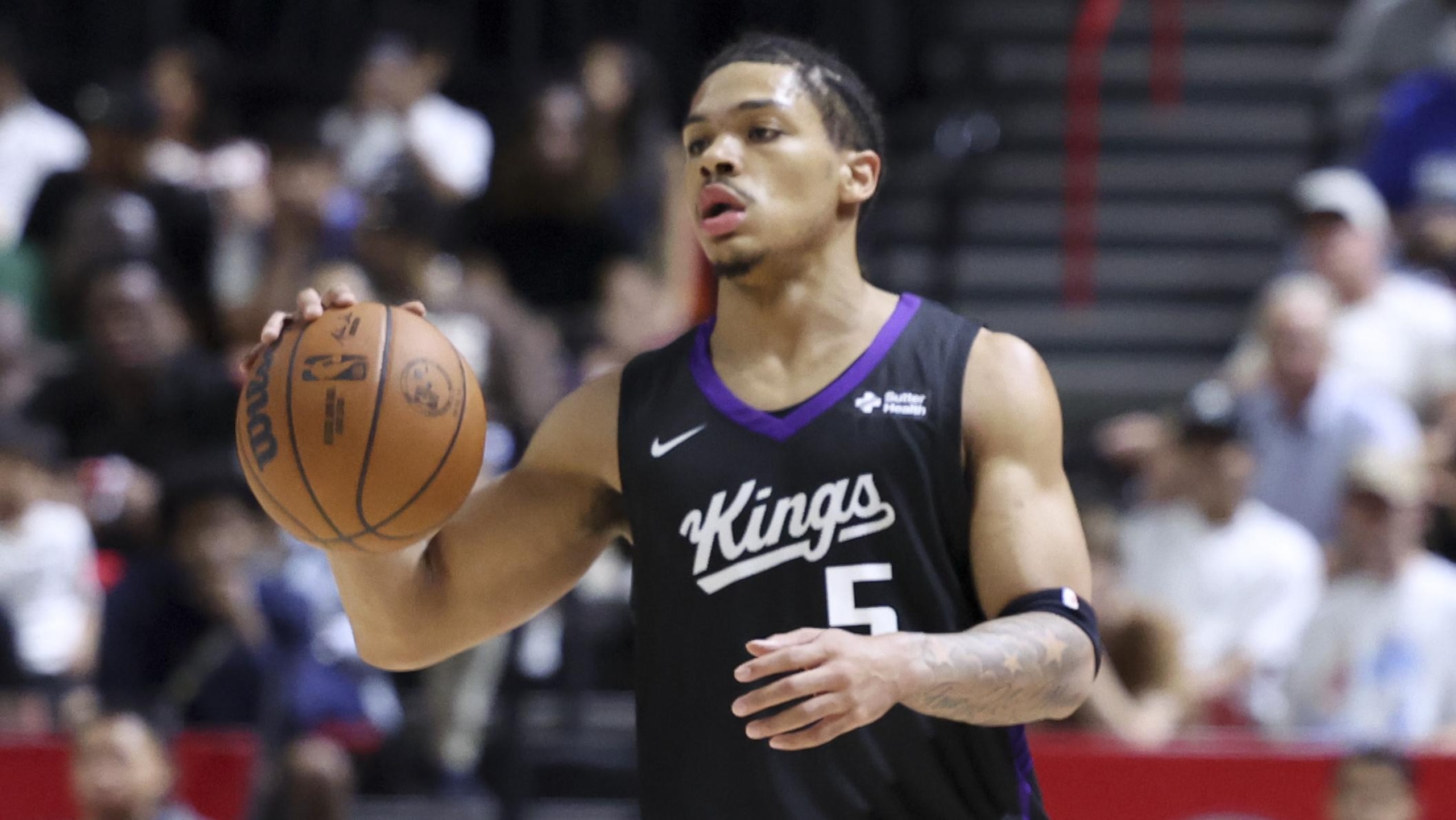
The three-game run in Las Vegas by No. 7 pick Darius Acuff Jr. was largely a mess. Once the Kings finally shut it down, it felt more like they were putting him out of his misery than rewarding him for proving enough.
While he packed a fairly powerful scoring punch (19 points per outing), he labored through a lot of inefficient shooting stretches to get there. In the end, his scoring average barely eclipsed his shots (17.3 per contest), and his slash landed at an unsightly 36.5/26.3/64.3.
It'd be one thing if he had other elements of his game to fall back on, but his entire appeal is built around his offense. His defensive effort raised more than a few red flags, and he almost wiped out all of his 5.3 assists with 4.7 turnovers.
Three summer sessions obviously won't define a career, but his established weaknesses looked glaring, and his strengths weren't nearly powerful enough. His grade gets a minor bump for finishing his Vegas run on a high note (26 points on 50 percent shooting), but even in that game he had as many turnovers as assists (five each).
Grade: C-
Cameron Boozer, Memphis Grizzlies
2 of 8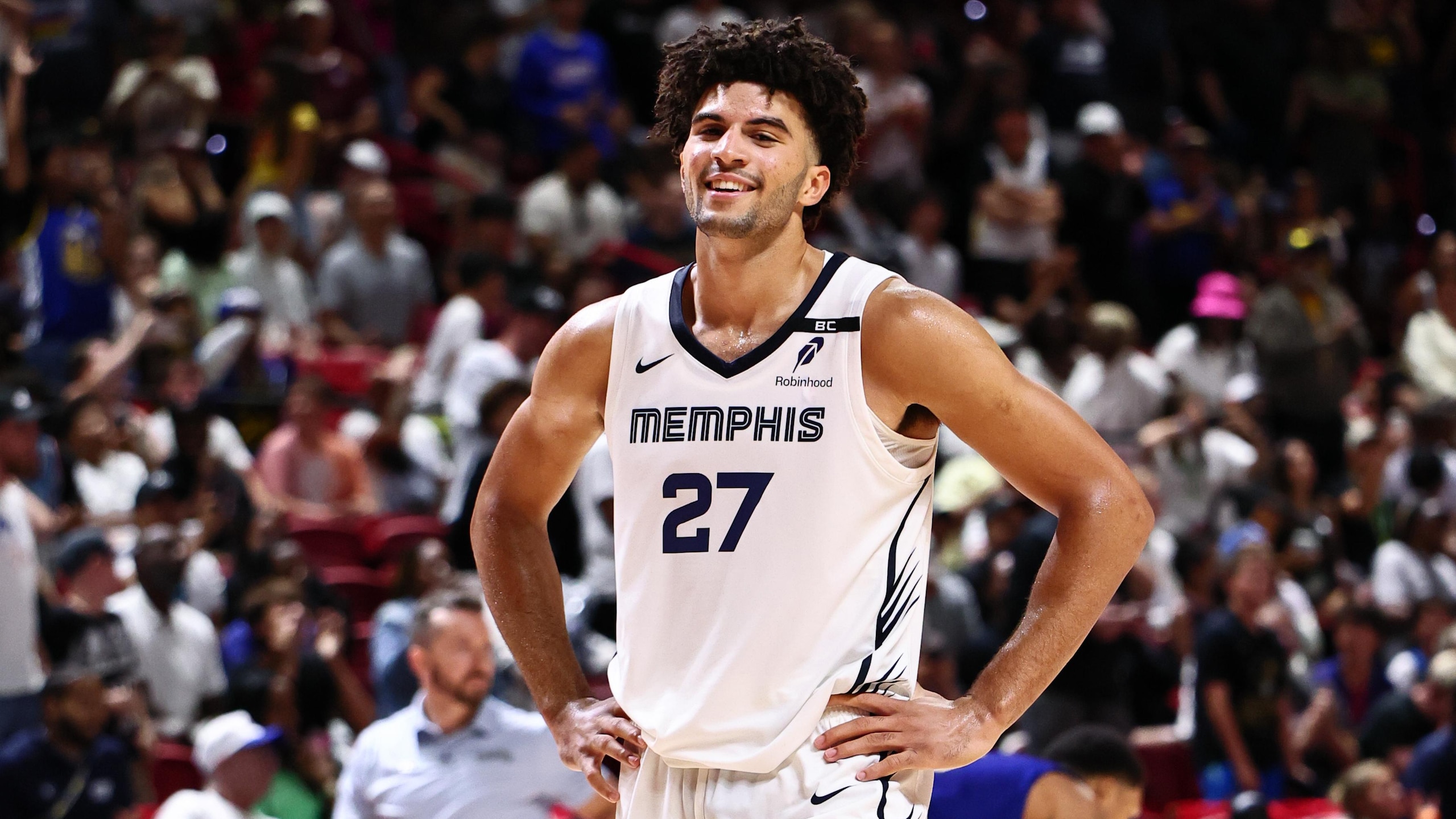
When looking at summer stats, it's rarely easy to tell which are legitimate and which are mere mirages under the desert sun. In the case of No. 3 pick Cameron Boozer, though, this sort of felt like a lot of what Grizzlies fans can expect to see during the regular season.
He didn't go wildly out of his way to fill out his stat line with 18.5 points, 8.0 rebounds, 3.7 assists and 2.1 stocks (steals plus blocks). He found a lot of those numbers within the flow of the game, either orchestrating offensive sets or serving as a play-finisher.
The polish, the production, the poise—these were all expected, and they all translated. He always stayed active on the glass (six-plus boards in every outing) and kept the ball moving on offense (three-plus assists in every game), and he leaned on his instincts to serve as a defensive playmaker.
His shooting rates were maybe the one disappointment (45.2 percent overall, 33.3 percent from three), and he had some trouble against bigger defenders around the basket. By and large, though, he checked the boxes folks wanted to see. And, as per usual, he just found a way to win, helping Memphis reach the championship game in Vegas.
Grade: A
Mikel Brown Jr., Brooklyn Nets
3 of 8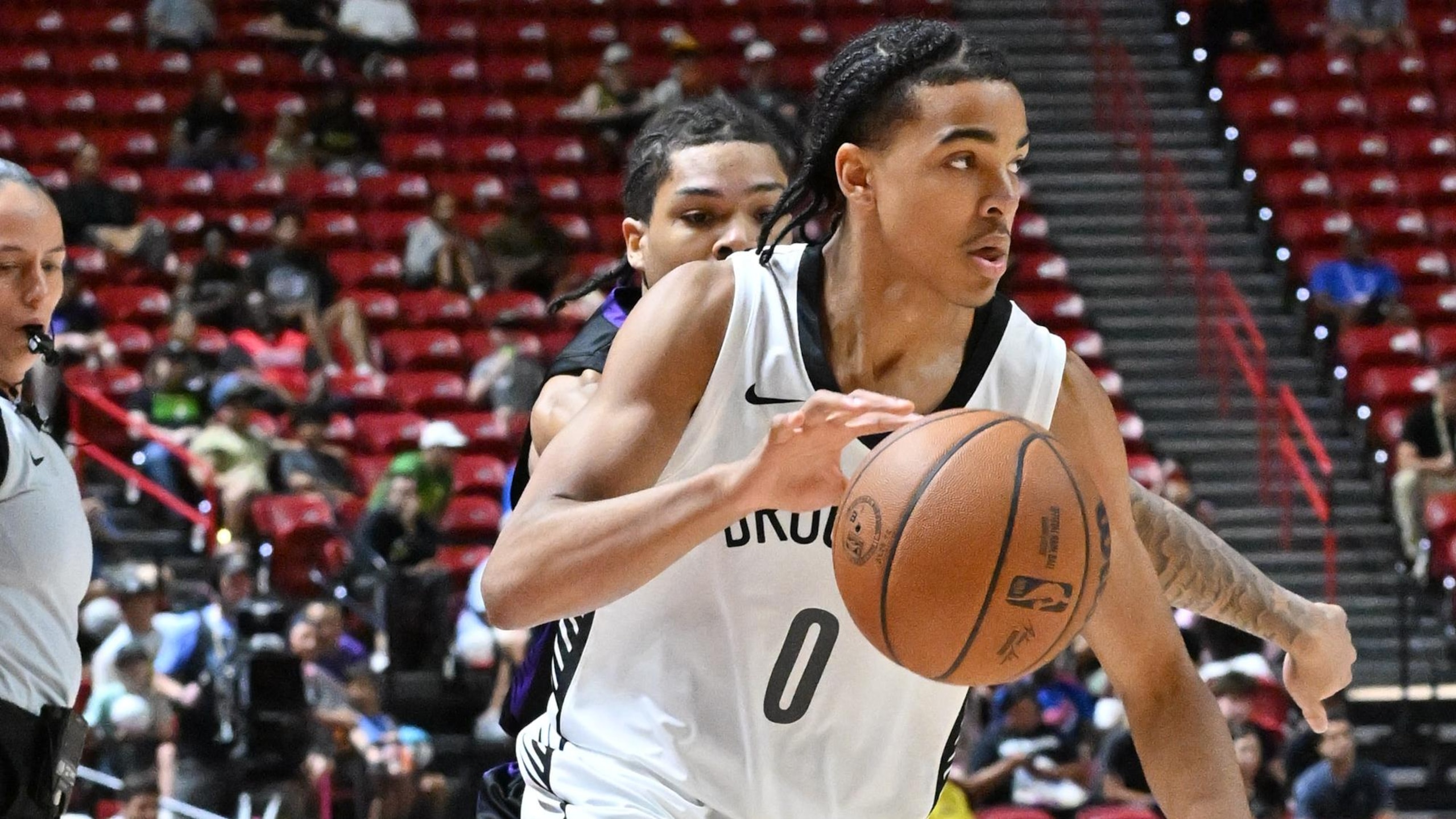
Despite making just three appearances in Las Vegas, No. 6 pick Mikel Brown Jr. had the summer circuit looking a lot like his roller-coaster ride at Louisville. Or, that's the story on the stat sheet, at least.
There, he delivered both impressive highs (20 points on 50/50/100 shooting in his Vegas debut) and worrisome lows (14 points on 15 shots in his finale).
That said, his lone hiccup had as much to do with hyperphysical defense from the Houston Rockets as anything else, so it feels fair giving more credence to the good than the bad. Especially when Brown's good was so easy on the eyes.
Brown is a highlight-waiting-to-happen. That's partly because his unflappable confidence will lead to some wild shot attempts—which look great when they fall—but he's still incredibly intriguing with his handles, shotmaking, vision and defensive effort.
Grade: A-
AJ Dybantsa, Washington Wizards
4 of 8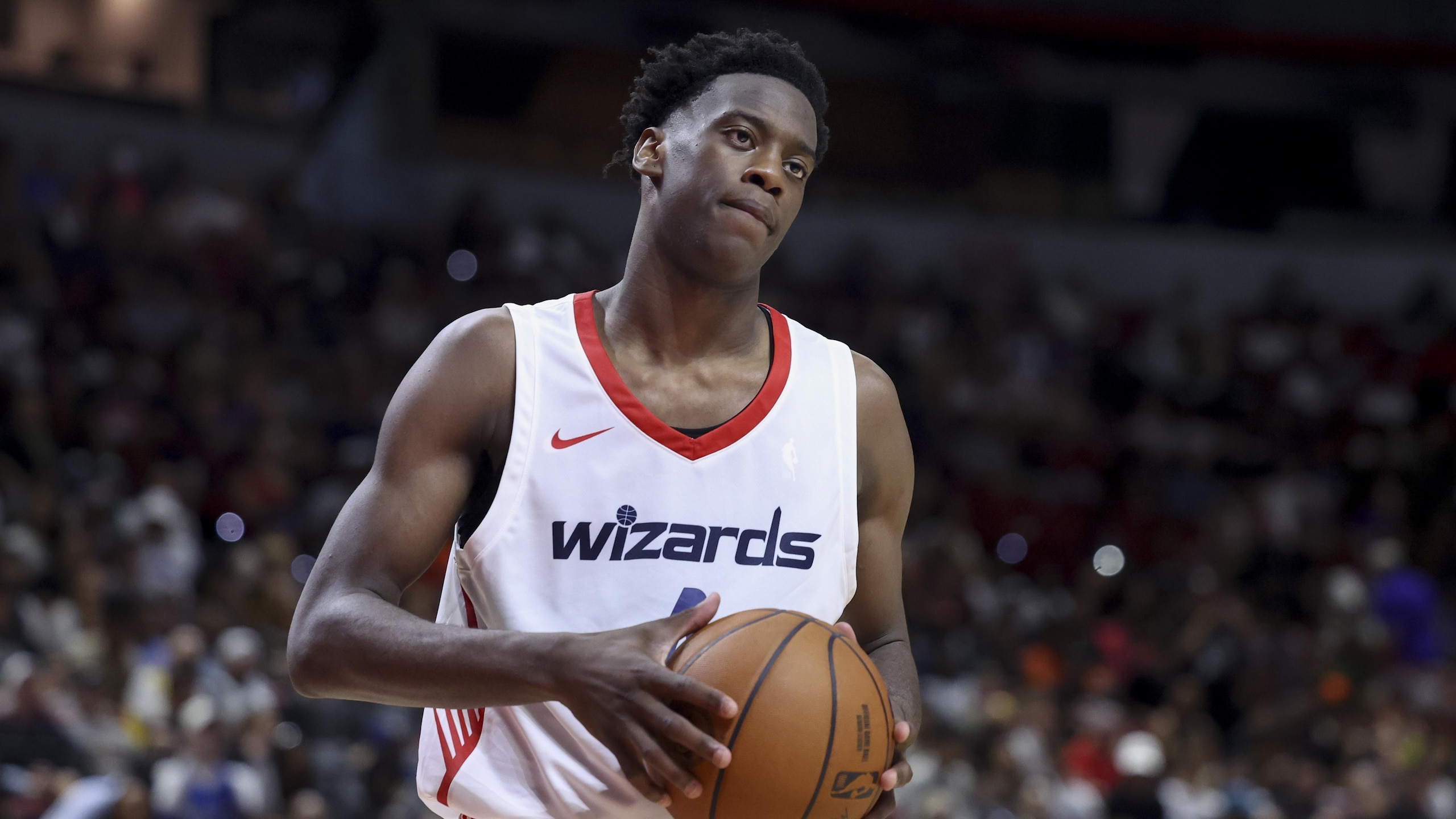
It took all of two games for the Wizards to decide they'd seen enough from top overall pick AJ Dybantsa. While he was aggressive and assertive, he kept his neon-green light from ever approaching recklessness.
While it wasn't a banner showing for his jump-shooting (1-of-11 from three), he still stampeded his way to 25 points a night. Defenders couldn't stay in front of him, and they often couldn't even contain him without committing a foul (14 free-throw attempts).
He handled more on-ball reps than he will with the regular-season Wizards, but he didn't use them as an excuse to settle. Whenever he sniffed out a lane to the rim, he exploded through it.
He also did a great job of putting his elite physical tools to work. He snagged seven defensive boards in both of his outings, and caused enough chaos defensively to tally five steals and three blocks.
Grade: A-
Yaxel Lendeborg, Golden State Warriors
5 of 8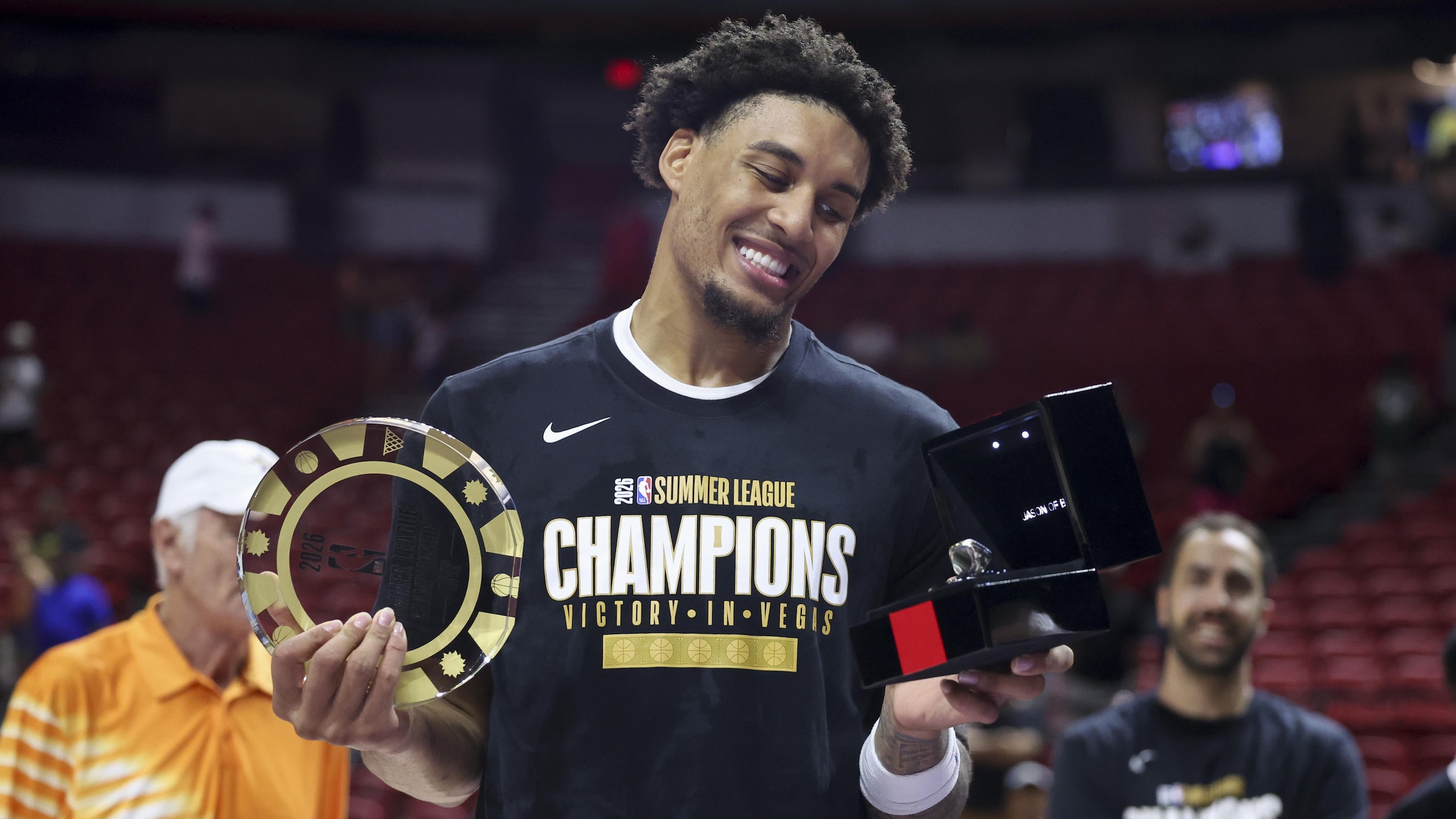
Relative to your typical rookie, Yaxel Lendeborg is ancient: He is 23 years old and will turn 24 before the actual season starts. That the Warriors still made him this summer's 11th overall pick indicates that they trust his ability to make an instant impact.
His starring (see: MVP) role in their title run suggests he might be up to the task.
Even if he is physically more developed than most of his Sin City peers, his skills looked equally a step ahead. There just wasn't a disappointment to be found anywhere along his stat line: 14.8 points on 45.9/35.7/80 shooting, 6.8 rebounds, 4.0 assists (against 2.2 turnovers) and 2.2 stocks.
"If that's the only flaw that you have in the game, is that you're 23, it's like you must be doing something right," Lendeborg told reporters. "I'm going to continue to play every single day with that chip on my shoulder to prove to everybody else that I belong in the NBA, no matter how long it took me. ... I'm here now, and I continue to dominate."
Grade: A
Darryn Peterson, Utah Jazz
6 of 8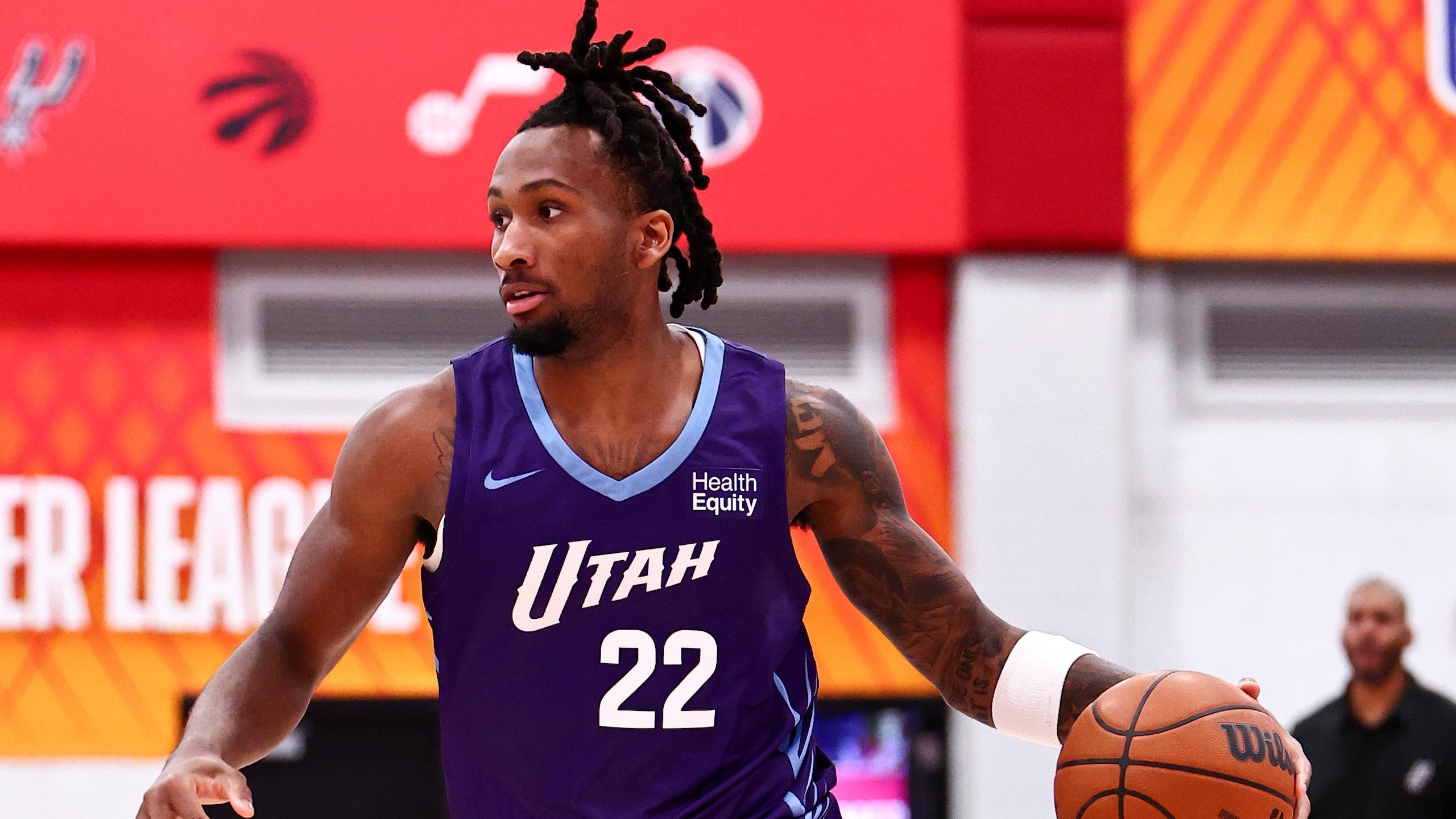
It was a bit of a mixed bag for Darryn Peterson in Las Vegas, but the process felt more encouraging than the production showed. That won't totally salvage this evaluation of the No. 2 pick, but it could mean great things are still in his future.
For now, though, Peterson appeared as advertised, for better and worse. There were flashes of high-end shotmaking and some intrigue with his ball-handling, but he definitely didn't quarterback the game like a natural point guard (12 assists against 14 turnovers), and his drives didn't always probe as deep as you'd like.
That last part felt especially frustrating when you saw the way he could punctuate those penetrations that actually went all the way to the basket.
Numbers don't always tell the entire story, but if they did, Peterson's would read as pretty grim. Besides the aforementioned turnover trouble, he also needed a lot of volume to average his 20.3 points while shooting just 30.8 percent from the field and 23.1 percent from range.
Grade: C+
Keaton Wagler, Los Angeles Clippers
7 of 8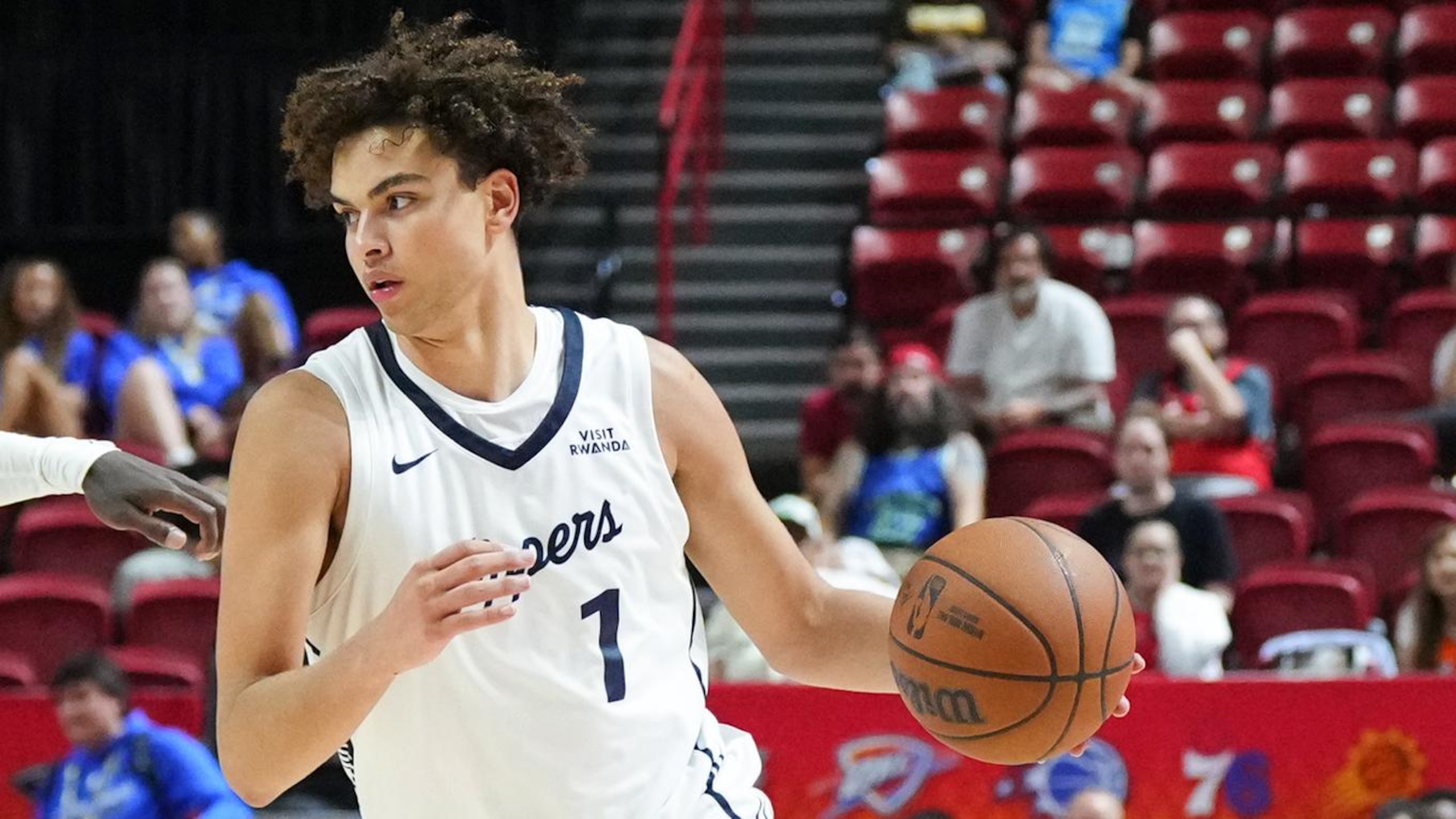
Alarm sirens blared as loudly for Keaton Wagler as they did for any high-profile player in Las Vegas. Some of that concern was warranted; his struggles to gain separation really make you wonder how he'll handle the physicality of the NBA.
Then again, this was never going to be the most favorable setting for this year's No. 5 pick. Intangibles are inherently tricky to spot, especially in an environment with hastily thrown-together rosters and a host of players all trying to make a name for themselves.
That won't forgive all of Wagler's missteps—he shot just 38.6 percent overall and 33.3 percent from range—but it does help soften the blow. And his evaluation score is obviously going up (had a C-minus the first time around) after perking up his production with more exposure. His last impression was the most encouraging, as he closed out his Vegas run with 26 points on 9-of-19 shooting (4-of-5 at the line).
He leaves Sin City with some clear question marks (mostly tied to his physical tools), but there are encouraging signs, too. This obviously wasn't the calamity it seemed it might be after his seven-point debut, but it wasn't exactly breakout material, either.
Grade: C
Caleb Wilson, Chicago Bulls
8 of 8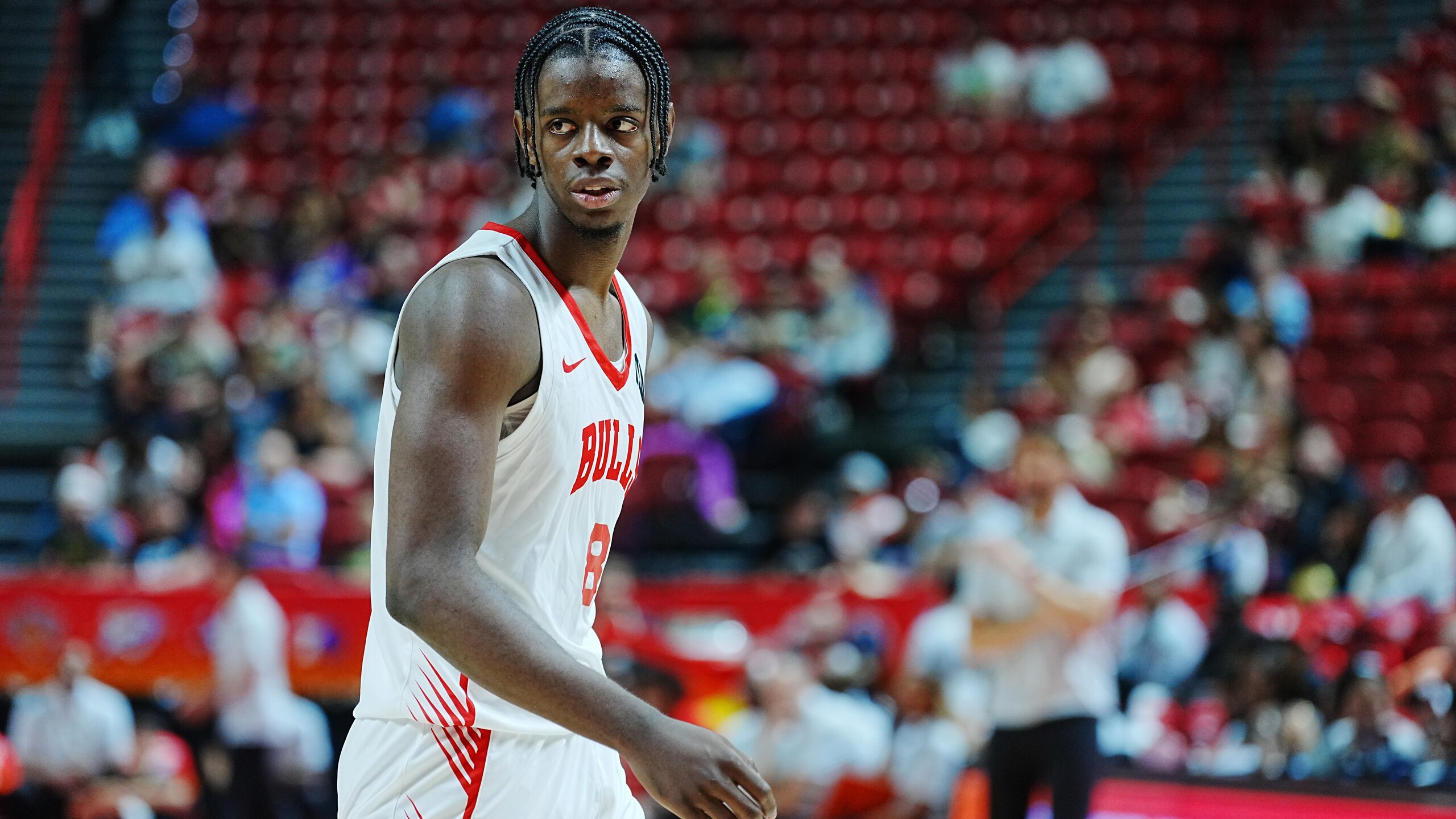
Had the Bulls given No. 4 pick Caleb Wilson an early hook, he may have exited this event with an A-plus.
His first two outings were among the loudest in Las Vegas. He piled up 54 points, 10 three-pointers (52.6 percent) 12 stocks in those tilts, highlighting the explosive athleticism everyone knew he had and hinting at much more shotmaking ability than anyone knew he possessed.
It speaks to how dominant he was in those games that you can still feel a tad let down by his final two showings, in which he averaged 20 points and eight boards. That said, his three-ball regressed in a big way (25 percent), and his defensive playmaking tailed off (three total stocks), so there were a few wishes that went ungranted.
Still, he is leaving Las Vegas as one of the league's biggest winners. He'll need to keep working on that perimeter shot, add some bulk and better contain his aggressiveness (21 turnovers), but the outline of a two-way star is clearly evident.
Grade: A


.png?w=2560 "Shocking CFB Top 25 Shakeup 🔢")
.png?w=2560 "Week 6 Winners & Losers 📊")
.jpg?w=2560 "Cardinals Finalizing MHJ Trade")
.jpg?w=2560 "Grading Wild MITB PLE 😮💨")
.jpg?w=2560 "DK Shades Sauce Gardner 👀")
.jpg?w=2560 "Report: Cowboys Open to More Trades")