


Thanks to a rapidly rising salary cap, the 2026 NHL offseason was always going to be an expensive one for the league's 32 teams.
It was also likely to be a risky one, given the amount of money teams had at their disposal and the general lack of high-end talent hitting the unrestricted free-agent market.
There is always a risk when it comes to spending big in free agency, and this offseason was only going to multiply that.
Even in a rising salary-cap environment, teams still have to be smart about how they spend their money.
So let's take a look at some of the biggest overpays in the NHL offseason to date.
We are taking into account not only unrestricted free-agent moves but also re-signings with current teams and restricted free agency.
Something to keep in mind here: Not all overpaid players are bad players, and not all overpays are necessarily bad ideas.
There are variables at play that can sometimes make it worth it, or even a necessity.
6. Leo Carlsson, Philadelphia Flyers/Anaheim Ducks
1 of 6
Signing: 5 years, $90 million ($18 million per season); Restricted free agent offer sheet by Philadelphia Flyers
This is one of those overpays that isn't necessarily a bad idea or a bad overpay.
I get why the Philadelphia Flyers signed Leo Carlsson to a five-year, $90 million offer sheet in restricted free agency and why the Anaheim Ducks are likely to match it.
From a Flyers' perspective, this was an opportunity to land a young, franchise-level player they would have never been in a position to draft anytime soon. He also fits in with the other players in their young core (specifically Matvei Michkov and Porter Martone) and can help fill the No. 1 center void they have on their roster.
The only way they even have a chance at a player like this is to overpay in restricted free agency.
Is Carlsson an $18 million-per-year player, and will he be one in the coming years? Probably not. And that, by definition, makes it an overpay. But it's still a smart move. It's still a move that is likely to pan out. If you are going to overpay for a player, it is better to overpay for a top-line player at the top of the lineup, because they will still give you big-time value and impact.
It is the overpays in the middle and bottom of the lineup that hurt teams. This is not that.
The big reason the Ducks have been so quiet this offseason is so they could protect themselves and potentially match any offer sheet. They are being tested.
5. Alex Tuch, Washington Capitals
2 of 6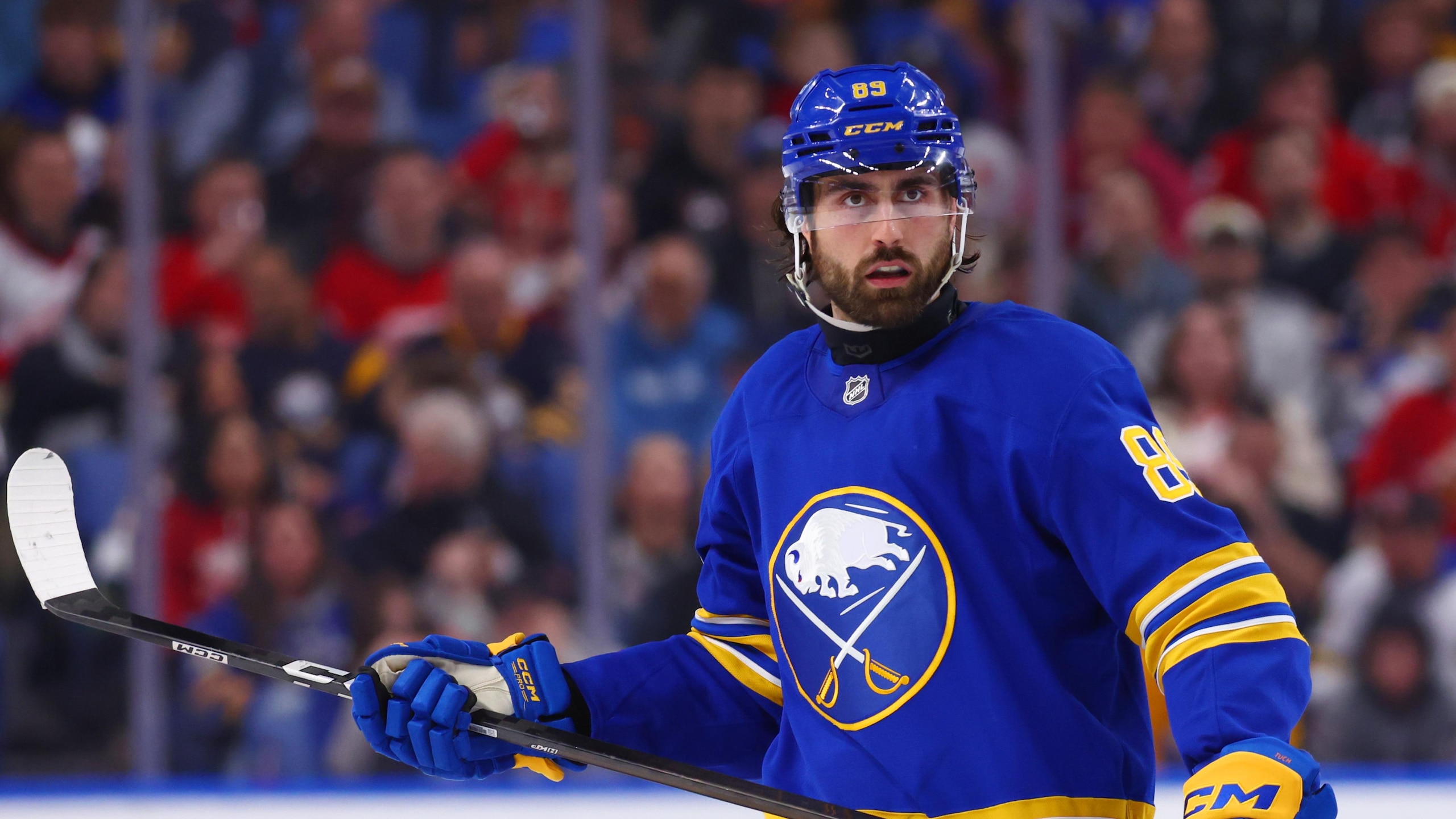
Signing: 8 years, $84 million ($10.5 million per season)
Another potential overpay that might make some sense, at least in the short term.
Tuch fills a major need for the Capitals and gives them another top-line goal-scorer who can generate offense off the rush. Combined with the trade for Jordan Kyrou, the Capitals have added two bona fide top-line players to their lineup and should have done enough to get themselves back into a playoff spot this season and perhaps even be a sleeper contender.
The risk, as well as the overpay, is simply in the term.
Maybe Tuch gives the Capitals $10.5 million in production over the next two, three, or even four years. It would not be a shock if he did. Or at least close to it. But giving a 30-year-old, non-superstar winger an eight-year term for $10.5 million a year is a massive, massive risk. The second half of that contract could look really ugly.
If the Capitals win something in the first half, nobody in Washington will (or should) care. But the pressure is on to win to make it all worth it.
4. Rasmus Andersson, Vegas Golden Knights
3 of 6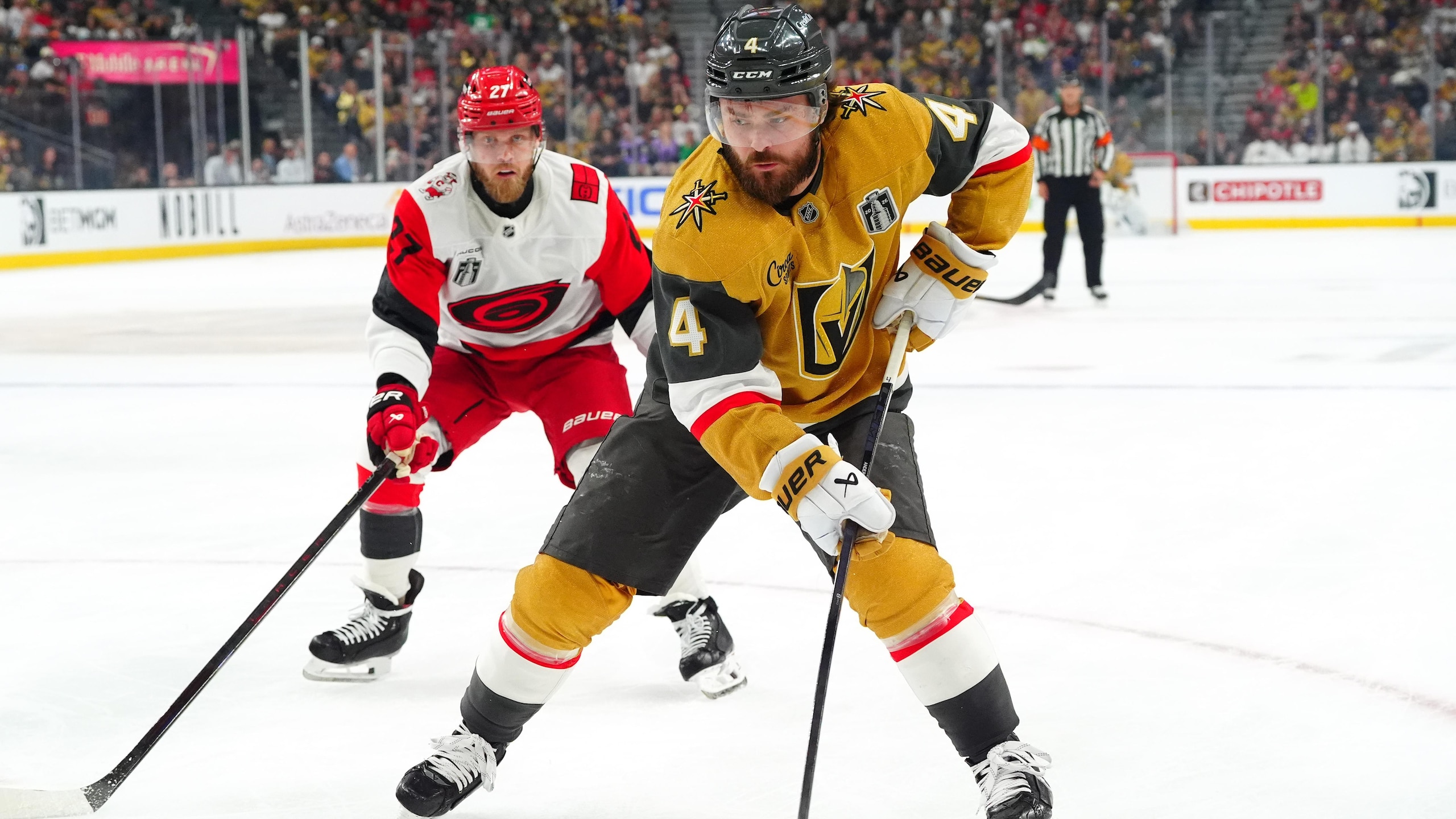
Signing: 7 years, $59.5 million ($8.5 million per season)
Vegas' decision to re-sign Andersson is right on the line between "could be good for a couple of years," and "this just isn't going to work out at all."
If you look at Andersson's 2025-26 offensive numbers, he had a great year. And offensively, he had a great year with 17 goals and 47 points, making him one of the better unrestricted free-agent prospects heading into the open market.
But his defensive impact and possession-driving ability have taken a big step backwards in recent years, and he will be 30 this season and just starting a new seven-year contract.
He played better after getting to Vegas, but he also played in more favorable situations and had some more sheltered minutes than he did in Calgary. But do you really want a defenseman on a seven-year, $59.5 million contract to need sheltered minutes to push play and make an impact?
.jpg?w=2560)

.jpg?w=2560)
3. Bowen Byram, Chicago Blackhawks
4 of 6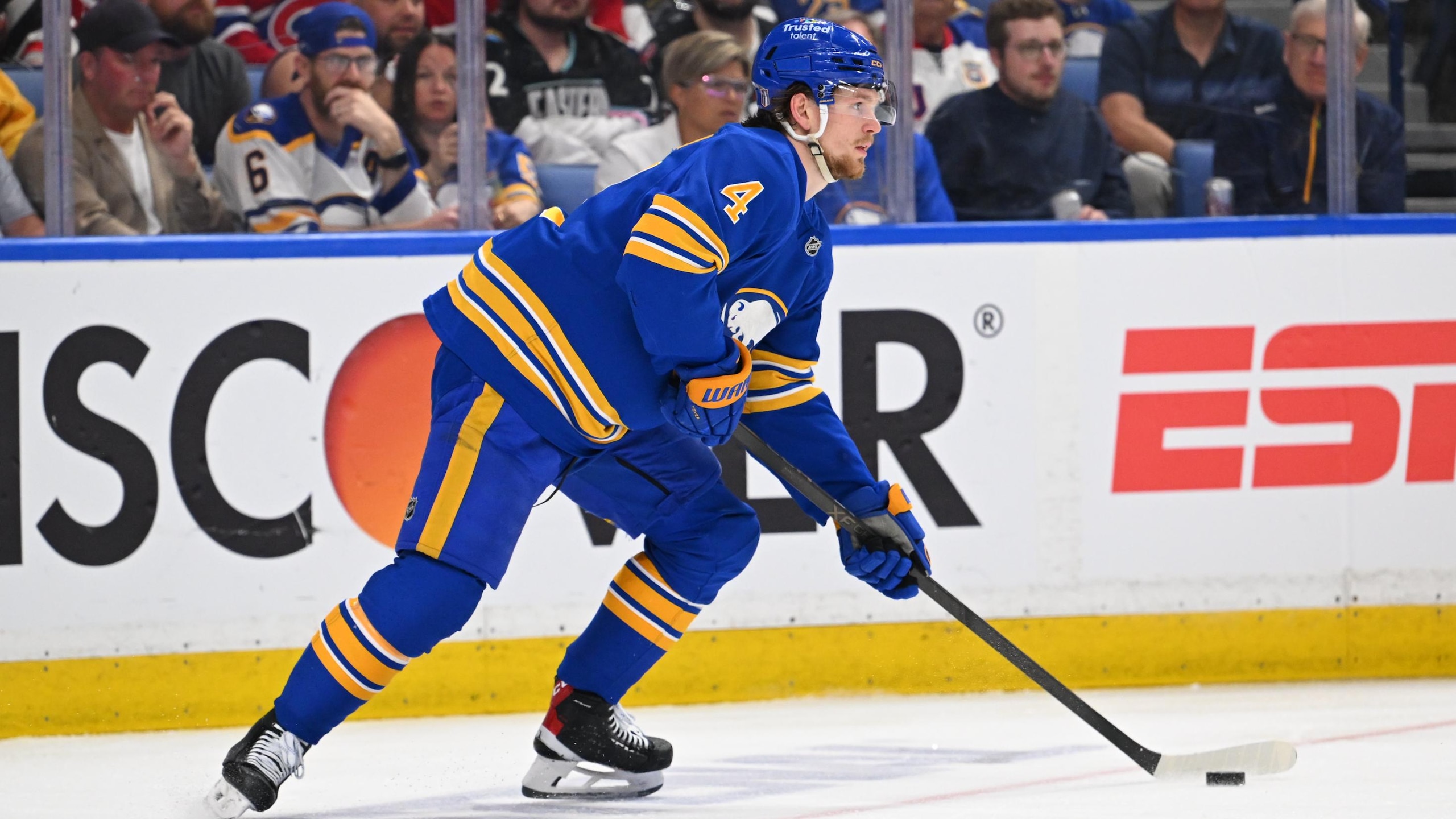
Signing: 6 years, $75 million ($12.5 million per year)
The Chicago Blackhawks trade, and contract, for Bowen Byram might be the most surprising series of moves this offseason...and the most unbelievable.
It is not just that the Blackhawks traded the No. 4 and No. 45 overall picks (plus a prospect) for him. It is also the fact that they immediately re-signed him to a six-year, $75 million contract with a $12.5 million salary cap number per season, making him one of the highest-paid defensemen in all of hockey.
It is a move and a contract that may not age well.
It might also turn into a "good player, bad contract" sort of situation. Those are common.
There is no question Byram will improve a Blackhawks defense that is one of the worst in hockey, and he can bring some scoring punch to that group. But for that price, both in terms of draft pick capital and future salary-cap space, the Blackhawks are going to need him to be a legitimate No. 1 defenseman, and they are going to need it right away.
The problem is that Byram has never really shown he is that level of player on a consistent basis, and if he had, he probably would not already be on his third team. He still needs significant improvement to reach that level, and Chicago is paying him like a player who is already there.
If there is a silver lining for Chicago, it is that it has enormous cap space to work with in the coming seasons due to the lack of long-term commitments on the roster. The Blackhawks might have been able to afford the risk, but it remains a major one.
2. Pavel Mintyukov, Anaheim Ducks
5 of 6
Signing: 5 years, $36 million ($7.2 million per year)
The Ducks allowed themselves to get into a major salary cap crunch with their young players. Which is astonishing when you realize how much salary cap space they entered the offseason with.
First, they allowed Leo Carlsson to put himself in a position to sign a five-year, $90 million offer sheet with the Philadelphia Flyers. If the Ducks match it, they are on the hook for an $18 million-per-year salary that will eat up a lot of their salary cap space.
They still have Cutter Gauthier out there, who is a restricted free agent (not eligible for an offer sheet) and in need of a new long-term contract. It is not going to be cheap.
All of that led to the threat that defenseman Pavel Mintyukov would sign an offer sheet of his own, forcing the Ducks' hand into giving him a five-year, $36 million contract extension with a $7.2 million salary cap number per year.
If there is something positive to take away from this, it is the reality that general manager Pat Verbeek will not be able to drag these negotiations out until the start of the regular season, as he has with some of his past restricted free agents. The trade-off is that he had to overpay everybody and is still facing the possibility of losing one of them (Carlsson).
Mintyukov has talent, potential and age (22) all on his side, but the early results in his career from an on-ice performance perspective leave a lot to be desired. It is a definite overpay for now, but unlike Carlsson there is not as much evidence to suggest that he will still be worth it long-term.
1. Jacob Trouba, San Jose Sharks
6 of 6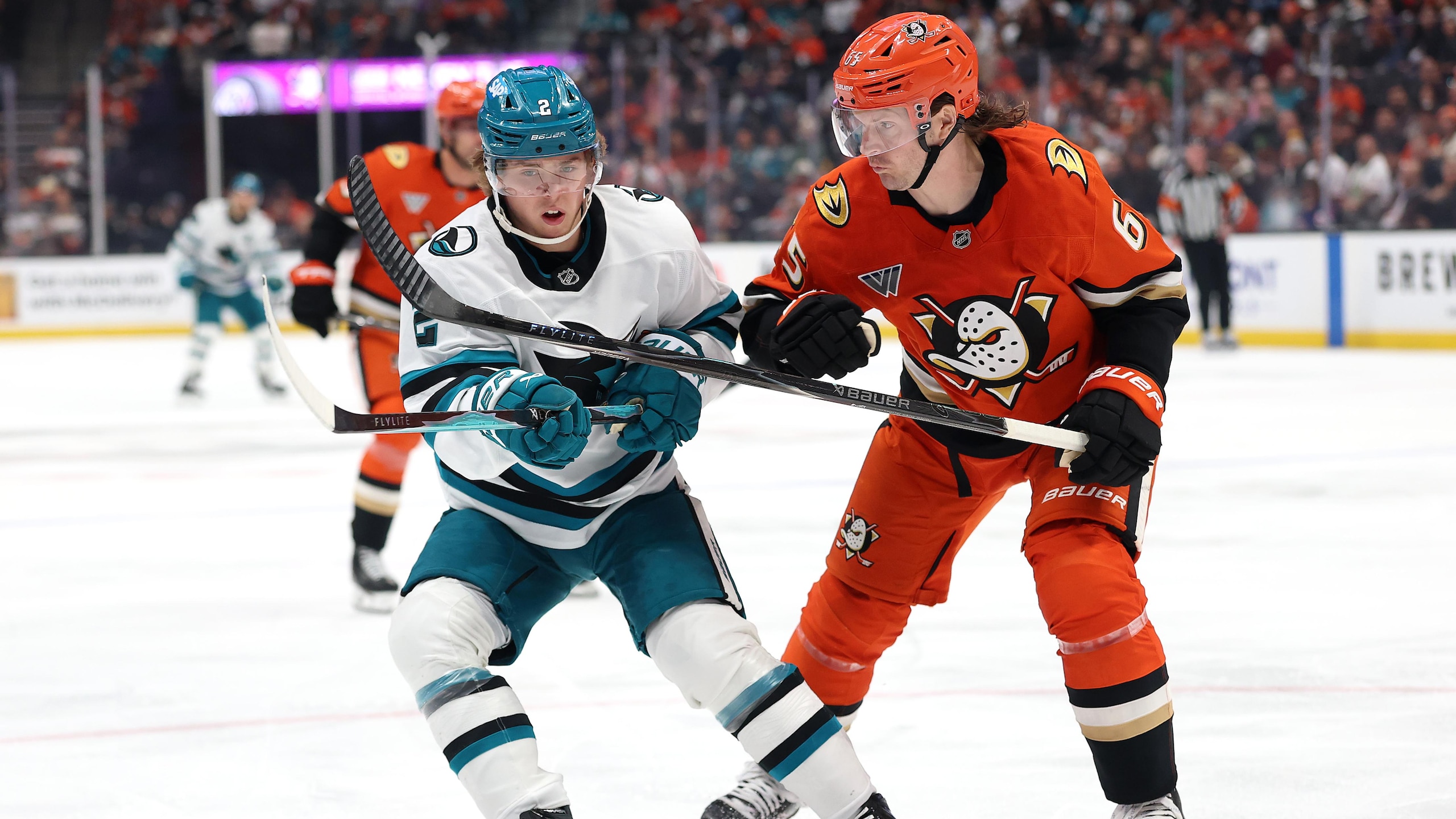
Signing: 4 years, $33 million ($8.25 million per season)
This is one of the most confounding signings and moves of the offseason.
Yes, the Sharks needed defensive help, both in terms of production and just having enough NHL-caliber players to fill out the unit.
Trouba also rebuilt some of his value in Anaheim and played better than he did at times with the New York Rangers.
But he is going to be 33 years old, still struggles to move the puck and keep play away from his end of the ice, and can at times be a liability defensively and with some of the penalties he takes.
What makes the signing even more bizarre is that the Sharks acquired a better version of Trouba in Darnell Nurse from the Edmonton Oilers, giving them a veteran, physical defenseman on a bad contract.
Adding Trouba along with Nurse just seems redundant and doubling down on the exact same type of flawed player. Now they have $17 million tied into Nurse and Trouba over the next four years. It not only does little to improve the quality of the defense, but it also puts a dent in their salary-cap situation.
-(1)_0.jpg?w=2560 "Bleacher Report")
.jpg?w=2560 "Aiyuk Slammed by Ex-Teammates 😬")
.jpg?w=2560 "Report: Eagles to Sign Cowboys QB")
.jpg?w=2560 "Josh Jacobs Can Play in Week 7")




.jpg?w=2560 "Ranking Tarik Skubal's Top Landing Spots 🛬")
