

There were a lot of good moves made by teams going into and during the 2025-26 NHL season that completely changed the path of the league.
There were also many bad decisions that completely changed the league's path.
Today, we are going to focus on the latter group and look back at some of the worst decisions teams made this past season. Those decisions affected how far a team might have gone in the playoffs, whether it made the playoffs, and could still have an impact going into the 2026-27 season.
So let's go back and take a closer look at some of the worst decisions that teams made during the 2025-26 season.
Edmonton Oilers Trade for Tristan Jarry
1 of 8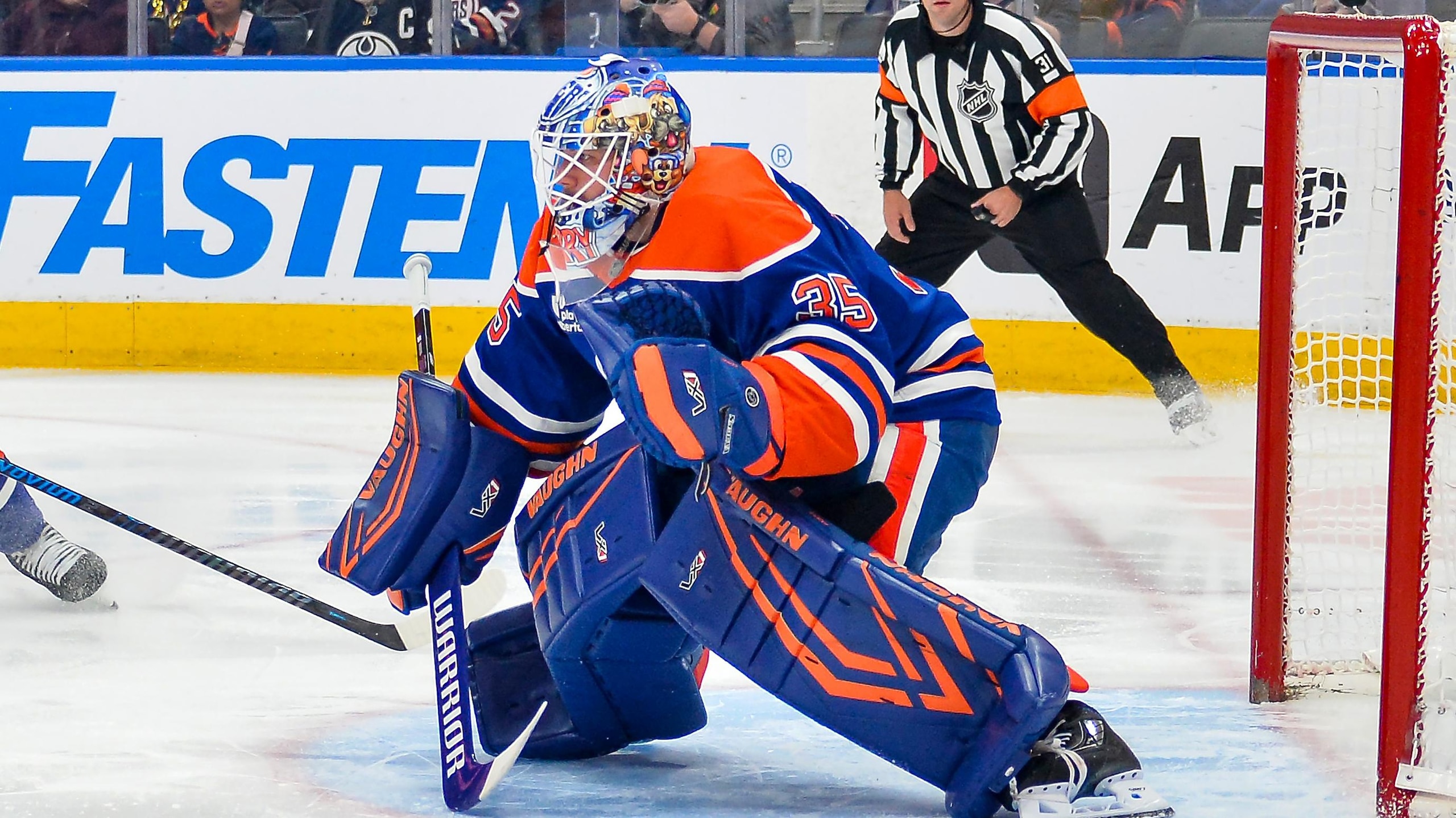
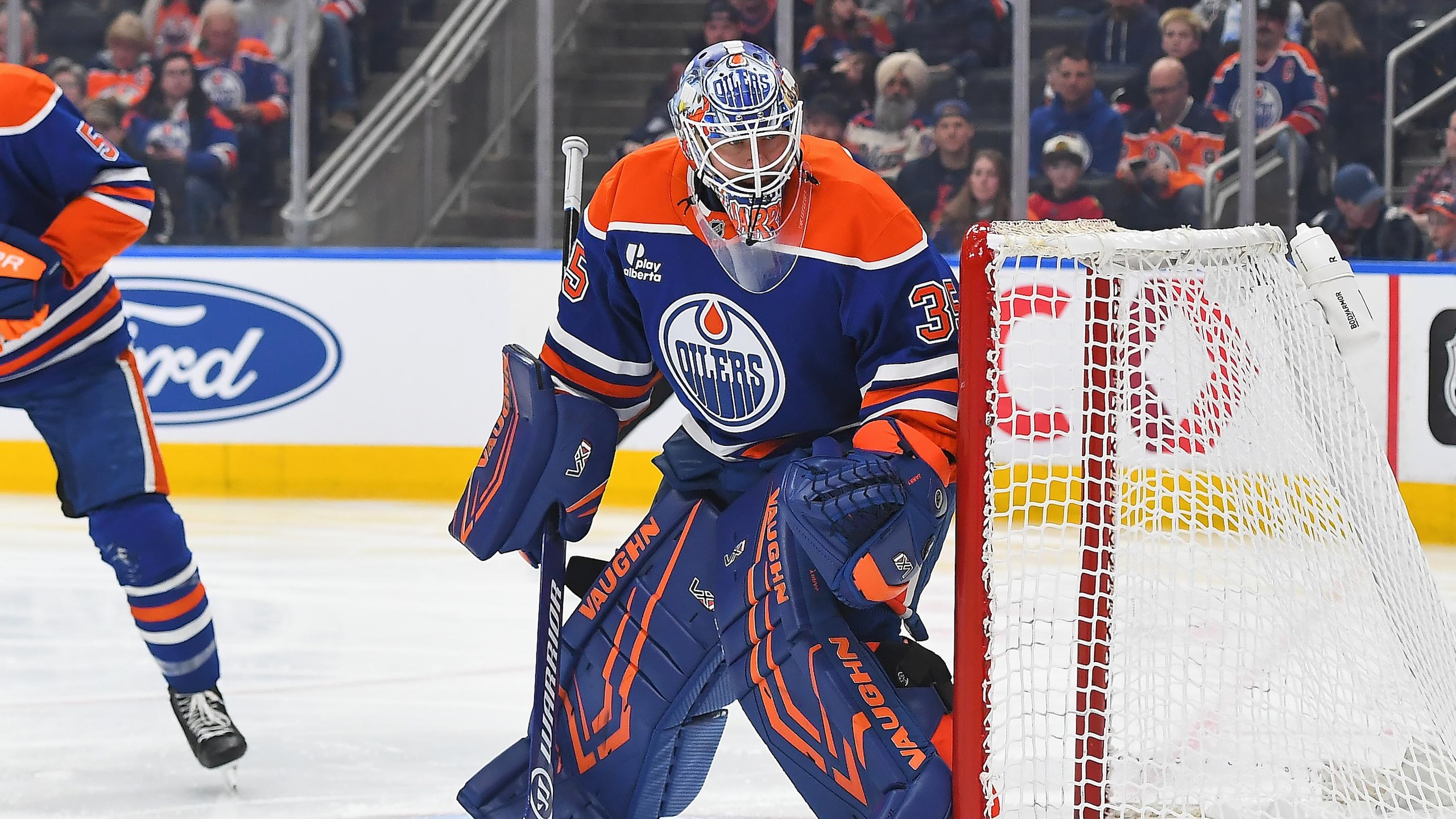
Goaltending has been an Achilles heel for the Oilers for more than a decade now, and they do not seem to have any plan or idea on how to fix it.
Their serious attempt during the 2025-26 season was to trade for former Pittsburgh Penguins goalie Tristan Jarry, believing that his early-season turnaround was a sign of improved, more consistent play, not just a random blip that would be short-lived.
Not only did the Oilers take that bet in acquiring Jarry, but they also took on all of his remaining salary ($5.375 million salary cap number for the next two seasons) and gave up actual assets in defenseman Brett Kulak, goalie Stuart Skinner and a 2029 second-round draft pick.
The Penguins eventually flipped Kulak to the Colorado Avalanche for defenseman Sam Girard and another future second-round pick, while Skinner ended up outplaying Jarry for the remainder of the season.
Jarry struggled so much after the trade that he ended up losing his starting net, while the Oilers signed Frederik Andersen in free agency this offseason. He was minus-4.1 in goals saved above expected for the entire season and was all the way down minus-11.1 over the final 20 games of the regular season.
His save percentage dropped from .909 at the start of the season with the Penguins, all the way down to .857 with the Oilers.
His career has been mostly defined by wild inconsistency and struggling in the biggest moments. It was a poor decision from the moment Oilers general manager Stan Bowman picked up the phone.
Anaheim Ducks Didn't Sign Leo Carlsson Sooner
2 of 8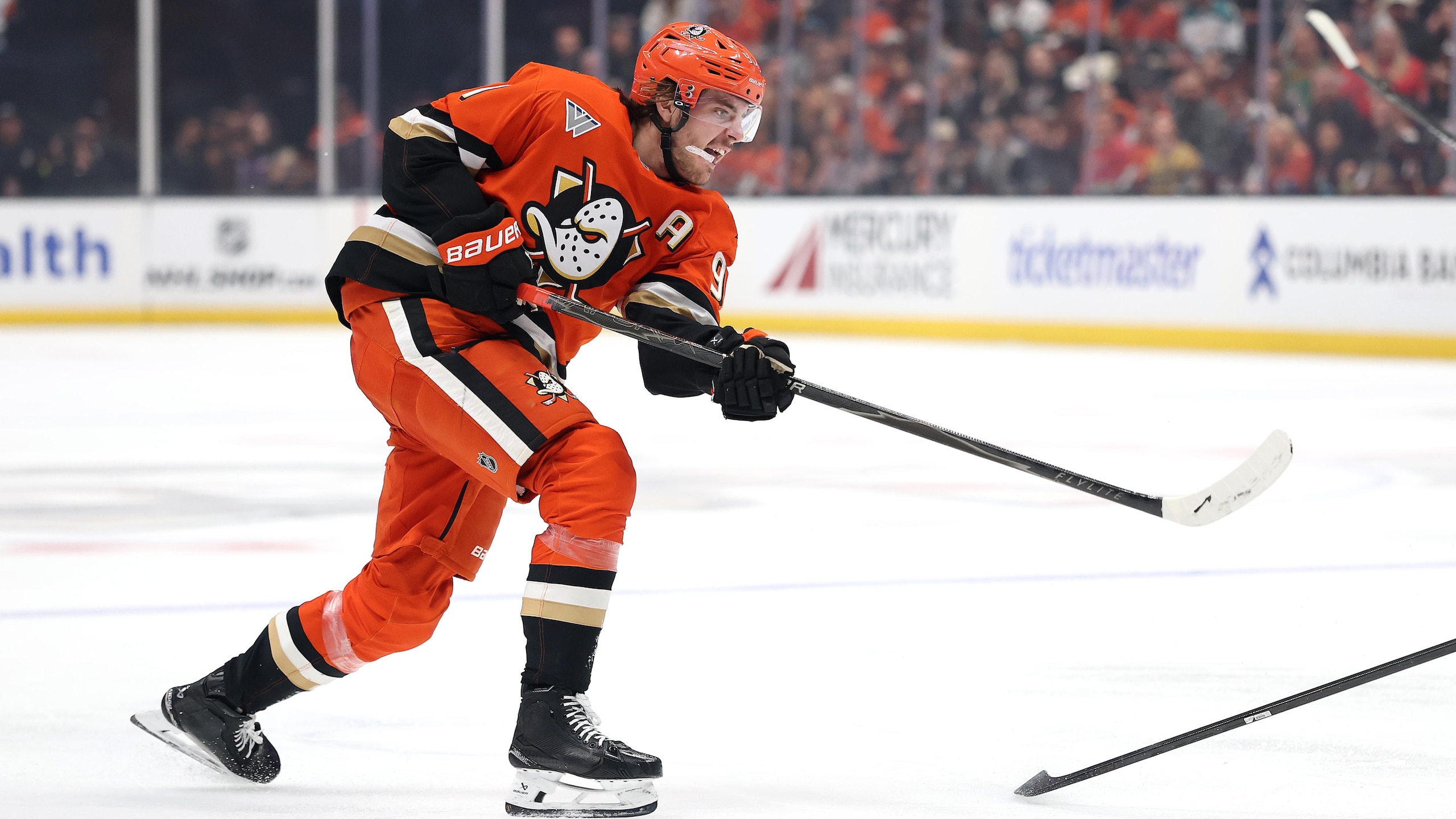
The important thing to remember here is that Leo Carlsson is, in fact, still a member of the Anaheim Ducks, and he will be for the foreseeable future.
It is just going to cost them a lot more money than they originally thought, and they have nobody to blame but themselves.
Specifically, they have nobody to blame for that other than general manager Pat Verbeek.
Verbeek's hardball negotiating tactics with young players came back to bite him again when he was forced to match a five-year, $90 million offer sheet to keep Carlsson from joining the Philadelphia Flyers this offseason.
The mistake here is that he didn't act to get Carlsson signed sooner. Especially when Carlsson flat-out said during the season that he would have been willing to sign a contract worth about $9.5 million per season.
But that's how the Ducks do business under Verbeek. They do business by dragging negotiations out as long as possible, usually deep into training camp and the preseason. It puts the player behind, strains the relationship, and usually ends up with the player being traded anyway (as happened with Trevor Zegras, Jamie Drysdale, and Mason McTavish).
The Ducks have Carlsson, but they have to pay him as the second-highest paid player in the NHL, probably double what they could have had him for had they signed him a year ago, or even during the season, and watched all of their salary cap structure get obliterated in the short-term this offseason.
They had to spend more on Pavel Mintyukov to prevent an offer sheet. They still have to pay Cutter Gauthier with a contract that will probably be larger than anticipated. All because they left themselves vulnerable to an offer sheet and allowed it to happen.
Maybe they will change their ways in the future. They better.
Winnipeg Jets Expected Too Much from Jonathan Toews
3 of 8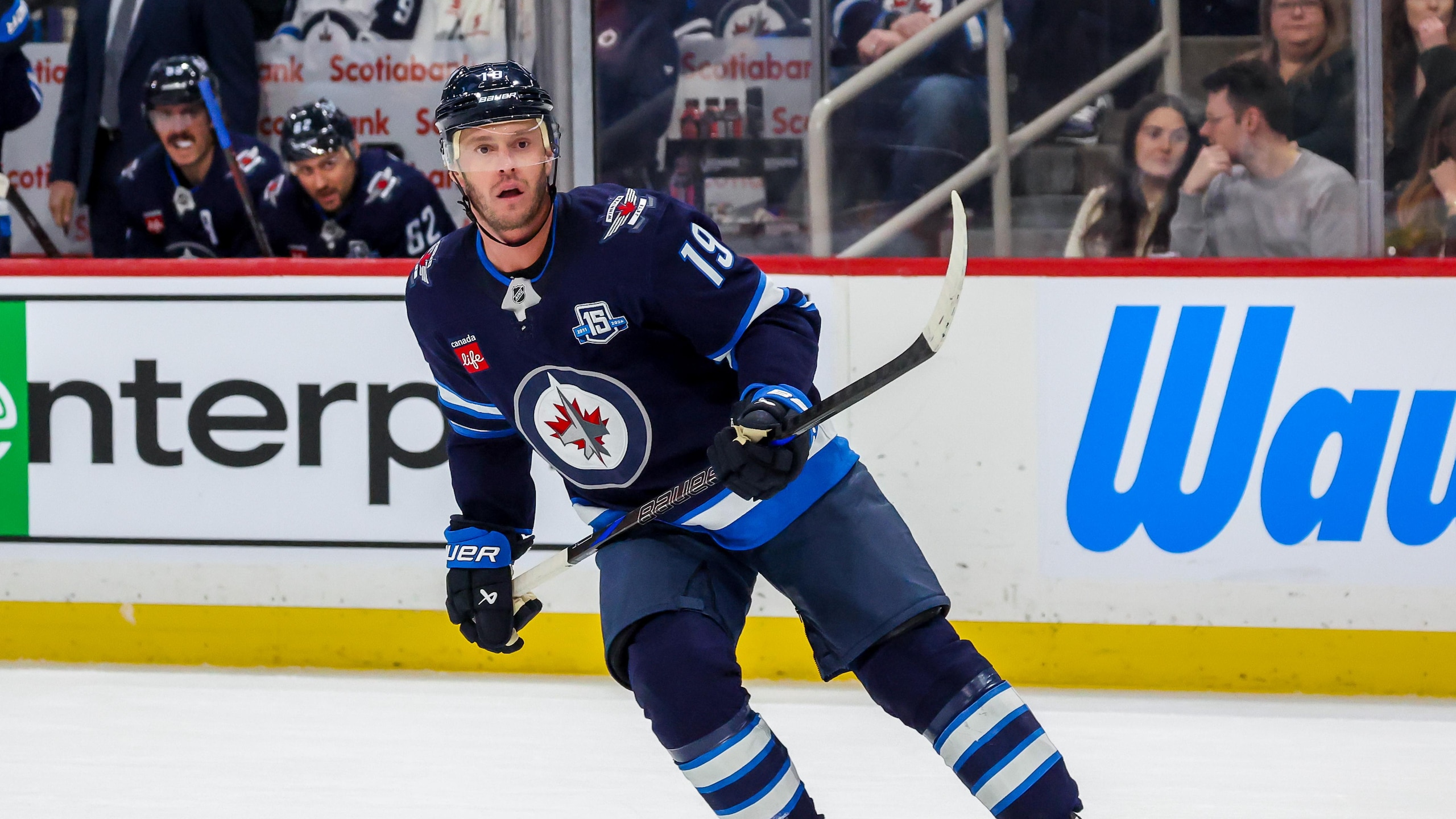
There was nothing wrong with the Winnipeg Jets taking a chance on Jonathan Toews, especially at the price they paid him.
There was no harm in seeing if he still had anything left to offer, and no harm in letting the local kid play for the local team.
Maybe he still had something in the tank.
But it became very clear, very early on, that he did not, and Winnipeg still ended up playing him in all 82 games, and for nearly 15 minutes per game. Only four forwards on the team logged more total ice time all season, and it was just too much and too many minutes for a 37-year-old forward who had not played in the NHL in two years and was not very good when he last played.
Making matters worse is that Toews was one of Winnipeg's only major offseason moves. Combined with the departure of Nikolaj Ehlers in free agency, it was just one of the many moves that took Winnipeg from the Presidents' Trophy to out of the playoffs entirely.

.jpg?w=2560)
John Tortorella's Costly Playoff Choices
4 of 8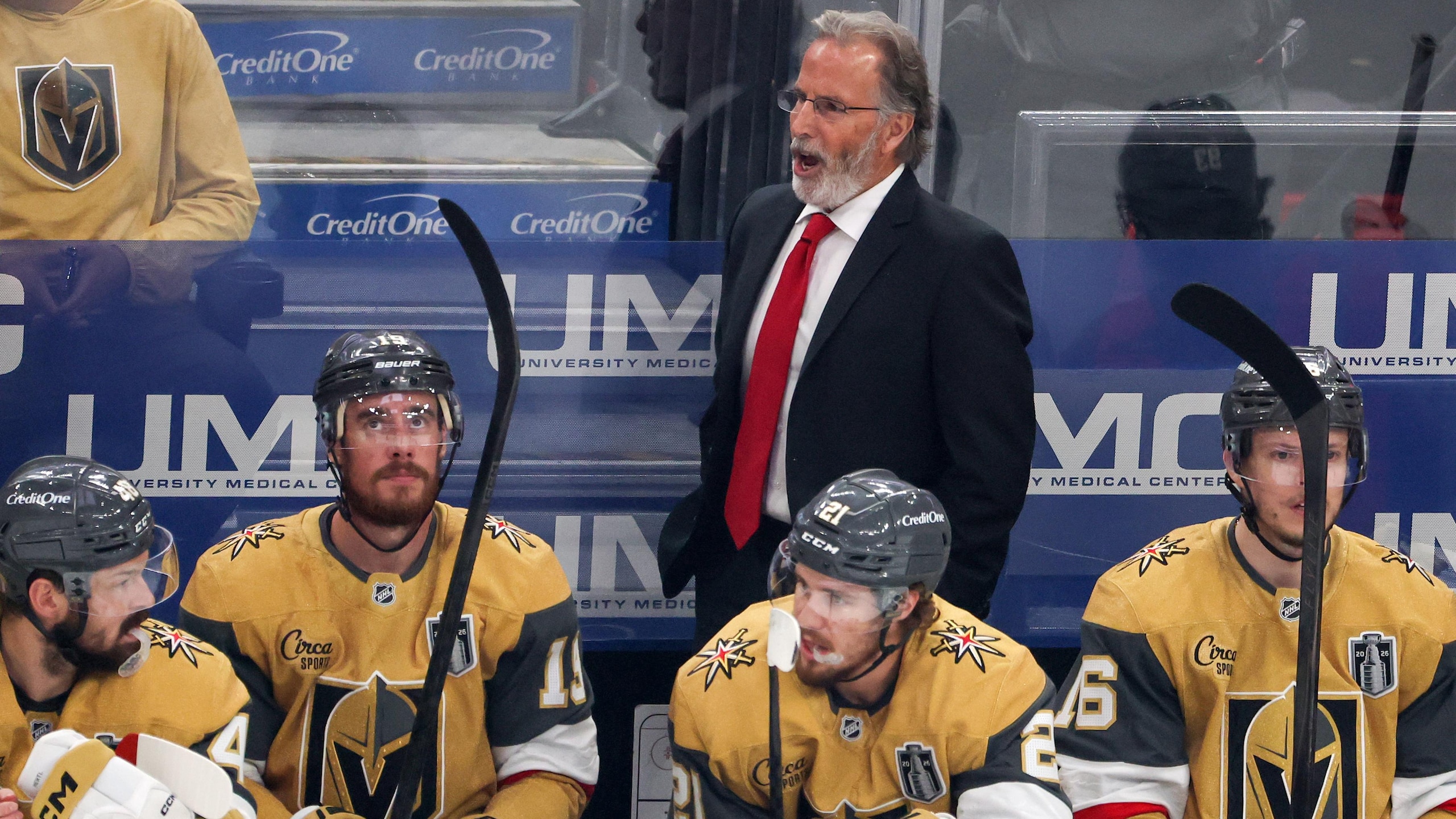
I am not going to go so far as to say that hiring John Tortorella late in the season was a bad idea for the Vegas Golden Knights, because he got them into the playoffs and to the Stanley Cup Final.
That's not just something; it's also a lot.
But that doesn't mean that the experience was perfect, and the fact that Tortorella is not back behind the Vegas bench this season is a testament to that imperfection.
The most costly decision Tortorella made came after their second-round series win against the Anaheim Ducks, when he skipped the post-game press conference, resulting in Vegas losing a second-round pick. While the pick itself probably wasn't going to produce an impact player, it could have been a valuable trade chip going into the offseason. Vegas lost it because Tortorella did a Tortorella thing, was mad about a league decision, and displayed his petulance.
The other curious decision came in the Stanley Cup Final, when he refused to leave goalie Carter Hart despite allowing four goals in each of the first five games of the series and seeing a massive drop-off in his play. Hart struggled during the regular season and was one of the worst goalies in the league when he played before going on a hot streak through the first three rounds.
But that hot streak abruptly ended in the Final, and Tortorella defiantly refused to go to backup Adin Hill despite the fact that he had already won a Stanley Cup for Vegas within the past few years.
Buffalo Sabres Trade Deadline
5 of 8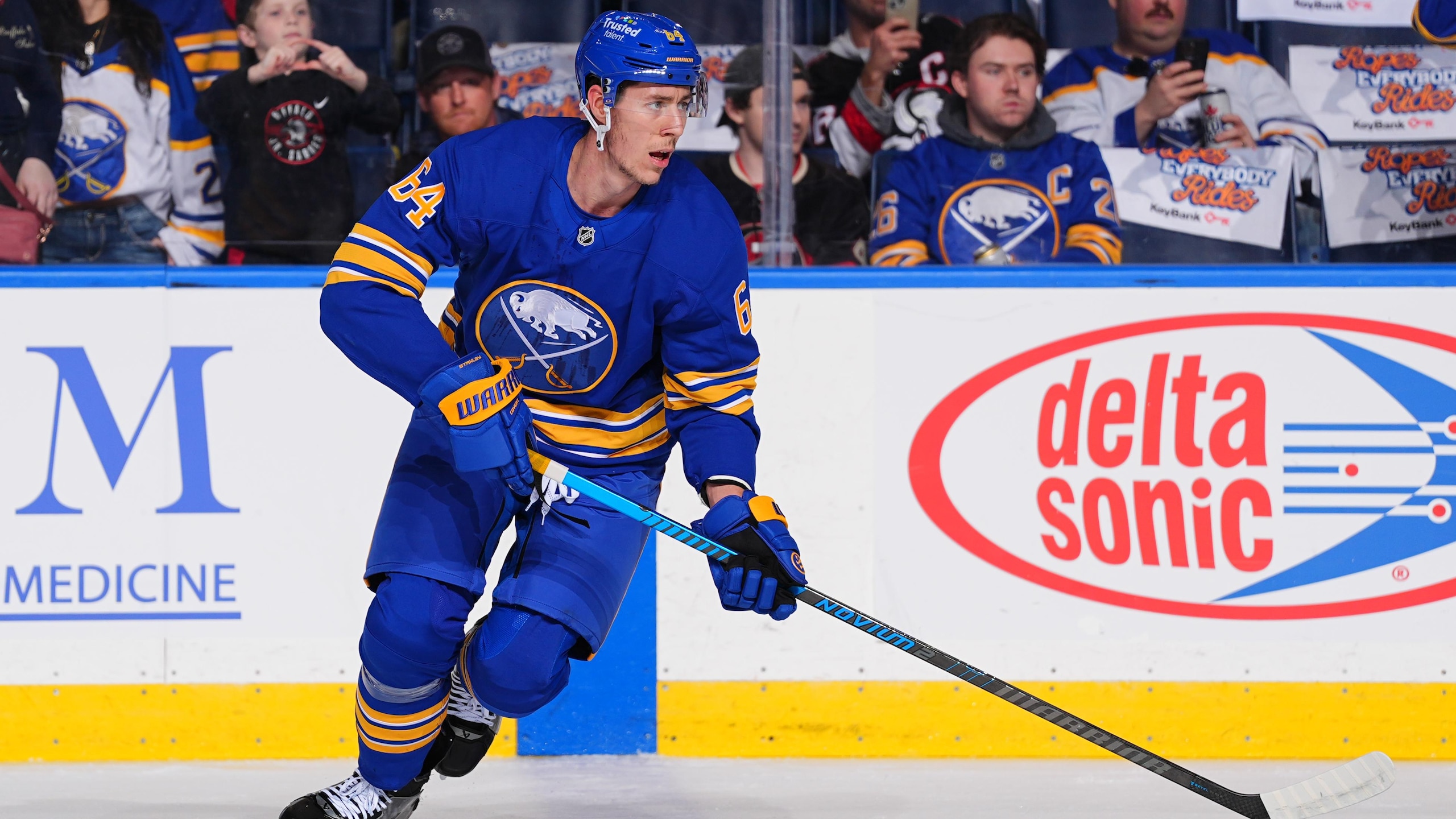
The good news for the Sabres is that after 14 consecutive non-playoff seasons, they finally got things going back in the right direction, made the playoffs, won the Atlantic Division, and were a Game 7 overtime result away from reaching the Eastern Conference Final.
But while a lot of things went right, one of the things that went objectively wrong was the Sabres' trade deadline performance.
After being turned down by St. Louis Blues defenseman Colton Parayko, Buffalo turned its attention to depth pieces like Luke Schenn, Logan Stanley, Sam Carrick and Tanner Pearson. They not only failed to make a major impact; in some cases, they turned out to be a liability.
That was especially true with Stanley, who was the only trade deadline acquisition that played meaningful minutes in the playoffs, and he did not play them particularly well. He logged 88 minutes of 5-on-5 ice time in the playoffs, was outscored by a 1-3 margin, had only a 46.1 percent expected goals share, and only appeared in eight games.
It all just seemed like a big missed opportunity for a team that was played itself into a great position and had a chance to really do something special.
Columbus Blue Jackets Handling of Egor Chinakhov
6 of 8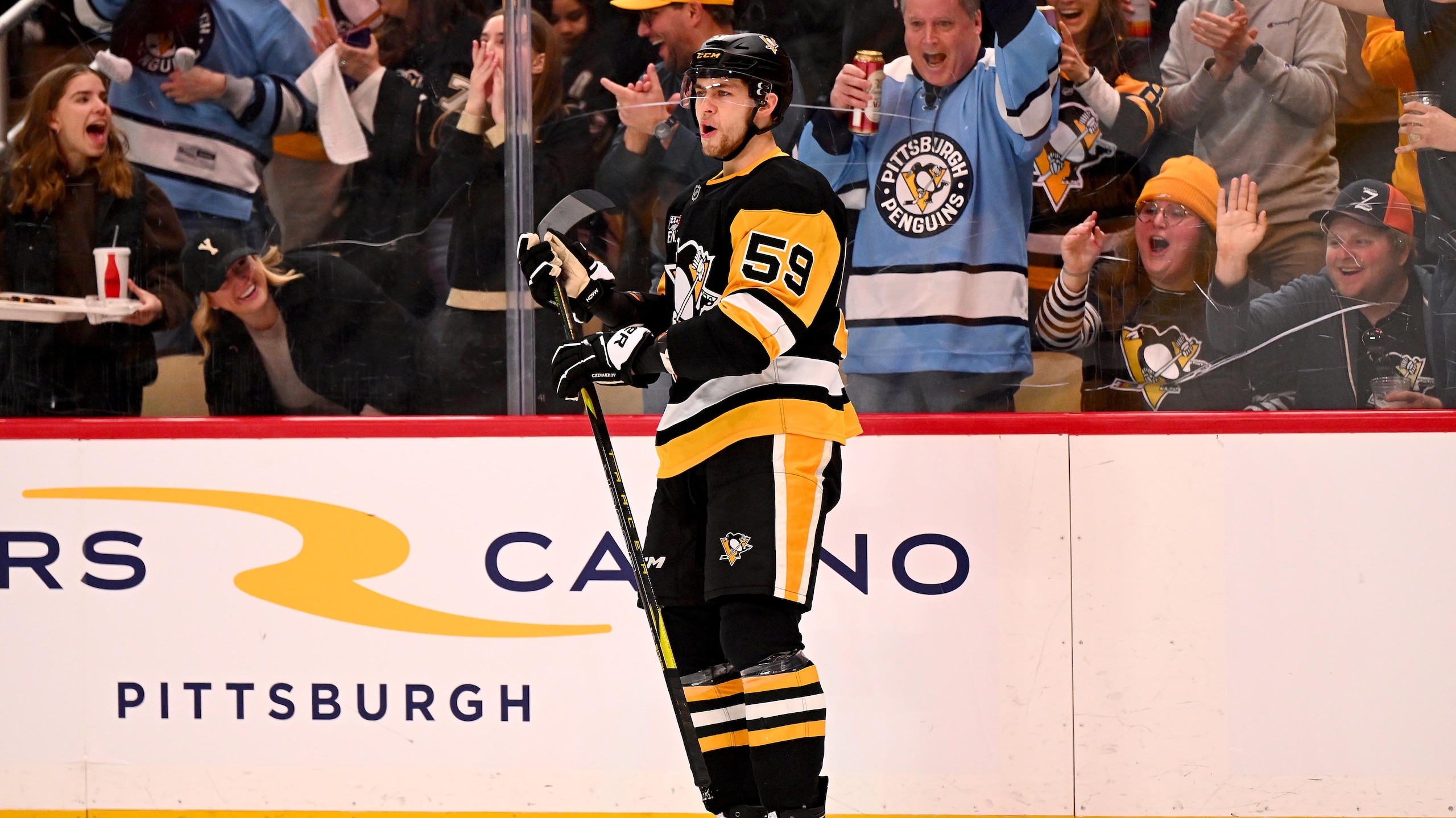
A lot went wrong over the years for forward Egor Chinakhov and the Columbus Blue Jackets.
He had trouble staying on the ice at times.
His all-around game and offensive development were inconsistent.
The head coach who started the season with Dean Evason didn't seem to like or trust him and never utilized him.
All of it led to the Blue Jackets eventually trading him to the Pittsburgh Penguins, a divisional rival, for a couple of mid-round draft picks and veteran forward Danton Heinen.
Almost immediately upon his arrival in Pittsburgh, Chinakhov started to play like a top-line star, not only scoring at a 36-goal pace over 82 games but also showing considerable improvement in his play away from the puck.
He played a major role in the Penguins making the playoffs, while the Blue Jackets ended up fading down the stretch, largely because of their inability to score goals. Now Chinakhov is in Pittsburgh on a three-year contract, while Columbus will have to compete against him and watch as a divisional rival gets a prime-age scorer who seems to be finally realizing his potential.
The Jack Adams Voters
7 of 8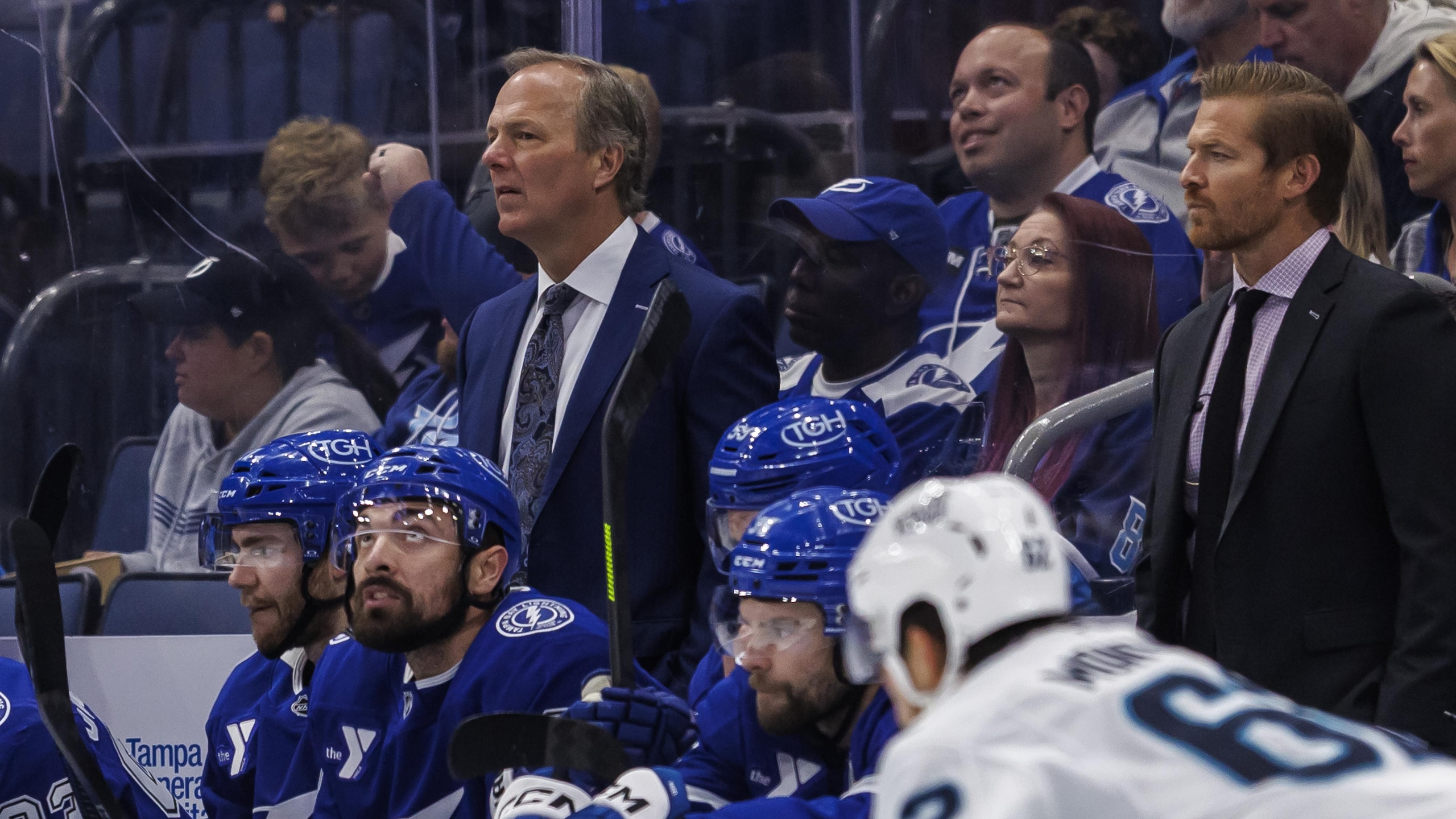
This is not meant to be a criticism of Jon Cooper.
He is an objectively great coach putting together a Hall of Fame resume, and it is probably a failure on the part of the voters that he did not win a Jack Adams Award as the league's coach of the year before this season.
That doesn't mean he should have won it this season.
The decision by the Jack Adams voters (the league's broadcasters) to give it to Cooper for the 2025-26 season felt more like a career achievement award than a reward for the best coaching job in the league.
Tampa Bay did have some injury issues that it had to overcome, including not having top defenseman Victor Hedman for most of the season.
But the Lightning had the league's MVP, Nikita Kucherov.
It had the league's Vezina Trophy winner, Andrei Vasilevskiy.
It had the runner-up for the Selke Trophy in Anthony Cirelli.
There were not only still high-end players on the roster, but also players whom the other voters determined were among the best in the league and the best at their positions.
It was also a team that entered the season with huge expectations and, if we are being honest, probably failed to meet them by not winning the division and again not winning in the playoffs.
That's not to say Cooper did a bad job.
But did he do a better job than Lindy Ruff for the Sabres, ending a 14-year playoff drought and winning their division?
Did he do a better job than Dan Muse, who took a Pittsburgh Penguins team that was expected to be one of the worst in the NHL and took it to the playoffs?
It just seemed like there were potentially better options this season, and that got ignored because everybody decided it was just time for Cooper to win the award. Whether it was actually his year or not.
The Minnesota Wild Not Pushing Harder for a Center at Trade Deadline
8 of 8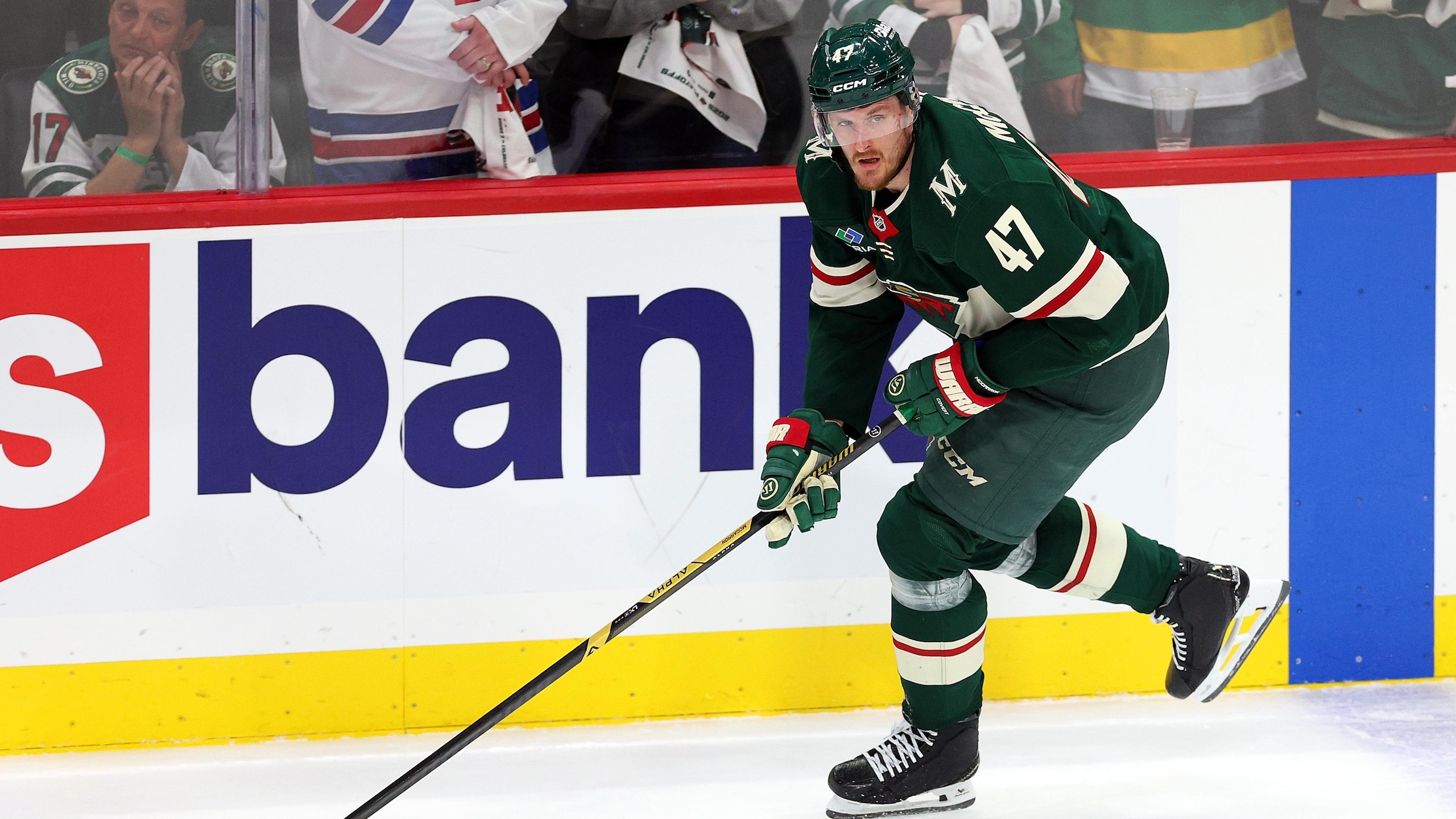
The Minnesota Wild made one of the biggest moves of the 2025-26 season: they acquired defenseman Quinn Hughes from the Vancouver Canucks.
It was a great trade and great value, and gave the Wild another superstar-level player to pair up with forward Kirill Kaprizov. That is the type of 1-2 duo that Stanley Cup contenders are built on, and it moved the needle in a big way for the Wild, not only for the remainder of the 2025-26 season, but also for the 2026-27 season.
The problem for the Wild is that adding a player like Hughes is an "all-in" move and should be accompanied by more "all-in" moves.
For the Wild, that would have been more center depth to give them a bona fide No. 2 center after Joel Eriksson Ek.
The best center they acquired was Michael McCarron, and it was simply not what they needed.
Vincent Trocheck seemed like he would have been the perfect fit, especially given his connection with Wild general manager Bill Guerin and the US Olympic team.
They didn't get him (and they didn't get a center like him after the season), while also watching the Colorado Avalanche acquire Nazem Kadri. It's a major hole the team has that hasn't been addressed enough to put them over the top.

.jpg?w=2560)
.png?w=2560 "B/R CFB Top 25 After Week 7 🔢")

.jpg?w=2560 "AEW WrestleDream Live Grades 🔠")
.jpg?w=2560 "Myles Garrett Got Warning 👀")

.jpg?w=2560 "Ex-NFLer BLASTS Fitzpatrick🤬")