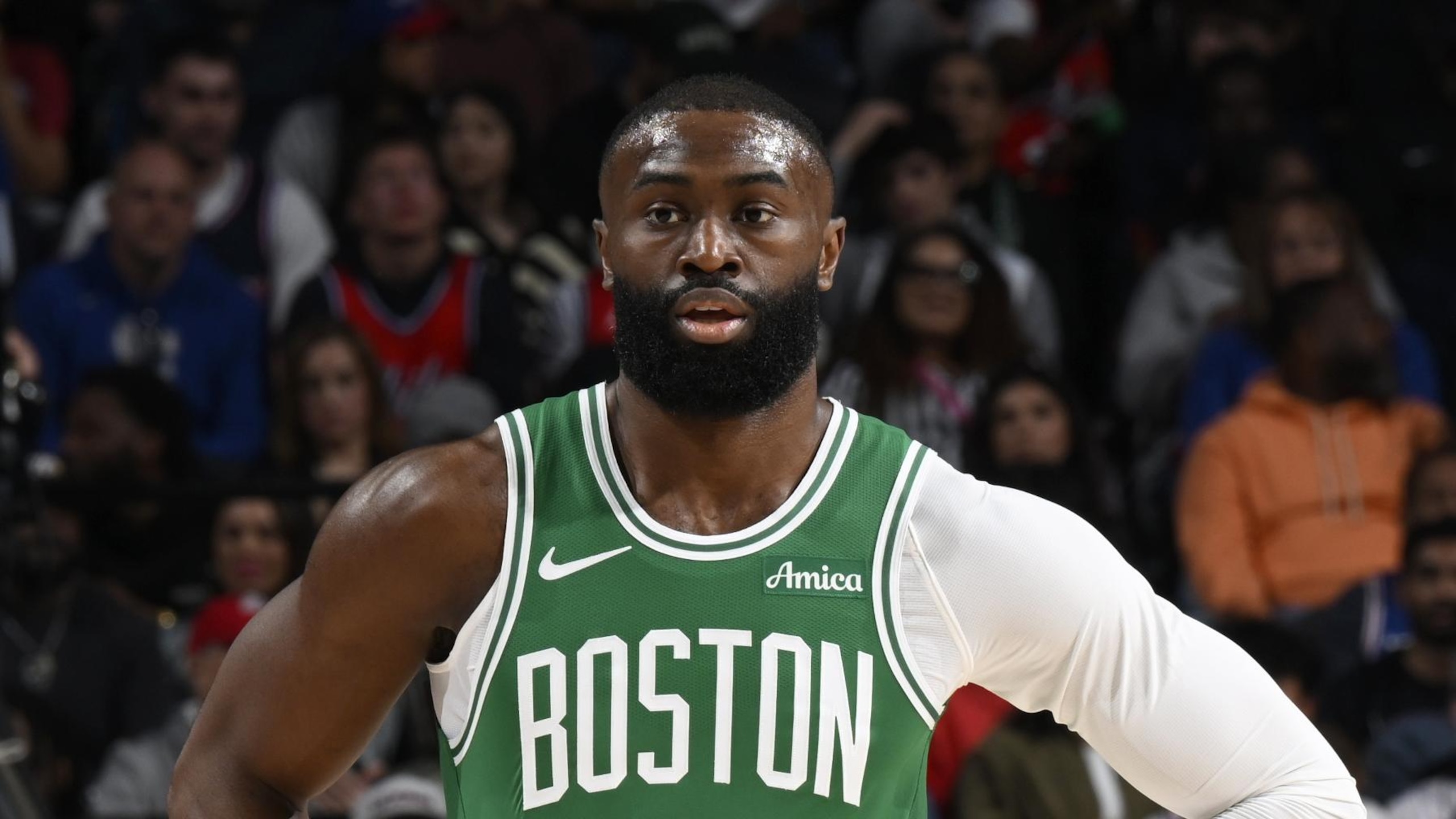


Being "in love with the idea of someone" is a classic romcom cliche. And that concept is at the heart of the widespread reaction to the Boston Celtics' Jaylen Brown trade.
It isn't Brown himself who generated the swell of anger that swept over the internet. It's the perception that the 29-year-old is a superstar.
To this point in his career, even after a campaign that led to erroneous claims that he should win the MVP, he just doesn't fit that characterization.
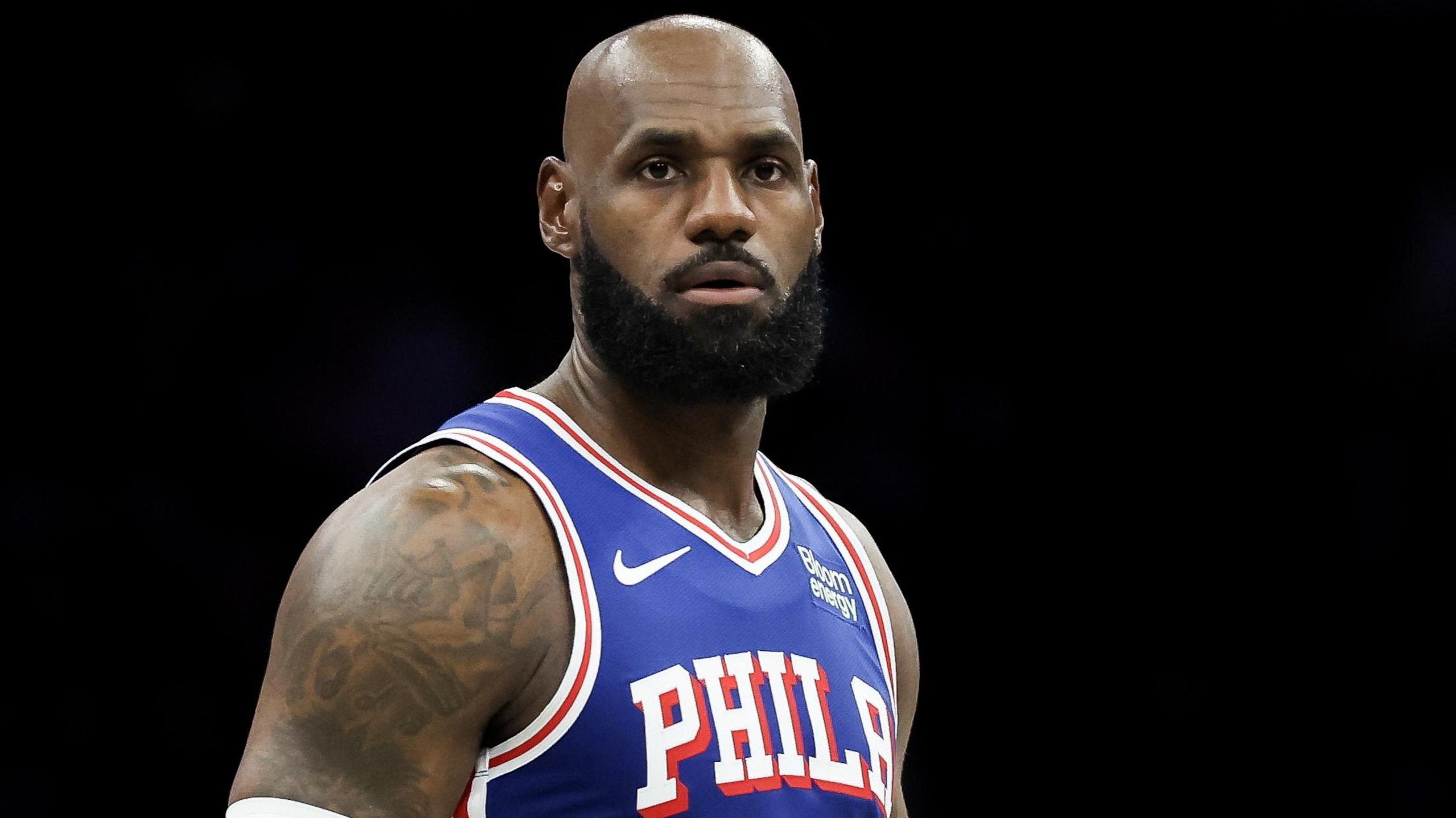

The return Boston got for him in this trade is only the latest bit of evidence.
An aging, oft-injured and bad contract-saddled Paul George, two first-round picks and two second-round picks sounds like a bad return, if you're talking about a superstar.
It's really not if you have a realistic view of Brown.
He was fourth in the league in points per game in 2025-26, but he also led it in total shot attempts, had a below-average true shooting percentage and often took a bad shot instead of keeping the ball moving in search of a better one.
His playmaking struggles have to be mentioned, too. Brown was tied for third in turnovers per possession. And when you combine turnovers and missed shots per possession, he trailed only LaMelo Ball.
But that's only part of why Boston's point differential has been worse with Brown on the floor in each of the last four and six of the last eight seasons.
That swing, believe it or not, has had more to do with the Celtics generally surrendering more points per 100 possessions when Brown plays.
Defensive numbers are famously noisy, and rating swing has a lot to do with lineup combinations. But when it's consistently bad for nearly a decade, it says something.
Regardless of what's driving the impact, there's no getting around the fact that it exists. And again, it's been a negative one for most of the last eight years.
That may be part of why Boston reportedly didn't even view Brown as its best player last season.
Apparently, much of the league felt similarly; if it hadn't, some other front office would've beaten the offer Philadelphia used to win this sweepstakes.
Plenty of teams could have. None of them did. By implication, that was the choice that 28 NBA front offices made.
Catch-all metrics still suggest Brown was a top-20-ish player last season, but he's paid like a perennial, no-brainer All-NBA player through 2028-29 (when he's set to make $65 million) and statistically hasn't driven winning to the degree his salary suggests he should.
When you zoom out, it's really not that difficult to see how teams might view that contract as a bad one.
Of course, Brown can prove the Celtics and the small handful of numbers-happy analysts arguing in favor of this trade wrong.
He's headed to a team with one of the most exciting young backcourts in the league. Tyrese Maxey and VJ Edgecombe will command a ton of defensive attention. Brown will often be left to attack the opposition's second or third best perimeter defender. In the games Joel Embiid plays, he'll obviously pull defenses away from the outside too.
That could all lead to Brown enjoying plenty of open looks, attacking in space and potentially having a little more energy to expend on the defensive end.
More All-Star appearances are likely in his future. More All-NBA nods could be too.
But Boston is making an informed bet here.
It's saying that the 2024 championship had more to do with the culture, the system and Jayson Tatum than it did Brown (the 2024 Finals MVP may not age as poorly as Andre Iguodala's has, but Tatum topped Brown in Finals box plus/minus and game score).
It's taking the opportunity to swap Brown's contract for one that ends a year earlier (and maybe even two years early on the off chance Paul George declines his 2027-28 player option).
It's taking multiple first-round picks that could either be used to draft young talent or attached to trade offers for other stars.
This move makes the Celtics more flexible, and it doesn't necessarily kill their short-term prospects either.
In the nine years Brown and Tatum have been teammates, Boston has played 11,062 regular season and playoff minutes with the former off the floor and the latter on. The Celtics are plus-8.9 points per 100 possessions in those minutes. For context, the Miami Heat were plus-10.1 points per 100 possessions when LeBron James and Dwyane Wade shared the floor from 2010-11 through 2013-14.
Tatum, the system and culture that have made Boston so good during his career and Joe Mazzulla are all still in place. Mitchell Robinson, one of the best offensive rebounders in the league, has joined them.
George, who shot 39.2 percent from three and has a worlds-better assist-to-turnover ratio than Brown, will be more amenable to a complementary role. He won't put up raw numbers as big as Brown's, but he'll help. Mazzulla will find the right use for him.
In the East, this is still a title contender.
Brown played an integral part in the Celtics' success over the last decade, but this trade confirmed he was far from the biggest one.
.jpg?w=2560 "Bears Edge Suspended for PED Violation")
.jpg?w=2560 "Report: Rams Changing Kickers 😬")
.jpg?w=2560 "Buzz: Browns Shopping Jeudy")
.jpg?w=2560 "Jerry Defends Dak Heckler")
.jpg?w=2560 "Breaking News")