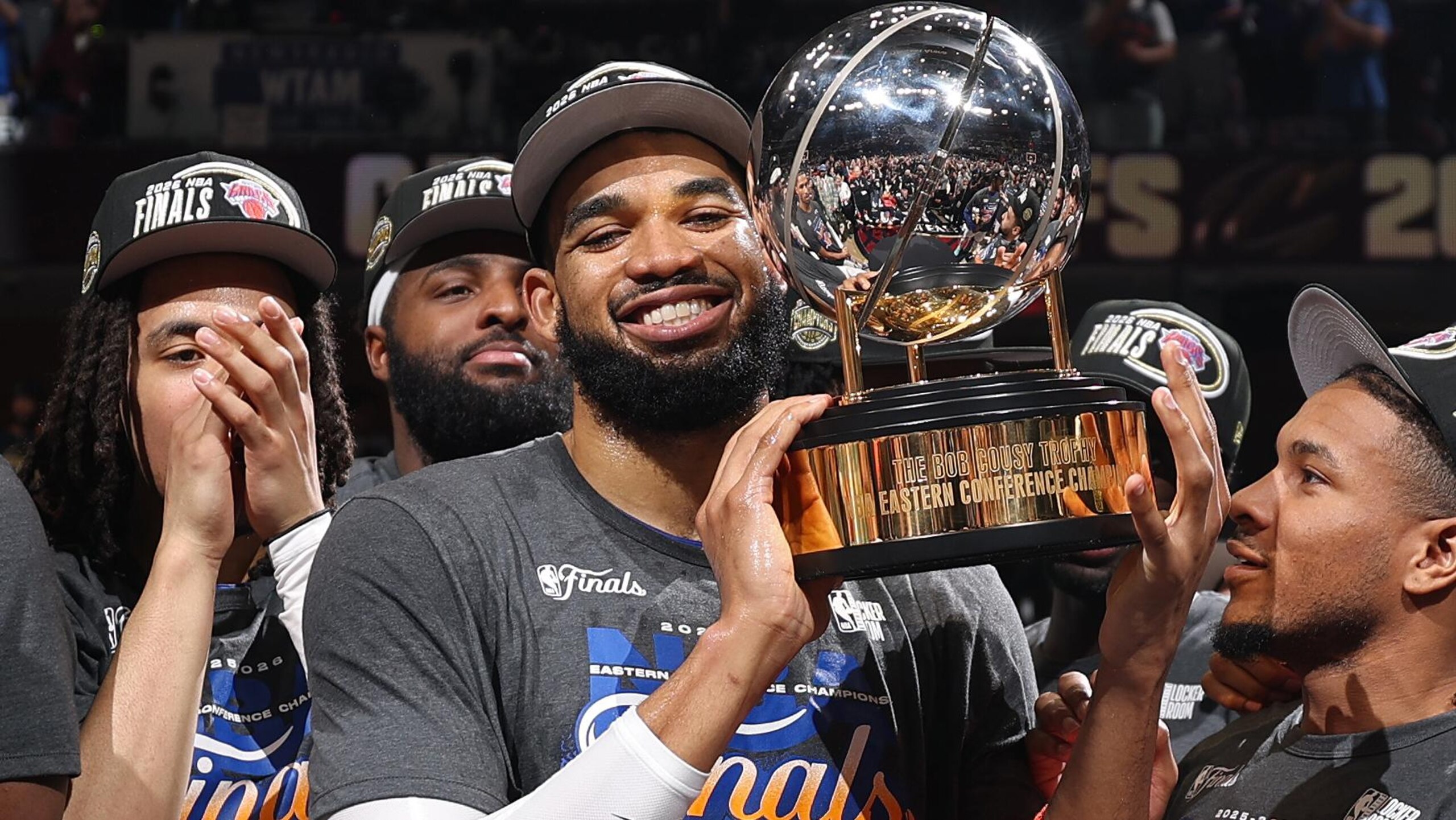


The New York Knicks are NBA champions for the first time since 1973.
Allow ample time for that to sink in. The immaculate vibes and champagne cannot, will not and should not stop flowing anytime soon.
Still, winning the title doesn't exclude teams from navigating the offseason transaction and decision-making cycles.
Sure, the scope and scale of what the Knicks must consider has changed. Nobody should be clamoring for them to pursue Giannis Antetokounmpo or another star.
But from contract situations to roster needs, they do have a handful of items that must be effectively addressed if they're going to defend their throne in 2026-27.
3. Nail the No. 24 Overall Pick
1 of 3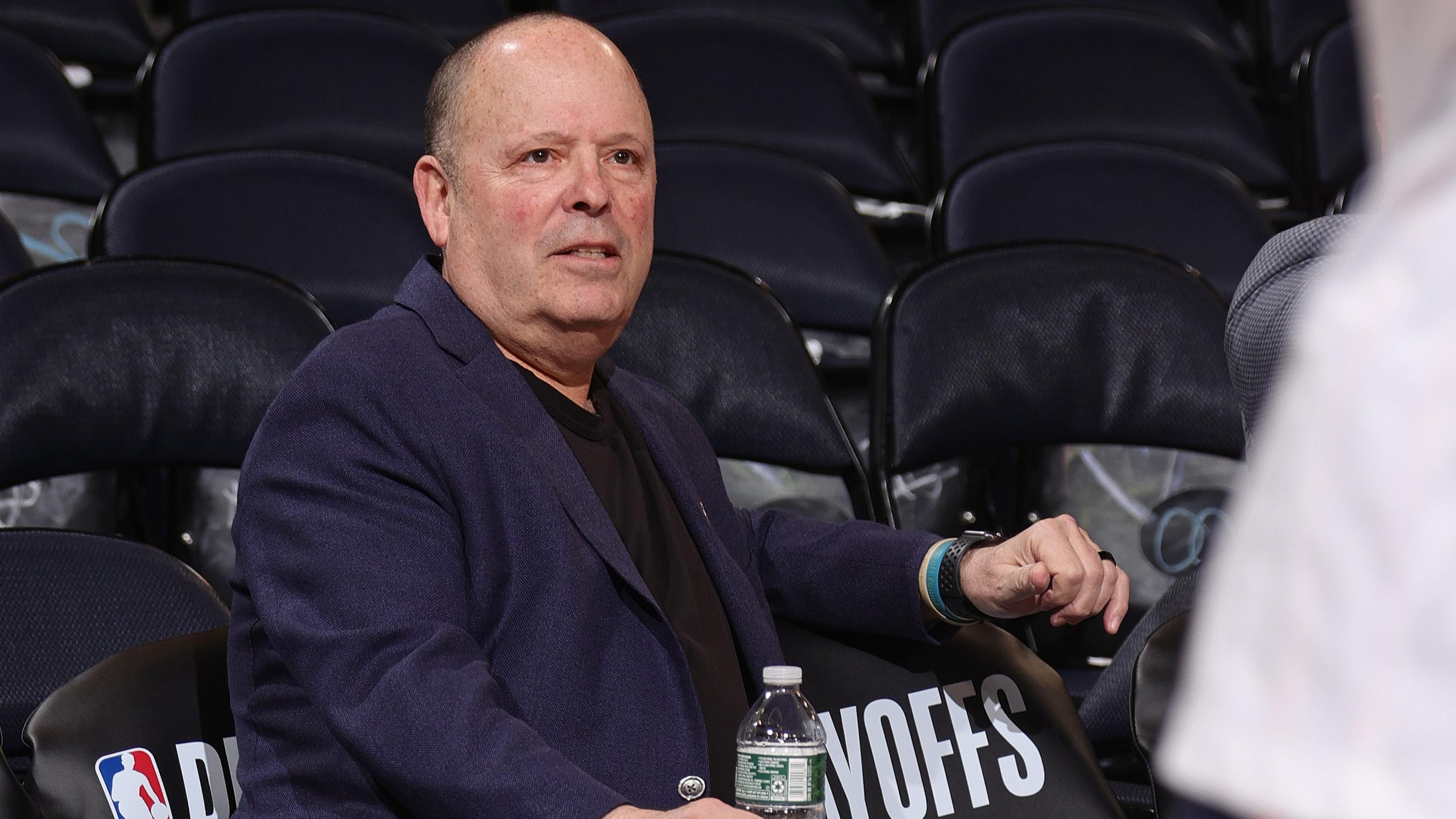
Hitting on first-round picks is important for every team scheduled to go on the clock. It's especially critical, though, for ultra-expensive squads who won't have the tools to make meaningful upgrades.
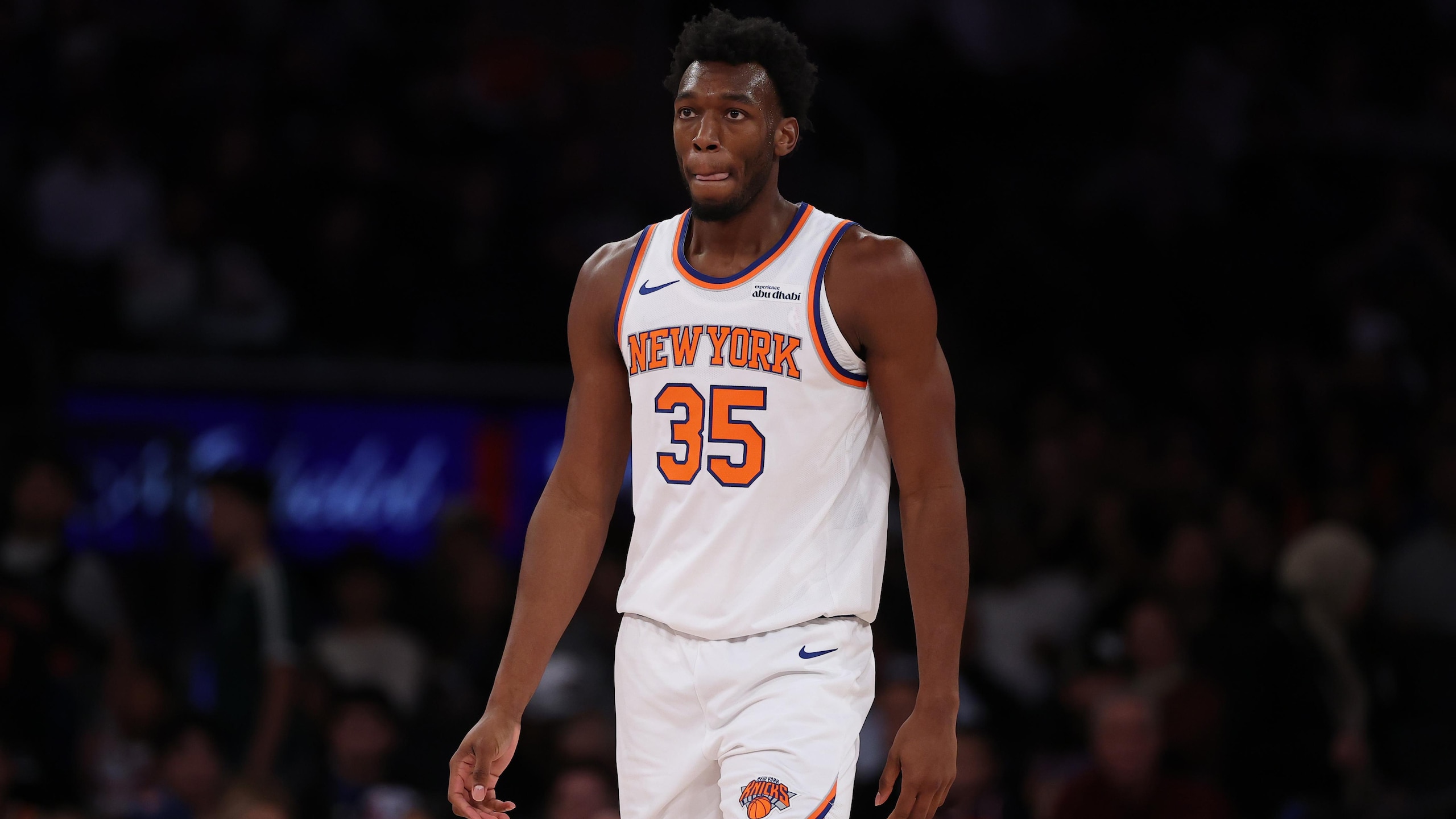
New York is reportedly prepared to enter the second apron as it prepares for Mitchell Robinson, Landry Shamet, Mohamed Diawara (restricted) and Jose Alvarado (player option) to enter free agency. That's encouraging if you're worried about talent retention. It also prevents the front office from using the mini mid-level exception, aggregating salaries in trades and taking back more money than they receive in deals.
Hence the importance of No. 24. Anyone selected will be on the books for under $4 million. And while contenders don't often lean on rookies, the Knicks showed a willingness to have Diawara, last year's 51st overall pick, gobble up regular-season reps.
Bleacher Report draft guru Jonathan Wasserman has them taking Arkansas combo guard Meleek Thomas in his latest mock. That makes sense if they are worried about losing Alvarado or Deuce McBride (2027 free agent) and don't have faith in Tyler Kolek.
Targeting a big man could take priority, too. There will be a clear need at backup 5 if Robinson leaves. Even if he stays, his scattershot health and free-throw shooting warrant upgrading the third-string spot from Ariel Hukporti. Houston's Chris Cenac Jr., Kentucky's Jayden Quaintance and Italian prospect Luigi Suigo are names to watch in this range.
The Knicks shouldn't be above looking at combo wings, either. They employ the most desirable trio in the league thanks to OG Anunoby, Mikal Bridges and Josh Hart but don't have a ton of properly sized depth behind them. Texas' Dailyn Swain is giving yours truly Kyshawn George-meets-less-athletic-Nickeil-Alexander-Walker vibes and could be available when New York is on the clock.
2. The Future of Karl-Anthony Towns and Deuce McBride
2 of 3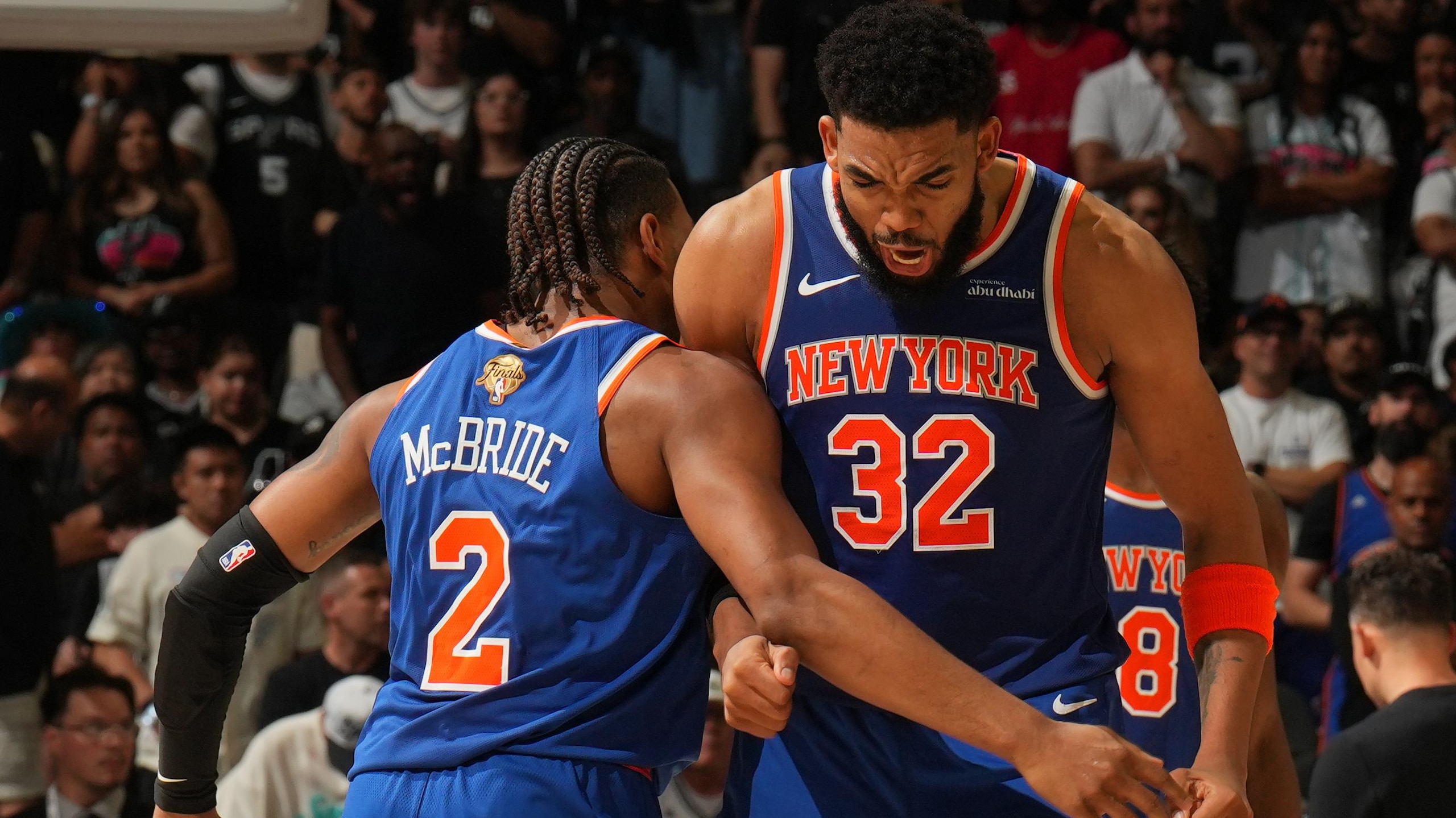
Here is the full list of Knicks players who will be extension eligible ahead of next season:
- Tyler Kolek (as of Jul. 6)
- Deuce McBride (as of Jul. 6)
- Karl-Anthony Towns (as of Jul. 6)
- Jose Alvarado (as of Aug. 6, if player option is exercised)
- Josh Hart (as of Aug. 10)
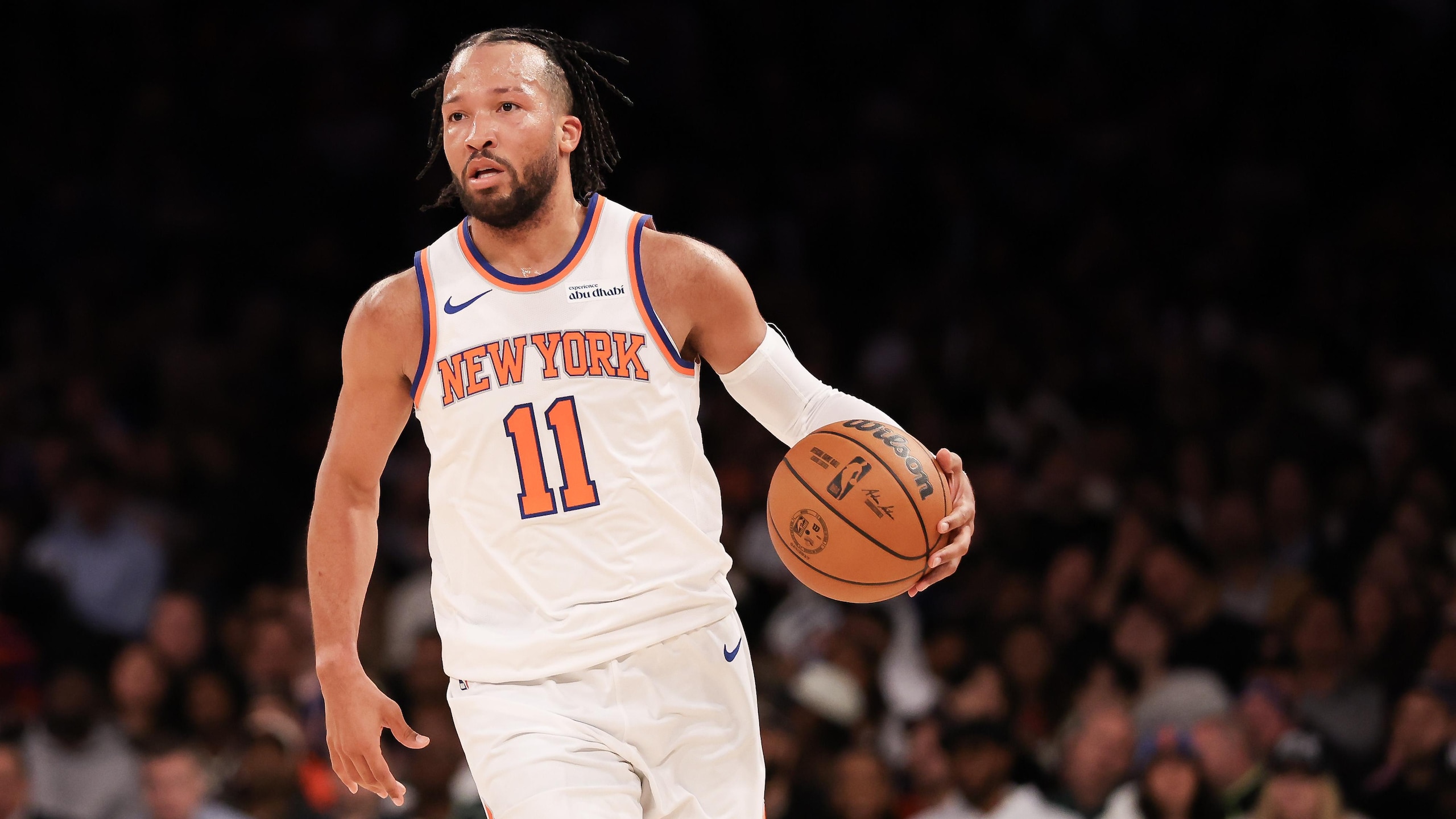
Karl-Anthony Towns (2027-28 player option) and Deuce McBride loom as the most pressing cases as prospective 2027 free agents and top-seven members of the rotation. Hart can be a free agent next summer as well, but the Knicks have a team option on him for 2027-28.
McBride is eligible to sign for up to four additional years and $90-plus million (105 percent of the league's estimated annual salary). His spotty shooting in the Finals may have cost him some money, as could the 11th-hour emergence of Alvarado. But as a three-and-D off-guard who can spare OG Anunoby and Mikal Bridges from too much point-of-attack defensive duty, the Knicks should consider pouncing on a palatable enough number.
Meanwhile, KAT can sign an extension worth up to four years and a projected $273-plus million if he declines that 2027-28 player option. The idea of lengthening his contract seemed absurd just a few months ago. Not anymore.
If anything, his extension eligibility is the most urgent of all. Not only has he proven to be a quasi-Victor Wembanyama foil, but the Knicks should be trying to lower his cap number as they get more expensive.
KAT is currently on the books for $57.1 million in 2027-28. If he declines that option and the Knicks go out the full four years, taking him through his age-35 campaign, he might be willing to significantly lower his annual average cap hit in exchange for the additional three seasons of security.
1. Determining the Value of Their Own Free Agents
3 of 3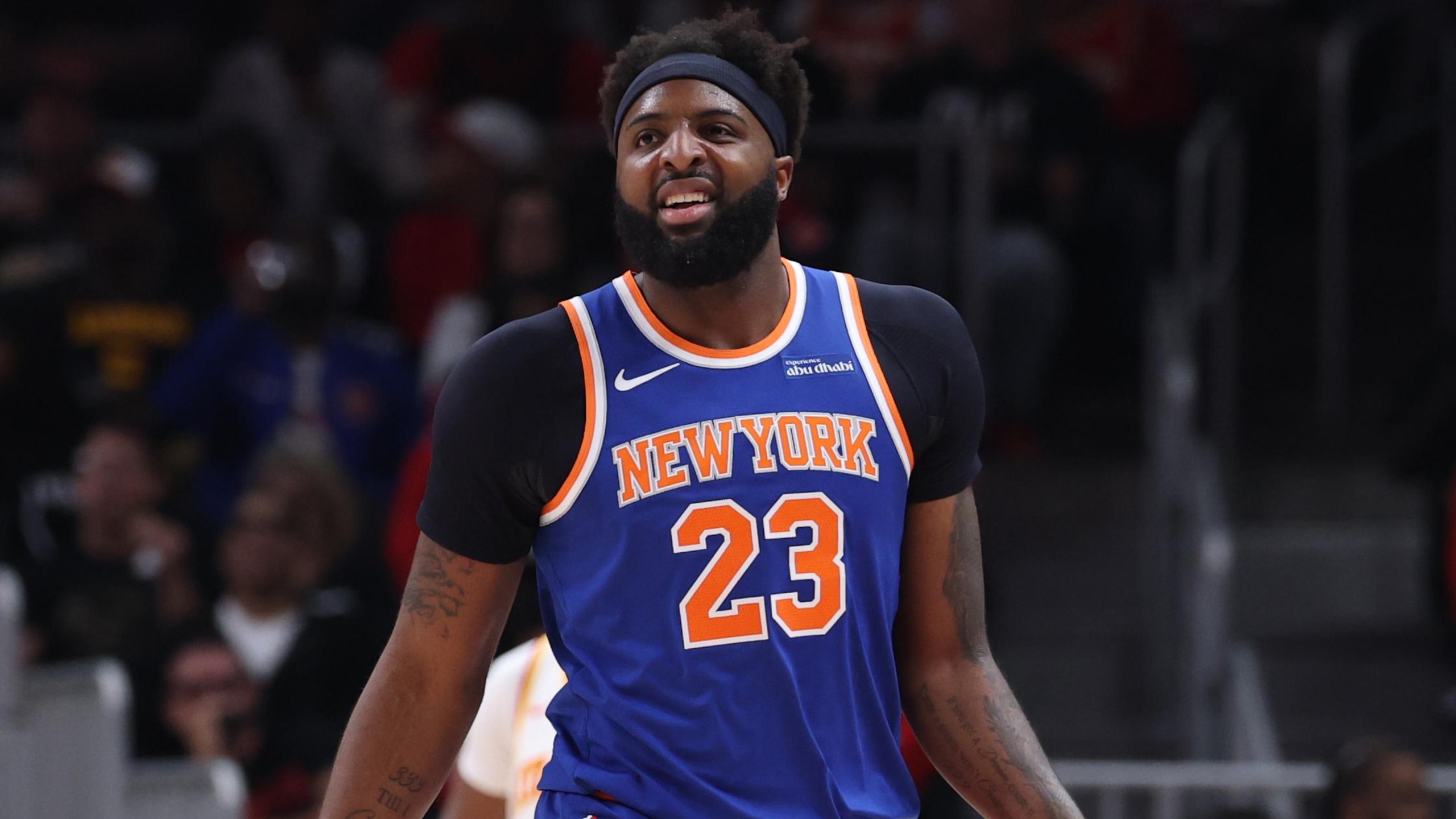
Here are the Knicks' most notable free agents this summer:
- Mitchell Robinson (full Bird)
- Landry Shamet (Early Bird)
- Mohamed Diawara (restricted; non-Bird)
- Jose Alvarado (player option; full Bird)
- Jordan Clarkson (non-Bird)
The Knicks have the ability to offer everyone other than Clarkson starting salaries worth non-taxpayer mid-level money $15 million or more. That is enough organizational control for them to bring everyone back if they so please.
Yet, while the Knicks are prepared to enter the second apron, every team has their limits. They could quickly reach theirs when you factor in the financials.
Assuming Jose Alvarado declines his player option, the Knicks will have about $17.5 million in room beneath the second apron. But that only includes eight players under guaranteed contract, plus their No. 24 pick.
Re-signing Robinson alone could take them past the second apron. From there, if Alvarado and Shamet command $8 to $10 million per year, New York's payroll and general inflexibility will be through the roof.
Robinson's free agency is the pivot point. The Knicks have to decide whether a backup big who will probably never average more than 20 minutes per game in the regular season or 15 minutes per game in the playoffs is worth north of $15 million per year.
Though the offensive rebounding, defensive versatility and physicality he provides is undeniable, this is a question with an uncomfortable answer if the Knicks aren't willing to pony up for him and also pay both Shamet and Alvarado.
Perhaps winning the title emboldens the Knicks to shell out whatever it takes to keep the band together. But the Leon Rose-led front office has an obligation to juggle this year's banner with long-term viability—a responsibility that could lend itself to tough exits inside the middle of the rotation.
Dan Favale is a National NBA Writer for Bleacher Report. Follow him on Bluesky (@danfavale), and subscribe to the Hardwood Knocks podcast, co-hosted by Bleacher Report's Grant Hughes.
.jpg?w=2560 "🚨 Davante Out 6-10 Weeks")
.jpg?w=2560 "Tank Dell Playing Sunday 💯")