
David Benavidez is the Rightful New Face of Modern Mexican Boxing and Should Face Canelo Alvarez
The building told the story before the first bell.
T-Mobile Arena on Saturday night was a sea of red, white, and green—the kind of crowd that doesn't just attend a fight but inhabits it, making the air inside an arena feel different from the moment the doors open.
The majority were there for David Benavidez, the 29-year-old Phoenix product of Mexican descent who has spent the better part of a decade doing everything asked of him and a few things that weren't.
TOP NEWS
NFL Season Shaping Up To Be Unpredictable 🗣️
.jpg?w=2560 "Texans Titans Football")
Cam Ward Says He's Not A Loser
.jpg?w=2560 "Lions Cardinals Football")
Viral Dan Campbell Presser 💙
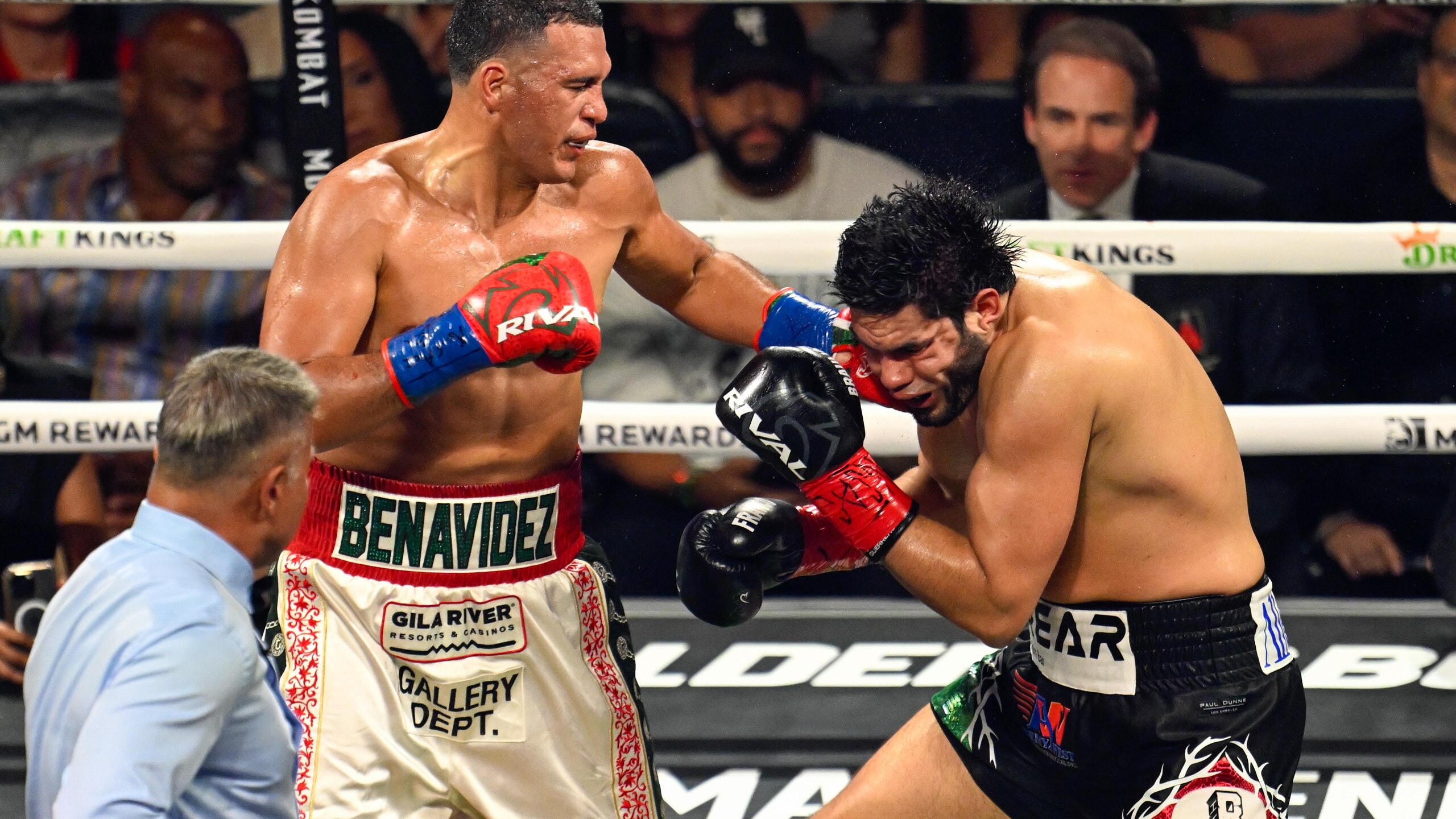
On Saturday, he did something that hadn't been done before.
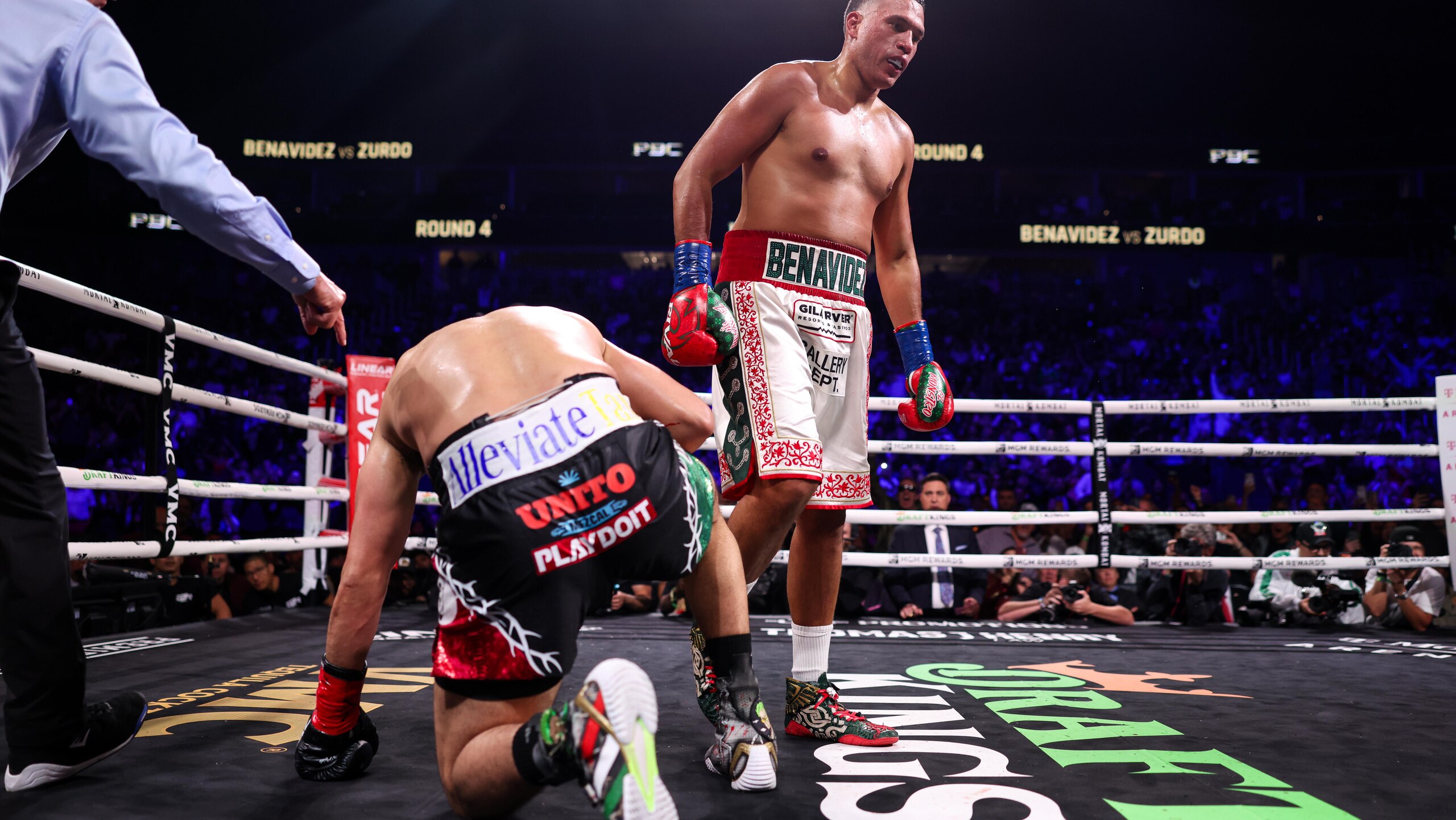
By stopping Gilberto Ramirez—a fighter with one loss in 49 professional bouts who'd never been knocked down before Benavidez introduced him to the canvas—in the sixth round, he added a cruiserweight crown to titles previously claimed at super middleweight and light heavyweight. Three divisions. Three titles. The first Mexican or Mexican-American fighter in history to accomplish it at those weights.
Say that slowly, because it deserves the room.
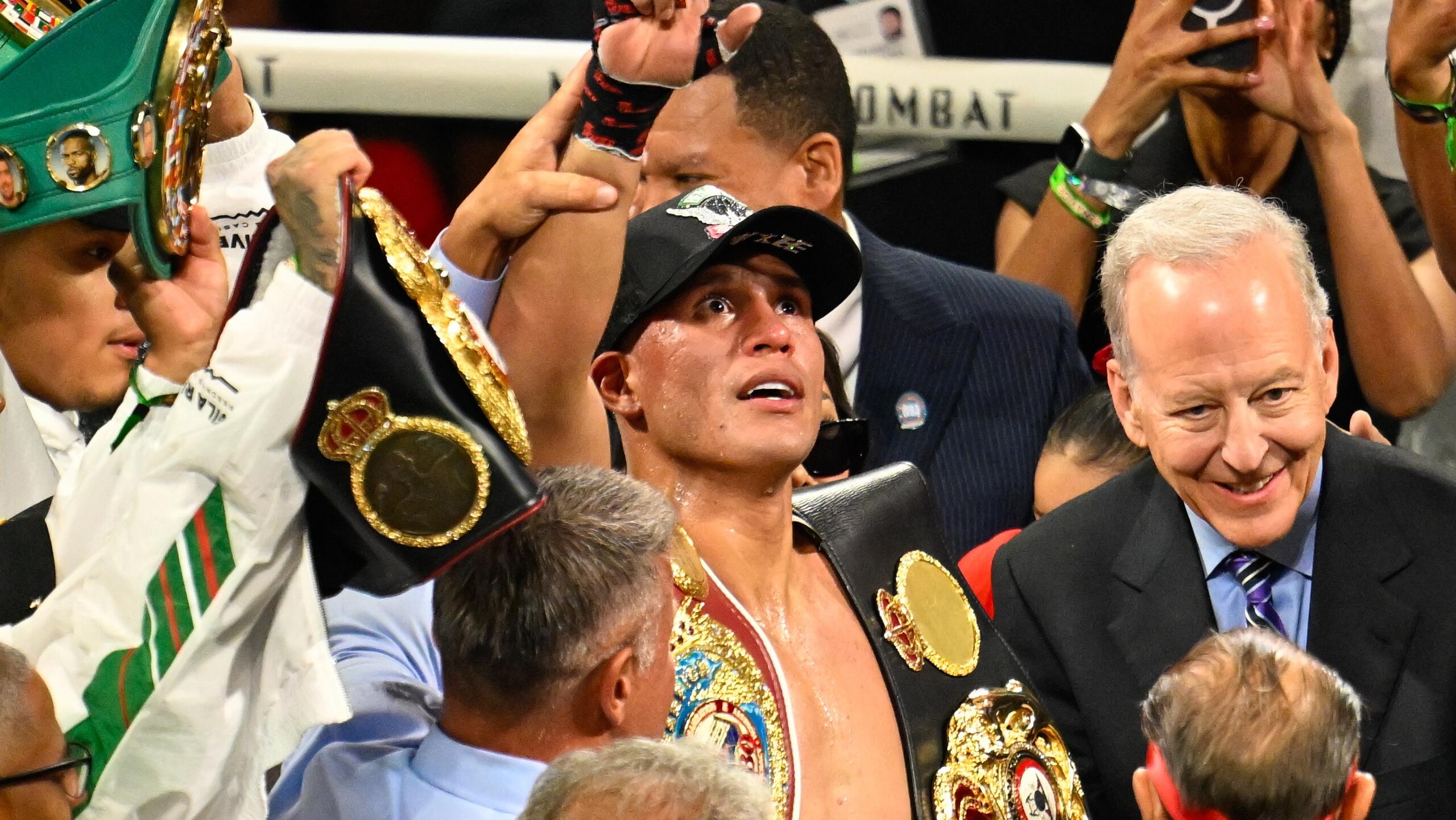
The first. Ever.
He is 32-0 with 26 knockouts. He is 29 years old, with his 30th birthday not arriving until December. His last nine fights have included a run at 175 pounds with a unanimous decision over once-beaten former champion Oleksandr Gvozdyk, another unanimous nod over a previously unbeaten and still-reigning David Morrell Jr., and a more decisive dismantling of Anthony Yarde than either of the claimants Yarde had previously faced managed. He was elevated to the WBC's full light heavyweight title between the Morrell and Yarde wins and immediately announced his intention to push further, because waiting around has never been his style.
His story has not been without turbulence. Two reigns as the WBC's super middleweight champion ended not with losses but with a failed drug test in 2018 and a weight miss in 2020—self-inflicted wounds that damaged his reputation and handed critics ammunition they've been reluctant to put down. But he's rebuilt methodically, professionally, and with the kind of sustained excellence that has a way of quieting the most persistent skeptics.
The resume speaks for itself at this point.
What it also speaks to, loudly and unmistakably, is the reality that the fighter who's been most deservedly identified as the face of Mexican boxing has spent the last several years finding other things to do on the nights Benavidez was available.
Canelo Alvarez was ringside Saturday—there to watch foe-turned-protege Jaime Munguia on the undercard—and had left the area by the time Benavidez was done making his case in the main event. He didn't immediately respond to Benavidez's post-fight remarks, which included a direct appeal to the crowd: "I see Canelo in the building. Let me ask the fans this: Do you want to see Canelo vs. Benavidez? Enough said. We can't leave that fight on the table. I respect him. He's a great champion, but I'm a great champion, too."
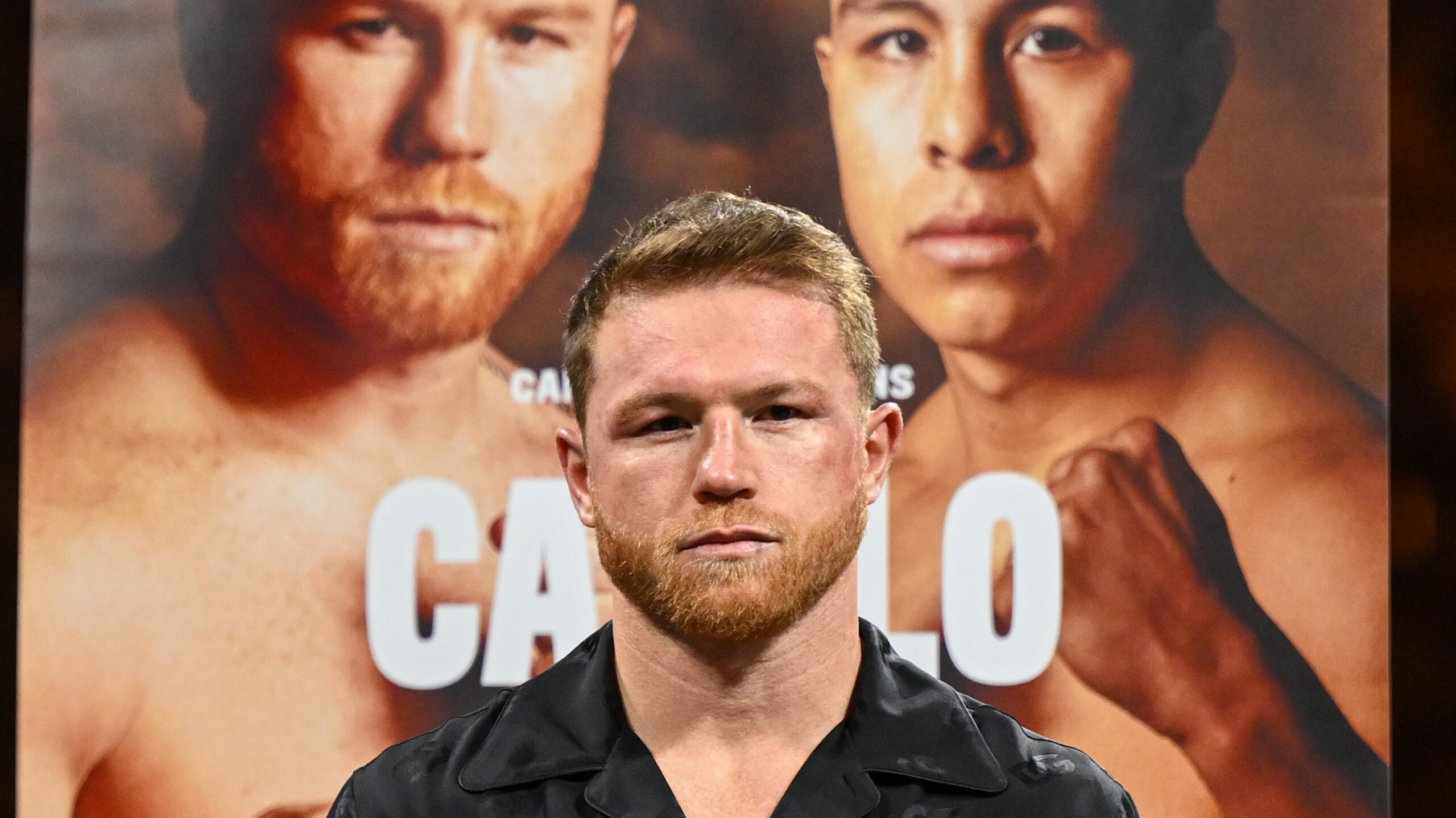
The crowd's answer was not ambiguous.
Whether Canelo's will be is another matter. I asked two International Boxing Hall of Fame journalists—Jim Lampley and Kevin Iole—whether a legacy consideration might finally move the needle for Alvarez, now that Benavidez has won three titles and the consensus has hardened that Canelo has been the one steering clear.
Lampley was characteristically direct. "It's very clear which fighter gains the most public esteem advance from a win," he said. "So, if you are Canelo and you don't really need more public esteem, you do it only if the money is still a prime motivator. There are lower-risk fights you can take. Why take on the most dangerous puncher in the game?"
Iole was equally unsparing. "There is little to no chance they fight now," he said. "Benavidez is a big cruiserweight, and Canelo is still competing at 168. And in my view, it's not a coincidence they didn't fight. It was a conscious choice by Canelo."
The view from inside the ropes is no different. Billy Lyell fought professionally for a decade and challenged for the IBF middleweight title in 2010. He didn't mince words.
"There is zero percent chance Canelo will fight him," Lyell said. "Benavidez is a different breed, and I think Canelo knew that for a long time. Now that Benavidez has fought at cruiserweight, there is a below-zero chance of it happening. He is a monster—a gym legend. He punishes his sparring partners, and the stories about his sessions are well established in the boxing community. Canelo is older now. God bless him, he fought a lot of great fighters and didn't duck many. But he did duck Benavidez."
So the question answers itself. Even if no one in Canelo's camp says so out loud.
Benavidez has chased greatness by every available measure—moving up in weight, seeking out the unbeaten and the decorated, delivering on the biggest stages his side of the sport has offered. He has done the things that build legacies. He has done them without the fight that would have defined one.
And he has done them without waiting for permission.
The fans in that building Saturday night weren't there for a contender or a near-miss or a what-if. They were there for their champion—three-division, first-ever, undeniable.
The face of Mexican boxing is 29 years old, unbeaten in 32 fights, and just getting started.
Canelo's silence, at this point, is its own kind of answer.
.jpg?w=2560 "Broncos Chargers Football")